Neutral Color Runner Rugs
Elevate your home’s style with Neutral Color Runner Rugs, the perfect addition to hallways, entryways, and other narrow spaces. These versatile rugs blend seamlessly with a variety of decor themes, offering a timeless foundation that enhances any room. Whether you're looking to add warmth underfoot or create a cohesive flow throughout your space, Neutral Color Runner Rugs provide an effortless way to update your interiors. Explore a wide selection of sizes and textures designed to suit every taste and layout.
Sort

Understated texture that makes narrow spaces feel finished
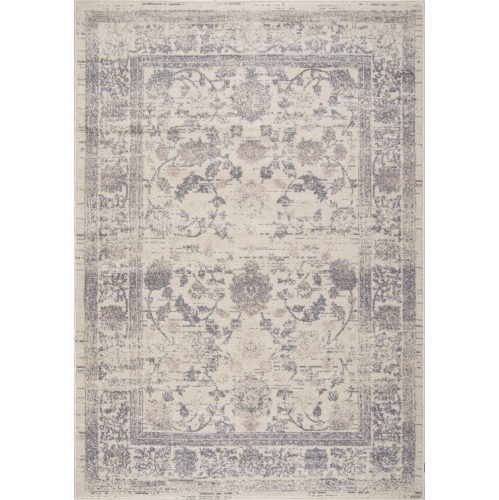
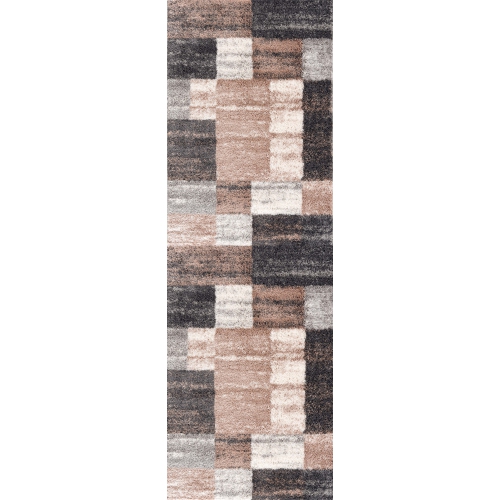
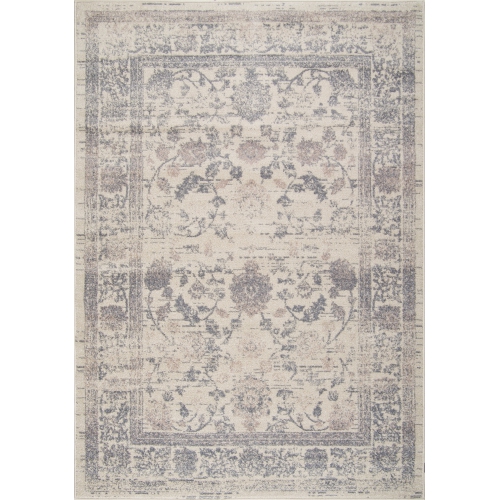
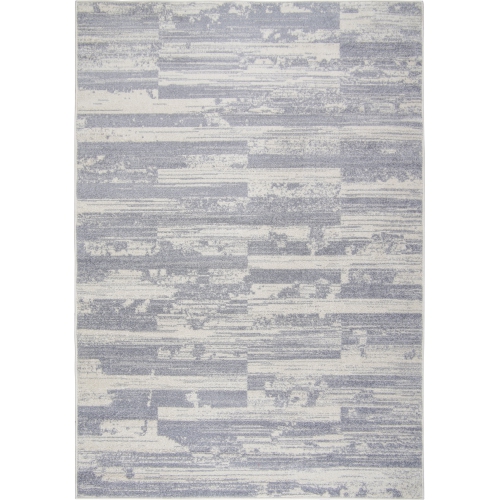
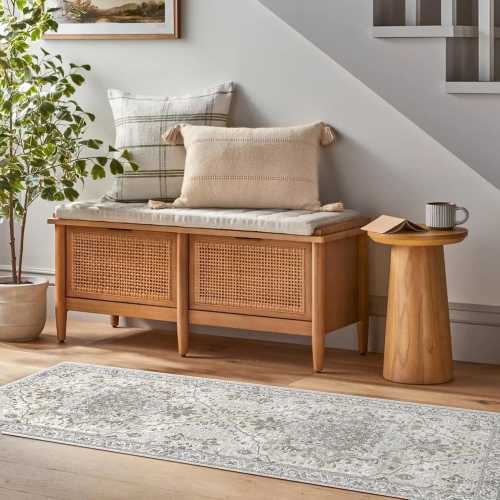
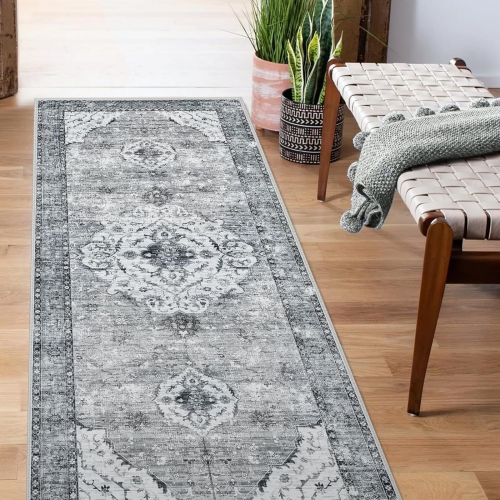
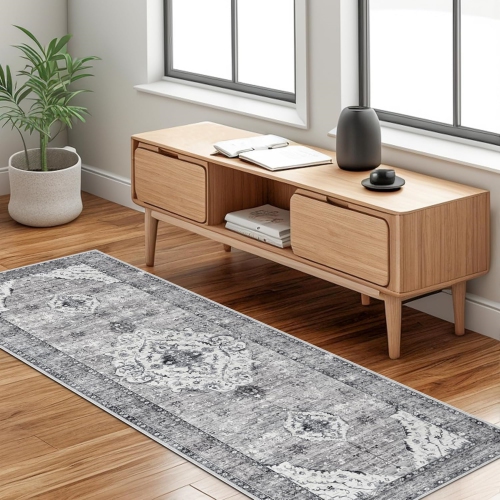
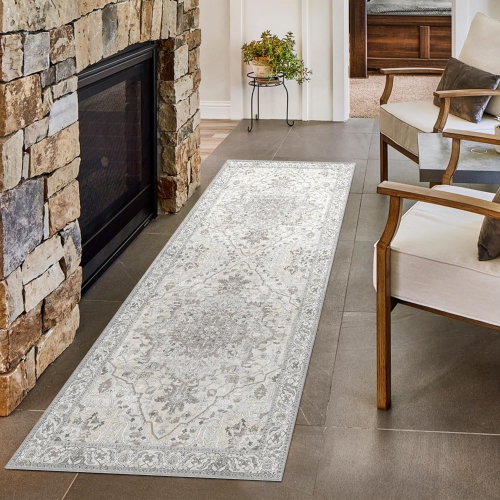
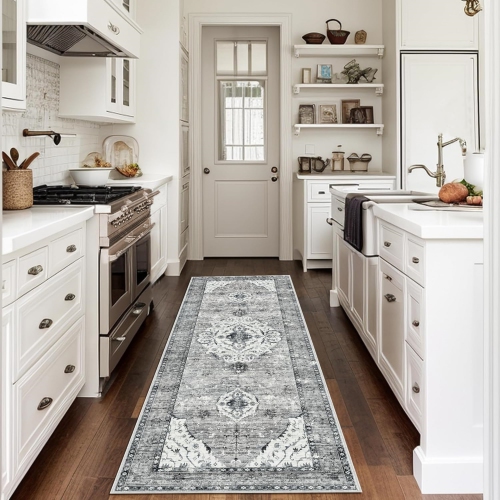
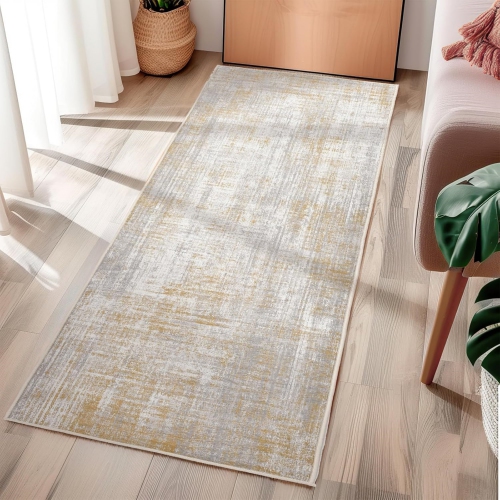
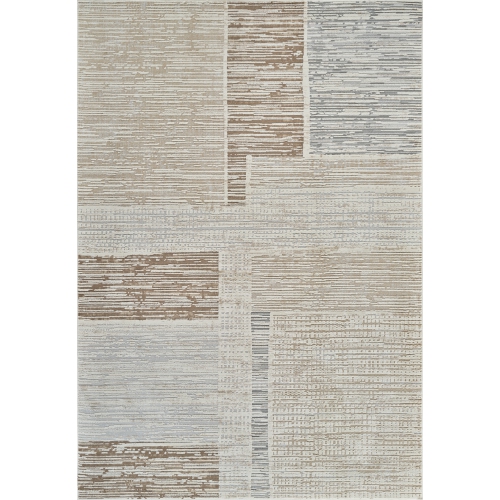
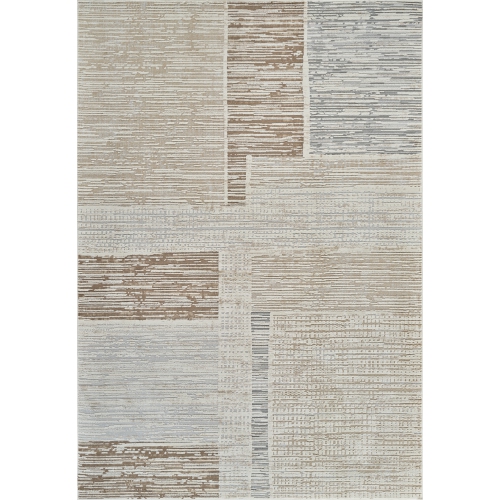
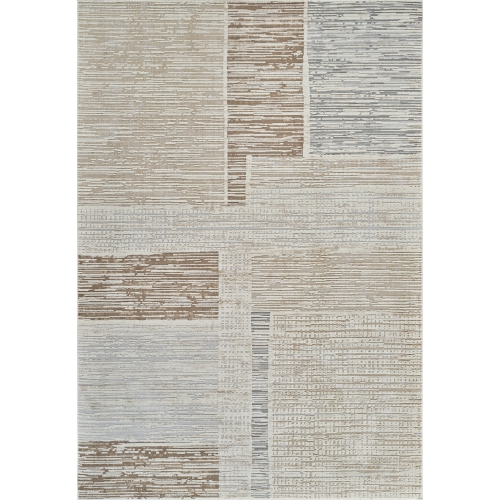
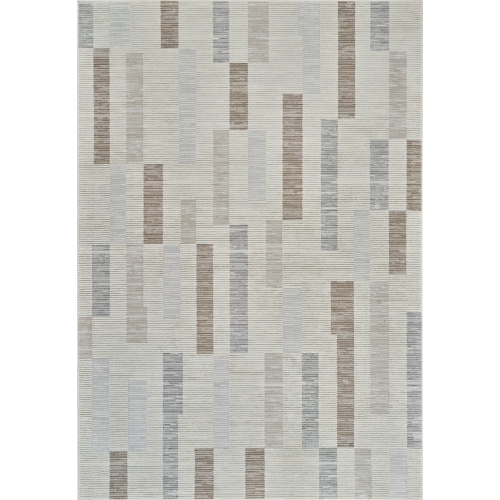
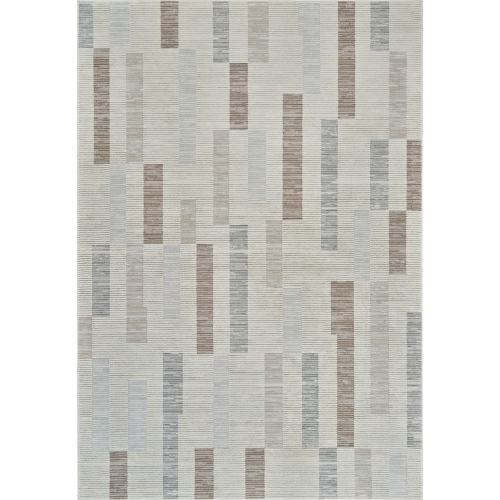
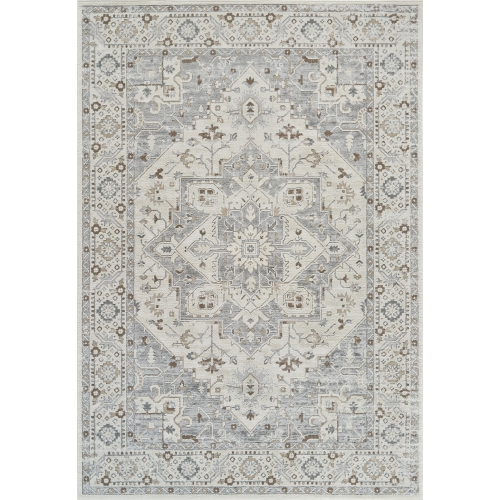
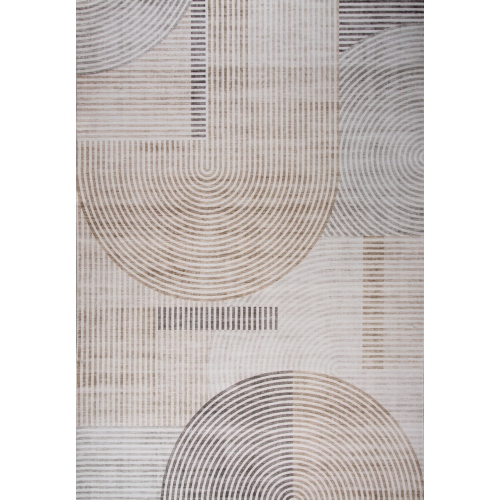
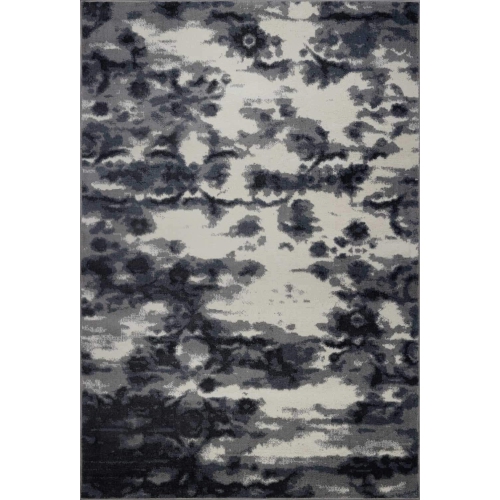
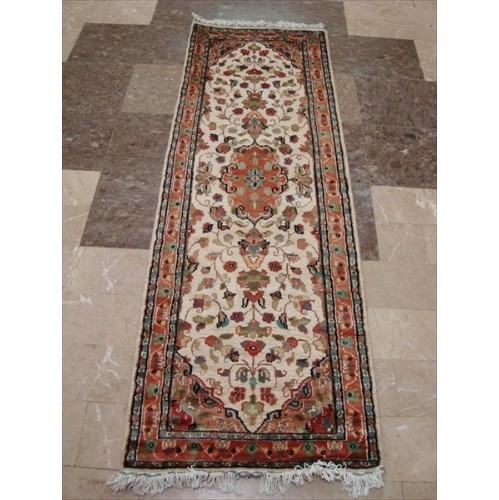
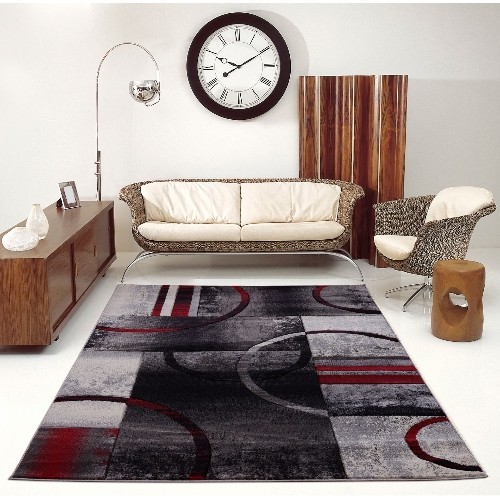
Neutral colour runner rugs bring softness, texture, and a sense of continuity to narrow spaces without making the floor the centre of attention. Their long, rectangular shape suits hallways, entryways, galley kitchens, and the open strip of floor beside a bed, where a larger area rug may feel crowded or interfere with furniture. Shades such as ivory, cream, beige, taupe, greige, and soft grey work with a wide range of finishes, from pale oak and painted cabinetry to dark tile and brushed metal. The differences between these colours become more noticeable beside existing surfaces: a sandy beige can pick up the warmth of wood, while a stone-grey runner may sit more comfortably against cool-toned flooring. Greige offers a middle ground when a room combines both. For a closer look at warm, understated shades, Beige Runner Rugs focus on a particularly versatile part of the neutral palette. A neutral runner does not have to be plain. Fine stripes can emphasize the length of a corridor, a faded floral pattern can soften straight cabinet lines, and a small geometric repeat can add definition without dominating a compact entryway. Heathered yarns and gently varied tones also make everyday lint and small marks less noticeable than they would be against a uniform cream surface. Texture changes the overall effect just as much as colour: a flatwoven runner looks crisp and unobtrusive, while a softly tufted surface gives a bedroom passage a more relaxed feel. In an open-plan home, repeating a colour already found in upholstery or curtains can help a runner connect adjoining areas. In a smaller apartment, a restrained pattern can give a narrow walkway its own identity without making it feel visually busy. These qualities make neutral runners useful for households that want a finished look while leaving room for changes to wall colours, furniture, and accessories.
Materials and construction influence how a runner feels underfoot, how it wears, and how much attention it needs. Wool offers a soft, resilient surface and can suit living areas or hallways where comfort matters, though some wool rugs shed loose fibres and require particular cleaning methods. Cotton runners often have a lighter, more casual feel; some are machine washable, but that depends on the full construction, including the backing and any attached trim. Polypropylene, polyester, and nylon are common synthetic options, with performance varying by fibre, weave, pile density, and finish. Polypropylene generally absorbs little moisture, polyester can offer a soft hand, and nylon is often chosen for resilience in frequently used spaces. None of these qualities makes every rug spill-proof or suitable for prolonged dampness. Jute and sisal bring visible woven texture and a firmer feel, making them appealing where a relaxed, tactile finish is the priority. They are generally better suited to dry areas than to spots beside a sink, since moisture can cause staining or changes in shape. Pile height matters too. Low-pile and flatwoven runners tend to fit more easily beneath doors and allow dining chairs, rolling carts, or mobility aids to pass with less resistance, provided the edges remain flat and the rug is securely positioned. A deeper pile can feel pleasant beside a bed but may be less practical along a busy route between the front door and kitchen. For homes with pets, tightly constructed surfaces without loose fringe can be easier to maintain, although looped fibres may catch claws. In a kitchen, a washable, low-profile runner can add comfort along a preparation area, but an ordinary rug does not provide the same support as a purpose-made anti-fatigue mat. Intended use matters more than appearance alone: a lightly used bedroom runner and a hallway runner crossed repeatedly by children, pets, and visitors face very different demands.
Fit is especially important with runner rugs because narrow spaces leave less room for uneven edges or awkward placement. A well-proportioned runner usually leaves a visible strip of flooring along both sides rather than stretching from wall to wall. Leaving approximately 10 to 15 cm on each side can provide a balanced starting point, although the right border depends on the width of the passage, nearby furniture, and the rug’s proportions. Length deserves equal attention. In a hallway, the runner should sit comfortably within the walking route without extending into a stair opening or bunching against a threshold. In a kitchen, its position should account for opening dishwasher doors, lower drawers, and any cabinet doors that swing close to the floor. Beside a bed, the most useful placement puts the soft surface where feet naturally land rather than hiding most of it beneath the frame. Thickness measurements should include any separate rug pad, since the combined height affects clearance. A correctly sized pad designed for both the rug and the flooring can help limit movement and add cushioning; backing compatibility is worth checking because some materials may mark or discolour certain floor finishes. Care requirements are another practical distinction. Regular vacuuming with a setting suited to the weave helps remove grit before it works into the fibres, while rotating a runner periodically can distribute wear along a frequently travelled path. Spills are generally best blotted promptly rather than rubbed, with cleaning products tested in an inconspicuous area and used according to the care label. Machine-washable runners still need to fit the washer’s capacity, and drying instructions may rule out high heat. Rugs and pads should be fully dry before returning to the floor. With the right proportions, secure placement, and manageable care routine, a neutral runner can make an often-overlooked stretch of floor feel more comfortable and thoughtfully finished, whether it serves a busy family entryway, a compact kitchen, or a quiet bedside space.
Materials and construction influence how a runner feels underfoot, how it wears, and how much attention it needs. Wool offers a soft, resilient surface and can suit living areas or hallways where comfort matters, though some wool rugs shed loose fibres and require particular cleaning methods. Cotton runners often have a lighter, more casual feel; some are machine washable, but that depends on the full construction, including the backing and any attached trim. Polypropylene, polyester, and nylon are common synthetic options, with performance varying by fibre, weave, pile density, and finish. Polypropylene generally absorbs little moisture, polyester can offer a soft hand, and nylon is often chosen for resilience in frequently used spaces. None of these qualities makes every rug spill-proof or suitable for prolonged dampness. Jute and sisal bring visible woven texture and a firmer feel, making them appealing where a relaxed, tactile finish is the priority. They are generally better suited to dry areas than to spots beside a sink, since moisture can cause staining or changes in shape. Pile height matters too. Low-pile and flatwoven runners tend to fit more easily beneath doors and allow dining chairs, rolling carts, or mobility aids to pass with less resistance, provided the edges remain flat and the rug is securely positioned. A deeper pile can feel pleasant beside a bed but may be less practical along a busy route between the front door and kitchen. For homes with pets, tightly constructed surfaces without loose fringe can be easier to maintain, although looped fibres may catch claws. In a kitchen, a washable, low-profile runner can add comfort along a preparation area, but an ordinary rug does not provide the same support as a purpose-made anti-fatigue mat. Intended use matters more than appearance alone: a lightly used bedroom runner and a hallway runner crossed repeatedly by children, pets, and visitors face very different demands.
Fit is especially important with runner rugs because narrow spaces leave less room for uneven edges or awkward placement. A well-proportioned runner usually leaves a visible strip of flooring along both sides rather than stretching from wall to wall. Leaving approximately 10 to 15 cm on each side can provide a balanced starting point, although the right border depends on the width of the passage, nearby furniture, and the rug’s proportions. Length deserves equal attention. In a hallway, the runner should sit comfortably within the walking route without extending into a stair opening or bunching against a threshold. In a kitchen, its position should account for opening dishwasher doors, lower drawers, and any cabinet doors that swing close to the floor. Beside a bed, the most useful placement puts the soft surface where feet naturally land rather than hiding most of it beneath the frame. Thickness measurements should include any separate rug pad, since the combined height affects clearance. A correctly sized pad designed for both the rug and the flooring can help limit movement and add cushioning; backing compatibility is worth checking because some materials may mark or discolour certain floor finishes. Care requirements are another practical distinction. Regular vacuuming with a setting suited to the weave helps remove grit before it works into the fibres, while rotating a runner periodically can distribute wear along a frequently travelled path. Spills are generally best blotted promptly rather than rubbed, with cleaning products tested in an inconspicuous area and used according to the care label. Machine-washable runners still need to fit the washer’s capacity, and drying instructions may rule out high heat. Rugs and pads should be fully dry before returning to the floor. With the right proportions, secure placement, and manageable care routine, a neutral runner can make an often-overlooked stretch of floor feel more comfortable and thoughtfully finished, whether it serves a busy family entryway, a compact kitchen, or a quiet bedside space.
Top selling and popular products
-
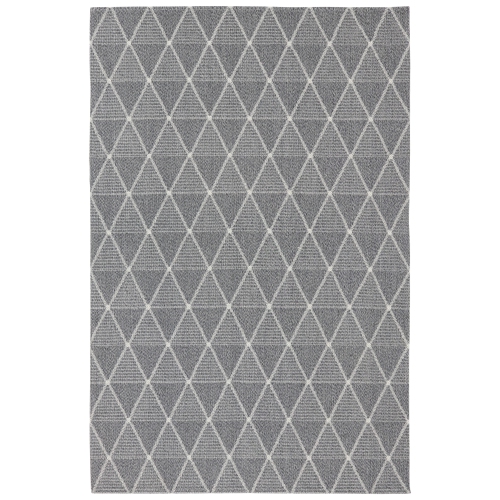 Your price for this item is $130.55
 -
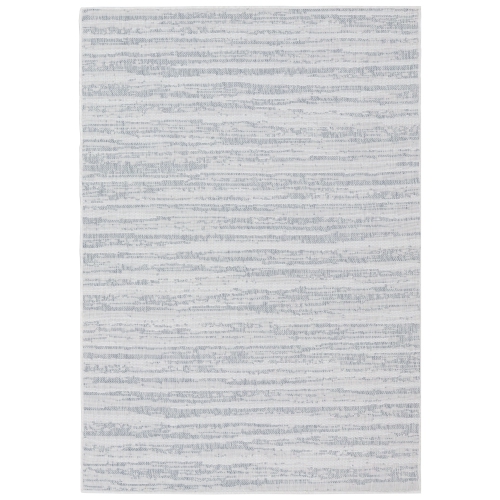 Your price for this item is $129.15
 -
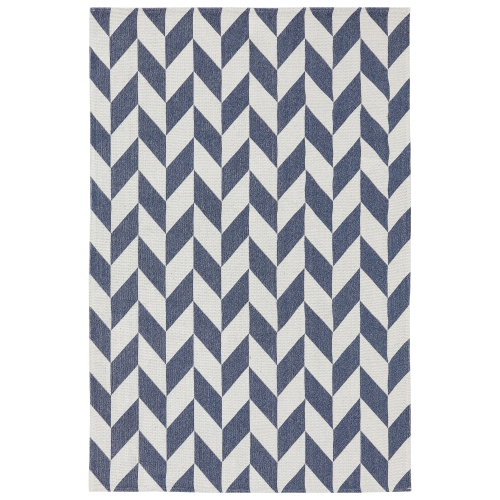 Your price for this item is $130.55
 -
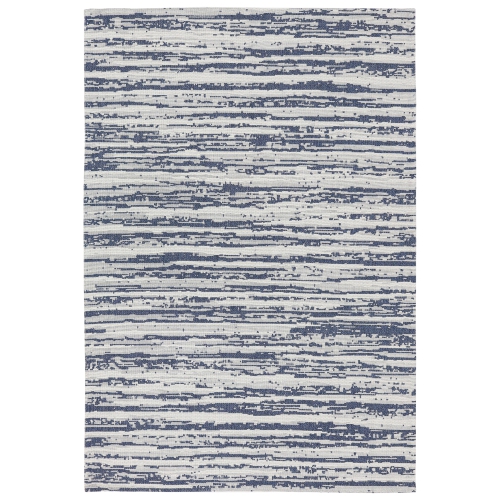 Your price for this item is $130.55
 -
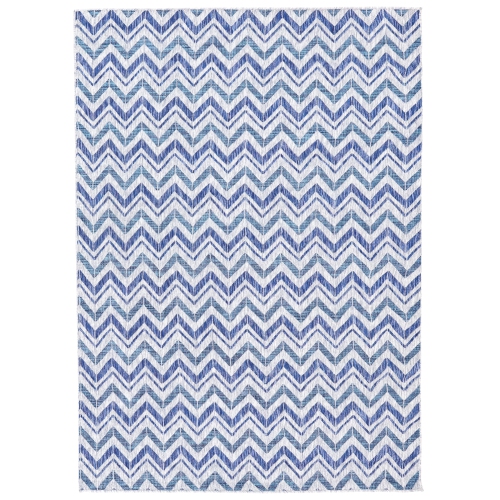 Your price for this item is $129.15
 -
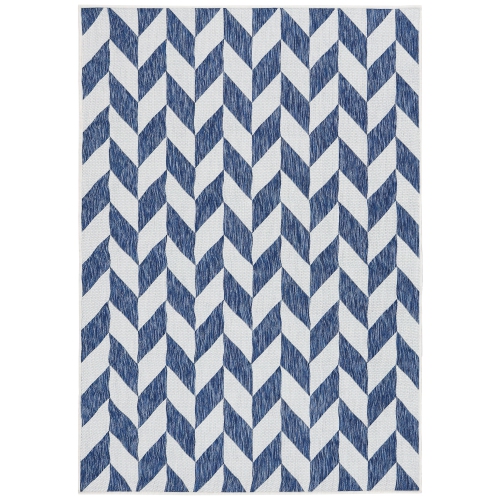 Your price for this item is $129.15
 -
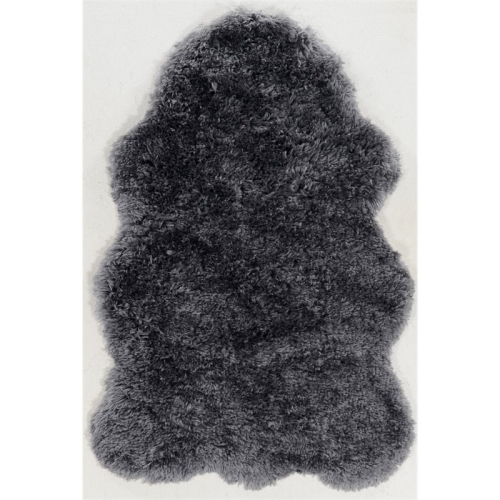 Your price for this item is $269.46
 -
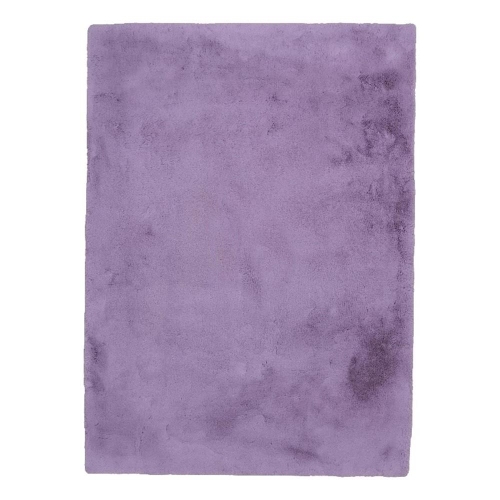 Your price for this item is $219.8
Discover more categories related to Neutral Color Runner Rugs

Top Collections:
Pokemon Centers, Kindle Devices, Best Budget Office Chairs, Apple iPhones 16, Best Laptops for Writers, iPhone 15 Apple, Canon G7X Cameras, Refurbished Apple Laptops, Alarm Clock, Motorola Razr Phones
Some products may be subject to Environmental Handling Fees
(EHF) depending on your province.
Learn more about EHFs.