Neutral Vintage Area Rugs
Neutral Vintage Area Rugs bring timeless charm and understated elegance to any space. These versatile rugs blend classic patterns with soft, muted tones, making them a perfect addition to living rooms, bedrooms, or offices. Whether you’re looking to complement modern décor or add a touch of nostalgia, Neutral Vintage Area Rugs offer an easy way to elevate your home’s style while creating a warm and inviting atmosphere. Explore options that suit every taste and transform your floors with subtle sophistication.
Sort
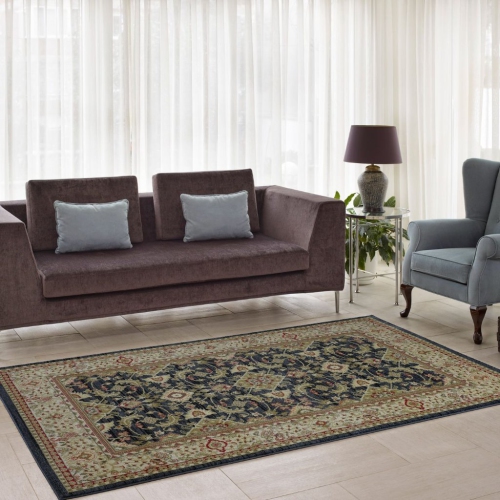
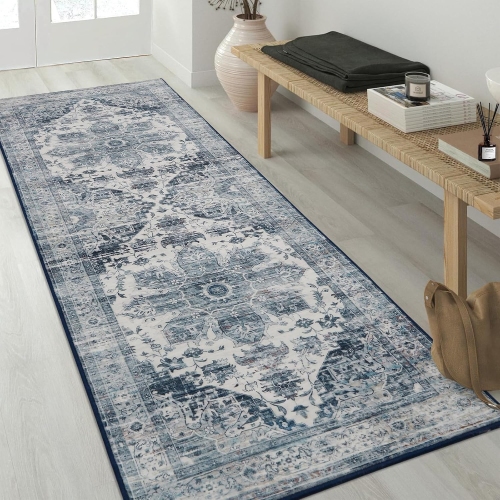
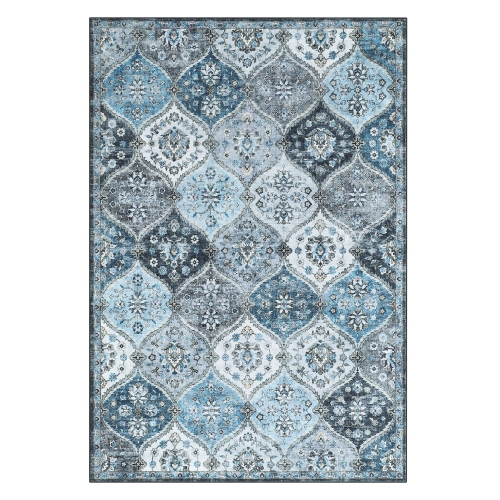
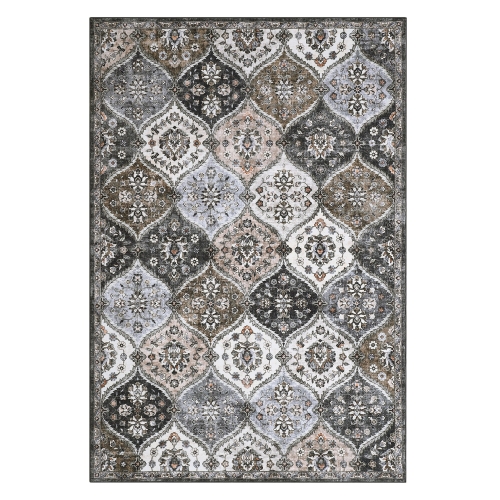
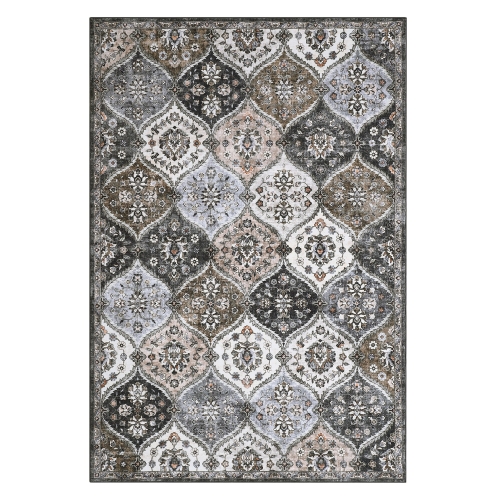
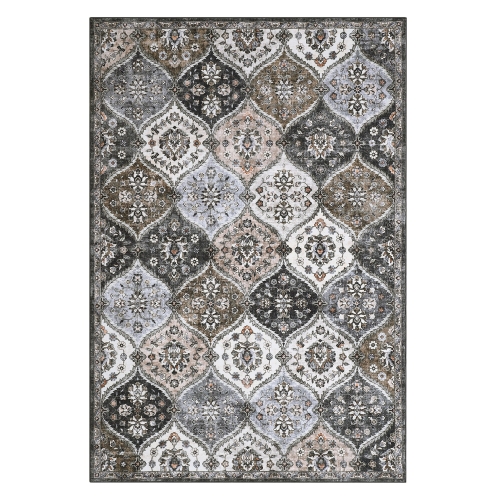
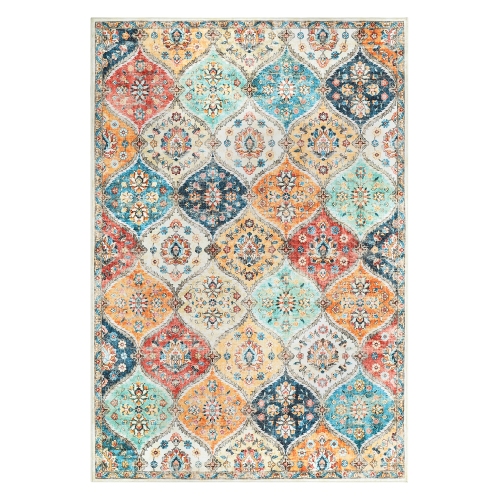
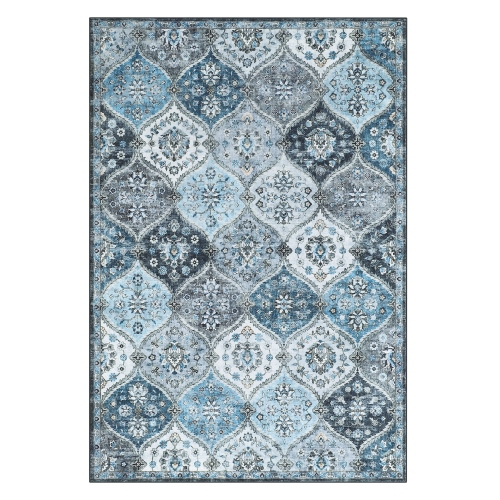
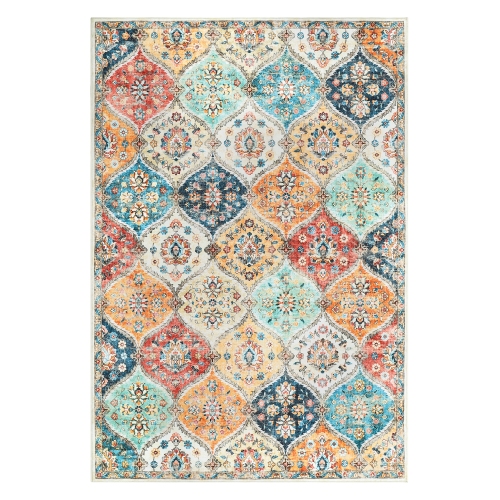
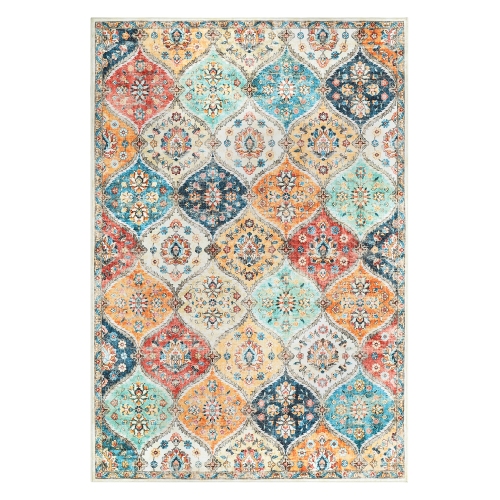
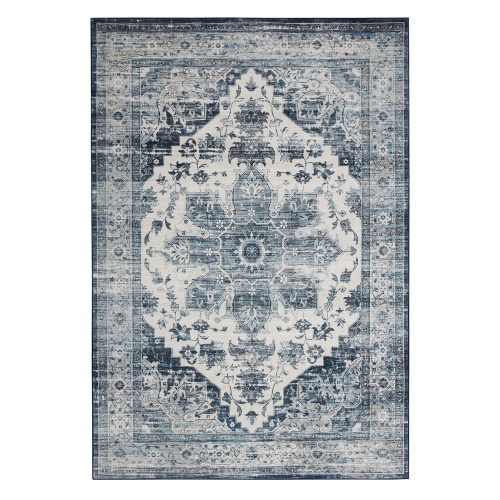
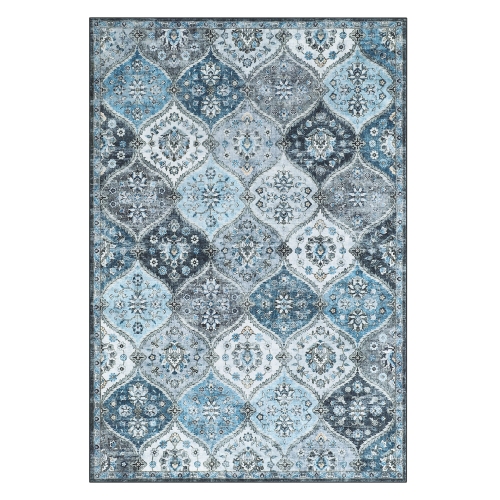
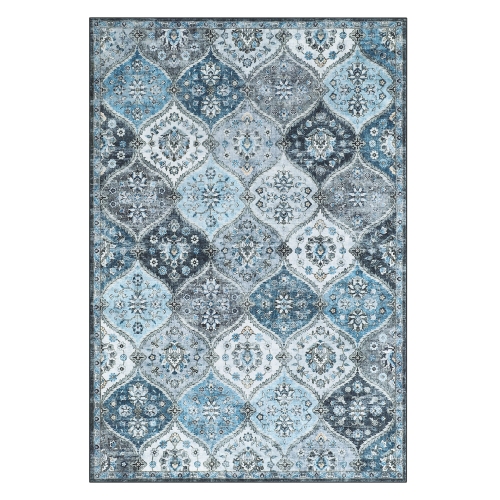
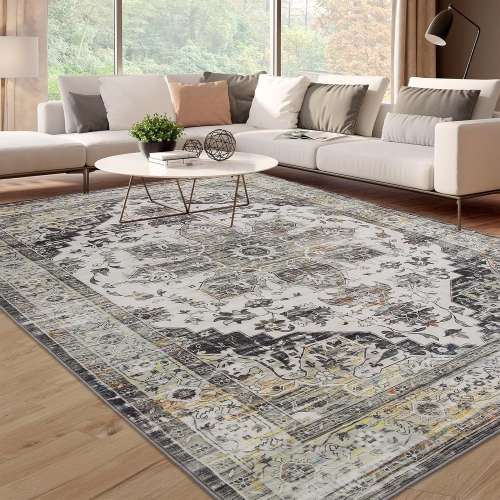
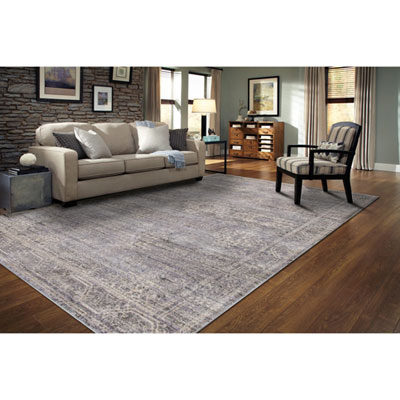
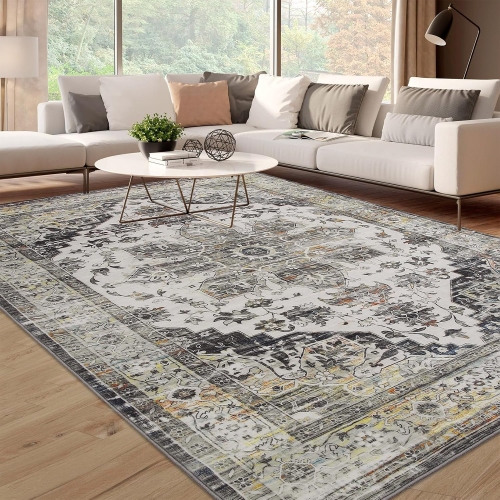
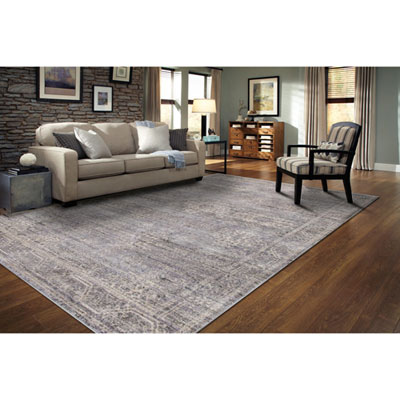
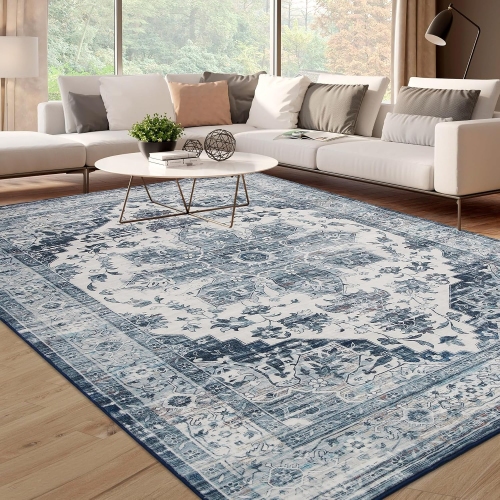
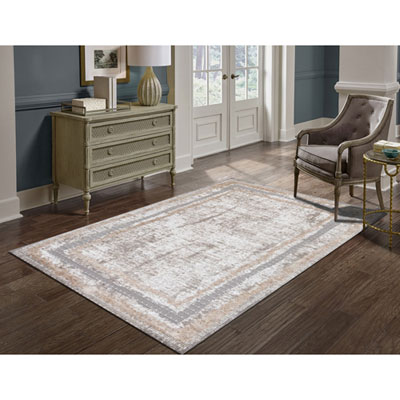
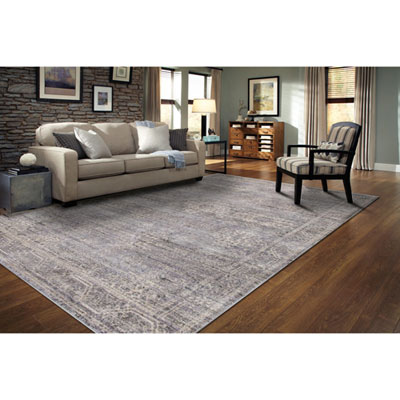
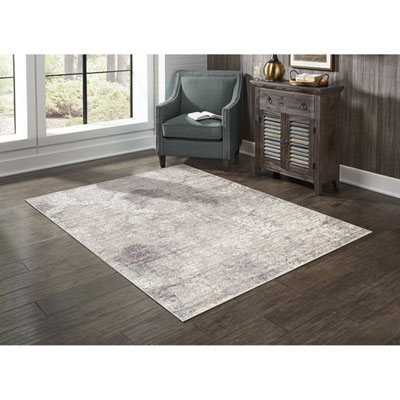
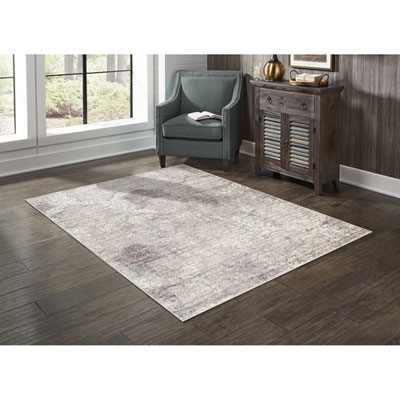
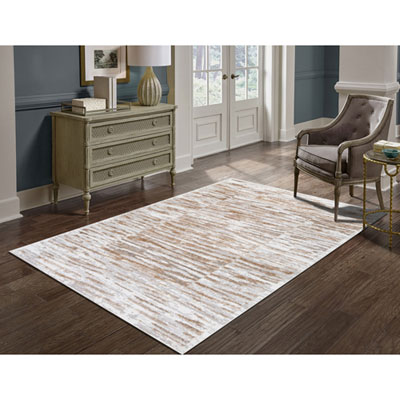
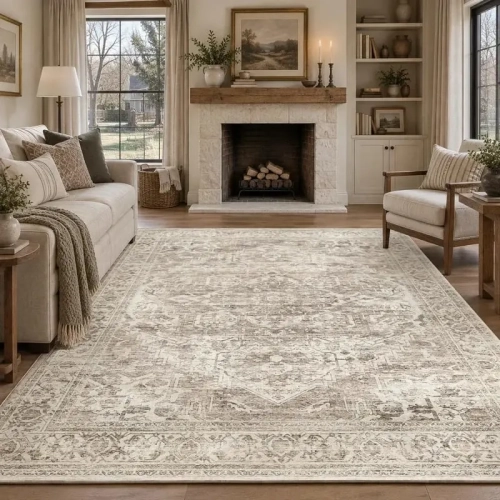
Softly faded patterns that tie a room together
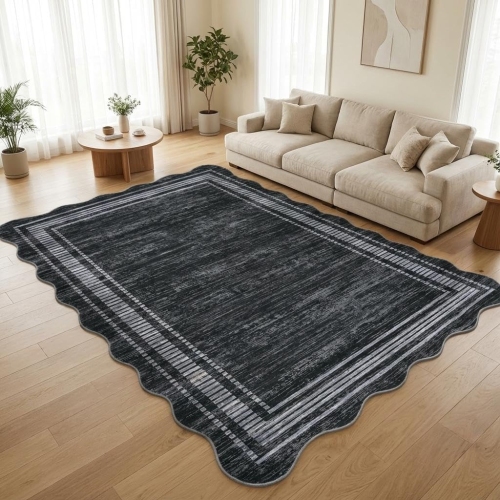
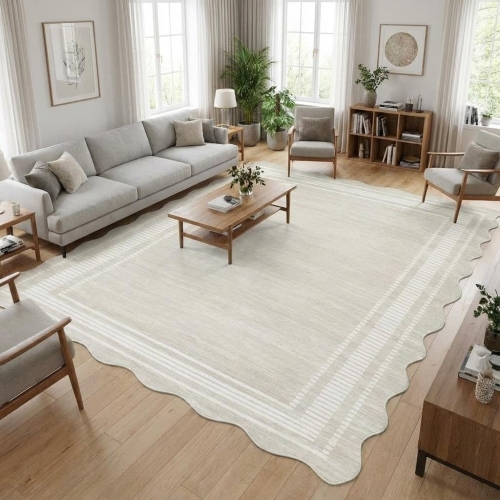
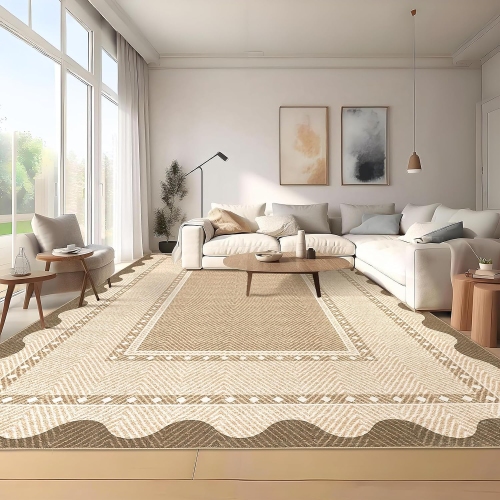
Neutral vintage area rugs pair understated colours with traditional patterns and a gently faded appearance, bringing detail to a room without making the floor its loudest feature. Ivory, beige, taupe, greige, and soft grey form a versatile foundation, while muted brown or charcoal accents give floral motifs, borders, and central medallions enough definition to remain visible. The vintage look may come from an older rug with natural signs of use or from a newly made rug designed with distressed colouring and softened pattern edges. That distinction matters: a vintage-inspired finish describes a style, not necessarily the age, origin, or construction of the rug. Some designs resemble well-worn Persian or Turkish patterns; others use broken lines and barely visible ornament for a quieter effect. Against a plain sofa, these details add interest without requiring a room full of patterned cushions or artwork. Beside a carved wood cabinet or a linen-covered bed, they can make newer furnishings feel less formal and help older pieces sit comfortably within a mixed interior. A pale rug with warm undertones often works well alongside oak, cream upholstery, and brass accents, while cooler greys can relate to stone, black metal, or painted furniture. Neutral does not always mean an exact colour match. Small variations between a rug, sofa, and curtains can create depth, especially when the materials have different textures. A faded border can frame a seating arrangement, while an all-over pattern gives a room with an off-centre furniture layout more flexibility. The amount of distressing also changes the effect: lightly faded motifs tend to look more defined, whereas heavily washed patterns blend into the background. For a similarly restrained palette with a greater emphasis on texture and softness, Soft Neutral Area Rugs offer another direction. In either style, the most convincing room combinations let the rug connect existing finishes rather than trying to match every surface exactly.
Size, shape, and construction determine how a neutral vintage rug functions beyond its appearance. In a living room, a rug large enough to sit beneath the front legs of the sofa and nearby chairs helps the seating feel connected; a much smaller rug can leave the coffee table looking isolated. In a dining space, sufficient coverage beyond the tabletop allows chairs to remain on the rug when pulled out, reducing the awkward transition between rug and bare floor. A low pile is often practical here because chair legs move across it more easily and crumbs are less likely to settle deep within the surface. Bedrooms allow more room for a softer feel, particularly where bare feet meet the floor beside the bed. A rectangular rug can extend along both sides, while smaller matching rugs suit layouts where a large piece would be mostly hidden. Runners bring the same faded pattern language to narrow spaces, provided their width leaves a visible margin of flooring and their thickness allows doors to open freely. Material adds another layer to these decisions. Wool offers natural resilience and a textured feel, though some wool rugs shed, especially early in use, and require cleaning methods suited to the fibre. Cotton can produce a lighter, more flexible rug, with washability depending on the backing, size, and care label. Polypropylene and polyester are common in vintage-style rugs and can provide clearly rendered patterns, but softness, stain resistance, and long-term performance vary by construction. Flatwoven rugs have little or no pile, making them useful where clearance matters, while a denser pile can feel more cushioned underfoot. Neither thickness nor fibre alone tells the whole story. Edge finishing, backing, weave density, and the way a rug lies on the floor all influence everyday use. In a busy family room, a stable, easy-to-vacuum surface may matter more than a plush finish; in a quiet reading corner, texture may take priority.
The appeal of a distressed pattern is partly practical, although a faded design should not be confused with a surface that needs no care. Fine changes in tone can make small traces of everyday use less obvious than they would be on a completely plain ivory rug, but pale fibres still show certain spills, pet hair, and tracked-in dirt. A medium neutral base with several closely related shades can be a useful compromise for shared living spaces. Homes with pets also benefit from attention to pile structure: loops may catch claws, while long fibres can hold hair and require more effort to clean. Regular vacuuming with a setting appropriate to the rug helps prevent grit from working into the fibres; fringes and loosely woven edges need a gentler approach. Spills are best blotted promptly with a clean cloth rather than rubbed, with further treatment guided by the care label. A machine-washable description should apply to the complete rug, not simply to its fibre content, and the rug’s dimensions and weight must suit the washing machine. Rugs that require professional cleaning need a different care routine. Underneath, a correctly sized rug pad can add cushioning, reduce movement, and limit friction, provided it is compatible with both the rug backing and the flooring finish. Rotating a rug periodically can help distribute wear from a favourite chair or a frequently used walkway. These details are especially useful in first homes, shared apartments, and family spaces where one room may serve several purposes. A neutral vintage rug can soften the area around a work desk, define a conversation space in an open-plan layout, or give a guest bedroom a more settled appearance. As a housewarming gift, it is most suitable when the recipient’s room measurements, colour preferences, and care expectations are already known. The lasting appeal comes from that balance of character and usability: enough pattern to give the room personality, with a restrained palette that leaves space for the furniture and objects around it.
Top selling and popular products
-
 Your price for this item is $130.55
-
 Your price for this item is $129.15
-
 Your price for this item is $130.55
-
 Your price for this item is $129.15
-
 Your price for this item is $129.15
-
 Your price for this item is $130.55
-
 Your price for this item is $144.99
-
 Your price for this item is $103.99
Discover more categories related to Neutral Vintage Area Rugs
Top Collections:
Best Black Friday Deals This Year, Best Black Friday Deals On Electronics, Kindle Devices, Dyson Airwrap, Best Cameras for Sports Photography, Best Budget Office Chairs, Canon G7X Cameras, PS5 Pro Consoles, Best Black Friday Deals On Apple Products, XBOX One S Consoles
Some products may be subject to Environmental Handling Fees
(EHF) depending on your province.
Learn more about EHFs.