Occasional Tables
Occasional tables are a versatile and stylish addition to almost any home. These tables are typically used in living rooms, bedrooms, and other areas where furniture is needed. They are usually placed between two chairs, sofas, or other pieces of furniture to provide a place for reading materials, drinks, or decorative items. Here are some great options available.
Sort
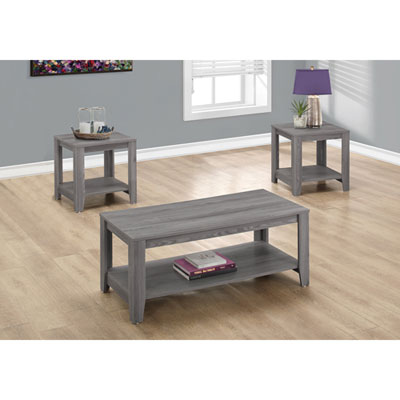
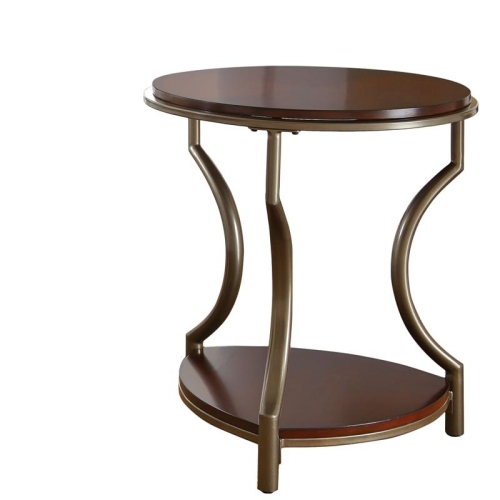
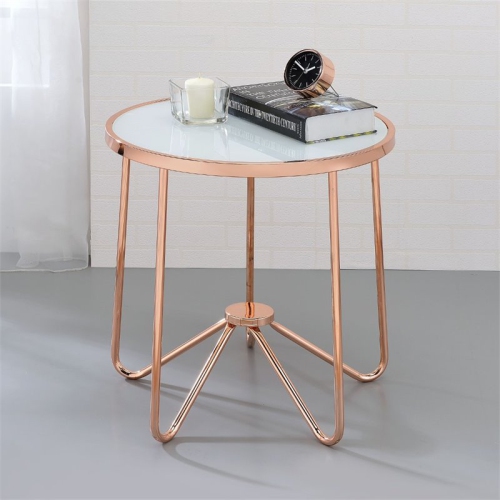
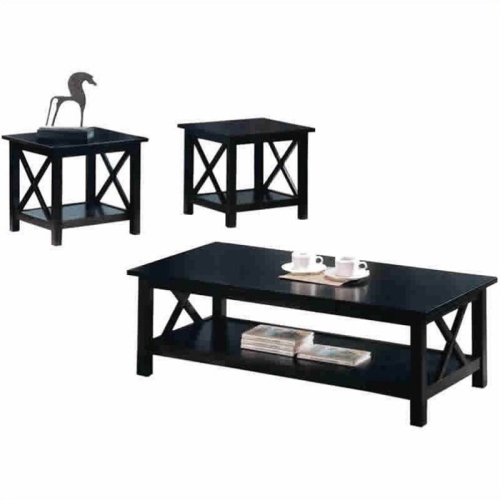
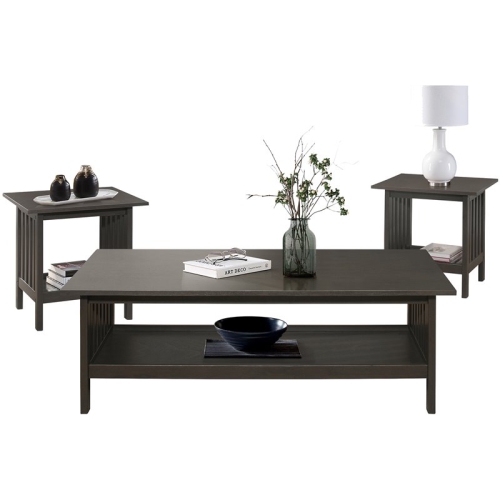
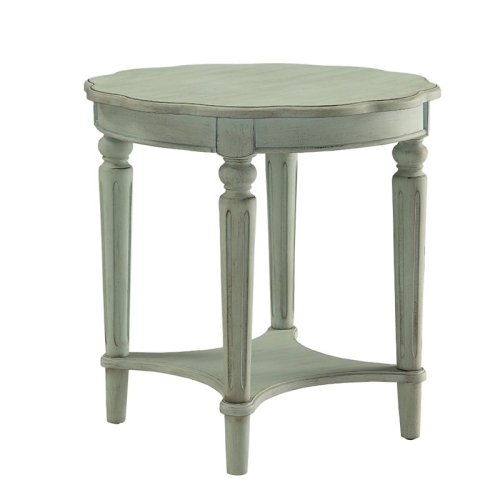


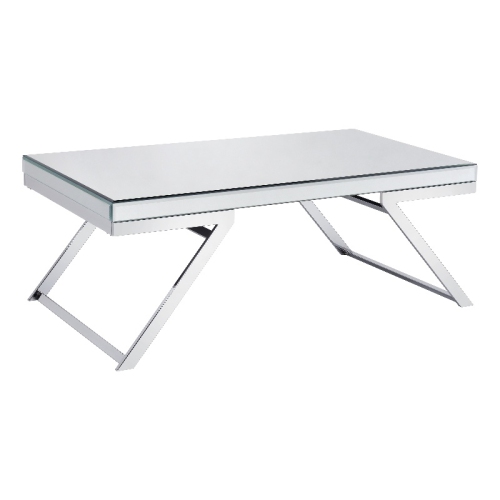
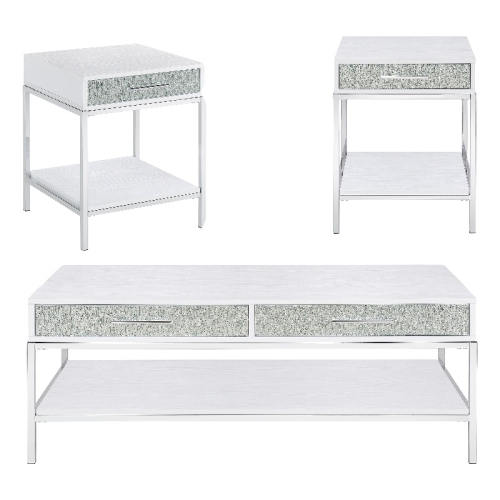
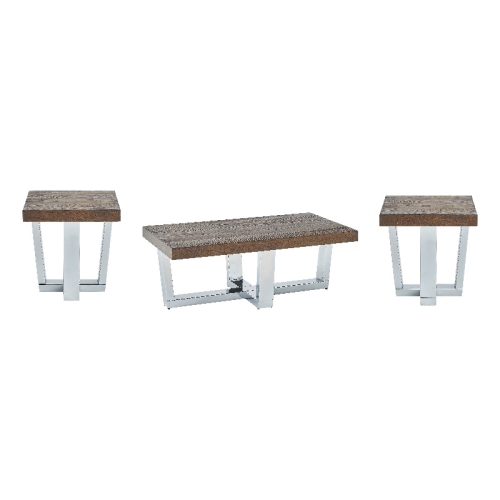
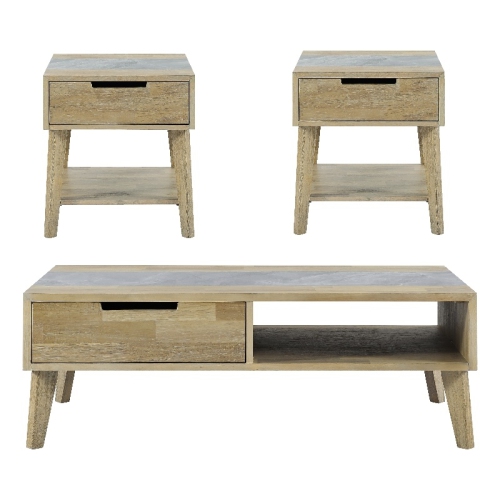
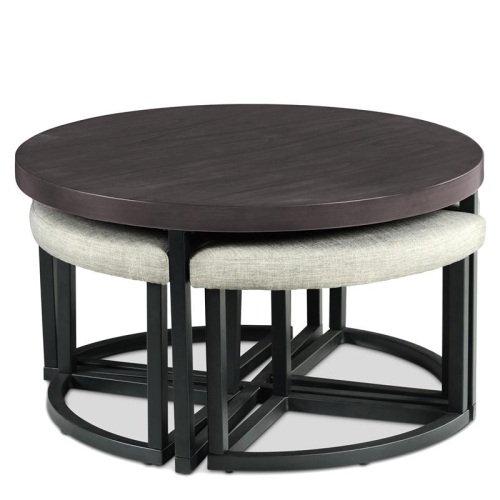
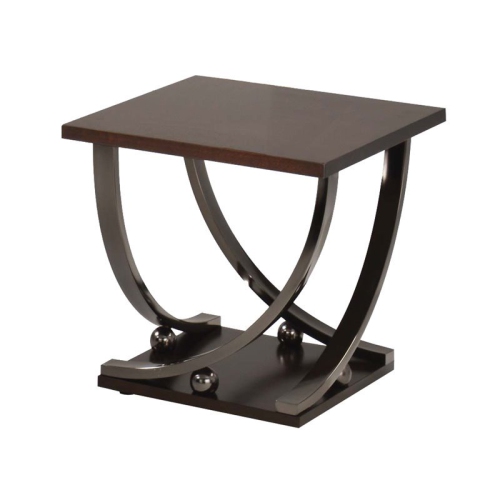
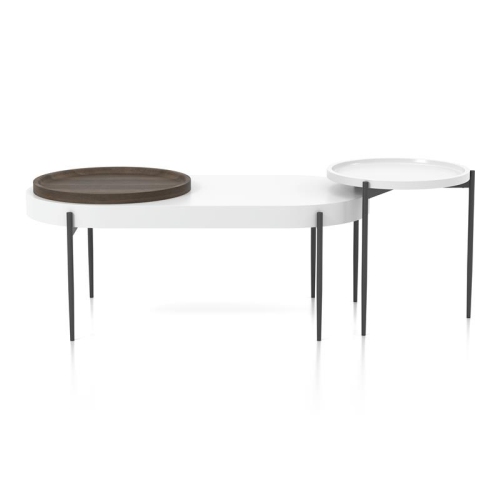
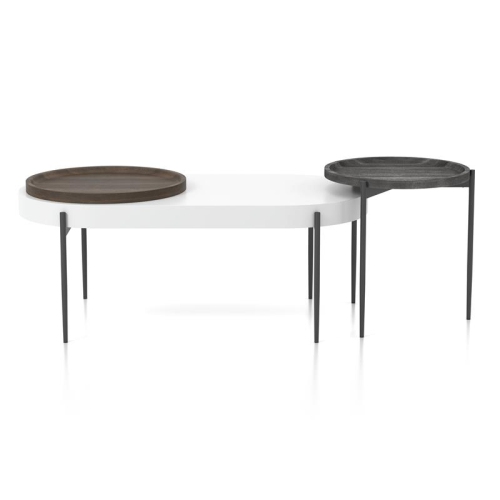
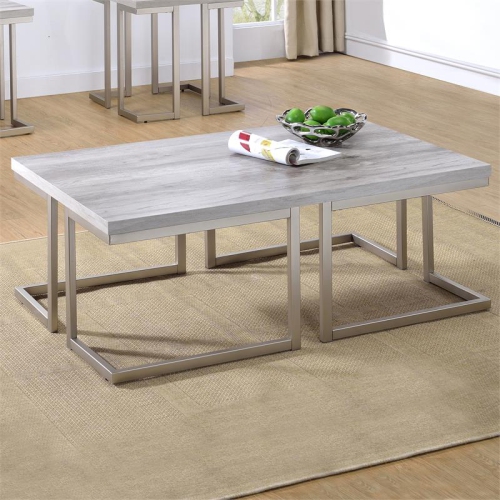
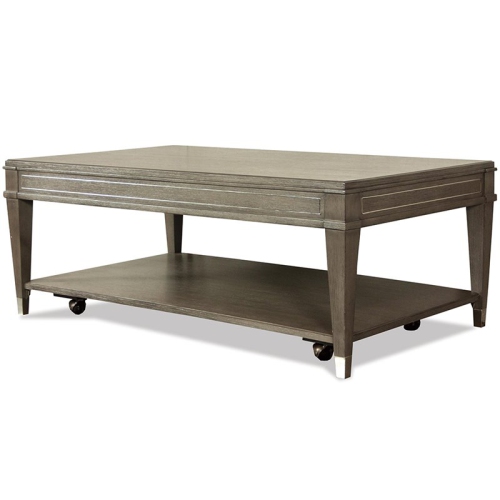
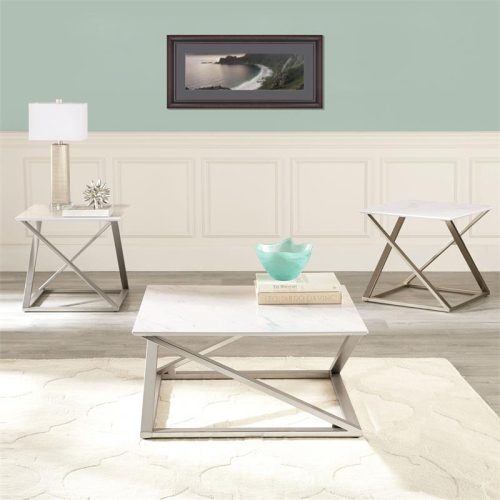
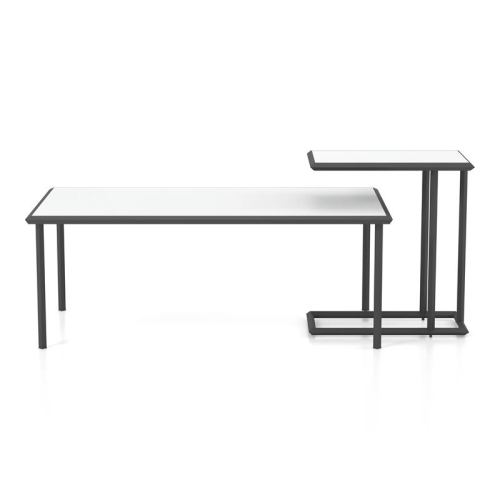

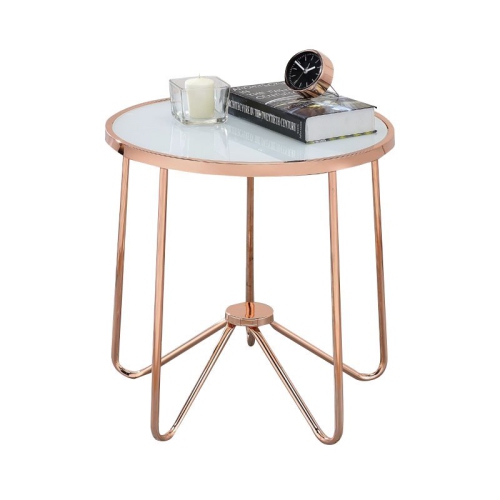
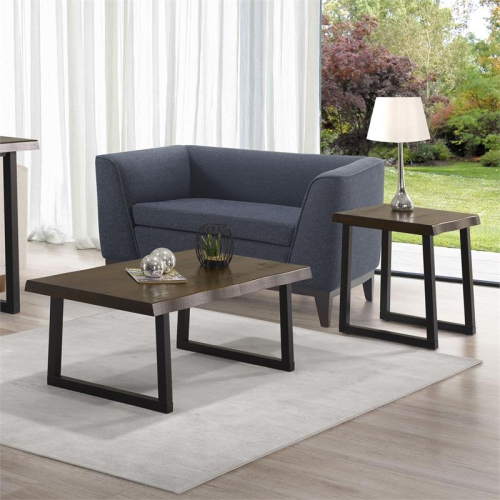

Flexible surfaces for living rooms, corners and everyday routines
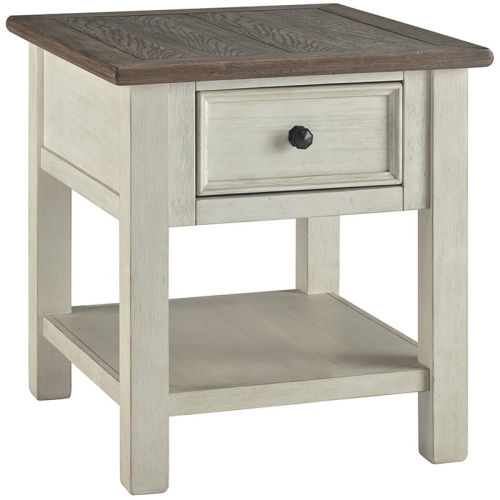
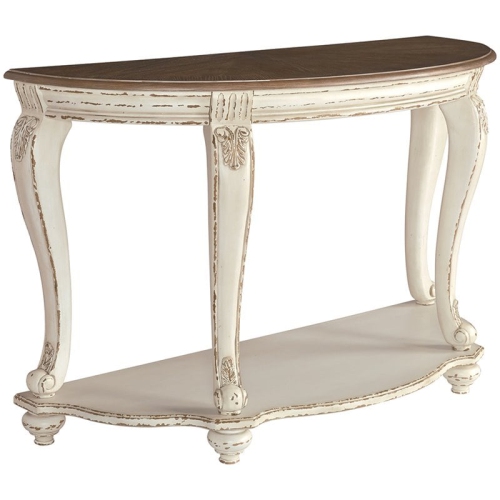
Occasional tables are versatile furniture pieces designed to add convenient surface space wherever it is needed. Unlike a large dining table or a permanent workstation, they are typically smaller, easier to move and adaptable to changing room layouts. The category includes coffee tables placed in front of a sofa, end tables positioned beside seating, accent tables used to fill an open corner, nesting tables that can be separated when extra space is needed, and sofa tables designed to sit behind a couch. Each style serves a slightly different purpose, so the best choice depends on the room, the available floor space and the items you want to keep within reach. A coffee table can anchor a seating arrangement while providing a practical place for drinks, snacks, books, reading glasses or a tray. An end table can hold a lamp, remote controls and a morning cup of coffee without requiring anyone to reach across the room. Accent tables are useful beside a favourite chair, near an entryway or next to a bed, particularly when a compact surface is more suitable than a full-sized nightstand. For a narrow living room or an open-concept space, Sofa Tables can add display and storage space along the back of a couch without interrupting the main walkway.
When choosing occasional tables, start by considering scale and placement. Measure the area where the table will stand, including the space needed to walk around it, open nearby drawers or recline a chair. A coffee table generally looks most balanced when it relates to the width of the sofa and sits close enough for comfortable access, while still leaving room for people to move between the table and seating. End tables are often most useful when their surface sits near the height of the sofa arm, making it easy to set down a drink or switch on a lamp. In smaller rooms, nesting tables can provide a generous surface during gatherings and tuck neatly together when the floor needs to feel more open. Look for shelves, drawers or lower tiers if remotes, magazines, blankets and other everyday items tend to collect around the seating area. An open lower shelf can keep frequently used items visible, while a drawer offers a tidier place for smaller belongings. Material and finish also influence how a table works in the room. Wood-look surfaces can bring warmth and visual texture, glass can help a compact space feel more open, and metal details can complement contemporary furnishings. Consider the shape as well: rounded edges can make circulation easier in busy spaces, while square and rectangular designs can fit neatly against walls or align with a sectional. A stable base, smooth finish and easy-to-clean surface are practical features for homes where tables are used every day.
Occasional tables can make a thoughtful gift for someone furnishing a first apartment, refreshing a living room or creating a more comfortable reading corner. They are also useful for households that host guests during the cooler months, when more time is spent indoors and drinks, snacks and serving trays need a convenient place to land. A compact accent table beside a lounge chair can turn an unused corner into a welcoming spot for reading, listening to music or enjoying a quiet cup of tea. In a family room, a sturdy coffee table can support board games, crafts and shared movie-night snacks, while a lighter table can be moved aside when the room needs to accommodate exercise, play or cleaning. For guests staying overnight, a small table beside a sofa bed can hold a lamp, phone and water glass, giving the space a more considered feel. When styling an occasional table, leave enough open surface for practical use rather than filling every inch with decor. A tray can group smaller items, a lamp can provide warm light during darker afternoons, and a small arrangement of books or decorative objects can add personality without making the table feel crowded. Before purchasing, compare the table’s dimensions with surrounding furniture, check its weight and construction, and think about whether it will remain in one position or move between rooms. The right occasional table combines useful everyday function with the flexibility to adapt as your home, routines and entertaining needs change.
When choosing occasional tables, start by considering scale and placement. Measure the area where the table will stand, including the space needed to walk around it, open nearby drawers or recline a chair. A coffee table generally looks most balanced when it relates to the width of the sofa and sits close enough for comfortable access, while still leaving room for people to move between the table and seating. End tables are often most useful when their surface sits near the height of the sofa arm, making it easy to set down a drink or switch on a lamp. In smaller rooms, nesting tables can provide a generous surface during gatherings and tuck neatly together when the floor needs to feel more open. Look for shelves, drawers or lower tiers if remotes, magazines, blankets and other everyday items tend to collect around the seating area. An open lower shelf can keep frequently used items visible, while a drawer offers a tidier place for smaller belongings. Material and finish also influence how a table works in the room. Wood-look surfaces can bring warmth and visual texture, glass can help a compact space feel more open, and metal details can complement contemporary furnishings. Consider the shape as well: rounded edges can make circulation easier in busy spaces, while square and rectangular designs can fit neatly against walls or align with a sectional. A stable base, smooth finish and easy-to-clean surface are practical features for homes where tables are used every day.
Occasional tables can make a thoughtful gift for someone furnishing a first apartment, refreshing a living room or creating a more comfortable reading corner. They are also useful for households that host guests during the cooler months, when more time is spent indoors and drinks, snacks and serving trays need a convenient place to land. A compact accent table beside a lounge chair can turn an unused corner into a welcoming spot for reading, listening to music or enjoying a quiet cup of tea. In a family room, a sturdy coffee table can support board games, crafts and shared movie-night snacks, while a lighter table can be moved aside when the room needs to accommodate exercise, play or cleaning. For guests staying overnight, a small table beside a sofa bed can hold a lamp, phone and water glass, giving the space a more considered feel. When styling an occasional table, leave enough open surface for practical use rather than filling every inch with decor. A tray can group smaller items, a lamp can provide warm light during darker afternoons, and a small arrangement of books or decorative objects can add personality without making the table feel crowded. Before purchasing, compare the table’s dimensions with surrounding furniture, check its weight and construction, and think about whether it will remain in one position or move between rooms. The right occasional table combines useful everyday function with the flexibility to adapt as your home, routines and entertaining needs change.
Top selling and popular products
-
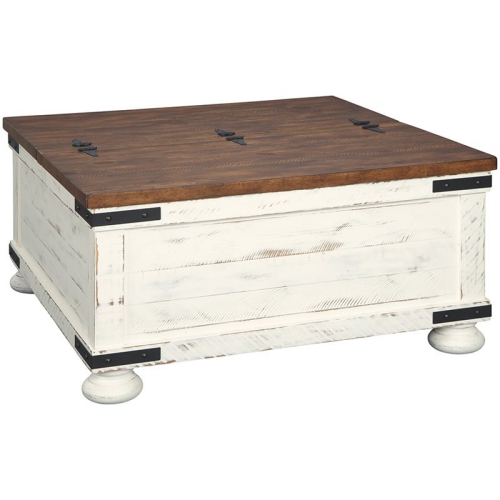 Your price for this item is $895.88
 -
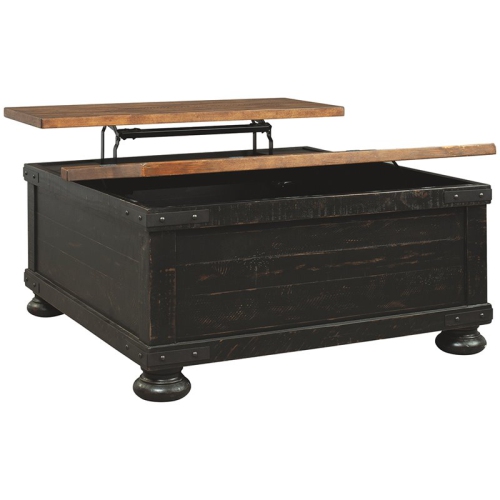 Your price for this item is $927.89
 -
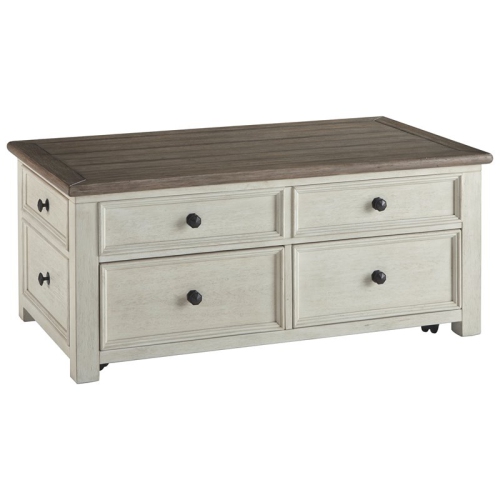 Your price for this item is $949
 -
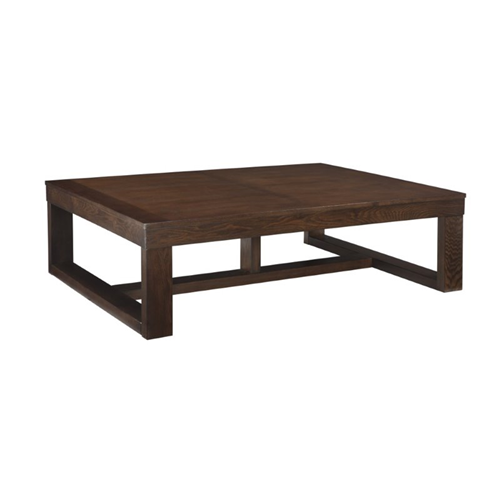 Your price for this item is $449
 -
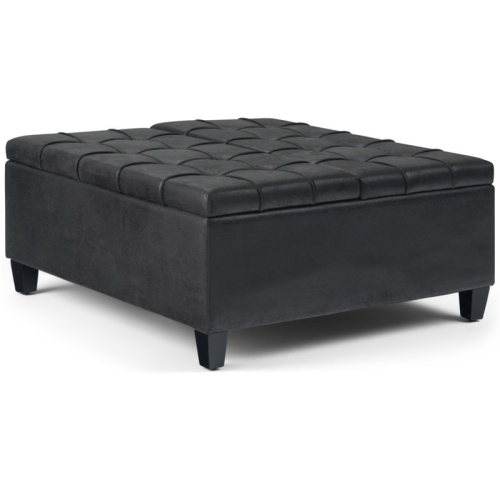 Your price for this item is $854.71
 -
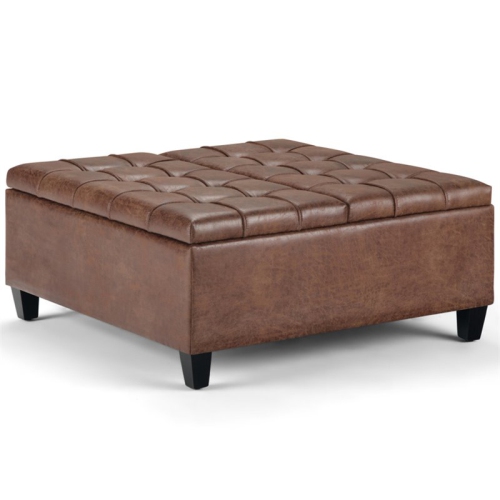 Your price for this item is $952.3
 -
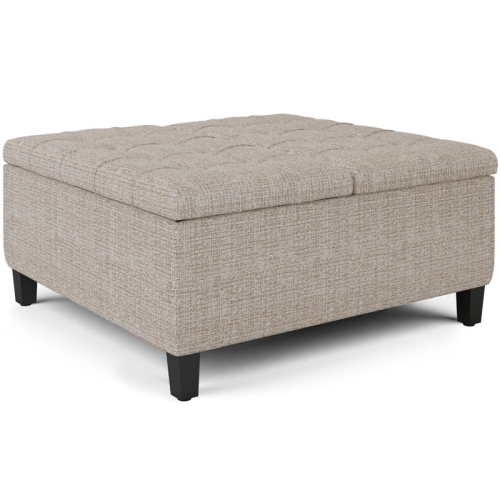 Your price for this item is $880.61
 -
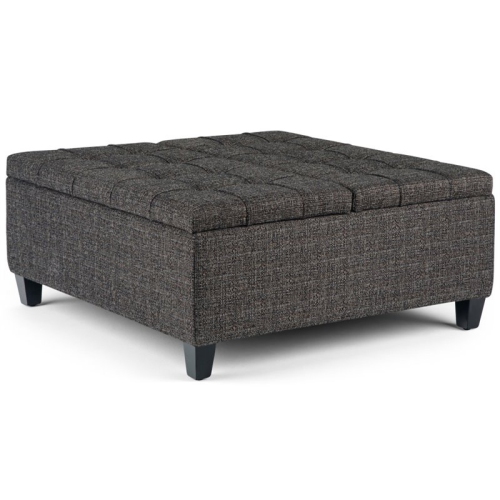 Your price for this item is $958.92
Discover more categories related to Occasional Tables
Top Collections:
Best Laptops for Video Editing, Pokemon Centers, Samsung Z Fold, Kindle Devices, Best Cell Phones Under $300, Best Laptops for Writers, Best Budget Office Chairs, Best Cell Phones Under $500, Best Laptop Computers for Students, iPhone 15 Apple
Some products may be subject to Environmental Handling Fees
(EHF) depending on your province.
Learn more about EHFs.