Office Chairs for Professional Workspaces
Enhance productivity and comfort with office chairs for professional workspaces, designed to support your daily tasks. Whether outfitting a home office or upgrading a corporate environment, discover seating options that combine style and function to create an efficient workspace. Explore a wide variety of designs and finishes to find the perfect fit for your office needs.
Sort
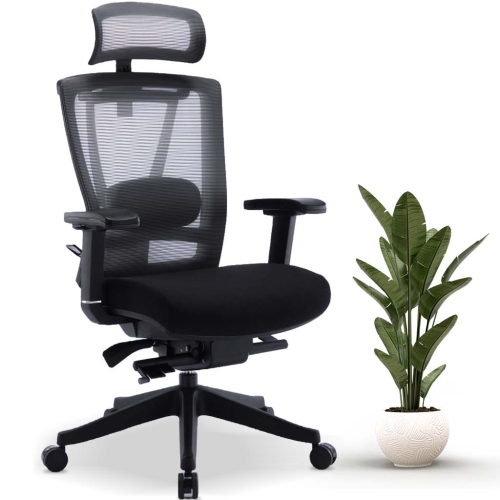
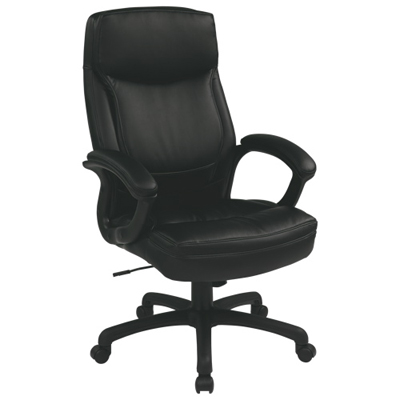
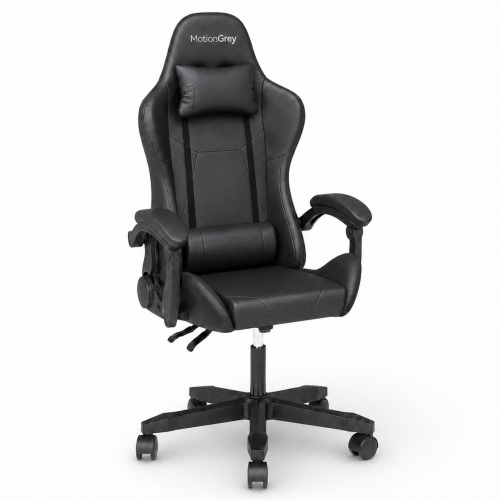
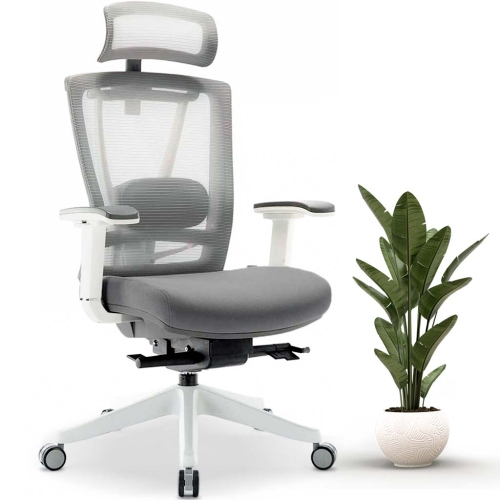
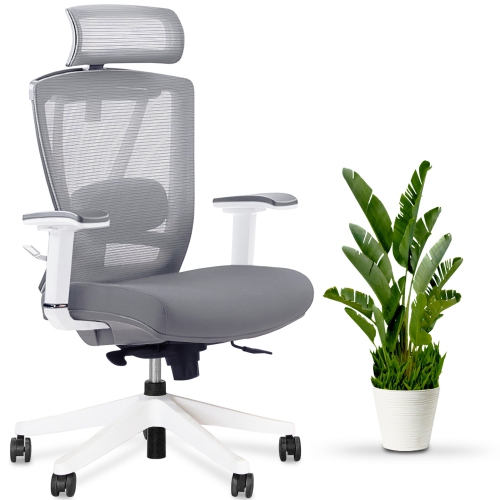
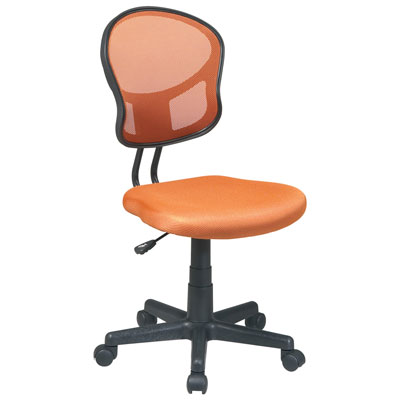
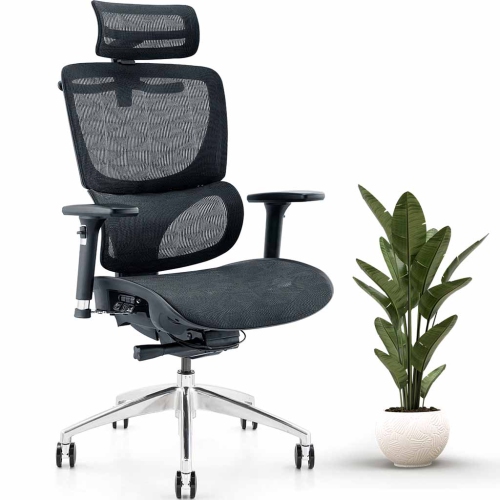
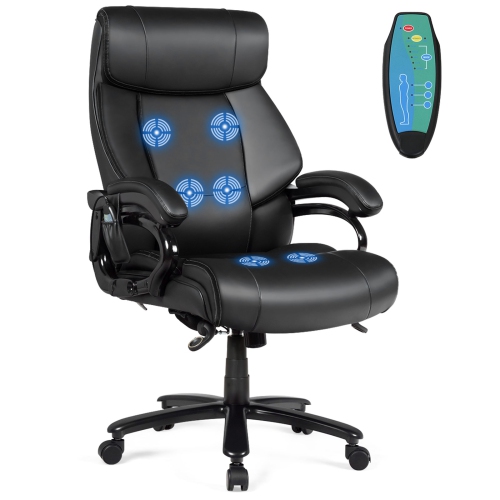
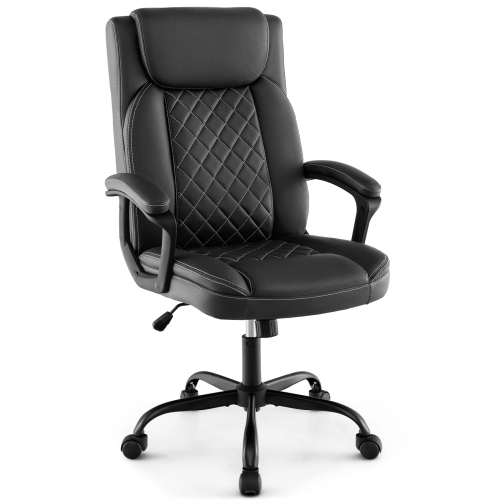
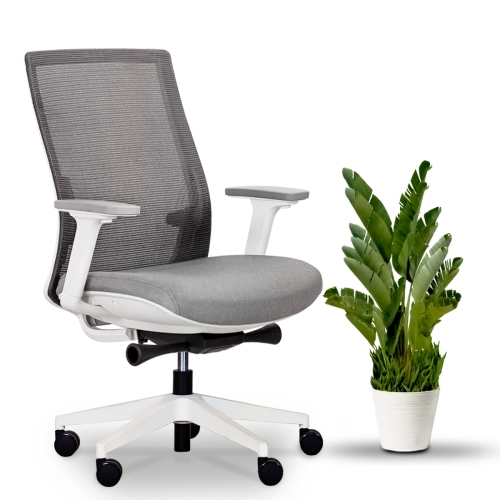
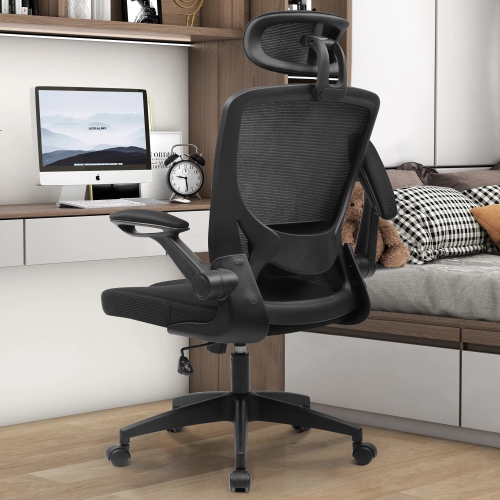
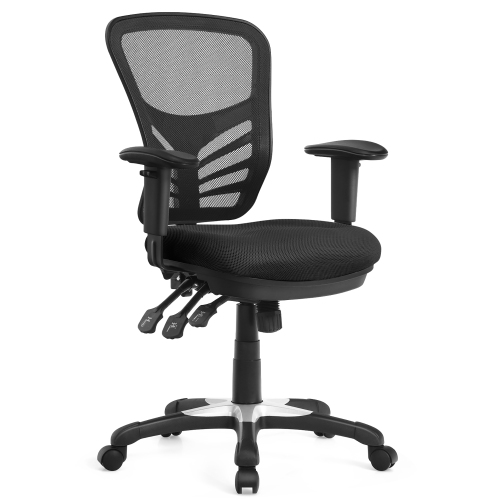
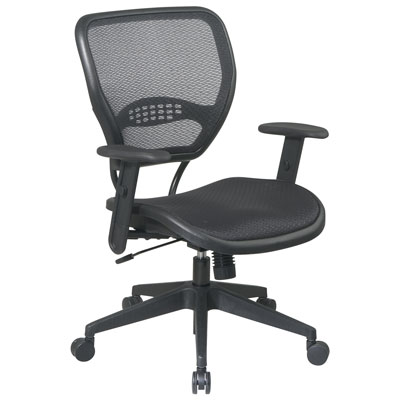
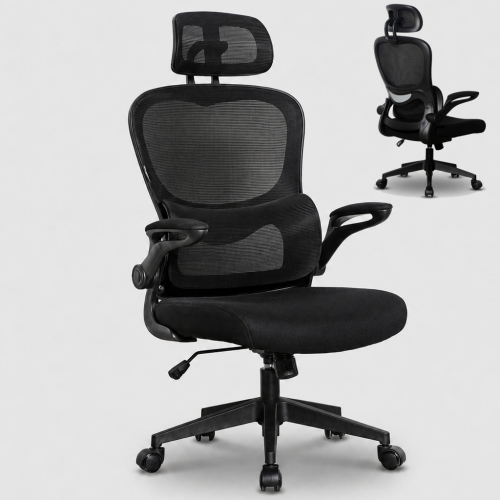
The right chair fits more than your desk
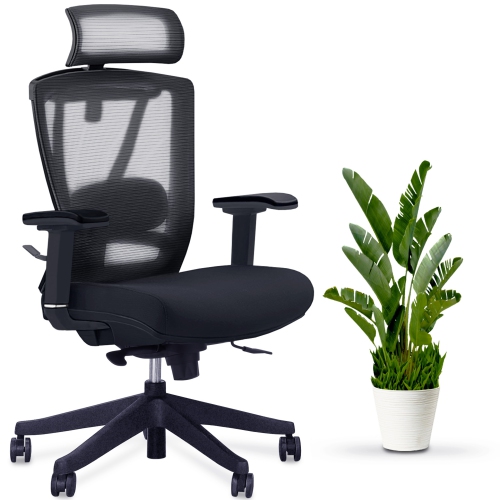
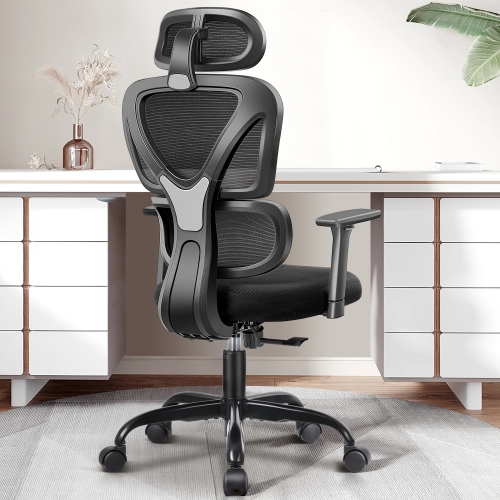
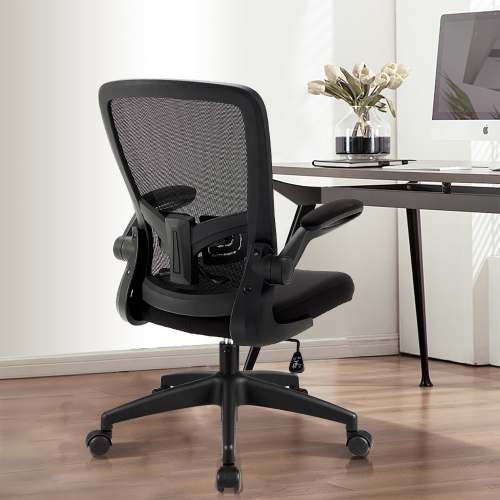
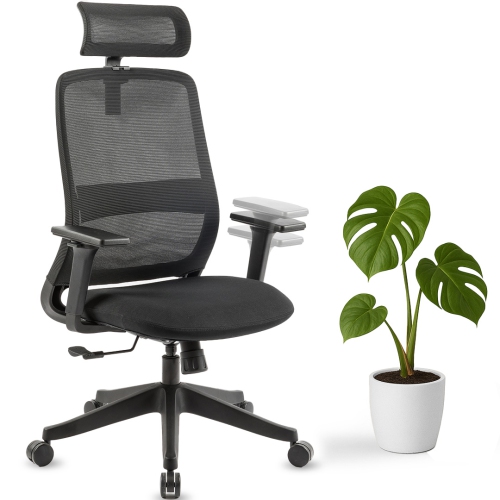
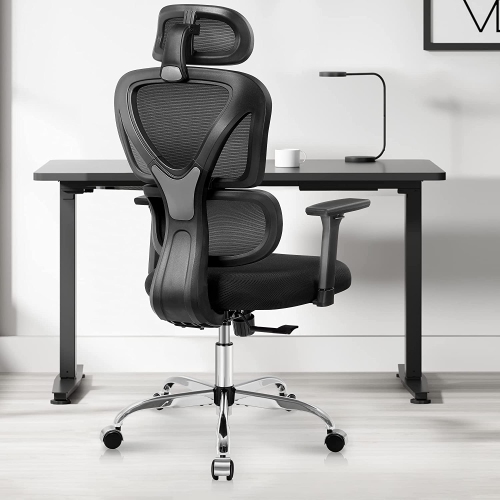
Office chairs for professional workspaces support a wide range of daily routines, from focused spreadsheet work and client calls to collaborative planning around a shared desk. The most useful features depend on how the chair will be used, how closely it fits the person sitting in it, and how it works with the surrounding furniture. A task chair for extended computer work typically benefits from adjustable seat height, supportive cushioning, and a backrest that follows the lower back without forcing an exaggerated curve. Seat depth matters just as much as height: there should be room behind the knees while the back remains comfortably supported. Feet resting flat on the floor, or on a suitable footrest, provide a stable base, while armrests positioned near elbow height can support the forearms without lifting the shoulders. Adjustable armrest width and depth may also help bring a chair close enough to a keyboard without the arms catching on the desk edge. For someone who switches between typing, reading documents, and speaking on video calls, a reclining backrest with adjustable resistance offers flexibility as tasks change. A tilt lock can hold a preferred position, while a swivel base makes it easier to turn towards a colleague or reach an adjacent work surface. High backs and headrests may suit periods of reclined reading, although a headrest is not essential for every desk setup. These details distinguish a chair intended for regular workstation use from seating designed mainly for brief meetings or visitor reception. Comfort is personal rather than a feature that one shape can guarantee, and a tall back or thick cushion alone does not establish a good fit. Seat width, backrest contour, adjustment range, and the chair’s stated weight capacity all contribute to suitability. Even a well-fitted office chair works best as part of a varied routine that includes standing, walking, and changing position rather than remaining seated without interruption.
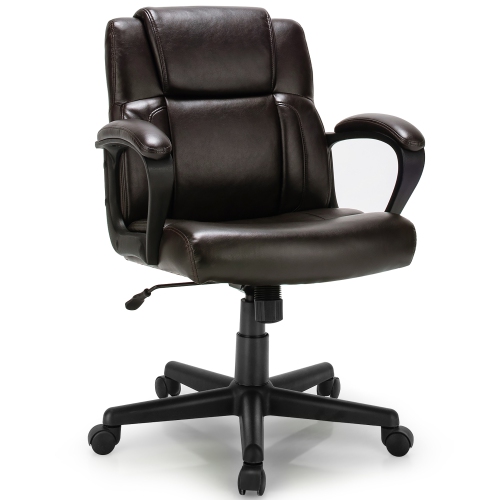
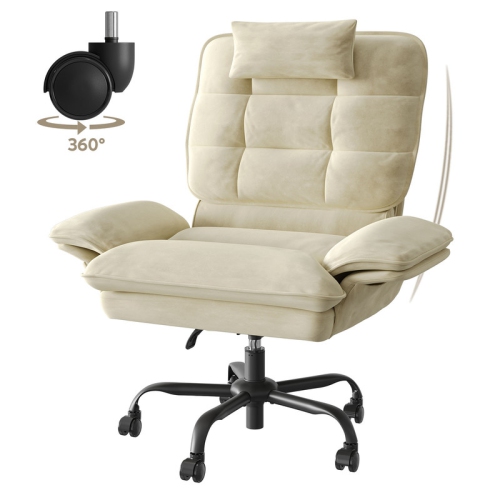
Materials influence how an office chair feels throughout the day, how it looks beside other furniture, and what care it needs over time. Mesh backrests have an open structure and a lighter visual profile, making them a natural fit for workstations where a bulky upholstered back would dominate the space. The tension and shape of the mesh affect support, so the material itself tells only part of the story. A cushioned fabric seat offers a softer contact surface, with texture and colour helping it blend into anything from a restrained meeting room to a more relaxed studio. Fabric can collect dust and absorb spills, making regular vacuuming with a suitable attachment and prompt attention to marks worthwhile. Leather upholstery brings a distinctive finish and can develop character with use, though its care requirements depend on the type and treatment. Faux leather offers a similar visual style, but its surface should be cleaned only with methods approved for that upholstery; harsh cleaners and repeated abrasion can damage the finish. Cushion construction also deserves attention. Foam density, seat contour, and the support beneath the cushion influence how evenly weight is carried, while an overly soft seat may feel different after several hours than it does during a brief sit. Durability extends beyond upholstery to the base, frame, adjustment mechanisms, armrest attachments, and castors. A chair used daily at a busy workstation experiences repeated swivelling, rolling, and height changes, so secure connections and controls that operate smoothly are practical strengths. Routine care can include removing hair and debris from castors, checking accessible fasteners as directed, and keeping adjustment levers clear of obstructions. Cleaning instructions should take priority over general assumptions about a material, especially where mesh, coated upholstery, and multiple surface finishes meet. Seat covers or added cushions can also change the fit and interfere with built-in support, so their effect on sitting position matters as much as their appearance. Consistent care helps preserve the chair’s function and finish without requiring an elaborate maintenance routine.
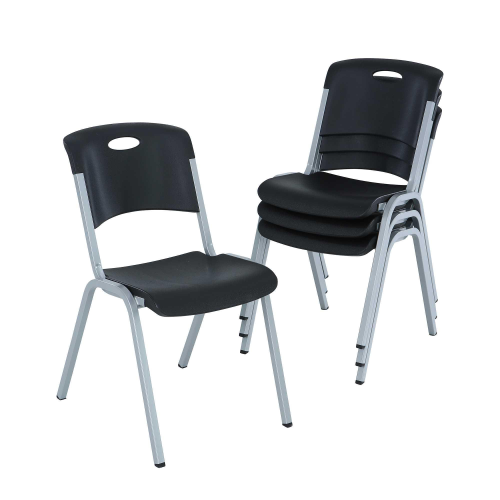
Professional Office Chairs have a role in private offices, shared work areas, reception spaces, and dedicated home workstations, but those settings place different demands on seating. In a shared office, clearly positioned controls and a broad adjustment range make it easier for different people to establish a comfortable setup between shifts. A compact task chair can leave more usable space around a smaller desk, provided its seat and back still fit the person using it. Larger executive-style chairs create a more substantial presence, although their overall width, arm height, and reclined footprint need to work with the room rather than crowd it. Meeting-room seating may prioritize easy movement and a consistent appearance, while a workstation used for detailed administrative work places greater emphasis on sustained support and access to the desk. Floor surfaces matter, too. Castors should be suitable for the flooring, and a compatible chair mat may help protect the surface and support smoother movement. The chair’s path should remain clear of loose cables, rug edges, and nearby storage, particularly where someone needs extra room to approach or transfer into the seat. Visual details can contribute to a professional setting without overshadowing function: a dark upholstered chair can sit quietly against cabinetry, while a lighter mesh back can keep an open-plan layout from feeling visually crowded. For video meetings, the backrest becomes part of the background, but its height and finish remain secondary to comfortable proportions and useful adjustments. People working in accounting, administration, design, consulting, or other desk-based roles may share similar seating needs despite very different schedules. A chair for a dedicated home office can require the same thoughtful fit as one in a commercial workplace. Across these settings, the strongest match comes from the relationship between the user, the chair, and the workstation: supportive contact, reachable controls, room to move, and materials suited to everyday care. Those practical qualities help office seating feel like a working part of the space rather than furniture selected only for its silhouette.
Top selling and popular products
-
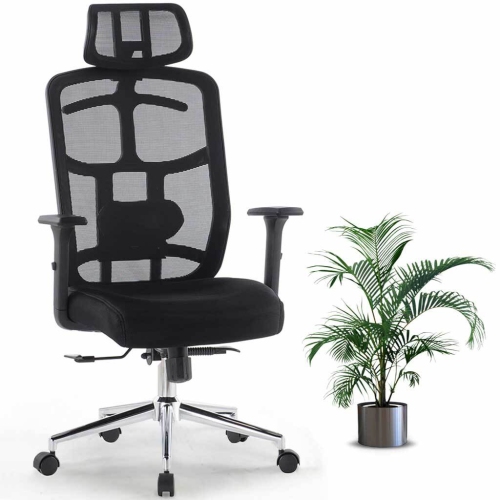 Your price for this item is $126.99
-
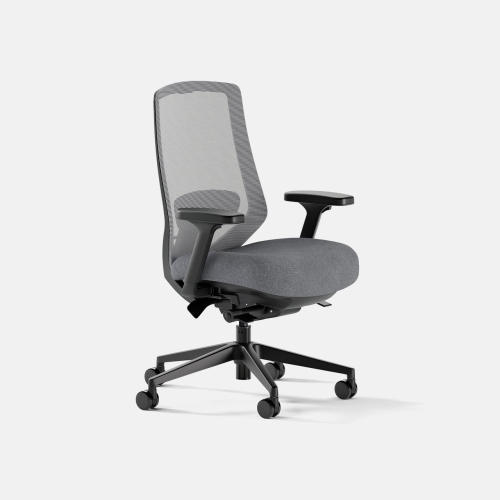 Your price for this item is $599
-
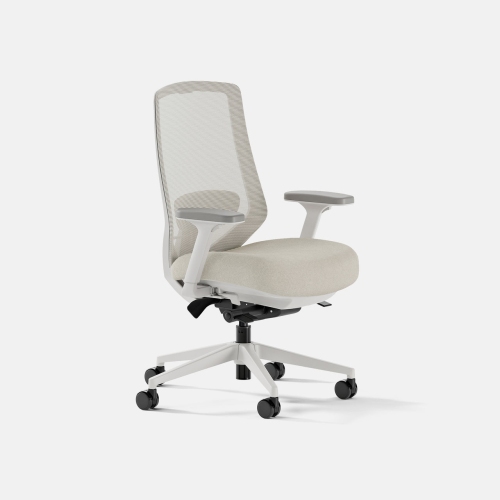 Your price for this item is $599
-
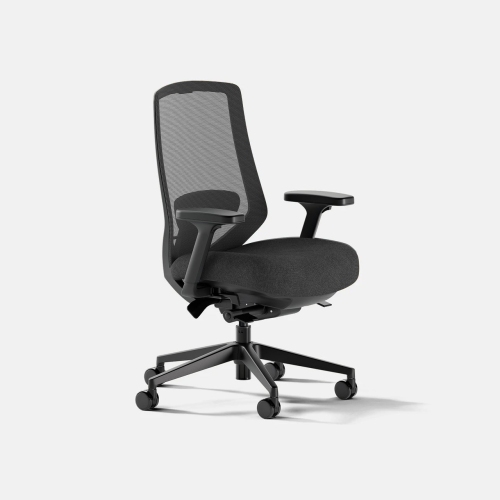 Your price for this item is $599
-
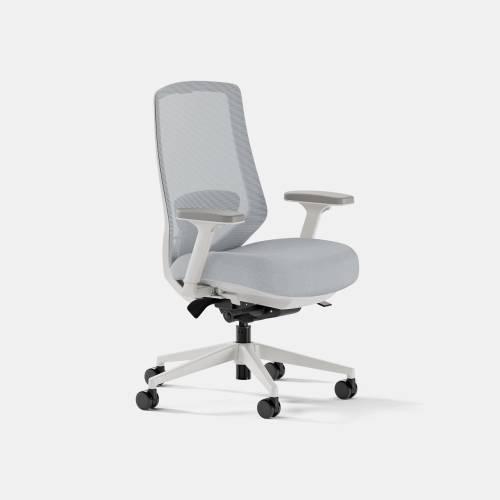 Your price for this item is $599
-
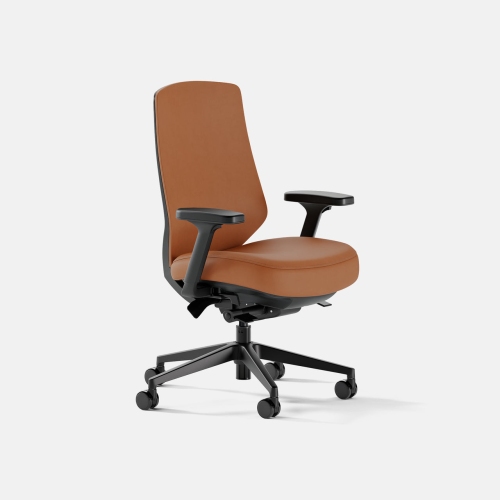 Your price for this item is $649
-
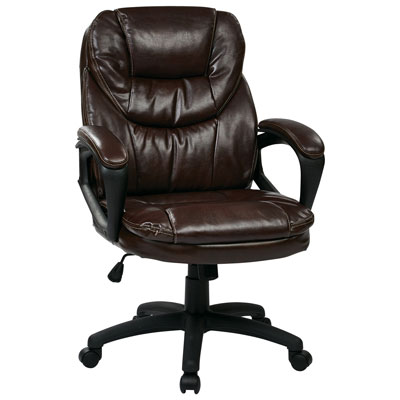 Your price for this item is $459.99
-
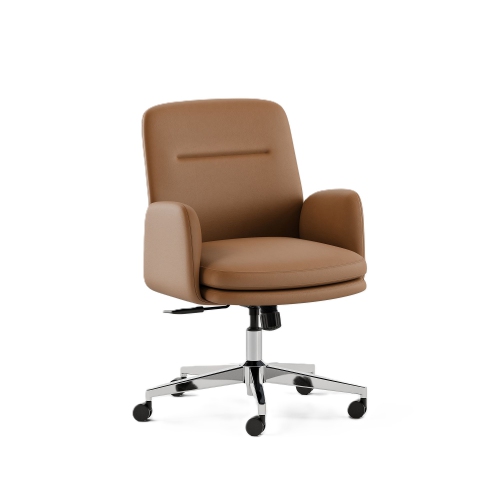 Your price for this item is $429
Discover more categories related to Office Chairs for Professional Workspaces
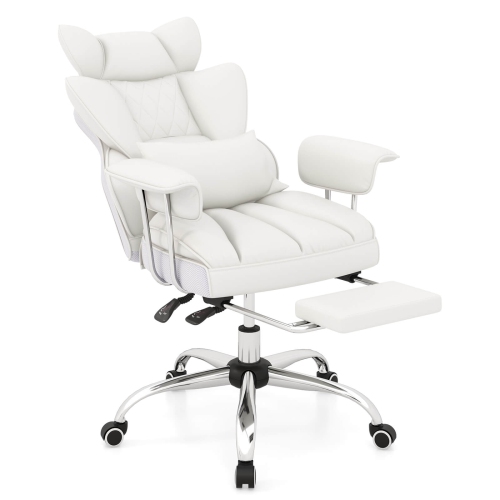
Top Collections:
Best Black Friday Deals This Year, Best Black Friday Deals On Electronics, Kindle Devices, Pokemon Centers, Best Black Friday Deals On Apple Products, Best Cameras for Sports Photography, Dyson Airwrap, Pokémon 30th Celebration Cards, Apple iPhone 17 Pro, Canon G7X Cameras
Some products may be subject to Environmental Handling Fees
(EHF) depending on your province.
Learn more about EHFs.