Office Clocks
If you're looking to add a touch of style and functionality to your office space, look no further than these office clocks. Whether you're looking for a sleek modern design or a classic vintage-inspired piece, we have a wide range of options to suit almost any taste and decor. From wall clocks to desk clocks, these clocks offer both practical timekeeping and eye-catching aesthetics. With various sizes, materials, and features available, finding the perfect office clock to complement your workspace has never been easier.
Sort

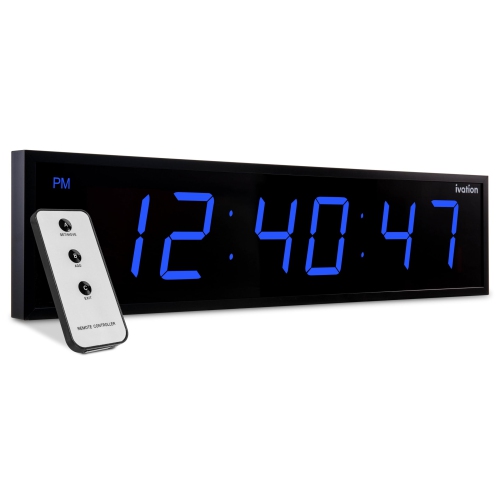
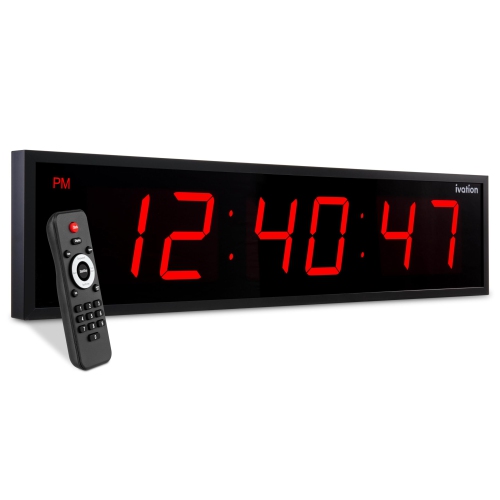
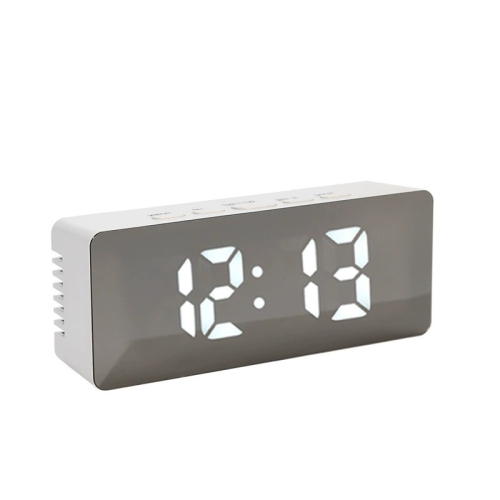
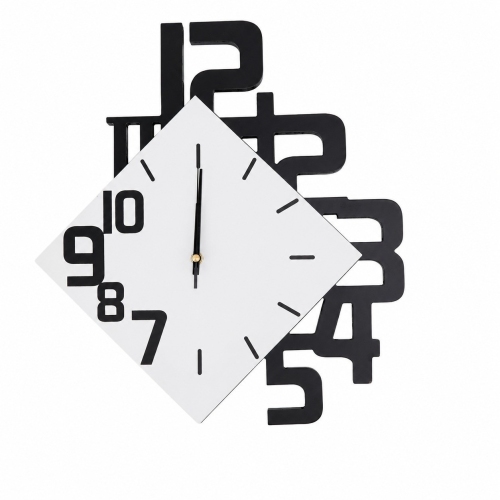
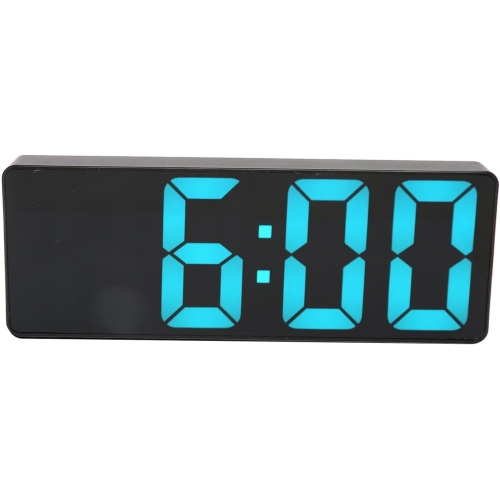
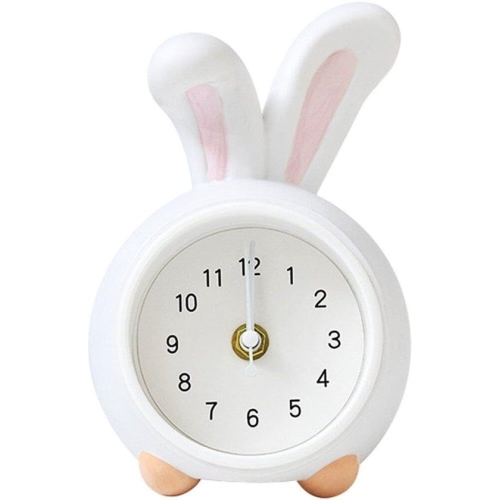
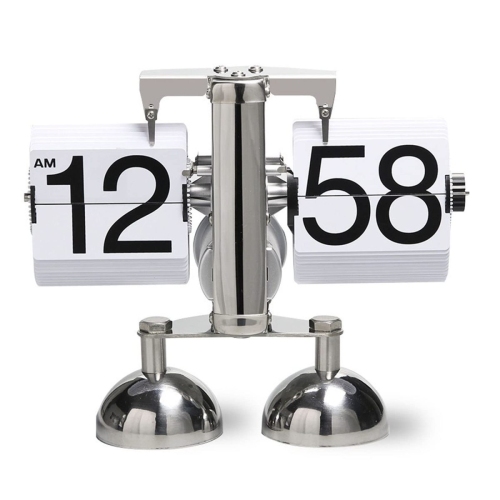
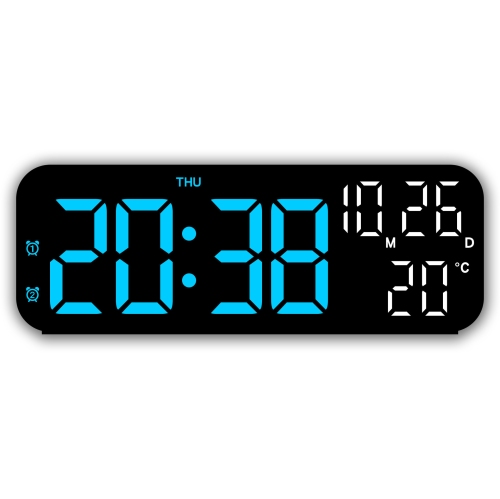
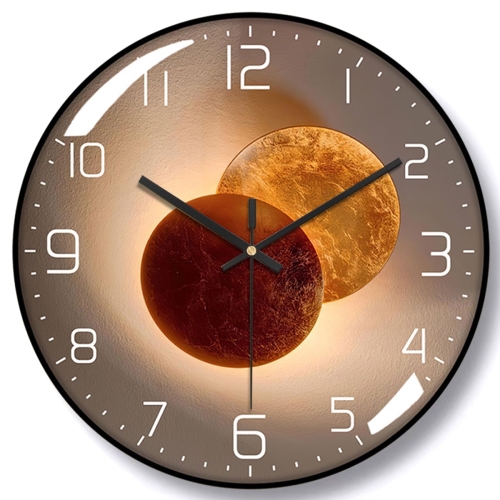
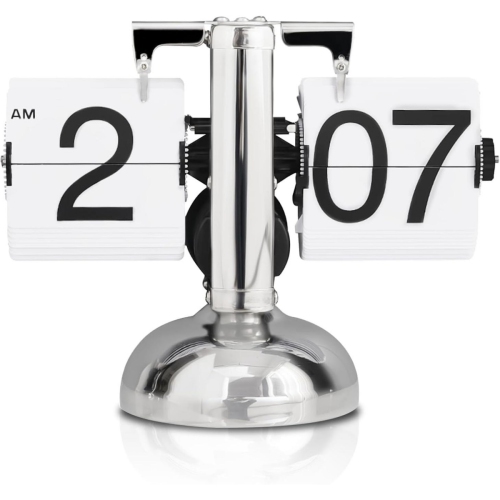
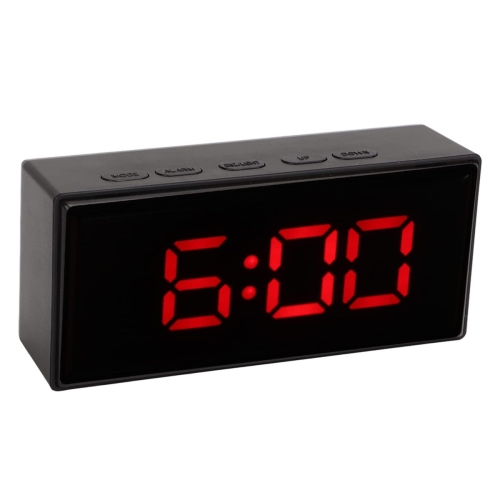
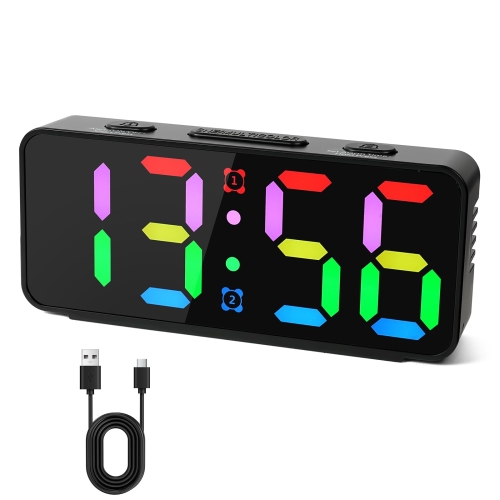
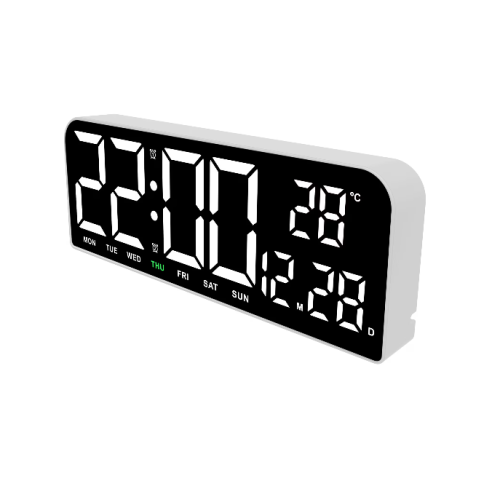
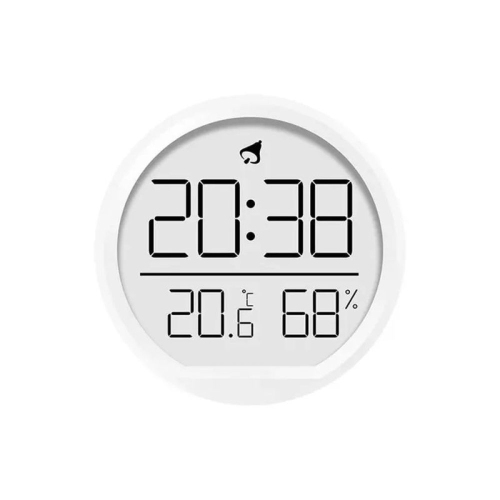
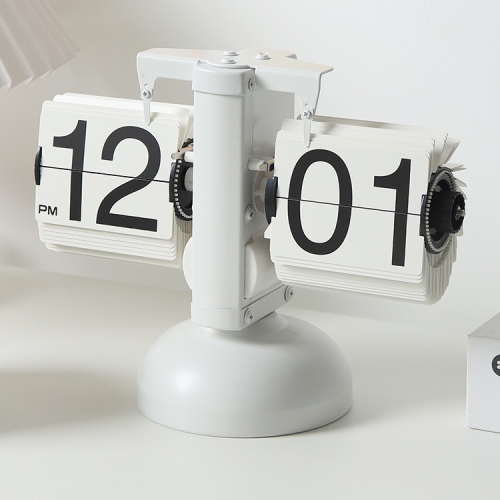

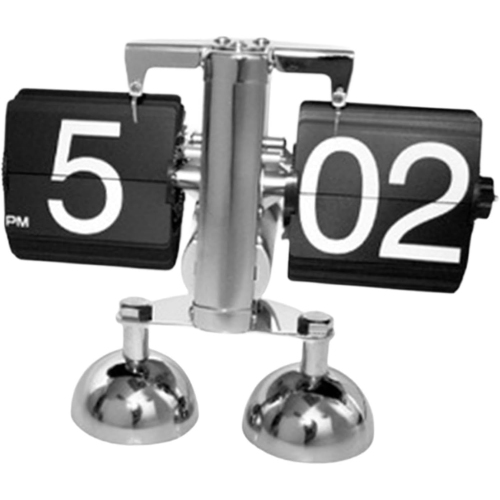
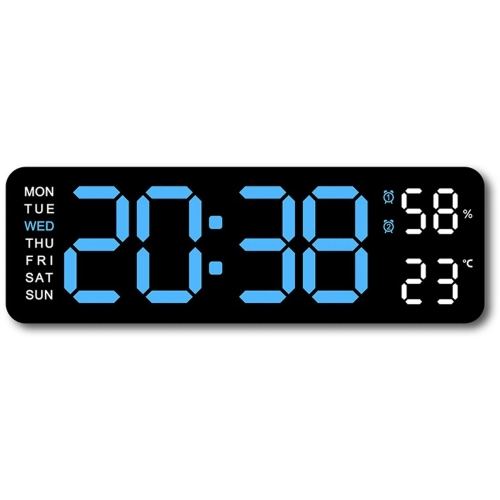

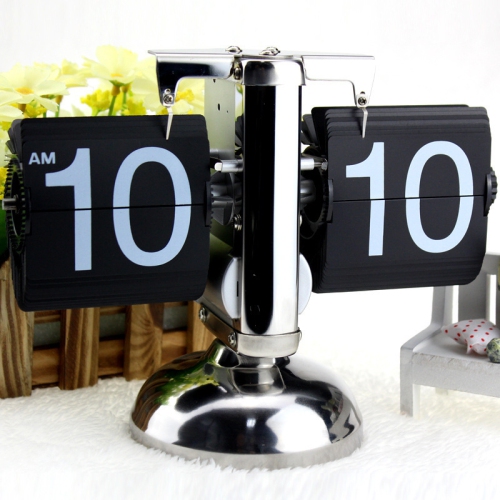
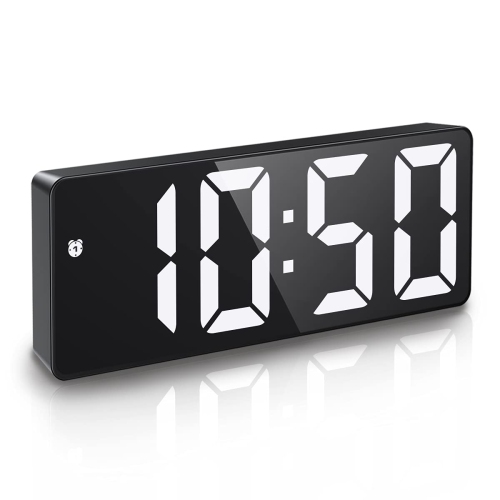
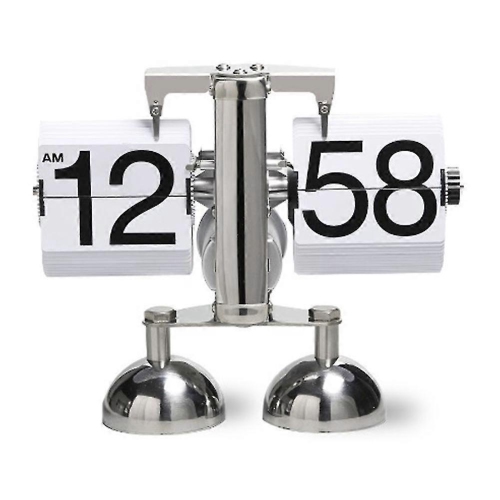
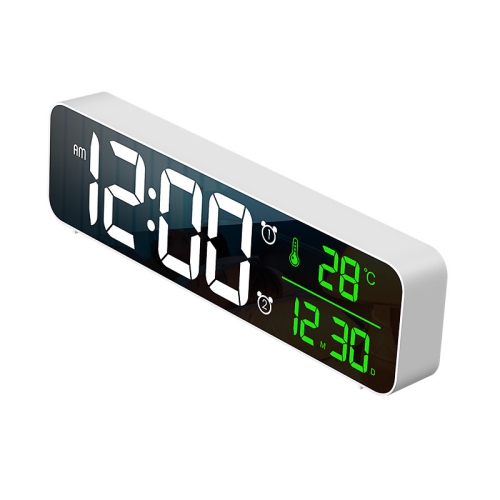
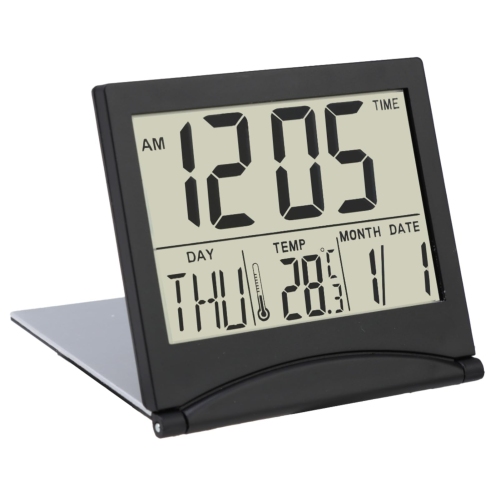
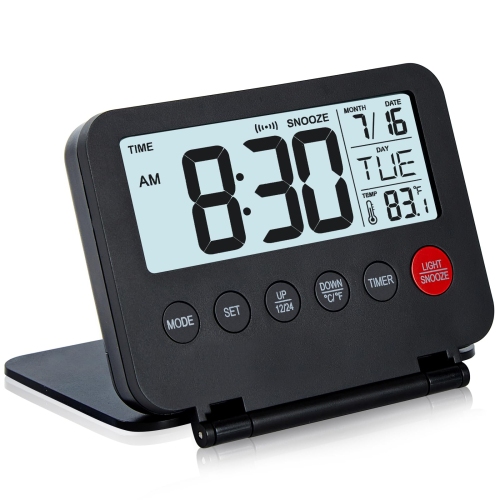
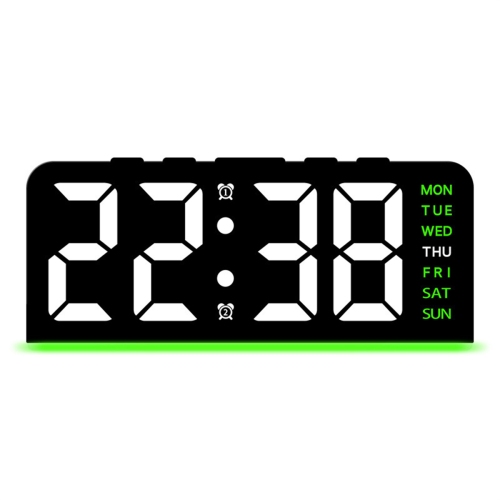
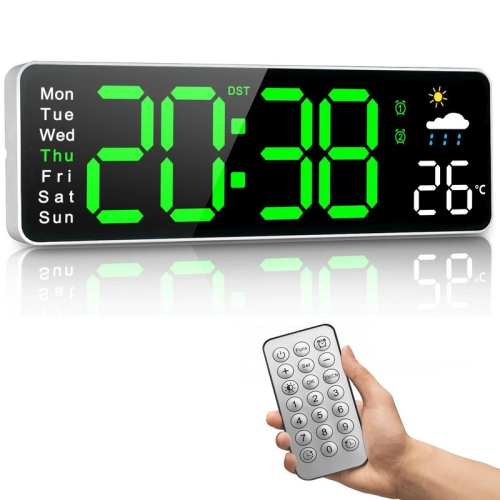
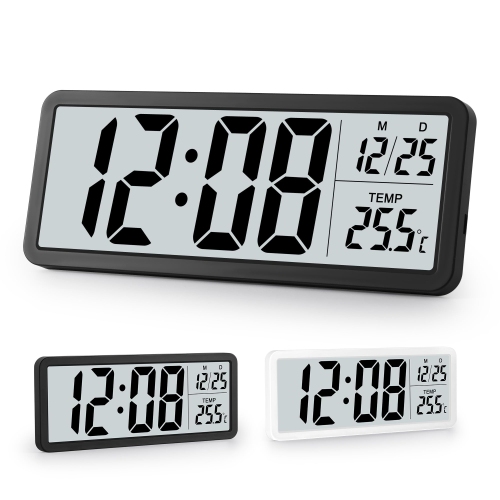
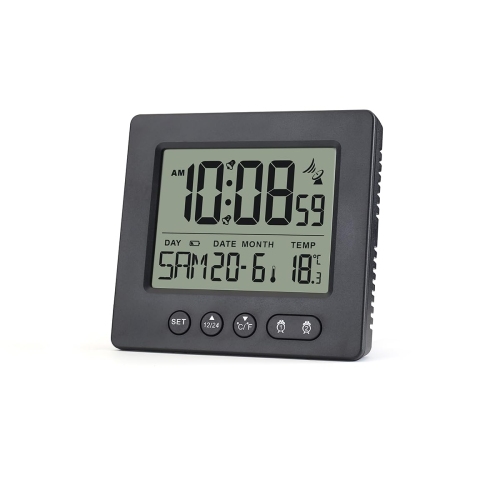

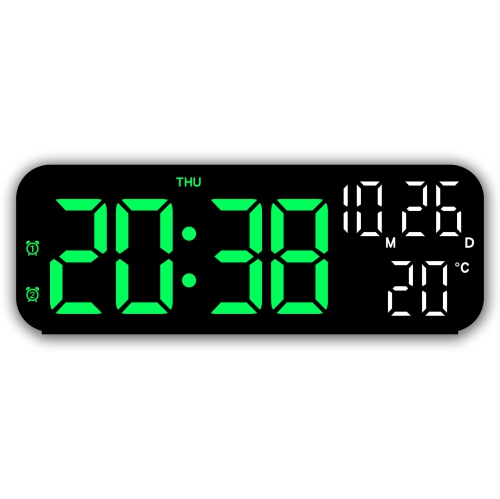
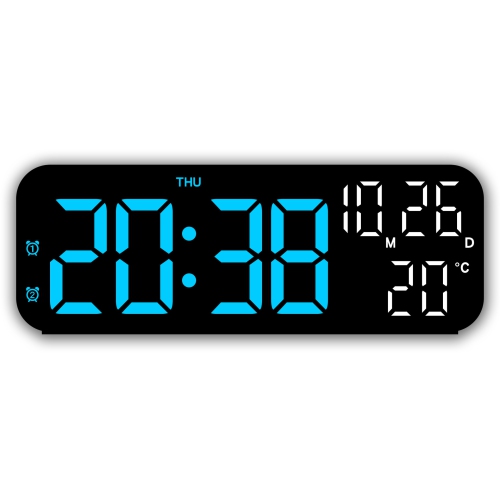
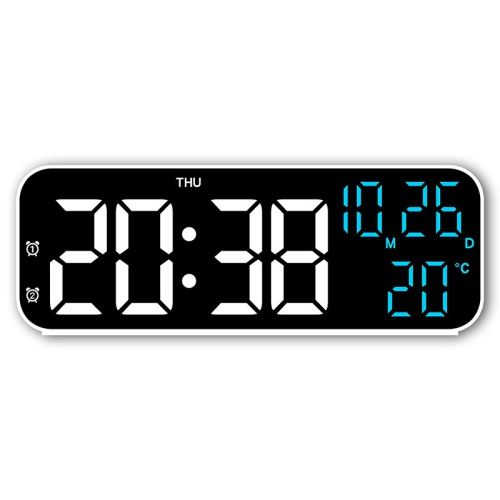
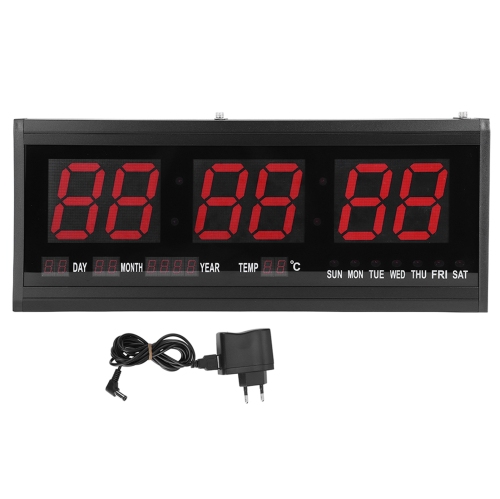
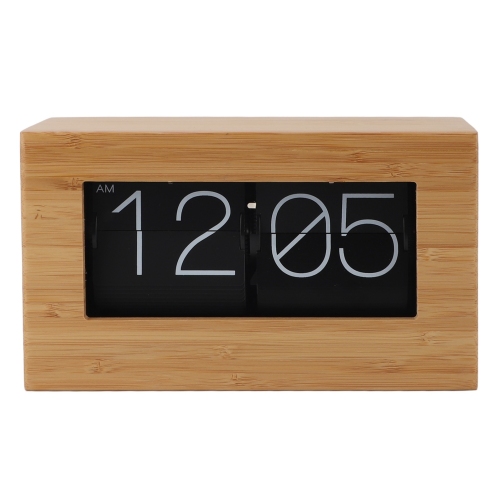
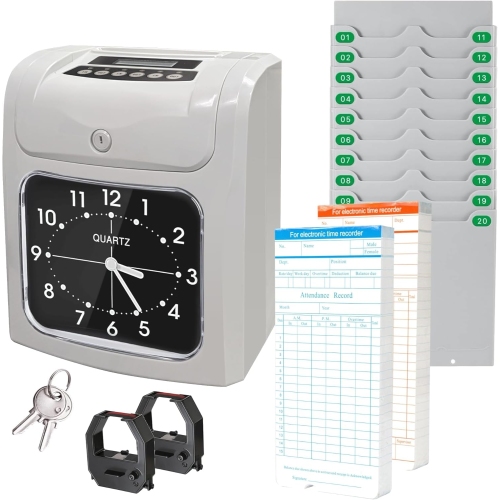
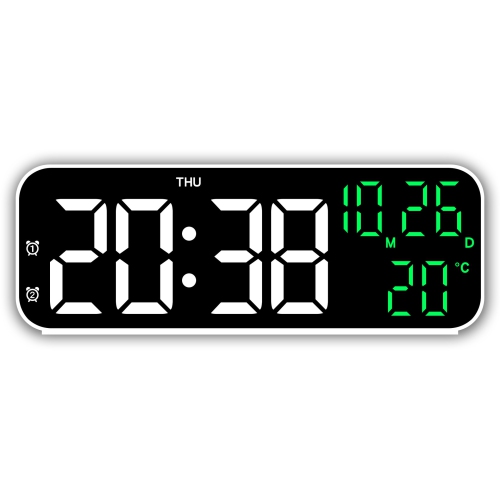
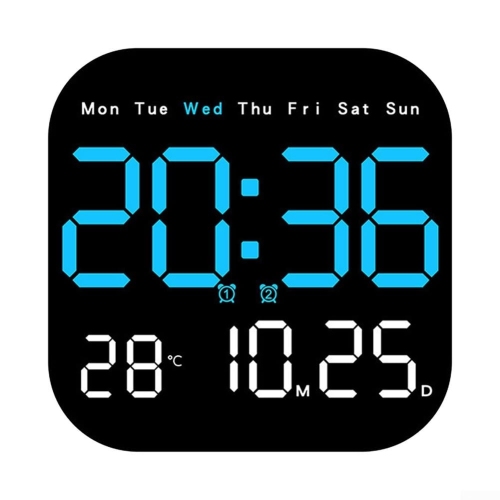
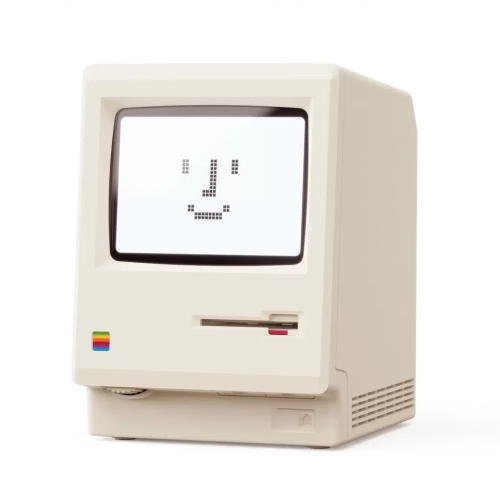
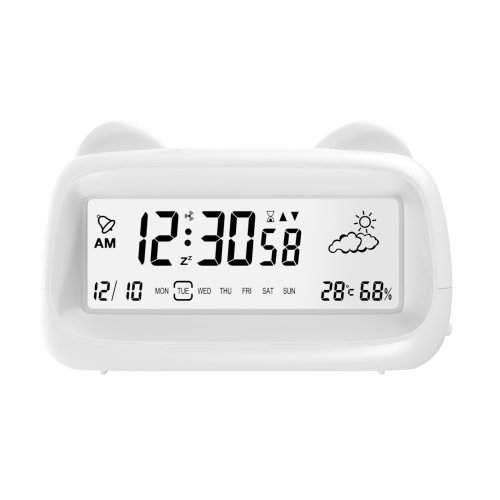
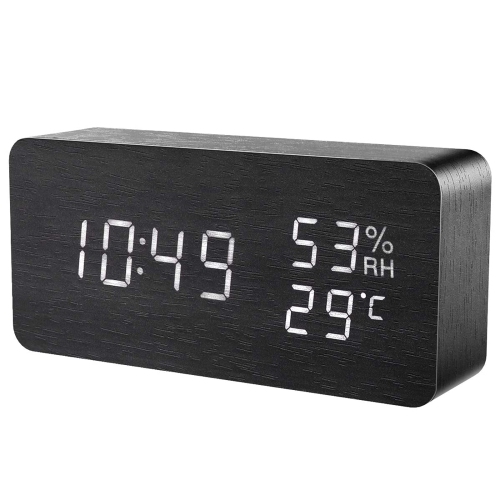
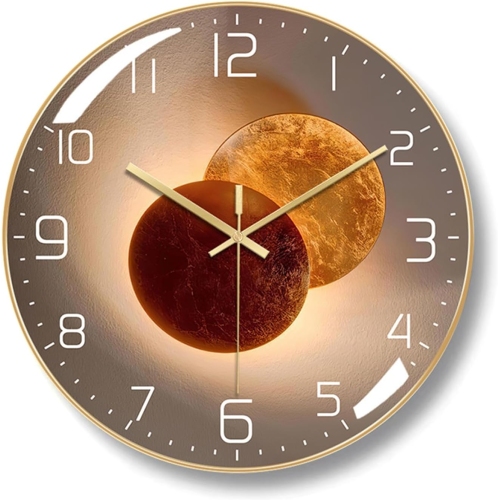
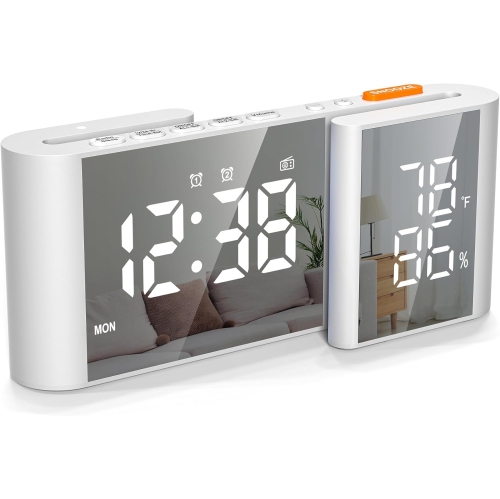
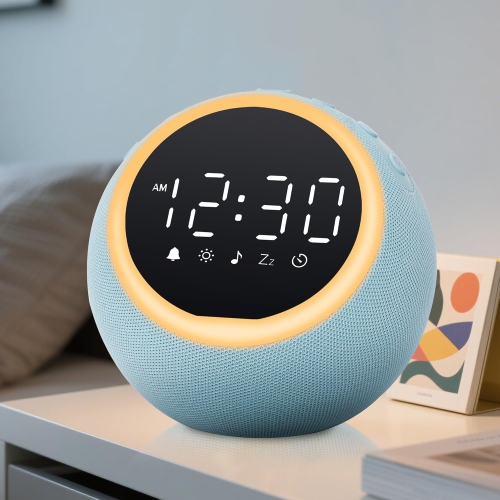
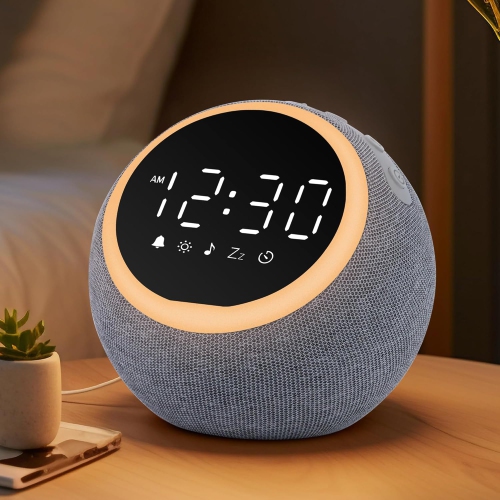
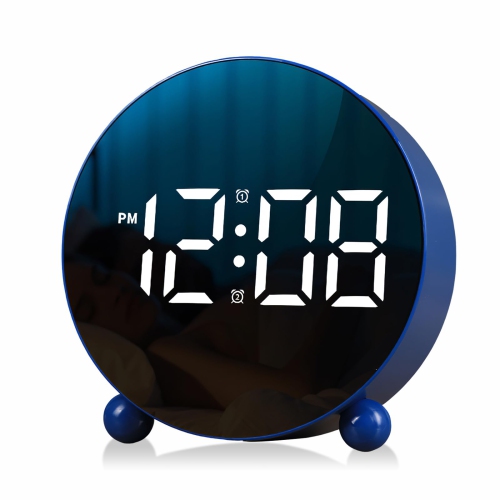
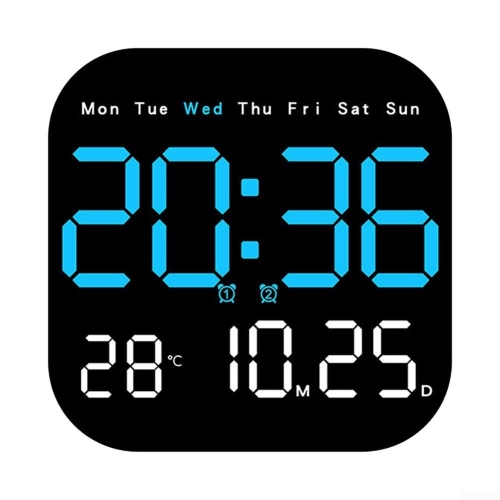
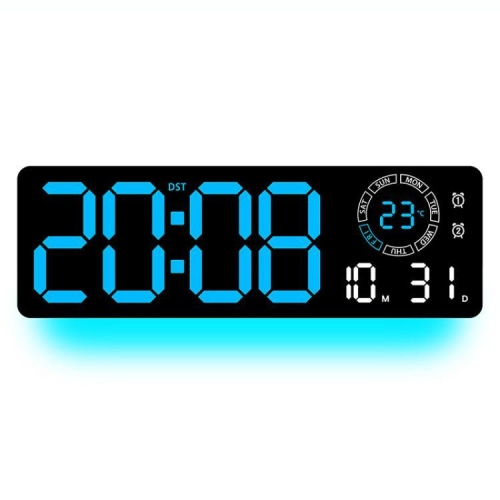
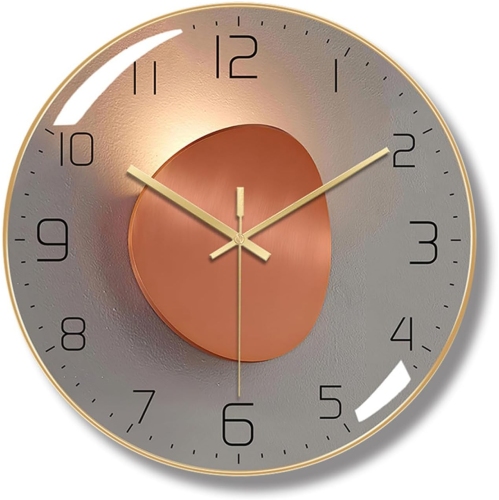
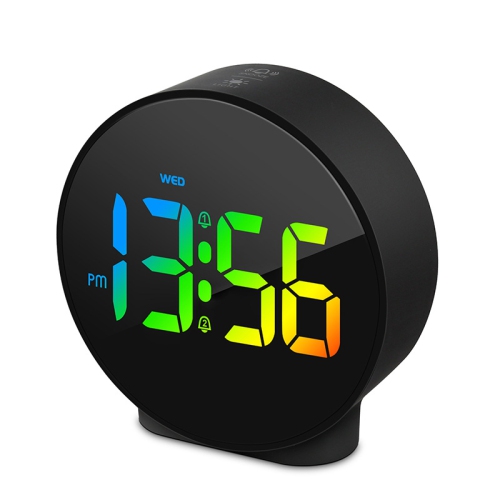

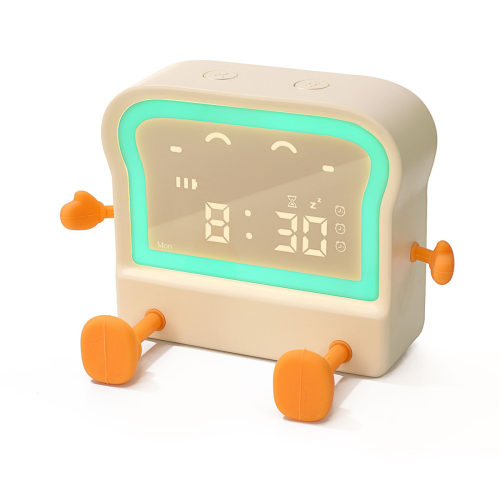
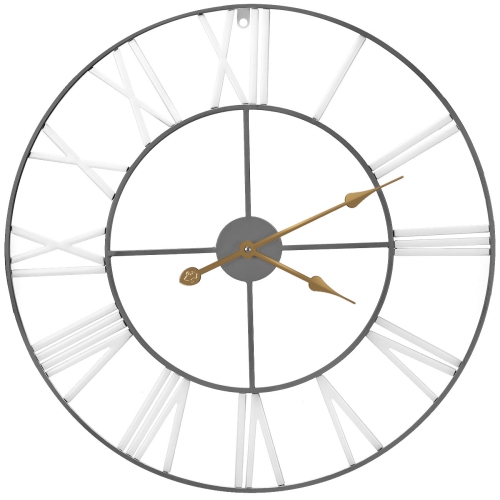
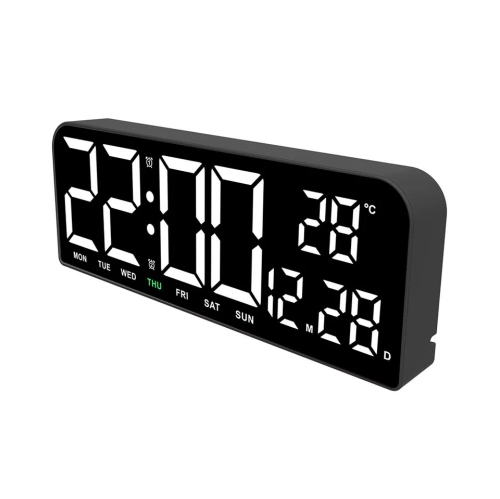
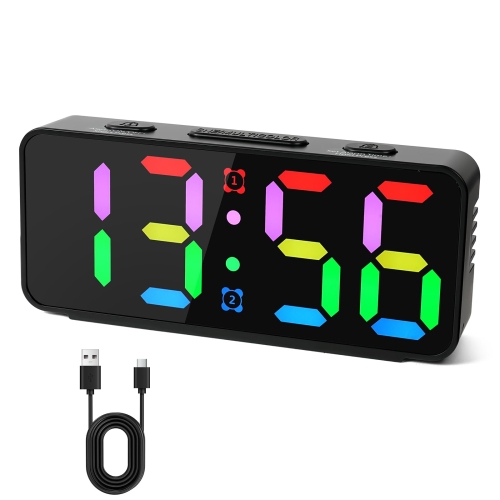
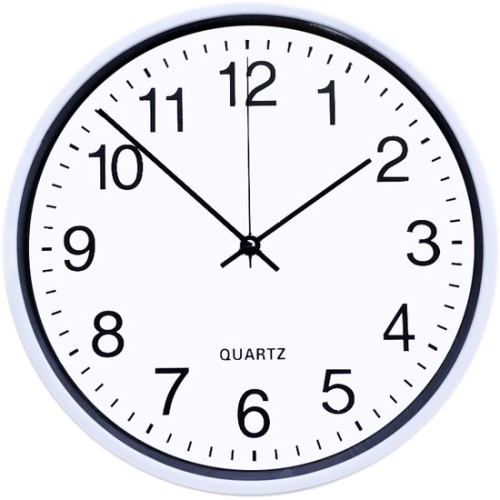
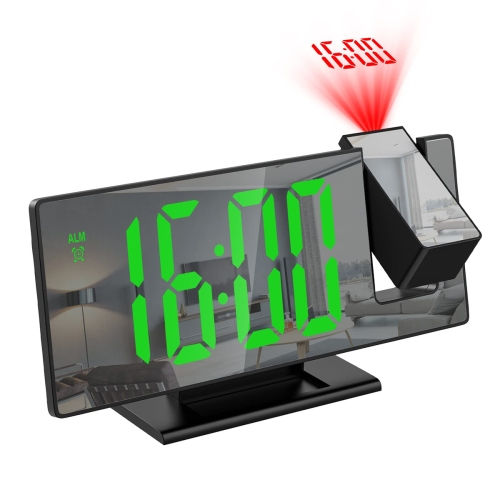
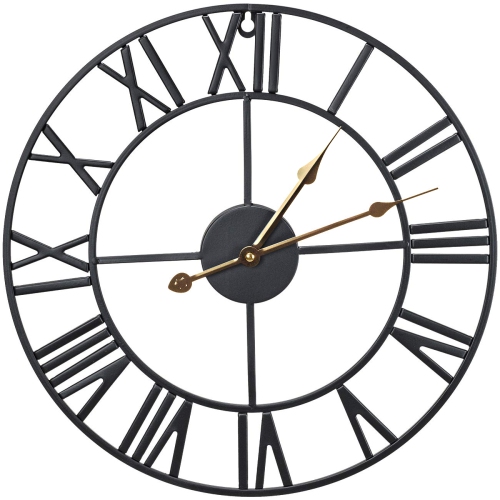
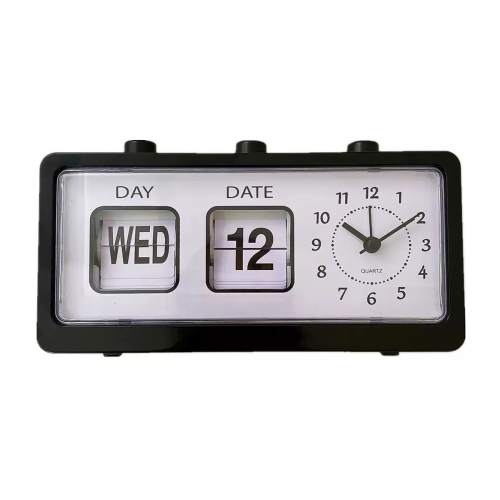
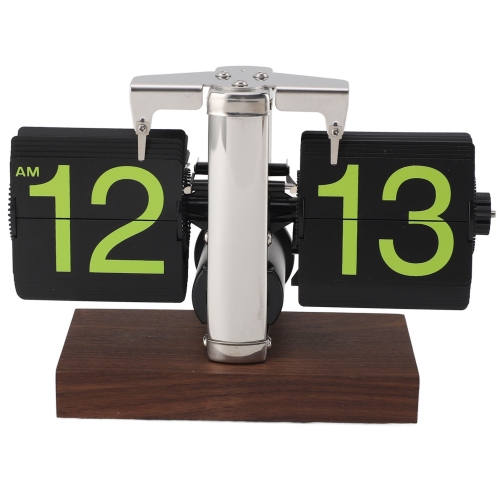
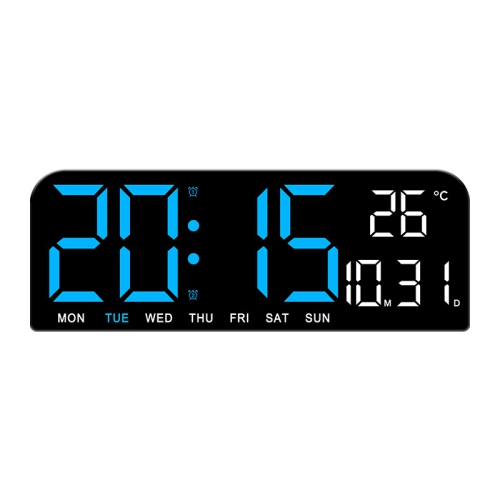
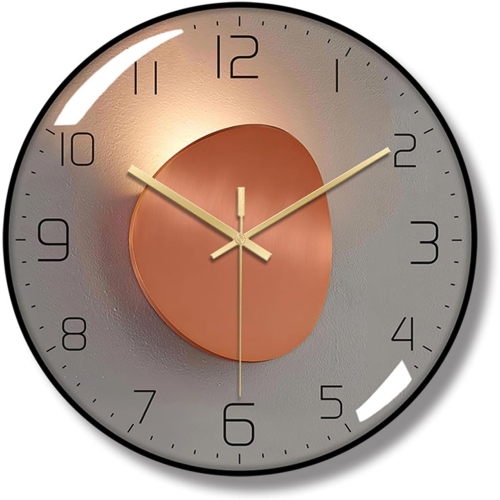
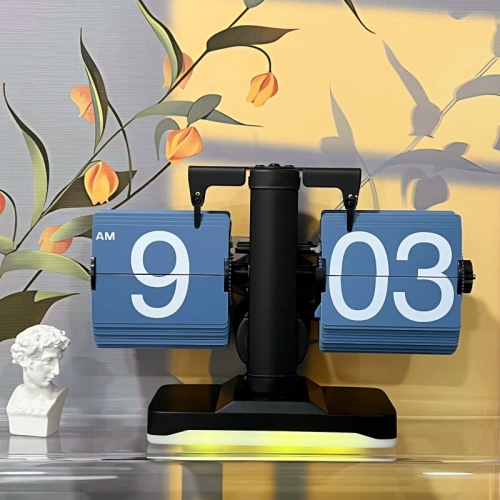
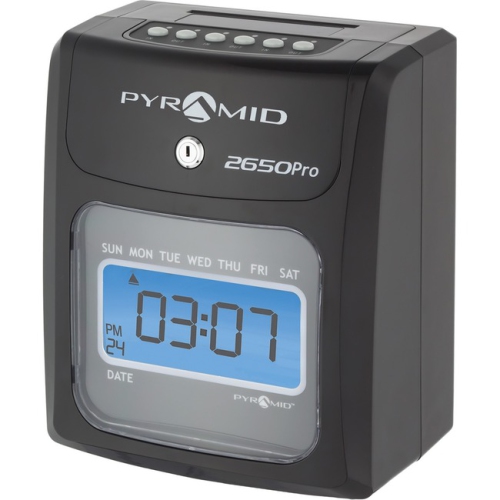
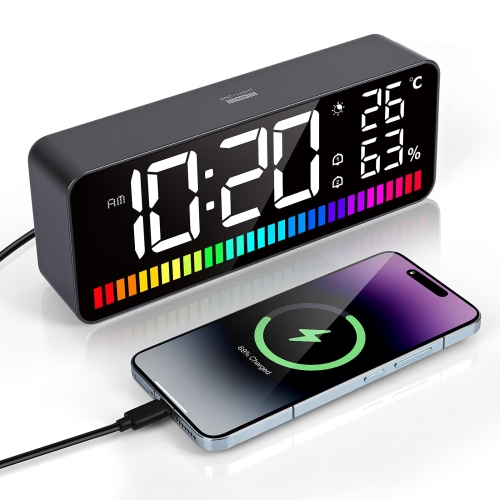
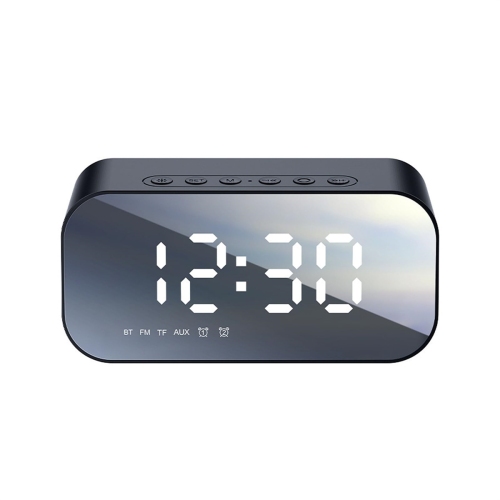
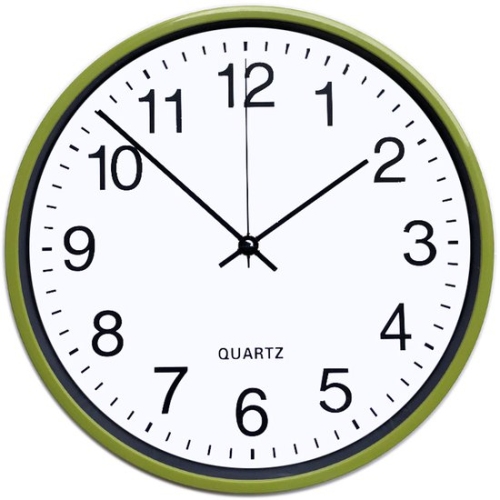
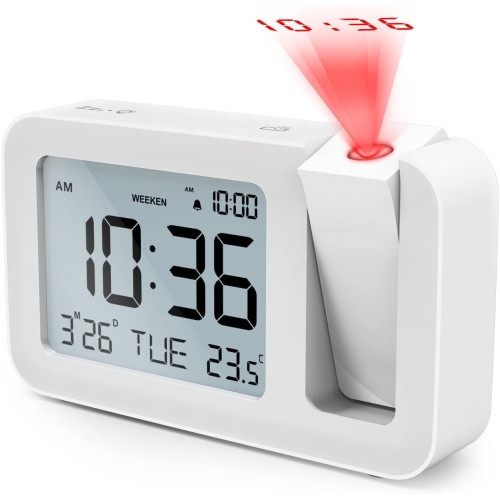
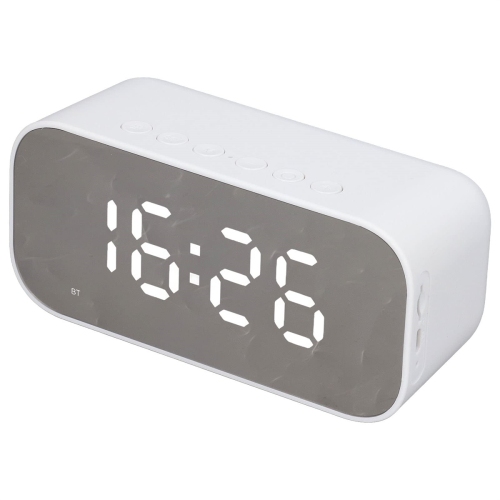
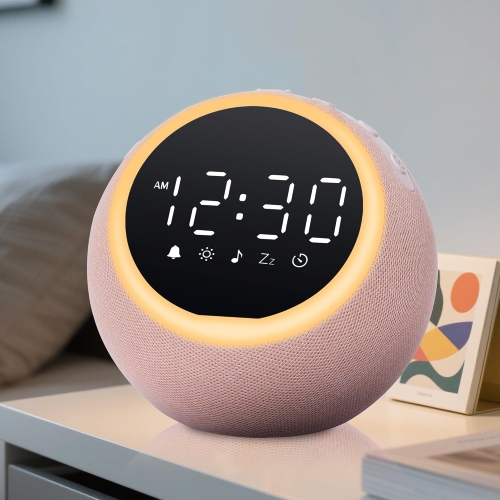
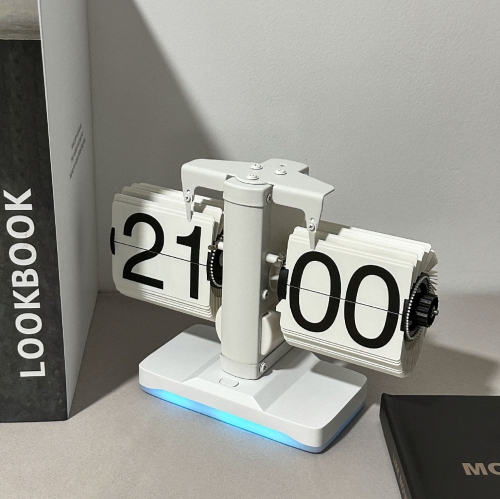
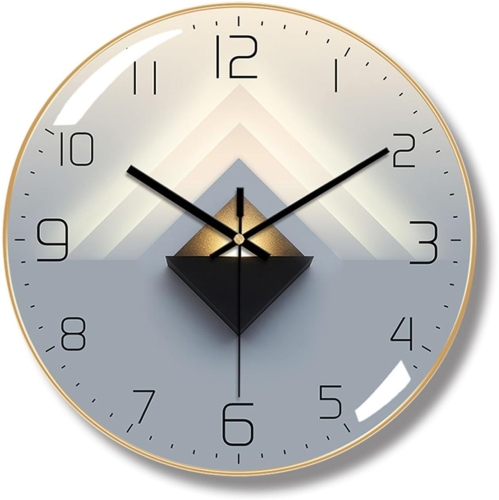
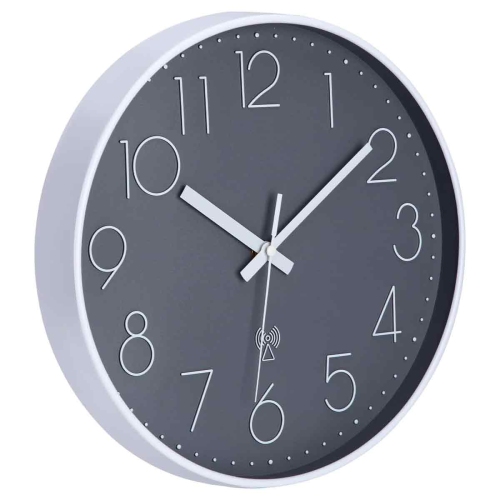
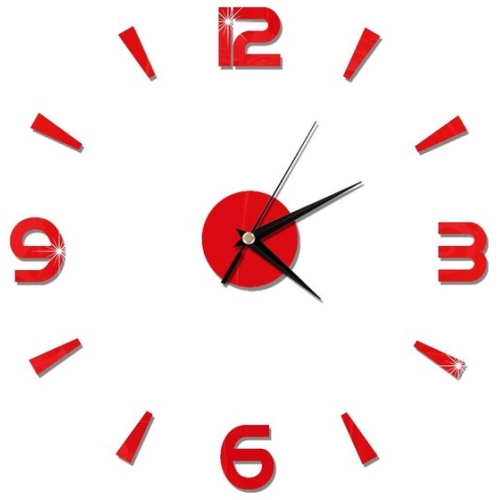
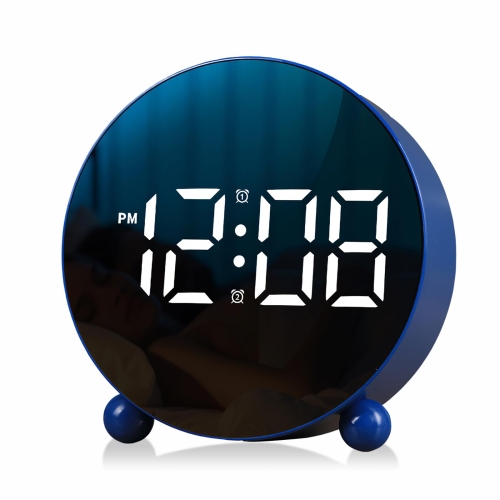
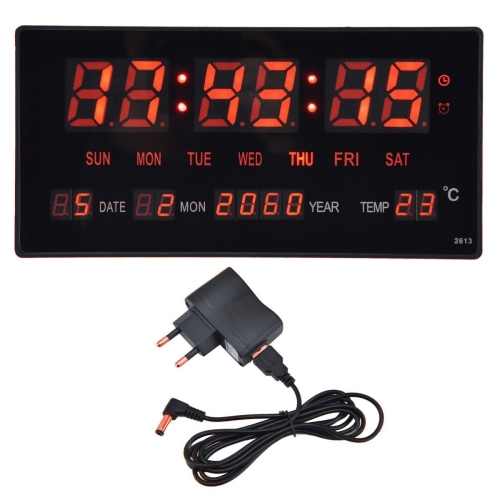
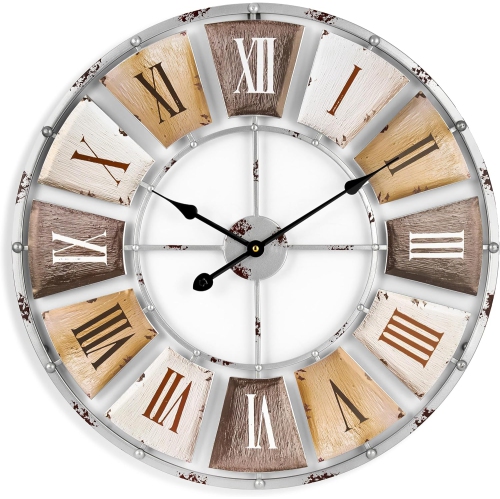
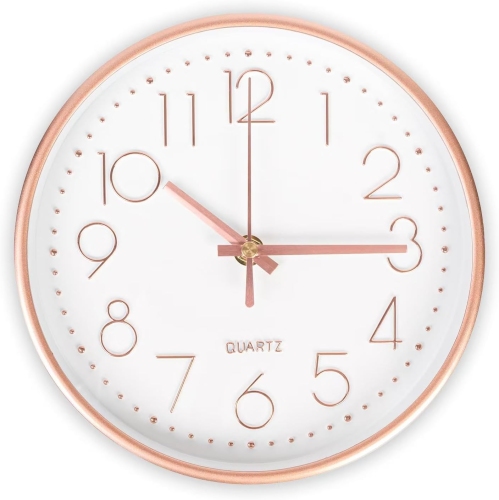
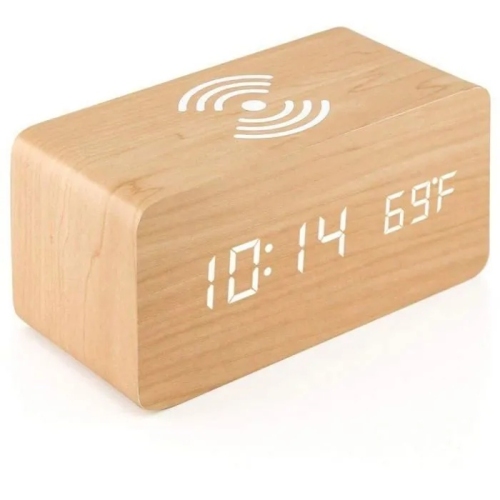
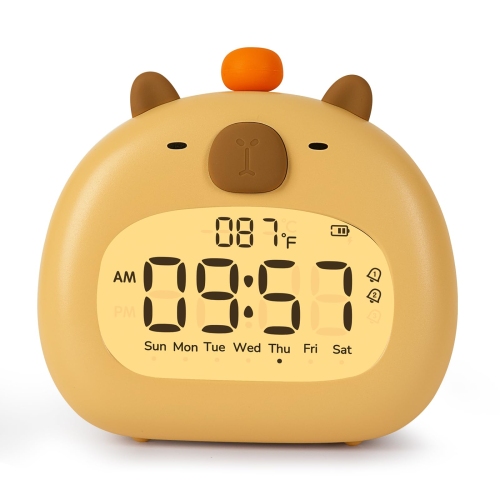
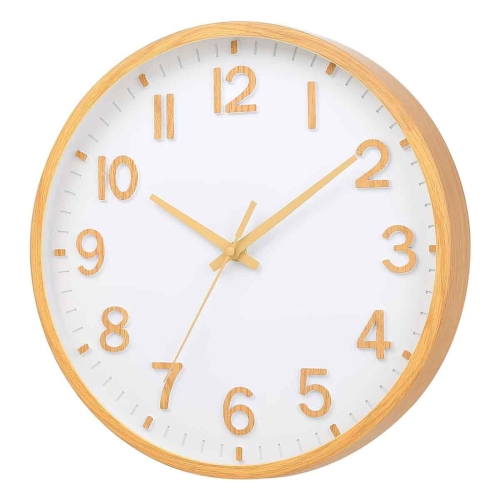
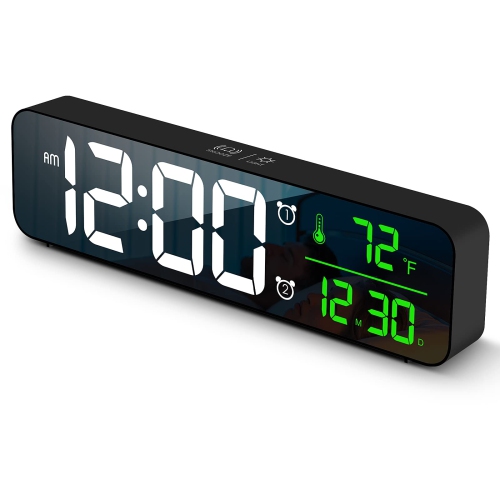
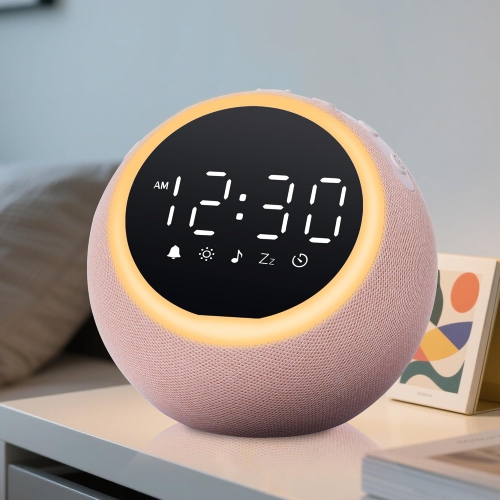
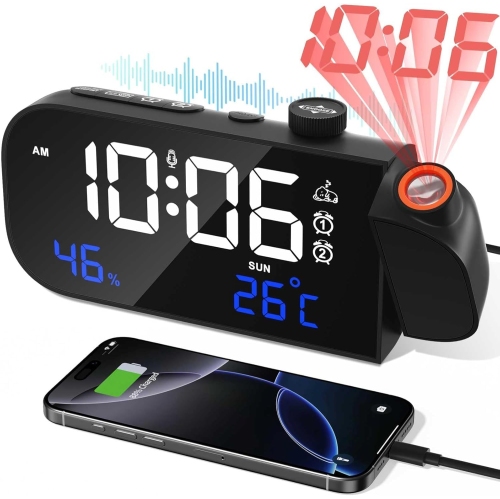
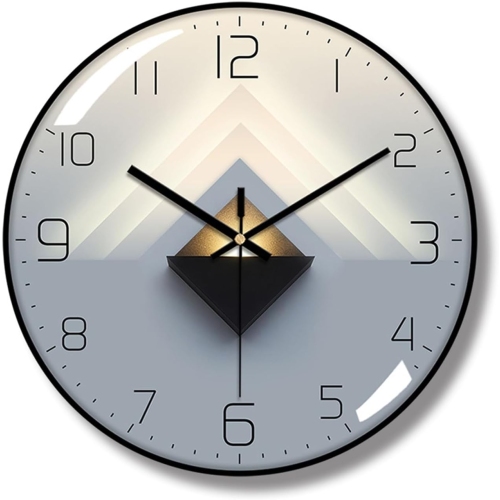
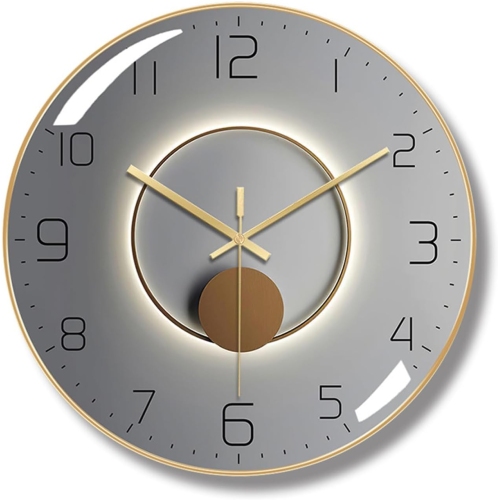
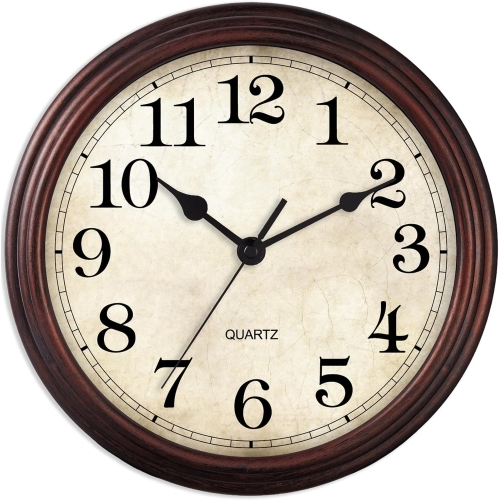
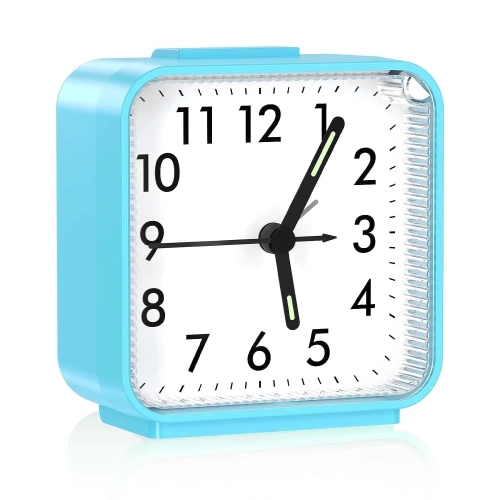
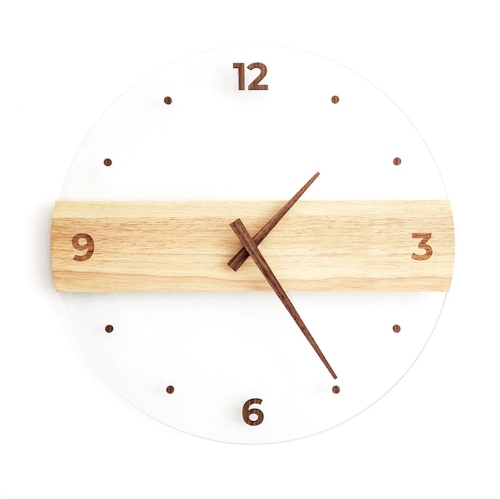
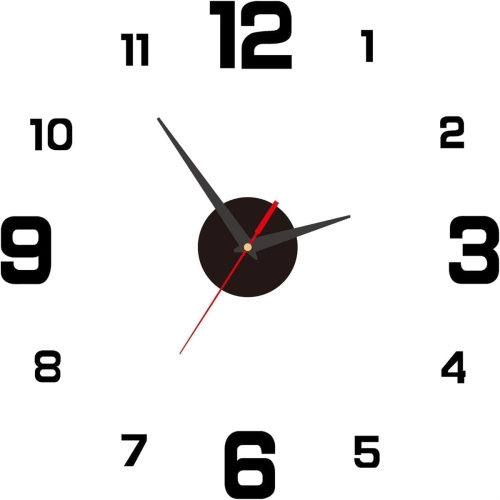
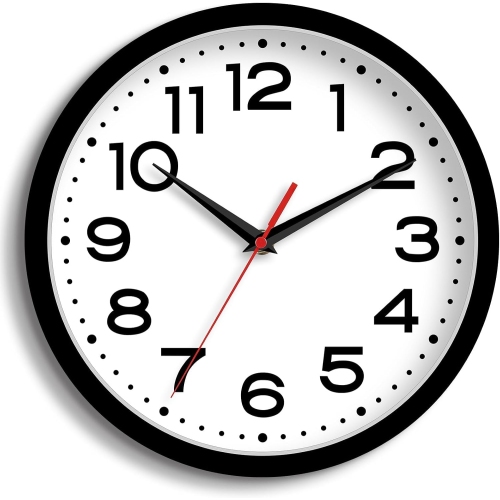
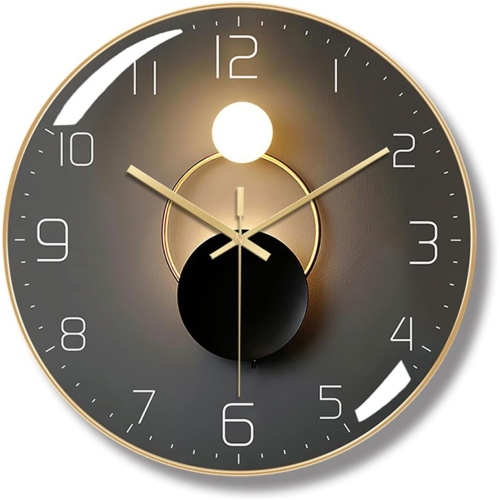
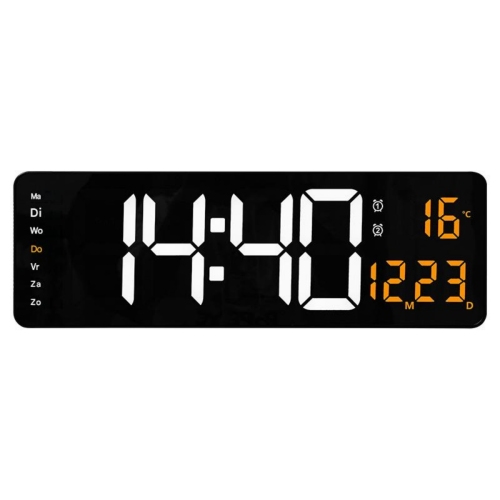
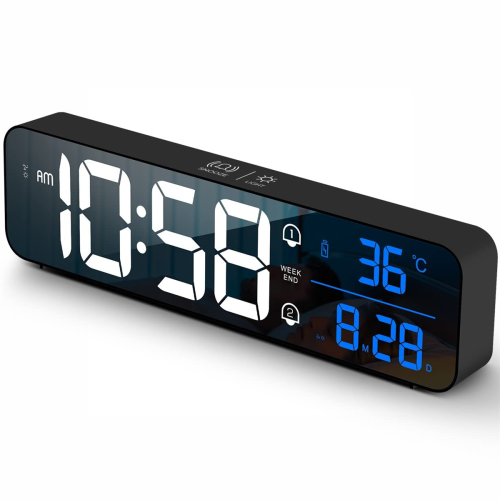
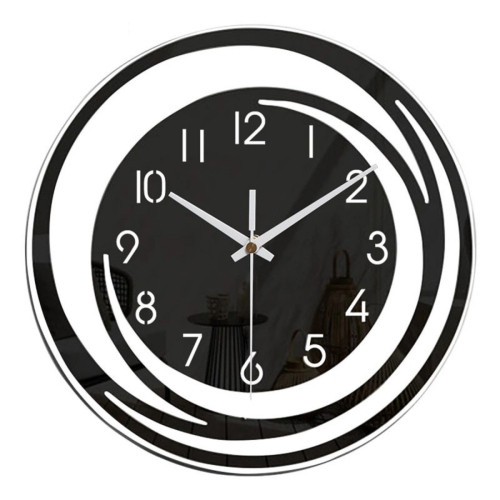
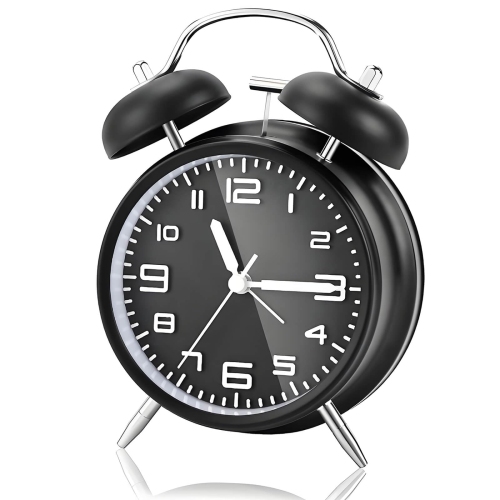
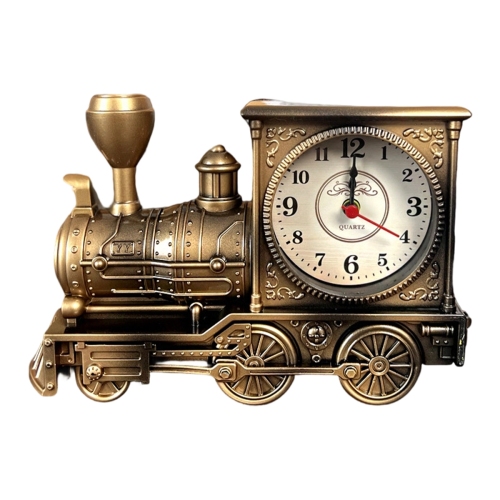
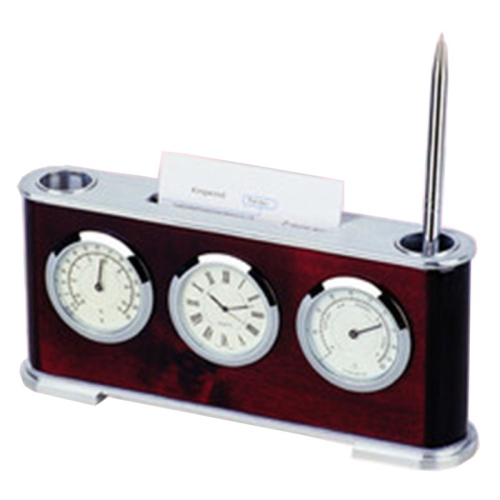
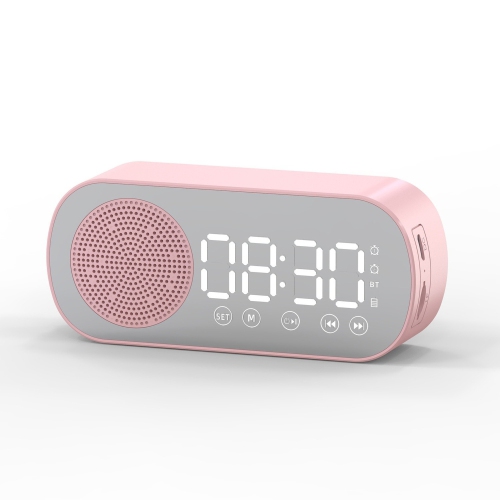
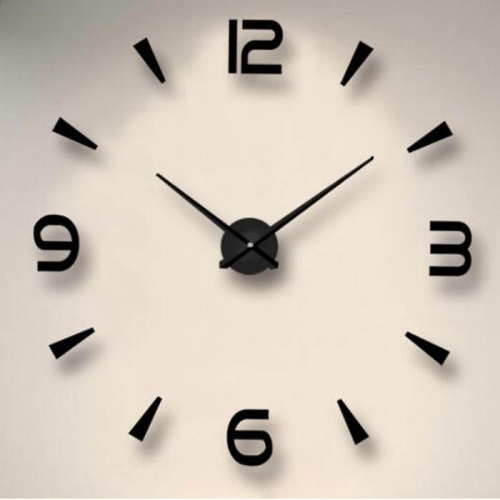
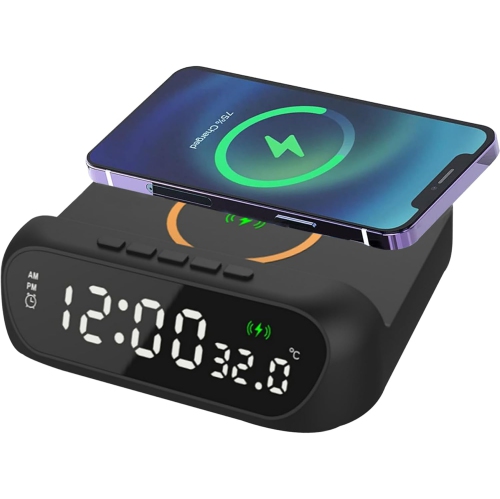
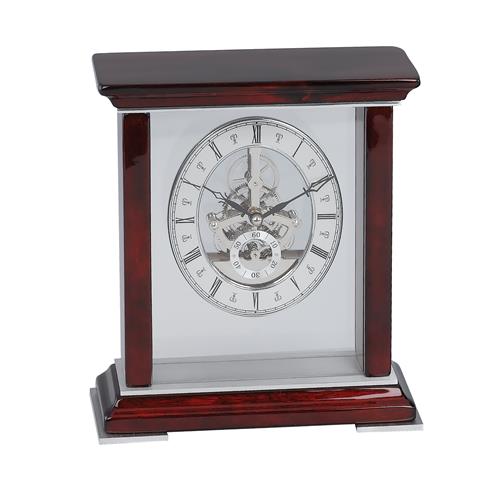
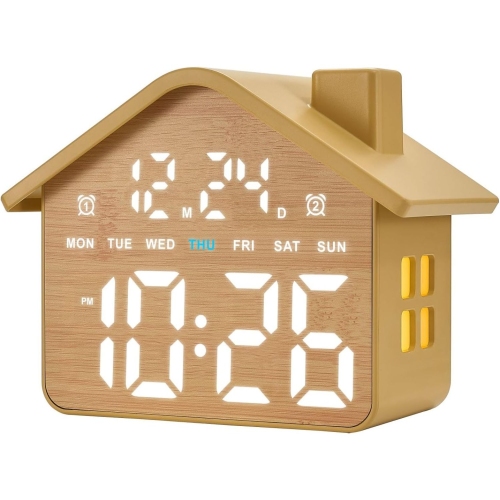

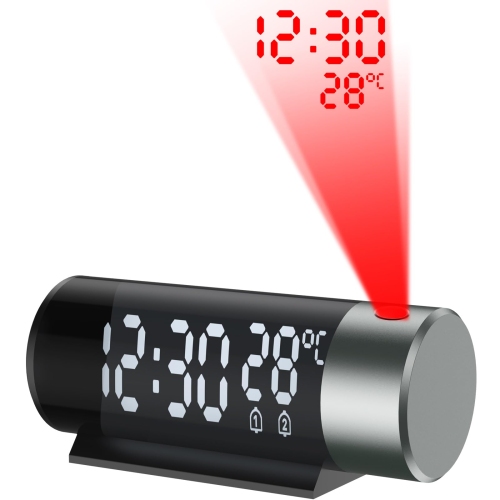
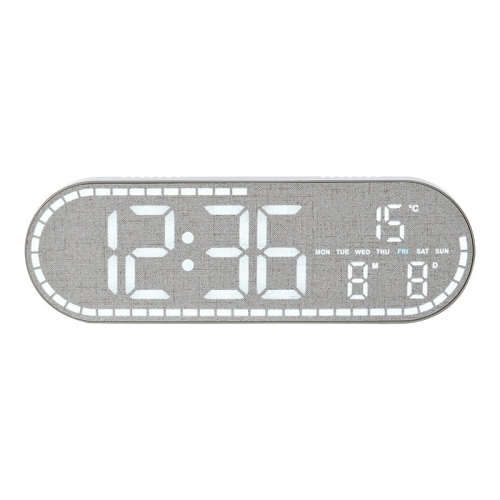
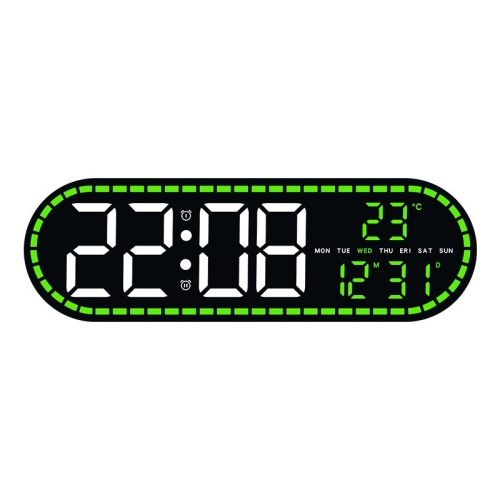
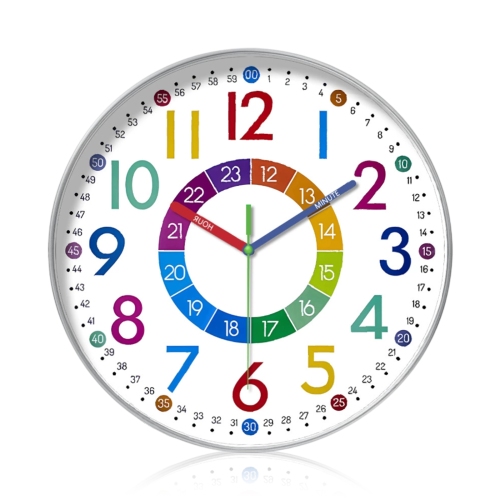
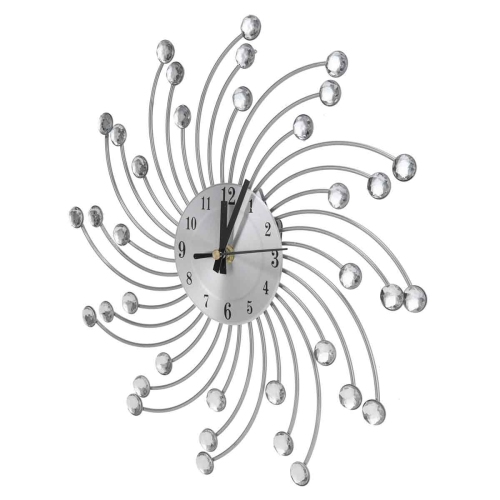
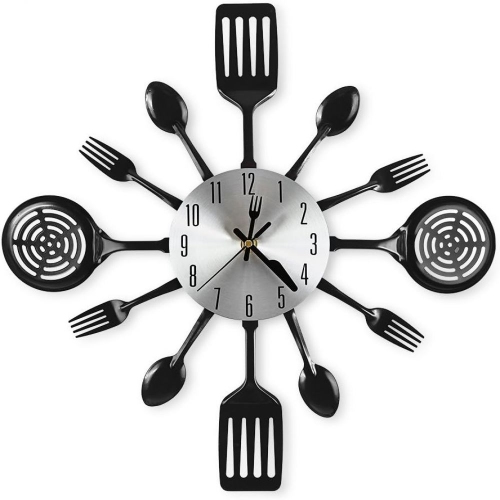
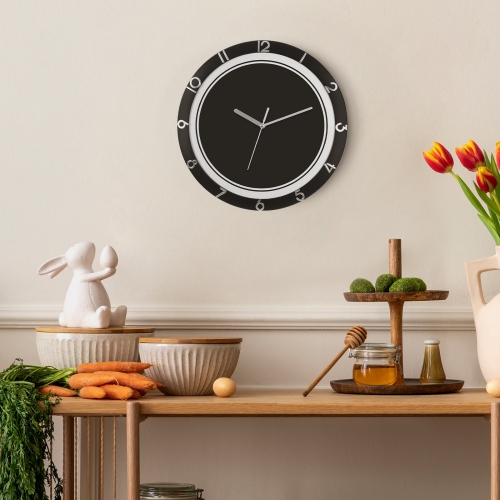
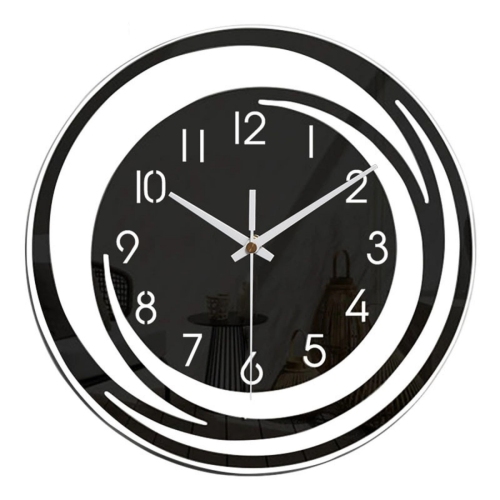
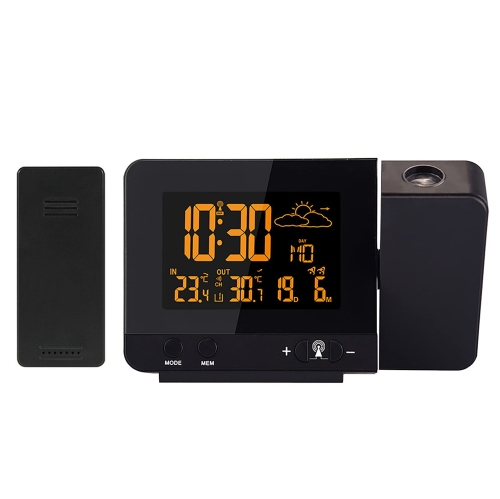
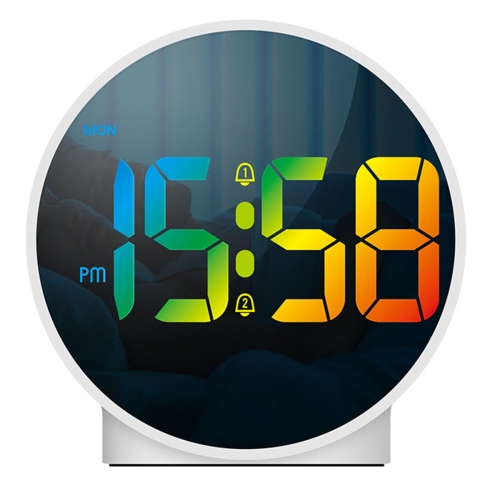
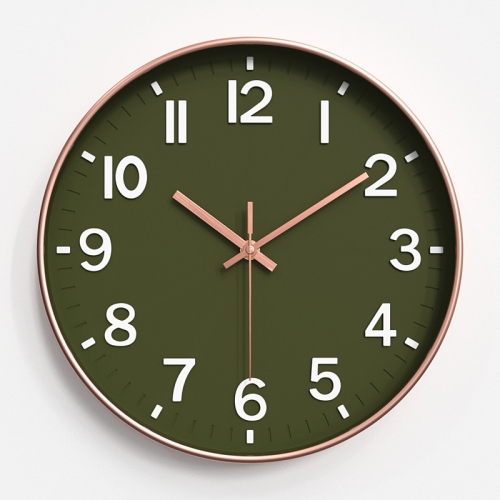
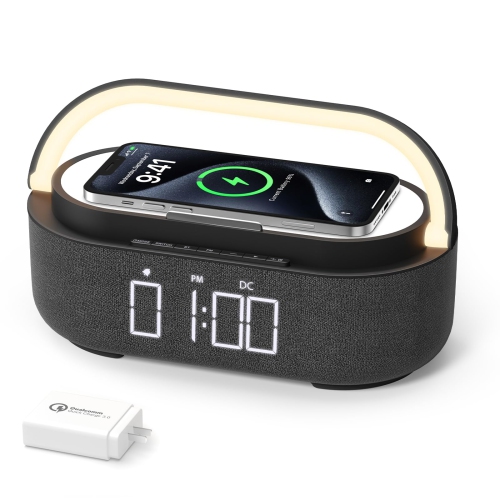

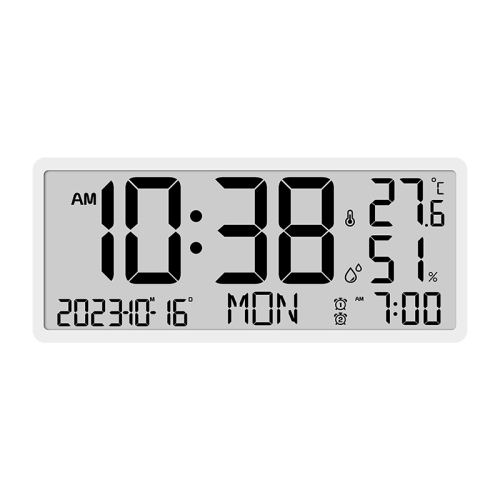
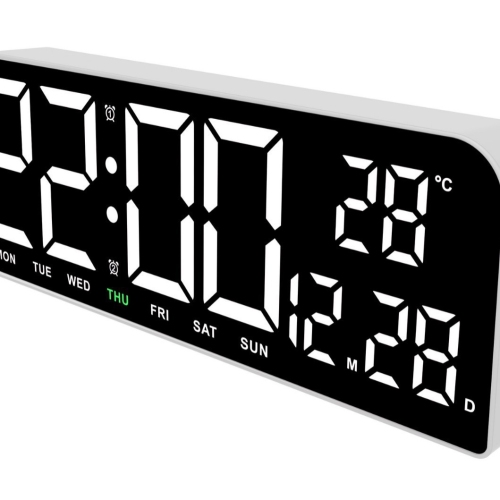
Time at a glance without another screen check
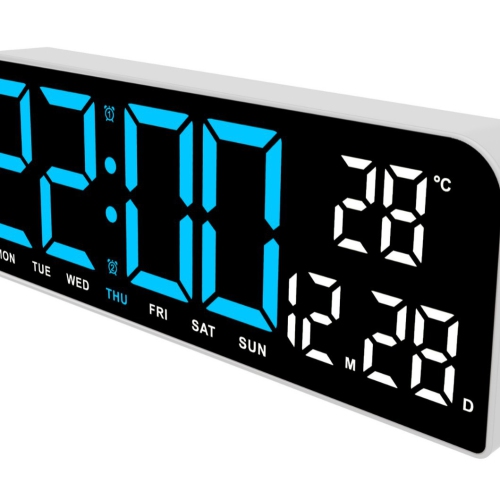
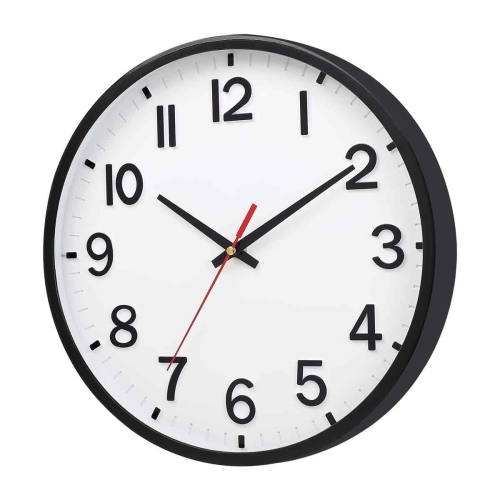
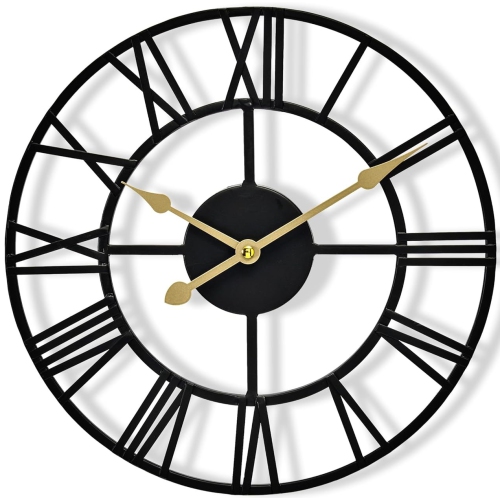
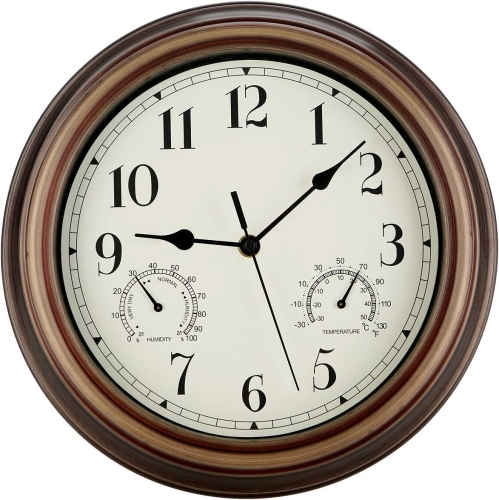
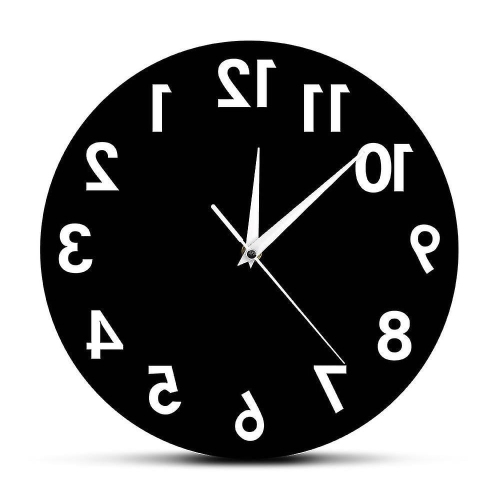
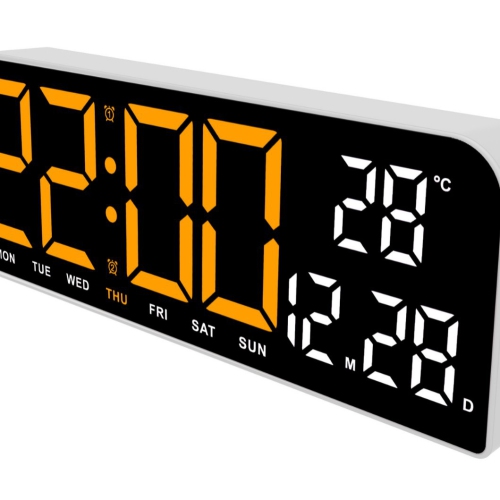
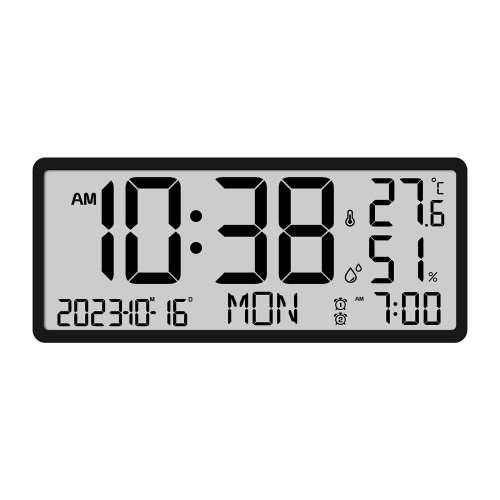
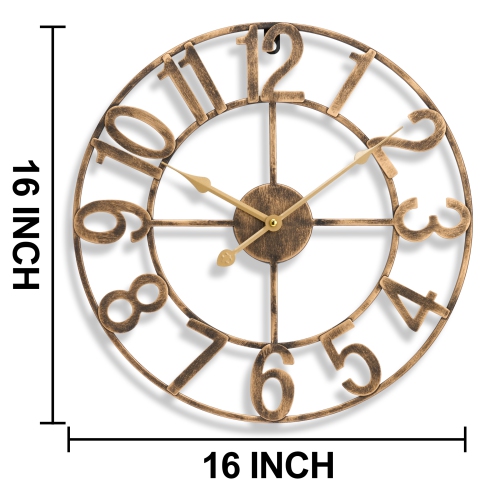
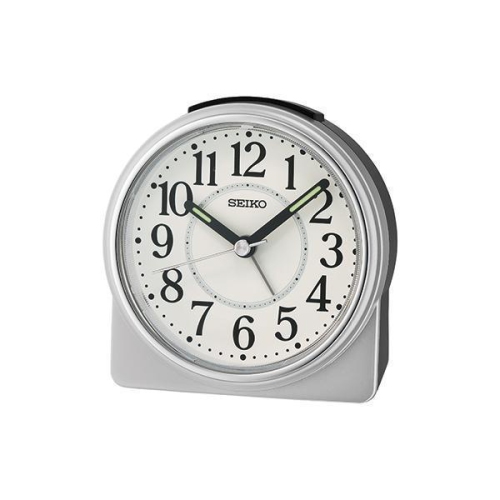
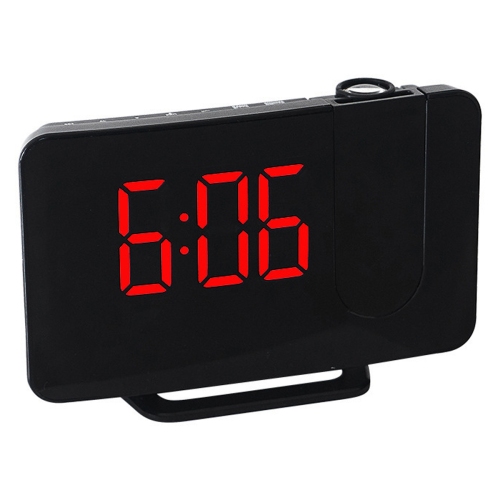
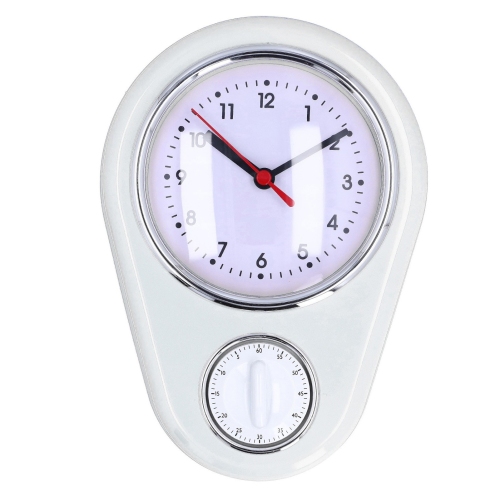
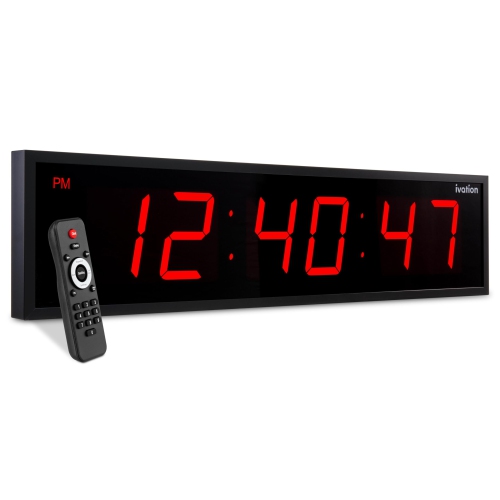
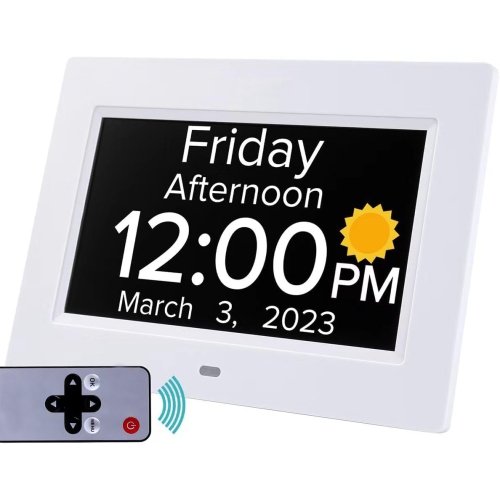
Office clocks make the time easy to see without opening a laptop, waking a phone, or interrupting a conversation. They serve a practical role in meeting rooms, reception areas, shared workspaces, and home offices, while adding a finishing touch to a wall or desk. The main choices are wall-mounted clocks for visibility across a room and desktop clocks for a closer, more personal view. Analogue faces show the passage of time through the position of the hands, making it easy to judge how much of a meeting remains at a glance. Digital displays present the time in numerals, which can be helpful when exact minutes matter or when reading small clock hands is difficult. In a conference room, a clear face positioned within sight of the seating area helps everyone keep track of an agenda without repeatedly checking a device. At an individual workstation, a small clock beside a monitor can provide a steady visual reference during calls, paperwork, or focused tasks. Size should suit both the viewing distance and the space around the clock. A wall face measuring roughly 12 to 18 inches across can be a useful starting point for an office, although numeral size, contrast, and placement matter as much as overall diameter. Larger rooms may call for a more prominent display, while a compact desk model keeps a narrow writing surface open. A wall clock is particularly useful where several people need to read the same time without giving up desk space. Across either format, dark hands against a light dial, distinct hour markers, and an uncluttered layout tend to be easier to read than low-contrast faces with elaborate detailing. A slim frame can blend into a modern workspace, while a wood surround or a traditional numbered dial can complement a furnished study. The most useful design is one that feels at home in the room and remains legible during everyday work.
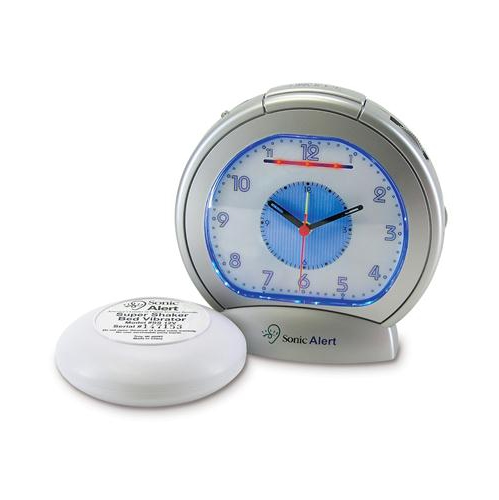
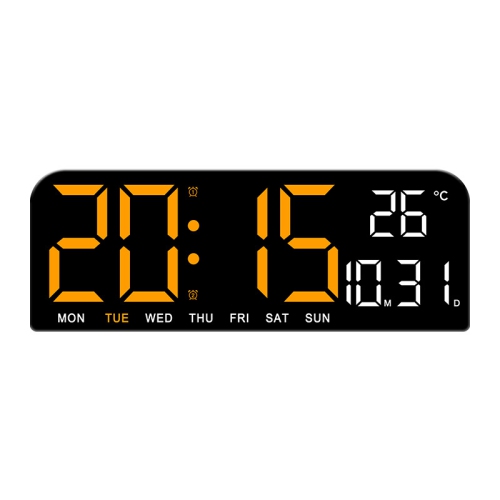
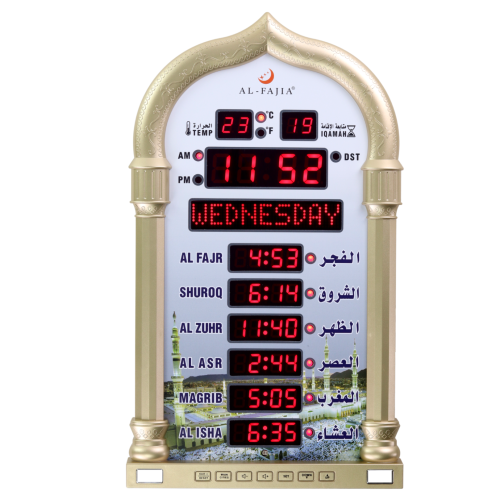
Movement and display features influence how an office clock feels to use throughout the day. Quartz movements are common and generally provide dependable timekeeping with little routine attention beyond battery changes, but quartz does not automatically mean silent. A ticking movement advances the hand in audible steps, while a continuous-sweep movement moves it more smoothly and is often quieter. For a counselling room, recording space, or home office used for frequent video calls, a clock described as silent or non-ticking may be a better fit, though sound levels depend on its construction and the room’s acoustics. In a busy reception area, readability may matter more than a faint tick. Digital clocks can offer conveniences such as a choice of 12-hour or 24-hour time, a date display, or alarms, depending on the design. An alarm can mark the beginning of a scheduled task, but easy-to-reach controls are important when the clock sits in a shared workspace. Display brightness also deserves attention. Illuminated numerals can be readable in dim areas, while a brightness adjustment helps prevent a bright display from becoming distracting beside a screen. A non-illuminated face relies on room lighting, so placement away from deep shadows is useful. Glass and glossy covers can catch reflections from overhead fixtures or nearby windows; checking the intended viewing angle helps avoid a face that disappears behind glare. Power arrangements affect placement as well. Battery-operated clocks do not need a nearby outlet, whereas plug-in models require a suitable power source and a cord route that stays clear of walkways and desk edges. Some digital clocks use a backup battery to retain time settings during an interruption, but that does not necessarily keep the display lit. For offices working across Canadian time zones, several clearly labelled clocks can make scheduling easier. Automatic time-setting features should support the intended location, and daylight saving settings need to match local practice rather than being assumed correct.
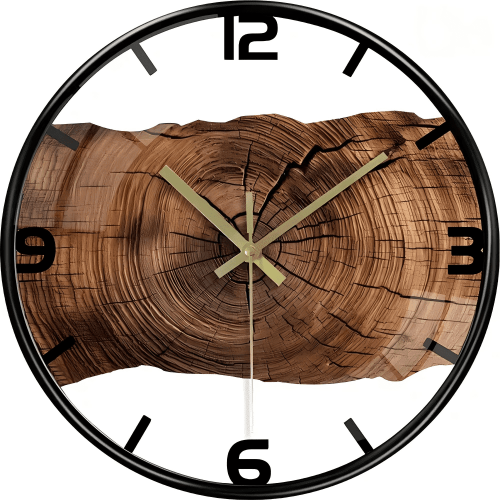
Materials, mounting, and everyday care help determine how well an office clock holds up in its intended setting. Plastic frames are often lightweight and straightforward to wipe clean, making them practical for shared work areas. Metal frames can provide a crisp, substantial finish, although weight and resistance to marks vary by construction. Wood frames bring visible grain and a warmer appearance to offices with bookcases or matching furniture; their finish should be cared for according to the manufacturer’s directions. Glass face covers offer a clear view but can break if dropped, while acrylic covers are typically lighter and may scratch more easily. On a desk, a broad base, a stable stand, and protective feet help keep a clock secure when someone reaches for a notebook or moves a keyboard. Check the full footprint rather than just the face dimensions, especially if the clock will sit on a shallow shelf or monitor riser. Wall-mounted designs need hardware suitable for both their weight and the wall material, with enough clearance to lift the clock off for setting and battery replacement. A position above a frequently opened door may be less convenient to reach than a clear section of wall near the main seating area. Routine care is usually simple: remove dust with a soft cloth, avoid spraying cleaner directly onto the face or housing, and follow any specific finish-care instructions. Replace batteries with the specified type, and remove them before extended storage to reduce the risk of leakage. In shared offices, keeping clocks set consistently helps avoid confusion when meetings start or shifts change. For a home-based professional, teacher, administrator, or someone setting up a first dedicated workspace, an office clock can also be a thoughtful gift. A readable face and a restrained style are sensible choices when personal preferences are unknown. Whether it sits beside a daily planner or hangs where a whole team can see it, a well-chosen clock provides a simple, useful reference throughout the working day.
Top selling and popular products
-
 Your price for this item is $89.99
-
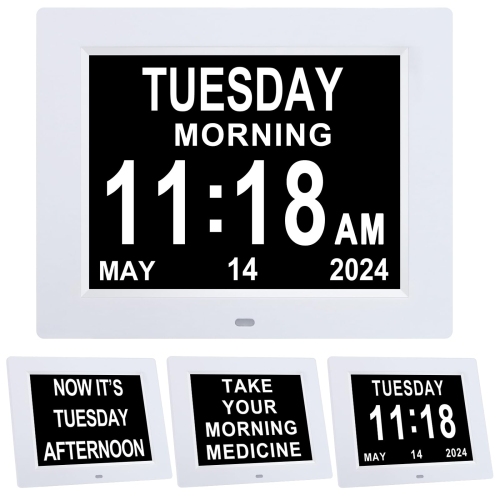 Your price for this item is $77.49
-
 Your price for this item is $67.99
-
 Your price for this item is $159.49
-
 Your price for this item is $46.2
-
 Your price for this item is $40.99
-
 Your price for this item is $40.04
-
 Your price for this item is $89.99
Discover more categories related to Office Clocks
Top Collections:
Best Black Friday Deals This Year, Best Black Friday Deals On Electronics, Kindle Devices, Pokemon Centers, Best Black Friday Deals On Apple Products, Best Cameras for Sports Photography, Dyson Airwrap, Pokémon 30th Celebration Cards, Apple iPhone 17 Pro, Canon G7X Cameras
Some products may be subject to Environmental Handling Fees
(EHF) depending on your province.
Learn more about EHFs.