Office Interior Design
Transform your office space into a stylish and functional haven with our curated selection of office interior design essentials. From sleek desks and ergonomic chairs to modern lighting fixtures and organizational solutions, we have everything you need to create a workspace that inspires productivity and creativity. Elevate your office aesthetic with our range of furniture, decor, and accessories designed to enhance both comfort and style. Whether you're working from home or outfitting a corporate environment, our collection offers versatile options to suit your unique needs and preferences.
Sort
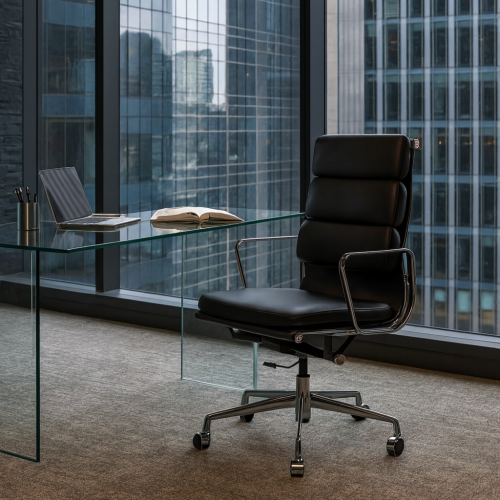
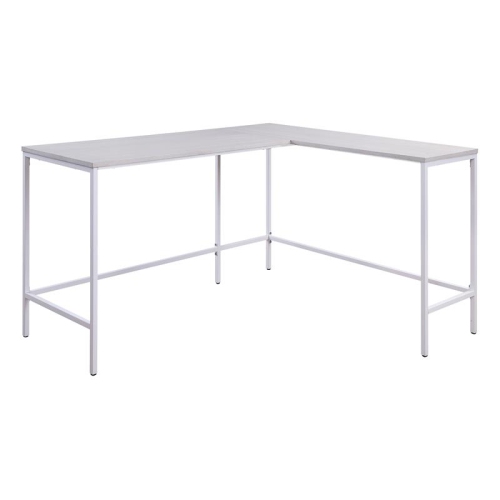
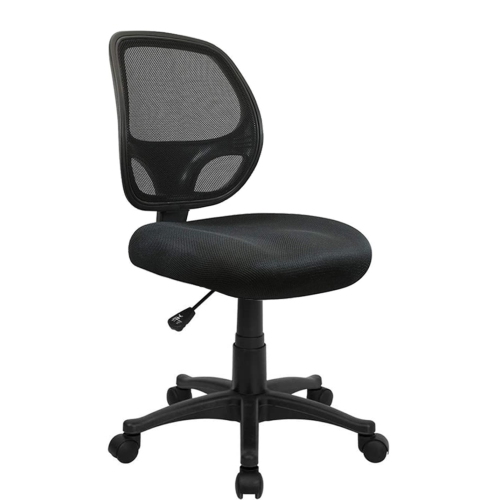
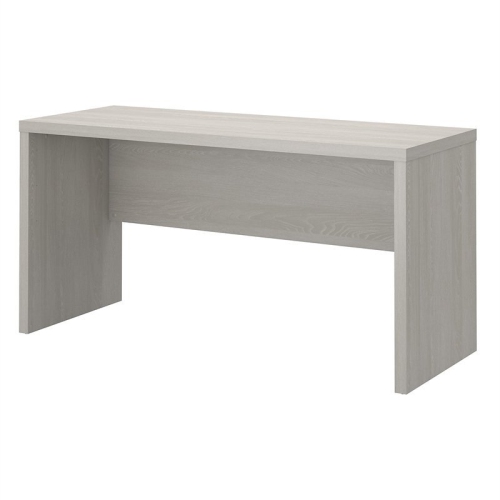
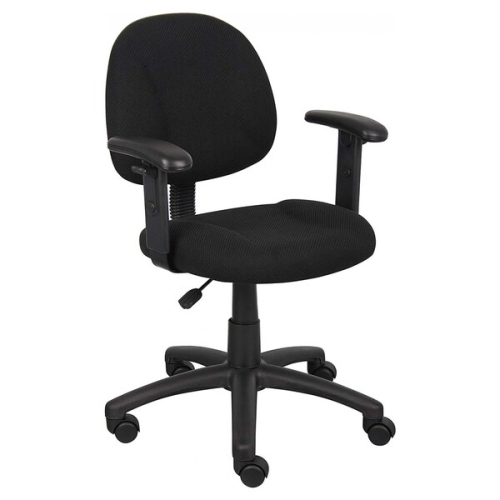
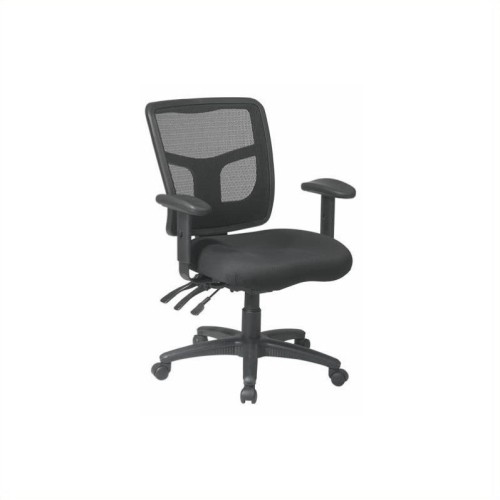
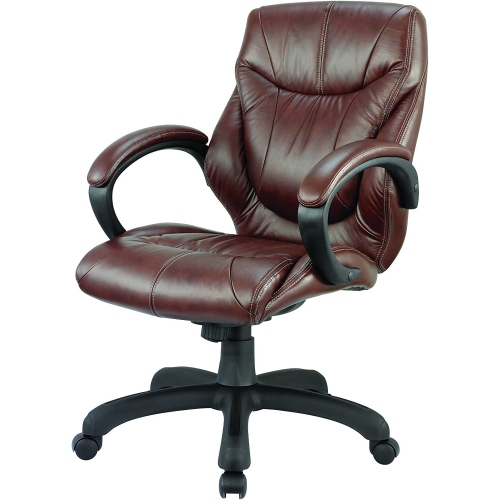
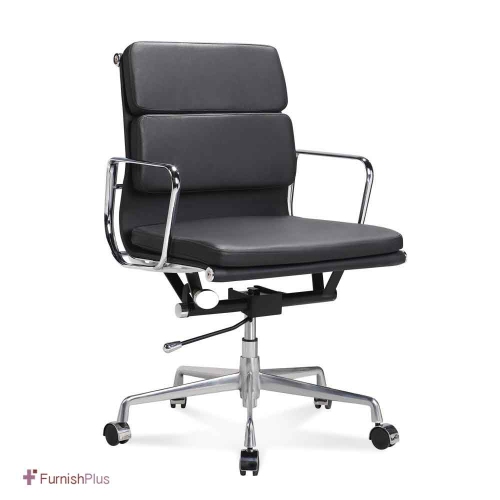
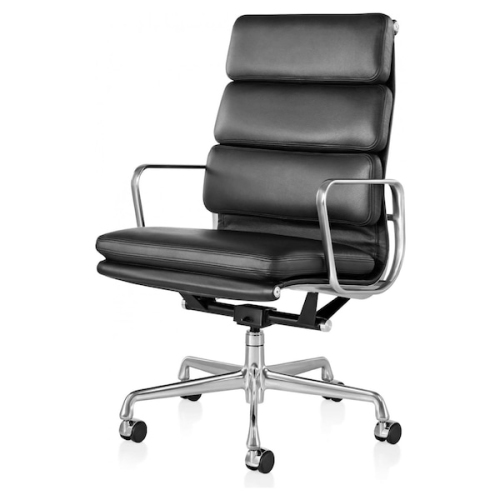
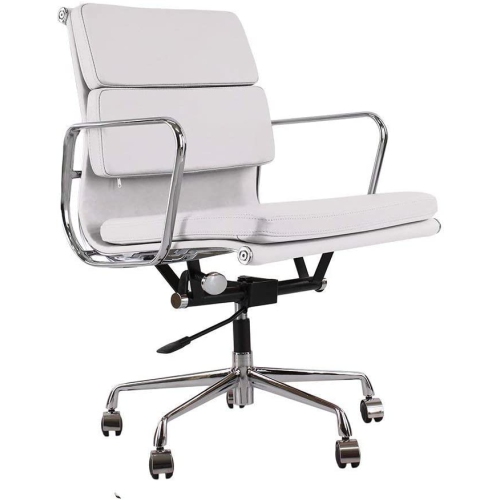
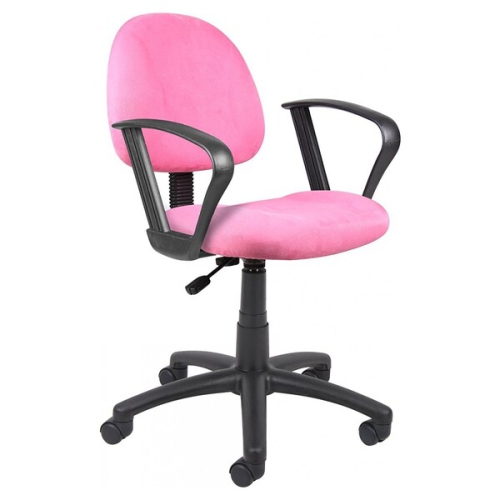
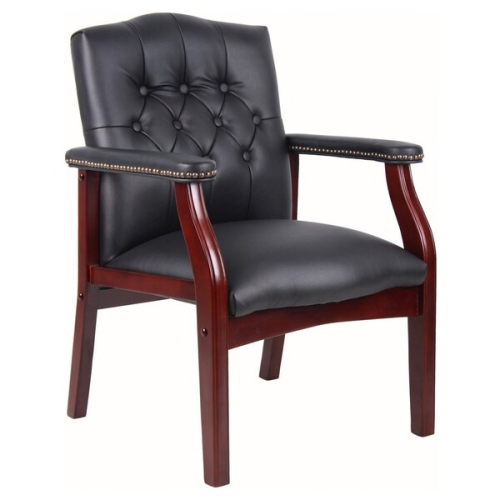
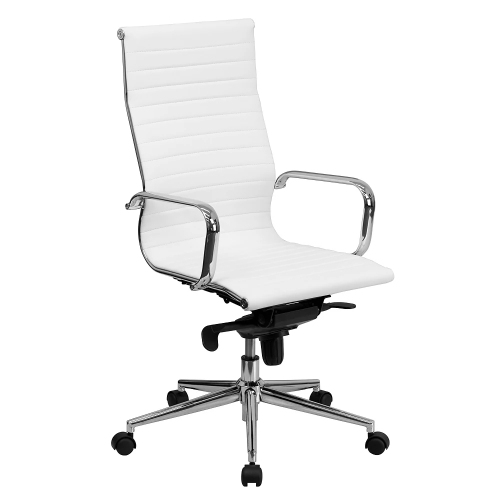
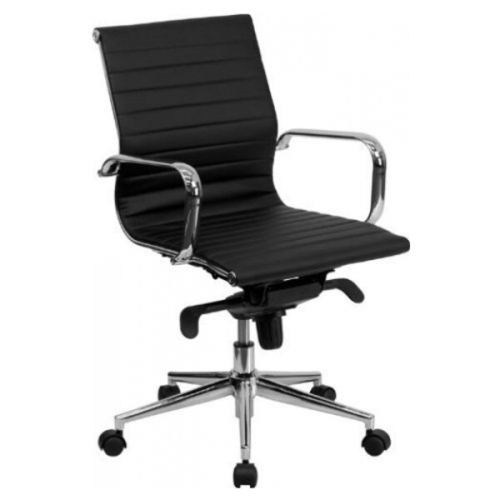
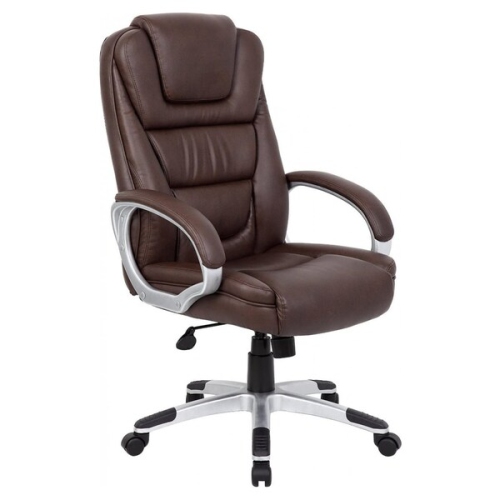

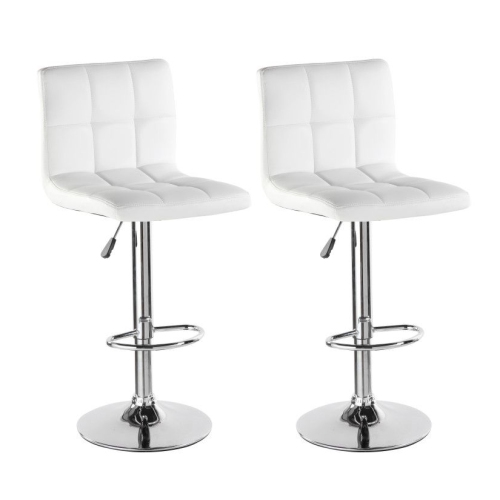
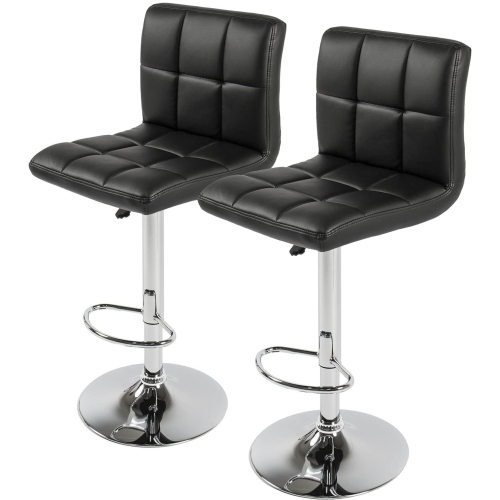
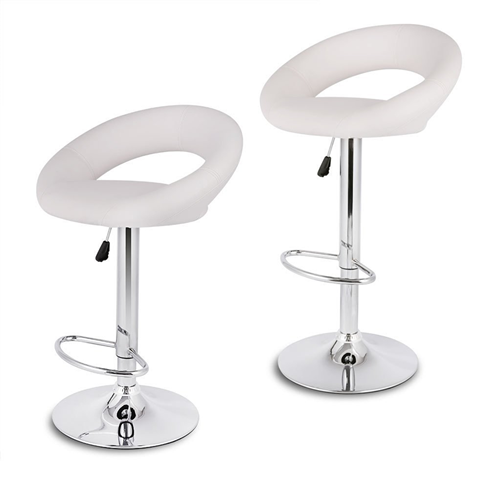
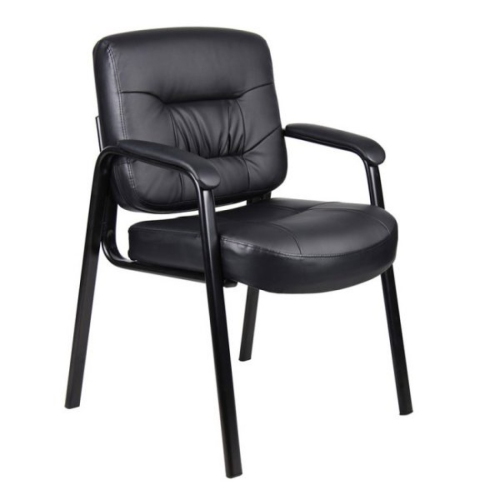
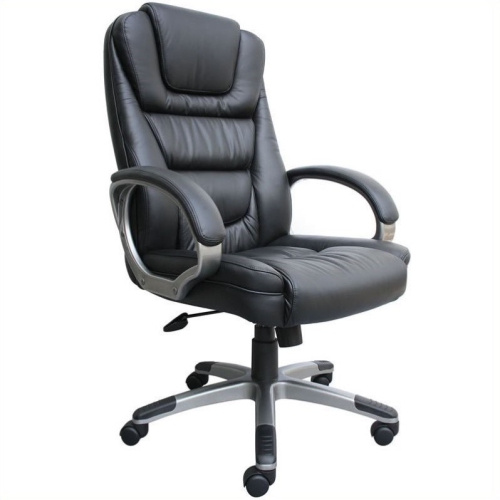
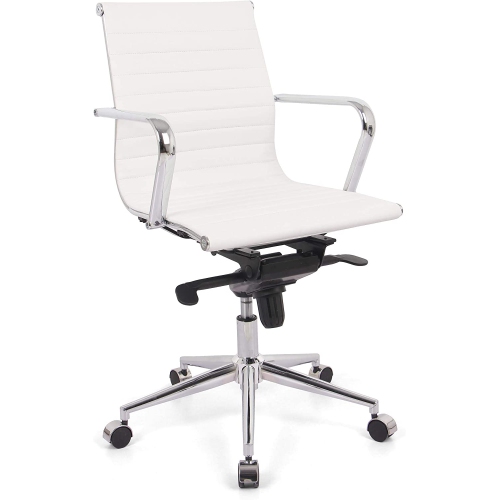
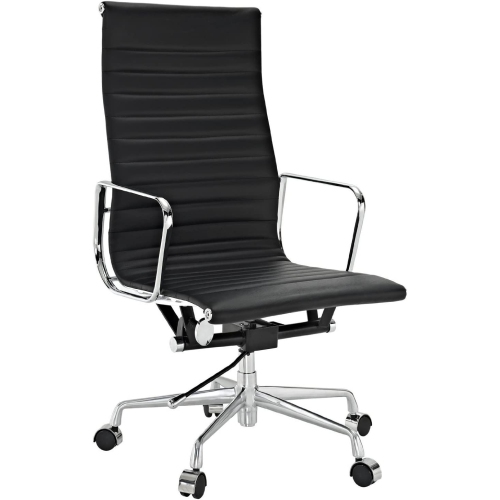
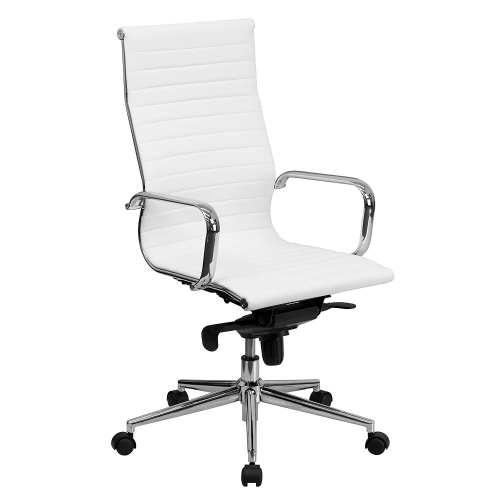
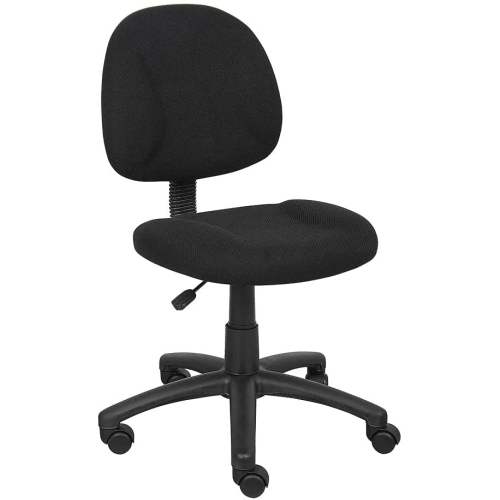
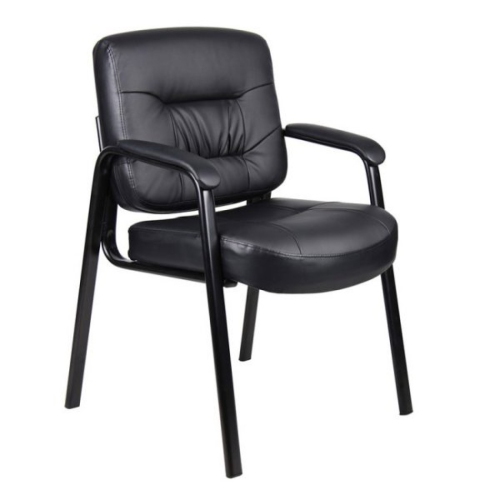
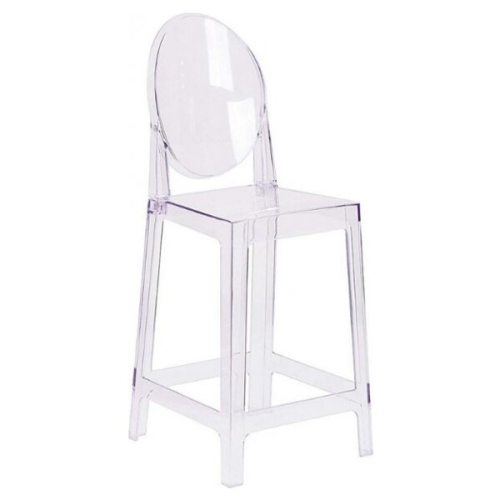
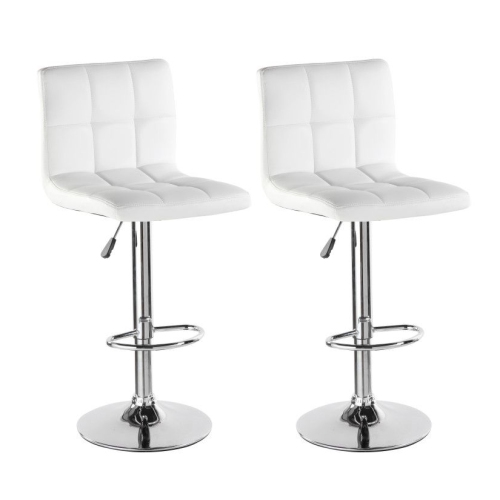
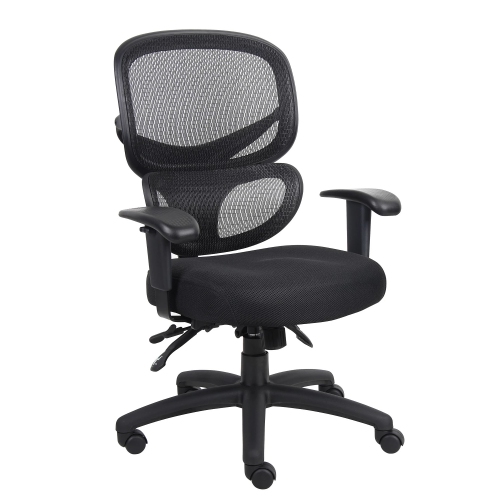
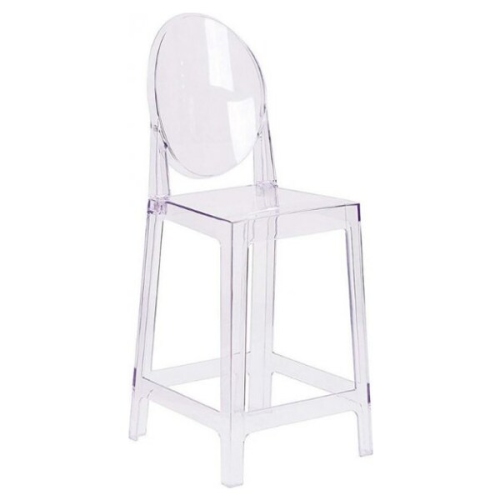
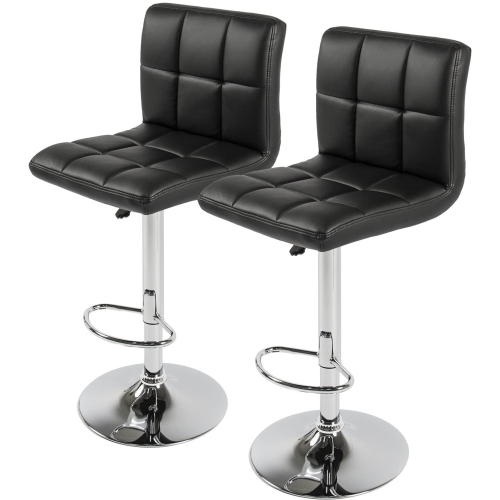

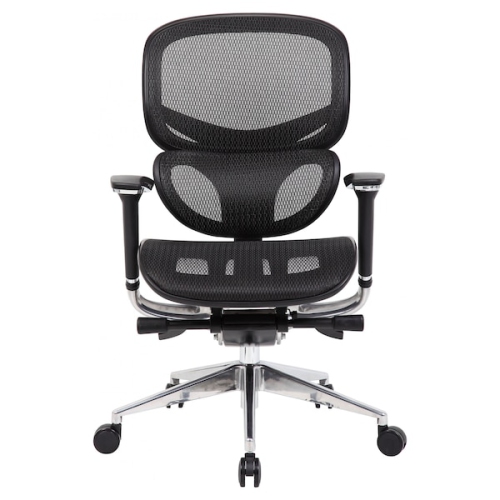

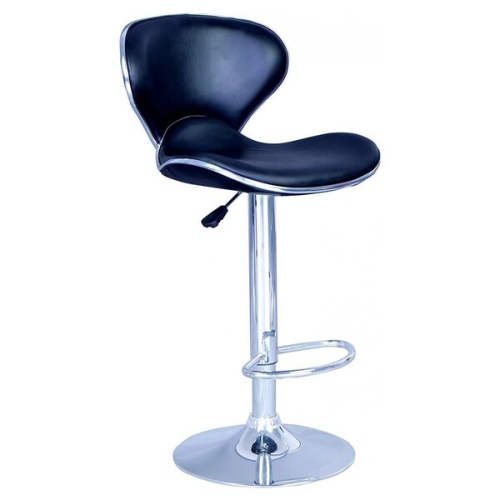
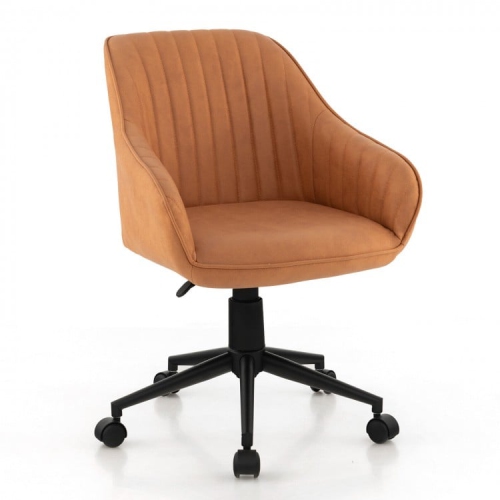
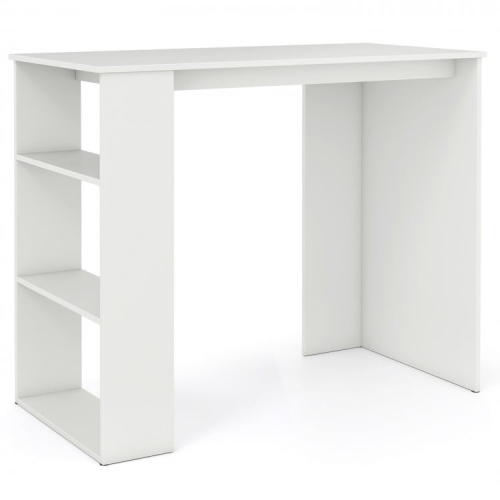

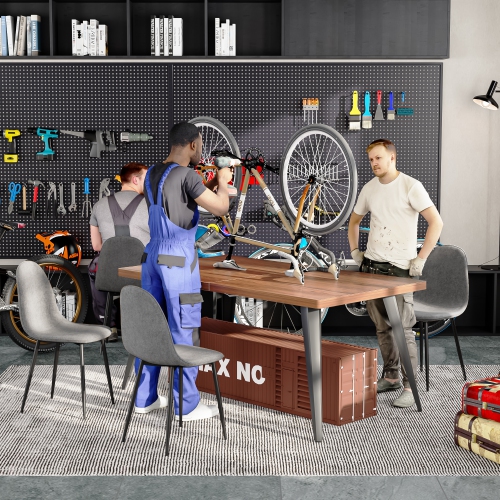
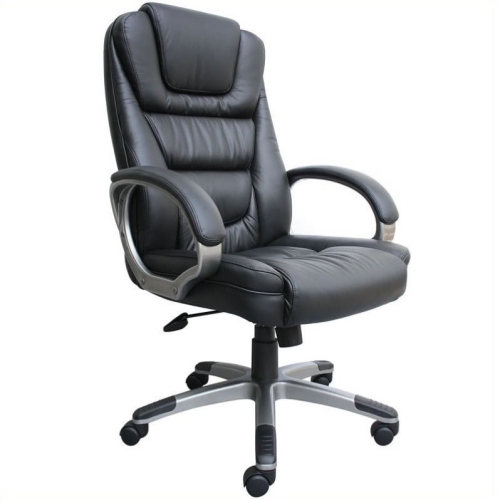
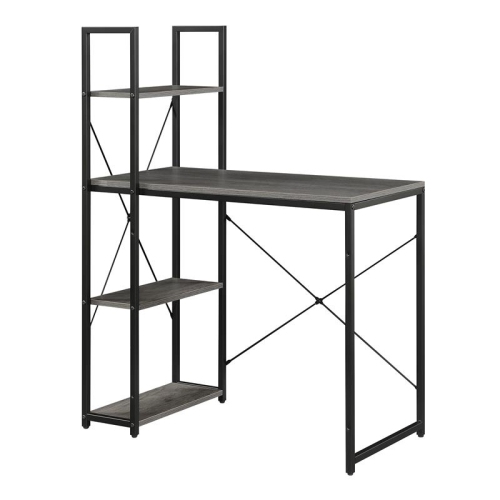
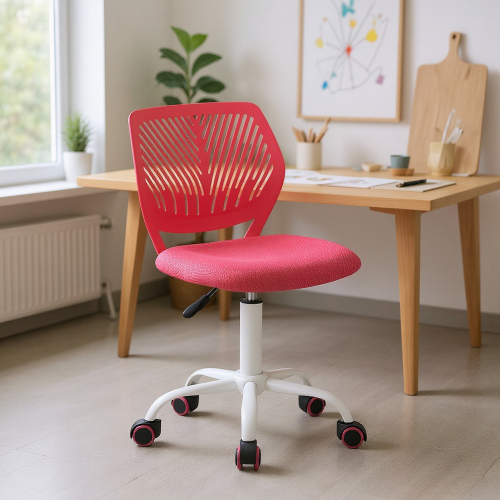
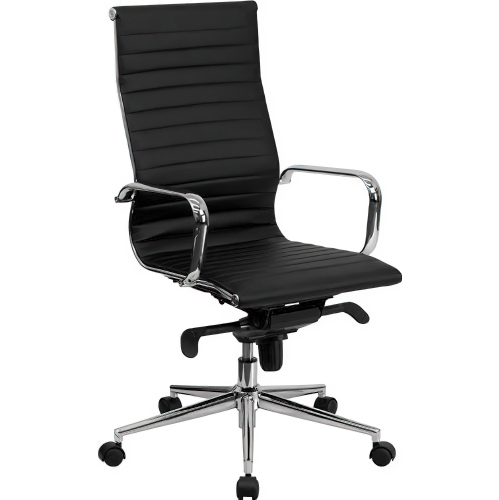
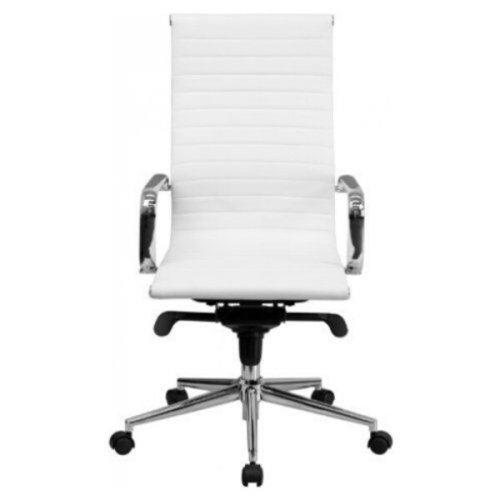
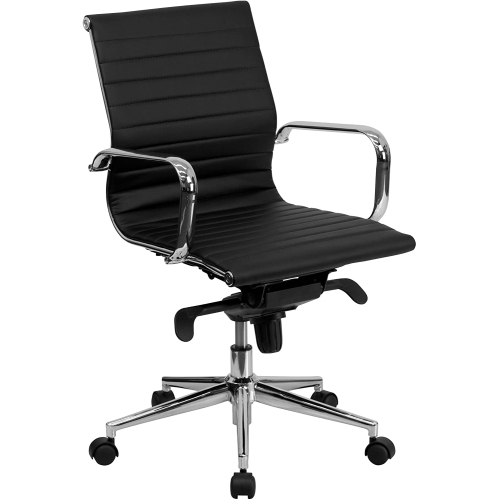
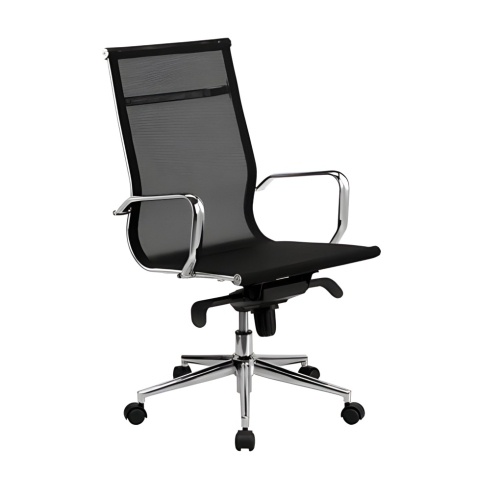
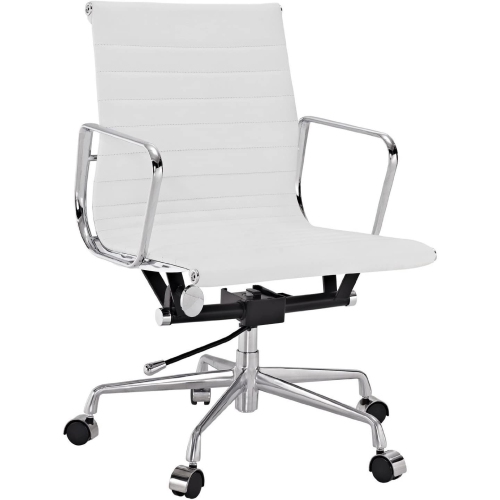
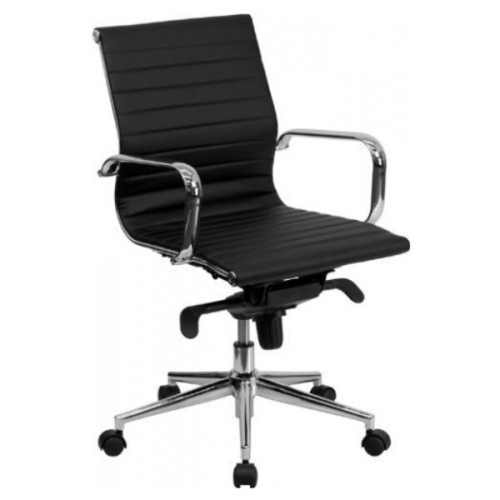
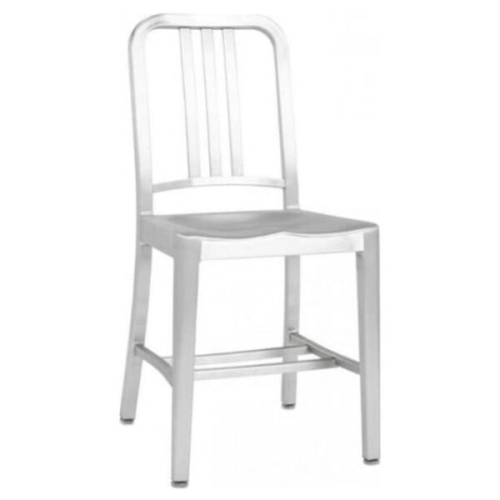
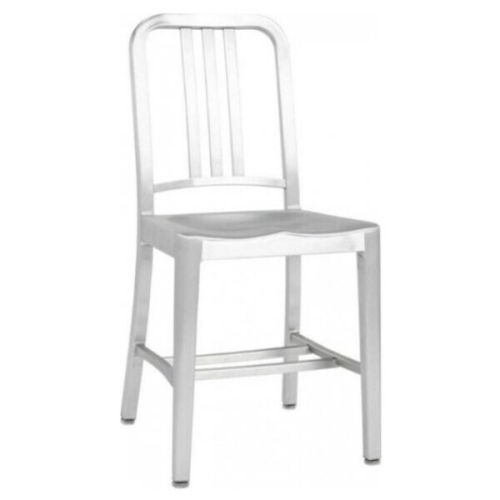
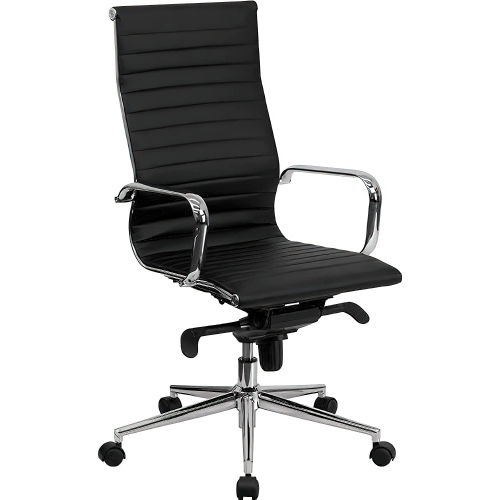
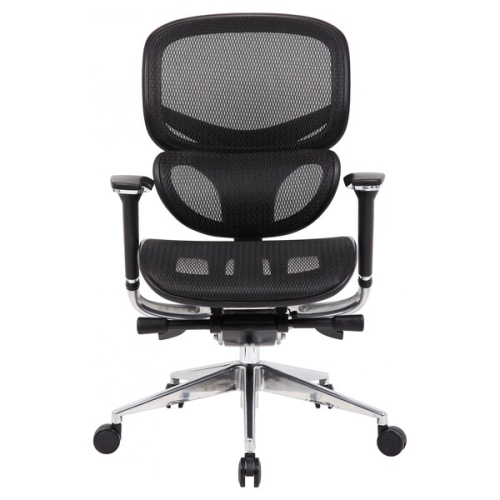
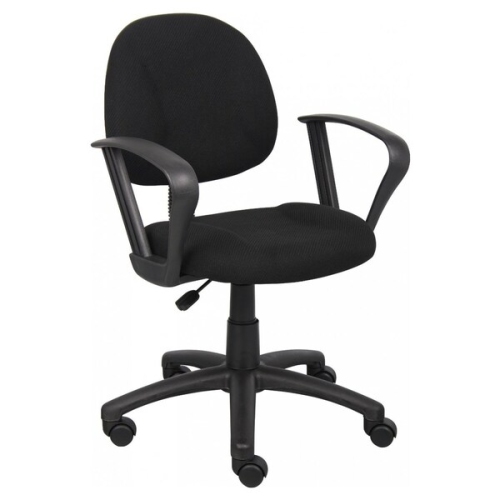
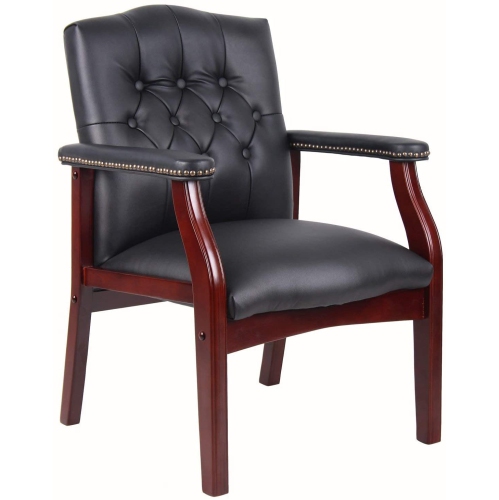
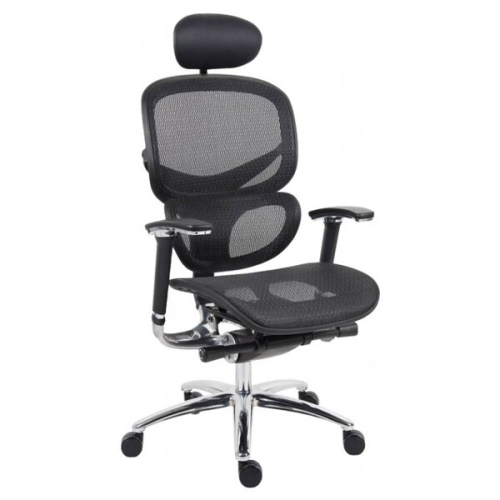
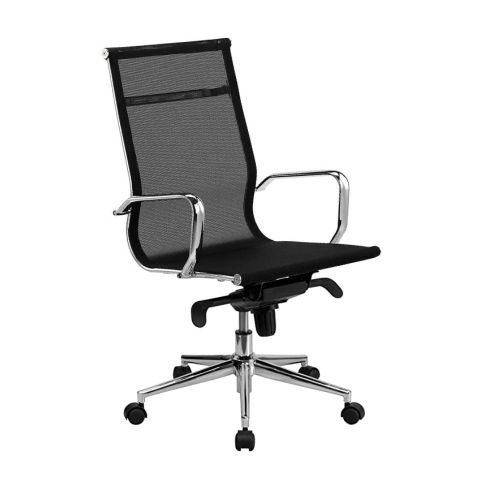
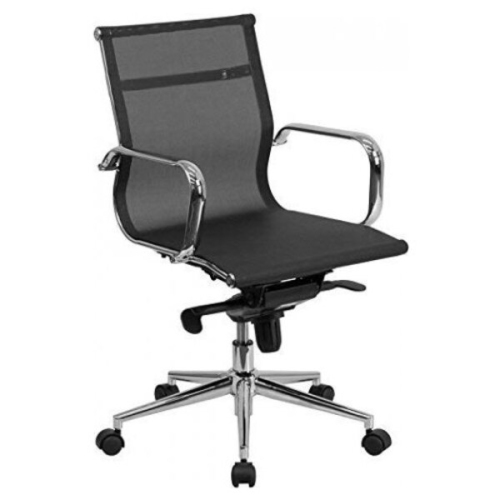
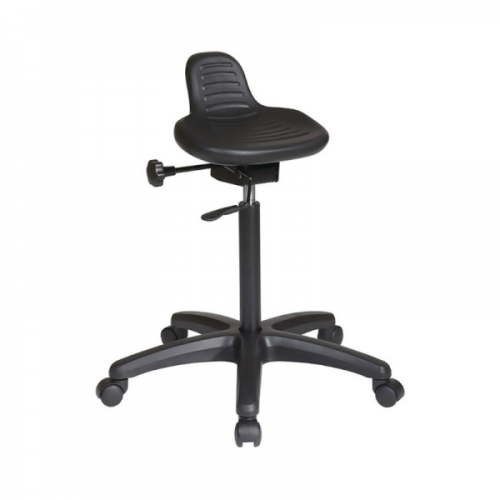
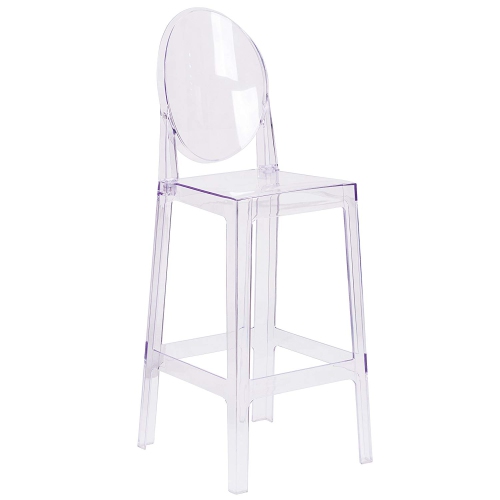

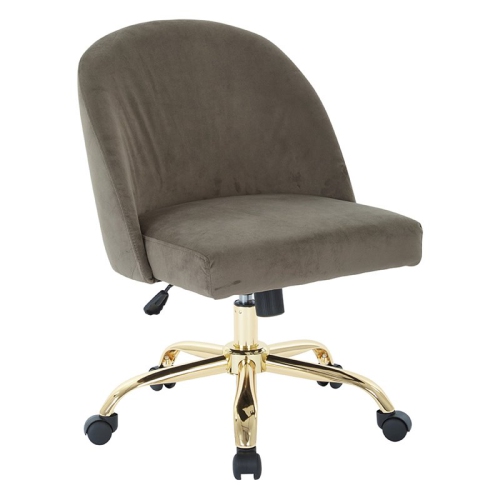
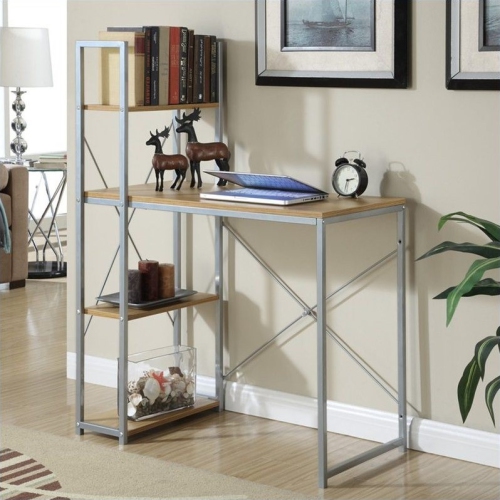
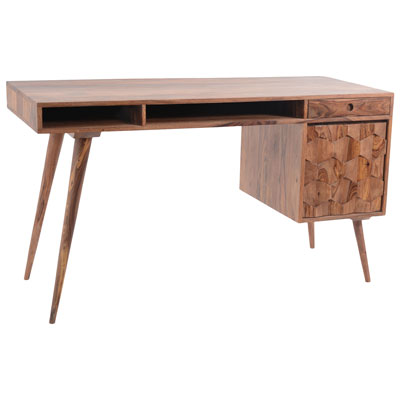
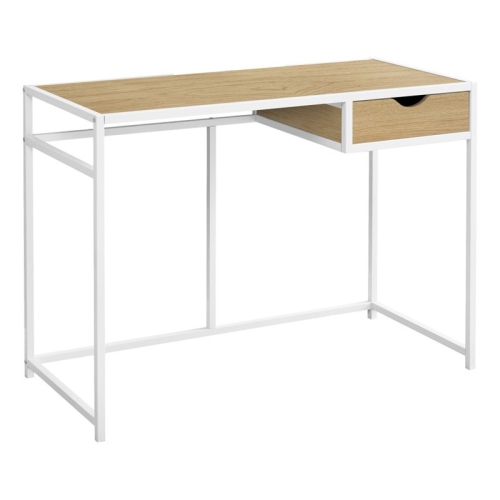
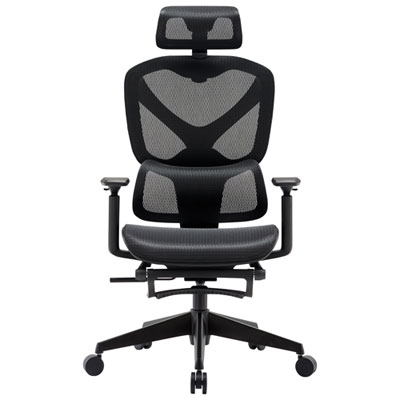
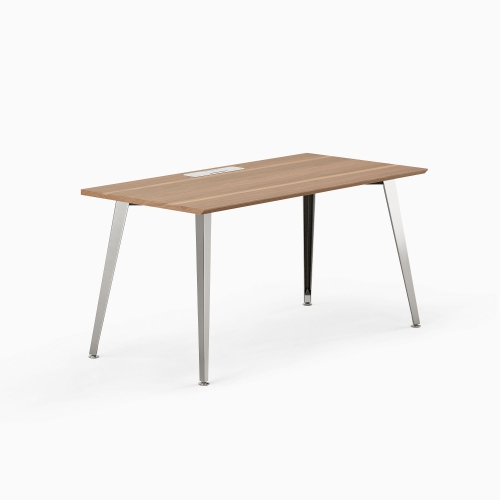
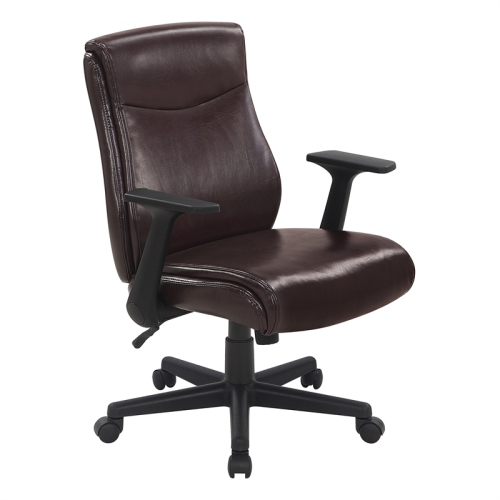
Thoughtful planning helps offices support work, comfort, and collaboration
Office interior design brings together the practical and visual elements that shape how people work, meet, think, and welcome visitors. A well-planned office can feel polished without becoming stiff, and comfortable without losing its professional character. Start by considering the activities that take place throughout the day: focused individual work, video calls, informal conversations, presentations, paperwork, storage, and occasional quiet breaks. Each activity benefits from its own setting, even when the available floor space is limited. A central work area may support everyday tasks, while a smaller meeting zone can provide a clear place for collaboration. In an open office, screens, shelving, and carefully positioned furnishings can help define areas without making the room feel closed in. In a traditional office, the same principles can be used to improve movement between a workstation, meeting table, reception area, and storage. Office desks with suitable surface space, supportive seating, cable-management solutions, task lighting, and accessible storage all contribute to a workspace that feels easier to use from the first appointment of the day to the final email. Pay attention to scale as well: oversized furnishings can make a compact room feel crowded, while pieces that are too small may leave a larger office looking unfinished. Measuring doorways, wall lengths, walkways, and power locations before making a purchase can prevent frustrating surprises during installation.
Ergonomics should be part of the design rather than an afterthought. A comfortable chair with adjustable features can support longer periods of desk work, while a desk at the appropriate height helps create a more natural posture. Monitor placement, keyboard position, and lighting also affect how a workstation feels over several hours, especially during the cooler months when people may spend more time indoors. Look for arrangements that allow the user to sit or stand comfortably, keep frequently used items within easy reach, and maintain a clear line of sight for online meetings. Lighting deserves particular attention: a combination of general room lighting and focused task lighting can reduce shadows and create a more balanced atmosphere for reading, writing, and screen-based work. If natural light is available, arrange work areas to make the most of it while avoiding glare on monitors. Quiet zones are useful in shared offices, where sound from conversations, equipment, and meetings can travel quickly. In contrast, collaborative areas should encourage people to gather around a shared surface, exchange ideas, and work through projects together. Home offices can benefit from the same approach. A spare bedroom, basement corner, or dining area can become more functional when the work zone is clearly defined with coordinated furnishings, storage, and lighting. For additional inspiration, explore Modern Home Office Design ideas that balance clean lines, useful technology, and everyday comfort without overwhelming the room.
Technology is another important part of contemporary office interior design, particularly for hybrid teams and businesses that move between in-person and remote work. A reliable video-call setup benefits from a stable work surface, clear lighting, practical camera positioning, and a background that looks tidy without feeling impersonal. Meeting areas may need room for displays, speakers, charging access, and shared presentation tools, while individual workstations often benefit from accessible power and an organized way to keep cables from crossing walkways. Modular and adaptable furnishings can make it easier to rearrange an office as staffing, projects, or working patterns change. Consider pieces that can serve more than one purpose, such as a meeting surface that also supports training, a storage unit that helps divide a room, or seating that works for both short conversations and longer sessions. Colour, texture, and finish can reinforce a company’s identity: quiet neutrals may create a calm background for client meetings, while carefully chosen accents can add energy and help visitors recognize the character of the business. For a reception area, comfort and first impressions matter; for employee spaces, durability, organization, and personal adjustment may take priority. Office furnishings and accessories can also make thoughtful gifts for a new business owner, remote worker, student, or colleague moving into a new workspace, particularly when they solve a genuine daily need. Whether refreshing a single desk or planning an entire office, choose items that work together in proportion, function, and appearance. A successful design leaves enough room to move, enough storage to stay organized, and enough flexibility for the people using it to make the space their own.
Ergonomics should be part of the design rather than an afterthought. A comfortable chair with adjustable features can support longer periods of desk work, while a desk at the appropriate height helps create a more natural posture. Monitor placement, keyboard position, and lighting also affect how a workstation feels over several hours, especially during the cooler months when people may spend more time indoors. Look for arrangements that allow the user to sit or stand comfortably, keep frequently used items within easy reach, and maintain a clear line of sight for online meetings. Lighting deserves particular attention: a combination of general room lighting and focused task lighting can reduce shadows and create a more balanced atmosphere for reading, writing, and screen-based work. If natural light is available, arrange work areas to make the most of it while avoiding glare on monitors. Quiet zones are useful in shared offices, where sound from conversations, equipment, and meetings can travel quickly. In contrast, collaborative areas should encourage people to gather around a shared surface, exchange ideas, and work through projects together. Home offices can benefit from the same approach. A spare bedroom, basement corner, or dining area can become more functional when the work zone is clearly defined with coordinated furnishings, storage, and lighting. For additional inspiration, explore Modern Home Office Design ideas that balance clean lines, useful technology, and everyday comfort without overwhelming the room.
Technology is another important part of contemporary office interior design, particularly for hybrid teams and businesses that move between in-person and remote work. A reliable video-call setup benefits from a stable work surface, clear lighting, practical camera positioning, and a background that looks tidy without feeling impersonal. Meeting areas may need room for displays, speakers, charging access, and shared presentation tools, while individual workstations often benefit from accessible power and an organized way to keep cables from crossing walkways. Modular and adaptable furnishings can make it easier to rearrange an office as staffing, projects, or working patterns change. Consider pieces that can serve more than one purpose, such as a meeting surface that also supports training, a storage unit that helps divide a room, or seating that works for both short conversations and longer sessions. Colour, texture, and finish can reinforce a company’s identity: quiet neutrals may create a calm background for client meetings, while carefully chosen accents can add energy and help visitors recognize the character of the business. For a reception area, comfort and first impressions matter; for employee spaces, durability, organization, and personal adjustment may take priority. Office furnishings and accessories can also make thoughtful gifts for a new business owner, remote worker, student, or colleague moving into a new workspace, particularly when they solve a genuine daily need. Whether refreshing a single desk or planning an entire office, choose items that work together in proportion, function, and appearance. A successful design leaves enough room to move, enough storage to stay organized, and enough flexibility for the people using it to make the space their own.
Top selling and popular products
-
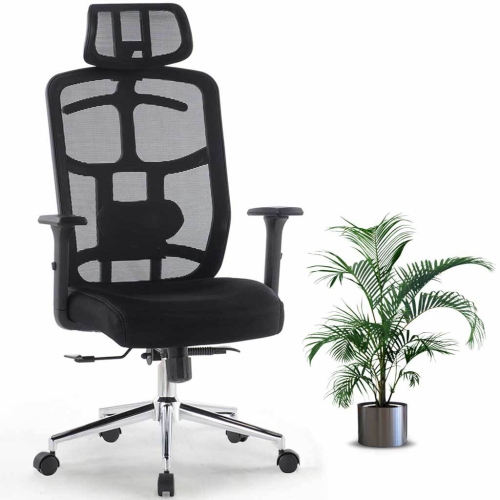 Your price for this item is $119.99
 -
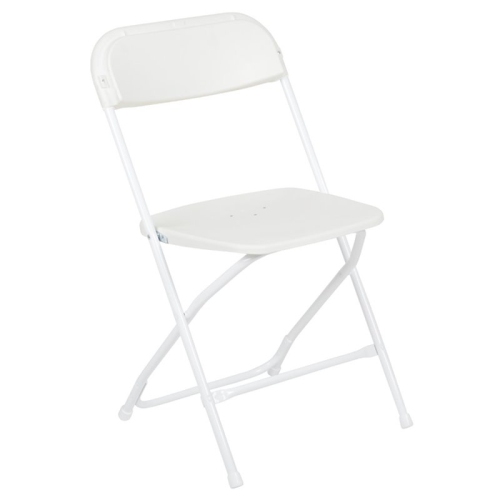 Your price for this item is $123
 -
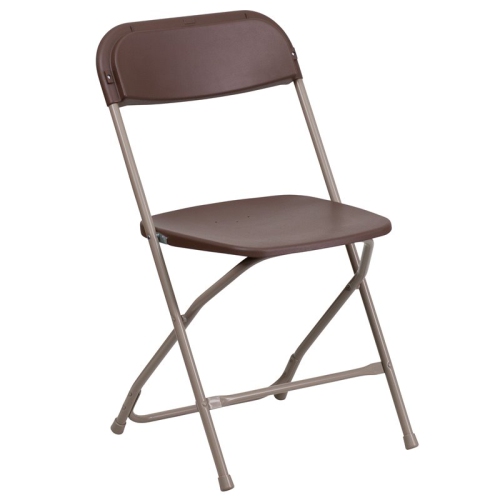 Your price for this item is $139.99
 -
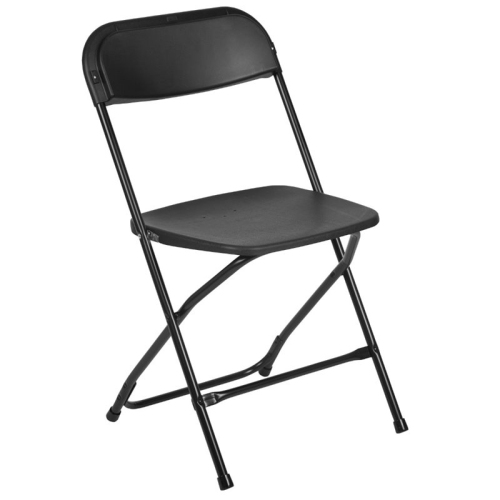 Your price for this item is $139.99
 -
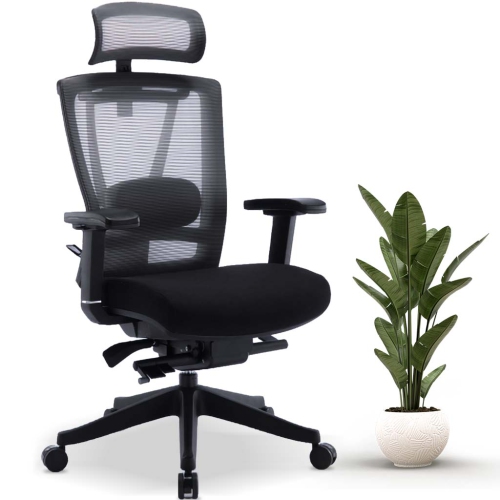 Your price for this item is $379.99
 -
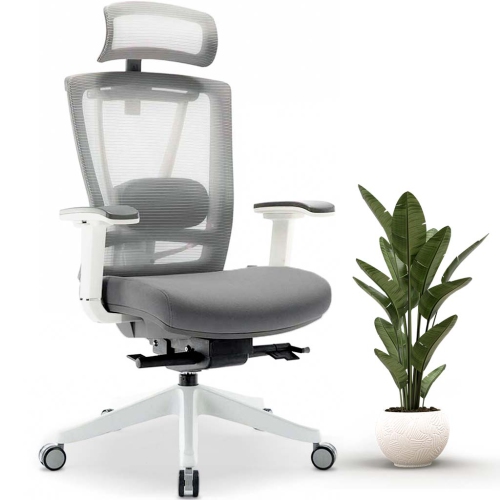 Your price for this item is $379.99
 -
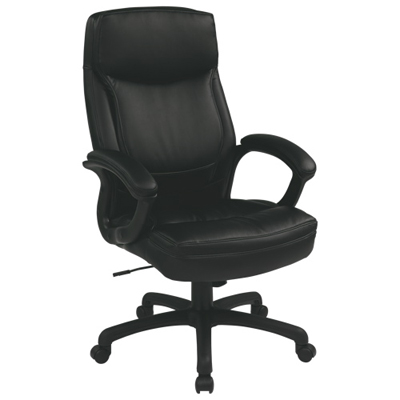 Your price for this item is $594.99
 -
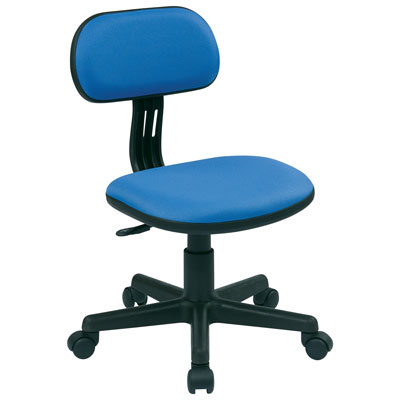 Your price for this item is $174.98
Discover more categories related to Office Interior Design
Top Collections:
Best Laptops for Video Editing, Pokemon Centers, Samsung Z Fold, Kindle Devices, Best Cell Phones Under $300, Best Laptops for Writers, Best Budget Office Chairs, Best Cell Phones Under $500, Best Laptop Computers for Students, iPhone 15 Apple
Some products may be subject to Environmental Handling Fees
(EHF) depending on your province.
Learn more about EHFs.