Office Room Dividers
Create a versatile and efficient workspace with our wide selection of office room dividers. Whether you need to divide a large open space into smaller sections or create privacy for individual workstations, our range of room dividers offers practical solutions for any office setting. From sleek and modern designs to classic and timeless styles, these dividers not only provide functionality but also add aesthetic appeal to your workspace. With various sizes, materials, and configurations available, you can easily find the perfect office room divider to suit your needs. Transform your office into a productive and organized environment with our exceptional collection of office room dividers.
Sort
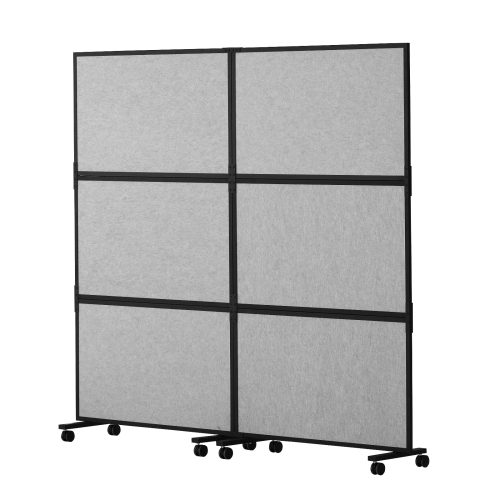
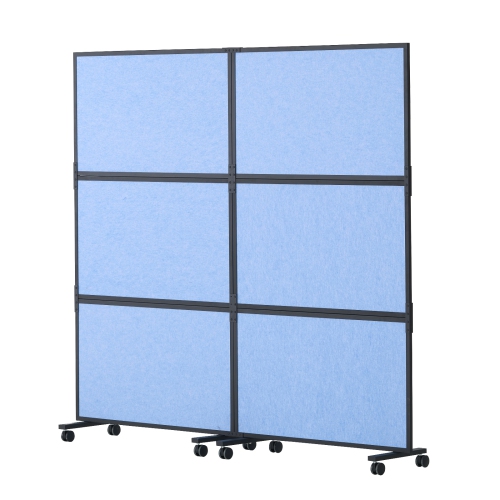
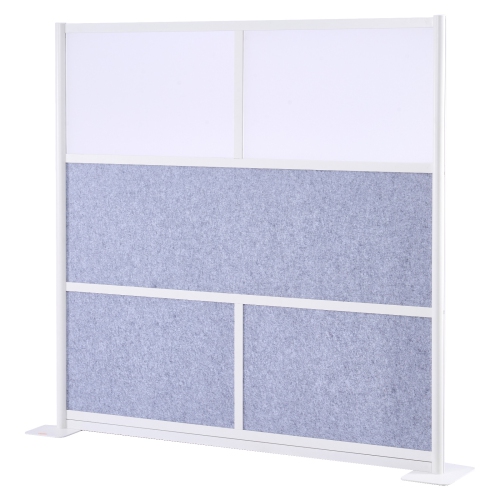
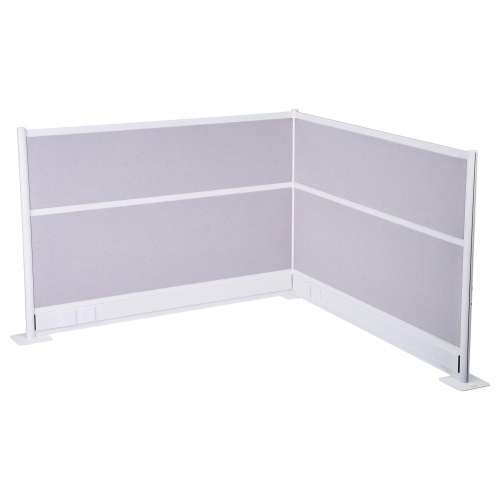
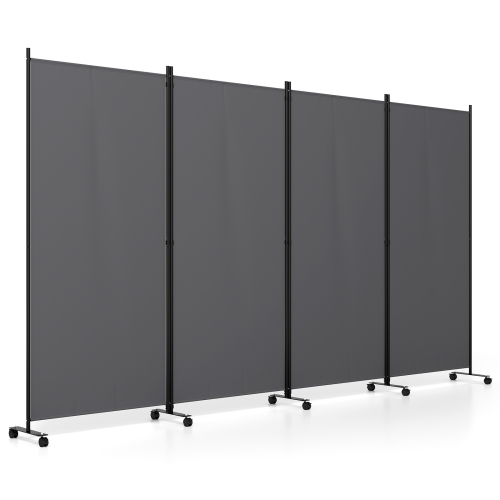
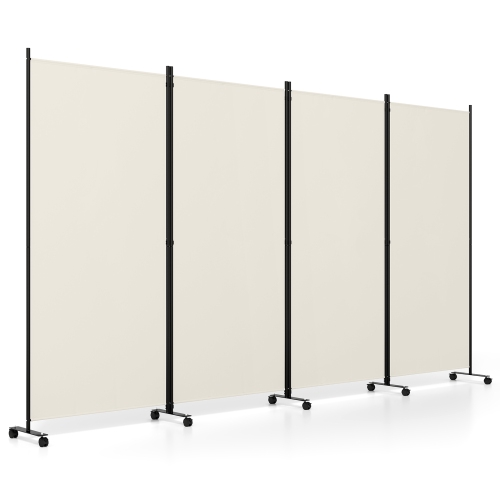
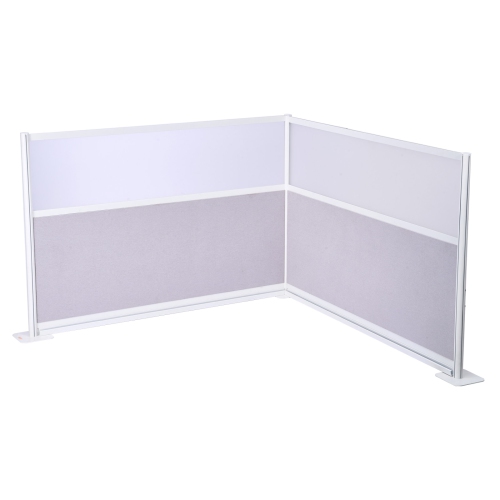
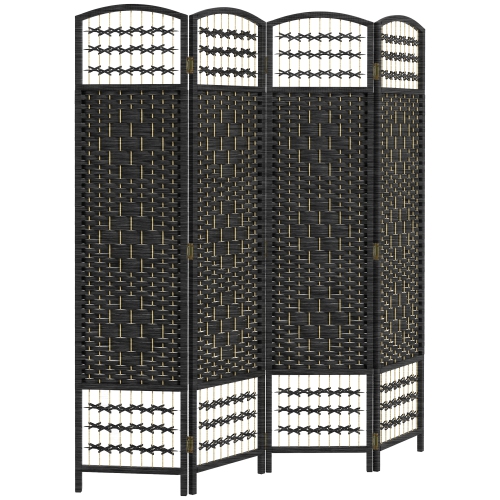
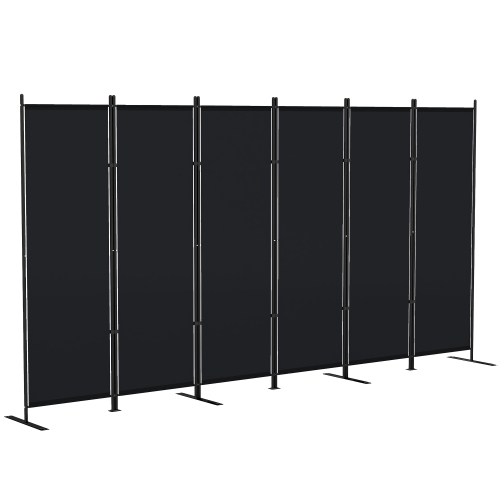
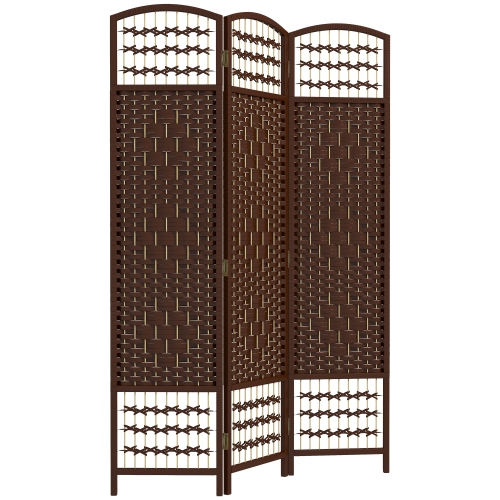
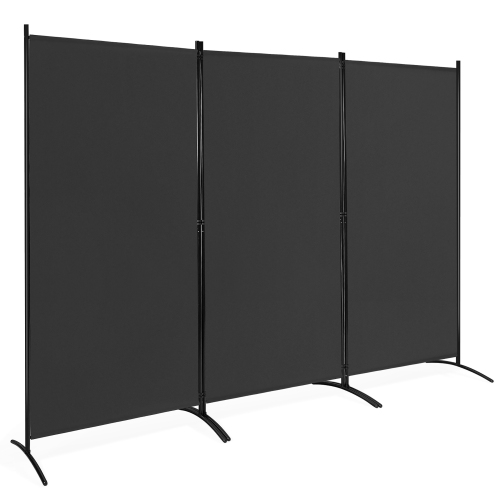
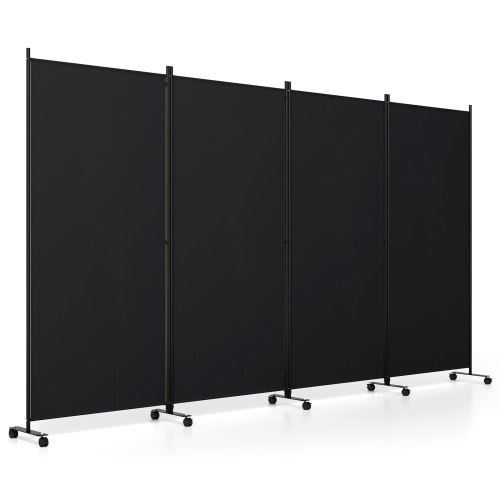
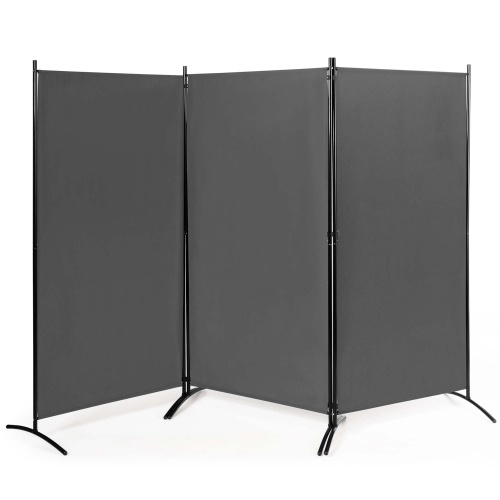
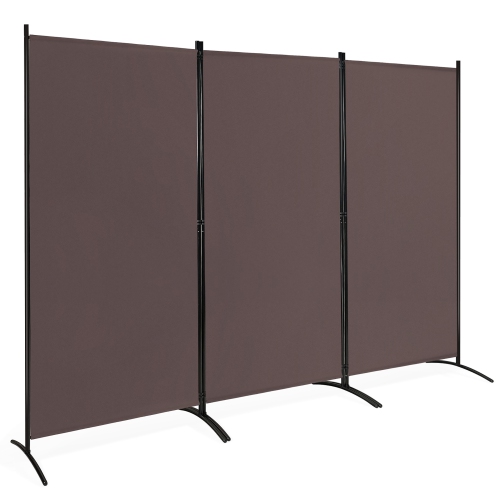
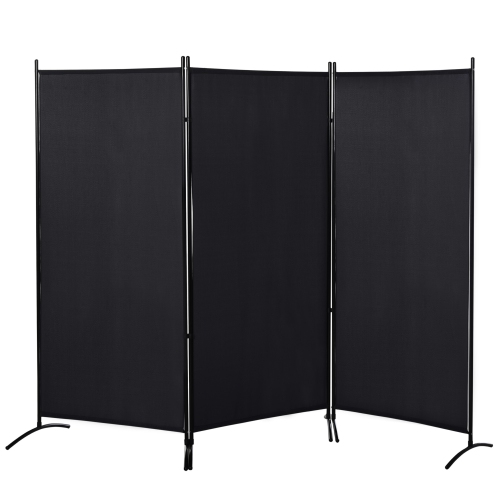
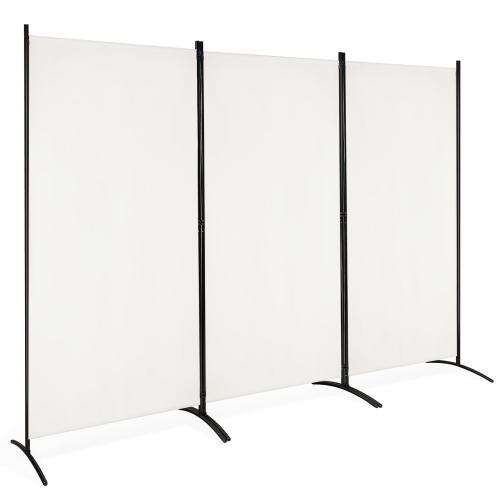
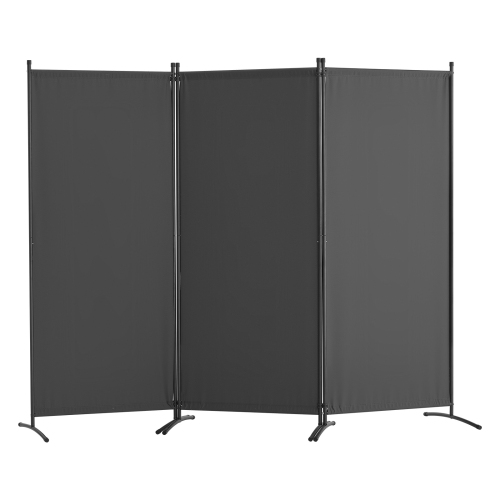
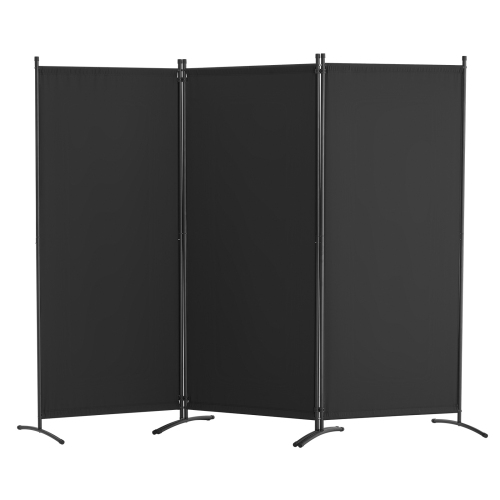
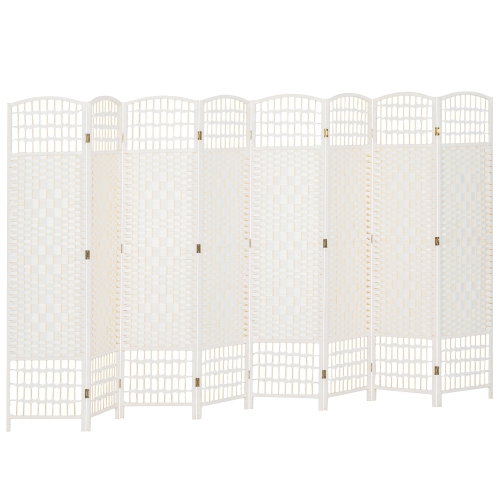
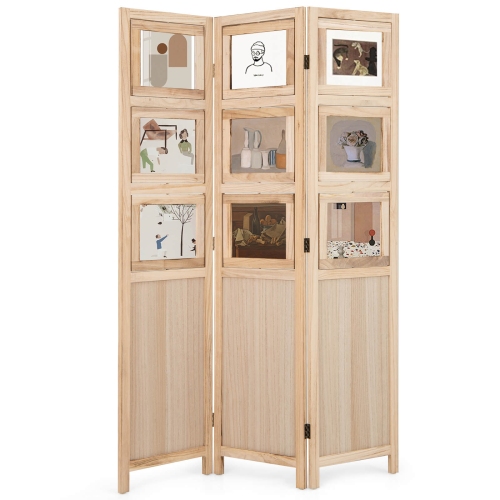
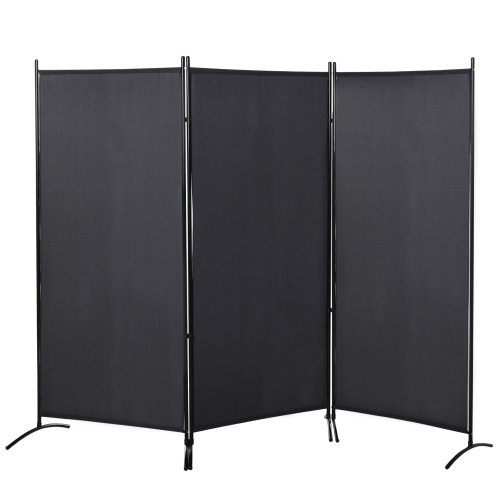
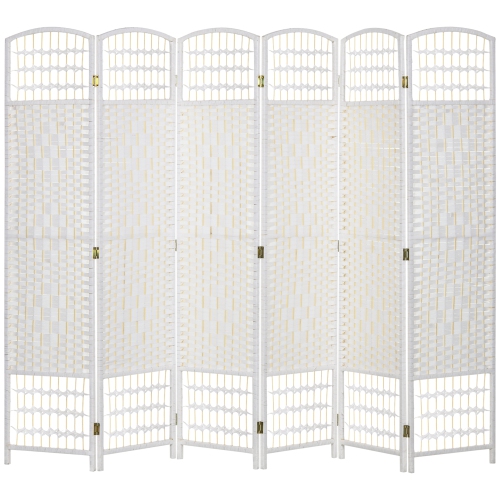
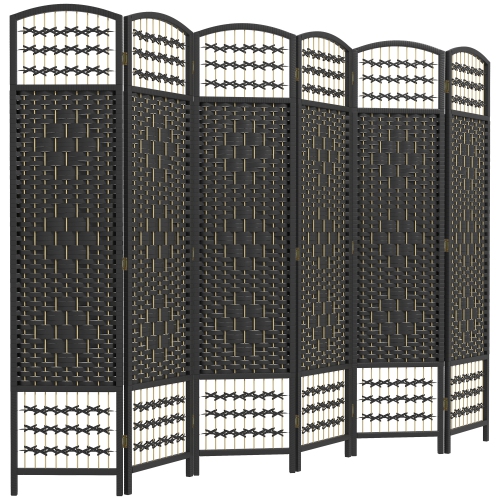
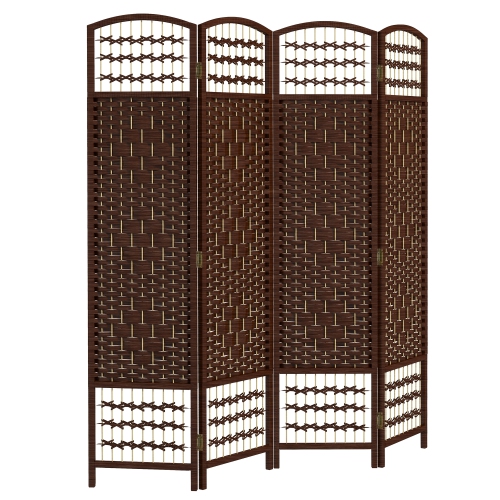
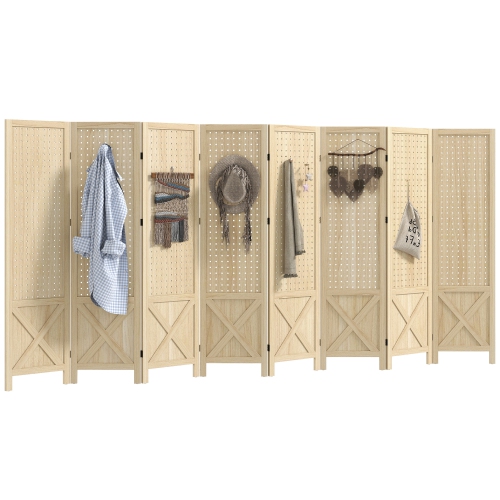
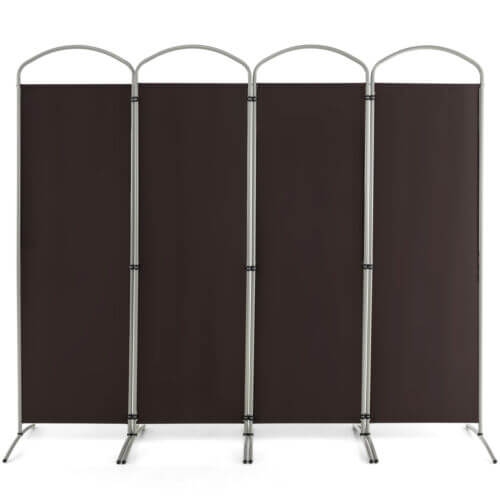
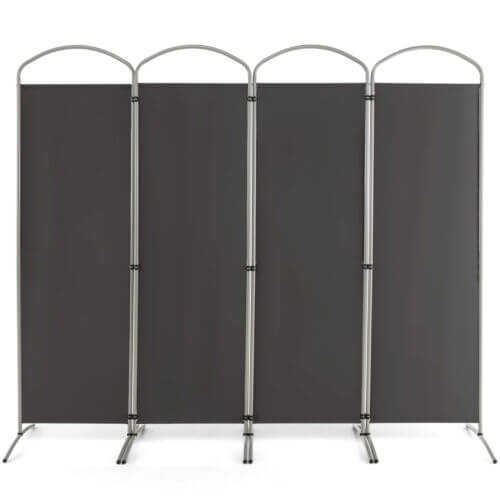
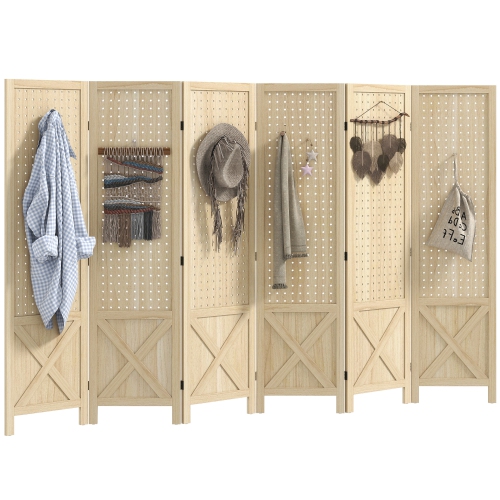
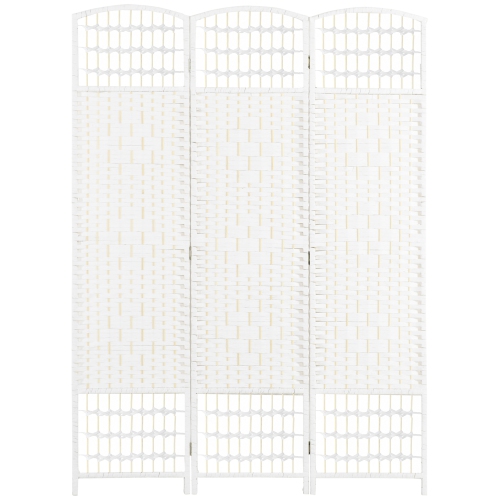
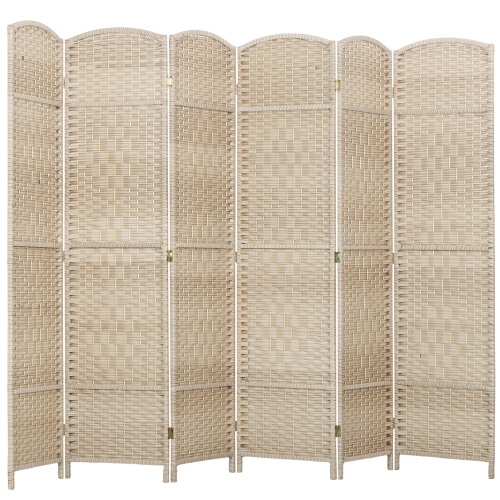
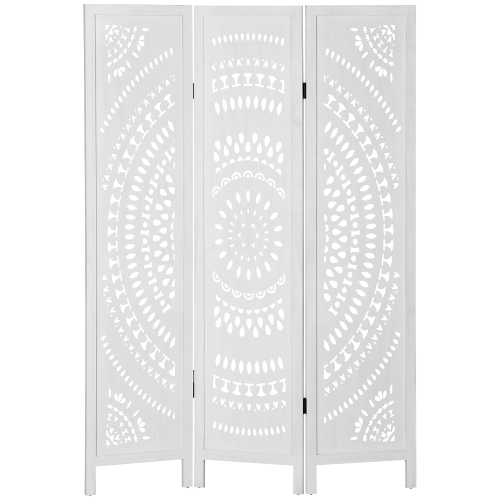
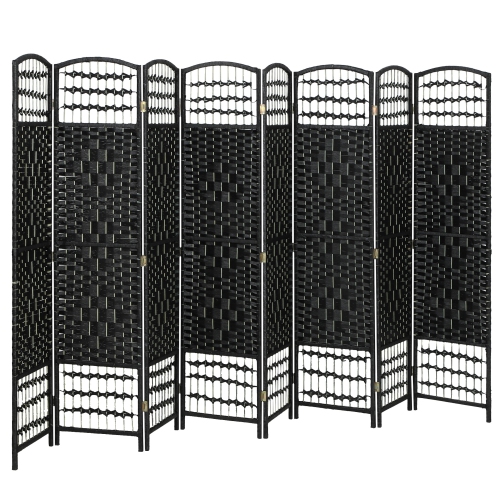
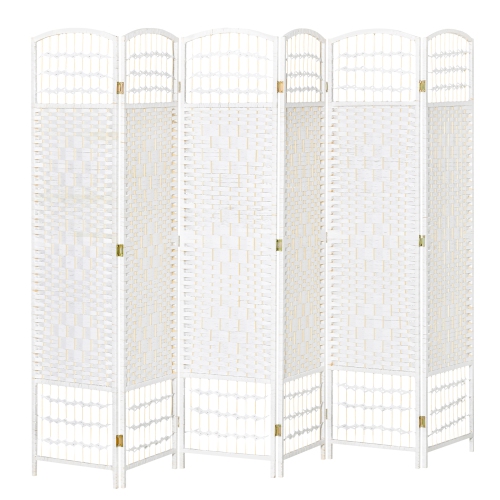
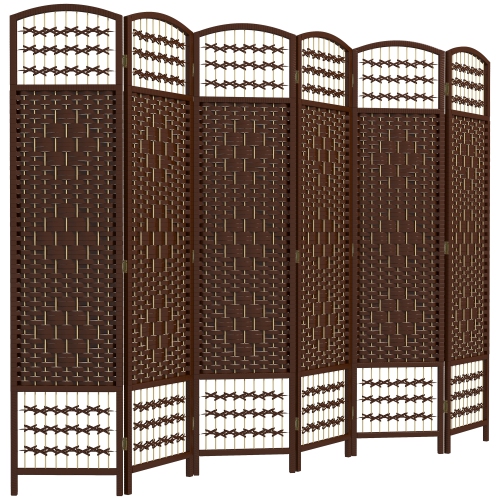
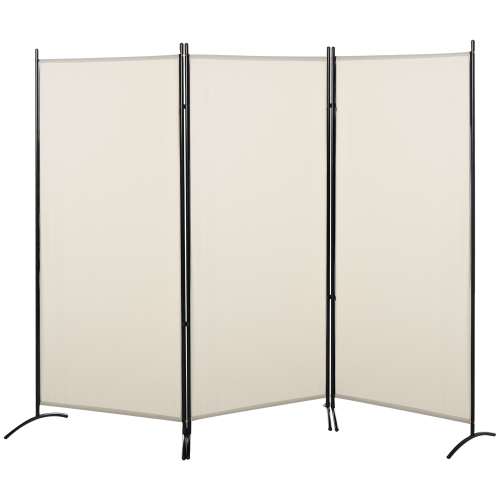
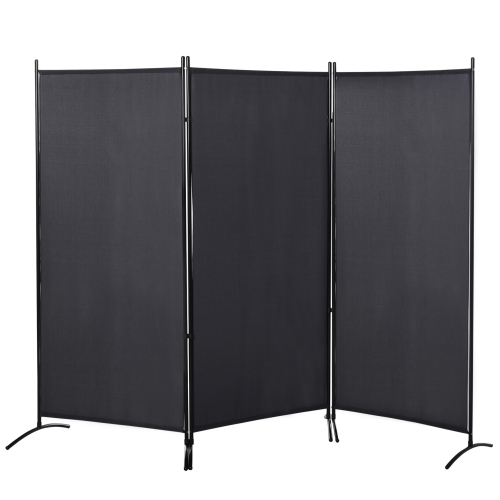
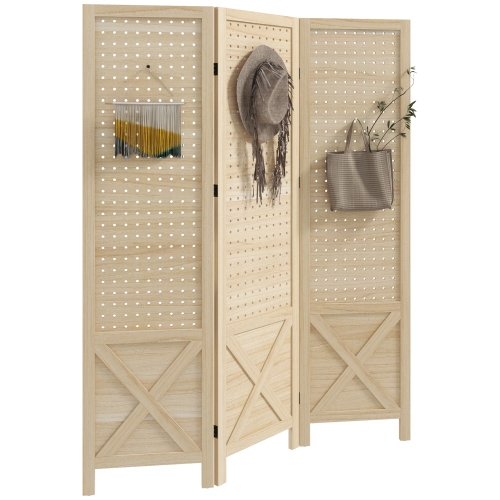
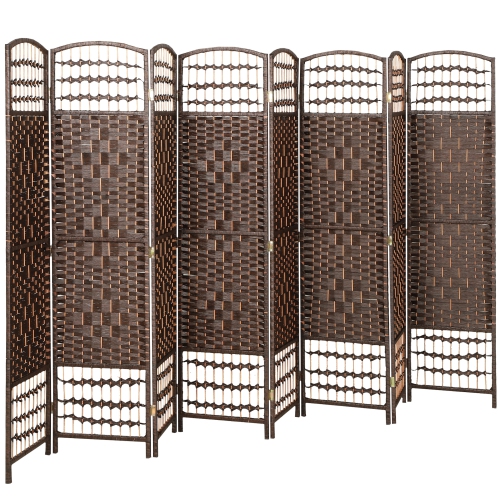
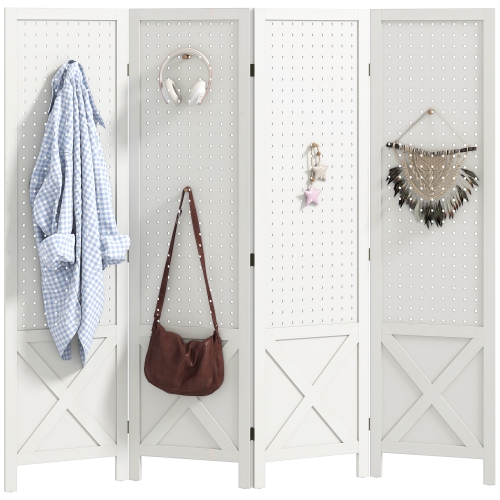
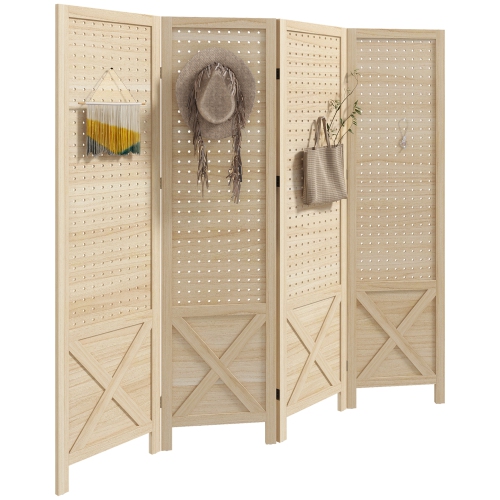
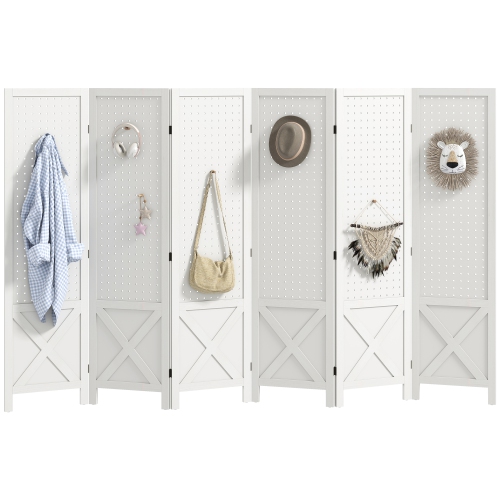
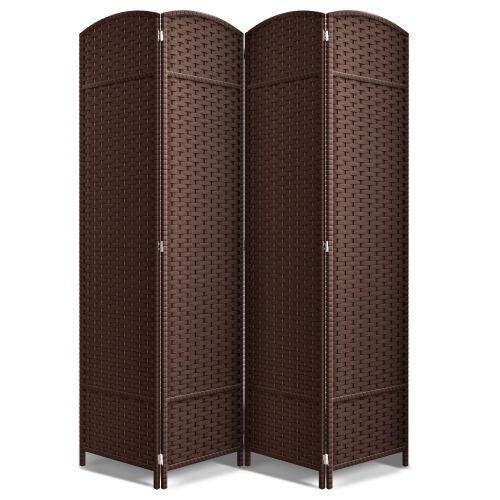
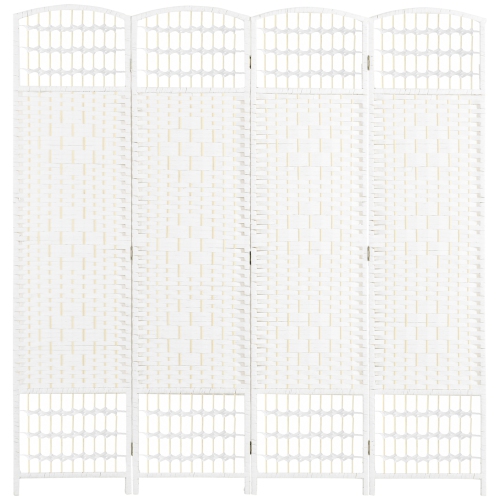
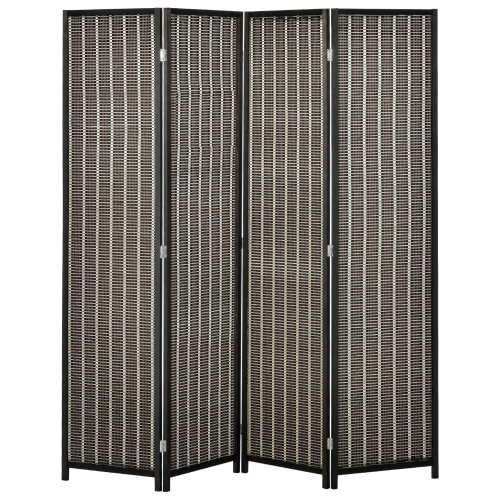
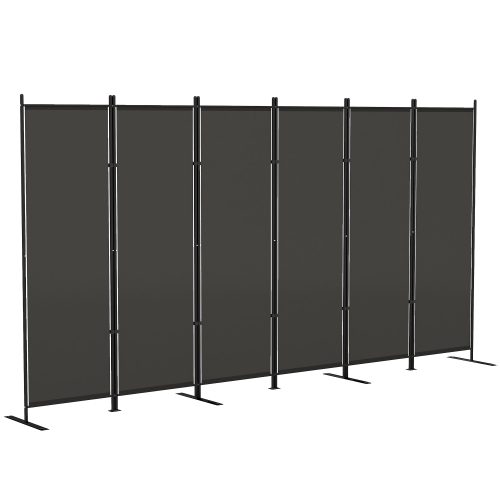
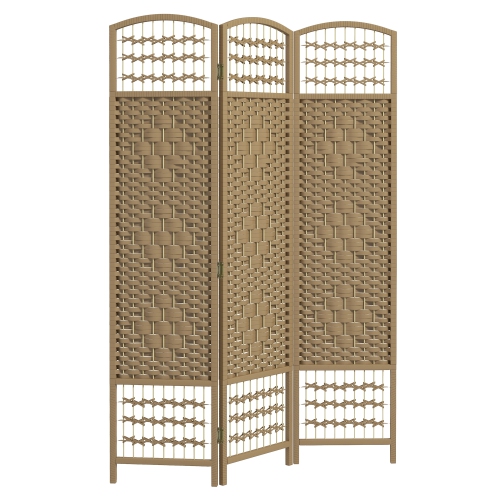
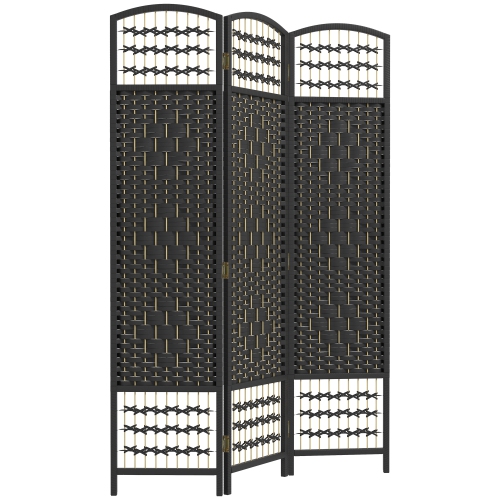
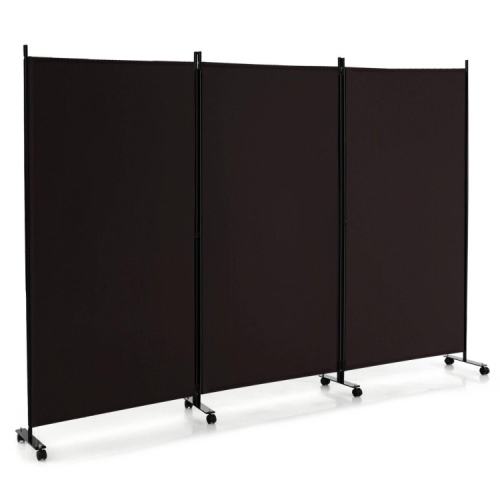
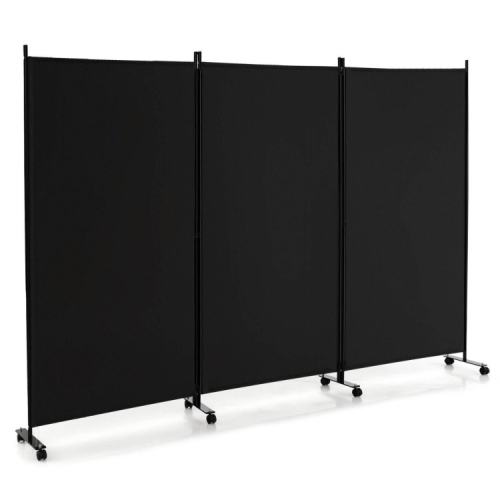
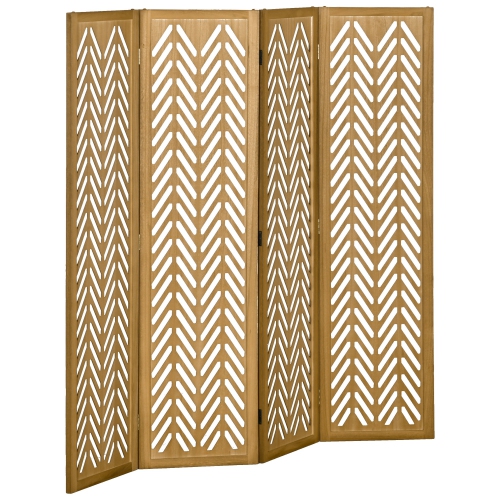
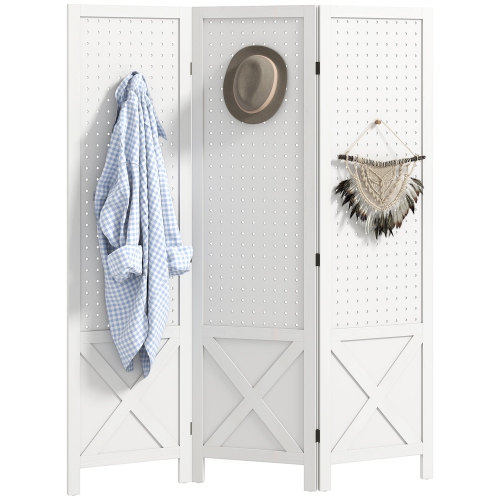
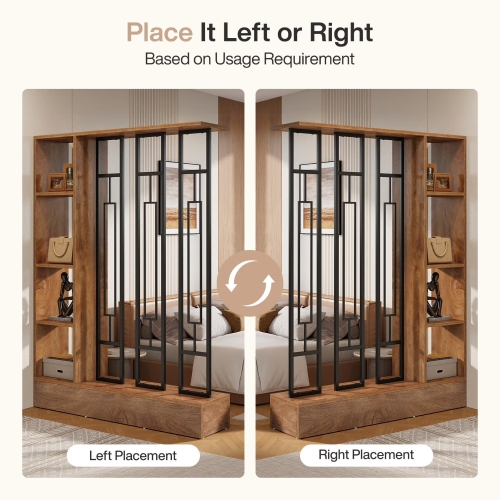
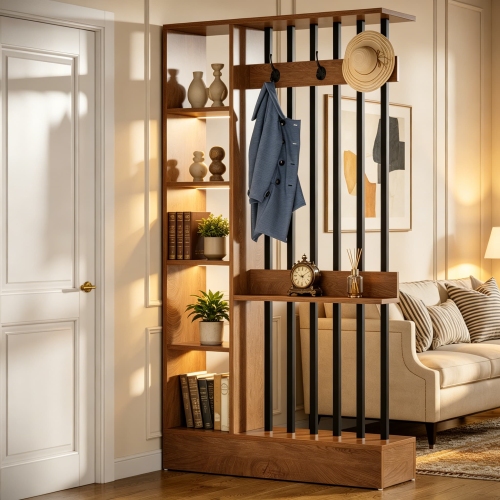
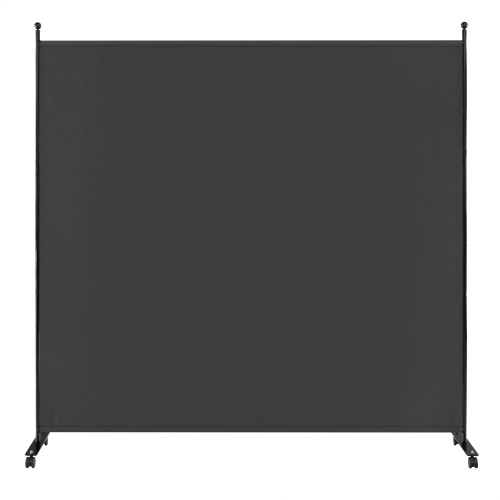
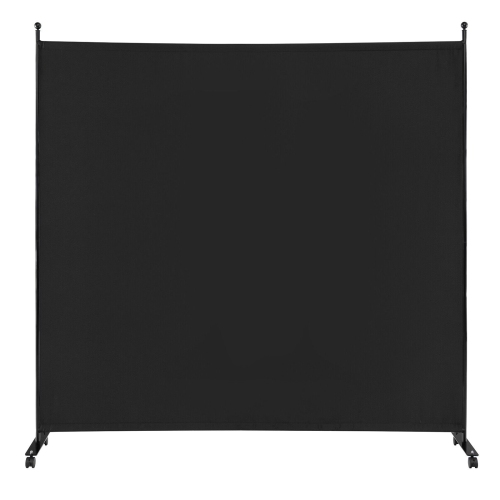
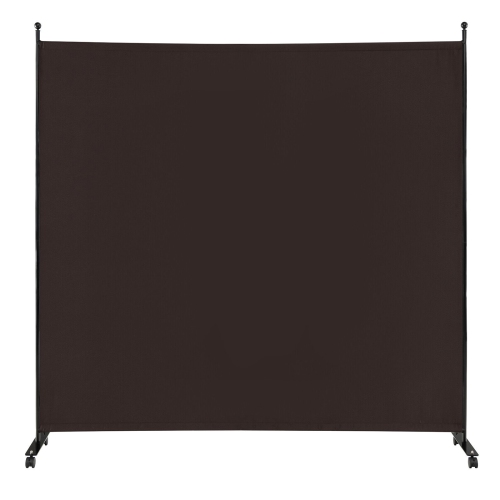
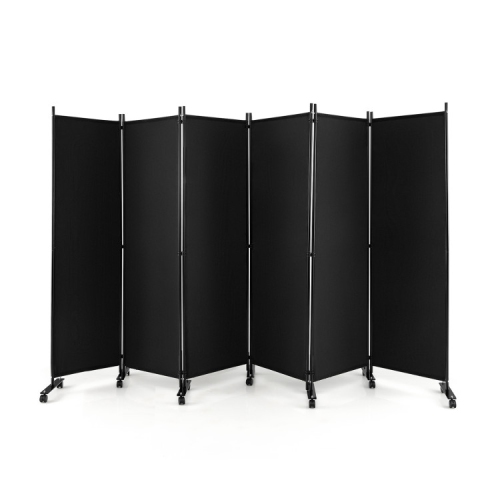
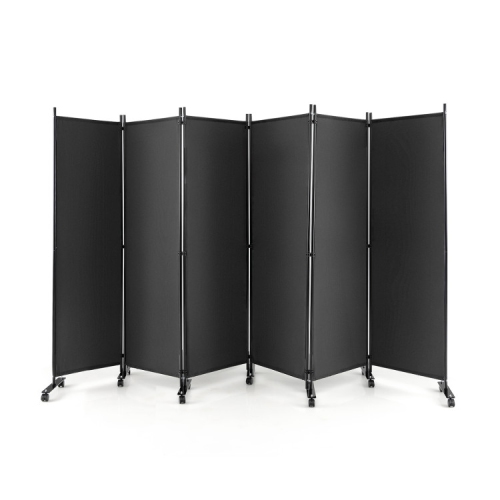
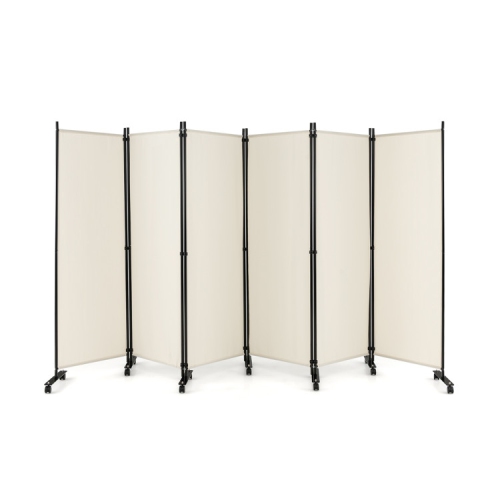
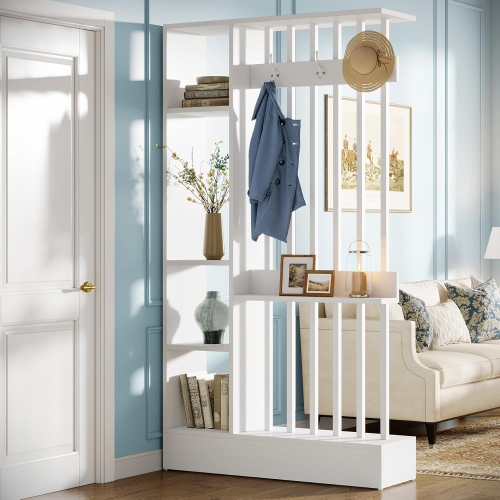
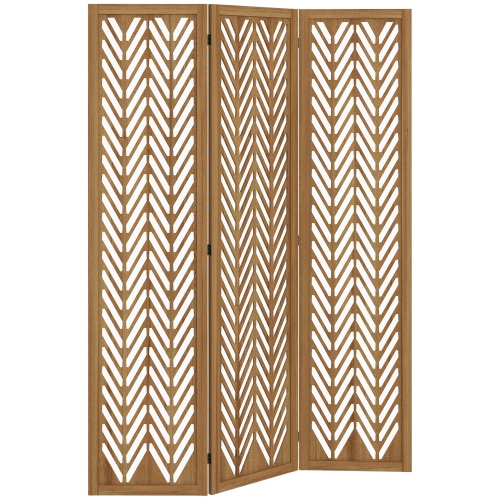
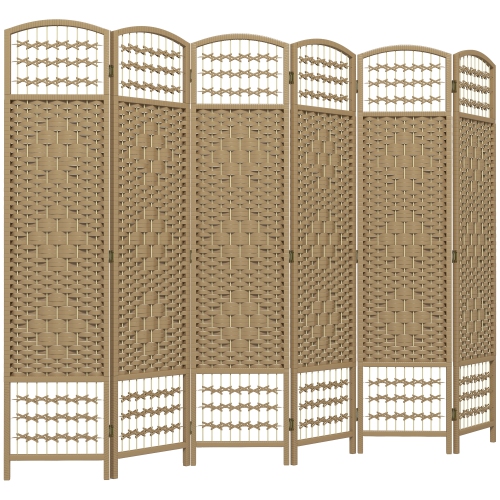
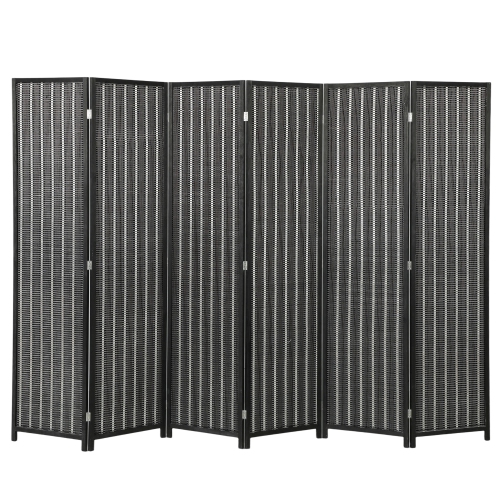
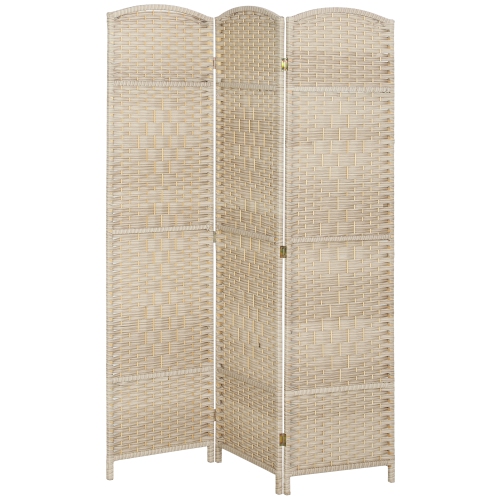
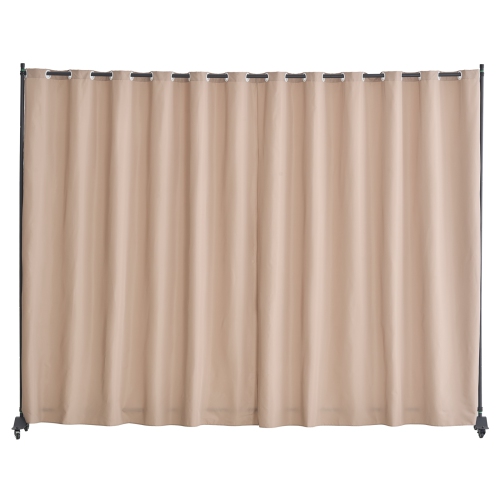
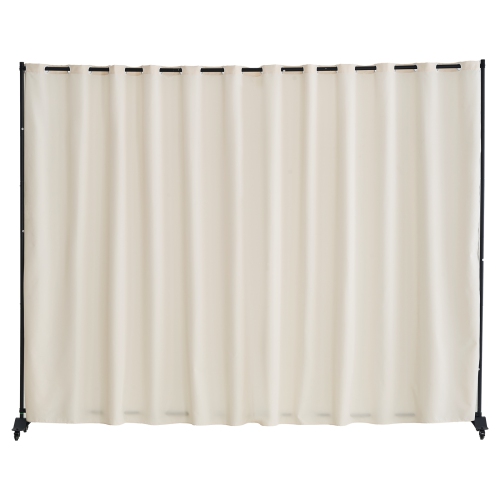
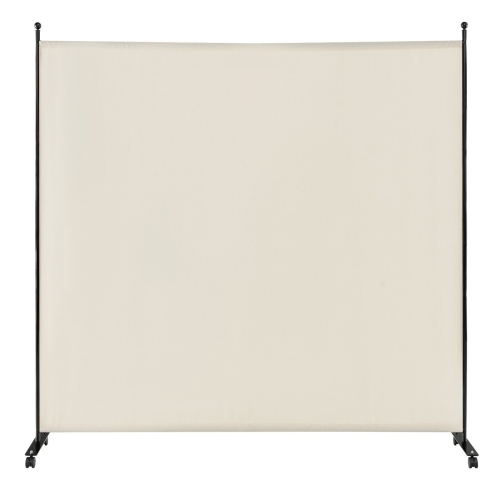
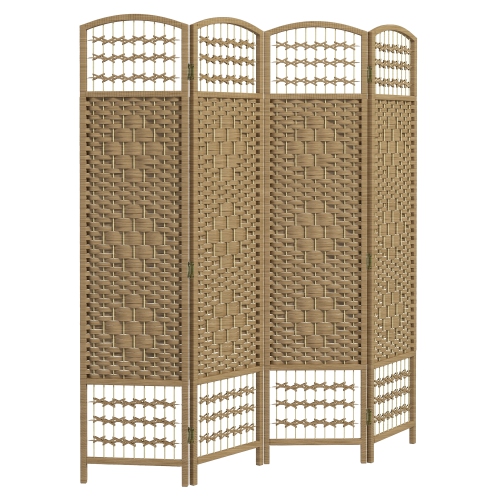
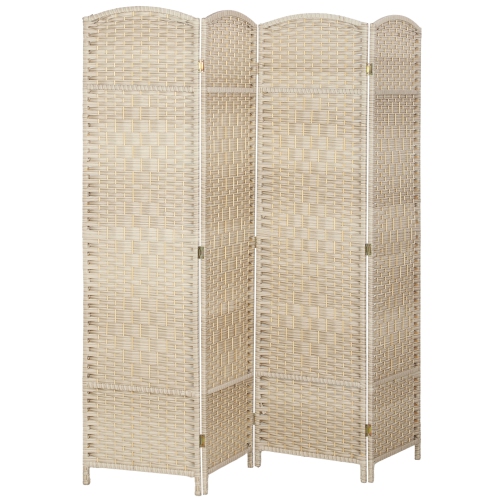
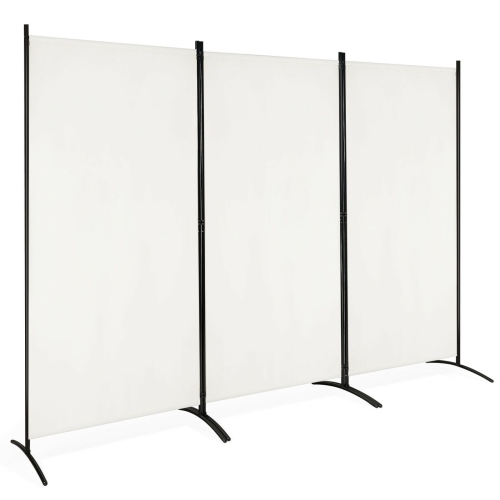
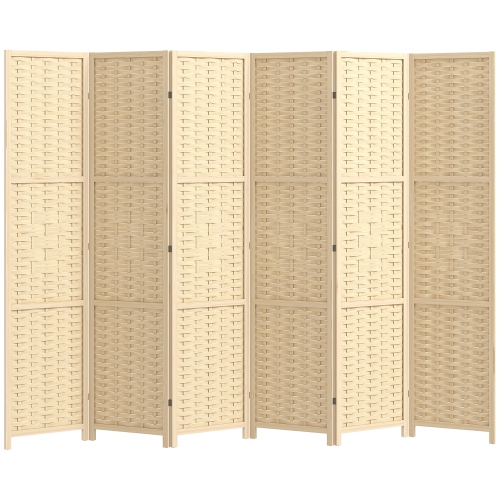
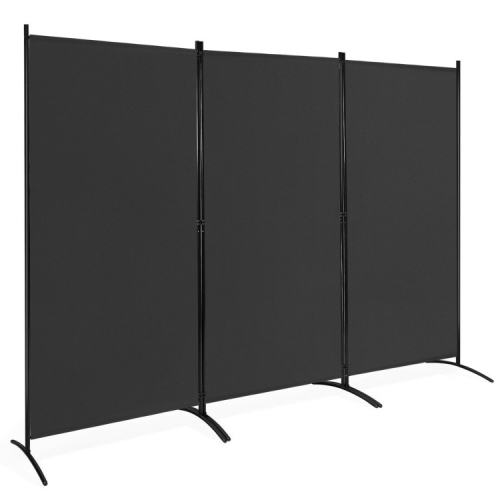
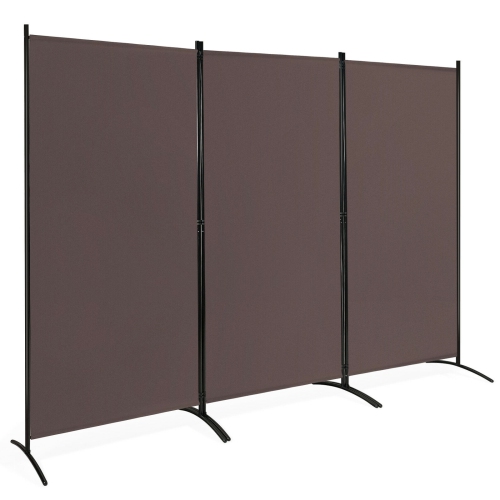
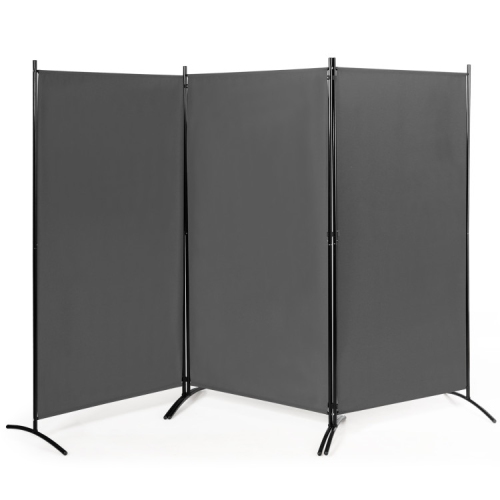
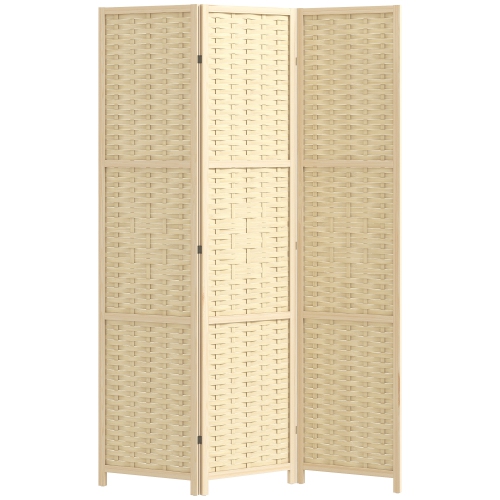
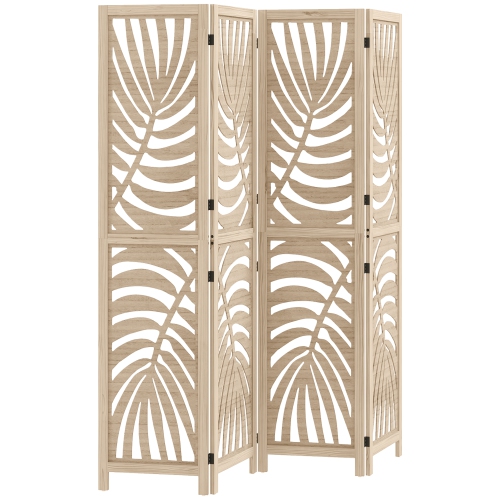
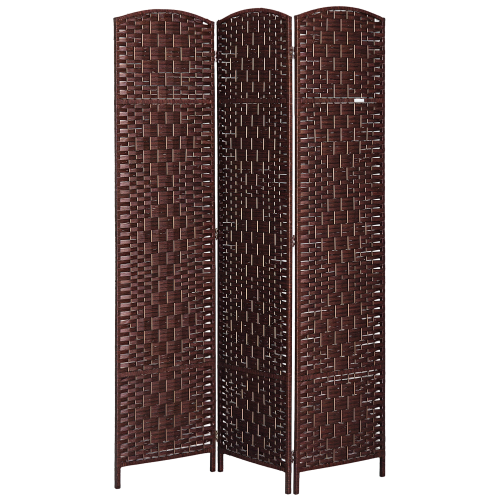
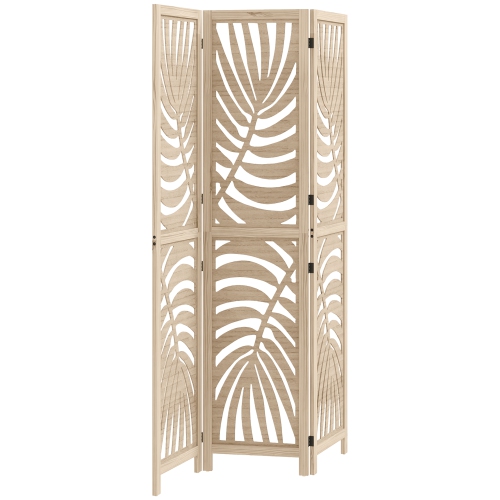
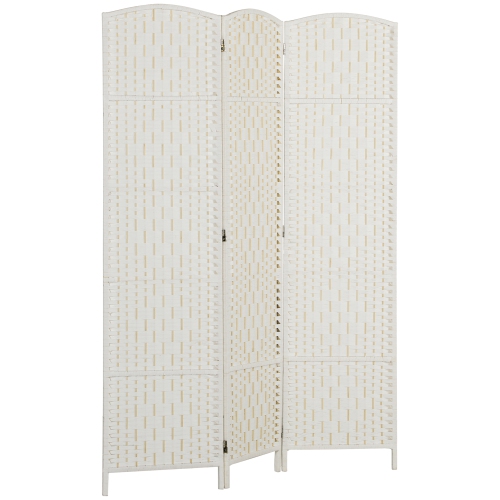
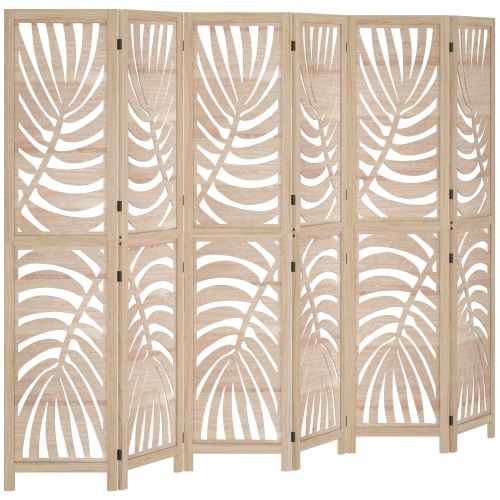
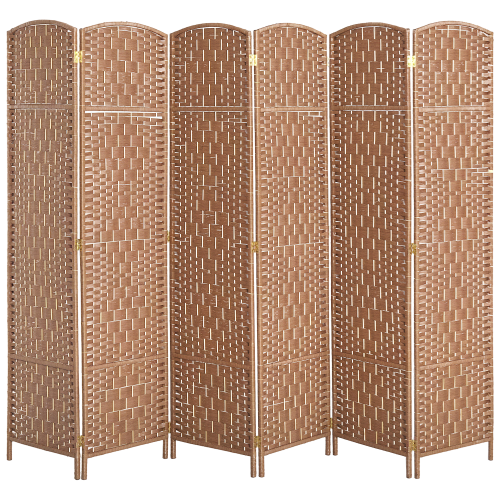
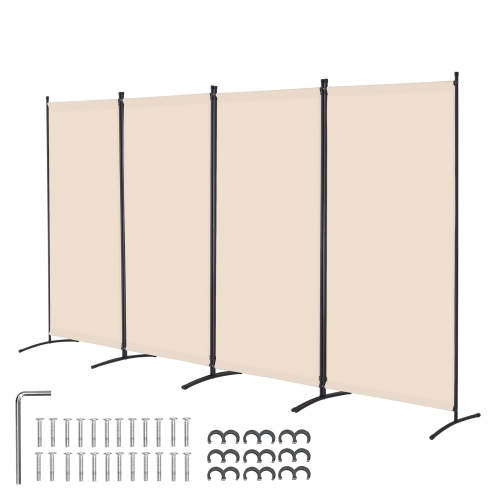
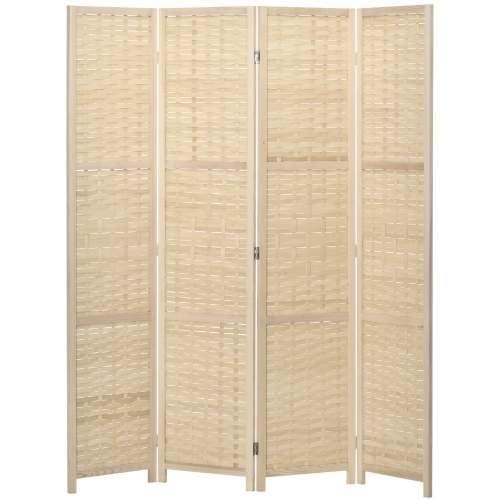
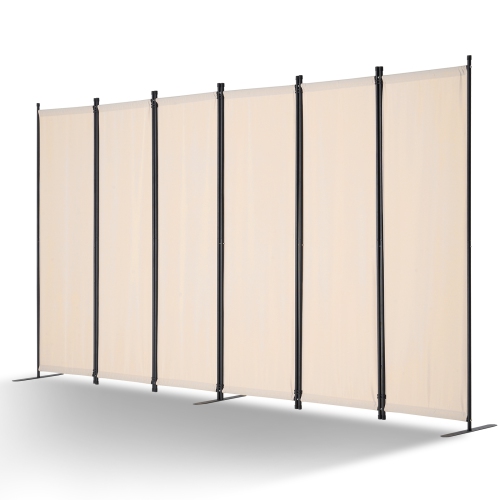
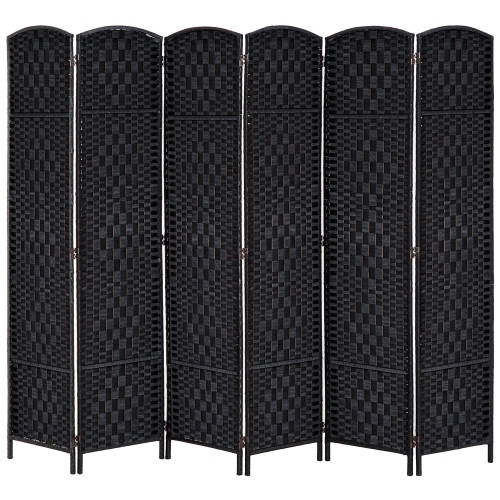
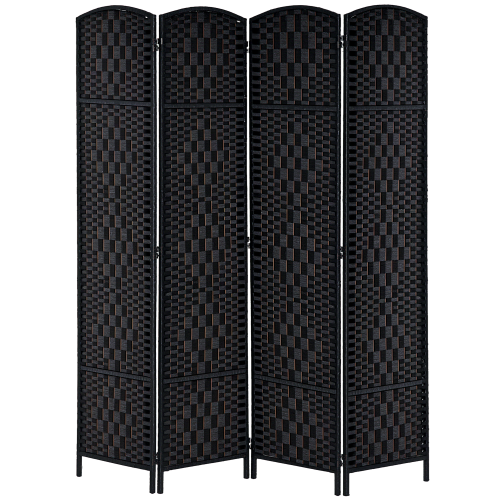
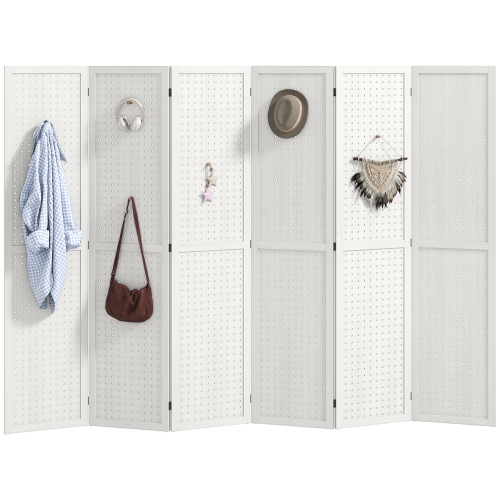
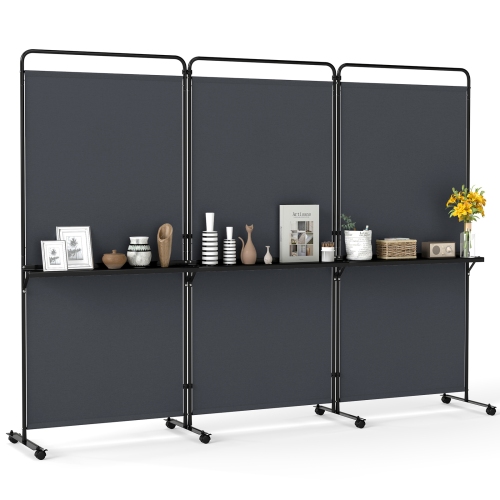
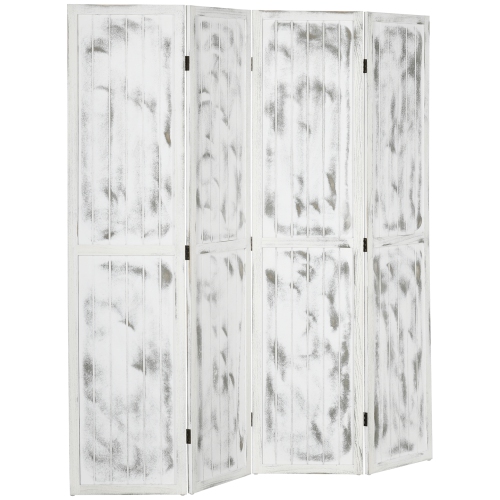
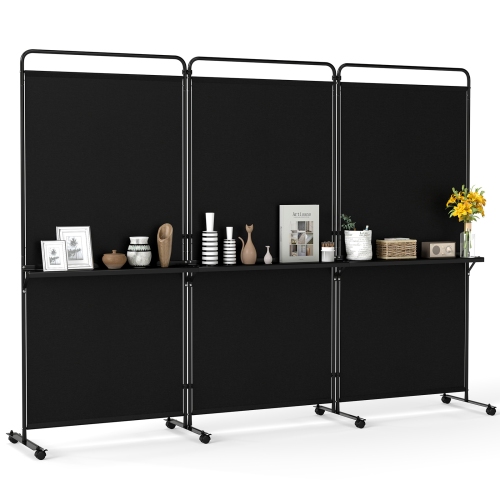
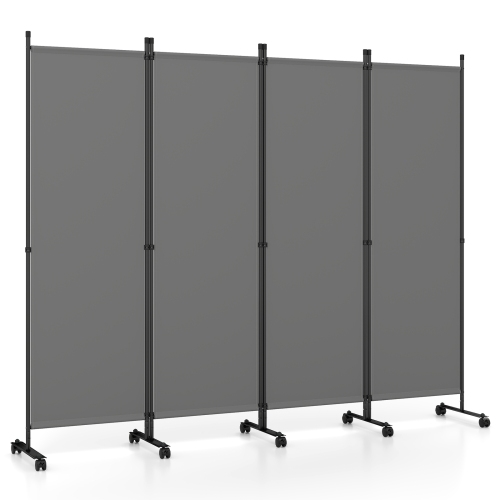
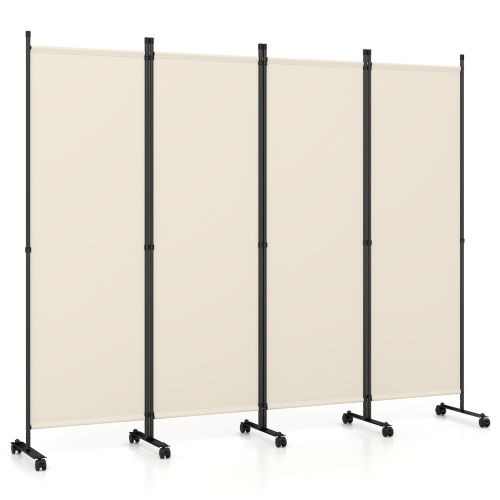
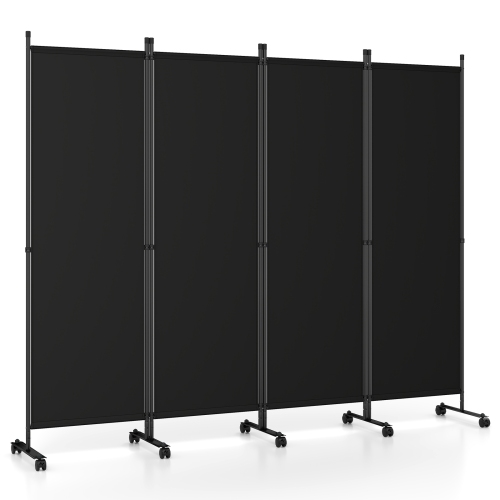
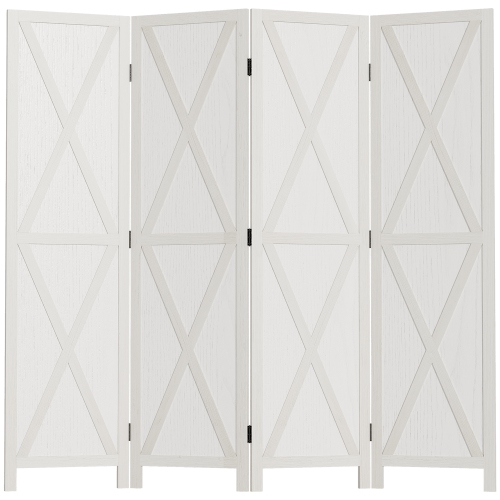
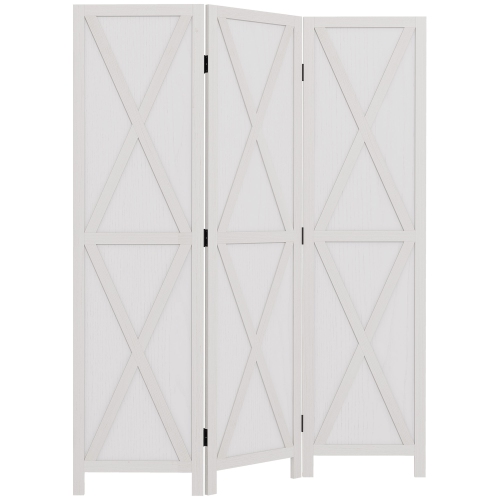
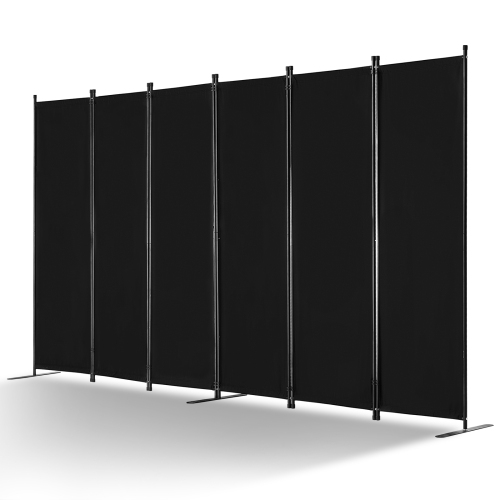
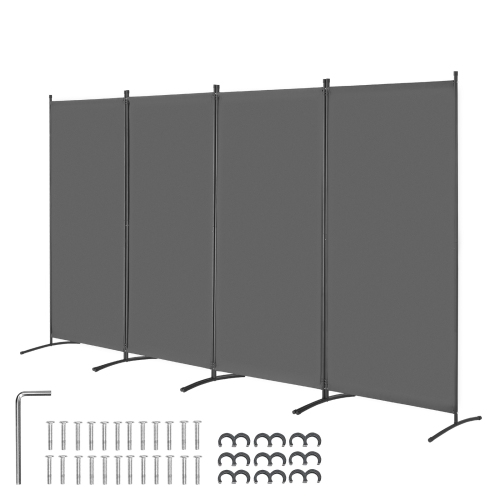
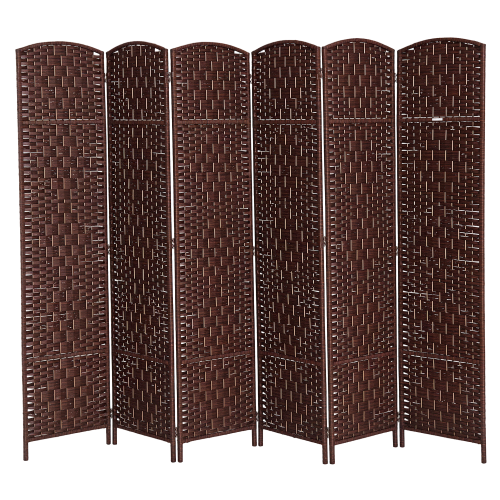
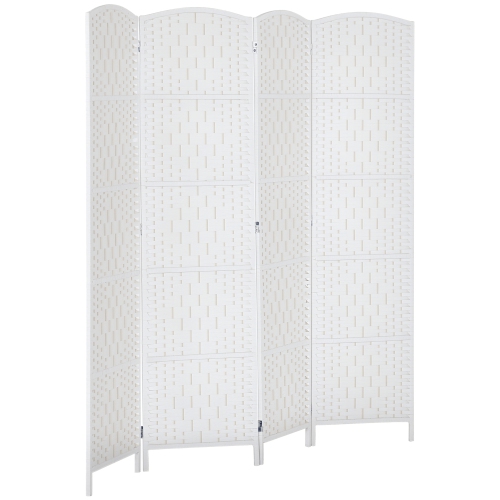
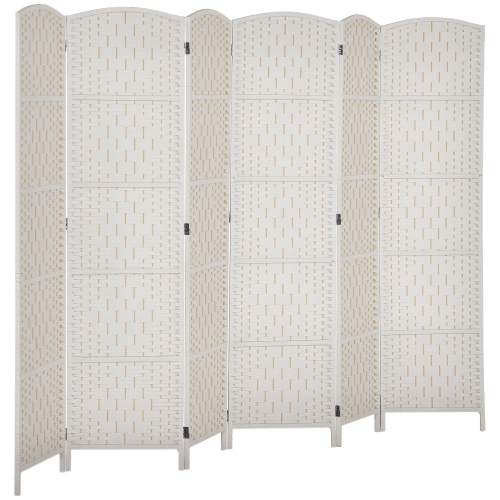
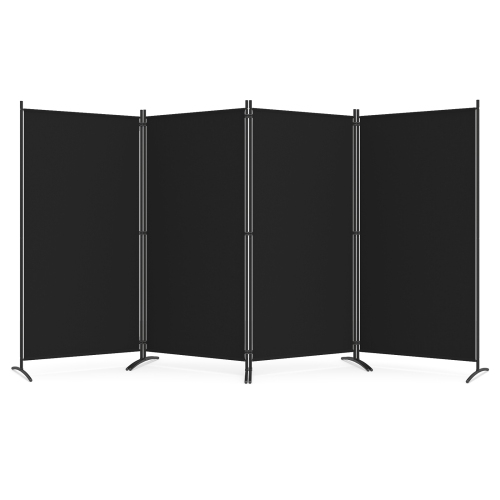
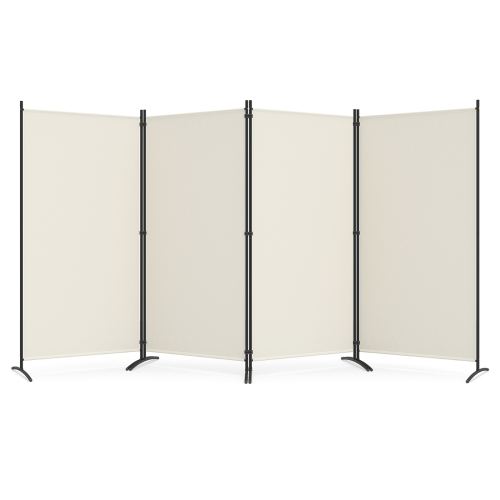
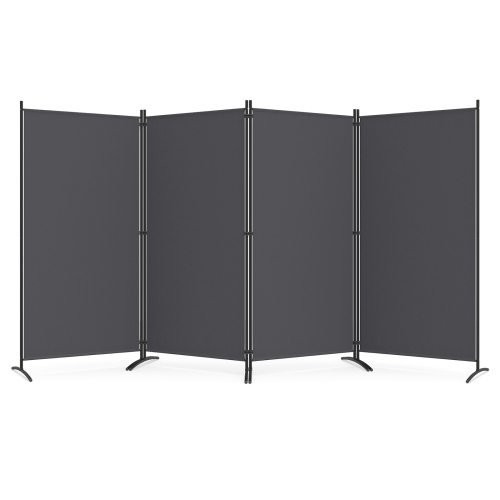
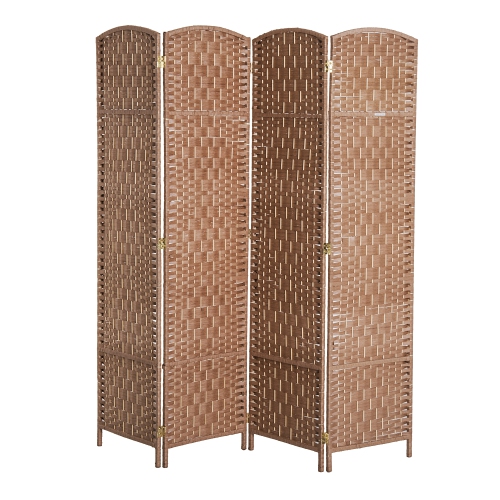
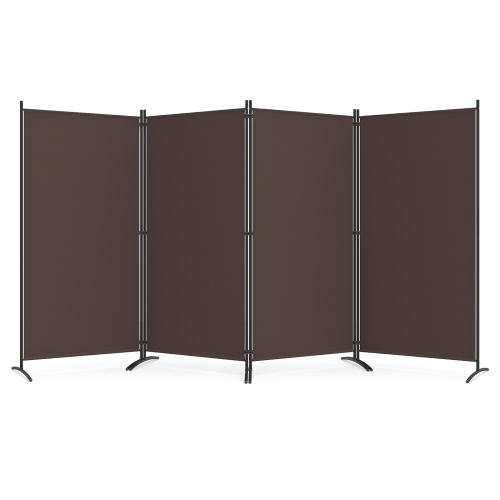
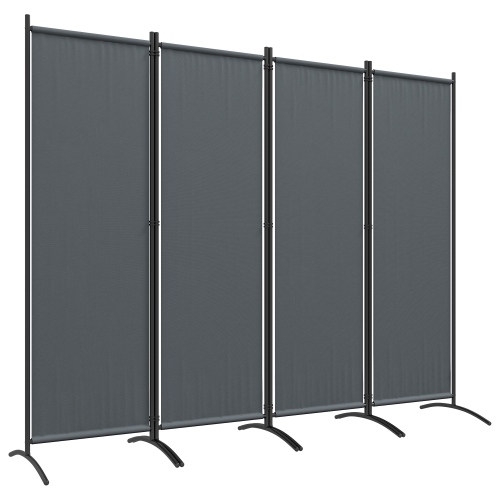
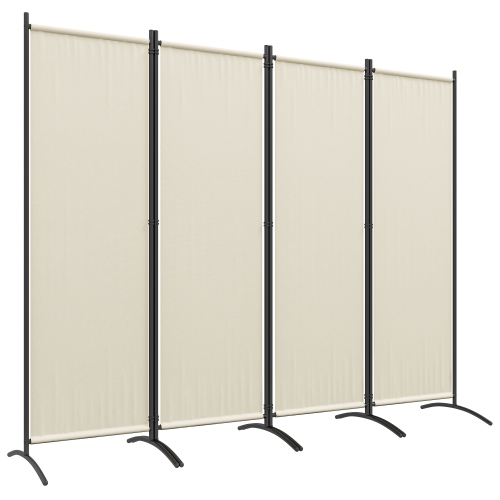
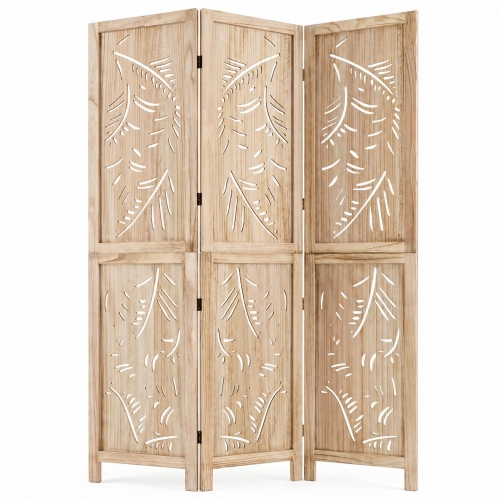
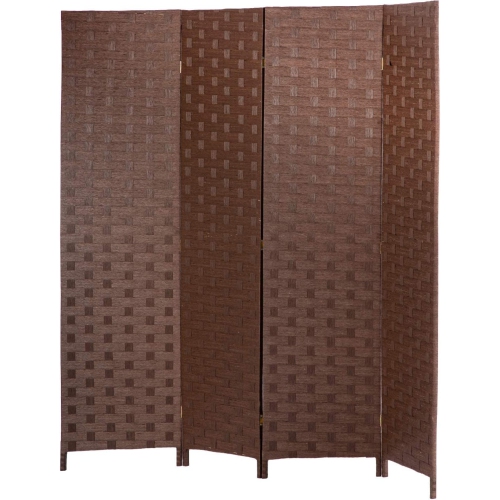
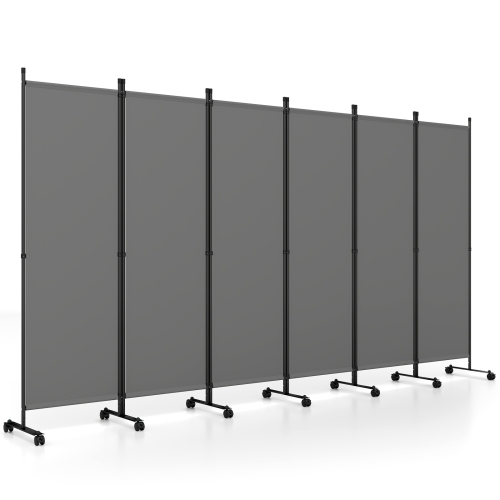
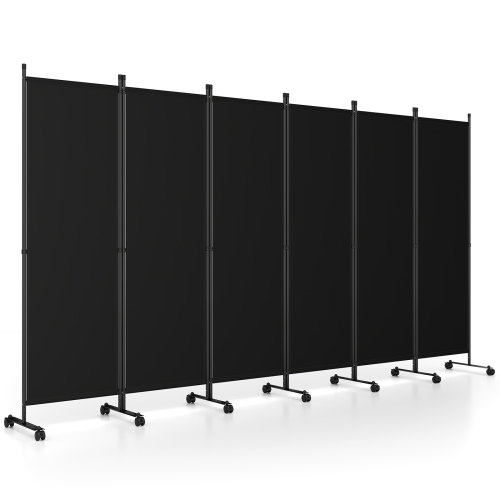
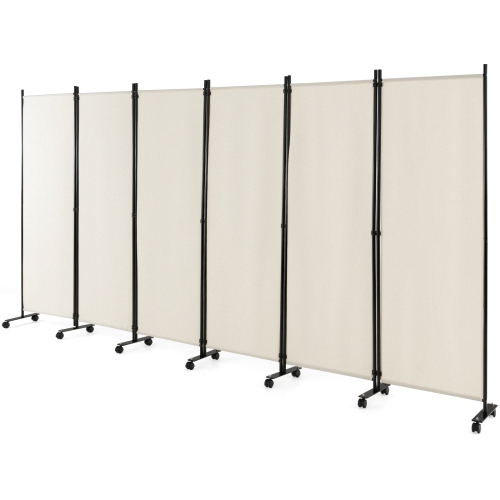

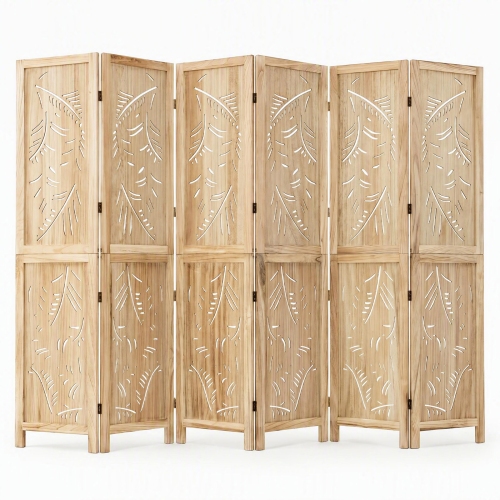
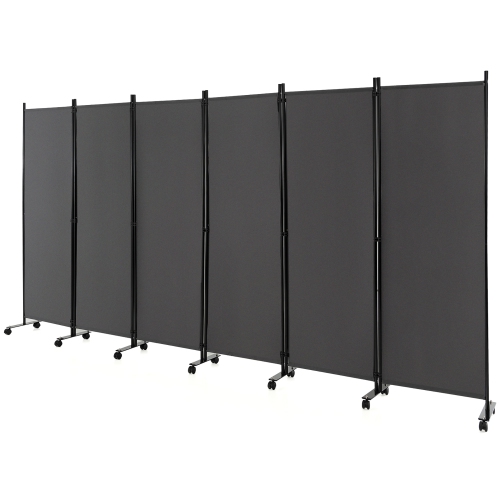
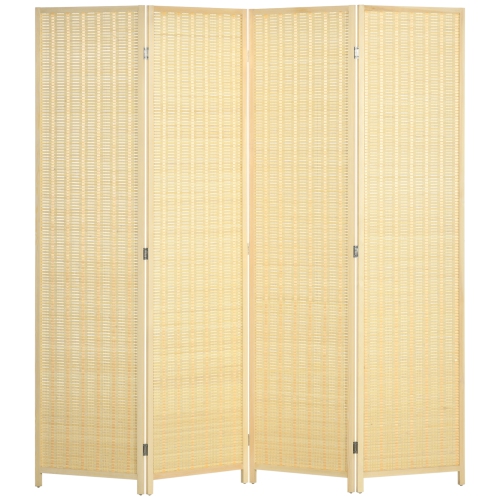
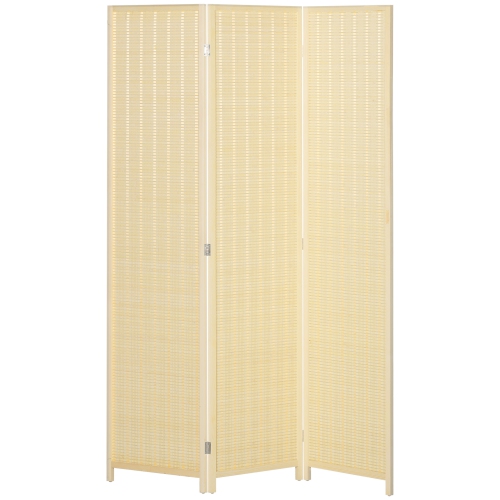

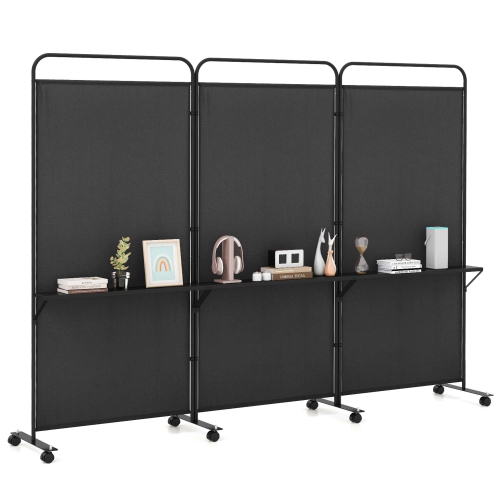
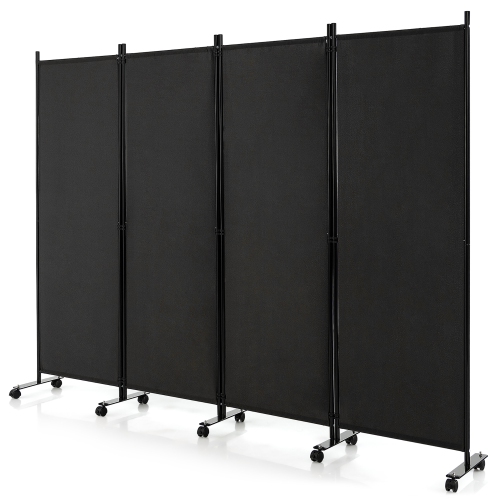
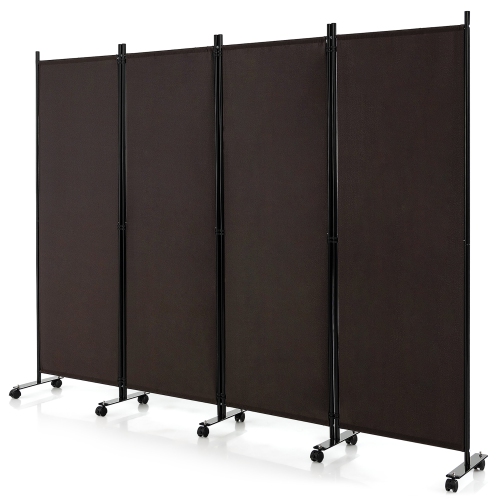
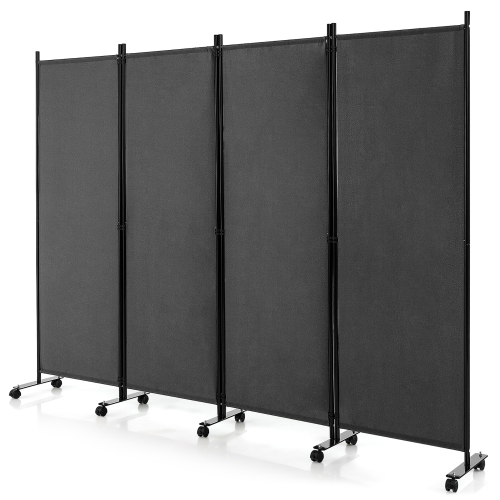
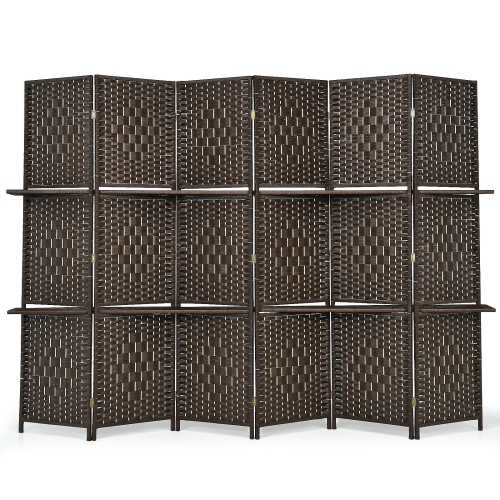
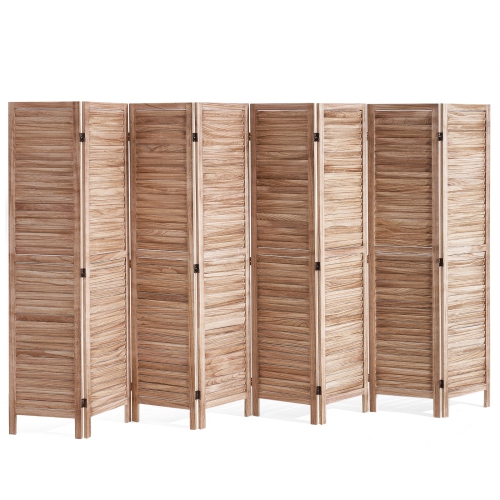
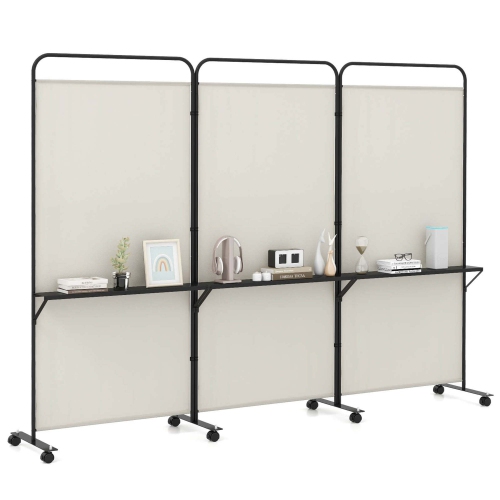
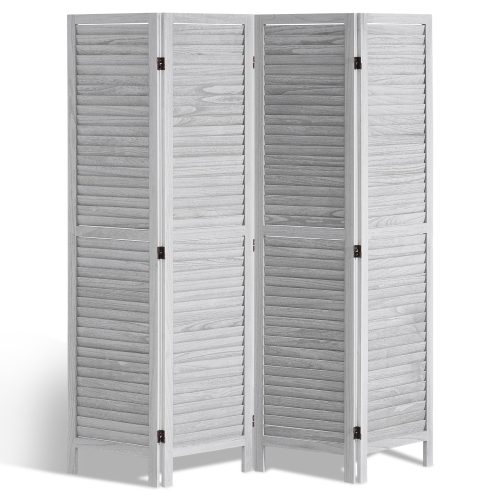
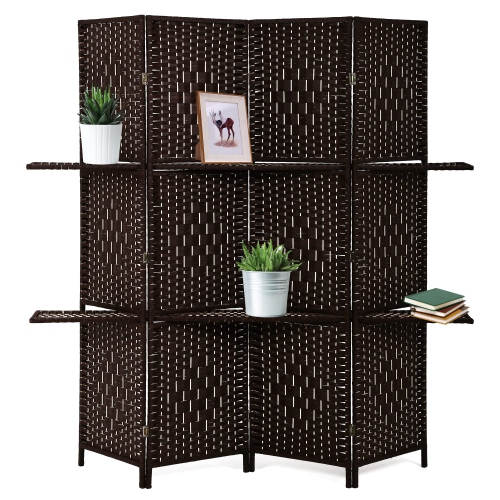
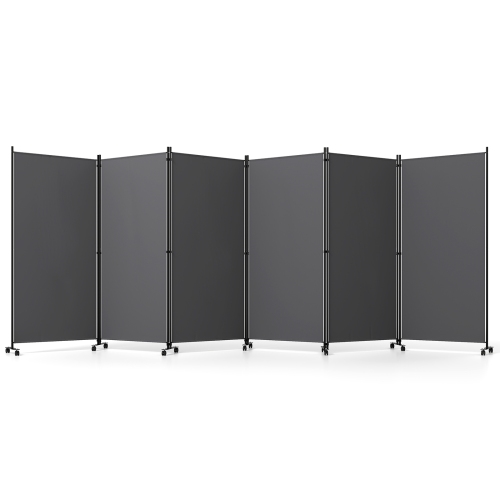
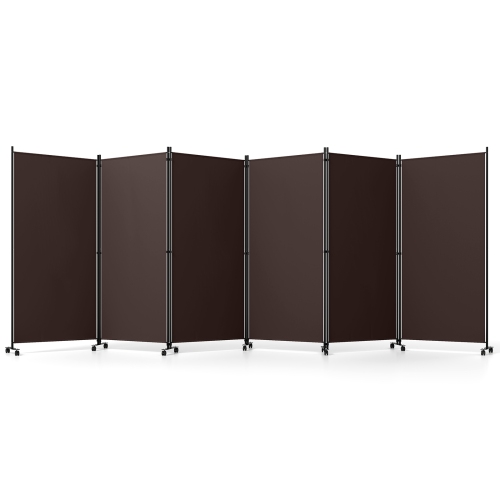
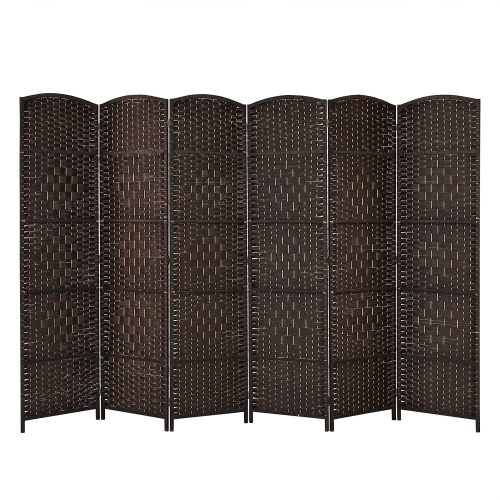
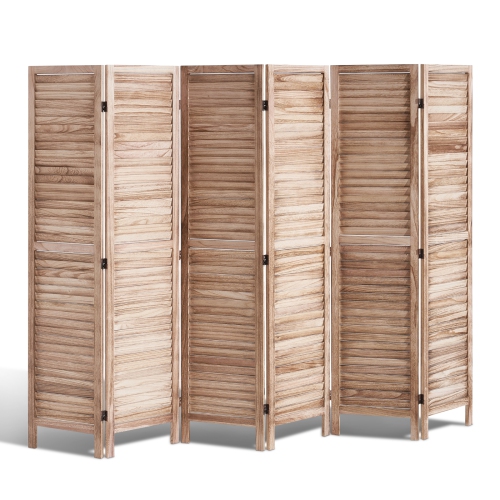
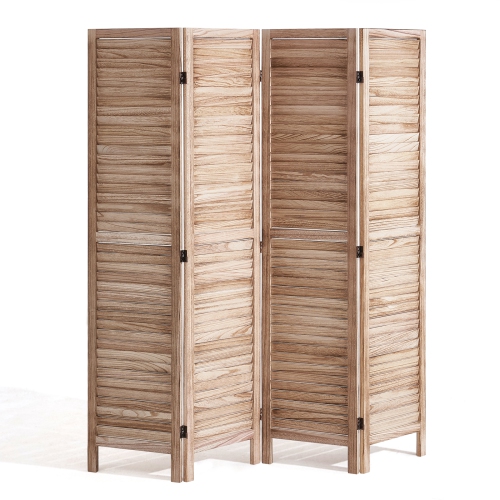
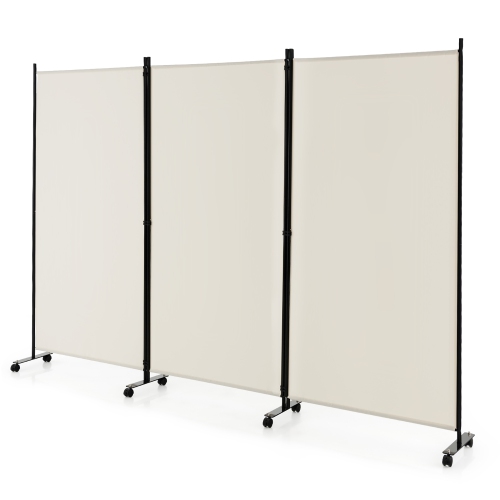
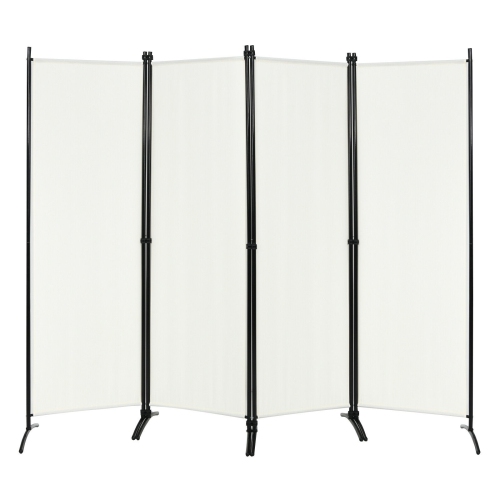

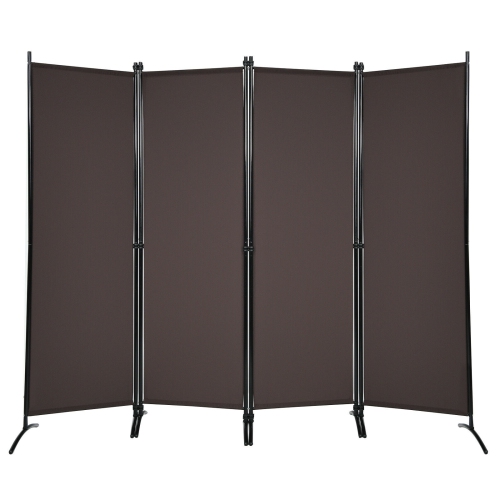
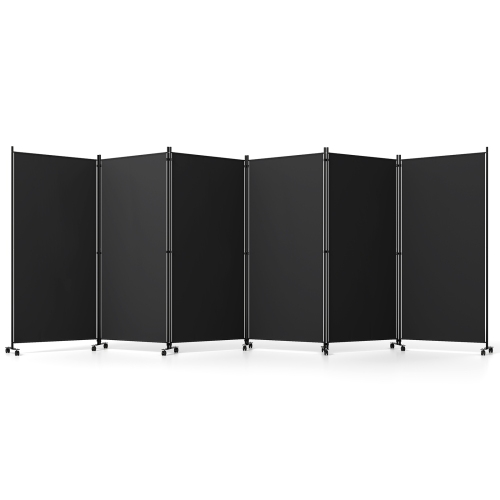
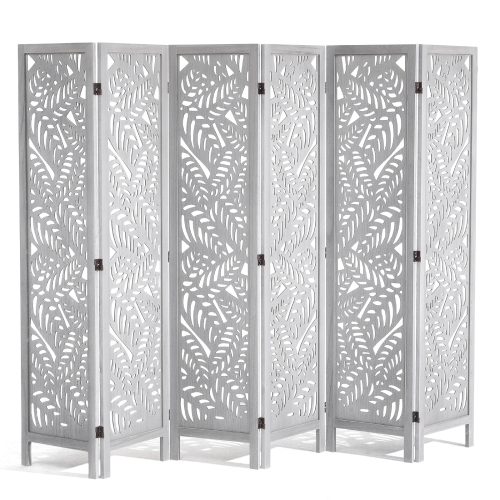
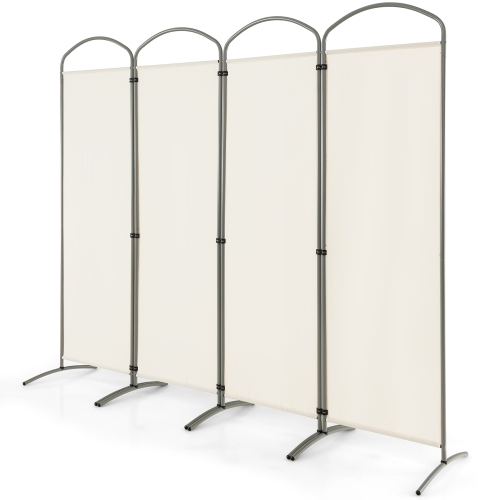
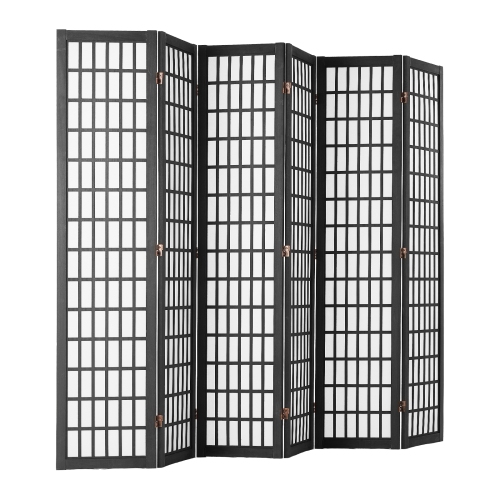
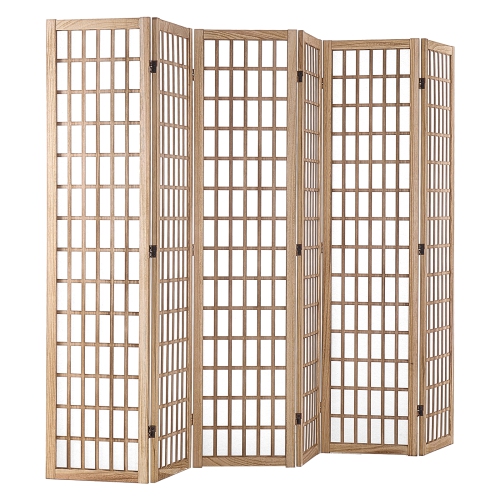
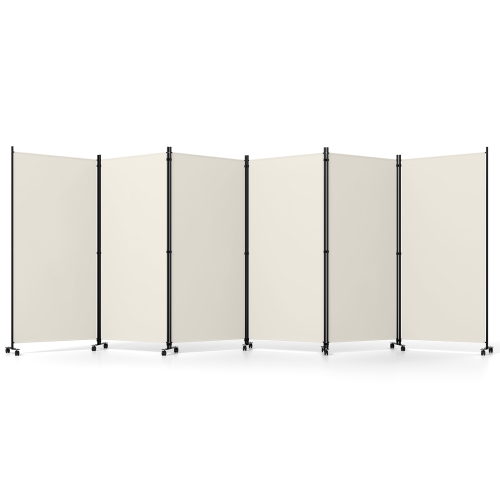
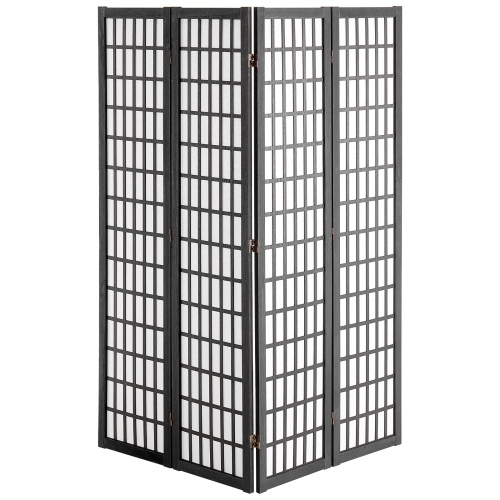
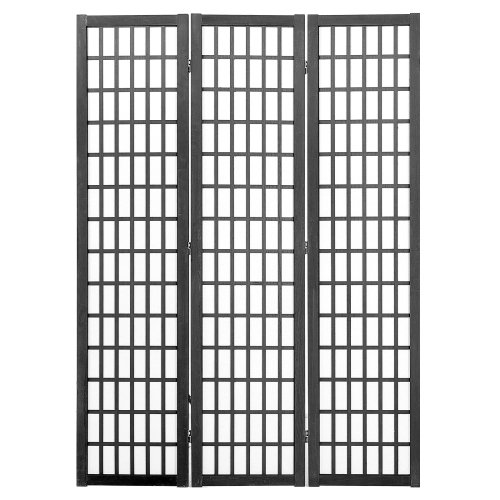
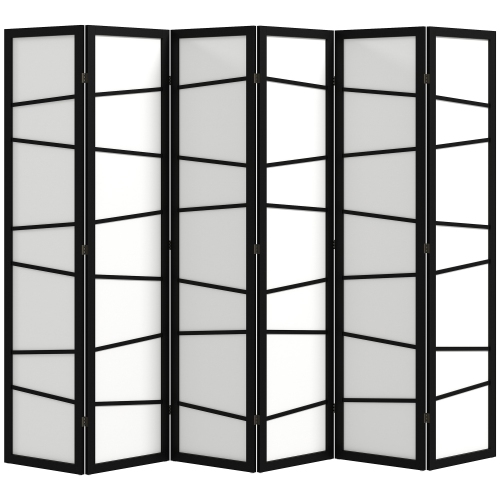
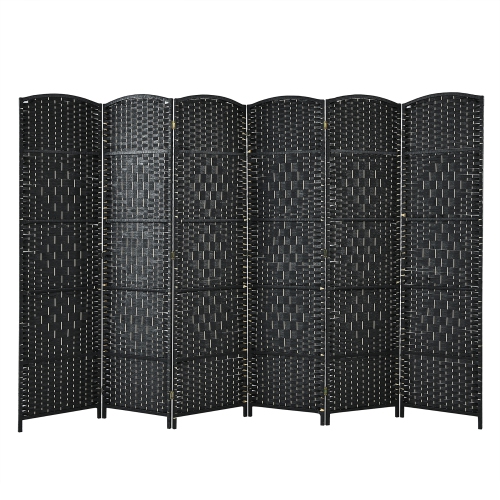
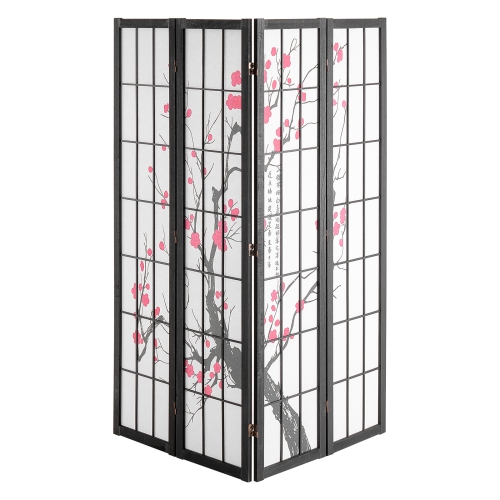
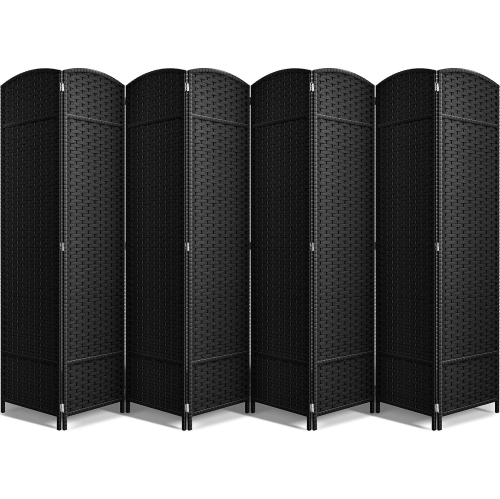
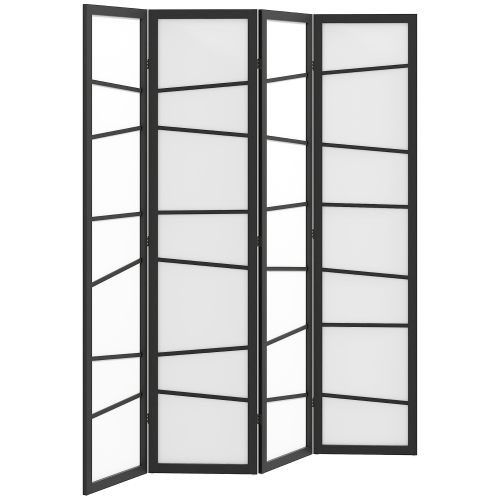
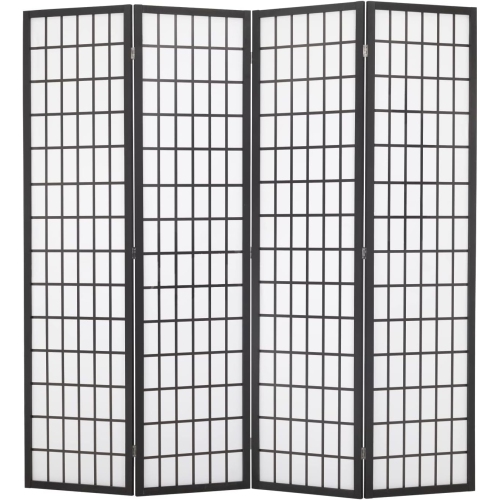
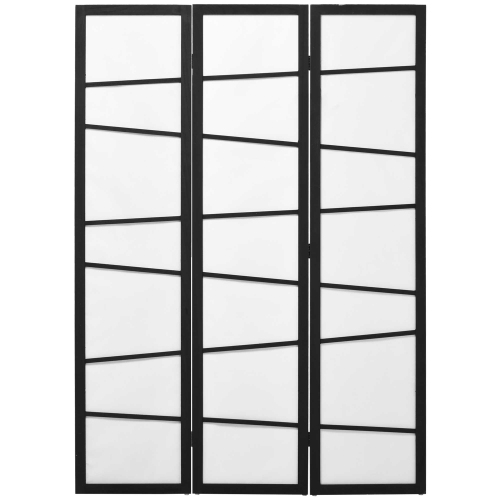
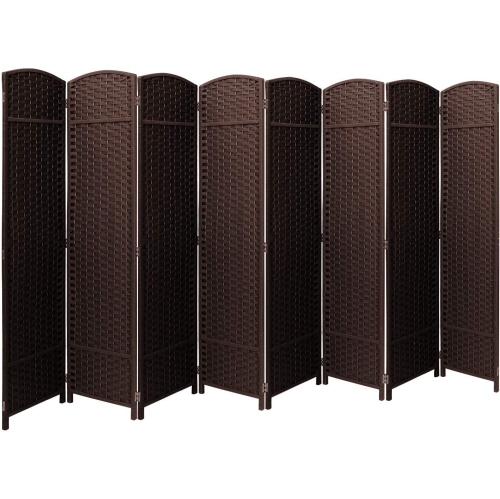
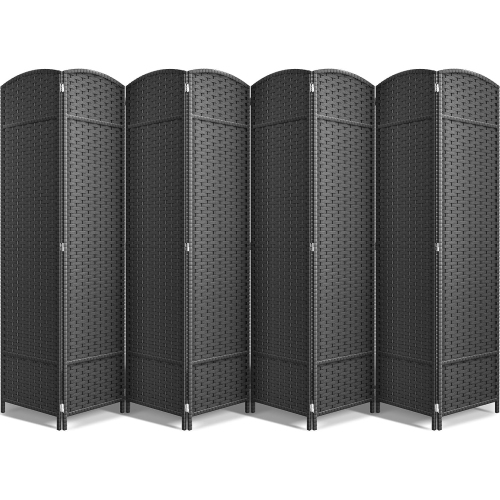
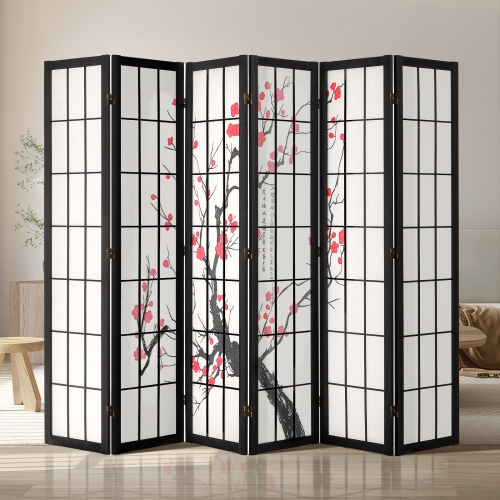
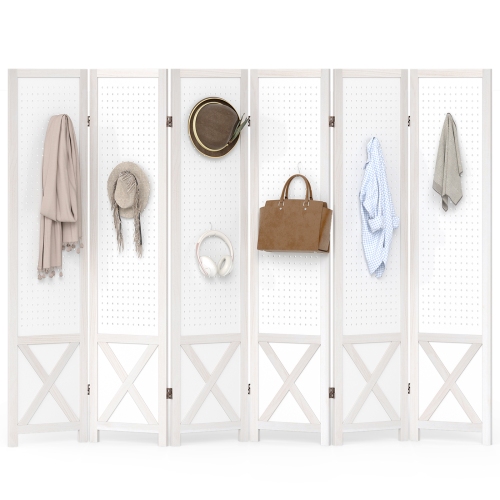
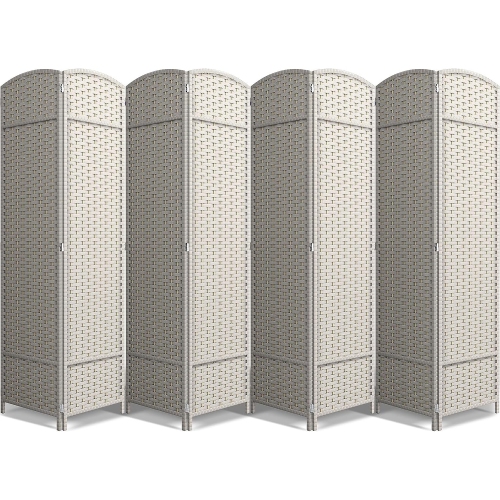
Flexible layouts for focused work and shared spaces
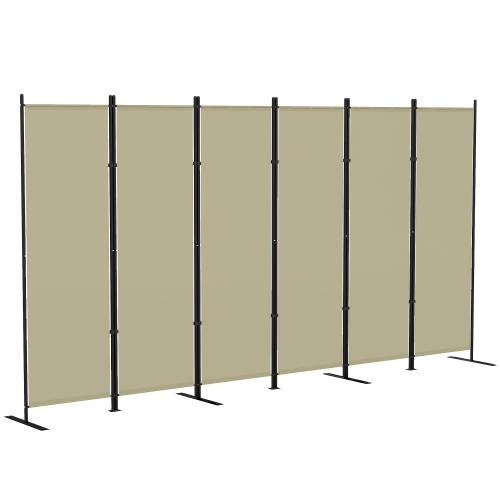
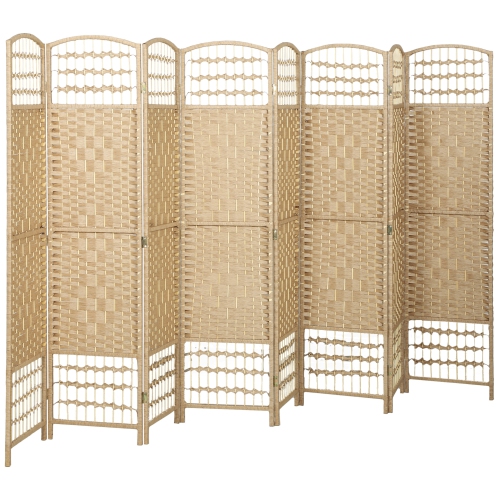
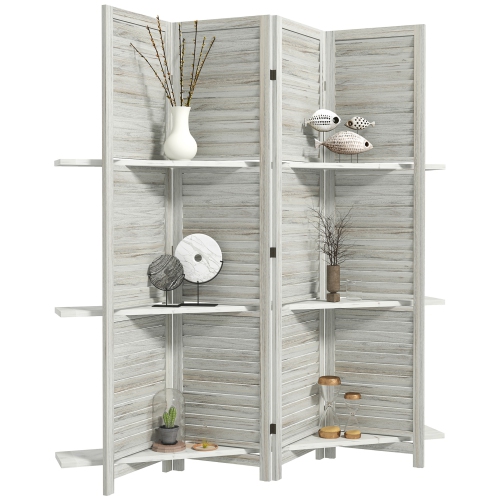
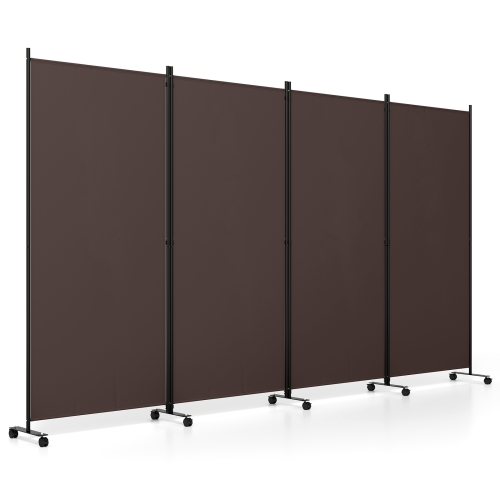
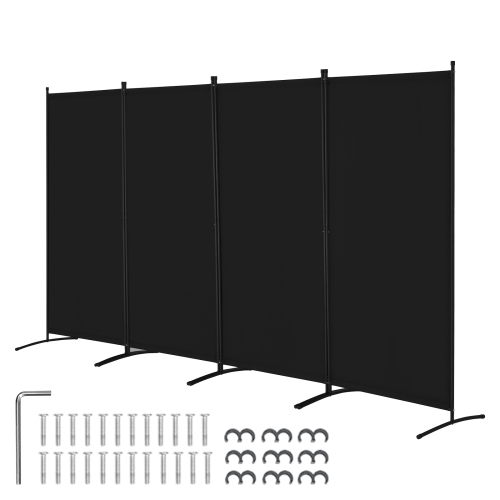
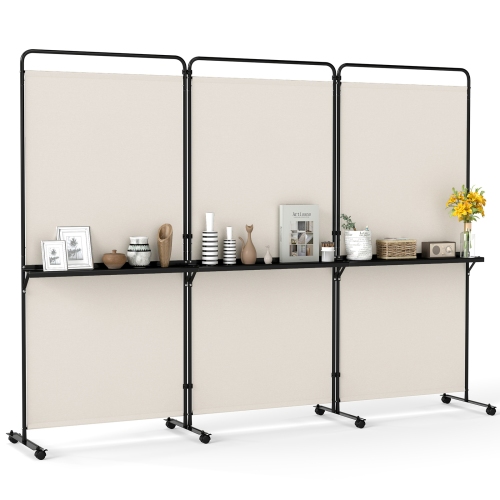
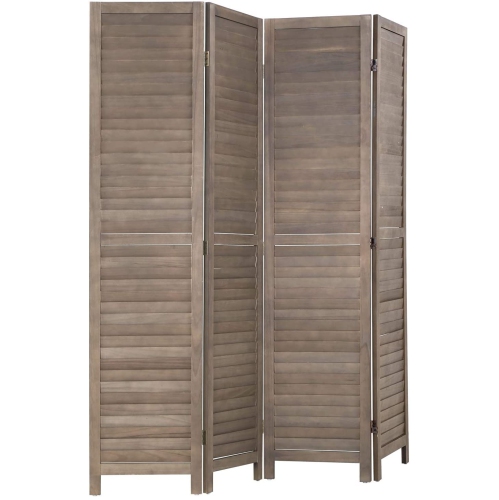
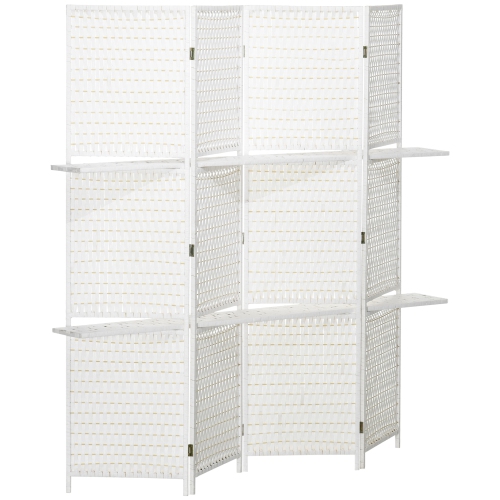
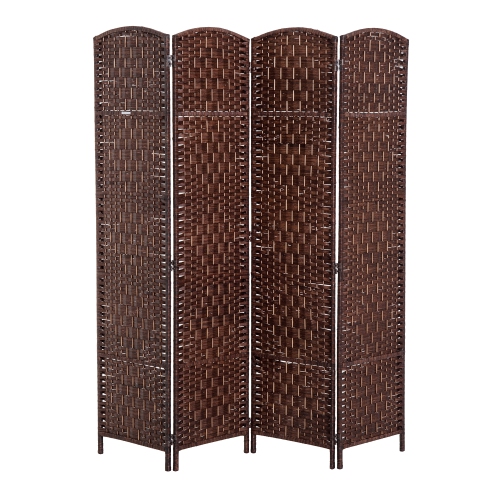
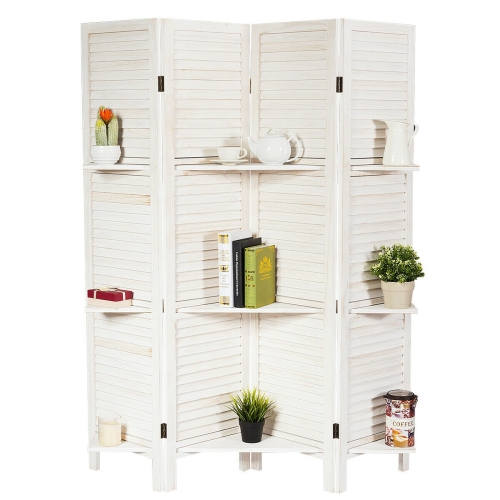
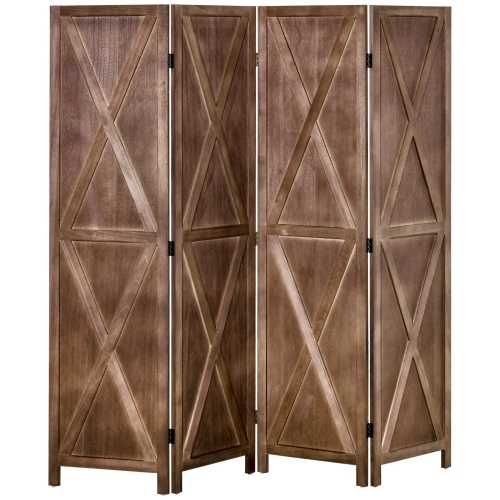
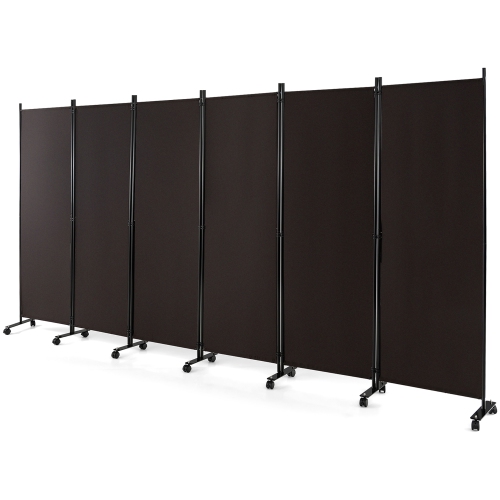
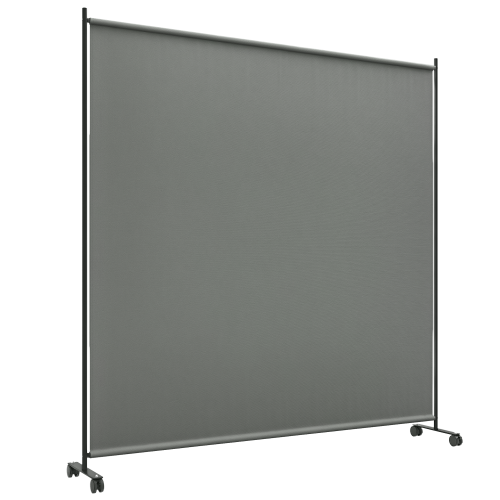
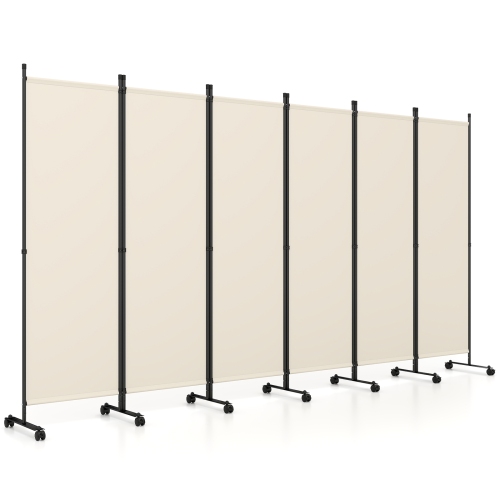
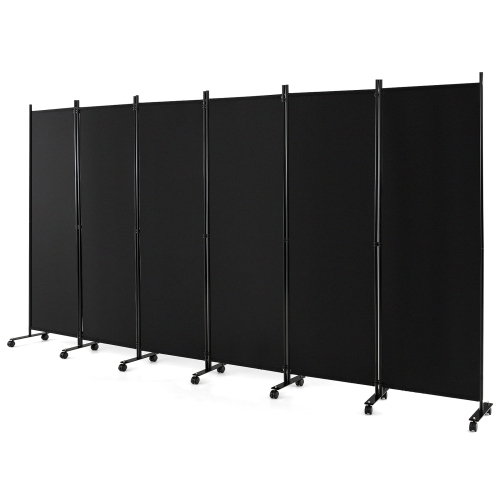
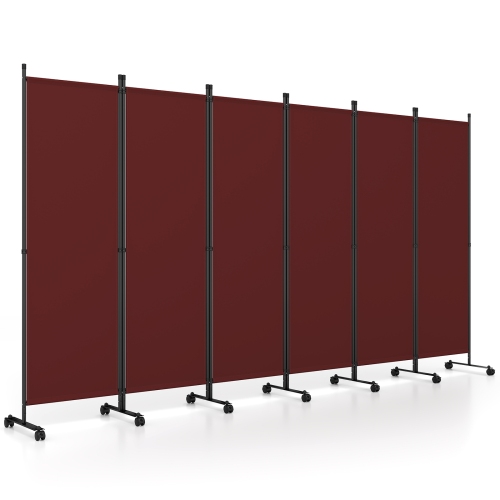
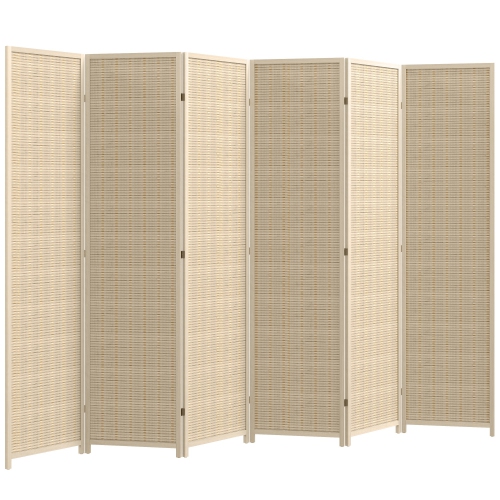
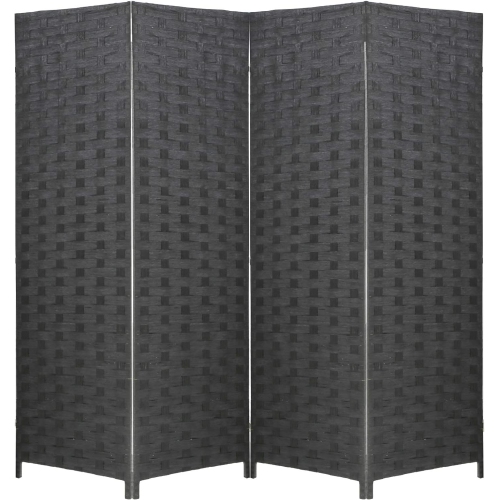
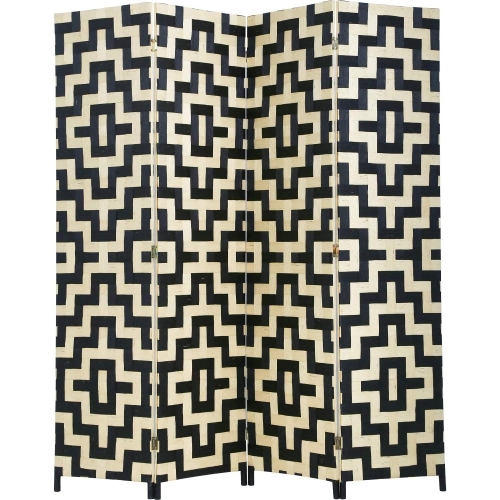
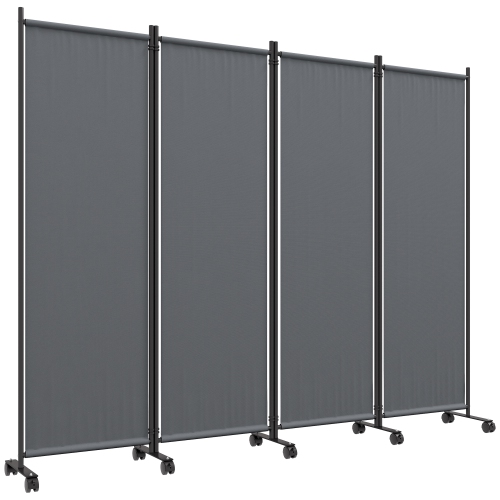
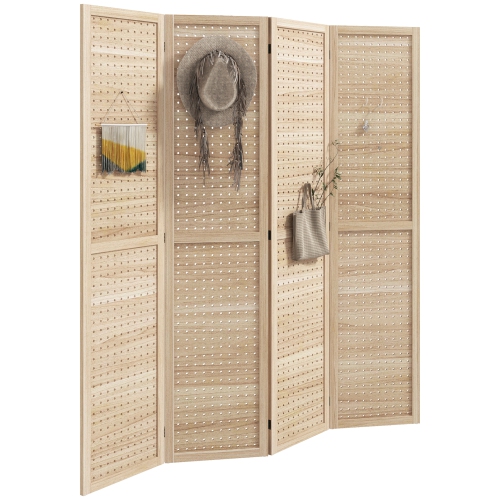
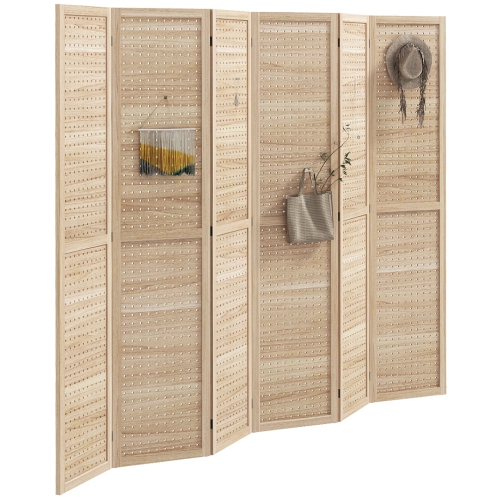
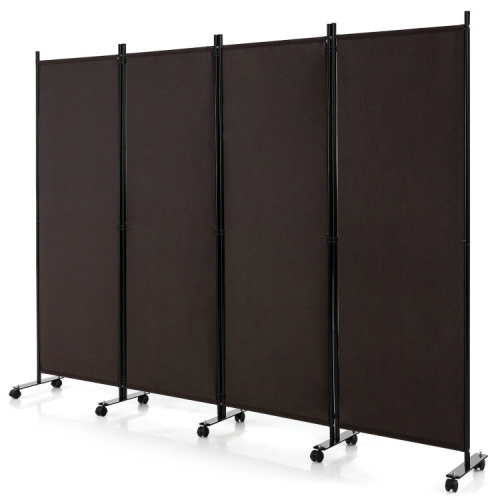
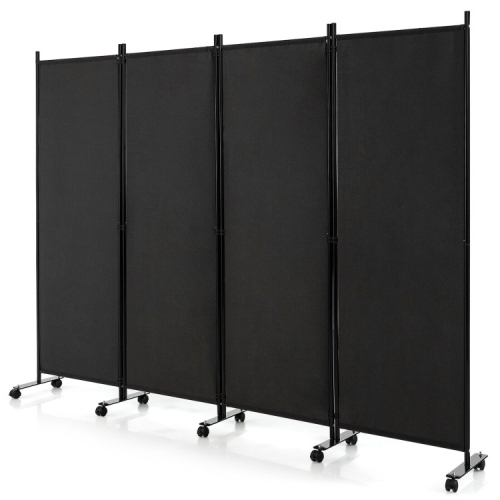
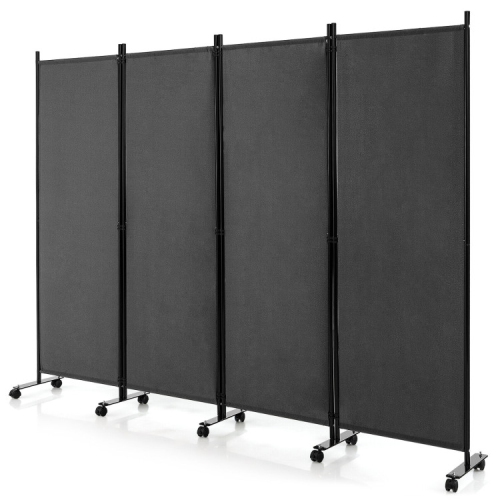
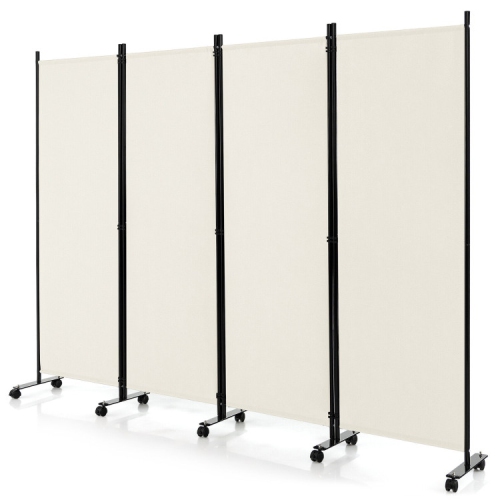
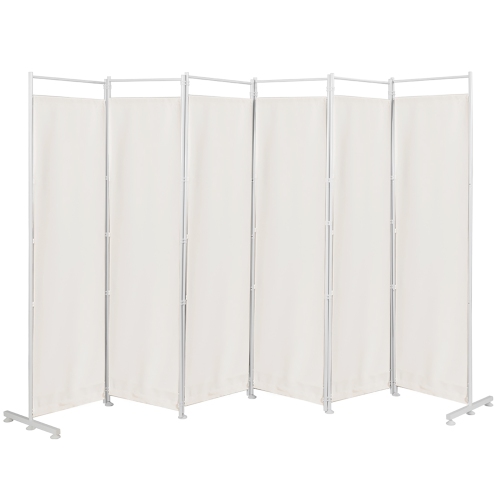
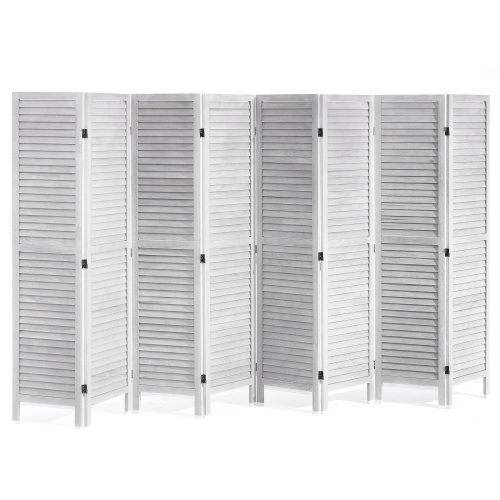
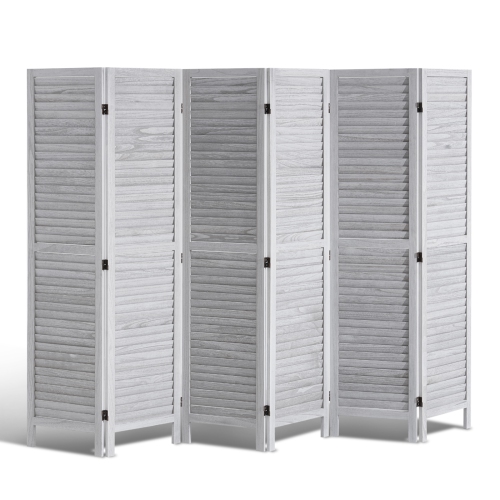
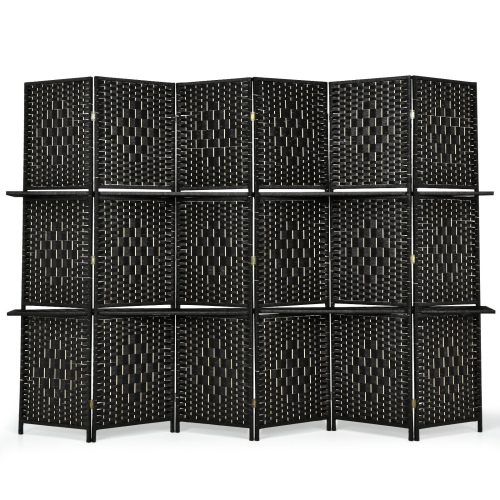
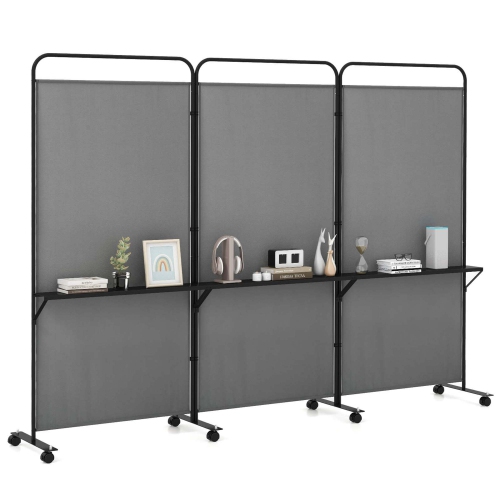
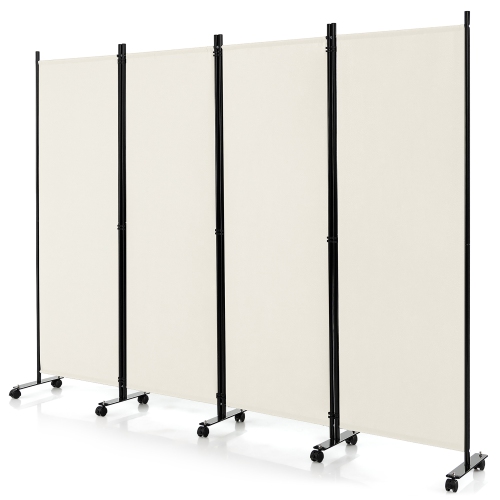
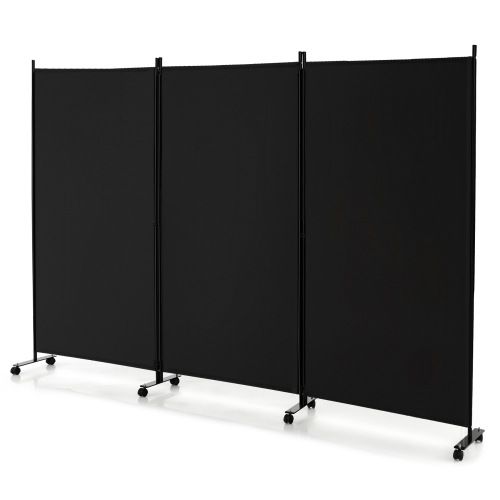
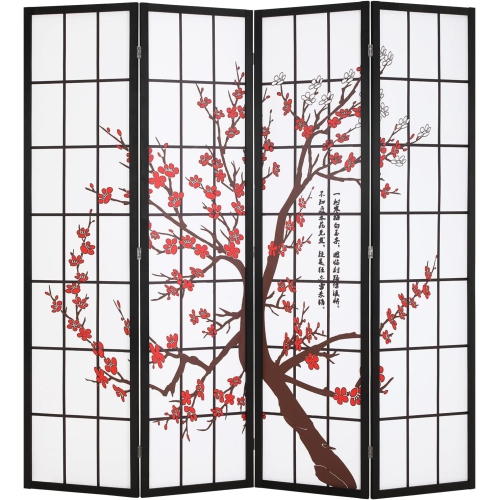
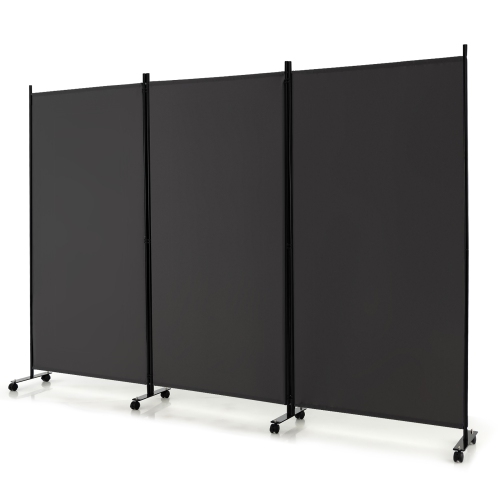
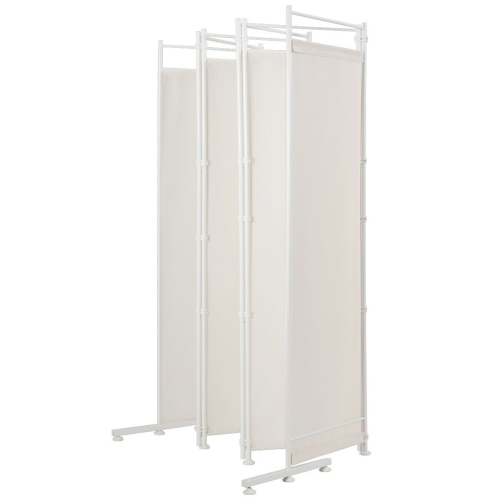
Office room dividers help transform an open area into a more comfortable, organized workplace without the disruption of constructing permanent walls. They can define individual workstations, create a quiet corner for focused tasks, separate a reception area from the main workspace, or give a shared room several distinct functions. In a home office, a divider can visually separate a desk from the rest of a living space, making it easier to shift into work mode while keeping the room flexible after the workday ends. In a business setting, dividers are useful for open-plan offices, training rooms, studios, clinics, libraries, classrooms, and reception areas where privacy and adaptable layouts matter. Freestanding panels are a practical choice when you want a clear boundary without attaching anything to a wall or desk. Folding screens can be opened to create a wider partition and folded away for storage, while modular panels can often be arranged in a straight line, an L-shape, or another configuration suited to the room. Desk-mounted screens provide a more personal workspace by attaching directly to the edge of a desk, leaving valuable floor space available for chairs, filing units, and walkways. For rooms that need to change from individual workstations to group meetings, mobile dividers on lockable casters can be moved into place and secured when the arrangement is set.
Choosing the right office room divider starts with considering how often the layout will change and how much space is available around it. If a panel will remain in one location for most of its life, a freestanding design with sturdy feet may offer the stability and straightforward appearance you prefer. If the room hosts presentations, collaborative sessions, or occasional events, a rolling or folding option can be pulled out when privacy is needed and moved aside when the full floor area is required. Check the divider’s height and width against the furniture it will sit beside, allowing enough clearance for doors, drawers, walkways, and emergency exits. A taller panel can provide greater visual separation, while a lower screen may preserve a sense of openness and allow natural light to travel across the room. Weight and base design are also important, particularly in a busy office where people may brush past the panel or reposition it frequently. Lockable wheels can help a mobile divider stay in place once it has been positioned. For installation, look for options that suit your available tools and time; many freestanding, folding, and modular designs are intended for relatively simple assembly, while desk-mounted screens may use clamps or brackets that should match the thickness and construction of the desktop. Fabric, felt, and other textured surfaces can soften the look of a workspace and may also help absorb some of the sound that travels through an open room. These panels will not make a busy office silent, but they can reduce the sense of echo and create a more settled atmosphere for phone calls, reading, and concentration. If sound control is a priority, look for panels described as acoustic or sound-reducing and consider placing them near the source of recurring conversations, printers, or shared meeting areas.
The details of a divider can make it more useful from morning to afternoon. Tackable fabric or felt surfaces provide a convenient place for schedules, reminders, diagrams, and team notices, although important information should be displayed with appropriate consideration for privacy. Neutral colours can blend into a professional office, while a stronger colour or contrasting finish can help identify separate zones in a creative studio, learning space, or shared workroom. Glass-style and wood-style partitions can create a more structured, semi-permanent separation while maintaining a brighter, more connected feel than a solid wall. These options may suit offices where daylight, sightlines, and a polished appearance are important, but they generally require more planning than a folding or freestanding screen. Think about cleaning as well: a divider used near a kitchenette, reception desk, or high-traffic corridor may benefit from a surface that is easy to wipe and maintain. A home office may call for a compact screen that can be folded behind a door or beside a cabinet, while a larger workplace may benefit from linked panels that can grow with changing seating arrangements. Office room dividers can also be a thoughtful choice for someone setting up a first home office, furnishing a shared study area, or creating a dedicated workspace in a multipurpose room. To keep the surrounding area orderly, pair a divider with suitable Storage Room Dividers when separating supplies, equipment, or personal belongings from the working area. Whether the goal is to reduce visual distractions, create a little privacy for video calls, or make one large room feel more purposeful, the best divider is one that fits the space, supports the way people work, and can adapt as those needs change during the warmer and cooler seasons.
Choosing the right office room divider starts with considering how often the layout will change and how much space is available around it. If a panel will remain in one location for most of its life, a freestanding design with sturdy feet may offer the stability and straightforward appearance you prefer. If the room hosts presentations, collaborative sessions, or occasional events, a rolling or folding option can be pulled out when privacy is needed and moved aside when the full floor area is required. Check the divider’s height and width against the furniture it will sit beside, allowing enough clearance for doors, drawers, walkways, and emergency exits. A taller panel can provide greater visual separation, while a lower screen may preserve a sense of openness and allow natural light to travel across the room. Weight and base design are also important, particularly in a busy office where people may brush past the panel or reposition it frequently. Lockable wheels can help a mobile divider stay in place once it has been positioned. For installation, look for options that suit your available tools and time; many freestanding, folding, and modular designs are intended for relatively simple assembly, while desk-mounted screens may use clamps or brackets that should match the thickness and construction of the desktop. Fabric, felt, and other textured surfaces can soften the look of a workspace and may also help absorb some of the sound that travels through an open room. These panels will not make a busy office silent, but they can reduce the sense of echo and create a more settled atmosphere for phone calls, reading, and concentration. If sound control is a priority, look for panels described as acoustic or sound-reducing and consider placing them near the source of recurring conversations, printers, or shared meeting areas.
The details of a divider can make it more useful from morning to afternoon. Tackable fabric or felt surfaces provide a convenient place for schedules, reminders, diagrams, and team notices, although important information should be displayed with appropriate consideration for privacy. Neutral colours can blend into a professional office, while a stronger colour or contrasting finish can help identify separate zones in a creative studio, learning space, or shared workroom. Glass-style and wood-style partitions can create a more structured, semi-permanent separation while maintaining a brighter, more connected feel than a solid wall. These options may suit offices where daylight, sightlines, and a polished appearance are important, but they generally require more planning than a folding or freestanding screen. Think about cleaning as well: a divider used near a kitchenette, reception desk, or high-traffic corridor may benefit from a surface that is easy to wipe and maintain. A home office may call for a compact screen that can be folded behind a door or beside a cabinet, while a larger workplace may benefit from linked panels that can grow with changing seating arrangements. Office room dividers can also be a thoughtful choice for someone setting up a first home office, furnishing a shared study area, or creating a dedicated workspace in a multipurpose room. To keep the surrounding area orderly, pair a divider with suitable Storage Room Dividers when separating supplies, equipment, or personal belongings from the working area. Whether the goal is to reduce visual distractions, create a little privacy for video calls, or make one large room feel more purposeful, the best divider is one that fits the space, supports the way people work, and can adapt as those needs change during the warmer and cooler seasons.
Top selling and popular products
-
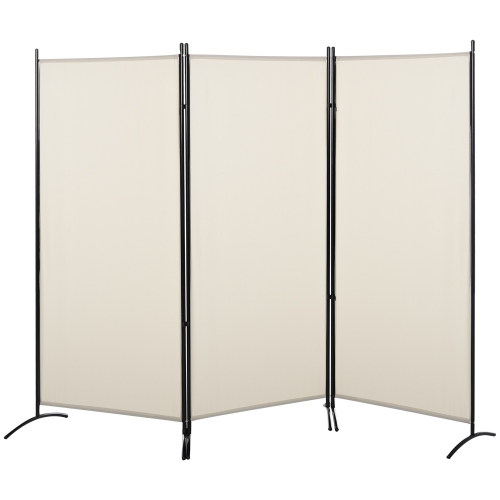 Your price for this item is $80.99
 -
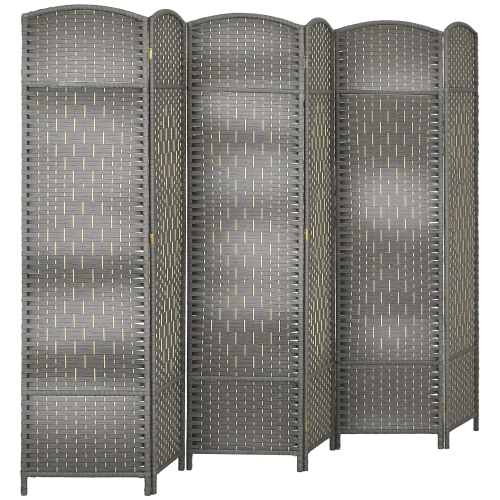 Your price for this item is $154.99
 -
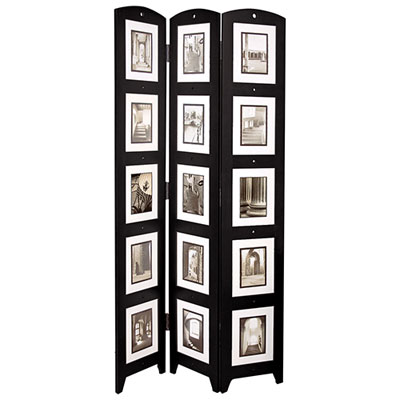 Your price for this item is $179.98
 -
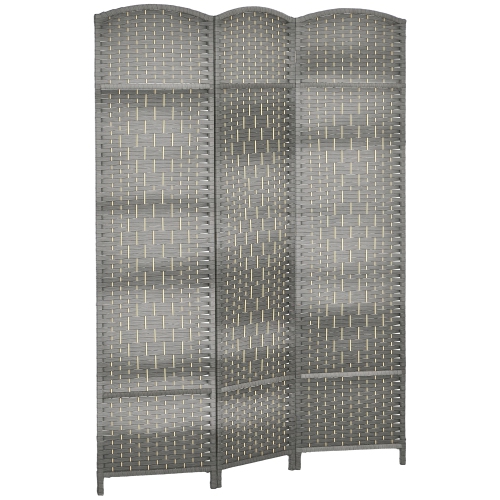 Your price for this item is $94.99
 -
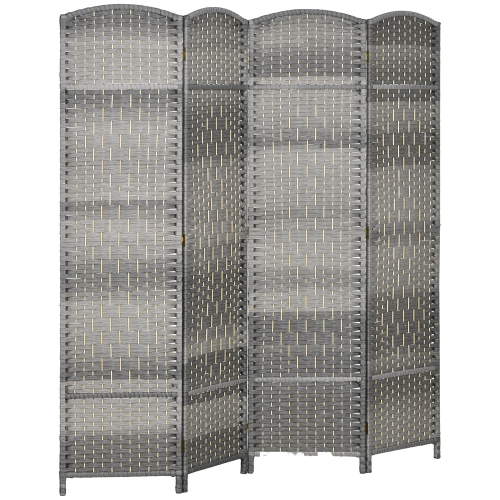 Your price for this item is $106.69
 -
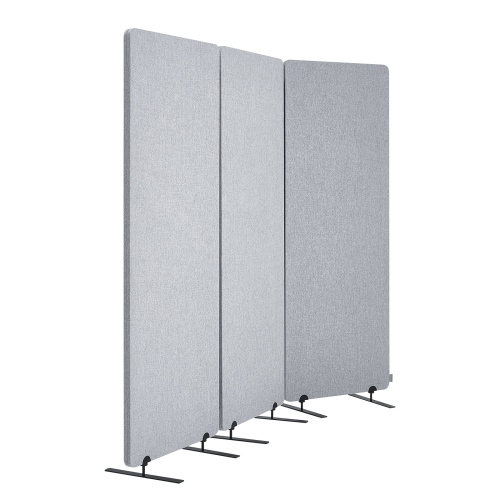 Your price for this item is $589.99
 -
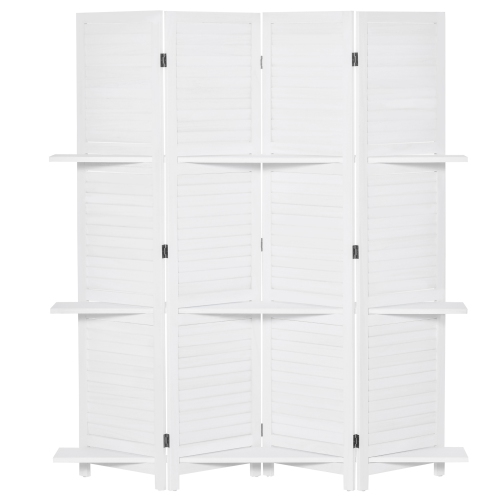 Your price for this item is $156.99
 -
 Your price for this item is $236.99
Discover more categories related to Office Room Dividers
Top Collections:
Pokemon Centers, Best Cameras for Sports Photography, Kindle Devices, Samsung Galaxy Phones, Canon G7X Cameras, Pokémon 30th Celebration Cards, Refurbished Apple Laptops, iPhone 15 Apple, Laptops for Students, Budget Smartphones
Some products may be subject to Environmental Handling Fees
(EHF) depending on your province.
Learn more about EHFs.