Offset Patio Umbrella Bases
Create a sturdy and stylish foundation for your patio umbrella with our collection of offset patio umbrella bases. Designed to provide stability and support, these bases are essential for keeping your umbrella securely in place, even on windy days. Whether you have a large or small patio space, our selection of bases offers various sizes and materials to suit your needs. From sleek and modern designs to classic and timeless options, these bases not only serve a functional purpose but also add an aesthetic touch to your outdoor oasis.
Sort










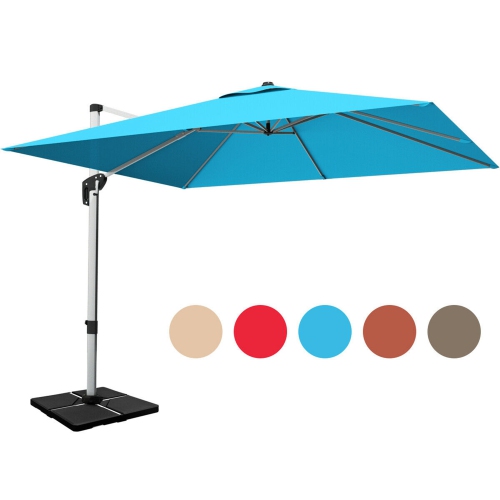

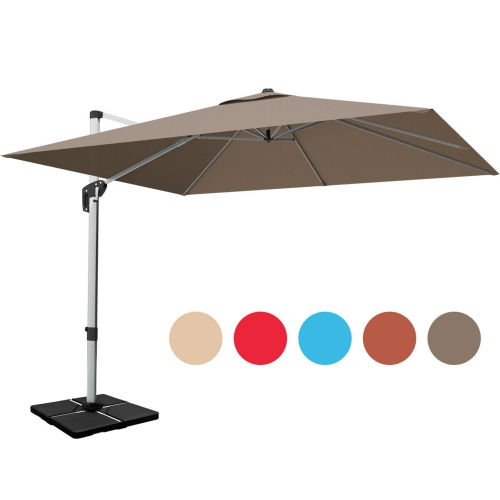
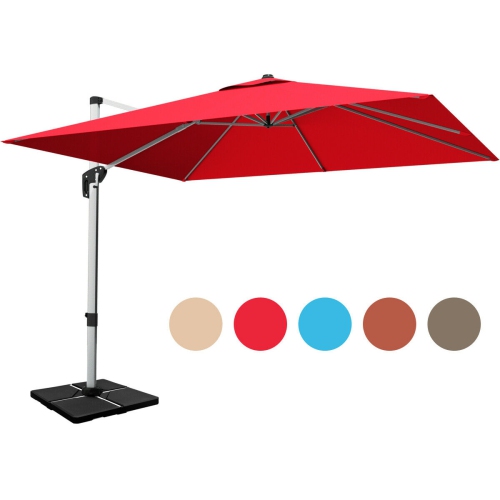


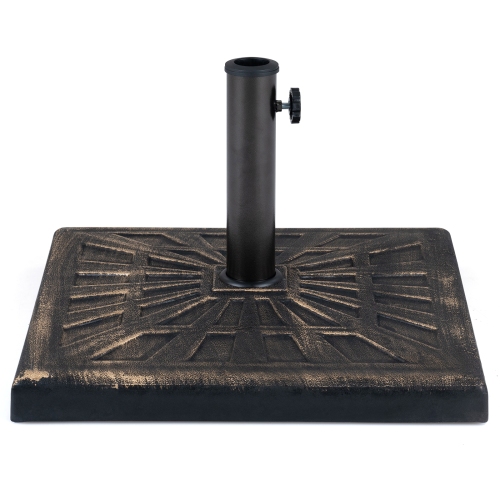


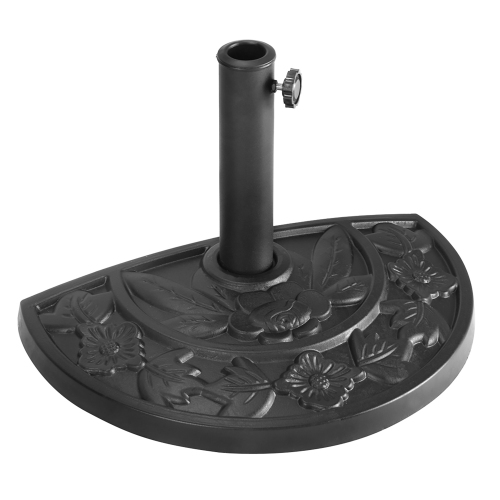


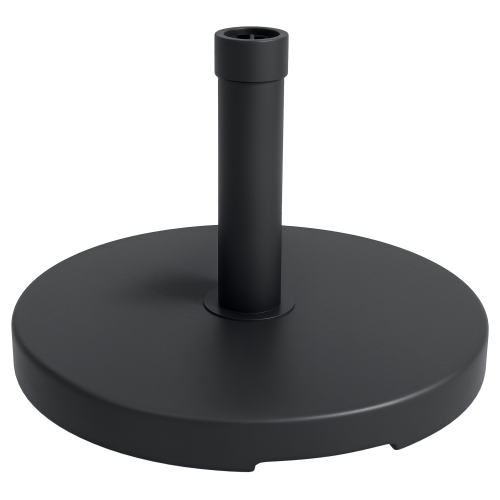


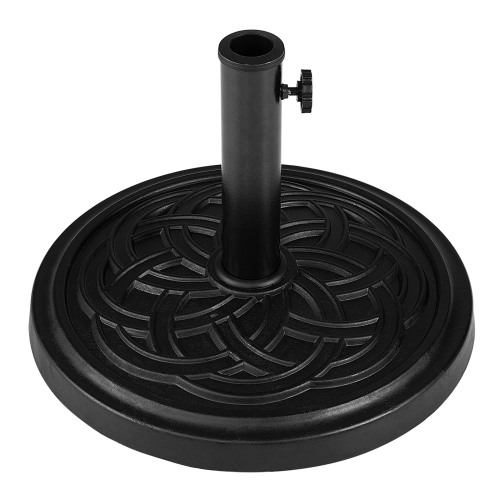




















Umbrella stability depends on more than base weight
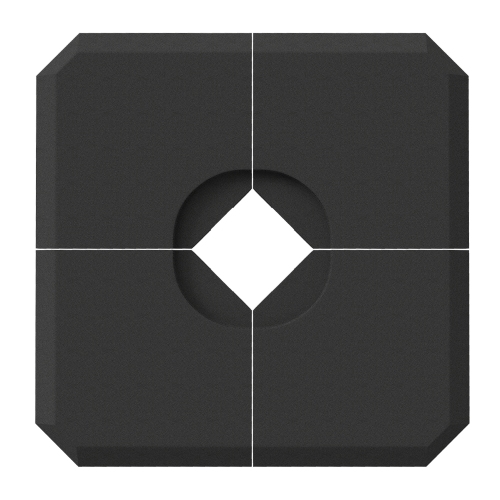
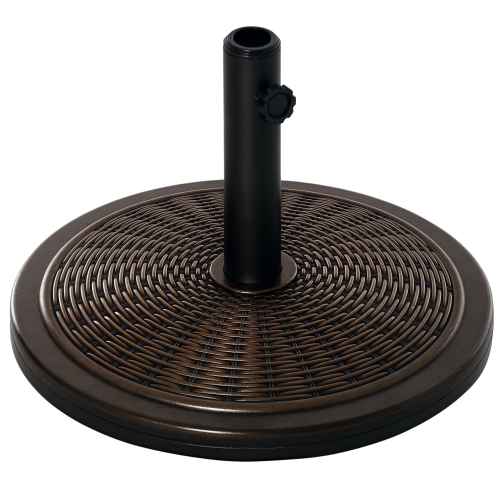
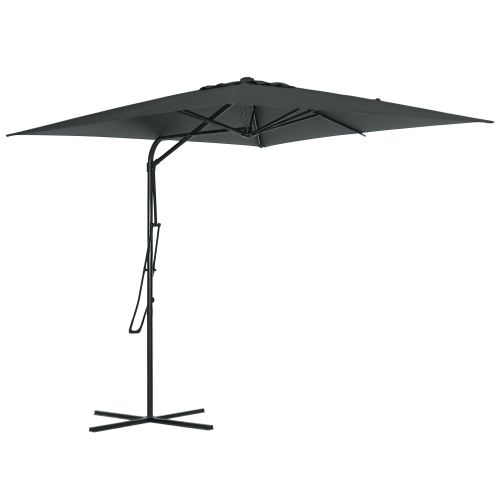
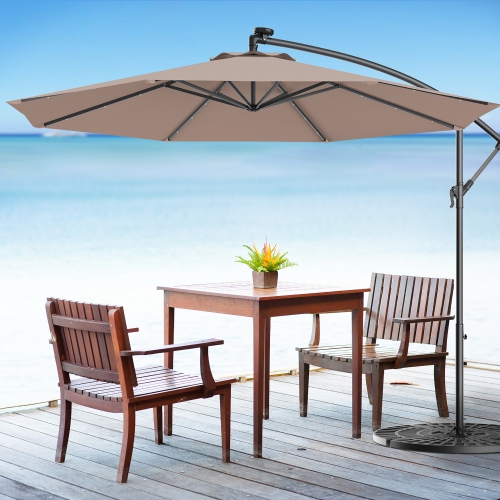
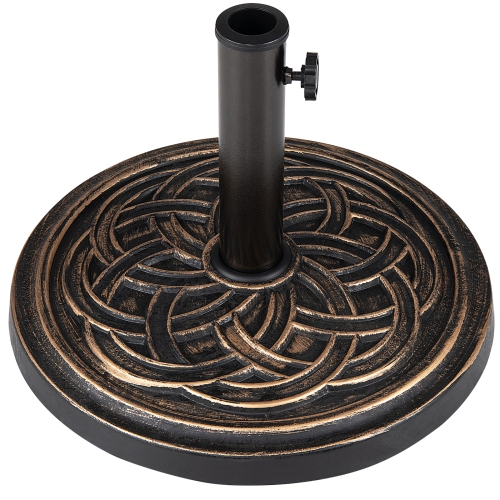
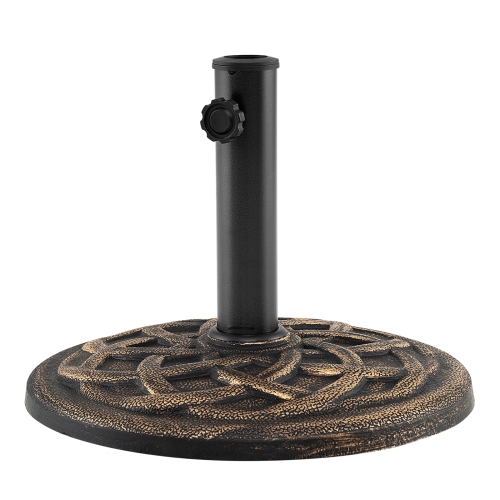
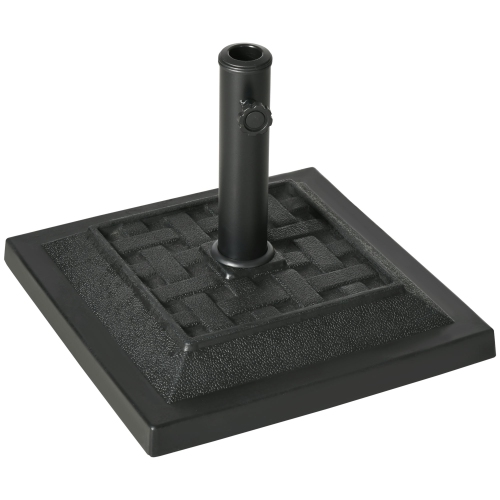
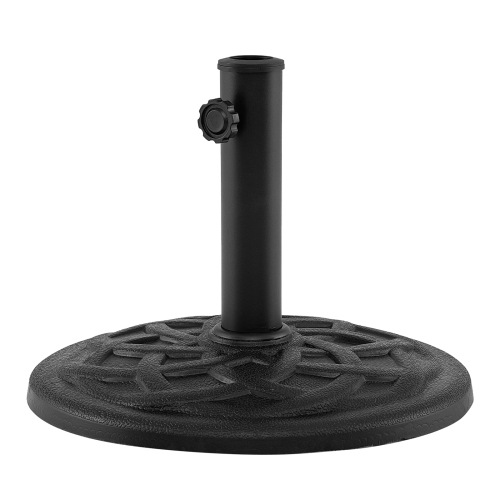
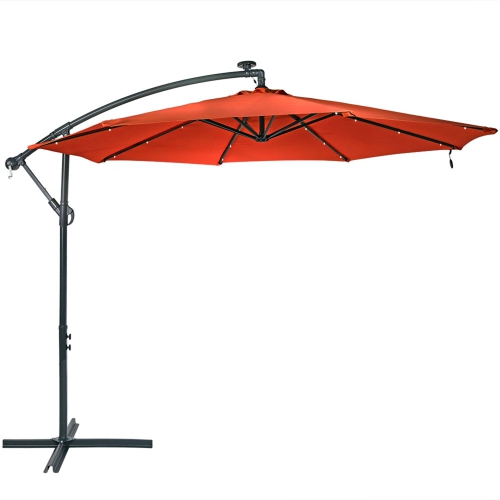
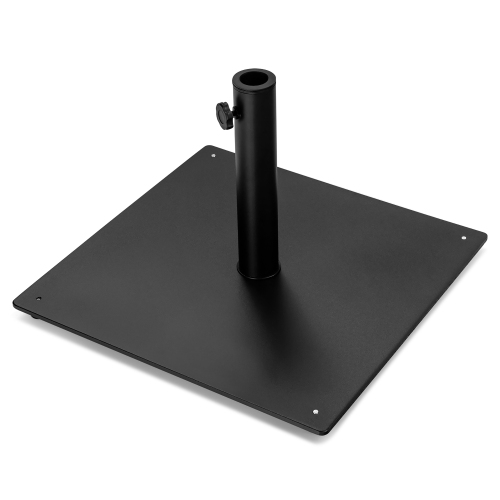
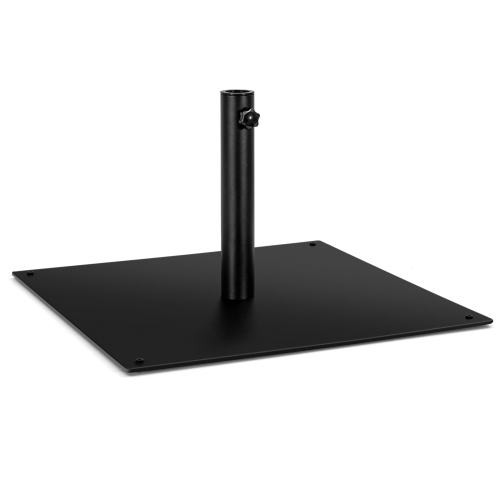
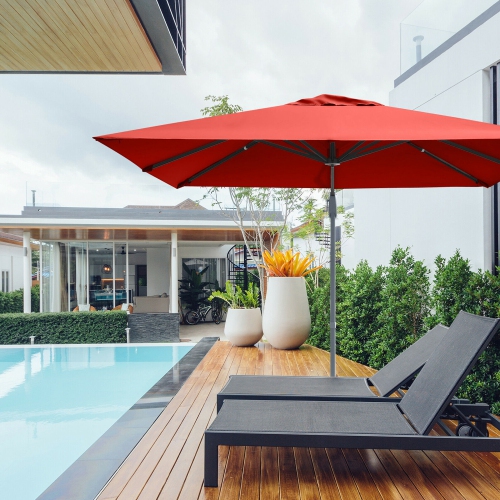
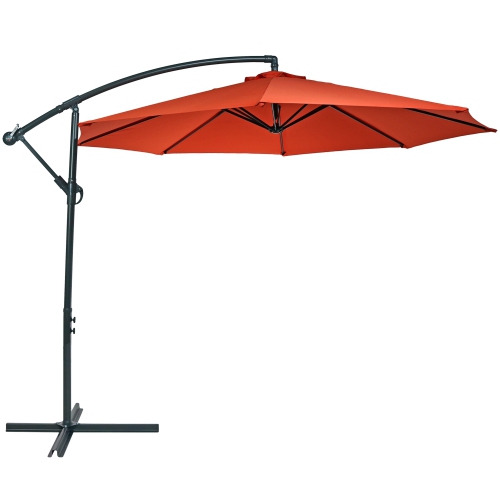
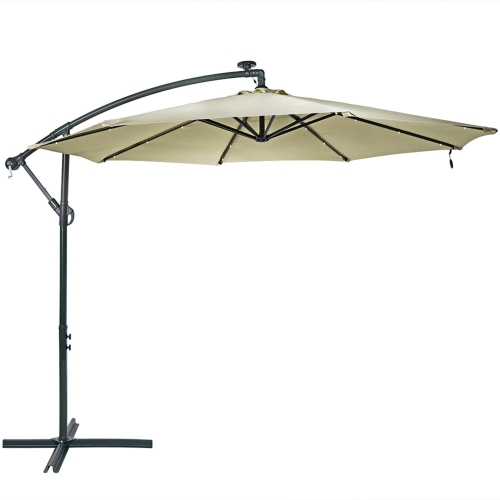
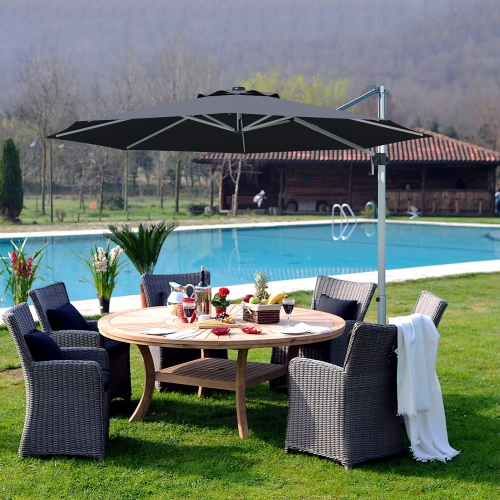
Offset patio umbrella bases provide the counterweight that supports a canopy positioned to one side of its stand, keeping the shaded area open for a dining table, lounge chairs, or an outdoor sectional. Unlike a traditional umbrella with a pole through the centre of a table, an offset or cantilever umbrella places its load away from the support point. That design makes a properly matched base essential, even when the umbrella stands on a sheltered patio. There is no single minimum base weight that suits every offset umbrella. Some configurations require 150 to 260 pounds of ballast, while others need a different amount specified by the umbrella manufacturer. A larger canopy may require more than 200 pounds, but canopy width alone does not establish the correct weight. Frame geometry, mounting design, and the approved filling material also matter. Published capacities deserve a close look: an empty base weight, a water-filled weight, and a sand-filled weight describe different things, and none should be mistaken for a universal compatibility rating. Materials affect both everyday handling and long-term care. High-density polyethylene, often abbreviated as HDPE, is commonly used for hollow, fillable bases because it can be moulded into broad sections with filling ports and carrying handles. Resin bases may have a textured finish that blends with paving stones or patio furniture, while solid concrete and stone designs provide weight without a filling step. Metal components, including crossbars, brackets, and fasteners, form part of the supporting assembly and benefit from finishes suited to outdoor use. No material is entirely maintenance-free, and a coating that resists rust still needs attention if it becomes scratched. For a quiet reading corner or a busy family dining space, the right base combines the required support with a footprint that works comfortably around the furniture.
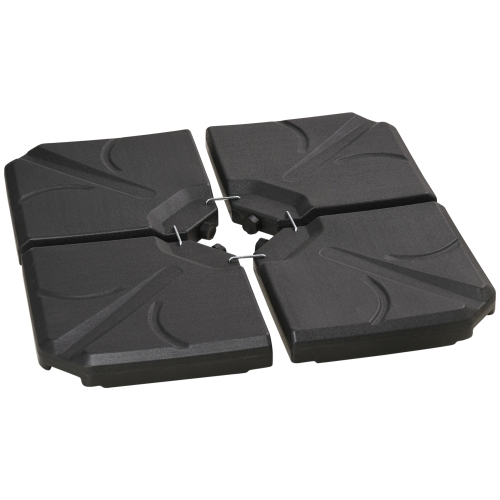
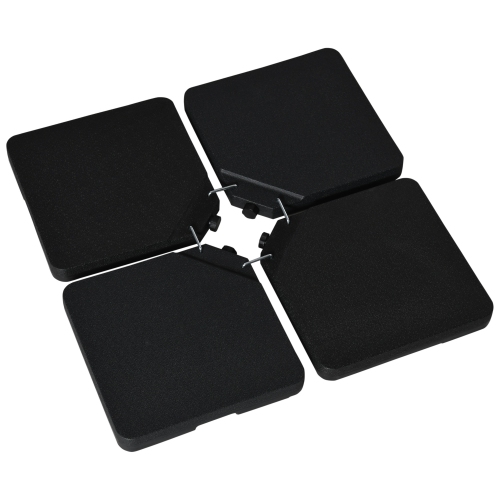
Compatibility between bases and Patio Offset Umbrellas depends on more than matching shapes or choosing a similar colour. Many cantilever frames use a cross-shaped stand that needs weight distributed across all four arms. Four-piece base sets are designed to sit around that crossbar, but the sections must have the right clearances, dimensions, and attachment arrangement for the particular frame. Other umbrellas use a dedicated mounting plate or a proprietary base connection, so a conventional round base with a centre-pole sleeve may not be suitable at all. Bolt spacing, bracket height, fastener size, and any recessed channels underneath the base can determine whether the parts sit together correctly. A base that looks close in a photograph is not necessarily a secure fit, and drilling extra holes or substituting hardware can compromise the intended assembly. The overall footprint matters just as much in a furnished space. A broad, low base can tuck partly beneath some seating arrangements, provided it does not interfere with the furniture or the umbrella’s operating mechanism. Taller housings need clearance around chair legs, footrests, and any rotating parts near the bottom of the mast. On a compact balcony or narrow terrace, the base should not obstruct a doorway, crowd a walking route, or create a concealed edge where someone is likely to catch a foot. A firm, level surface helps the complete assembly bear evenly; soft ground, loose gravel, and uneven pavers can leave part of the stand unsupported. Decks and balconies also need to accommodate the combined load of the filled base and umbrella, along with furniture and people. Structural capacity is especially important where a heavy base concentrates its weight over a small area. Furniture, planters, and loose paving slabs are not substitutes for an approved ballast arrangement unless the umbrella’s instructions explicitly provide for that installation.
Fillable offset umbrella bases offer flexibility when a heavy permanent weight would be awkward to move or store. Water is straightforward to add and drain where the base is designed for it, while sand can provide a different filled weight in the same housing. Dry sand, damp sand, and water do not produce interchangeable results, and mixing materials is appropriate only when the manufacturer allows it. A capacity expressed in litres describes volume rather than the finished weight of the complete assembly. Secure caps, intact seals, and undamaged filling ports help keep the chosen material inside, although a filled base still needs periodic checks for leaks, cracks, or settling. Modular sections can be easier to handle separately than a large single-piece unit, but filled sections may still be too heavy for one person to lift safely. Integrated wheels can help with repositioning on suitable hard surfaces; they do not make stairs, soft lawns, or uneven thresholds easy to cross. Movement should follow the base instructions, with the canopy closed and any locks properly engaged after positioning. For everyday care, mild soap, water, and a soft cloth are generally gentler on finishes than abrasive cleaners, subject to the material’s care directions. Grit beneath a base can mark decking, and trapped moisture can leave staining, making occasional inspection underneath worthwhile when the assembly can be moved safely. Water-filled bases need particular attention before freezing conditions, since expanding ice can damage a housing that is not designed to retain water through a freeze. Storage requirements vary, including whether a base should be emptied, covered, or moved to a protected location. Even a substantial base does not make an open umbrella safe in every wind condition. Closing the canopy when unattended and following the umbrella’s wind-use limits remain important. A well-matched base supports comfortable outdoor meals, shaded conversation, and relaxed afternoons without demanding unnecessary space, while thoughtful placement keeps the surrounding area practical for daily use.
Top selling and popular products
-
 Your price for this item is $160.99
-
 Your price for this item is $248.55
-
 Your price for this item is $146.95
-
 Your price for this item is $146.95
-
 Your price for this item is $146.95
-
 Your price for this item is $146.95
-
 Your price for this item is $248.55
-
 Your price for this item is $152.35
Discover more categories related to Offset Patio Umbrella Bases
Top Collections:
Pokemon Centers, Best Cameras for Sports Photography, Kindle Devices, Samsung Galaxy Phones, Canon G7X Cameras, Pokémon 30th Celebration Cards, Refurbished Apple Laptops, iPhone 15 Apple, Laptops for Students, Budget Smartphones
Some products may be subject to Environmental Handling Fees
(EHF) depending on your province.
Learn more about EHFs.