Organizing Cabinets
Organizing cabinets can transform your space from chaotic to orderly in no time. With the right storage solutions, you can maximize every inch of your cabinets, making it easier to find what you need when you need it. Say goodbye to cluttered shelves and tangled messes - our selection of cabinet organizers offers a variety of options to suit your needs and style. Whether you're looking to tidy up your kitchen, bathroom, or any other area in your home, these clever solutions will help you declutter and streamline your daily routine effortlessly.
Sort
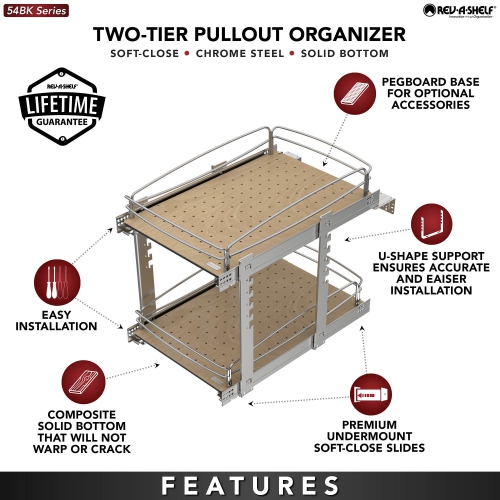
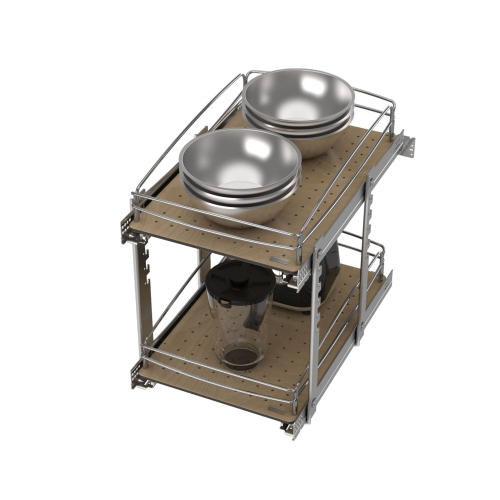
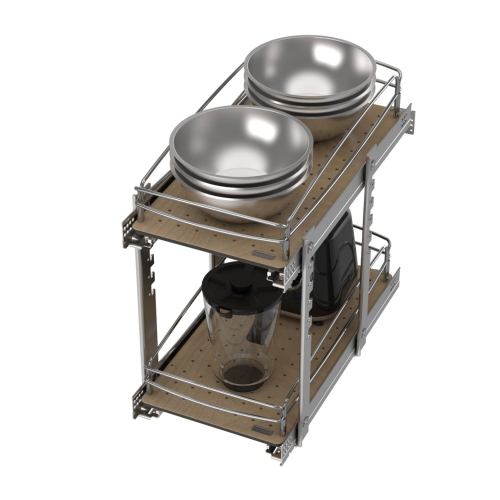
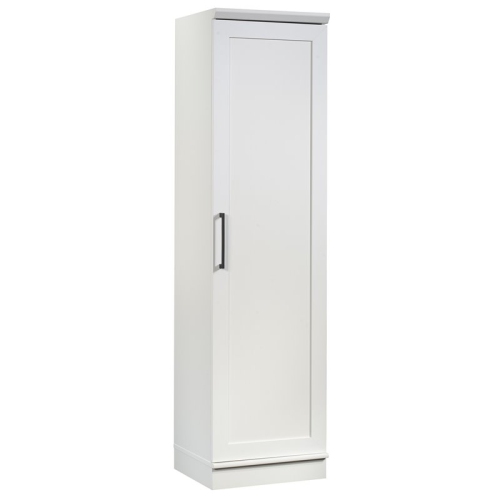
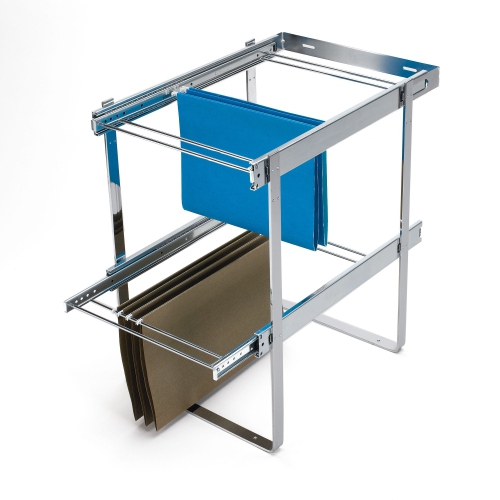
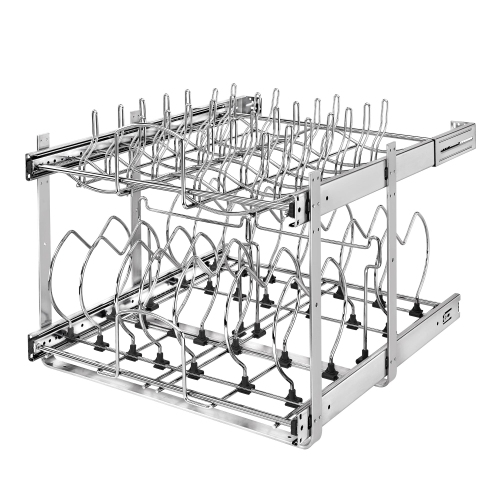
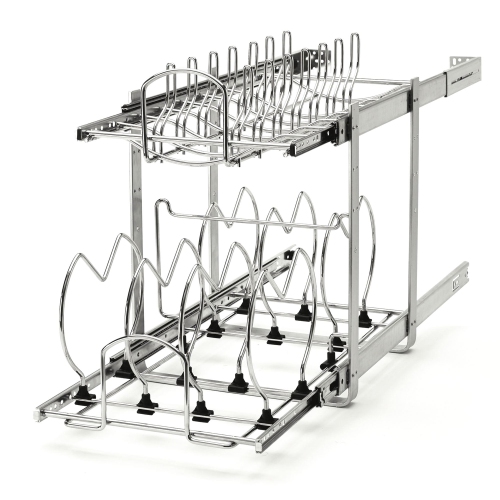
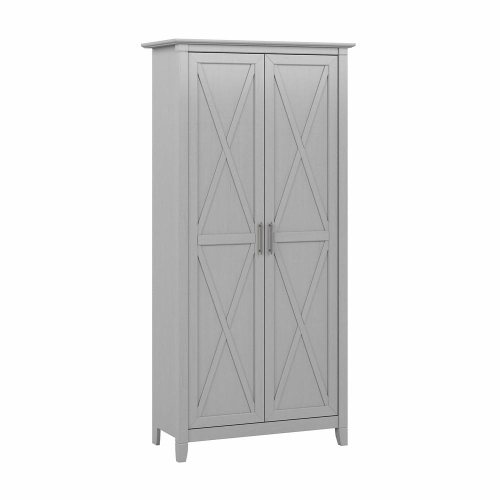
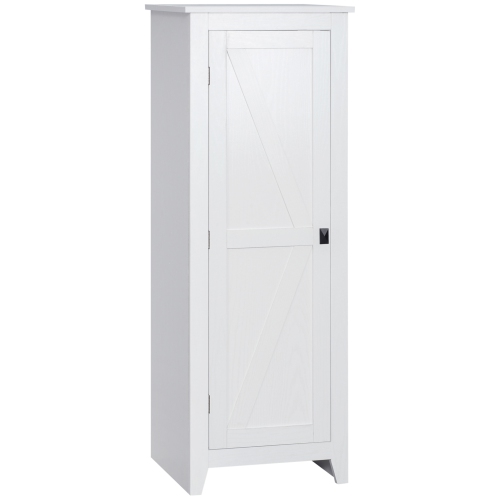
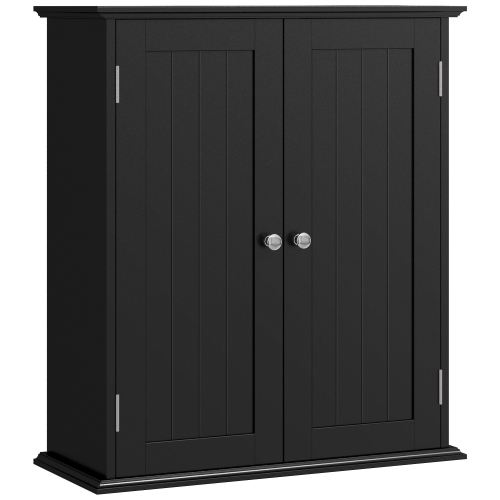
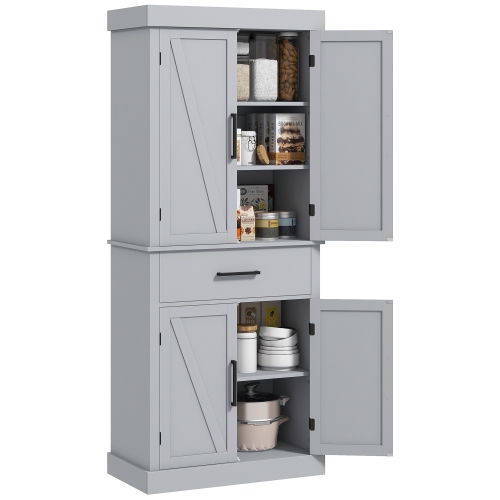
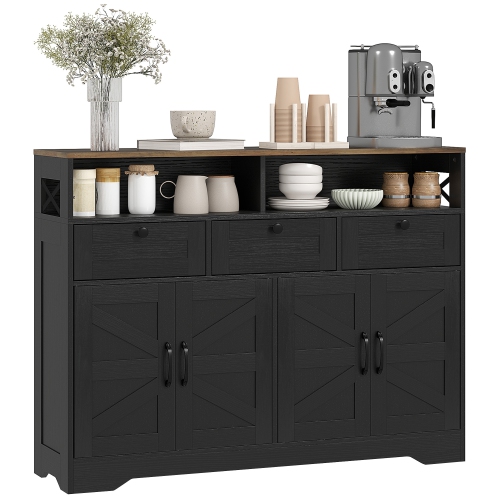
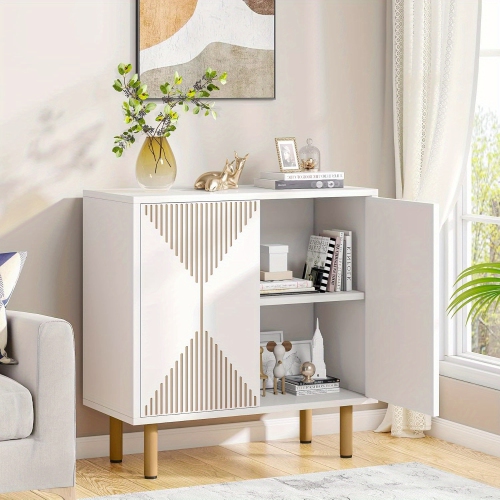
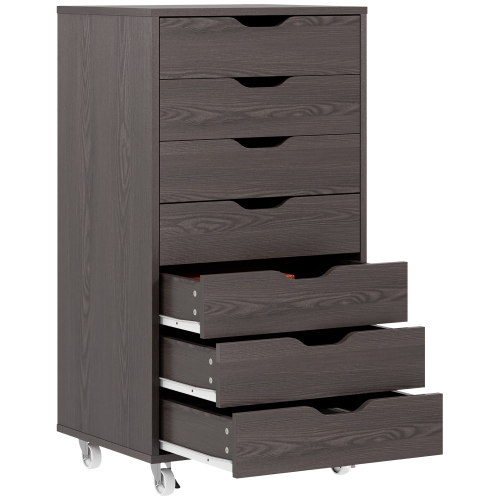
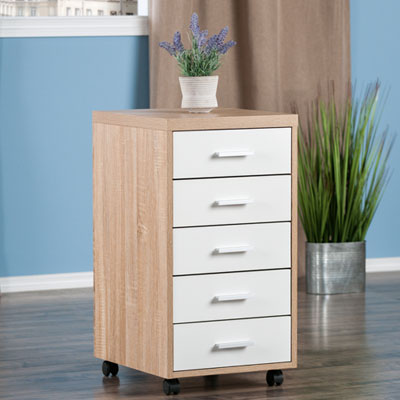
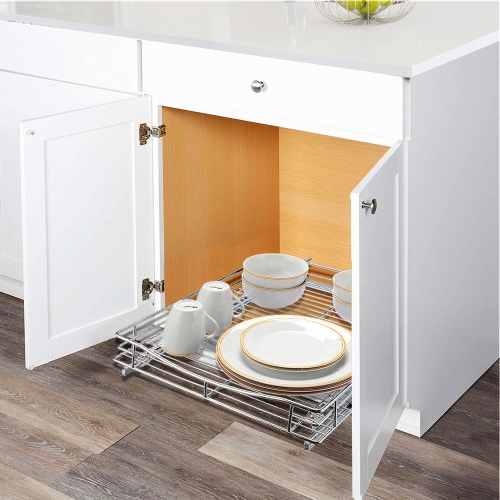
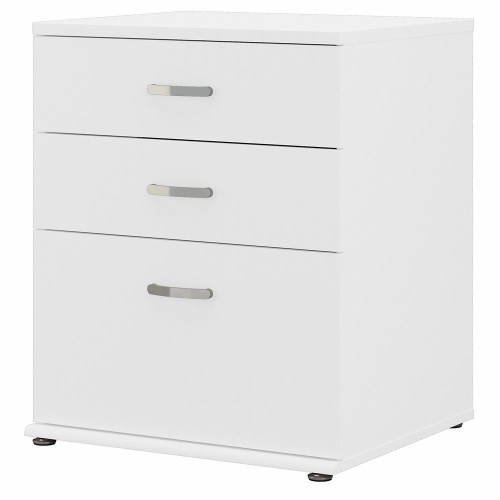
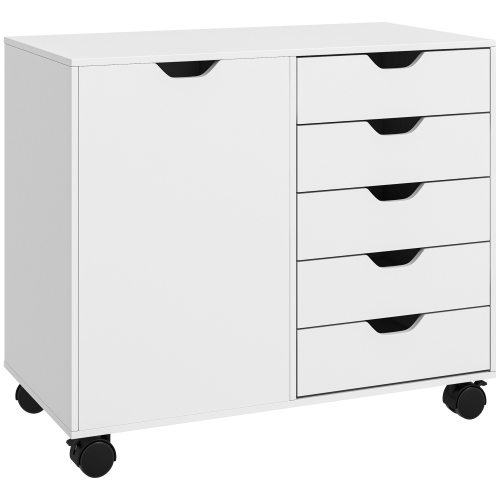
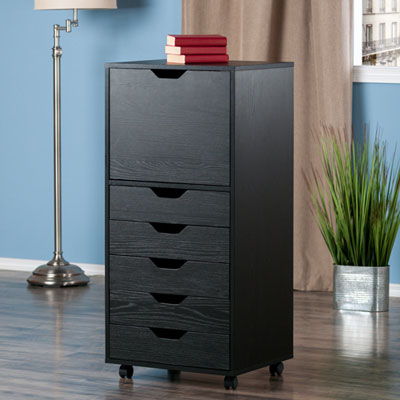
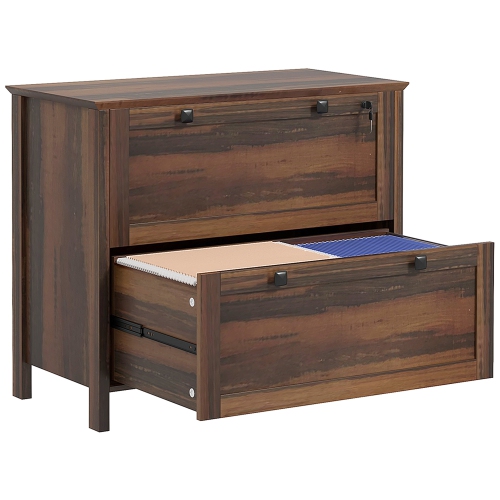
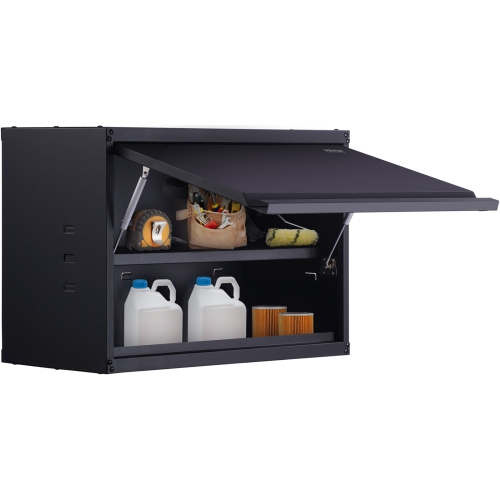
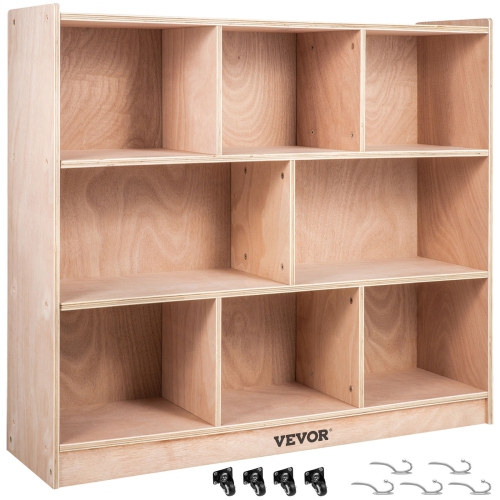
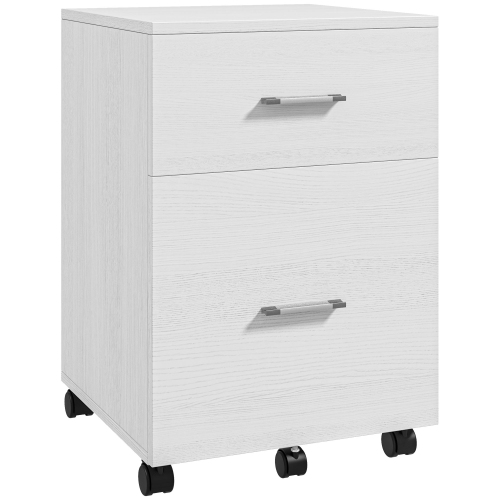
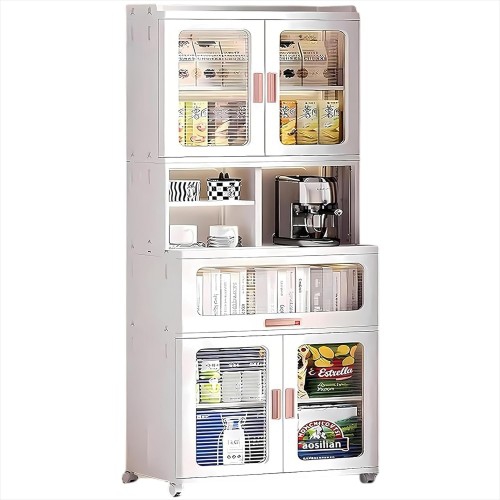
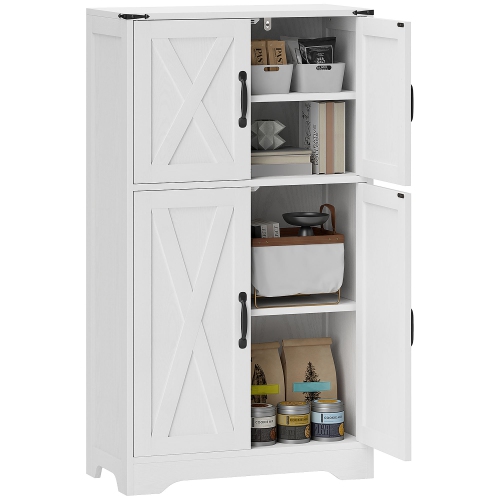
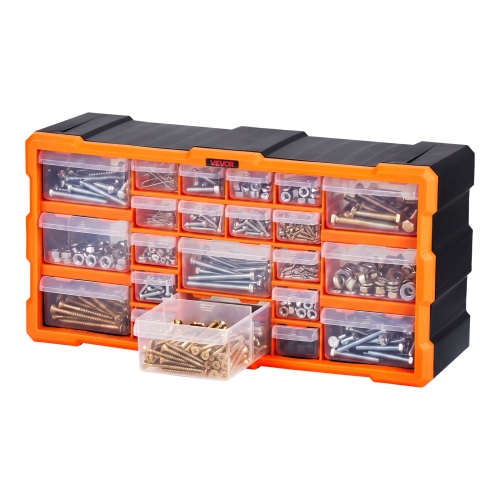
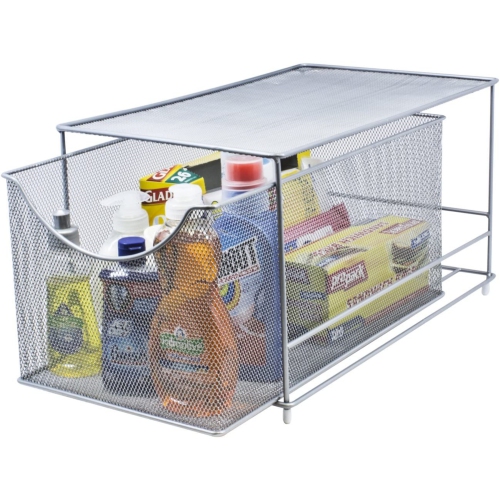
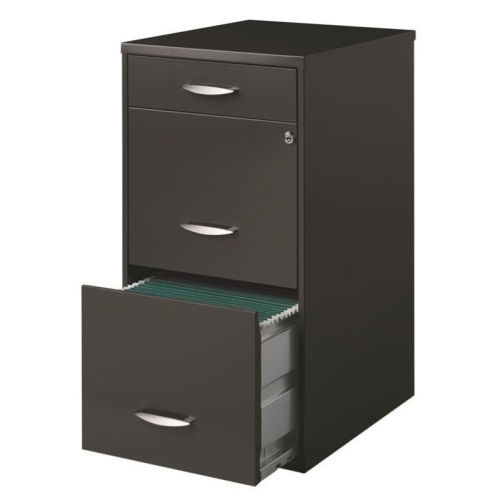
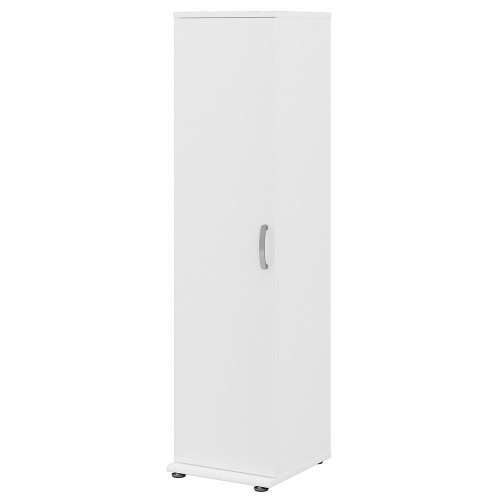
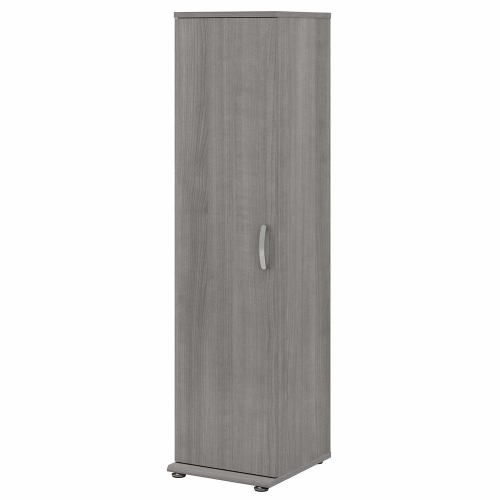
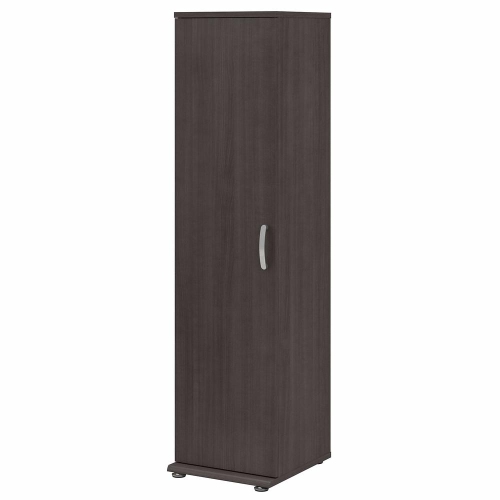
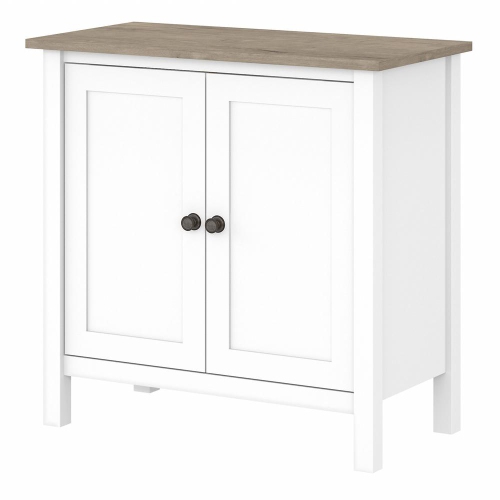
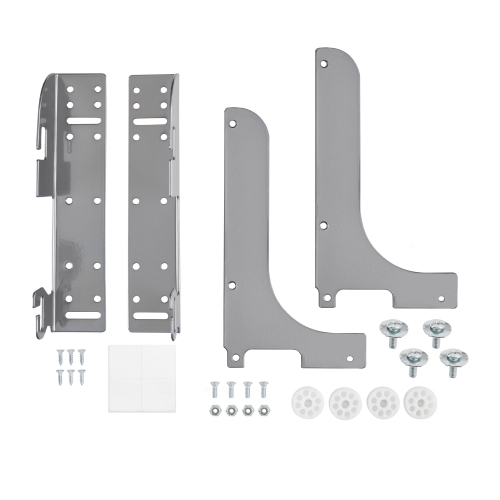
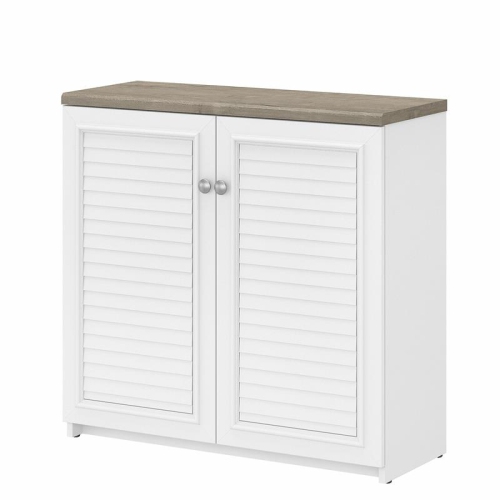
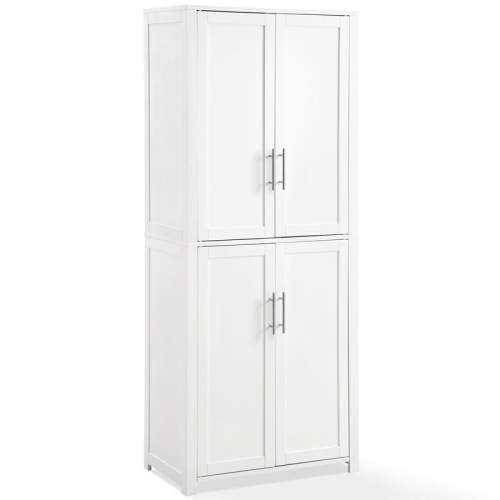
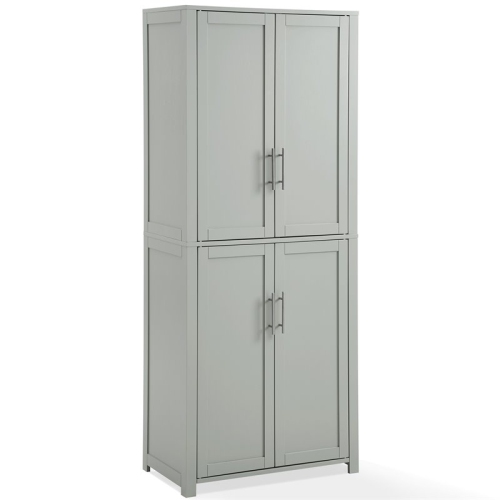
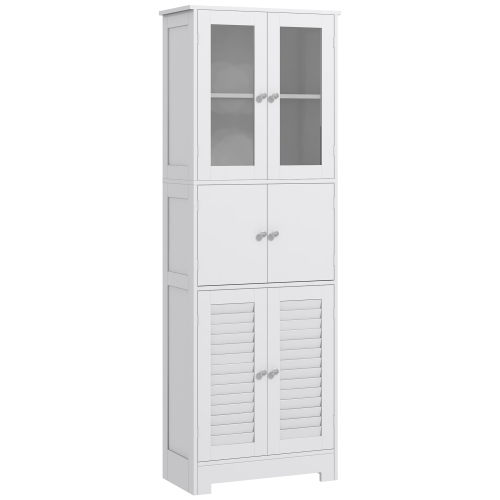
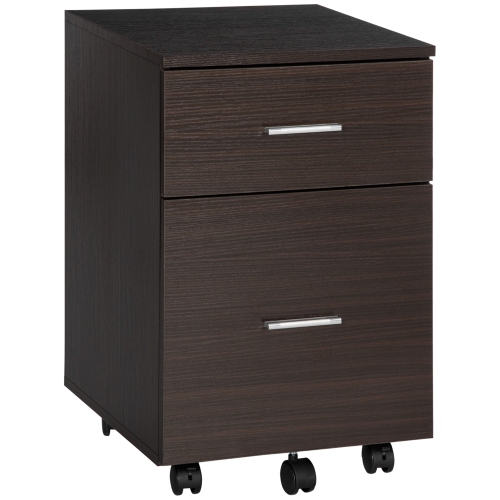

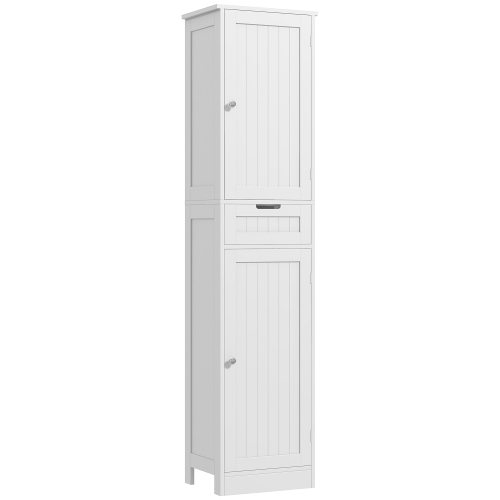
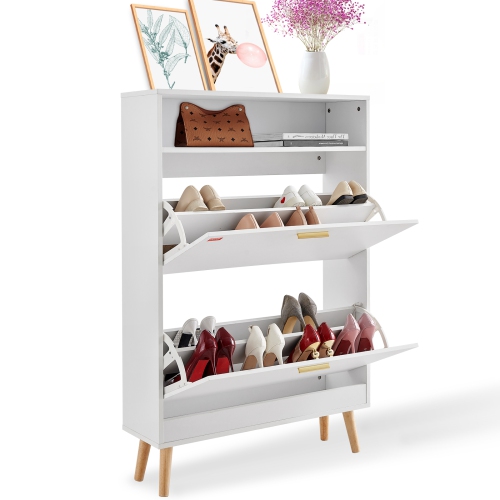
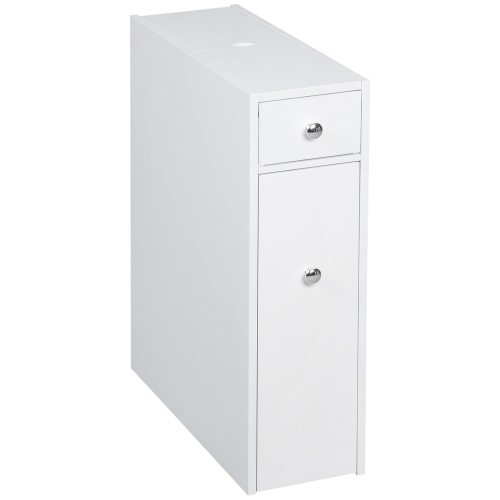
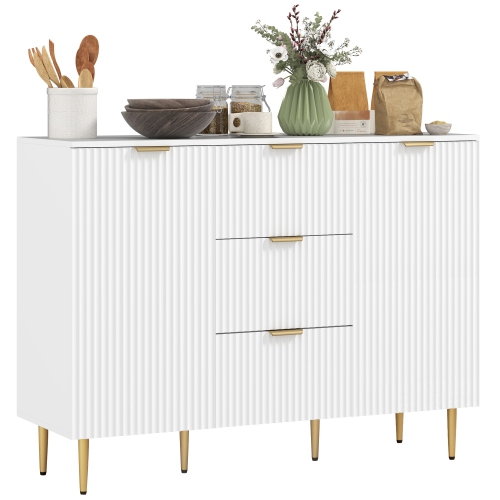
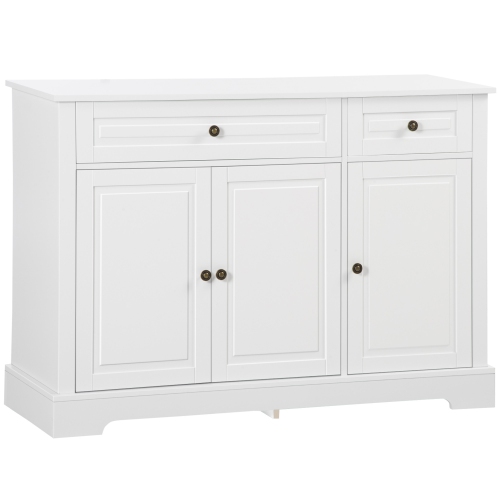
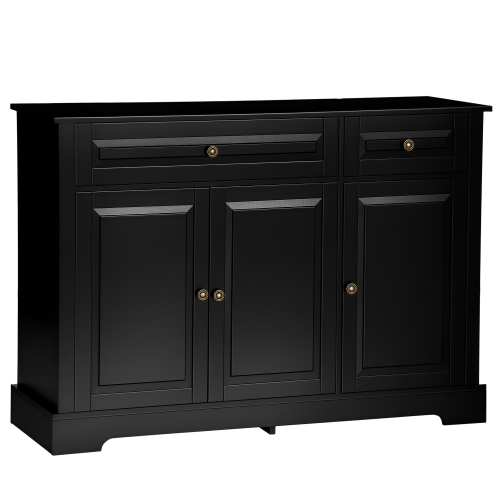
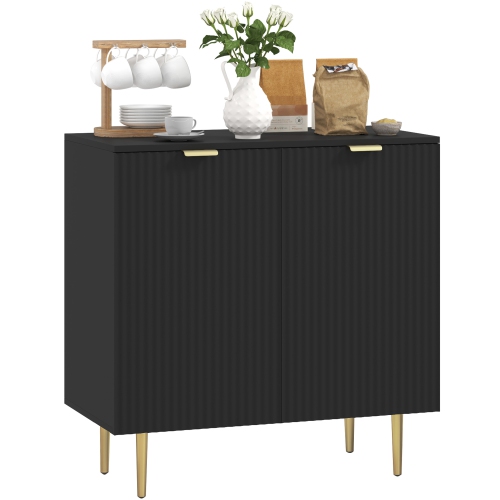
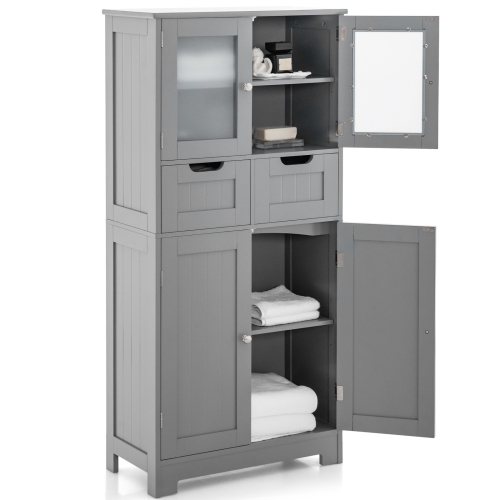
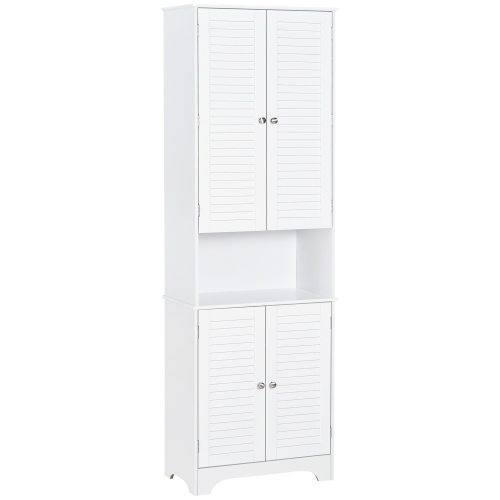
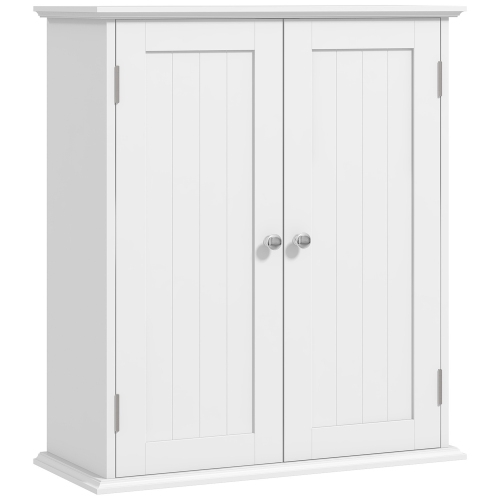
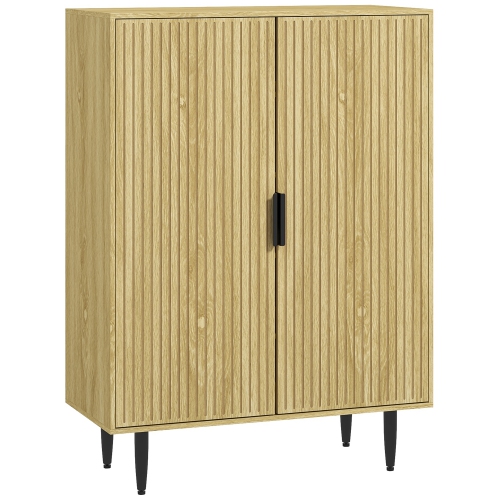
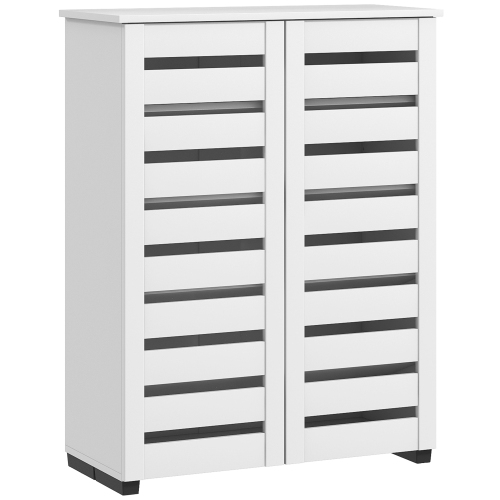
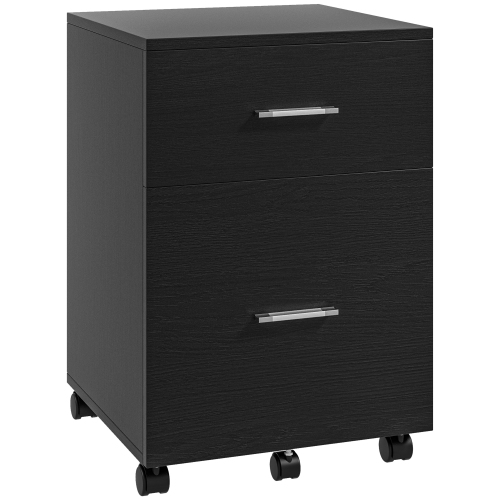
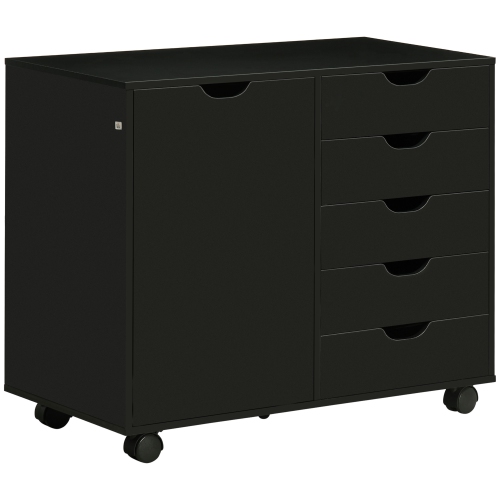
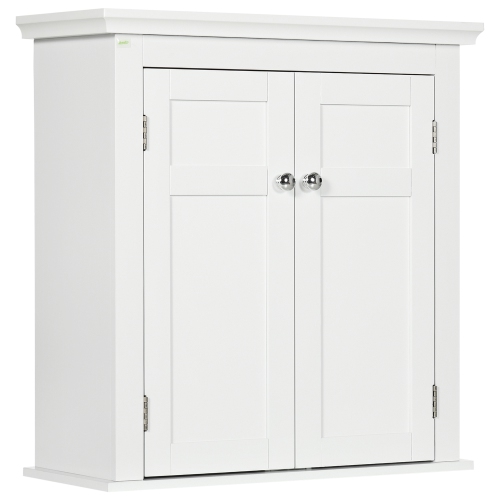
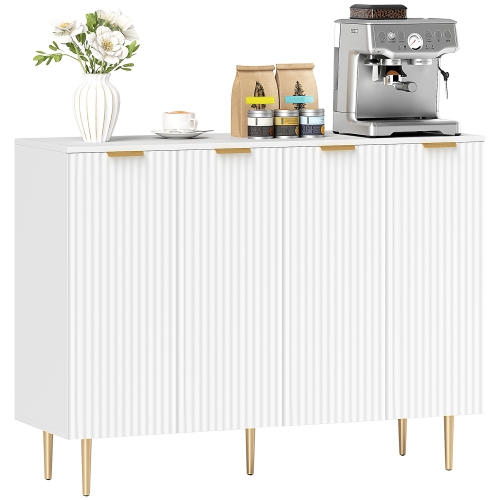
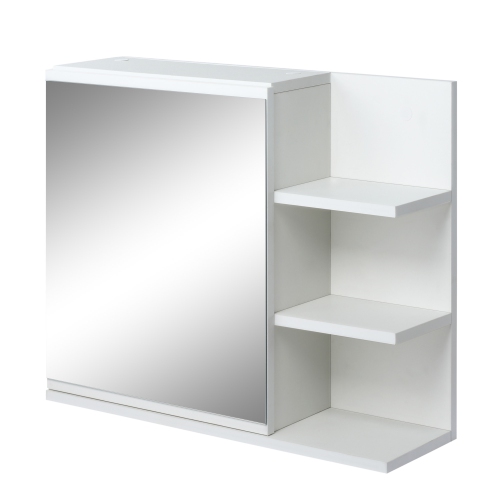
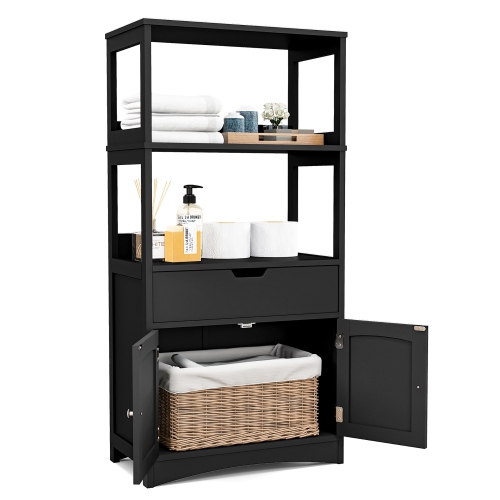
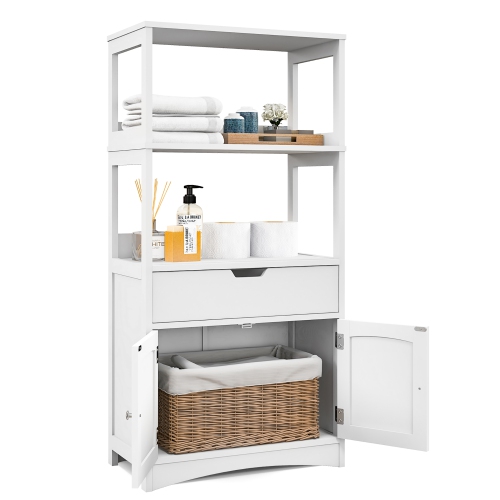
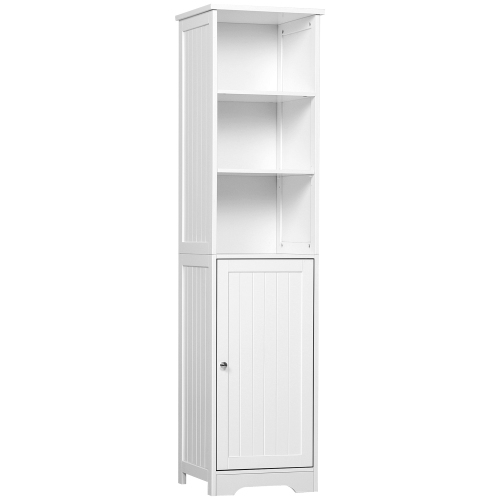
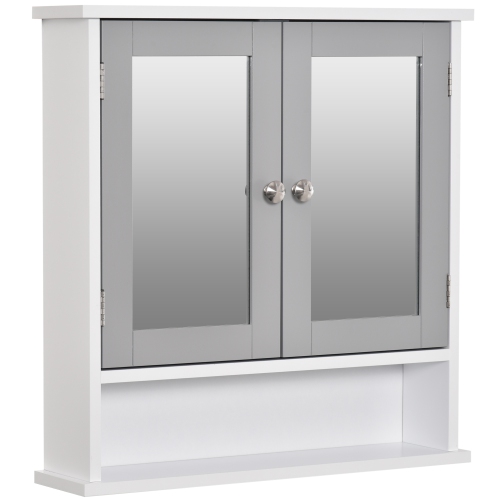
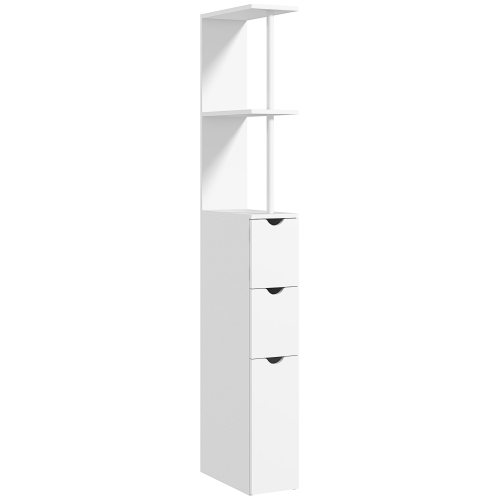
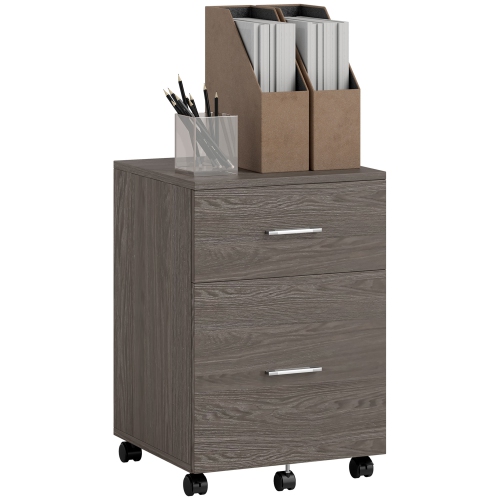
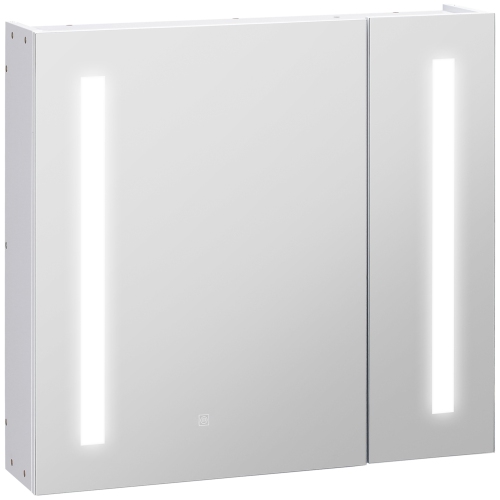
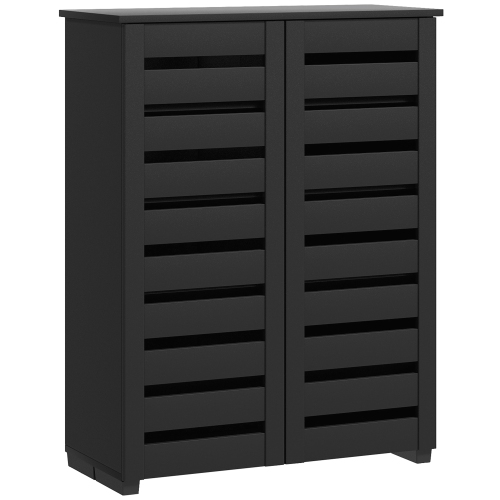
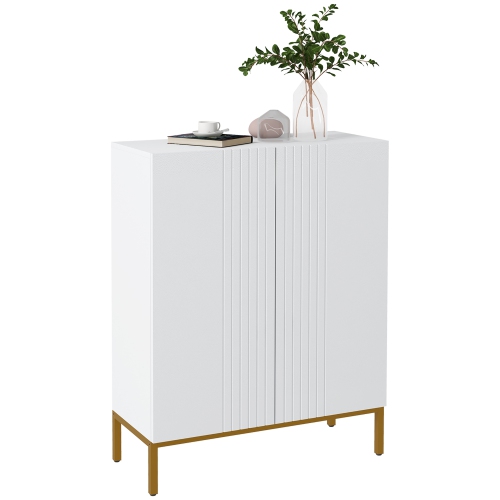
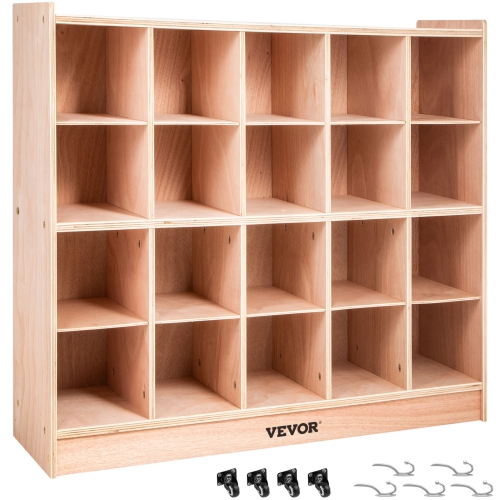
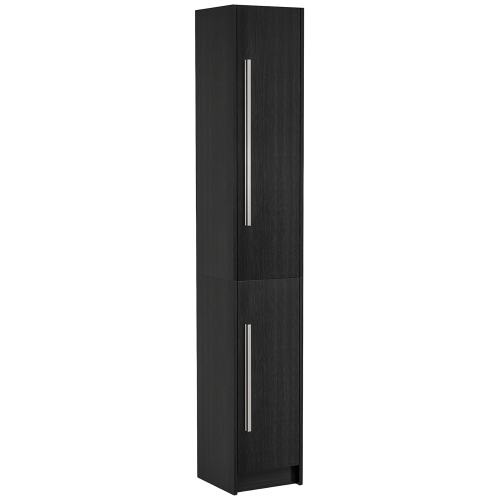
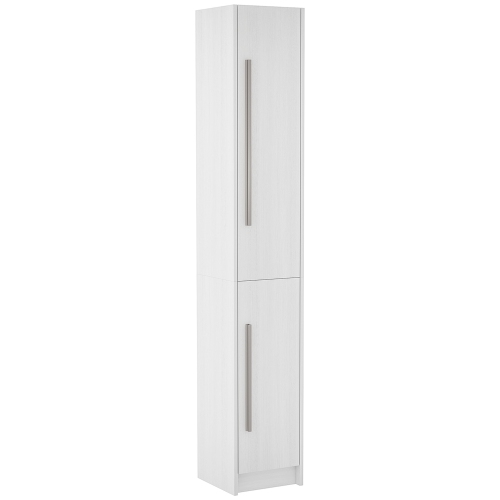
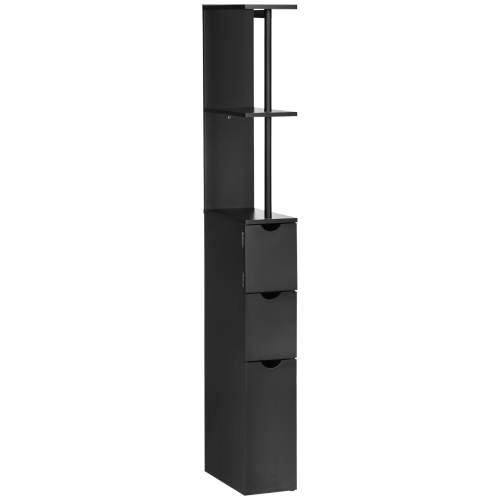
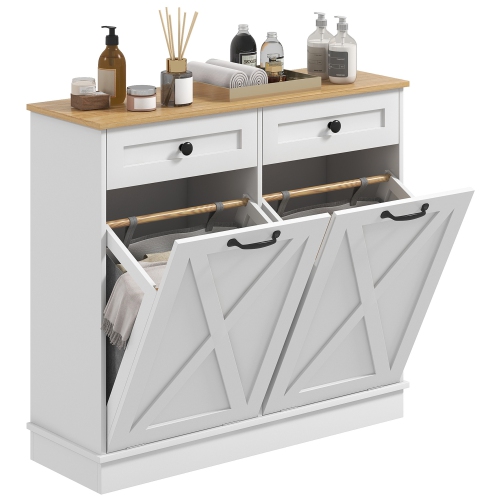

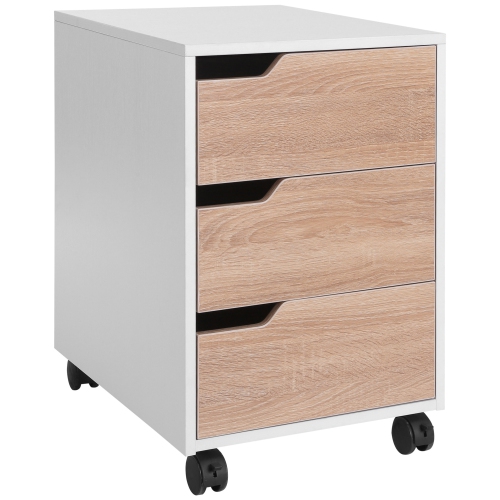

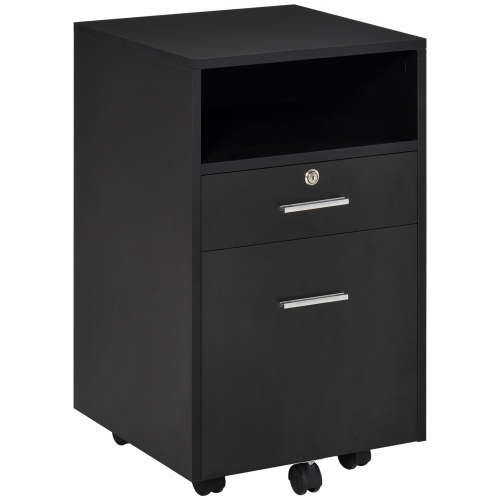
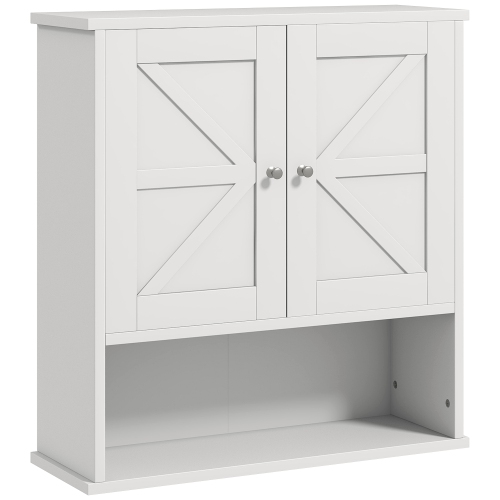
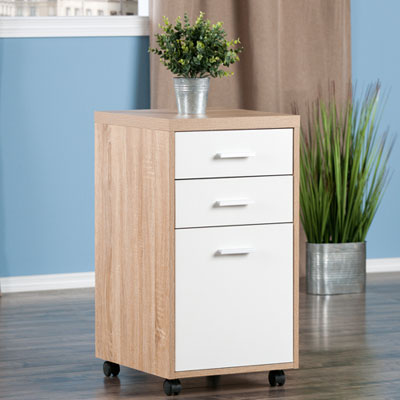
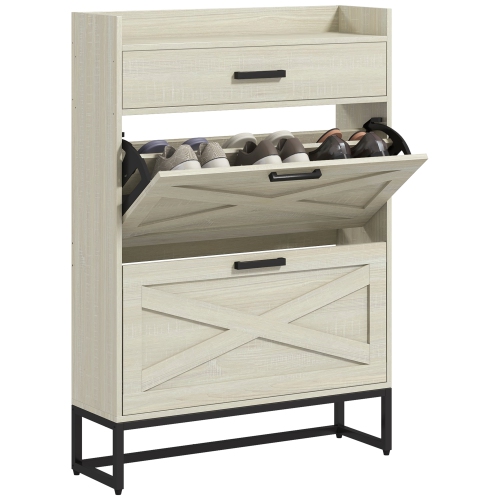
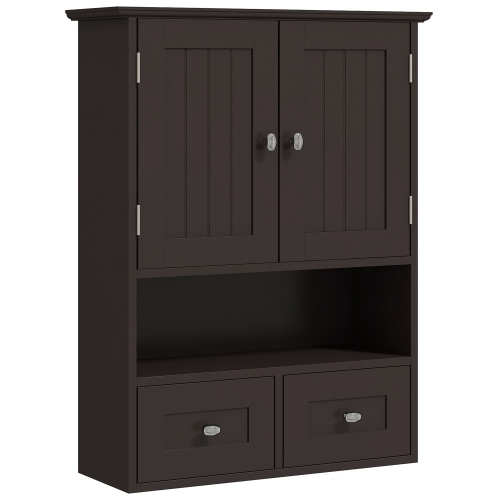
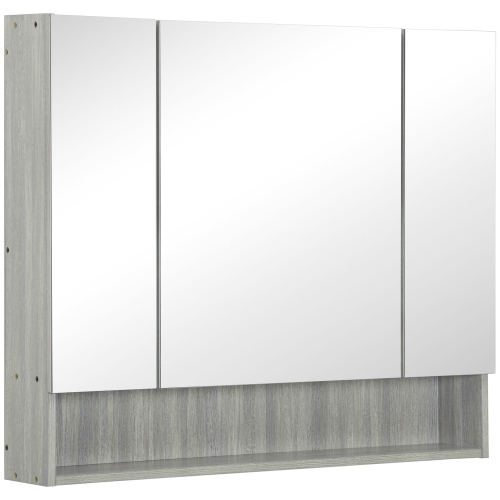
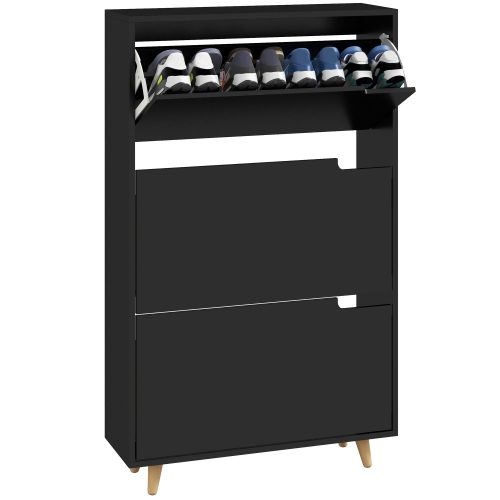
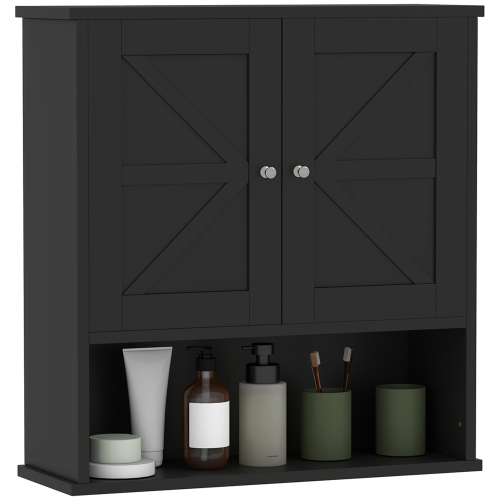
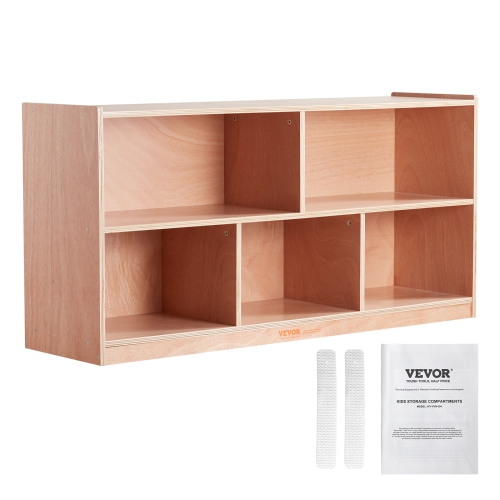
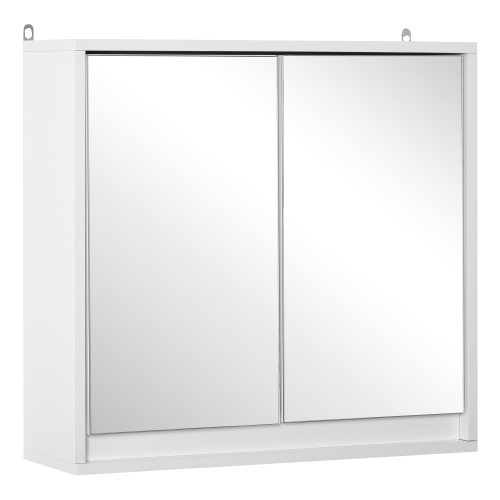
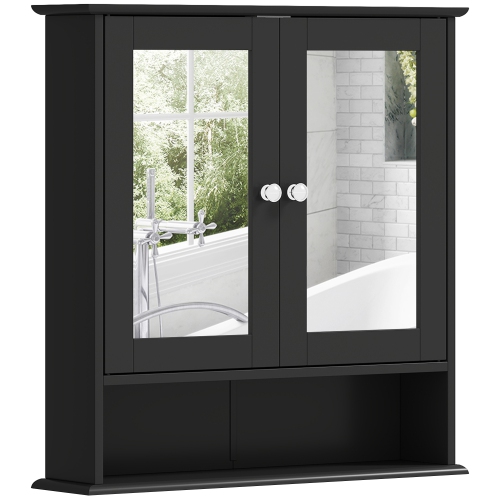
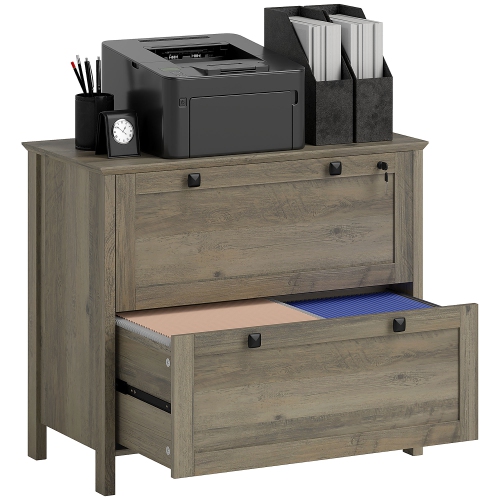
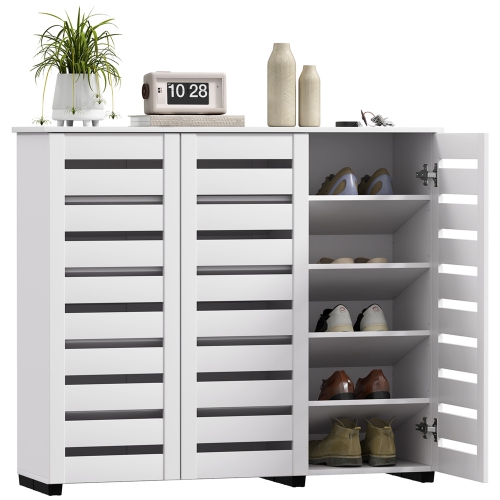
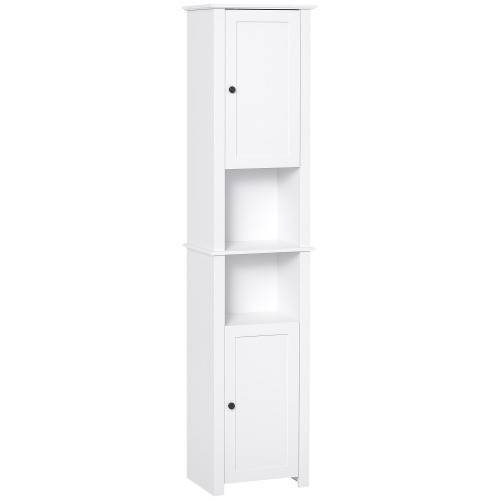
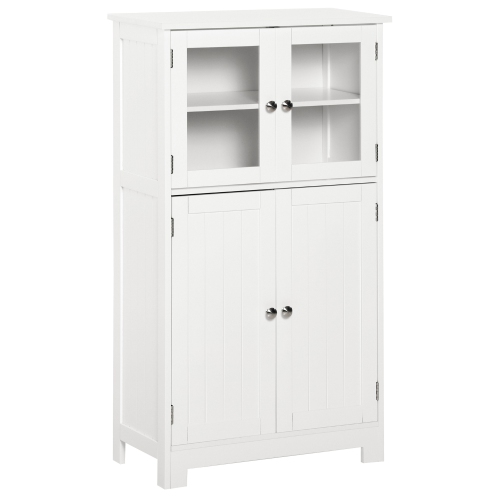
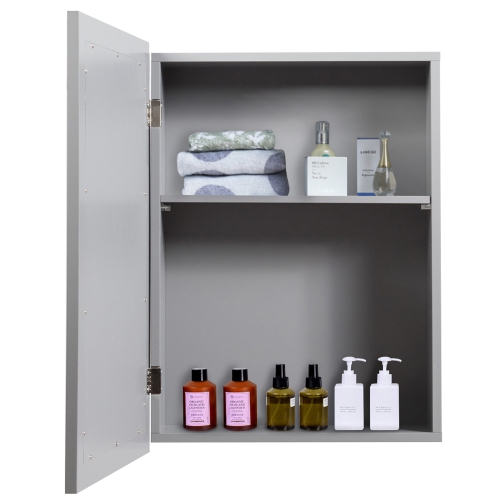
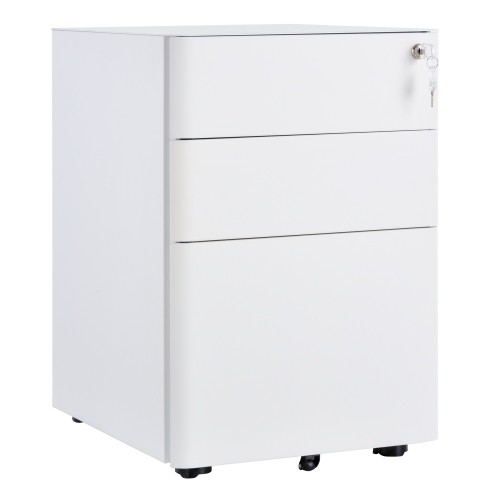

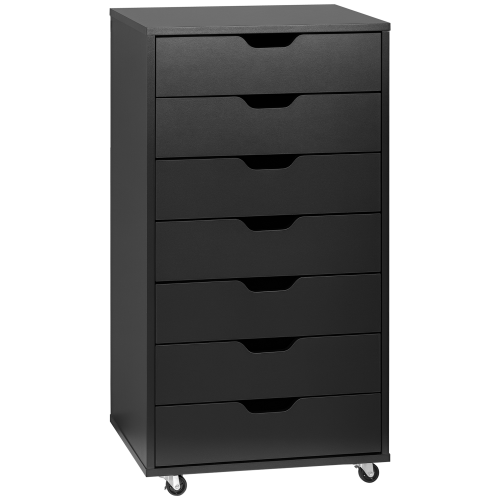
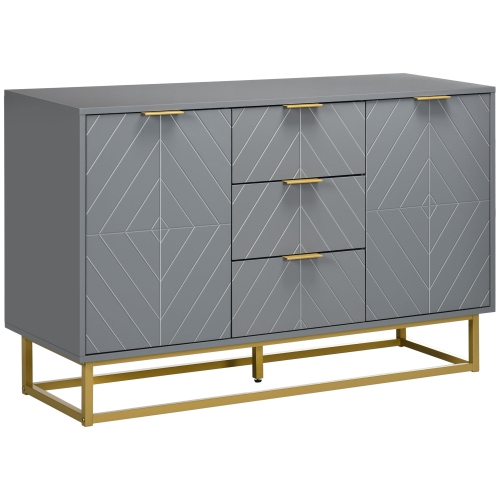
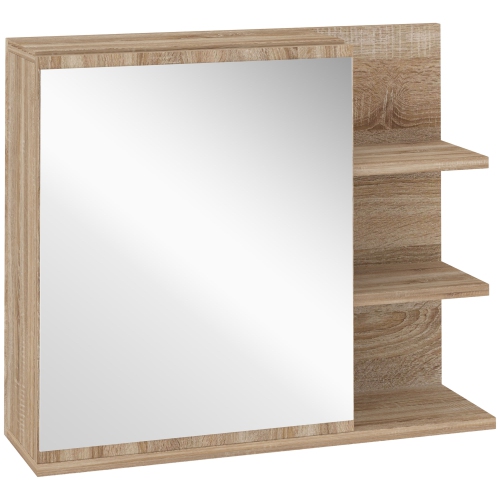
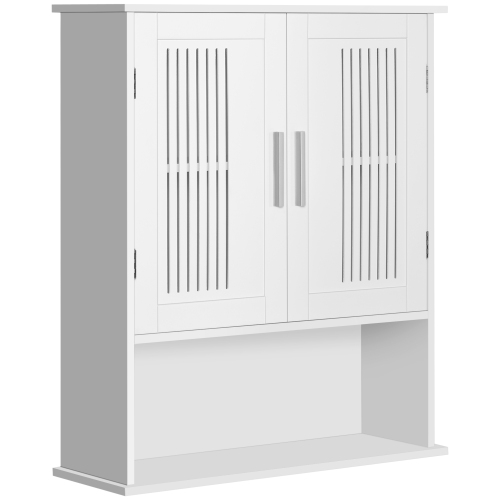
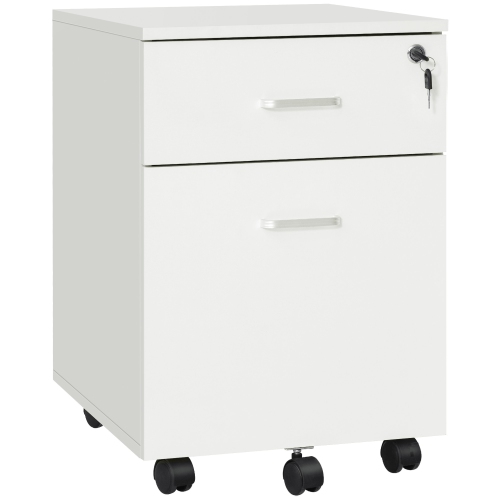
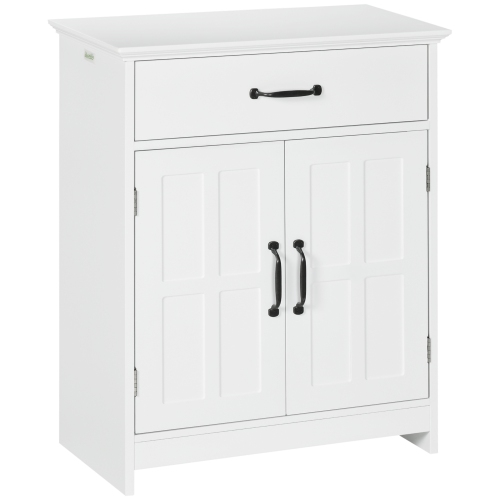

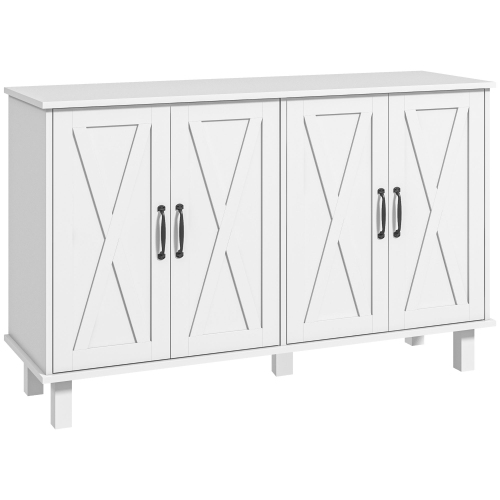
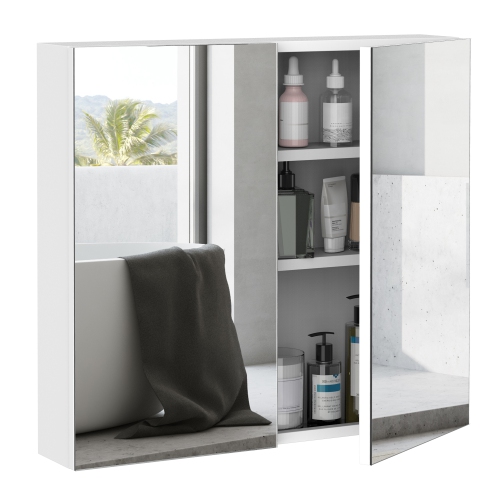
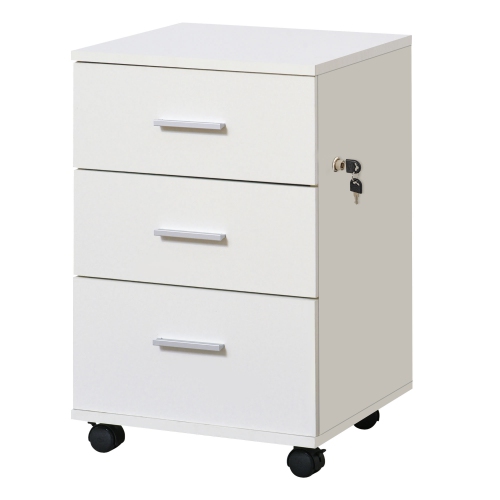
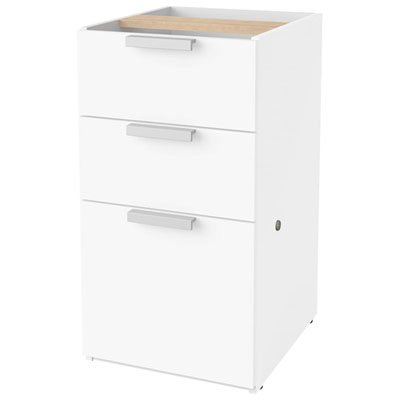
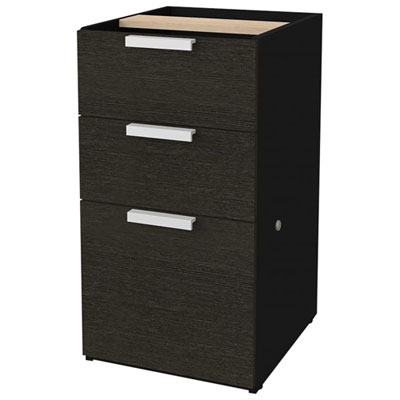
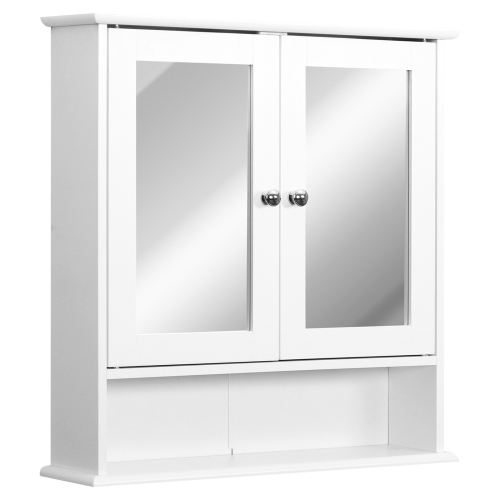
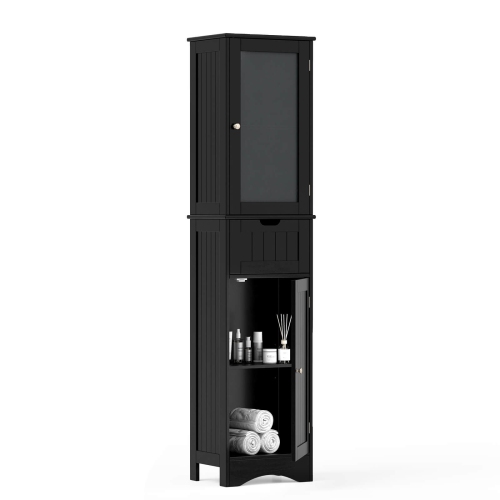
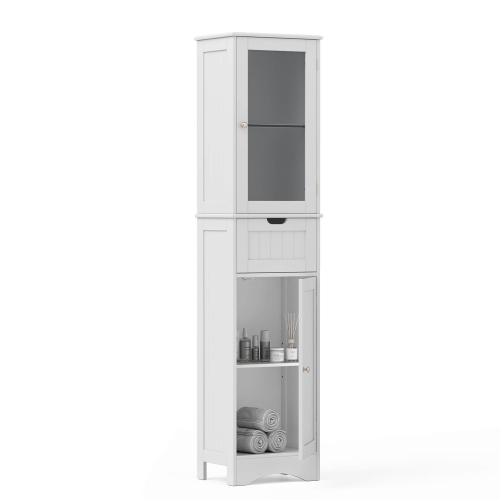
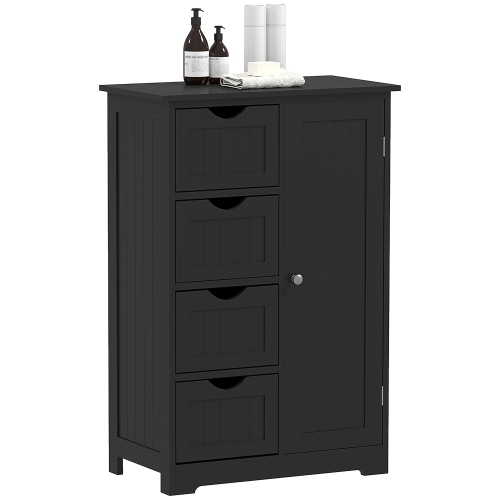
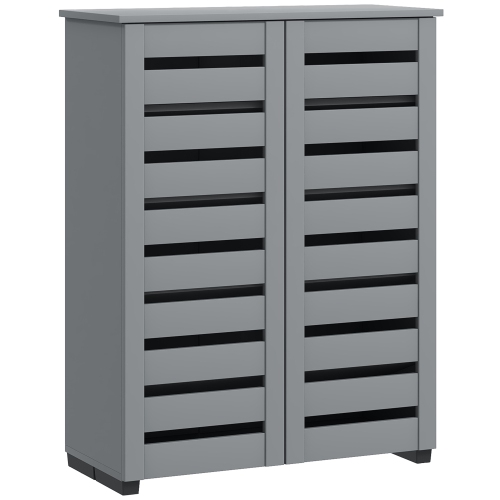
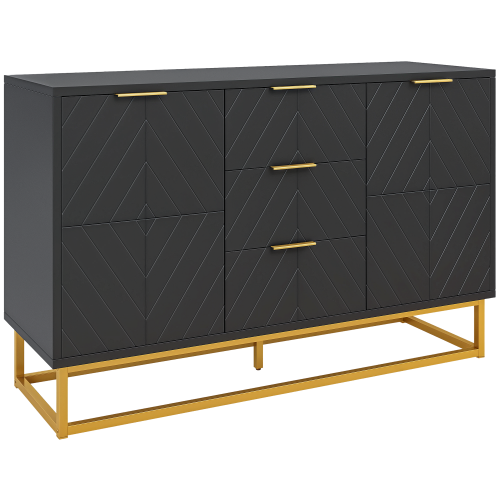

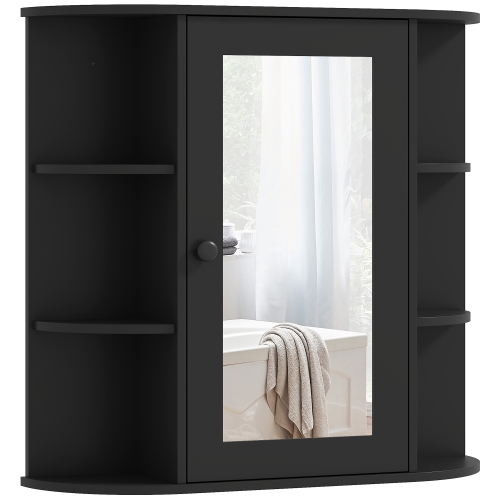
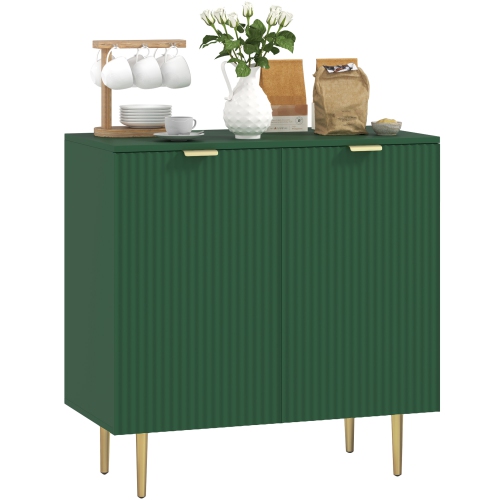
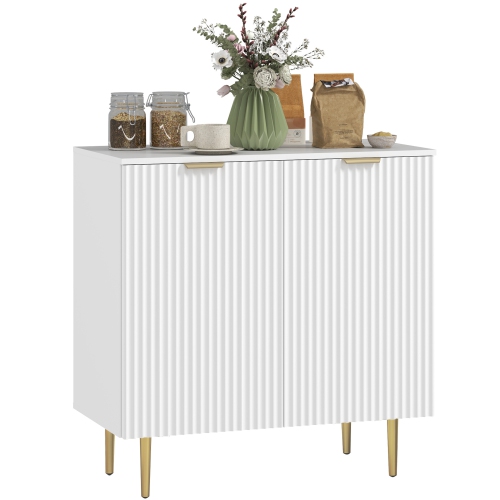
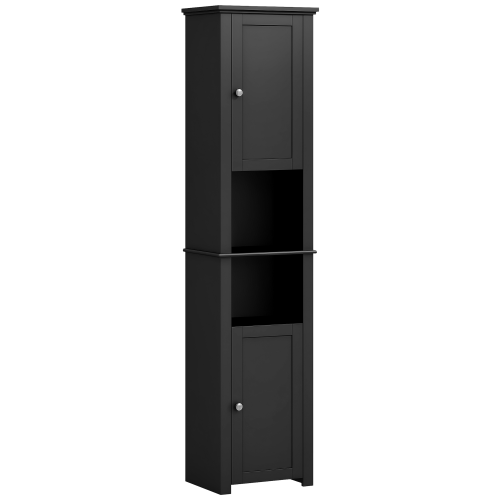
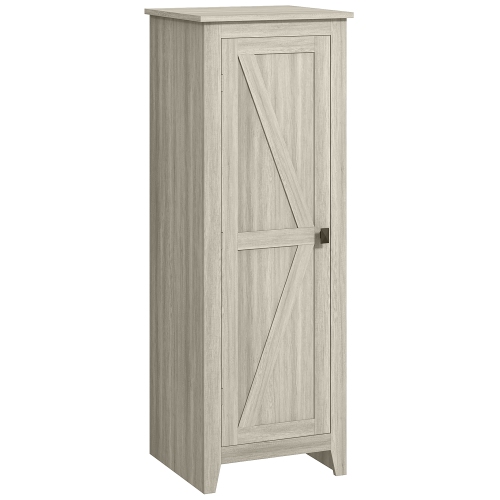
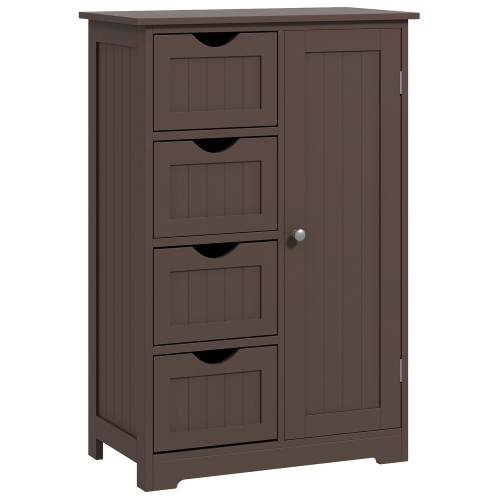
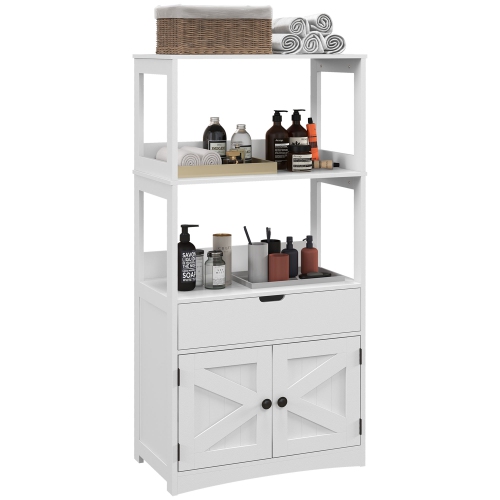

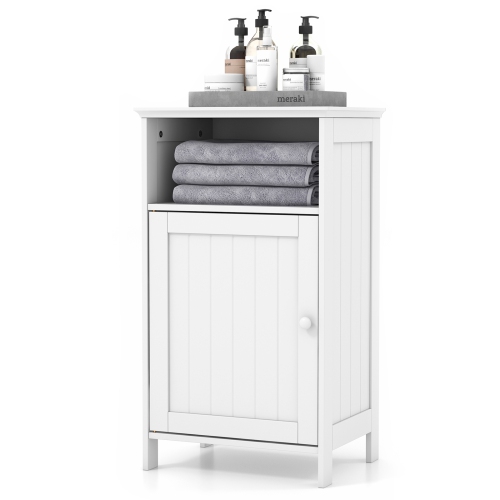
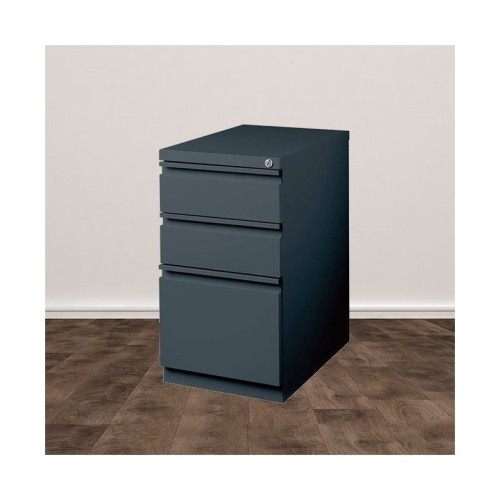
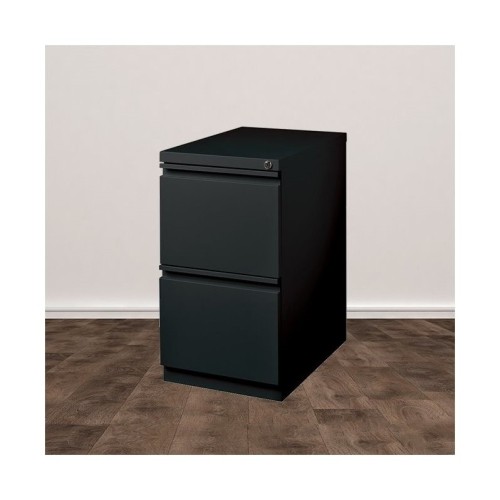
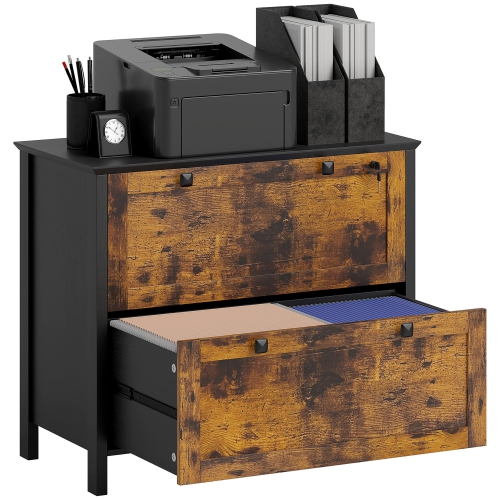
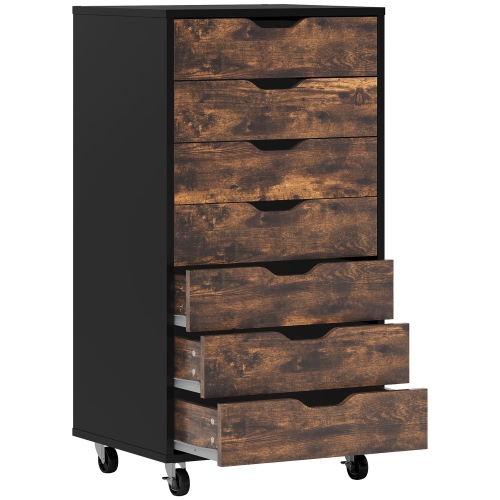
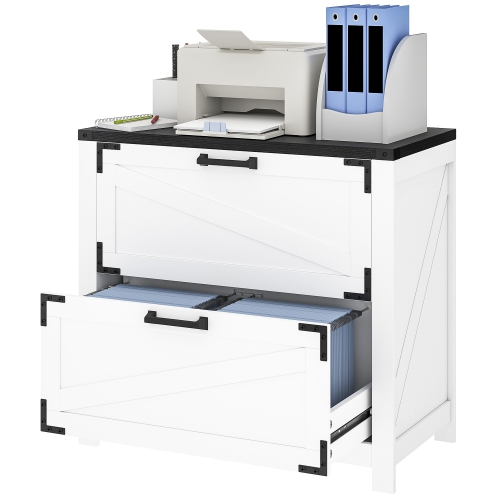
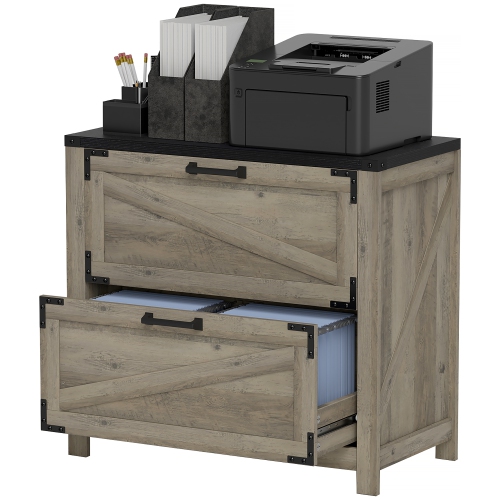
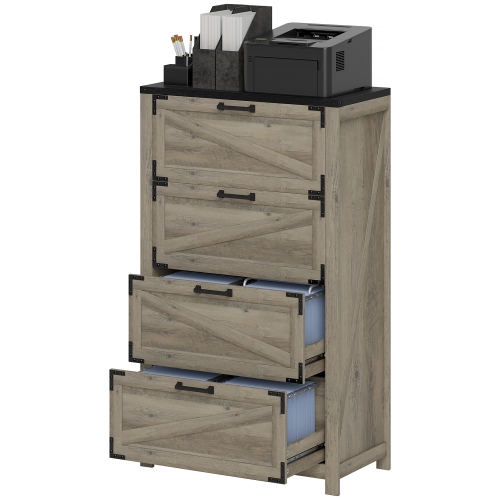
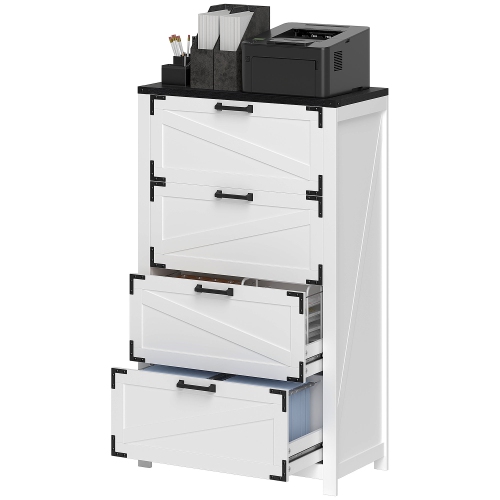
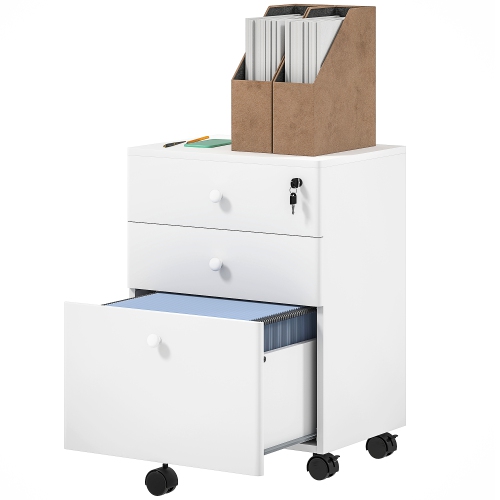
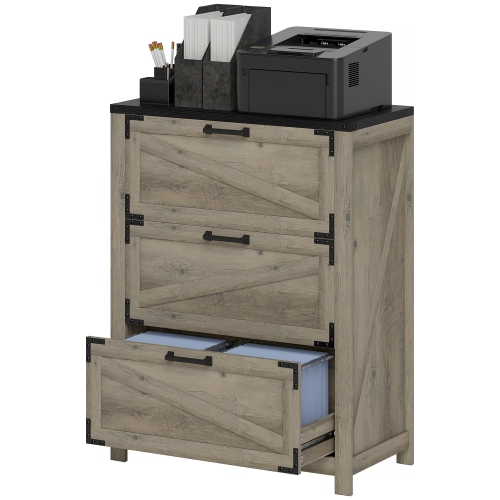
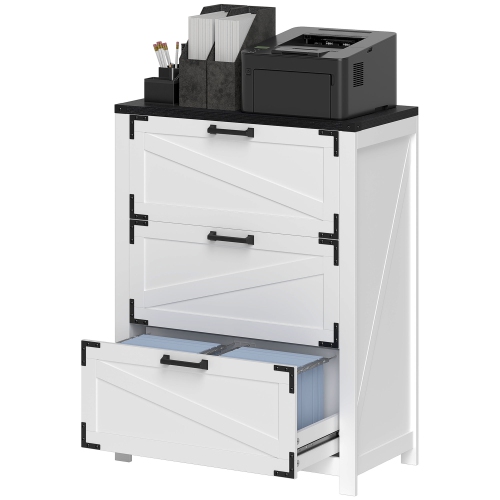
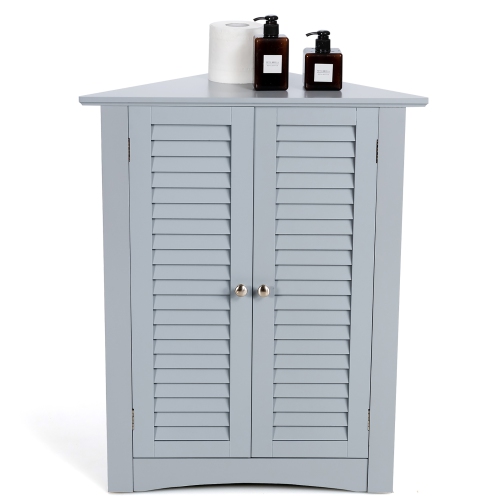
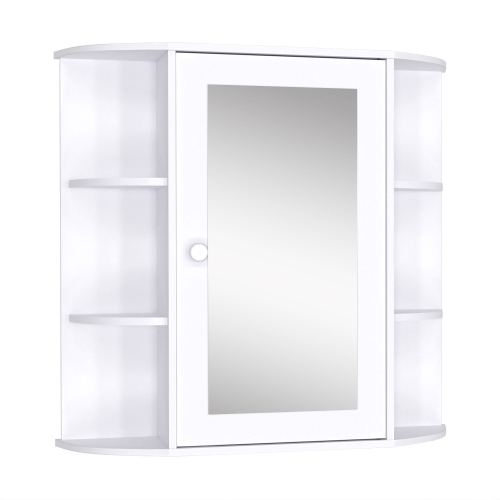
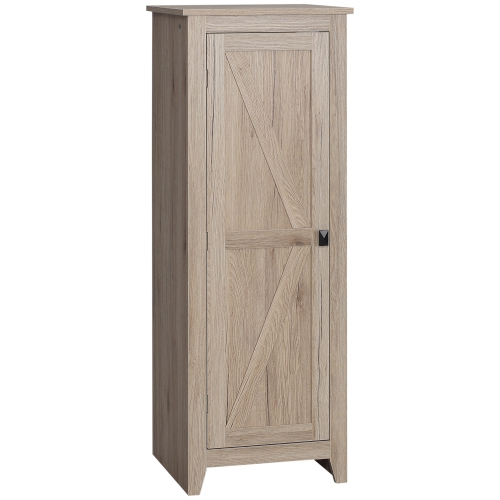
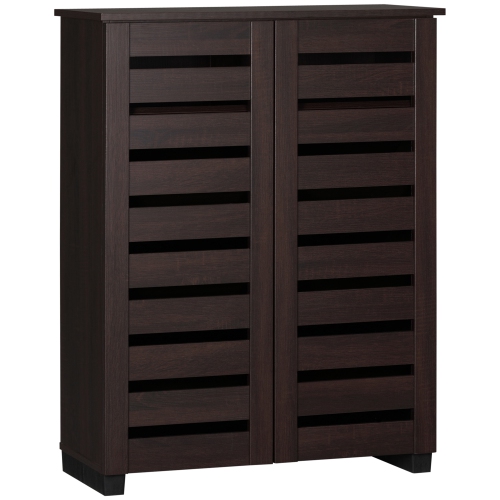
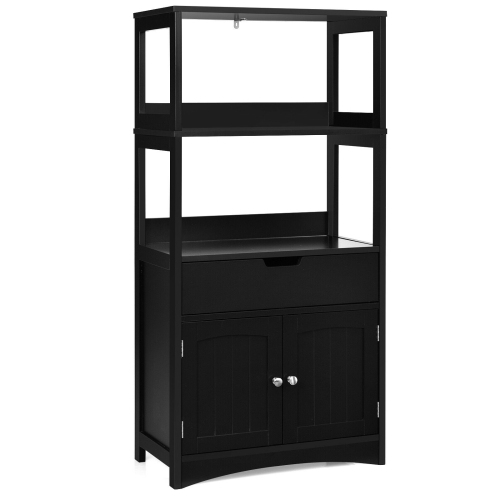
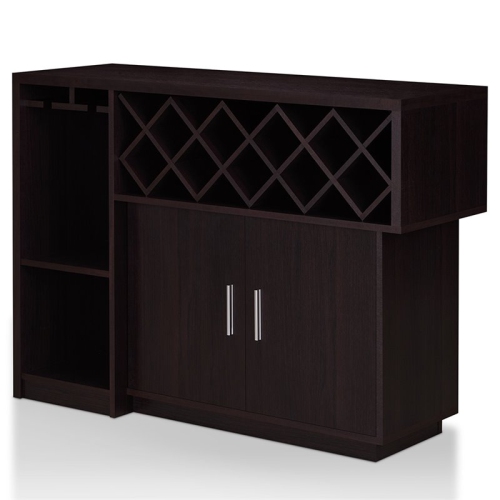
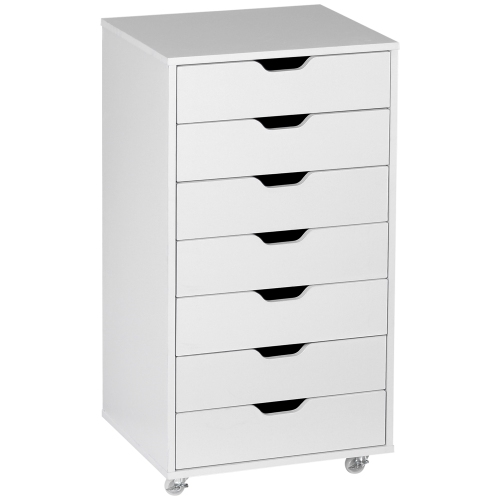
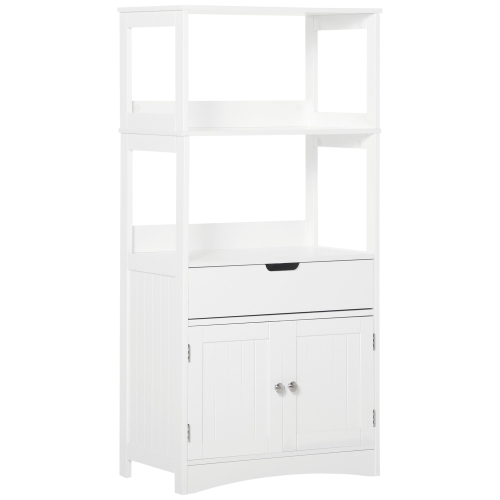
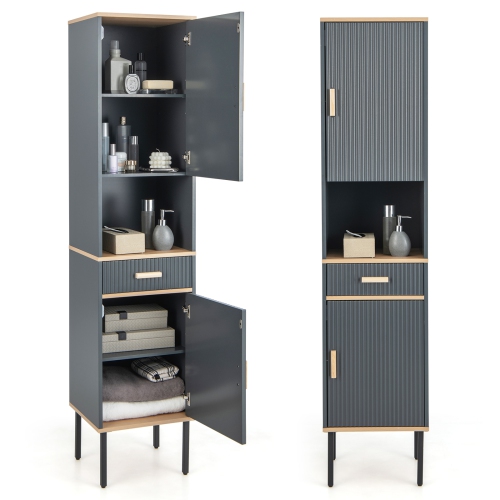
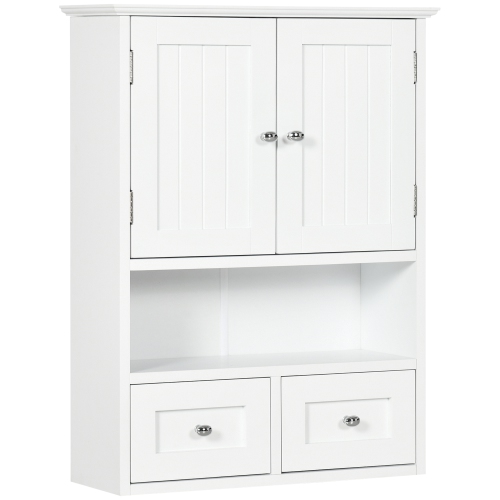
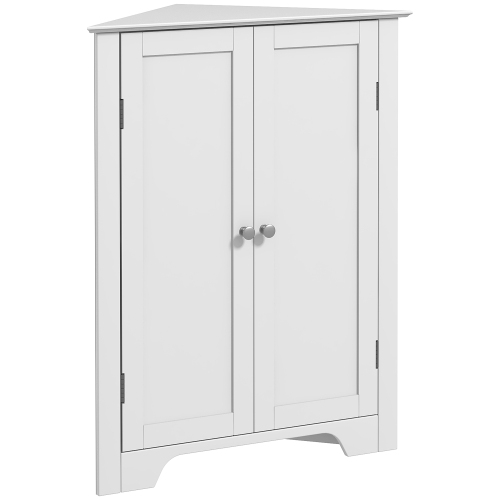
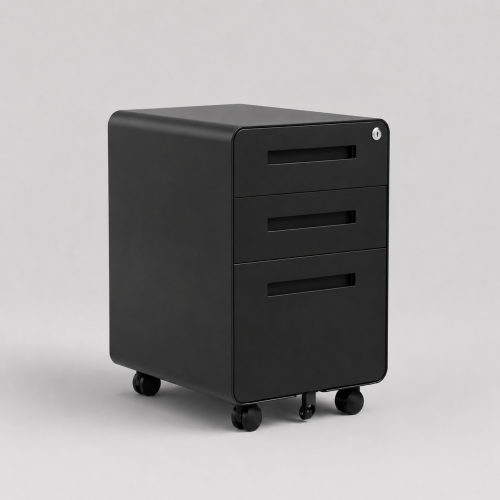
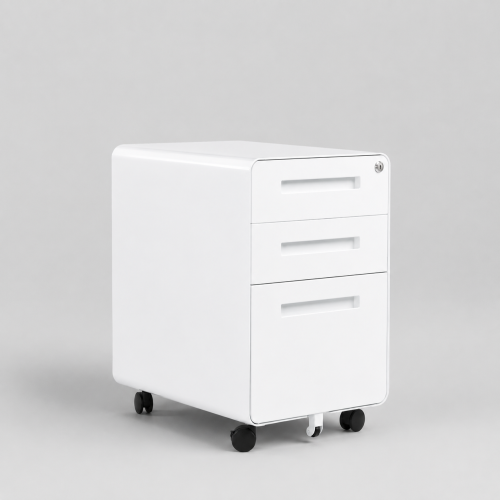
Practical zones and accessible storage simplify busy daily routines
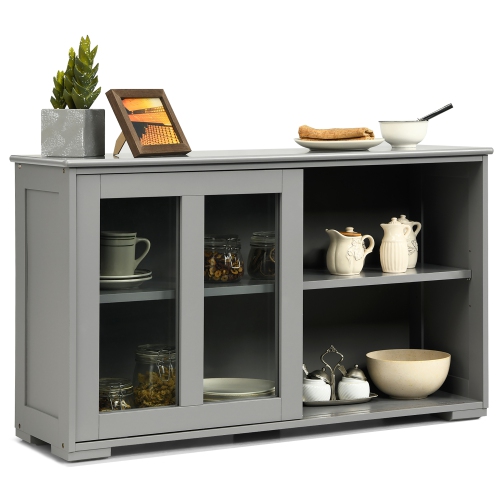
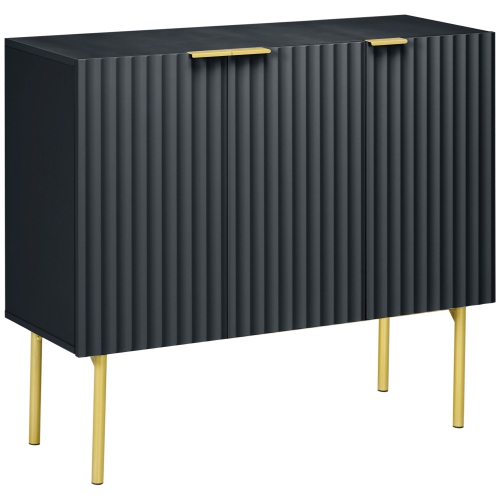
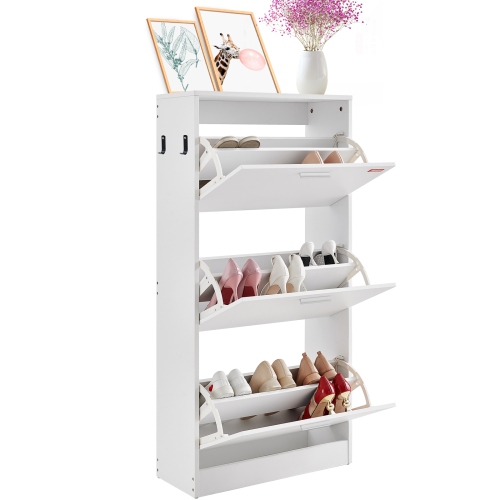
Organizing cabinets can make everyday routines feel noticeably simpler, whether you are refreshing a busy kitchen, bringing order to a bathroom vanity, or making better use of storage in a laundry room, entryway, home office, or garage. The most effective approach usually begins with a complete reset. Empty one cabinet or drawer at a time, wipe the interior, and group similar items together before deciding where everything should go. This makes it easier to identify duplicates, rarely used pieces, expired products, and items that belong in another room. From there, create practical zones based on how you use the space: keep coffee supplies together, place baking ingredients near mixing tools, store plates and bowls close to the dishwasher, and gather cleaning supplies in a dedicated area. In a bathroom, daily toiletries can stay within easy reach while extra towels and less frequently used items occupy higher shelves. In a garage or utility area, group hardware, tools, light bulbs, and seasonal accessories so that each category has a clear home. When browsing Cabinet Organizers, consider solutions that match the cabinet’s width, depth, height, and construction. Measure the usable interior rather than relying only on the exterior dimensions, and account for hinges, plumbing, door frames, shelf lips, and drawer tracks that may affect installation or movement. A good fit should allow doors and drawers to open smoothly without scraping, catching, or blocking nearby storage.
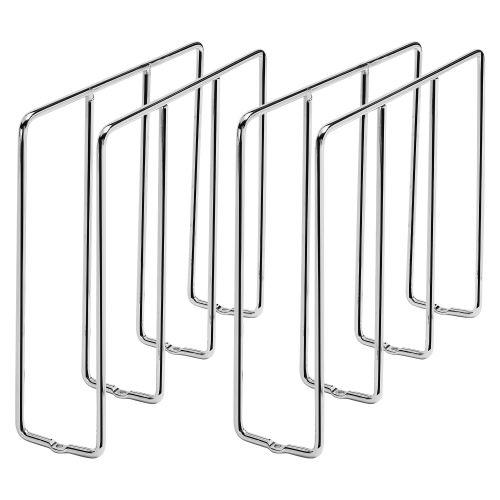
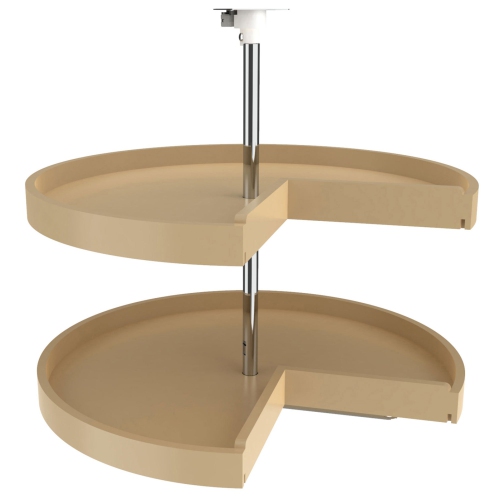
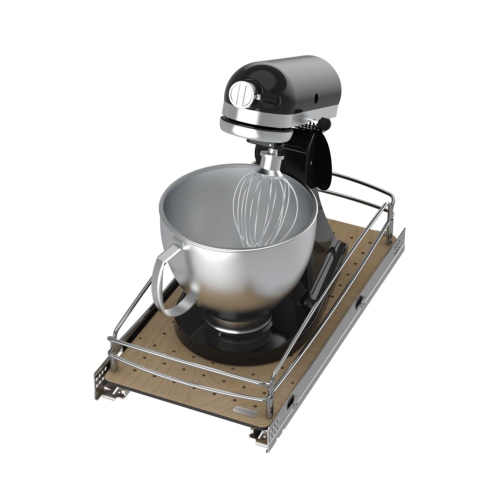
The layout inside a cabinet matters just as much as the amount of storage available. Keep the items used every day at waist or eye level, where they can be reached without stretching, kneeling, or moving several other things first. Less frequently used serving pieces, specialty cookware, spare toiletries, and seasonal accessories can go on upper shelves or toward the back. Deep cabinets often become difficult to manage because small items disappear behind taller containers. A rotating tray can bring bottles, jars, and condiments into view with a gentle turn, while pull-out shelves or sliding baskets let you access the back of a lower cabinet without getting down on the floor and searching by touch. Vertical dividers are useful for baking sheets, cutting boards, cooling racks, trays, and platters, allowing each piece to stand upright instead of forming a leaning stack that is awkward to lift. Shelf risers can create a second level for shorter containers, making it easier to see what is available at a glance. In narrow spaces, tiered racks, door-mounted storage, and compact bins can make use of otherwise overlooked surfaces, provided the added weight is suitable for the hinges and cabinet material. Under-sink areas benefit from racks designed around pipes and plumbing, along with removable containers that keep sponges, brushes, gloves, and bottles contained. Look for smooth gliding hardware, stable bases, rounded edges, adjustable sections, and surfaces that are easy to wipe clean. These details are especially helpful in households with children, older adults, or anyone who prefers a more accessible setup with fewer awkward reaches.
Cabinet organization is not only about appearance; it is about reducing the small points of friction that build up throughout the day. A well-planned arrangement can make breakfast preparation faster, prevent cleaning supplies from becoming tangled under the sink, and help a shared household put items away consistently. Renters may appreciate freestanding racks, stackable shelves, and removable bins that do not require permanent changes, while homeowners may prefer expandable or installed organizers that are tailored to a particular cabinet. Consider who will use the space most often and choose an arrangement that reflects real habits rather than an idealized routine. If several people prepare meals, leave enough room for hands to reach commonly used items without disturbing the rest of the cabinet. For children, place approved dishes or snack containers on lower shelves and avoid storing heavy or breakable objects within easy reach. In a home office, small compartments can separate cables, chargers, stationery, and mailing supplies; in a craft area, divided storage can keep scissors, adhesives, thread, and tools visible. Organizing cabinets can also be a thoughtful housewarming, wedding, back-to-school, or new-home gift for someone settling into a new space, especially when paired with a simple plan for sorting and labelling. As the weather warms or the cooler months arrive, cabinet organizers can support seasonal resets by giving entertaining supplies, lunch containers, baking accessories, or outdoor-use items a designated place. Leave a little breathing room around frequently handled objects, label containers when categories are easy to confuse, and review each zone occasionally so the system continues to suit changing needs. When every item has a logical location and the most-used essentials remain visible, cabinets become easier to maintain and daily tasks feel more comfortable.
The layout inside a cabinet matters just as much as the amount of storage available. Keep the items used every day at waist or eye level, where they can be reached without stretching, kneeling, or moving several other things first. Less frequently used serving pieces, specialty cookware, spare toiletries, and seasonal accessories can go on upper shelves or toward the back. Deep cabinets often become difficult to manage because small items disappear behind taller containers. A rotating tray can bring bottles, jars, and condiments into view with a gentle turn, while pull-out shelves or sliding baskets let you access the back of a lower cabinet without getting down on the floor and searching by touch. Vertical dividers are useful for baking sheets, cutting boards, cooling racks, trays, and platters, allowing each piece to stand upright instead of forming a leaning stack that is awkward to lift. Shelf risers can create a second level for shorter containers, making it easier to see what is available at a glance. In narrow spaces, tiered racks, door-mounted storage, and compact bins can make use of otherwise overlooked surfaces, provided the added weight is suitable for the hinges and cabinet material. Under-sink areas benefit from racks designed around pipes and plumbing, along with removable containers that keep sponges, brushes, gloves, and bottles contained. Look for smooth gliding hardware, stable bases, rounded edges, adjustable sections, and surfaces that are easy to wipe clean. These details are especially helpful in households with children, older adults, or anyone who prefers a more accessible setup with fewer awkward reaches.
Cabinet organization is not only about appearance; it is about reducing the small points of friction that build up throughout the day. A well-planned arrangement can make breakfast preparation faster, prevent cleaning supplies from becoming tangled under the sink, and help a shared household put items away consistently. Renters may appreciate freestanding racks, stackable shelves, and removable bins that do not require permanent changes, while homeowners may prefer expandable or installed organizers that are tailored to a particular cabinet. Consider who will use the space most often and choose an arrangement that reflects real habits rather than an idealized routine. If several people prepare meals, leave enough room for hands to reach commonly used items without disturbing the rest of the cabinet. For children, place approved dishes or snack containers on lower shelves and avoid storing heavy or breakable objects within easy reach. In a home office, small compartments can separate cables, chargers, stationery, and mailing supplies; in a craft area, divided storage can keep scissors, adhesives, thread, and tools visible. Organizing cabinets can also be a thoughtful housewarming, wedding, back-to-school, or new-home gift for someone settling into a new space, especially when paired with a simple plan for sorting and labelling. As the weather warms or the cooler months arrive, cabinet organizers can support seasonal resets by giving entertaining supplies, lunch containers, baking accessories, or outdoor-use items a designated place. Leave a little breathing room around frequently handled objects, label containers when categories are easy to confuse, and review each zone occasionally so the system continues to suit changing needs. When every item has a logical location and the most-used essentials remain visible, cabinets become easier to maintain and daily tasks feel more comfortable.
Top selling and popular products
-
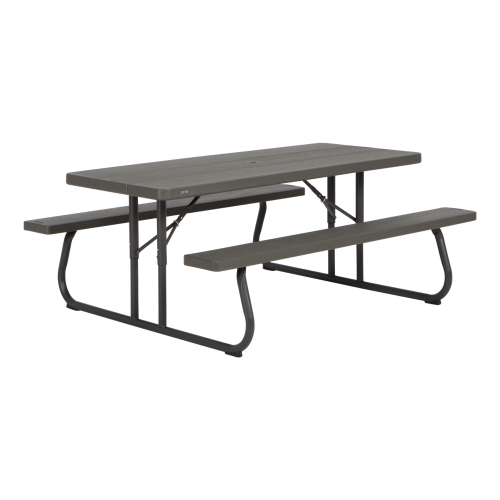 Your price for this item is $369.99
 -
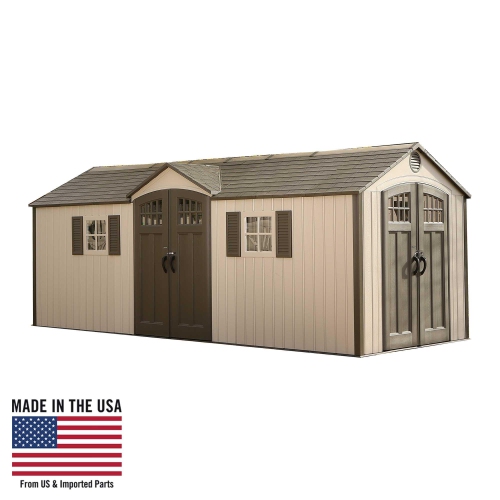 Your price for this item is $5599.99
 -
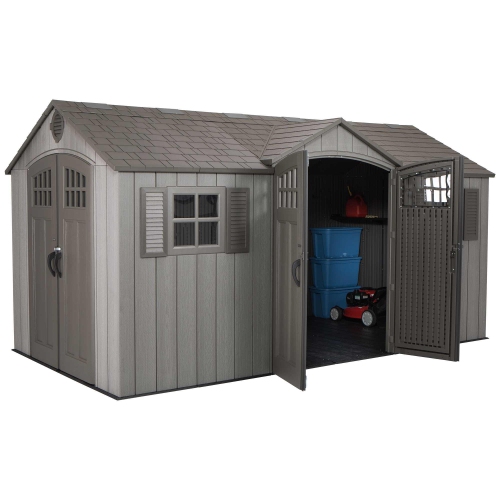 Your price for this item is $4269.99
 -
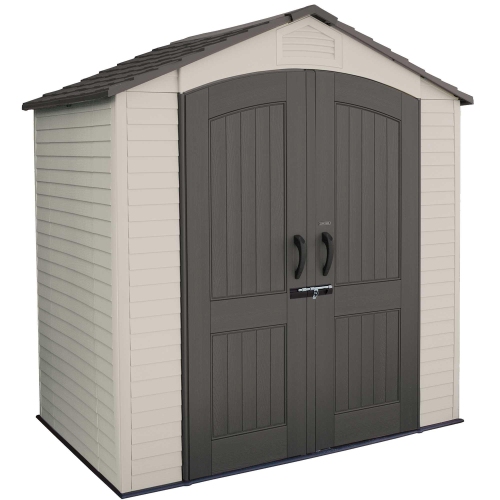 Your price for this item is $1639.99
 -
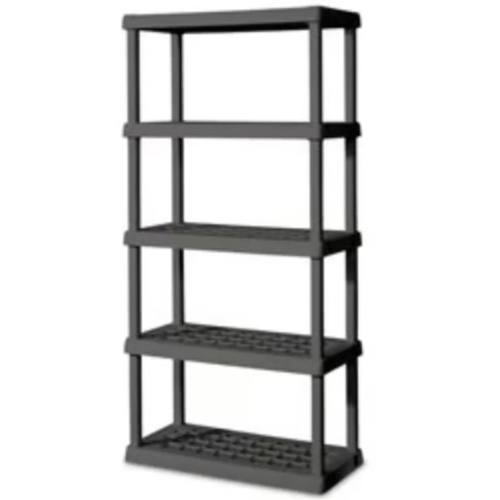 Your price for this item is $967.99
 -
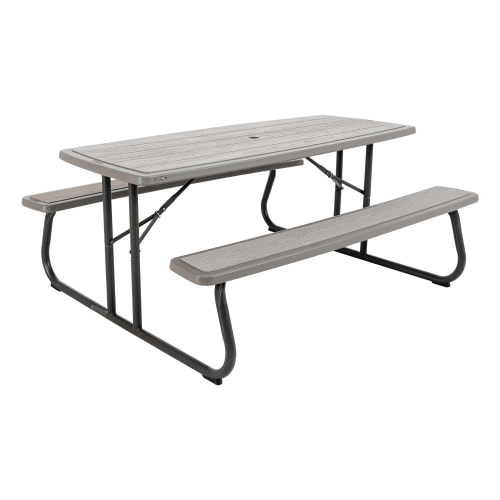 Your price for this item is $369.99
 -
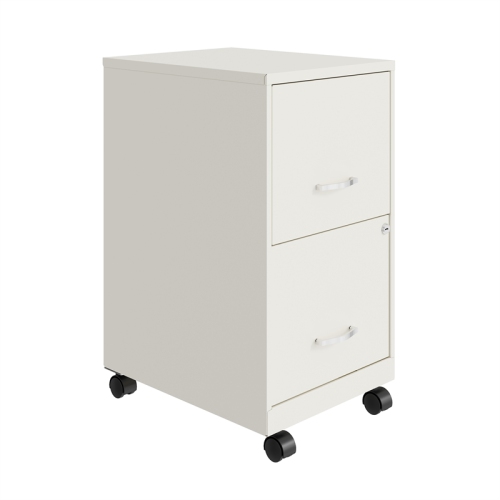 Your price for this item is $399.93
 -
 Your price for this item is $5589.99
Discover more categories related to Organizing Cabinets
Top Collections:
Pokemon Centers, Kindle Devices, Best Budget Office Chairs, Apple iPhones 16, Best Laptops for Writers, iPhone 15 Apple, Canon G7X Cameras, Refurbished Apple Laptops, Alarm Clock, Motorola Razr Phones
Some products may be subject to Environmental Handling Fees
(EHF) depending on your province.
Learn more about EHFs.