Ornament Gifts
Discover the perfect ornament gifts to add a touch of charm and personality to any space. Whether you're looking to celebrate a special occasion or simply want to surprise someone with a thoughtful keepsake, our diverse selection offers something for everyone. Explore an array of styles and designs that reflect both traditional elegance and modern flair, making it easy to find ornaments that resonate with personal tastes. From festive holiday decorations to unique collectibles, these treasures are sure to bring joy and lasting memories. Let your gift-giving shine with ornaments that capture the essence of celebration and sentiment.
Sort
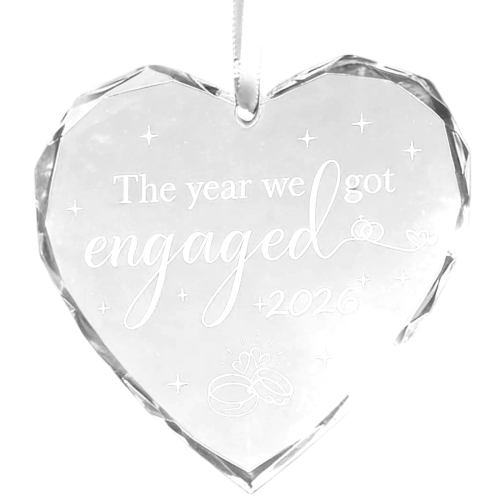
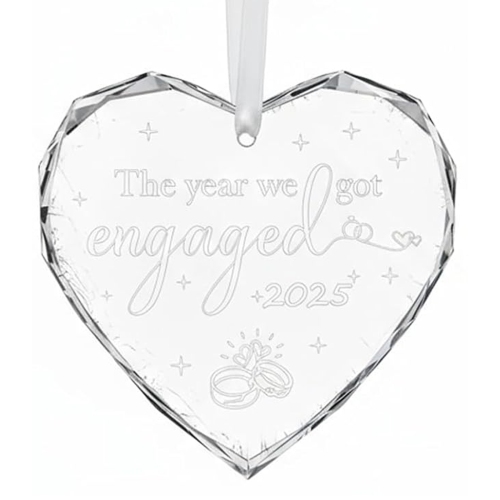
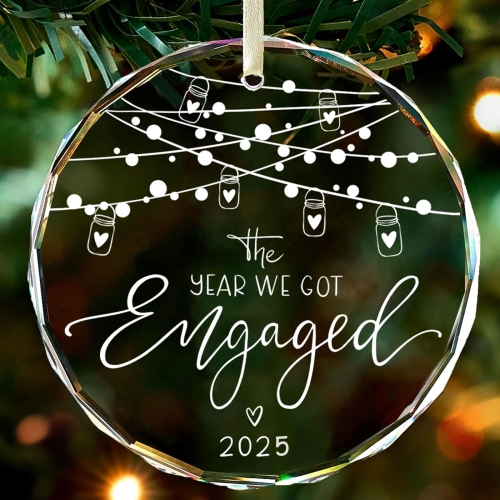
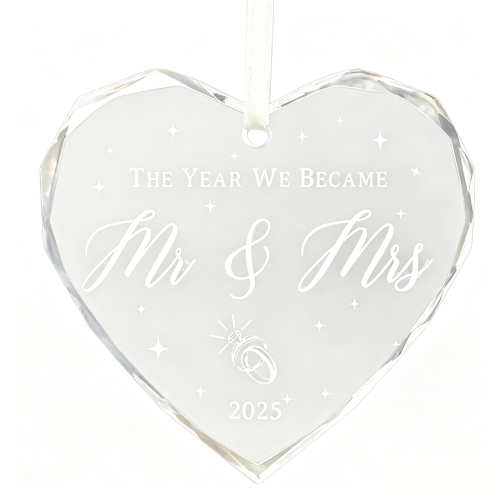
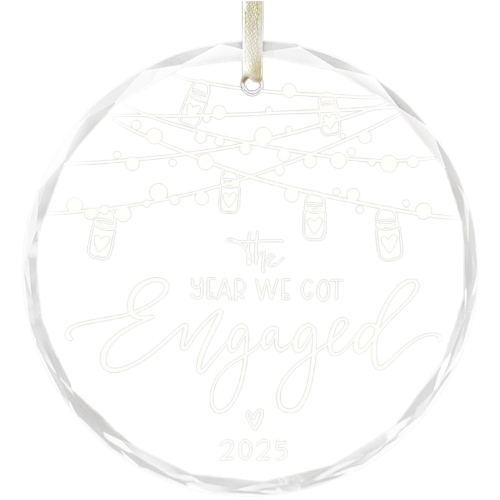
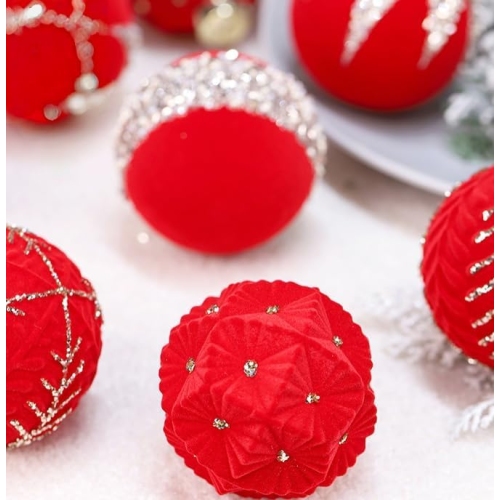

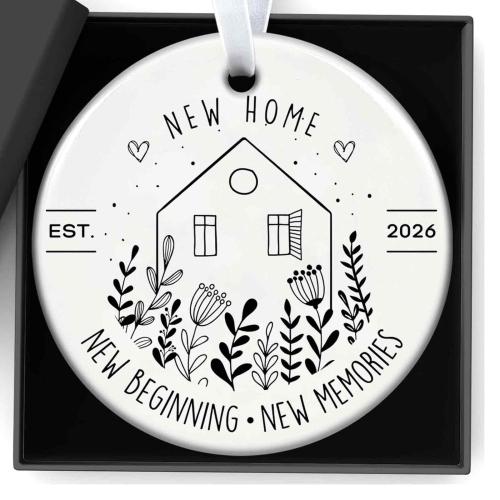
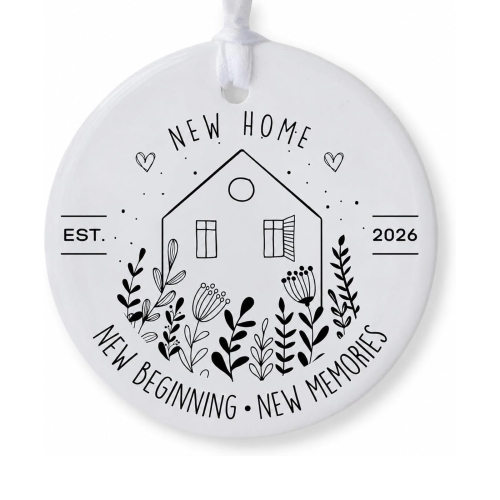
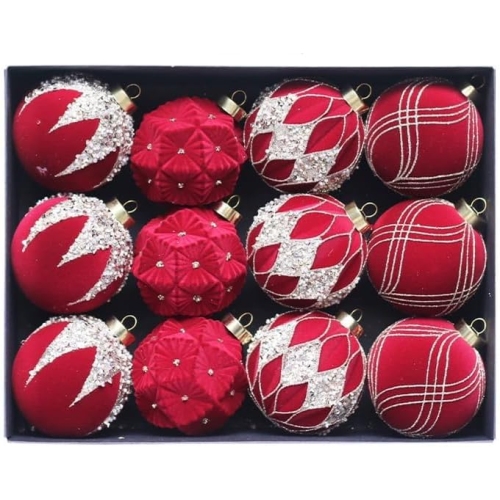


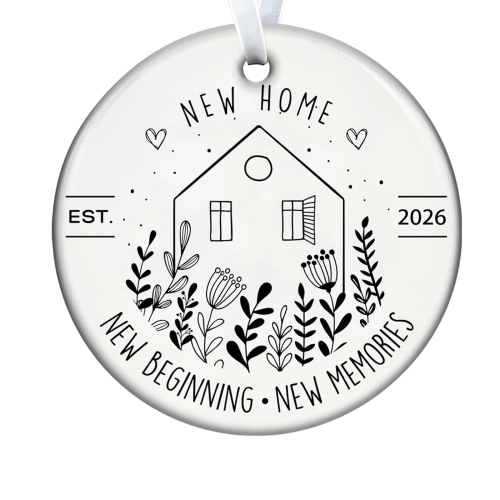
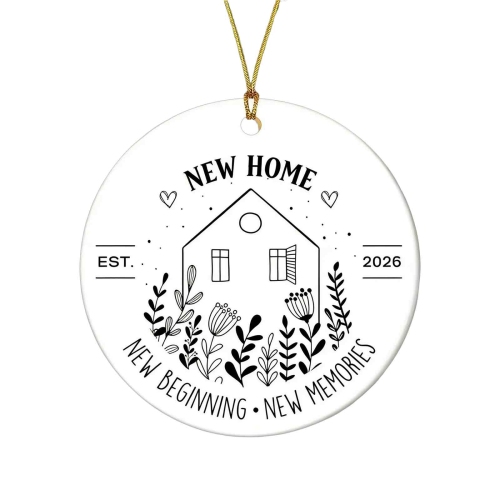
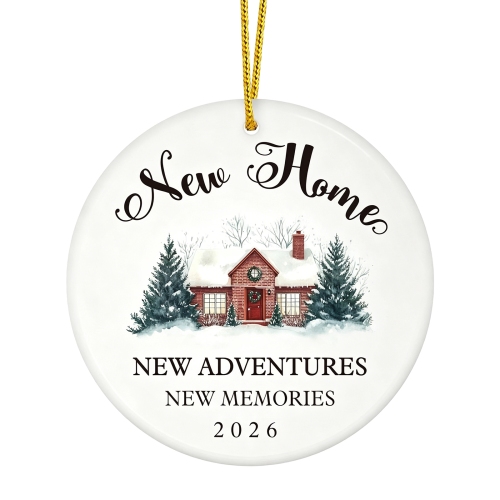

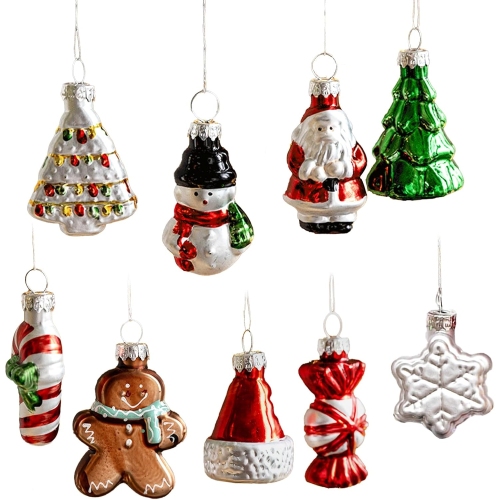
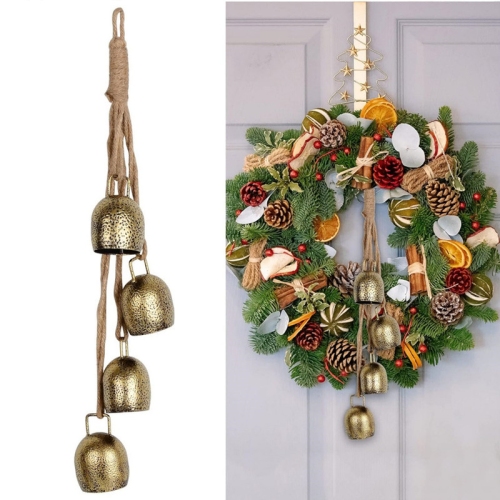

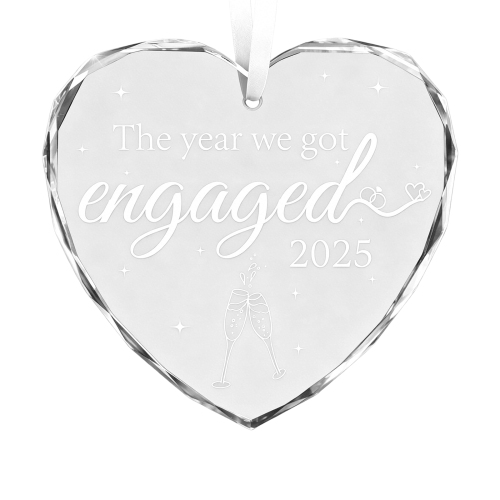


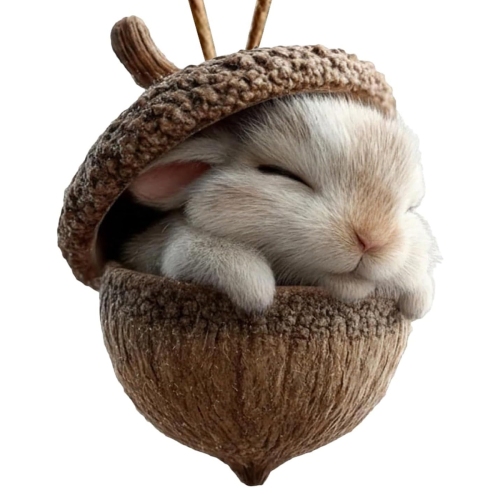


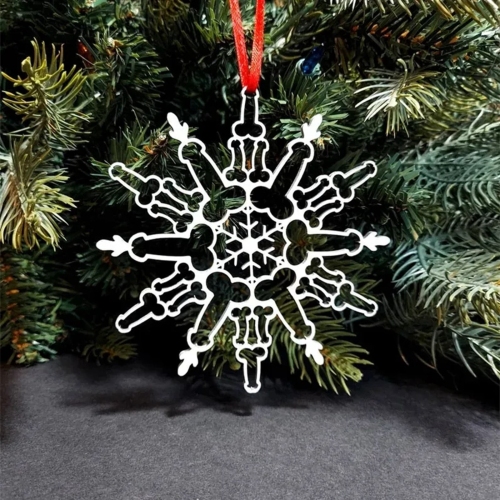

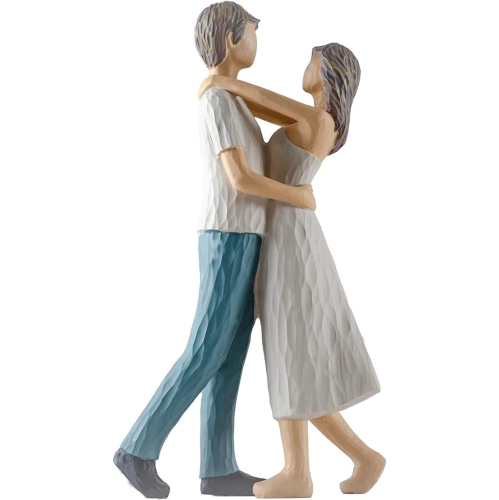
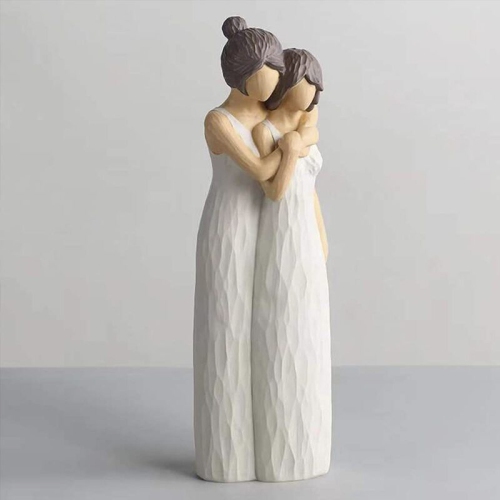
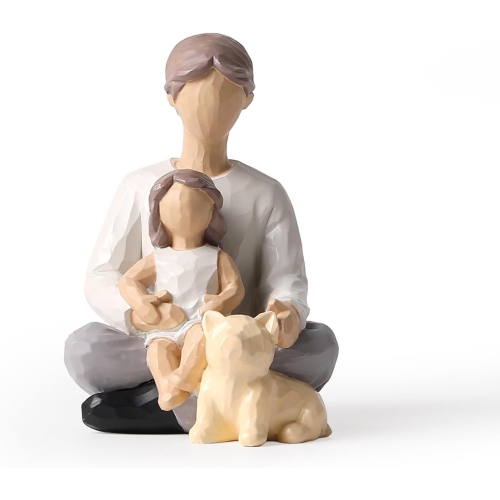
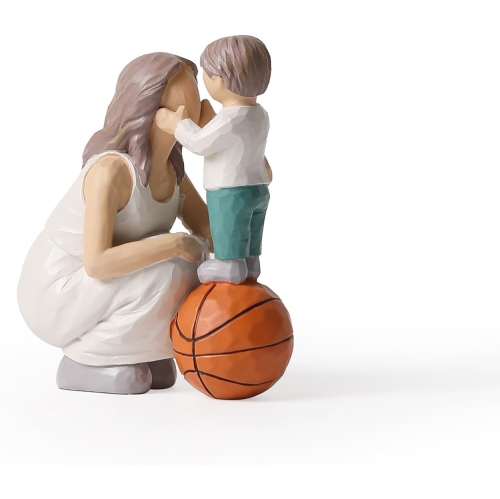
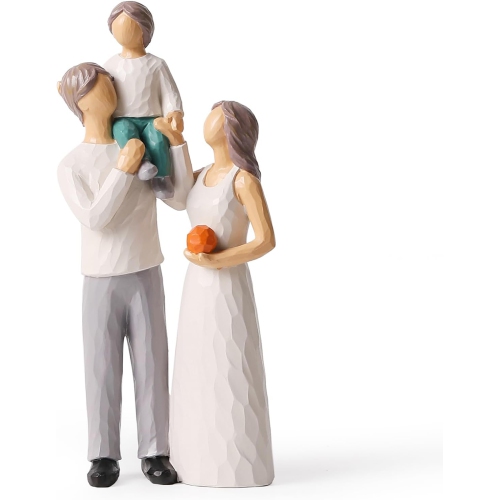
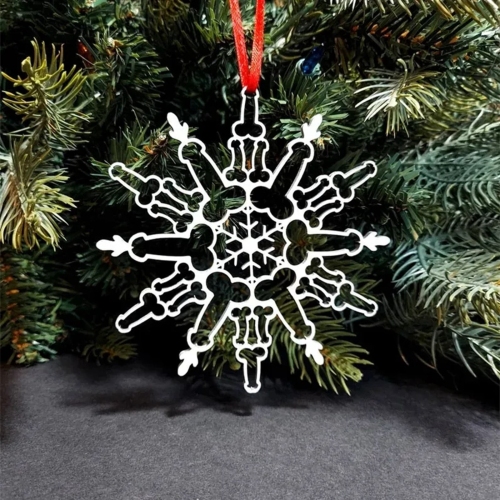

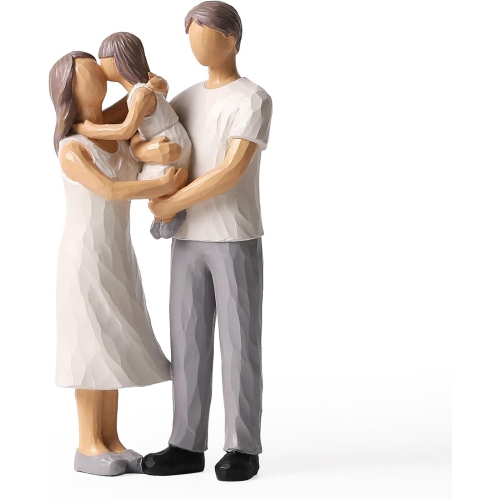
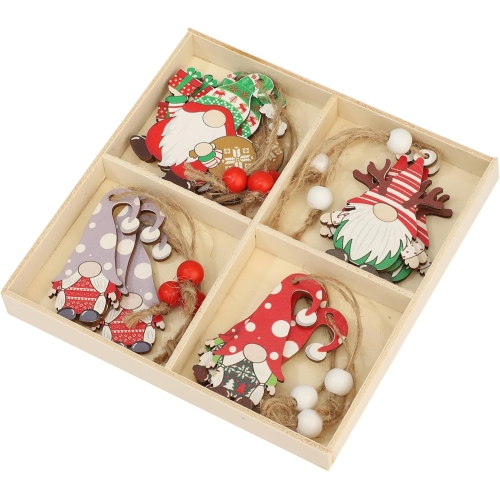
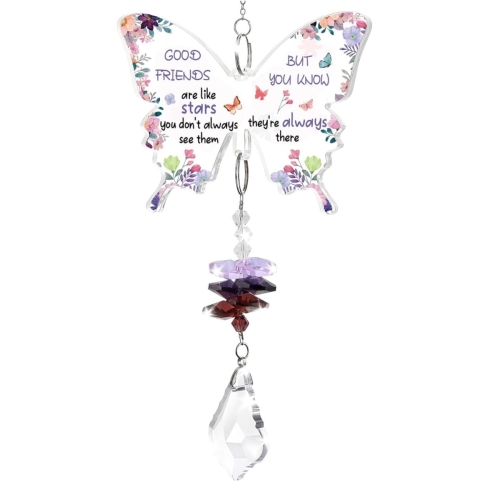
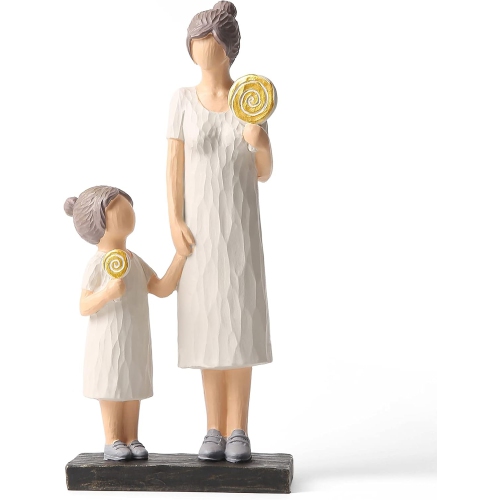
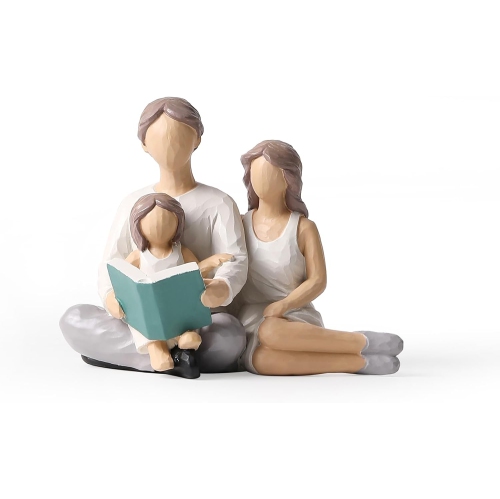
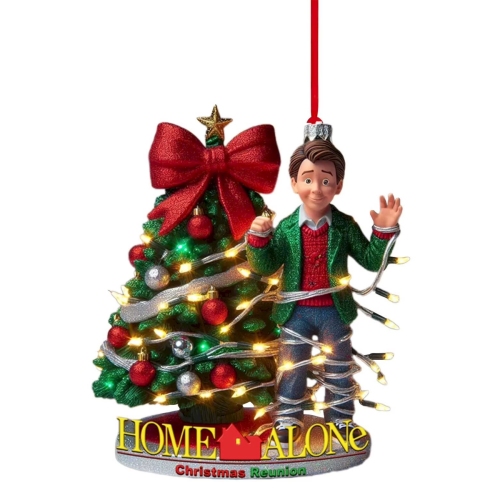

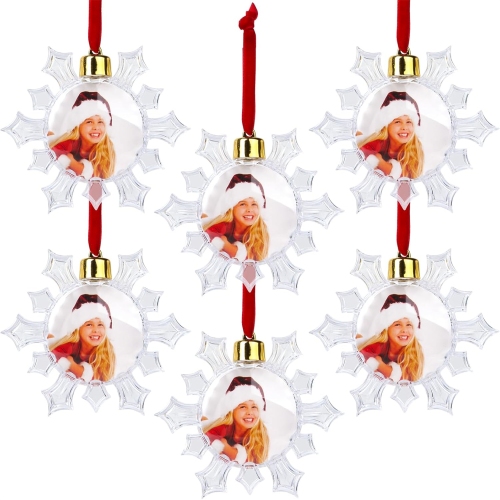
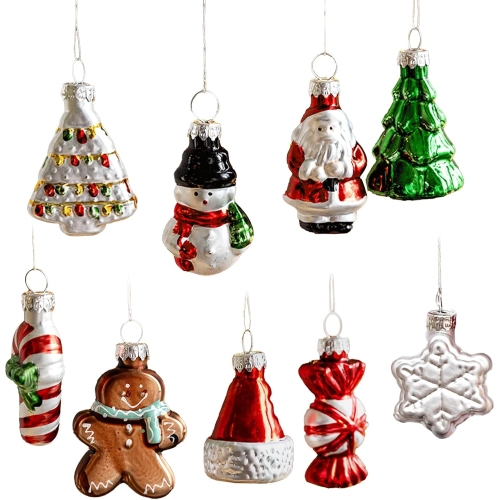


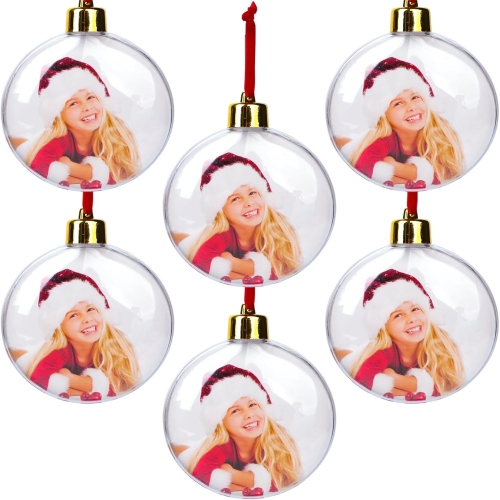
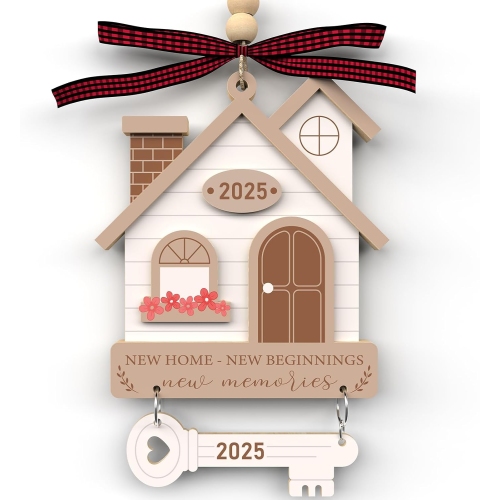
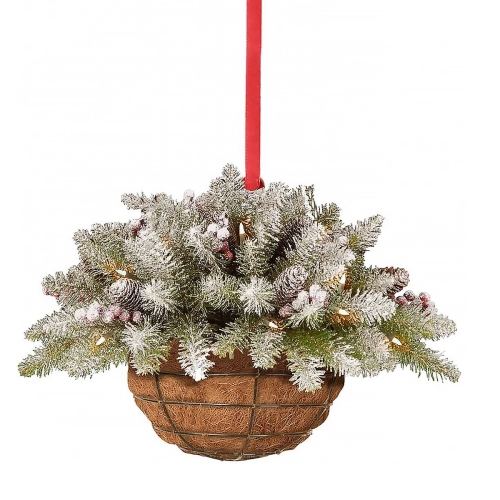
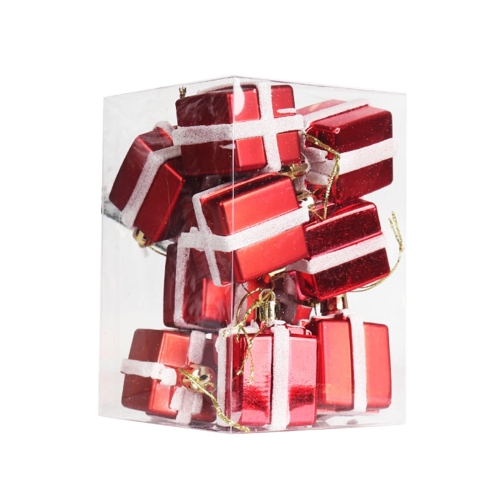

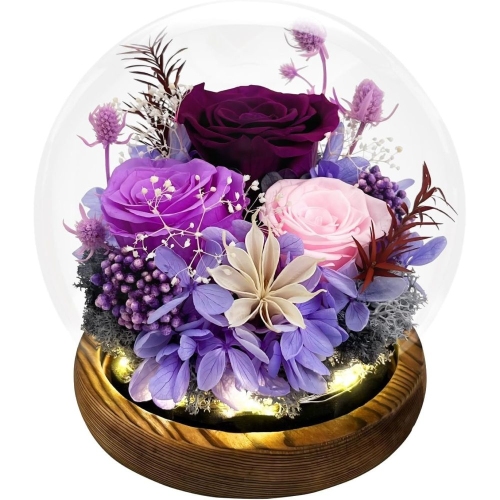
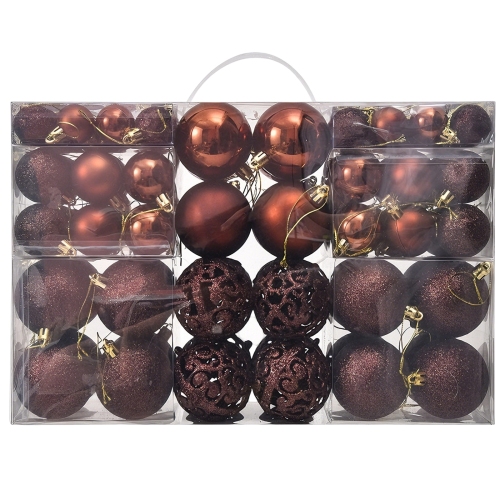
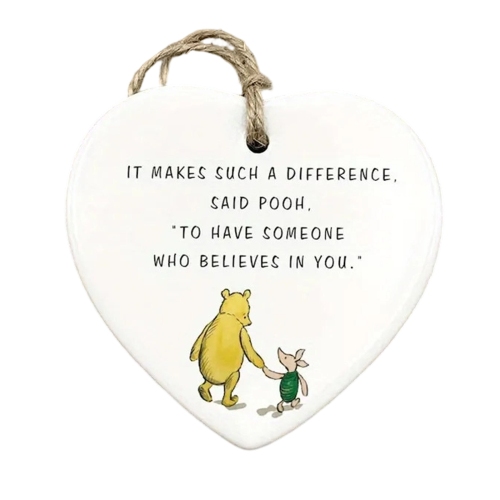

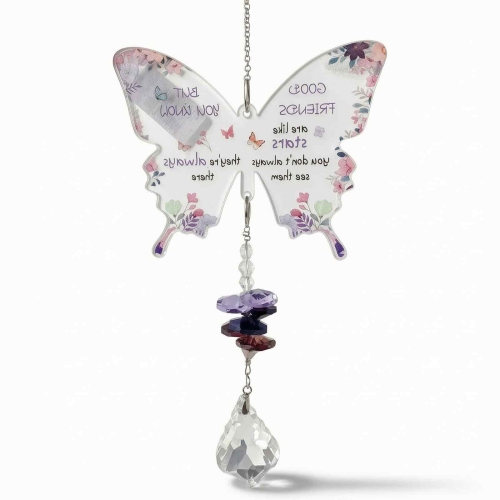


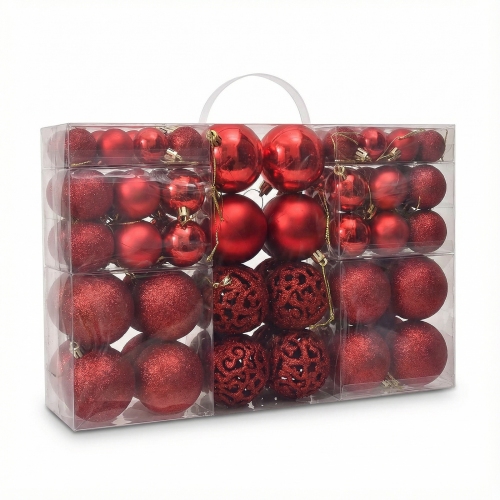
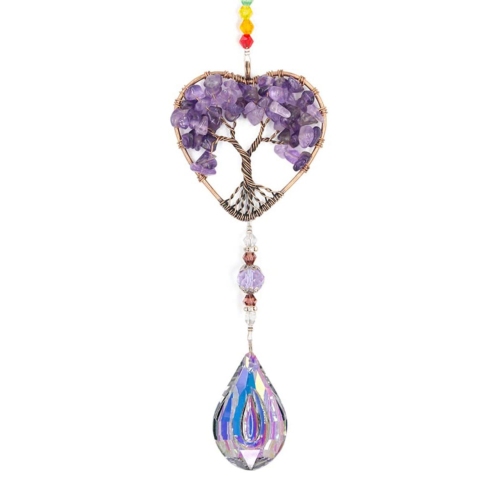


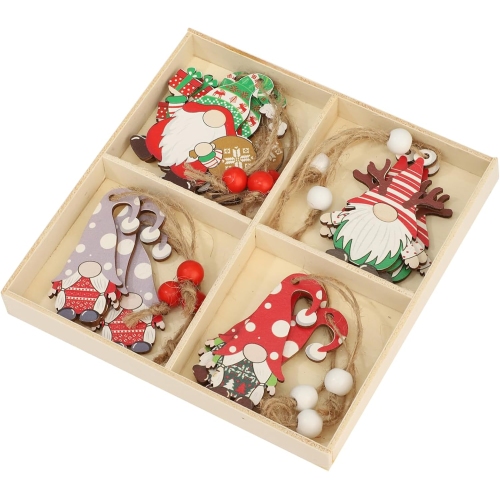
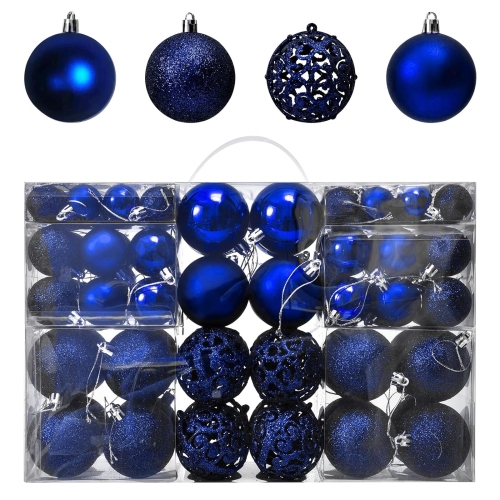

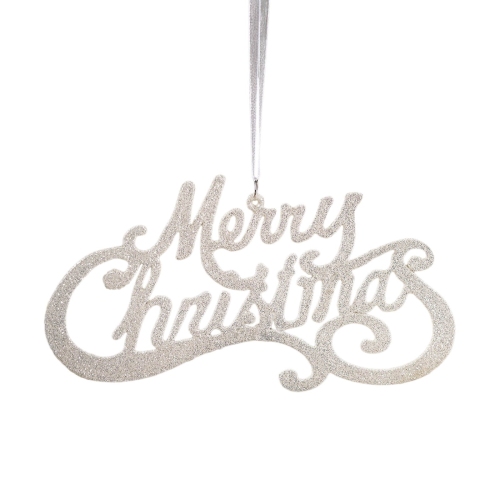


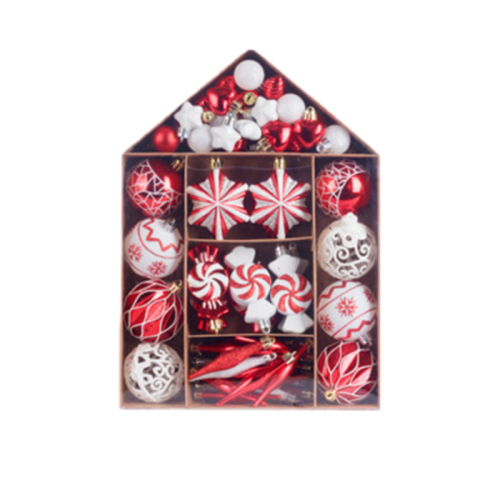

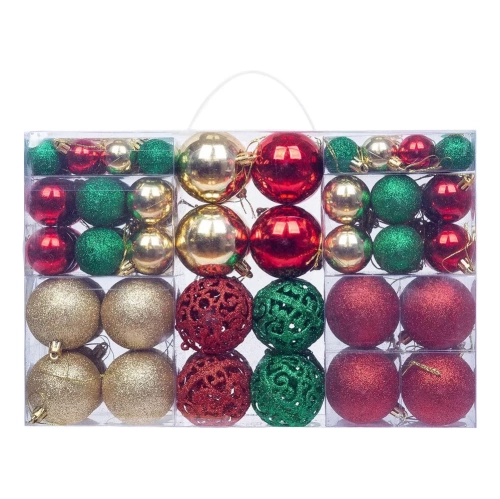
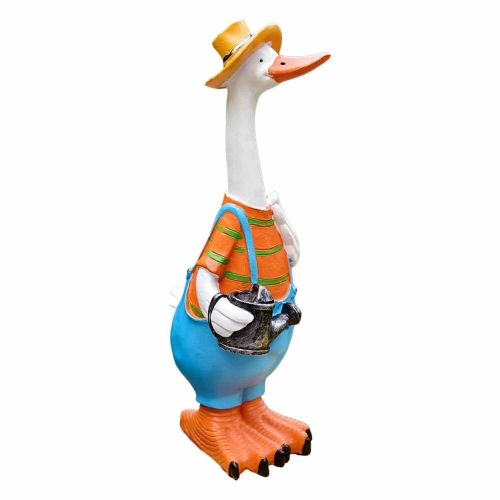
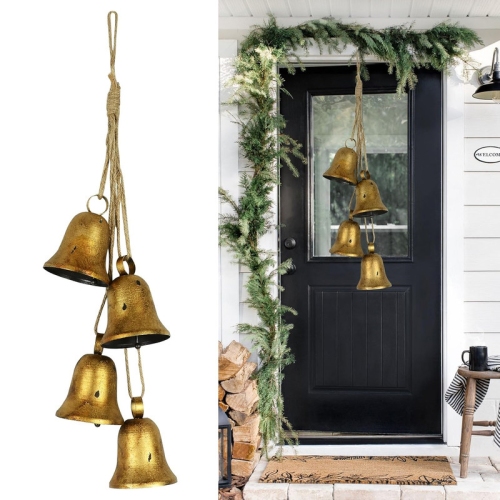
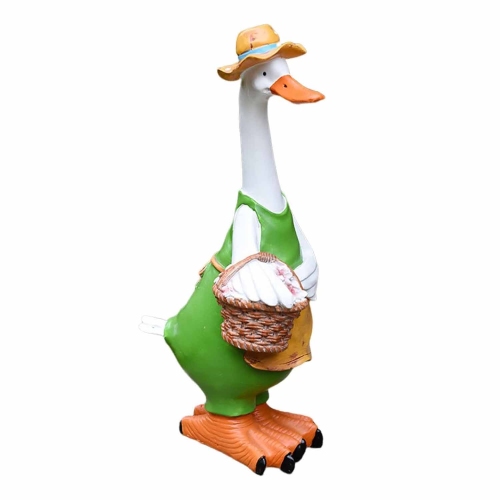

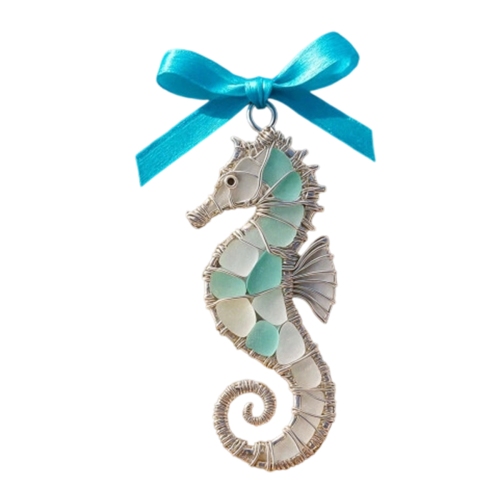

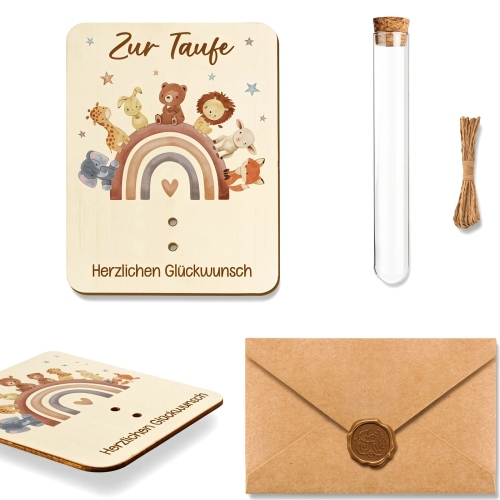
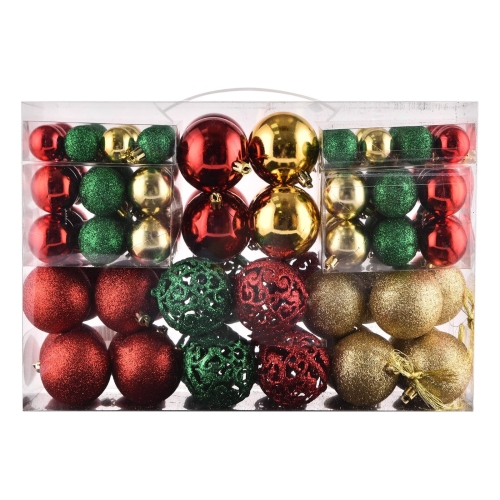
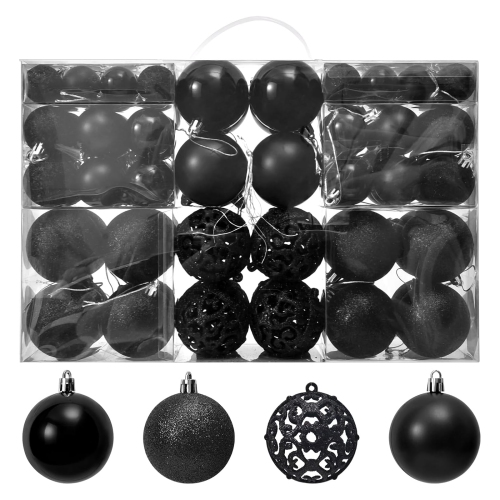

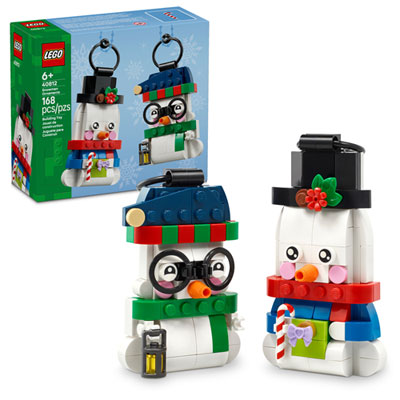

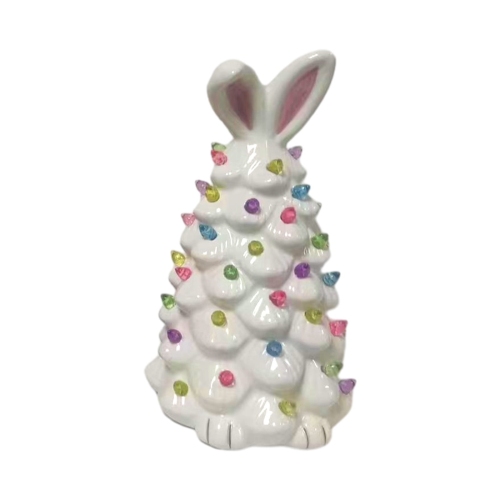


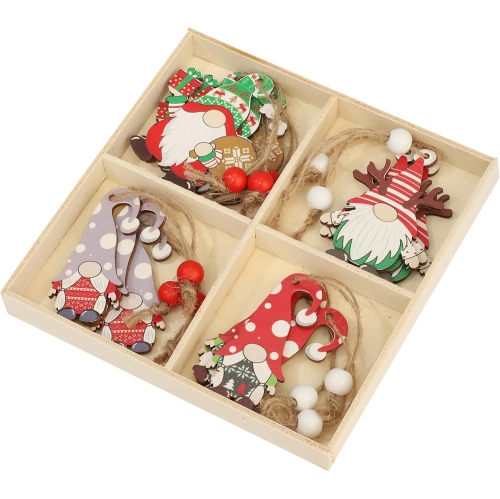
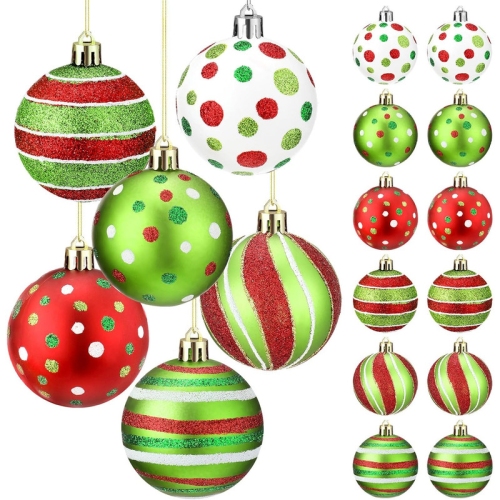

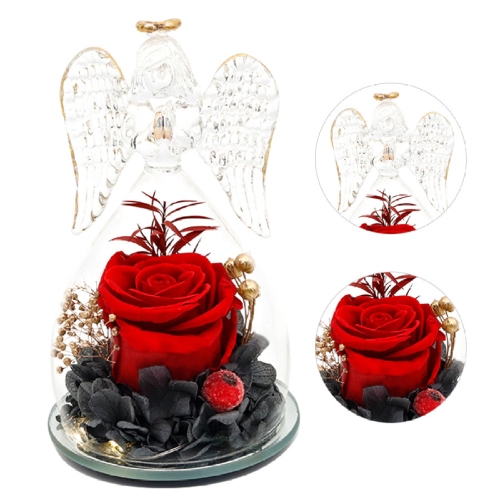
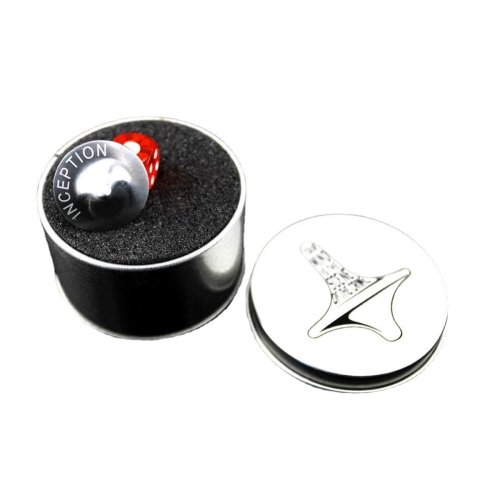
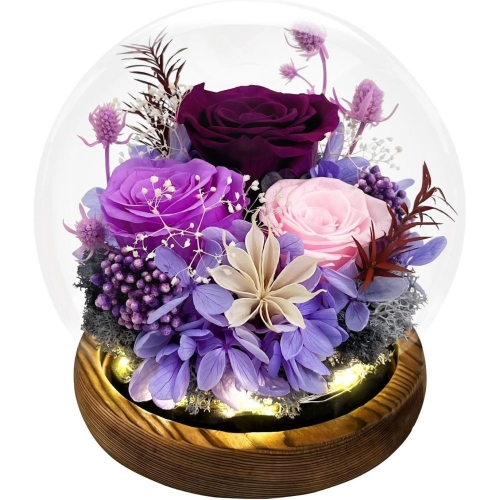
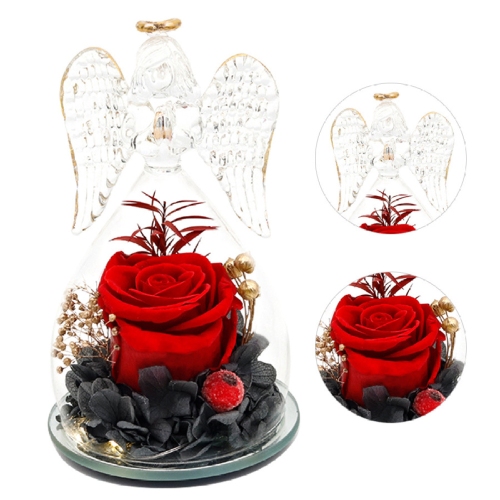
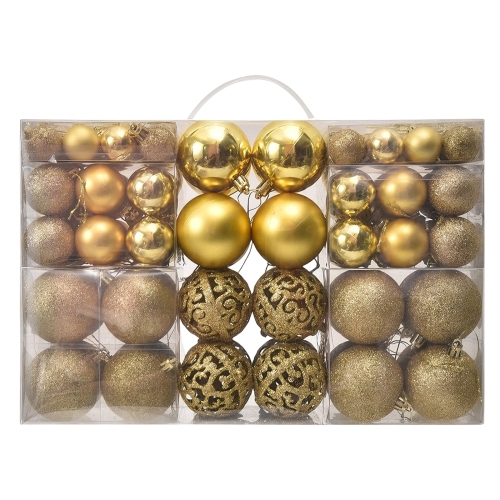

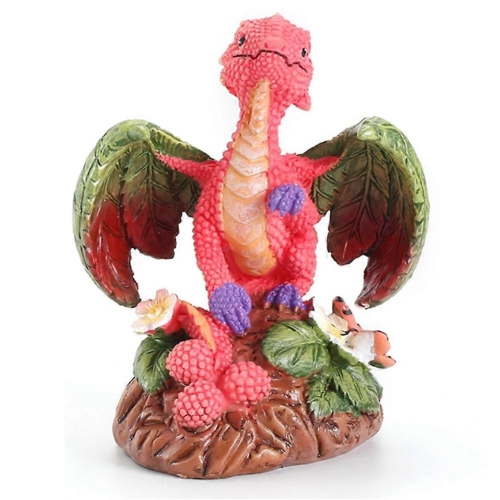
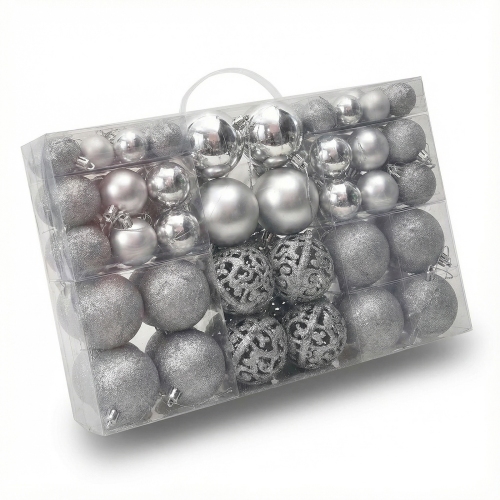
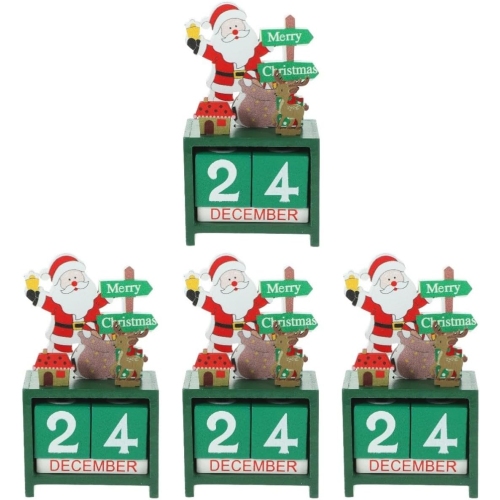
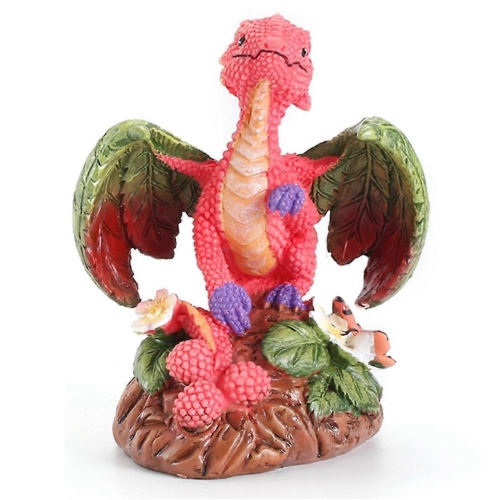
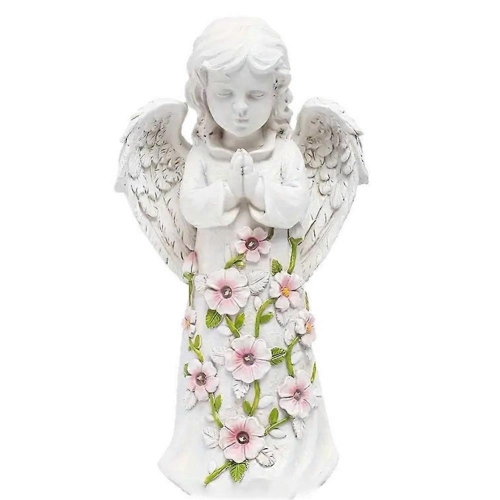
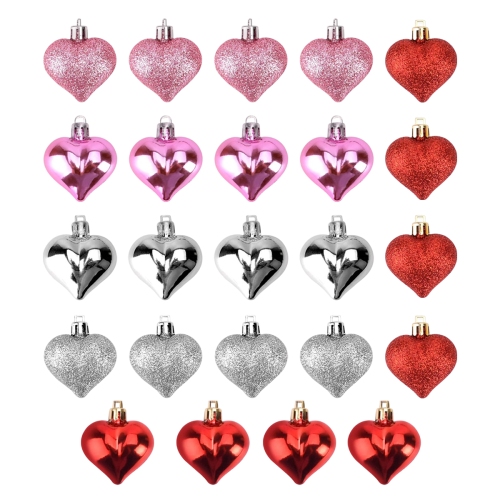


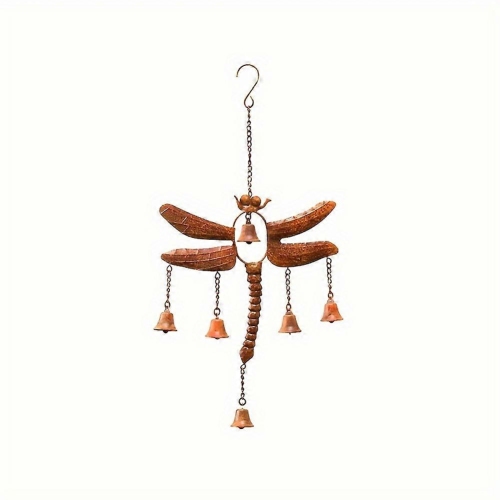
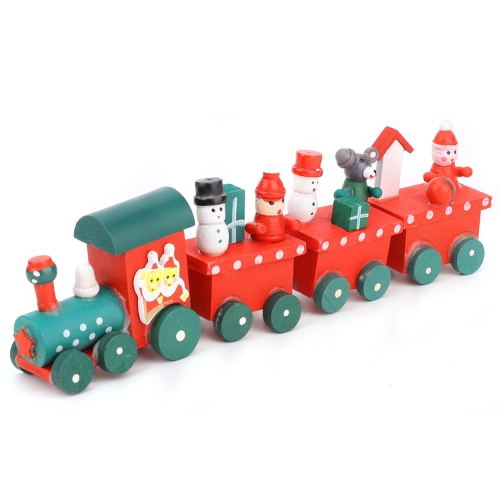

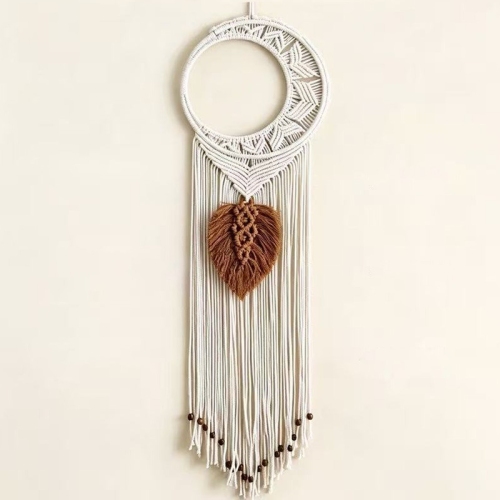
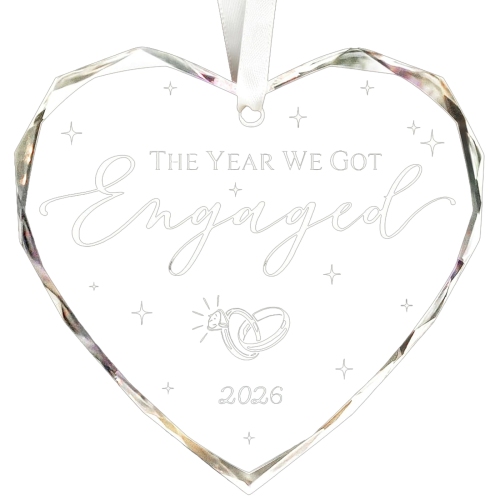
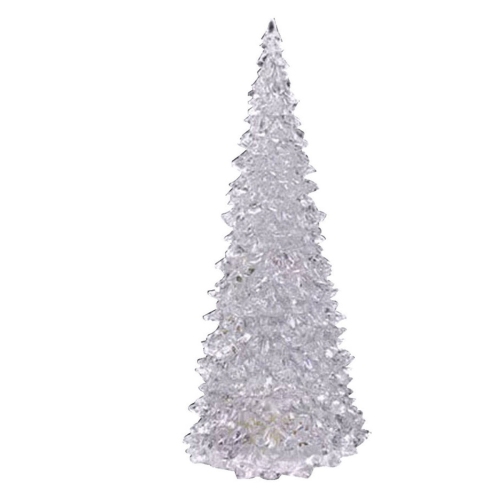
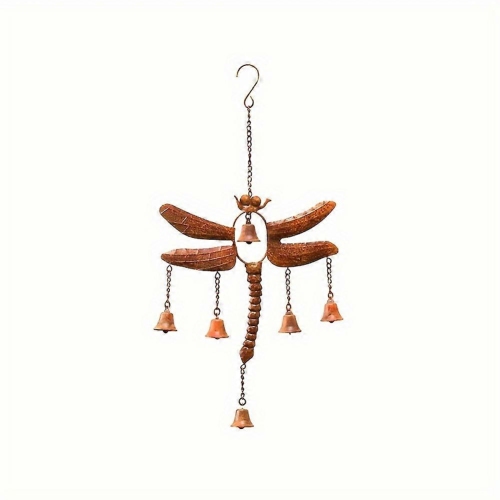
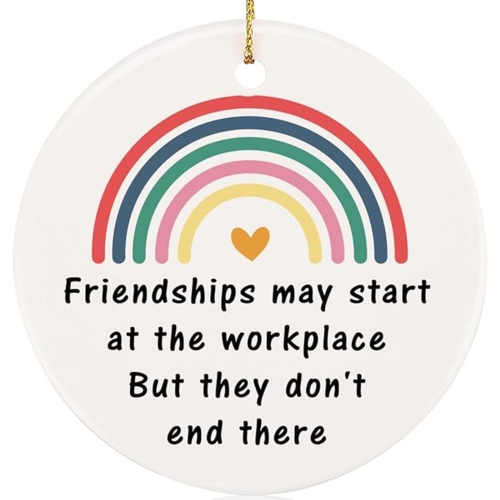

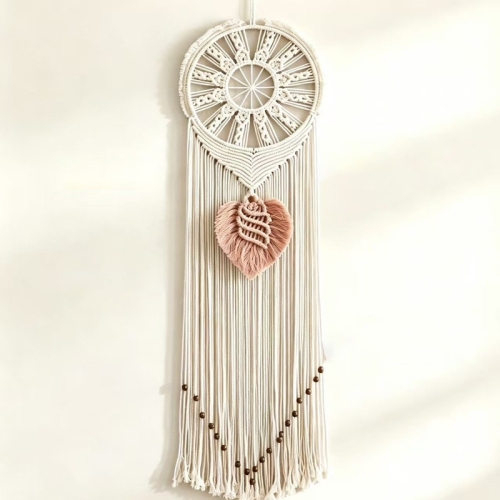
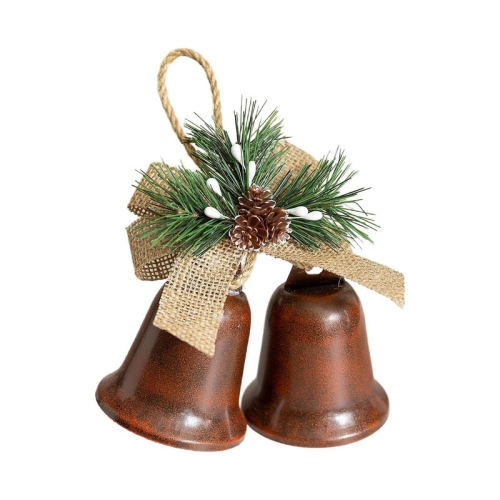
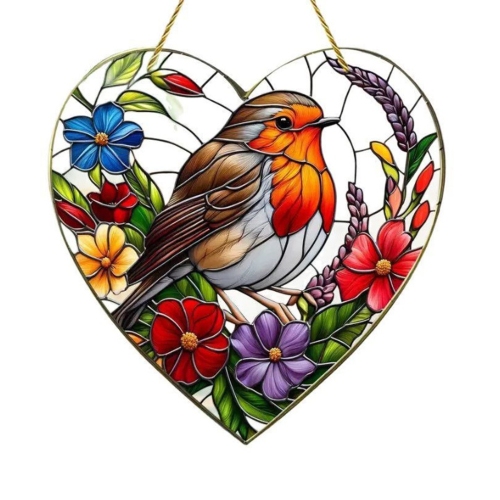
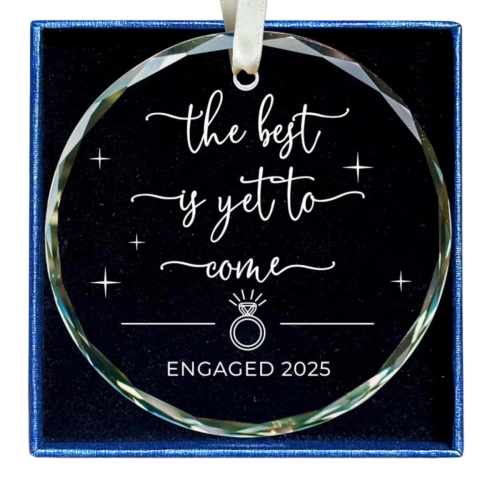

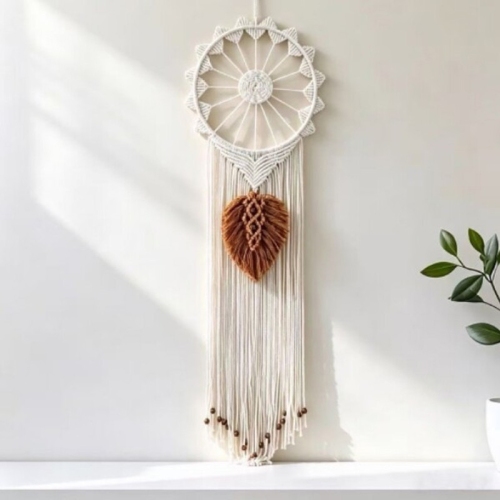
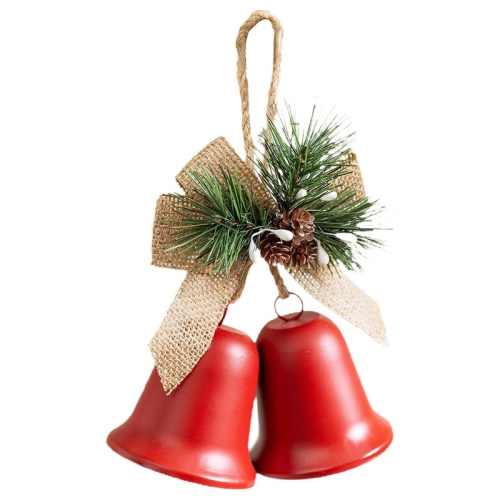
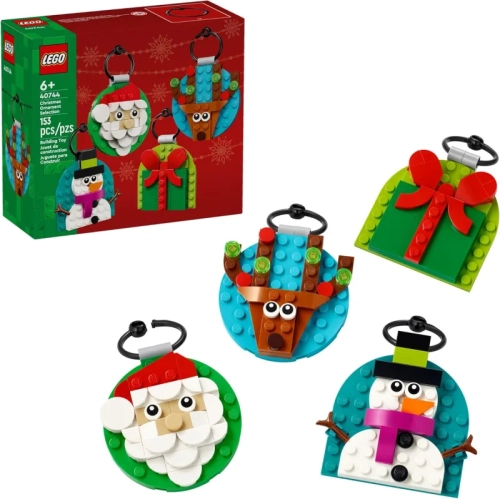

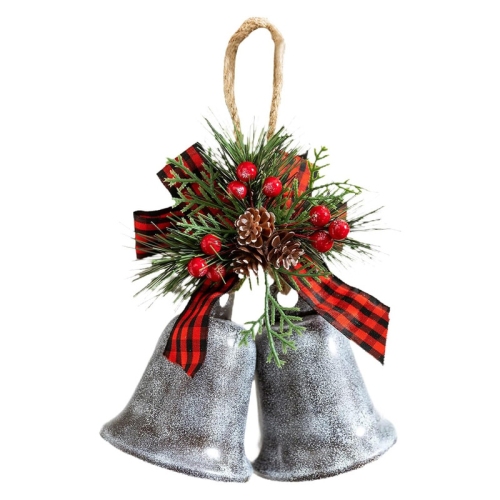


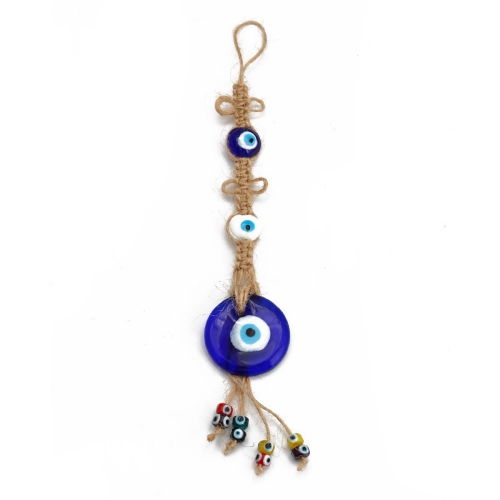

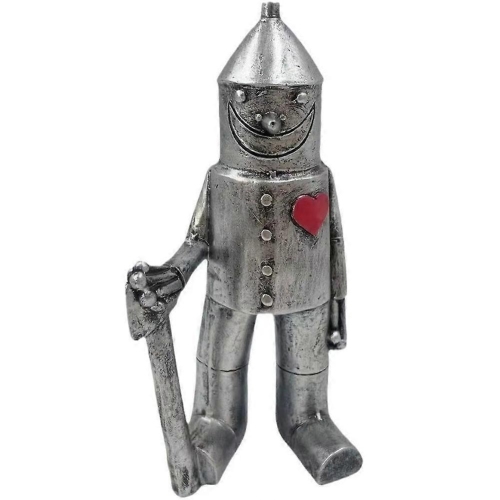
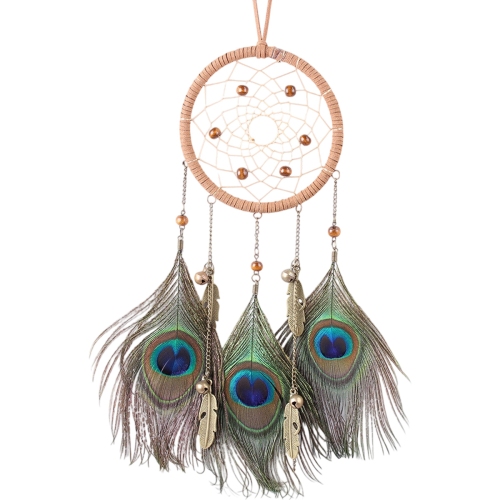
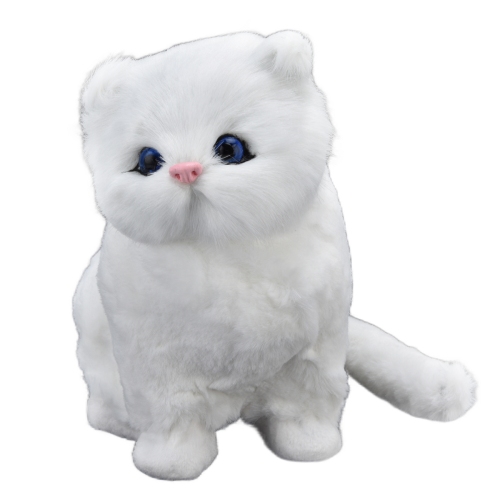
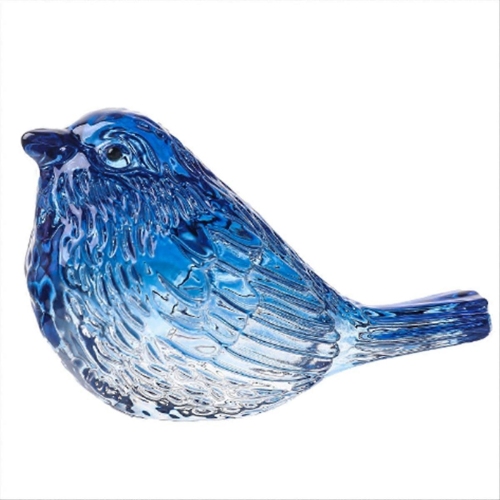
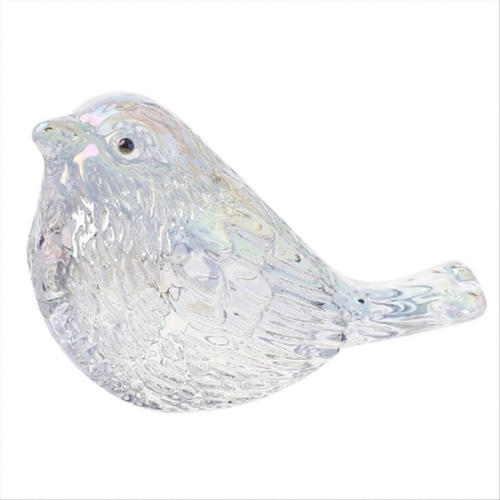
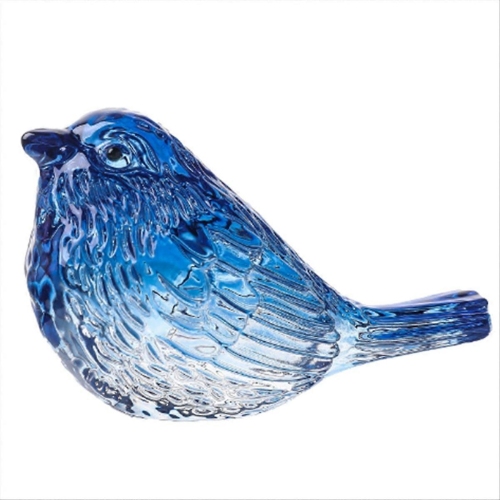
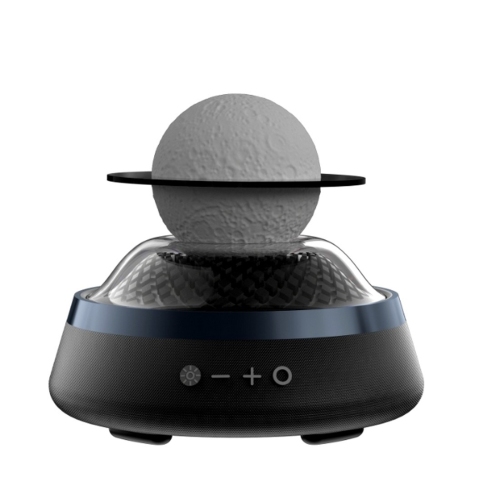
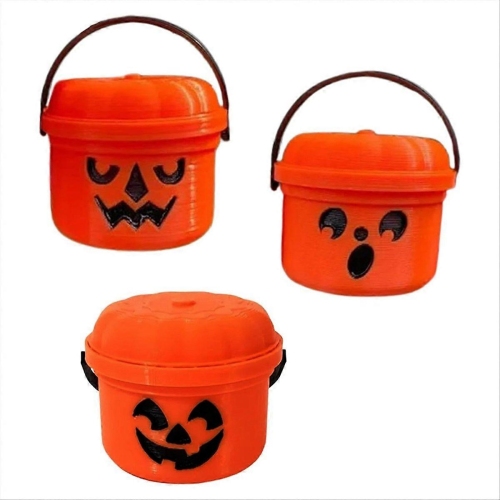
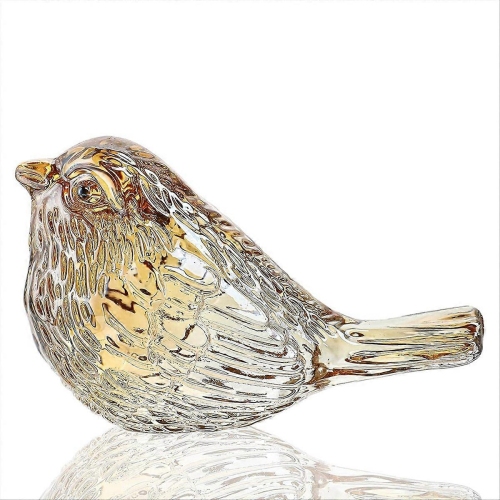
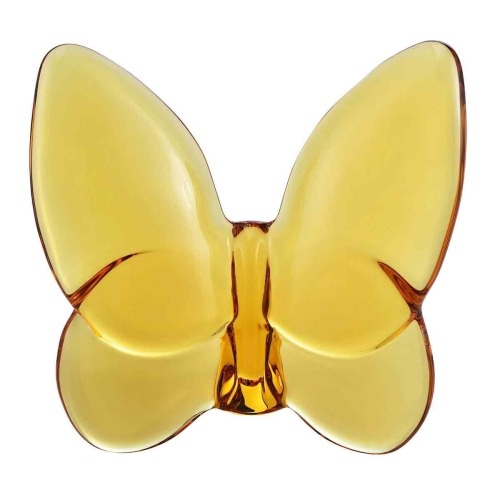
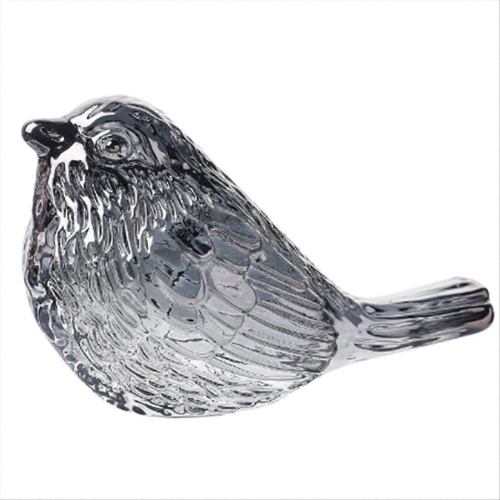
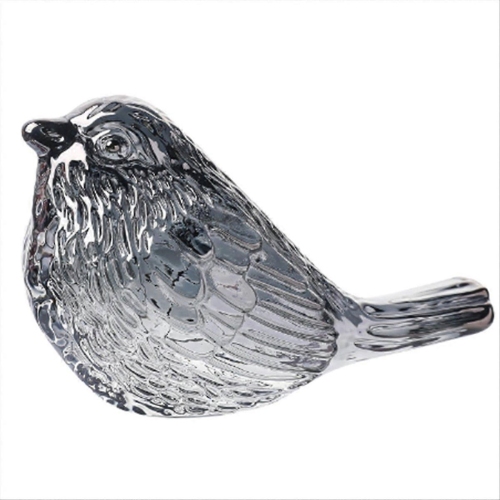
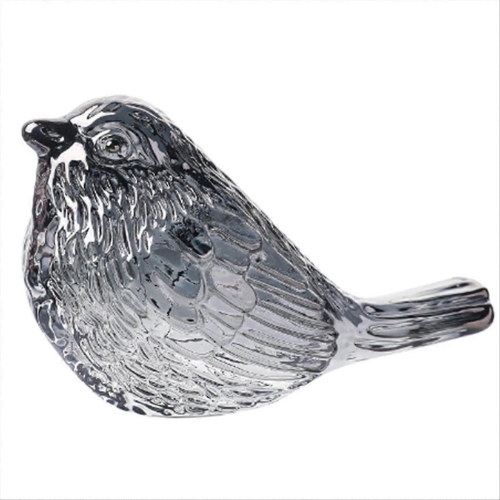

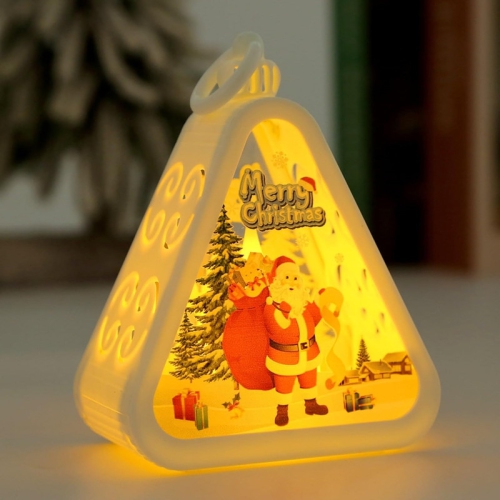

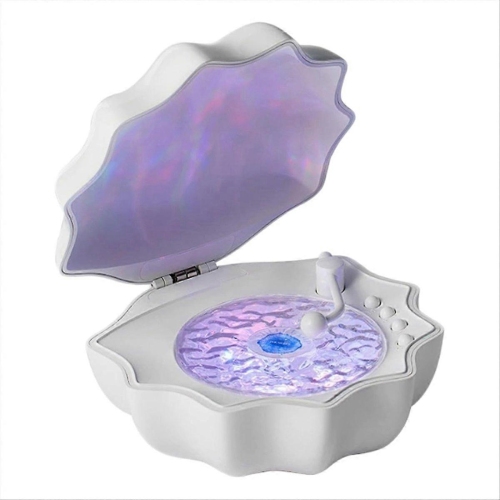

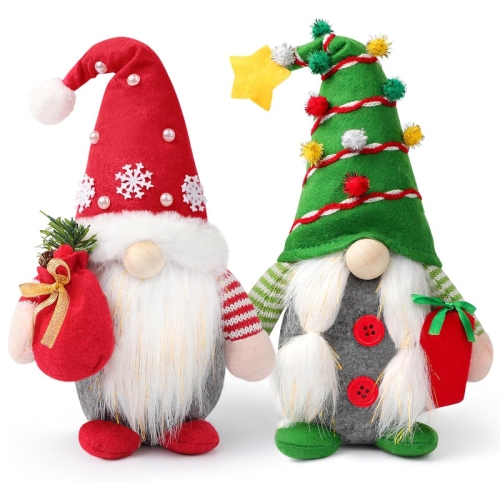
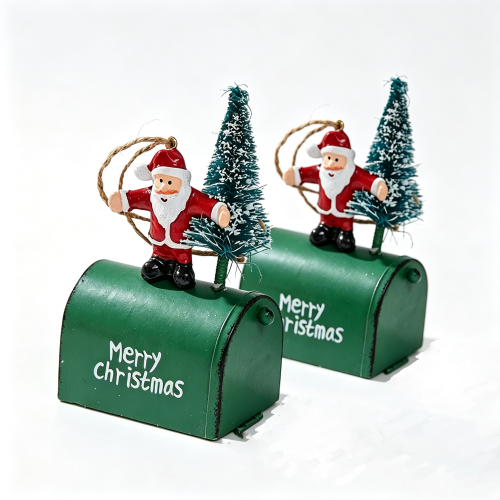
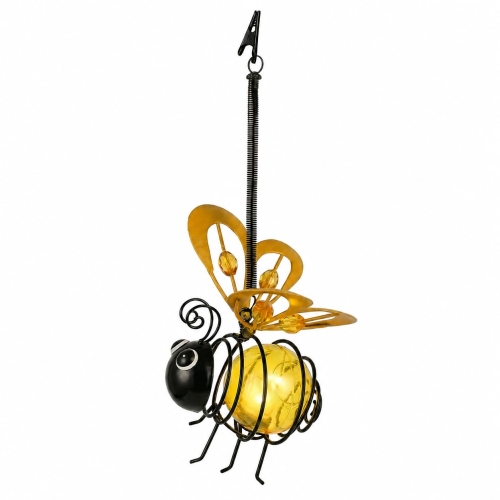
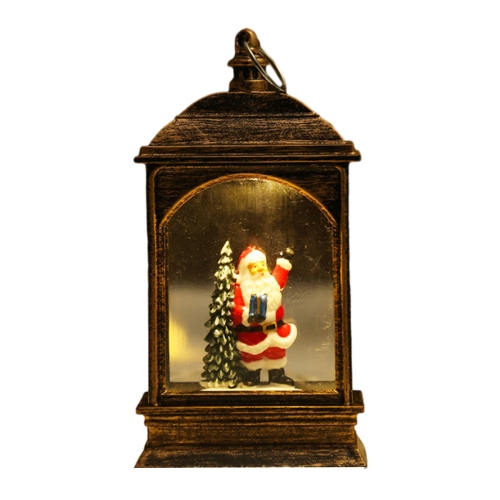
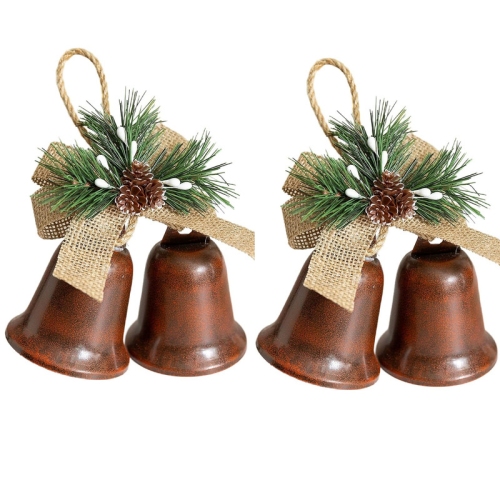
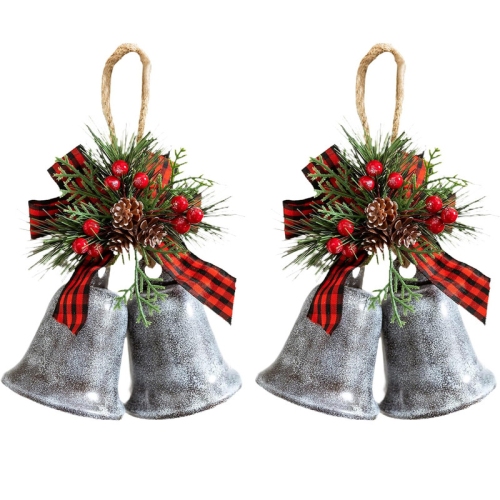
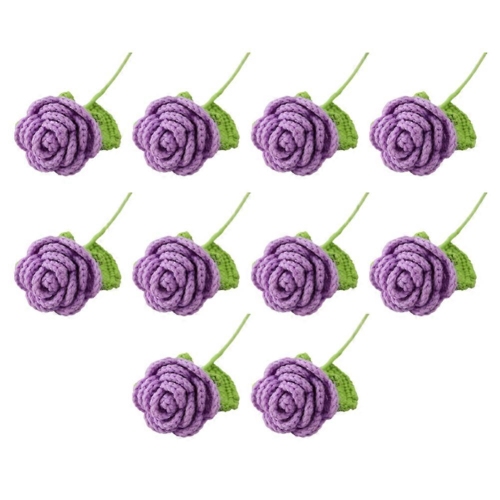
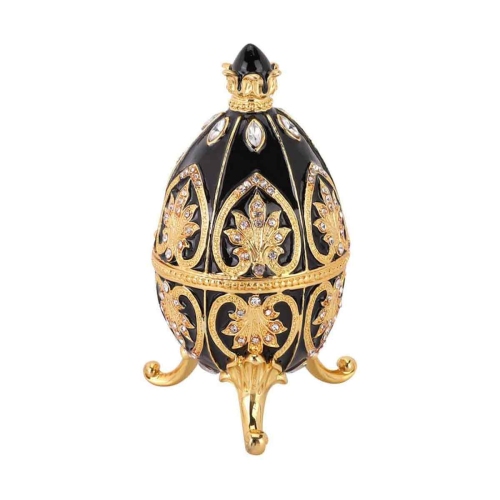
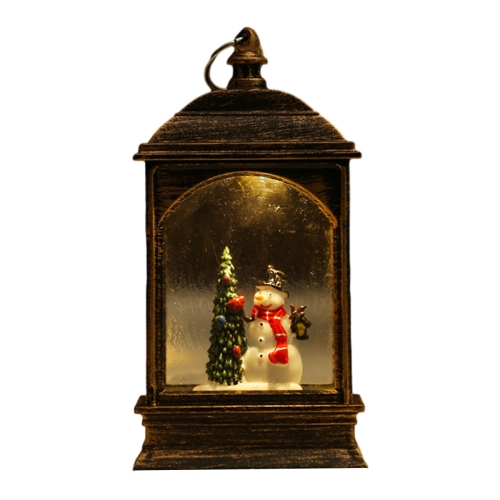
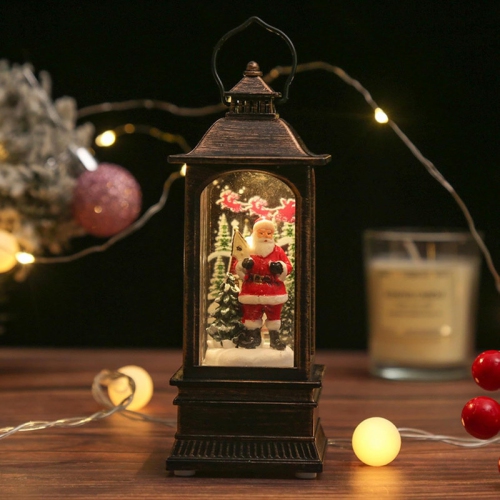
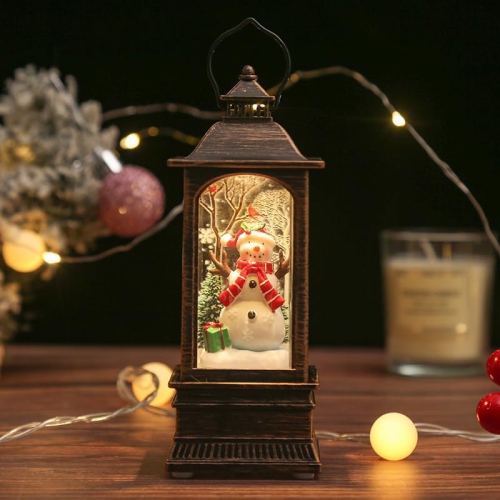


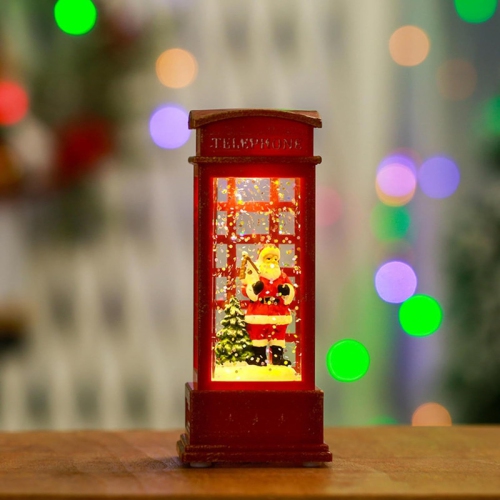
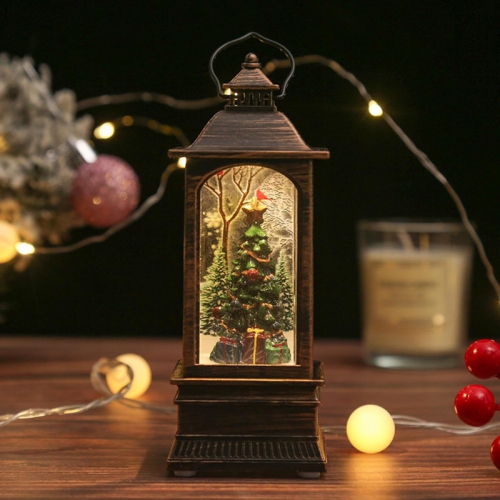
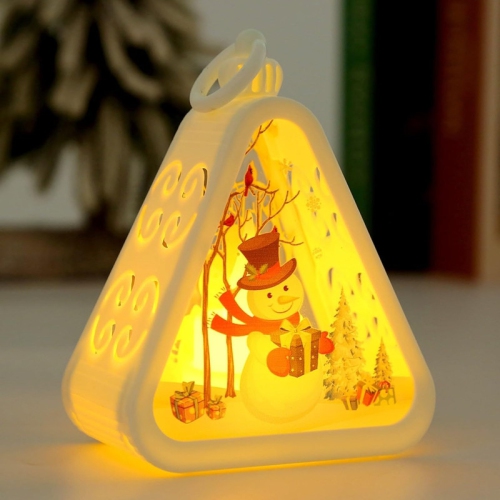
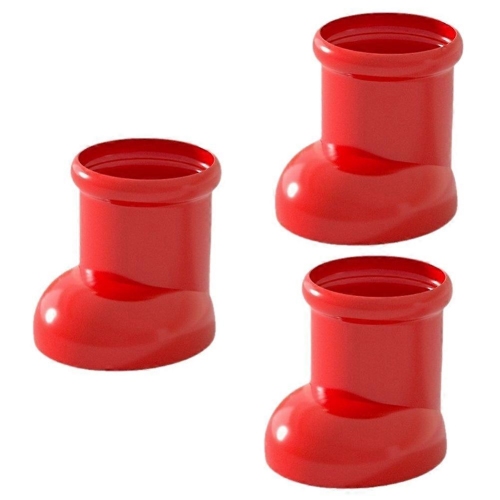

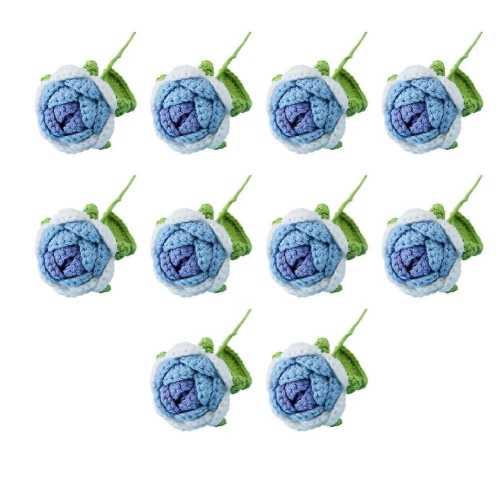
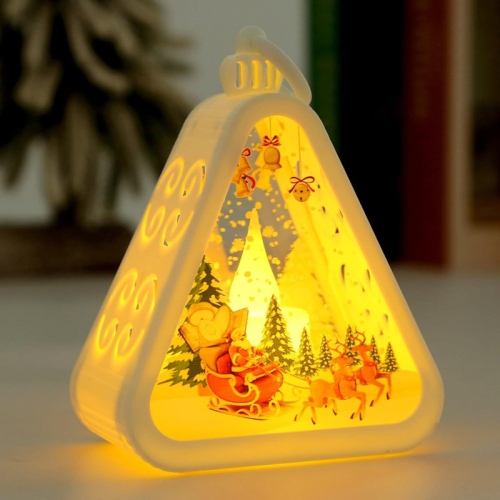
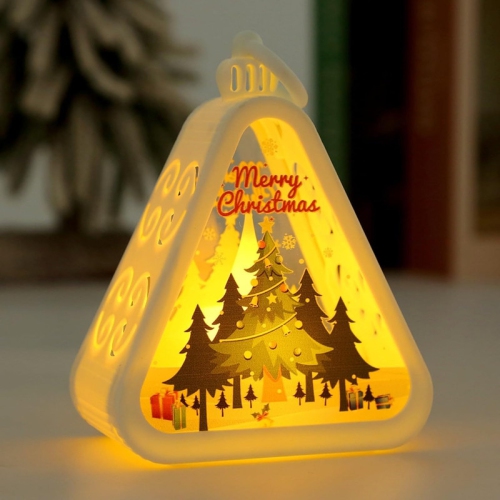
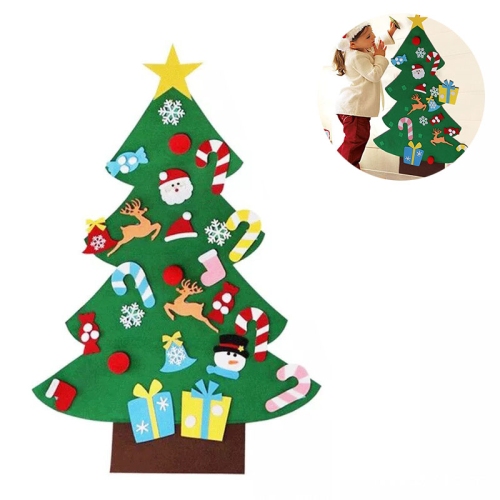
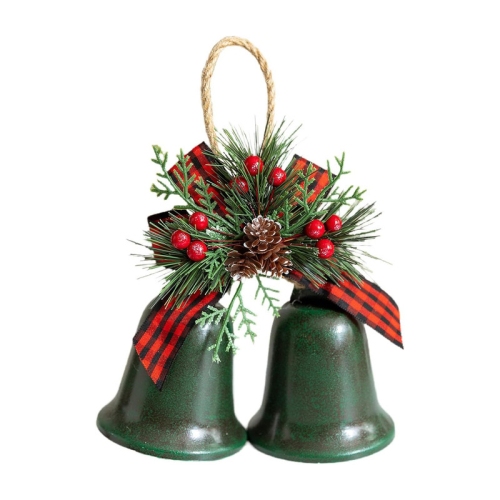
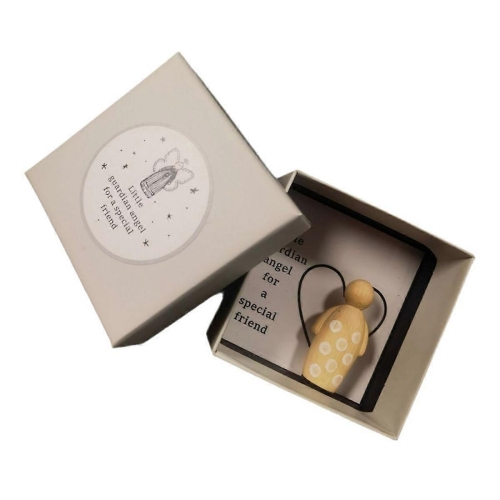
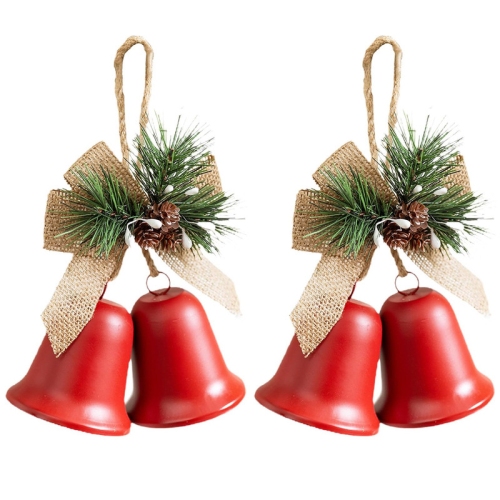
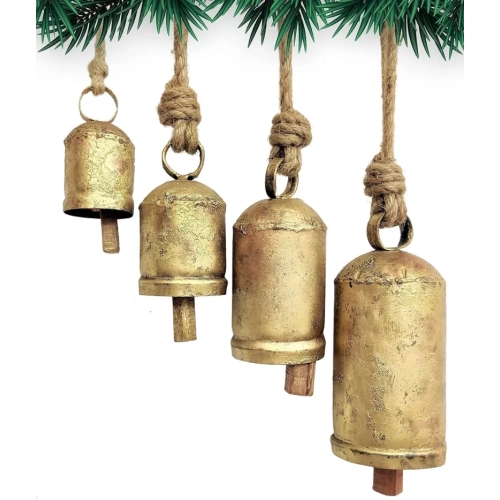
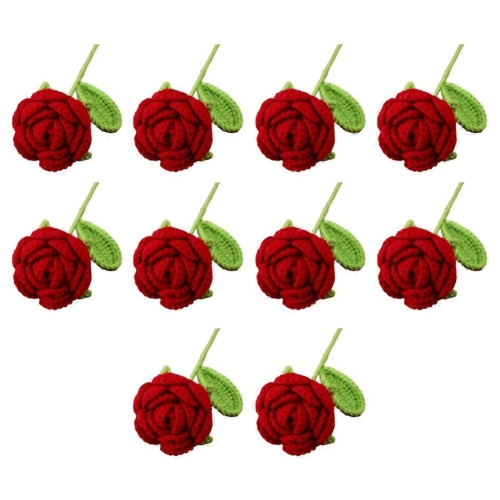
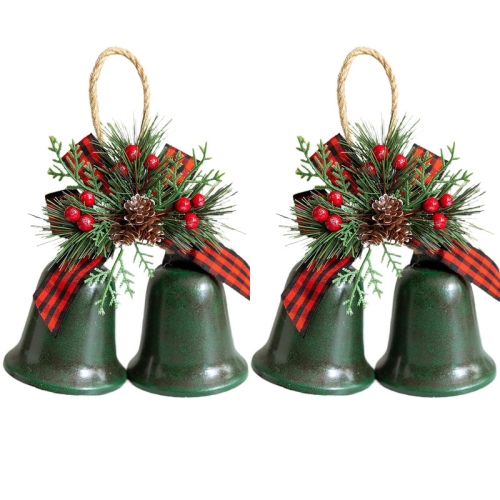
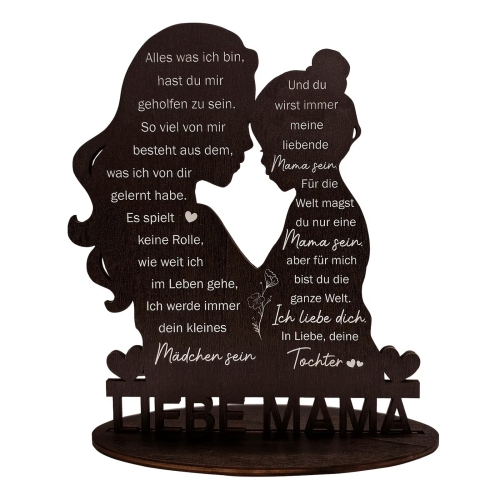
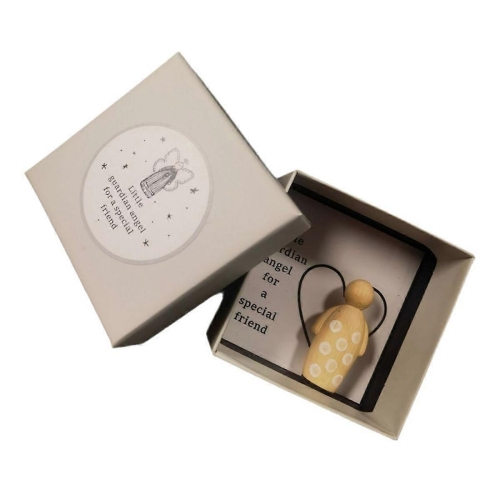
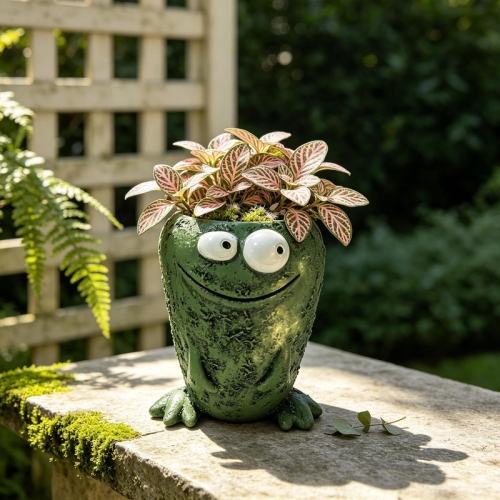
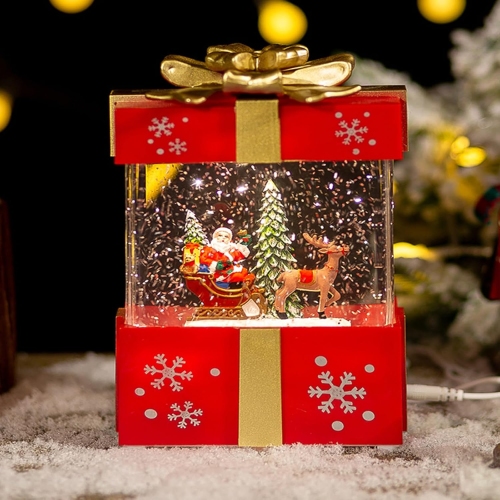
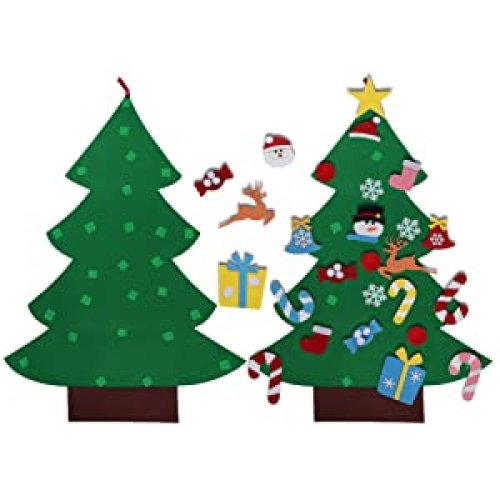
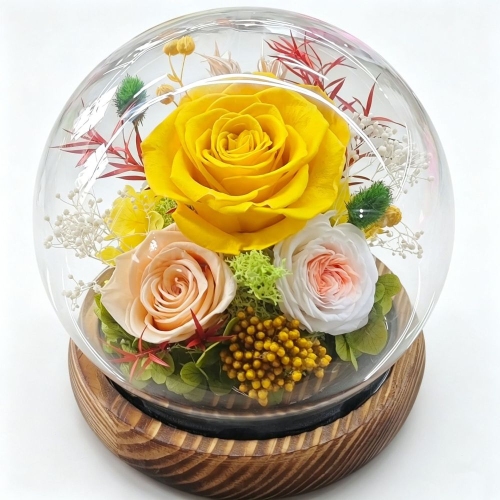

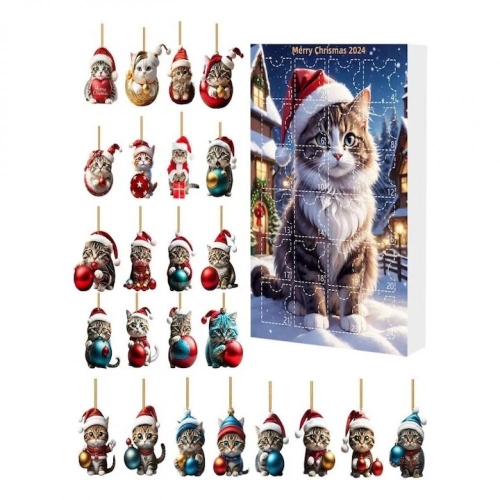
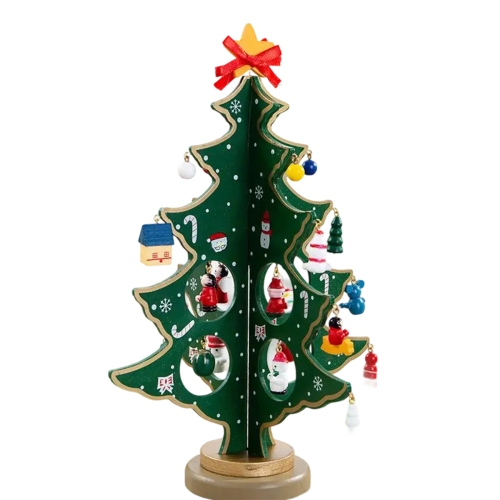

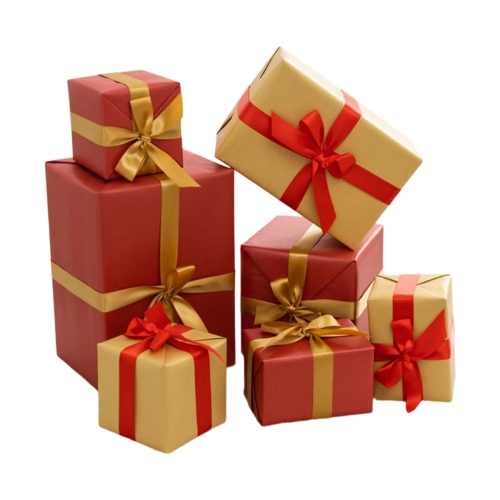
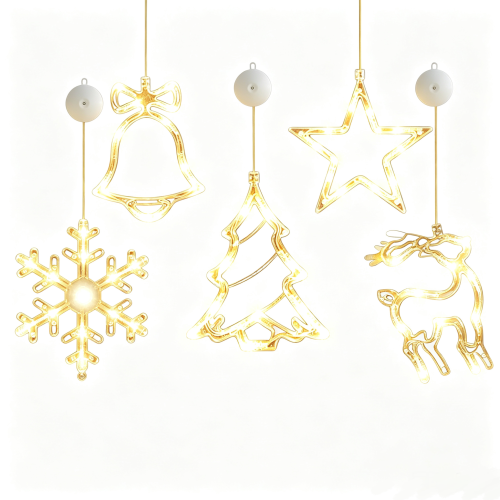

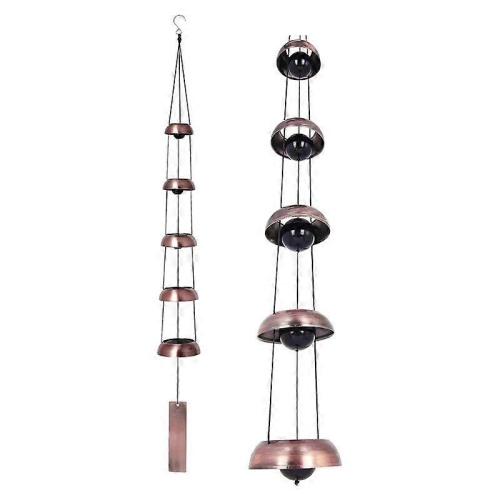
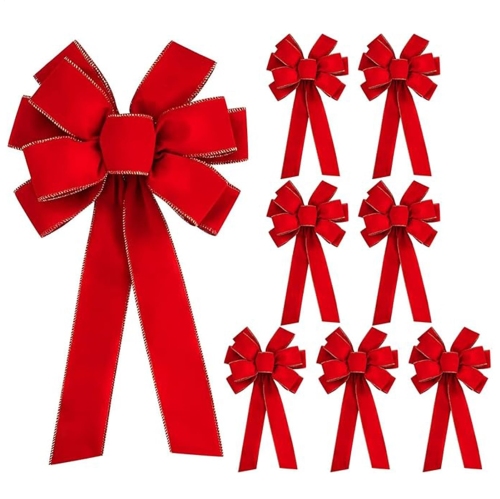
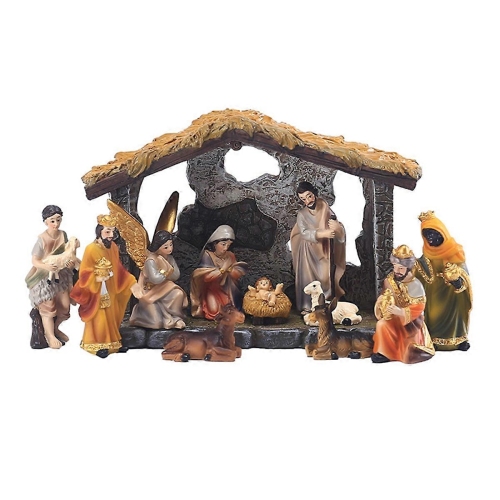



Small ornaments that hold memories of life’s milestones
Ornament gifts are small display pieces that pair a thoughtful gesture with a lasting reminder of a person, place, or occasion. Often given for Christmas, they can also mark a wedding, a new home, a graduation, or the arrival of a baby. Their appeal lies in the connection behind the design: a familiar shape, a meaningful colour, or a detail that brings a shared memory to mind. A well-chosen ornament can feel personal without requiring the recipient to find room for a large present. It might hang among family keepsakes on a tree, sit on a dedicated ornament stand, or become part of a carefully arranged shelf display. For someone who enjoys decorating a Christmas tree, Christmas gift ornaments connect the pleasure of giving with a tradition that can be revisited year after year. Matching the design to the recipient’s interests often matters more than choosing something elaborate. A hobby-inspired motif can acknowledge how someone spends their free time, while a simple silhouette may suit a person who prefers an understated home. For a host, an ornament that complements their usual decorating style offers a personal touch without demanding a prominent place in the room. For grandparents or close relatives, a design associated with a family milestone may carry more meaning than a purely ornamental accent. Personalization, where offered, can add names, dates, initials, or photographs, turning a general gift into a record of a particular moment. The most useful details are those the recipient will still recognize and appreciate years later. Clear lettering, a well-cropped photograph, and an uncluttered layout help keep that message visible on a small surface. For shared households, a family name or meaningful place can acknowledge everyone, while an individual name makes the gift distinctly their own. Memorial ornaments call for particular sensitivity; a subtle symbol or a name may be more welcome than a long inscription, depending on the recipient’s preferences and traditions.
Materials give ornament gifts much of their character and influence how they should be displayed and cared for. Glass can bring translucence, reflected light, and delicate colour to a tree, but it needs protection from knocks and falls. Clear or lightly tinted glass allows nearby tree lights to remain visible, while opaque finishes create a more defined shape against the branches. Ceramic and porcelain offer a smooth surface for painted details or printed images and often have a substantial feel. They can chip or break on impact, making secure hanging points and careful storage important. Wood introduces visible grain and a softer, more textured appearance; its colour and markings may vary naturally, giving otherwise similar designs individual character. Metal can support fine cut-out details and crisp outlines, although weight, edges, and finish vary considerably. Resin allows for sculpted forms and intricate features, but small projecting parts may still be vulnerable to breakage. Fabric and felt tend to be light and soft, which can suit delicate branches, though stitched details and attached embellishments deserve attention. Material alone does not determine durability: the strength of a hanging loop, the attachment of a ribbon, and the protection around a printed or painted surface all affect how well an ornament holds up. Scale is equally important. A broad, flat ornament may be easy to see from across a room, while a rounded design needs enough space to hang without pressing into neighbouring branches. Measurements should account for the full display footprint, including any dangling details; the listed height may not include a separate ribbon or hook. A heavier ornament belongs on a sturdy support rather than the tip of a fine branch. For a tabletop stand, sufficient height and a stable base help keep the piece clear of the surface beneath it. In homes with pets or young children, breakable ornaments and small detachable parts are best kept out of reach. Even playful designs should be treated as display pieces rather than toys unless specifically labelled otherwise.
The intended use helps distinguish an ornament that simply looks appealing from one that fits comfortably into the recipient’s life. Someone who builds a coordinated tree may appreciate a finish that blends with an established palette, such as warm metallic tones, clear glass, or softly painted surfaces. A household with an assortment of sentimental decorations may welcome a more expressive design tied to a favourite activity or shared experience. For a first Christmas in a new home, a dated ornament can mark the beginning of a tradition without requiring the entire decorating scheme to match. Couples may value a keepsake that recalls their wedding, while a baby’s first Christmas ornament is generally a memento for the adults to preserve until the child is older. When a gift includes a date, distinguishing between the year of the event and the year the gift is given helps avoid an unintended mismatch. Spelling, accents, and the order of names also deserve close attention on personalized designs. Presentation and care can make the gift easier to enjoy over time. A protective box with enough room for fragile features is useful both for giving and for later storage, especially when the ornament will travel to another household. Once displayed, most ornaments benefit from gentle handling and occasional dusting with a soft, dry cloth, subject to the maker’s care directions. Water, household cleaners, and abrasive cloths may damage painted details, printed photographs, adhesives, or surface finishes. Fabric pieces may need a different cleaning approach from glass or metal, so washing should never be assumed safe. Keeping ornaments away from prolonged direct sunlight and damp storage areas can help protect their appearance. Separate compartments or soft wrapping reduce contact between pieces, while storing hooks apart can prevent scratching and tangling. A small note explaining the occasion can stay with the ornament in its box, preserving the story as well as the object. Those practical details help a modest gift remain recognizable, intact, and meaningful each time it is brought out for display.
Top selling and popular products
-
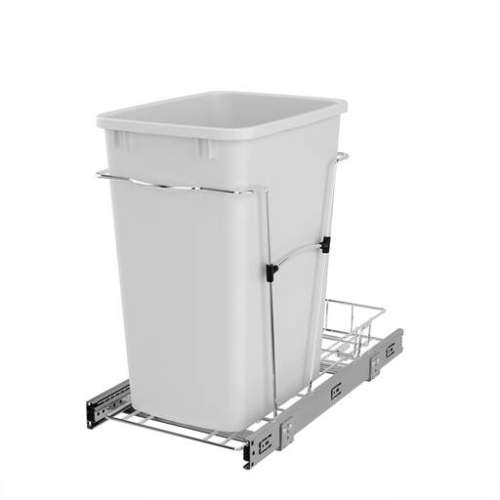 Your price for this item is $176.99
-
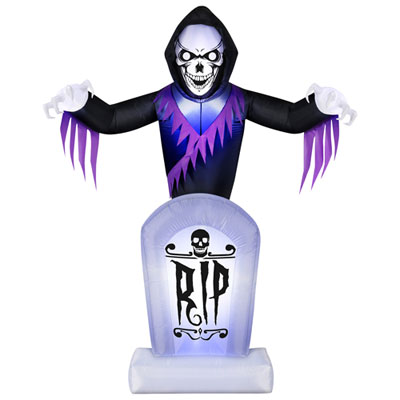 Your price for this item is $99.98
-
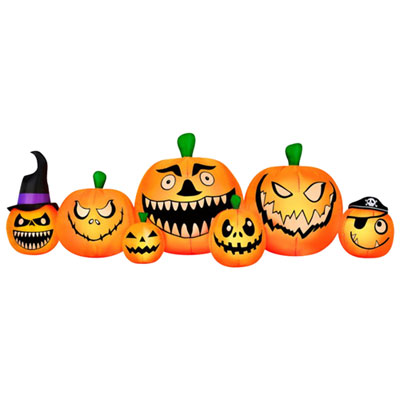 Your price for this item is $69.98
-
 Your price for this item is $67.99
-
 Your price for this item is $39.98
-
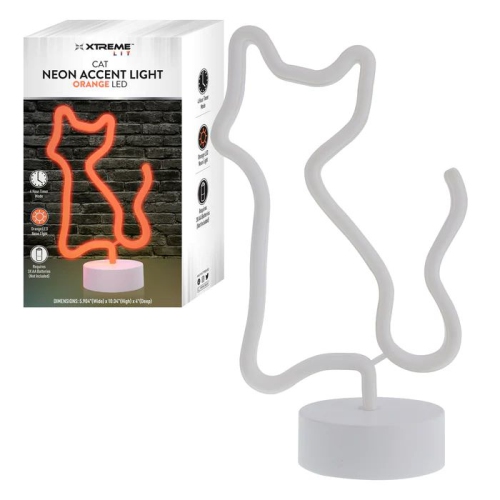 Your price for this item is $12.99
-
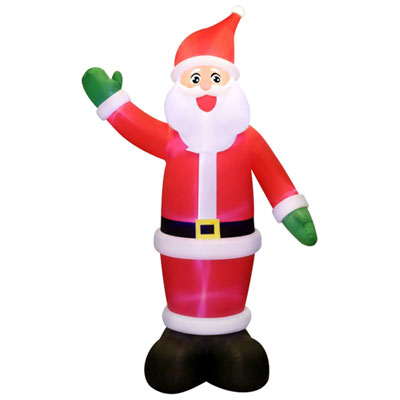 Your price for this item is $299.99
-
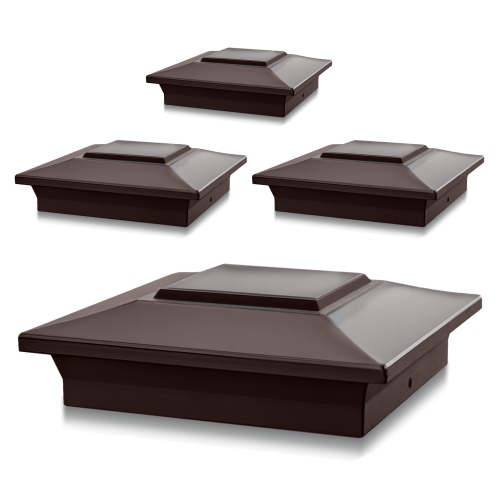 Your price for this item is $103.99
Discover more categories related to Ornament Gifts
Top Collections:
Pokemon Centers, Best Cameras for Sports Photography, Kindle Devices, Samsung Galaxy Phones, Canon G7X Cameras, Pokémon 30th Celebration Cards, Refurbished Apple Laptops, iPhone 15 Apple, Laptops for Students, Budget Smartphones
Some products may be subject to Environmental Handling Fees
(EHF) depending on your province.
Learn more about EHFs.