Orthopedic Beds
Discover a range of orthopedic beds designed to provide optimal comfort and support for a restful night's sleep. Whether you're looking to alleviate back pain, improve posture, or simply enhance your overall sleep quality, our selection of orthopedic beds offers a variety of features to suit your specific needs. From memory foam mattresses to adjustable bed frames, explore our collection to find the perfect solution for a rejuvenating and comfortable sleep experience.
Sort
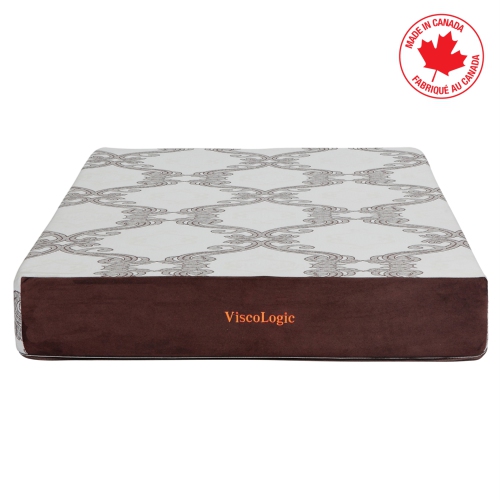
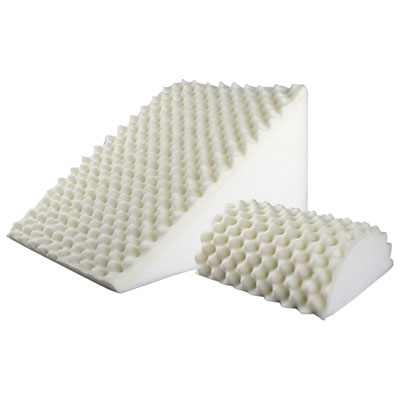
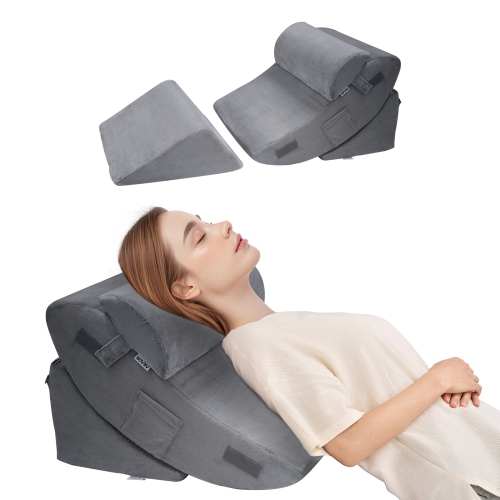
![VISCOLOGIC Hamilton [ ] 11" Orthopedic 5-Zone Pocket Coil Foam Encased Euro Top Eco-Friendly Hybrid Mattress - King Size](https://multimedia.bbycastatic.ca/multimedia/products/500x500/155/15588/15588120.jpeg)
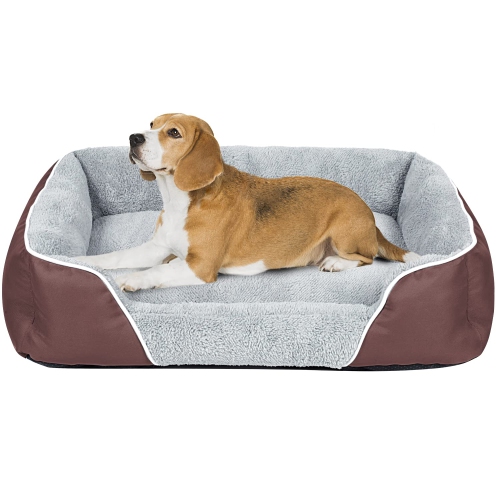
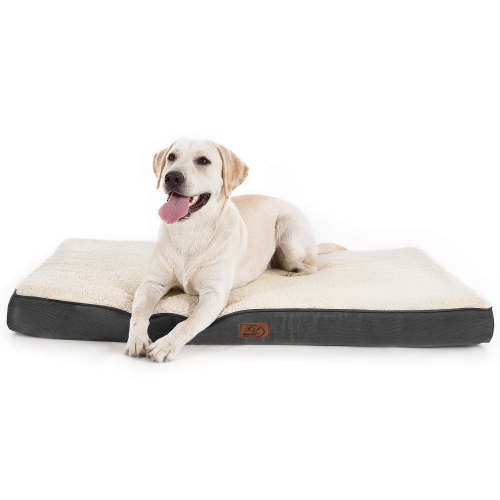
![VISCOLOGIC Hamilton [ ] 11" Orthopedic 5-Zone Pocket Coil Foam Encased Euro Top Eco-Friendly Hybrid Mattress - Twin / Single Size](https://multimedia.bbycastatic.ca/multimedia/products/500x500/155/15588/15588117.jpeg)
![VISCOLOGIC Hamilton [ ] 11" Orthopedic 5-Zone Pocket Coil Foam Encased Euro Top Eco-Friendly Hybrid Mattress - Full / Double Size](https://multimedia.bbycastatic.ca/multimedia/products/500x500/155/15588/15588119.jpeg)
![VISCOLOGIC Hamilton [ ] 11" Orthopedic 5-Zone Pocket Coil Foam Encased Euro Top Eco-Friendly Hybrid Mattress - Queen Size](https://multimedia.bbycastatic.ca/multimedia/products/500x500/155/15588/15588121.jpeg)
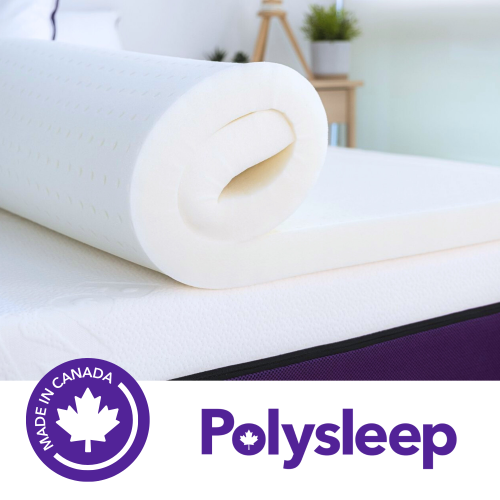
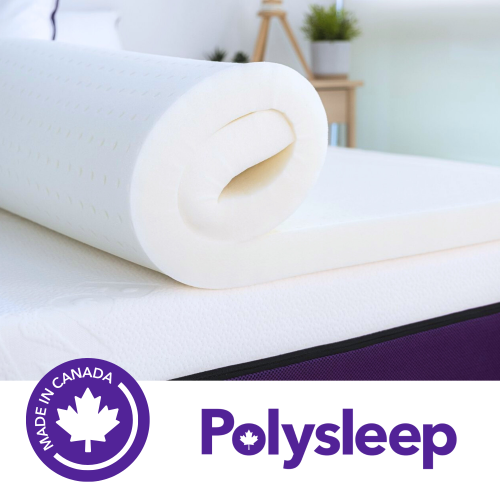
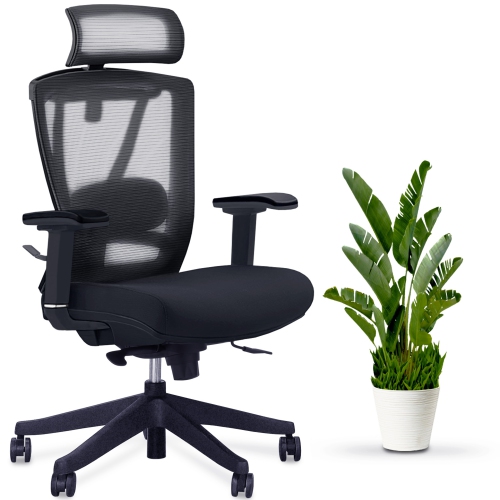
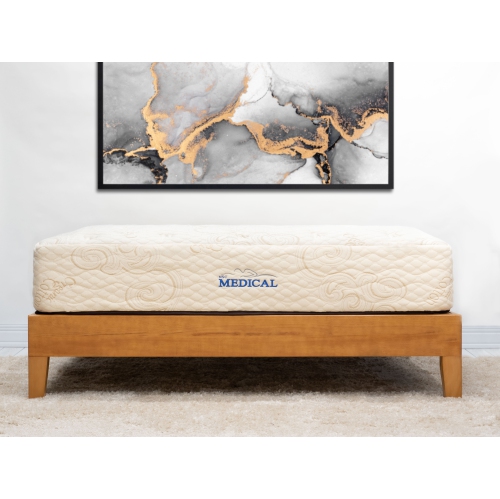
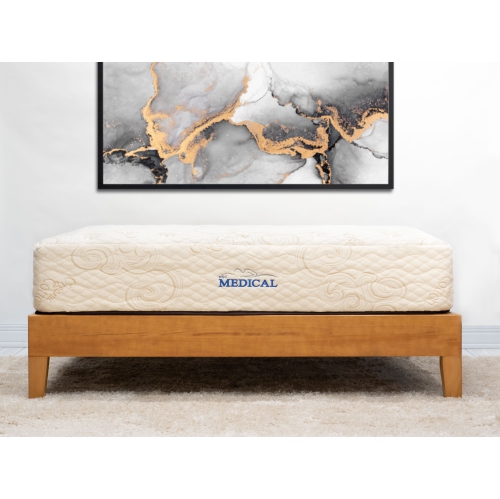
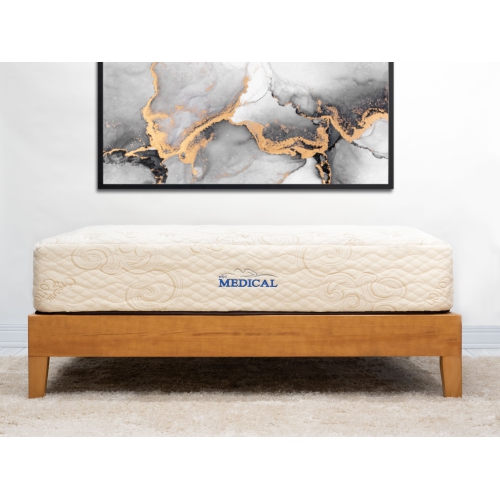
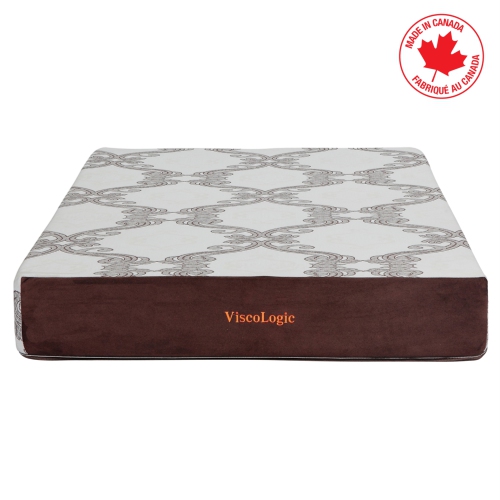
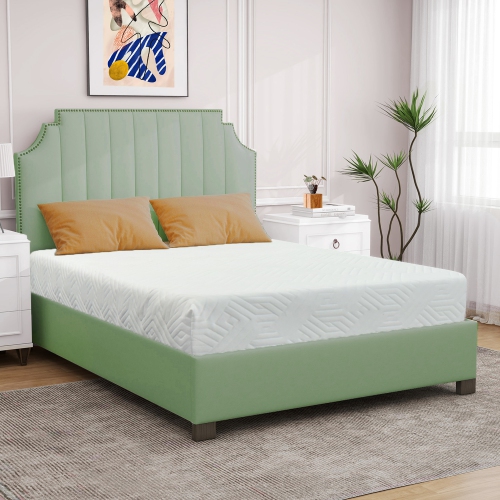
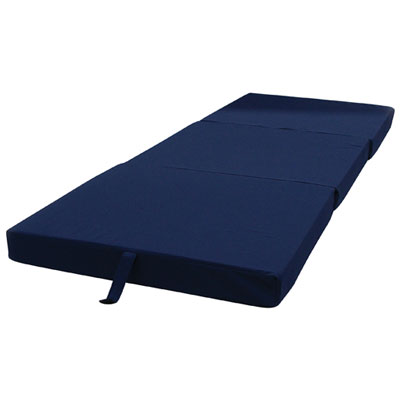
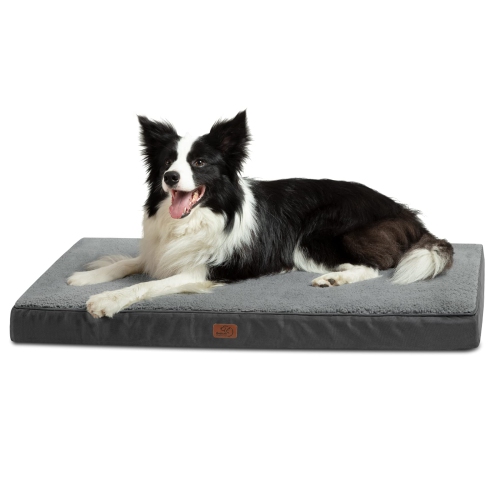
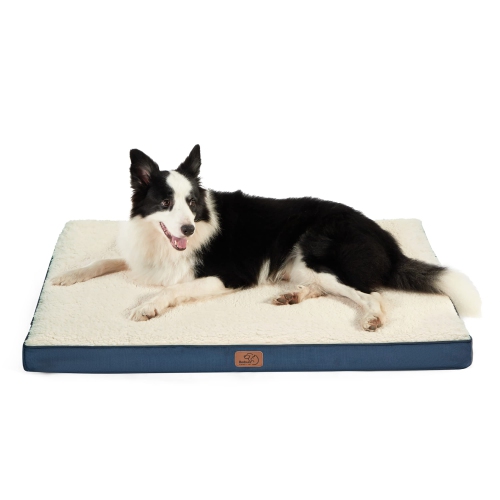
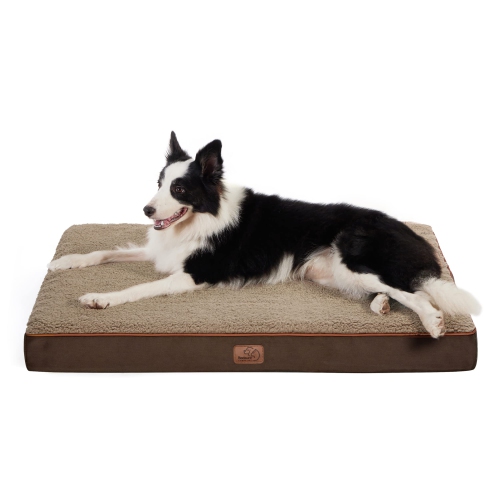
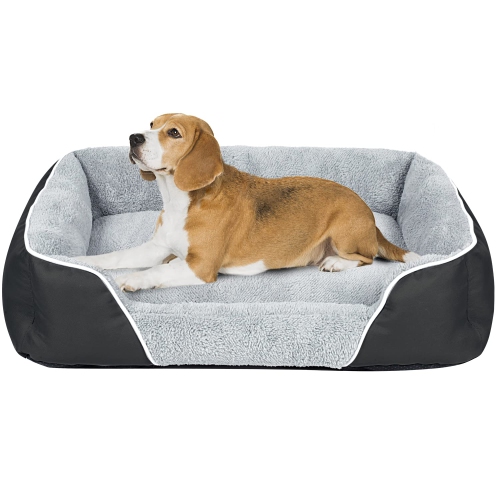
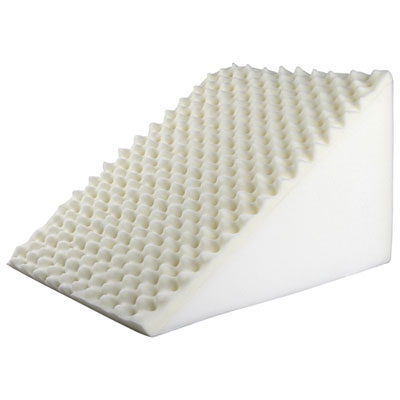
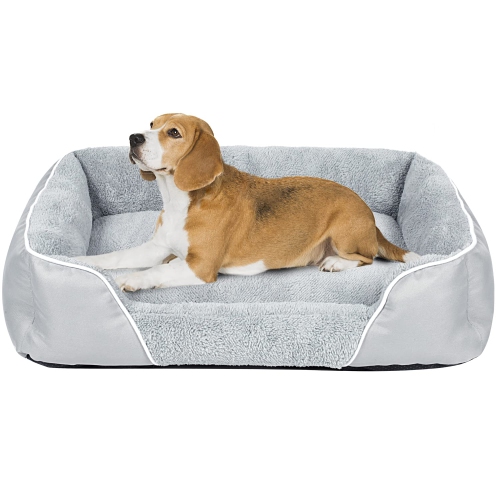
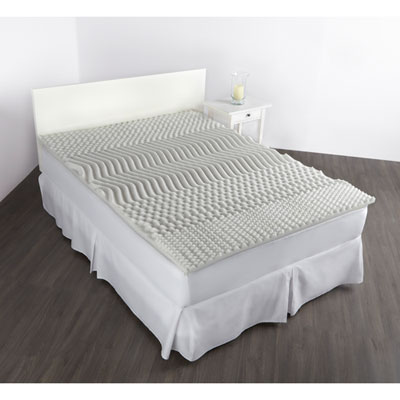
How mattress construction shapes support, comfort, and sleep
Orthopedic beds are designed to provide a more supportive sleep surface for people who want improved spinal alignment, steadier body support, and relief from pressure around common areas such as the shoulders, hips, and lower back. Unlike a soft bed that allows the body to sink deeply, an orthopedic-style mattress typically combines a supportive core with comfort layers that help distribute weight more evenly. Medium-firm to firm feels are often associated with orthopedic support because they can help keep the hips from dropping too far below the rest of the body, although the right firmness depends on body shape, sleeping position, personal comfort, and any advice provided by a health professional. Back and stomach sleepers often prefer a firmer surface that helps keep the midsection level, while side sleepers may need enough cushioning around the shoulders and hips to avoid uncomfortable pressure. A mattress that feels supportive without creating stiff, sore spots is generally a better choice than simply selecting the firmest option available. The construction also matters: high-density foam can provide even, contouring support with little motion transfer; latex can offer a responsive feel that makes changing positions easier; and pocketed coils can add airflow, resilience, and structured support. Hybrid designs combine these materials to balance cushioning and stability, while zoned support systems may reinforce the centre third of the mattress to help support the lower back and hips. Shoppers comparing Orthopedic Mattresses can look closely at the layer construction, firmness description, mattress height, edge support, and available sizes rather than relying on the name alone.
Choosing the right orthopedic bed starts with the sleeper’s current mattress, comfort preferences, and day-to-day needs. Someone who wakes with a tight lower back may appreciate a stable surface that keeps the spine in a more neutral position, while a person who spends long hours sitting, standing, or working physically may value pressure relief across the entire body. Couples should consider motion isolation, particularly when one partner changes position or rises during the night. Temperature is another practical consideration. Memory foam can feel warm to some sleepers, so cooling gel layers, ventilated foam, breathable covers, or coil-based designs may be helpful for people who tend to overheat. Firmness should also be considered alongside body weight, as the same mattress can feel softer or firmer depending on how much pressure is placed on its layers. Mattress dimensions are equally important: Twin and Twin XL models suit smaller bedrooms, guest spaces, and individual sleepers; Full and Queen sizes offer more room for one person or a compact sleeping arrangement; and King sizes provide generous space for couples. Before ordering, measure the bed frame, confirm the mattress depth, check whether the existing sheets will fit, and review delivery, setup, trial, return, and warranty details. Prices can range from about $230 for basic foam or innerspring models to more than $2,500 for premium hybrid or specialized designs, so comparing materials and support features helps connect the budget to the type of comfort being sought. A mattress protector can also help guard the sleep surface from spills, dust, and everyday wear, while a sturdy, properly sized foundation can help the mattress perform as intended.
Orthopedic beds can be a thoughtful purchase for adults who are replacing an older mattress, setting up a more supportive guest room, or creating a comfortable sleep environment after a change in routine. They may also suit people who prefer a stable, less plush feel and want a mattress that supports regular movement throughout the night. For a gift, a new bed or mattress is best chosen with the recipient’s involvement because sleep preferences are highly personal; a supportive mattress can be meaningful for someone moving into a new home, upgrading a guest room, or refreshing a bedroom, but firmness, size, allergies, sleeping position, and room dimensions should all be confirmed first. Delivery access is worth planning as well, especially for larger Queen and King mattresses or homes with narrow stairways and tight corridors. Once the bed is in place, allow the recommended time for it to expand and settle if it arrives compressed, and use the care instructions supplied with the mattress. Rotating the mattress when permitted can promote more even wear, while a suitable base helps prevent sagging and maintains consistent support. It is also helpful to remember that an orthopedic bed is a comfort and support product, not a substitute for diagnosis or treatment; persistent pain, numbness, or disrupted sleep should be discussed with a qualified health-care professional. During warmer weather and the cooler months alike, the best choice is one that supports the body comfortably, manages temperature to suit the sleeper, fits the room and frame, and provides a dependable foundation for restful nights.
Choosing the right orthopedic bed starts with the sleeper’s current mattress, comfort preferences, and day-to-day needs. Someone who wakes with a tight lower back may appreciate a stable surface that keeps the spine in a more neutral position, while a person who spends long hours sitting, standing, or working physically may value pressure relief across the entire body. Couples should consider motion isolation, particularly when one partner changes position or rises during the night. Temperature is another practical consideration. Memory foam can feel warm to some sleepers, so cooling gel layers, ventilated foam, breathable covers, or coil-based designs may be helpful for people who tend to overheat. Firmness should also be considered alongside body weight, as the same mattress can feel softer or firmer depending on how much pressure is placed on its layers. Mattress dimensions are equally important: Twin and Twin XL models suit smaller bedrooms, guest spaces, and individual sleepers; Full and Queen sizes offer more room for one person or a compact sleeping arrangement; and King sizes provide generous space for couples. Before ordering, measure the bed frame, confirm the mattress depth, check whether the existing sheets will fit, and review delivery, setup, trial, return, and warranty details. Prices can range from about $230 for basic foam or innerspring models to more than $2,500 for premium hybrid or specialized designs, so comparing materials and support features helps connect the budget to the type of comfort being sought. A mattress protector can also help guard the sleep surface from spills, dust, and everyday wear, while a sturdy, properly sized foundation can help the mattress perform as intended.
Orthopedic beds can be a thoughtful purchase for adults who are replacing an older mattress, setting up a more supportive guest room, or creating a comfortable sleep environment after a change in routine. They may also suit people who prefer a stable, less plush feel and want a mattress that supports regular movement throughout the night. For a gift, a new bed or mattress is best chosen with the recipient’s involvement because sleep preferences are highly personal; a supportive mattress can be meaningful for someone moving into a new home, upgrading a guest room, or refreshing a bedroom, but firmness, size, allergies, sleeping position, and room dimensions should all be confirmed first. Delivery access is worth planning as well, especially for larger Queen and King mattresses or homes with narrow stairways and tight corridors. Once the bed is in place, allow the recommended time for it to expand and settle if it arrives compressed, and use the care instructions supplied with the mattress. Rotating the mattress when permitted can promote more even wear, while a suitable base helps prevent sagging and maintains consistent support. It is also helpful to remember that an orthopedic bed is a comfort and support product, not a substitute for diagnosis or treatment; persistent pain, numbness, or disrupted sleep should be discussed with a qualified health-care professional. During warmer weather and the cooler months alike, the best choice is one that supports the body comfortably, manages temperature to suit the sleeper, fits the room and frame, and provides a dependable foundation for restful nights.
Top selling and popular products
-
 Your price for this item is $300
 -
 Your price for this item is $350
 -
 Your price for this item is $175
 -
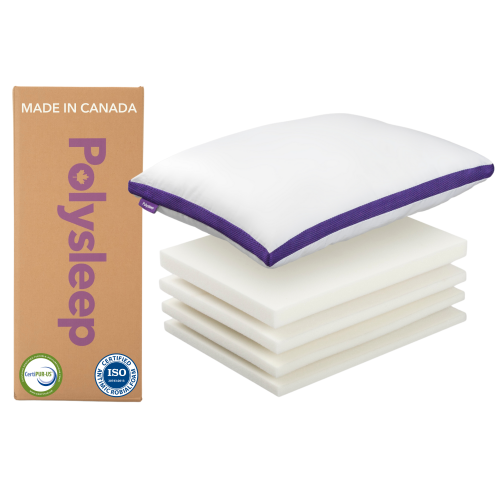 Your price for this item is $150
 -
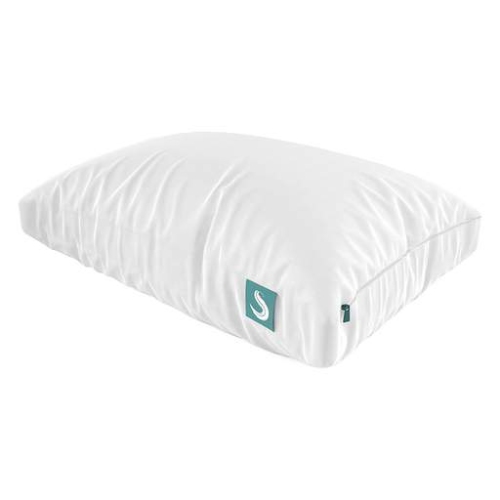 Your price for this item is $153.99
 -
 Your price for this item is $295
 -
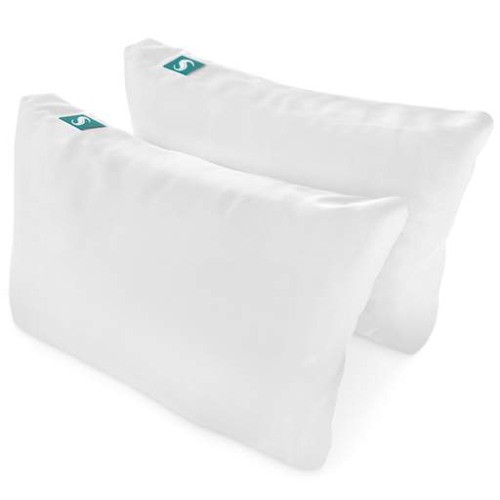 Your price for this item is $243.99
 -
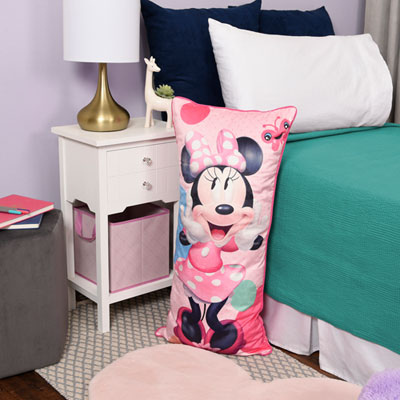 Your price for this item is $24.99
Discover more categories related to Orthopedic Beds
Top Collections:
Pokemon Centers, Kindle Devices, Best Budget Office Chairs, Apple iPhones 16, Best Laptops for Writers, iPhone 15 Apple, Canon G7X Cameras, Refurbished Apple Laptops, Alarm Clock, Motorola Razr Phones
Some products may be subject to Environmental Handling Fees
(EHF) depending on your province.
Learn more about EHFs.