Supportive Beds
Discover the comfort and relaxation you deserve with our selection of supportive beds. Whether you're updating your bedroom or seeking a restful night's sleep, these beds are designed to provide the foundation you need for everyday comfort. Explore a variety of styles and sizes to find the perfect fit for your space and preferences. Transform your bedroom into a haven of rest with supportive beds that help you wake up refreshed and ready to take on the day.
Sort
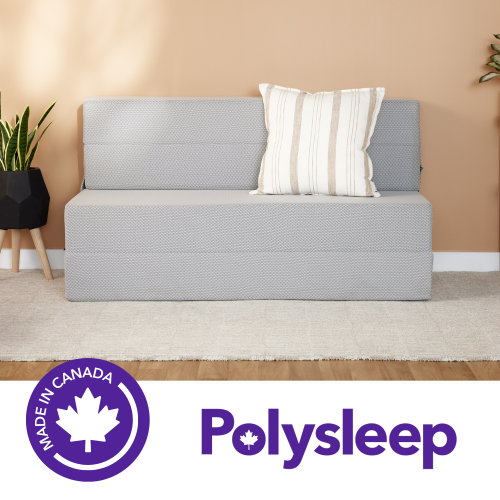
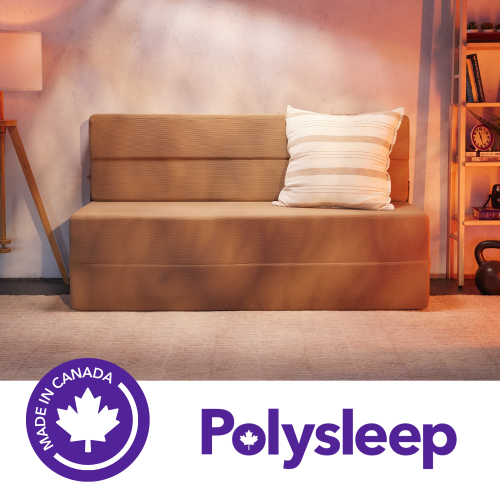

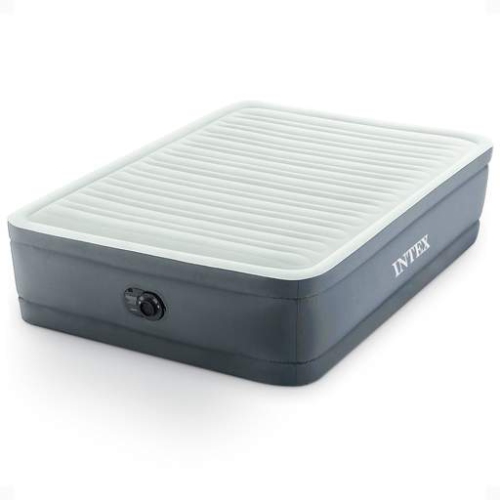
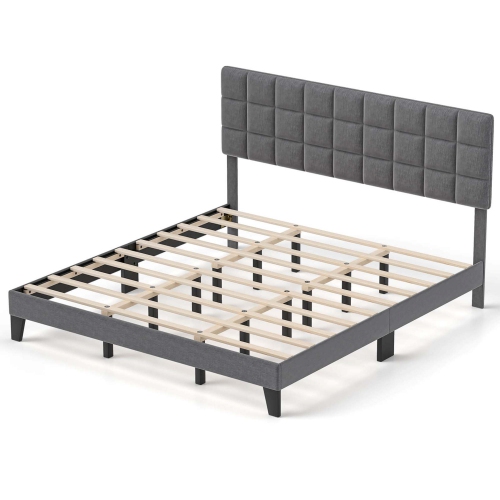


Why a firmer mattress isn't always more supportive
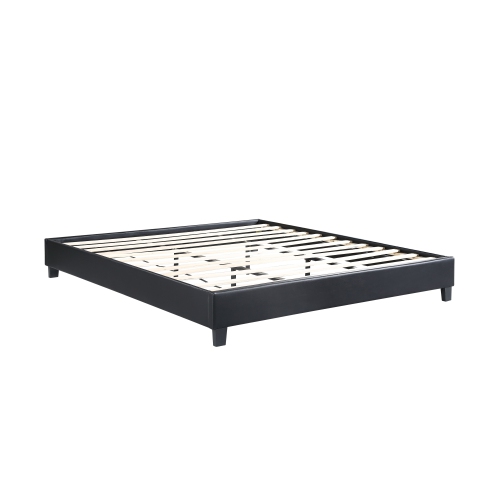
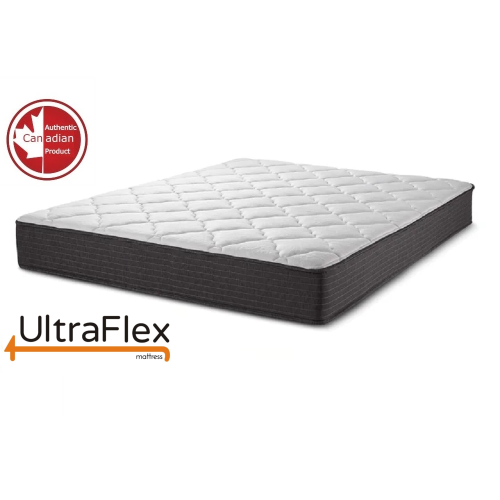
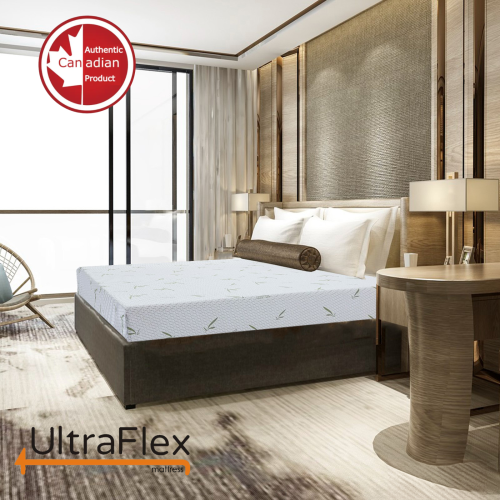
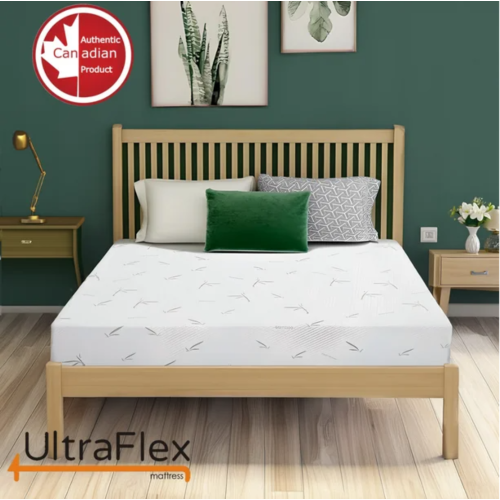
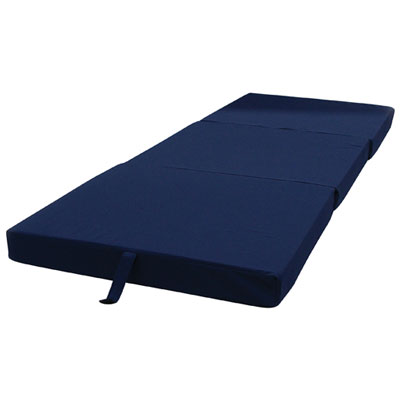
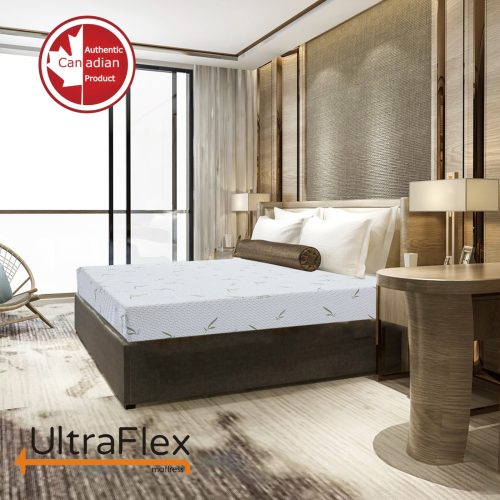
Supportive beds combine a stable bed frame, a suitable mattress foundation, and a mattress that balances cushioning with resistance to sinking. Each part contributes to how the sleep surface feels: the frame holds the assembly steady, the foundation distributes weight beneath the mattress, and the mattress supports the body while allowing some give at the shoulders and hips. Support is not the same as firmness. A mattress can feel plush at the surface and still provide substantial support underneath, while a very firm mattress may create uncomfortable pressure for someone whose shoulders need more cushioning. The aim is a comfortable resting position that allows the spine to maintain its natural alignment, rather than forcing the body onto a rigid, flat plane. Side sleepers often appreciate enough contouring for the shoulder and hip to settle without the waist feeling unsupported. Back sleepers may prefer a more even balance of cushioning and lift, while stomach sleepers often need greater resistance beneath the midsection to limit excessive sinking. Body size, personal preference, and whether the bed is shared also affect that balance, so a firmness label alone cannot describe how a bed will feel to everyone. A guest bedroom used by different people may call for a broadly accommodating sleep surface, whereas a primary bedroom allows for a setup tailored to everyday habits. For someone who sits on the edge to put on socks or pauses there before standing, edge stability can matter as much as comfort in the centre. Couples may also value a mattress that limits motion transfer and a frame that remains steady when either person changes position. No bed can guarantee relief from pain or replace advice about persistent discomfort, but a well-matched combination of mattress and base can provide a more consistent, comfortable place to rest. The most useful distinction is between a bed that simply feels hard and one that supports its sleeper without creating unwanted pressure.
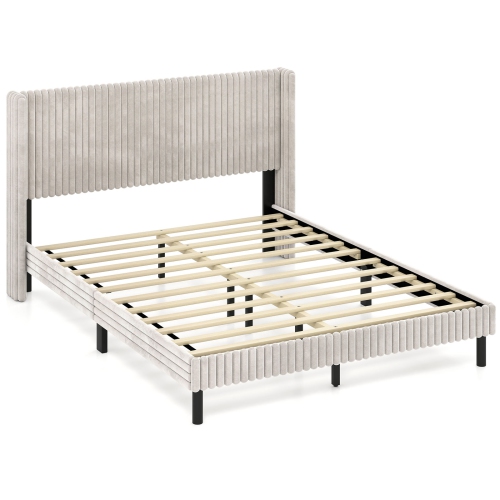
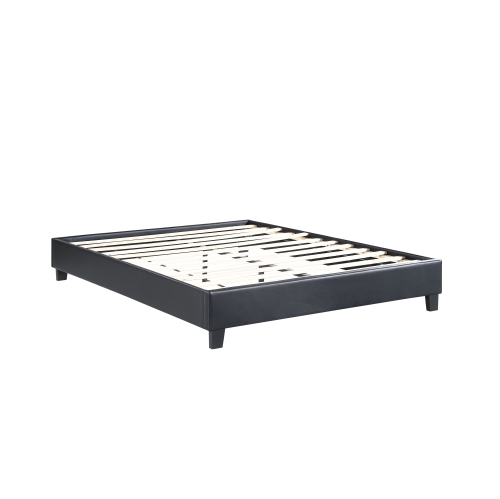
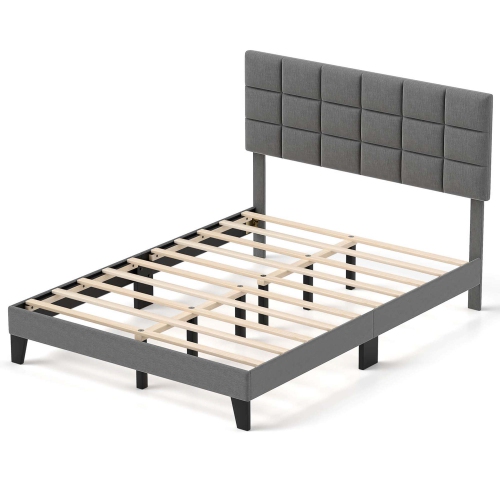
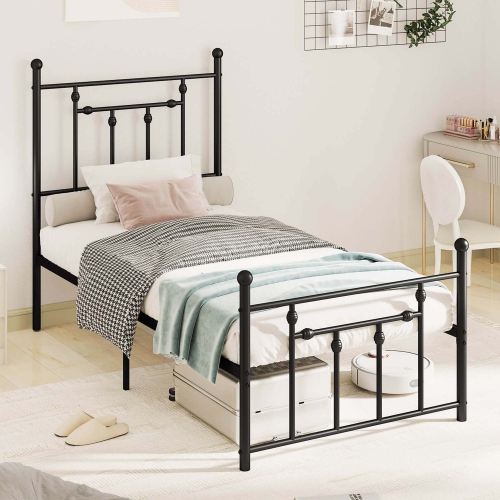
The construction beneath the mattress deserves as much attention as the upholstery or headboard. Supportive bed frames may use solid wood, engineered wood, metal, or a combination of materials, with performance depending on the quality of the joints, the layout of the supports, and proper assembly. A substantial-looking frame is not automatically stronger than a simpler design. Secure connections, an appropriate weight rating, and adequate support across the sleeping surface are more meaningful details. On wider beds, a centre rail and supporting legs can help distribute loads, provided the design calls for them and the legs make proper contact with the floor. Slatted platforms support a mattress at intervals, and the spacing between slats needs to meet the mattress manufacturer's requirements. Gaps that are too wide may allow parts of the mattress to dip between supports, affecting its feel and potentially its warranty coverage. Solid platforms offer a continuous surface, though mattress compatibility and ventilation requirements still matter. Some bed frames need a separate foundation or box spring, while others are designed to hold a compatible mattress directly; these arrangements are not interchangeable without checking the specifications. Mattress construction adds another layer of choice. Pocketed coils can respond individually to movement, while foam comfort layers contour around the body. Latex often has a more buoyant feel, and hybrid mattresses combine spring support with layers of foam, latex, or other cushioning materials. Zoned designs vary the support across different areas, although the placement and effect of those zones will feel different depending on the sleeper's proportions. Appearance can fit naturally around these structural priorities. Upholstered beds bring a softer backdrop to a room, while exposed wood or metal makes the frame itself part of the design. For a look that blends traditional details with simpler contemporary lines, Transitional Beds offer a related style direction. Decorative character and dependable support can work together, but the frame's construction and mattress requirements remain separate considerations from its visual appeal.
Fit, daily use, and care help determine whether a supportive bed remains comfortable over time. Mattress size is only one measurement: a frame may extend beyond it, and a broad headboard, projecting footboard, or upholstered side rails can change how easily someone moves through the room. In a smaller bedroom, clearance beside the bed makes a difference when changing sheets, opening a wardrobe, or helping a child settle for the night. Storage drawers need room to open fully, while lift-up storage designs need clearance above the base and careful use of their lifting mechanism. The finished bed height also includes the frame, any required foundation, and the mattress. A low platform can look appealing but may be awkward for someone who finds deep sitting positions difficult; an especially tall setup can make getting into bed less convenient. For many adults, being able to sit at the edge with feet resting securely on the floor is a practical comfort consideration. Adjustable bases introduce another option for compatible mattresses, allowing changes in head or foot position for activities such as reading, but their movement and mounting requirements must suit the surrounding frame. Durability depends partly on how the bed is used and maintained. Weight limits should be checked for what they include, since the mattress, sleepers, and bedding may all count towards the stated capacity. Hardware may need periodic inspection and tightening as directed, especially after moving the bed, and support legs should remain correctly positioned. Mattress rotation is appropriate only when the manufacturer advises it; many layered mattresses are not designed to be flipped. A suitable protector helps limit everyday spills and marks, while cleaning methods should match the mattress cover and frame materials. Upholstery may need gentle vacuuming or approved spot cleaning, and wood or metal finishes need care that avoids damage to their surfaces. Persistent dipping, loose joints, or an unstable edge are worth investigating rather than covering with extra cushioning. A mattress topper can alter surface comfort, but it cannot repair a failing mattress or compensate for an unsuitable foundation. A coordinated bed setup gives each component the support it needs to perform as intended.
The construction beneath the mattress deserves as much attention as the upholstery or headboard. Supportive bed frames may use solid wood, engineered wood, metal, or a combination of materials, with performance depending on the quality of the joints, the layout of the supports, and proper assembly. A substantial-looking frame is not automatically stronger than a simpler design. Secure connections, an appropriate weight rating, and adequate support across the sleeping surface are more meaningful details. On wider beds, a centre rail and supporting legs can help distribute loads, provided the design calls for them and the legs make proper contact with the floor. Slatted platforms support a mattress at intervals, and the spacing between slats needs to meet the mattress manufacturer's requirements. Gaps that are too wide may allow parts of the mattress to dip between supports, affecting its feel and potentially its warranty coverage. Solid platforms offer a continuous surface, though mattress compatibility and ventilation requirements still matter. Some bed frames need a separate foundation or box spring, while others are designed to hold a compatible mattress directly; these arrangements are not interchangeable without checking the specifications. Mattress construction adds another layer of choice. Pocketed coils can respond individually to movement, while foam comfort layers contour around the body. Latex often has a more buoyant feel, and hybrid mattresses combine spring support with layers of foam, latex, or other cushioning materials. Zoned designs vary the support across different areas, although the placement and effect of those zones will feel different depending on the sleeper's proportions. Appearance can fit naturally around these structural priorities. Upholstered beds bring a softer backdrop to a room, while exposed wood or metal makes the frame itself part of the design. For a look that blends traditional details with simpler contemporary lines, Transitional Beds offer a related style direction. Decorative character and dependable support can work together, but the frame's construction and mattress requirements remain separate considerations from its visual appeal.
Fit, daily use, and care help determine whether a supportive bed remains comfortable over time. Mattress size is only one measurement: a frame may extend beyond it, and a broad headboard, projecting footboard, or upholstered side rails can change how easily someone moves through the room. In a smaller bedroom, clearance beside the bed makes a difference when changing sheets, opening a wardrobe, or helping a child settle for the night. Storage drawers need room to open fully, while lift-up storage designs need clearance above the base and careful use of their lifting mechanism. The finished bed height also includes the frame, any required foundation, and the mattress. A low platform can look appealing but may be awkward for someone who finds deep sitting positions difficult; an especially tall setup can make getting into bed less convenient. For many adults, being able to sit at the edge with feet resting securely on the floor is a practical comfort consideration. Adjustable bases introduce another option for compatible mattresses, allowing changes in head or foot position for activities such as reading, but their movement and mounting requirements must suit the surrounding frame. Durability depends partly on how the bed is used and maintained. Weight limits should be checked for what they include, since the mattress, sleepers, and bedding may all count towards the stated capacity. Hardware may need periodic inspection and tightening as directed, especially after moving the bed, and support legs should remain correctly positioned. Mattress rotation is appropriate only when the manufacturer advises it; many layered mattresses are not designed to be flipped. A suitable protector helps limit everyday spills and marks, while cleaning methods should match the mattress cover and frame materials. Upholstery may need gentle vacuuming or approved spot cleaning, and wood or metal finishes need care that avoids damage to their surfaces. Persistent dipping, loose joints, or an unstable edge are worth investigating rather than covering with extra cushioning. A mattress topper can alter surface comfort, but it cannot repair a failing mattress or compensate for an unsuitable foundation. A coordinated bed setup gives each component the support it needs to perform as intended.
Top selling and popular products
-
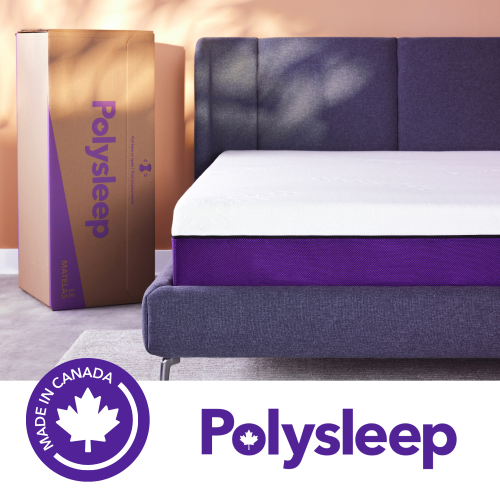 Your price for this item is $1195
 -
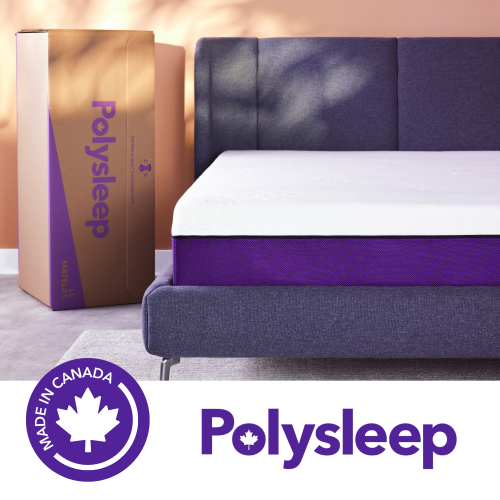 Your price for this item is $1395
 -
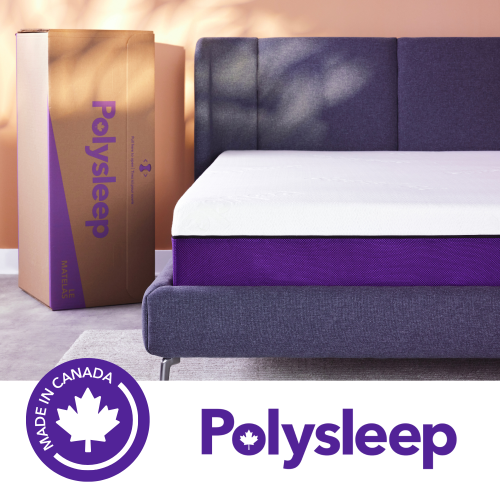 Your price for this item is $1095
 -
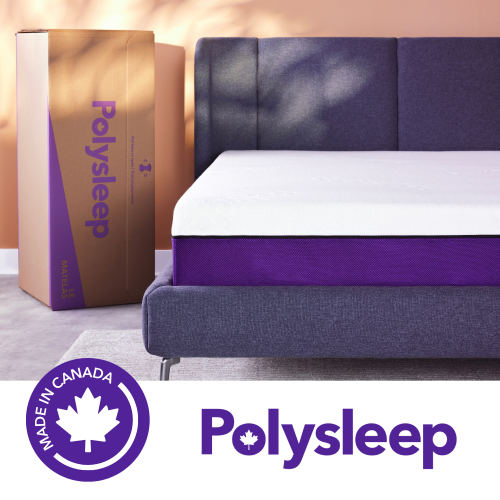 Your price for this item is $945
 -
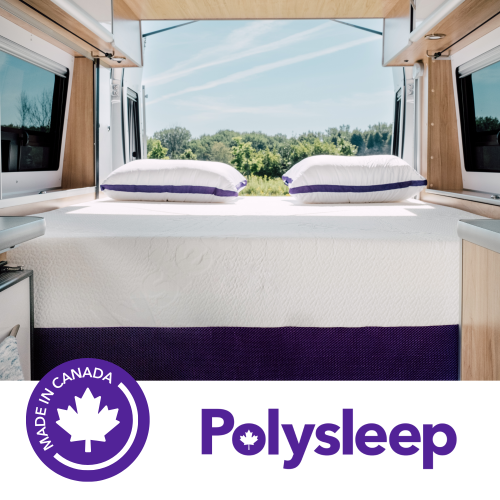 Your price for this item is $1199
 -
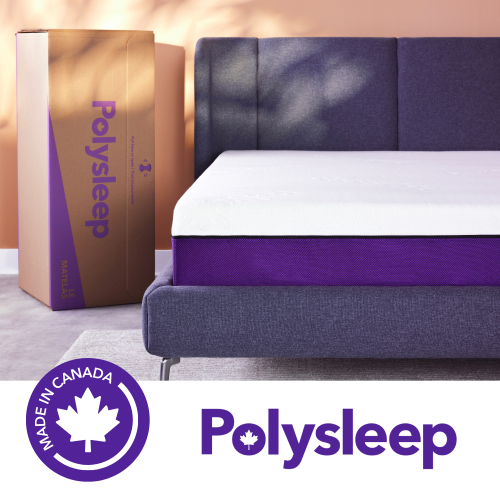 Your price for this item is $1395
 -
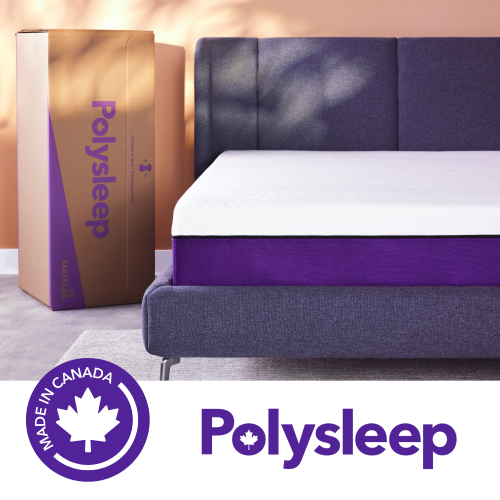 Your price for this item is $895
 -
 Your price for this item is $920
Discover more categories related to Supportive Beds
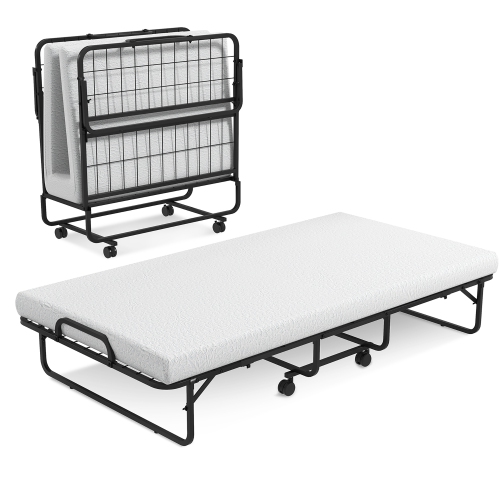
Top Collections:
Pokemon Centers, Kindle Devices, Best Budget Office Chairs, Apple iPhones 16, Best Laptops for Writers, iPhone 15 Apple, Canon G7X Cameras, Refurbished Apple Laptops, Alarm Clock, Motorola Razr Phones
Some products may be subject to Environmental Handling Fees
(EHF) depending on your province.
Learn more about EHFs.