Outdoor Comfort Solutions
Outdoor Comfort Solutions make it easy to enhance your time outside, whether you’re relaxing on the patio or hosting friends and family in the backyard. Explore a wide range of options designed to help you create a cozy and inviting outdoor space for any occasion. With Outdoor Comfort Solutions, transforming your outdoor area into a personal retreat is simple and convenient, so you can make the most of every moment spent outdoors.
Sort

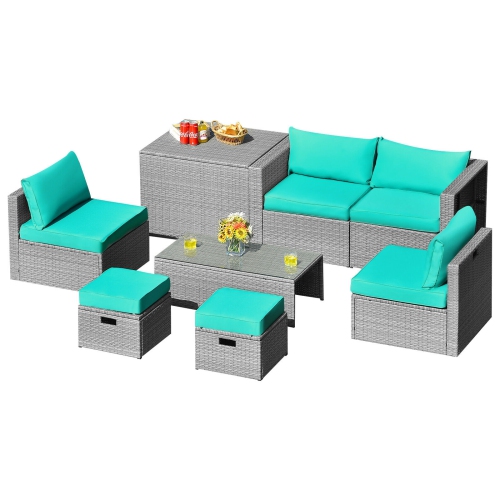
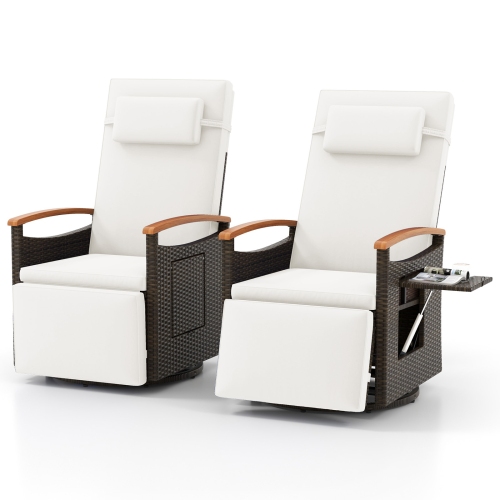
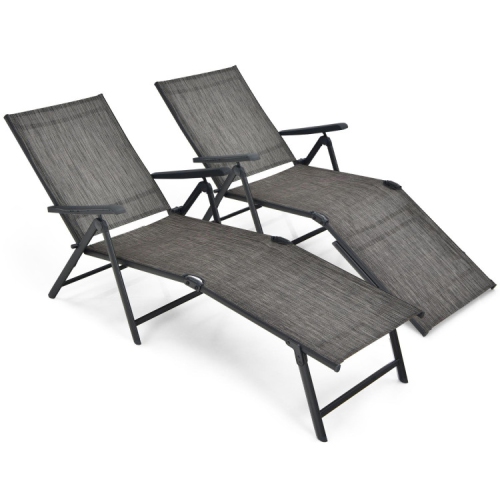
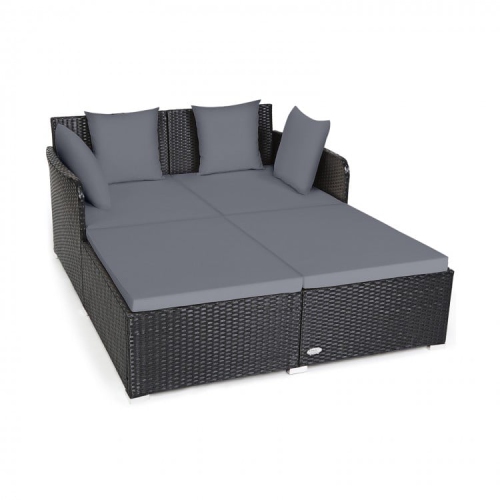
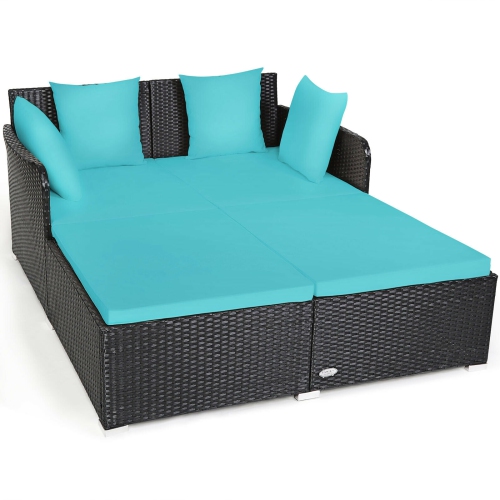
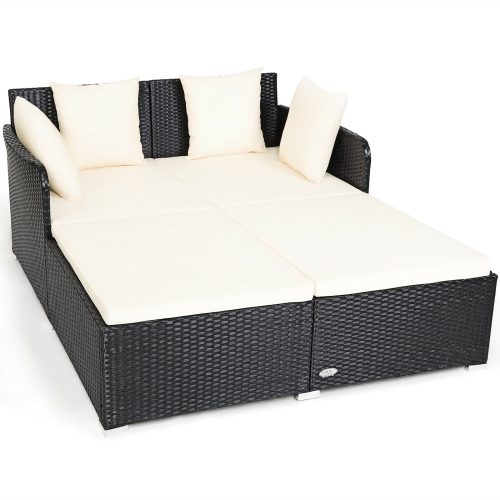
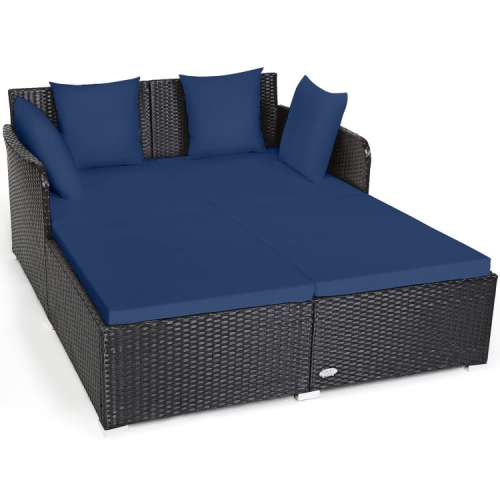
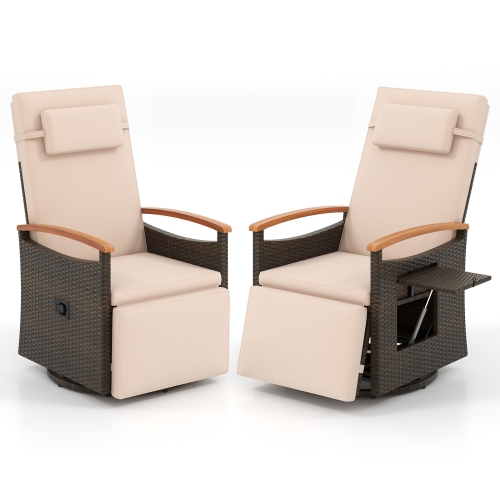
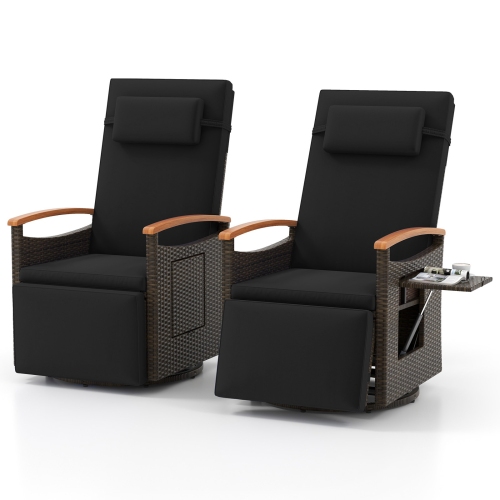
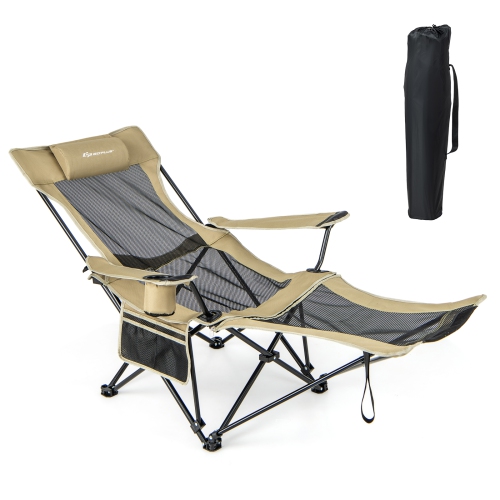
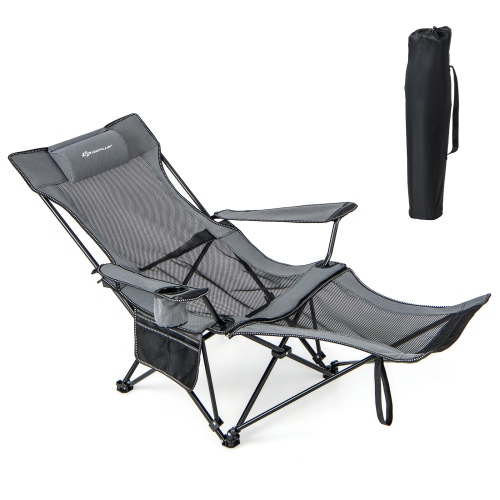
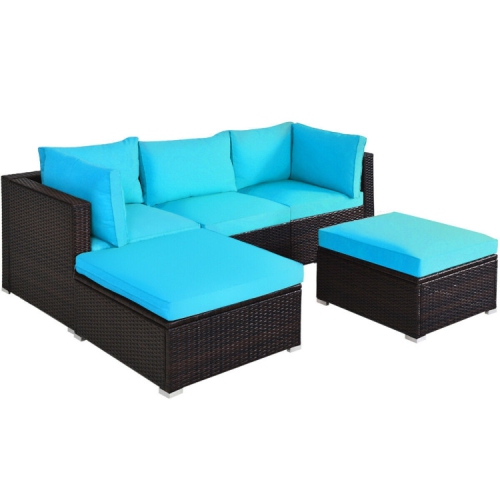
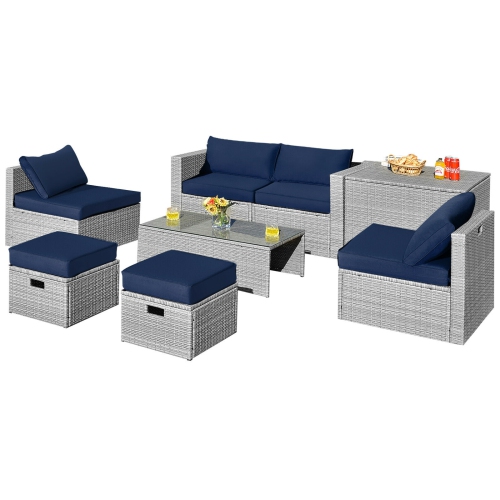
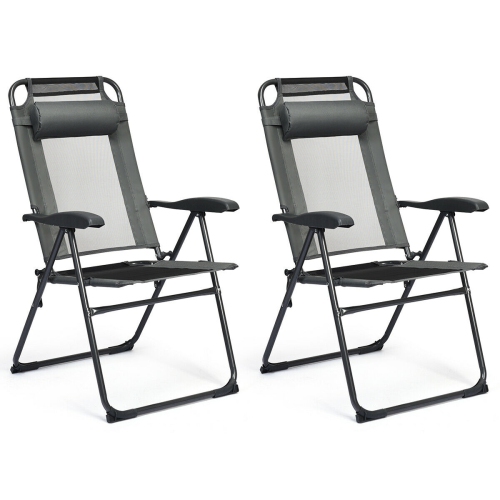
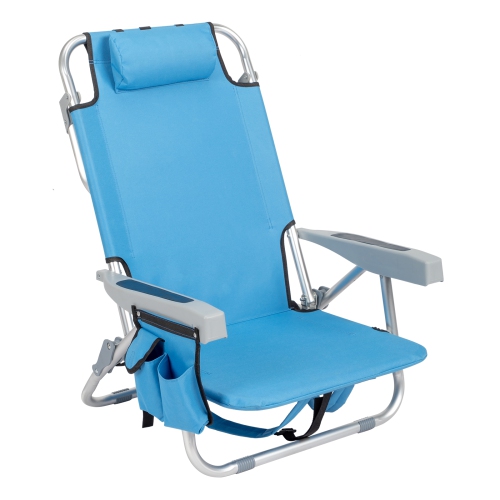
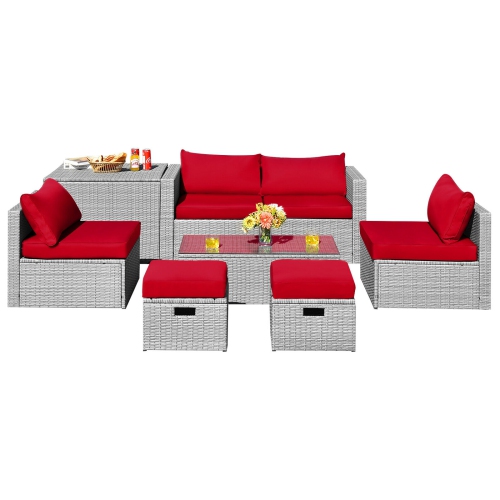
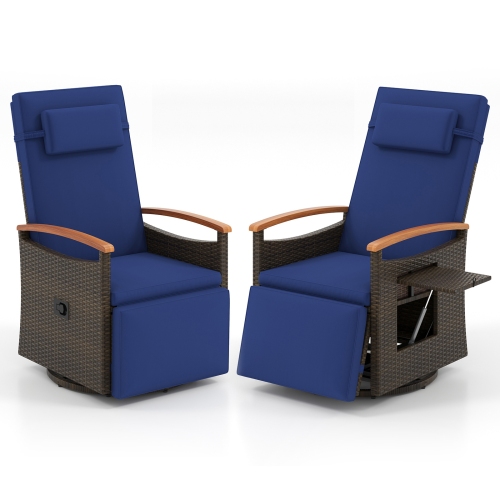
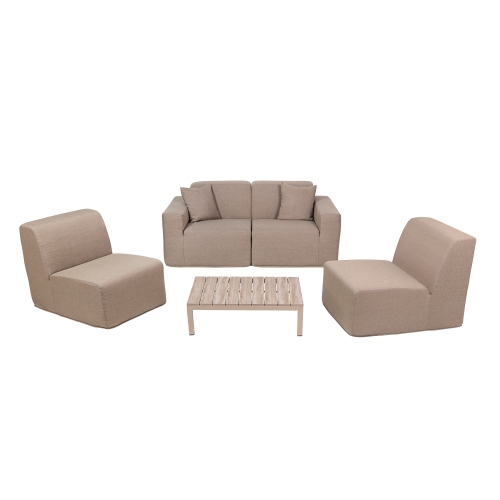
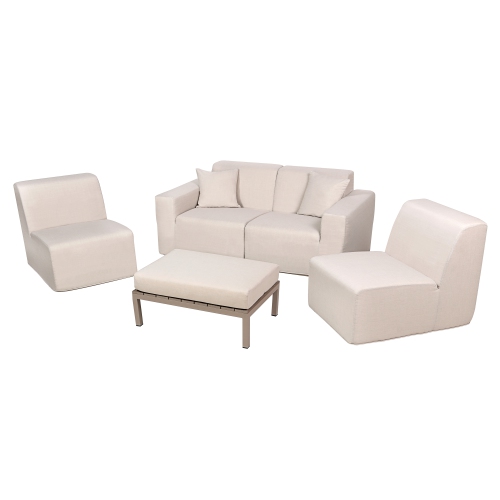
Comfortable patios depend on more than soft cushions
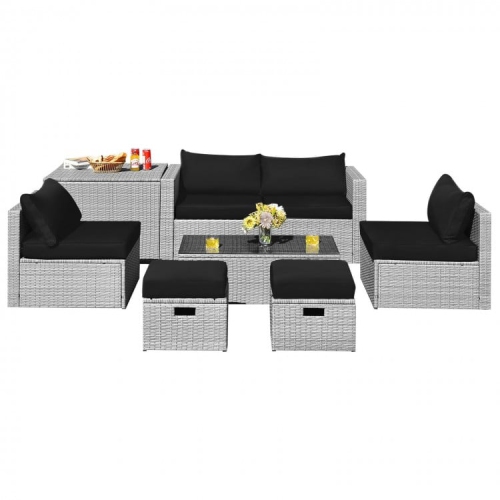
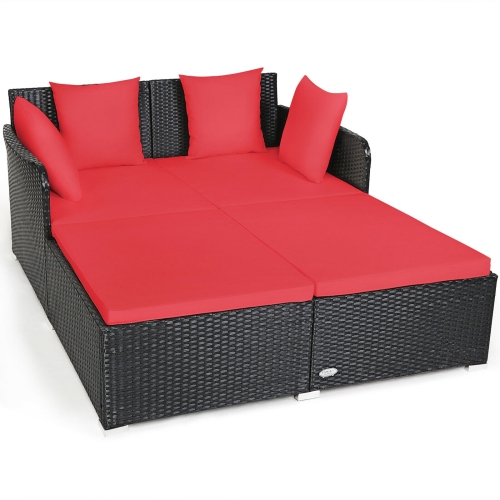
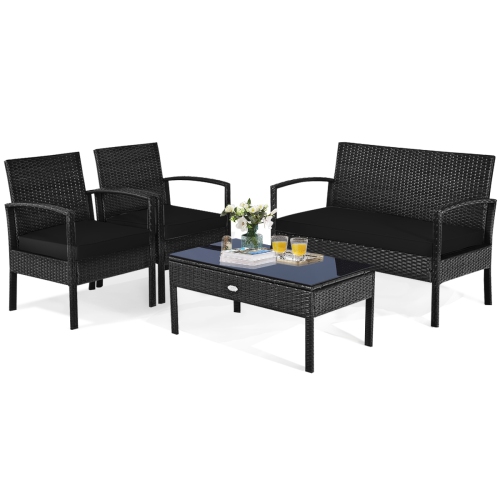
Outdoor comfort solutions bring together seating, cushions, shade and outdoor heating to make patios, balconies, decks and backyards more comfortable for everyday use. The right combination depends on how a space is used: a balcony for morning coffee needs a different arrangement from a family dining area or a deck where friends gather for long conversations. Seating proportions matter as much as the overall footprint. A deep seat can feel inviting for lounging, while a firmer cushion and a more upright backrest may be better suited to meals or reading at a table. Armrest height, seat height and the space beneath a tabletop also affect how easily someone can sit down, stand up or pull a chair closer. In smaller areas, nesting tables, stackable seating and footrests that tuck beneath chairs can leave more room for doors and walkways. Modular arrangements offer flexibility, although their separate sections still need enough clearance to function comfortably. A broad selection of Outdoor Living Furniture can support anything from a quiet reading corner to a larger conversation area. Materials influence both appearance and upkeep. Aluminum frames are relatively light and naturally resist rust, making them practical where furniture is moved often. Powder-coated steel provides a sturdy feel, but damaged finishes can leave the underlying metal vulnerable to corrosion. Solid wood brings visible grain and a warmer touch, with maintenance needs that vary by species and finish. Resin wicker usually consists of synthetic strands woven over a frame; the quality of both components affects its durability. Wood-plastic composite surfaces offer another option for tabletops and armrests, with care requirements that depend on their construction. Furniture weight also deserves attention on exposed balconies, where lightweight pieces may need secure storage when strong winds are expected. Size, layout and material together shape how comfortably the space can be used, not simply how much furniture fits within it.
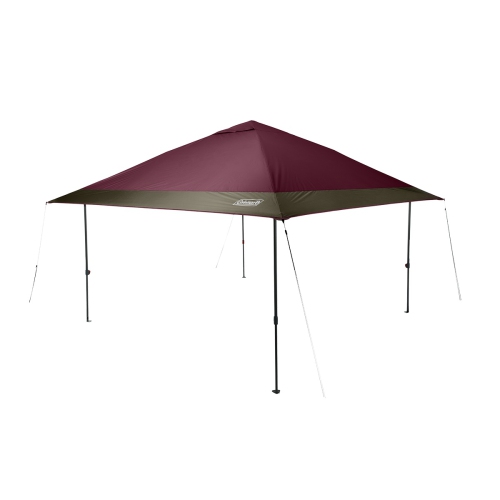
Soft surfaces can make the difference between a seat that looks inviting and one that remains comfortable through a leisurely meal or an afternoon with a book. Cushion thickness alone does not determine support: foam density, fill structure and the strength of the seat beneath it all contribute to how a cushion feels over time. A well-proportioned back cushion supports the sitter without pushing them too far forward, while ties or other fastening details can help limit shifting on compatible frames. Outdoor upholstery is made to tolerate exposure better than many indoor fabrics, but water resistance does not necessarily mean a cushion can remain saturated without consequences. Moisture may enter through seams and zippers, and even quick-drying fill needs airflow to dry properly. Olefin and outdoor-grade polyester are common upholstery materials, with resistance to fading, moisture and abrasion varying by fabric construction and treatment. Removable covers can make care easier, although their washing instructions still matter; some are suitable only for spot cleaning. Colour and texture have practical roles alongside appearance. Mid-tone patterns can make everyday dust and small marks less noticeable, while smooth, tightly woven surfaces may be easier to brush clean than heavily textured fabric. Shade adds another layer of comfort for seating and dining areas exposed to direct sunlight. Umbrella coverage depends on canopy size, position and the angle of the sun, rather than the canopy width alone. A tilting design can help redirect shade, while an offset arrangement keeps a centre pole away from the table or seating beneath it. The base must be compatible with the umbrella and appropriate for its size and placement; a table opening is not a substitute for the support specified by the manufacturer. Wind limits and closing instructions are important, particularly on open decks and balconies. Shade can reduce direct sun exposure, but it does not replace personal sun protection. These details help create an outdoor area that feels comfortable without making it difficult to move around or maintain.
Outdoor heating can extend the usefulness of a seating area when the air feels cool, although performance depends on the heater type, its placement and how exposed the space is to moving air. Radiant heat warms people and nearby surfaces within its effective range rather than heating an entire open patio evenly. That makes the relationship between the heat source and the seating especially important: people sitting beyond the intended coverage area may feel little benefit, even when the heater has a substantial output rating. Electric designs require a suitable power source and an installation that follows the manufacturer’s electrical and mounting requirements. Fuel-burning patio heaters need the ventilation and clearances specified for their use and must never be operated indoors or in enclosed areas. Overhead structures, railings, upholstery and nearby plants all affect where a heater can safely stand or be mounted. Stable placement and protective features, such as tip-over shut-off where provided, support safe operation but do not replace supervision or proper installation. Building rules may also restrict heating equipment on balconies or shared terraces. Beyond heating, straightforward care helps preserve the comfort and appearance of an outdoor setup. Grit brushed from cushions and frames is less likely to work into seams or scratch finished surfaces. Spills are generally easier to address promptly, using cleaning methods approved for the material rather than strong household chemicals. Protective covers work best when correctly fitted and used on clean, dry furniture, with enough ventilation to avoid trapping moisture. Cushions benefit from dry storage when not in use for extended periods, and folding or stacking furniture needs to be fully dry before being put away. Accessible storage makes these routines easier to maintain. For a housewarming gift or a practical addition to a family member’s patio, compatibility with the recipient’s space, seating and storage matters more than size alone. Thoughtful proportions, supportive surfaces and manageable upkeep help an outdoor space become a comfortable place for ordinary moments, from a quiet cup of tea to an unhurried meal with friends.
Top selling and popular products
-
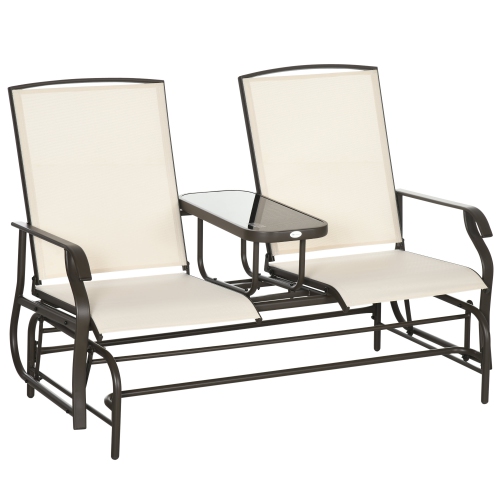 Your price for this item is $209.99
-
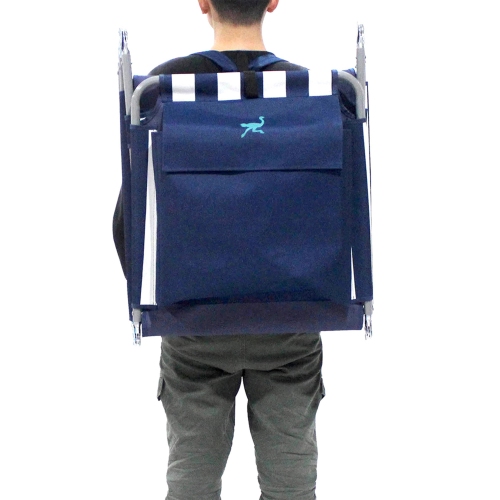 Your price for this item is $222.99
-
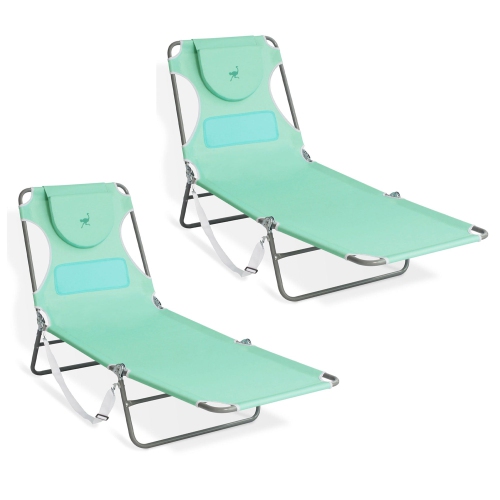 Your price for this item is $407.99
-
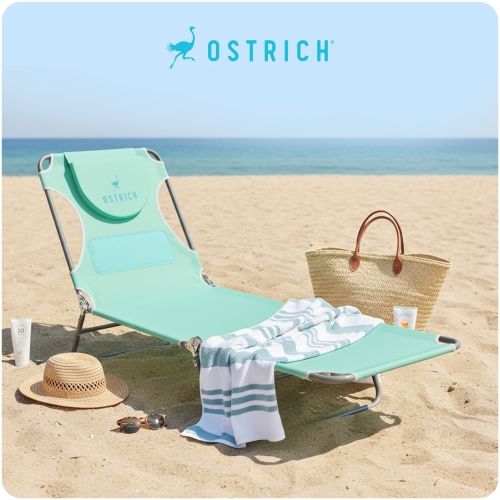 Your price for this item is $187.99
-
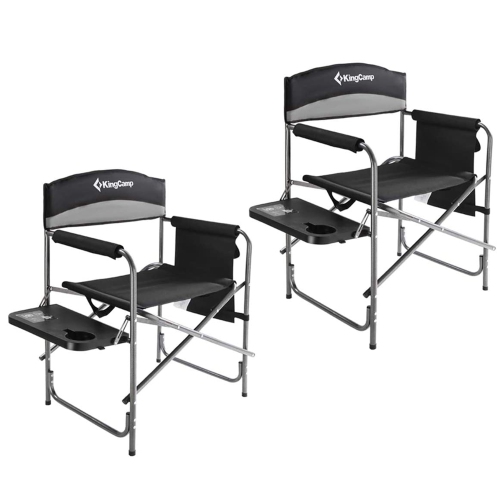 Your price for this item is $254.99
-
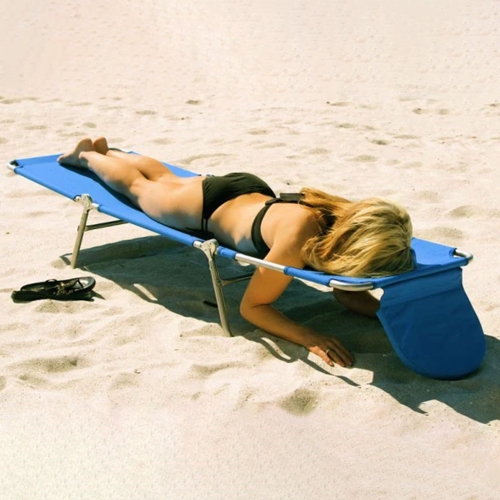 Your price for this item is $712.99
-
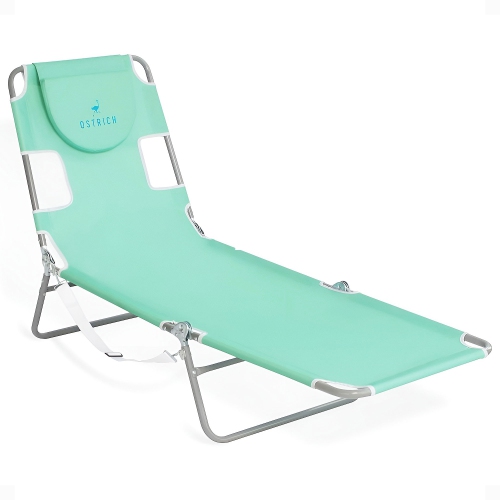 Your price for this item is $177.99
-
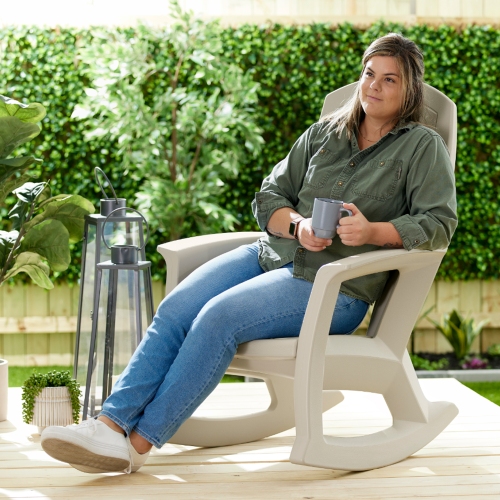 Your price for this item is $459.99
Discover more categories related to Outdoor Comfort Solutions
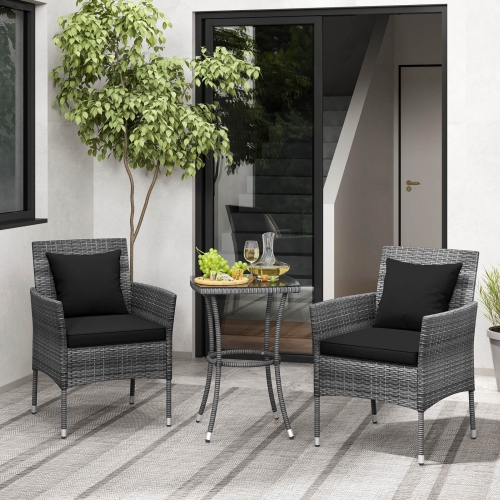

Top Collections:
Best Black Friday Deals This Year, Best Black Friday Deals On Electronics, Kindle Devices, Dyson Airwrap, Best Cameras for Sports Photography, Best Budget Office Chairs, Canon G7X Cameras, PS5 Pro Consoles, Best Black Friday Deals On Apple Products, XBOX One S Consoles
Some products may be subject to Environmental Handling Fees
(EHF) depending on your province.
Learn more about EHFs.