Outdoor Cushion Boxes
If you're looking to keep your outdoor space organized and clutter-free, look no further than this wide selection of outdoor cushion boxes. These versatile storage solutions are designed to protect your cushions and other outdoor essentials from the elements, ensuring they stay clean, dry, and ready for use whenever you need them. With various sizes, styles, and materials to choose from, you'll find the perfect outdoor cushion box to complement your patio or garden decor while keeping everything neatly tucked away.
Sort



Why cushion fit matters more than capacity alone
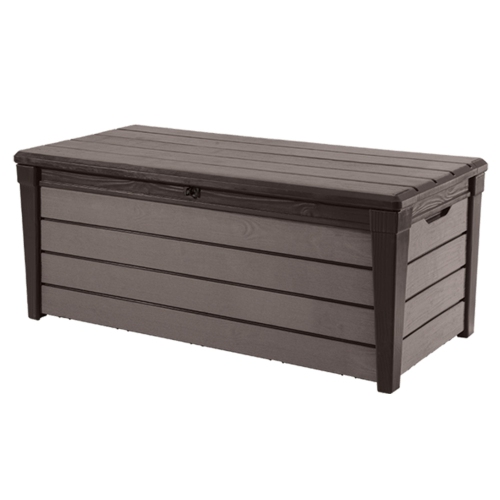
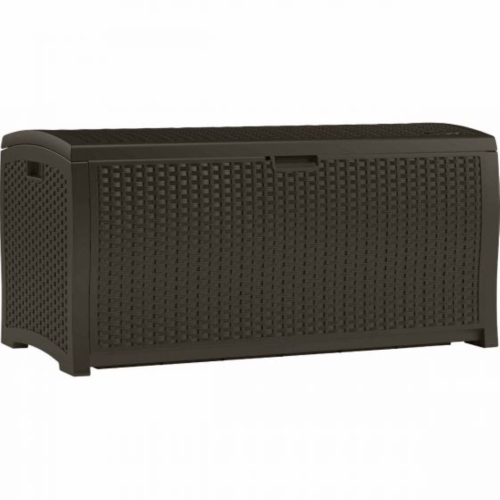
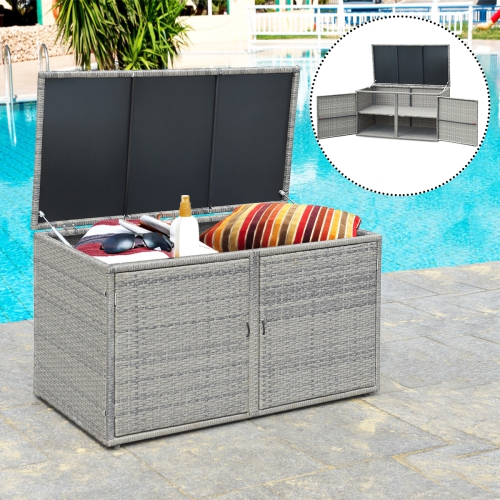
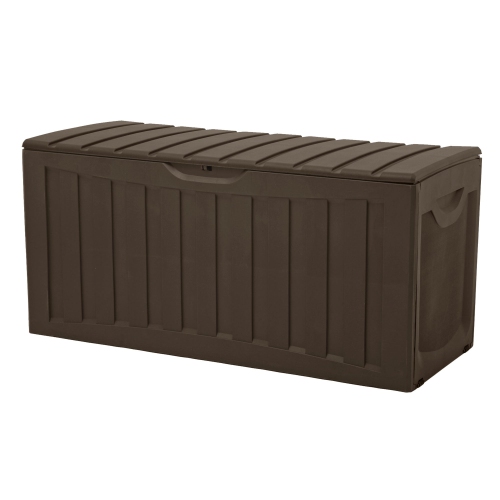
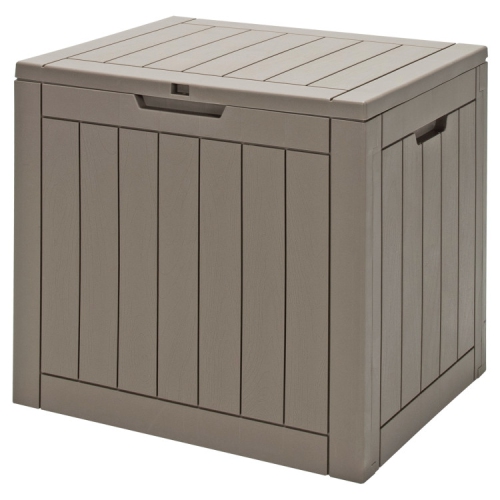
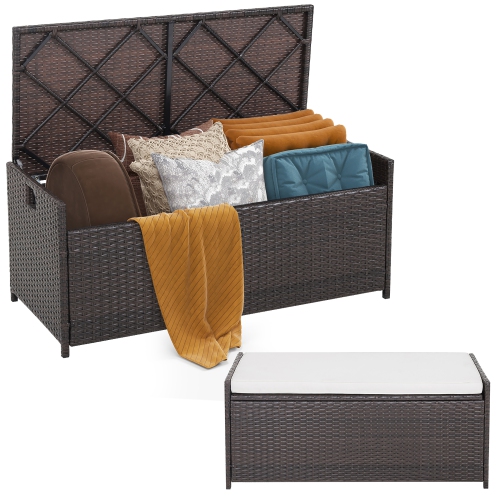
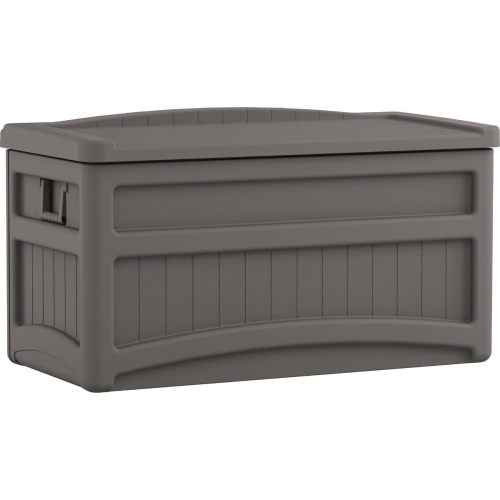
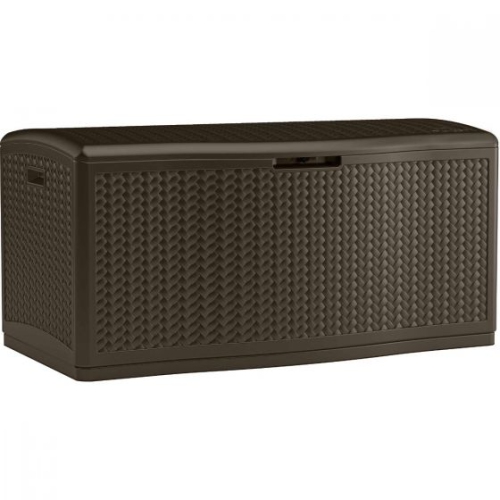
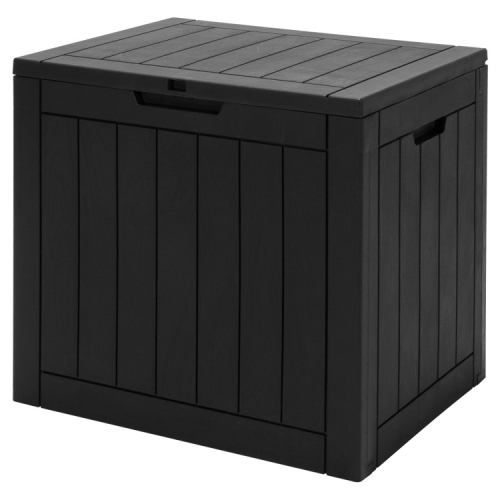
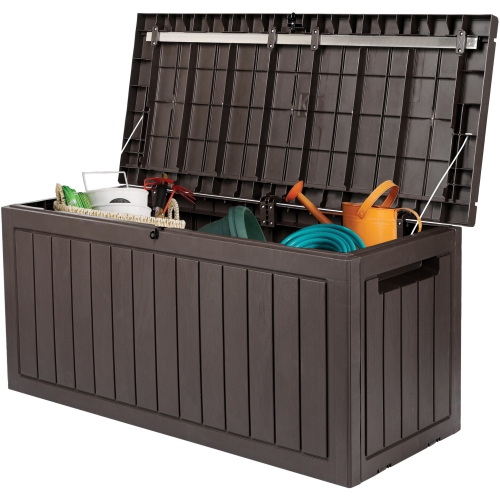
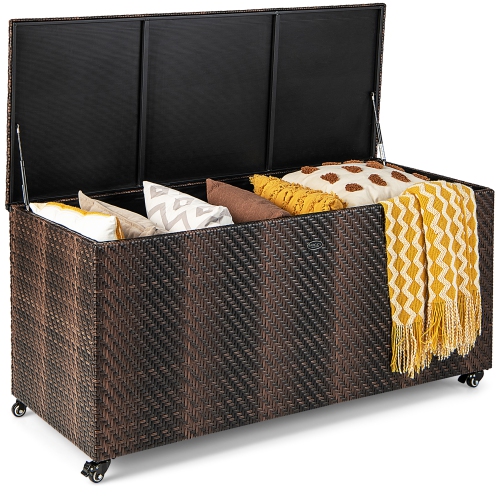
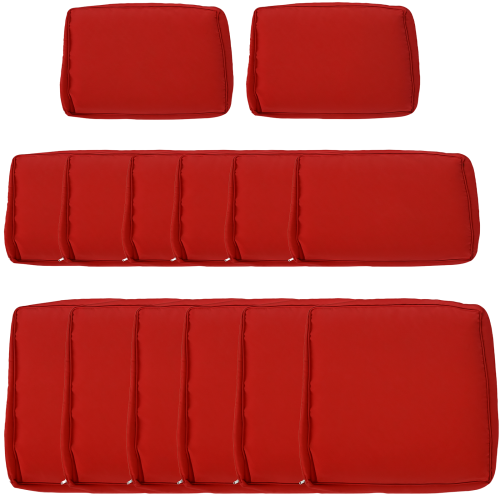
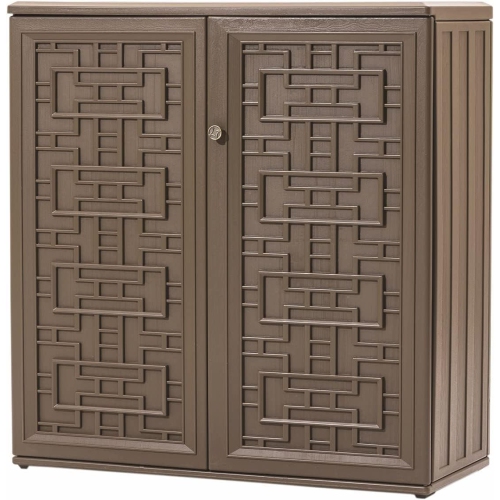
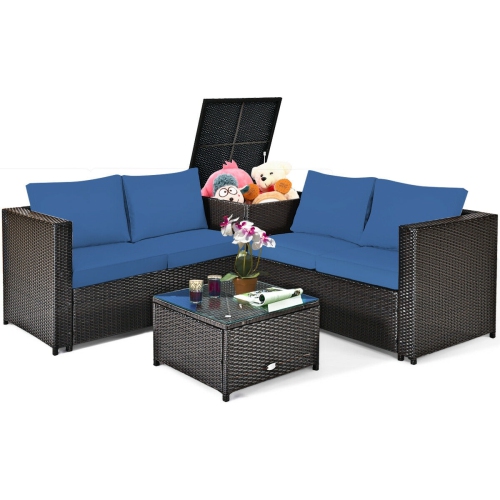
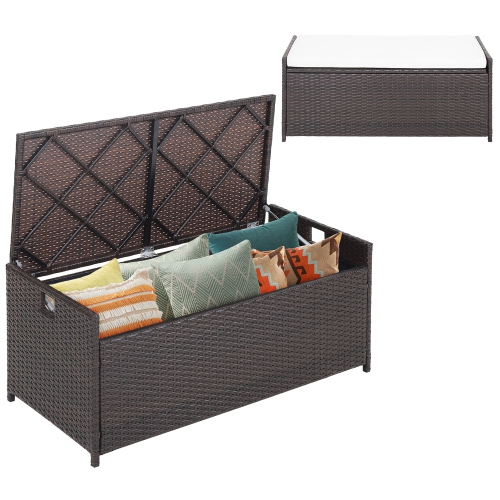
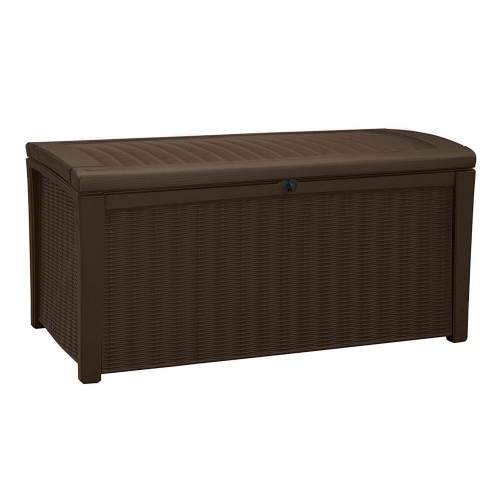
Outdoor cushion boxes keep patio seating essentials together in a dedicated space, helping a deck, balcony, or backyard sitting area stay tidy between uses. Typically designed as lidded chests, they provide room for seat pads, back cushions, and accent pillows without sending everything indoors after each gathering. Their usefulness depends as much on the shape of the storage compartment as on its stated capacity. A deep box may accommodate a stack of small chair cushions, while a longer interior is better suited to broad sofa cushions or a lounger pad that should lie flat. External measurements show how much floor space the box occupies, but internal measurements reveal what will actually fit; hinges, reinforcing ribs, and tapered walls can reduce usable room. Measuring the largest cushion and the height of the full stack gives a more realistic starting point than capacity alone. Allowing a little extra space makes it easier to lift cushions out without catching piping, dragging fabric against the sides, or repeatedly compressing the filling. When pairing a box with seating accessories from the Outdoor Cushion collection, consider the dimensions of both seat and back cushions rather than assuming that pieces from the same chair will stack neatly. Intended placement matters just as much. On a narrow balcony, a compact chest can hold a few cushions while leaving a clear route to the door. Beside a larger outdoor sectional, a wider box may keep the whole seating set within reach. The lid needs clearance to open fully, especially beneath a window ledge or beside a railing, and handles should remain accessible if the box needs repositioning. A level surface supports proper lid alignment and helps prevent rocking. For shared patios or busy family decks, placing the box close to the seating area makes putting cushions away a simple part of tidying up rather than a separate trip across the yard. Keeping the storage opening away from a crowded dining chair or frequently used gate also makes everyday access easier.
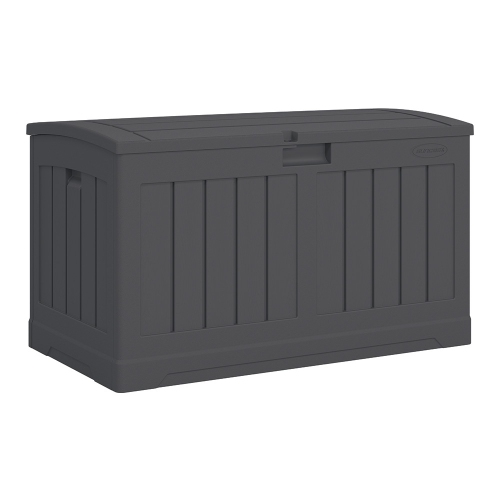
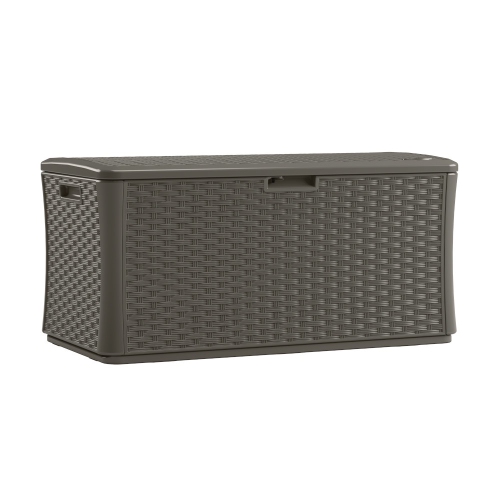
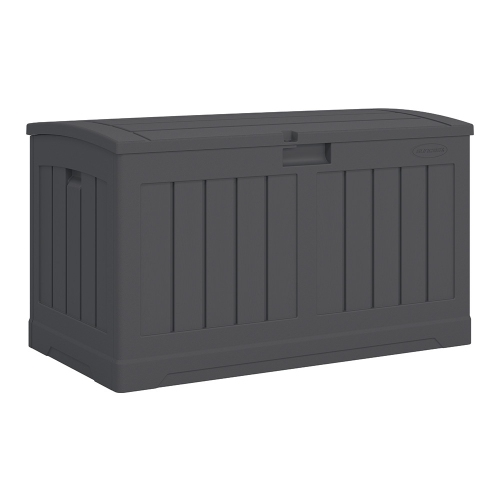
Materials affect an outdoor cushion storage box’s appearance, weight, upkeep, and ability to handle exposure. Moulded resin and plastic designs are often relatively light and easy to wipe clean, with finishes ranging from smooth panels to wood-look grain and woven textures. UV-resistant formulations can help limit fading and brittleness, although long-term performance still depends on the construction, exposure, and care. Wooden cushion boxes offer natural grain and a furniture-like appearance that can sit comfortably alongside timber dining sets or garden benches. Depending on the wood and finish, they may need periodic cleaning, refinishing, or treatment specified by the manufacturer. Metal designs can provide a rigid structure, but the protective finish and hardware deserve attention: scratched coatings and untreated edges may be vulnerable to corrosion. Fabric-covered storage options can be practical in sheltered locations, provided their frames, seams, closures, and placement suit the intended use. Across materials, a weather-resistant box is not necessarily waterproof. Overlapping lids, raised bases, and well-fitted panels can help shed rain and reduce contact with damp ground, but wind-driven water may still find its way through joins or openings. Ventilation can help moisture escape, yet it does not make a box suitable for storing wet cushions. After rainfall, fabric and filling should dry thoroughly before being packed away, since trapped moisture can lead to musty odours and mildew. A sheltered position can reduce direct exposure, though water dripping from a roof edge or pooling beneath the base can undermine that protection. For an uncovered patio, the manufacturer’s stated outdoor-use rating and care requirements are more meaningful than appearance alone. Colour and finish also influence how the box fits into the space: a charcoal chest can blend with dark metal seating, while a pale wood-look surface can sit quietly beside light upholstery. Textured finishes may disguise small scuffs but can take more effort to clean than smooth panels. Matching every surface is not essential; compatible proportions and a finish that suits the surrounding furniture often create a more cohesive result.
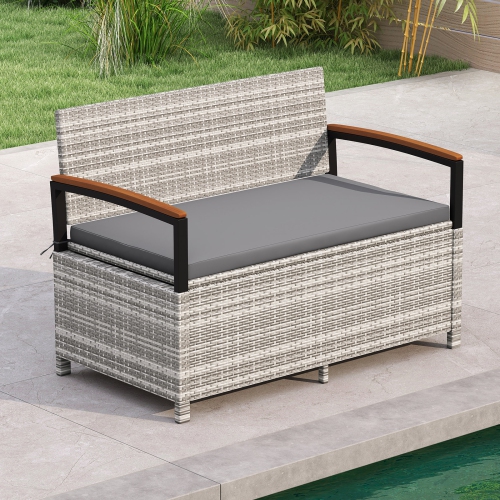
Everyday details can make an outdoor cushion box noticeably easier to use. A wide opening helps with bulky back cushions, while a supported lid can free both hands when lifting out a stack. Gas struts or other lid supports should be used within the manufacturer’s instructions, and their presence should not be taken as a guarantee against pinching or sudden closure. In households with children, a storage chest should never become a hiding place or play enclosure. Lockable designs can help control access, but a lock alone does not establish theft resistance or suitability for valuables. Handles and wheels may simplify moving an empty box for cleaning or rearranging furniture, although a fully loaded chest can be much heavier than expected. Some boxes are designed to double as benches or occasional surfaces; only models explicitly rated for seating should be used that way, with the stated weight limit observed. A flat lid by itself does not indicate that it can safely support a person. Inside, keeping cushions separate from muddy tools, damp pool accessories, or leaking gardening supplies helps protect upholstery from stains and odours. Removable dividers or suitable storage bags can keep smaller pieces organized, provided they do not trap moisture or interfere with closing the lid. Routine care is usually straightforward but should follow the material-specific instructions: remove loose debris, clean accessible surfaces with an appropriate mild cleaner, and let the interior dry before replacing the contents. Hinges, fasteners, and lid supports benefit from occasional checks, particularly if the lid starts sitting unevenly. For Canadian outdoor spaces exposed to snow or freezing conditions, year-round placement should depend on the box’s stated suitability, not simply on its being labelled for outdoor use. Cushions may still need dry indoor storage during extended periods without use, and snow loads should not be assumed safe for the lid. For households that entertain outdoors, furnish a small balcony, or maintain a cottage sitting area, a well-proportioned cushion box provides a practical place for soft furnishings without letting storage take over the space.
Materials affect an outdoor cushion storage box’s appearance, weight, upkeep, and ability to handle exposure. Moulded resin and plastic designs are often relatively light and easy to wipe clean, with finishes ranging from smooth panels to wood-look grain and woven textures. UV-resistant formulations can help limit fading and brittleness, although long-term performance still depends on the construction, exposure, and care. Wooden cushion boxes offer natural grain and a furniture-like appearance that can sit comfortably alongside timber dining sets or garden benches. Depending on the wood and finish, they may need periodic cleaning, refinishing, or treatment specified by the manufacturer. Metal designs can provide a rigid structure, but the protective finish and hardware deserve attention: scratched coatings and untreated edges may be vulnerable to corrosion. Fabric-covered storage options can be practical in sheltered locations, provided their frames, seams, closures, and placement suit the intended use. Across materials, a weather-resistant box is not necessarily waterproof. Overlapping lids, raised bases, and well-fitted panels can help shed rain and reduce contact with damp ground, but wind-driven water may still find its way through joins or openings. Ventilation can help moisture escape, yet it does not make a box suitable for storing wet cushions. After rainfall, fabric and filling should dry thoroughly before being packed away, since trapped moisture can lead to musty odours and mildew. A sheltered position can reduce direct exposure, though water dripping from a roof edge or pooling beneath the base can undermine that protection. For an uncovered patio, the manufacturer’s stated outdoor-use rating and care requirements are more meaningful than appearance alone. Colour and finish also influence how the box fits into the space: a charcoal chest can blend with dark metal seating, while a pale wood-look surface can sit quietly beside light upholstery. Textured finishes may disguise small scuffs but can take more effort to clean than smooth panels. Matching every surface is not essential; compatible proportions and a finish that suits the surrounding furniture often create a more cohesive result.
Everyday details can make an outdoor cushion box noticeably easier to use. A wide opening helps with bulky back cushions, while a supported lid can free both hands when lifting out a stack. Gas struts or other lid supports should be used within the manufacturer’s instructions, and their presence should not be taken as a guarantee against pinching or sudden closure. In households with children, a storage chest should never become a hiding place or play enclosure. Lockable designs can help control access, but a lock alone does not establish theft resistance or suitability for valuables. Handles and wheels may simplify moving an empty box for cleaning or rearranging furniture, although a fully loaded chest can be much heavier than expected. Some boxes are designed to double as benches or occasional surfaces; only models explicitly rated for seating should be used that way, with the stated weight limit observed. A flat lid by itself does not indicate that it can safely support a person. Inside, keeping cushions separate from muddy tools, damp pool accessories, or leaking gardening supplies helps protect upholstery from stains and odours. Removable dividers or suitable storage bags can keep smaller pieces organized, provided they do not trap moisture or interfere with closing the lid. Routine care is usually straightforward but should follow the material-specific instructions: remove loose debris, clean accessible surfaces with an appropriate mild cleaner, and let the interior dry before replacing the contents. Hinges, fasteners, and lid supports benefit from occasional checks, particularly if the lid starts sitting unevenly. For Canadian outdoor spaces exposed to snow or freezing conditions, year-round placement should depend on the box’s stated suitability, not simply on its being labelled for outdoor use. Cushions may still need dry indoor storage during extended periods without use, and snow loads should not be assumed safe for the lid. For households that entertain outdoors, furnish a small balcony, or maintain a cottage sitting area, a well-proportioned cushion box provides a practical place for soft furnishings without letting storage take over the space.
Top selling and popular products
-
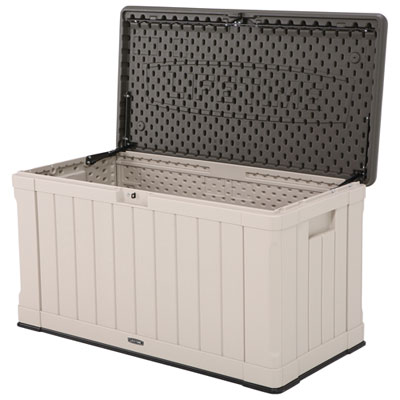 Your price for this item is $233.98
 -
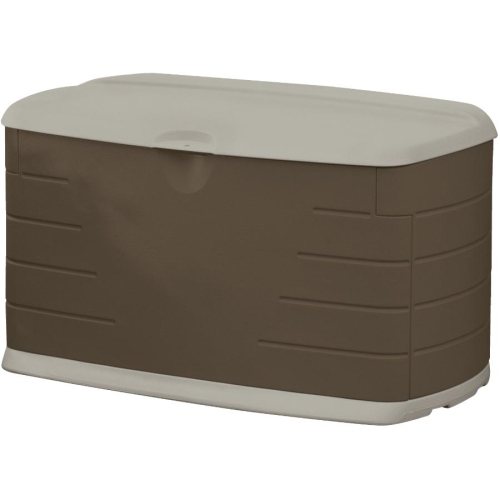 Your price for this item is $371.77
 -
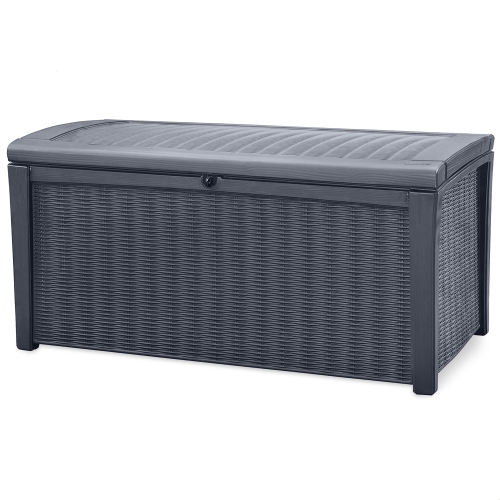 Your price for this item is $391.99
 -
 Your price for this item is $299.99
 -
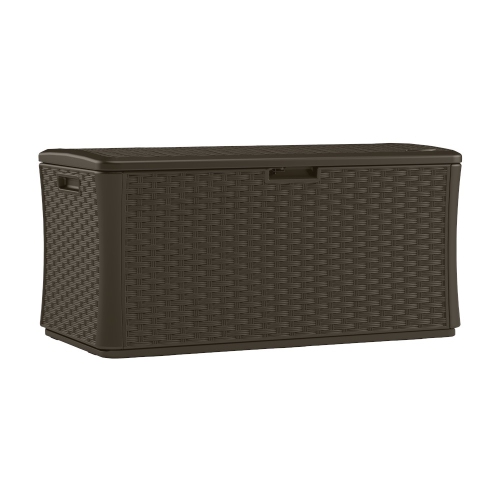 Your price for this item is $349.99
 -
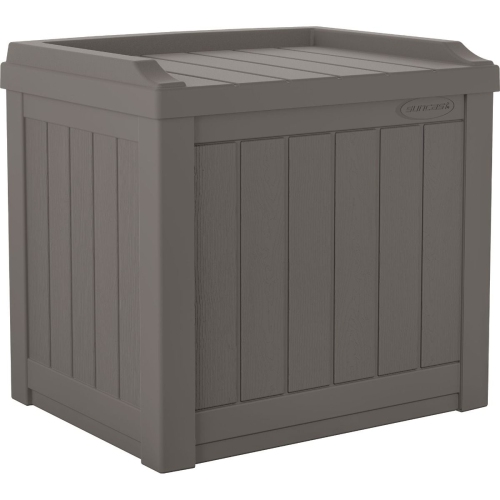 Your price for this item is $108.99
 -
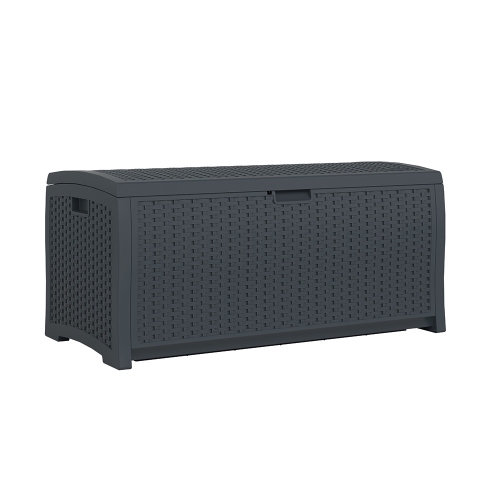 Your price for this item is $219.99
 -
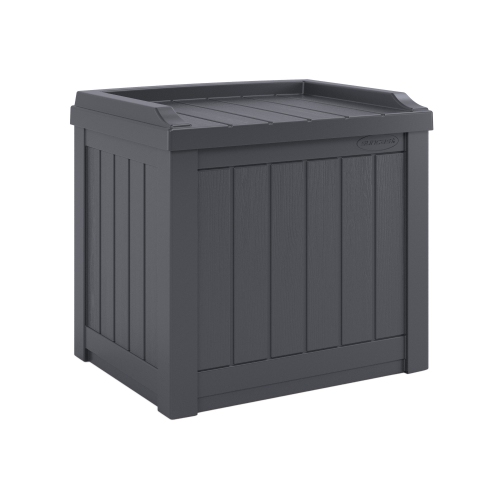 Your price for this item is $108.99
Discover more categories related to Outdoor Cushion Boxes
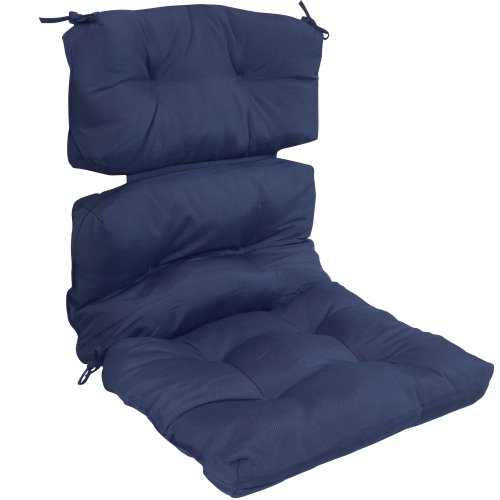

Top Collections:
Pokemon Centers, Kindle Devices, Best Budget Office Chairs, Apple iPhones 16, Best Laptops for Writers, iPhone 15 Apple, Canon G7X Cameras, Refurbished Apple Laptops, Alarm Clock, Motorola Razr Phones
Some products may be subject to Environmental Handling Fees
(EHF) depending on your province.
Learn more about EHFs.