Outdoor Dining Tables for Restaurants
Outdoor Dining Tables for Restaurants create an inviting atmosphere for guests to enjoy meals in open-air settings. Designed to complement a variety of restaurant styles and layouts, these tables help maximize patio space while enhancing the overall dining experience. Explore a range of sizes and designs to find the ideal fit that supports both functionality and aesthetic appeal for your restaurant’s outdoor area.
Sort






The table details behind smoother patio service
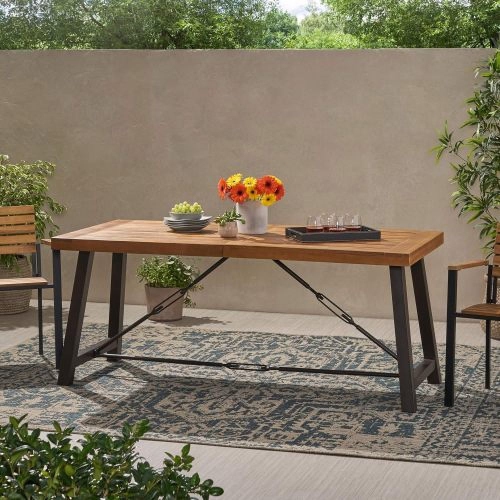
Outdoor dining tables for restaurants provide a dedicated surface for meals, drinks, and table service on patios, terraces, and other open-air dining areas. Tables suited to restaurant use balance a stable base, an easy-to-clean top, and materials appropriate for outdoor exposure, with dimensions that support comfortable seating and efficient service. A compact café terrace may need small tables that accommodate a couple of coffee cups and breakfast plates, while a full-service restaurant needs room for dinner plates, glassware, shared dishes, and condiments without crowding guests. Table shape makes a noticeable difference to how that space works. Square tables can create a consistent layout and may be brought together for larger parties when their heights and edges align. Round tables suit conversation and eliminate corners, though the base still needs to leave enough space for chairs and feet. For longer seating arrangements, Outdoor Rectangle Dining Tables can accommodate family meals, shared platters, or groups seated along a terrace. Seating capacity depends on the usable tabletop area, chair width, and leg placement rather than shape alone. A table that appears generous from above may feel cramped if a wide base or low support rail limits legroom. Dining-height tables generally pair with dining chairs, while counter-height and bar-height tables require seating matched to their taller surfaces. The distance between the seat and the underside of the table matters as much as the stated table height, especially with armchairs or thick seat cushions. In a restaurant layout, the full footprint includes occupied chairs and the space needed to pull them out. Keeping serving routes, entrances, and accessible paths clear helps staff carry trays without squeezing between guests. Accessible seating also requires appropriate approach space and knee clearance, assessed against applicable local requirements. For operators furnishing a bistro, hotel patio, brewery, or casual dining space, these practical details help distinguish a useful restaurant table from one chosen mainly for its appearance.
Materials affect a restaurant patio table’s weight, appearance, maintenance needs, and resistance to daily wear. Aluminum is relatively lightweight and naturally resistant to rust, making it useful where staff regularly rearrange seating. A powder-coated finish adds colour and a protective surface, although scratches and chips still deserve attention according to the manufacturer’s care directions. Steel can provide a substantial frame, but its resistance to corrosion depends on the metal, coating, construction, and ongoing care. Exposed steel at a damaged finish or connection point may develop rust. Stainless steel also varies by grade and finish, so it should not be treated as maintenance-free, particularly where salt exposure is a concern. Resin and high-density polyethylene tabletops offer practical alternatives to wood or metal, with performance that depends on their formulation and construction. UV-resistant materials can help limit fading, but that description does not mean a surface is immune to prolonged sun exposure, staining, or heat damage. Resin lumber can provide a slatted, wood-like appearance without requiring the same finishing routine as natural timber. Wood brings visible grain and a warmer texture to a dining area, though different species and finishes have different requirements for cleaning, protective treatments, and storage. Some wood changes colour as it ages; preserving its original appearance may involve additional care. Tabletops made from compact laminate or other composite materials need explicit approval for outdoor use, since an indoor surface may not tolerate moisture at its edges or joints. Construction is just as important as the material name. Secure connections, well-finished edges, and a base proportioned to the top all contribute to everyday usability. On paved patios, adjustable feet can help compensate for minor surface irregularities, keeping a table steady when someone cuts into a meal or sets down a drink. Commercial-use suitability should be confirmed in the specifications and warranty terms, since outdoor suitability alone does not establish that a table is intended for frequent restaurant service.
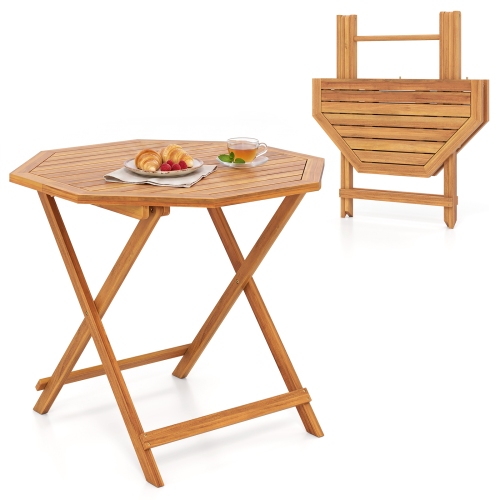
The most practical outdoor restaurant tables also fit the routines that happen before opening, between seatings, and after the last guests leave. Smooth, accessible surfaces make it easier to remove crumbs and spills, while textured finishes, slats, and decorative joints may need more detailed cleaning. A busy lunch service can leave coffee rings, sauce splashes, and crumbs around the edges, so compatibility with the restaurant’s cleaning products matters. Cleaning and sanitizing should follow the tabletop manufacturer’s directions alongside applicable food-service procedures; harsh chemicals, abrasive pads, or unsuitable concentrations can damage finishes. Slatted tops allow some water to pass through, but the gaps still need attention, and smaller items such as cutlery should sit securely on the surface. Solid tops provide an uninterrupted area for place settings, though standing water should be removed rather than left to collect. Where tables include umbrella holes, the opening must match the umbrella pole and work with a suitable support system. A tabletop opening is not a substitute for a properly rated umbrella base, and the umbrella’s wind limits still apply. Folding and flip-top designs can simplify clearing a patio or storing tables, provided their mechanisms lock securely in the position specified by the manufacturer. Stackable tables can reduce storage space when designed for stacking; protective contact points help prevent surfaces from rubbing together. Staff should be able to move furniture safely, with attention to weight, lifting points, and pinch points around hinges. Covers can help protect furniture between uses, but they need a suitable fit and should not trap moisture against surfaces that require ventilation. Periodic checks of bolts, glides, hinges, and finish damage help identify small problems before they interrupt service. Visually, coordinated tabletop finishes and base colours can connect the patio with the restaurant’s interior, while restrained shapes leave room for menus, table numbers, and food presentation. The result is a dining area that feels welcoming to guests and remains manageable for the people setting tables, serving meals, and caring for the furniture every day.
Top selling and popular products
-
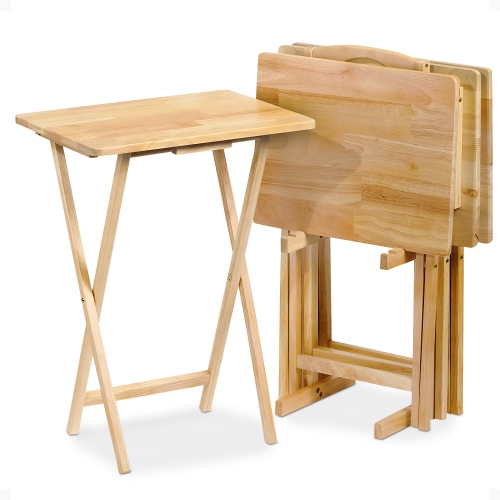 Your price for this item is $162.99
-
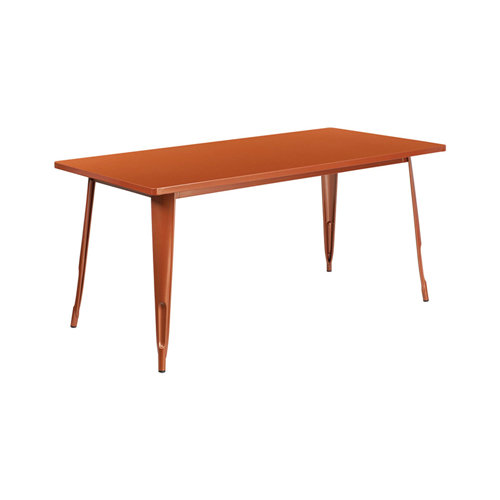 Your price for this item is $515.33
-
 Your price for this item is $115.99
-
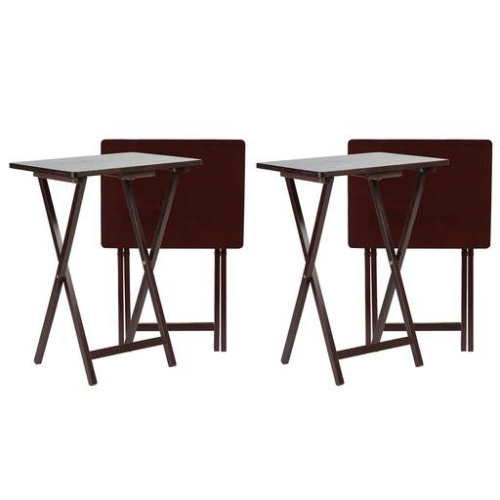 Your price for this item is $180.99
-
 Your price for this item is $149
-
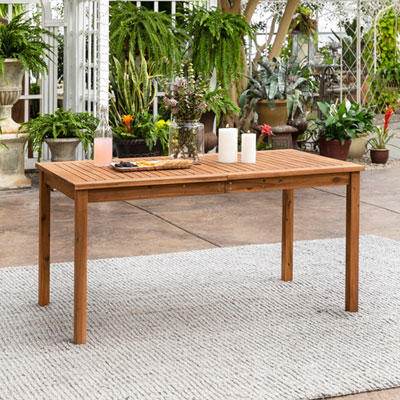 Your price for this item is $550.99
-
 Your price for this item is $259.99
-
 Your price for this item is $399.95
Discover more categories related to Outdoor Dining Tables for Restaurants

Top Collections:
Pokemon Centers, Kindle Devices, Best Cameras for Sports Photography, Pokémon 30th Celebration Cards, Apple iPhones 16, Canon G7X Cameras, iPhone 15 Apple, Flip Phones, Samsung Galaxy Phones, Alarm Clock
Some products may be subject to Environmental Handling Fees
(EHF) depending on your province.
Learn more about EHFs.