Outdoor Heater Portable
Enjoy your outdoor spaces year-round with the convenience of an outdoor heater portable. Perfect for patios, decks, or backyard gatherings, these versatile heaters offer warmth and comfort wherever you need it most. Designed for easy transport and setup, an outdoor heater portable lets you extend your time outside without worrying about the chill. Explore a wide selection to find the ideal solution for your next outdoor event or cozy evening at home.
Sort

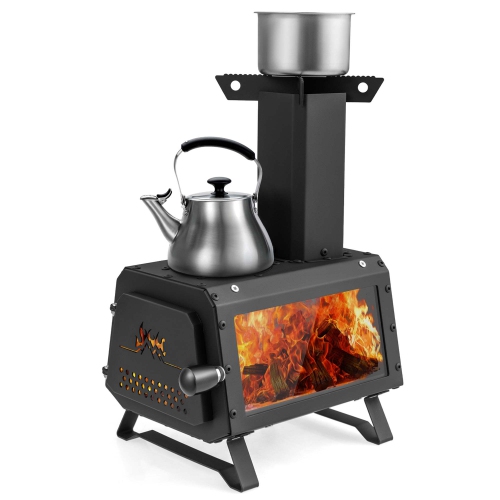
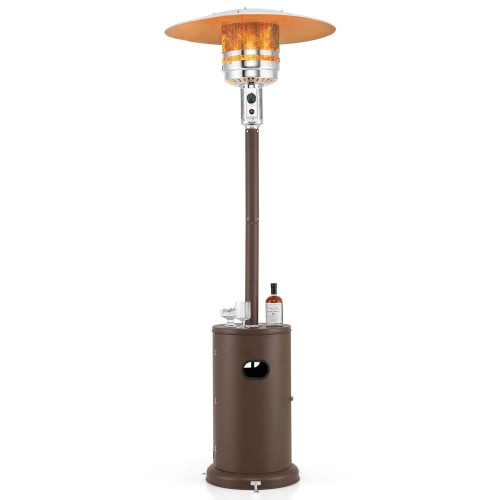
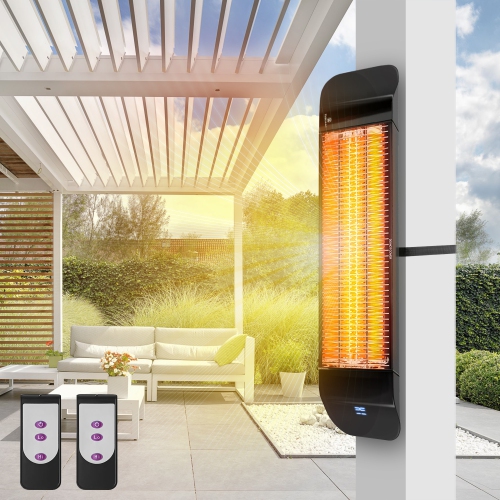



Patio comfort depends on more than heat output
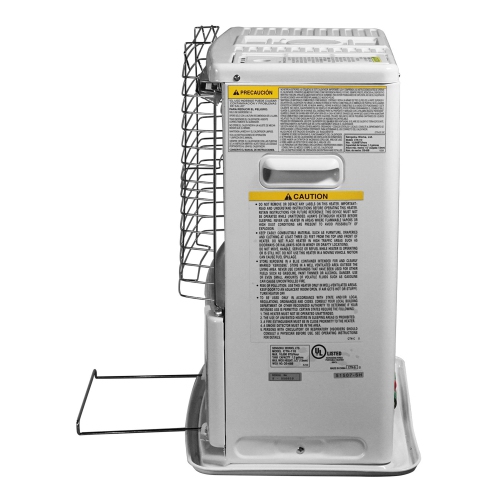
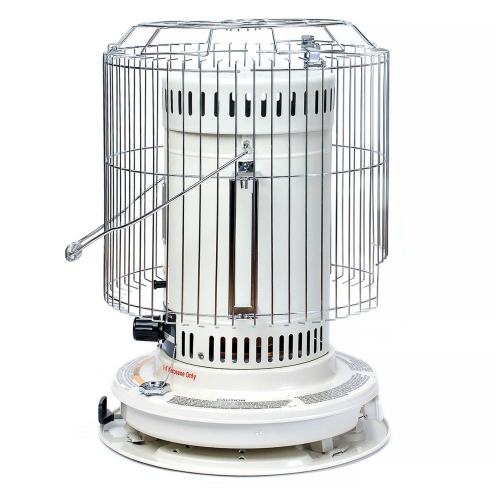
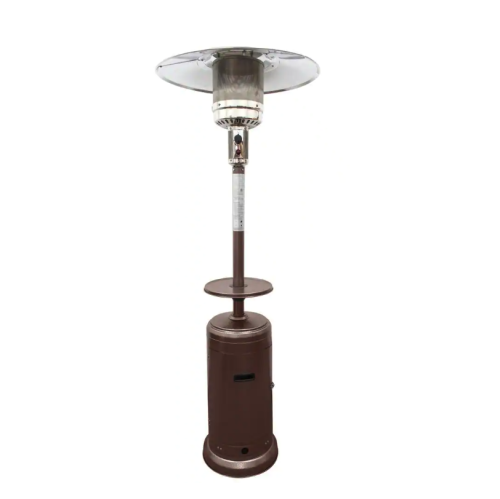
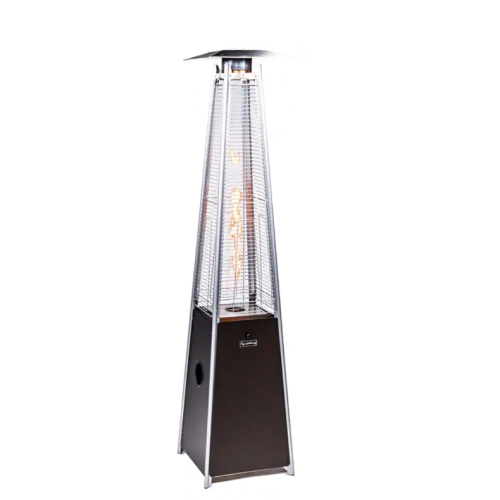
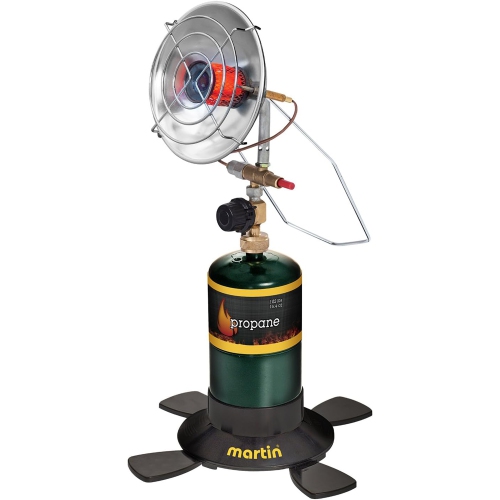
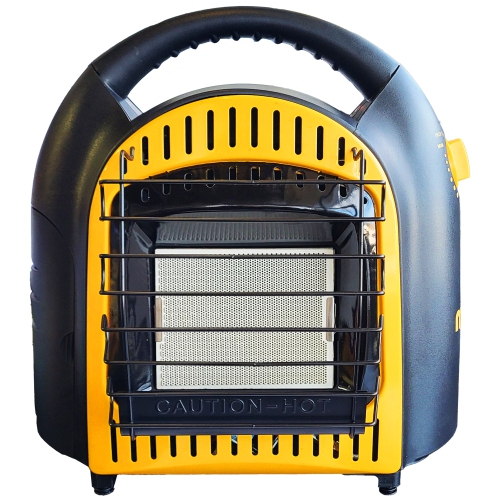
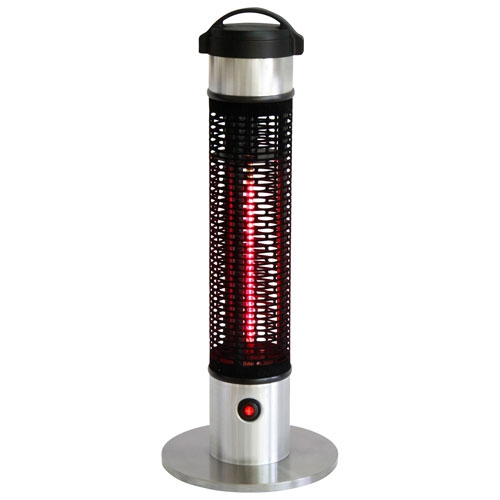
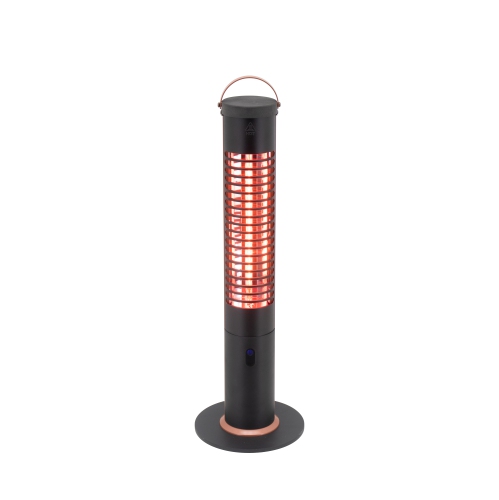
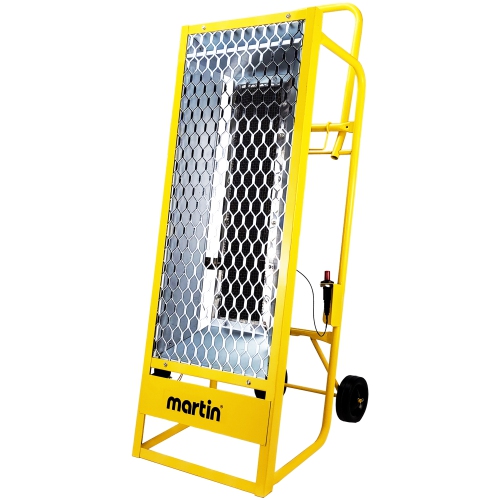
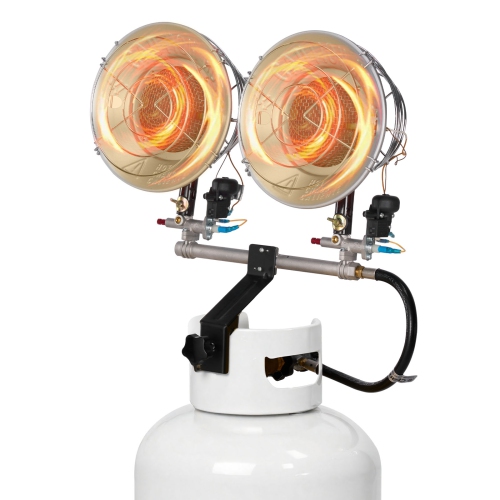
Portable outdoor heaters add focused warmth to patios, decks and other open-air seating areas without requiring a permanent heating installation. They are useful beside a pair of lounge chairs, near an outdoor dining table or at a campsite where heating equipment is permitted. The main choices are electric and propane, with each suited to a different kind of setup. Electric infrared heaters use radiant heat to warm people and nearby surfaces within their reach rather than relying primarily on heating the surrounding air. They suit spaces with a suitable outdoor electrical outlet, particularly when the seating arrangement stays relatively close to the house. Many plug-in designs operate at up to 1,500 watts on a standard 120-volt household circuit, although the electrical requirements must be checked for each model. Propane heaters provide more flexibility where an outlet is out of reach, but their portability also depends on the size and weight of the fuel cylinder. Options include compact tabletop heaters, taller freestanding styles and tank-top designs, with different placement requirements and intended uses. Some accept small cylinders, while others connect to larger refillable tanks using the fittings specified by the manufacturer. Propane output is generally expressed in British thermal units per hour, often abbreviated as BTU/h; electric output is commonly listed in watts. Neither figure, on its own, establishes how comfortable an entire patio will feel. Wind exposure, heater height, radiant direction and the distance between the heater and the seating all affect the warmth that reaches a person. A compact heater aimed toward two chairs serves a different purpose from a tall unit designed to distribute heat around a broader seating area. For open outdoor spaces, think in terms of a comfortable zone around the heater rather than expecting indoor-style temperature control across the whole deck. Published coverage figures are most useful when considered alongside the conditions and placement assumptions in the product documentation.
Portability involves more than a carry handle. A heater that moves easily across a smooth patio may be awkward on gravel, deck steps or uneven paving stones, especially once a propane cylinder is attached. Overall dimensions, lifting weight, wheel design and the location of handles all influence how practical it is to bring a heater out for dinner and put it away afterwards. A broad, stable base helps a freestanding heater sit securely, but it also needs enough floor space to avoid crowding chairs or creating a tripping point along a walkway. Tabletop designs leave more room at ground level, although they require a sturdy, heat-tolerant surface and the clearances stated in their instructions. Lower electric radiant heaters can suit seated use when their design and approved placement allow warmth to reach legs and feet. Taller designs may distribute heat nearer the upper body, depending on the position of the heating element or reflector. Adjustable heat settings are useful when the same spot is used for a quick coffee and a longer outdoor meal, while an adjustable head can help direct warmth where people are sitting. Materials also matter for equipment that is regularly moved and exposed to outdoor conditions. Stainless steel and powder-coated steel are common choices for housings and frames, but their resistance to corrosion depends on the grade, finish, maintenance and exposure. A metal body does not automatically make a heater waterproof, and an outdoor rating does not mean unlimited protection from rain or snow. Check the stated limits rather than judging weather resistance by appearance. For a coordinated seating area, Black Portable Heaters can complement dark furniture frames and railings, but outdoor approval remains essential regardless of colour. Controls should also be easy to reach without leaning over a hot surface, with settings that are readable from a normal standing or seated position.
Safe placement and straightforward care help make a portable outdoor heater practical for repeated use. Set it on a level, stable surface and follow the specified clearances above, beside and in front of the unit, including distances from cushions, umbrellas, awnings, fences and overhead structures. Keep walking routes clear, and leave space so children and pets cannot easily brush against hot components. Tip-over shutoff and overheat protection are useful features where fitted, but they do not replace supervision or correct positioning. Fuel-burning outdoor heaters must only be used in the open-air locations permitted by their instructions, never inside a home, garage, tent or enclosed shelter. An oxygen depletion sensor, if fitted, does not make an outdoor-only heater suitable for indoor use or remove the risk of carbon monoxide. For electric models, use the outlet type and ground-fault protection required by the manufacturer and applicable electrical rules. Keep plugs and connections protected from water, avoid power bars, and do not use an extension cord unless the heater instructions expressly allow one and specify its requirements. For propane models, use only approved fuel connections, keep cylinders upright as directed and check for leaks using the method in the manual, never an open flame. Turn the heater off and allow it to cool fully before moving it, changing its position or fitting a cover. Routine care generally includes removing dust and debris as instructed, checking cords or fuel hoses for damage, and looking for loose fasteners or corrosion before use. Store the cooled heater somewhere dry and protected, with propane cylinders handled and stored separately as required by the manufacturer and local rules. These practical details are especially relevant for people who enjoy lingering over an outdoor meal, sharing a quiet conversation on the deck or spending time at an approved campsite. A portable outdoor heater can also be a thoughtful gift for someone with a suitable patio, provided its power source, dimensions and storage needs fit the space they actually use.
Top selling and popular products
-
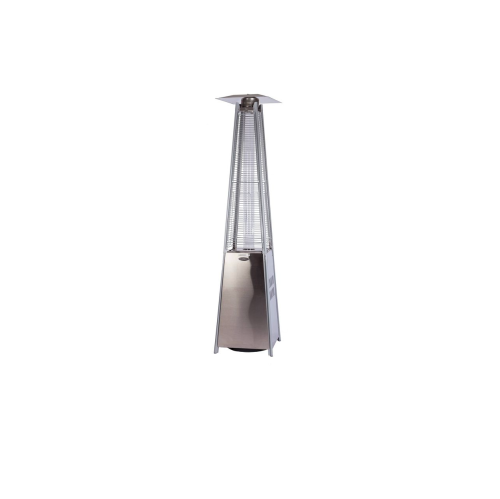 Your price for this item is $879.99
-
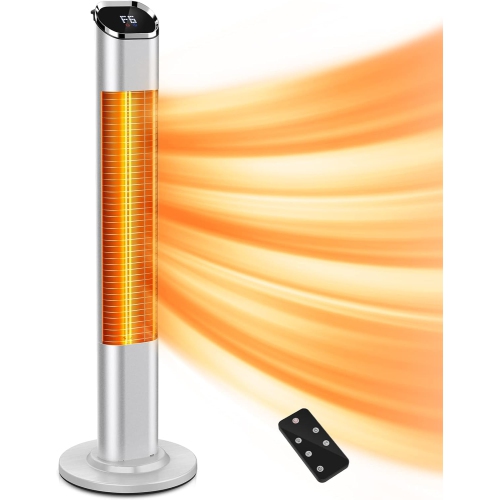 Your price for this item is $219.95
-
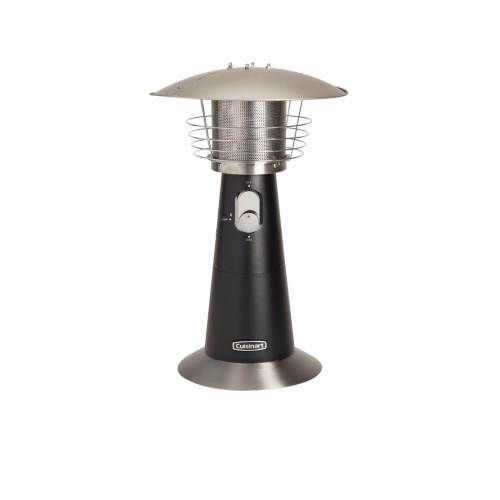 Your price for this item is $329.99
-
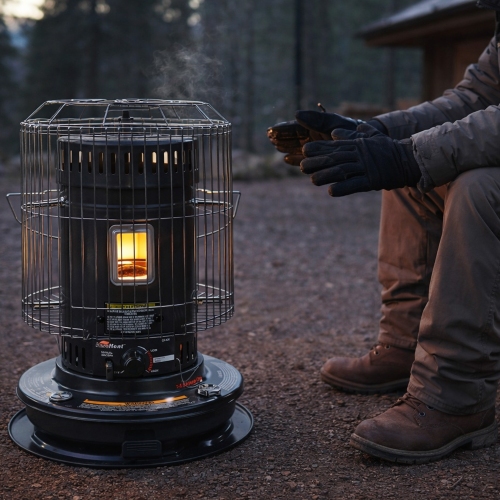 Your price for this item is $783.99
-
 Your price for this item is $318.99
-
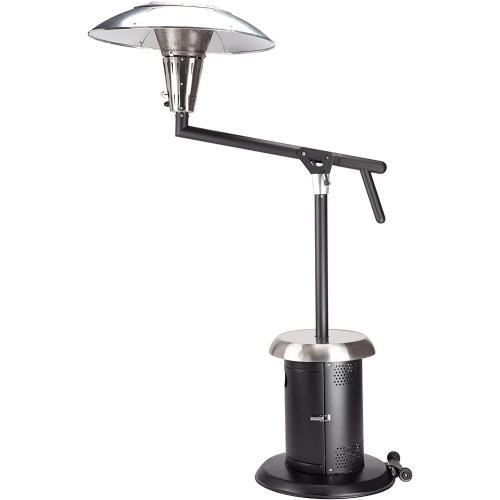 Your price for this item is $1199.99
-
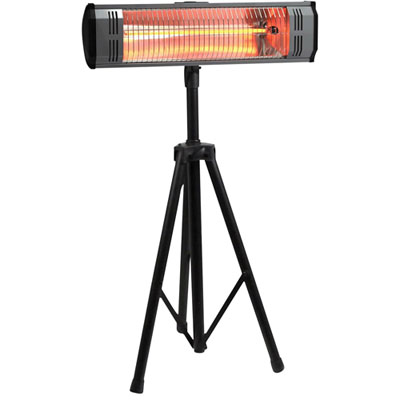 Your price for this item is $259.99
-
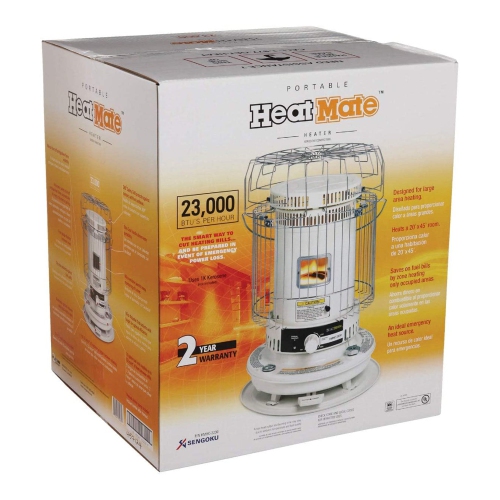 Your price for this item is $611.99
Discover more categories related to Outdoor Heater Portable

Top Collections:
Best Black Friday Deals This Year, Best Black Friday Deals On Electronics, Kindle Devices, Pokemon Centers, Best Black Friday Deals On Apple Products, Best Cameras for Sports Photography, Dyson Airwrap, Pokémon 30th Celebration Cards, Apple iPhone 17 Pro, Canon G7X Cameras
Some products may be subject to Environmental Handling Fees
(EHF) depending on your province.
Learn more about EHFs.