Outdoor LED Flood Lights
Illuminate your outdoor spaces with these powerful and efficient outdoor LED flood lights. Designed to provide bright and long-lasting illumination, these flood lights are perfect for enhancing security, highlighting architectural features, or simply creating a welcoming ambiance. Whether you're looking to illuminate your backyard, driveway, or commercial property, our selection of outdoor LED flood lights has something to suit every need and style.
Sort
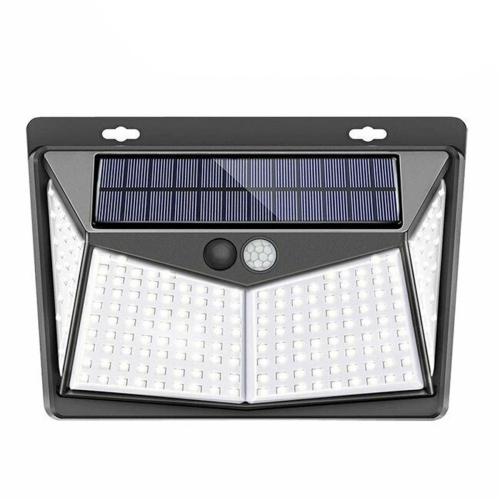
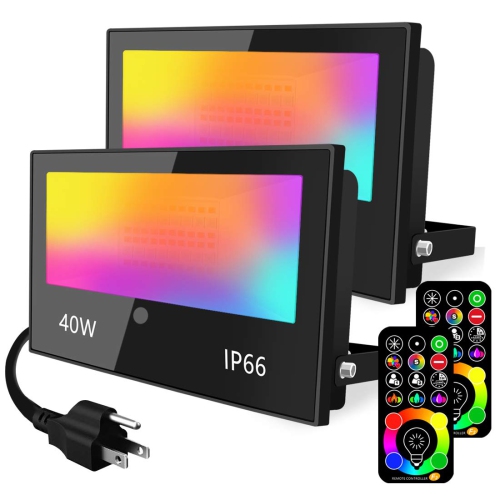

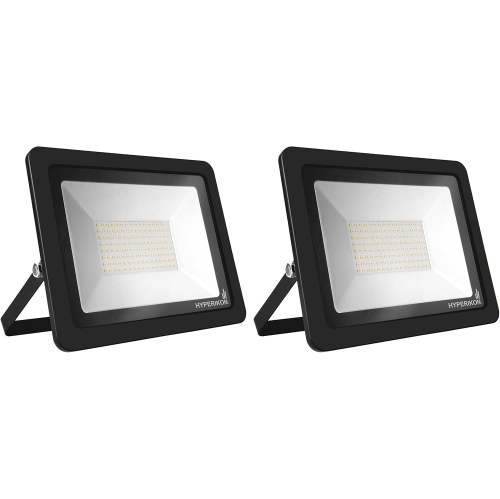
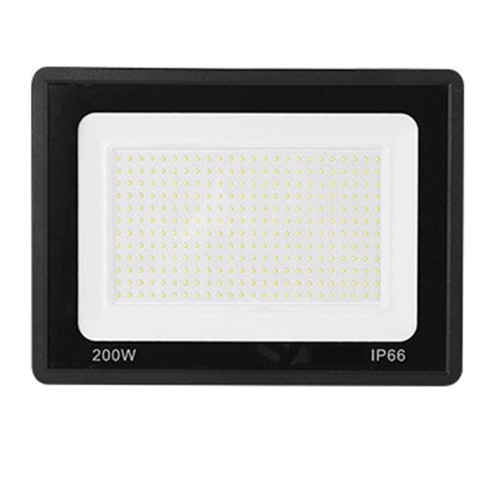
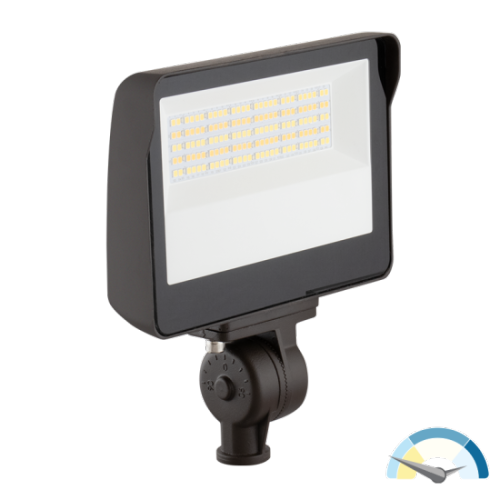
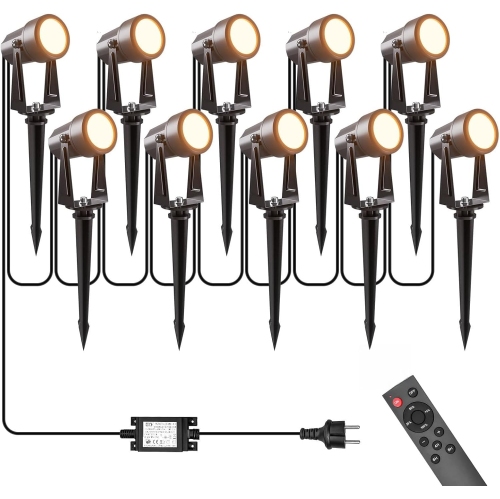
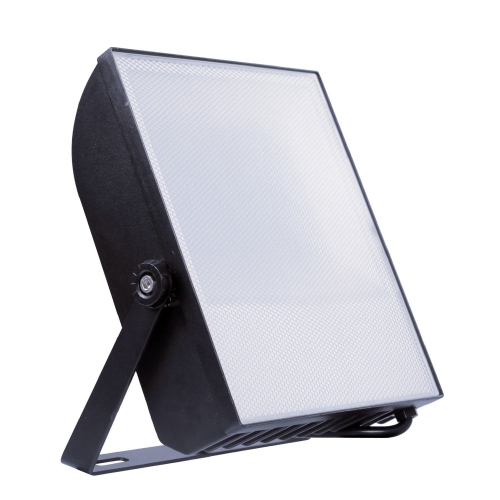
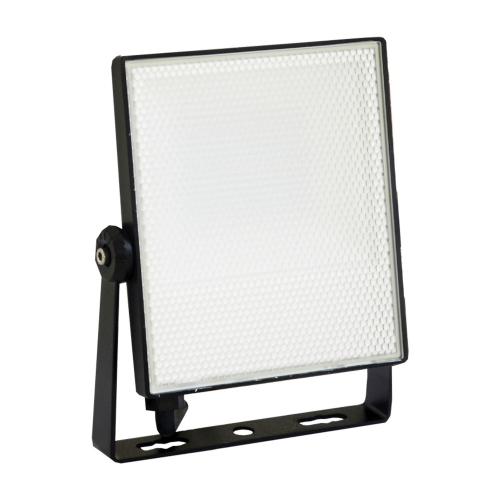
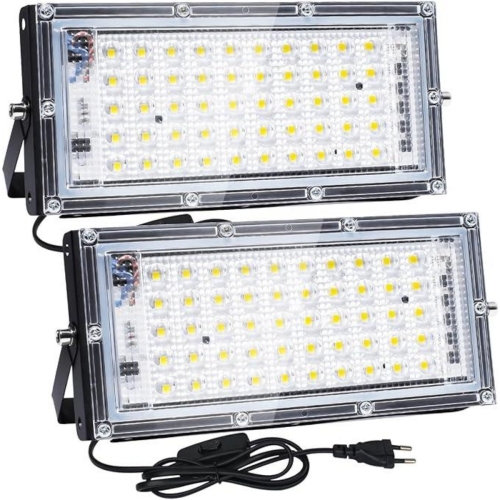
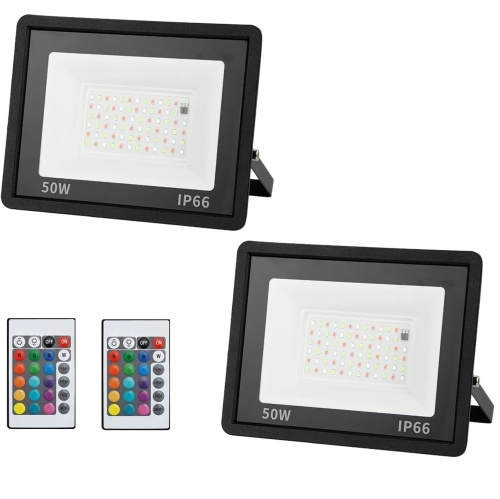
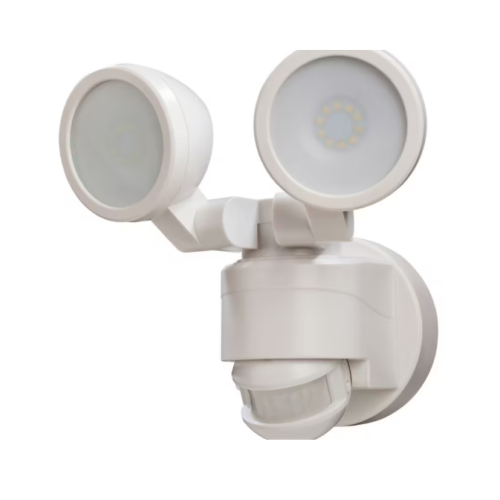
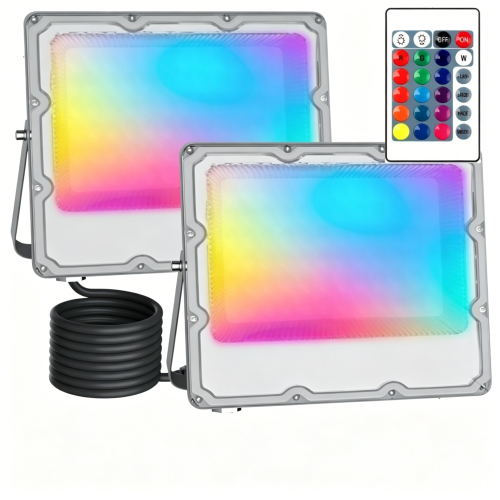
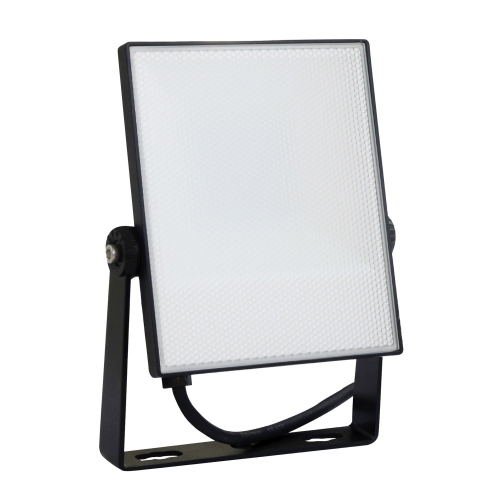
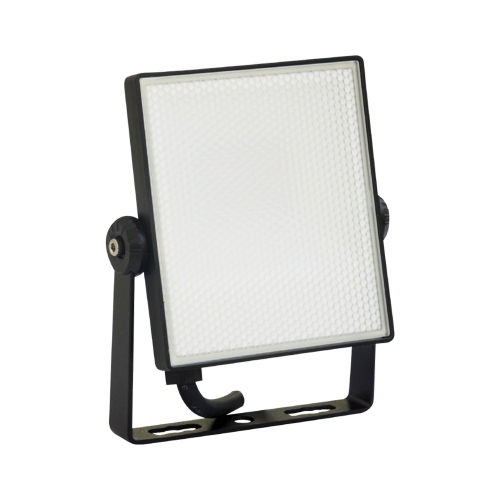
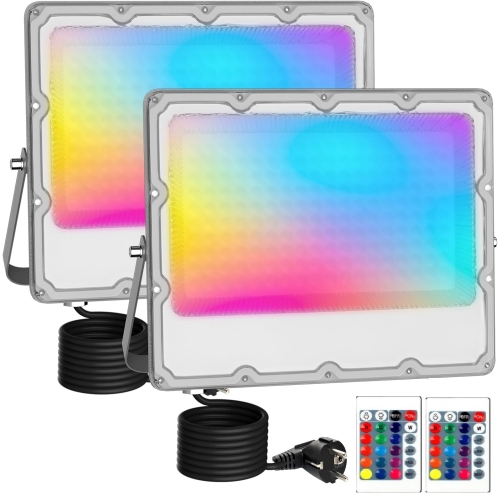
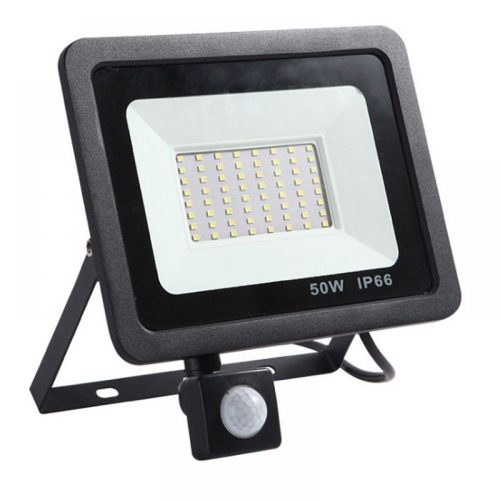
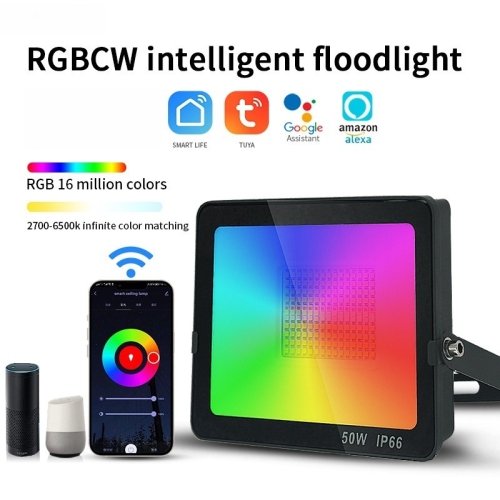
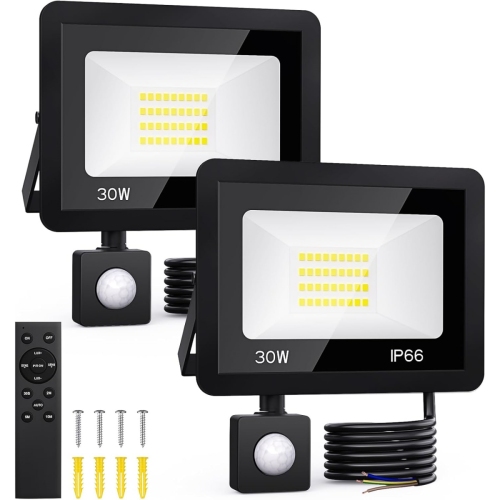
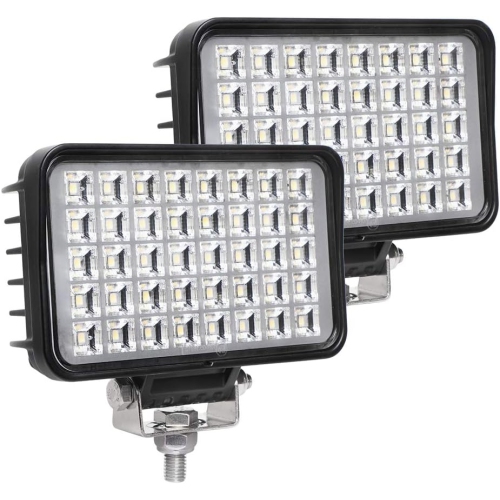
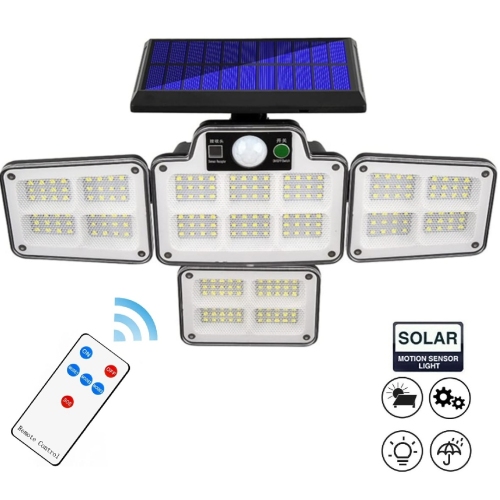
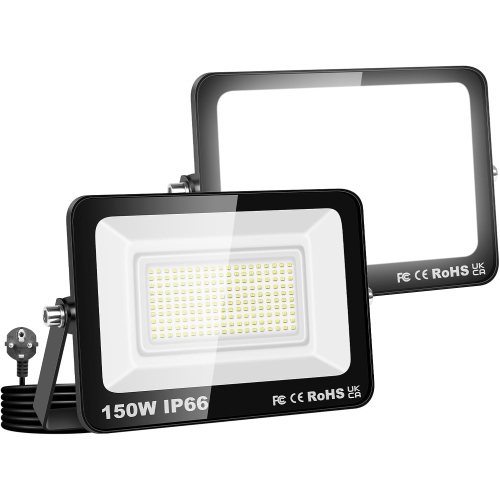
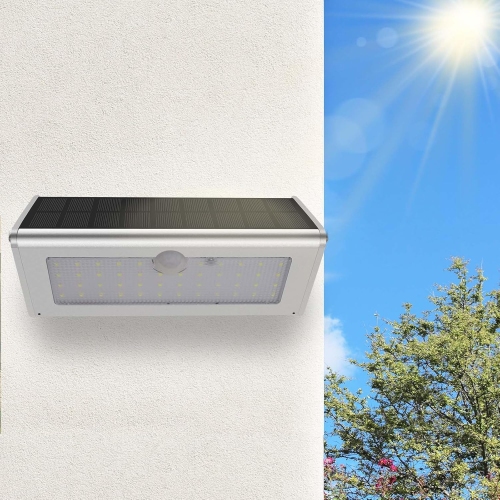
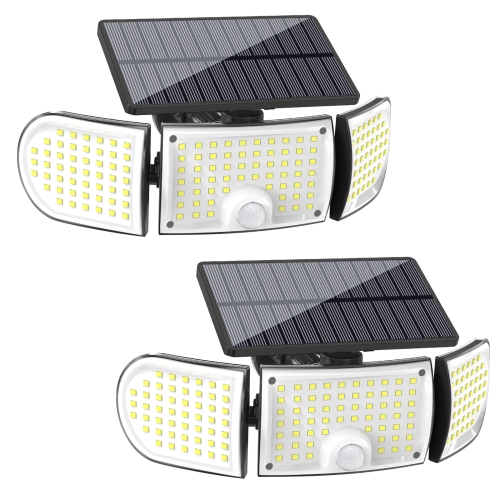
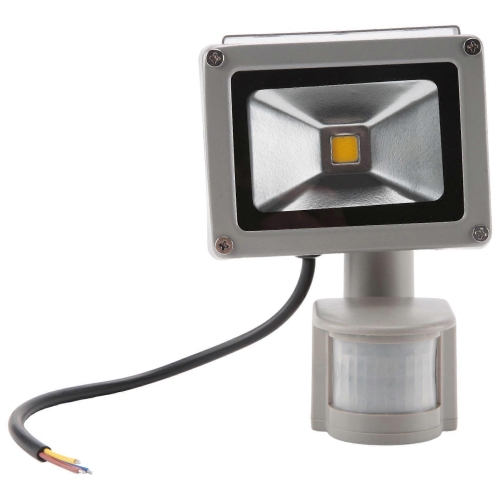
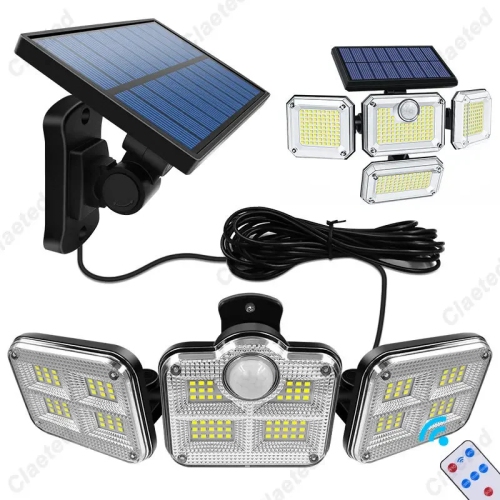
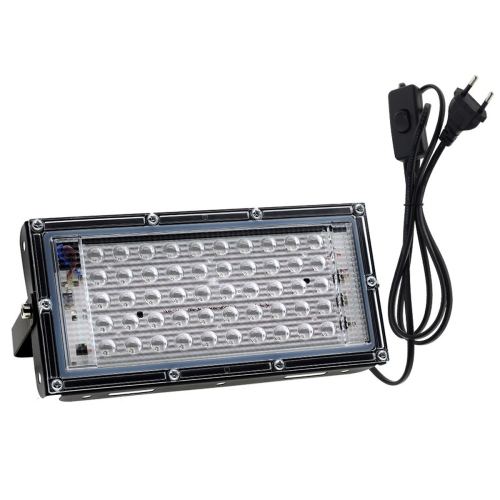
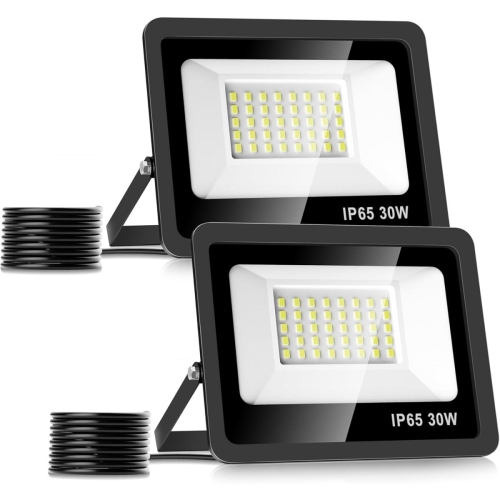
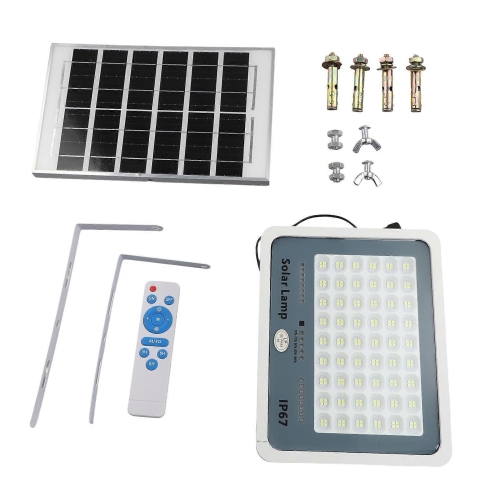
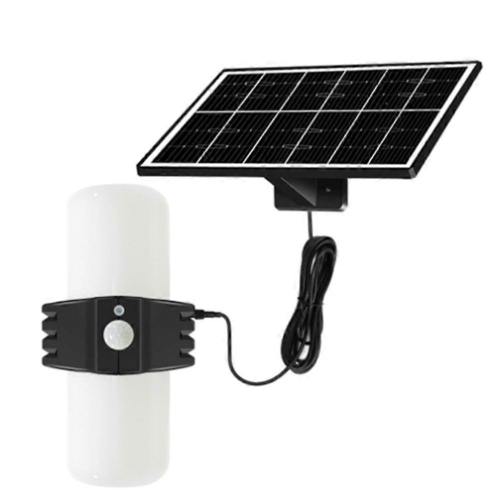
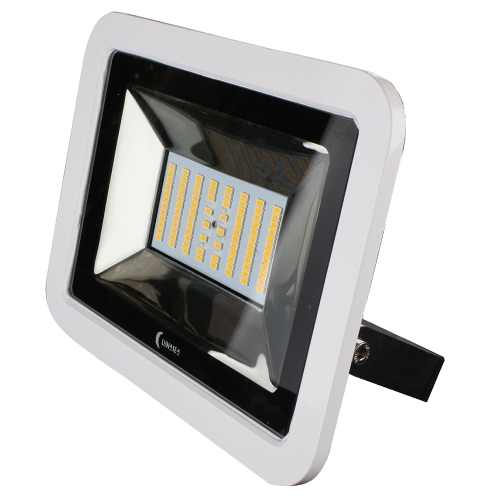
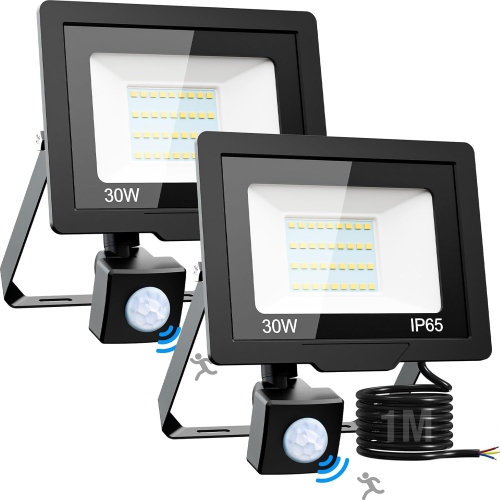
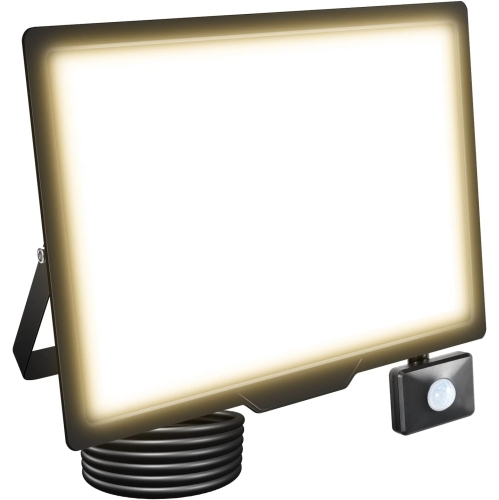
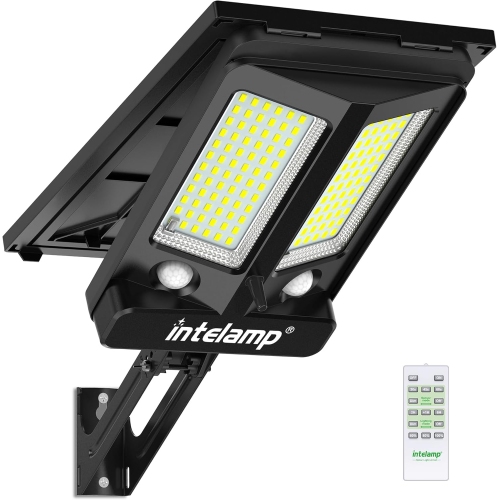
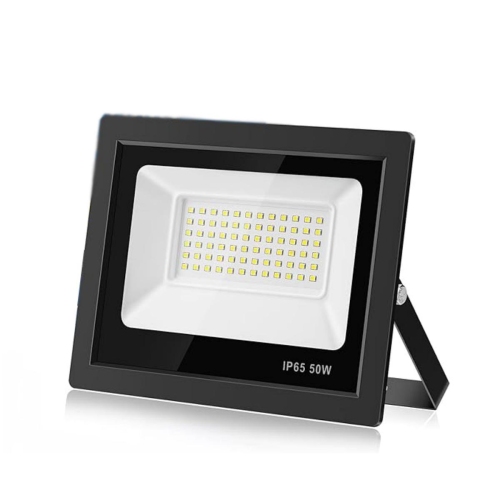
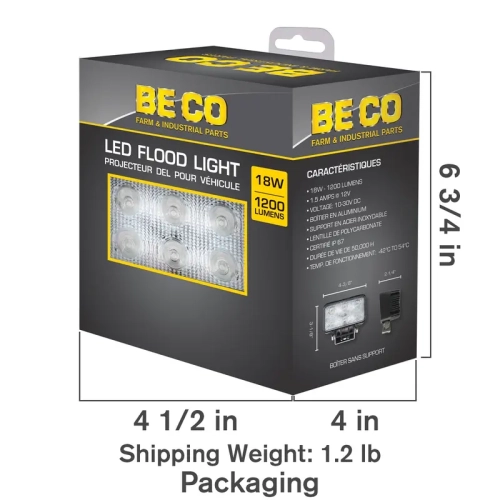
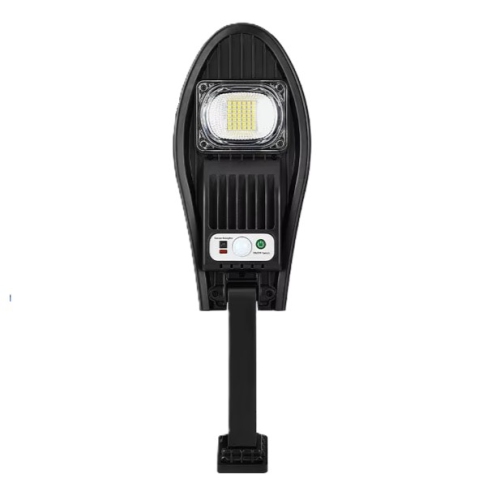
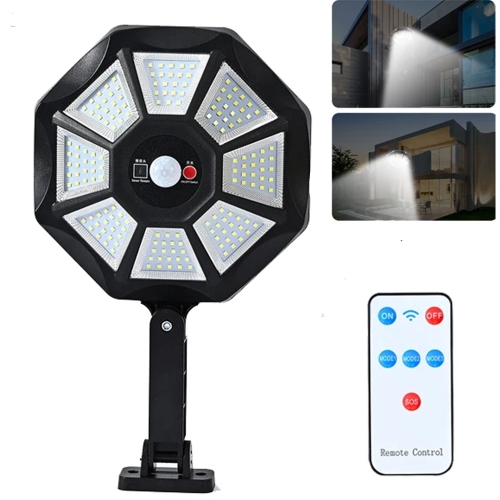
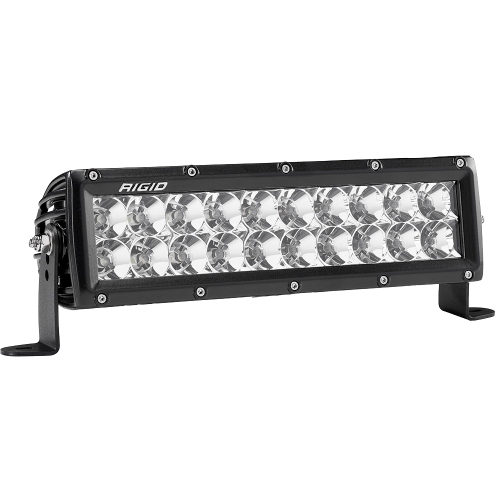
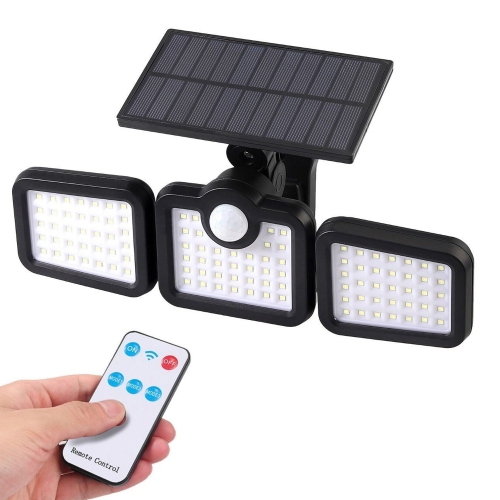
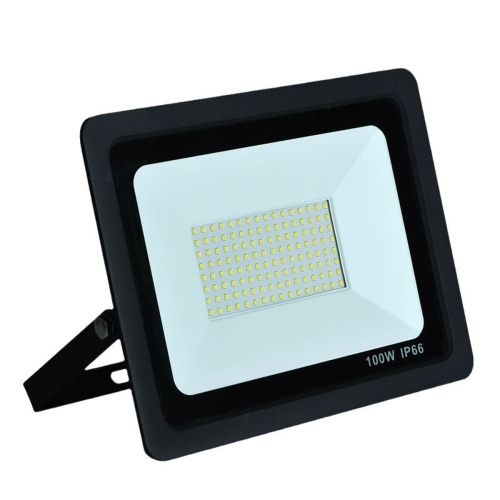
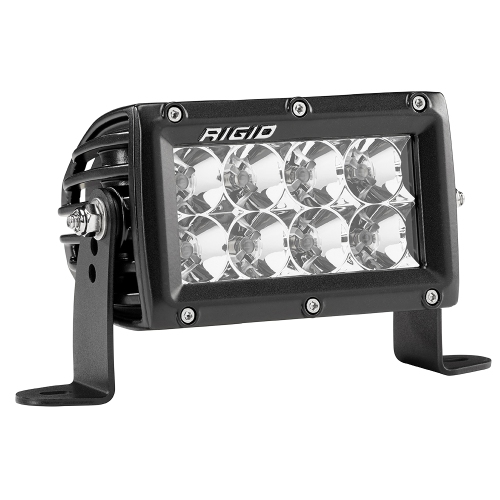
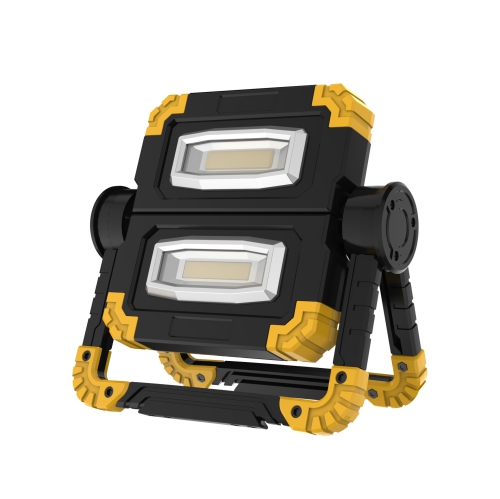
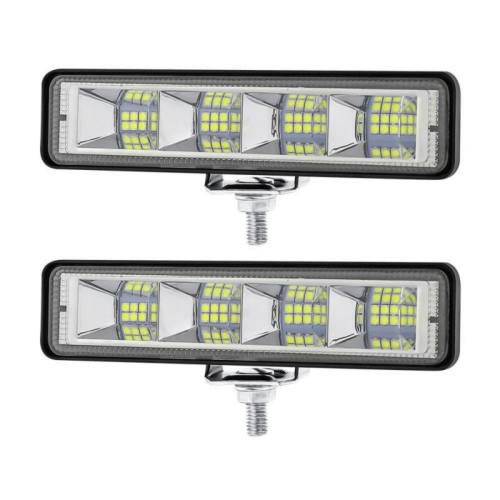
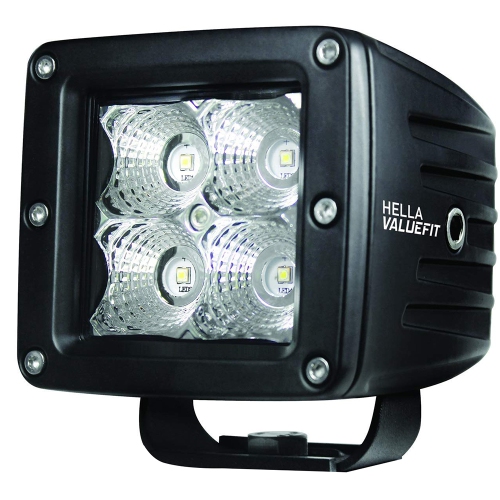
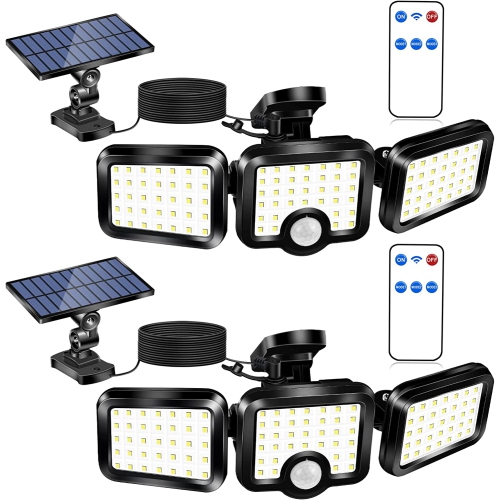
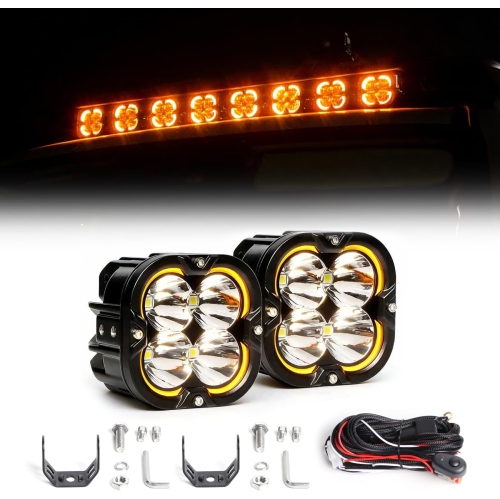
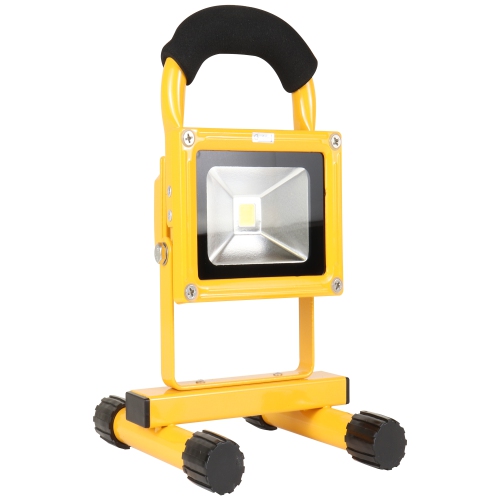
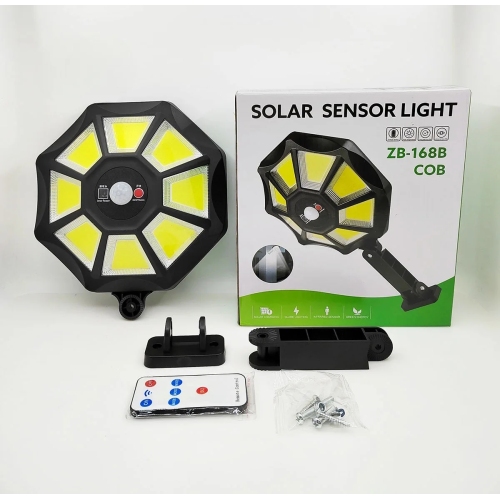
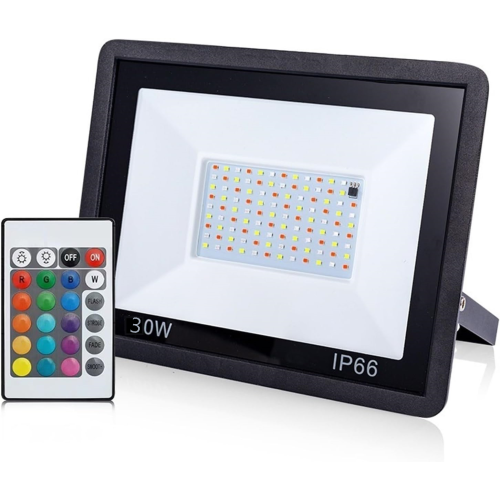
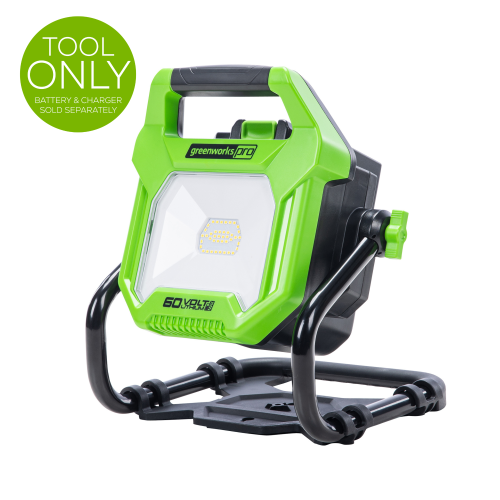
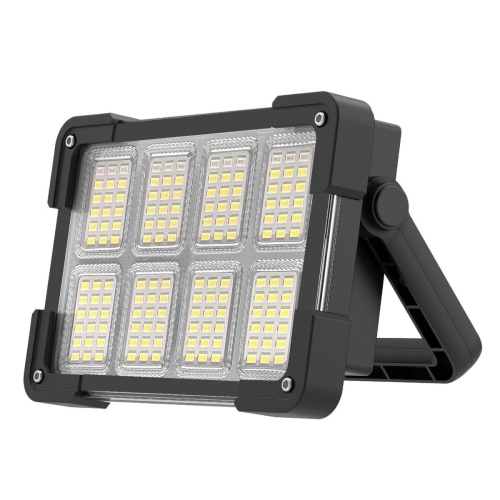
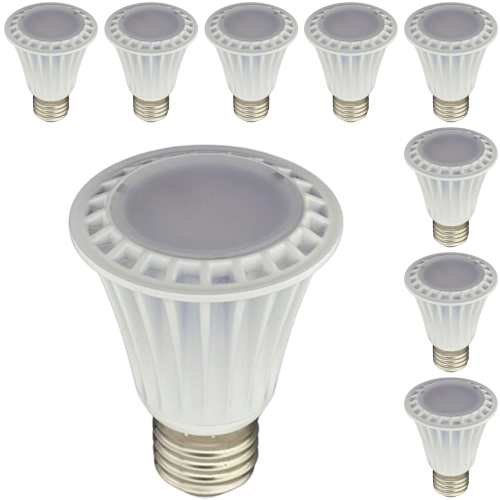
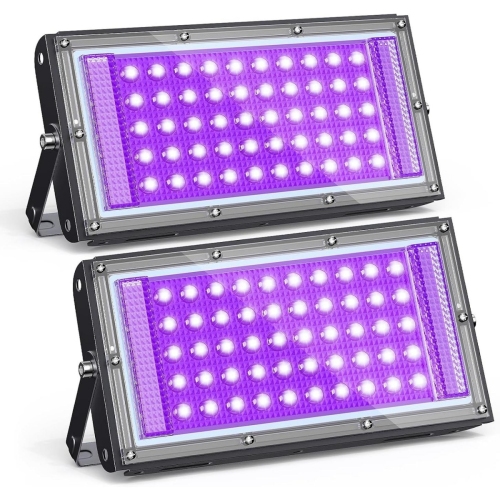
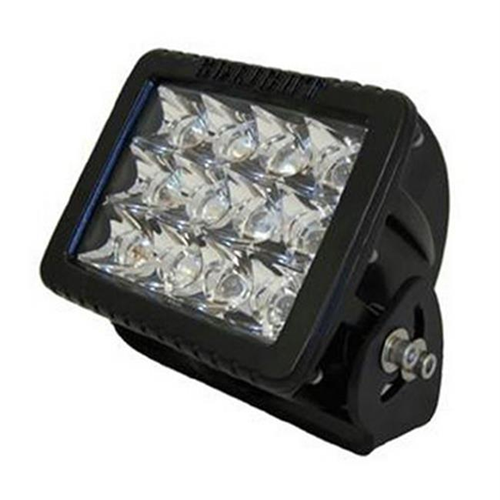
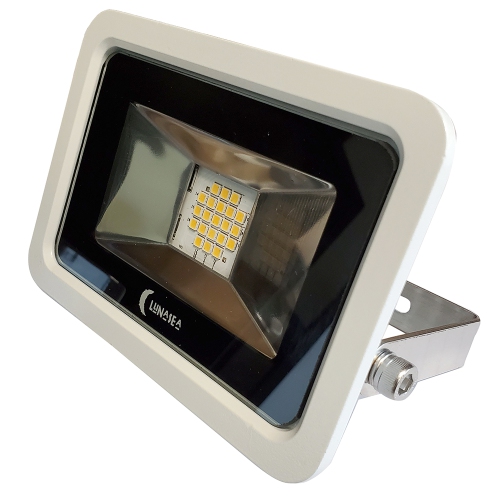
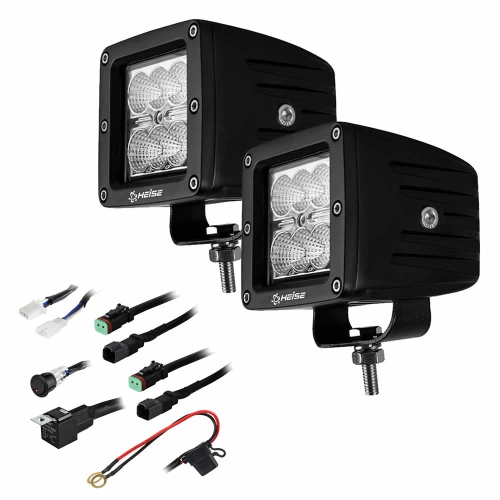
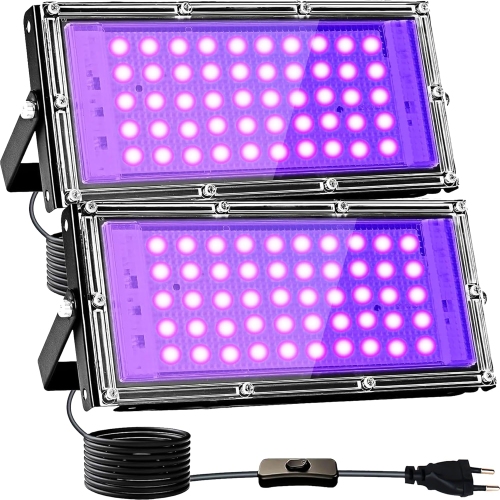
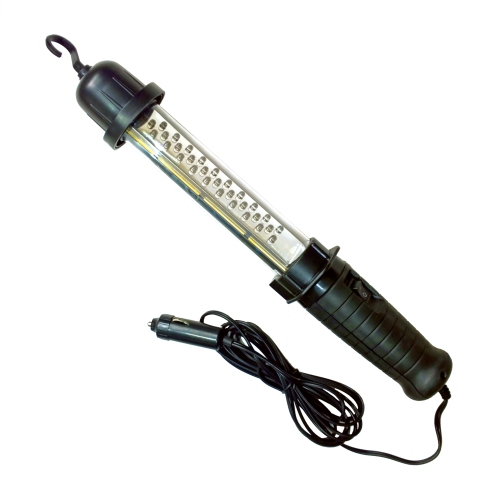
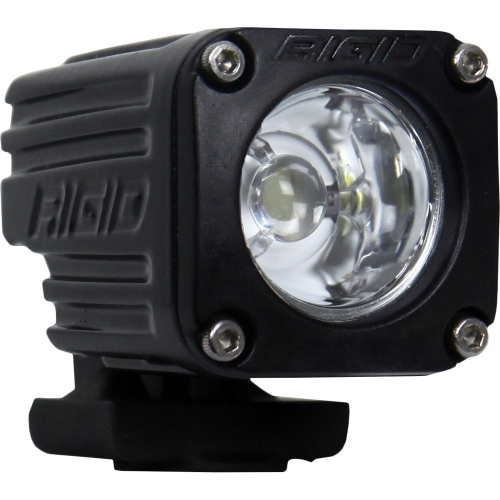
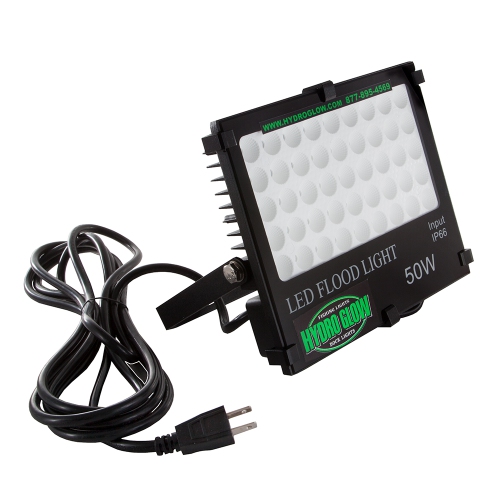
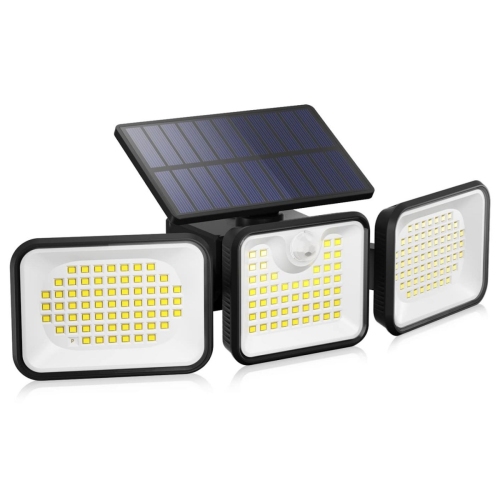
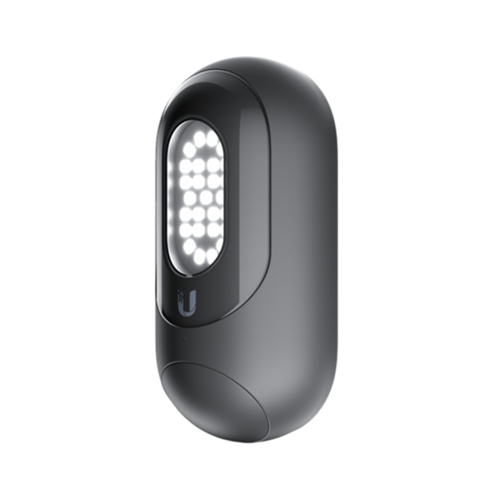
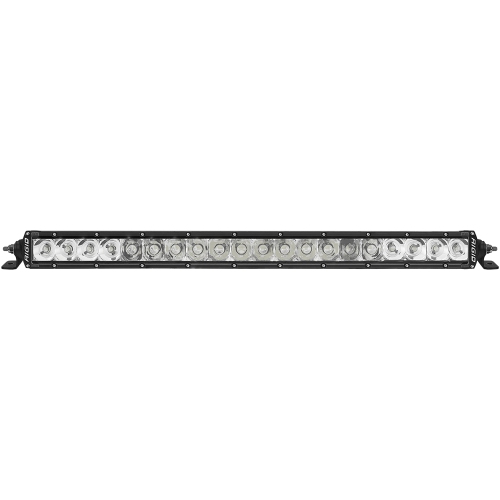
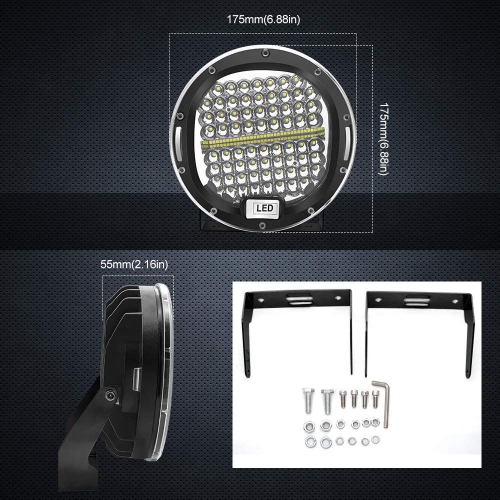
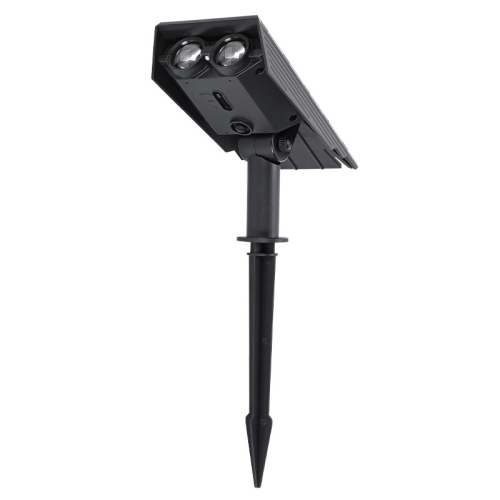
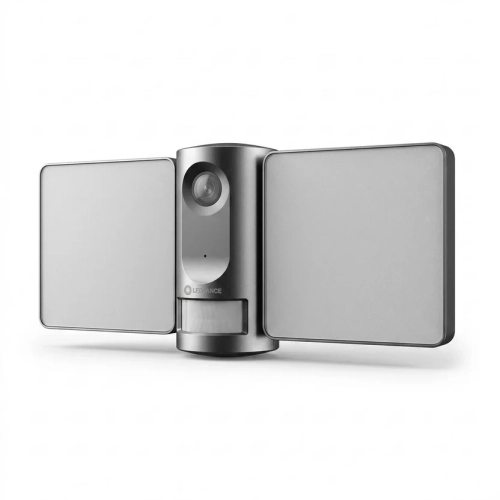
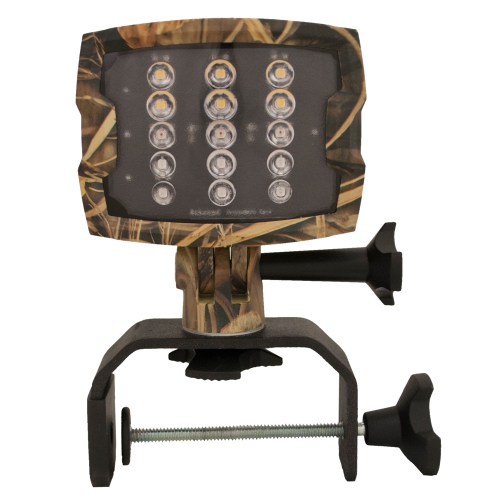
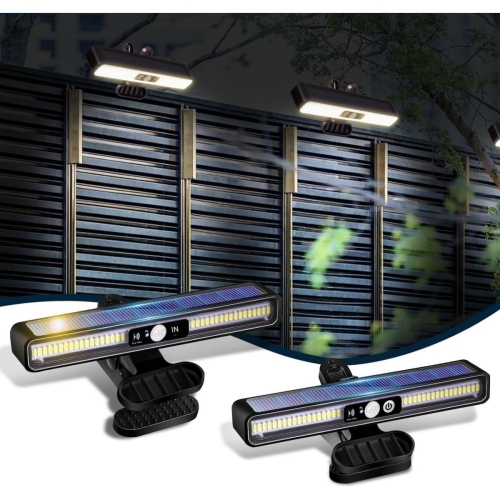
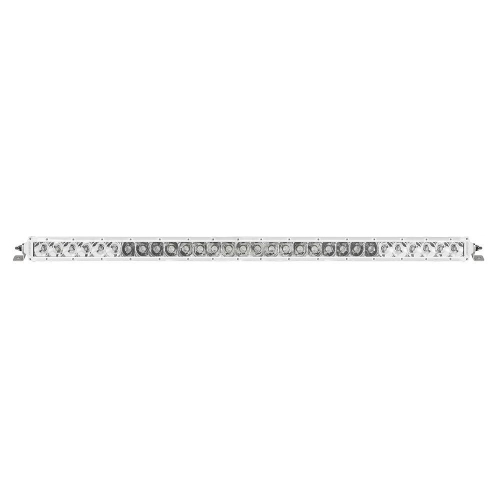
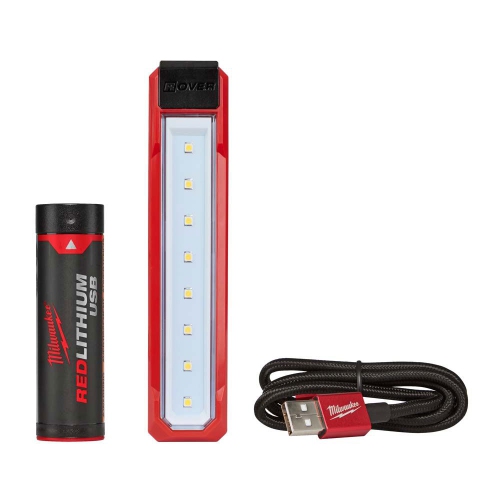
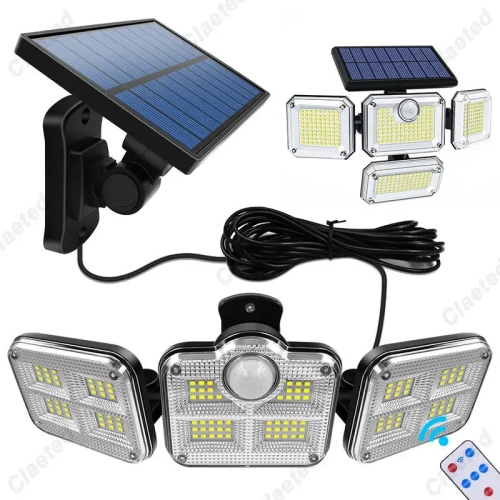
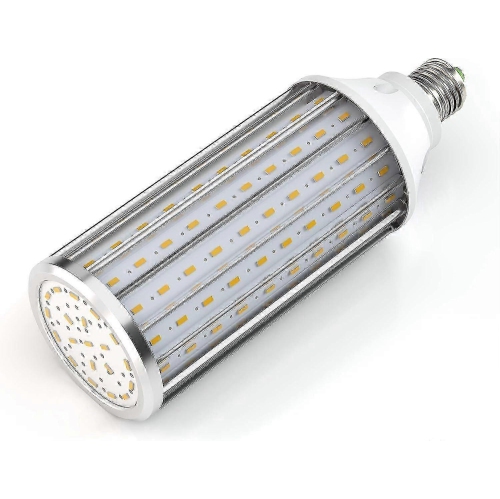
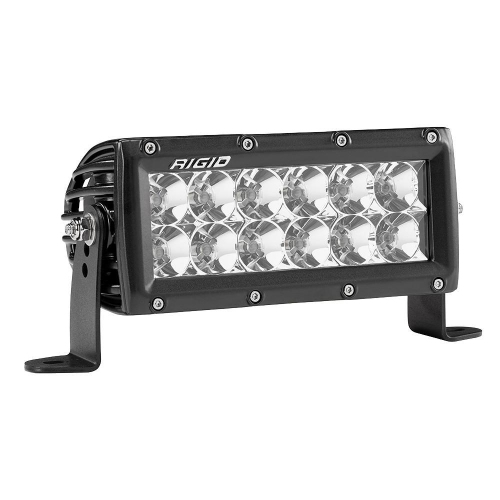
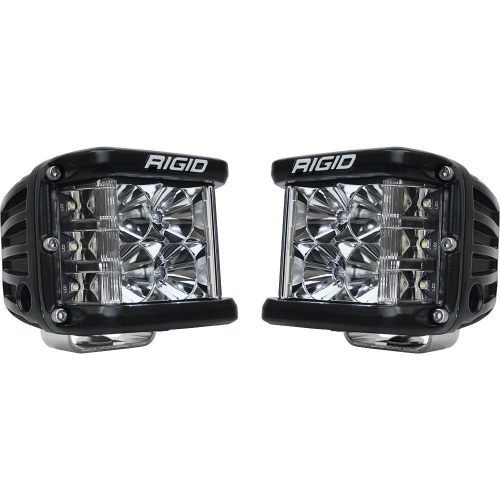
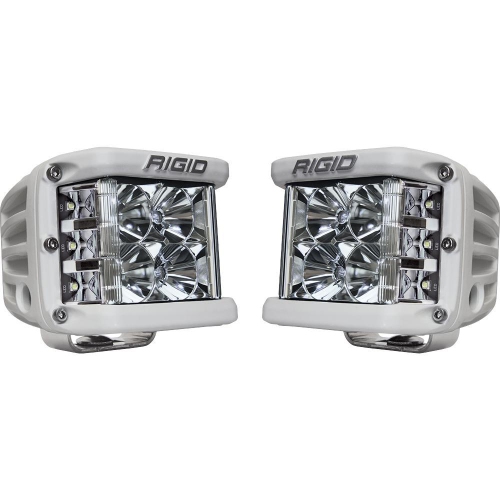
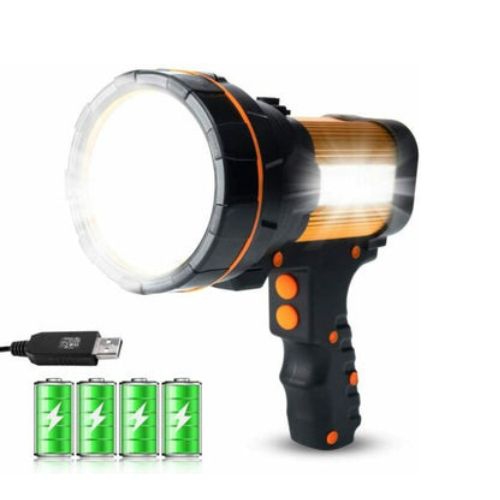
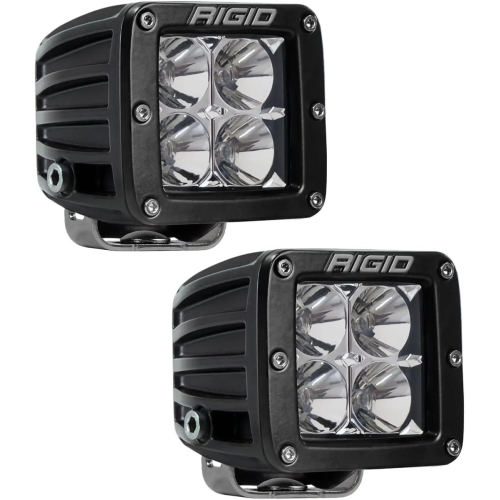
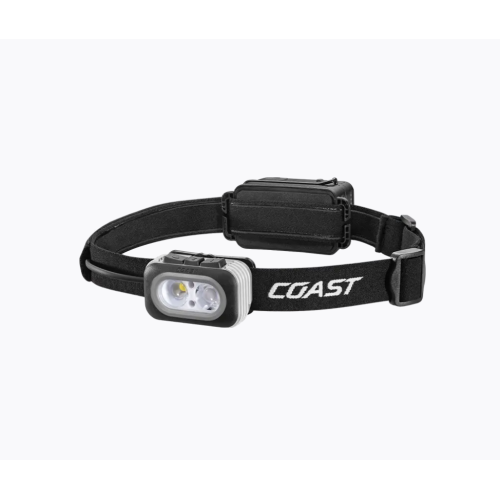
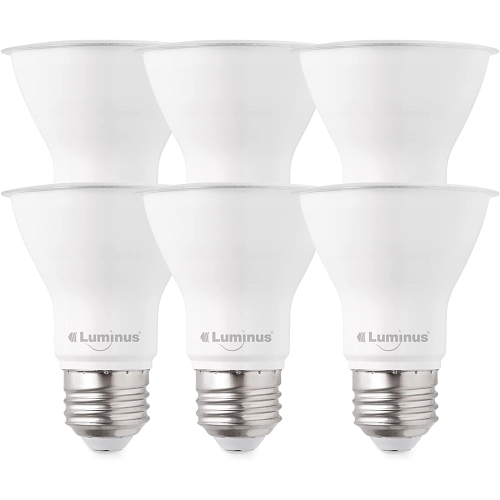
Reliable outdoor coverage from driveways to commercial lots
Outdoor LED flood lights provide broad, powerful illumination for areas that need more coverage than a standard wall-mounted fixture can offer. They are commonly used over driveways, walkways, decks, patios, side yards, garages, sheds, loading areas, entrances, and other outdoor spaces where visibility matters after dark. A wide beam can spread light across a large section of a property, helping define the edges of a driveway or reveal steps and uneven ground when the days become shorter and the weather turns cooler. They can also be useful for workshops, farms, small businesses, warehouses, and commercial lots that require dependable outdoor lighting over a larger area. When comparing options, start with brightness, measured in lumens. For a typical residential security application, models producing approximately 1,000 to 3,000 lumens can provide useful coverage around a doorway, garage, or modest-sized yard. Larger properties, long driveways, building exteriors, and commercial spaces may call for more than 5,000 lumens, particularly when one fixture is expected to cover a broad area. Beam angle is important as well: a wide flood pattern is helpful for open yards and parking areas, while a more directed beam can be better suited to a pathway, gate, or specific entry point. Colour temperature also affects the appearance of the space. Warm white light creates a softer, more welcoming look around a porch or entertaining area, while daylight or cool white light offers a crisp, high-contrast appearance that can be useful for driveways, work areas, and security-focused applications. During the cooler months, when snow, rain, and long shadows can make outdoor surfaces harder to see, the right combination of brightness and beam coverage can make a noticeable difference.
The power source should match the location, installation requirements, and amount of light needed. Hardwired outdoor LED flood lights are a strong choice when constant output is important or when the fixture will be mounted near an existing electrical connection. Some commercial-style fixtures support a broad input range, such as 120V to 277V, but electrical compatibility should always be confirmed before installation. A qualified electrician can help determine whether the mounting surface, wiring, junction box, and circuit are suitable, especially for a new installation or a replacement in a damp location. Solar-powered flood lights offer wire-free placement and can be convenient for sheds, fences, gardens, detached garages, and other areas where running cable would be difficult. Their performance depends on the amount of direct sunlight reaching the panel, so placement matters during the shorter days of fall and winter. Look for a panel that can be positioned toward the sun and consider whether nearby trees, rooflines, or snow cover could limit charging. Weather resistance is another key consideration for any outdoor fixture. An IP65 rating indicates protection against dust and water jets, making it a practical baseline for locations exposed to rain, blowing snow, and airborne debris. A higher rating may be appropriate for especially exposed installations, but the fixture should still be mounted according to its instructions, with seals and cable entries properly protected. It is also worth checking the operating temperature range, mounting hardware, adjustment points, and whether the light is designed for wall, soffit, eave, pole, or surface mounting. A sturdy bracket and an adjustable head make it easier to direct light where it is needed without shining it into a neighbour’s window or creating glare across a roadway.
Controls can make outdoor LED flood lights more convenient and better suited to the way a space is used. A motion sensor can activate the light when someone approaches a driveway, gate, or side entrance, and a wide detection range—such as a sensor covering up to 240 degrees—can be helpful around corners or broad entry areas. Check the detection distance, sensitivity adjustments, activation duration, and whether the sensor can be tilted independently from the light heads. A photocell or dusk-to-dawn setting can turn a fixture on automatically as natural light fades and off again in the morning, which is useful for entrances and commercial exteriors that need consistent illumination. Some models combine photocell and motion-sensing functions, allowing a lower level of background lighting with brighter illumination when movement is detected. Manual override features can also be useful when working outdoors, hosting guests, or checking a property. For a family member moving into a new home, a homeowner improving visibility around a garage, or someone setting up a workshop or rural property, outdoor LED flood lights can be a practical and thoughtful gift when the recipient has a suitable mounting location. I have found that the most satisfying installations are the ones planned around real movement through the space: a gentle wash of light along the walkway, a brighter response at the garage door, and enough coverage to see where the driveway meets the yard without flooding every nearby window. Before choosing, measure the area, note the height and position of the mounting point, identify the nearest power source, and consider how the light will be used during dark mornings, rainy evenings, and snowy nights. For more ways to coordinate fixtures, accents, and functional illumination around a property, explore Outdoor LED Lighting.
The power source should match the location, installation requirements, and amount of light needed. Hardwired outdoor LED flood lights are a strong choice when constant output is important or when the fixture will be mounted near an existing electrical connection. Some commercial-style fixtures support a broad input range, such as 120V to 277V, but electrical compatibility should always be confirmed before installation. A qualified electrician can help determine whether the mounting surface, wiring, junction box, and circuit are suitable, especially for a new installation or a replacement in a damp location. Solar-powered flood lights offer wire-free placement and can be convenient for sheds, fences, gardens, detached garages, and other areas where running cable would be difficult. Their performance depends on the amount of direct sunlight reaching the panel, so placement matters during the shorter days of fall and winter. Look for a panel that can be positioned toward the sun and consider whether nearby trees, rooflines, or snow cover could limit charging. Weather resistance is another key consideration for any outdoor fixture. An IP65 rating indicates protection against dust and water jets, making it a practical baseline for locations exposed to rain, blowing snow, and airborne debris. A higher rating may be appropriate for especially exposed installations, but the fixture should still be mounted according to its instructions, with seals and cable entries properly protected. It is also worth checking the operating temperature range, mounting hardware, adjustment points, and whether the light is designed for wall, soffit, eave, pole, or surface mounting. A sturdy bracket and an adjustable head make it easier to direct light where it is needed without shining it into a neighbour’s window or creating glare across a roadway.
Controls can make outdoor LED flood lights more convenient and better suited to the way a space is used. A motion sensor can activate the light when someone approaches a driveway, gate, or side entrance, and a wide detection range—such as a sensor covering up to 240 degrees—can be helpful around corners or broad entry areas. Check the detection distance, sensitivity adjustments, activation duration, and whether the sensor can be tilted independently from the light heads. A photocell or dusk-to-dawn setting can turn a fixture on automatically as natural light fades and off again in the morning, which is useful for entrances and commercial exteriors that need consistent illumination. Some models combine photocell and motion-sensing functions, allowing a lower level of background lighting with brighter illumination when movement is detected. Manual override features can also be useful when working outdoors, hosting guests, or checking a property. For a family member moving into a new home, a homeowner improving visibility around a garage, or someone setting up a workshop or rural property, outdoor LED flood lights can be a practical and thoughtful gift when the recipient has a suitable mounting location. I have found that the most satisfying installations are the ones planned around real movement through the space: a gentle wash of light along the walkway, a brighter response at the garage door, and enough coverage to see where the driveway meets the yard without flooding every nearby window. Before choosing, measure the area, note the height and position of the mounting point, identify the nearest power source, and consider how the light will be used during dark mornings, rainy evenings, and snowy nights. For more ways to coordinate fixtures, accents, and functional illumination around a property, explore Outdoor LED Lighting.
Top selling and popular products
-
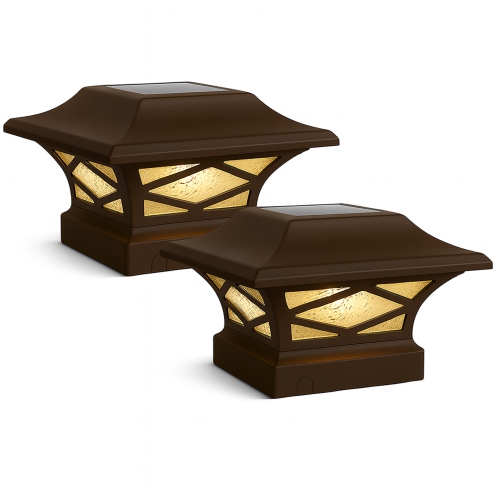 Your price for this item is $99.99
 -
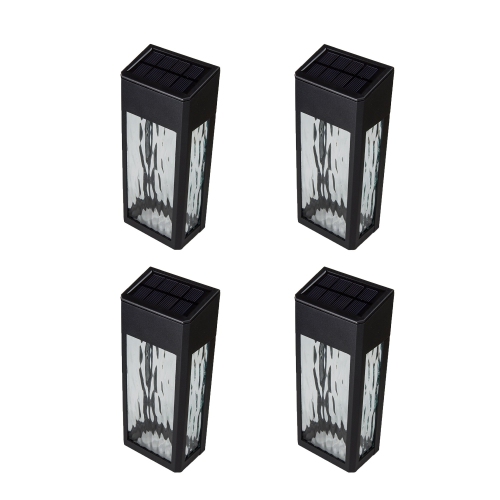 Your price for this item is $73.99
 -
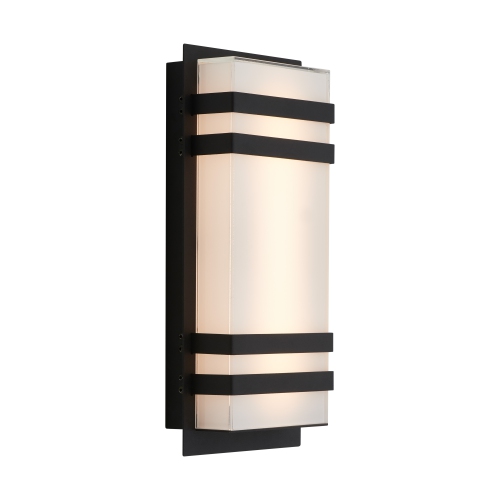 Your price for this item is $59.99
 -
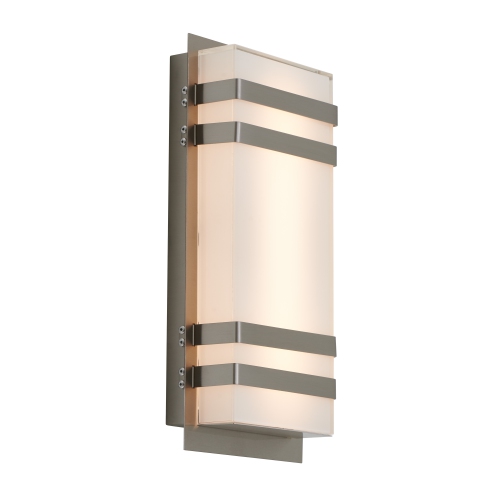 Your price for this item is $69.99
 -
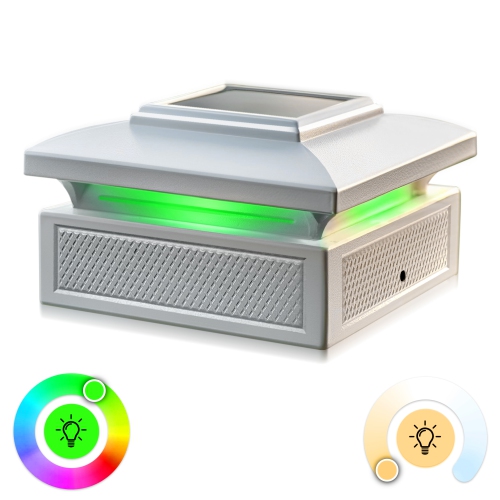 Your price for this item is $99.99
 -
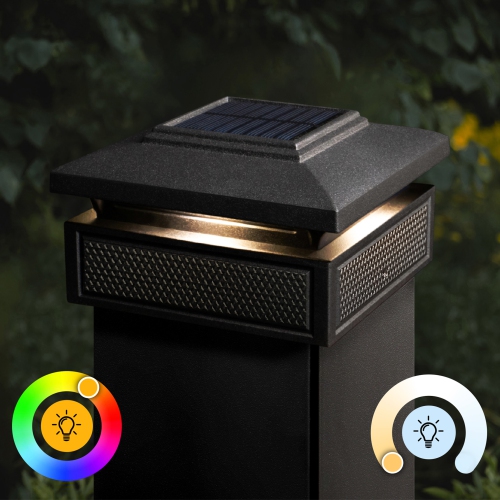 Your price for this item is $99.99
 -
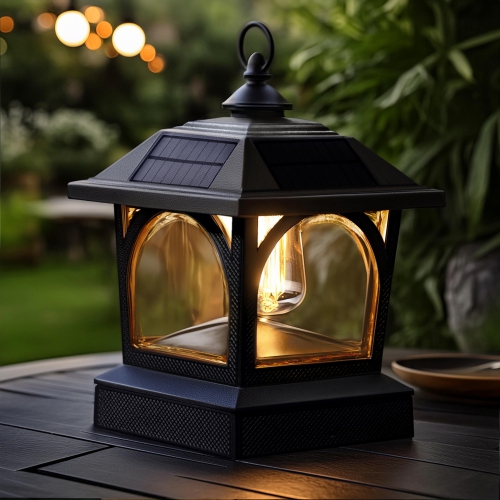 Your price for this item is $99.99
 -
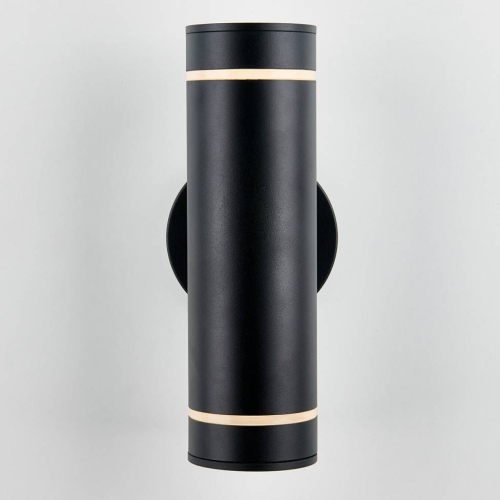 Your price for this item is $99
Discover more categories related to Outdoor LED Flood Lights
Top Collections:
Pokemon Centers, Best Cameras for Sports Photography, Kindle Devices, Samsung Galaxy Phones, Canon G7X Cameras, Pokémon 30th Celebration Cards, Refurbished Apple Laptops, iPhone 15 Apple, Laptops for Students, Budget Smartphones
Some products may be subject to Environmental Handling Fees
(EHF) depending on your province.
Learn more about EHFs.