Outdoor Lounge Chair Cushions
Enhance your patio, deck, or backyard seating with outdoor lounge chair cushions designed to bring added comfort and style to your outdoor living space. Whether you’re looking to refresh your current setup or add a splash of color to your favourite lounge chairs, these cushions make it easy to create a cozy and inviting atmosphere for relaxing or entertaining. Browse a wide selection of outdoor lounge chair cushions to find the perfect fit for your home’s unique look and feel.
Sort
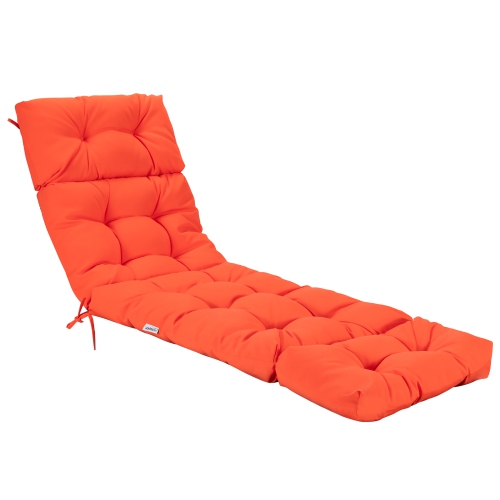
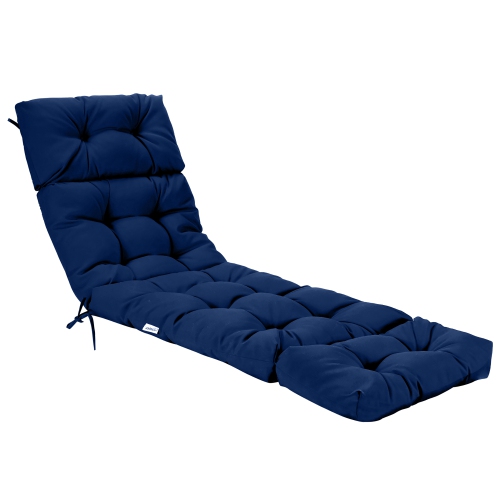
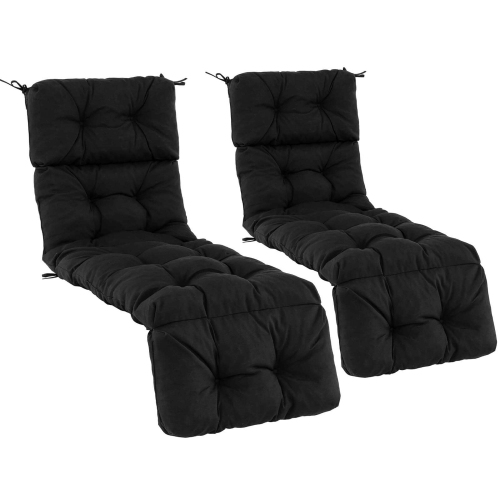
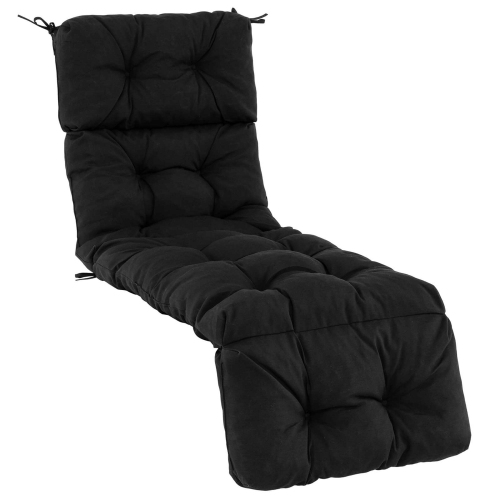
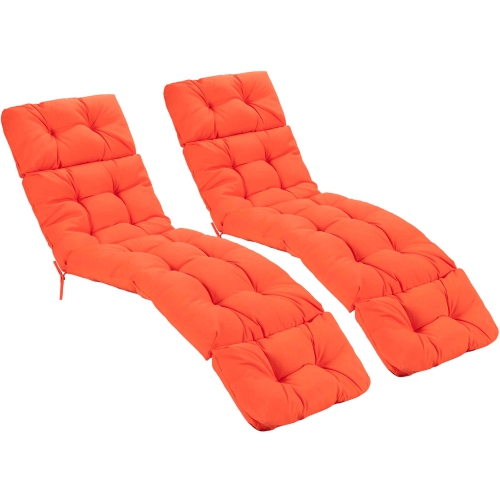
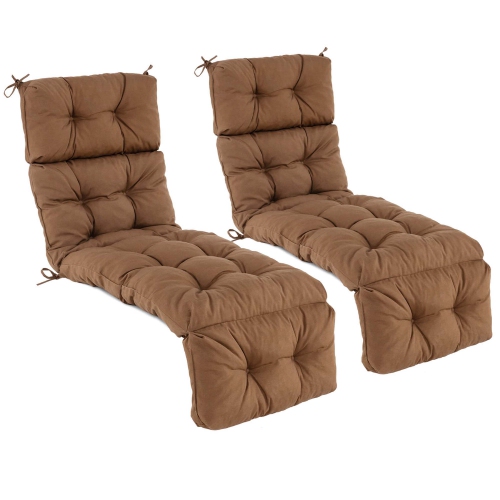

Better patio comfort starts with the right cushion fit
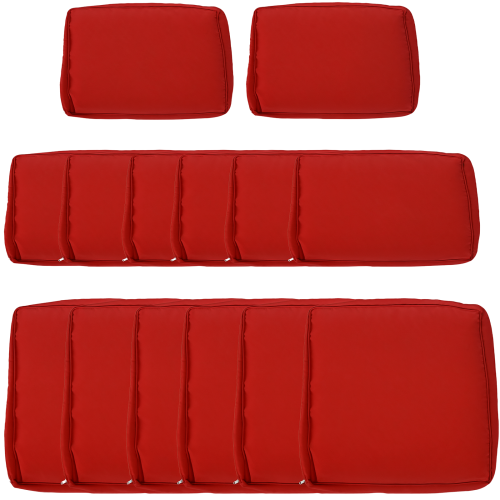
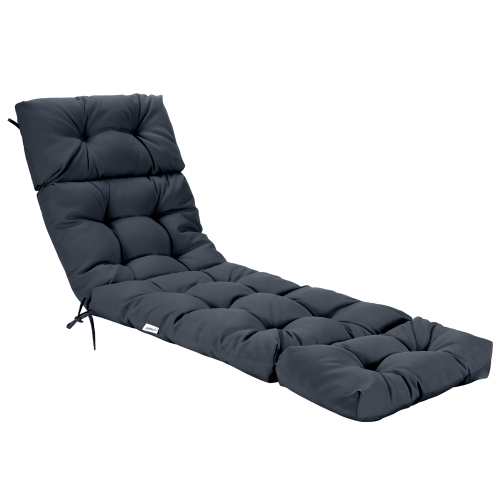
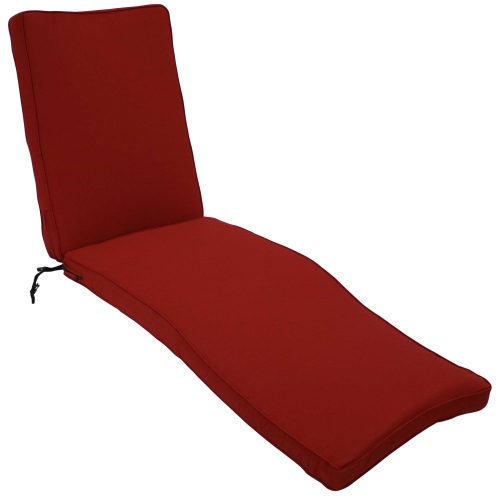
Outdoor lounge chair cushions add padding and support to patio seating, making a firm chair frame more comfortable for reading, stretching out, or spending an afternoon outside. The most suitable cushion matches both the shape of the chair and the way it is used: a full-length chaise needs support beneath the back, seat, and legs, while a deep lounge armchair generally takes separate seat and back cushions. Replacement outdoor cushions can refresh furniture with a sound frame, especially when existing padding has flattened or its cover has become worn. Fit starts with the furniture itself rather than the old cushion, which may have stretched or lost its shape. Useful measurements include the usable seat width and depth, backrest height, and, for a chaise, the overall cushioned length. On frames with arms, the space between them matters more than the outside width. A cushion that hangs beyond the seating surface may fold over an edge, while one that is too narrow leaves parts of the frame exposed. Thickness also changes how a chair feels. Generous padding can soften a slatted surface, but an overly thick seat may leave armrests feeling low or reduce the usable sitting depth once a back cushion is added. Hinged cushions need their fold to line up with the bend between the seat and backrest so the padding follows the chair rather than bunching behind the knees. Rounded corners, tapered backs, and curved frames may need a closer shape match than a simple rectangular seat. Ties, straps, and suitable non-slip backing help limit shifting, particularly on smooth frames, although their placement should suit the chair. For adjustable seating, Outdoor Reclining Chair Cushions offer a related option where backrest movement and cushion flexibility are especially relevant. A well-fitting cushion should allow the chair to adjust without pulling its fasteners tight, obstructing hinges, or gathering into an uncomfortable ridge.
Fabric and filling affect how outdoor lounge chair cushions handle everyday use, sunlight, and moisture. Common outdoor cover materials include polyester, olefin, and acrylic, with performance depending on the weave, dyeing process, finish, and construction. Solution-dyed fabrics have colour incorporated into the fibres, which can help them retain their appearance under sun exposure; the stated fade-resistance rating remains more useful than colour or texture alone. Treated polyester can offer water repellency and a soft feel, while olefin and solution-dyed acrylic are often used where resistance to moisture and fading is important. Water-repellent fabric encourages droplets to bead on the surface, but that does not make an entire cushion waterproof. Water can enter through seams and zippers, and prolonged rain may saturate the filling even when the outer cover initially sheds moisture. Quick-drying construction depends on the complete cushion, including whether the cover, inner liner, and fill allow water to drain and air to circulate. Open-cell foam designed for drainage can suit seating exposed to occasional splashes, while conventional foam may provide a firmer, more structured feel but need greater protection from soaking. Polyester fibre filling often feels softer and more yielding, though it can compress with repeated use. Foam wrapped in fibre can combine a supportive centre with a softer surface. Thickness alone does not establish comfort or durability: foam density, resilience, and construction also influence how well padding holds its shape. For someone who sits upright to read, a stable seat and supportive back may feel better than a very lofty cushion. A longer chaise used for resting benefits from even padding through the leg section, without bulky seams beneath pressure points. Finishing details matter, too. Secure stitching, neatly finished edges, and reinforced attachment points help cushions withstand regular handling. Textured neutrals blend easily with wood or metal furniture, while stripes and richer colours can define a seating area. Patterns may disguise small marks, but fabric performance and care requirements deserve the same attention as appearance.
Care is simpler when the cushion construction suits the household's routine. Removable zippered covers can make cleaning more manageable, but a removable cover is not automatically machine washable; some fabrics, linings, and finishes require spot cleaning or another specified method. The care label should govern washing, drying, and the use of cleaning solutions. Brushing away loose dirt before it settles into the weave, blotting spills promptly, and using a mild cleaning solution where permitted can keep everyday marks from becoming harder to remove. Harsh scrubbing, bleach, and pressure washing may damage some fabrics or finishes unless specifically allowed by the manufacturer. After cleaning or rainfall, cushions need enough airflow to dry throughout, not just across the visible surface. Standing them on an edge in a sheltered, ventilated spot can help where their construction allows, and they should be completely dry before being placed in a storage bag or deck box. Trapped moisture can lead to musty odours and mildew, even with a cover described as mildew resistant, because dirt and other residue on the surface can still support growth. Protective furniture covers can reduce exposure between uses, provided they fit properly and allow ventilation. For extended periods without use, a clean, dry indoor storage space helps protect cushions from persistent dampness and repeated freezing and thawing. Storage dimensions are worth considering before choosing very thick or oversized padding, particularly for a balcony where every cupboard and storage bench has limited room. Lighter cushions are easier to bring inside after an evening on the patio, while securely fastened designs can be more practical for chairs that stay arranged around a garden seating area. Households with children or pets may appreciate straightforward cleaning instructions and tightly woven covers that are less likely to catch on claws, although no fabric is entirely snag-proof. As a gift for someone who enjoys their patio or cottage deck, replacement cushions are most useful when the chair measurements, preferred firmness, and fabric colours are already known. Matching these practical details makes the seating feel considered, comfortable, and ready for regular use.
Top selling and popular products
-
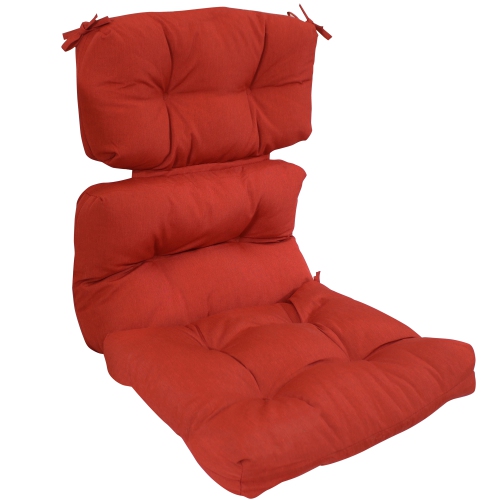 Your price for this item is $88.85
-
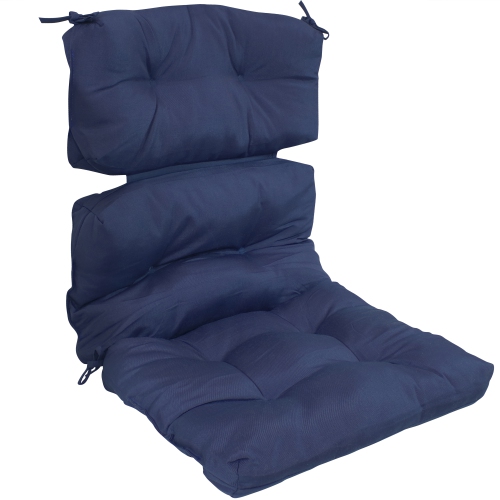 Your price for this item is $88.85
-
 Your price for this item is $94.99
-
 Your price for this item is $167.99
-
 Your price for this item is $68.99
-
 Your price for this item is $155.55
-
 Your price for this item is $64.15
-
 Your price for this item is $69.99
Discover more categories related to Outdoor Lounge Chair Cushions
Top Collections:
Pokemon Centers, Best Cameras for Sports Photography, Kindle Devices, Samsung Galaxy Phones, Canon G7X Cameras, Pokémon 30th Celebration Cards, Refurbished Apple Laptops, iPhone 15 Apple, Laptops for Students, Budget Smartphones
Some products may be subject to Environmental Handling Fees
(EHF) depending on your province.
Learn more about EHFs.