Outdoor Mats Canada
Transform your outdoor spaces with the perfect outdoor mats designed to enhance both style and functionality. Whether you're looking to add a touch of elegance to your front porch or need a durable solution for high-traffic areas, outdoor mats are an essential addition to any home. They offer a welcoming aesthetic while providing essential protection against dirt, moisture, and wear. With a variety of designs and materials tailored to withstand diverse weather conditions, finding the right mat can elevate your outdoor experience. Explore options that blend seamlessly with your décor and enjoy the benefits of a cleaner, more inviting entrance.
Sort
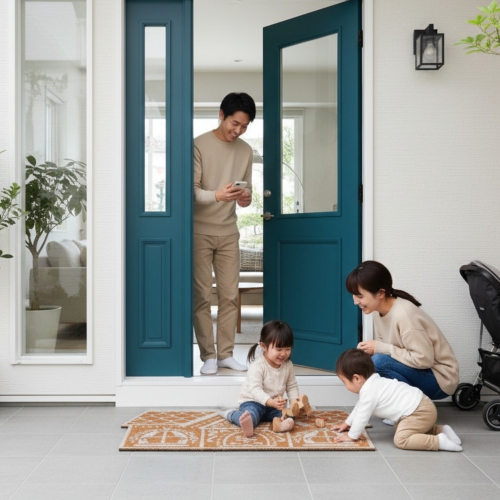
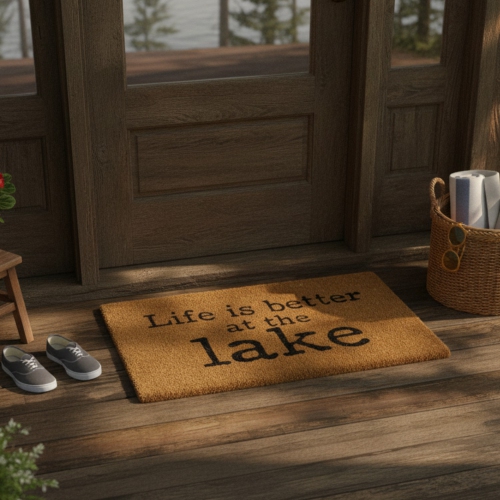
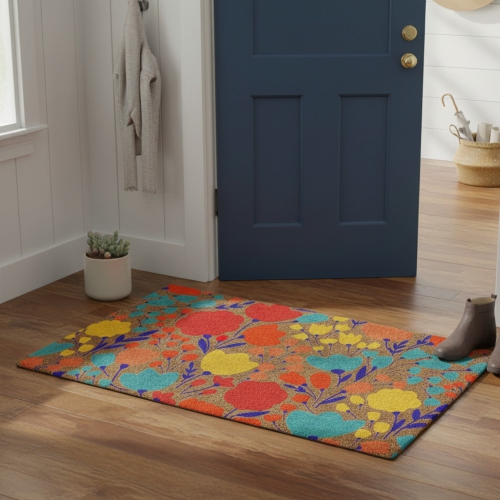
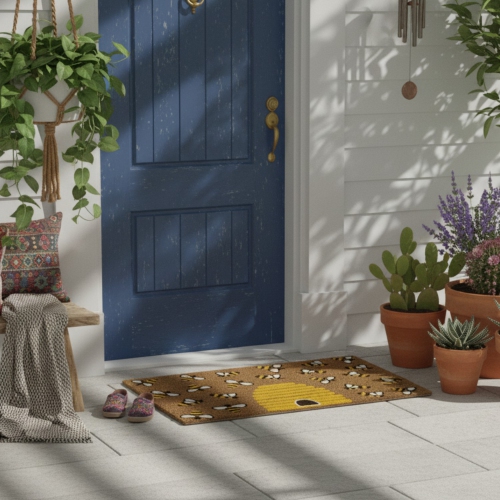
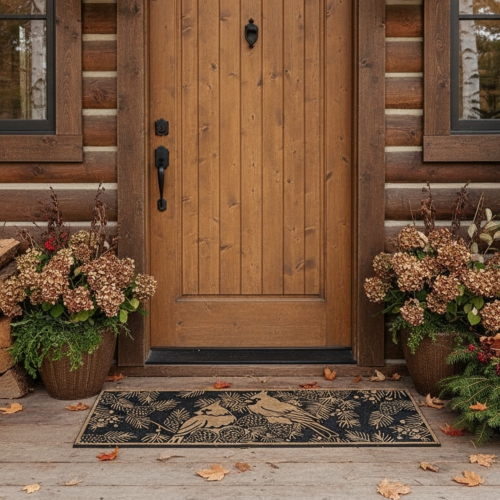
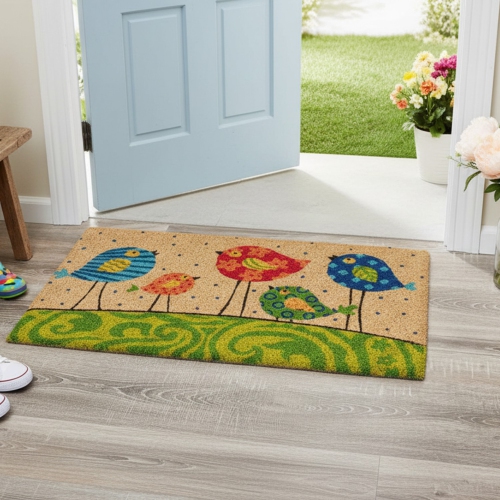
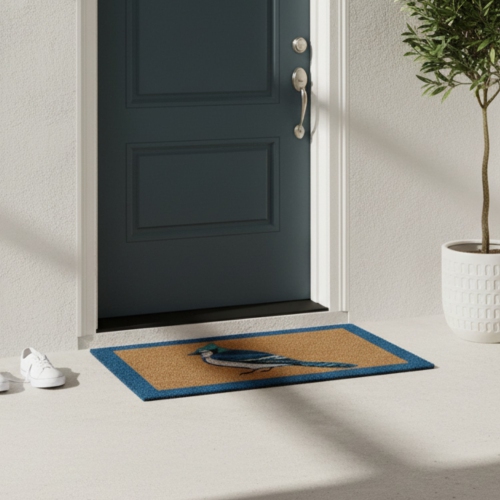
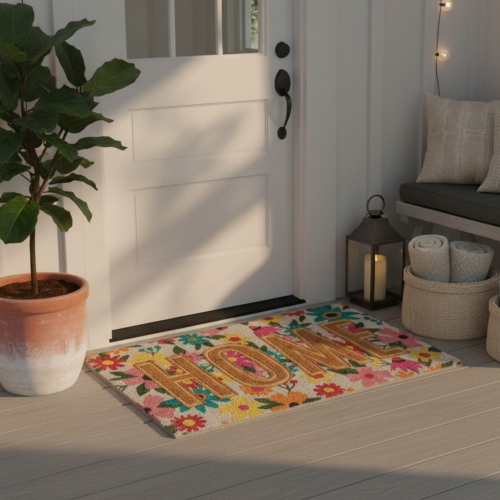
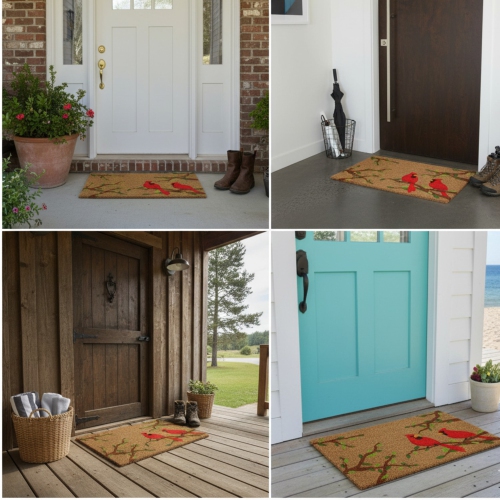
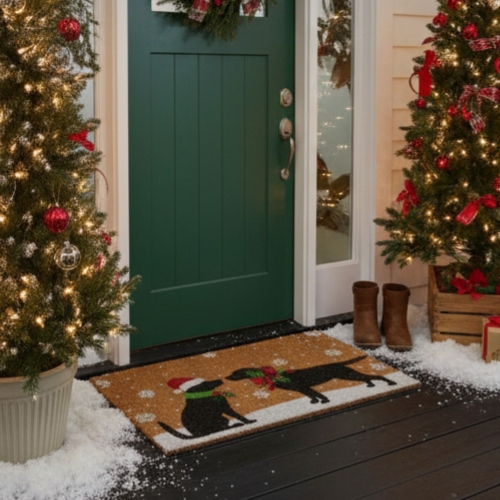
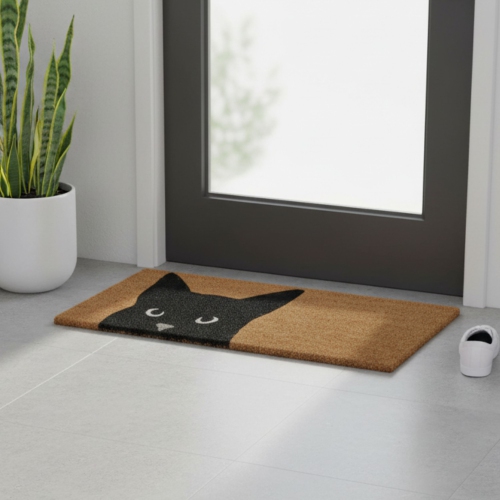
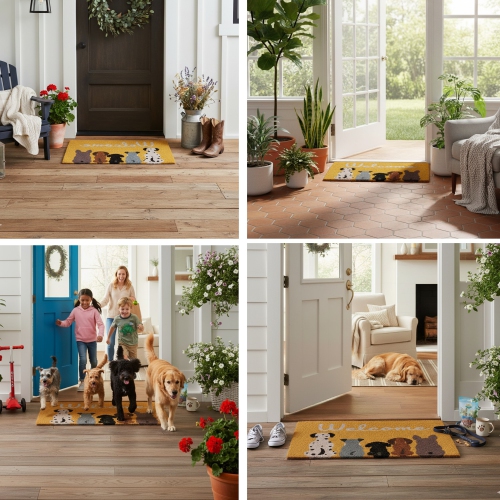
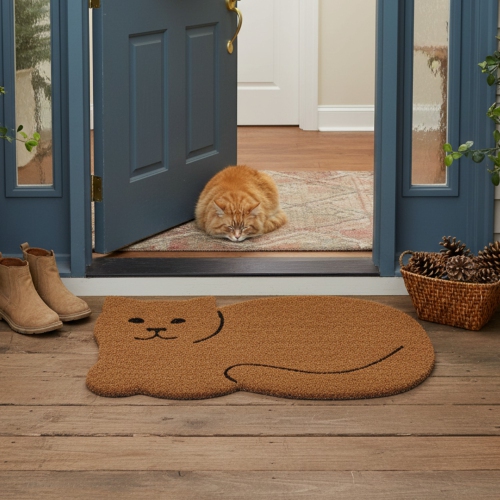
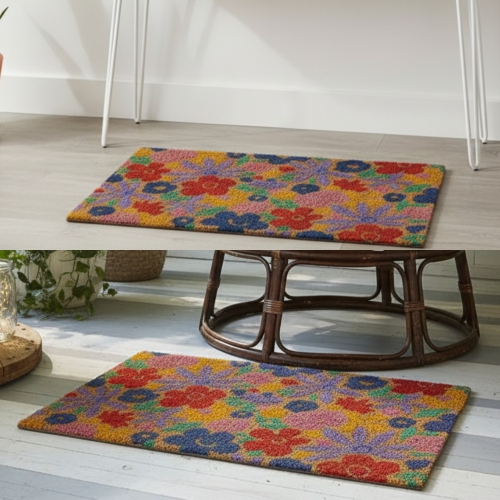
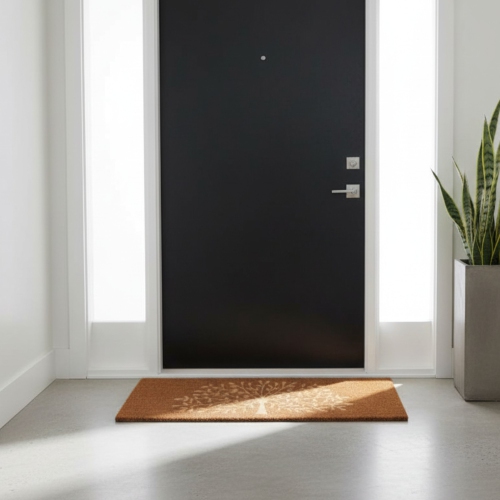
Materials, sizes, and placement for more welcoming entrances
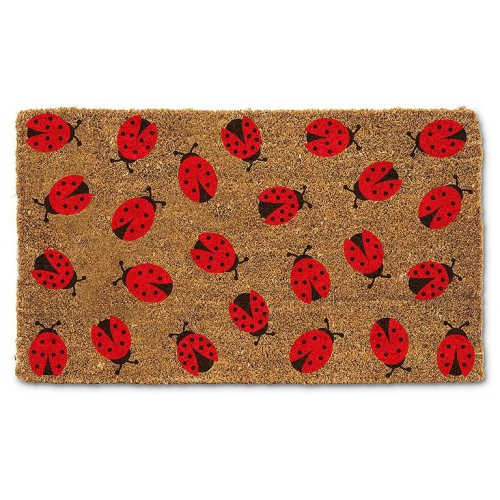
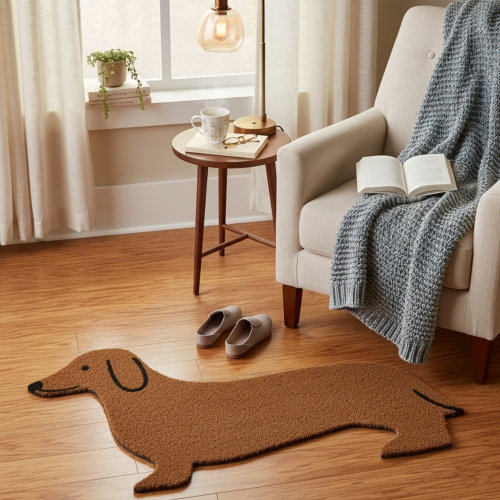
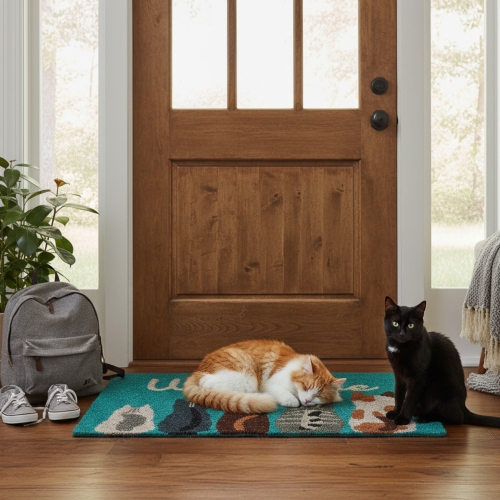
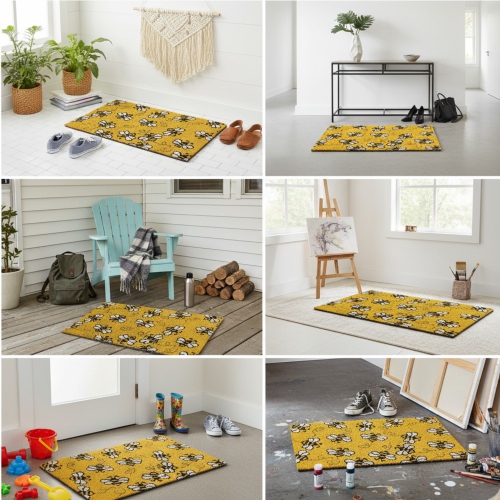
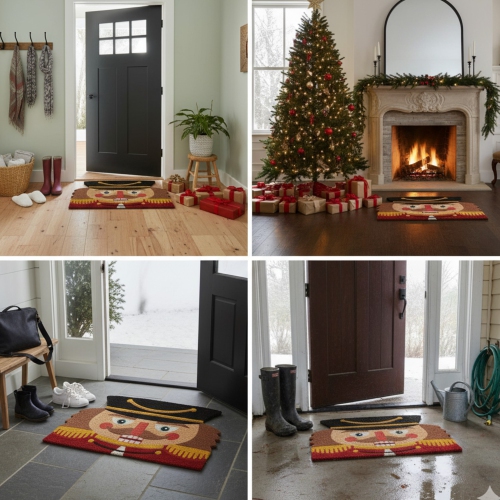
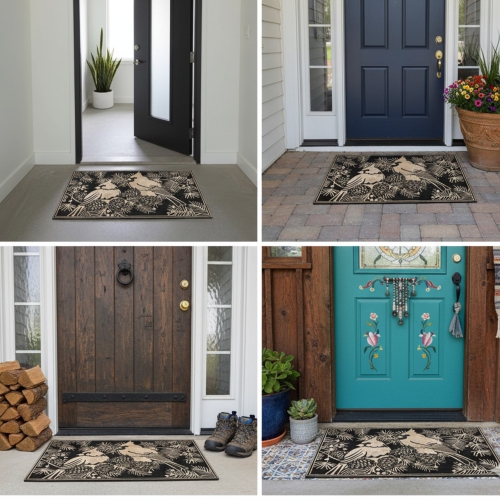
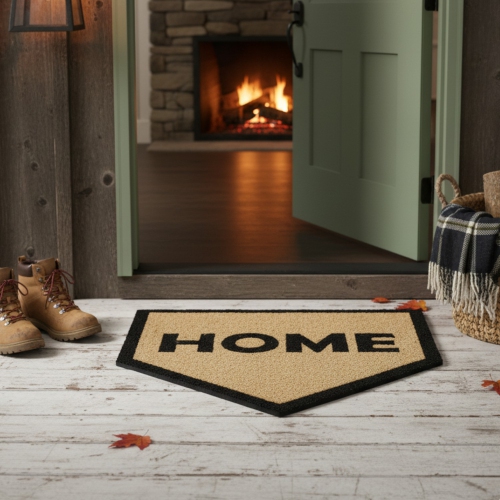
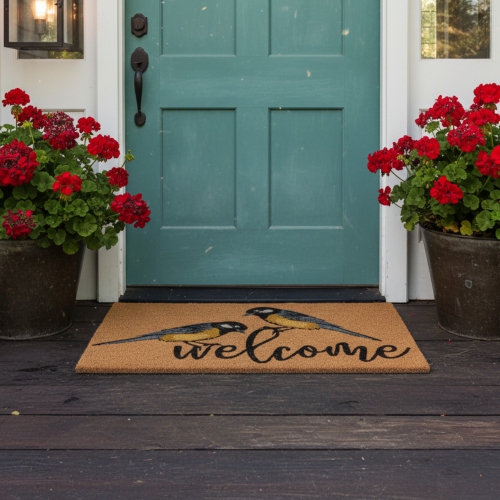
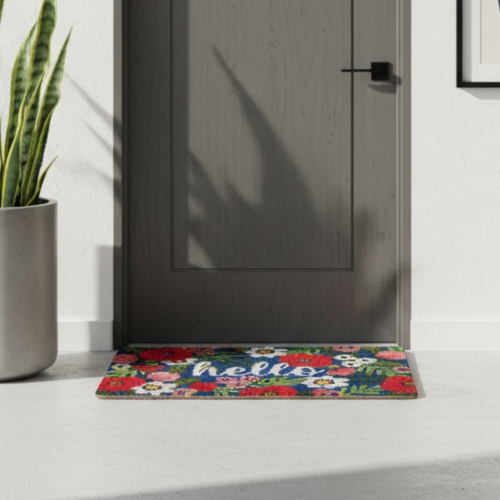
Outdoor mats are practical additions to entrances, porches, patios, balconies, decks, garages, and other areas where footwear, furniture, and outdoor activity can bring in dirt and moisture. In Canada, an outdoor mat may be used to catch gravel from a driveway, brush away soil from garden paths, or provide a defined landing spot outside a front or back door. Smaller entry mats are designed to help remove debris from shoes before it reaches indoor flooring, while larger outdoor rugs can help make a patio, balcony, or deck feel more comfortable and finished. Some styles are chosen mainly for their scraping or drying performance, while others add colour, pattern, and texture to an exterior living space. For a welcoming entryway, browse Outdoor Welcome Doormats in sizes and designs suited to everyday use. Outdoor mats can also be useful around a cottage, trailer, mudroom entrance, barbecue area, poolside space, or covered porch, where a reliable surface helps define the area and makes outdoor routines feel a little more organized. They are a thoughtful housewarming gift for someone settling into a new home, a practical choice for a new cottage owner, or a simple way to refresh an outdoor sitting area before family and friends gather.
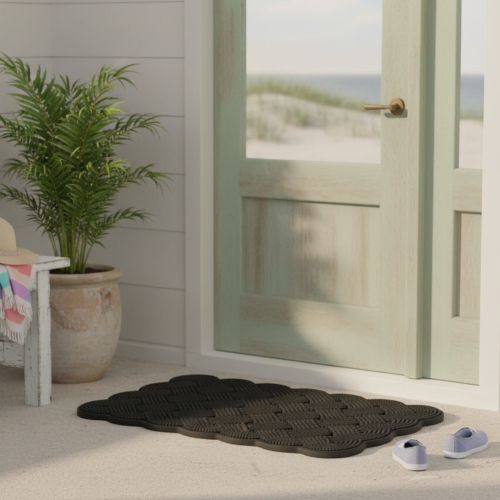
Material is one of the most important considerations when choosing an outdoor mat. Rubber mats are often selected for their substantial feel, textured surfaces, and ability to stay in place near busy entrances. They can be especially useful in areas where shoes may be wet or muddy, provided the mat is placed on a suitable surface and allowed to dry as needed. Coir-style mats offer a traditional, textured surface that can help scrape dirt from soles, making them a familiar choice for front doors and covered entrances. Synthetic materials such as polypropylene are commonly used for larger outdoor rugs because they are lightweight, easy to clean, and generally well suited to changes in temperature and moisture. Woven plastic and other weather-resistant constructions can provide a softer visual effect without requiring the same care as an indoor textile rug. When comparing options, consider whether the mat will sit under an awning, in a screened area, or fully exposed to rain, wind, and direct sunlight. Covered locations allow more flexibility, while exposed areas call for materials and construction intended for outdoor conditions. Look for a backing or structure that helps the mat lie flat, and consider the surface underneath; a smooth deck, textured concrete step, stone walkway, and interlocking patio tiles may each affect how firmly it sits. A low profile can be helpful at doors that swing outward or have a narrow threshold, while a thicker mat may offer more cushioning and a more substantial scraping surface.
Size and placement should match the way the space is used. Measure the available area before purchasing, including the clearance needed for a door to open fully and the path people naturally take when entering. A compact mat may be suitable for a single apartment door, side entrance, or balcony, whereas a wider mat can give two people room to step, wipe their shoes, and pause without immediately moving indoors. For a larger deck or patio, an outdoor rug can anchor chairs and a table, visually separate a dining area from a lounging area, and make bare flooring feel more inviting. Keep proportions in mind: a small mat can disappear in front of a wide double door, while an oversized rug may crowd a narrow porch or make the entrance difficult to navigate. Colour and pattern also have a practical role. Mid-tone shades and textured designs can help disguise everyday dust between cleanings, while a bold pattern can bring personality to a plain exterior. Neutral colours may coordinate easily with siding, brick, stone, or wood, and seasonal accents can add warmth without requiring a complete change to the surrounding décor. Maintenance is usually straightforward, but the right method depends on the material. Shake or sweep away loose debris, vacuum larger rugs with an appropriate setting, and follow care instructions before rinsing or spot-cleaning. Allow a mat to dry thoroughly when possible, and lift it from time to time to clear trapped dirt and moisture from underneath. During the cooler months, an entrance mat can help manage damp footwear and tracked-in debris, while a larger outdoor mat can keep a covered porch or garage entry more comfortable through changing weather. With the right material, dimensions, and placement, outdoor mats can support cleaner floors, more defined outdoor spaces, and a welcoming first step into the home.
Material is one of the most important considerations when choosing an outdoor mat. Rubber mats are often selected for their substantial feel, textured surfaces, and ability to stay in place near busy entrances. They can be especially useful in areas where shoes may be wet or muddy, provided the mat is placed on a suitable surface and allowed to dry as needed. Coir-style mats offer a traditional, textured surface that can help scrape dirt from soles, making them a familiar choice for front doors and covered entrances. Synthetic materials such as polypropylene are commonly used for larger outdoor rugs because they are lightweight, easy to clean, and generally well suited to changes in temperature and moisture. Woven plastic and other weather-resistant constructions can provide a softer visual effect without requiring the same care as an indoor textile rug. When comparing options, consider whether the mat will sit under an awning, in a screened area, or fully exposed to rain, wind, and direct sunlight. Covered locations allow more flexibility, while exposed areas call for materials and construction intended for outdoor conditions. Look for a backing or structure that helps the mat lie flat, and consider the surface underneath; a smooth deck, textured concrete step, stone walkway, and interlocking patio tiles may each affect how firmly it sits. A low profile can be helpful at doors that swing outward or have a narrow threshold, while a thicker mat may offer more cushioning and a more substantial scraping surface.
Size and placement should match the way the space is used. Measure the available area before purchasing, including the clearance needed for a door to open fully and the path people naturally take when entering. A compact mat may be suitable for a single apartment door, side entrance, or balcony, whereas a wider mat can give two people room to step, wipe their shoes, and pause without immediately moving indoors. For a larger deck or patio, an outdoor rug can anchor chairs and a table, visually separate a dining area from a lounging area, and make bare flooring feel more inviting. Keep proportions in mind: a small mat can disappear in front of a wide double door, while an oversized rug may crowd a narrow porch or make the entrance difficult to navigate. Colour and pattern also have a practical role. Mid-tone shades and textured designs can help disguise everyday dust between cleanings, while a bold pattern can bring personality to a plain exterior. Neutral colours may coordinate easily with siding, brick, stone, or wood, and seasonal accents can add warmth without requiring a complete change to the surrounding décor. Maintenance is usually straightforward, but the right method depends on the material. Shake or sweep away loose debris, vacuum larger rugs with an appropriate setting, and follow care instructions before rinsing or spot-cleaning. Allow a mat to dry thoroughly when possible, and lift it from time to time to clear trapped dirt and moisture from underneath. During the cooler months, an entrance mat can help manage damp footwear and tracked-in debris, while a larger outdoor mat can keep a covered porch or garage entry more comfortable through changing weather. With the right material, dimensions, and placement, outdoor mats can support cleaner floors, more defined outdoor spaces, and a welcoming first step into the home.
Top selling and popular products
-
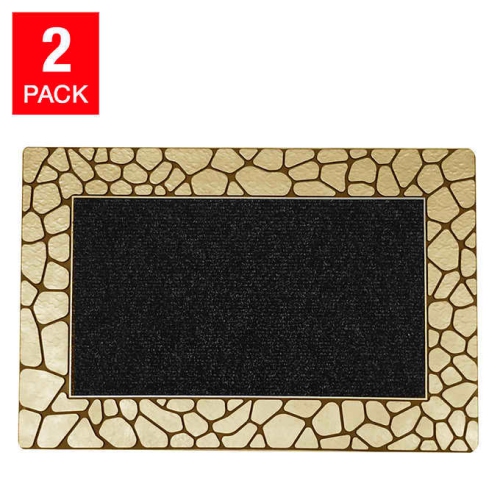 Your price for this item is $69.99
 -
 Your price for this item is $5.99
 -
 Your price for this item is $44.95
 -
 Your price for this item is $24.99
 -
 Your price for this item is $40.96
 -
 Your price for this item is $90.99
 -
 Your price for this item is $42.99
 -
 Your price for this item is $258
Discover more categories related to Outdoor Mats Canada
Top Collections:
Pokemon Centers, Best Cameras for Sports Photography, Kindle Devices, Samsung Galaxy Phones, Canon G7X Cameras, Pokémon 30th Celebration Cards, Refurbished Apple Laptops, iPhone 15 Apple, Laptops for Students, Budget Smartphones
Some products may be subject to Environmental Handling Fees
(EHF) depending on your province.
Learn more about EHFs.