Outdoor Ovens
Looking to take your outdoor cooking game to the next level? Look no further than our selection of outdoor ovens. These versatile cooking appliances are designed to withstand the elements and deliver delicious meals with ease. Whether you're hosting a backyard barbecue, camping trip, or simply want to enjoy the great outdoors while preparing your favorite dishes, an outdoor oven is a must-have addition to your culinary arsenal. From pizza ovens to portable grills, we have a wide range of options to suit every outdoor cooking enthusiast's needs. Get ready to elevate your al fresco dining experience with our top-notch selection of outdoor ovens.
Sort
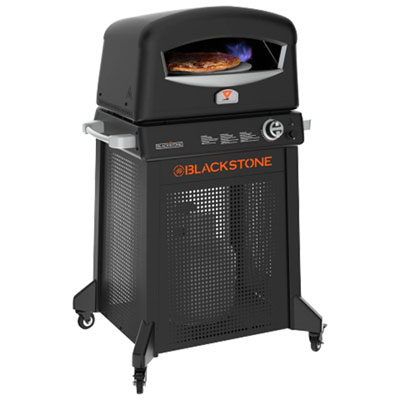
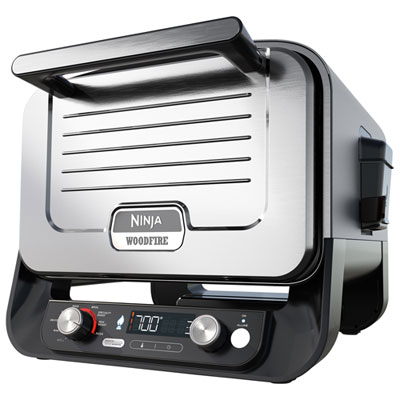
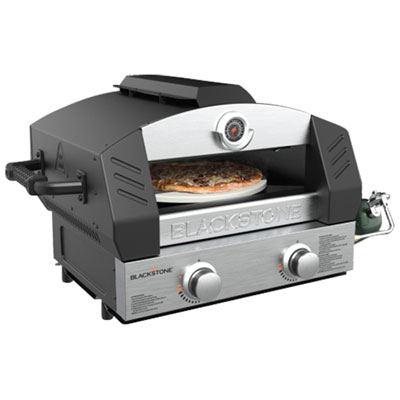
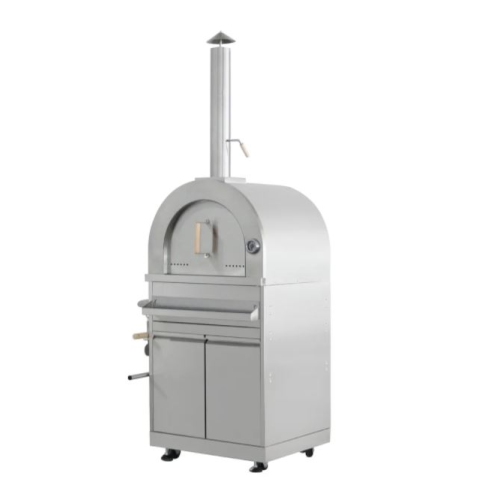






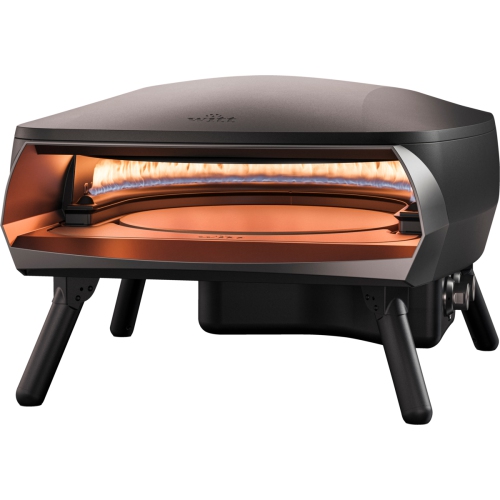
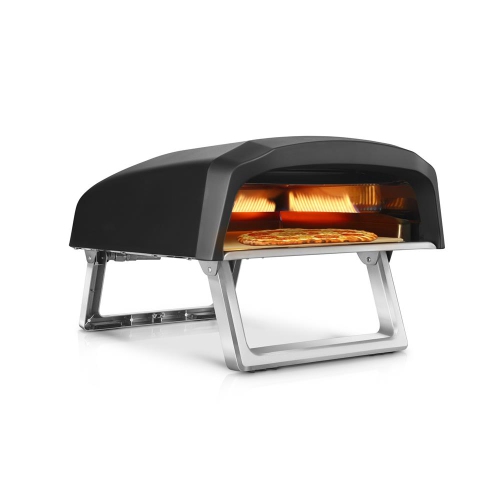


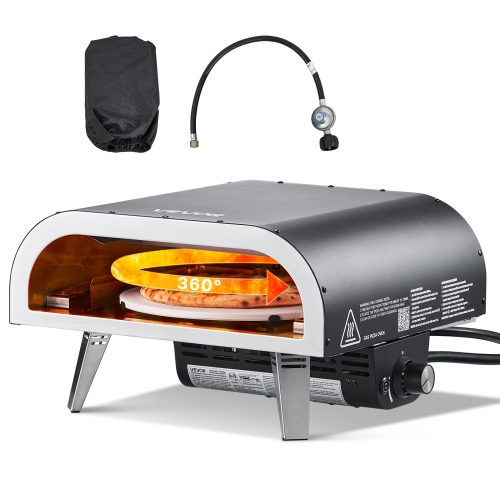
Backyard baking goes beyond pizza night
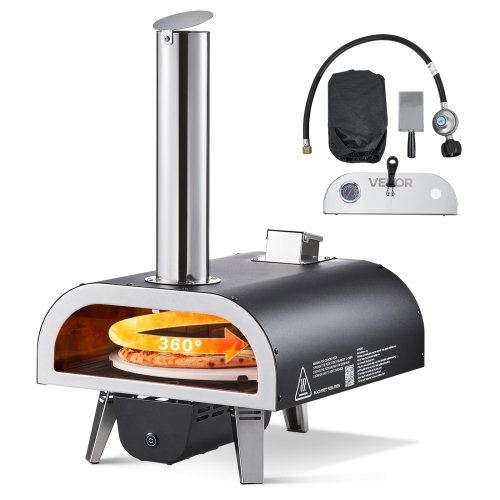
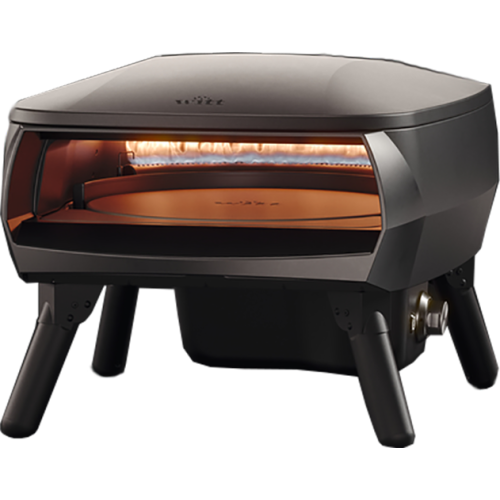
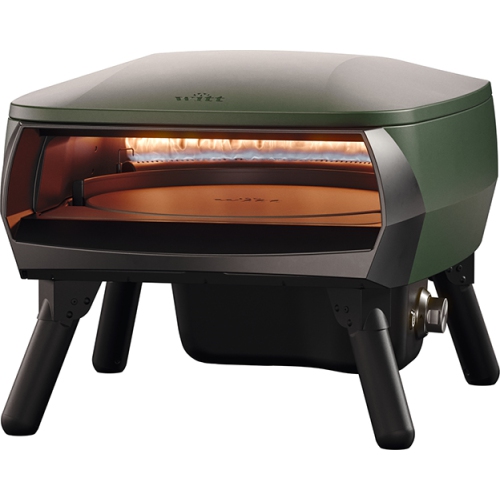
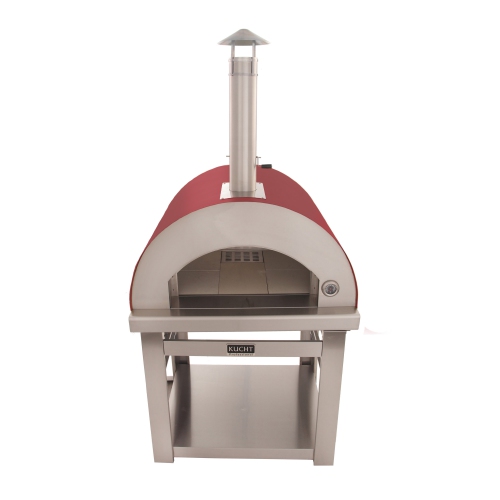
Outdoor ovens bring baking, roasting, and high-heat cooking to a backyard, patio, or purpose-built outdoor kitchen. Unlike an open grill, an oven surrounds food with heat inside a cooking chamber, making it useful for crisp pizza bases, browned flatbreads, roasted vegetables, and meals prepared in oven-safe cookware. Outdoor pizza ovens often emphasize intense heat and a stone cooking surface, while broader-purpose designs may offer more room and a wider range of settings for bread, casseroles, or roasts. The right style depends on what will go inside it: a thin pizza needs a different balance of floor and overhead heat than a deep pan of lasagna. Wood-fired outdoor ovens appeal to cooks who enjoy tending a flame and working with live fire, with flavour influenced by the fuel, cooking method, and time food spends in the oven. Gas outdoor ovens provide adjustable flame control without the same need to add solid fuel, making them practical for frequent pizza nights and shared meals. Electric outdoor ovens designed and approved for outdoor use offer another approach, often with controls that help maintain a selected cooking temperature. Multi-fuel designs can provide flexibility, although supported fuels and any required conversion accessories vary by model. Fuel should always match the oven’s specifications; wood, pellets, charcoal, and gas are not interchangeable simply because an oven uses a flame. For households that enjoy cooking together, an outdoor oven can turn dinner into a relaxed activity, with one person stretching dough, another adding toppings, and a designated cook managing the hot oven. It can also be a thoughtful gift for an enthusiastic home baker or pizza maker, provided the recipient has suitable space, a permitted installation location, and an interest in the type of cooking it supports. The most useful oven is not necessarily the largest or hottest, but the one that fits the meals and cooking routine it will serve.
Size and construction affect how comfortably an outdoor oven fits into that routine. The cooking surface determines the pizza or pan size it can accommodate, while the opening height and internal clearance matter for taller dishes and covered cookware. Exterior dimensions tell only part of the story: the installation also needs the manufacturer’s specified clearances around the sides, behind the oven, and above it, including space for a chimney where fitted. A compact tabletop oven still requires a stable, level, heat-resistant supporting surface with an appropriate weight rating. Portable designs may have folding legs or removable components, but their weight, carrying points, and cooled storage dimensions determine how manageable they are to move. Larger freestanding ovens can suit a dedicated cooking area, while built-in designs require an installation planned around their ventilation, fuel supply, and access requirements. Stainless steel is common in outdoor oven bodies because it offers strength and corrosion resistance, although its finish and grade influence care needs. Coated steel surfaces benefit from protection against scratches, and refractory stone or ceramic components provide heat retention but need careful handling. Insulation can help retain cooking heat and improve consistency, though exterior surfaces may still become dangerously hot. Cooking stones absorb heat and transfer it to dough, helping form a browned underside; they also need enough preheating time to work effectively. Chamber shape, flame position, and the distance between the food and heat source influence how evenly toppings and crust cook. A wide opening can make turning a pizza easier, while a door, where included and intended for use during cooking, can help manage heat for certain recipes. Controls and thermometers are useful, but an air-temperature reading does not necessarily show how hot the cooking floor is. For pizza-focused cooking, a suitable infrared thermometer can help check the stone surface. For meat and other foods that require a verified internal temperature, a food thermometer serves a separate purpose. These details matter most when cooking several dishes in succession, when retained heat and recovery between batches can shape the pace of a meal.
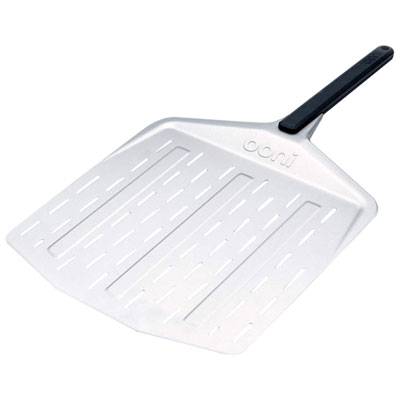
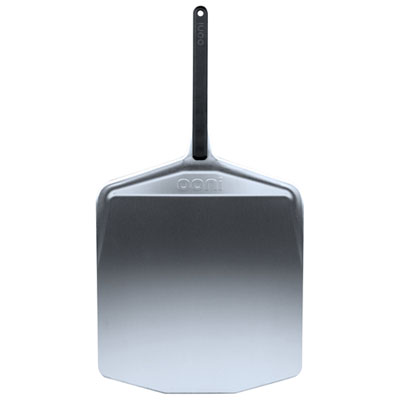
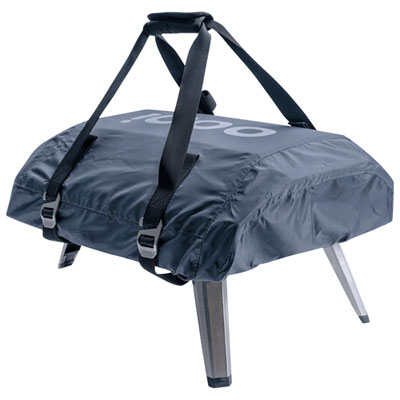
Everyday usability extends beyond the oven itself to the space and tools around it. A nearby preparation surface provides somewhere to stretch dough, arrange vegetables, and set down utensils, while a separate heat-safe landing area makes handling hot pans more controlled. A pizza peel sized for the oven opening helps load and remove dough, and a turning peel can make it easier to reposition a pizza near the flame. Heat-resistant gloves and cookware rated for the intended cooking temperature are important, especially because some outdoor ovens operate well above conventional kitchen baking temperatures. Non-stick coatings, glass dishes, and handles may have limits that make them unsuitable for high-heat use. An outdoor oven serves a different role from a burner-based cooking setup: shoppers who also want to boil water, simmer sauces, or cook in a frying pan may find Outdoor Stoves relevant to a complementary cooking area. Safe placement remains essential for either type of equipment. Fuel-burning outdoor ovens must stay outdoors in a location that meets the manufacturer’s ventilation and clearance requirements, never inside a home, garage, tent, or other enclosed space. Balconies and shared properties may also have restrictions on flames, fuel storage, or cooking appliances. Electric designs need a suitable power connection and any specified electrical protection. Children and pets should remain clear of the cooking area, and the oven must cool fully before cleaning, covering, or moving. Care varies by material and fuel type: ashes need safe handling once completely cold, while burners and ventilation openings need the maintenance described in the manual. Cooking stones should not be soaked or washed with detergent unless the manufacturer specifically permits it, since porous surfaces can absorb moisture and residues. Sudden temperature changes can also damage stone components. A correctly fitted cover, used only after cooling, and appropriate storage help protect the oven between uses. With suitable placement and consistent care, an outdoor oven can become a familiar part of home cooking, from a single carefully topped pizza to a leisurely sequence of flatbreads, roasted side dishes, and food shared straight from the pan.
Top selling and popular products
-
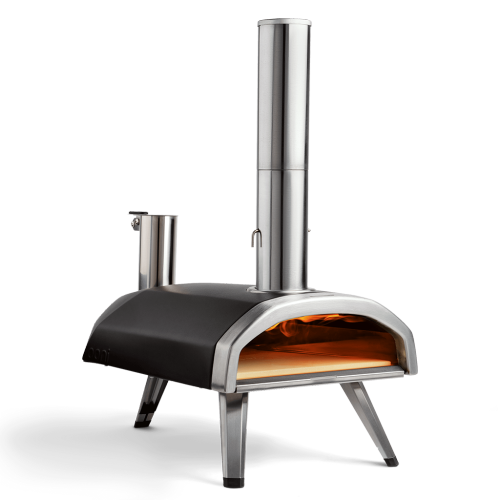 Your price for this item is $249
-
 Your price for this item is $99.99
-
 Your price for this item is $89.99
-
 Your price for this item is $139.99
-
 Your price for this item is $49.99
-
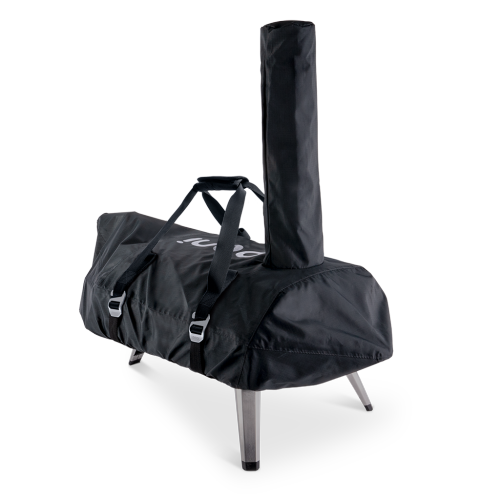 Your price for this item is $39.99
-
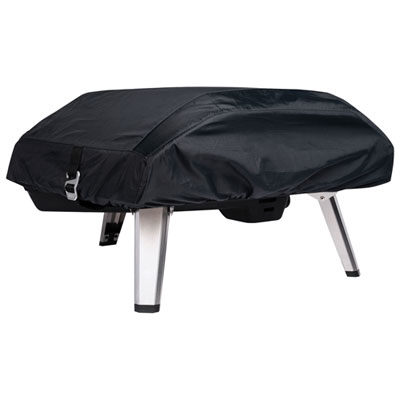 Your price for this item is $64.99
-
 Your price for this item is $49.99
Discover more categories related to Outdoor Ovens
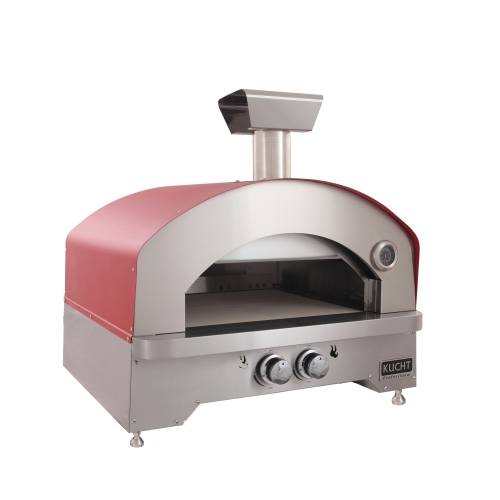
Top Collections:
Pokemon Centers, Best Cameras for Sports Photography, Kindle Devices, Samsung Galaxy Phones, Canon G7X Cameras, Pokémon 30th Celebration Cards, Refurbished Apple Laptops, iPhone 15 Apple, Laptops for Students, Budget Smartphones
Some products may be subject to Environmental Handling Fees
(EHF) depending on your province.
Learn more about EHFs.