Outdoor Planters
Enhance the beauty of your outdoor space with a wide selection of stylish and functional outdoor planters. Whether you're looking to add a pop of color with vibrant flowers, create a herb garden for fresh ingredients, or simply elevate your patio decor, our range of outdoor planters offers something for every style and need. From sleek modern designs to classic rustic options, these planters are crafted from durable materials to withstand the elements and provide the perfect home for your favorite plants. Explore our collection and bring new life to your outdoor oasis today.
Sort



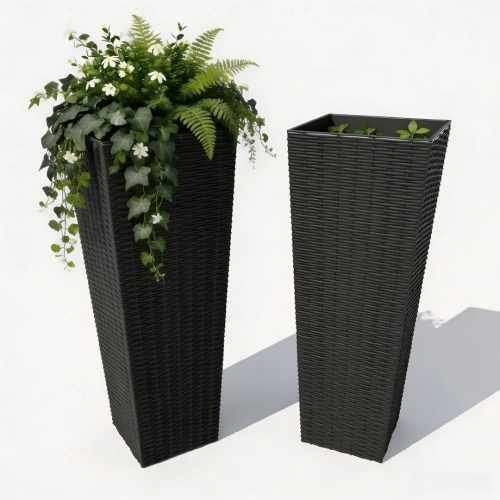
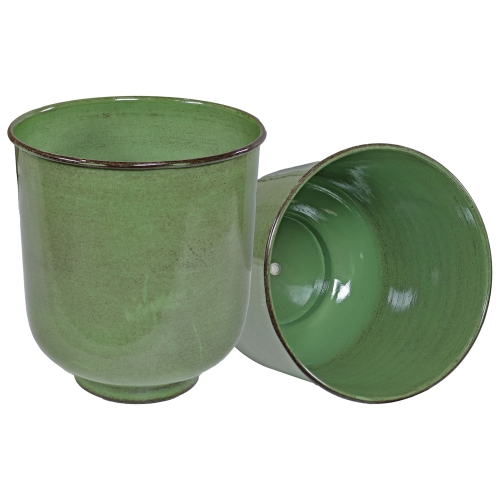
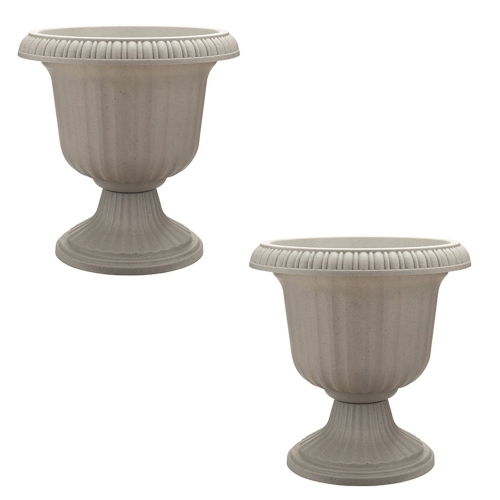
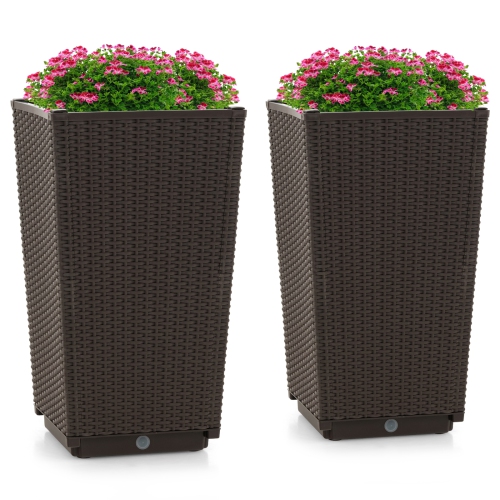

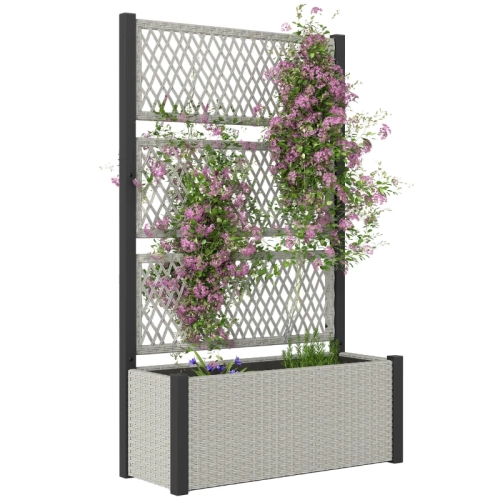
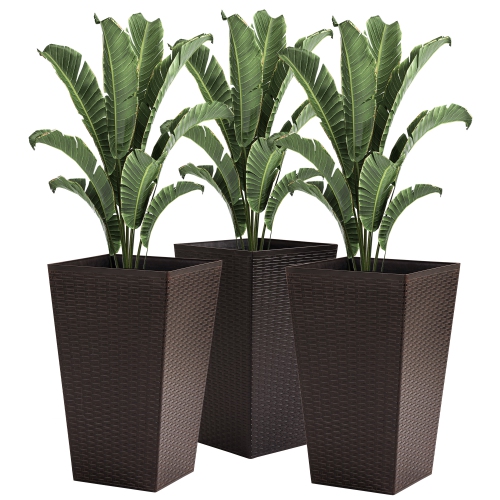
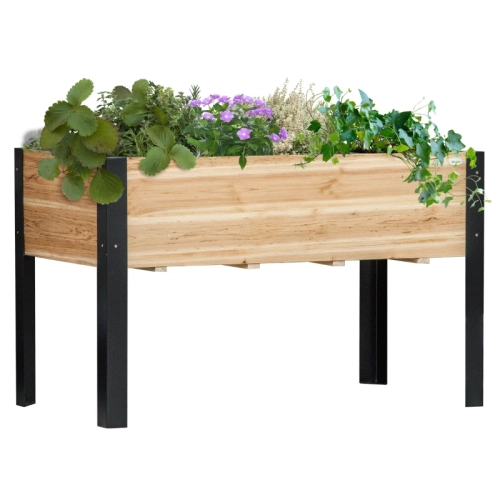
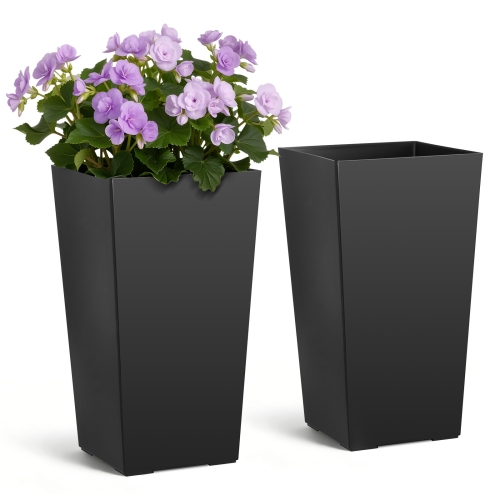

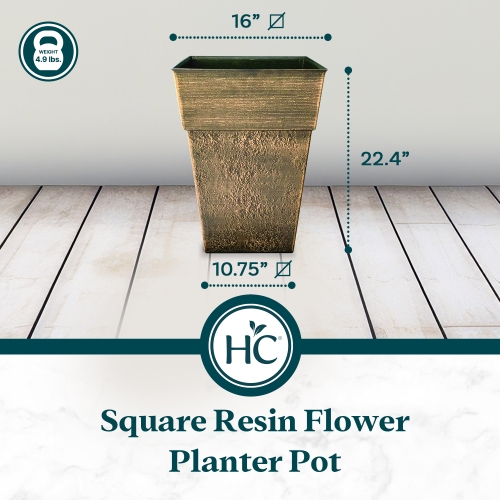
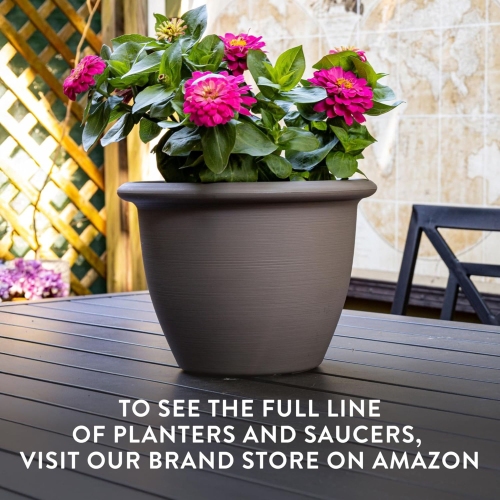
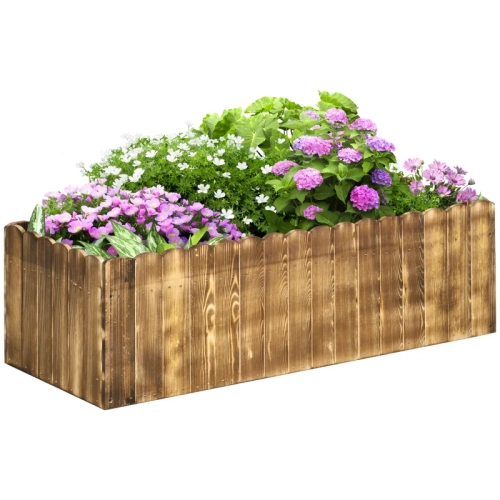
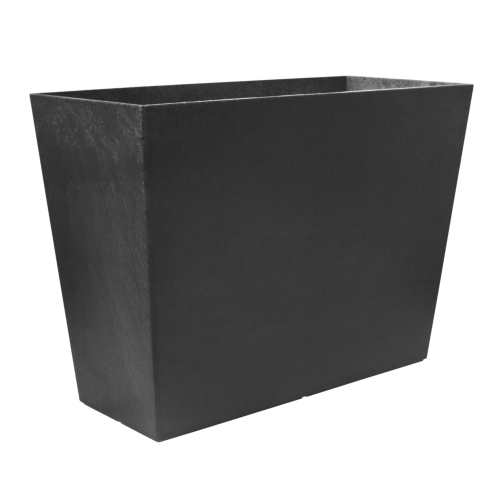

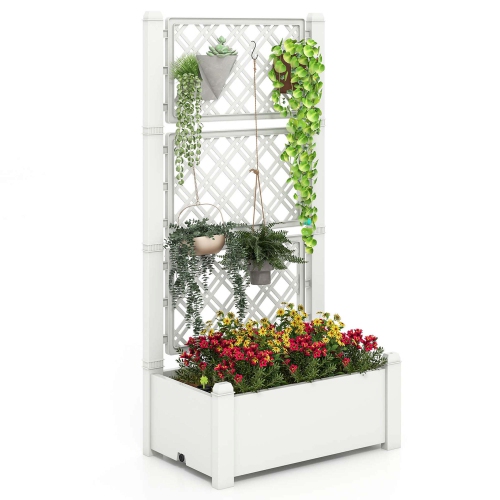
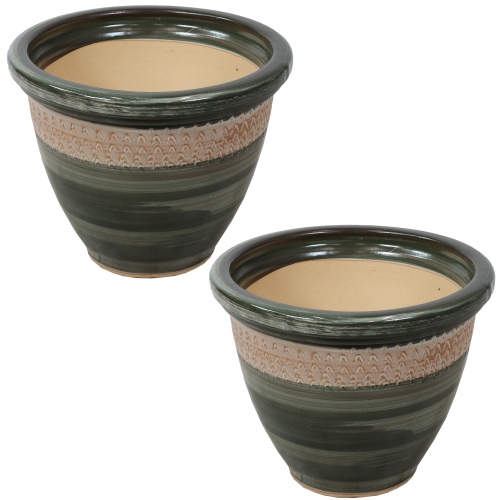

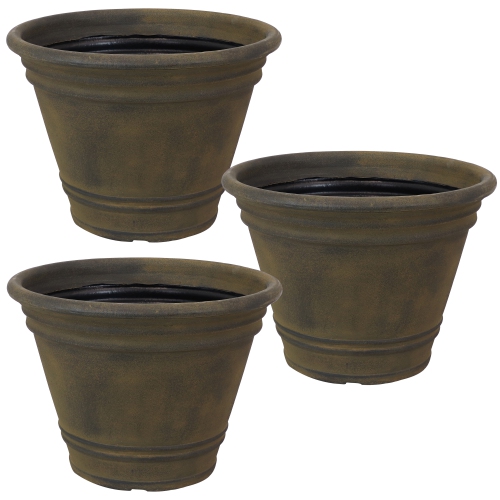
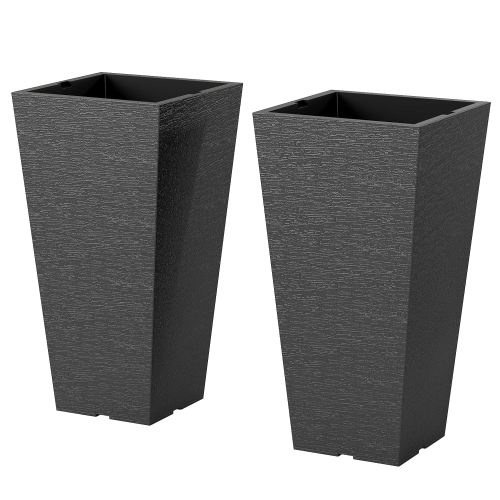




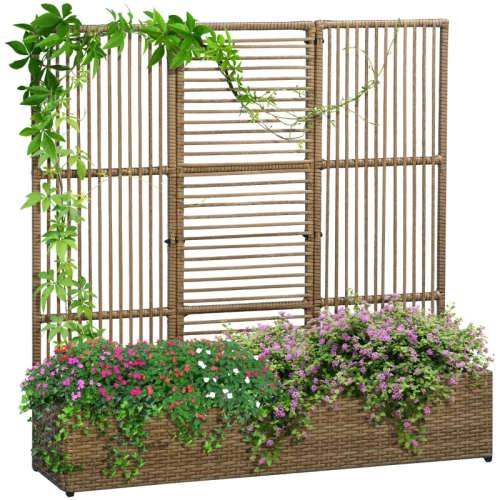
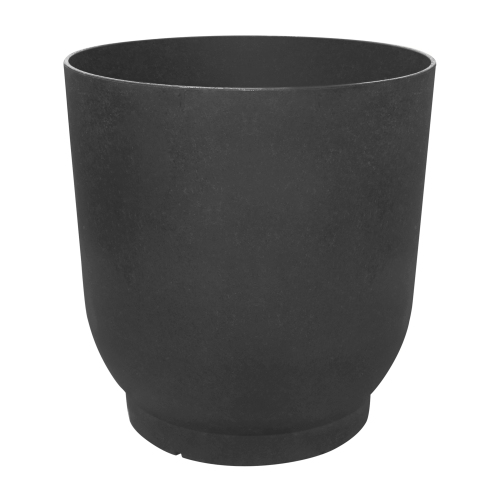
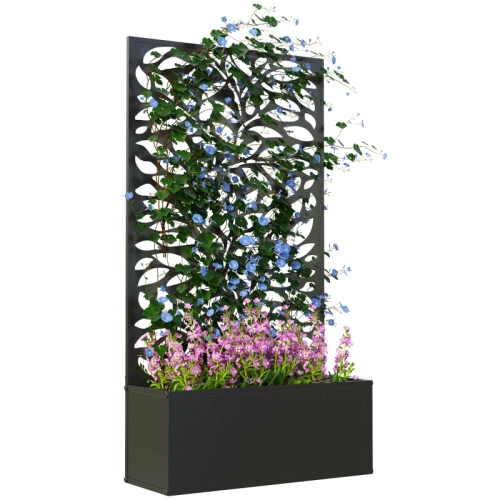
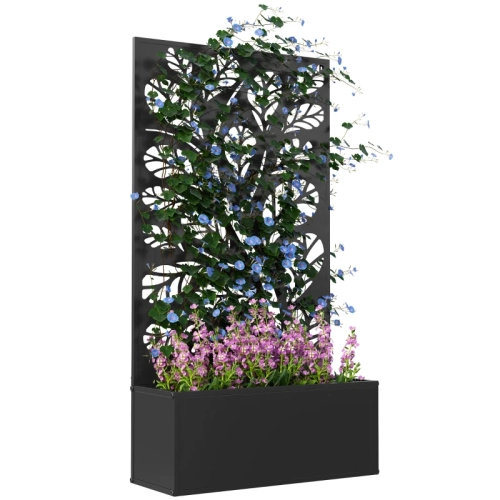
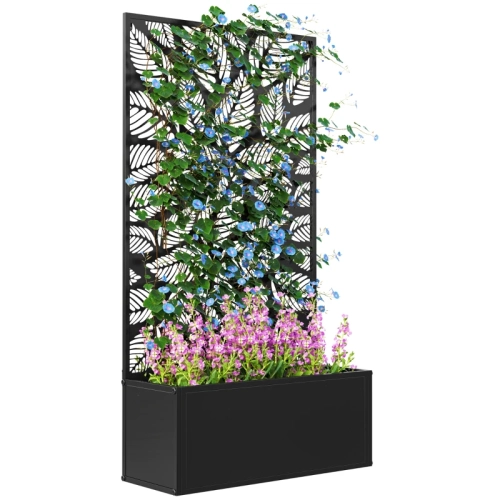
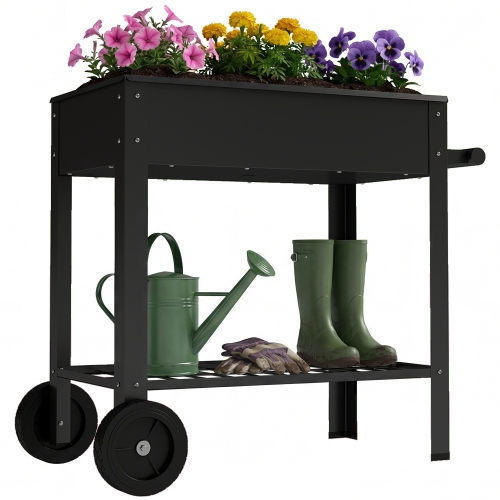
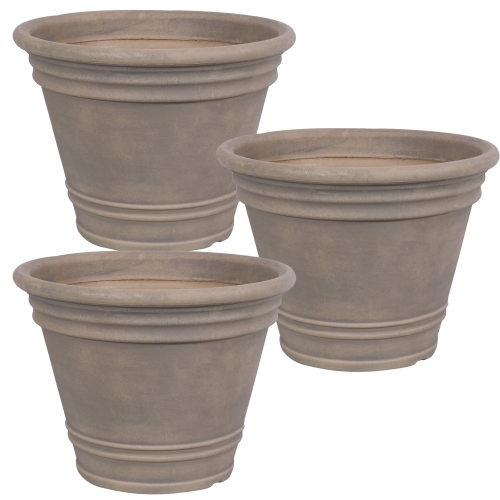
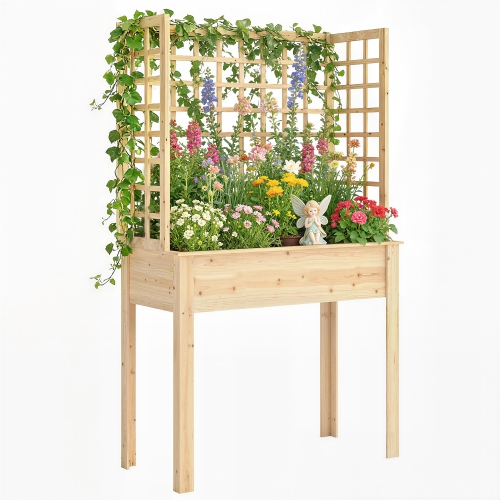
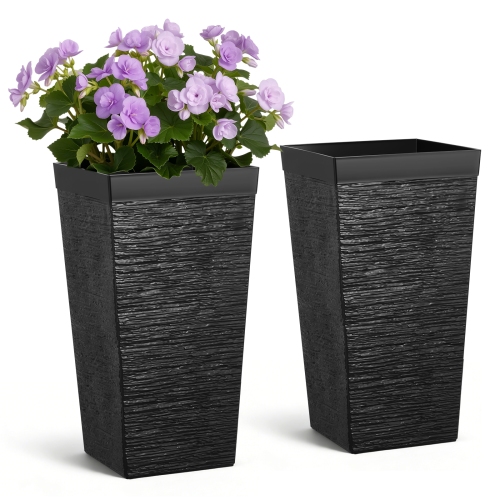

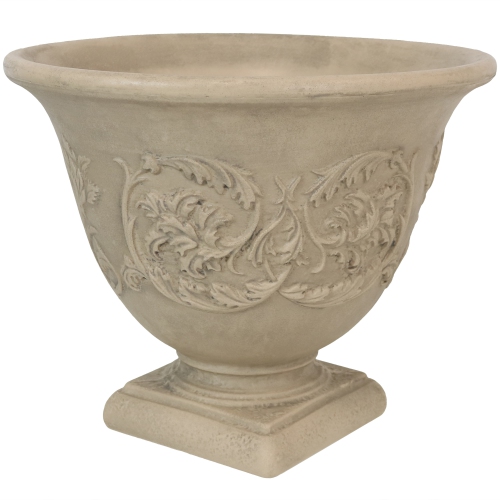
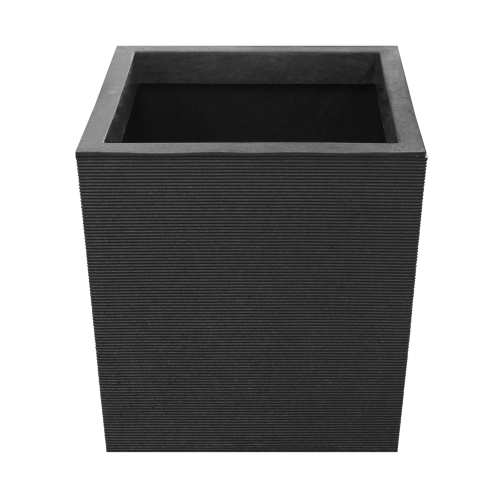
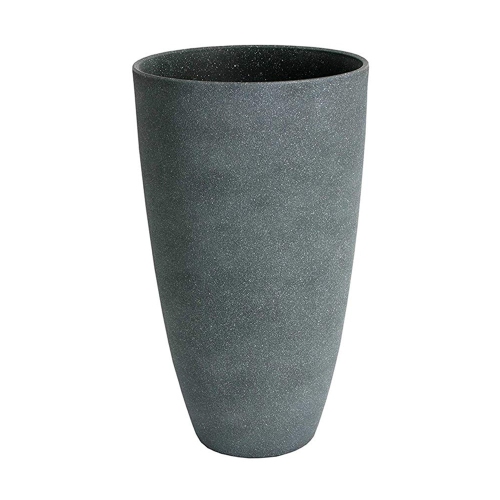

Why planter materials and drainage matter as much as style
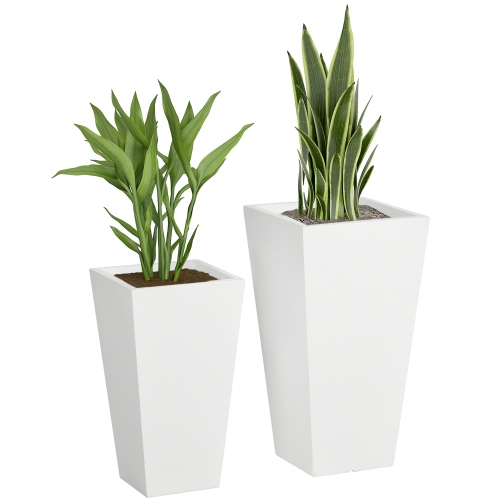
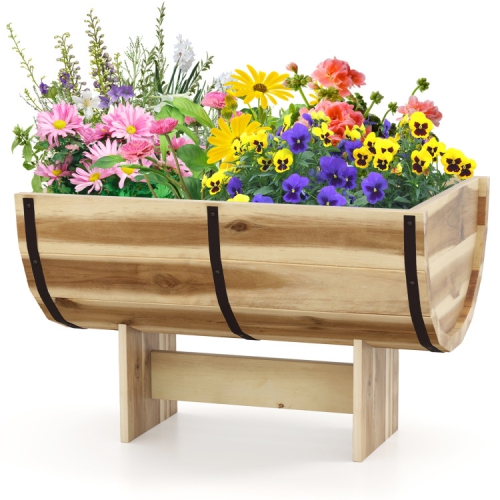
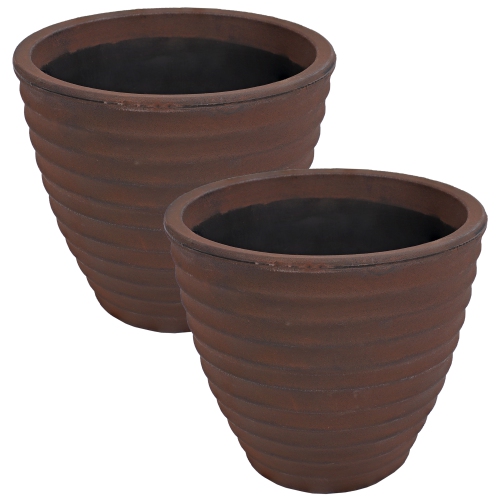
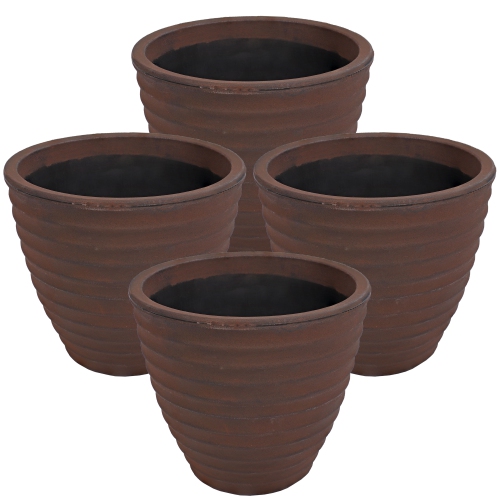
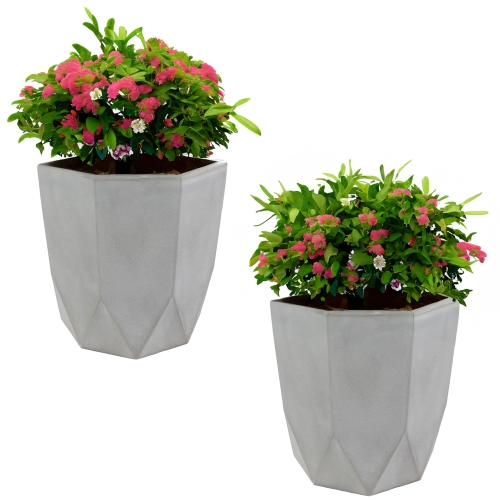
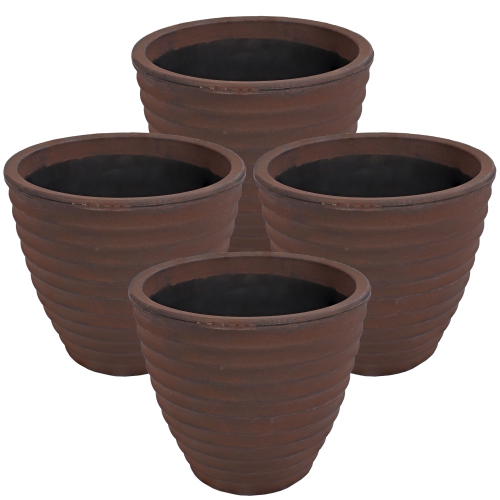
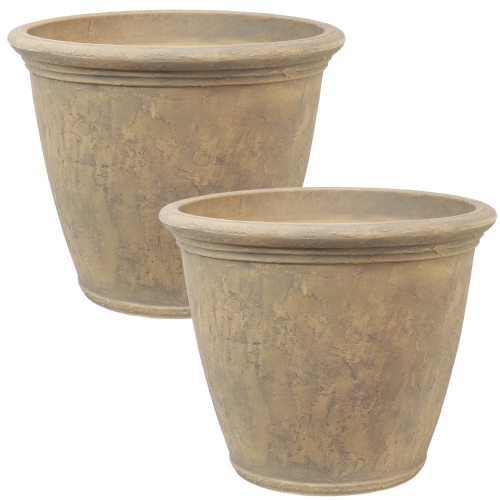
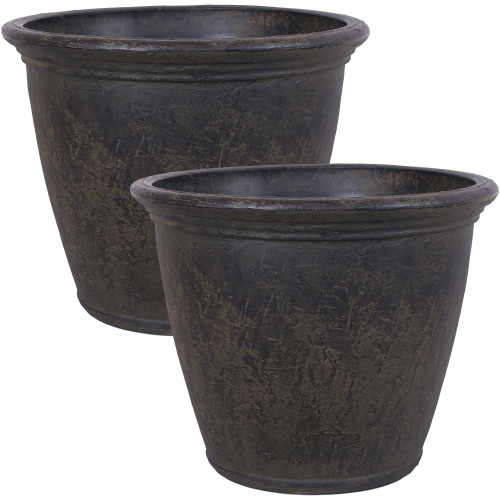
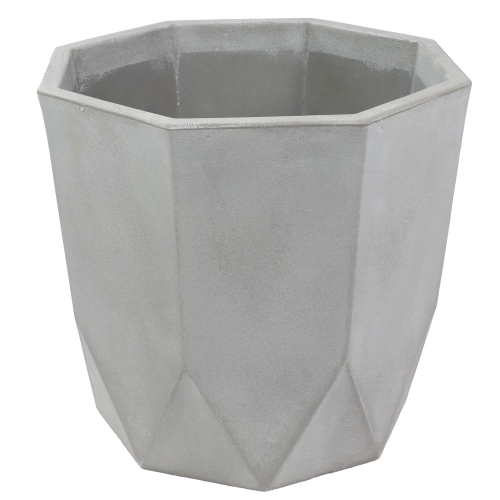
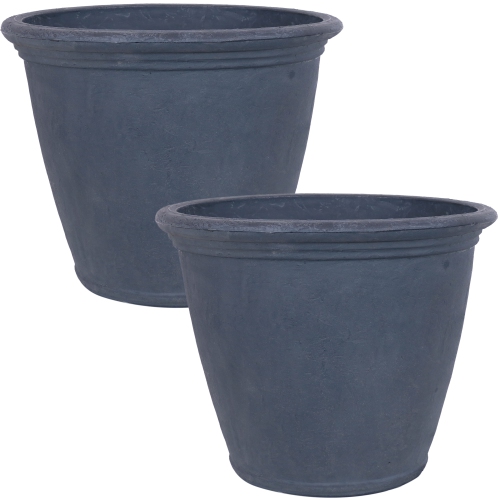
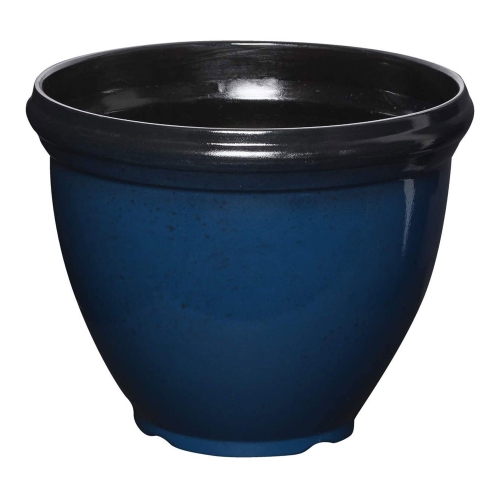
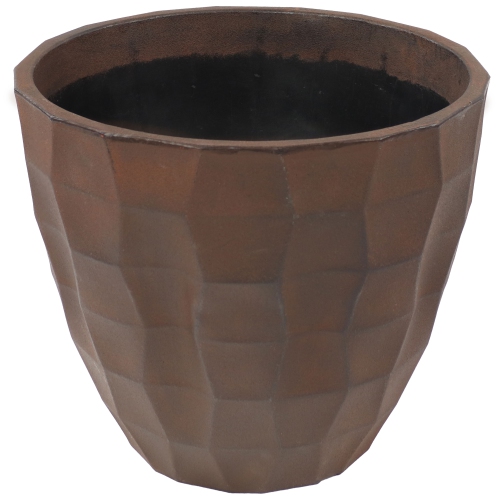
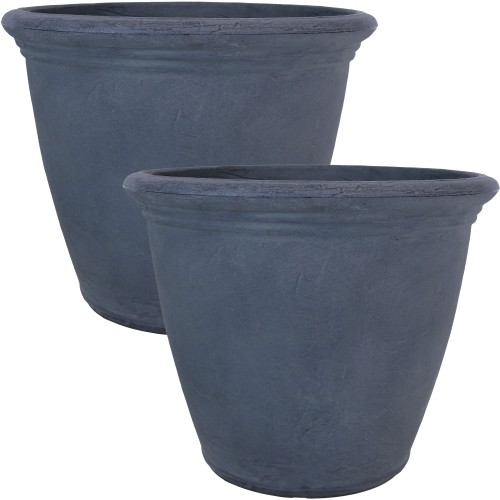
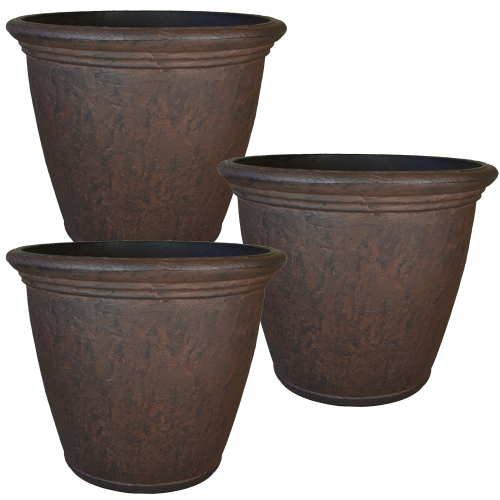
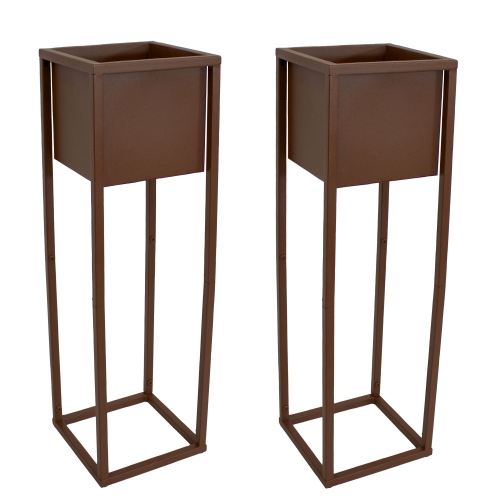
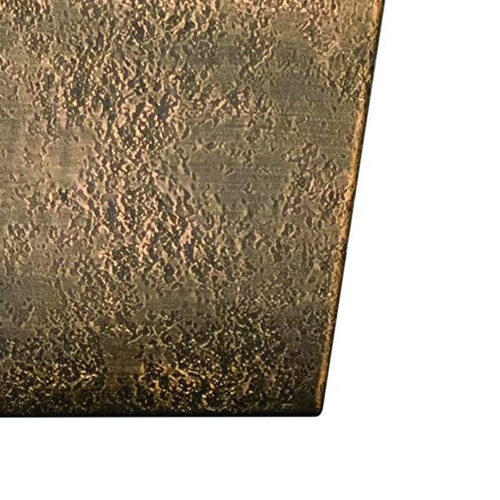
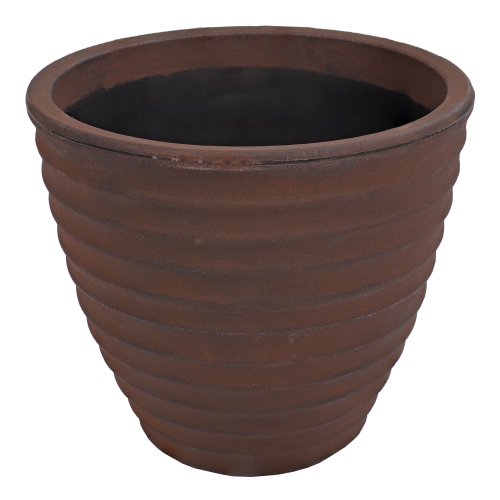
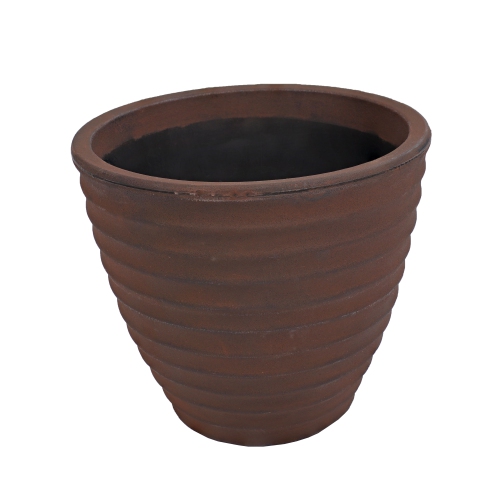
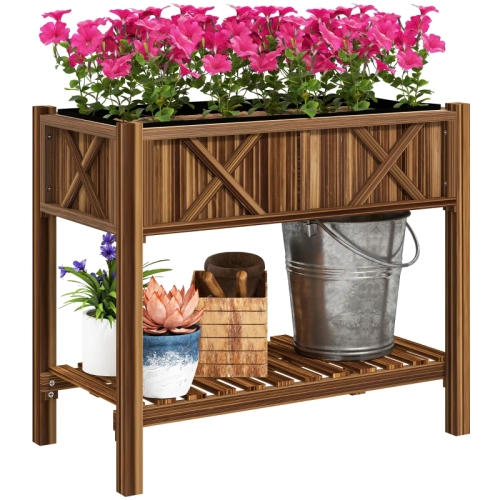
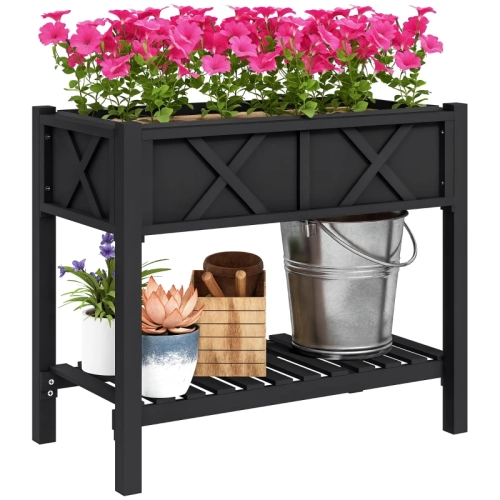
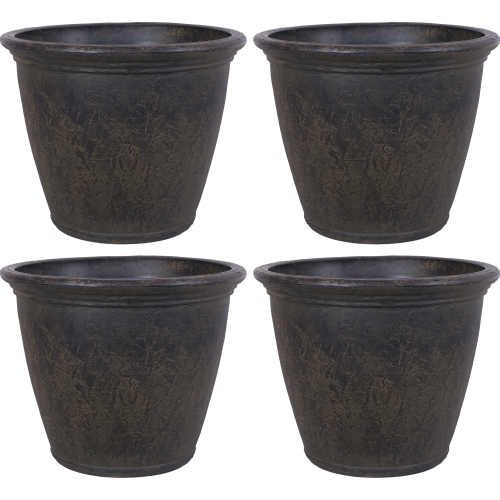
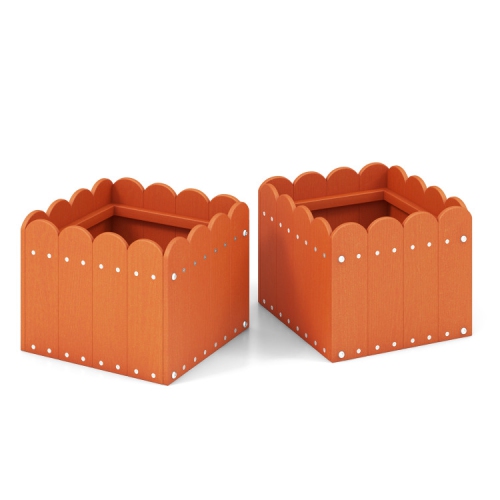
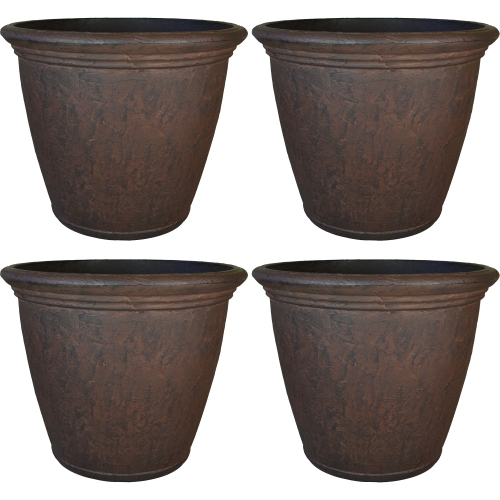
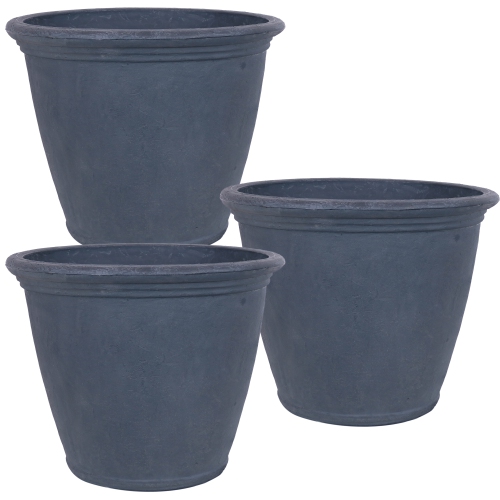
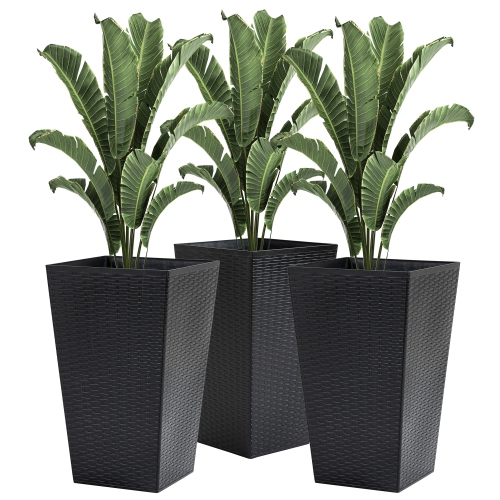
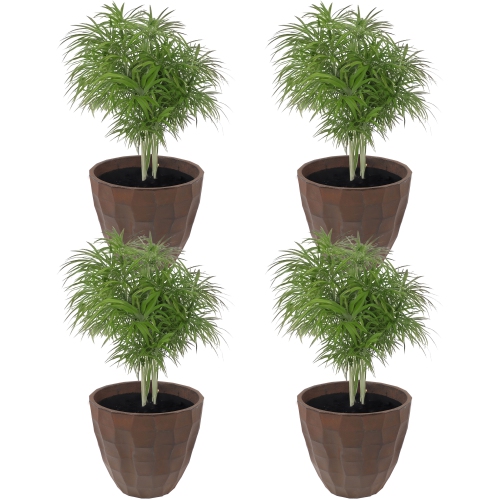
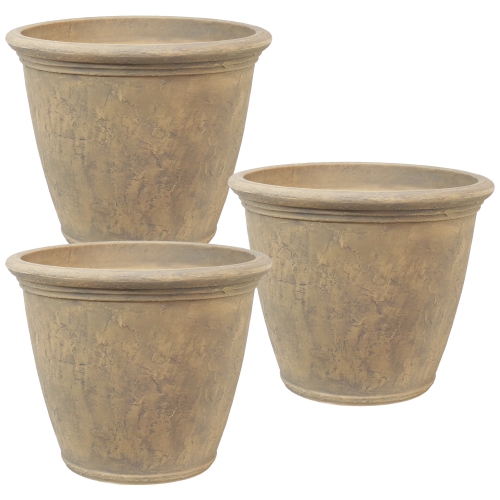
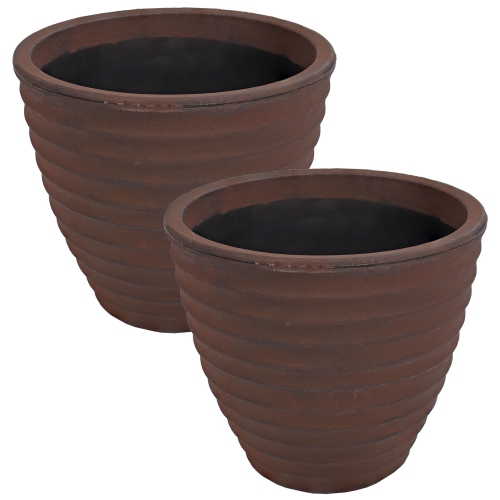
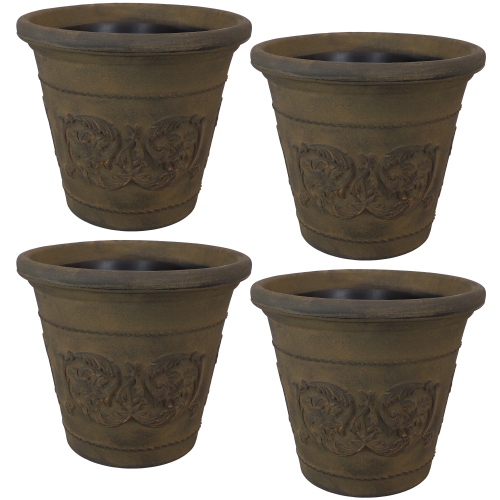
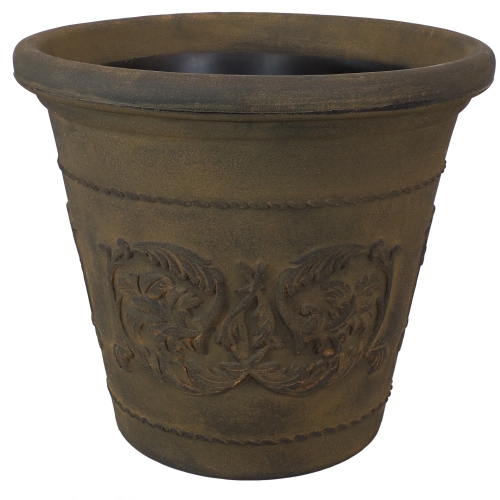
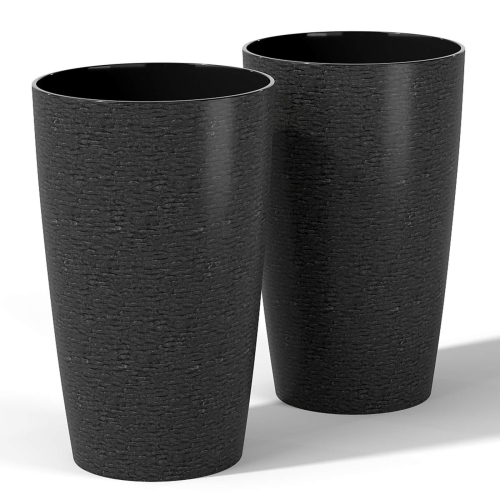
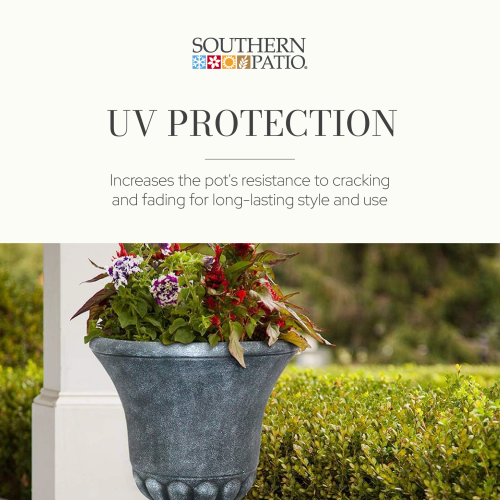
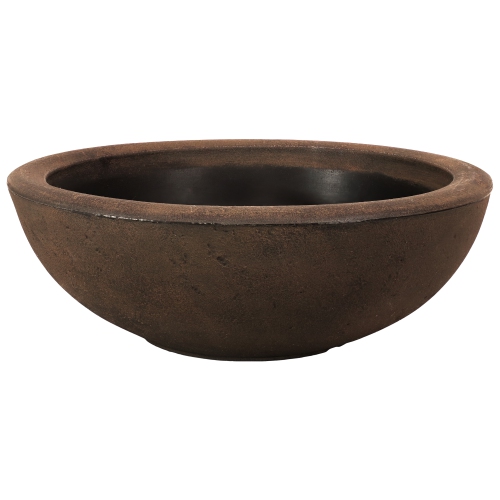
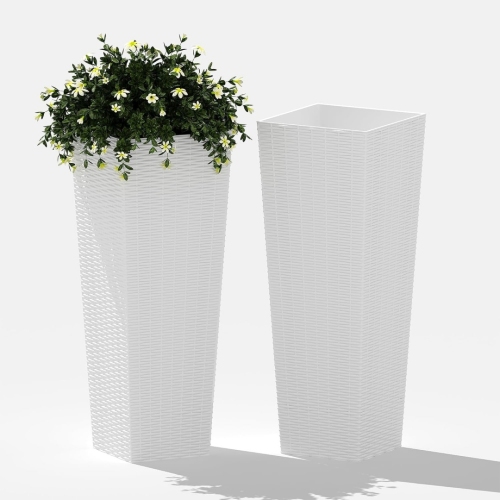
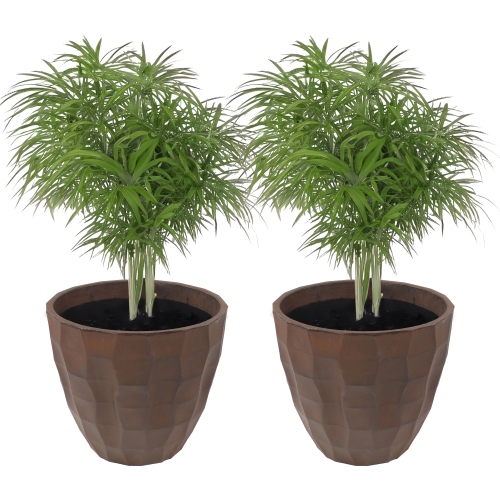
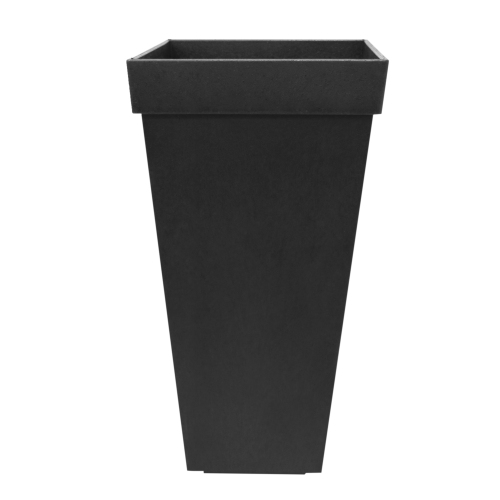
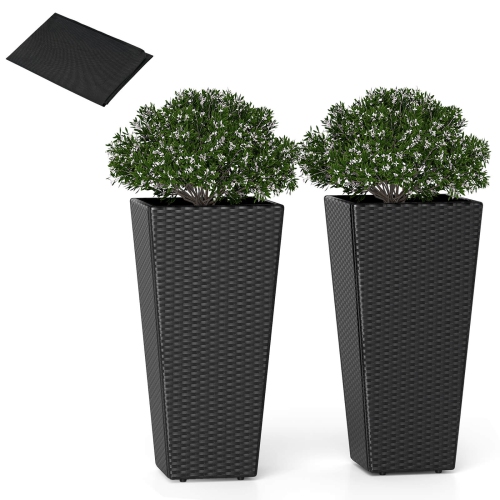
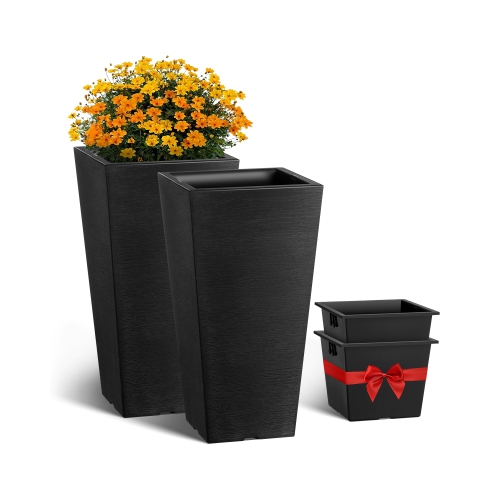
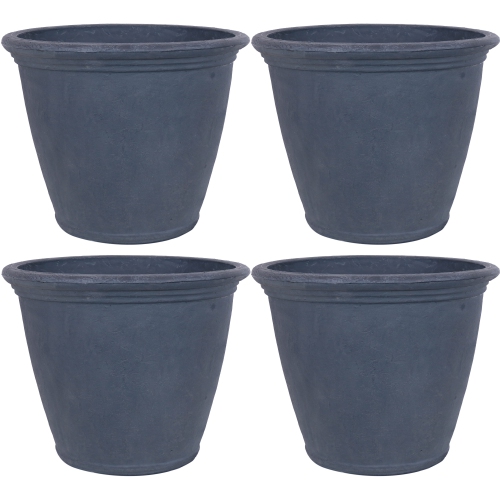
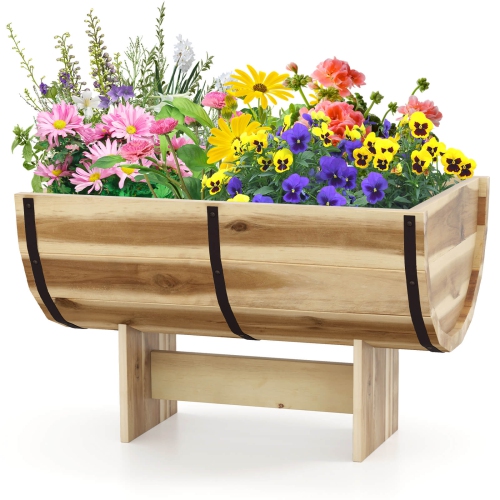
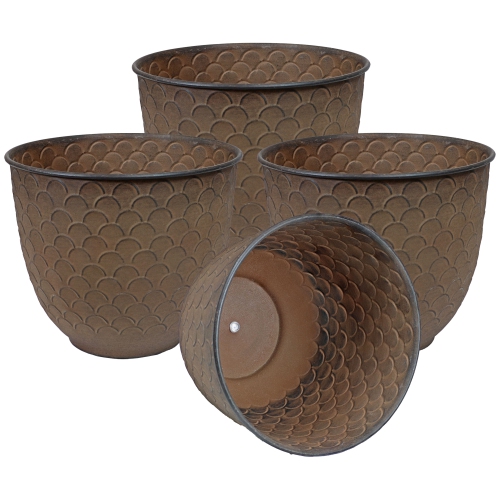
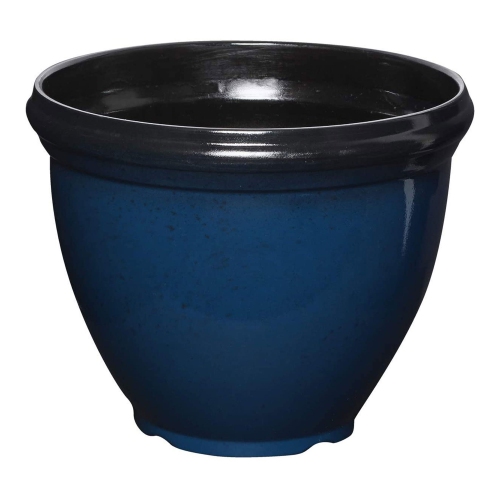
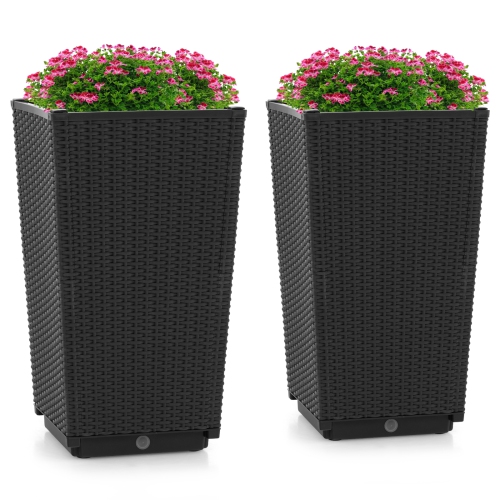
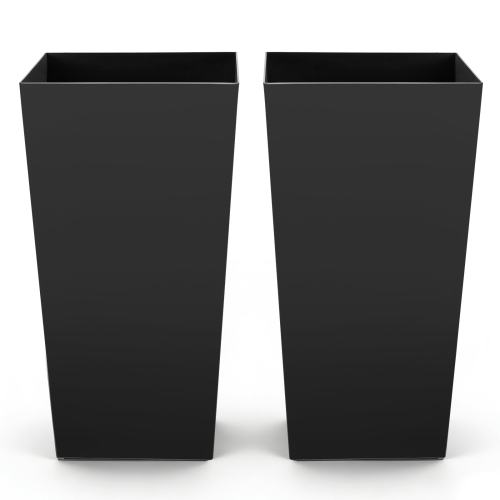
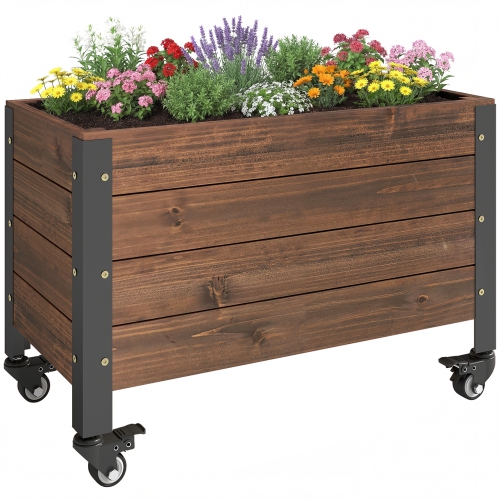
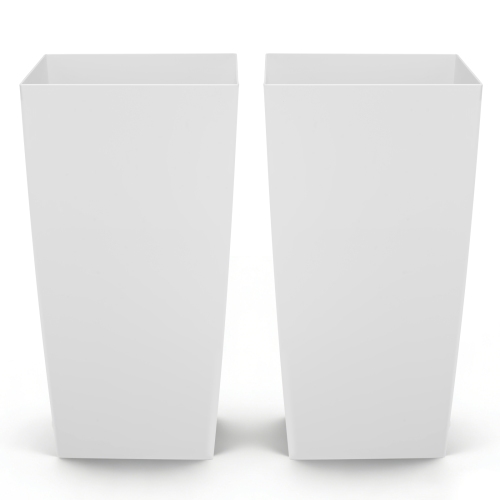
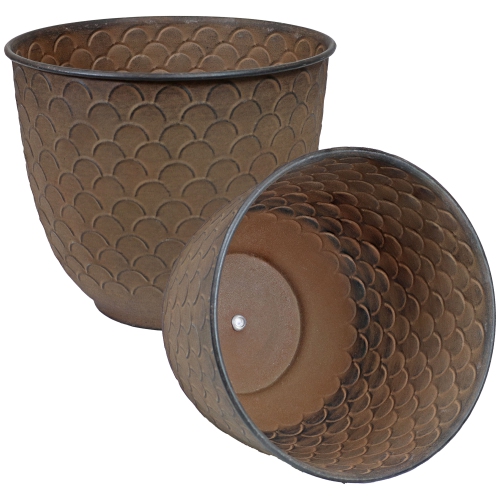
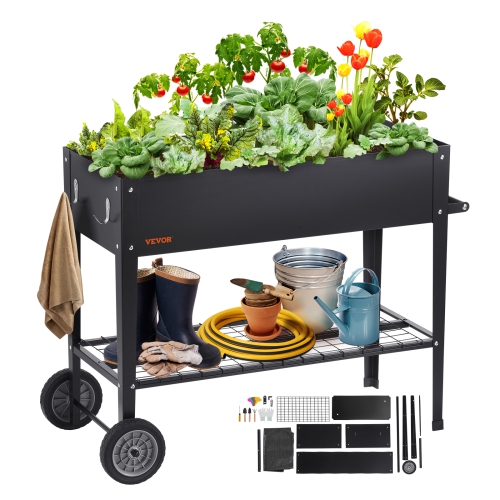
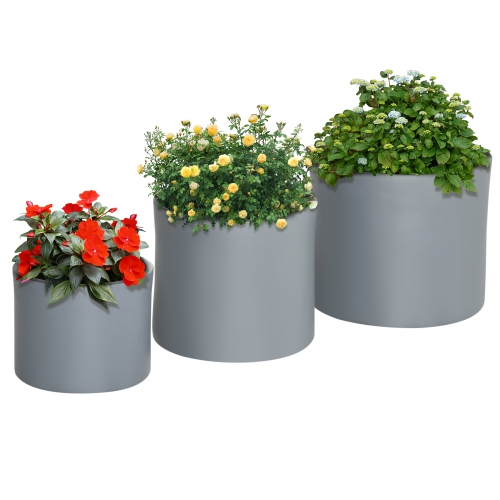
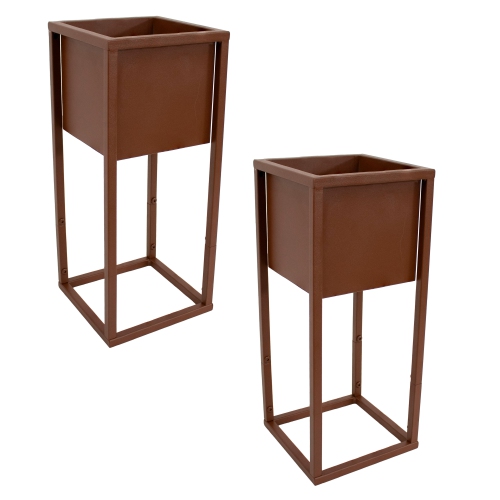
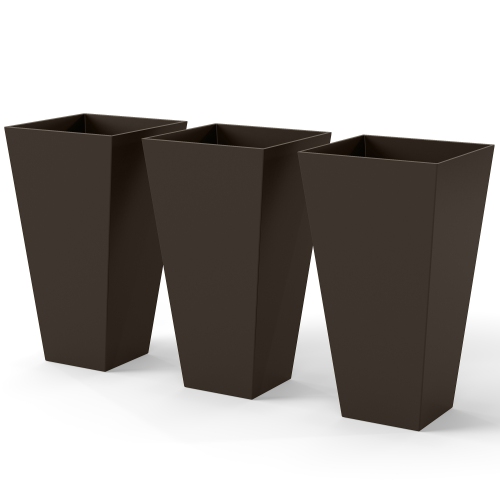
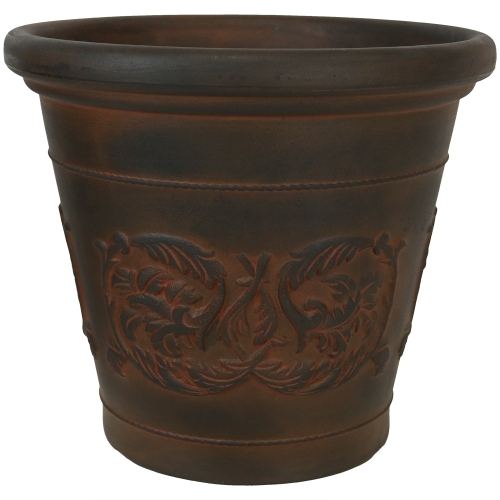
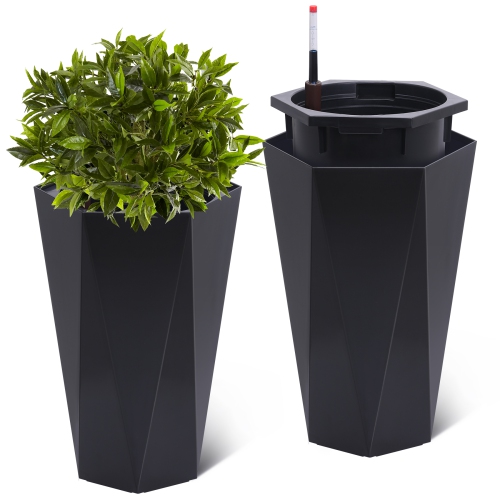
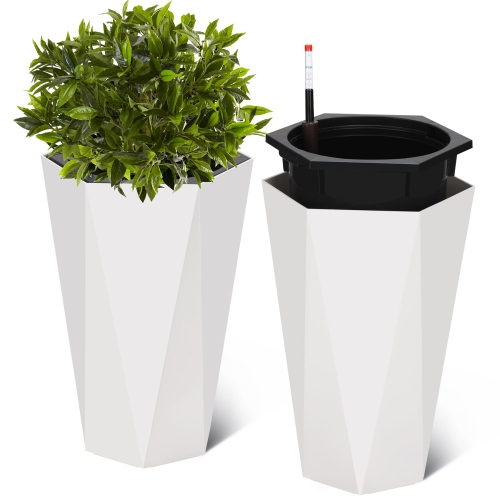
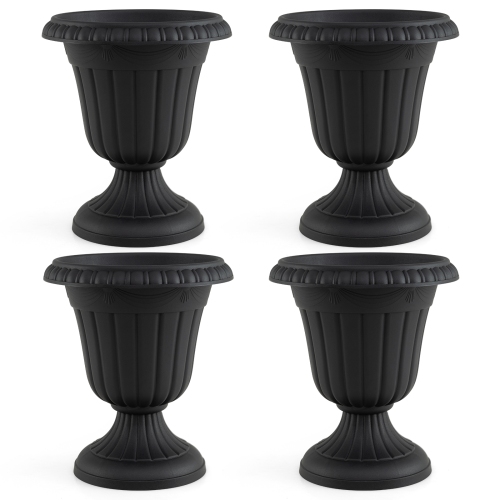
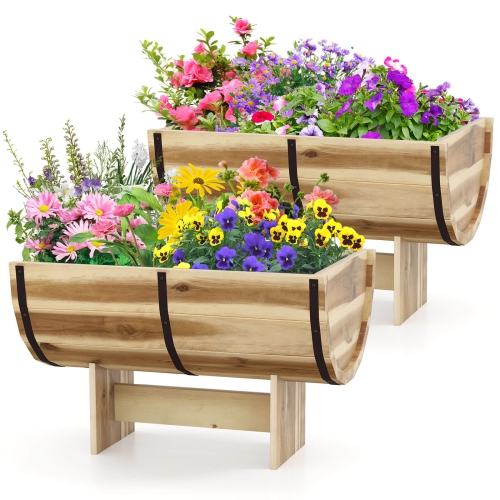
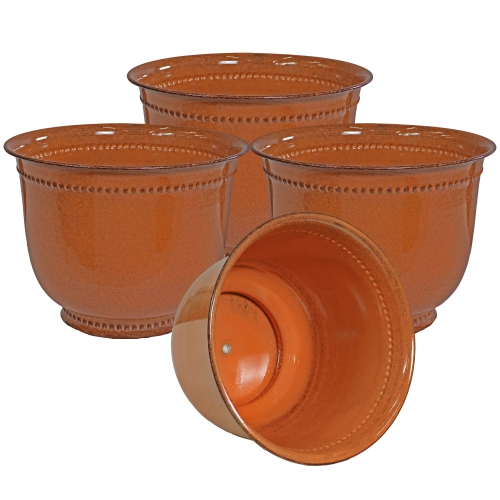
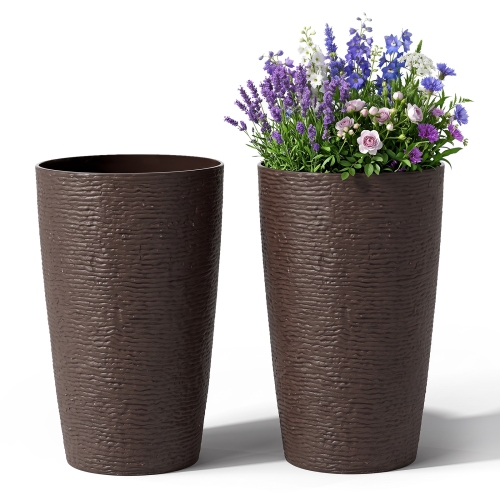
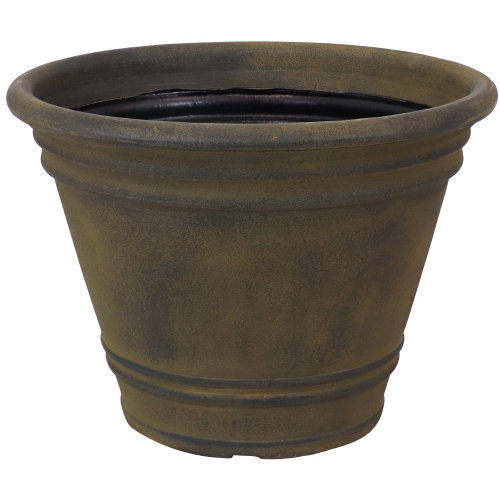
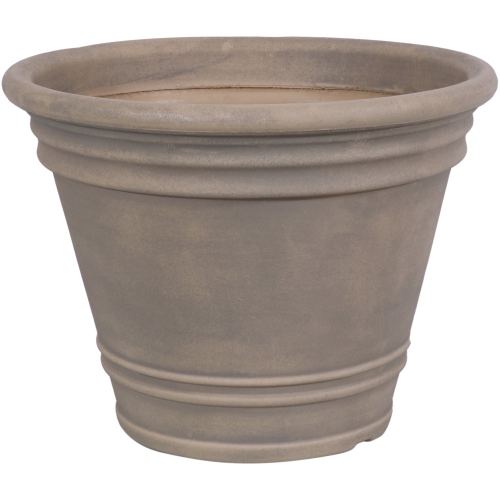
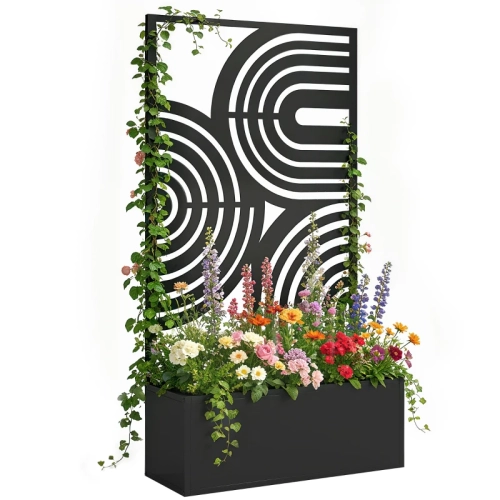
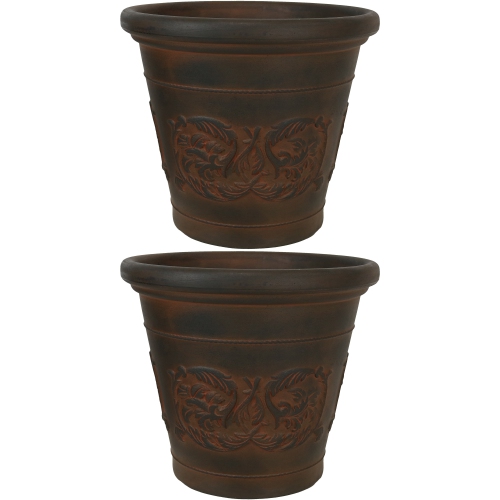
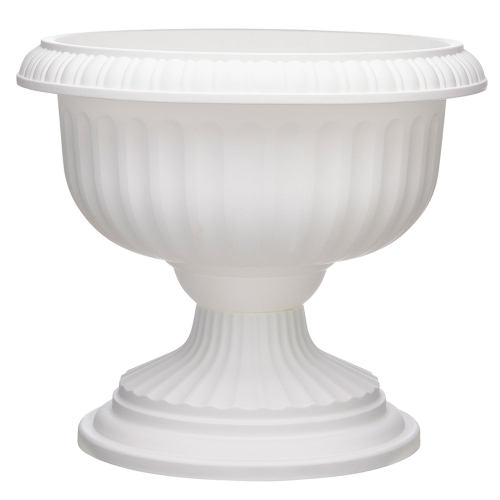
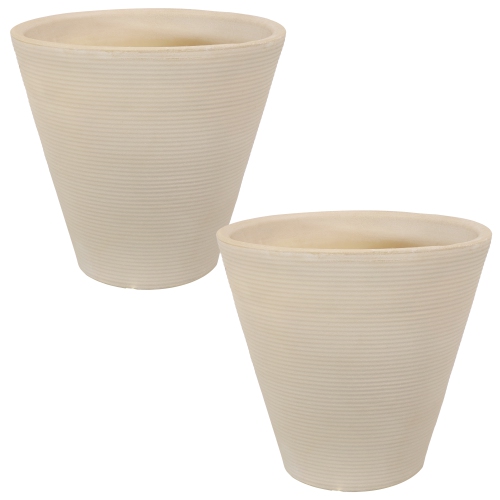
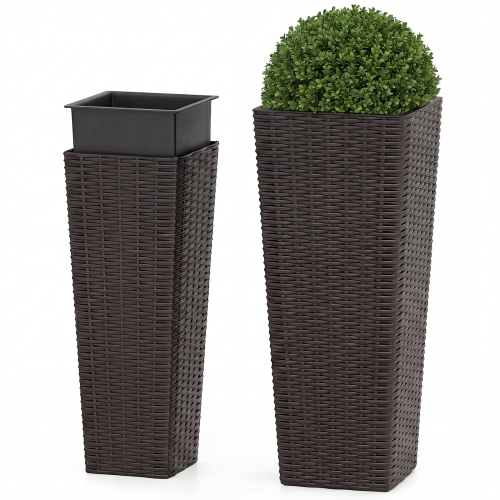
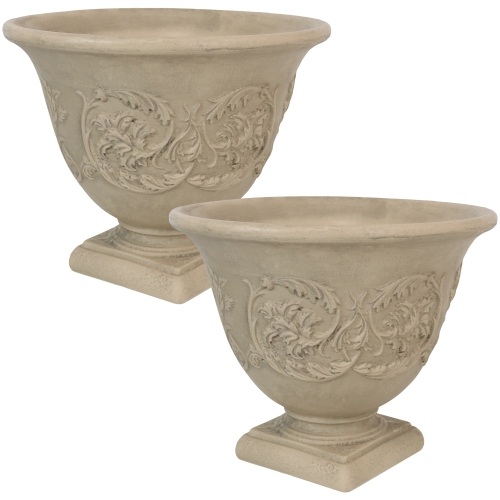
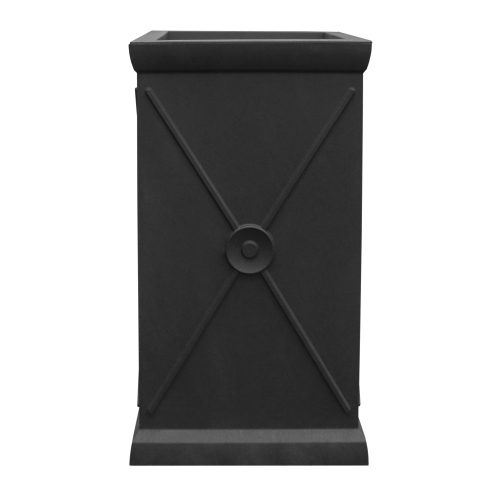
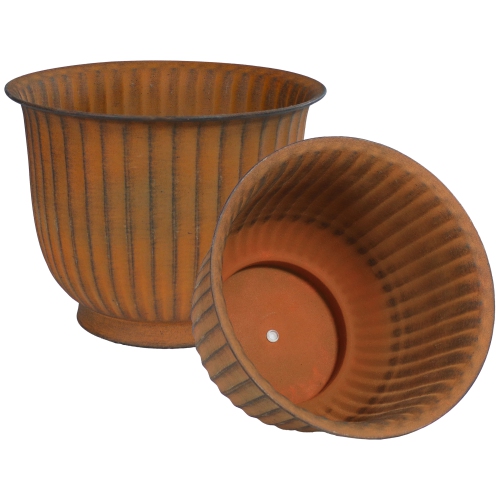
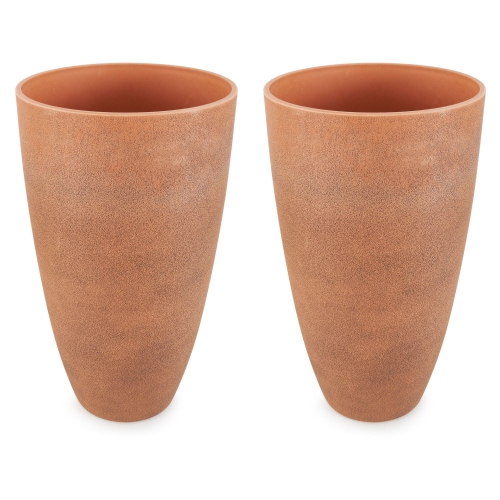
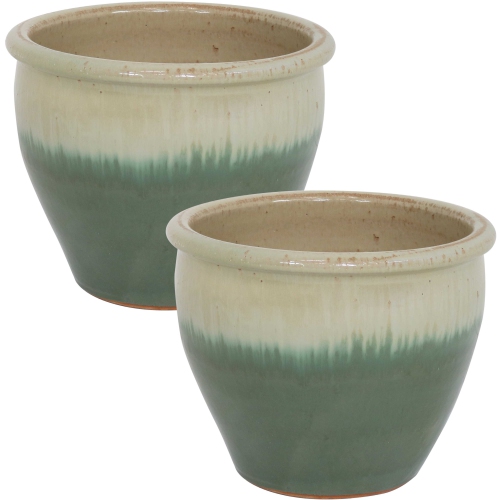
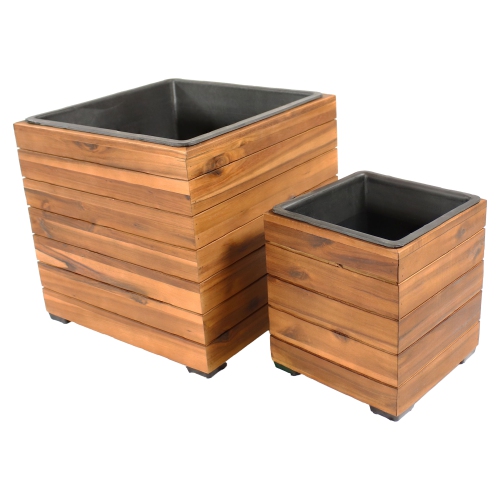
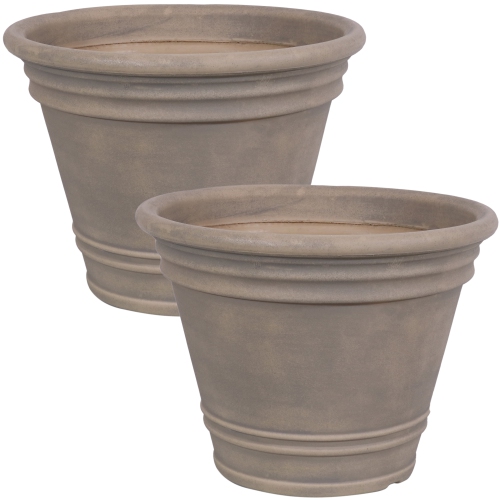
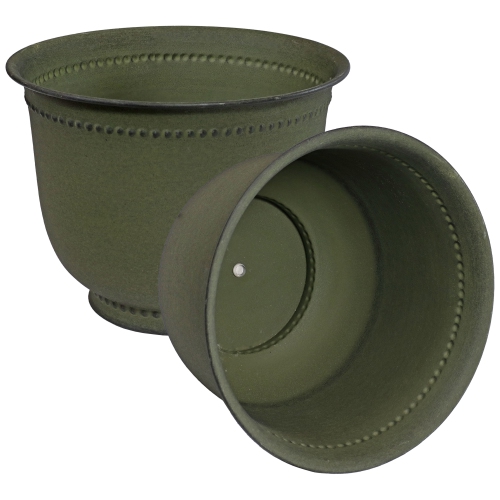
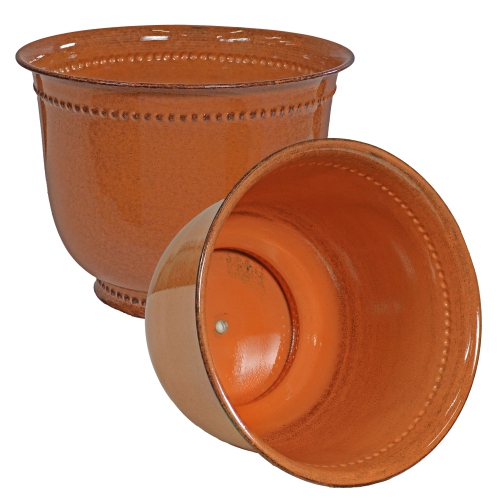
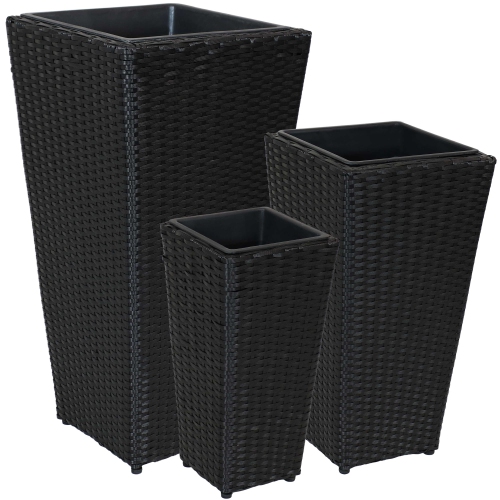
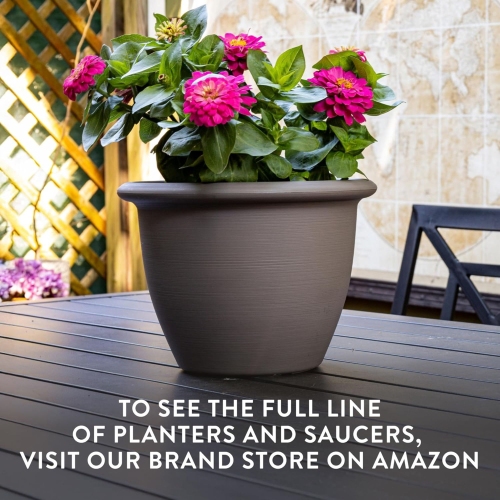
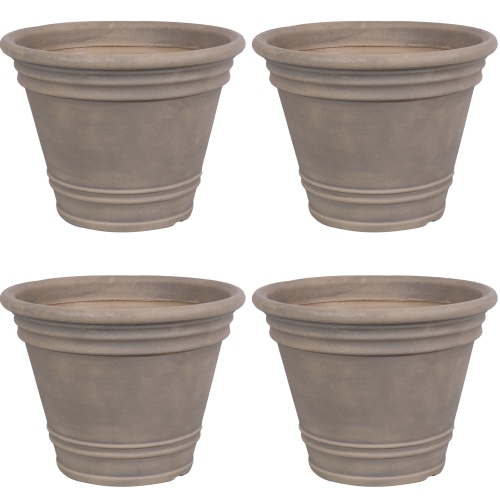
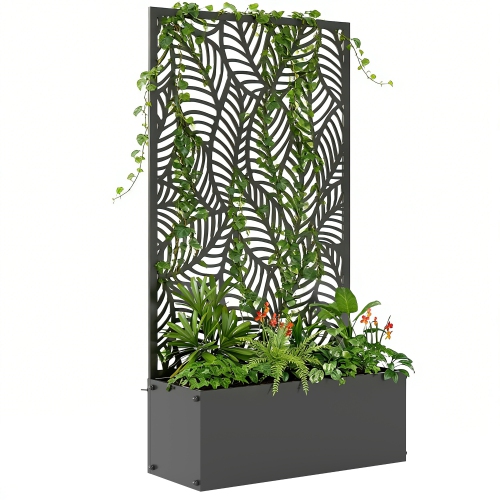
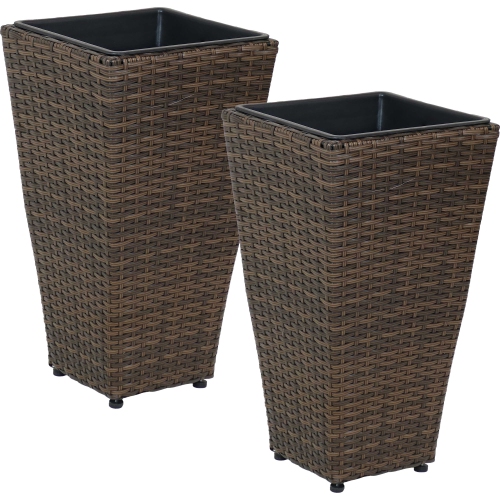
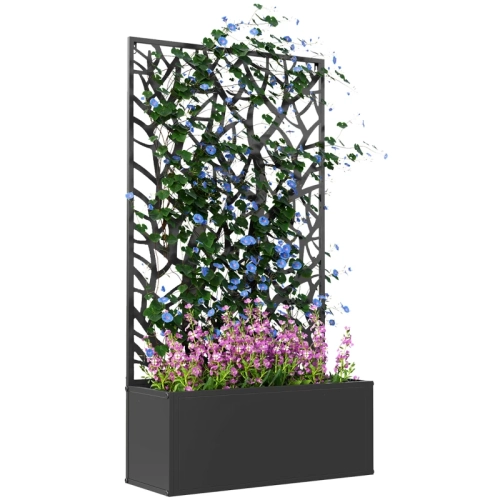
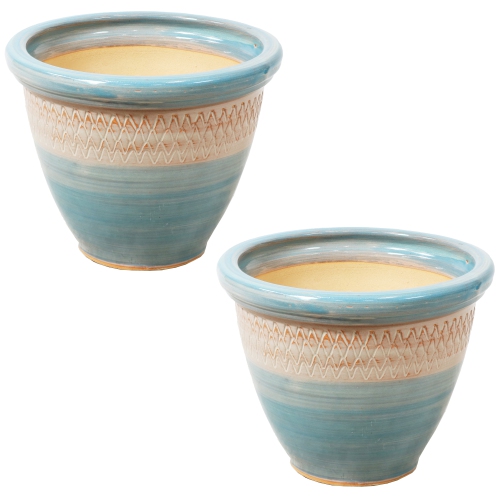
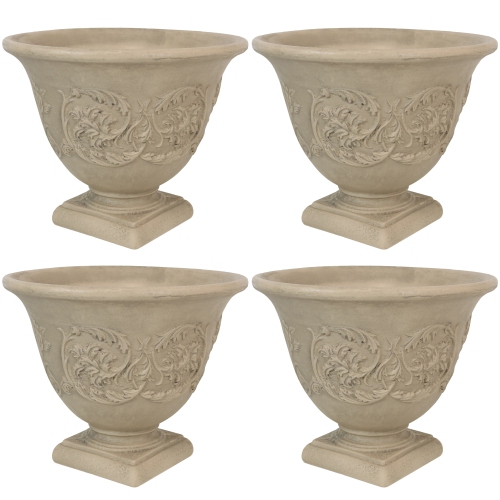
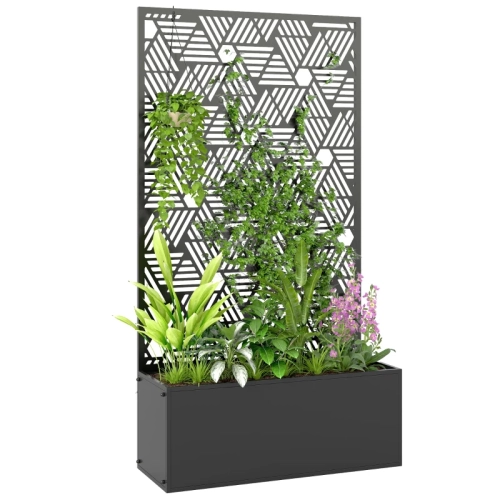
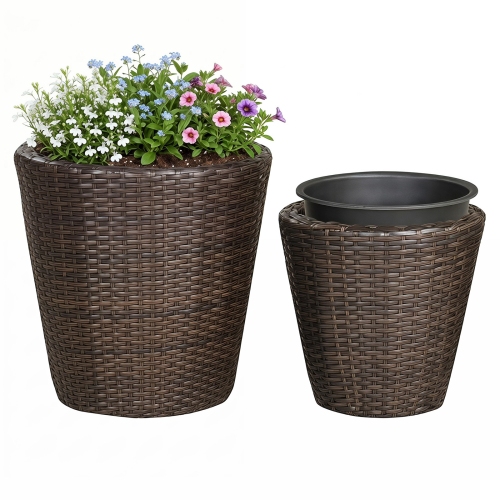
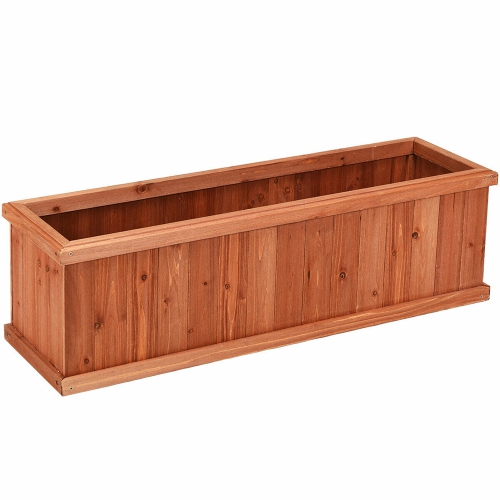
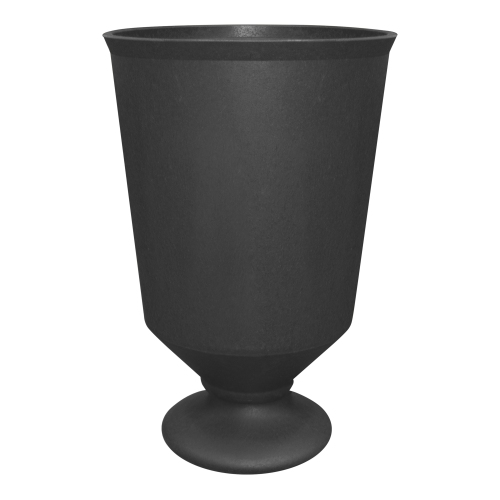
Outdoor planters are containers for growing and displaying plants on patios, balconies, front steps, terraces, and other outdoor spaces. They bring greenery to places without garden beds and give flowers, herbs, ornamental grasses, and compact shrubs a defined place to grow. Their materials, dimensions, drainage, and construction all influence how they perform, while their colour and shape help connect planting arrangements with nearby furniture and architecture. A row of simple rectangular containers can frame a seating area, while a rounded pot beside a doorway creates a softer focal point. Material choice affects more than appearance. Unglazed terra cotta has a warm, earthy finish and porous walls that allow moisture to evaporate, so its soil may need more frequent attention than soil in a less porous container. Glazed ceramic offers a wide range of colours and finishes, although suitability for outdoor exposure depends on its construction and the manufacturer’s care requirements. Plastic and resin containers are often easier to move before planting, making them practical for balconies or layouts that change occasionally. Their resistance to fading and cracking varies, so an outdoor-use rating matters more than appearance alone. Wood brings visible grain and a natural texture to decks and garden edges, with durability influenced by the wood species, treatment, construction, and contact with moisture. Metal provides crisp lines and a contemporary finish, but exposed surfaces can become hot in direct sunlight, and corrosion resistance depends on the metal and its protective coating. Concrete and stone containers have substantial visual presence and weight, which can help anchor a planting arrangement but also makes placement more permanent. Fibreglass and composite designs offer another balance of weight, texture, and strength, with performance depending on the particular material blend. Across these categories, a planter’s suitability comes from matching its construction to the location and the plants it will hold, rather than choosing by style alone.
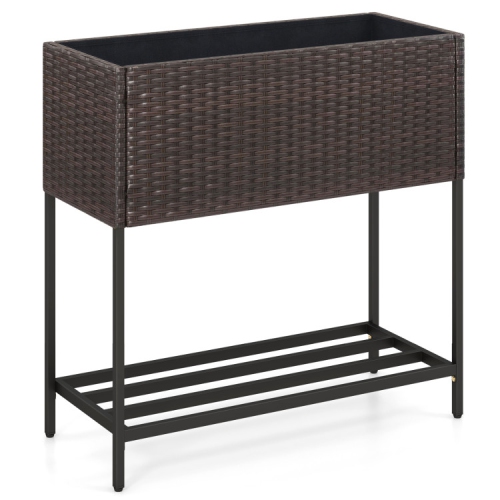
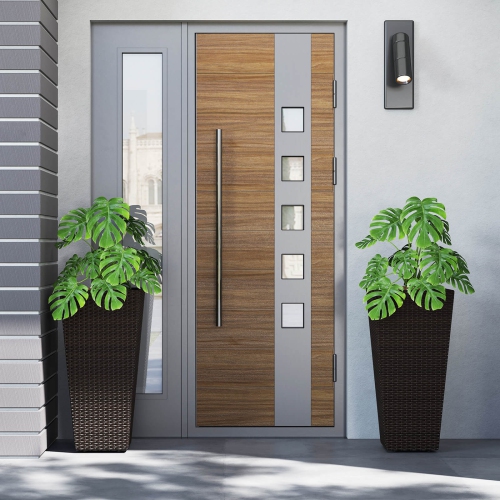
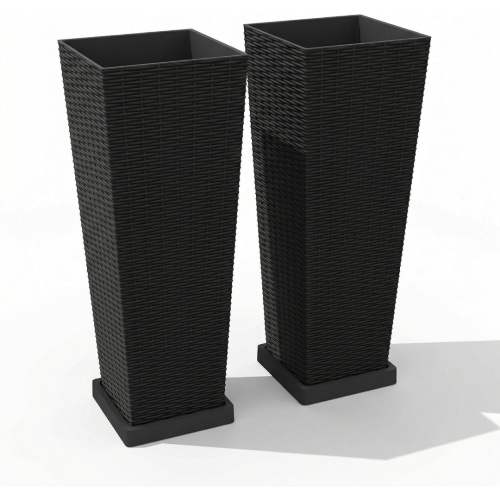
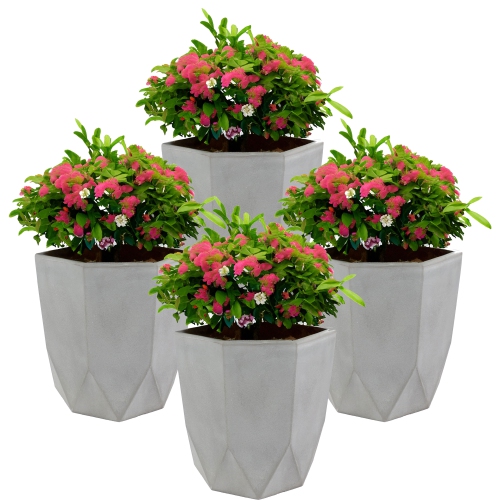
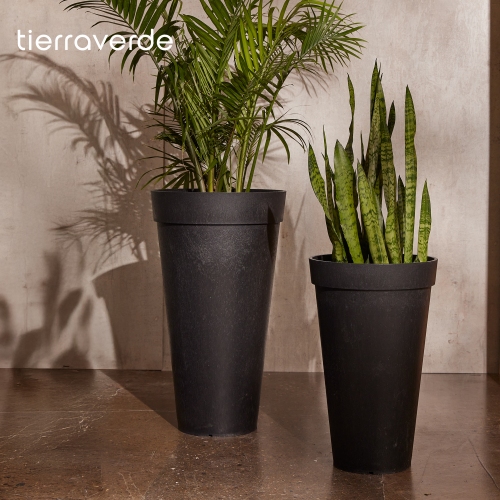
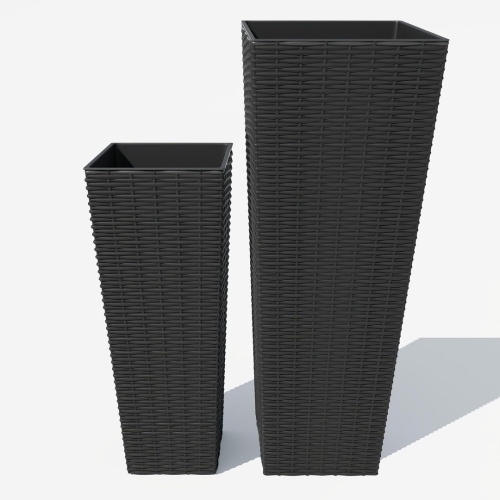
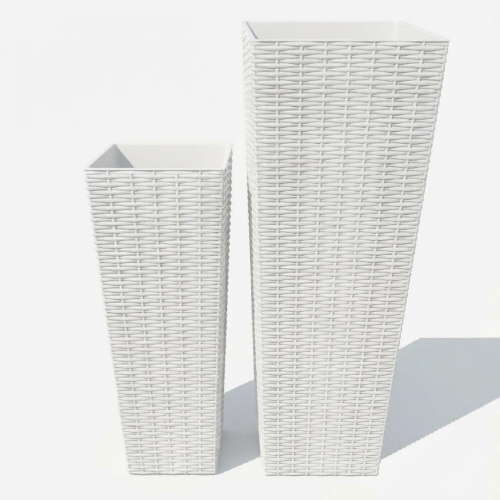
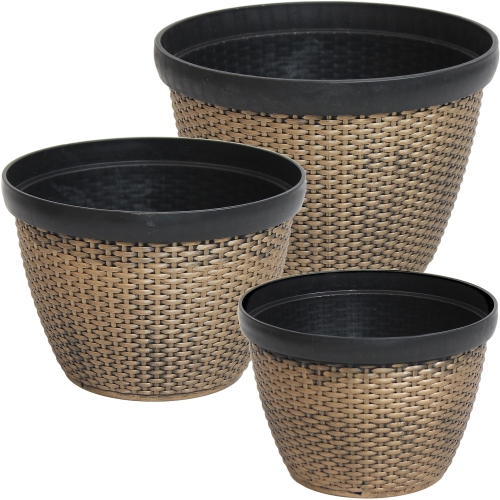
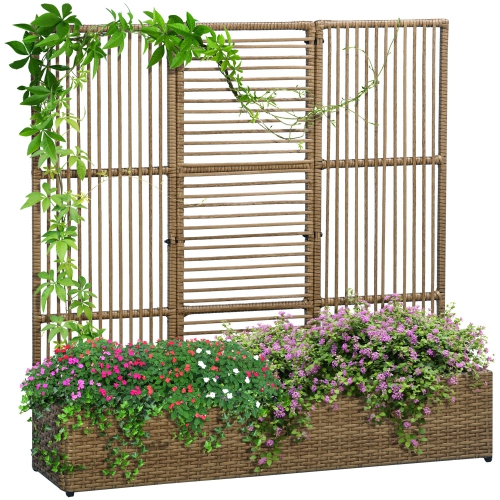
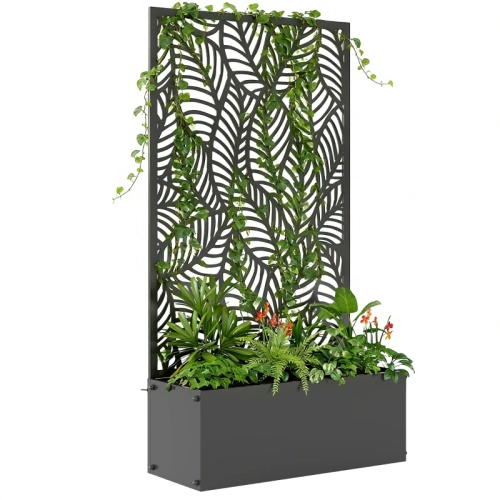
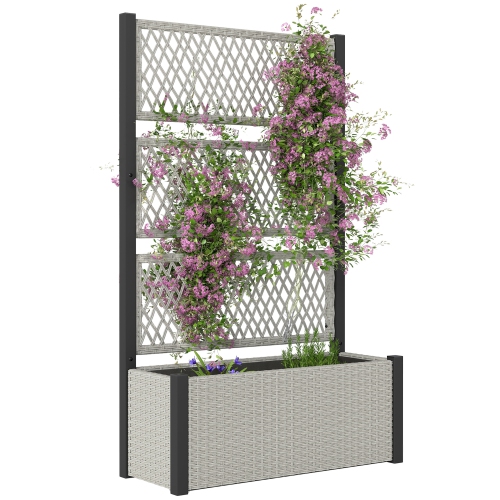
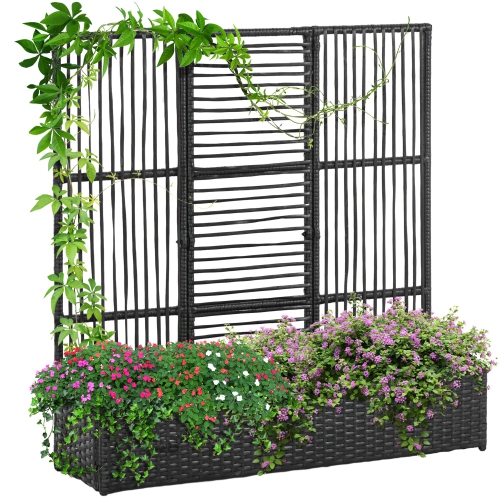
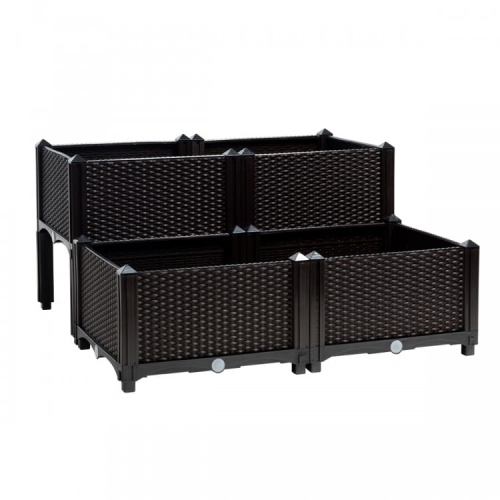
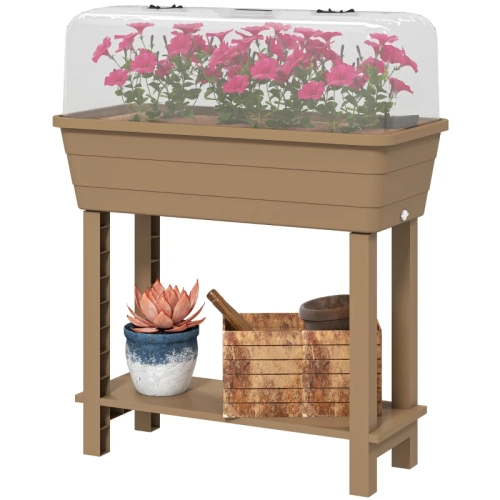
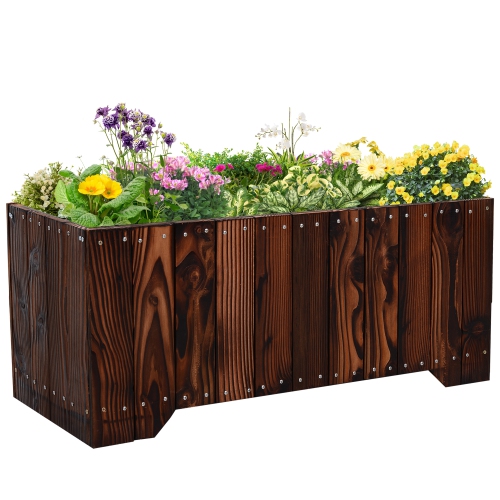
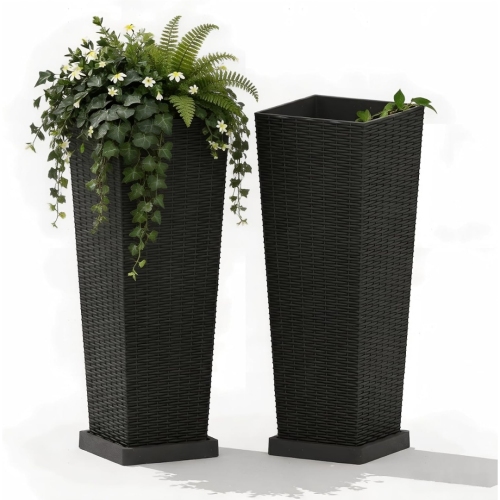
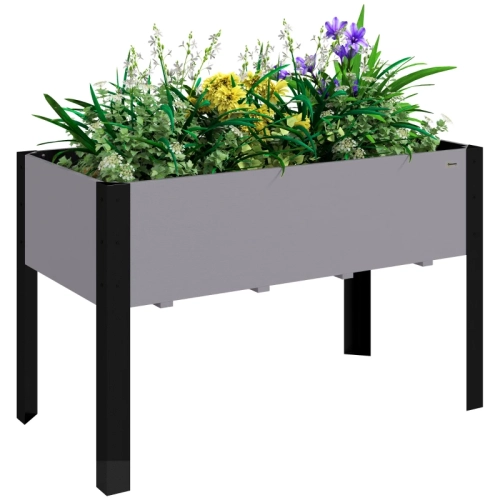
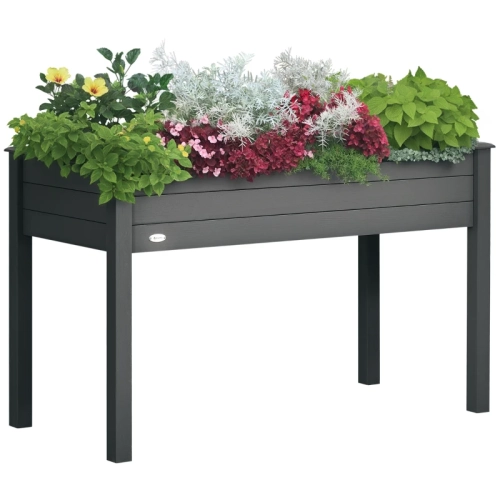
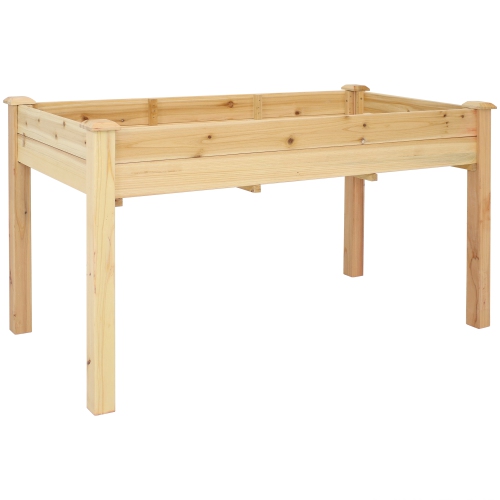
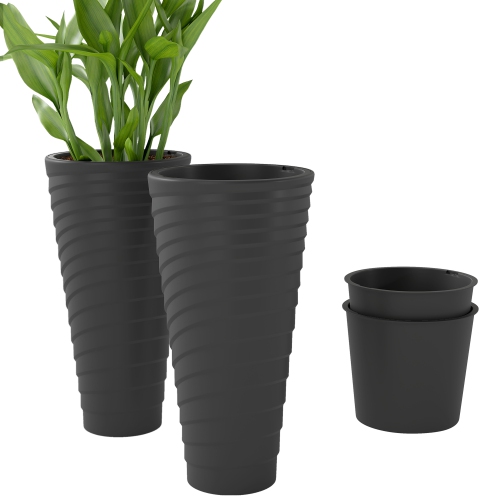
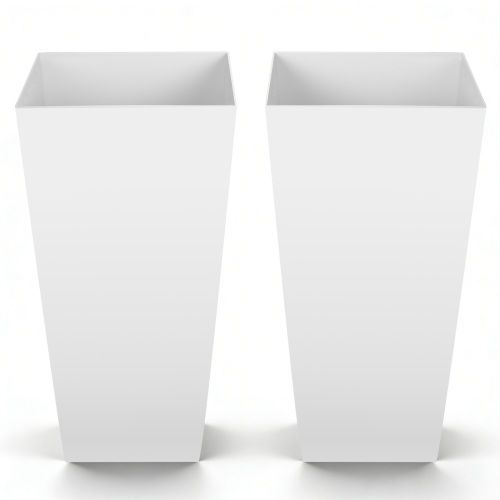
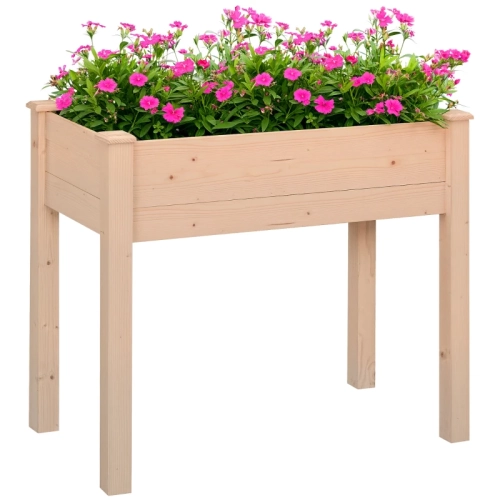
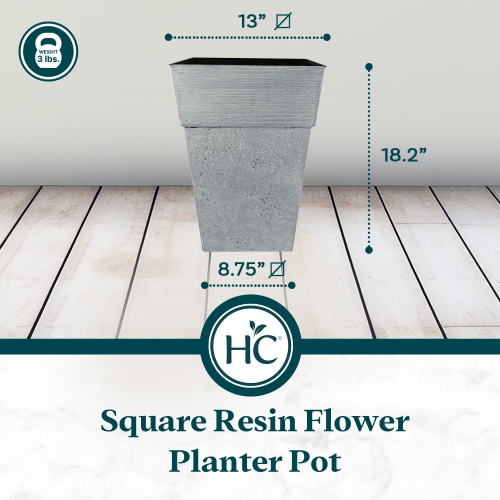
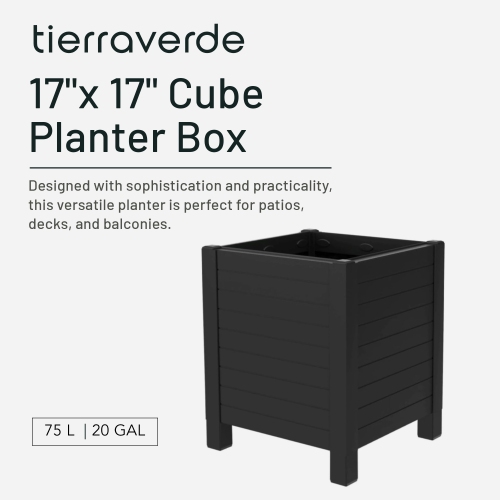
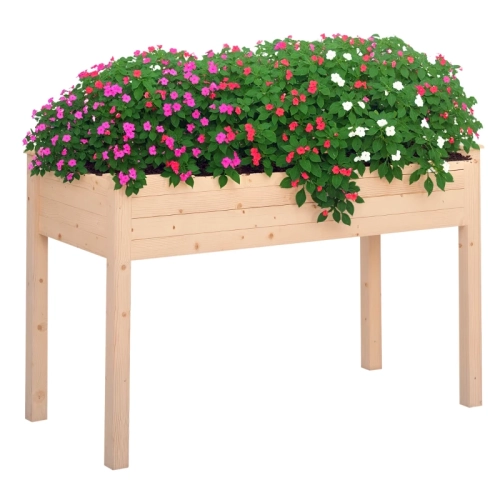
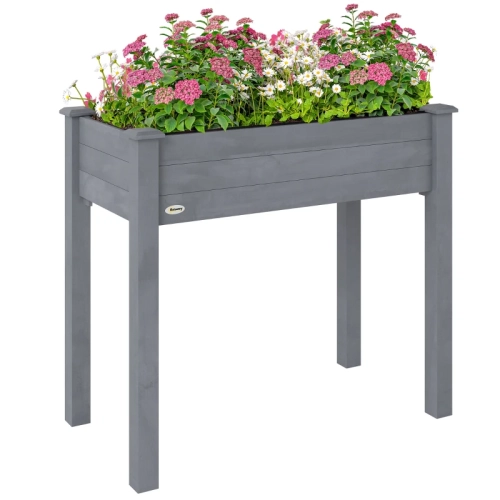
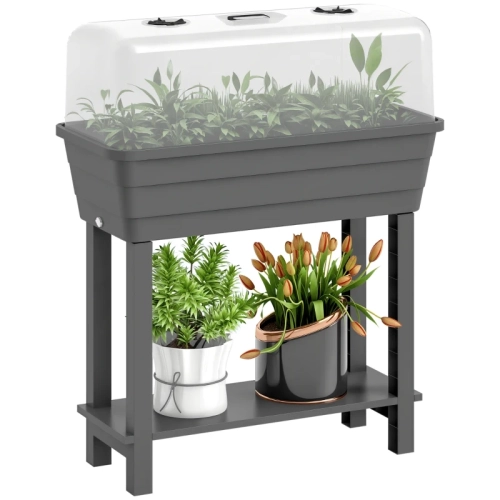
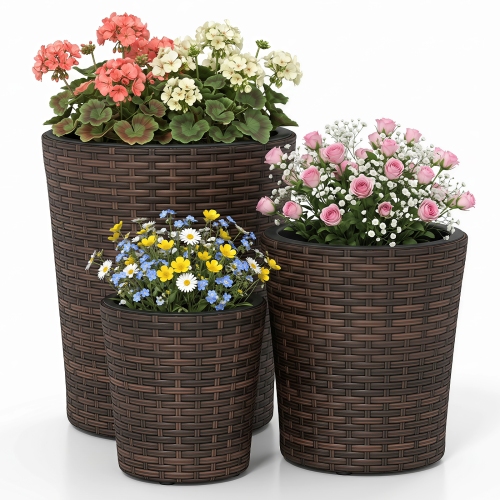
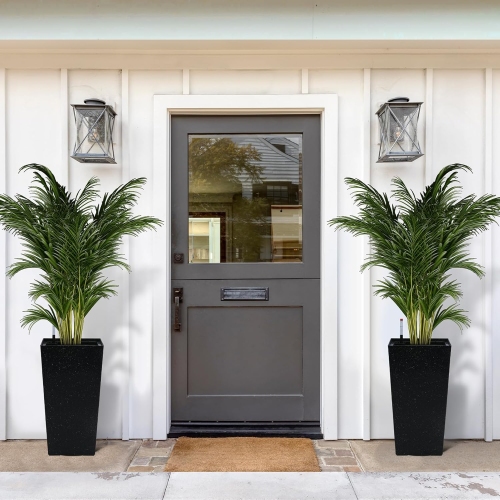
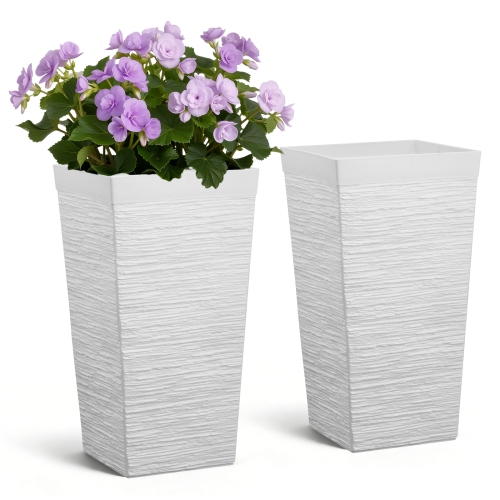
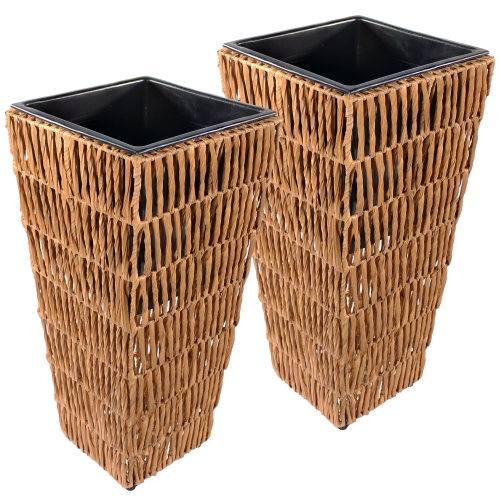
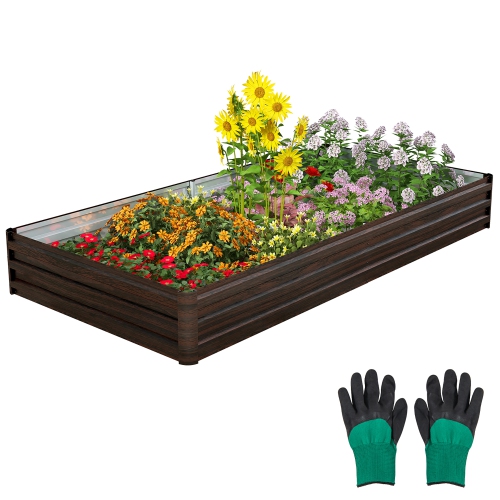
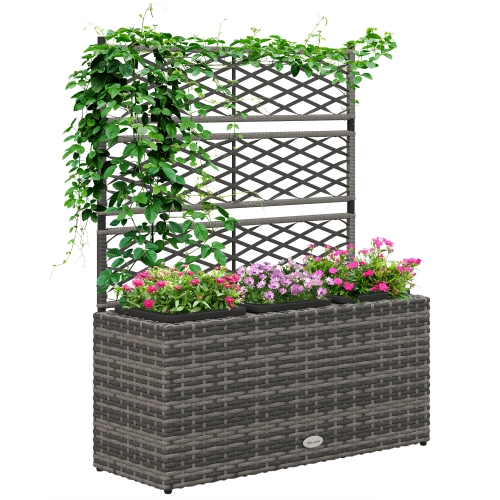
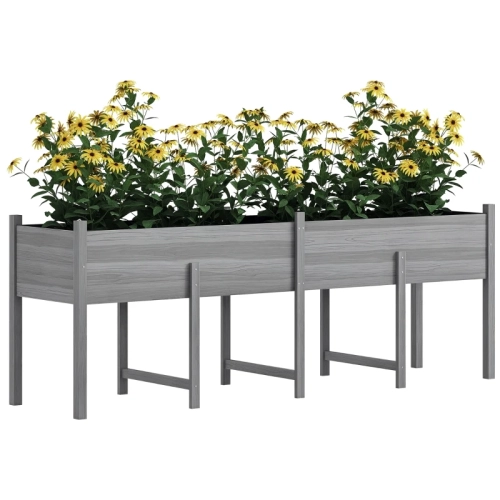
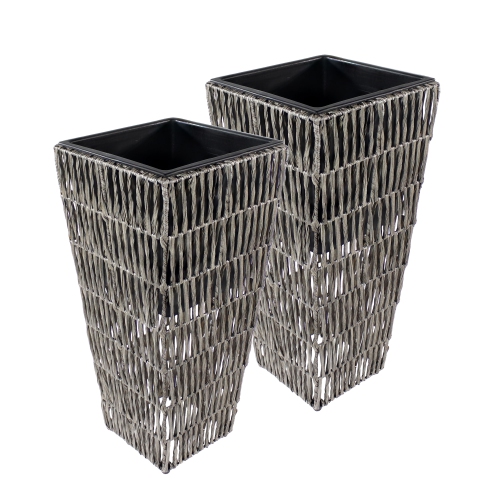
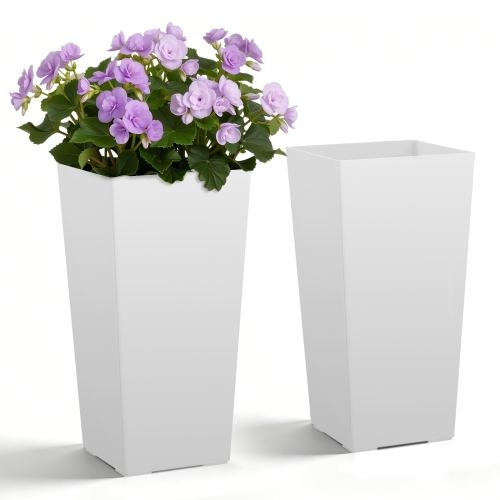
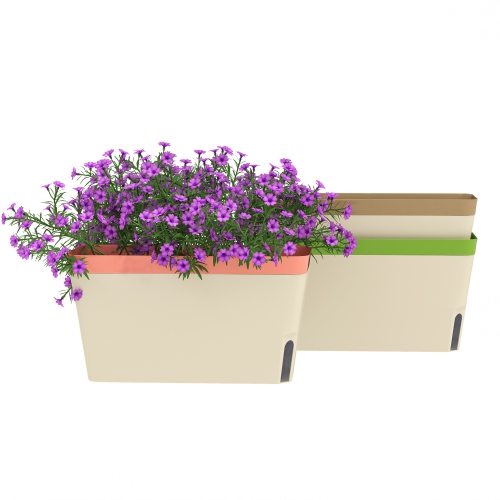
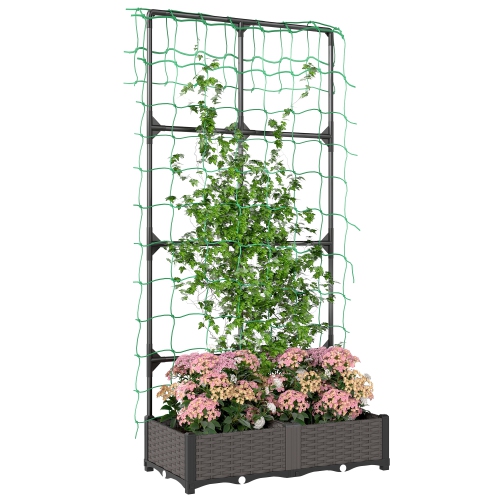
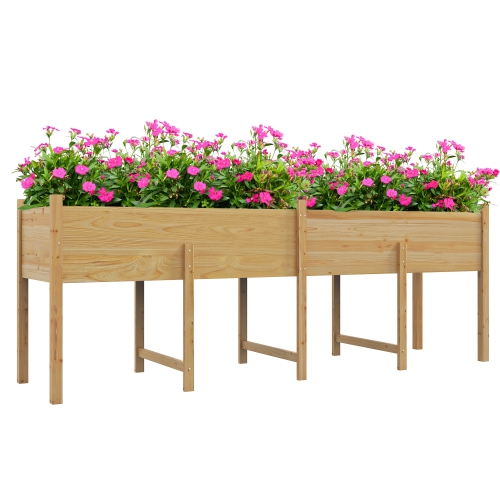
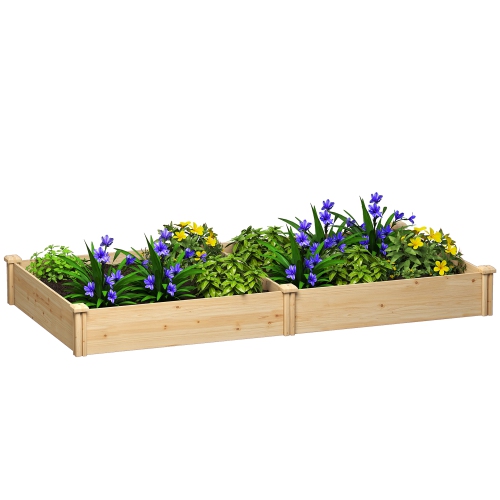
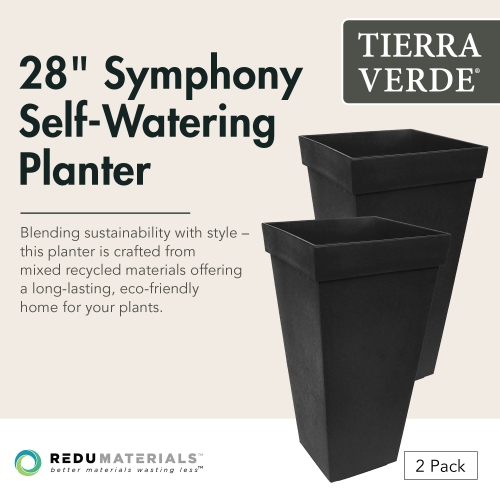
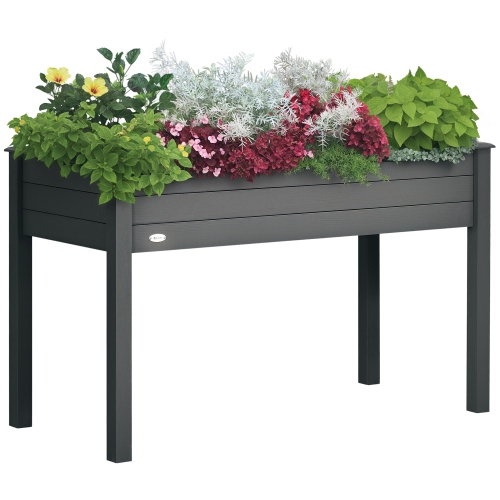
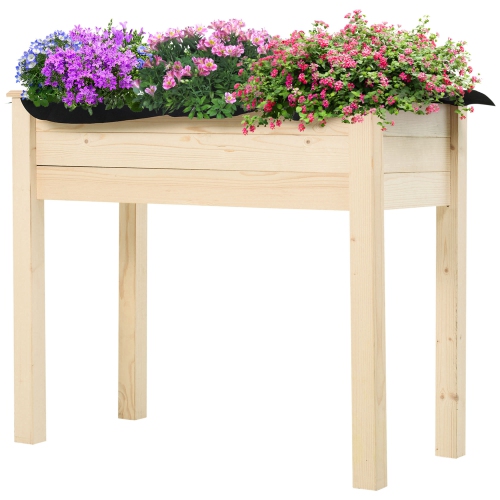
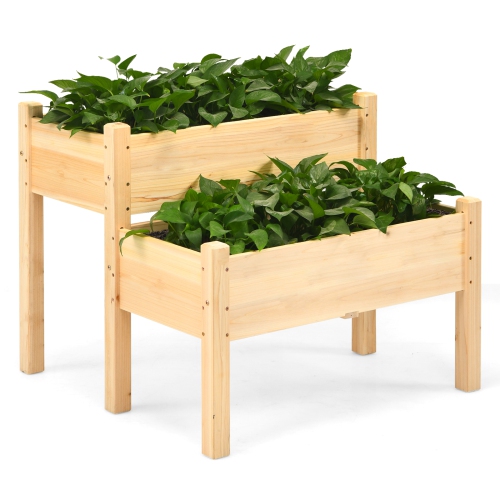
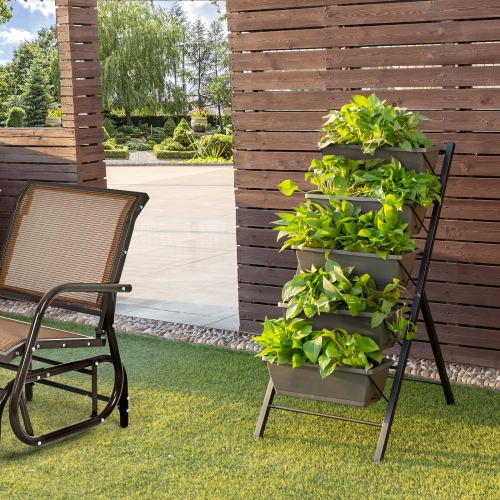
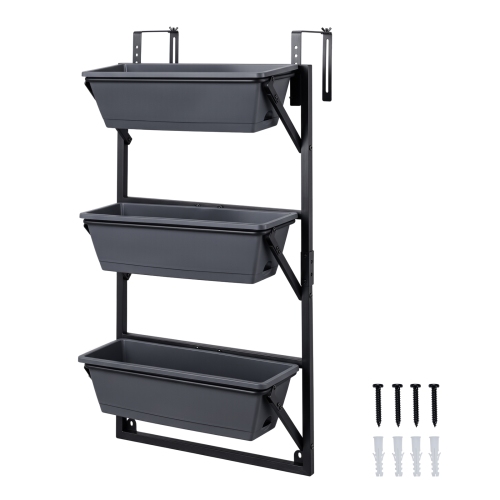
Size and shape determine how an outdoor planter fits both the planting and the space around it. The inside dimensions are particularly useful because a thick rim, tapered base, or built-in insert can leave less growing room than the exterior measurements suggest. Root depth, mature plant size, and the amount of soil needed to hold moisture all influence the right fit. Shallow bowls suit plants with modest root systems, while deeper containers provide room for plants that need greater rooting depth. A tall, narrow planter may add height beside an entrance without offering the same usable soil volume as a broad container of similar height. Larger planting schemes often suit indoor outdoor large planters, particularly where a substantial container can balance a wide doorway or spacious seating area. On a compact balcony, rectangular troughs make use of edges, while railing-mounted and hanging designs leave more floor space open. Those elevated designs need mounting hardware suited to the support and the full planted weight; a container filled with damp soil is considerably heavier than an empty one. Building rules, railing strength, and balcony load limits also matter. Along walkways, planters should leave comfortable clearance for people, doors, and any mobility equipment using the space. Stability deserves attention around children and pets, especially with top-heavy plants or tall containers on narrow bases. Raised planters can bring planting closer to a comfortable working height, although access depends on their height, width, and any space beneath them. A wider rim may provide a convenient edge to grip during positioning, but it should not be treated as a lifting handle unless designed for that purpose. Visually, matching containers create a tidy rhythm along a fence or path, while a small group in different heights adds depth without requiring a large footprint. Repeating a colour or finish helps mixed shapes feel connected.
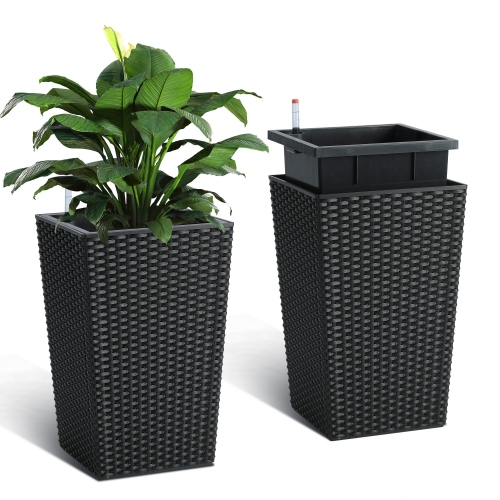
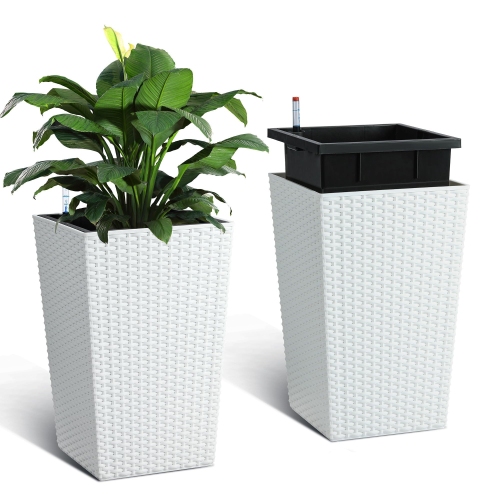
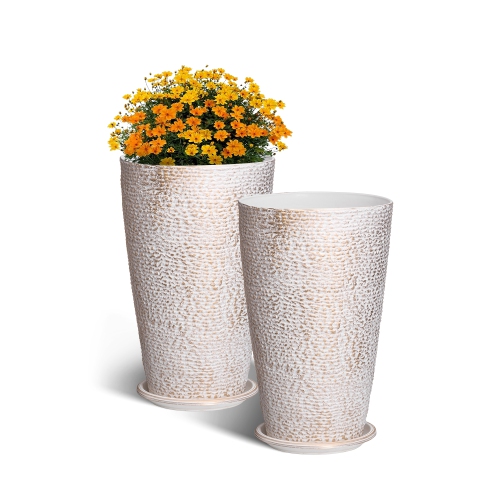
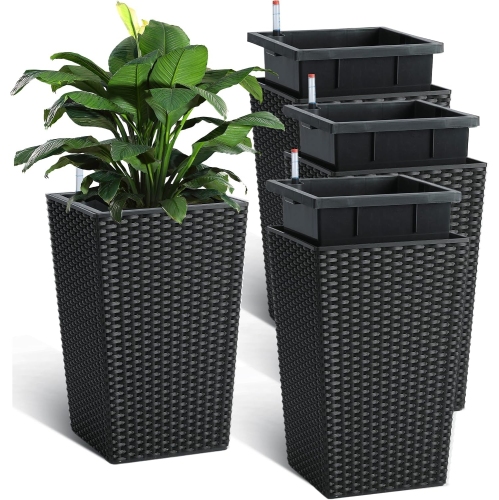
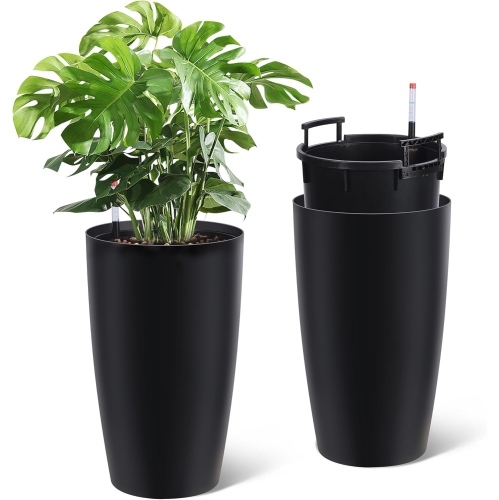
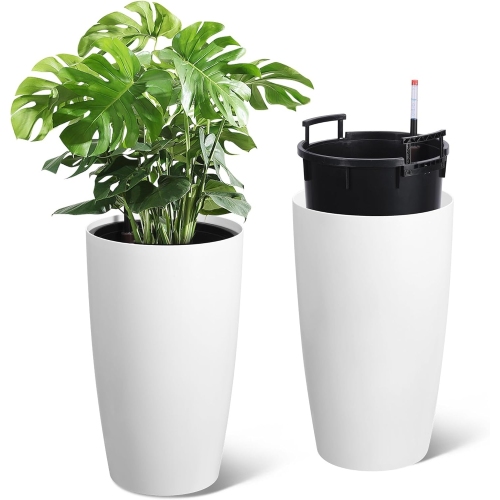
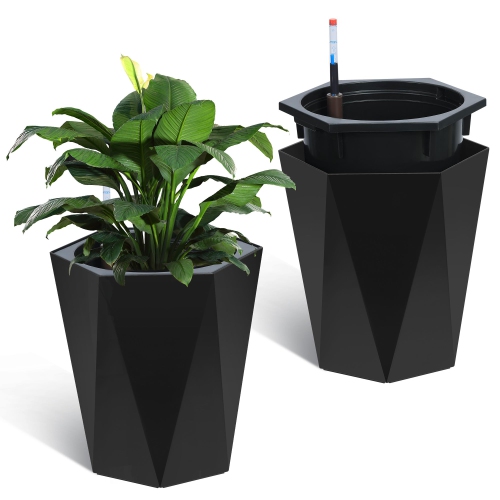
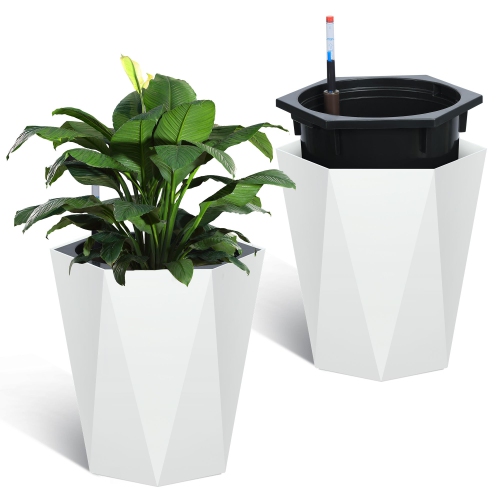
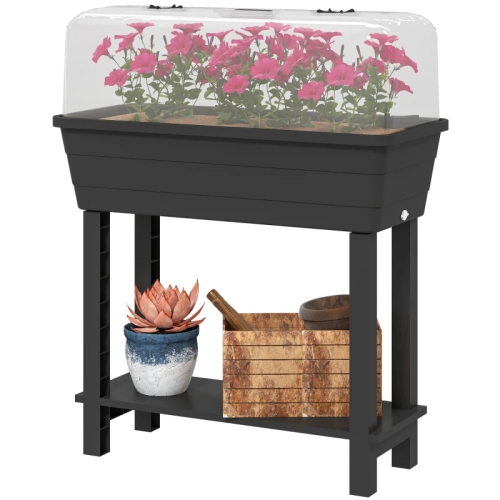
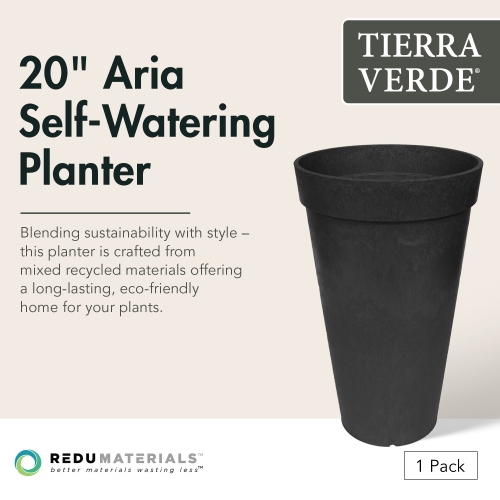
Drainage and routine care are central to keeping outdoor planters useful and attractive. Containers with open drainage holes allow excess water to escape, helping reduce the risk of roots sitting in waterlogged soil. A decorative outer pot without drainage serves a different role and usually needs a separate planted container inside, with collected water emptied as needed. A layer of gravel at the bottom is not a substitute for drainage holes; it also takes up space that could otherwise hold growing mix. Container potting mix is generally better suited to pots than dense garden soil because it is formulated to balance moisture retention and air space. Self-watering designs typically use a reservoir and a wicking system to supply moisture, but their suitability depends on the plant, the reservoir design, and whether excess outdoor water can drain away. They still need monitoring rather than being treated as maintenance-free. Saucers help manage runoff, although standing water should not be left beneath plants that dislike consistently wet roots. On decks and paved surfaces, suitable feet or risers can improve clearance beneath a container and make it easier to notice trapped moisture or staining. Cleaning requirements depend on the finish: loose soil is usually easy to brush away, while washing methods and cleaning products should follow the manufacturer’s directions. Drainage openings also need to remain clear of compacted soil and roots. Where freezing temperatures are possible, water trapped in absorbent materials or enclosed spaces can expand and cause damage, so frost resistance and storage requirements are worth checking before leaving a container exposed. Planters used for edible crops should be identified as suitable for that purpose, especially when coatings, liners, or treated materials are involved. For renters, smaller containers offer flexibility; for enthusiastic gardeners, generous soil capacity creates more planting possibilities. A planter can also make a thoughtful housewarming or gardening gift when its size, weight, and care needs suit the recipient’s space. Whether holding a single sculptural plant or a loose mix of flowers and foliage, a well-matched container gives outdoor planting a practical home and a clear place within the surrounding space.
Top selling and popular products
-
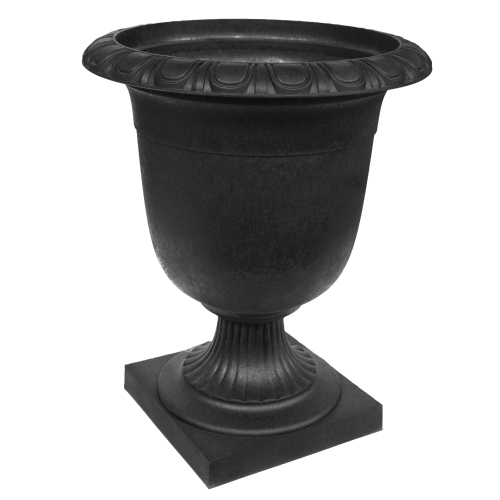 Your price for this item is $204.99
-
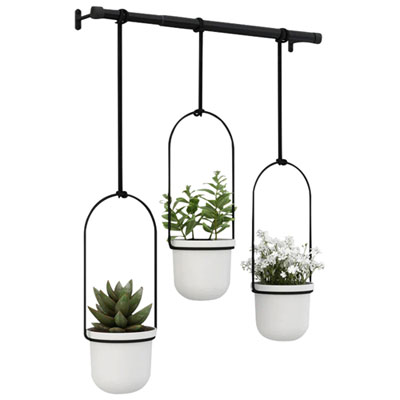 Your price for this item is $65.98
-
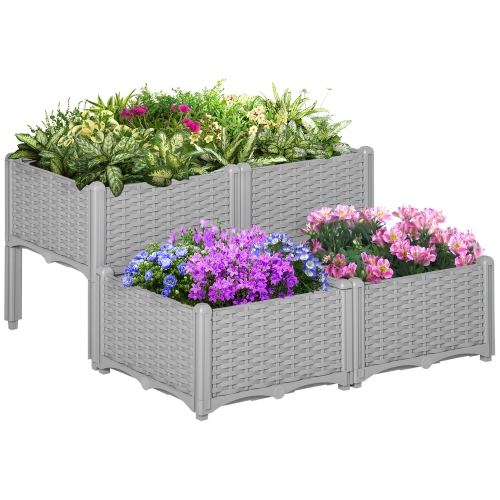 Your price for this item is $94.99
-
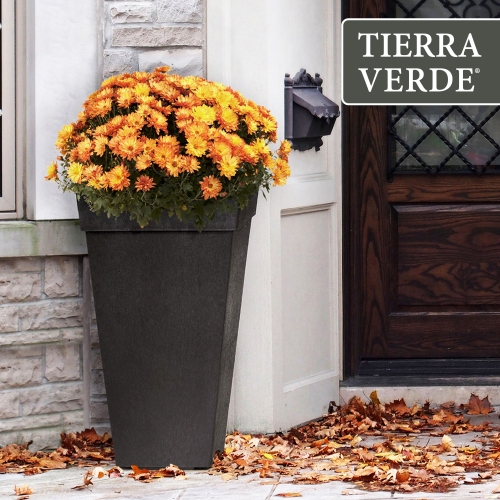 Your price for this item is $187.99
-
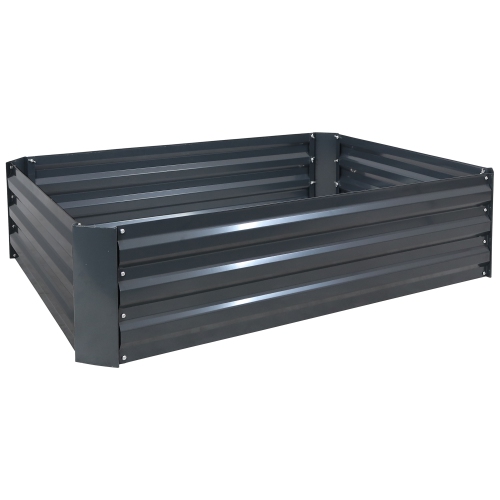 Your price for this item is $117.75
-
 Your price for this item is $117.75
-
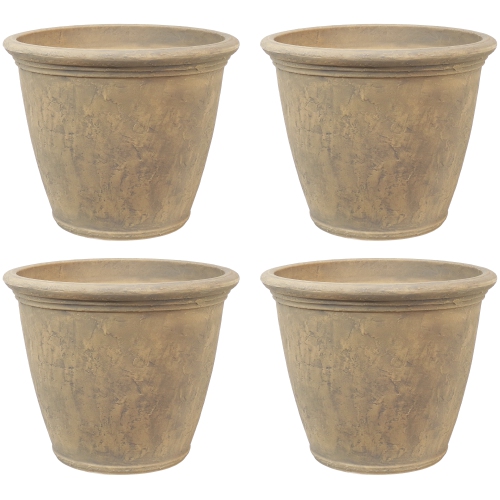 Your price for this item is $415.35
-
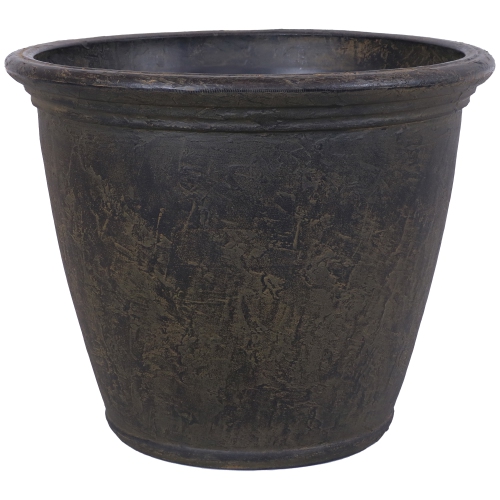 Your price for this item is $173.65
Discover more categories related to Outdoor Planters
Top Collections:
Best Black Friday Deals This Year, Best Black Friday Deals On Electronics, Kindle Devices, Pokemon Centers, Best Black Friday Deals On Apple Products, Best Cameras for Sports Photography, Dyson Airwrap, Pokémon 30th Celebration Cards, Apple iPhone 17 Pro, Canon G7X Cameras
Some products may be subject to Environmental Handling Fees
(EHF) depending on your province.
Learn more about EHFs.