Outdoor Rug
Enhance the aesthetic appeal of your outdoor living space with our selection of stylish outdoor rugs. Perfect for adding a touch of comfort and sophistication to your patio, deck, or garden, these versatile rugs come in an array of sizes, colors, and patterns to suit any outdoor decor theme. Crafted from durable materials that can withstand the elements, our outdoor rugs are designed to resist fading, stains, and mildew, making them ideal for high-traffic areas. Whether you're looking to create a cozy seating area or simply want to elevate your outdoor decor, our collection of outdoor rugs offers both style and functionality for any outdoor setting.
Sort
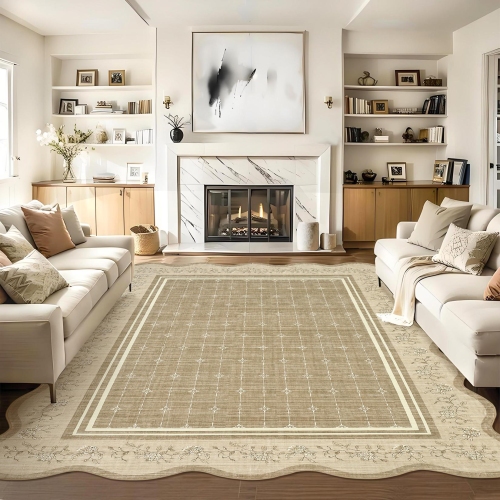
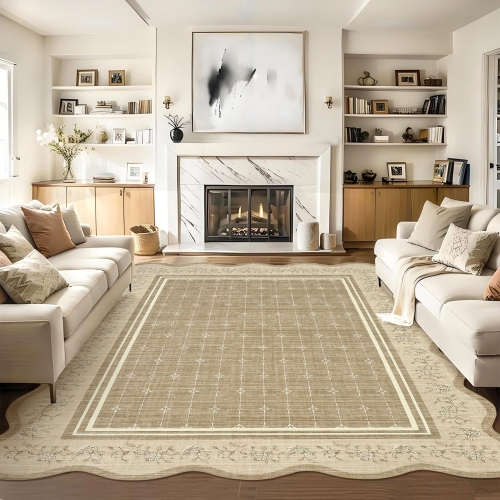
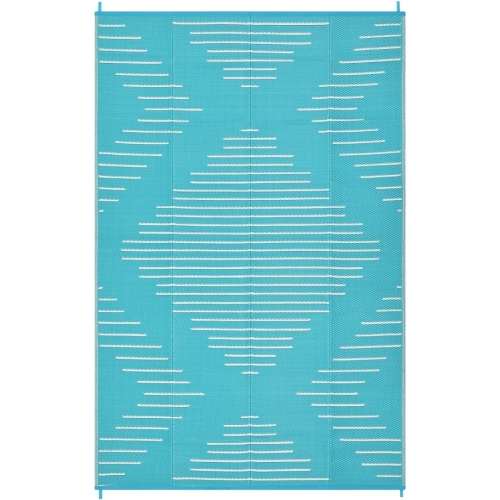
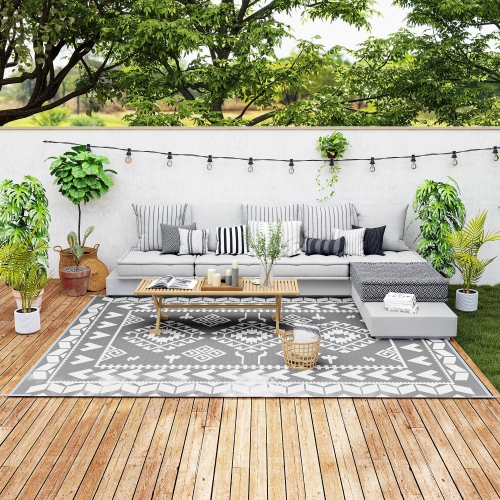


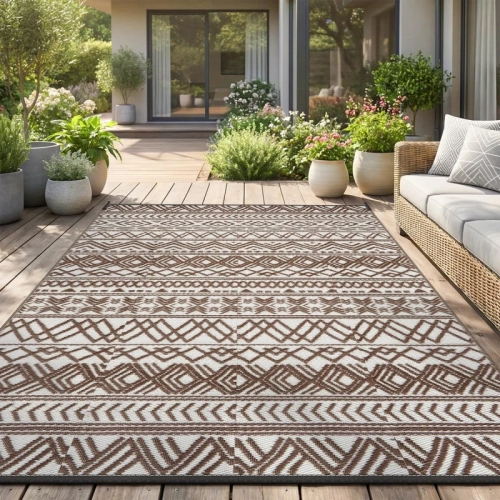
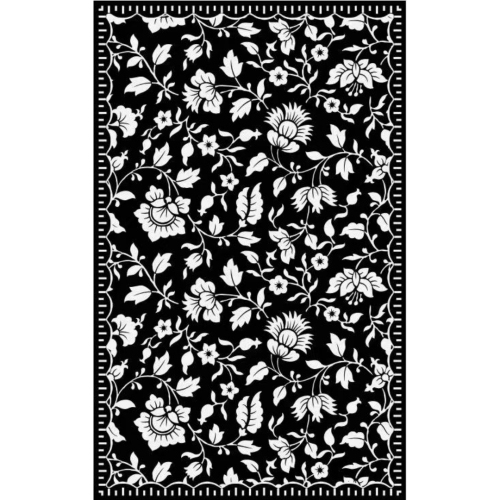
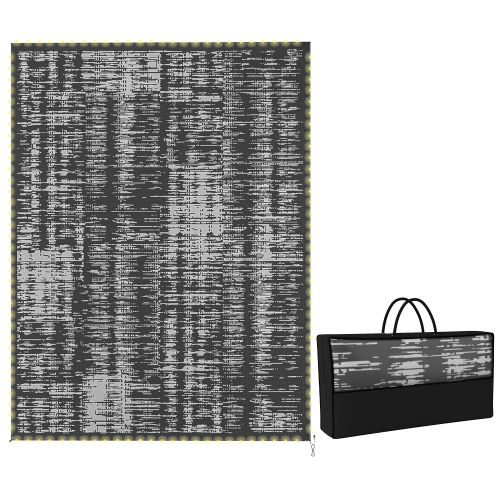
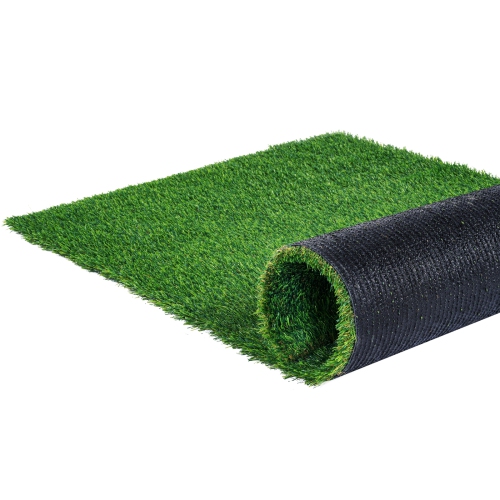
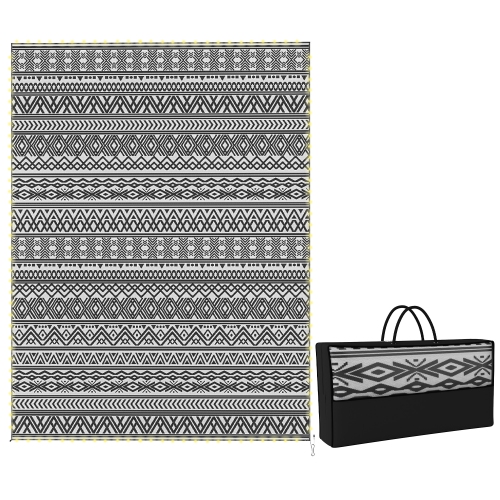
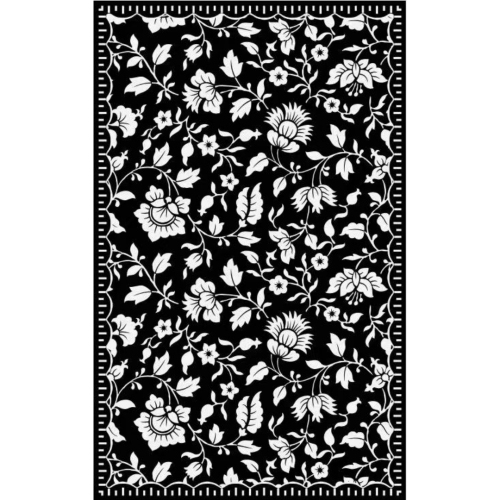
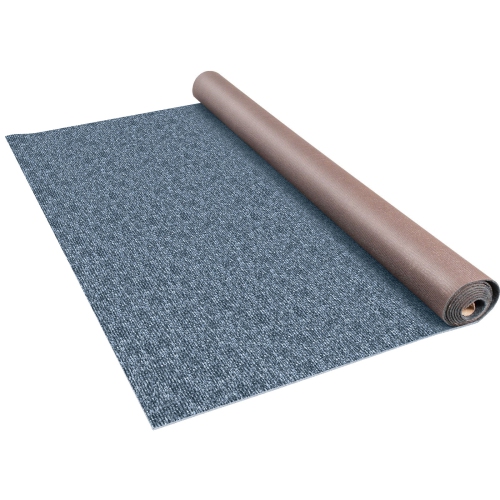











Comfort underfoot starts with the right fit and fibres
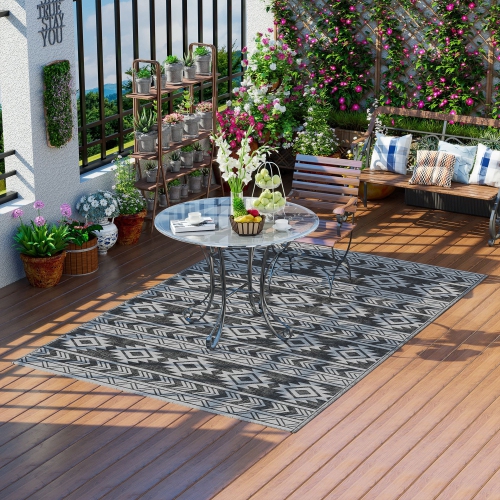
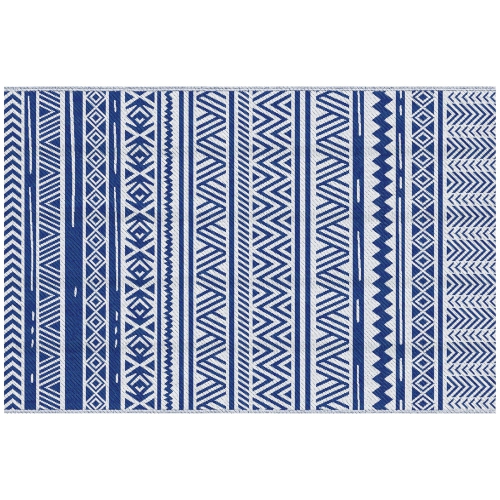
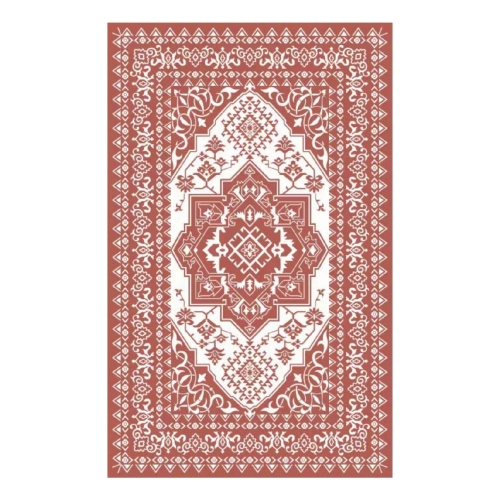
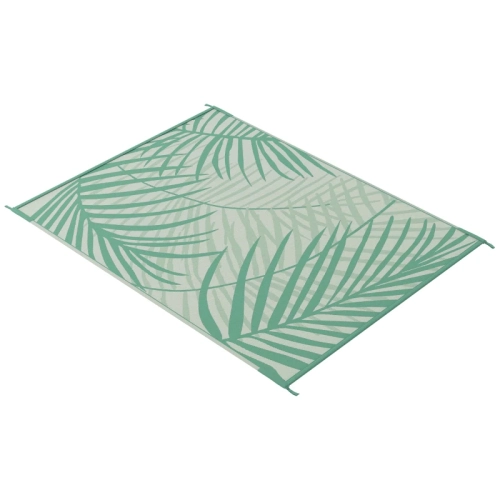
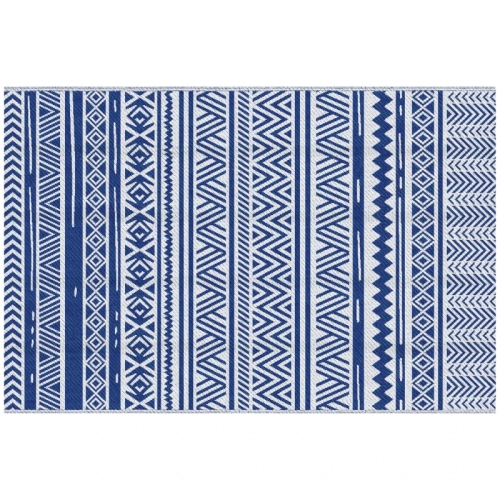
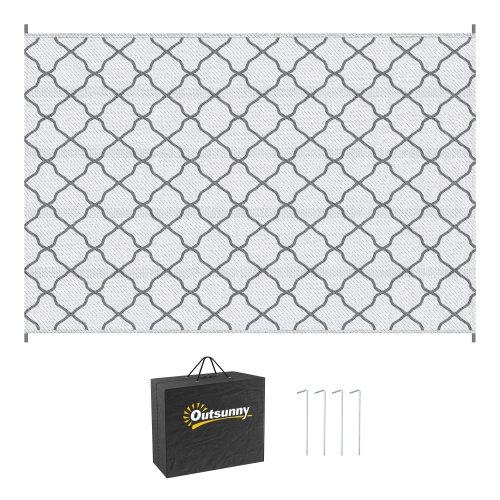
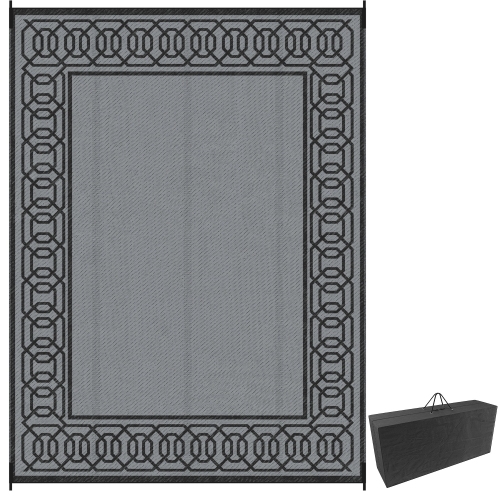
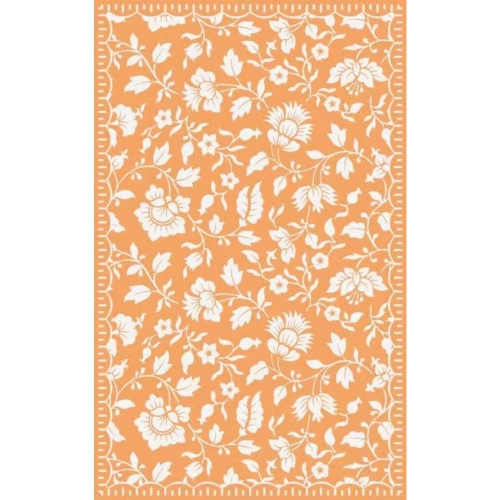
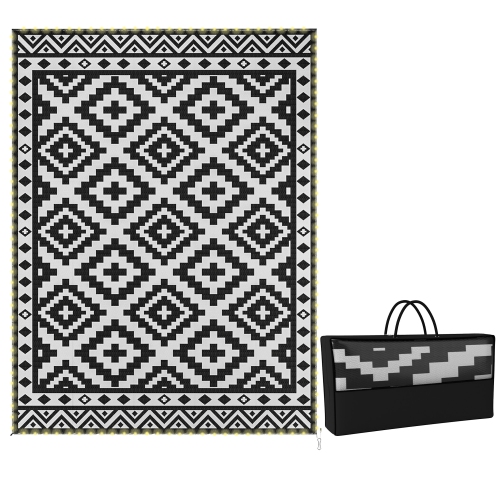
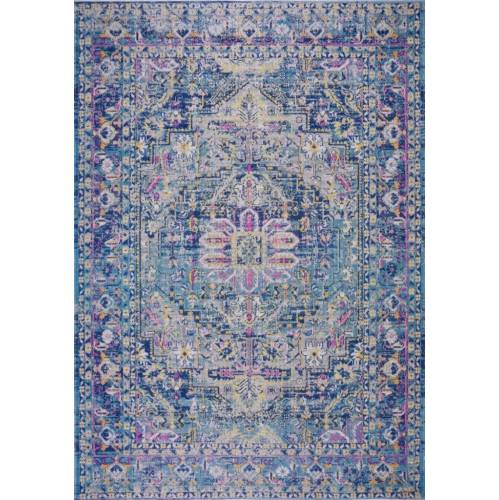
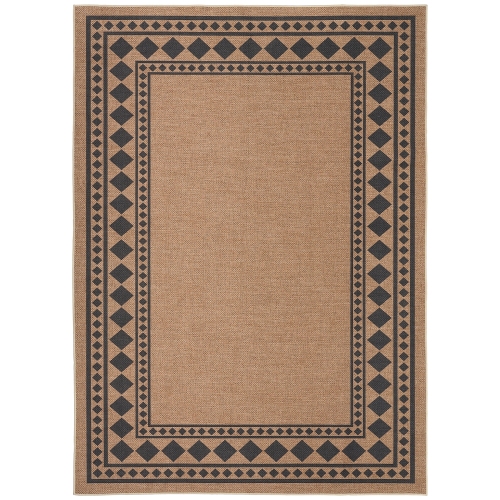
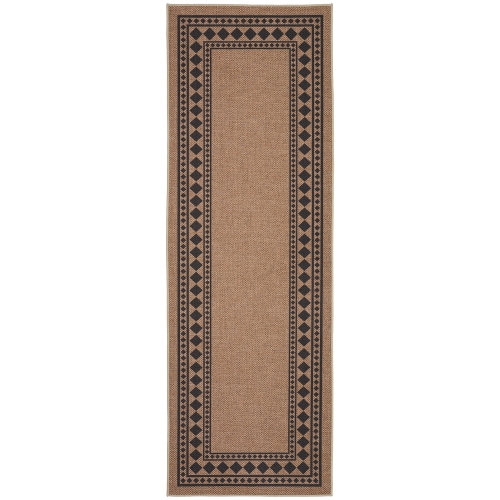
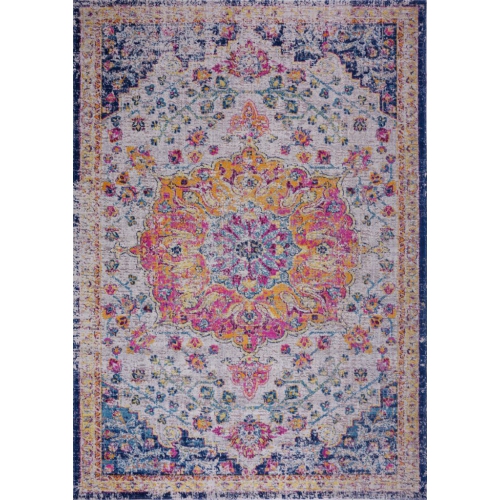
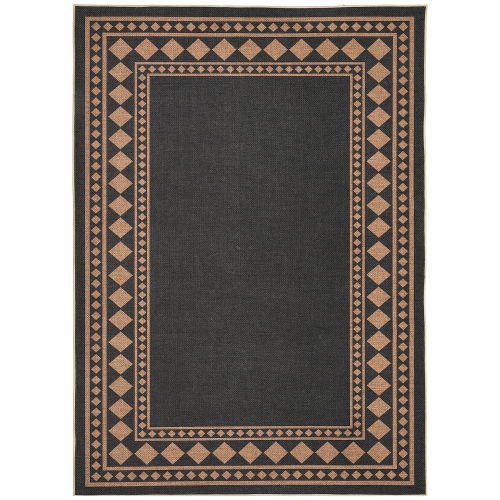
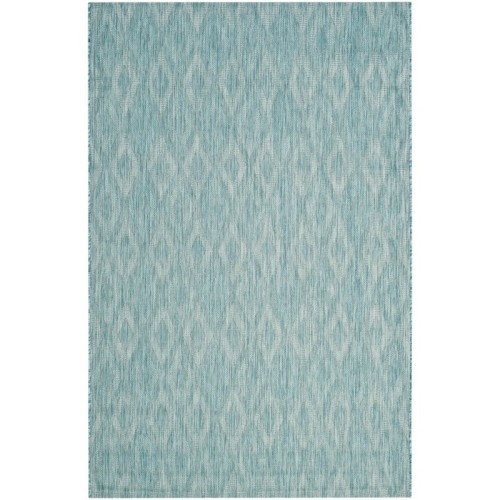
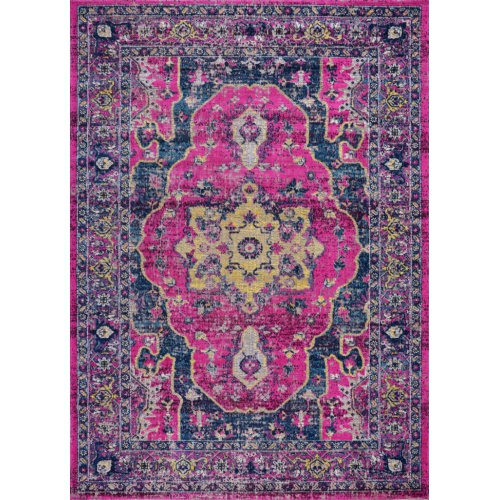
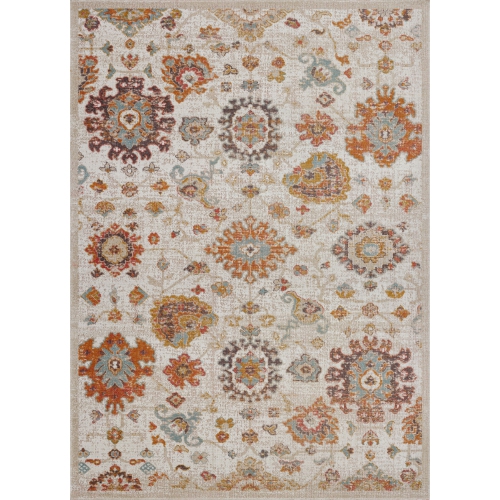
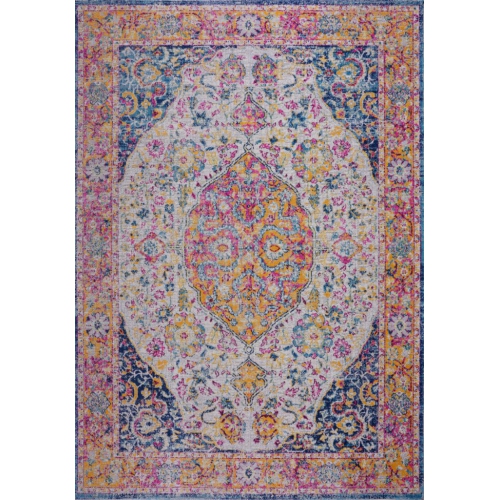
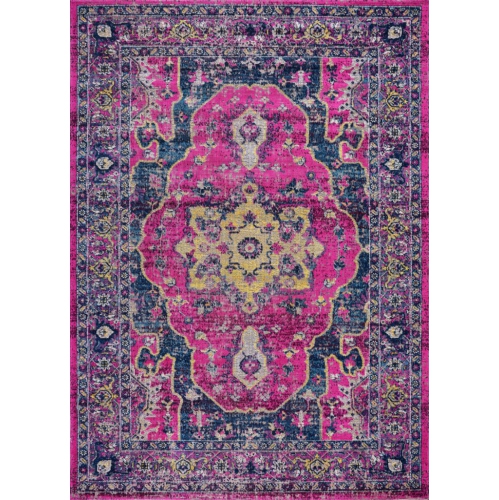
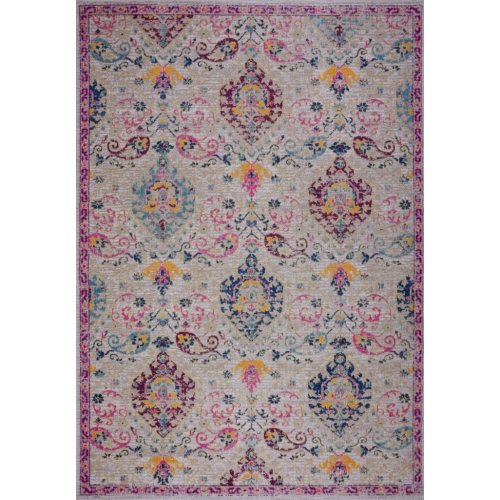
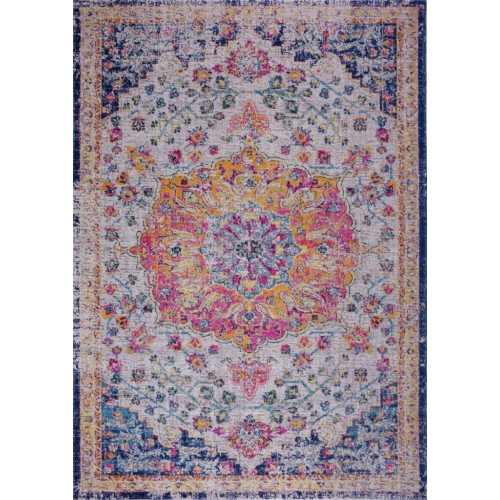
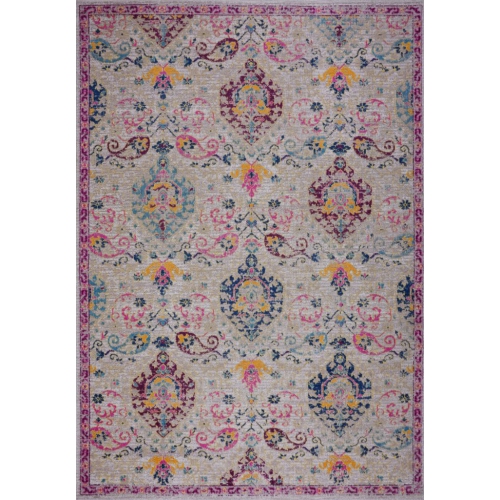
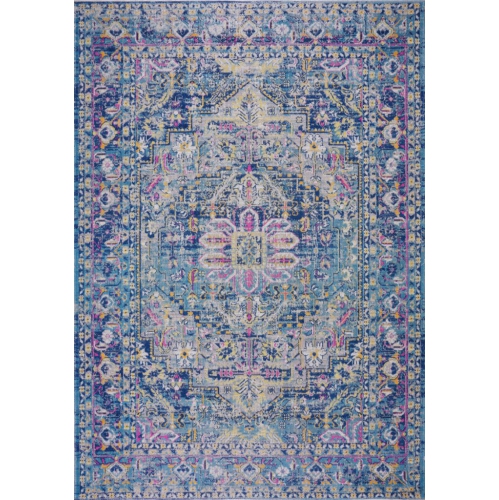
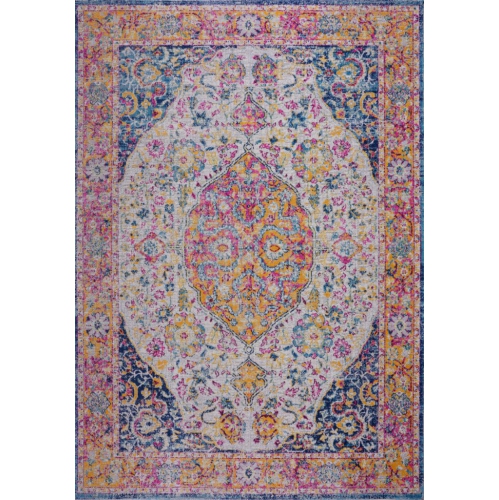
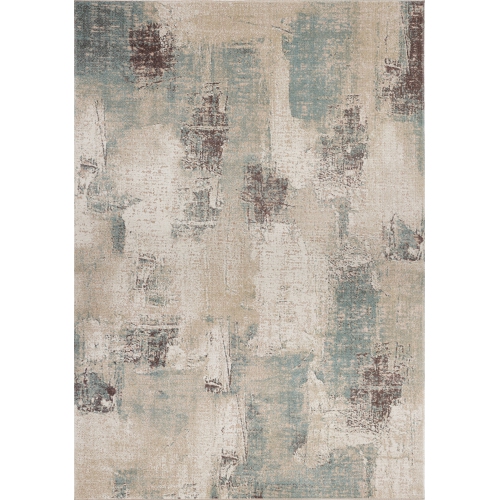
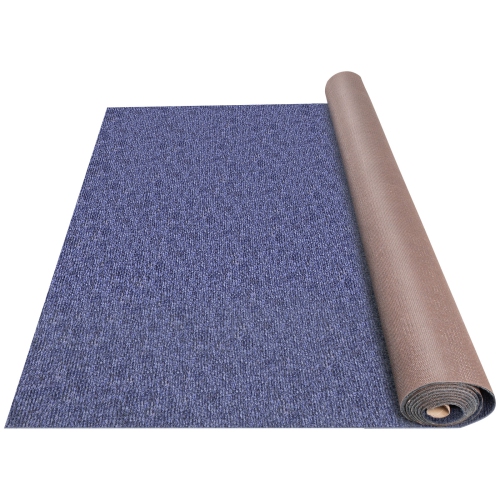
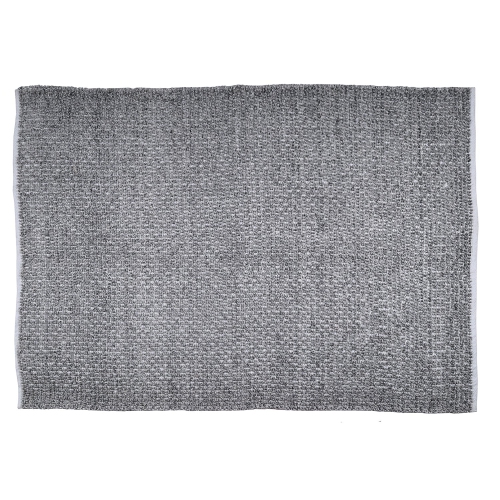
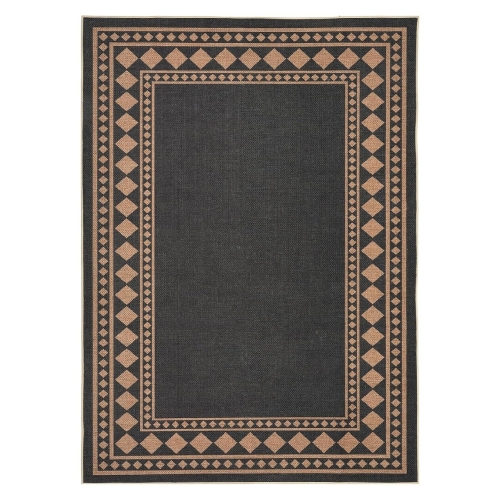
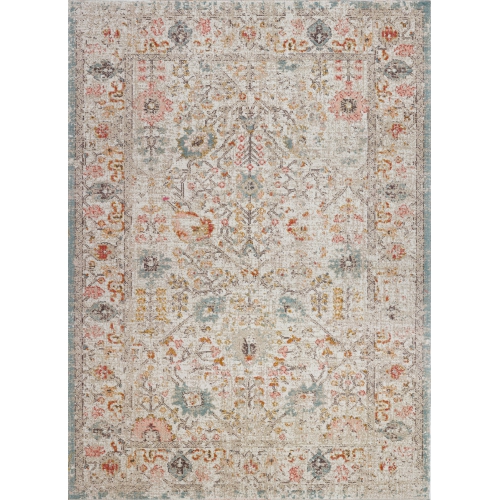
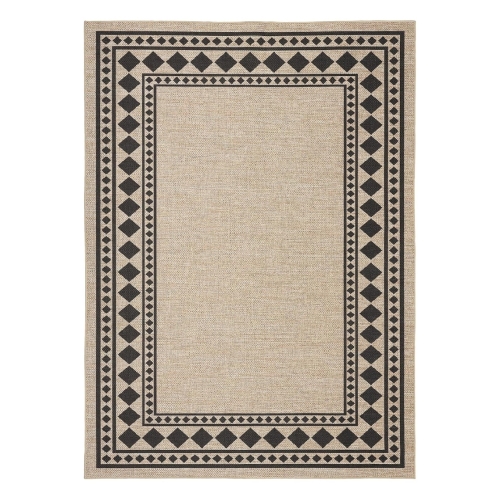
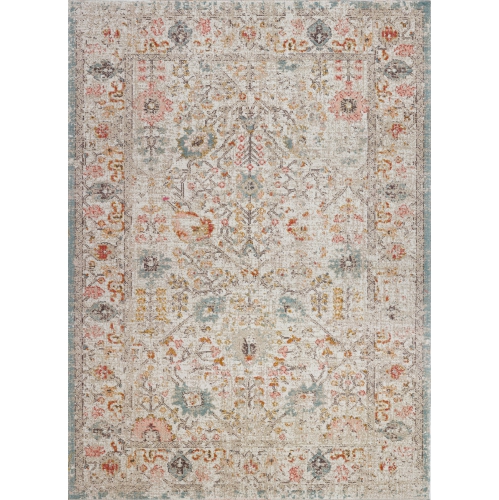
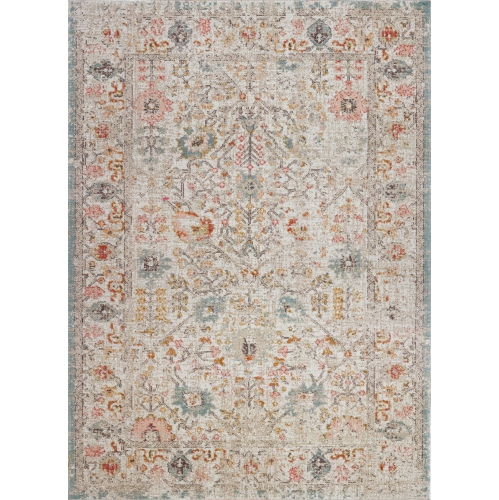
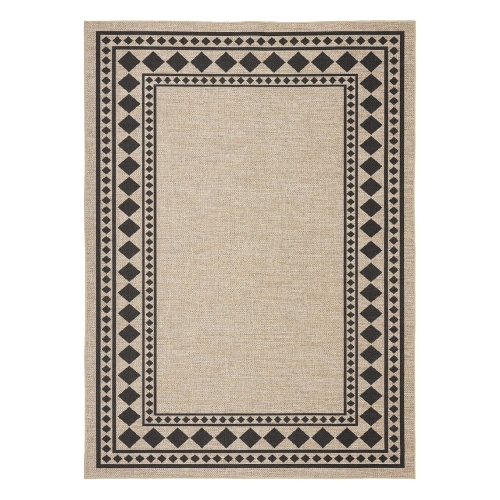
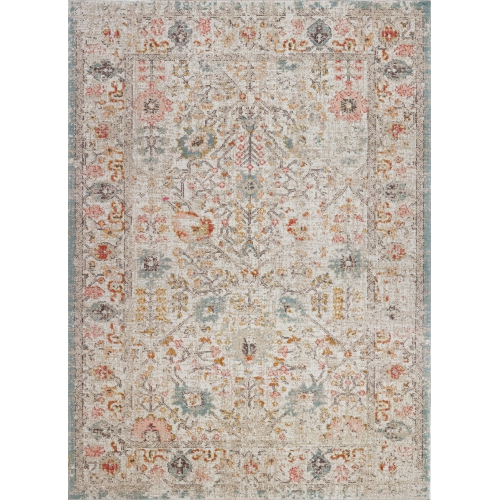
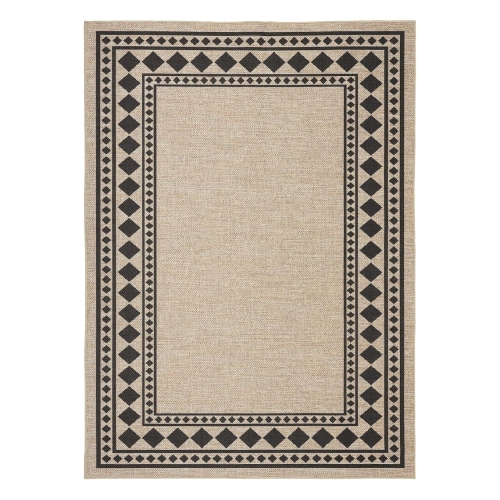
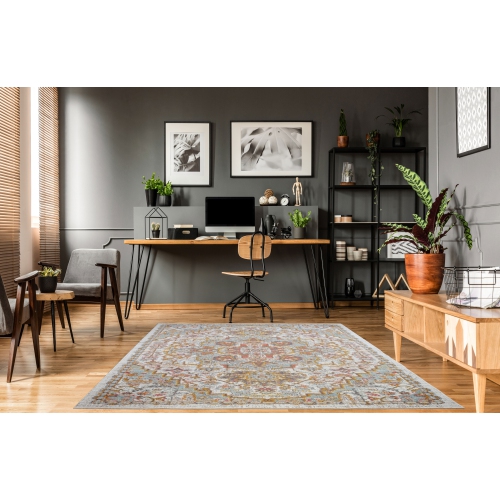
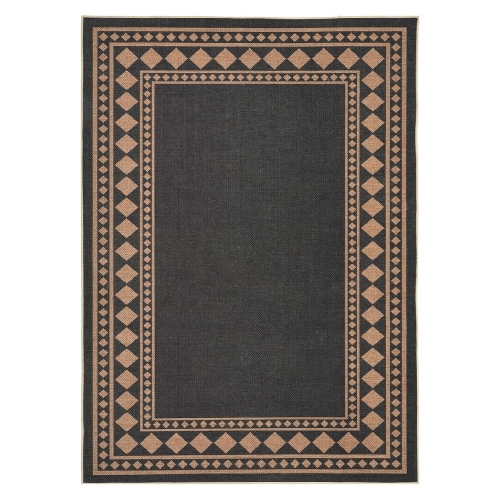
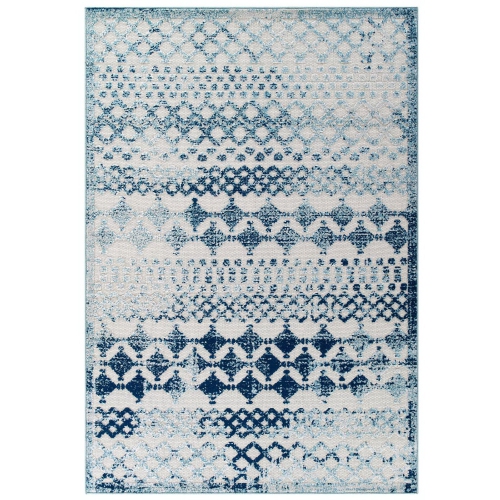
Outdoor rugs bring colour, texture, and a more comfortable surface to patios, decks, balconies, and other open-air living spaces. They help define an outdoor seating area much as a rug anchors a living room, giving a sofa, a pair of lounge chairs, or a dining table a clear place within the layout. On a compact balcony, a narrow rug can soften the space between a chair and the railing without crowding the doorway. On a larger deck, separate rugs can distinguish a dining area from a spot for reading or conversation. The right fit depends on both the furniture and the way people move through the space. A seating-area rug often looks balanced when the front legs of the main furniture pieces rest on it, while a dining-area rug needs enough room for chairs to remain on the surface when pulled away from the table. Measuring the usable floor space, including door clearance and walking routes, helps prevent curled edges from sitting in busy paths. Low-profile construction is particularly useful near sliding doors and beneath furniture that moves frequently. Shape also affects the arrangement: rectangular rugs suit many sofa and dining layouts, round rugs can echo a circular table, and runners work well in long, narrow spaces. Patterns offer another way to connect the setting. A border frames furniture neatly, stripes can emphasize the length of a balcony, and smaller repeating motifs help disguise everyday dust between cleanings. Muted shades blend easily with wood, wicker, and stone, while stronger colours can draw attention to a seating area against a simple backdrop. For a softer, timeworn look, Indoor Outdoor Vintage Rugs pair familiar decorative patterns with construction intended for use across indoor and outdoor spaces. Texture matters alongside appearance, especially where people sit barefoot or children play, so the weave and surface feel deserve as much attention as the colour palette.
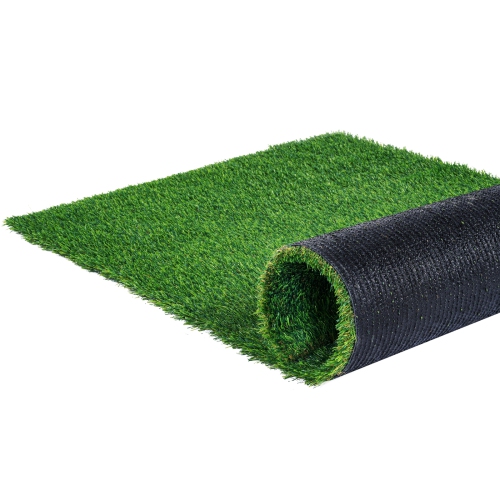
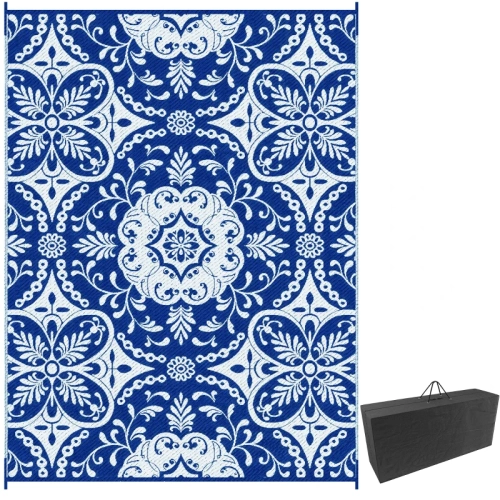
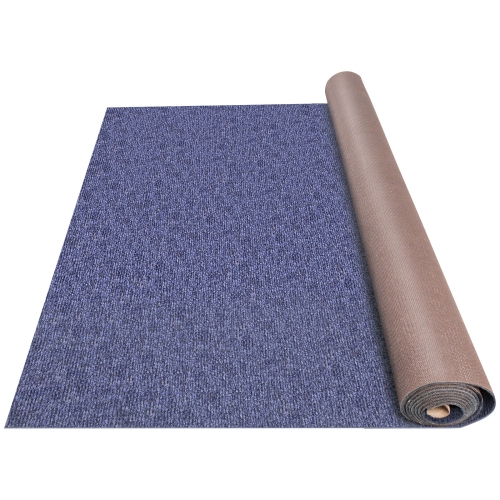
Materials and construction determine how an outdoor rug handles moisture, sunlight, foot traffic, and regular cleaning. Polypropylene is a common choice because the fibres absorb little water, resist many everyday stains, and are often used in quick-drying, low-maintenance designs. Polyester is another synthetic option, with softness, colour retention, and drying performance varying according to the weave and treatment. Woven plastic rugs can offer a lightweight, smooth surface that is practical for casual seating areas, although their feel differs from that of a textile rug. Natural fibres such as jute and sisal are generally better suited to dry, protected spaces unless the care information specifically supports outdoor use; repeated soaking can affect their shape and condition. A rug described as suitable for indoor and outdoor use may work well in a covered porch, entryway, or sunroom, but that description alone does not mean it can stay exposed to every type of weather. Water resistance, UV resistance, and resistance to mould and mildew are separate features, and none makes a rug completely immune to wear or neglect. A UV-resistant finish can help reduce fading, but prolonged direct sunlight may still change the colour over time. Tightly woven, low-pile surfaces are often easier to sweep and less likely to hold loose debris than thick, plush textures. Secure edge binding and even stitching also contribute to durability where chairs slide or feet repeatedly cross the same spot. The underside deserves attention too: a backing that traps moisture may be unsuitable for some wood, composite, painted, or sealed surfaces. Rug and flooring care requirements should both support the placement. An outdoor-rated, surface-compatible rug pad can help limit movement and improve comfort, but it must allow appropriate drainage and should not mark the floor beneath it. Lightweight rugs may also need a sheltered location or compatible securing method to keep their edges stable in wind. These details matter especially on balconies and decks where a lifted corner can interrupt a narrow walking route.
Regular care helps an outdoor rug stay comfortable and keeps the surface underneath in good condition. Loose dirt, crumbs, leaves, and grit are easier to remove before they settle into the weave, whether by sweeping, gently shaking a manageable rug, or vacuuming with a setting permitted by the care label. Food and drink spills are best blotted promptly rather than rubbed across a wider area. Mild soap and water may be suitable for spot cleaning, but cleaning instructions should determine which products and methods are safe for the fibres, dyes, and backing. Some outdoor rugs can be rinsed with a garden hose; others need more controlled cleaning. Even a hose-cleanable rug needs somewhere to drain, and both sides should dry fully before it is returned to its usual position. Leaving a damp rug pressed against decking can hold moisture underneath, so lifting it periodically also creates an opportunity to clear trapped debris and check the floor. Avoid assuming that pressure washing, bleach, or machine washing is suitable unless the manufacturer explicitly allows it. For exposed spaces, removing a rug before prolonged wet conditions, snow accumulation, or freezing helps reduce moisture-related problems and makes storage simpler. A clean, completely dry rug stored according to its care instructions is less likely to develop odours or lose its shape. Everyday use also influences which construction feels right. A busy family dining space benefits from a flat surface that releases crumbs easily, while a quiet covered reading corner may place more emphasis on softness under bare feet. Households with pets may prefer a tighter weave without loops that can catch claws, though no rug should be assumed to be scratch-proof. For renters, an outdoor rug can add personality to a balcony without permanent changes; for homeowners, it can connect separate furniture pieces into a more inviting gathering space. As a housewarming gift, it works best when the recipient’s measurements, preferred colours, and care needs are known. A well-matched outdoor rug adds everyday comfort without making the space harder to use or maintain.
Top selling and popular products
-
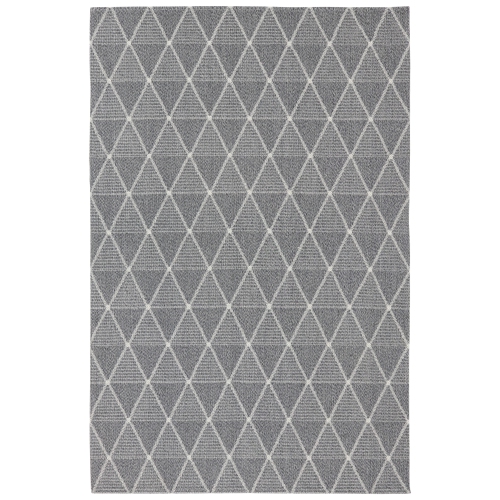 Your price for this item is $130.55
-
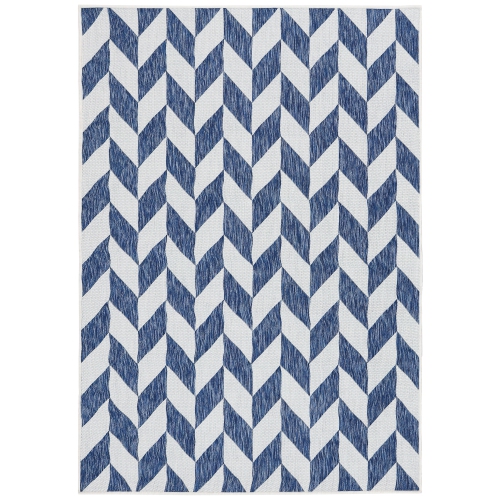 Your price for this item is $129.15
-
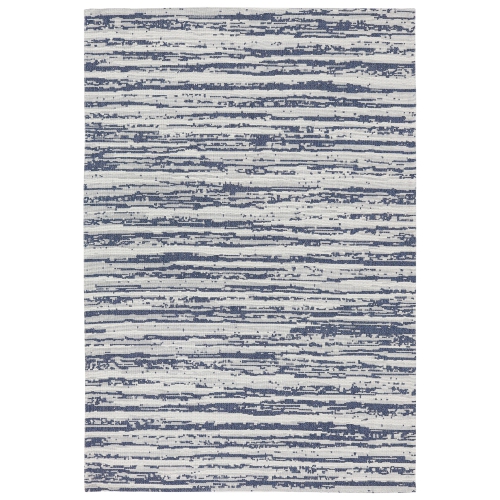 Your price for this item is $130.55
-
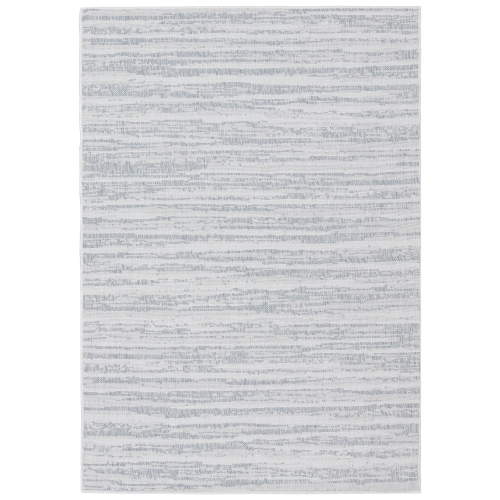 Your price for this item is $129.15
-
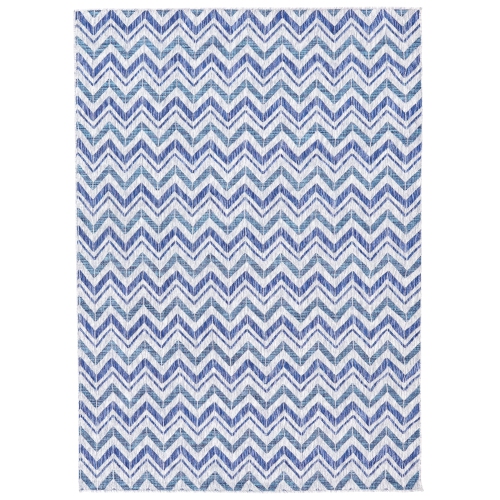 Your price for this item is $129.15
-
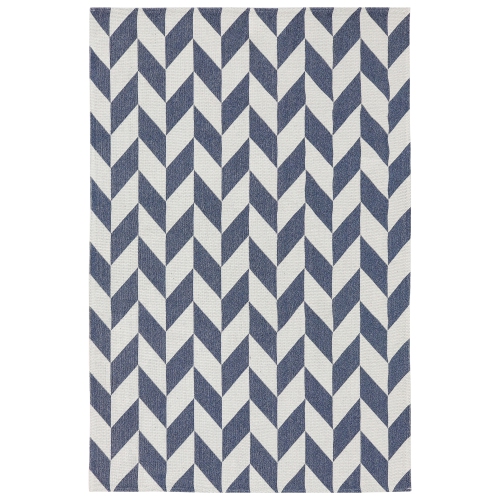 Your price for this item is $130.55
-
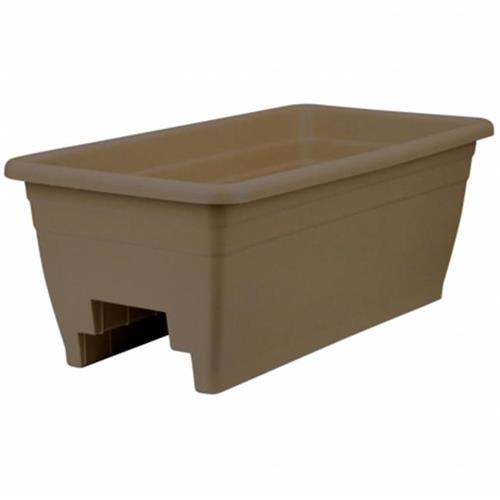 Your price for this item is $144.99
-
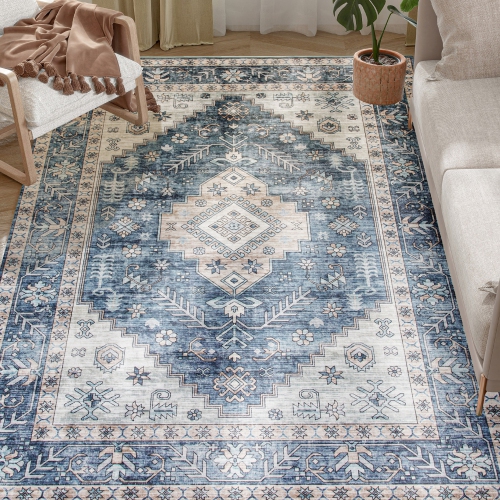 Your price for this item is $103.99
Discover more categories related to Outdoor Rug
Top Collections:
Best Black Friday Deals This Year, Best Black Friday Deals On Electronics, Kindle Devices, Dyson Airwrap, Best Cameras for Sports Photography, Best Budget Office Chairs, Canon G7X Cameras, PS5 Pro Consoles, Best Black Friday Deals On Apple Products, XBOX One S Consoles
Some products may be subject to Environmental Handling Fees
(EHF) depending on your province.
Learn more about EHFs.