Outdoor Rugs for Small Patios
Outdoor Rugs For Small Patios are the perfect way to add comfort and style to your compact outdoor space. Whether you’re looking to create a cozy nook for relaxing or a vibrant area for entertaining guests, the right rug can instantly enhance your patio’s look and feel. With a variety of colors, patterns, and sizes available, finding an outdoor rug that fits your small patio is simple and convenient. Explore options designed to complement your décor and make the most of your outdoor living area.
Sort
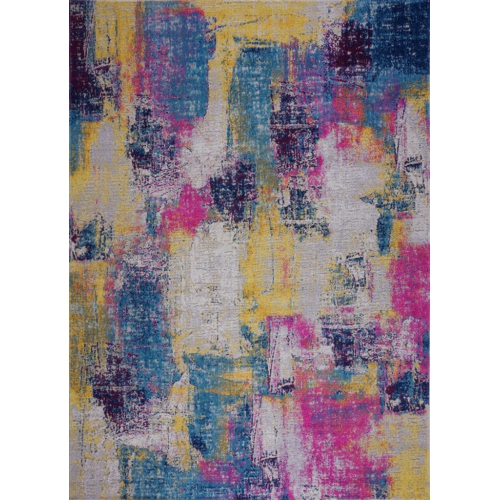
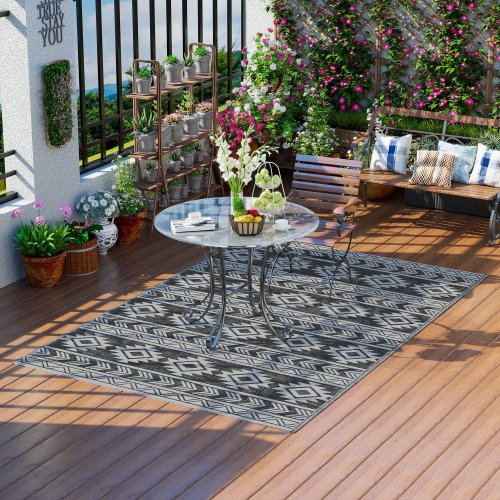
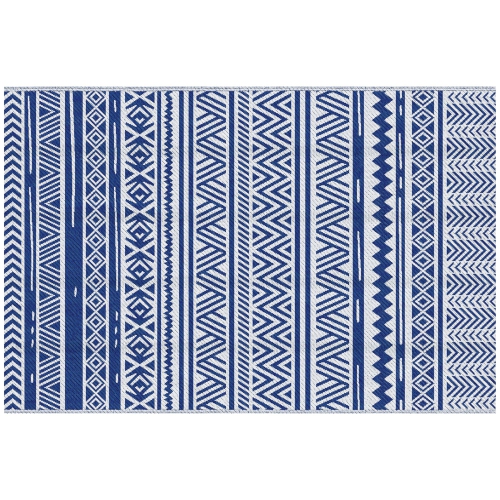
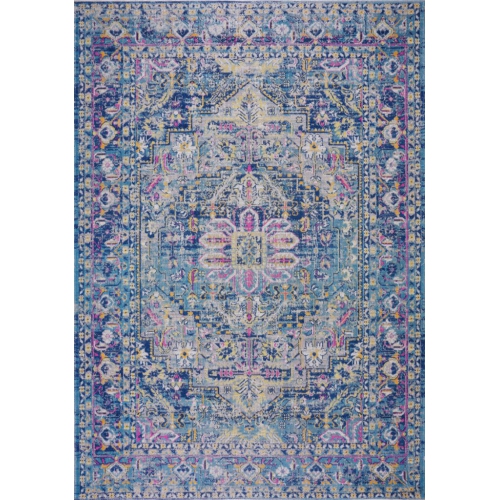
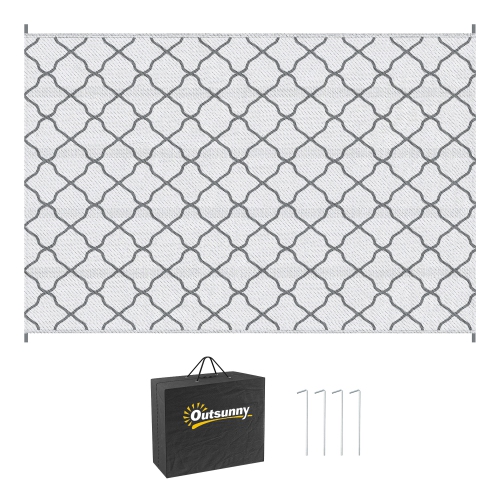
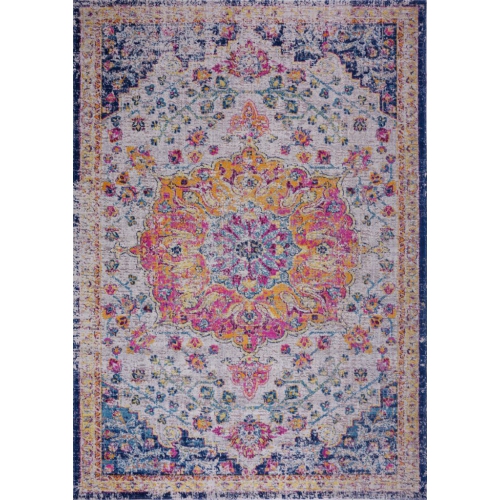
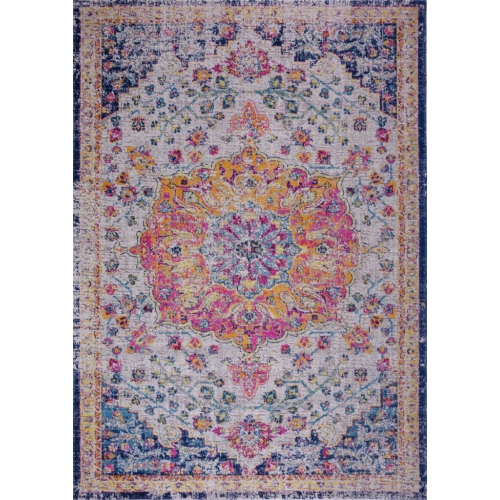
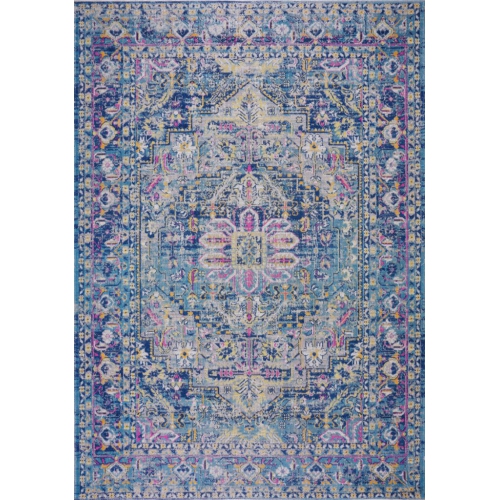
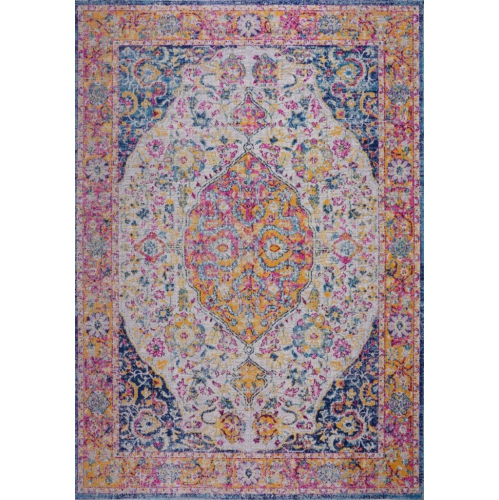
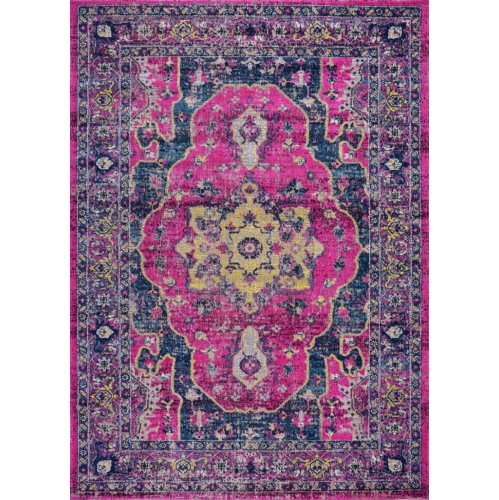
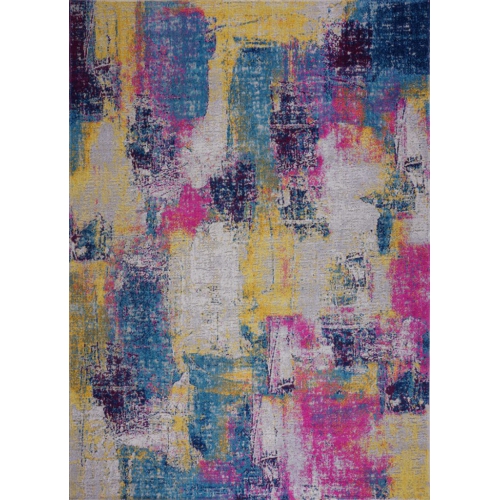
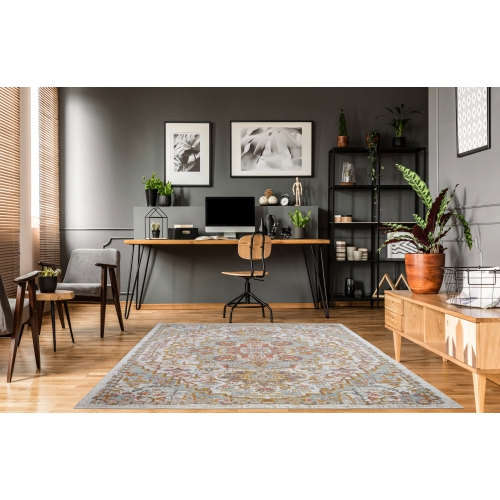
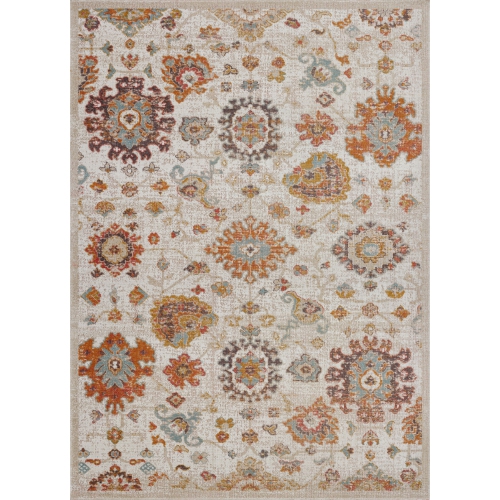
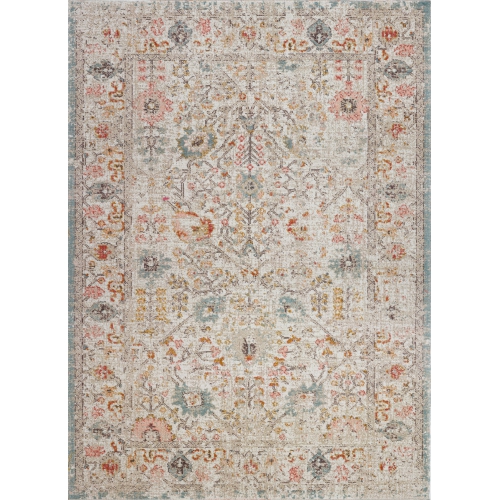
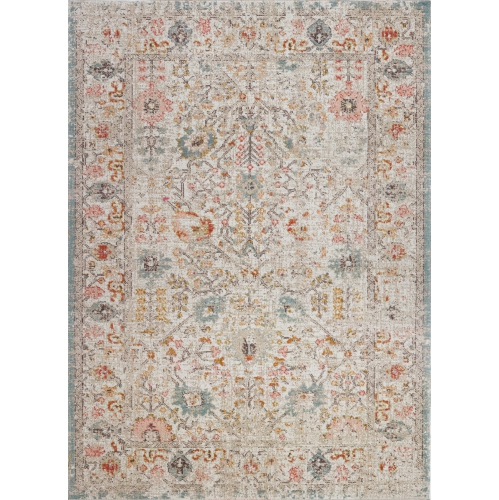
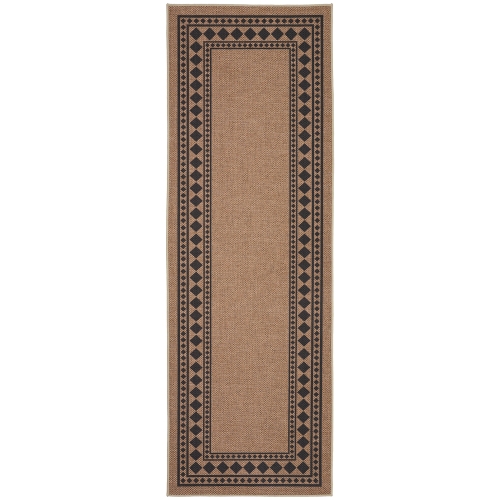
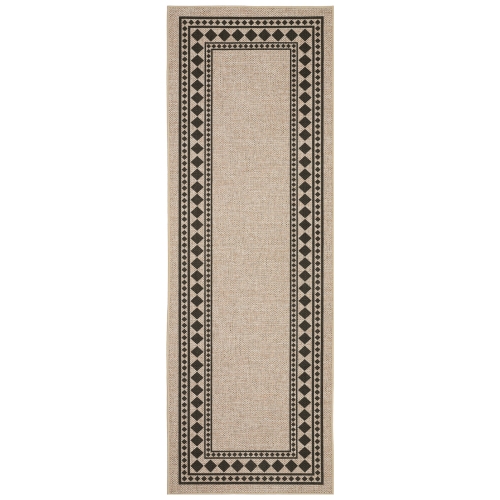
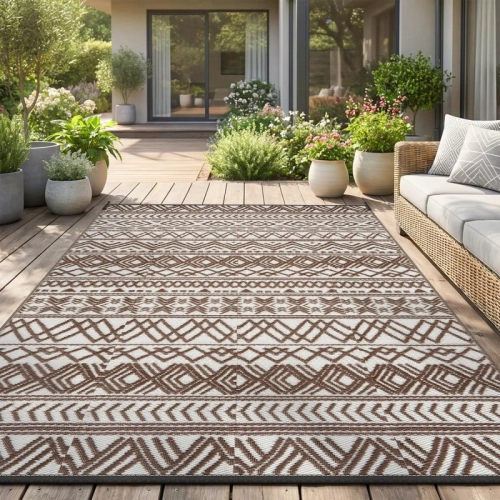
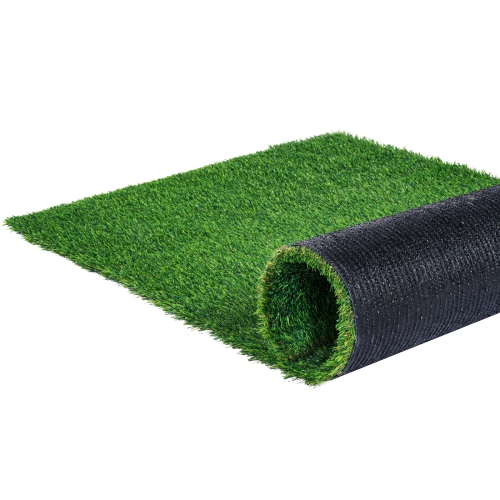
A rug that anchors seating without crowding your patio
Outdoor rugs for small patios bring comfort, colour, and definition to compact seating areas without taking up extra floor space. On a narrow balcony, a rug can distinguish a place to sit from the path to the door; on a small paved patio, it can pull two chairs and a side table into a more inviting arrangement. The most suitable size depends on the usable floor area, the furniture footprint, and the clearance needed for doors and everyday movement. A 2-foot by 3-foot rug works as a small accent near a doorway or beneath a single chair’s footrest, while a 3-foot by 5-foot rug can anchor a compact conversation area. Sizes such as 5 feet by 7 feet or 5 feet by 8 feet may suit a bistro set or a small outdoor sofa, provided the patio has enough room around the edges. For dining arrangements, the important measurement is not just the tabletop: chairs need room to slide back without repeatedly catching on the rug’s edge. Where that clearance is limited, a smaller rug beside the dining area may be more practical than one partly beneath it. Rectangular shapes follow the lines of narrow patios, while round rugs can complement circular tables and soften a space framed by railings and straight walls. A visible border of decking or paving helps a compact area feel intentional rather than crowded. Within the broader range of patio rugs, smaller dimensions and low-profile construction are especially relevant to balconies, townhouse patios, and modest backyard seating spots. Flat weaves generally allow furniture to sit more evenly than deeply textured surfaces, though the rug still needs to lie flat on a level base. Measuring the space with chairs in their normal positions, including a chair pulled out for sitting, gives a more realistic sense of fit than measuring an empty patio alone. Door clearance matters just as much, particularly where an outward-opening door passes over the intended rug position.
Material and construction influence how an outdoor rug feels underfoot, how readily it dries, and how well it handles repeated use. Polypropylene is a common choice for outdoor rugs because the fibre absorbs little moisture and is generally resistant to staining. Many polypropylene rugs are also made with treatments or pigments intended to limit fading, although resistance to sunlight varies by construction and should be confirmed in the care information. A tightly woven surface can feel smooth beneath bare feet while remaining practical around chair legs and small tables. Woven plastic mats offer a different feel: they are often lightweight, easy to move, and suitable for casual seating areas where portability matters. Some are reversible or foldable, but those features depend on the design rather than the material alone. Their woven texture may feel firmer than a textile rug, and a light mat may need suitable securing to prevent movement. Polyester outdoor rugs can provide a softer textile feel and detailed patterns, with drying performance influenced by the pile, backing, and weave. Natural-fibre rugs made from jute or sisal are generally better suited to dry, sheltered spaces unless expressly rated for outdoor exposure; an open patio calls for construction intended to handle moisture. Water resistance does not mean that a rug or the surface beneath it will remain dry after rain. Dense backing, standing water, and limited airflow can all slow drying, particularly on shaded concrete or closely fitted decking. For an uncovered patio, moisture handling and resistance to fading deserve particular attention. On a sheltered balcony, texture and softness may carry more weight, though occasional dampness still matters. A low pile is often convenient where people walk frequently or move chairs, while raised patterns add tactile interest but can hold more grit. Reinforced edges and a stable weave are useful durability details for a rug that will see regular foot traffic, shifting furniture, or a pet settling beside a favourite chair.
Colour and pattern give a small patio its character, whether the setting is a quiet reading corner or a place to share coffee. Pale neutral tones can keep a narrow space visually open, while a darker border creates a clear frame around seating. Stripes can draw the eye along a balcony, and small-scale geometric patterns add detail without requiring extra accessories. Mid-tone, mixed-colour weaves tend to make everyday dust and crumbs less noticeable than very light or uniformly dark surfaces. The right rug also needs to suit the routines around it. A household with children may value a surface that is comfortable for sitting and straightforward to clean; pet owners may prefer a close weave without long loops that could catch claws. For renters, a manageable size is easier to lift for cleaning or take to another home. Routine care usually begins with removing loose dirt through sweeping, shaking, or vacuuming, where the manufacturer permits it. Spills are easier to manage when blotted promptly, and mild soap with water may be suitable for spot cleaning if the care label allows. Some outdoor rugs can be rinsed with a garden hose, but others need gentler treatment, so the cleaning method should match the construction. Both sides should dry thoroughly before the rug is returned to its usual position, and the floor beneath needs attention too. Lifting the rug periodically helps reveal trapped grit or moisture that could mark certain surfaces. Any rug pad should be rated for outdoor use and compatible with the decking, coating, or paving underneath; not every backing is suitable for every floor finish. Edges should remain flat and clear of busy routes, and rugs should sit away from barbecues, fire pits, and other heat sources according to the relevant safety clearances. When the patio is not in use for an extended period, storing a clean, fully dry rug in a dry place can help preserve its condition. These practical details let a compact outdoor rug add softness and visual warmth while keeping a small patio easy to use.
Material and construction influence how an outdoor rug feels underfoot, how readily it dries, and how well it handles repeated use. Polypropylene is a common choice for outdoor rugs because the fibre absorbs little moisture and is generally resistant to staining. Many polypropylene rugs are also made with treatments or pigments intended to limit fading, although resistance to sunlight varies by construction and should be confirmed in the care information. A tightly woven surface can feel smooth beneath bare feet while remaining practical around chair legs and small tables. Woven plastic mats offer a different feel: they are often lightweight, easy to move, and suitable for casual seating areas where portability matters. Some are reversible or foldable, but those features depend on the design rather than the material alone. Their woven texture may feel firmer than a textile rug, and a light mat may need suitable securing to prevent movement. Polyester outdoor rugs can provide a softer textile feel and detailed patterns, with drying performance influenced by the pile, backing, and weave. Natural-fibre rugs made from jute or sisal are generally better suited to dry, sheltered spaces unless expressly rated for outdoor exposure; an open patio calls for construction intended to handle moisture. Water resistance does not mean that a rug or the surface beneath it will remain dry after rain. Dense backing, standing water, and limited airflow can all slow drying, particularly on shaded concrete or closely fitted decking. For an uncovered patio, moisture handling and resistance to fading deserve particular attention. On a sheltered balcony, texture and softness may carry more weight, though occasional dampness still matters. A low pile is often convenient where people walk frequently or move chairs, while raised patterns add tactile interest but can hold more grit. Reinforced edges and a stable weave are useful durability details for a rug that will see regular foot traffic, shifting furniture, or a pet settling beside a favourite chair.
Colour and pattern give a small patio its character, whether the setting is a quiet reading corner or a place to share coffee. Pale neutral tones can keep a narrow space visually open, while a darker border creates a clear frame around seating. Stripes can draw the eye along a balcony, and small-scale geometric patterns add detail without requiring extra accessories. Mid-tone, mixed-colour weaves tend to make everyday dust and crumbs less noticeable than very light or uniformly dark surfaces. The right rug also needs to suit the routines around it. A household with children may value a surface that is comfortable for sitting and straightforward to clean; pet owners may prefer a close weave without long loops that could catch claws. For renters, a manageable size is easier to lift for cleaning or take to another home. Routine care usually begins with removing loose dirt through sweeping, shaking, or vacuuming, where the manufacturer permits it. Spills are easier to manage when blotted promptly, and mild soap with water may be suitable for spot cleaning if the care label allows. Some outdoor rugs can be rinsed with a garden hose, but others need gentler treatment, so the cleaning method should match the construction. Both sides should dry thoroughly before the rug is returned to its usual position, and the floor beneath needs attention too. Lifting the rug periodically helps reveal trapped grit or moisture that could mark certain surfaces. Any rug pad should be rated for outdoor use and compatible with the decking, coating, or paving underneath; not every backing is suitable for every floor finish. Edges should remain flat and clear of busy routes, and rugs should sit away from barbecues, fire pits, and other heat sources according to the relevant safety clearances. When the patio is not in use for an extended period, storing a clean, fully dry rug in a dry place can help preserve its condition. These practical details let a compact outdoor rug add softness and visual warmth while keeping a small patio easy to use.
Top selling and popular products
-
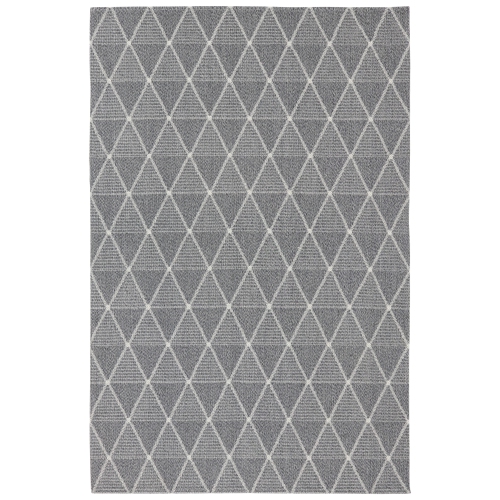 Your price for this item is $130.55
 -
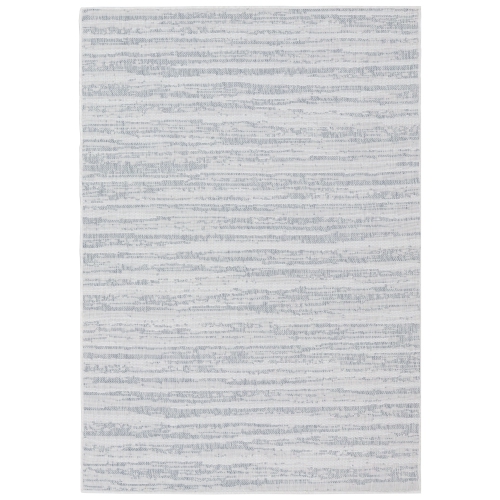 Your price for this item is $129.15
 -
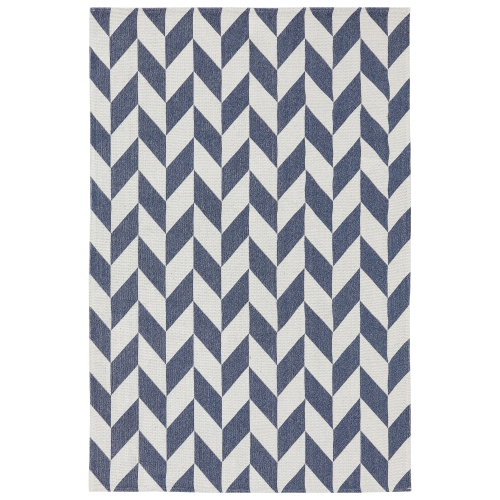 Your price for this item is $130.55
 -
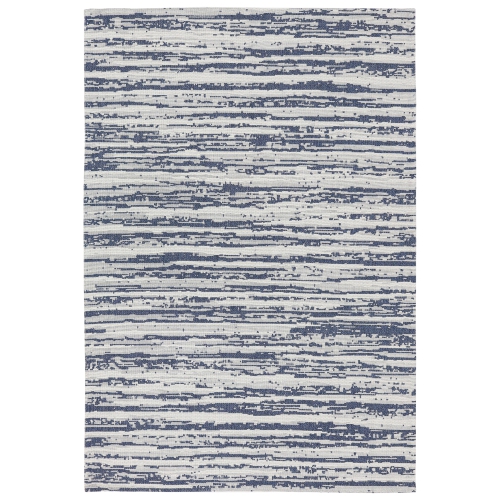 Your price for this item is $130.55
 -
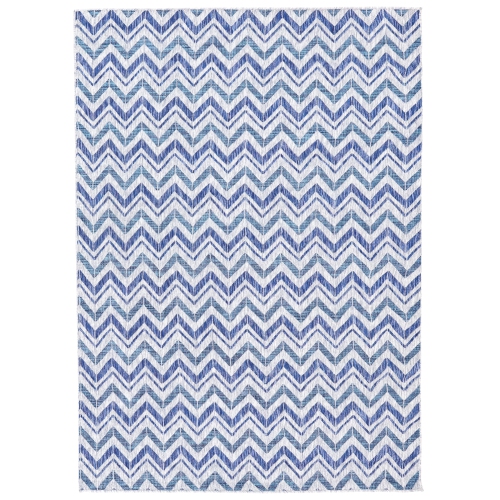 Your price for this item is $129.15
 -
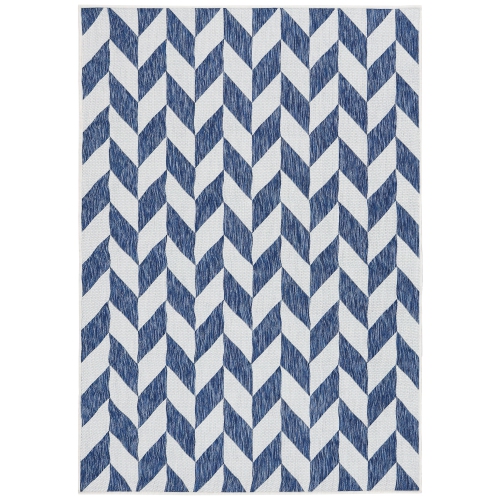 Your price for this item is $129.15
 -
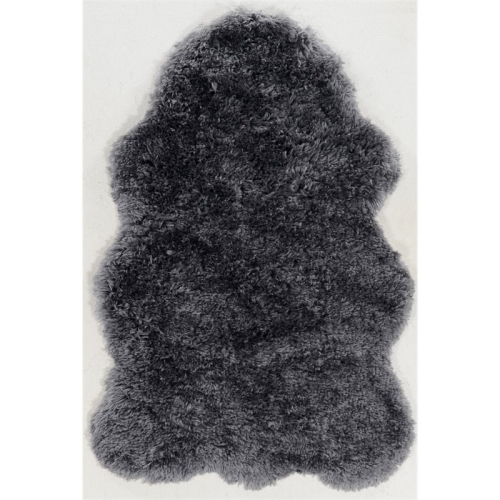 Your price for this item is $269.46
 -
 Your price for this item is $219.8
Discover more categories related to Outdoor Rugs for Small Patios
Top Collections:
Pokemon Centers, Kindle Devices, Best Budget Office Chairs, Apple iPhones 16, Best Laptops for Writers, iPhone 15 Apple, Canon G7X Cameras, Refurbished Apple Laptops, Alarm Clock, Motorola Razr Phones
Some products may be subject to Environmental Handling Fees
(EHF) depending on your province.
Learn more about EHFs.