Outdoor Seating Cushions
Enhance your outdoor seating experience with our collection of comfortable and stylish outdoor seating cushions. Whether you're lounging on your patio, deck, or by the pool, these cushions are designed to provide both comfort and durability. With a variety of colors, patterns, and sizes to choose from, you can easily personalize your outdoor space while adding an extra layer of coziness. Upgrade your outdoor furniture with these high-quality cushions that are perfect for relaxing and entertaining in style.
Sort
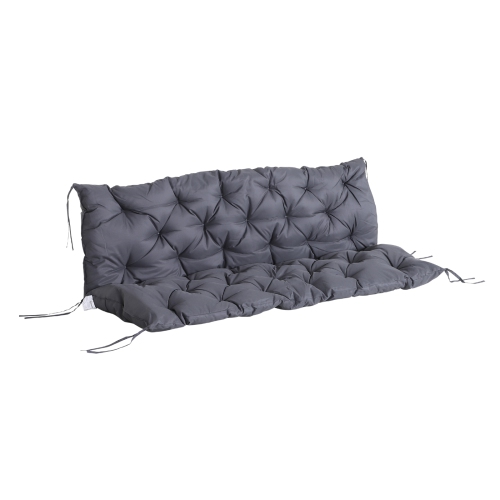
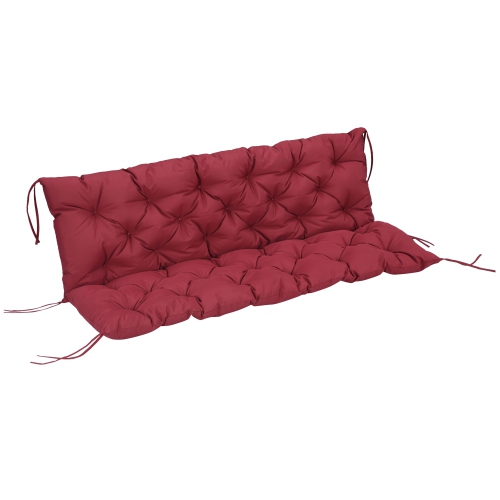
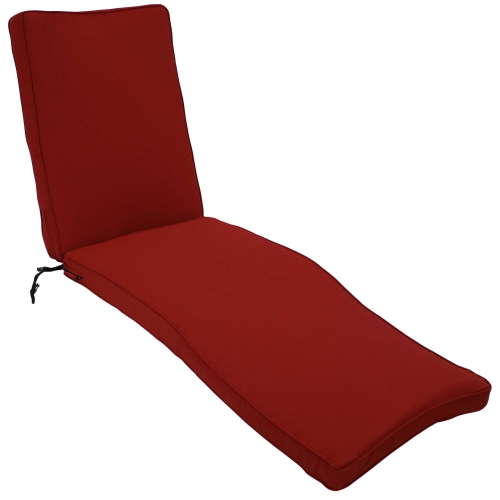
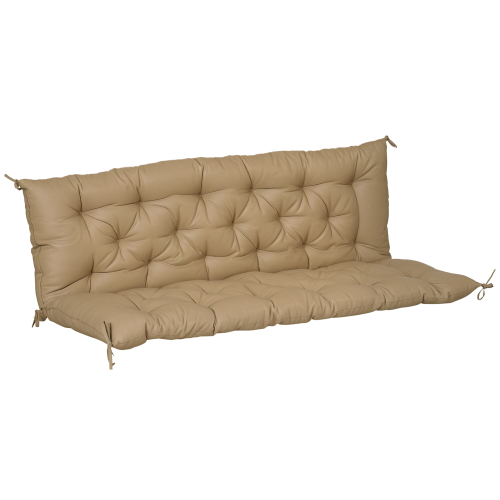
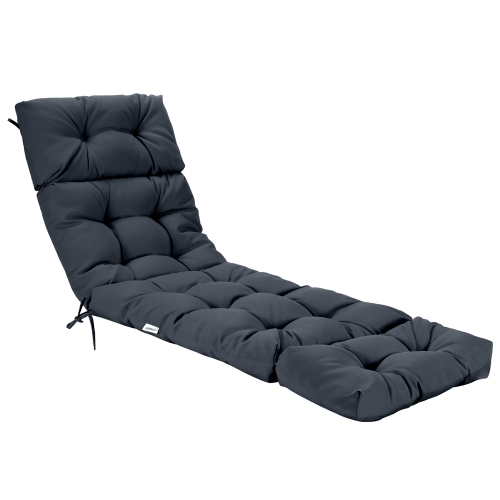
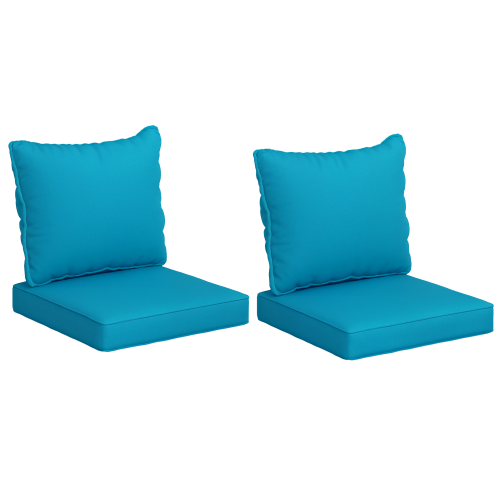
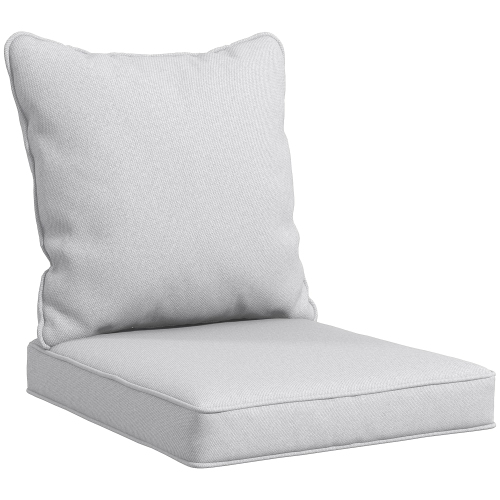
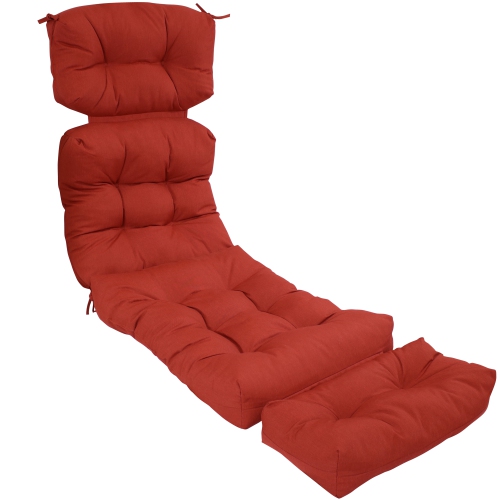

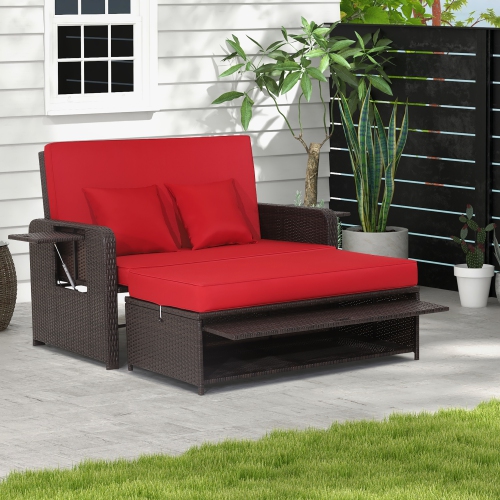
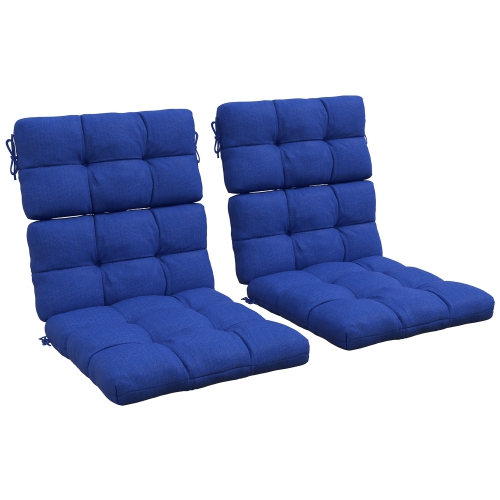
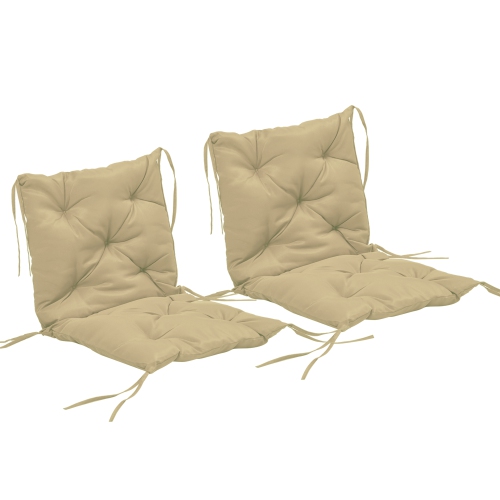
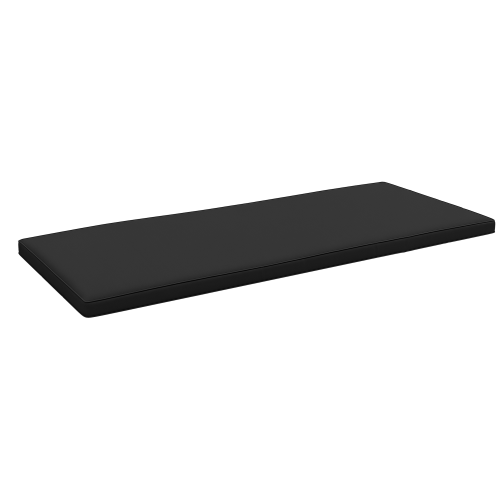
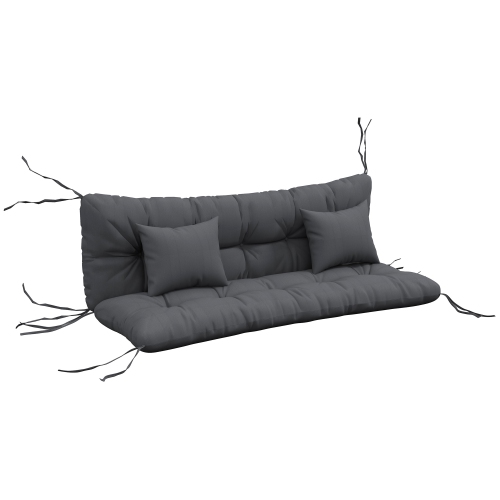
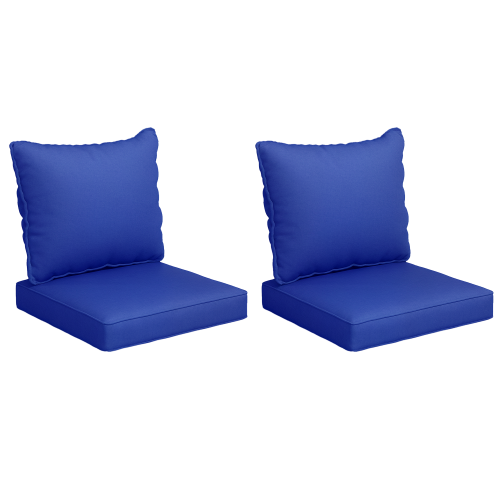
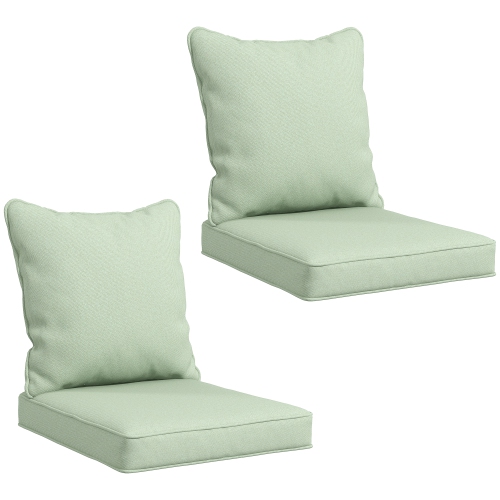
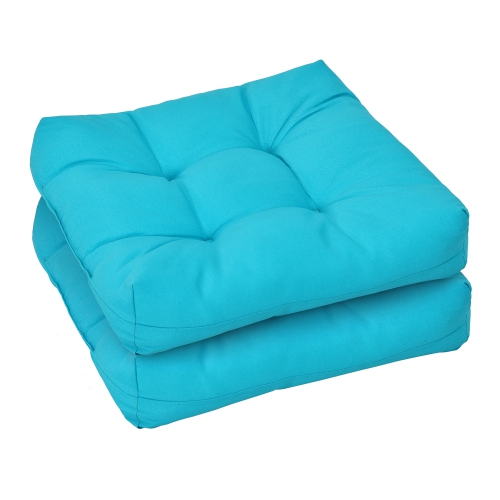
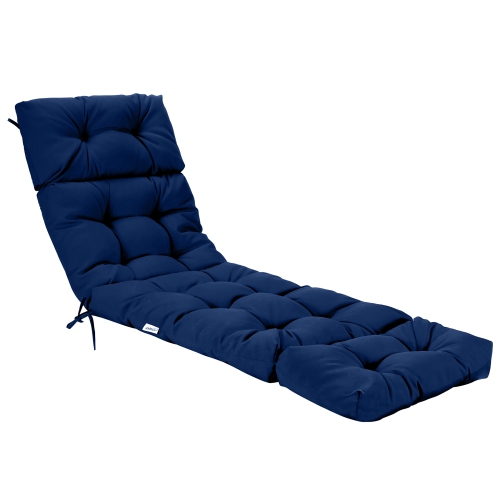
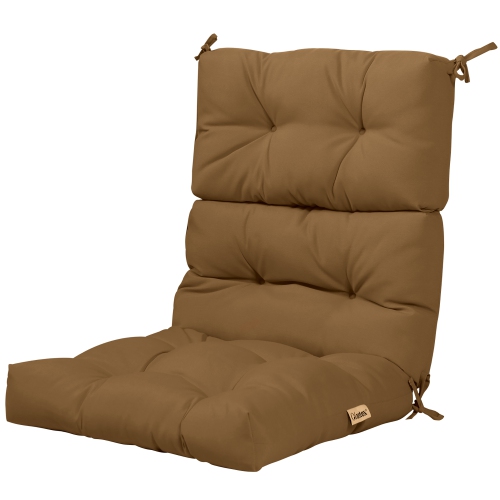
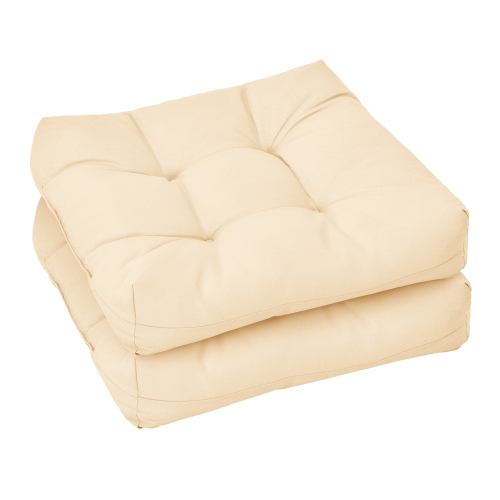
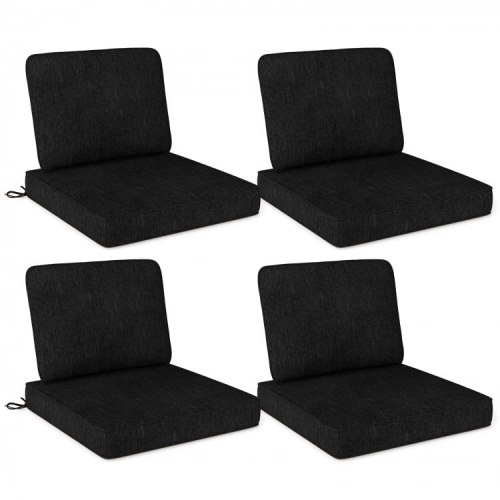
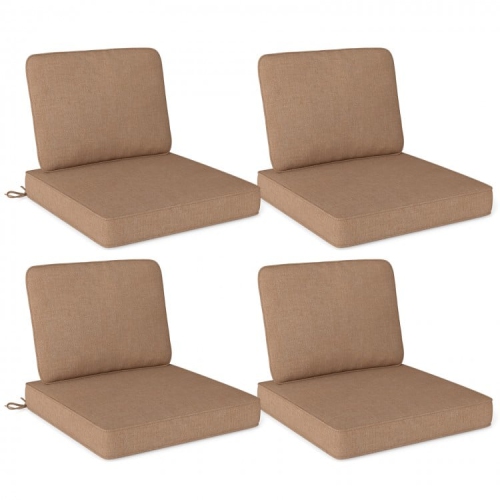
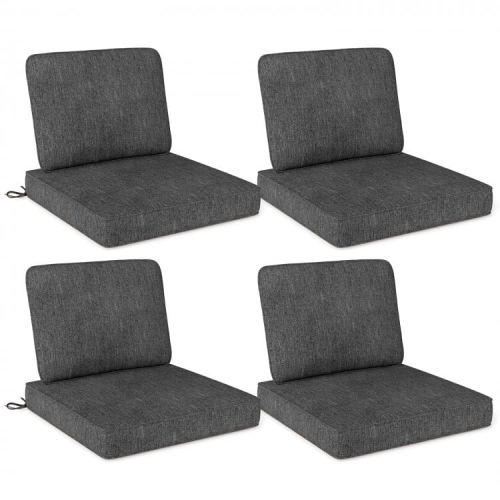
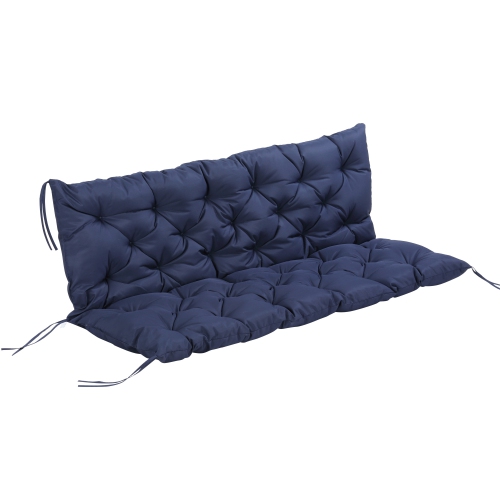
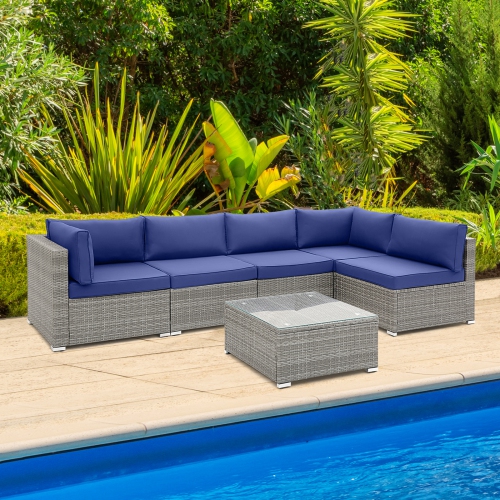
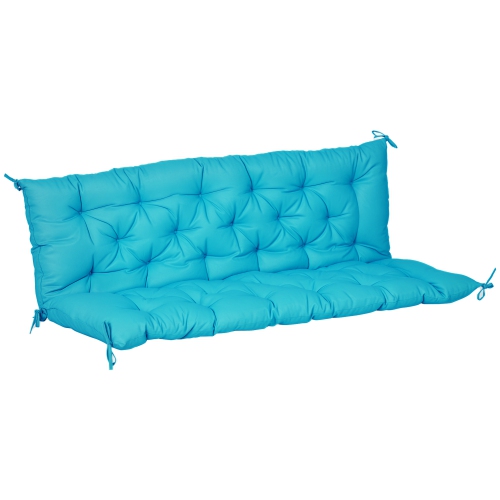
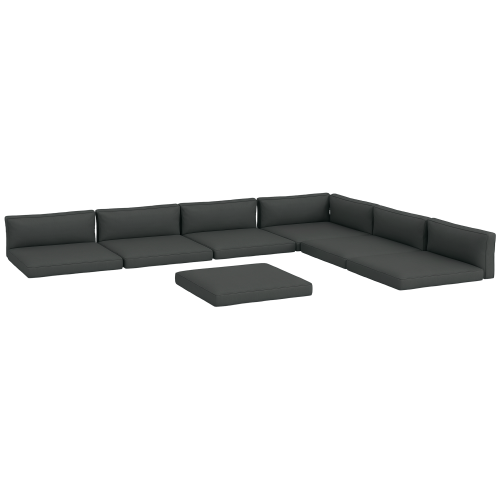
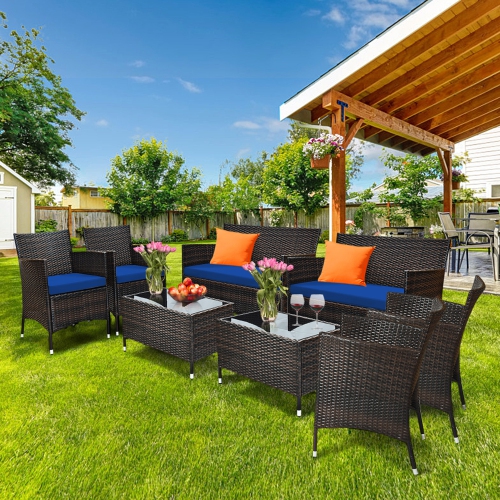
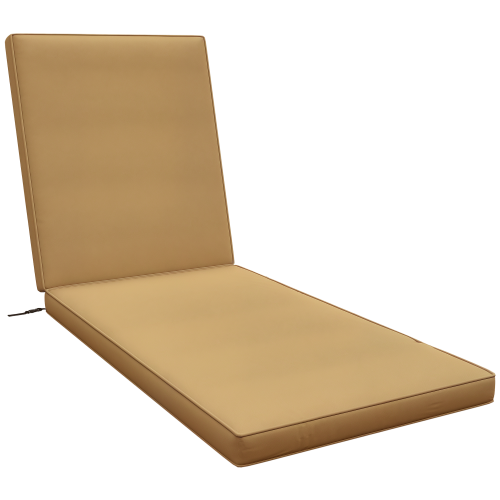
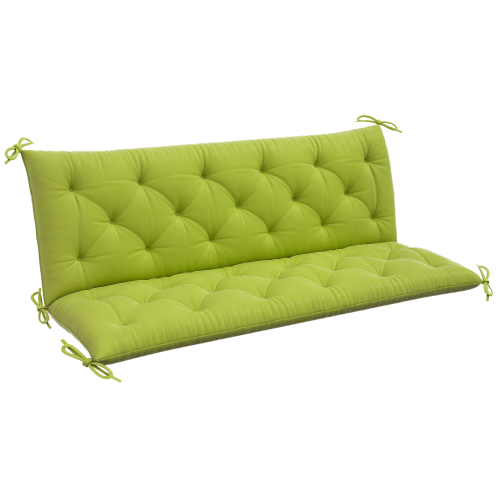
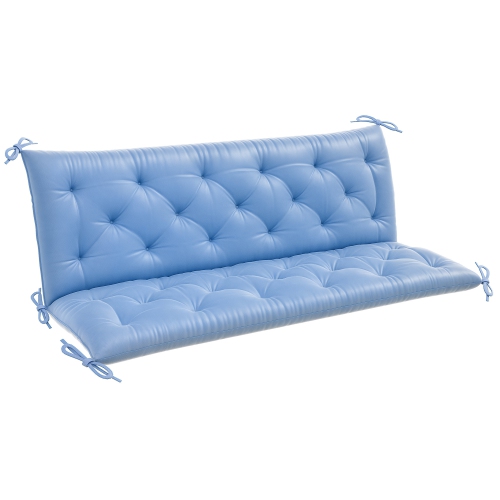
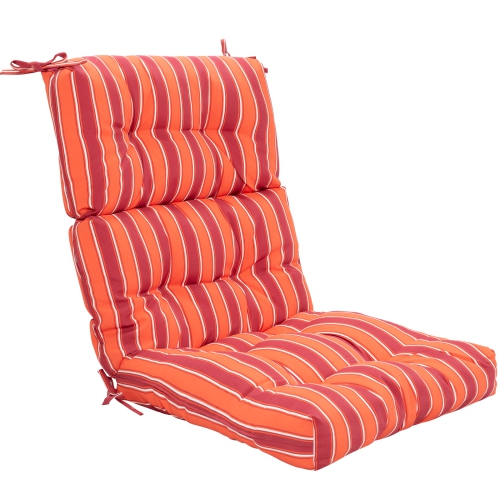
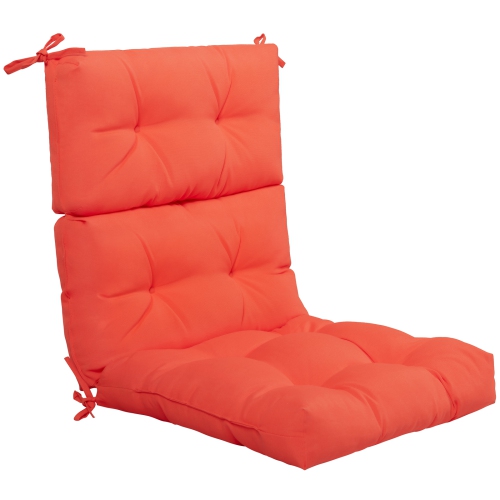
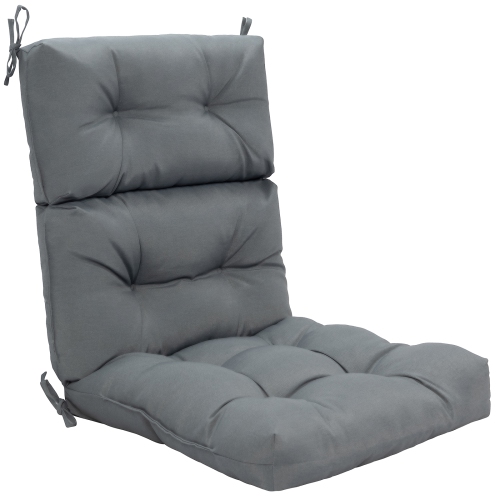
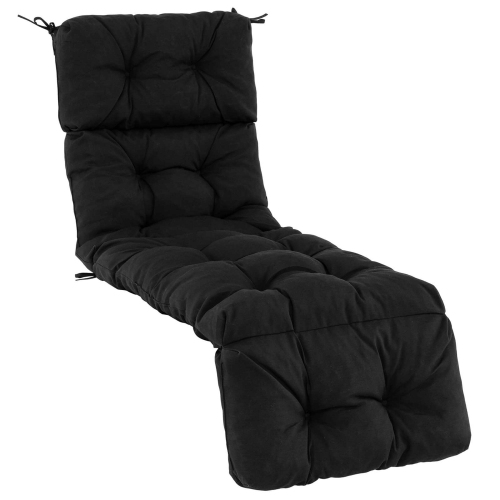
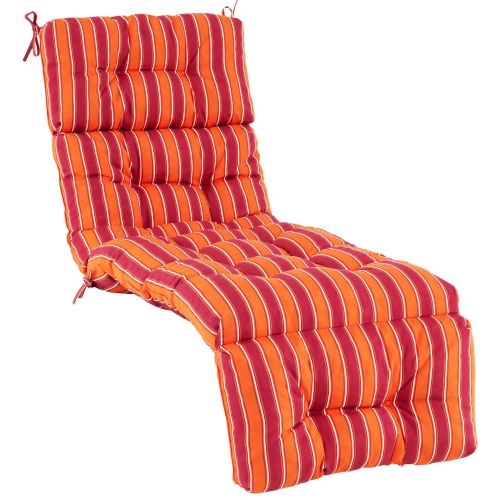
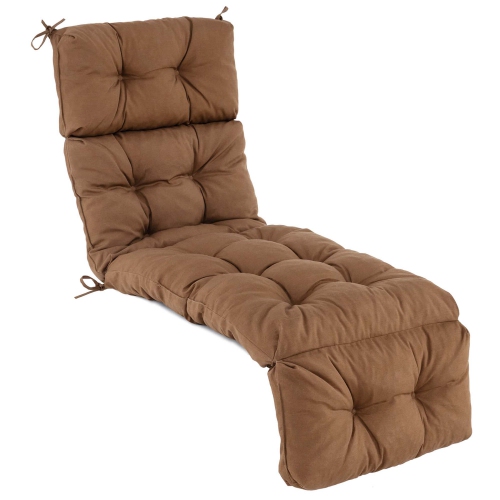
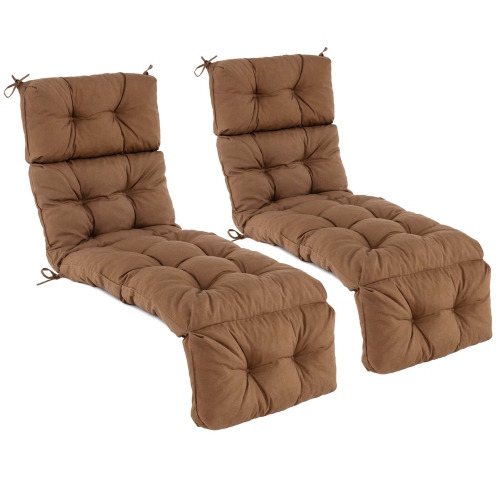
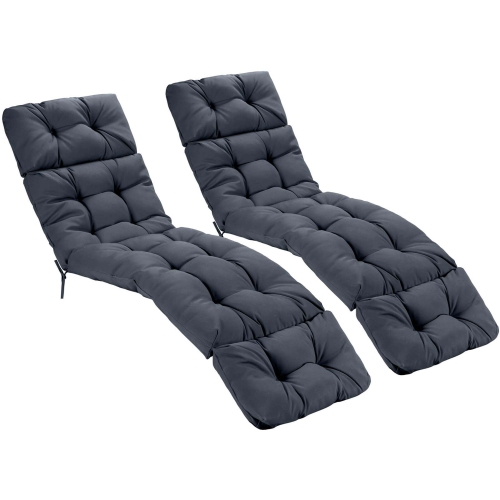
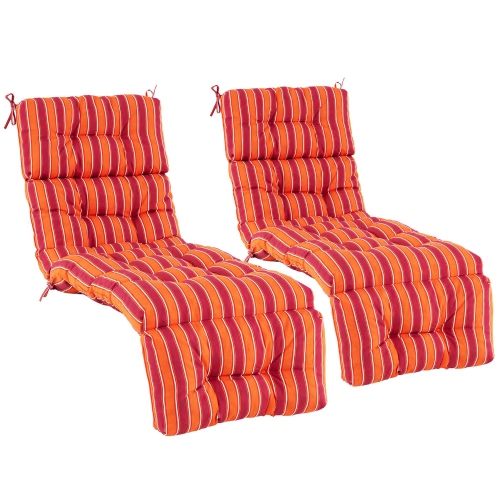
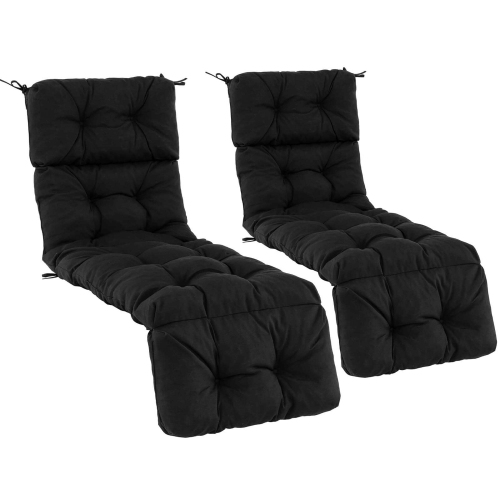
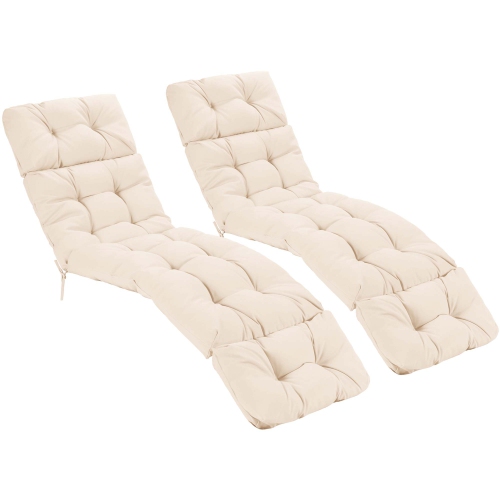
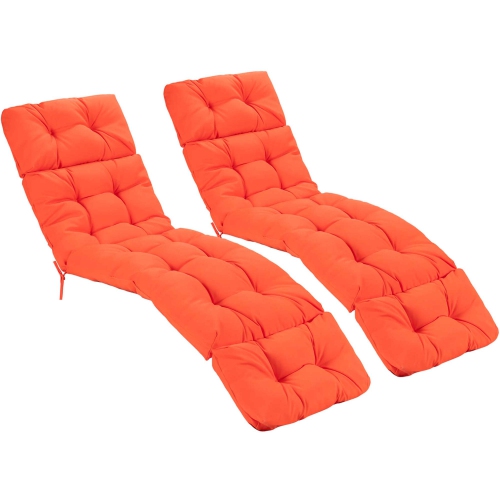
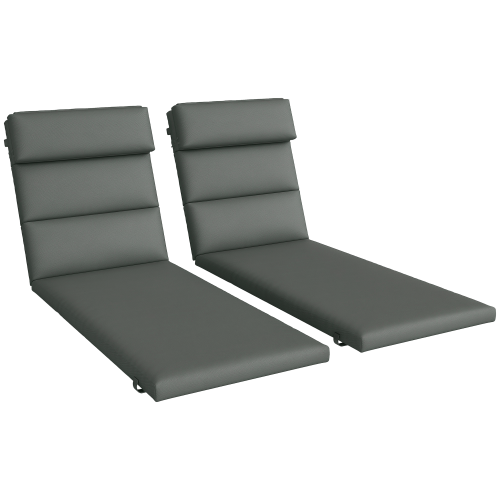
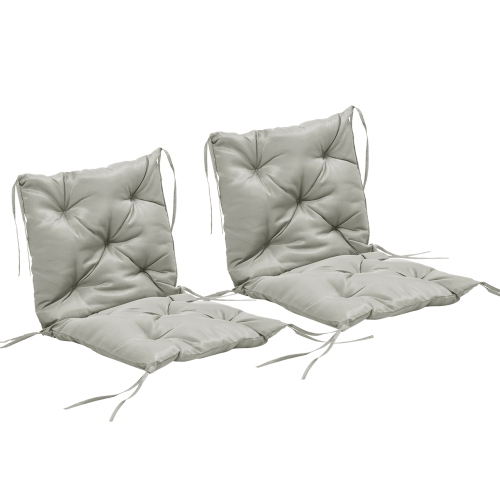
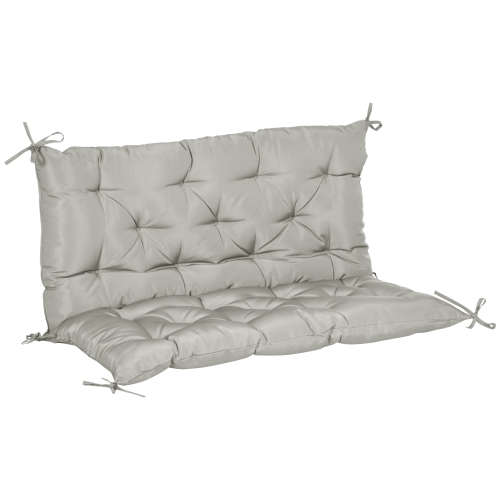
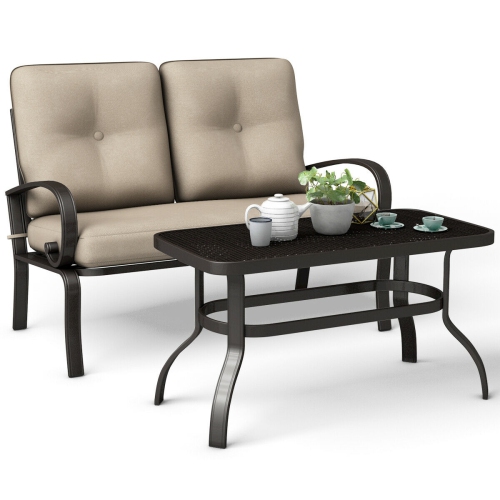
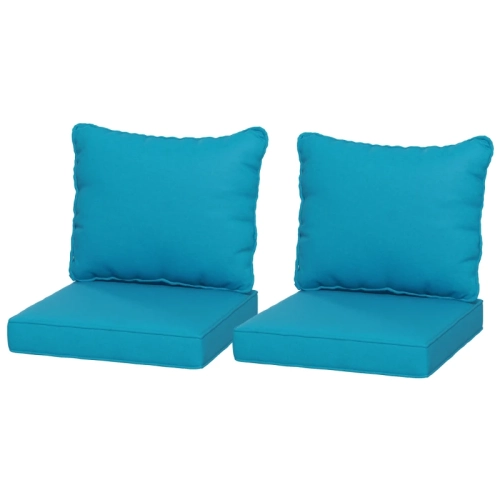
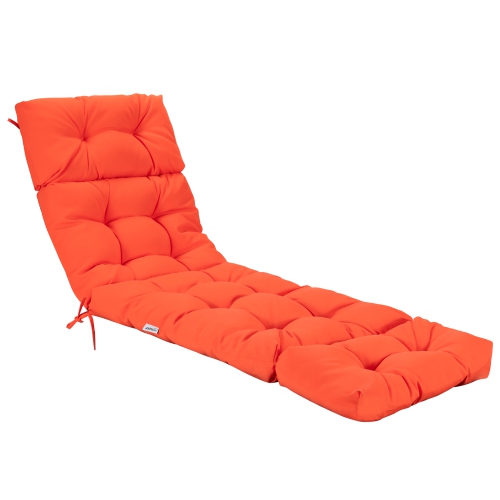
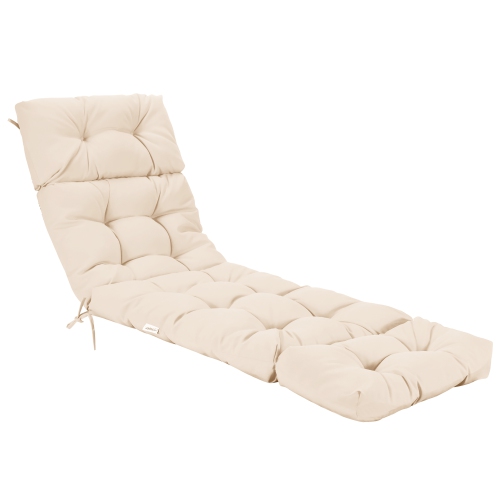
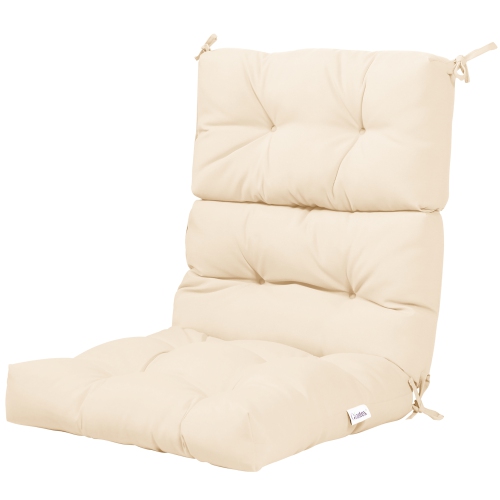
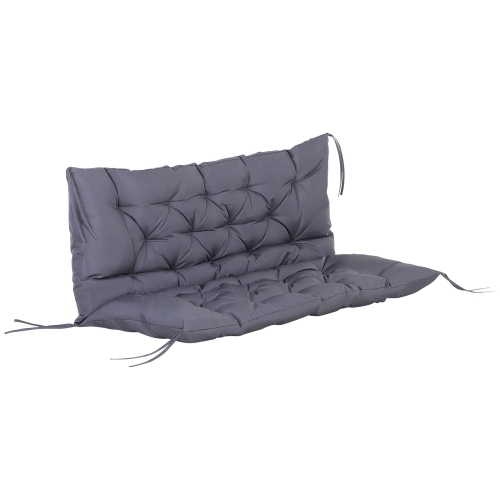
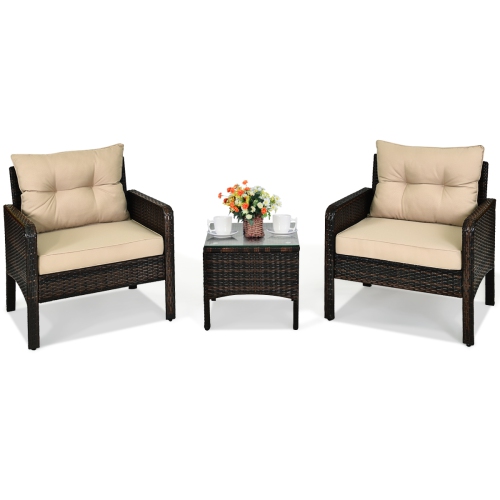
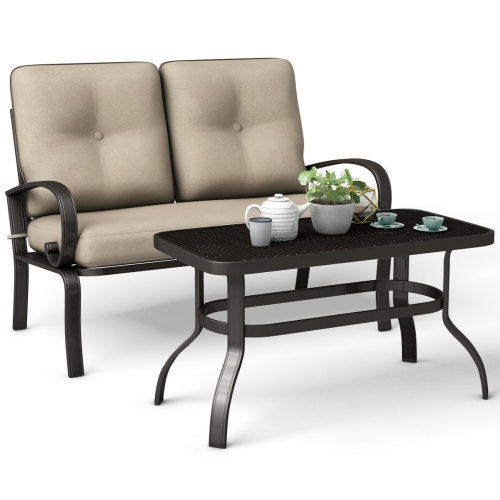
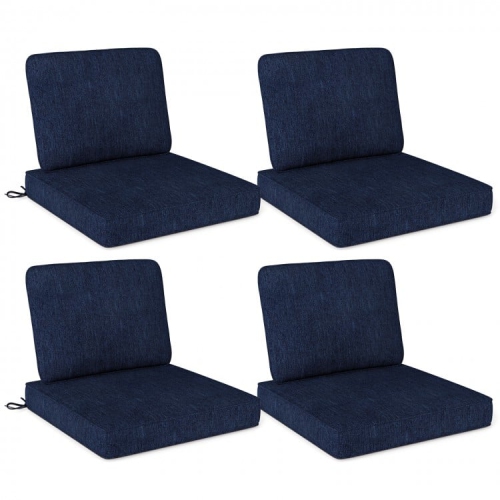
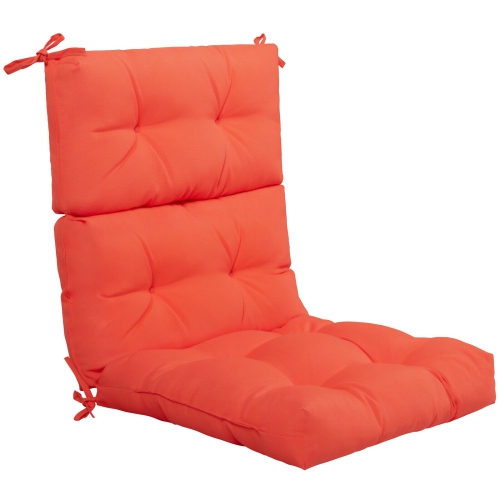
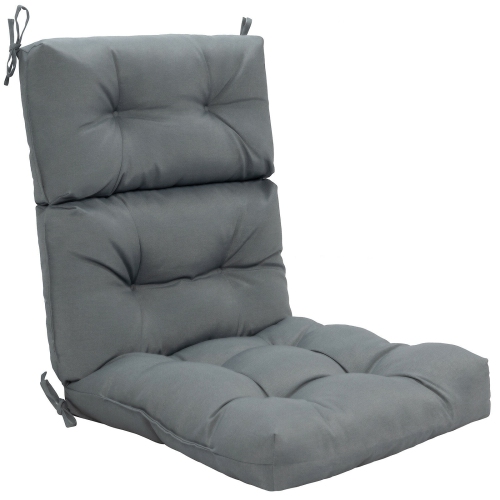
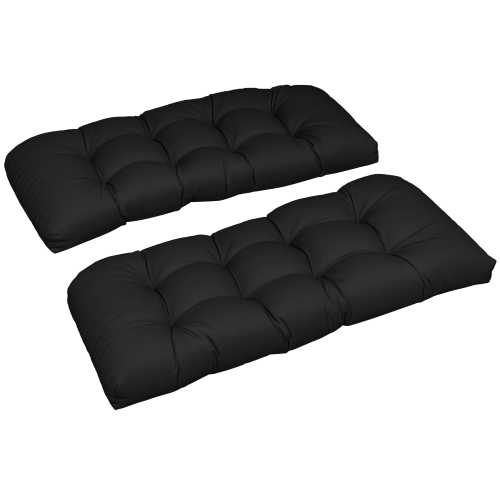
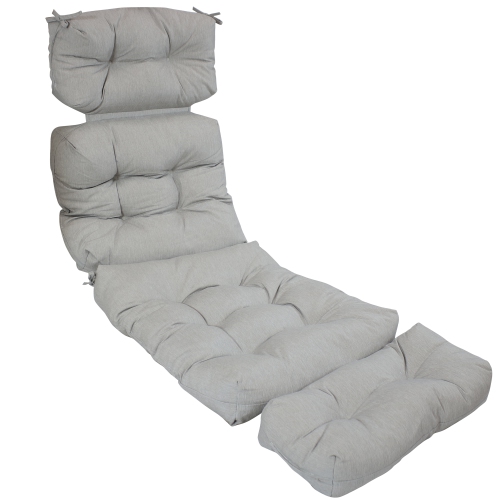
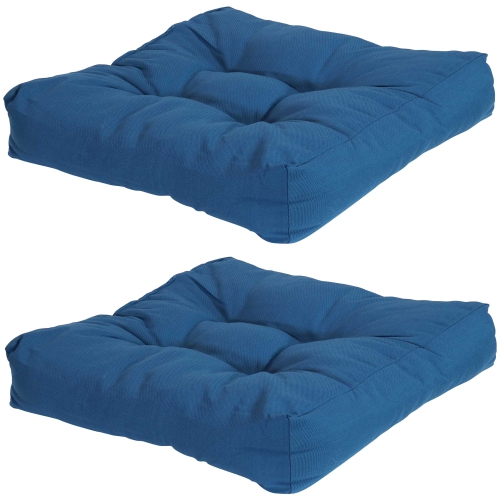
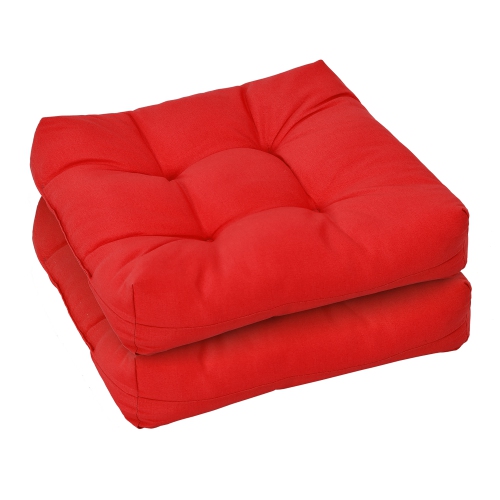
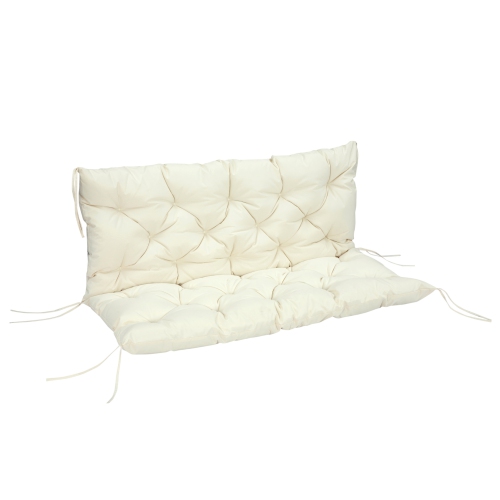
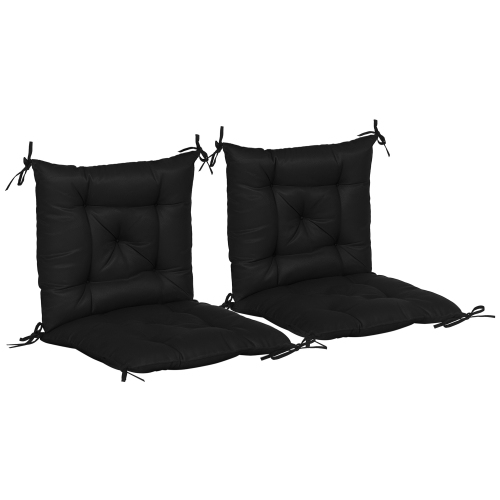
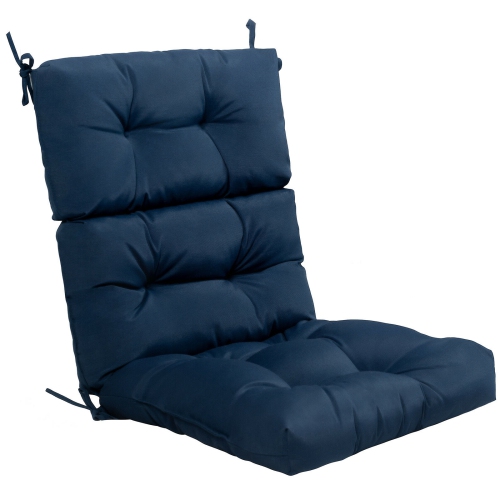
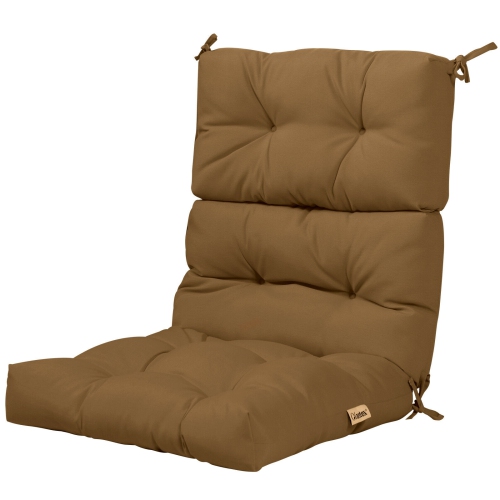
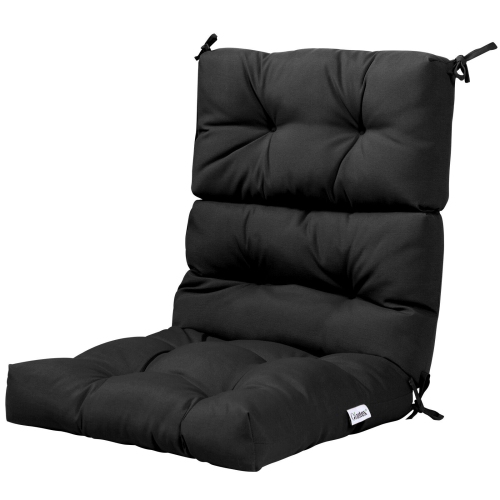
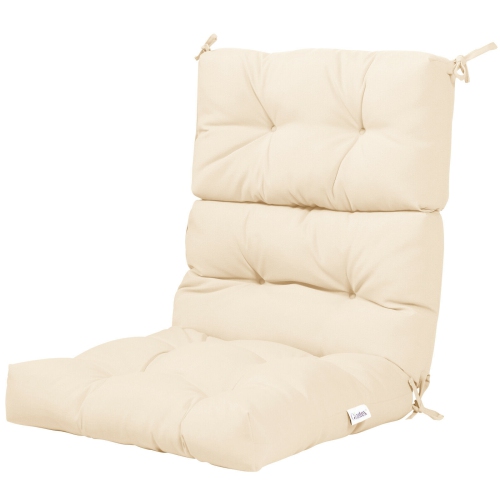
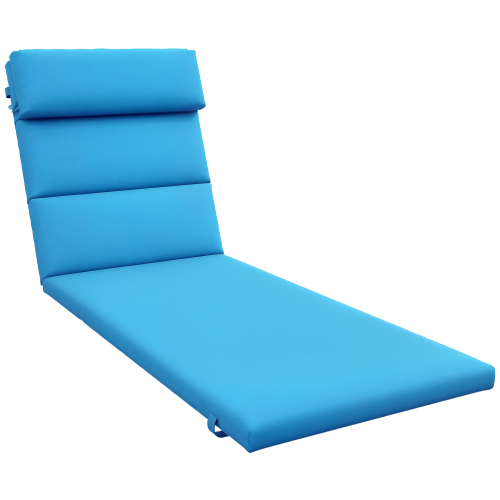
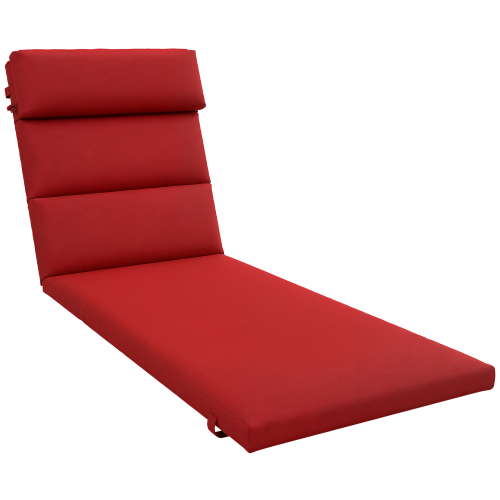
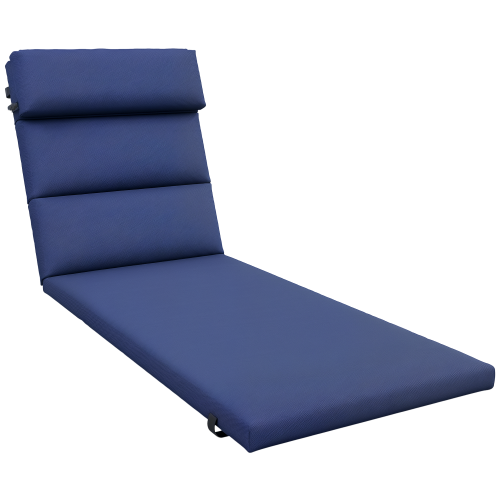
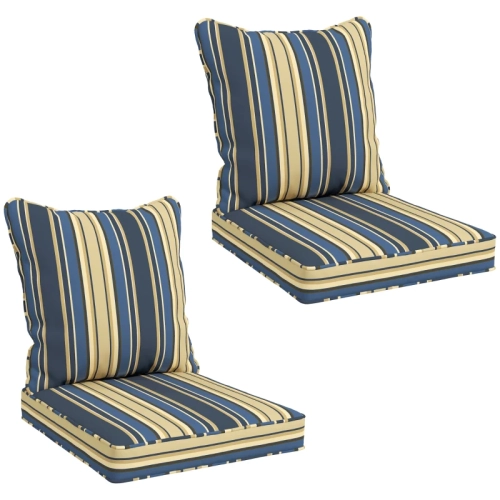
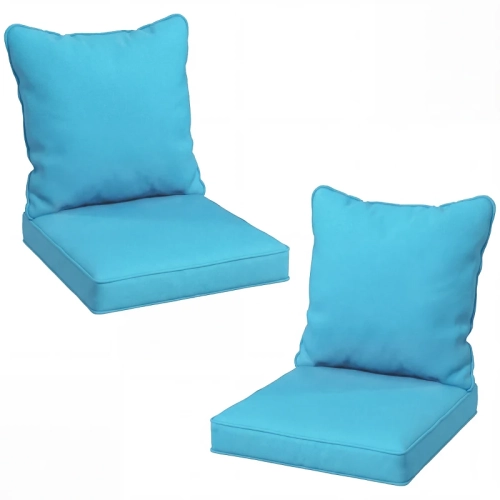
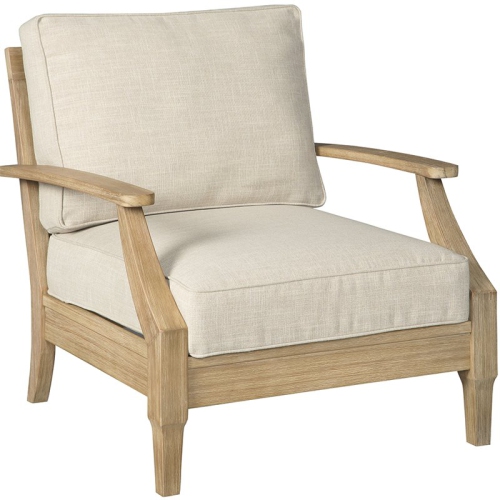
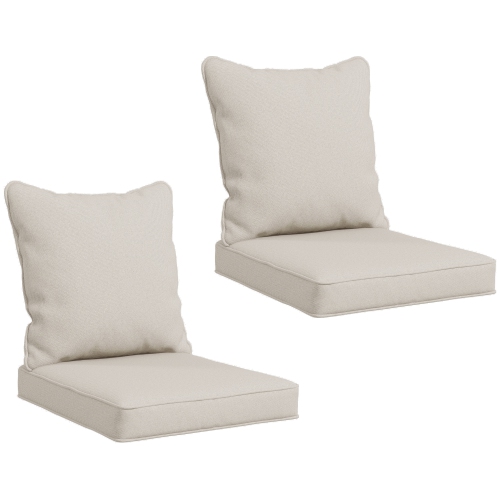
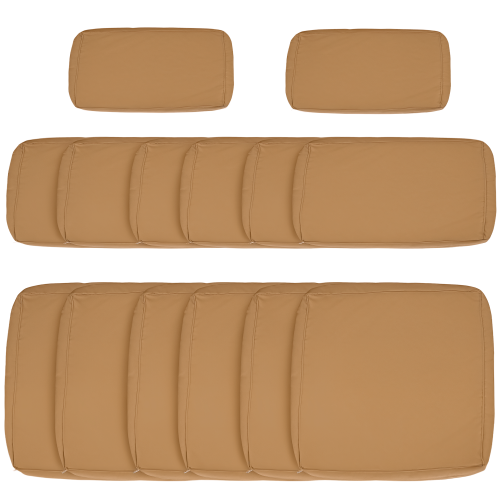
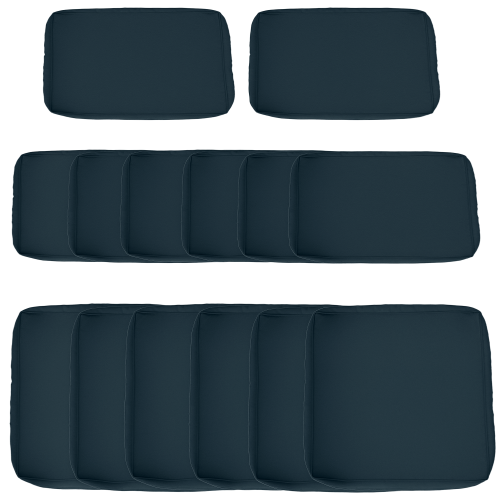
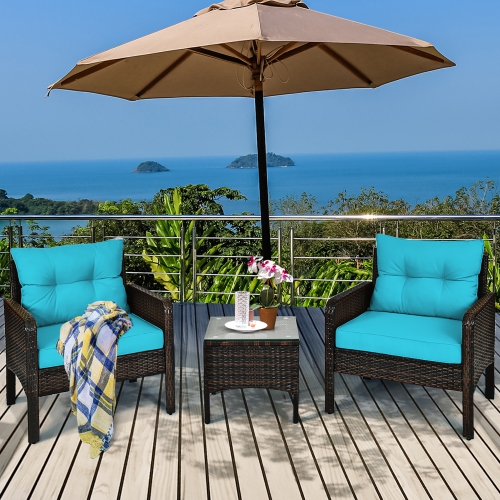
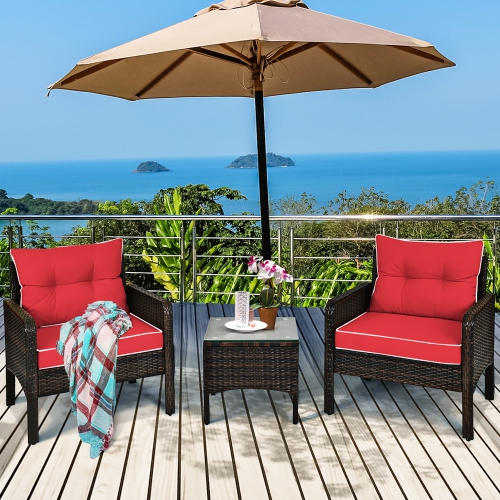
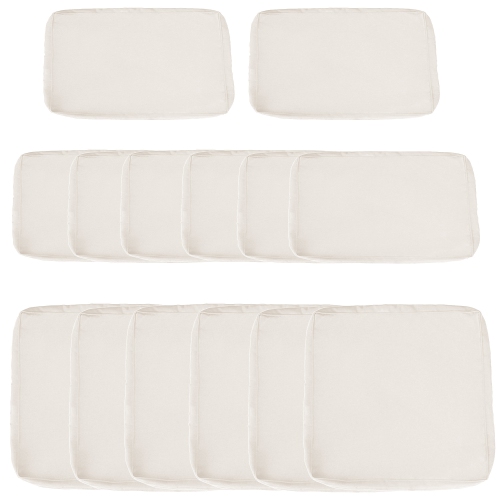
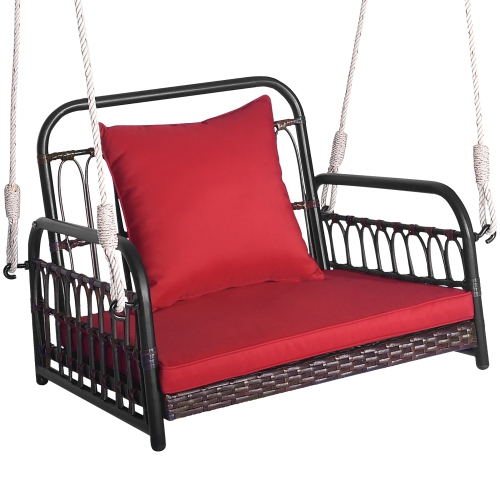
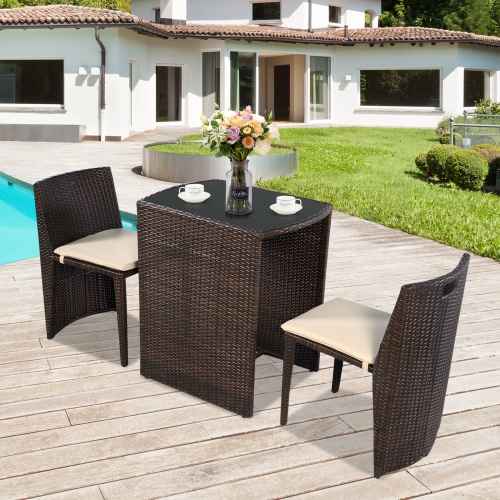
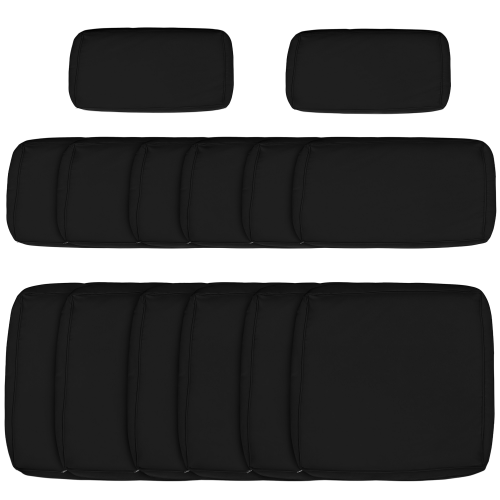
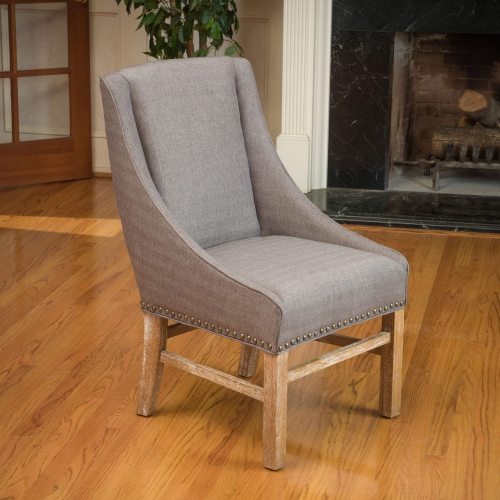
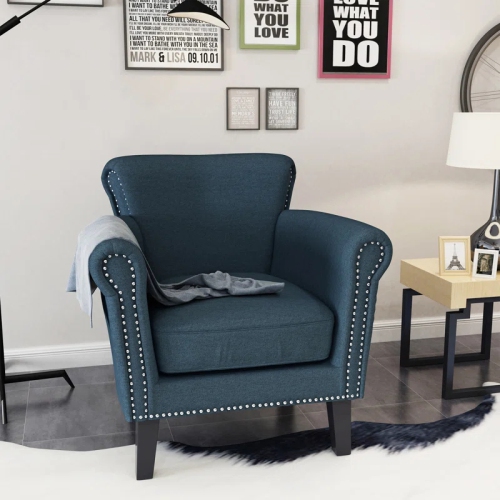

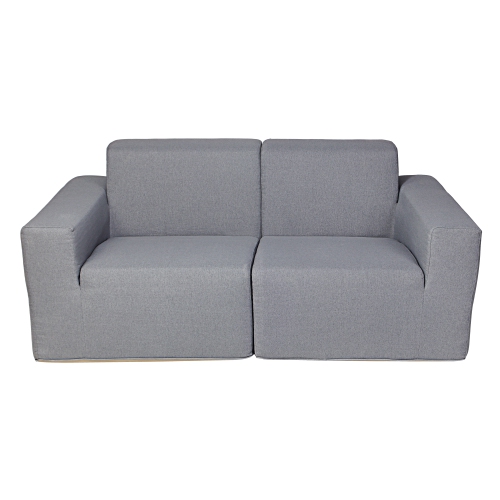
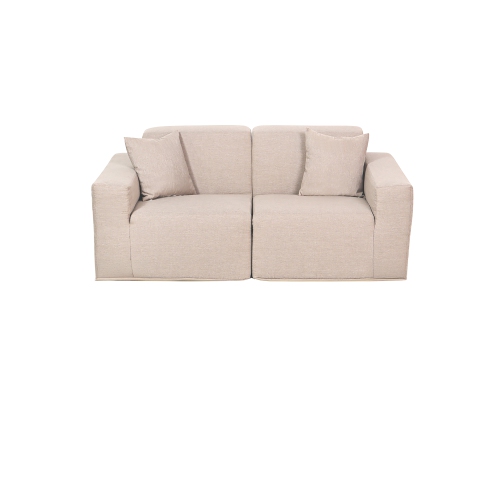
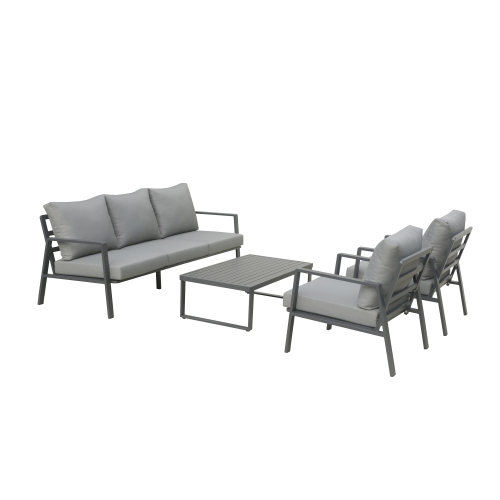
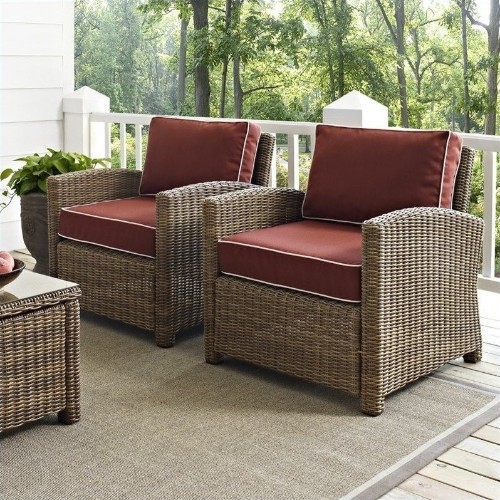
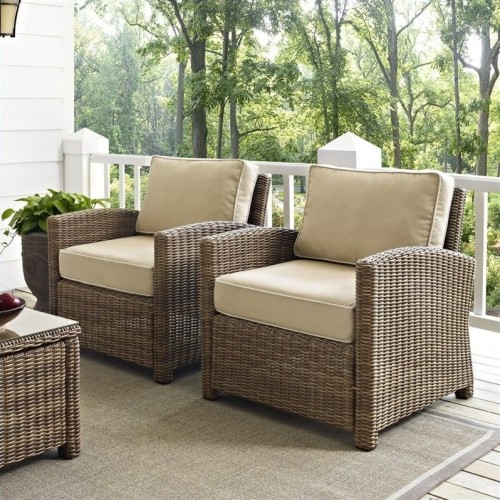
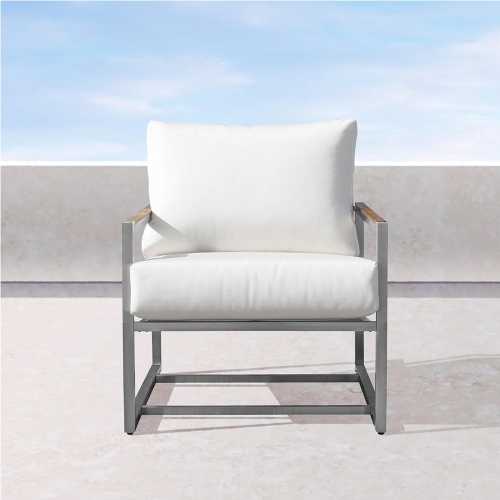
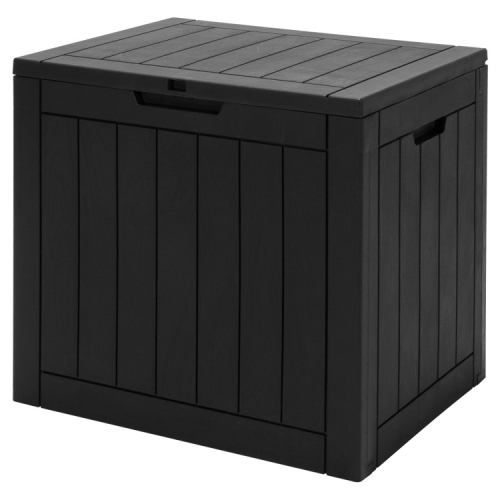
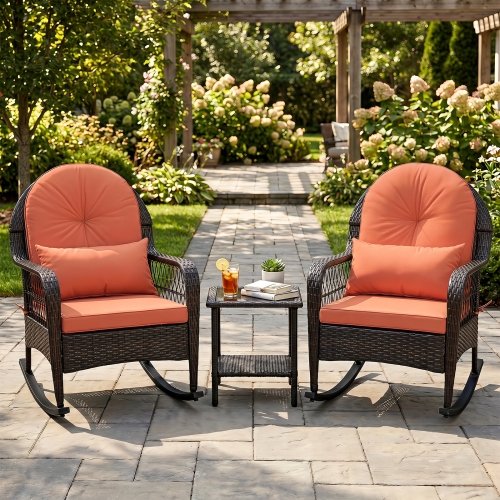
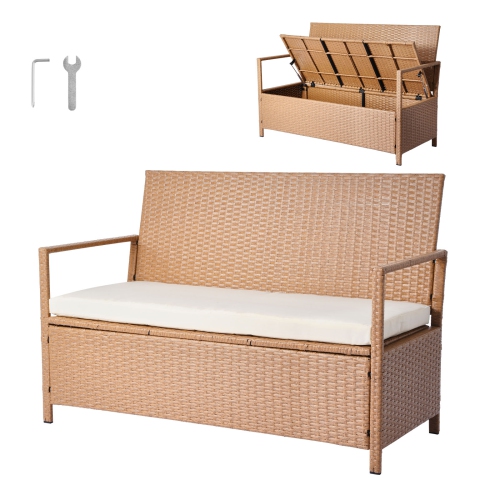
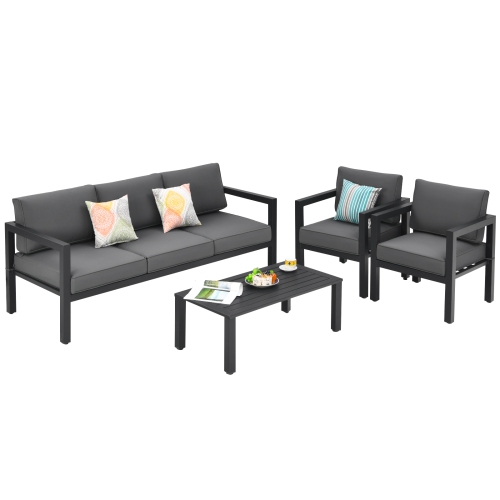
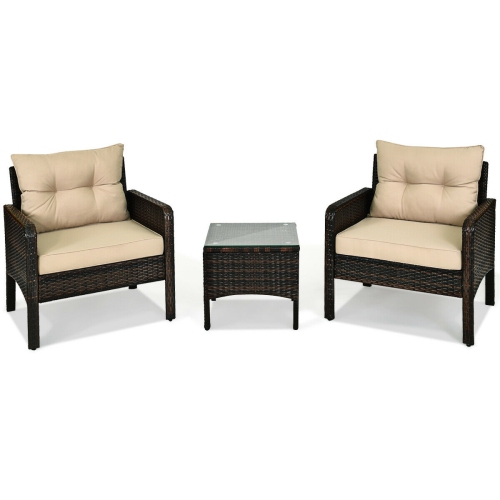
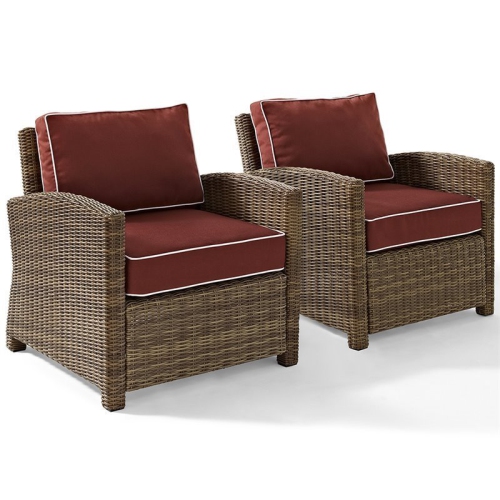
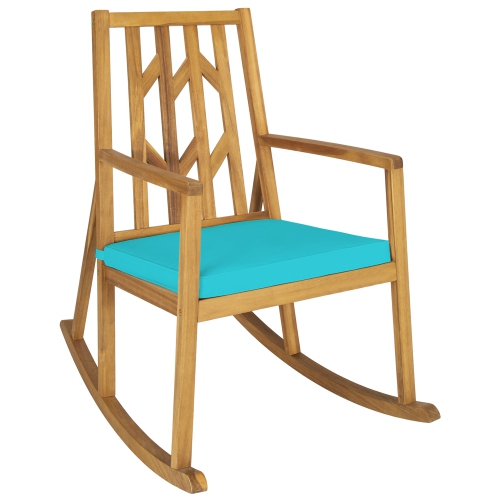
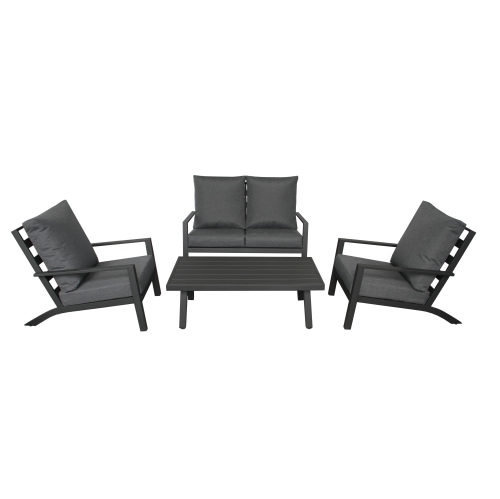
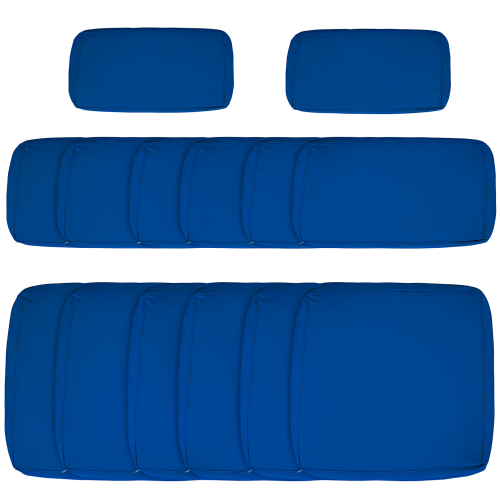
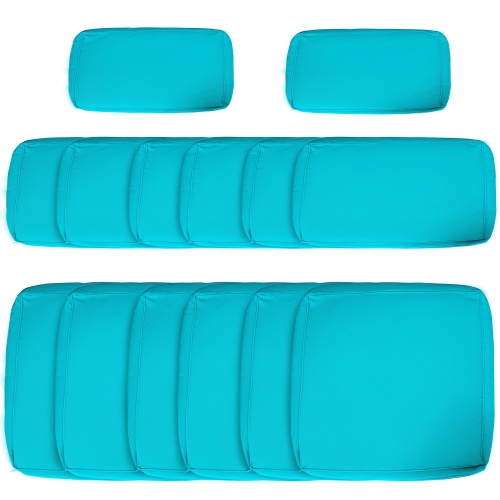
Softer patio seating starts with the right fit
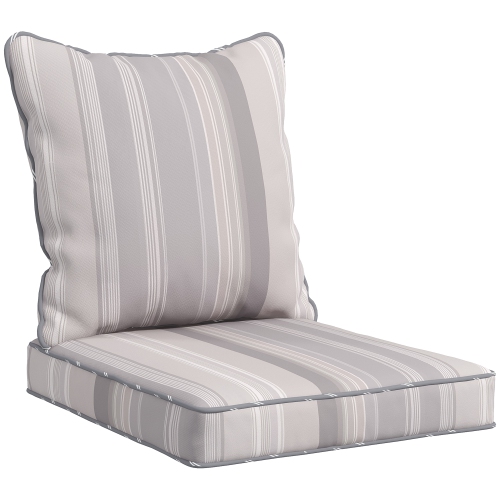
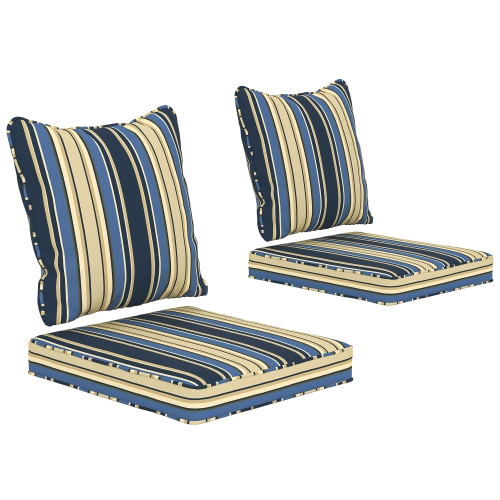
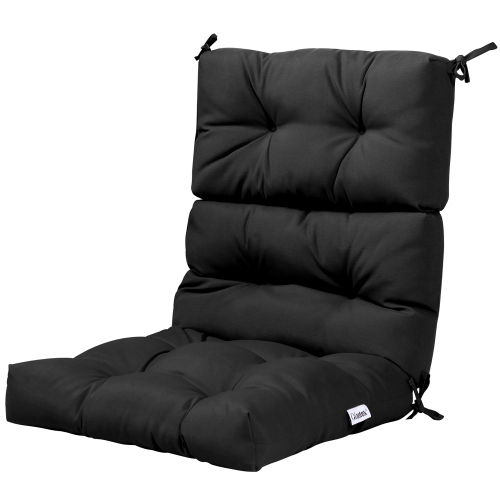
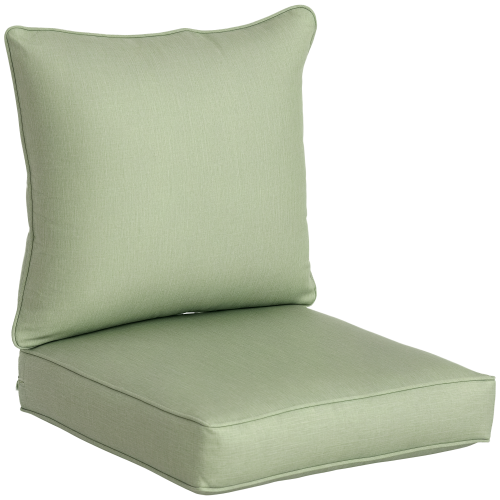
Outdoor seating cushions add a softer, more supportive layer to patio chairs, garden benches, loungers, and outdoor sofas. They can make a firm dining chair more comfortable through a long meal or give a deep armchair the support needed for a relaxed afternoon with a book. The main styles include slim chair pads, separate seat and back cushions, high-back cushions, bench pads, and elongated cushions for chaise lounges. Each serves a different purpose: a thin pad adds modest cushioning without greatly changing seat height, while a thicker seat cushion can suit furniture designed with a deeper frame. Back cushions provide a softer surface against slats or woven furniture, although their shape and firmness affect how much room remains on the seat. Fit matters as much as softness. Seat width, usable depth, and back height are the starting measurements, with attention to rounded corners, tapered seats, curved backs, and armrests that narrow the sitting area. For replacement cushions, measuring the furniture itself alongside the original cushion helps account for filling that has flattened or shifted over time. A cushion should rest securely within the frame rather than hang far over the front edge or bunch up between the arms. On a dining chair, extra thickness also raises the seated position, which can reduce legroom beneath the table. On a lounger, the bend between the seat and back needs to line up with the furniture’s adjustable section. Ties, straps, and slip-resistant backing can help limit movement, especially on smooth chair surfaces, but their placement should work with the frame. These details make a noticeable difference on a compact balcony, a busy family patio, or a sheltered porch where the same favourite chair gets used day after day. A well-matched cushion supports the way the furniture is used, whether that means sitting upright at a table or stretching out with feet raised.
The outer fabric and inner filling determine much of an outdoor cushion’s feel, drying behaviour, and durability. Polyester, olefin, and acrylic are common outdoor upholstery materials, with performance depending on the weave, construction, and any treatments applied. Polyester covers may have water-repellent finishes that help light moisture bead on the surface. Olefin is often used for its resistance to moisture absorption and its suitability for outdoor use, while solution-dyed acrylic is valued for colour retention because pigment is added during fibre production. No fabric name alone guarantees that a cushion is waterproof, fade-proof, or suitable for being left outside in every season. Water-resistant fabrics can handle some splashes or light rain, but moisture may still enter through seams, zippers, or prolonged exposure. UV resistance helps slow fading and fabric deterioration; it does not prevent all changes from repeated sunlight. A sunny, uncovered deck places different demands on upholstery than a shaded balcony beneath an overhang. The filling deserves similar attention. Conventional foam can offer a stable, supportive seat but may retain water if it becomes soaked. Quick-drying, open-cell foam is designed to let water pass through more readily when paired with a cover and cushion construction that allow drainage and airflow. Polyester fibre filling tends to feel softer and is often used in back cushions, though it may need regular reshaping. Foam wrapped in fibre can combine a firmer centre with a softer surface. Thickness alone is not a reliable measure of comfort: dense, resilient filling may support a seated person better than a much thicker cushion that compresses immediately. Reinforced seams, neatly finished edges, and securely attached ties also contribute to everyday durability. For households with children or pets, textured fabrics and small-scale patterns can make minor marks less noticeable, while smooth surfaces may be easier to brush free of crumbs or loose hair. Removable covers offer added flexibility for cleaning, provided their care instructions suit the household’s routine.
Colour and texture help outdoor seating cushions bring different pieces of furniture together without replacing the frames. Soft grey, cream, and sand tones create a quiet backdrop for wood or dark metal, while blue, green, and warm rust shades add contrast against paving stones and plain balcony walls. Stripes can give a bench a crisp, tailored look, and a subtle woven texture adds interest without a bold print. Lighter colours may show dirt more readily, while darker fabrics can become noticeably warm in direct sunlight. For coordinated seating, matching dimensions and compatible levels of support are more important than making every cushion identical. A dining area benefits from relatively stable, easy-to-move pads, while a lounge corner may suit fuller seat and back cushions. Cushions can also make a thoughtful housewarming gift for someone furnishing a patio, provided the furniture measurements and preferred colours are known. The Good Outdoor Cushions page offers another way to explore cushioning for outdoor furniture. Keeping cushions comfortable over time depends on simple, consistent care. Brushing away loose dirt before it settles into the weave helps keep routine cleaning manageable, and blotting a spill promptly is generally better than rubbing it deeper into the fabric. Cleaning methods should follow the care label: a zippered cover is not automatically machine washable, and some fabrics or fillings require spot cleaning only. When washing is permitted, the specified detergent, water temperature, and drying method help protect the cover’s fit and finish. Cushions should dry fully before covers are replaced or pieces are stacked for storage. After rain, standing suitable cushions on edge in a ventilated space can help trapped moisture drain, if the manufacturer’s instructions allow it. During the cooler months, bringing cushions into a dry, sheltered space between uses helps protect them from repeated soaking, frost, and snow. A storage box is useful only when its contents are already dry and protected from moisture entering or building up inside. With the right fit, suitable materials, and regular care, outdoor seating cushions make familiar furniture more inviting for quiet breaks and time spent together.
The outer fabric and inner filling determine much of an outdoor cushion’s feel, drying behaviour, and durability. Polyester, olefin, and acrylic are common outdoor upholstery materials, with performance depending on the weave, construction, and any treatments applied. Polyester covers may have water-repellent finishes that help light moisture bead on the surface. Olefin is often used for its resistance to moisture absorption and its suitability for outdoor use, while solution-dyed acrylic is valued for colour retention because pigment is added during fibre production. No fabric name alone guarantees that a cushion is waterproof, fade-proof, or suitable for being left outside in every season. Water-resistant fabrics can handle some splashes or light rain, but moisture may still enter through seams, zippers, or prolonged exposure. UV resistance helps slow fading and fabric deterioration; it does not prevent all changes from repeated sunlight. A sunny, uncovered deck places different demands on upholstery than a shaded balcony beneath an overhang. The filling deserves similar attention. Conventional foam can offer a stable, supportive seat but may retain water if it becomes soaked. Quick-drying, open-cell foam is designed to let water pass through more readily when paired with a cover and cushion construction that allow drainage and airflow. Polyester fibre filling tends to feel softer and is often used in back cushions, though it may need regular reshaping. Foam wrapped in fibre can combine a firmer centre with a softer surface. Thickness alone is not a reliable measure of comfort: dense, resilient filling may support a seated person better than a much thicker cushion that compresses immediately. Reinforced seams, neatly finished edges, and securely attached ties also contribute to everyday durability. For households with children or pets, textured fabrics and small-scale patterns can make minor marks less noticeable, while smooth surfaces may be easier to brush free of crumbs or loose hair. Removable covers offer added flexibility for cleaning, provided their care instructions suit the household’s routine.
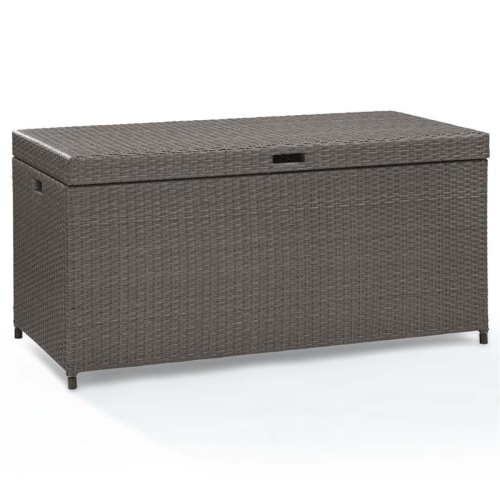
Colour and texture help outdoor seating cushions bring different pieces of furniture together without replacing the frames. Soft grey, cream, and sand tones create a quiet backdrop for wood or dark metal, while blue, green, and warm rust shades add contrast against paving stones and plain balcony walls. Stripes can give a bench a crisp, tailored look, and a subtle woven texture adds interest without a bold print. Lighter colours may show dirt more readily, while darker fabrics can become noticeably warm in direct sunlight. For coordinated seating, matching dimensions and compatible levels of support are more important than making every cushion identical. A dining area benefits from relatively stable, easy-to-move pads, while a lounge corner may suit fuller seat and back cushions. Cushions can also make a thoughtful housewarming gift for someone furnishing a patio, provided the furniture measurements and preferred colours are known. The Good Outdoor Cushions page offers another way to explore cushioning for outdoor furniture. Keeping cushions comfortable over time depends on simple, consistent care. Brushing away loose dirt before it settles into the weave helps keep routine cleaning manageable, and blotting a spill promptly is generally better than rubbing it deeper into the fabric. Cleaning methods should follow the care label: a zippered cover is not automatically machine washable, and some fabrics or fillings require spot cleaning only. When washing is permitted, the specified detergent, water temperature, and drying method help protect the cover’s fit and finish. Cushions should dry fully before covers are replaced or pieces are stacked for storage. After rain, standing suitable cushions on edge in a ventilated space can help trapped moisture drain, if the manufacturer’s instructions allow it. During the cooler months, bringing cushions into a dry, sheltered space between uses helps protect them from repeated soaking, frost, and snow. A storage box is useful only when its contents are already dry and protected from moisture entering or building up inside. With the right fit, suitable materials, and regular care, outdoor seating cushions make familiar furniture more inviting for quiet breaks and time spent together.
Top selling and popular products
-
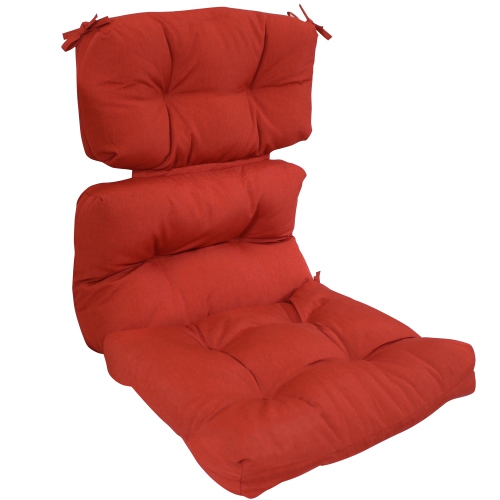 Your price for this item is $88.85
 -
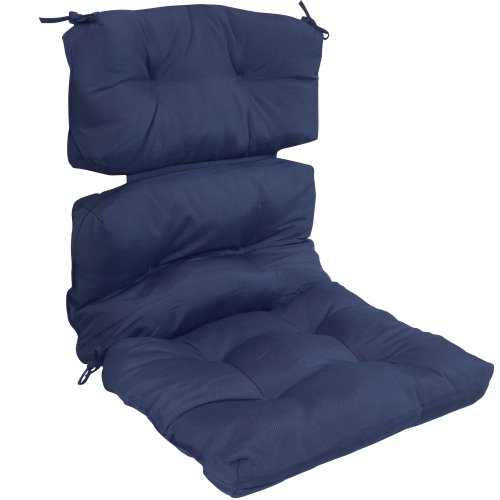 Your price for this item is $88.85
 -
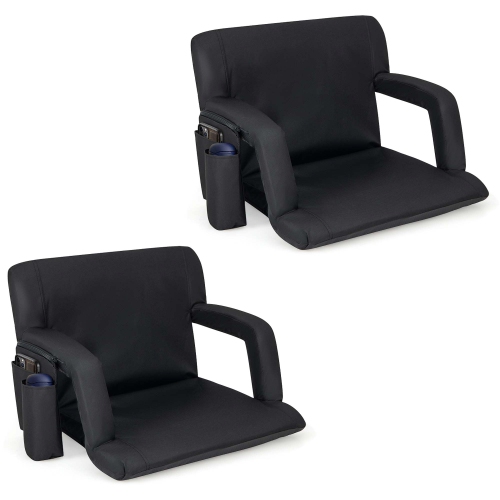 Your price for this item is $167.99
 -
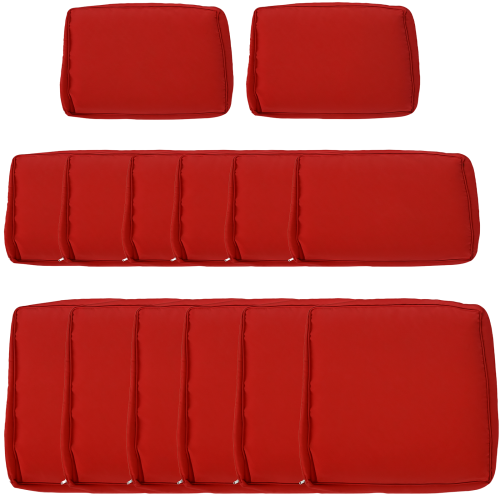 Your price for this item is $94.99
 -
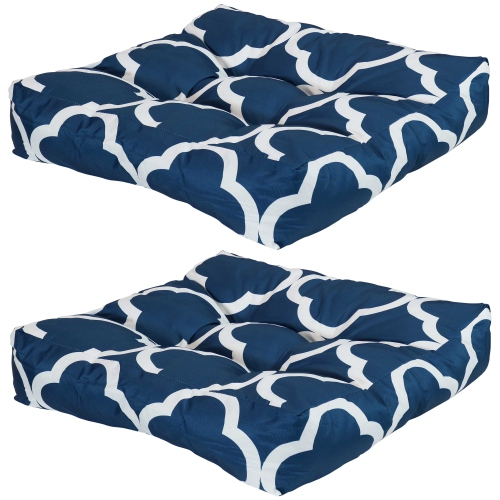 Your price for this item is $64.15
 -
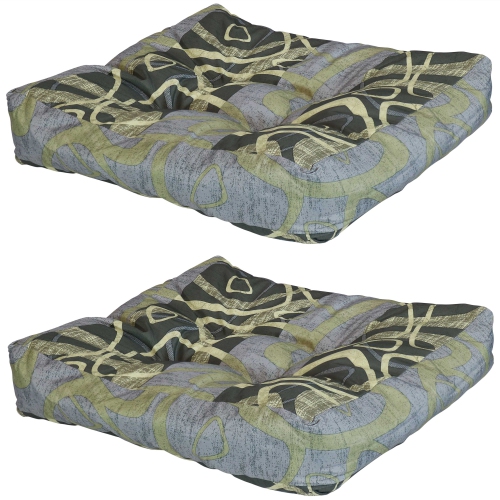 Your price for this item is $77.35
 -
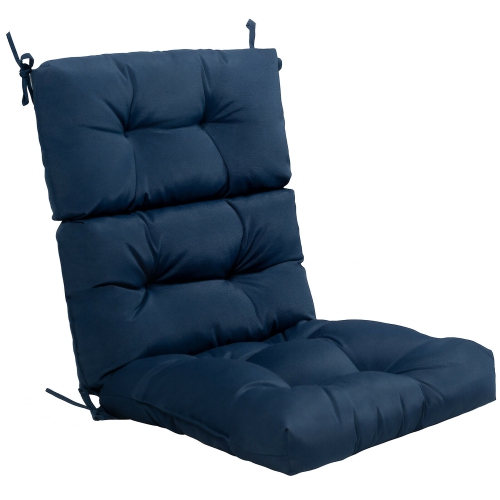 Your price for this item is $59.99
 -
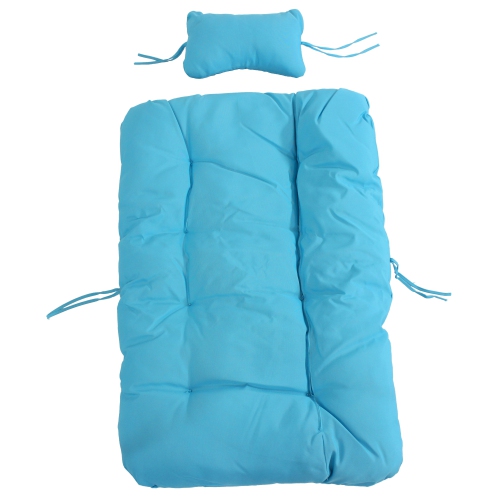 Your price for this item is $154.35
Discover more categories related to Outdoor Seating Cushions
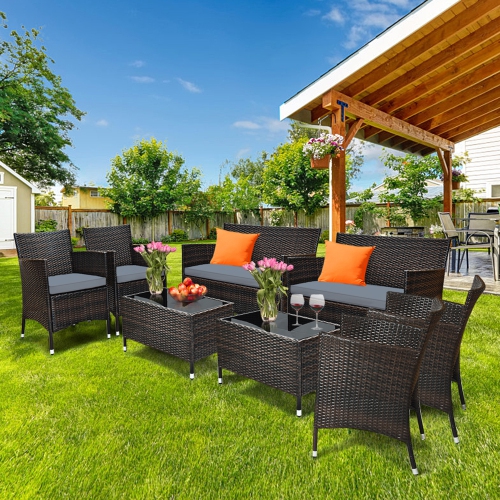
Top Collections:
Pokemon Centers, Kindle Devices, Best Budget Office Chairs, Apple iPhones 16, Best Laptops for Writers, iPhone 15 Apple, Canon G7X Cameras, Refurbished Apple Laptops, Alarm Clock, Motorola Razr Phones
Some products may be subject to Environmental Handling Fees
(EHF) depending on your province.
Learn more about EHFs.