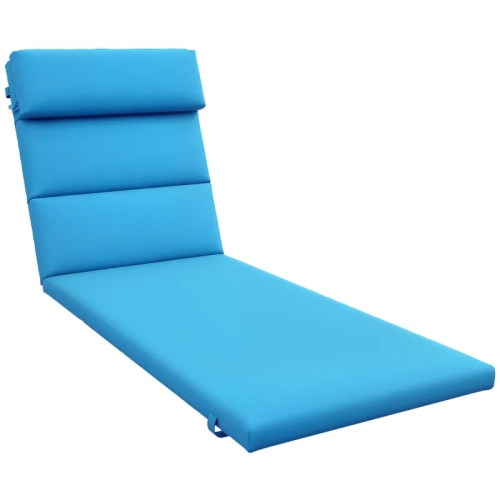
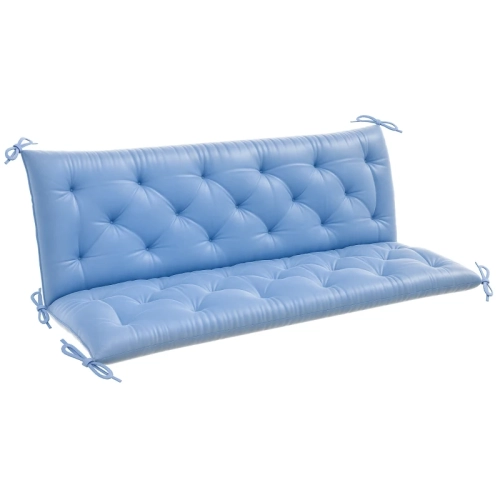
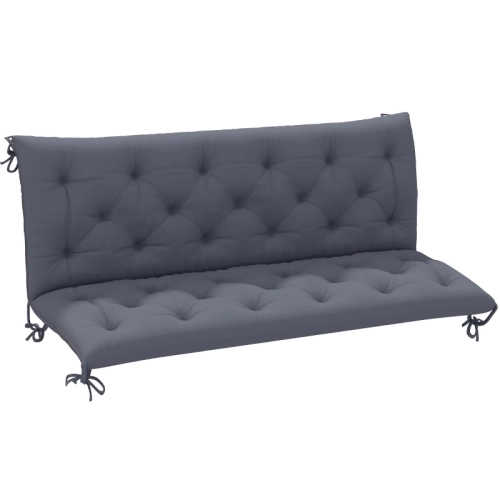
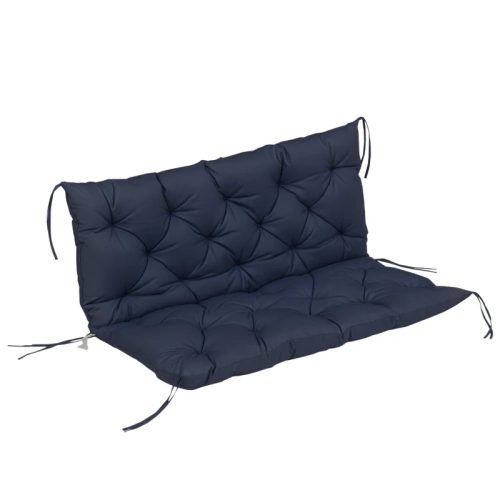
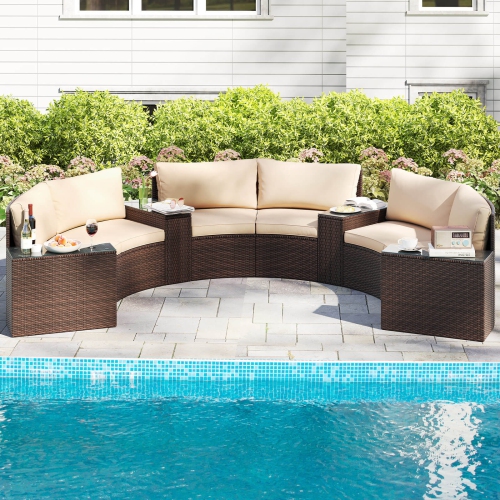
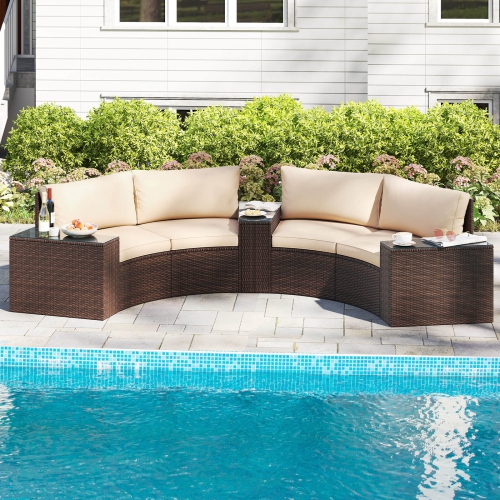
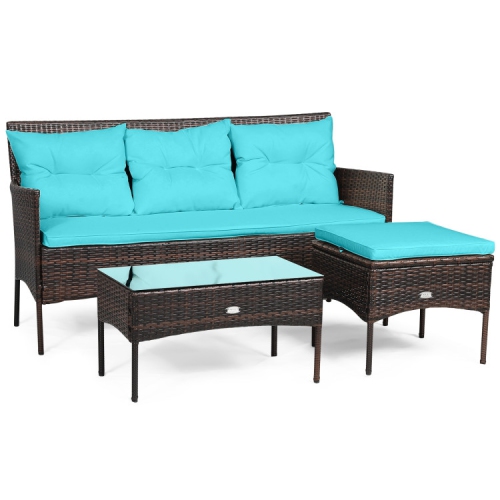
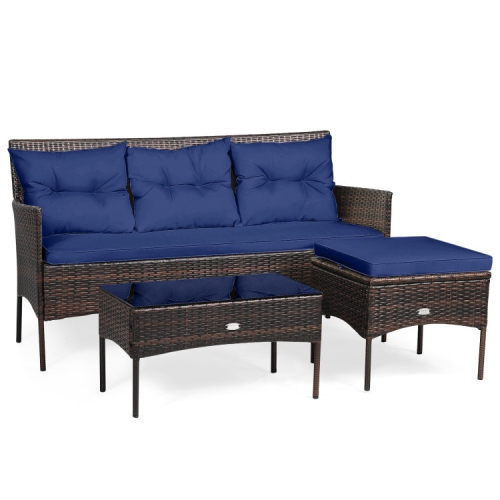
Outdoor Seat and Back Cushions

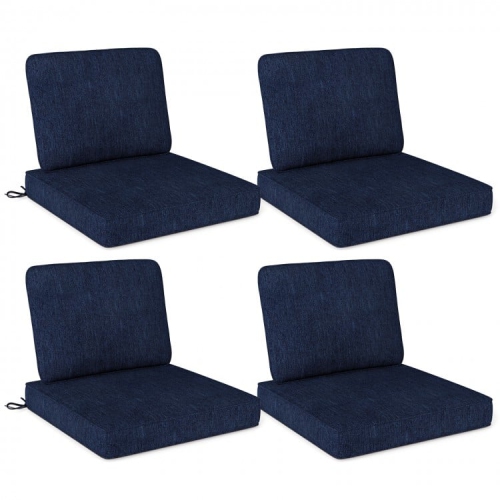
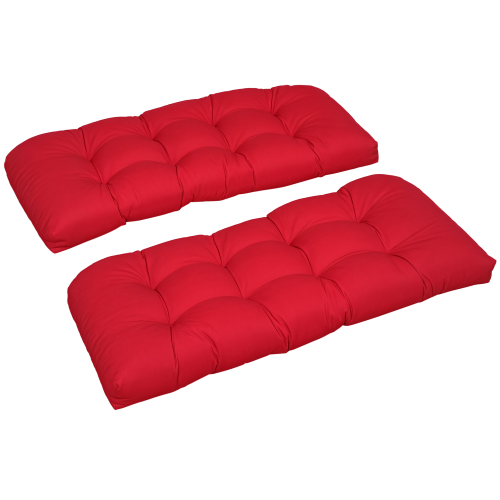
Find outdoor seat and back cushions to refresh your patio seating and add comfort to outdoor chairs and benches. Browse cushions for the seat, backrest, or both, and compare dimensions and care requirements to find options that fit your furniture and upkeep preferences.
Sort

Patio comfort starts with cushions that fit your furniture

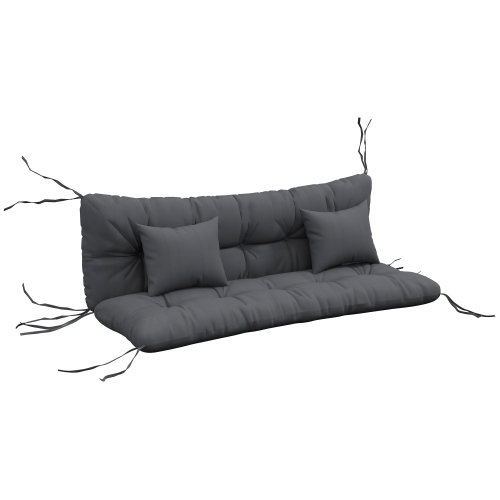
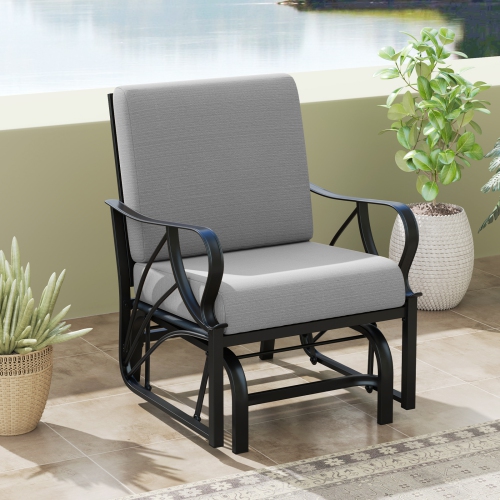
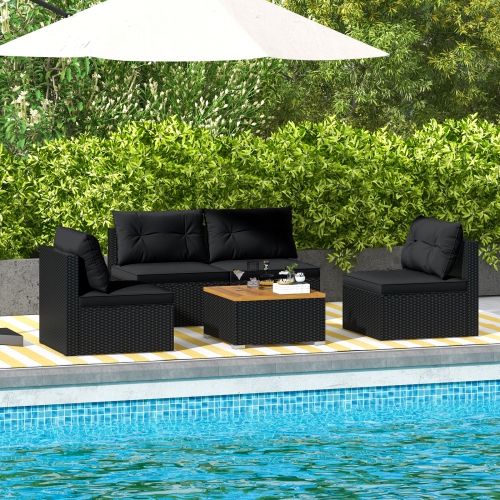
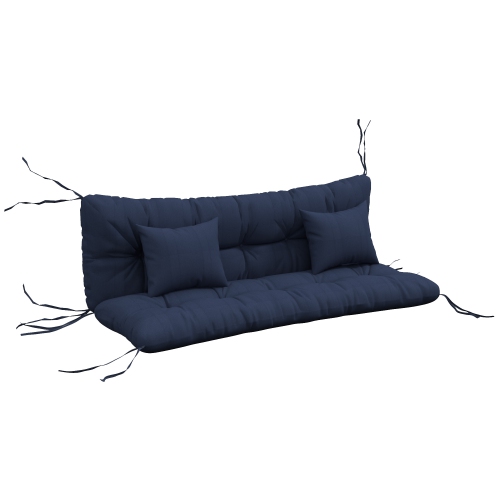
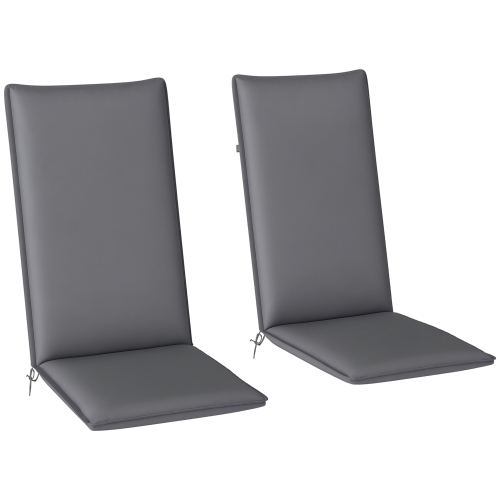
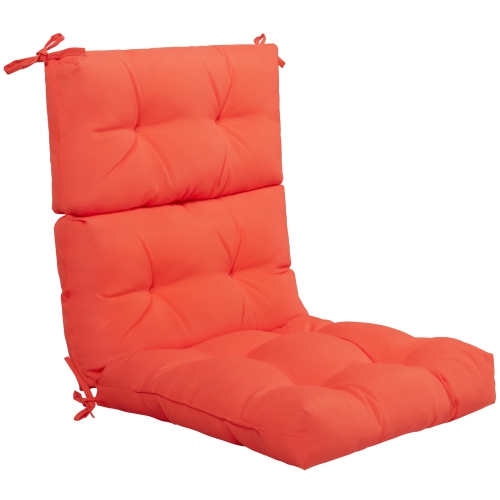
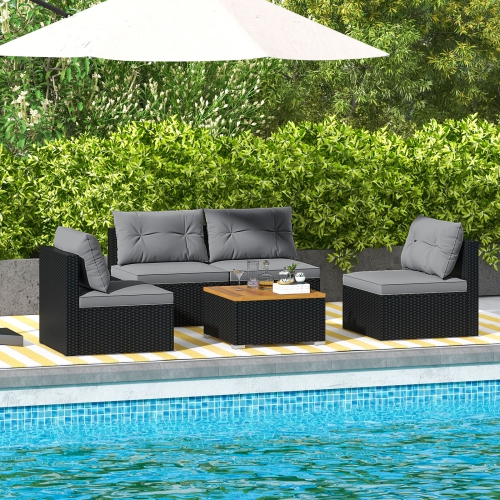
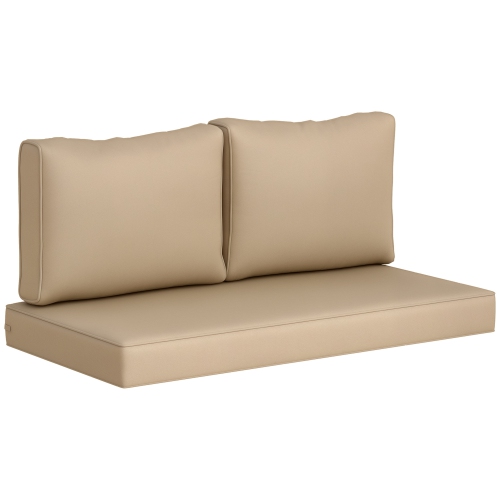
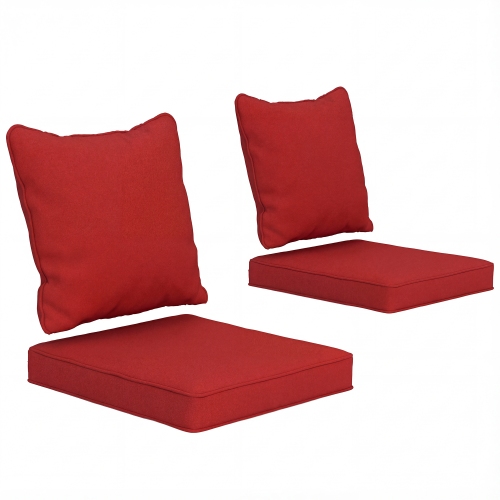
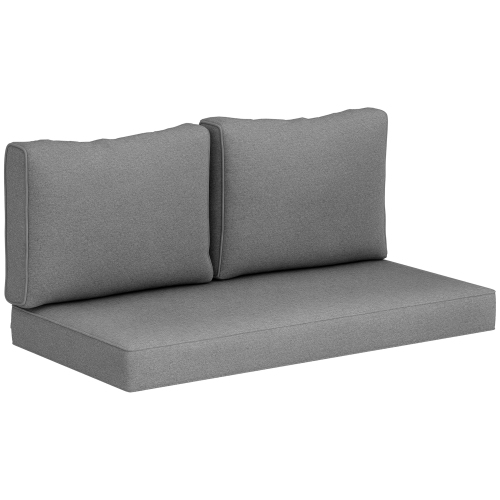
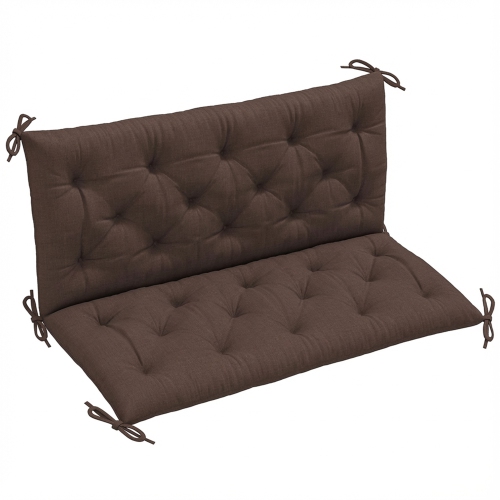
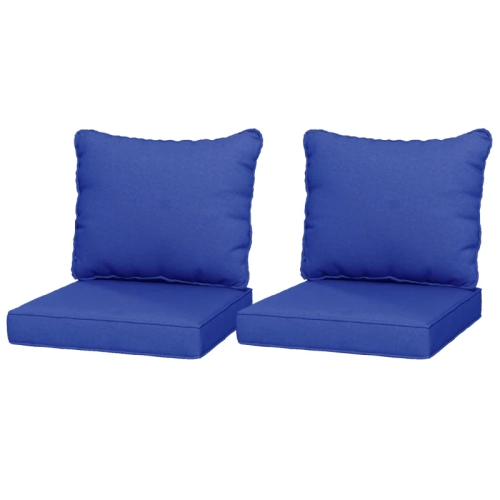
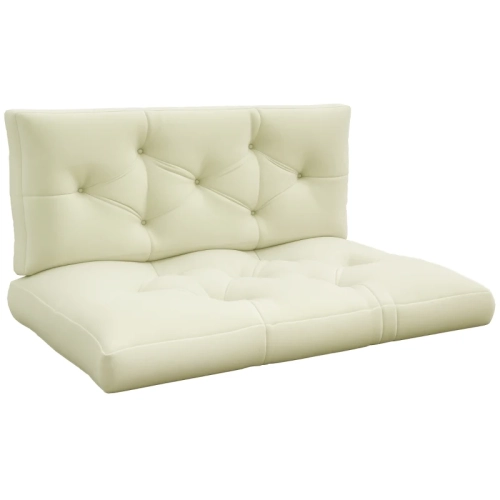
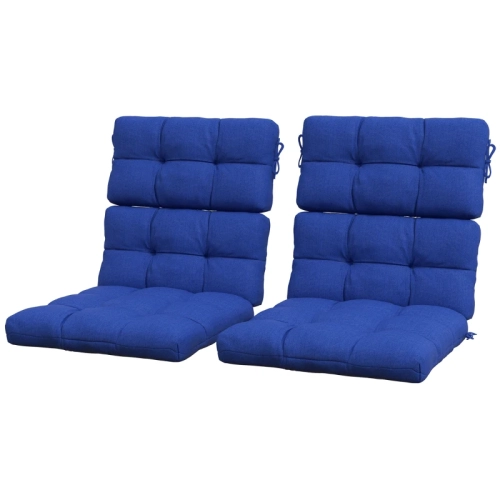
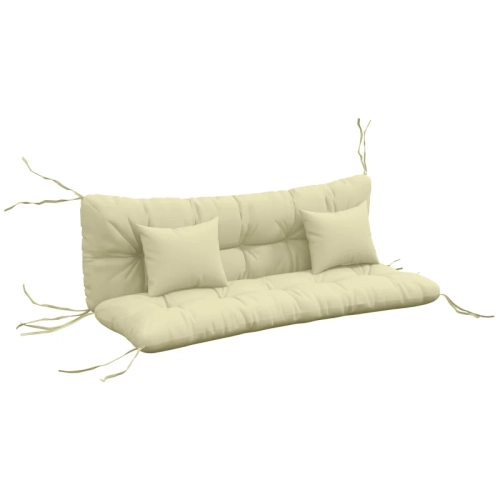
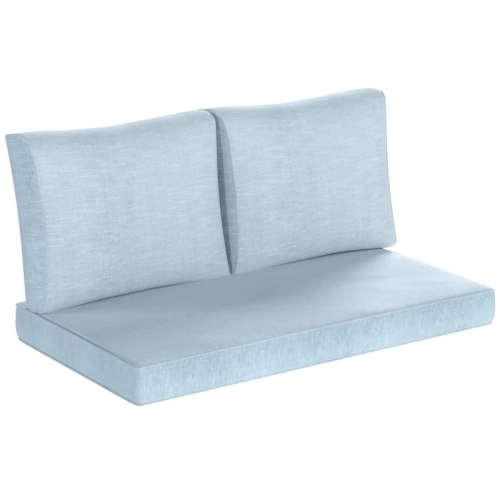
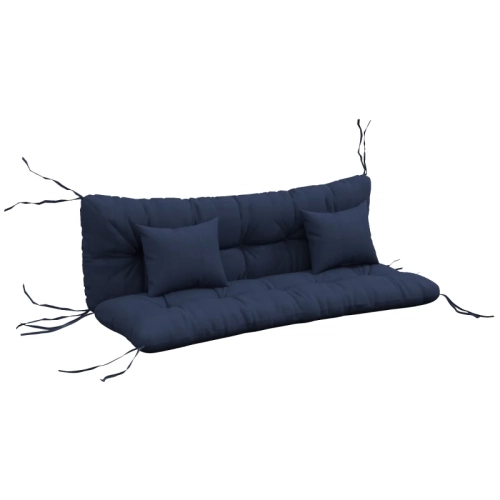
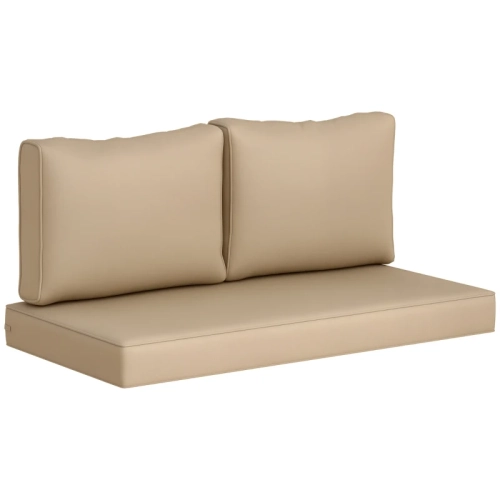
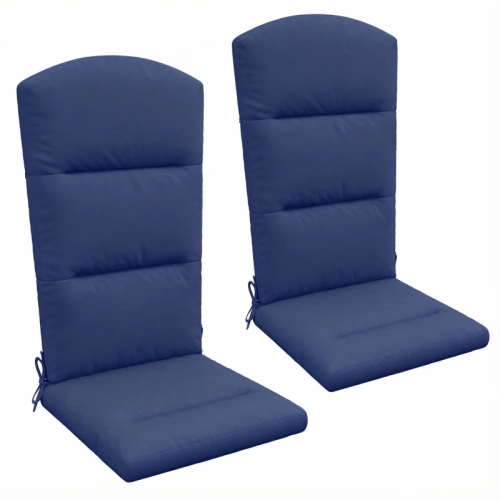
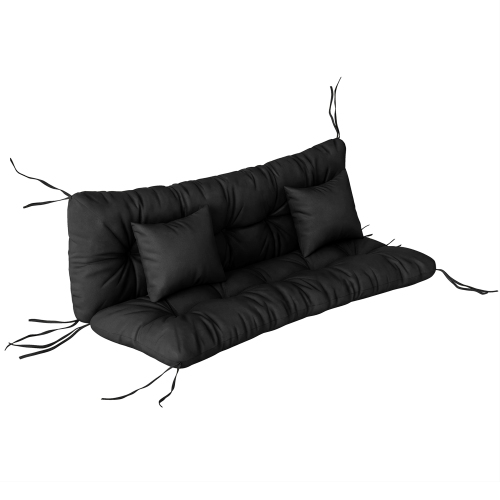
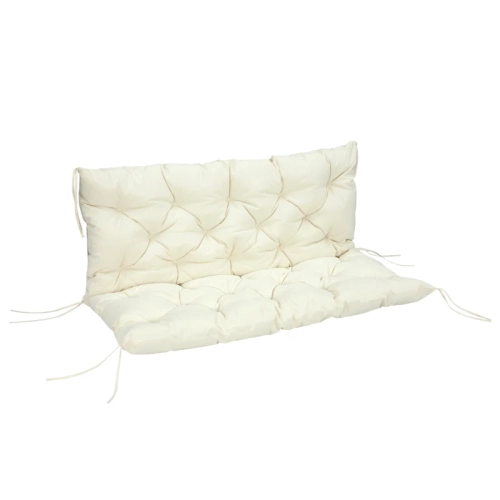
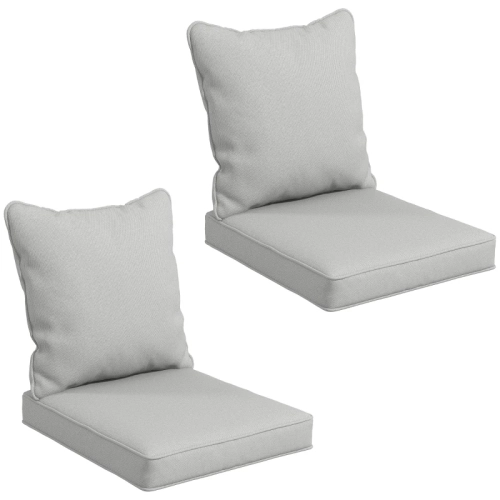
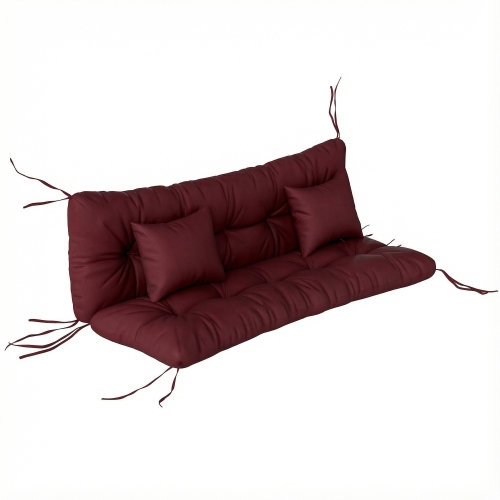
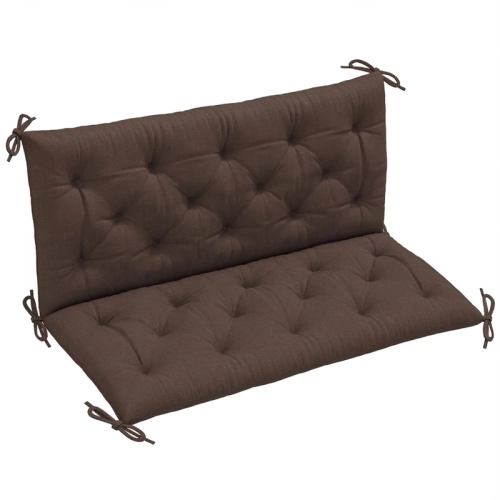
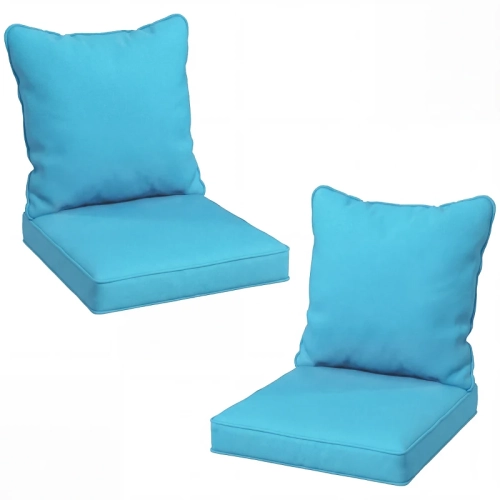
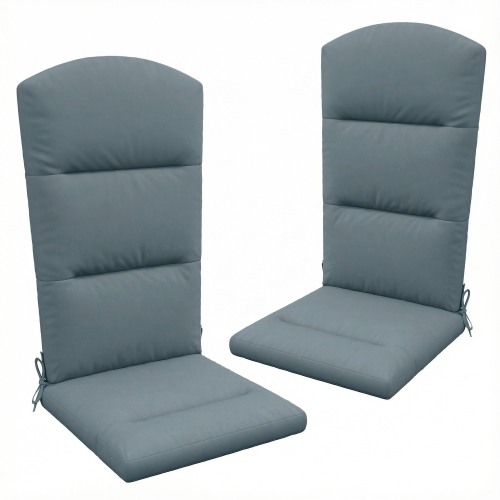
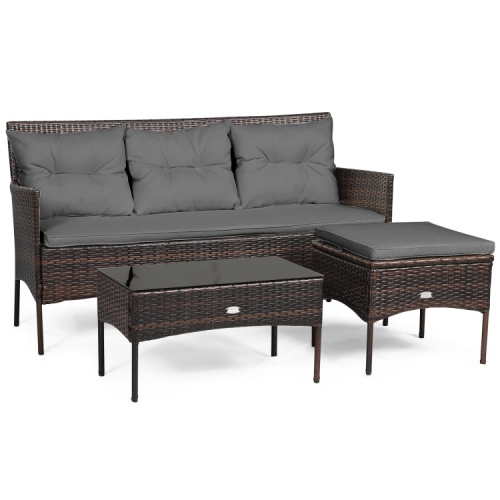
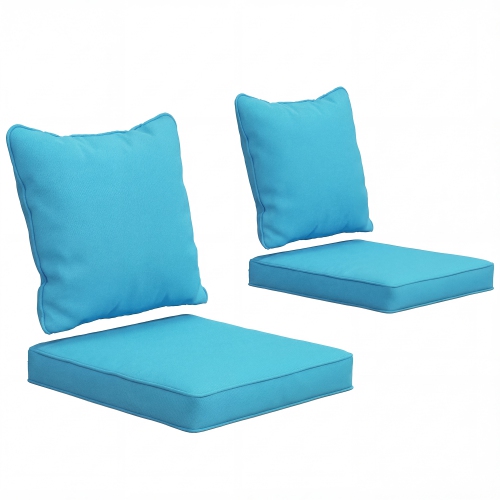
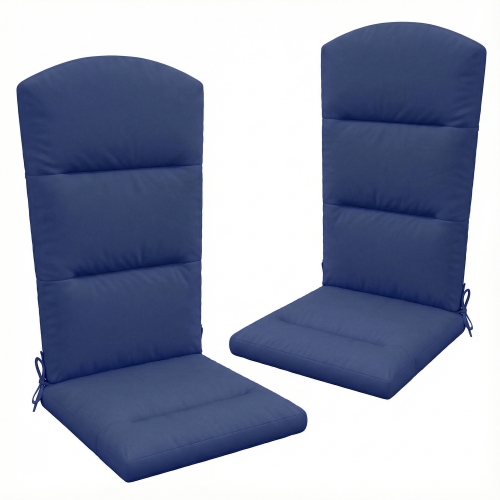
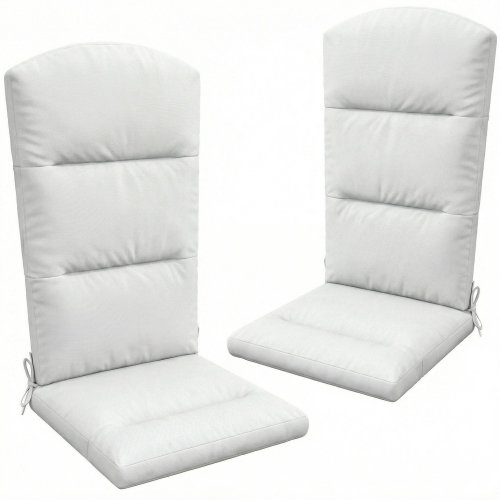
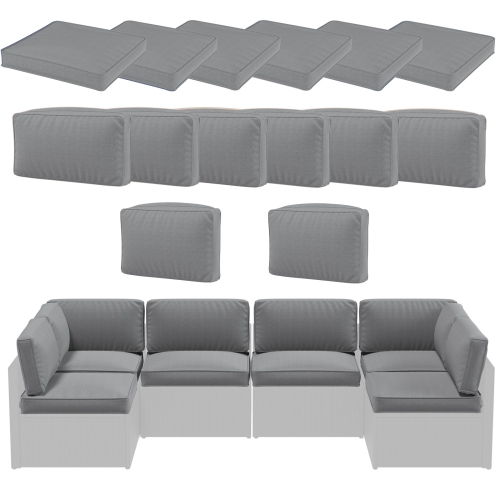
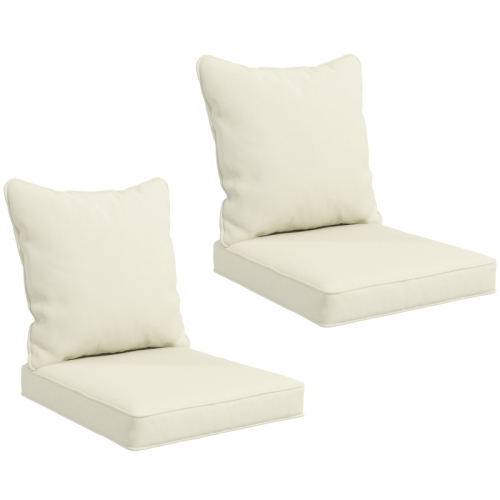
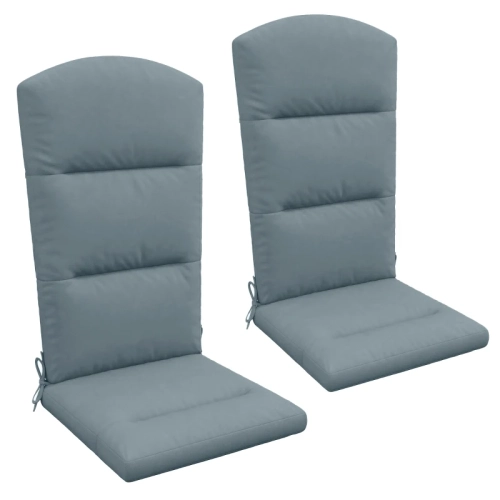
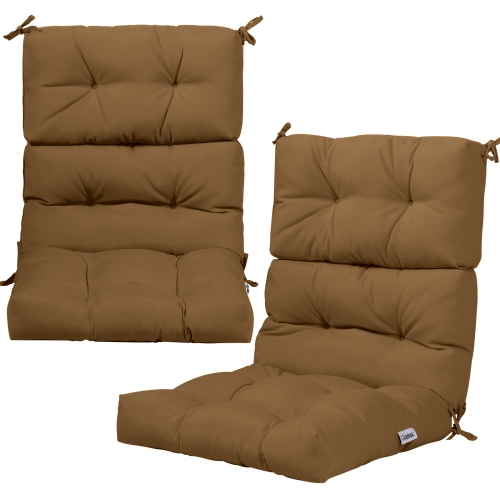
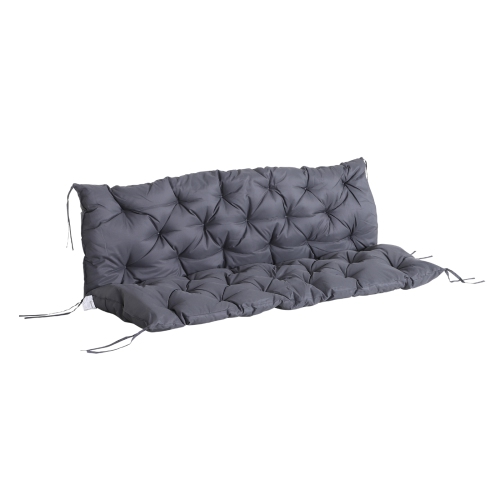
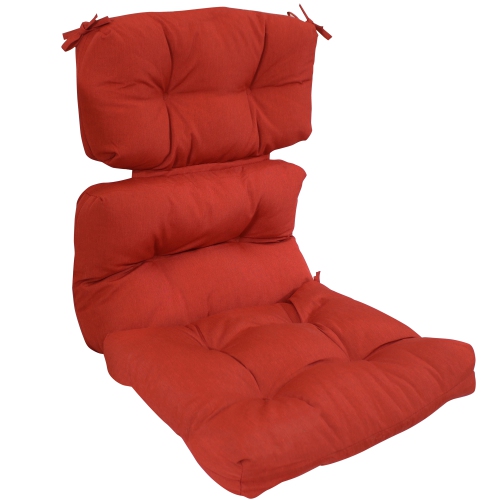
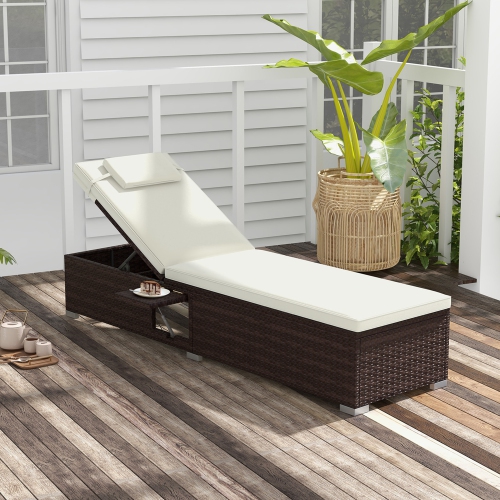
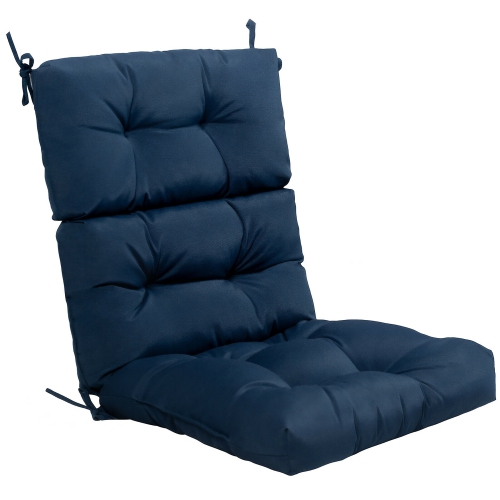
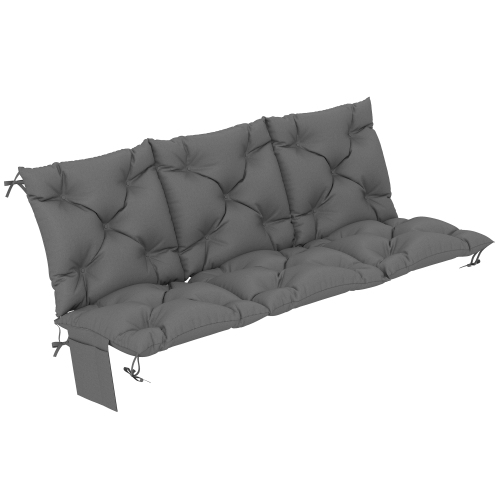
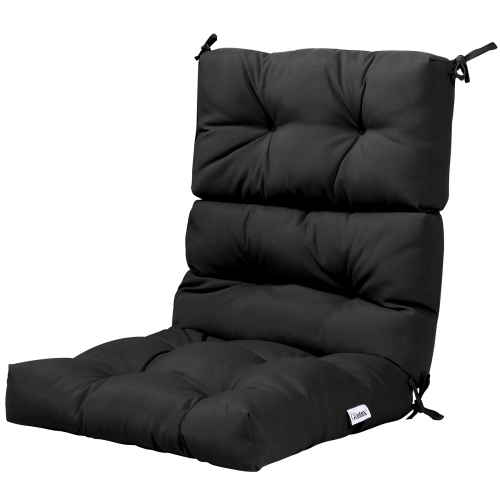
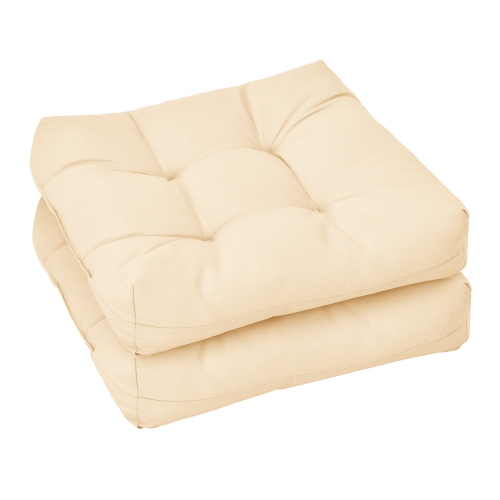
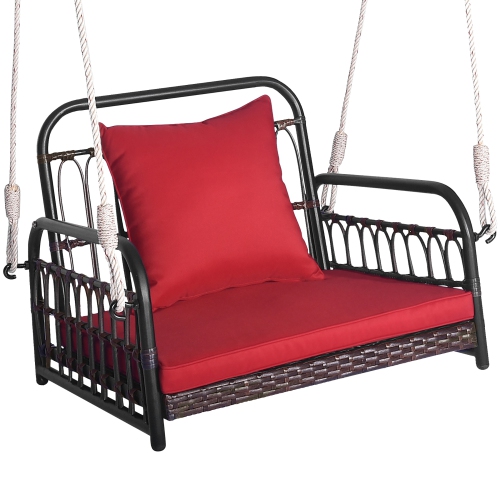
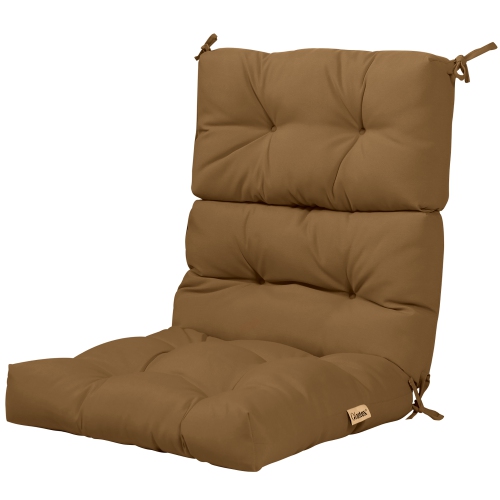
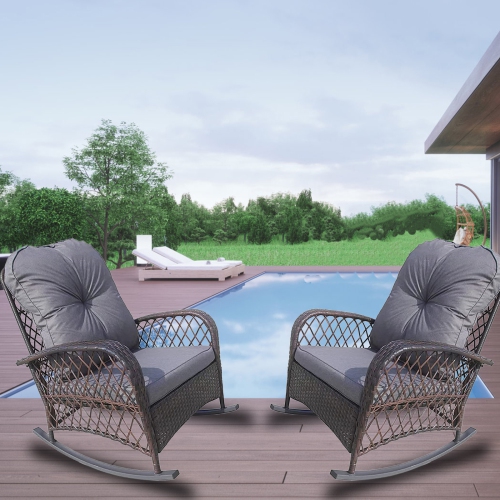
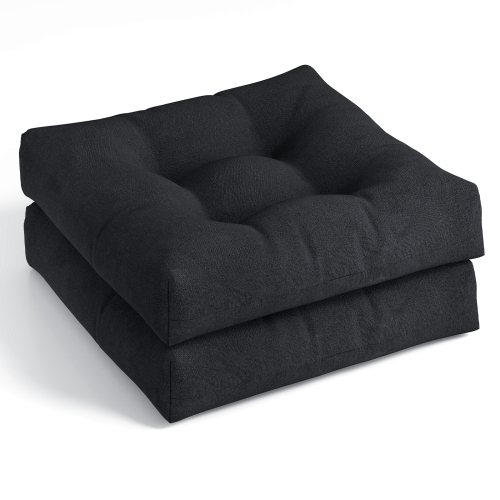
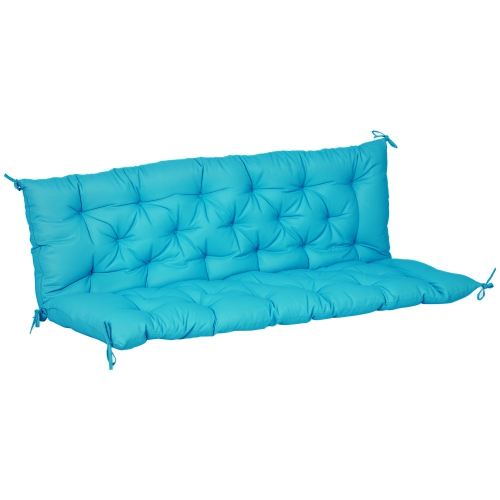
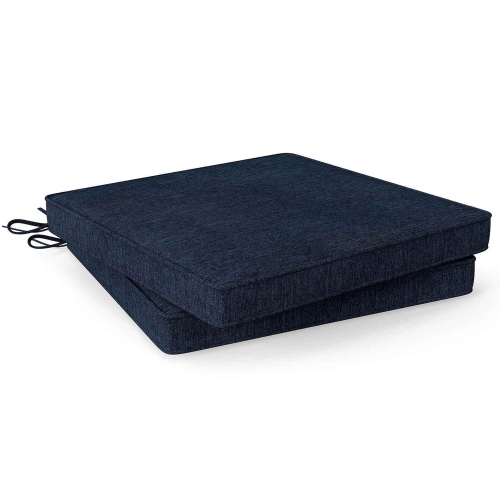
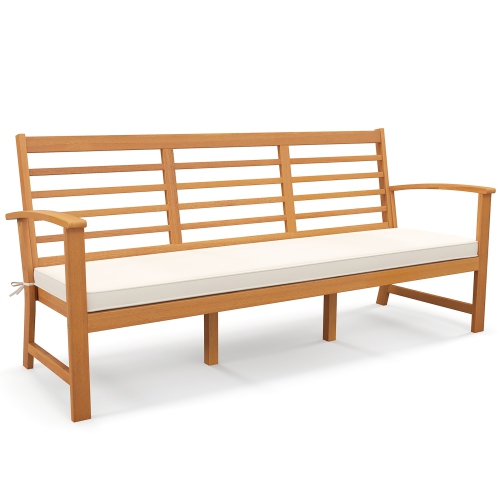
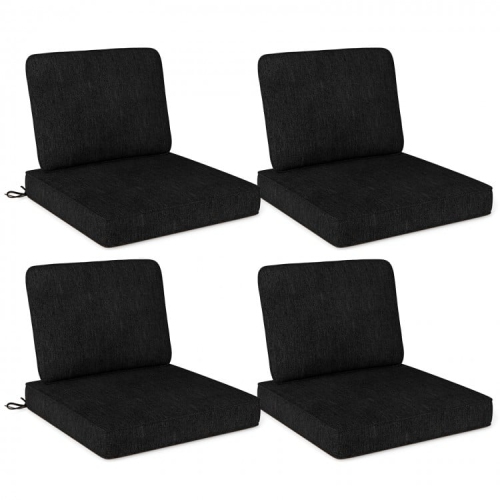
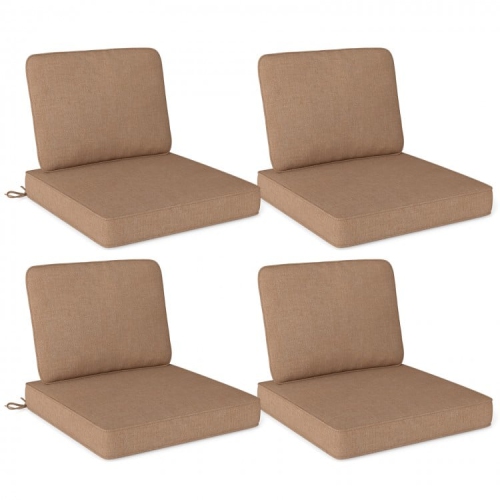
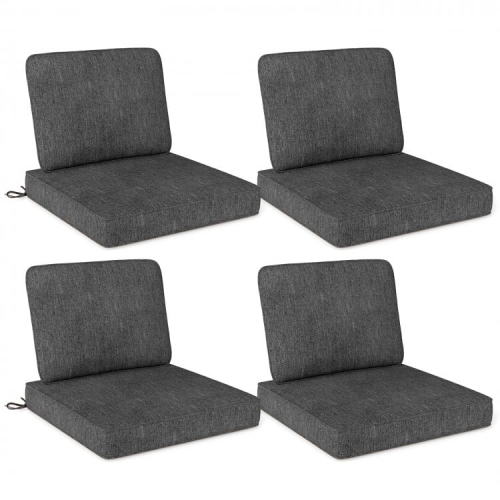
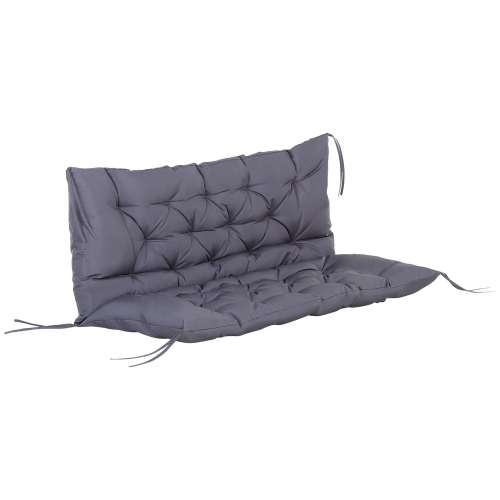
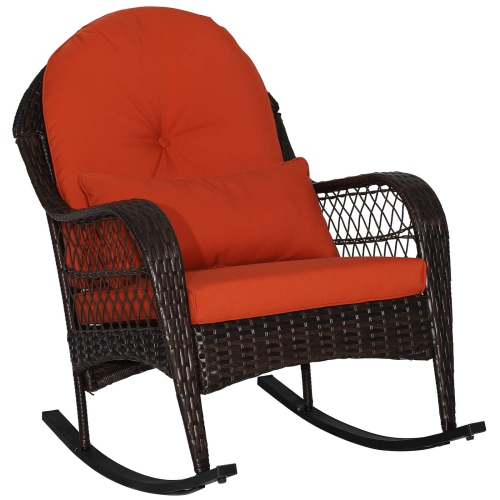
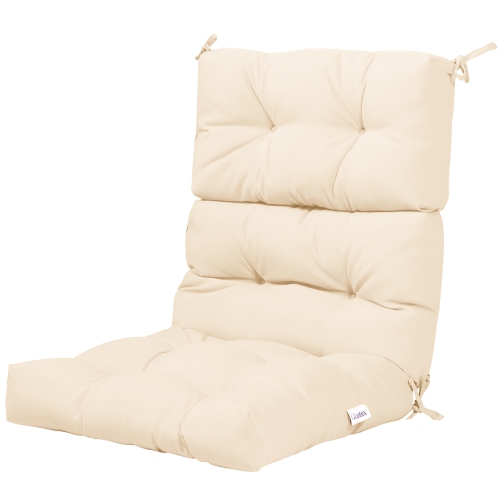
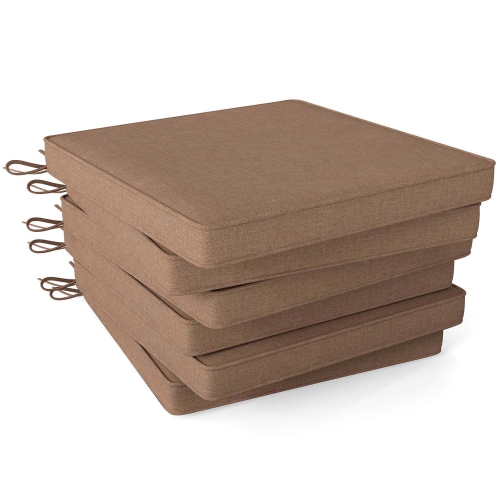
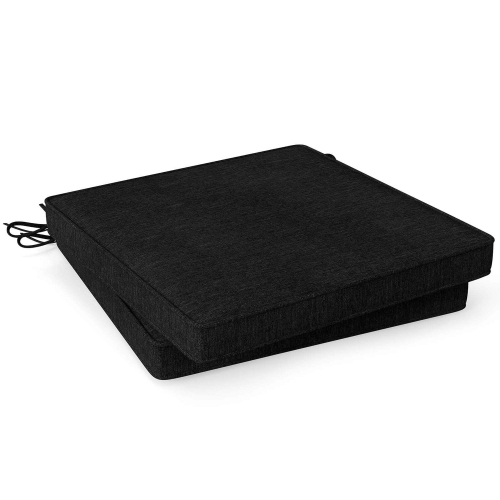
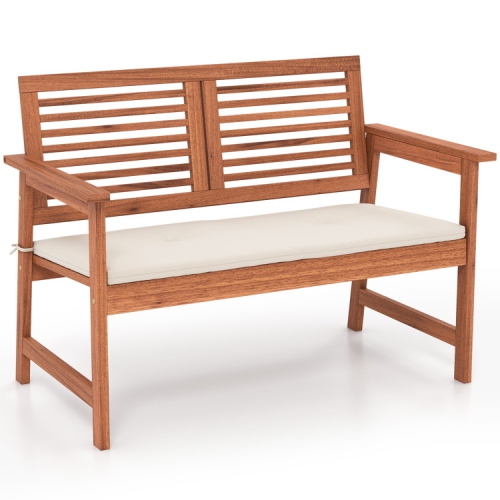
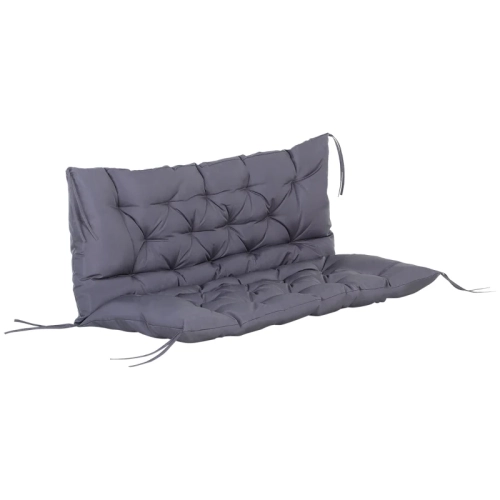
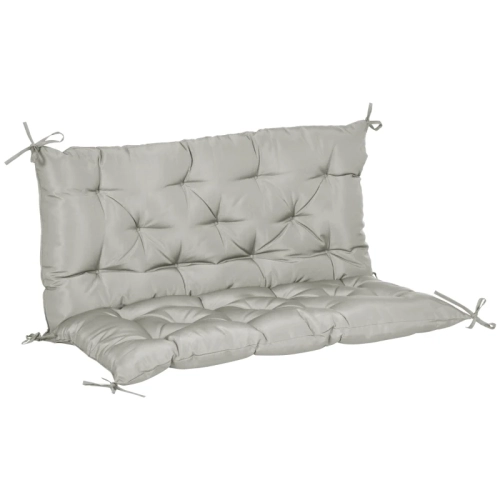
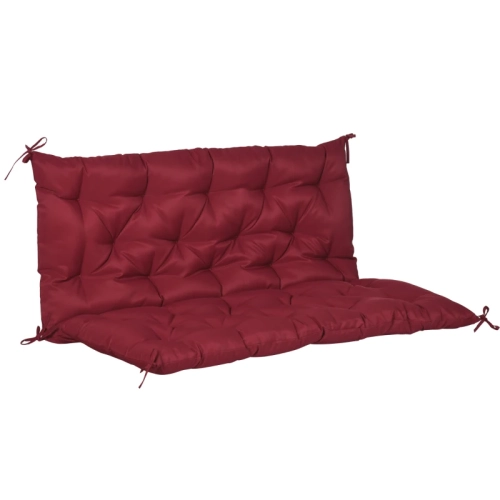
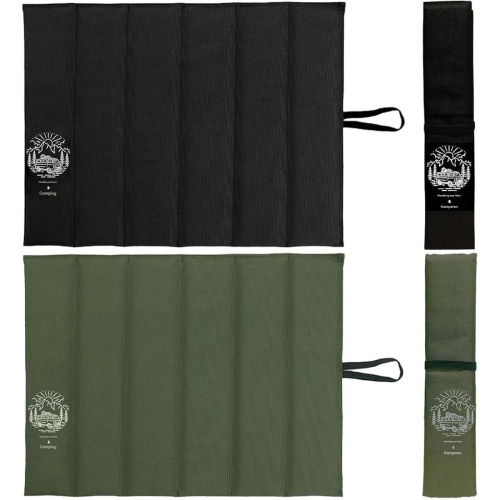
Outdoor seat and back cushions add a softer layer to patio furniture, making a dining chair more welcoming for a lingering meal or giving a deep lounge chair the support needed for an afternoon with a book. Seat cushions provide padding beneath the hips and thighs, while back cushions soften the contact between the body and the chair frame. Together, they can refresh furniture that still has a sound structure but needs more comfortable seating. Their shape matters as much as their appearance: a slim pad suits some outdoor dining chairs, while a deeper armchair may need a substantial seat cushion and a separate, generously filled back. Across the wider category of Outdoor Seating Cushions, a good fit begins with the furniture rather than the dimensions of an old cushion that has flattened or stretched. The usable seat width, front-to-back depth, and back height provide a more reliable reference. Arms, curved frames, and slatted backs can affect how a cushion sits, so matching the outline is important too. Rounded corners may settle more neatly into a curved chair, whereas square cushions usually suit straight-edged seating. Thickness also changes the feel of the chair. A very thick seat pad can raise the sitting position enough to reduce clearance beneath a dining table, and a thick back cushion can leave less room on a shallow seat. For benches and shared seating, the cushion should rest securely on the supporting surface without extending far beyond the edges. Ties, straps, and non-slip backing can help limit movement, depending on the design, though attachment points need to line up with the furniture. These details are especially noticeable when a chair gets frequent use, whether it is a balcony seat for morning coffee, a place at the family patio table, or a lounge chair used for longer stretches of relaxation.
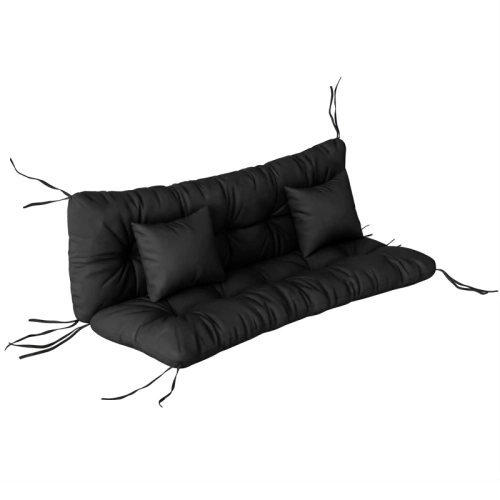
The cover fabric and inner filling determine much of a cushion’s comfort, drying behaviour, and day-to-day durability. Polyester, olefin, and acrylic are common outdoor upholstery materials, but fibre names alone do not tell the whole story. Fabric construction, protective treatments, stitching, and care requirements all influence performance. Water-repellent fabric helps light moisture bead on the surface, while water-resistant construction offers some protection against moisture reaching the interior; neither term automatically means a cushion can remain uncovered through prolonged rain. Seams, zippers, and areas where water collects can still allow moisture inside. Fade-resistant fabrics are designed to retain their colour better under sun exposure, although no fabric should be assumed to resist fading indefinitely. Solution-dyed materials have colour incorporated into the fibres during manufacturing, which can help with colour retention. On an exposed balcony or beside an uncovered dining table, these fabric details may matter more than they would on a sheltered porch. Filling creates another useful distinction. Foam seat cushions generally offer a more structured feel, while loose fibre filling produces a softer, more relaxed shape often used for back support. Layered constructions can combine a supportive core with a softer outer wrap. Thickness alone is not a dependable measure of support: a lofty cushion may compress easily, while a thinner, firmer pad may feel steadier beneath the body. Quick-drying foam or fillings designed to release water can be helpful where occasional rain exposure is likely, but they still need airflow to dry properly. Well-finished seams, secure ties, and a cover that fits without excessive strain contribute to practical durability. Reversible designs can allow wear to be shared between two usable sides, provided both sides are intended for seating. For a chair used at a table, a relatively stable cushion can make sitting and standing feel easier; for reclining and relaxed conversation, a softer back cushion may be more appealing.

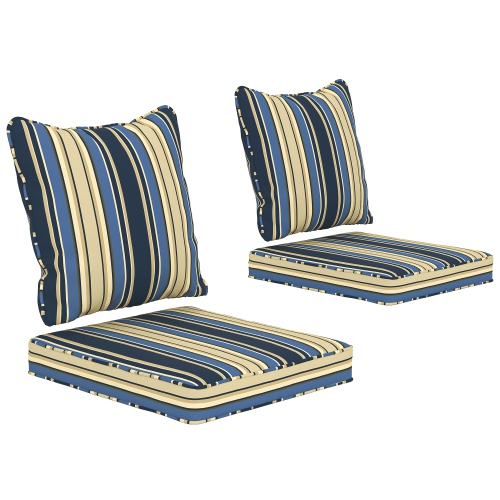
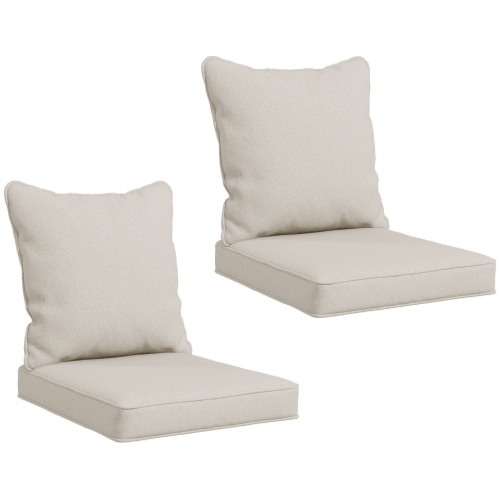
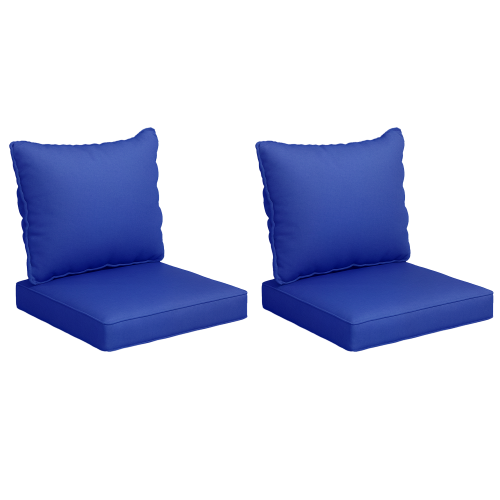
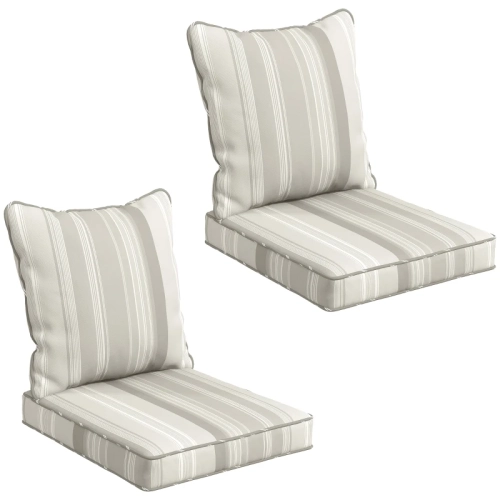
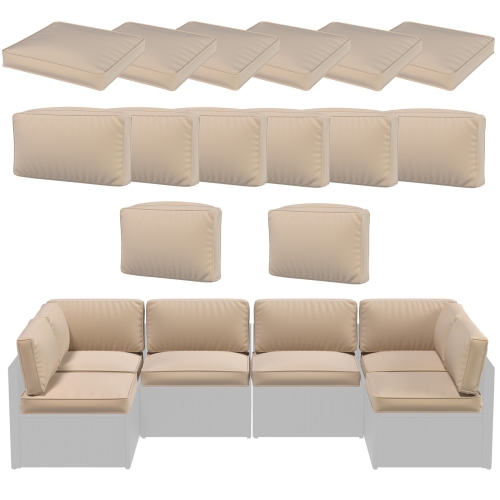
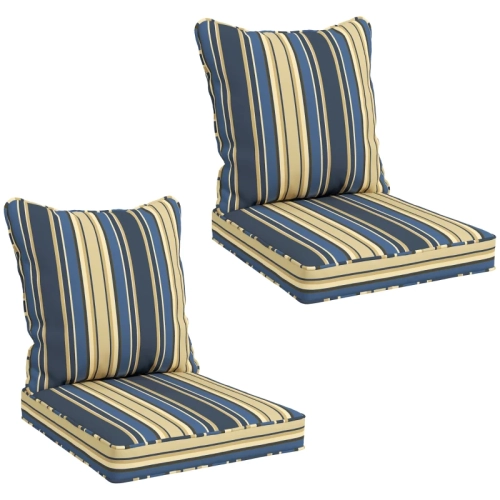
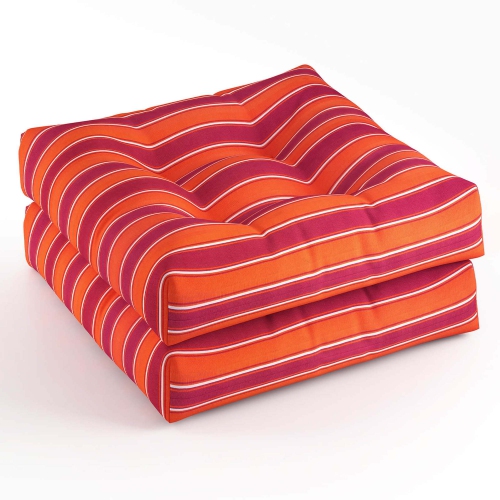
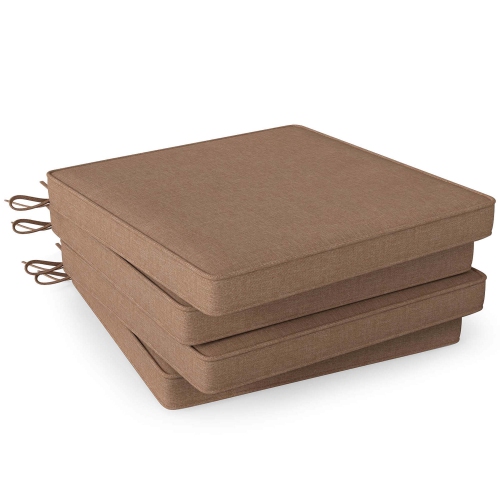
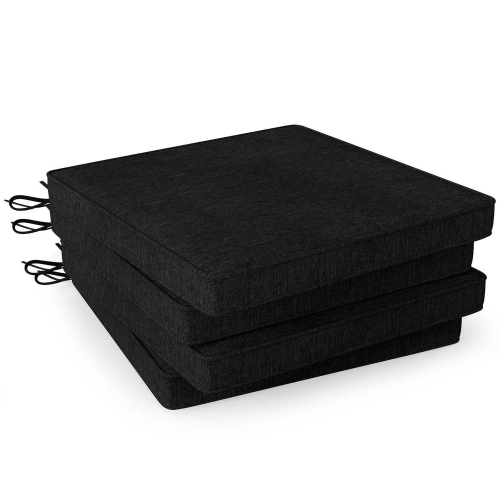
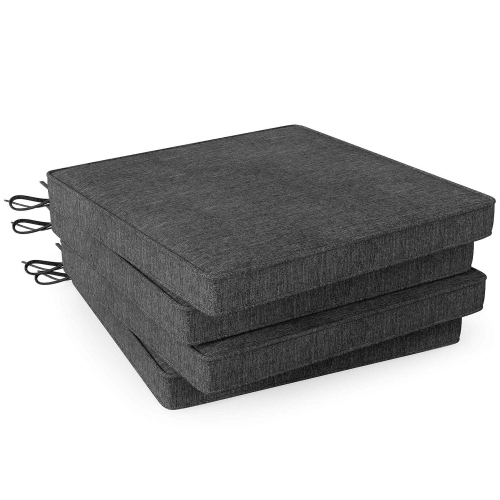
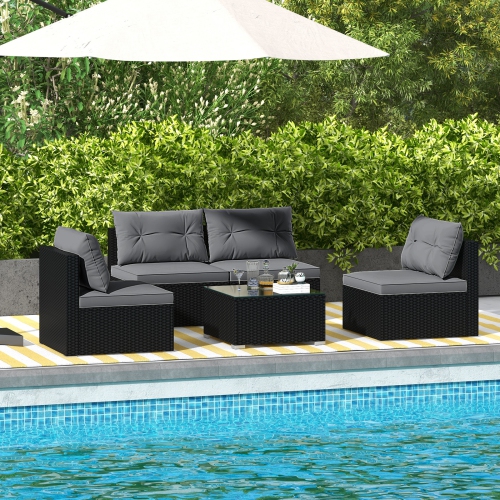
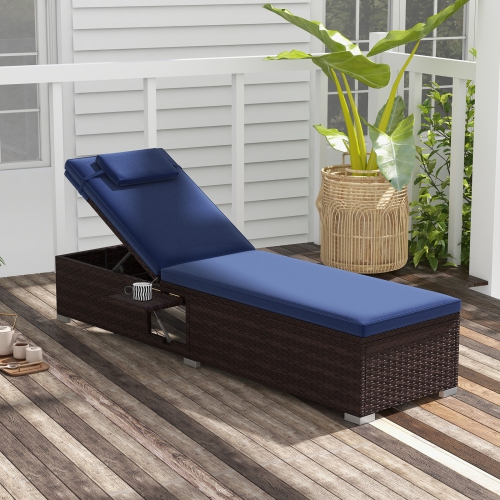
Colour, texture, and pattern give outdoor seat and back cushions a role beyond comfort. A quiet grey or warm beige can soften dark metal frames, while blue, green, or terracotta tones can connect a seating area with nearby planters, paving, or exterior finishes. Stripes and small-scale patterns add interest without needing every cushion to match exactly. In a compact balcony arrangement, repeating one colour across the seat and back can keep the space visually simple; around a larger patio, coordinated solids and patterns can distinguish dining seats from lounge seating while still feeling connected. Surface texture matters in everyday use as well. A pronounced weave can add visual depth, while smoother fabrics may be easier to brush free of crumbs and dry debris. Removable zippered covers can make access for cleaning easier, but a removable cover is not necessarily machine washable. The care label determines whether spot cleaning, handwashing, or machine washing is suitable, and whether the filling needs separate care. Prompt attention to food spills and bird droppings helps prevent stains from settling into the fabric. A soft brush and a mild cleaning solution may be appropriate for some materials, while harsh cleaners or vigorous scrubbing can damage finishes. Cushions should dry fully, including around seams and inside any folds, before they are stacked or stored. Breathable storage in a dry, sheltered space helps limit trapped moisture, and keeping cushions off a damp floor offers further protection. Covers for outdoor furniture can reduce exposure, but they work best when they fit properly and do not hold pooled water against the cushions. For extended periods without use, especially when snow or repeated freezing conditions are expected, storing cushions away from the elements can help preserve their appearance and feel. A coordinated replacement set can also make a thoughtful housewarming gift for someone furnishing a patio, provided the chair measurements and preferred level of firmness are known. The most useful choice balances comfort, a secure fit, manageable care, and a look that suits the space where it will be used.
FAQ

Some products may be subject to Environmental Handling Fees (EHF) depending on your province. Learn more about EHFs.