Outdoor Shade for Pets
Outdoor Shade for Pets provides a comfortable and cool spot for your furry companions to relax outside. Whether you have a playful pup or a curious cat, these shade solutions help create a pleasant environment in your backyard, patio, or garden. Explore a variety of options designed to fit different spaces and pet needs, making outdoor time enjoyable and stress-free for your beloved animals. Keep your pets protected while they lounge, play, or nap with the right outdoor shade setup.
Sort
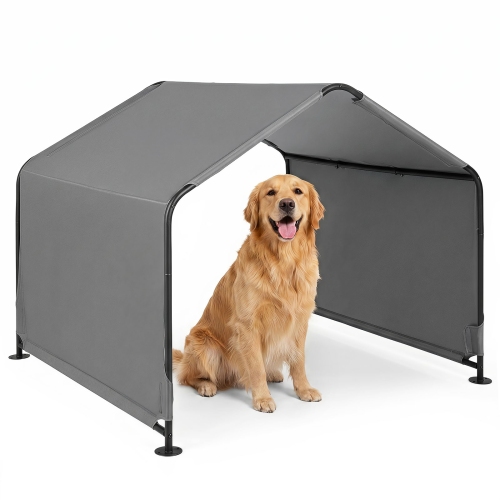
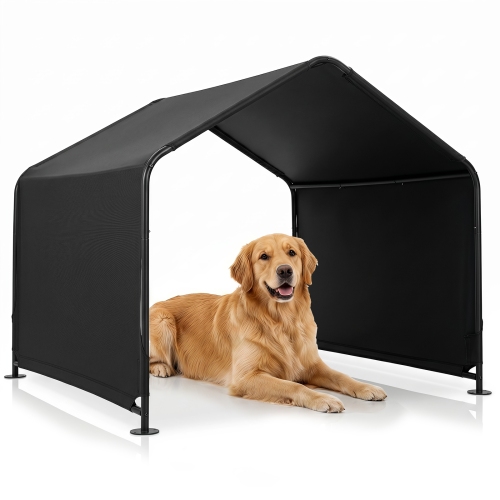

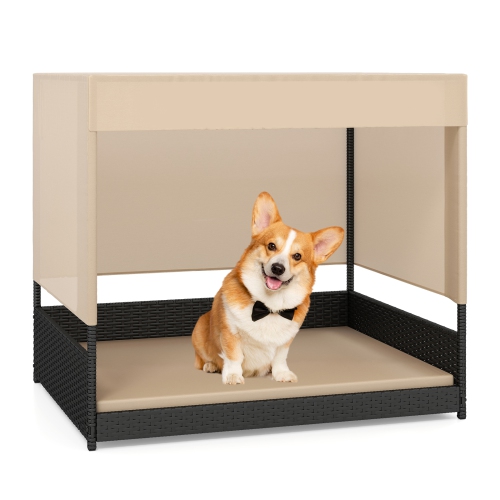
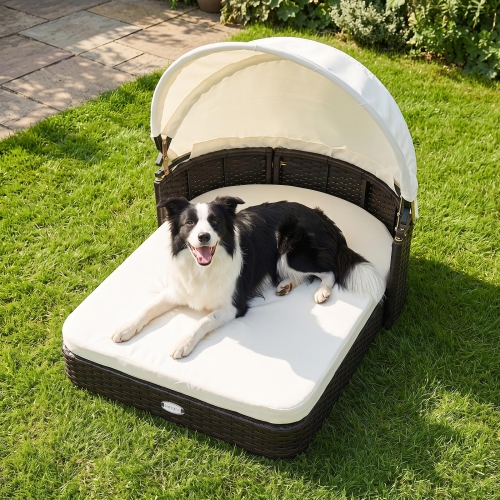
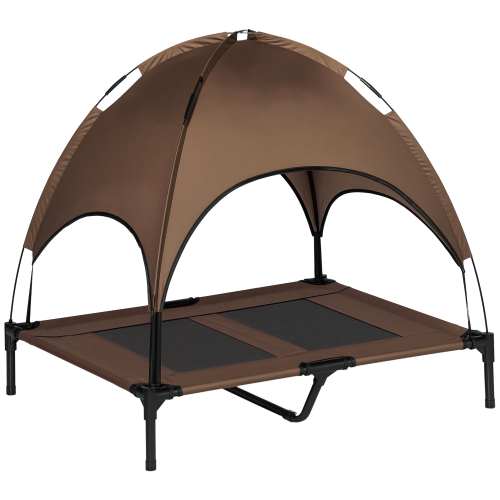
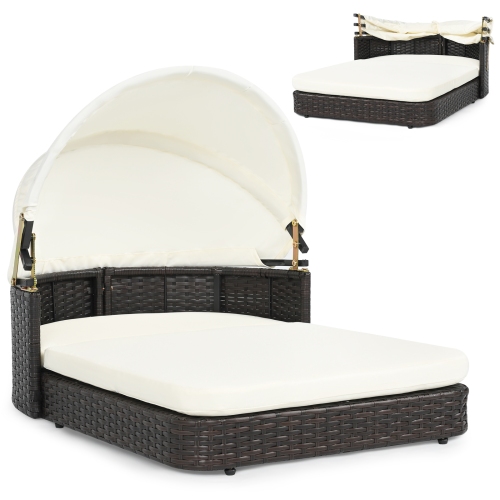
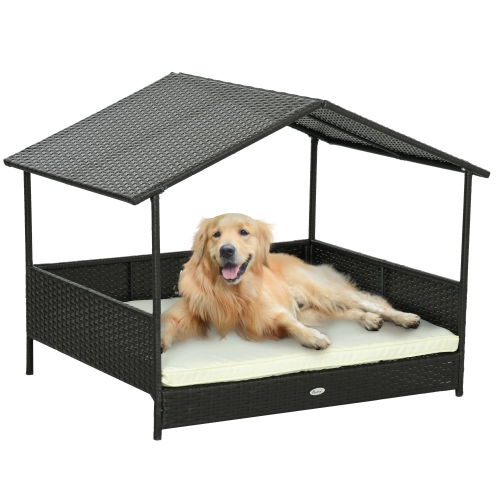
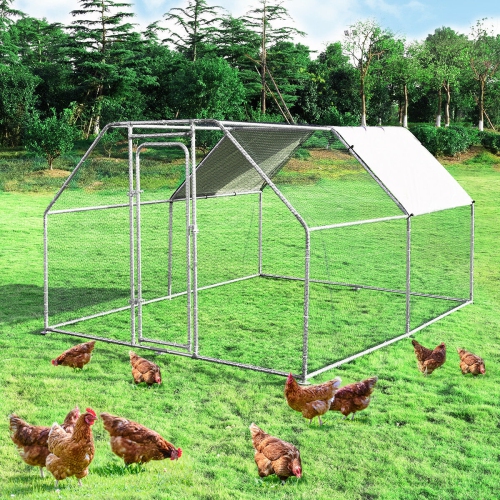


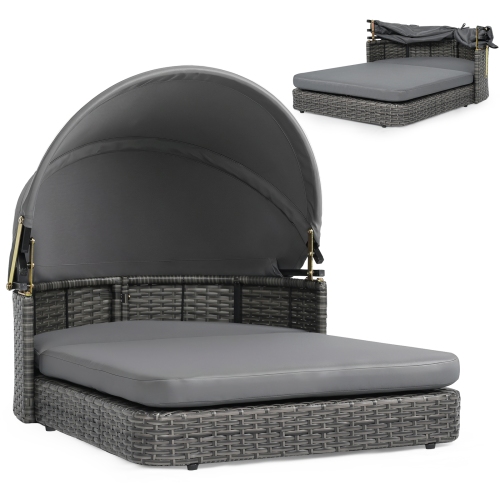
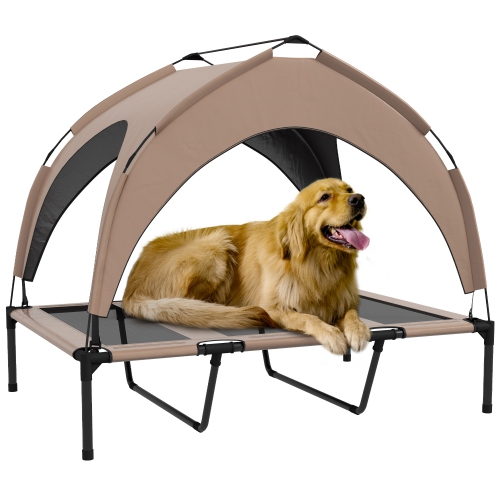

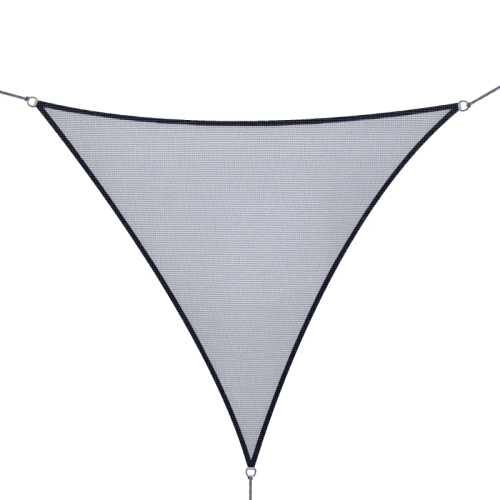
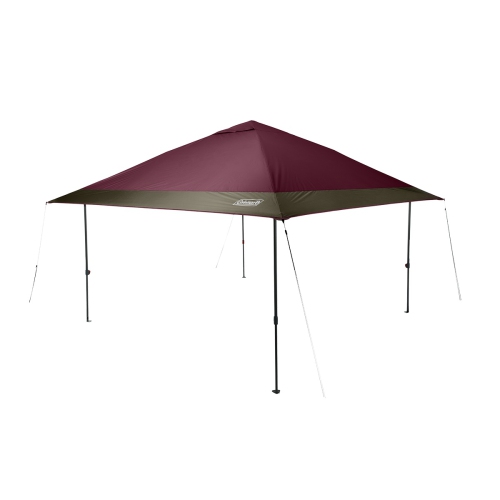
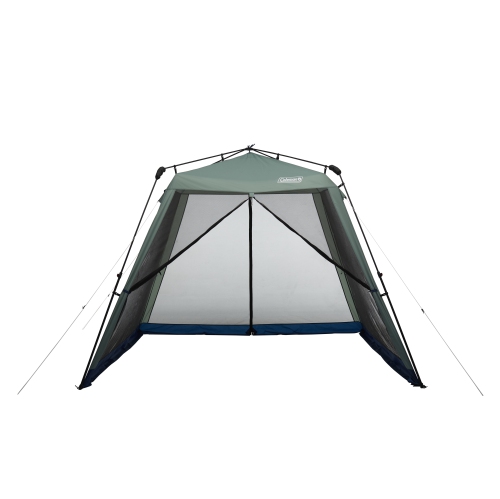


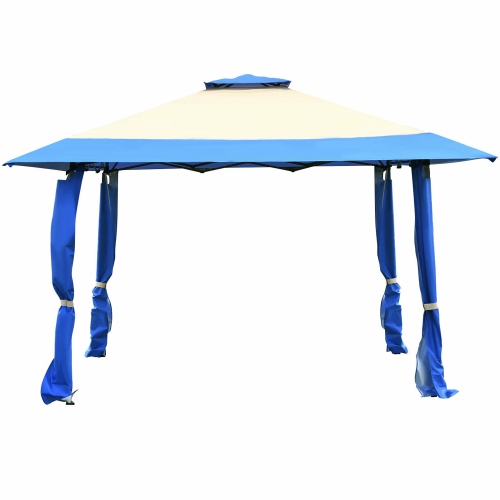
Pet comfort takes more than a patch of shade
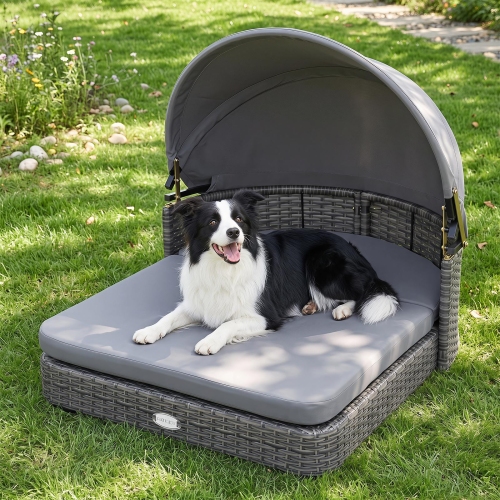
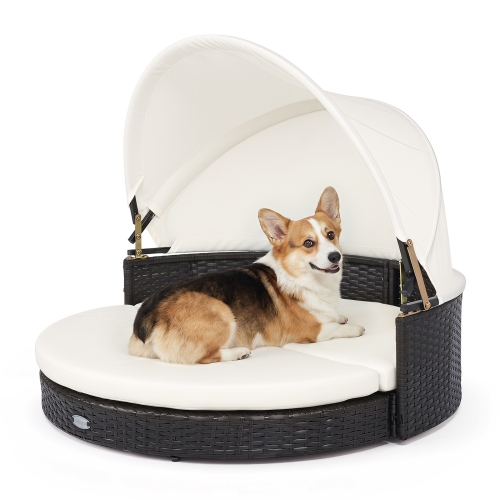
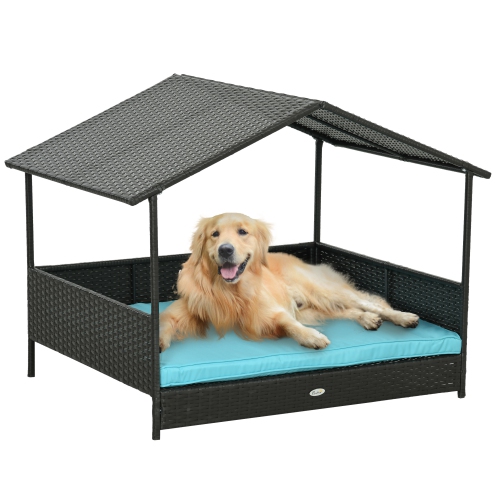
Outdoor shade for pets creates a sheltered resting area that reduces direct sun exposure while allowing air to circulate. Shade can make a patio, backyard, deck, or secure outdoor enclosure more comfortable for a dog or cat, but it does not replace fresh drinking water, supervision, or access to a cooler indoor space. Effective shade combines sufficient coverage, breathable construction, and a stable structure suited to its location. A small patch of shadow may cover a curled-up cat yet leave a large dog’s head or paws exposed when stretched out. The useful shaded area also moves as the sun changes position, so the dimensions of the fabric alone do not tell the whole story. Coverage matters most where a pet actually rests, whether that is beside a patio chair, inside an enclosed run, or on a raised bed near the back door. An open-sided canopy allows generous airflow and room to move, while a more enclosed shelter may offer additional privacy for an animal that prefers a quiet retreat. Enclosed designs still need adequate ventilation; a roof and walls can trap heat if air cannot pass through. For cats, shade belongs within a secure outdoor setup rather than serving as a substitute for an enclosure. For dogs, a shaded resting spot should remain clear of gates, busy walkways, and places where leads could become tangled. Puppies, older animals, flat-faced breeds, and pets with health conditions may need particularly careful supervision outdoors. Shade is helpful, but a shaded space can still become too hot for safe use. A comfortable arrangement gives an animal room to change position, move away from a warm surface, and reach water without leaving the protected area. Keeping the space within easy sight of a seating area also makes it easier to notice when a pet needs a break indoors.
Materials affect how outdoor pet shade feels, how it handles exposure, and how much upkeep it needs. Woven shade mesh allows air to pass through and can reduce direct sunlight without creating a solid overhead barrier. Denser polyester or other outdoor fabrics may provide more continuous coverage, although breathability, UV protection, and water resistance depend on the fabric’s construction and treatment. A documented UV rating provides a more useful indication of protection than colour or thickness alone. Water-resistant fabric may shed a brief shower, but that does not necessarily make a shelter waterproof or suitable for heavy rain. Mesh usually lets water through, and even a solid cover can collect water if its shape or tension does not allow drainage. Frames made from coated steel or aluminium offer different balances of weight, portability, and resistance to rust. Smooth joints, covered fasteners, and neatly finished edges matter around pets that rub against furniture or investigate corners with their noses. A low entrance can suit a smaller animal or one with limited mobility, while a taller opening gives a large dog space to enter without crouching. Where shade is attached to a raised resting surface, the weight capacity and usable bed area matter as much as the canopy size. A pet should be able to lie naturally without pressing against supports or hanging over the edge. For shared outdoor spaces, Outdoor Shades can provide broader coverage over a pet’s resting area and nearby seating, provided the placement preserves airflow and leaves a clear route indoors. Freestanding structures need a level surface and an anchoring method appropriate to the base and location. Fabric fixed overhead needs secure attachment points capable of handling the tension. Loose cords, trailing straps, and accessible ties can invite chewing or entanglement, so their placement deserves attention in any area used by animals.
Everyday use often determines which style of pet shade feels practical. A portable, folding design can suit supervised visits to a campsite or a family member’s yard, where a familiar resting space helps a pet settle beside its owner. For a permanent backyard corner, durable fabric, replaceable components, and a frame that tolerates repeated cleaning may matter more than compact packing. On a small patio, the footprint of the supports can be just as important as the overhead coverage, especially when people need room to pass without stepping around a sleeping dog. Balcony use calls for particular care with building rules, secure positioning, and keeping furniture or shelters away from railings that an animal could climb. Wind can lift a lightweight cover or turn a broad canopy into a sail, so shade structures need to be used within their stated limits and taken down when conditions exceed them. No canopy should be treated as protection from severe weather. Beneath the cover, paving, decking, and artificial surfaces may retain heat even after direct sunlight has moved away; the surface itself needs checking before a pet settles there. Care is generally easier when fabric can be removed for cleaning and frame connections are accessible for inspection. Pet hair, dust, muddy paw marks, and spilled water are ordinary parts of use, making washable surfaces and clear care instructions valuable. Fabric should dry fully before folding or storage to help prevent mildew and odours. Tears, worn seams, loose fittings, and damaged coatings can affect stability or coverage and deserve attention before further use. Chewers need supervision around fabric edges and exposed supports, and shade furniture should never double as a tethering point unless expressly designed for that purpose. For a household with several pets, enough covered space to rest apart can prevent crowding around a single comfortable spot. The most useful outdoor shade fits the animal’s size and habits, suits the setting, and remains straightforward to clean, secure, and supervise.
Top selling and popular products
-
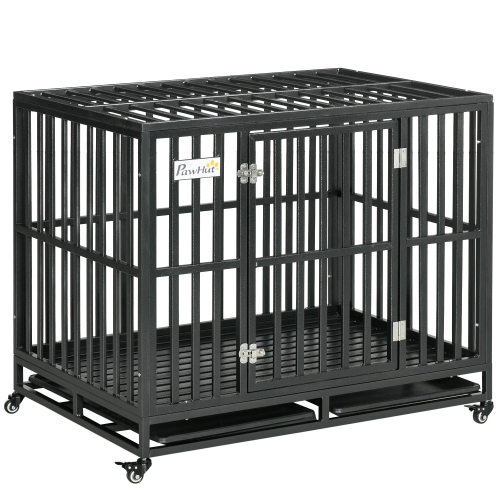 Your price for this item is $229.99
-
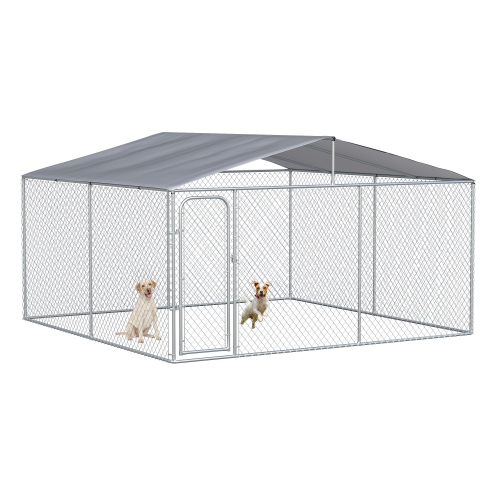 Your price for this item is $509.99
-
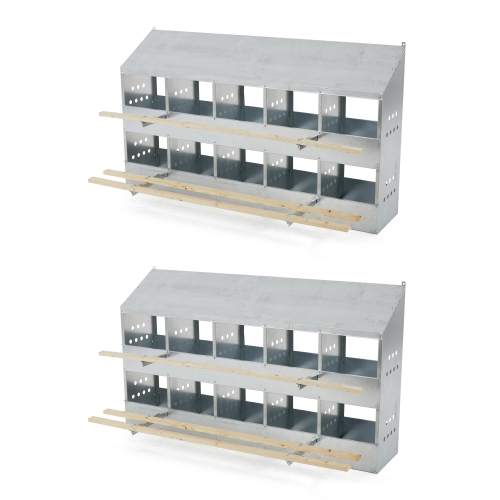 Your price for this item is $1908.99
-
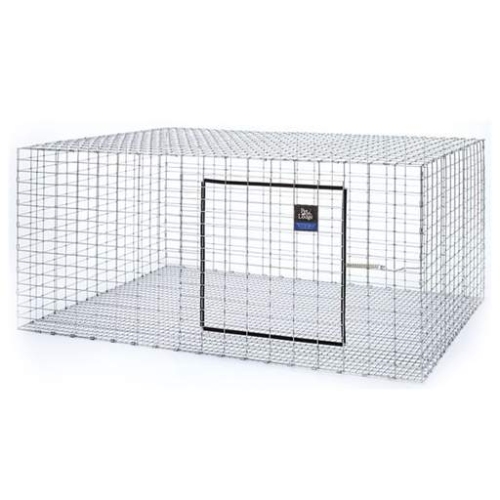 Your price for this item is $347.99
-
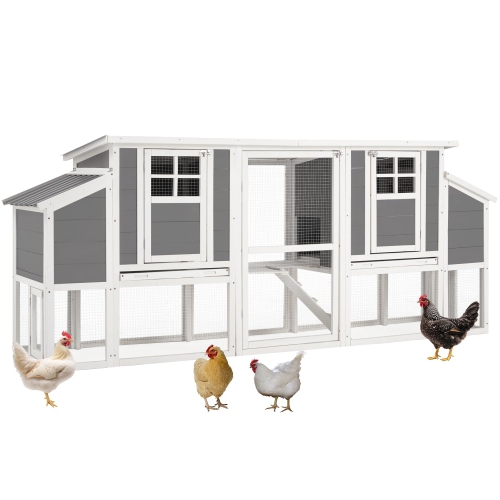 Your price for this item is $379.99
-
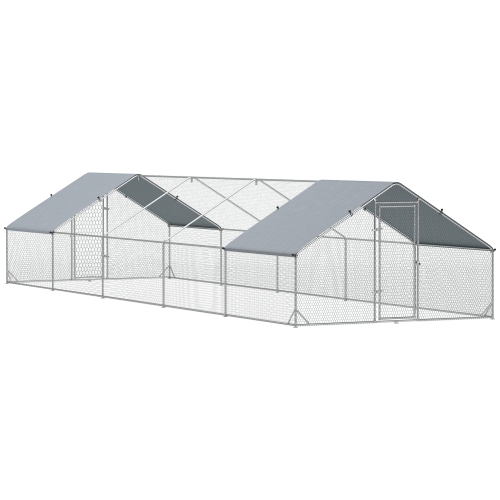 Your price for this item is $479.99
-
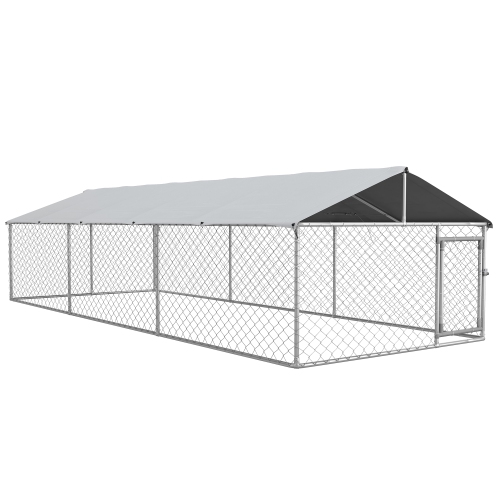 Your price for this item is $499.99
-
 Your price for this item is $169.99
Discover more categories related to Outdoor Shade for Pets


Top Collections:
Best Black Friday Deals This Year, Best Black Friday Deals On Electronics, Kindle Devices, Pokemon Centers, Best Black Friday Deals On Apple Products, Best Cameras for Sports Photography, Dyson Airwrap, Pokémon 30th Celebration Cards, Apple iPhone 17 Pro, Canon G7X Cameras
Some products may be subject to Environmental Handling Fees
(EHF) depending on your province.
Learn more about EHFs.