Outdoor Solar Lights
Outdoor solar lights are a great way to add light and beauty to your outdoor space. These lights can be used to light pathways, driveways, decks, and gardens. They are powered by the sun, so they require no wiring or electricity. Here are some great options available.
Sort

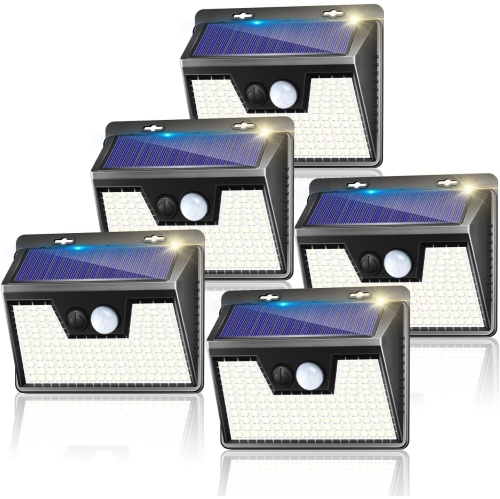


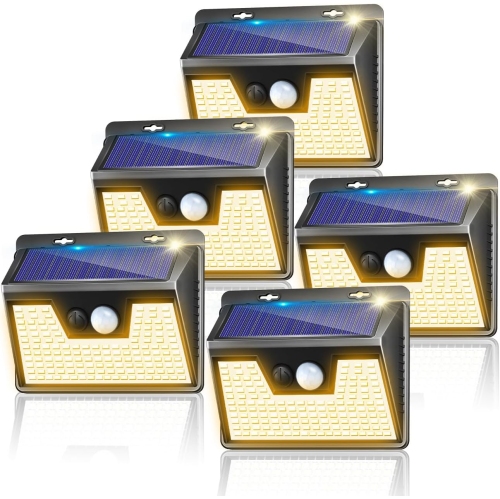
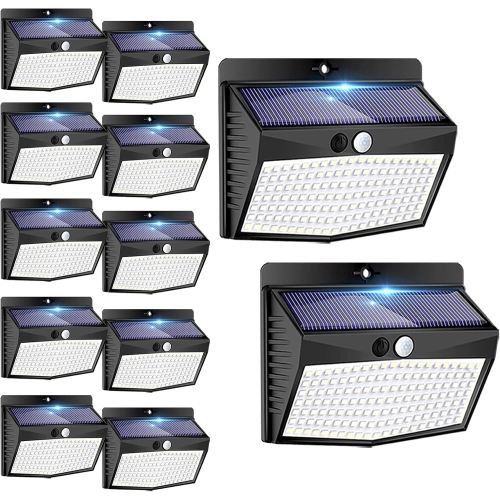
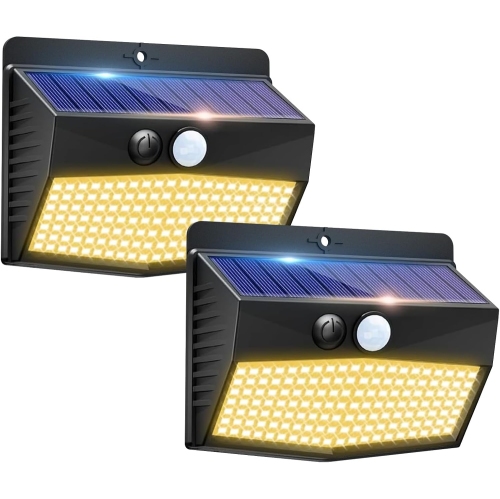
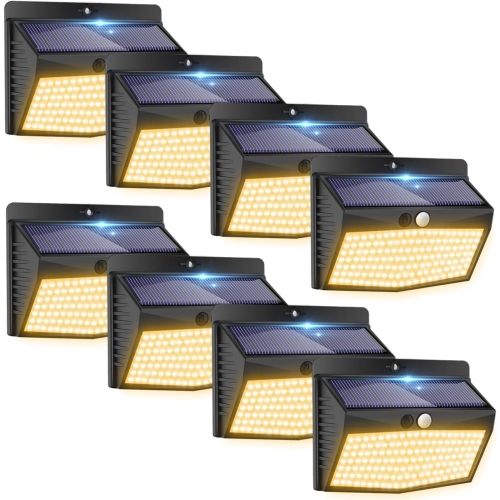

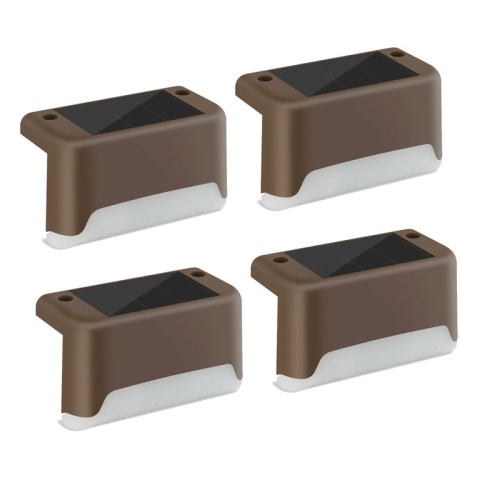
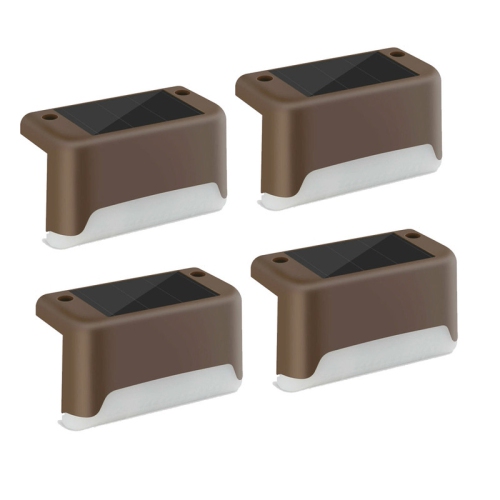
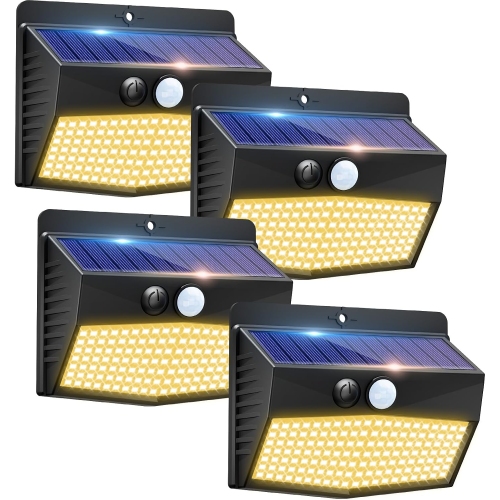
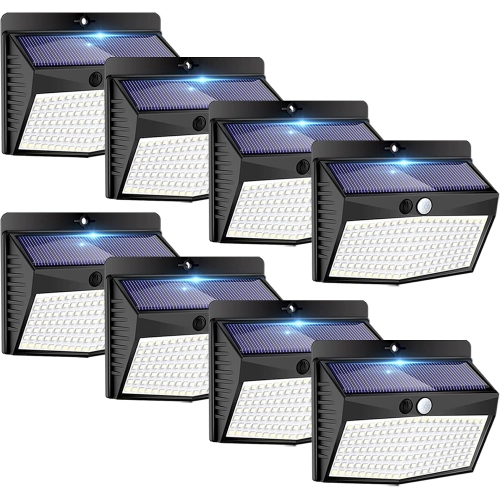
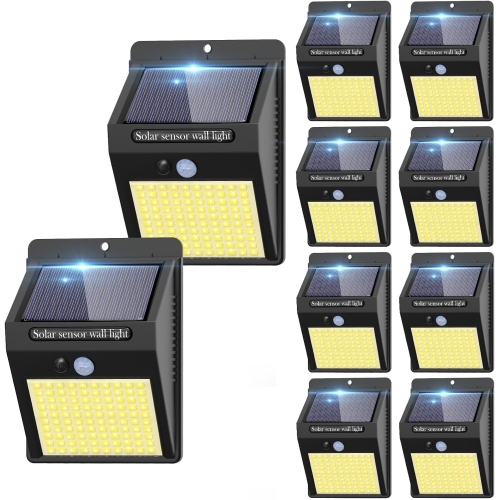
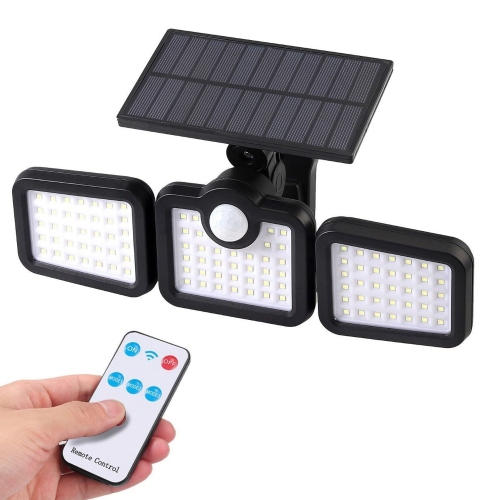
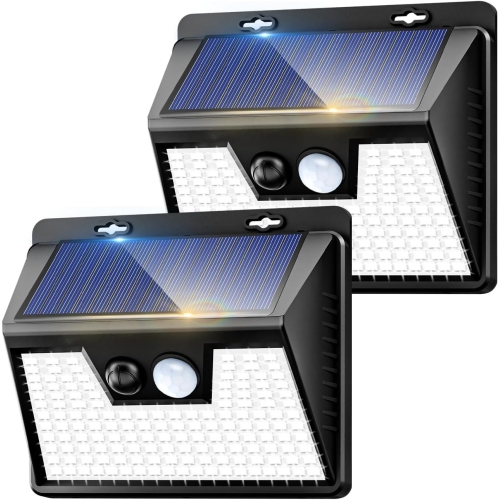
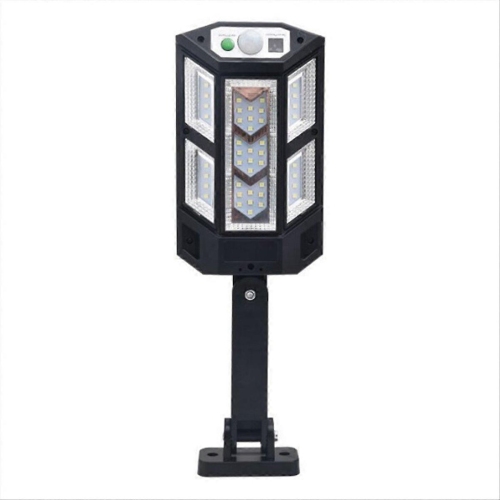
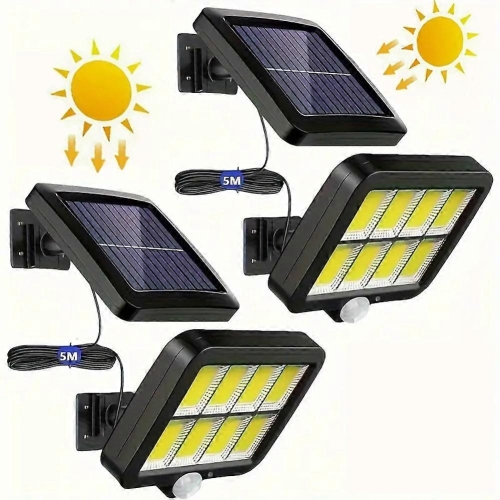
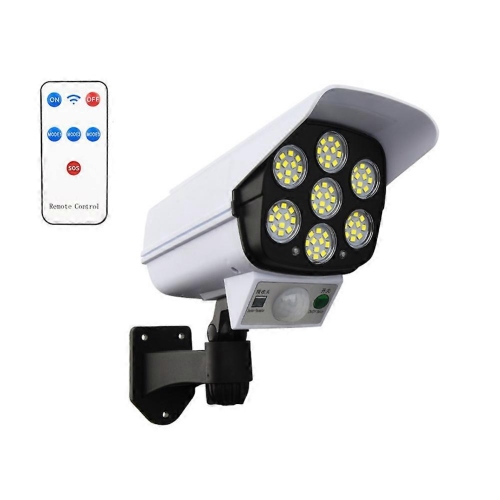
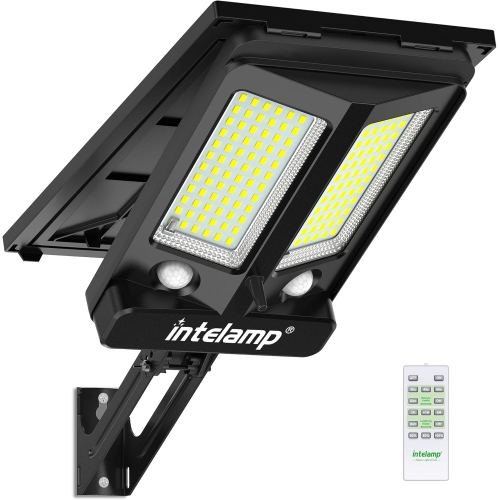
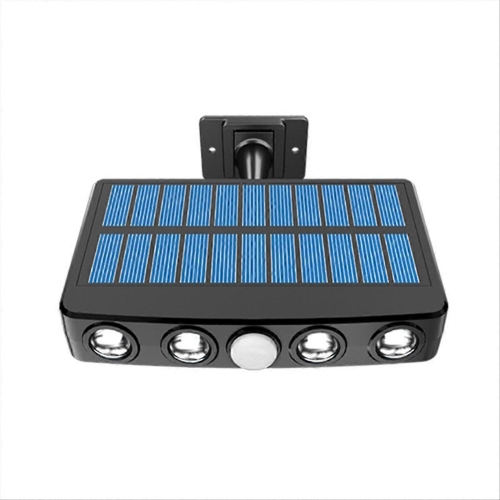
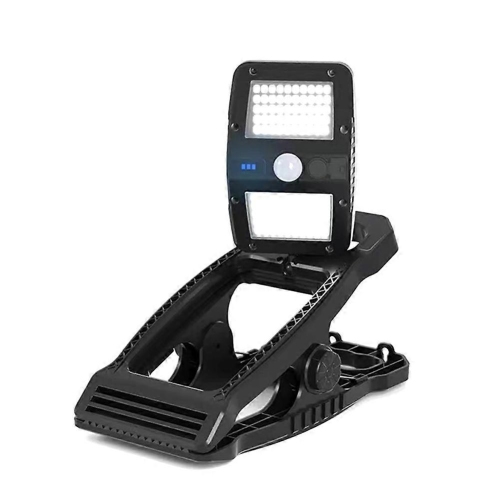
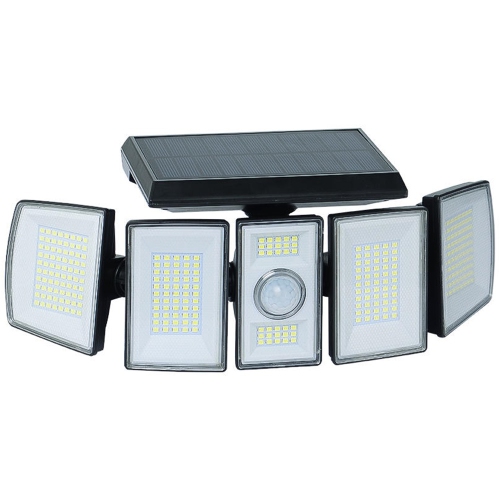
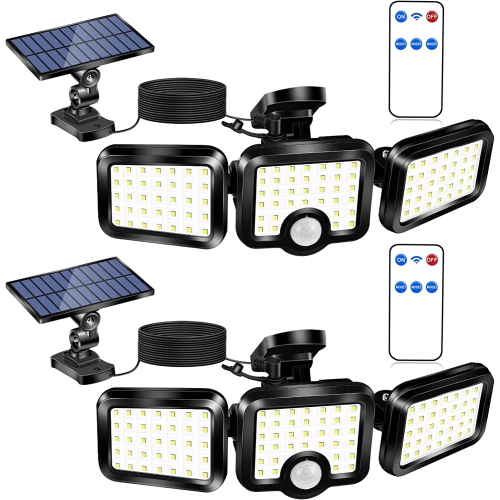
![GENER 5-Head Outdoor Solar Wall Lights – Dual Motion Sensor, Ip65 Waterproof] Wide-Angle Rotating Led Security Lights w Remote Control, Large](https://multimedia.bbycastatic.ca/multimedia/products/500x500/195/19584/19584231.webp)



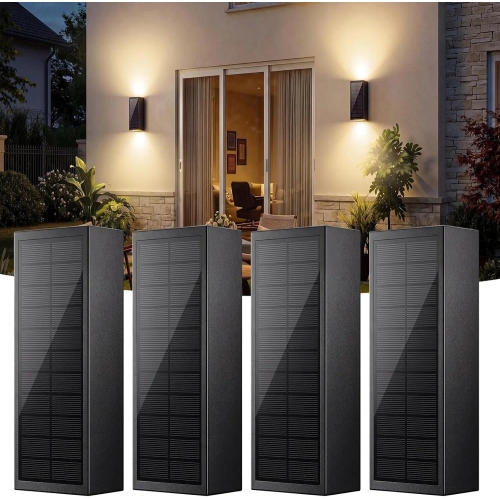
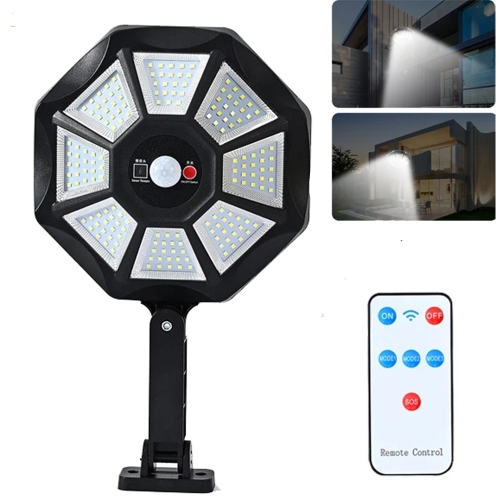
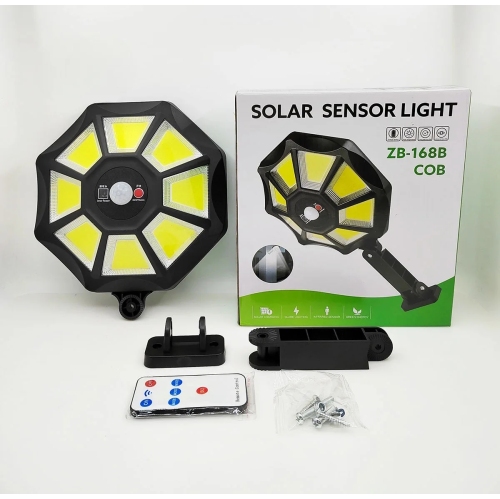
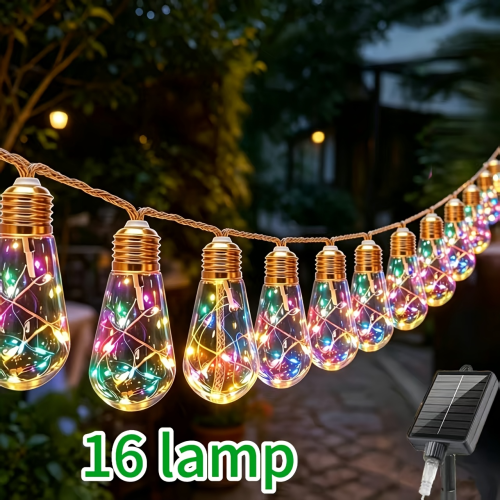










































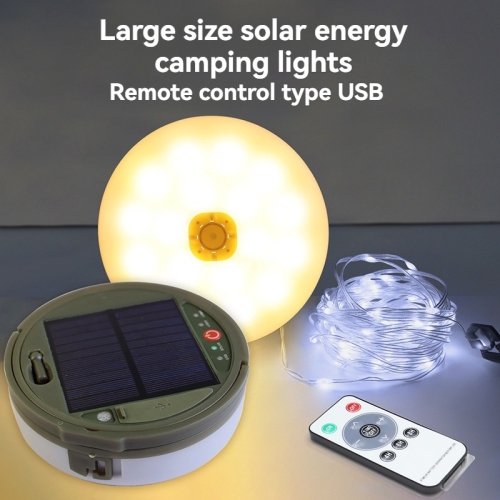

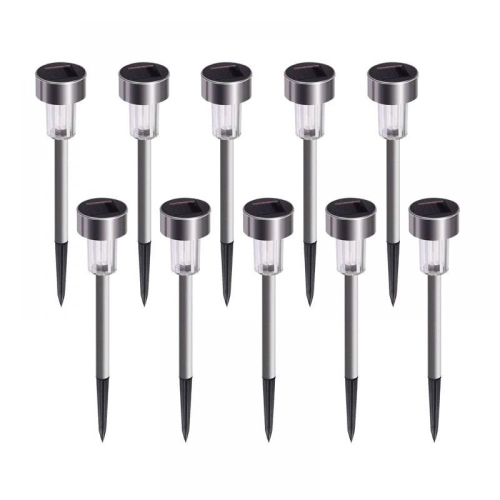

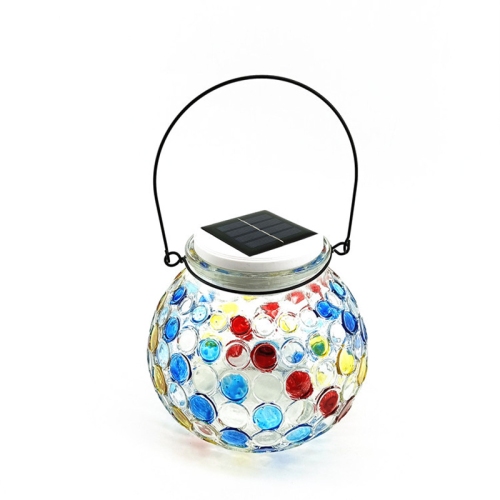

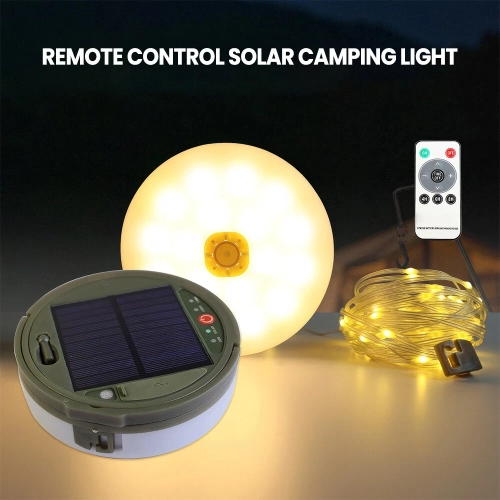






How placement and seasonal care improve solar lighting
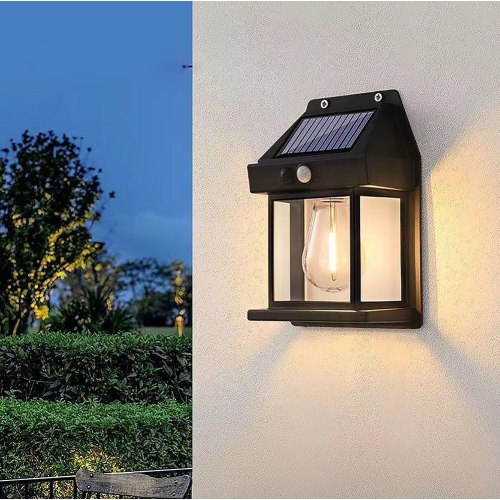
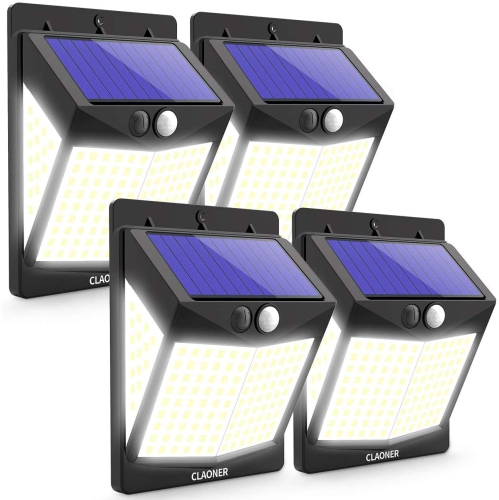
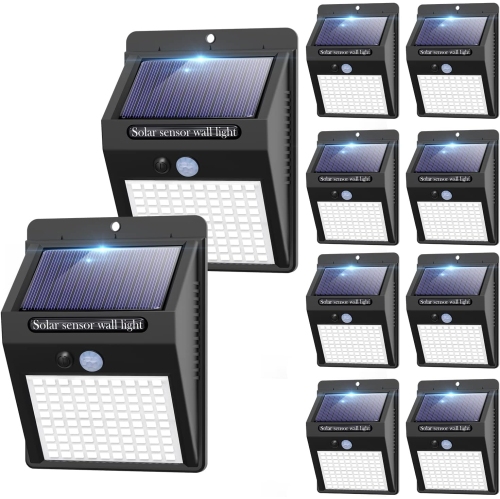
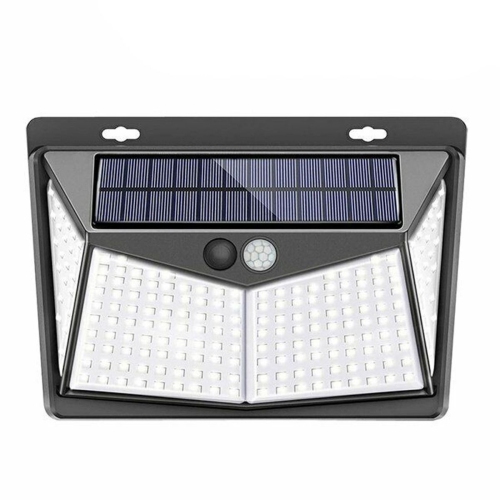
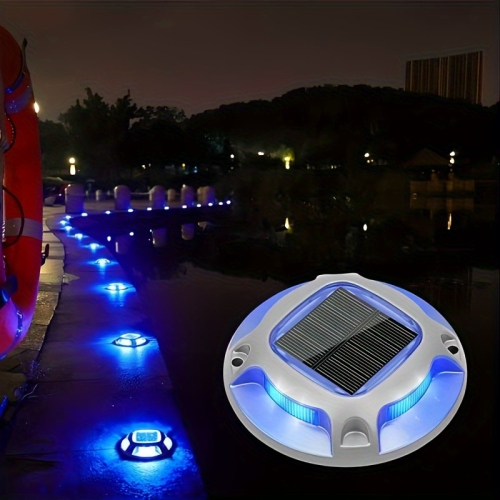
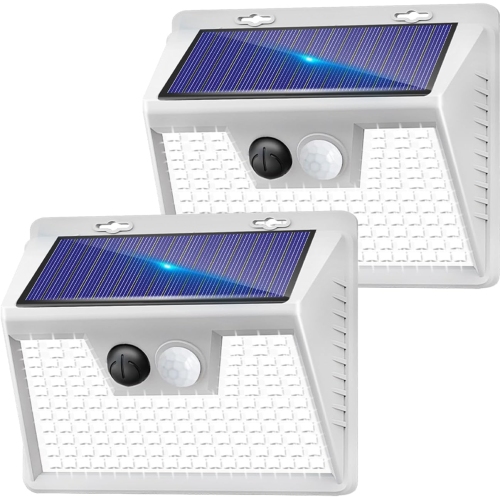
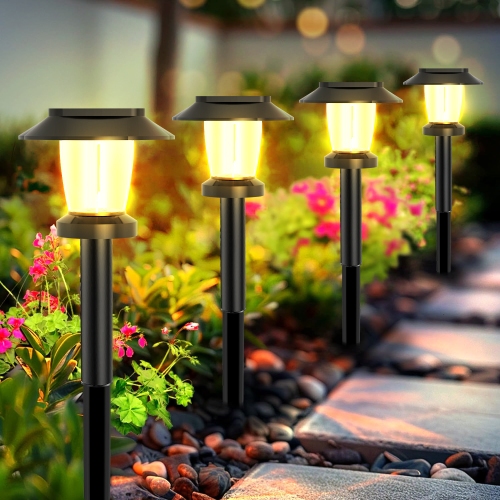
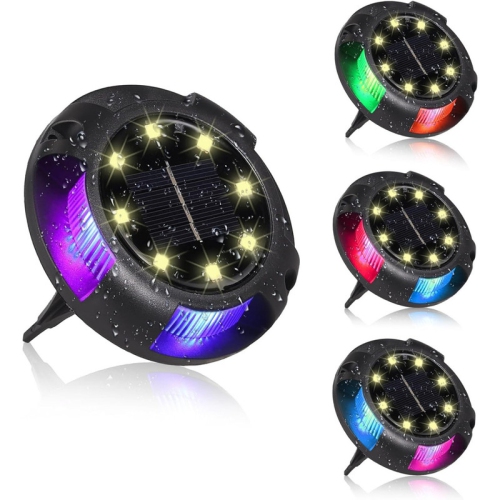
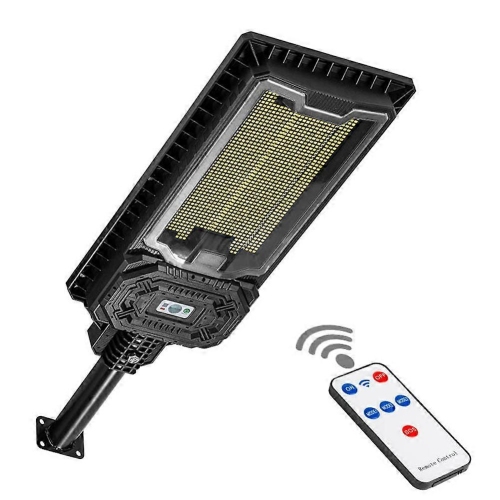
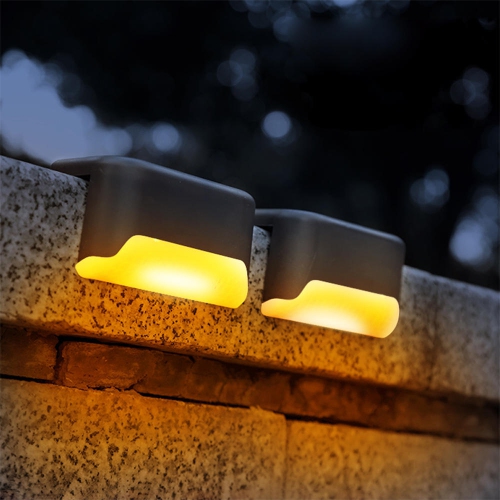
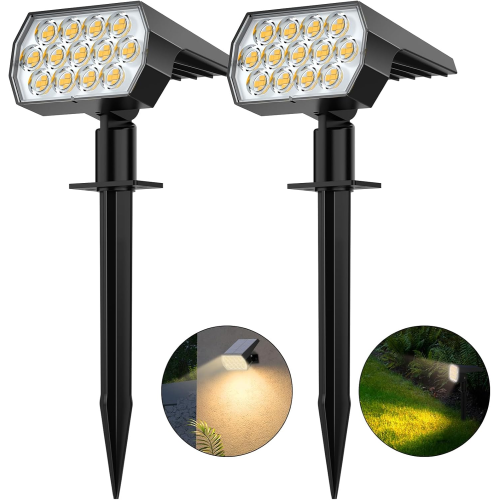
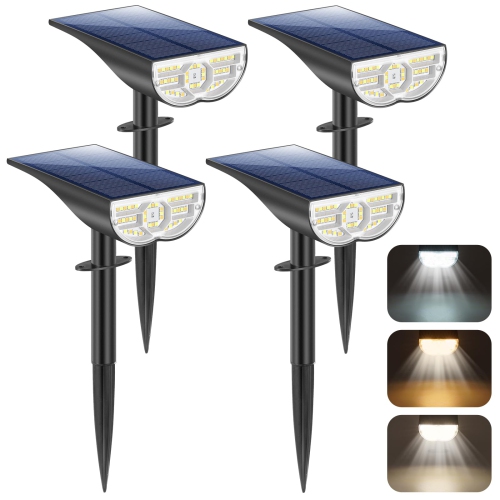
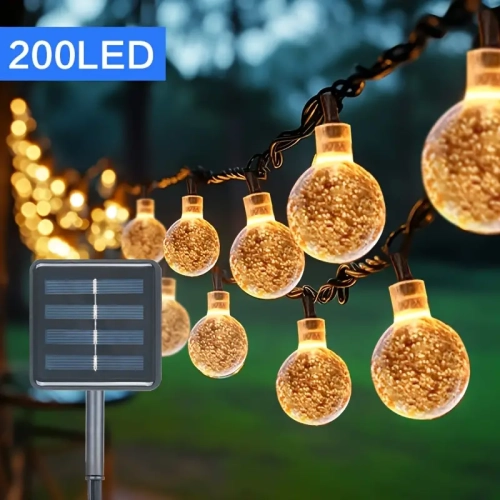
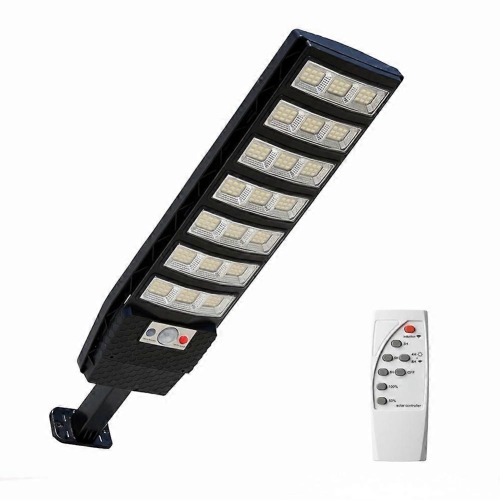
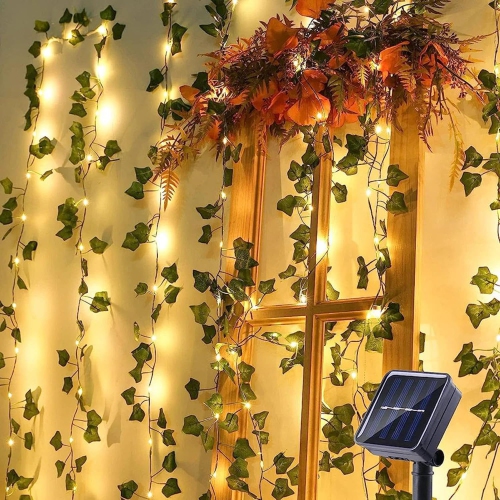
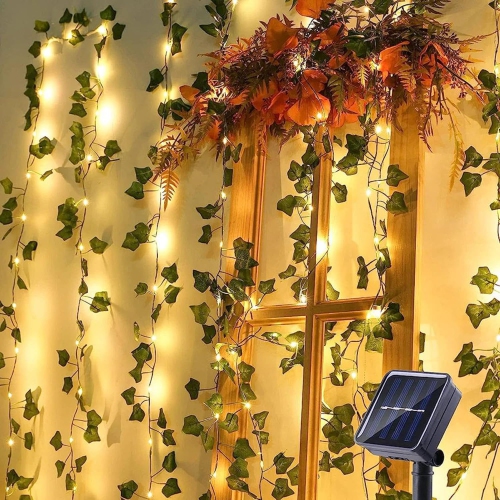
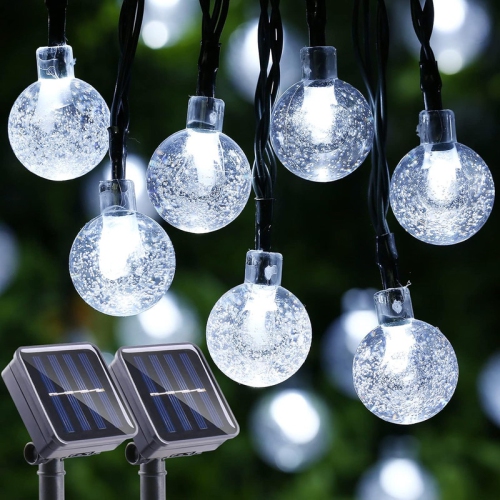
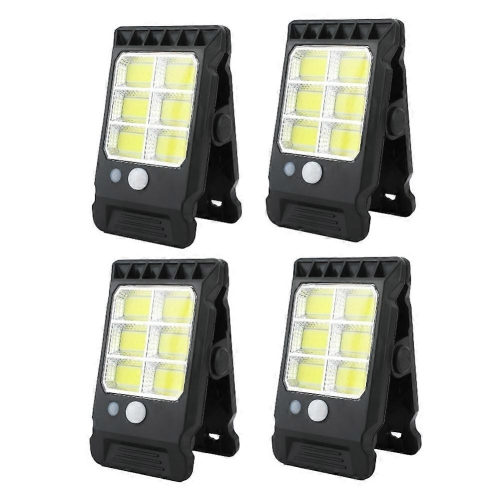
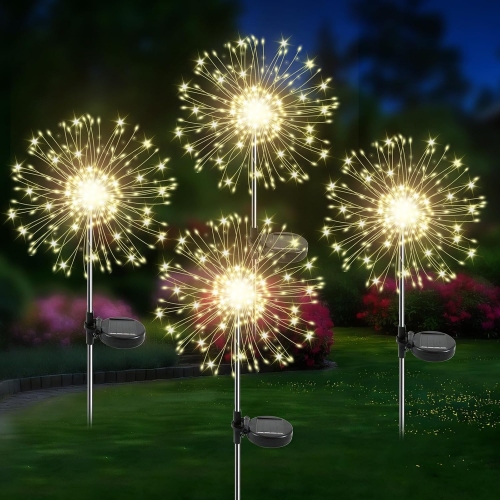
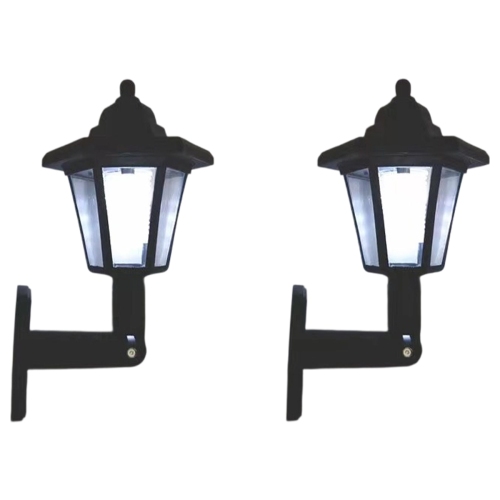
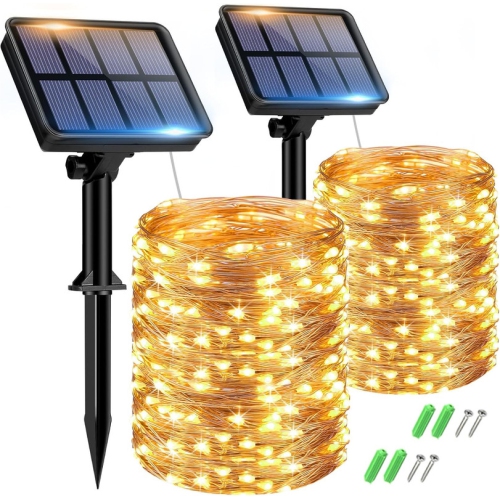
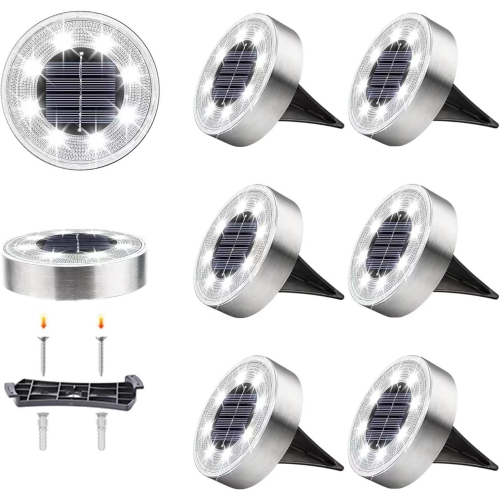
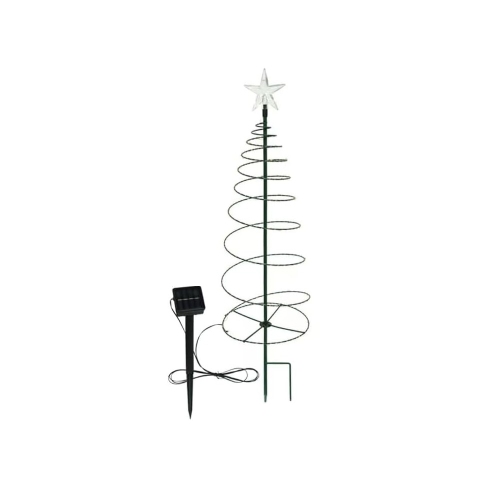
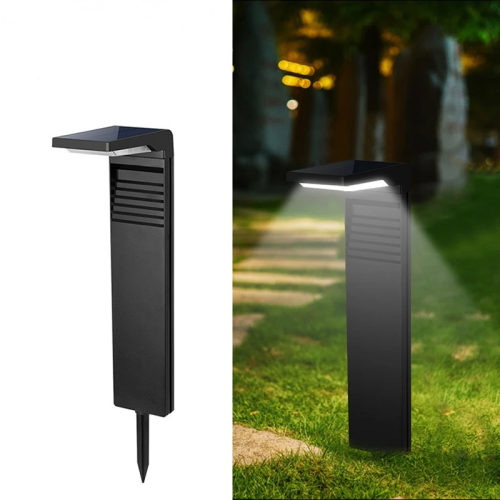
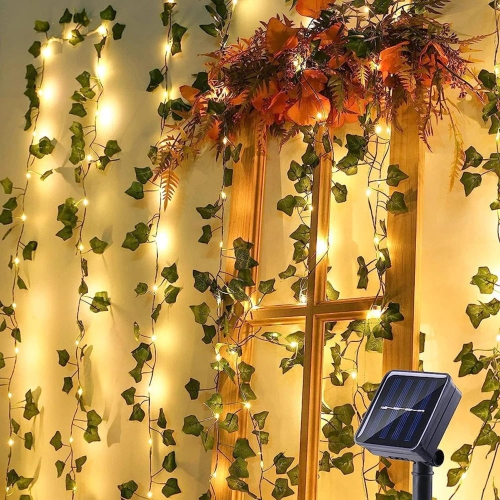
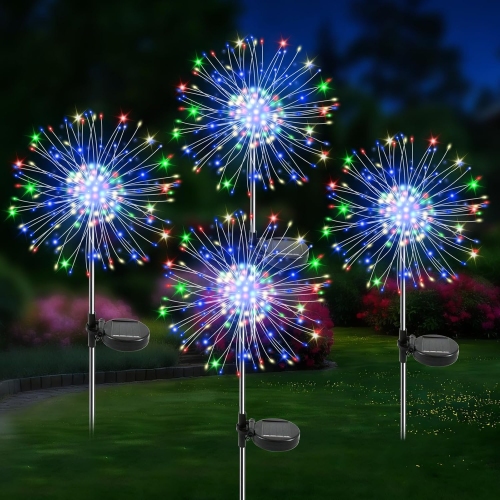
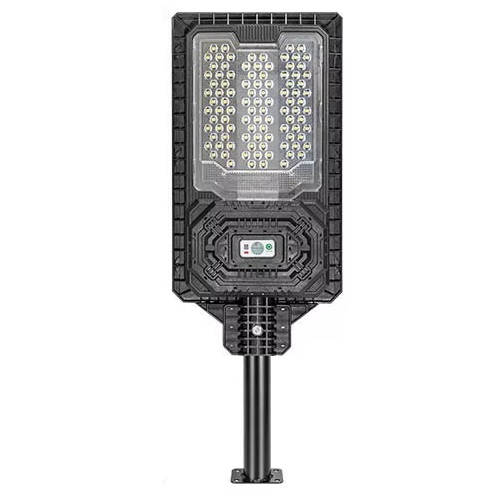
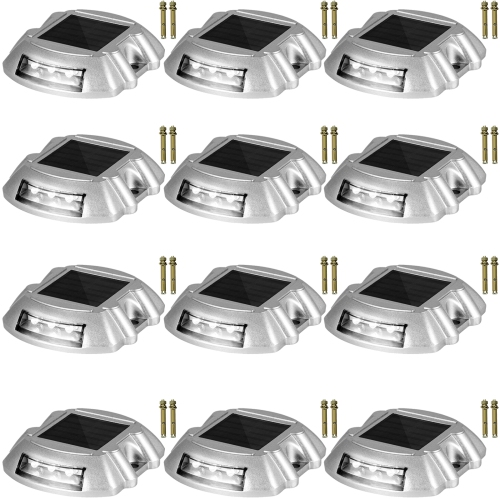
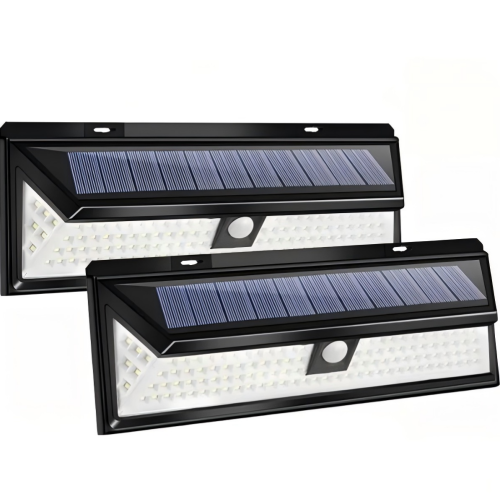
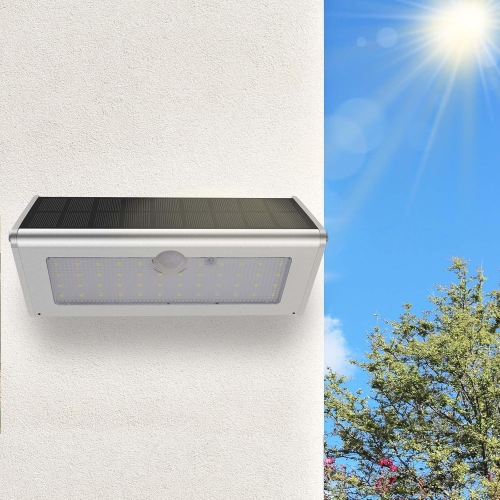
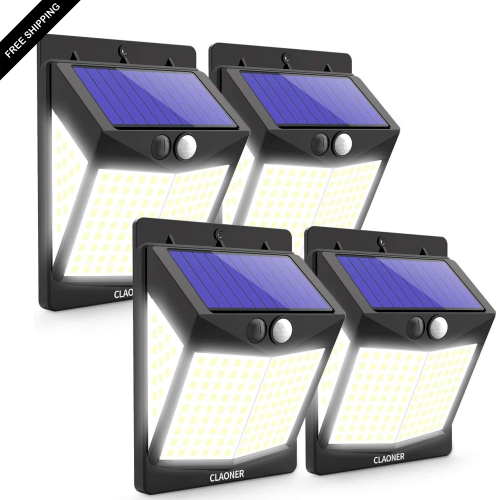
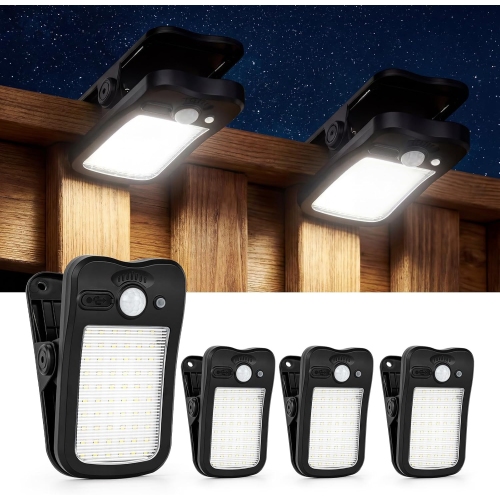
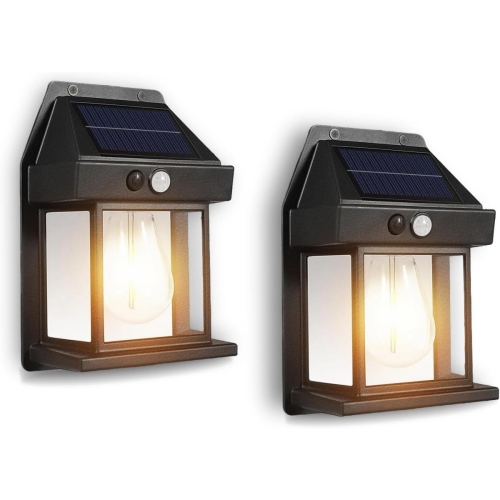
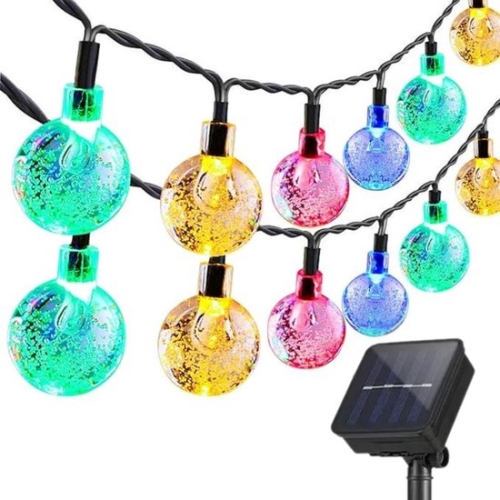
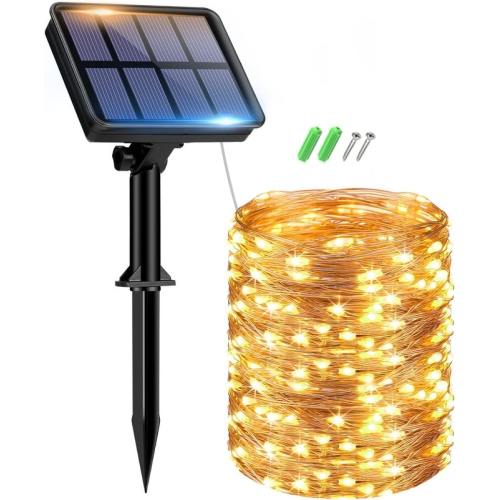
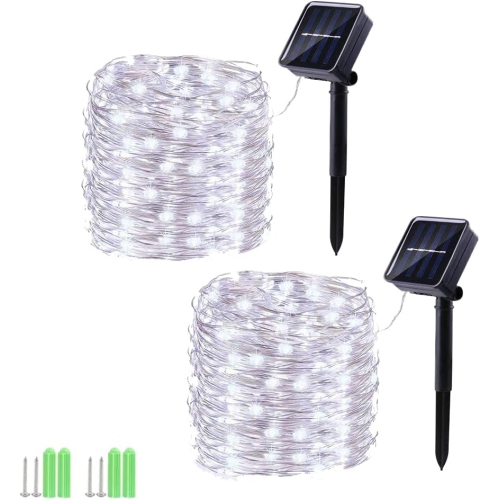
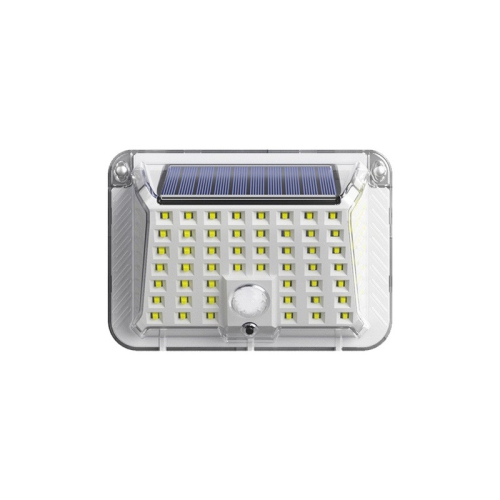
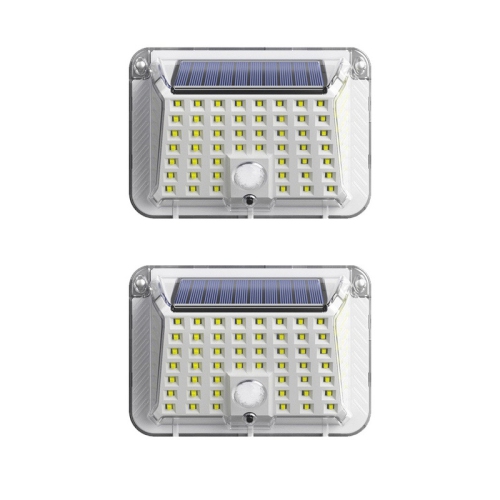
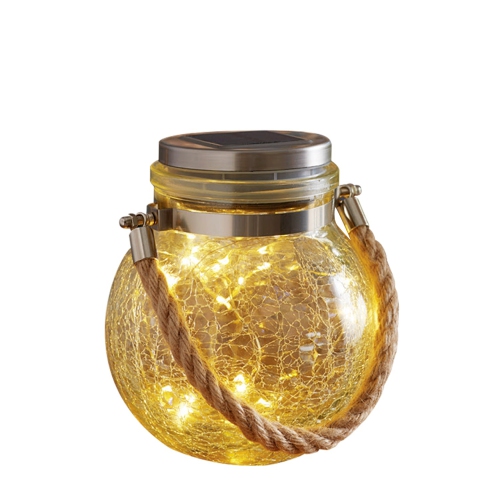
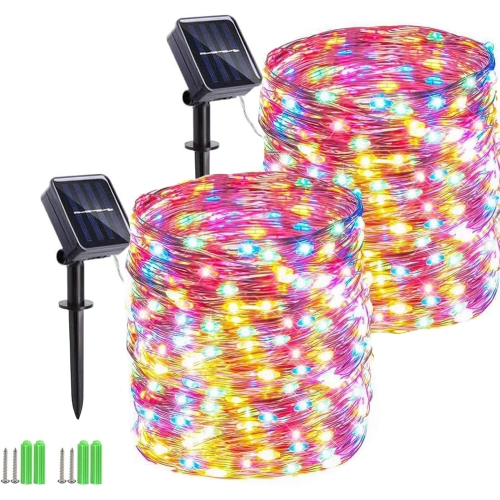
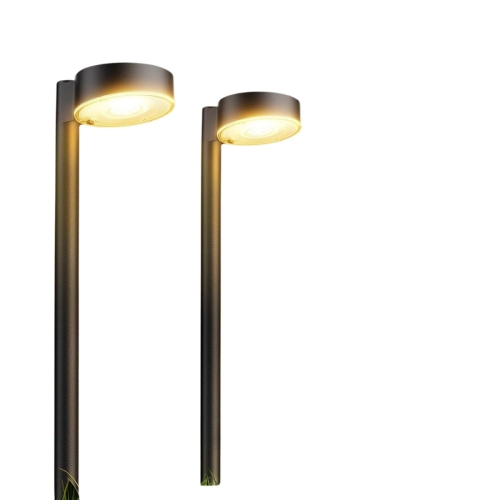
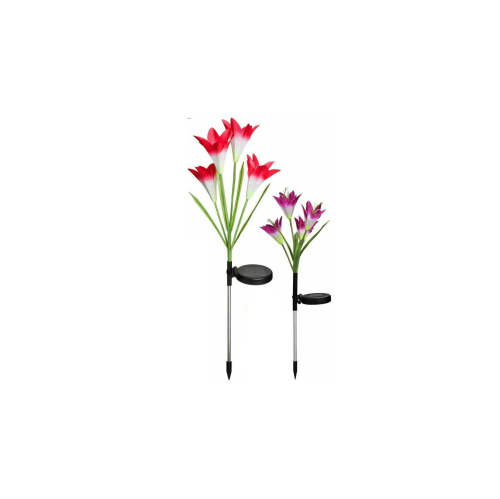
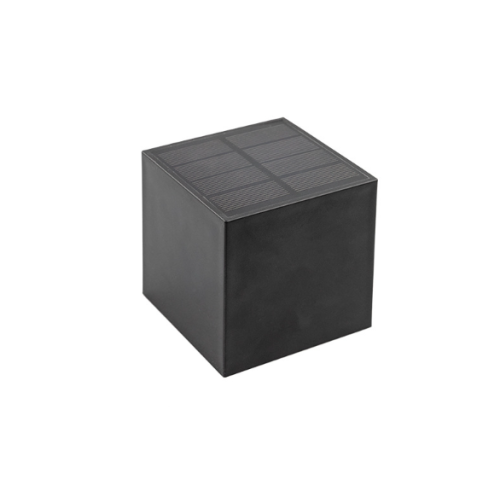
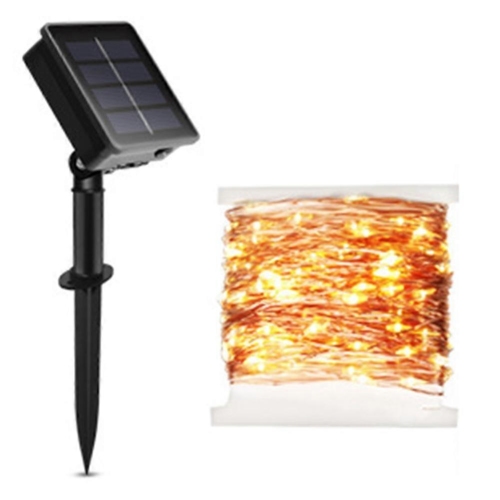
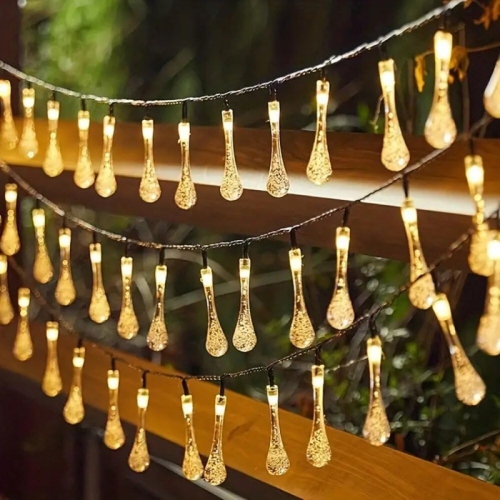
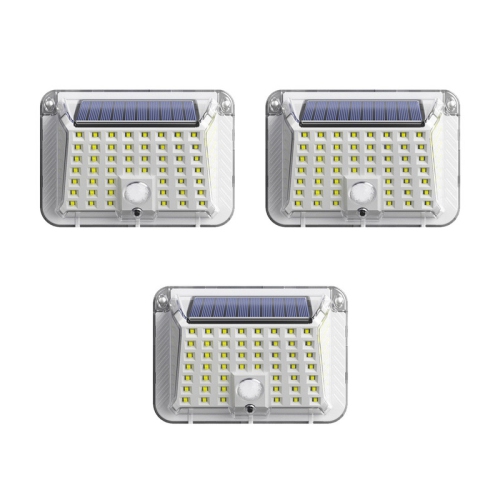
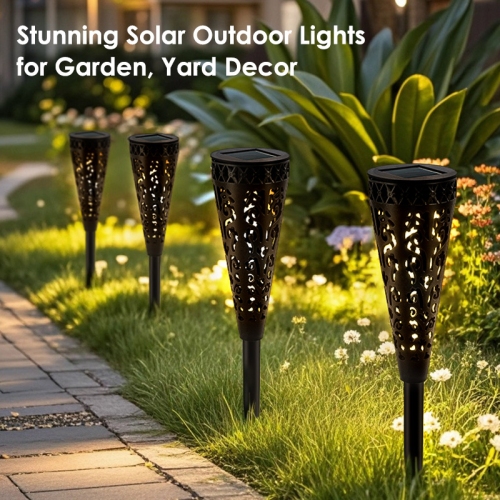
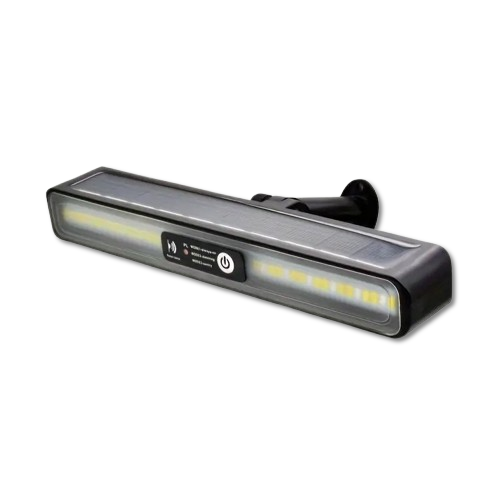
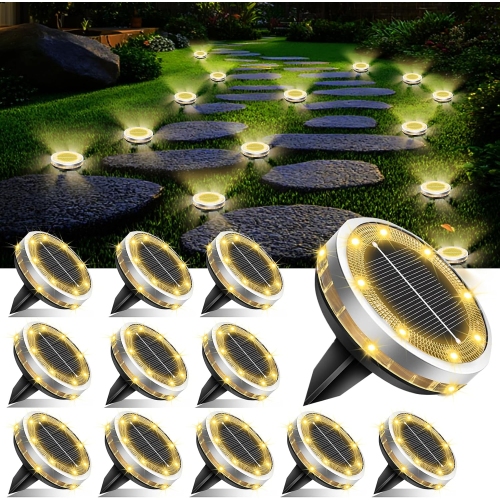
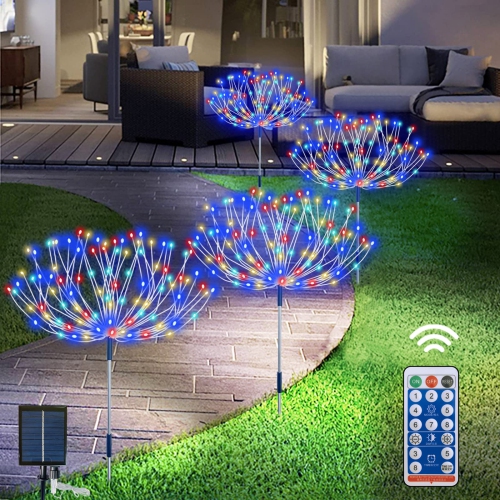
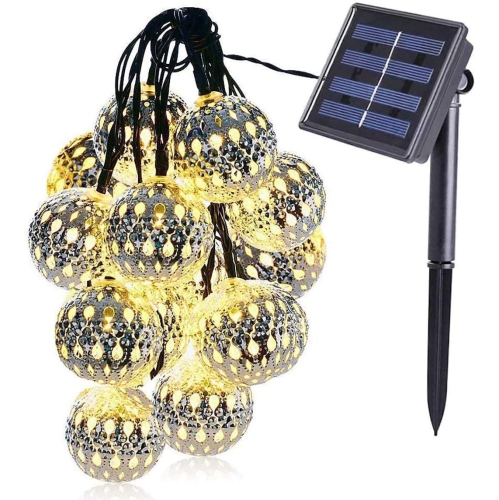
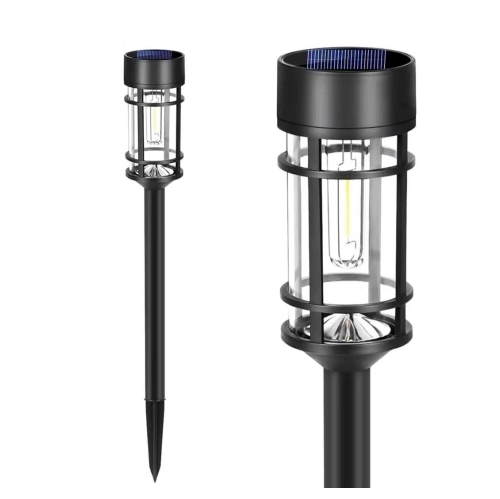
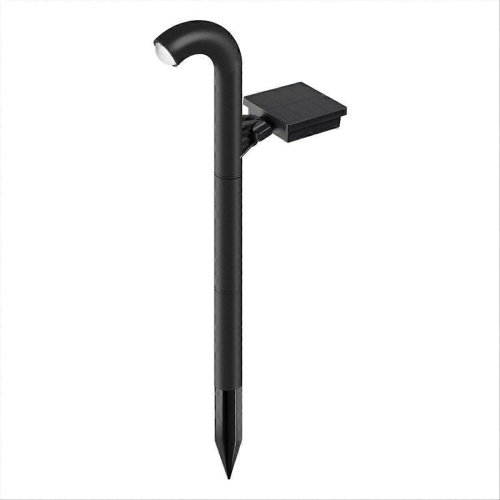
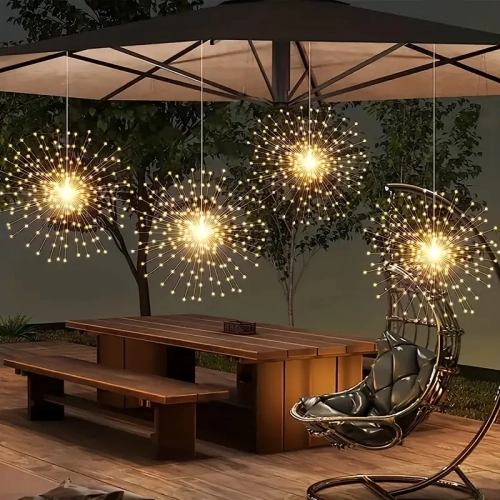
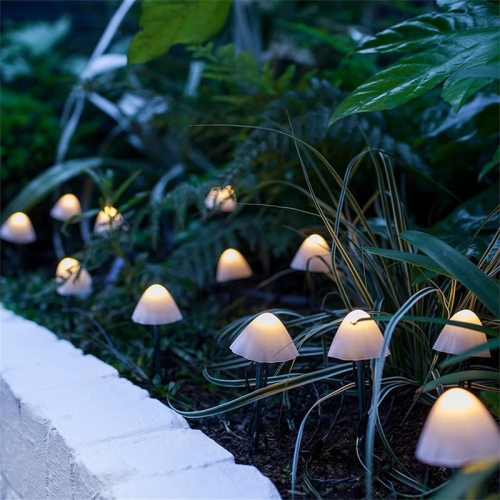
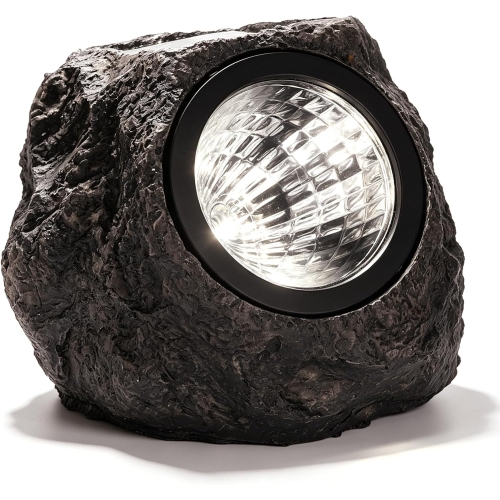
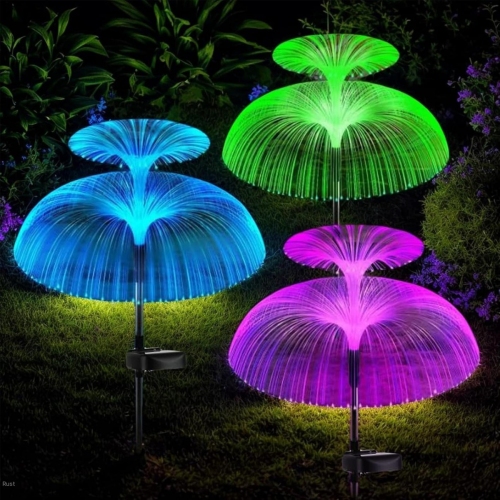
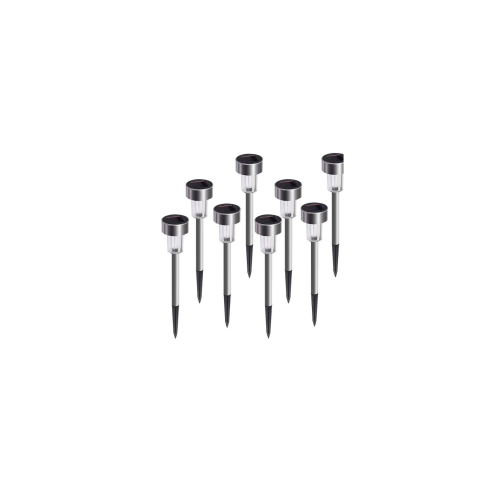
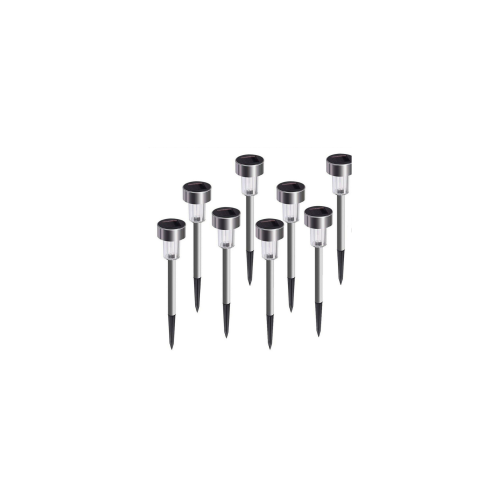
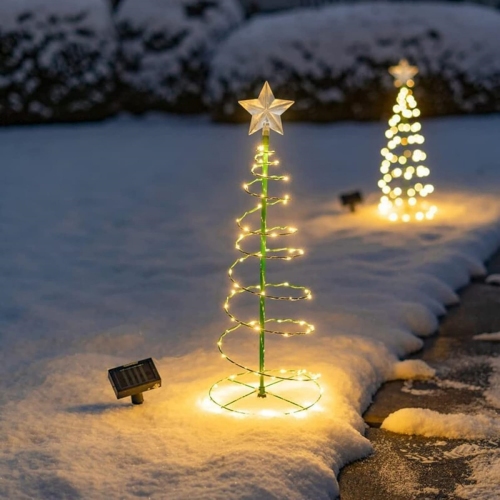
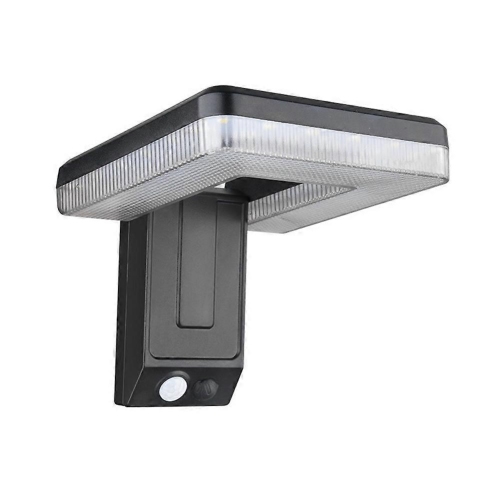
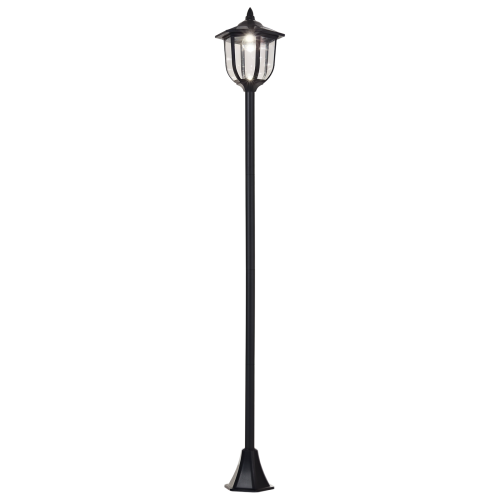
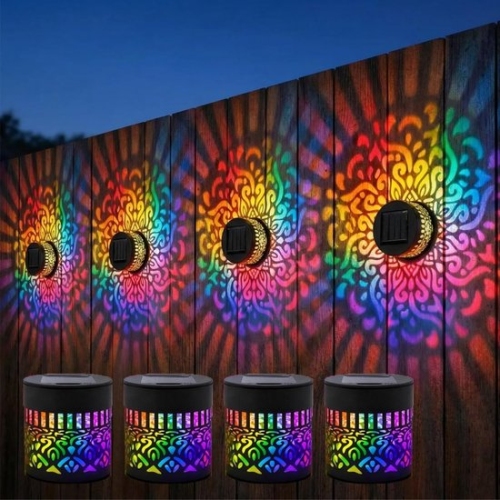
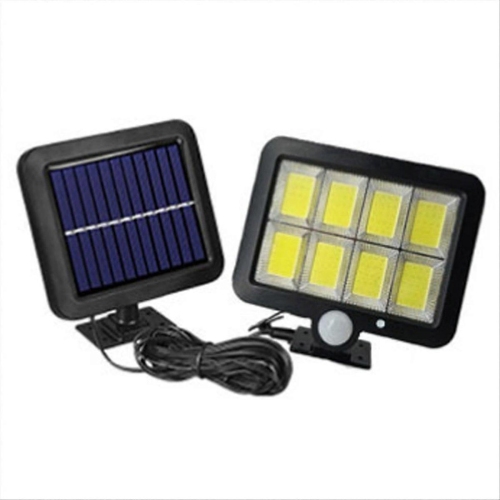
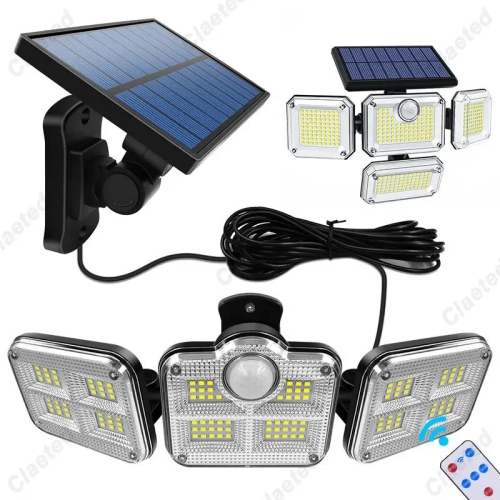
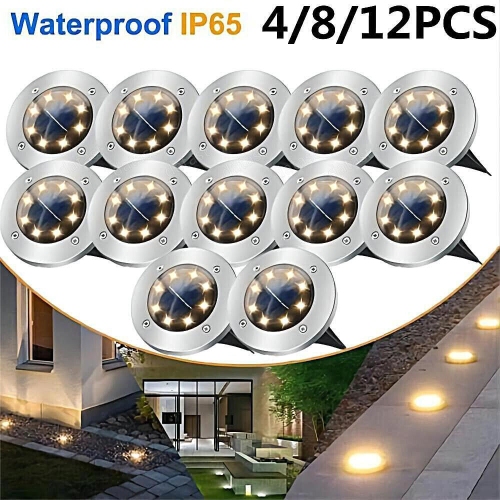
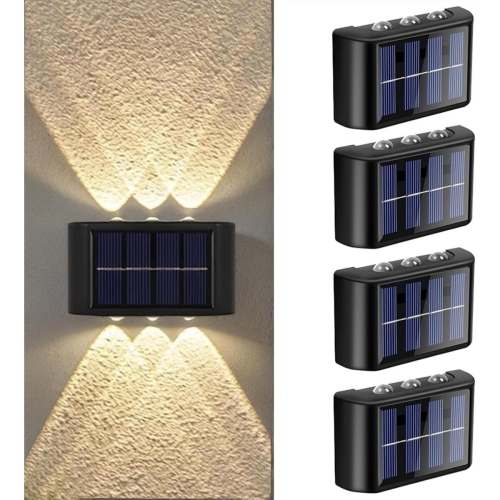
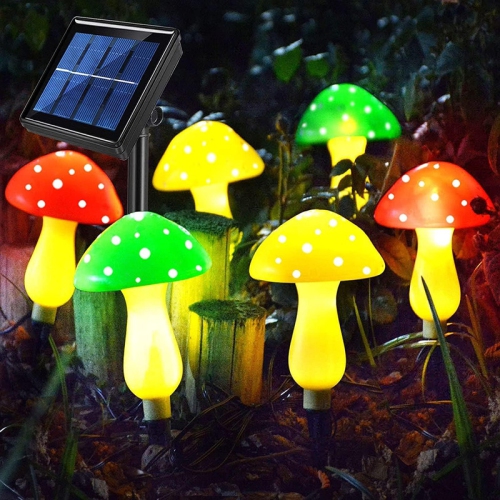
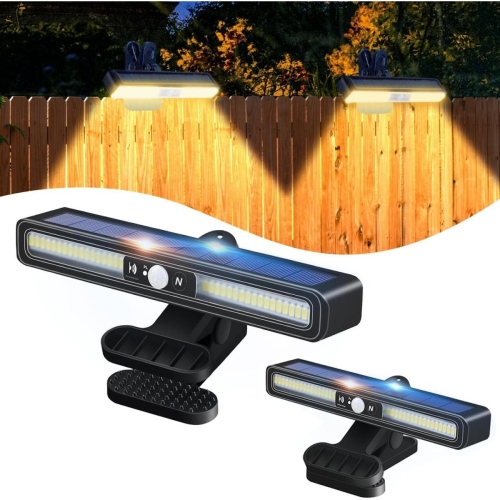
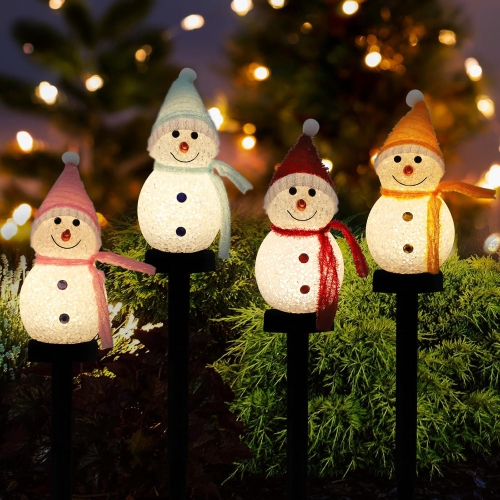
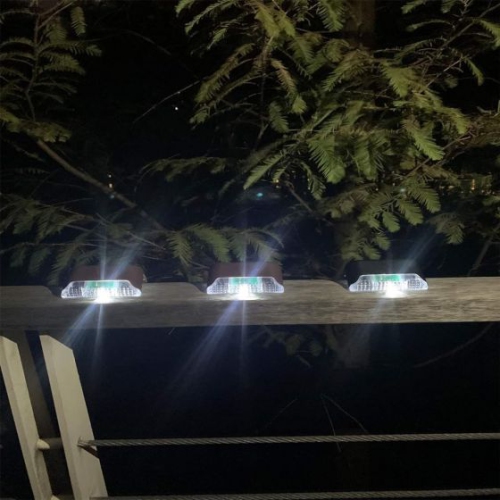
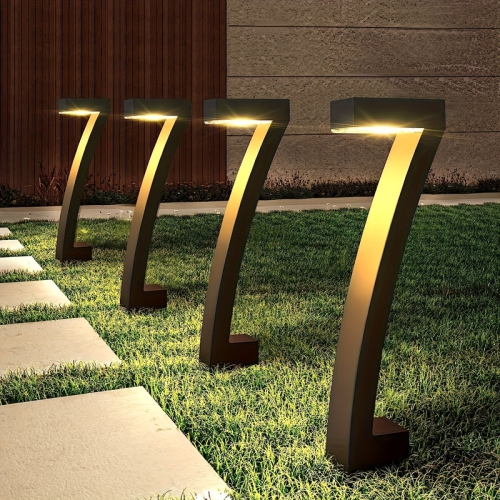
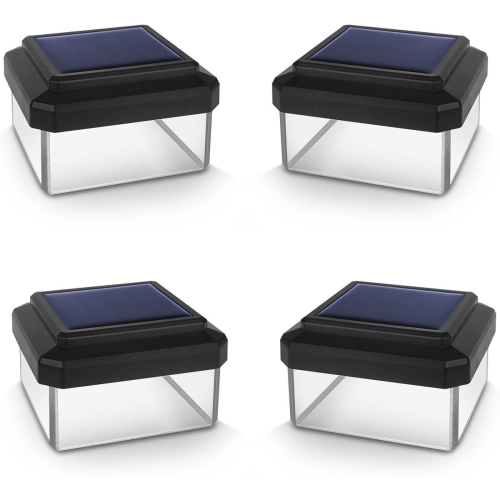
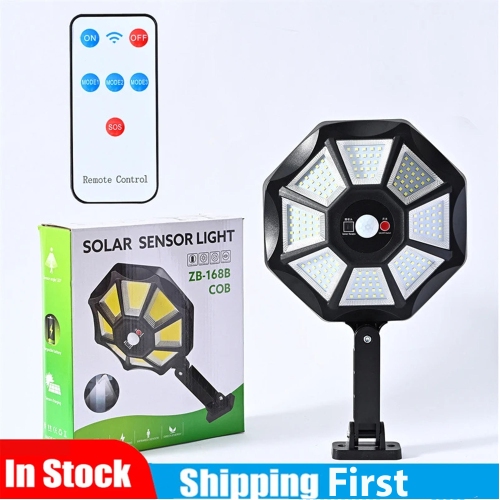
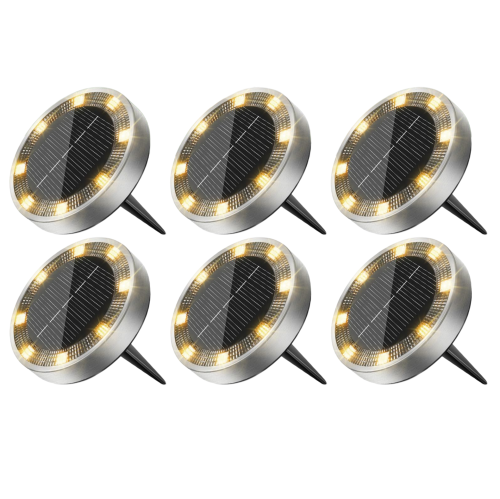
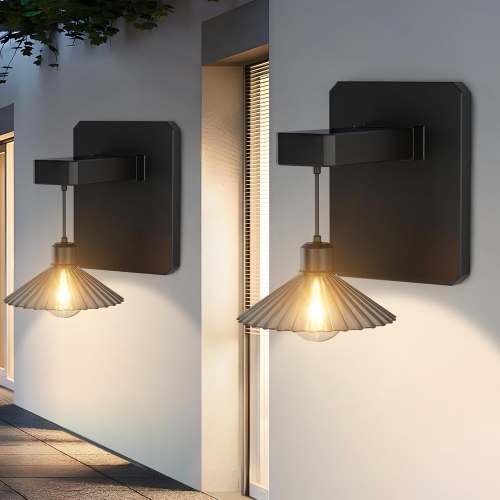
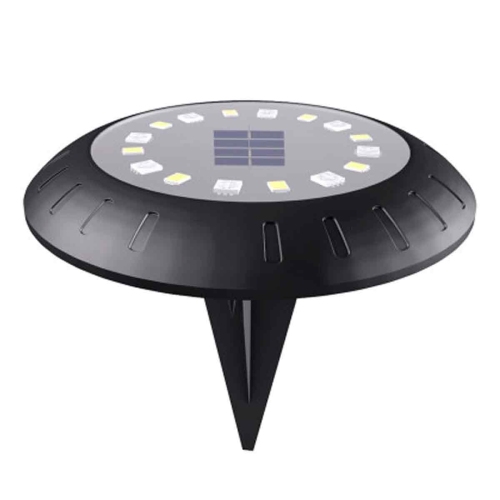
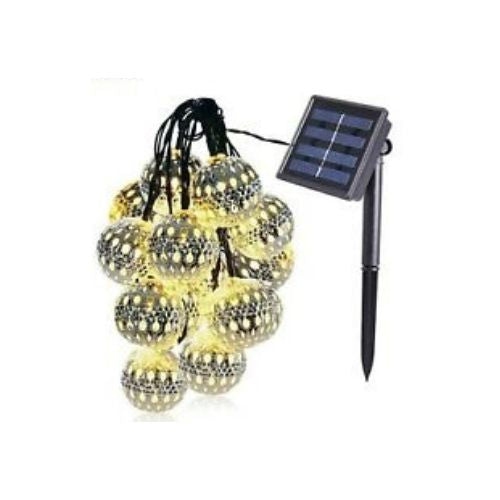
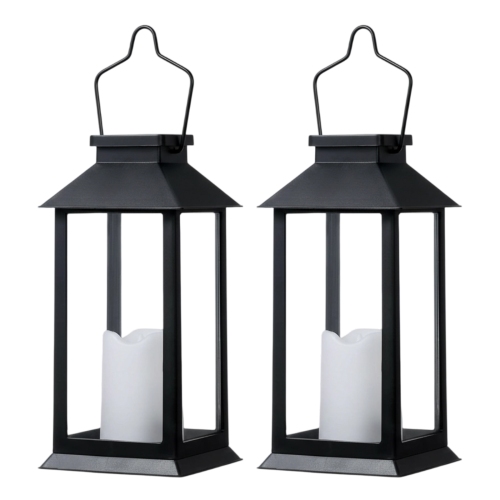
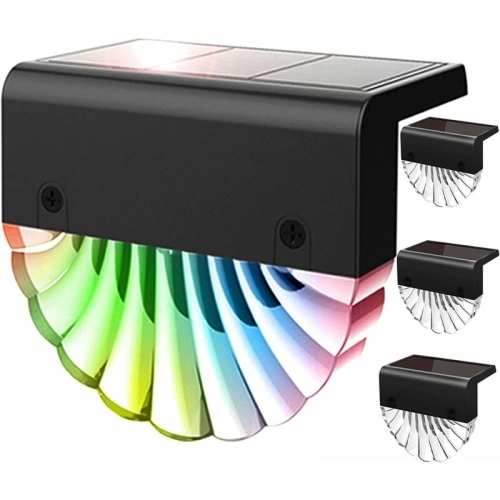
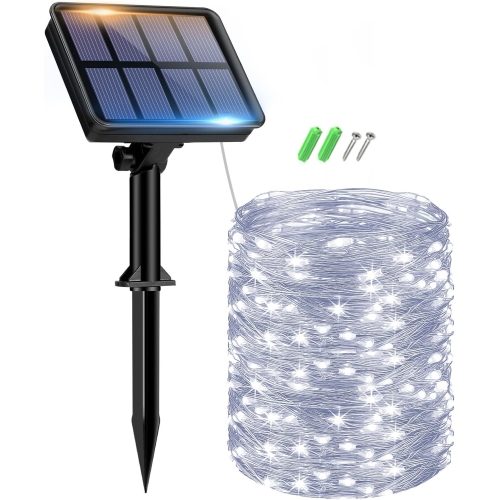
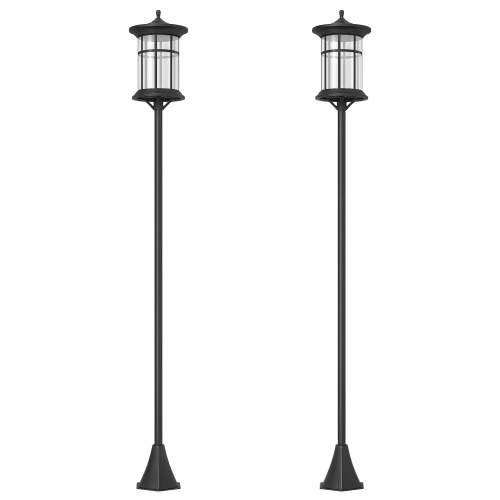
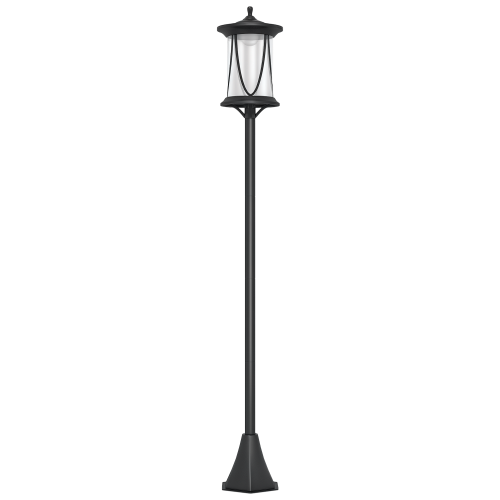
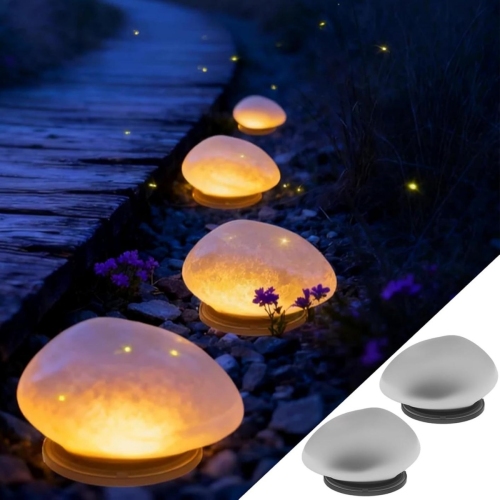
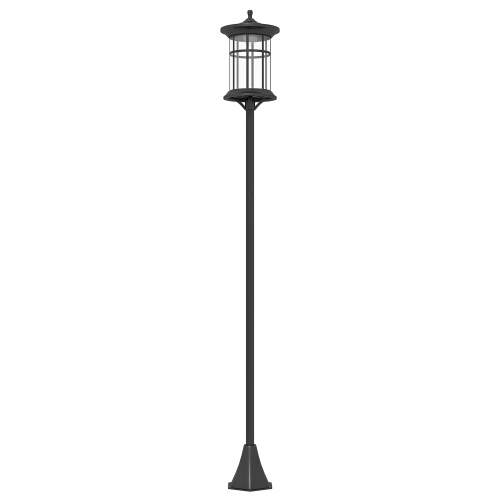
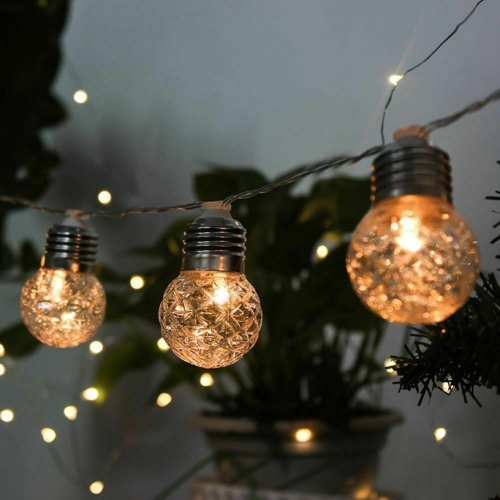
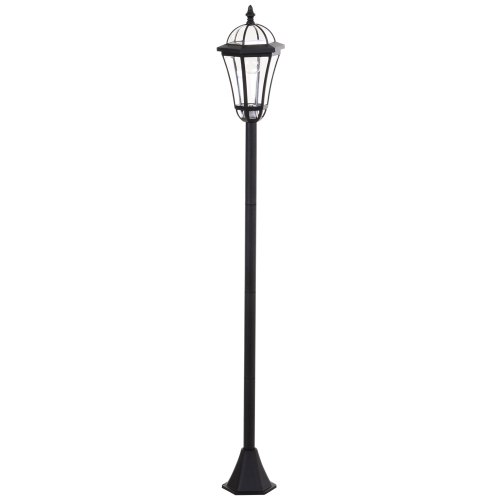
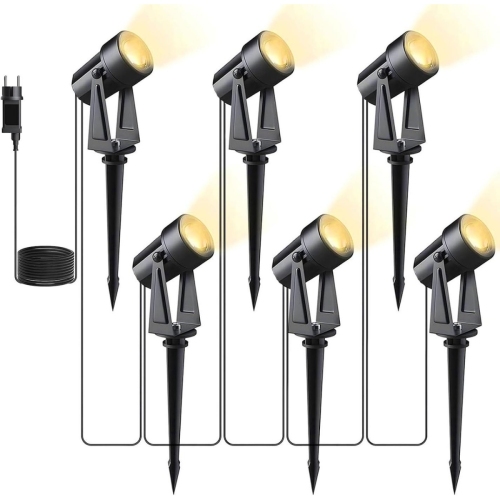
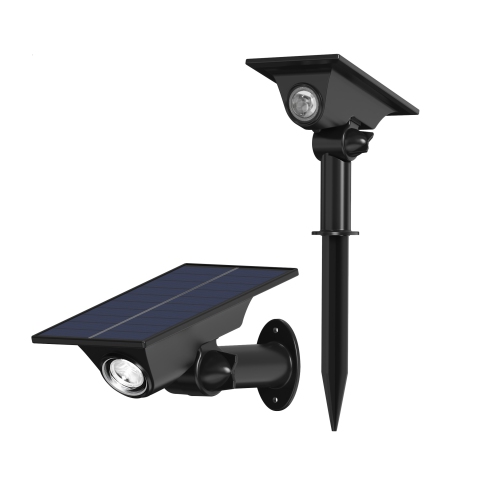
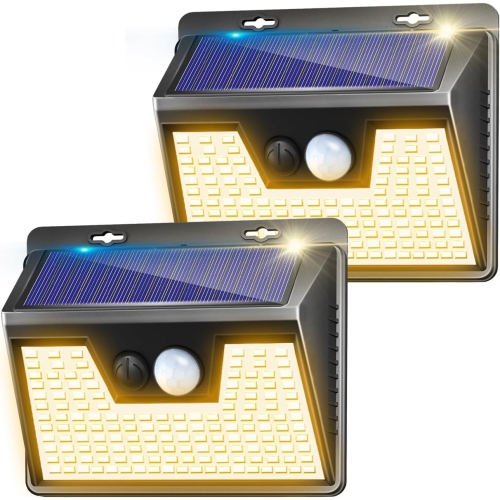
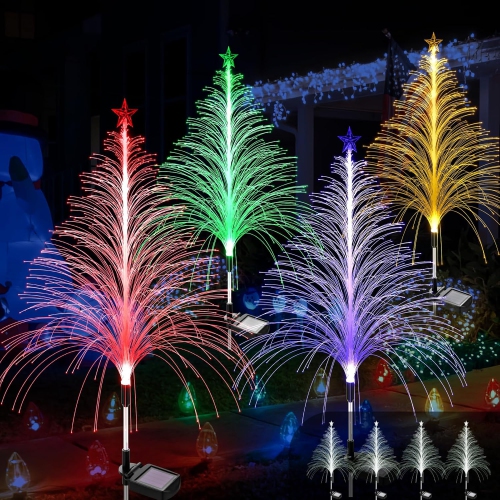
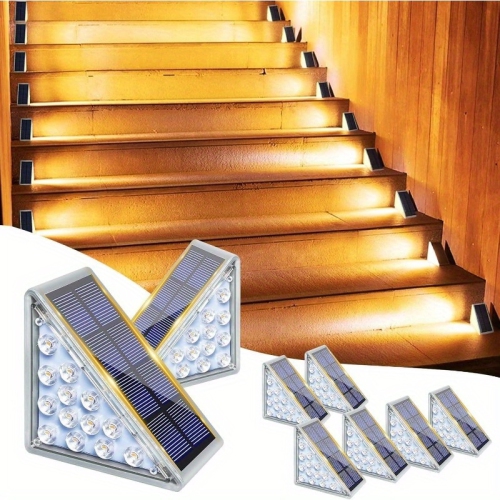
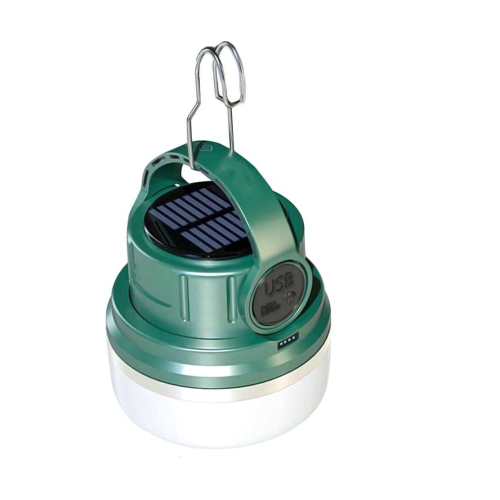
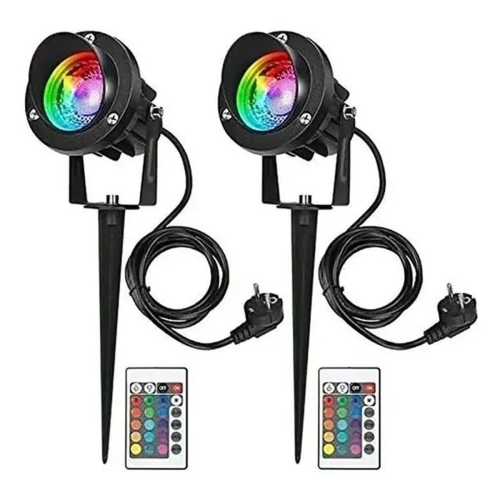
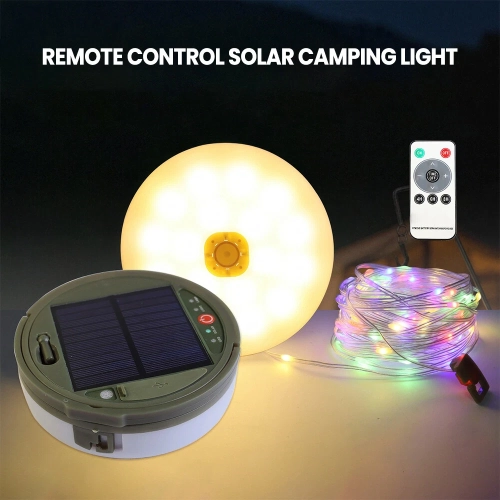
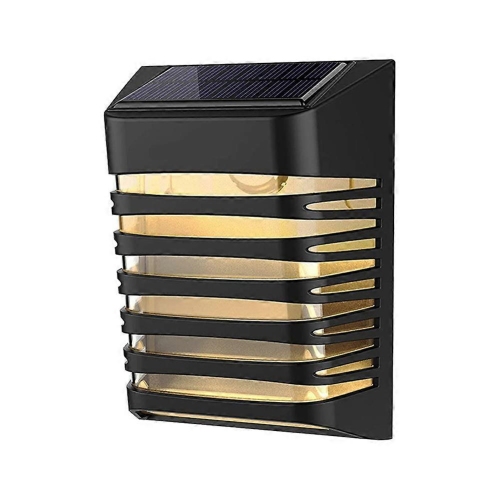
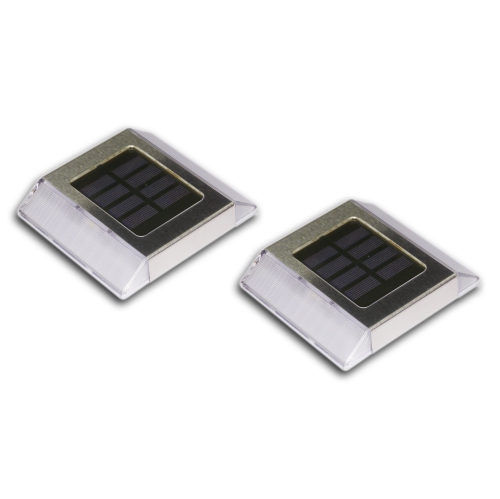
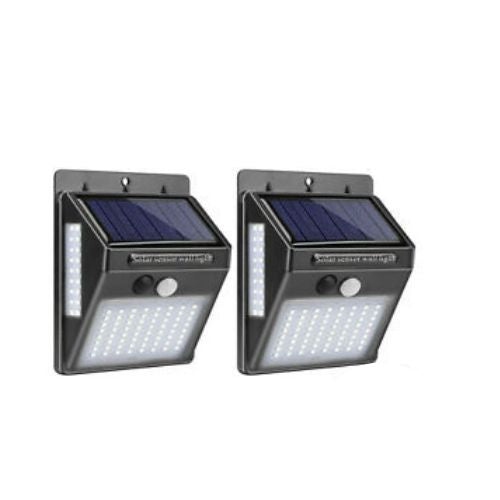
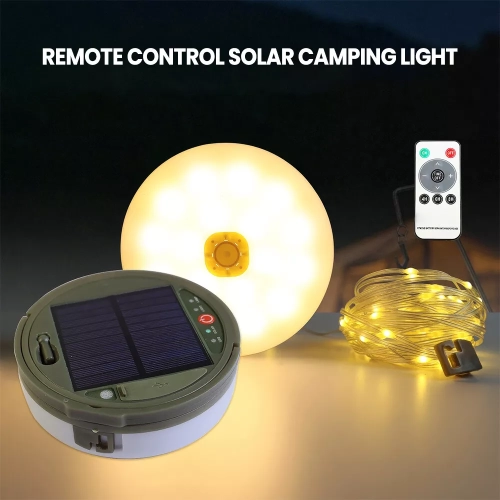
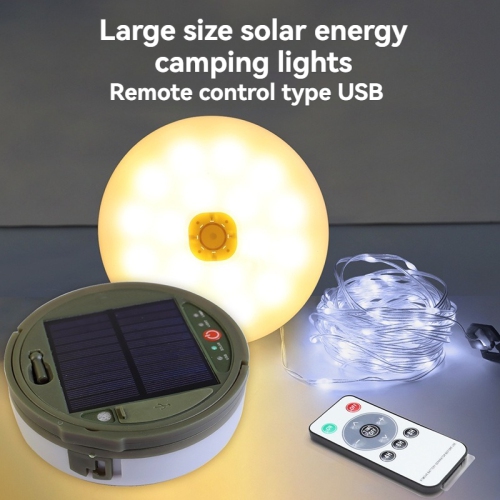
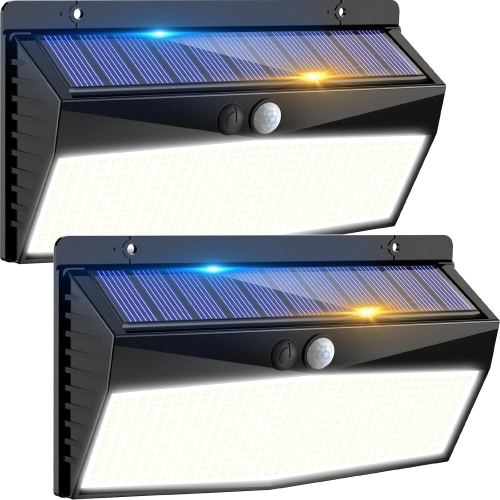
Outdoor solar lights make it easy to add practical illumination and decorative detail to outdoor areas without running extension cords or planning electrical connections. Each light uses a small solar panel to collect daylight and store energy in an internal rechargeable battery, then switches on automatically when the surrounding area becomes dark. Depending on the design, outdoor solar lights can gently outline a walkway, draw attention to a garden feature, brighten a seating area, or provide an extra layer of visibility near a garage, shed, gate, porch, or back door. Pathway lights are a popular choice for creating an even line of light along sidewalks, steps, driveways, and garden borders, while spotlights can be angled towards trees, planters, architectural details, house numbers, or signs. Wall-mounted and security-style lights are useful where a broader beam is needed, particularly around entrances and areas where people may arrive with full hands. Motion-sensor models remain off until movement is detected, which can help preserve stored battery power while providing a noticeable burst of light when someone approaches. For a softer atmosphere, decorative lanterns and string-style designs can add a warm glow to a patio, balcony, deck, or outdoor dining area. When comparing Solar Powered Outdoor Lights, consider the purpose of the lighting first, then look at brightness, light colour, run time, coverage, mounting method, and the number of lights included in a set. A gentle glow may be ideal for marking a path or creating a relaxed setting, whereas a higher-output spotlight may be better for highlighting a feature or improving visibility around a property.
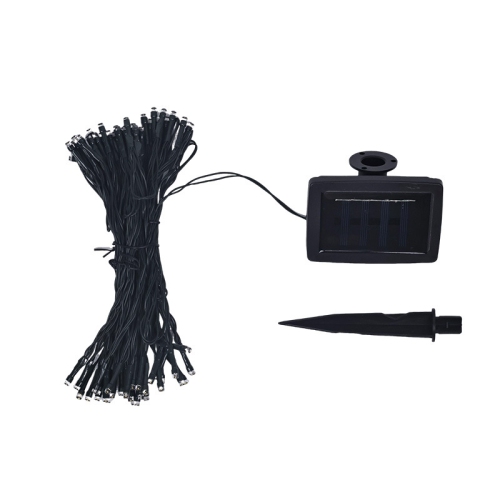
Placement has a direct effect on how well outdoor solar lights perform. Choose a location where the panel receives plenty of unobstructed daylight, ideally around six to eight hours of direct sun when conditions allow. Overhanging branches, tall fencing, rooflines, and nearby buildings can shade the panel and reduce the amount of energy stored during the day. It is worth checking the position of the panel at different times, especially if a light is being installed near a north-facing wall or beneath a covered porch. Keep the light itself pointed where illumination is needed, but make sure the panel can still face the open sky rather than the brightest-looking part of the yard. Before installation, test the spacing between pathway lights so the beams create a continuous route without looking crowded. For a garden, placing lights at varied heights and slightly different distances can make the area feel more natural than arranging every light in a perfectly straight line. Spotlights can be aimed at a trunk, textured wall, planting bed, or decorative feature, while motion-sensor lights are best positioned to cover an approach rather than point directly at eye level. Many models are designed for straightforward ground placement or wall mounting, making them suitable for homeowners, renters with permission to install outdoor fixtures, and anyone refreshing an outdoor space without hiring an electrician. They can also make a thoughtful housewarming, birthday, or new-home gift for someone who enjoys gardening, hosting outdoors, improving their entryway, or adding finishing touches to a balcony or backyard. A set of pathway lights is especially practical for someone settling into a new property, while decorative options can suit a friend who enjoys arranging patios and seasonal displays.
Outdoor solar lights are useful throughout the changing seasons, although their performance naturally depends on available daylight and weather conditions. During the cooler months, shorter days, lower sun angles, cloud cover, and snow or frost can reduce charging time, so lights may not remain illuminated as long as they do during brighter periods. In early fall, they can help define walkways and steps as evening arrives earlier, while also adding a welcoming glow around a porch or garden. As temperatures drop, check that panels remain clear of leaves, dust, ice, and snow; a soft, dry or slightly damp cloth is usually suitable for removing surface dirt without scratching the panel. Avoid placing lights where standing water regularly collects, and review the product’s weather-resistance information before using it in exposed locations. If the lights are removable, storing them in a dry place during severe conditions can help protect the housing and battery, depending on the manufacturer’s instructions. For year-round setups, inspect stakes, mounting hardware, and cable-free connections from time to time to ensure everything remains secure after wind or heavy rain. Battery capacity, charging time, automatic dusk-to-dawn operation, and any available on-and-off or mode controls are also worth considering. Decorative lights can be arranged around a deck for evening gatherings, used to frame a front entrance, or placed among planters for a layered look that remains attractive even when the surrounding garden changes. Functional lights can make familiar routes easier to see when carrying groceries, walking to a shed, or welcoming visitors after dark. By matching the brightness and beam style to the area, providing the panel with reliable daylight, and keeping the surface clean, outdoor solar lights can offer a convenient way to improve visibility and create a more inviting outdoor setting.
Top selling and popular products
-
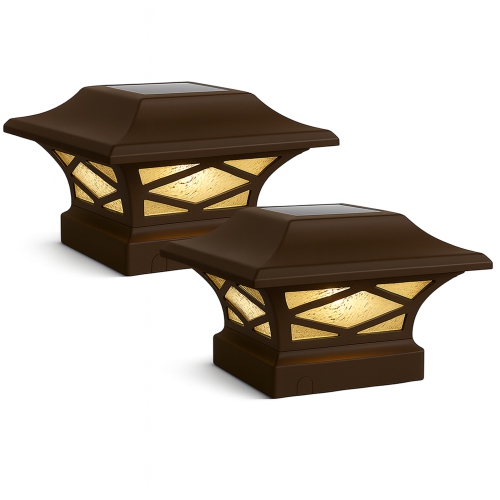 Your price for this item is $99.99
-
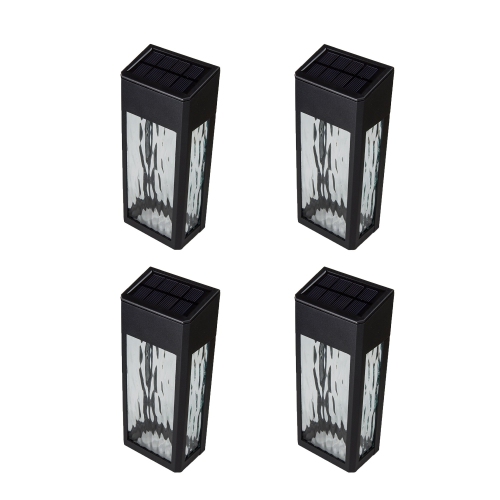 Your price for this item is $73.99
-
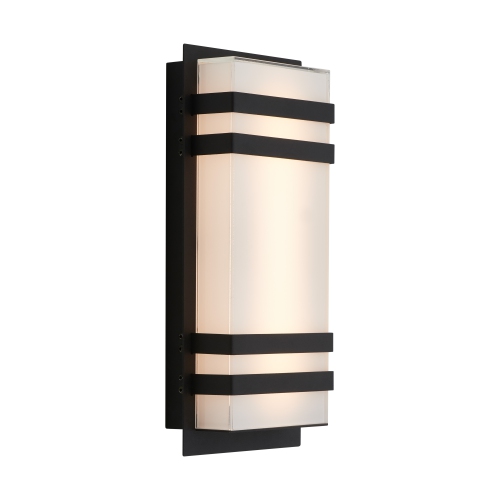 Your price for this item is $59.99
-
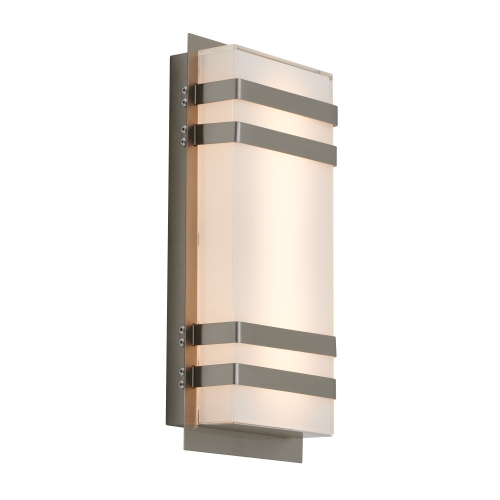 Your price for this item is $69.99
-
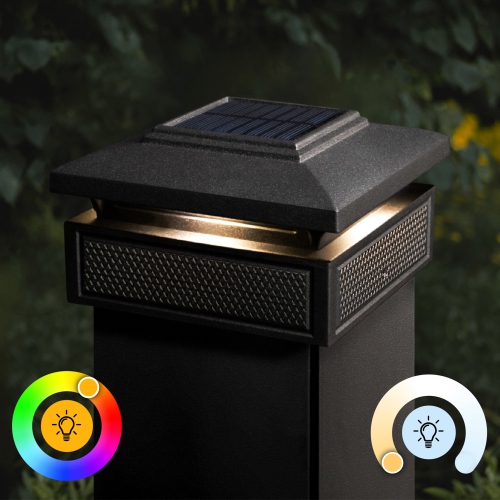 Your price for this item is $99.99
-
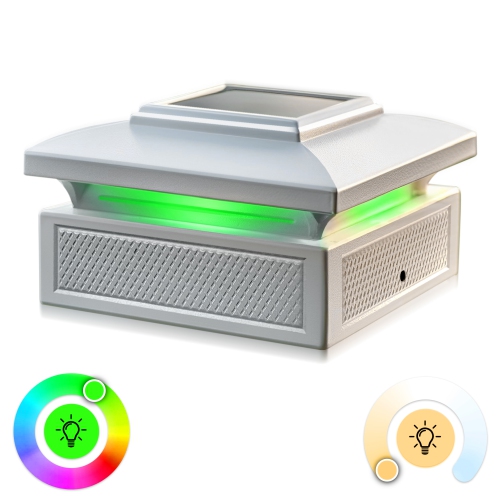 Your price for this item is $99.99
-
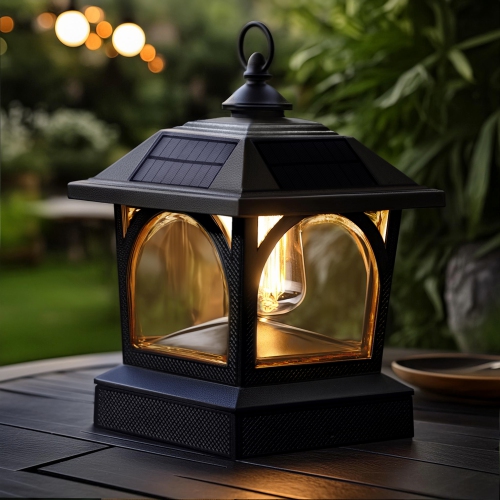 Your price for this item is $99.99
-
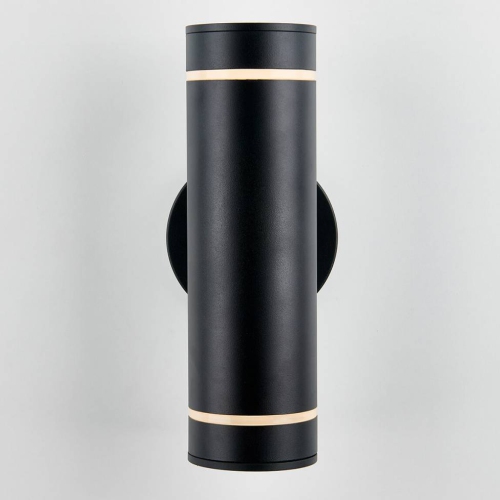 Your price for this item is $99
Discover more categories related to Outdoor Solar Lights
Top Collections:
Pokemon Centers, Kindle Devices, Best Cameras for Sports Photography, Pokémon 30th Celebration Cards, Apple iPhones 16, Canon G7X Cameras, iPhone 15 Apple, Flip Phones, Samsung Galaxy Phones, Alarm Clock
Some products may be subject to Environmental Handling Fees
(EHF) depending on your province.
Learn more about EHFs.