Outdoor Stools
Upgrade your outdoor space with stylish and versatile outdoor stools. Whether you're lounging by the pool, hosting a backyard barbecue, or simply enjoying a peaceful evening on your patio, these stools are the perfect addition to almost any outdoor setting. With a wide range of designs and materials to choose from, you can find the perfect outdoor stool to suit your style and needs. From sleek and modern to rustic and charming, our collection of outdoor stools offers something for everyone. Soak up the sun in comfort and style with these must-have outdoor essentials.
Sort


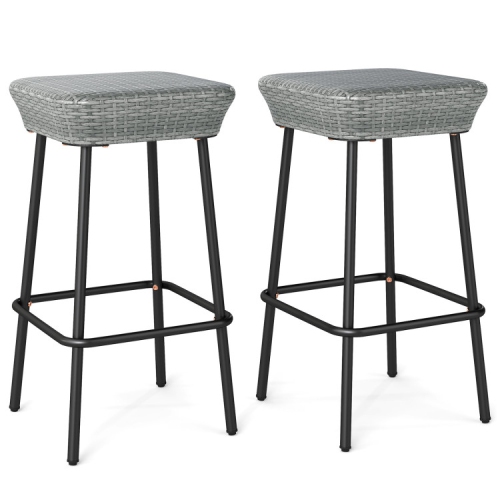


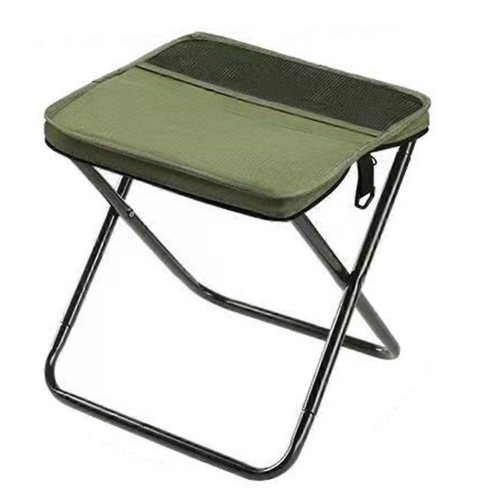


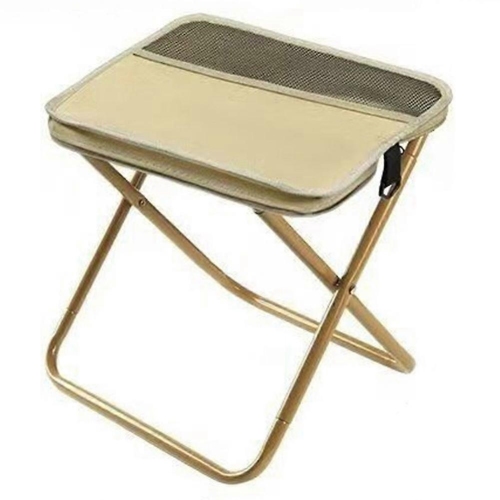


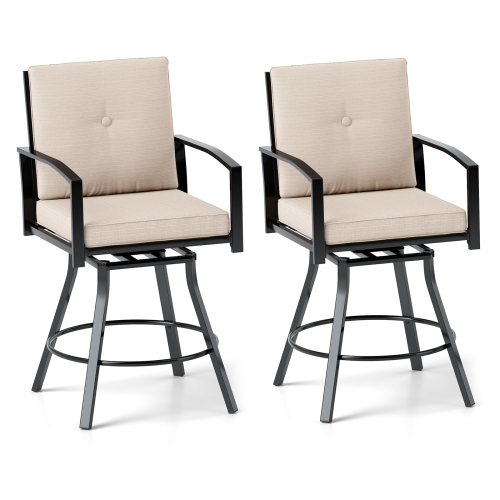
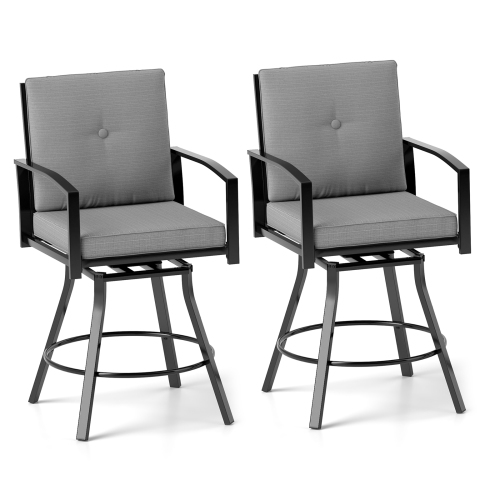
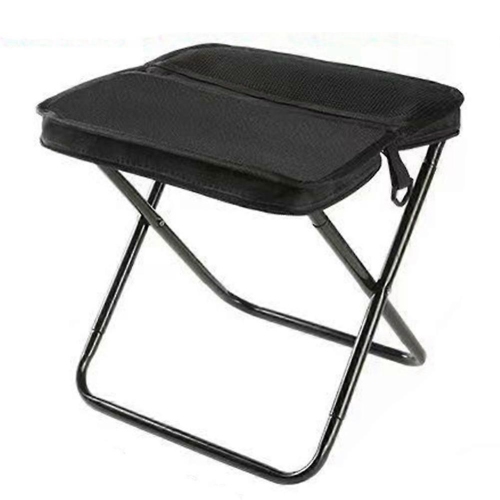
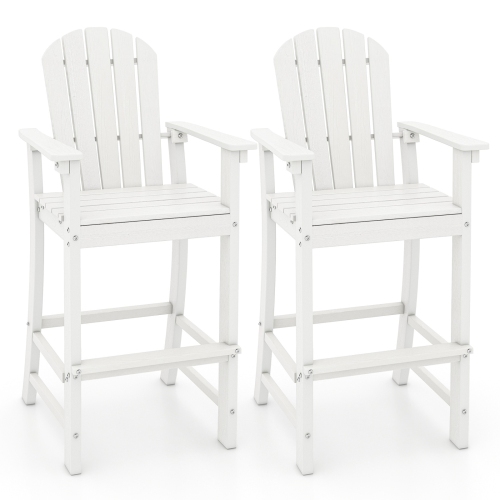


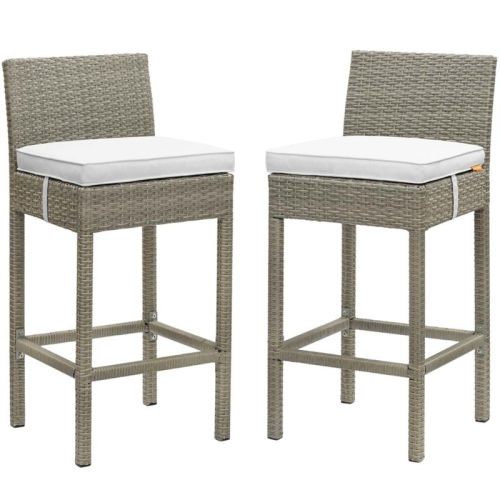


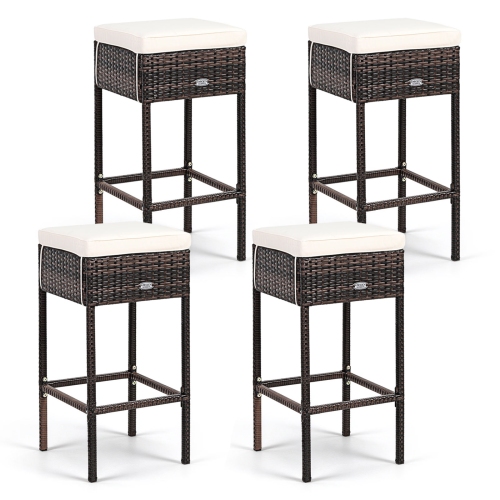
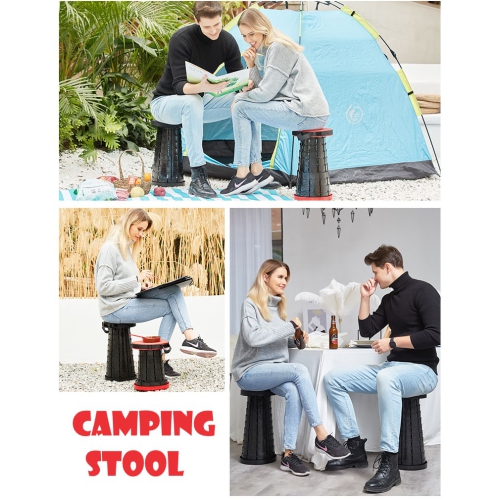


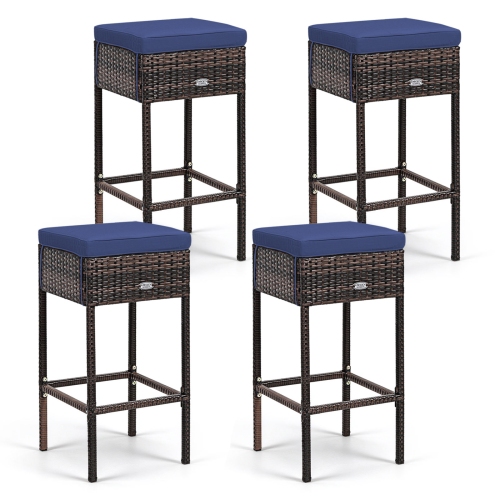

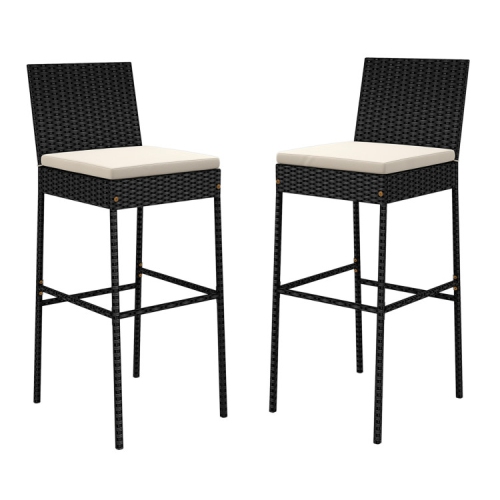
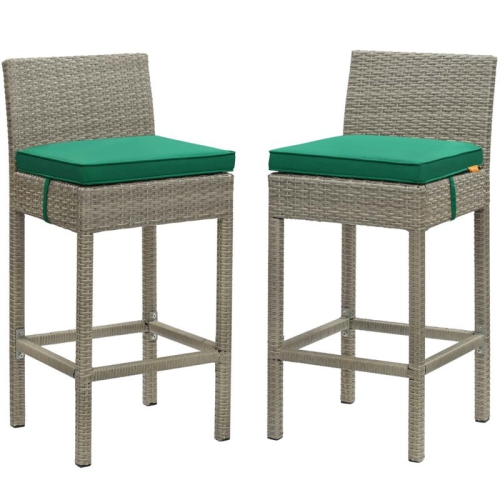

















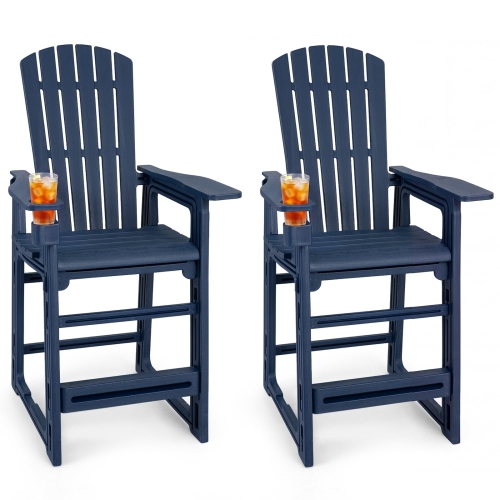


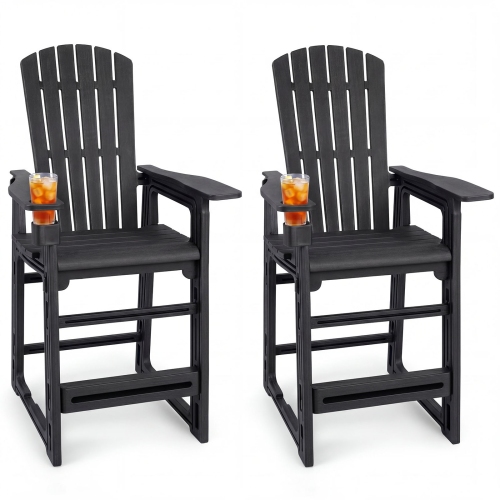
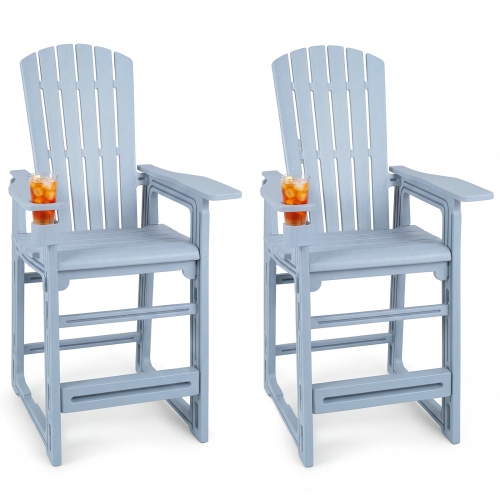


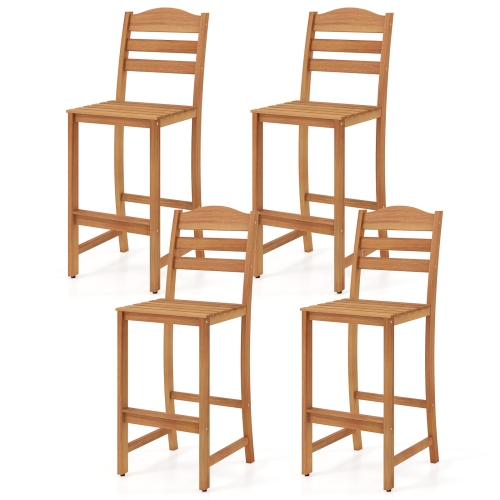









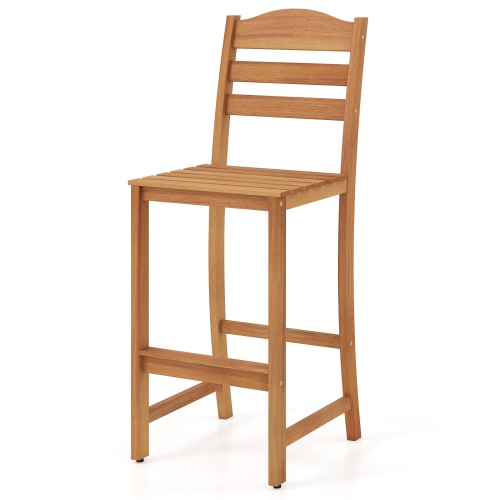


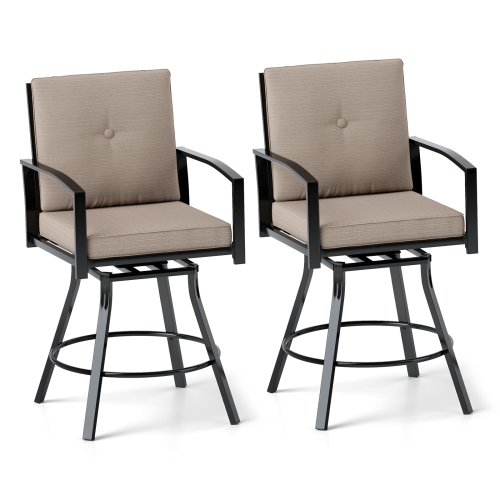


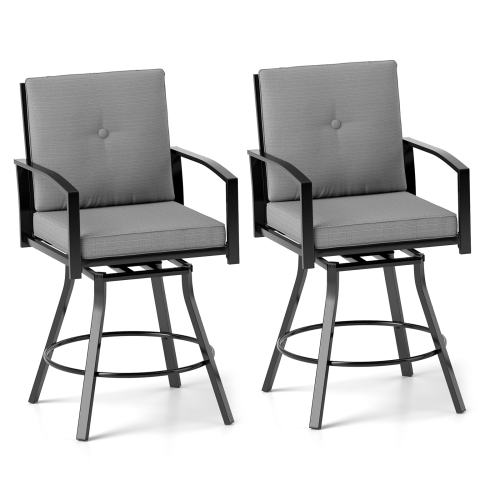


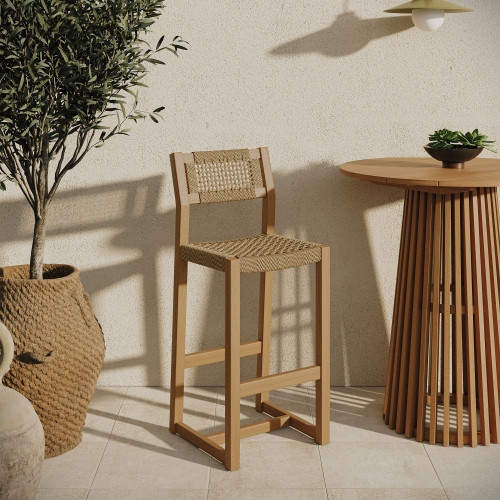






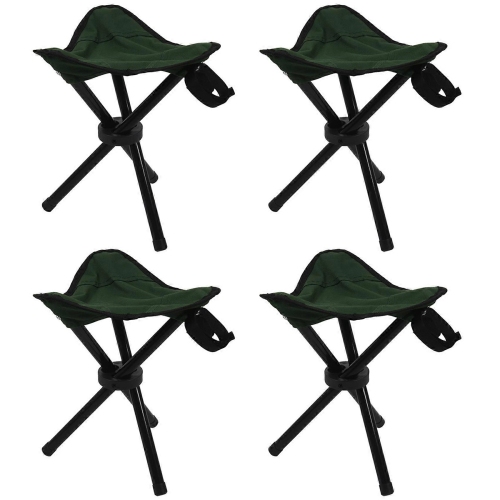


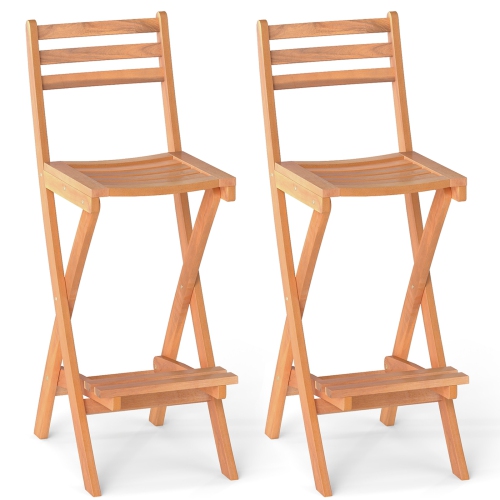
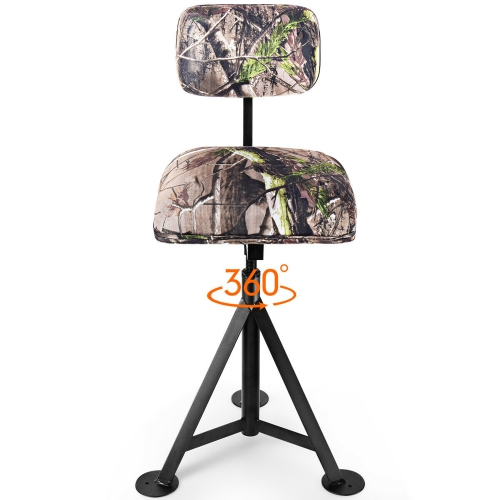


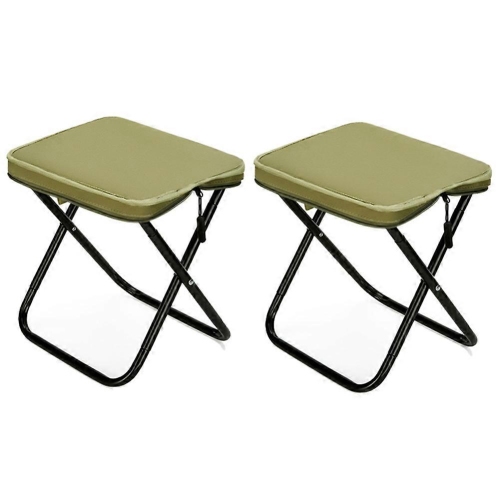







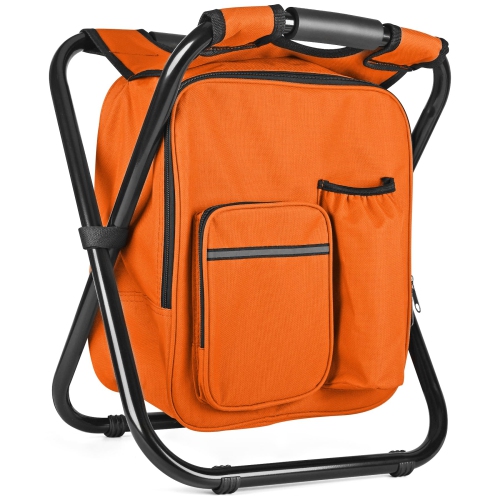
Comfortable patio seating starts with the right fit
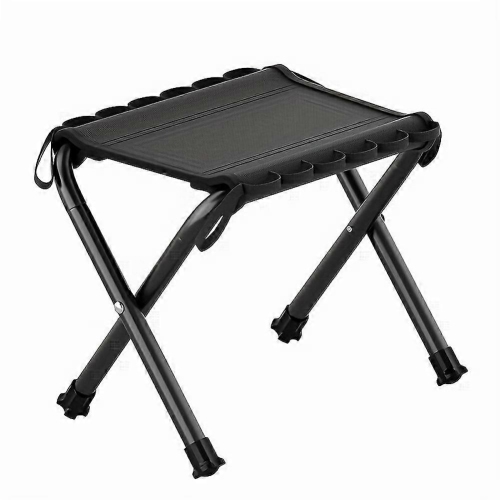
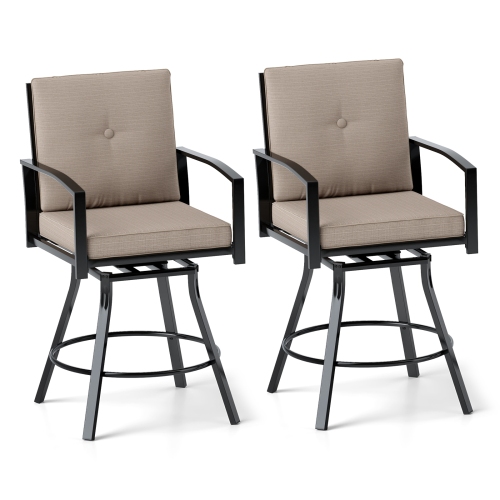
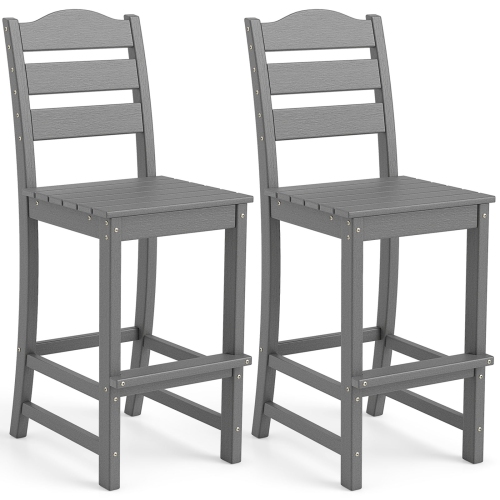
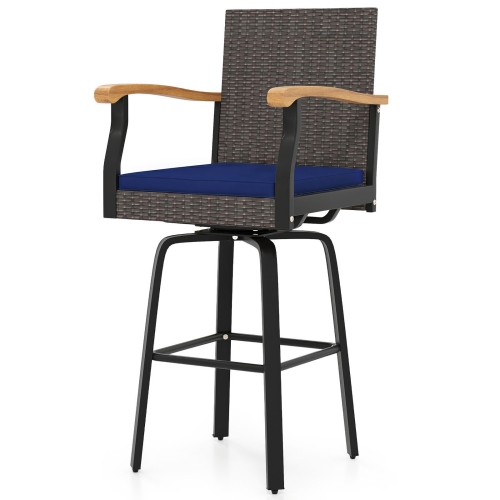
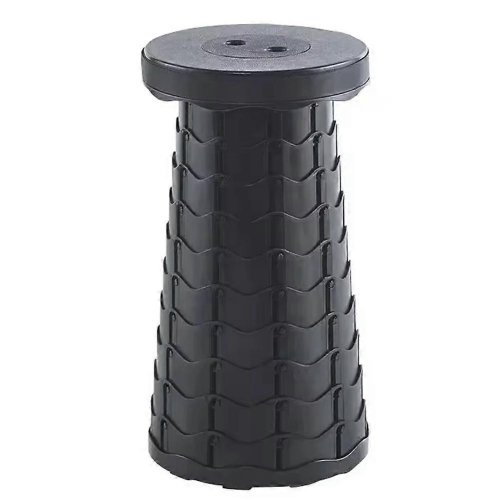
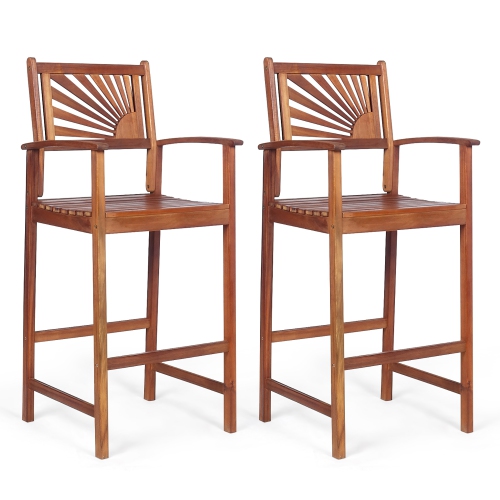
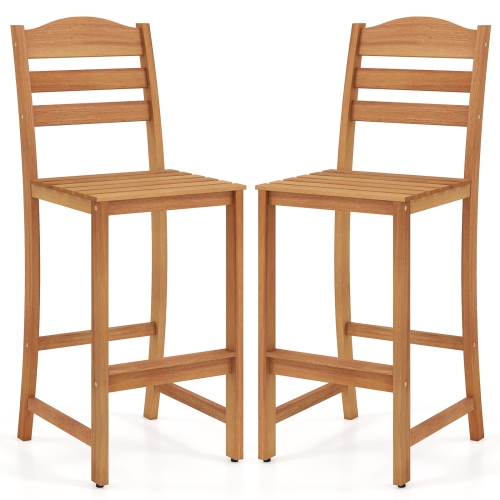
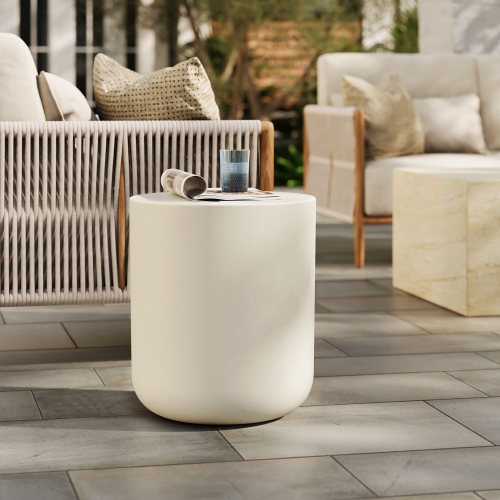
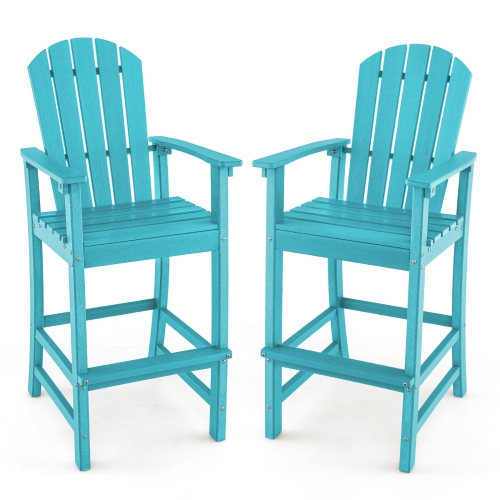
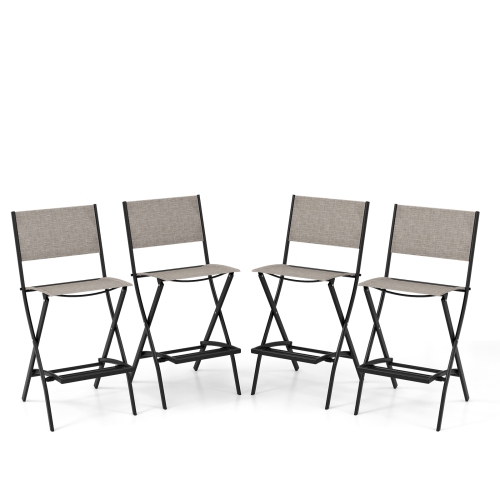
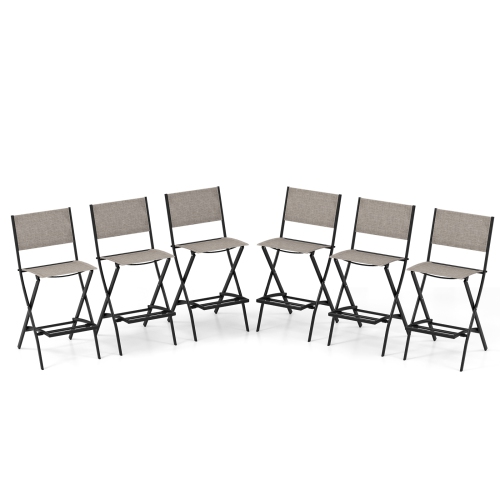
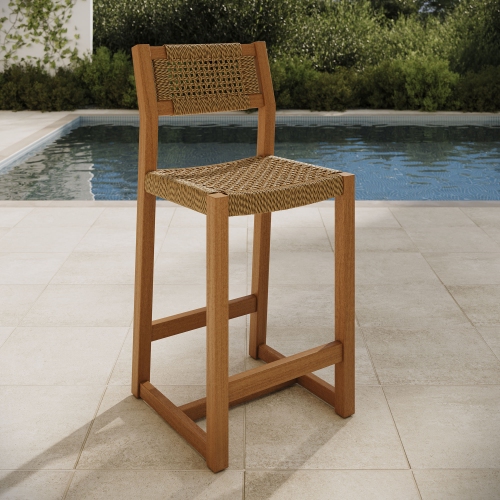
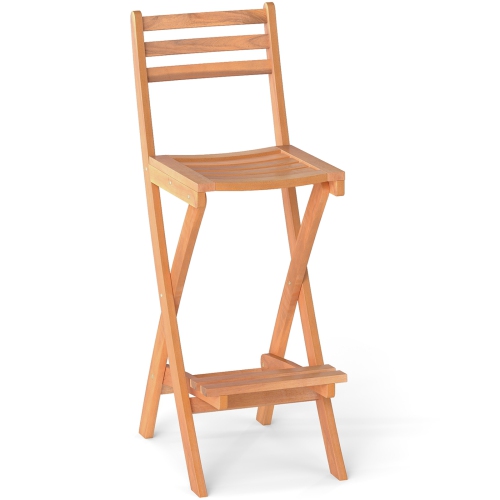
Outdoor stools add seating to patios, decks, balconies, and outdoor kitchens without requiring the footprint of a full dining chair. Their shape and height determine where they fit best: a compact garden stool can sit beside a lounge chair, while a taller stool brings guests up to an outdoor counter or bar. Counter-height outdoor stools commonly have seats measuring 24 to 26 inches from the ground and suit surfaces approximately 35 to 39 inches high. Bar-height outdoor stools typically have seats around 29 to 30 inches high for surfaces approximately 40 to 43 inches high. These ranges are useful starting points, but the actual clearance matters more than the category name. A thick tabletop, low apron, or support rail can reduce legroom, so measure the space beneath the surface as well as its overall height. Around 10 to 12 inches between the seat and the underside of the surface generally leaves comfortable room for thighs and movement, depending on the stool’s construction and any cushion. Low stools with seat heights around 18 to 20 inches are better suited to casual seating arrangements than raised counters. Width also affects how comfortably people can gather. Allow roughly 24 to 30 inches of counter length per person, with more space for broad armrests or swivel seats. On a narrow balcony, a backless profile may tuck neatly beneath a ledge, provided the legs and footrest clear the counter supports. A stool with a back needs more room behind it, especially beside a sliding door or a busy route to the barbecue. For seating that moves between an interior kitchen and a suitable outdoor setting, Indoor Outdoor Counter Stools offer another way to coordinate adjoining spaces, with each design’s stated outdoor-use requirements determining where it belongs.
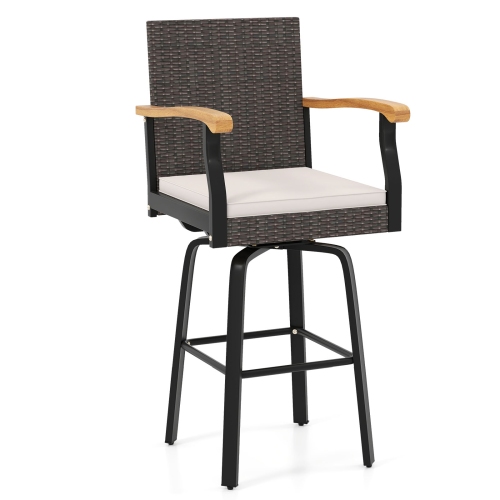
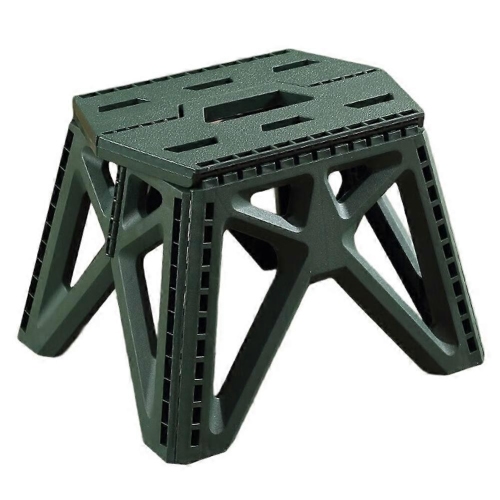
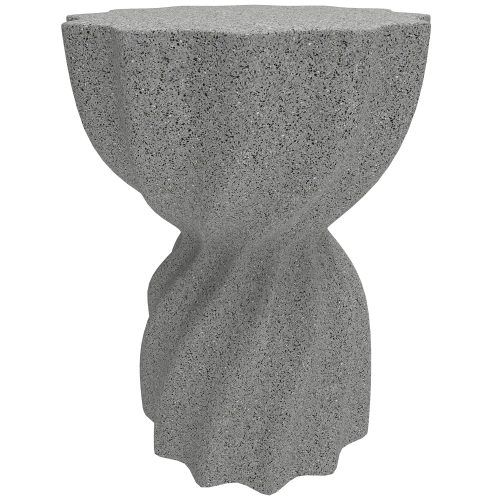
Materials influence an outdoor stool’s weight, feel, upkeep, and ability to handle exposure. Teak and acacia bring visible grain and a warm appearance to a seating area, although their finish and care requirements can differ considerably. Some wood is intended to develop a silvery-grey patina, while other finishes need periodic treatment to maintain their colour and protect the surface. Oiling is not a universal requirement; the care directions for the particular wood and finish should determine the treatment. Standing water, persistent dampness, and contact with wet ground can shorten the life of wooden components, making drainage and dry storage important. Aluminium frames are generally lighter to move than steel frames and do not develop iron rust. Coated steel can provide a substantial feel, but scratches or chipped finishes may expose the metal beneath to corrosion. Protective feet help prevent scraping on deck boards and paving, while intact welds, secure fasteners, and sound joints matter as much as the frame material. Synthetic wicker, often made with polyethylene strands over a frame, creates a woven texture suited to relaxed patio seating. Its outdoor performance depends on the weave, frame, and stated resistance to moisture and sunlight; natural wicker should not be assumed to offer the same protection. Mesh seating can allow airflow and help water drain, though seams and attachment points still need occasional inspection. High-density polyethylene, or HDPE, is another option for moulded or slatted outdoor stools, with cleaning requirements that are often straightforward. Fade resistance and load capacity remain design-specific rather than guaranteed by the material alone. Ceramic garden stools add colour, pattern, and a sculptural shape, but only designs explicitly rated for sitting should be used as seats. Whatever the material, mild soap, a soft cloth or brush, and thorough drying are sensible starting points when permitted by the care label. Abrasive cleaners and pressure washing can damage finishes or loosen woven surfaces.
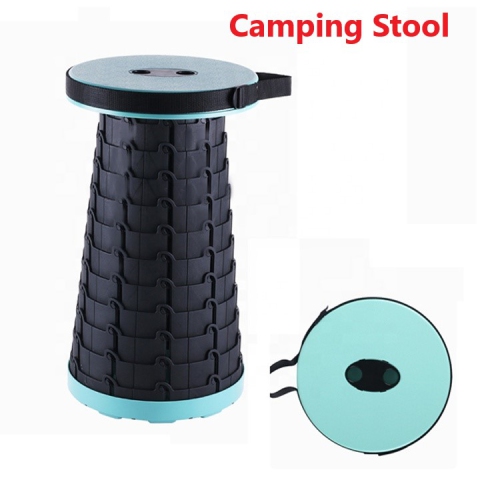
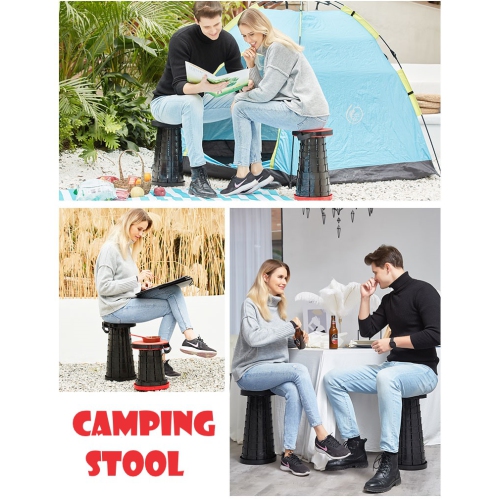
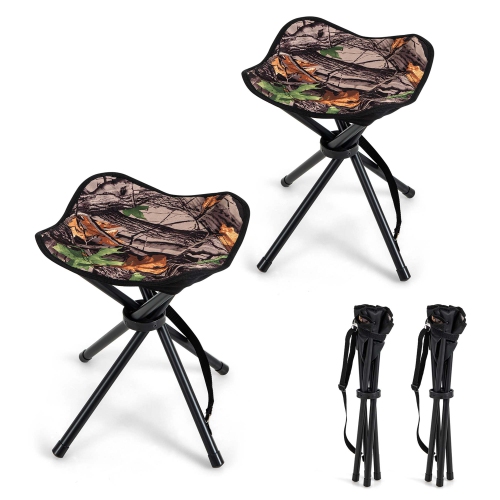
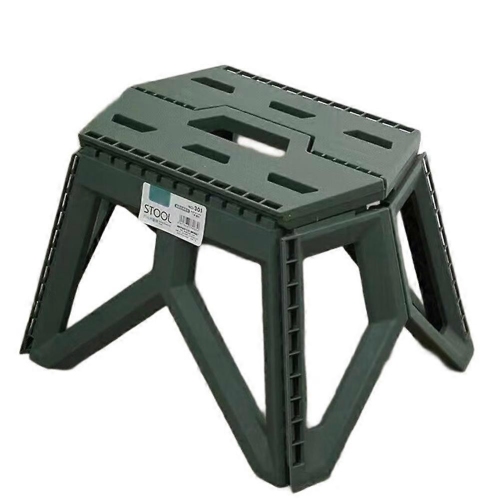
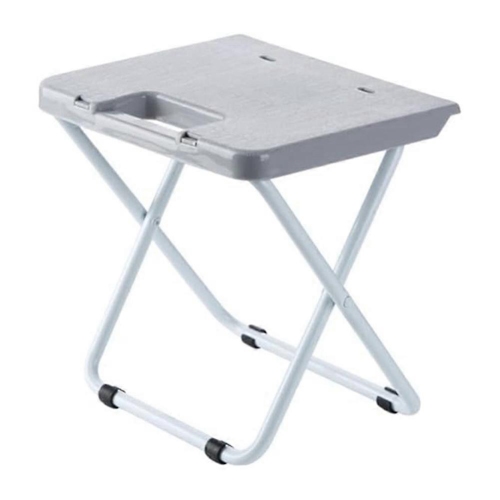
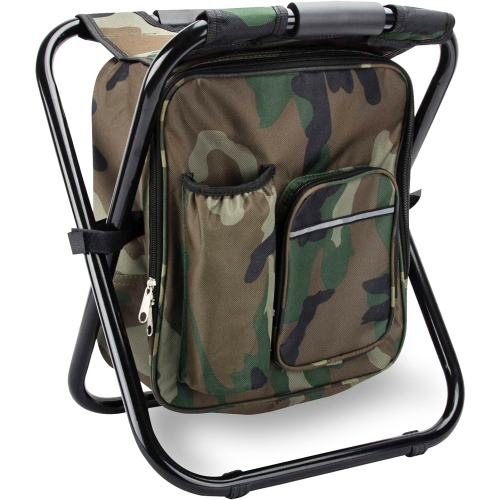
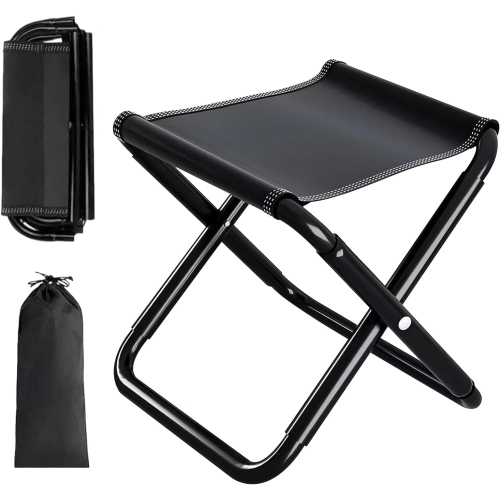
Comfort becomes especially noticeable when an outdoor stool is used for more than a brief conversation. A broad, gently contoured seat can feel supportive without a cushion, while a narrow, flat seat may be better suited to occasional use. Backrests provide support during a relaxed meal, and armrests give people somewhere to rest their elbows, although both features increase the space needed around the stool. A well-positioned footrest is particularly valuable on counter-height and bar-height seating, where feet may not reach the ground. Swivel seats can make it easier to turn towards a conversation or move away from a counter, but they need enough clearance to avoid striking nearby furniture or railings. Stability deserves equal attention: all feet should rest firmly on a level surface, and the stated weight limit should accommodate the intended user. Loose gravel, uneven pavers, and gaps between deck boards may be unsuitable for small feet or narrow legs. Tall stools should never serve as steps or platforms, and lightweight designs may need securing or storing when strong winds are expected. Removable cushions can soften the seat, but outdoor fabric is not necessarily waterproof; ties, drainage, and removable covers can make everyday care easier. Covers work best when the stool is clean and dry before covering, with ventilation that helps moisture escape. Stackable and folding designs are useful where a balcony also needs to accommodate laundry drying or where a patio is cleared for storage. Stacking pads and secure folding locks help protect finishes and support safe handling. Visually, slim metal frames suit a restrained layout, woven textures soften an outdoor dining area, and timber pairs naturally with planted borders and decking. A pair of compact stools can create a coffee spot beside a small table, while matching taller seats can make an outdoor kitchen feel more connected to its guests. For a housewarming gift, a recipient’s available space, counter height, and storage arrangements are more useful considerations than appearance alone. The best fit is seating that feels comfortable, stays steady, and suits the way the space is actually used.
Top selling and popular products
-
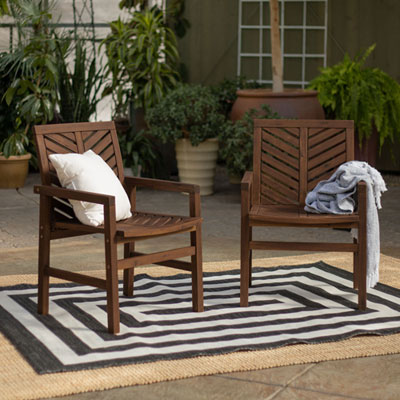 Your price for this item is $604.99
-
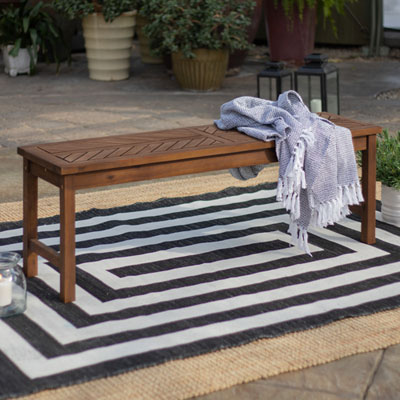 Your price for this item is $371.99
-
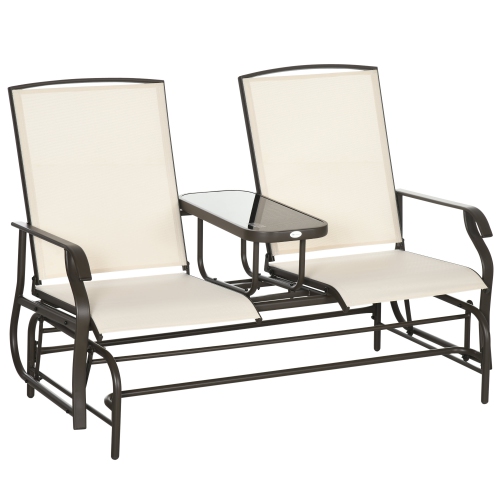 Your price for this item is $209.99
-
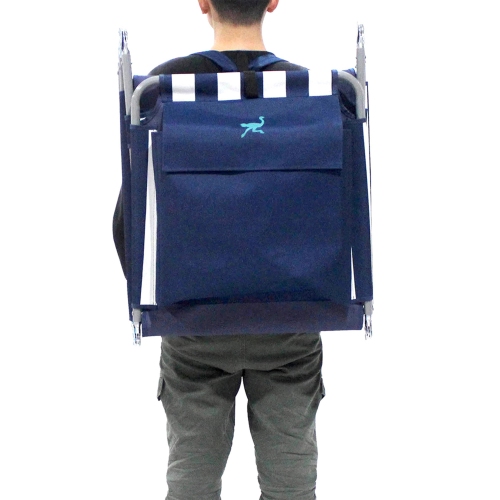 Your price for this item is $178.99
-
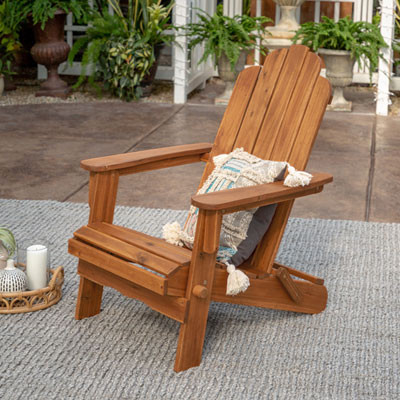 Your price for this item is $461.99
-
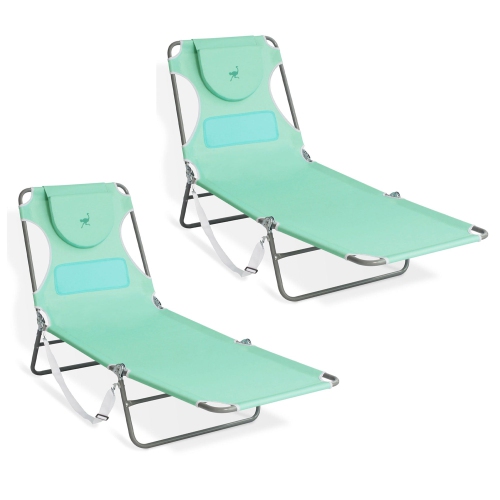 Your price for this item is $342.99
-
 Your price for this item is $150.99
-
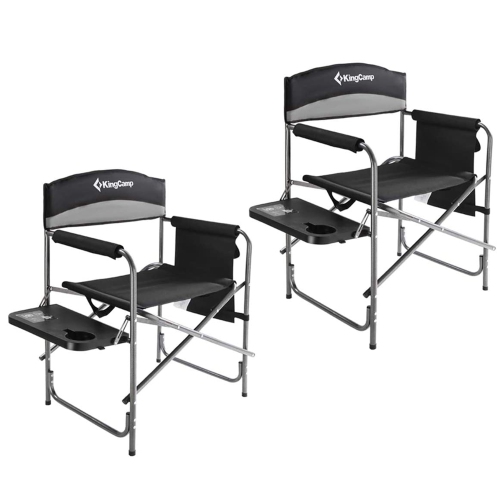 Your price for this item is $193.99
Discover more categories related to Outdoor Stools
Top Collections:
Pokemon Centers, Best Budget Office Chairs, Kindle Devices, Best Cameras for Sports Photography, Pokémon 30th Celebration Cards, Best Laptops for Writers, Canon G7X Cameras, iPhone 15 Apple, Best Cell Phones Under $300, Apple iPhones 16
Some products may be subject to Environmental Handling Fees
(EHF) depending on your province.
Learn more about EHFs.