Outdoor Tables With Umbrella Hole
Looking to enhance your outdoor space with a functional and stylish addition? Look no further than our collection of outdoor tables with umbrella holes. Whether you're hosting a backyard barbecue, enjoying a relaxing afternoon by the pool, or simply seeking some shade on a sunny day, these tables are designed to accommodate your needs. With their convenient umbrella holes, you can easily add an umbrella to provide protection from the sun's rays or create a cozy ambiance for evening gatherings. Here are some great options available.
Sort





































































Shaded patio dining starts with the right fit
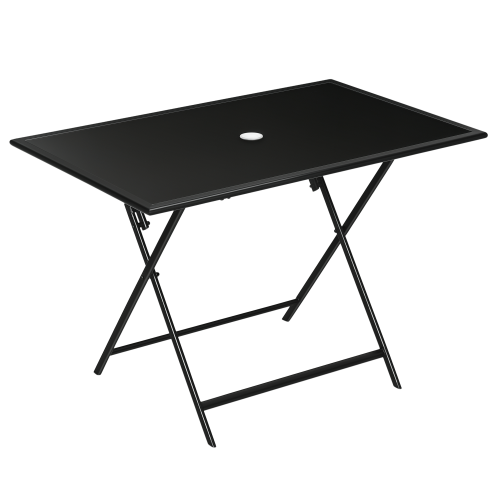
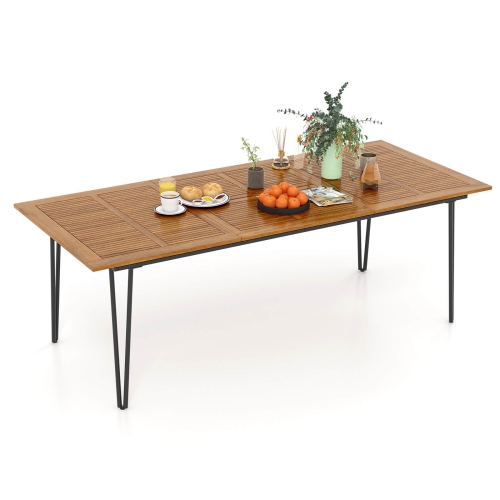
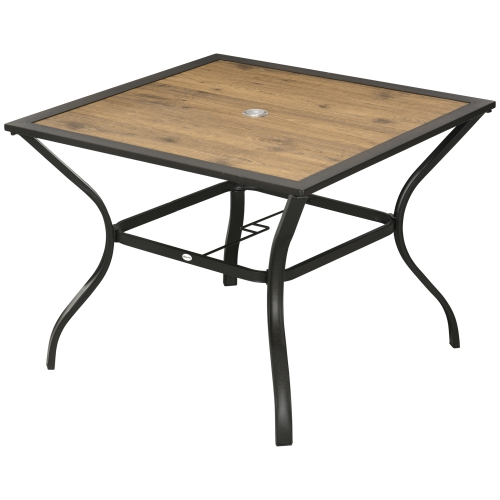
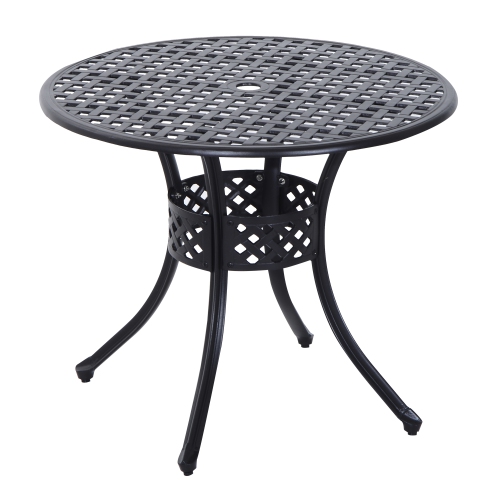
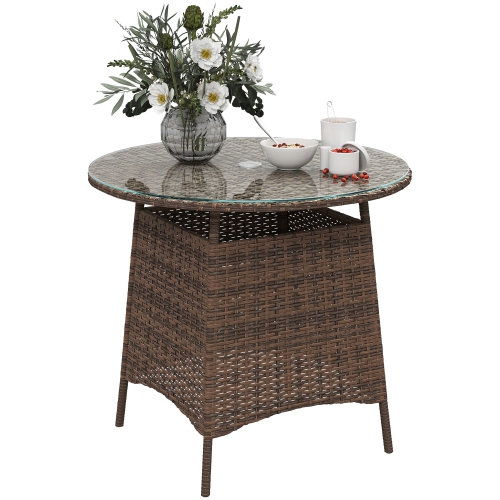
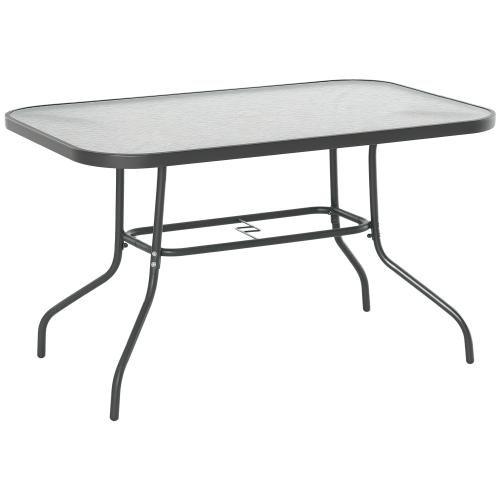
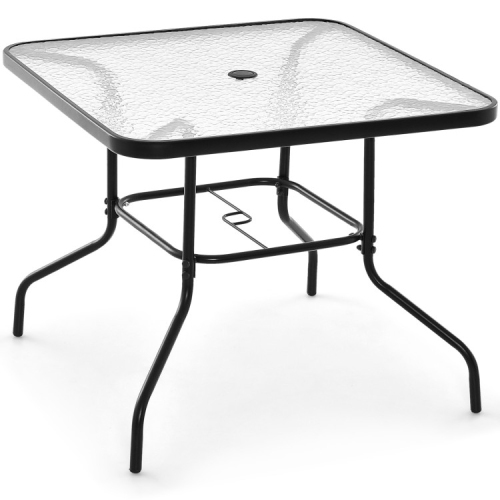
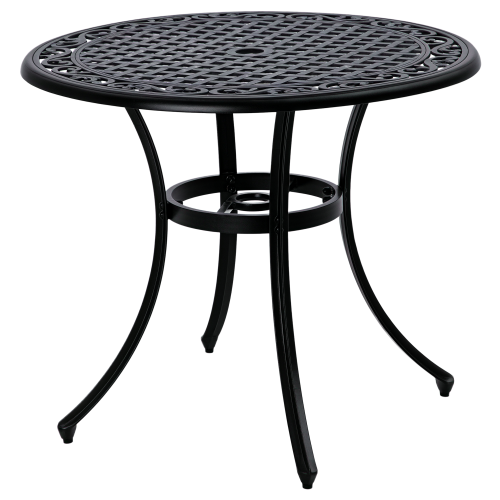
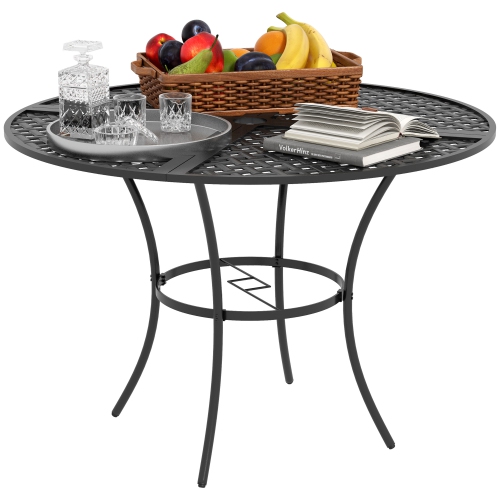
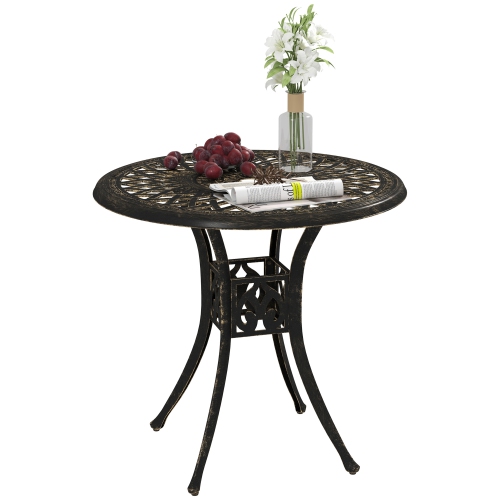
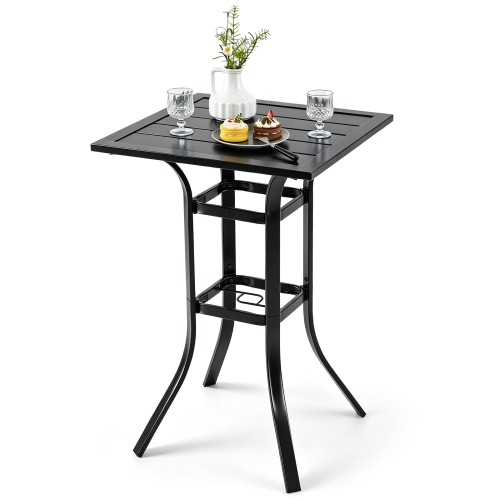
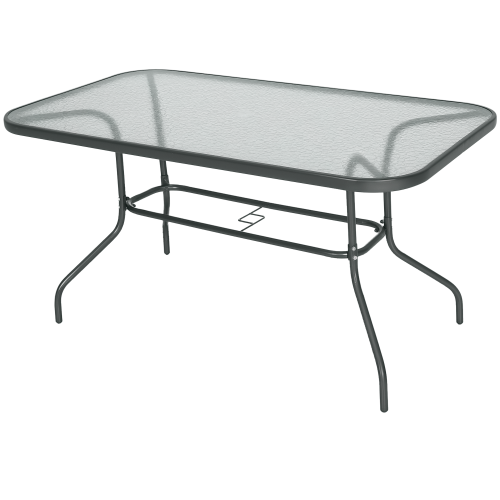
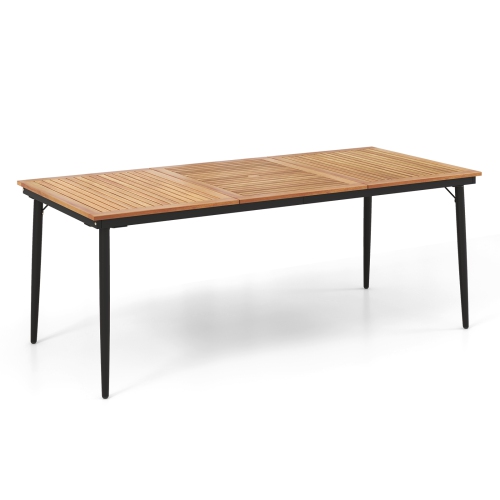
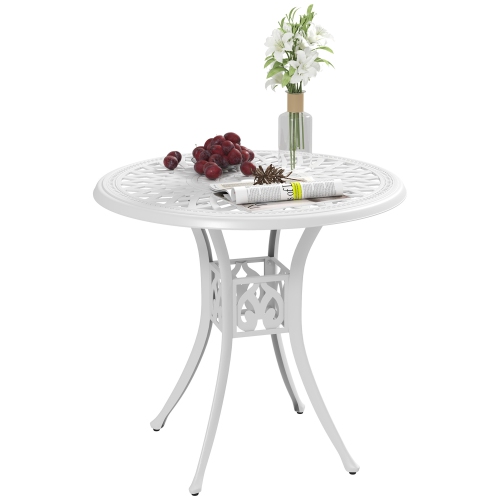
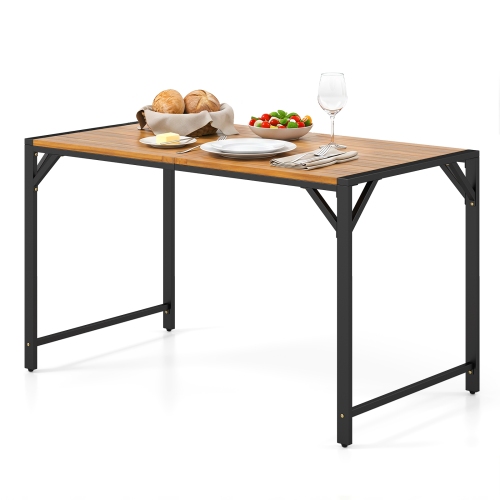
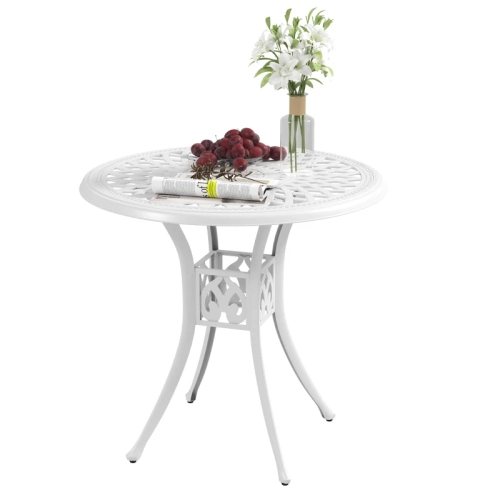
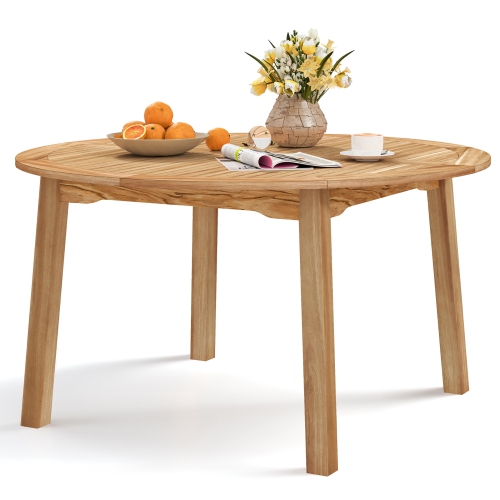
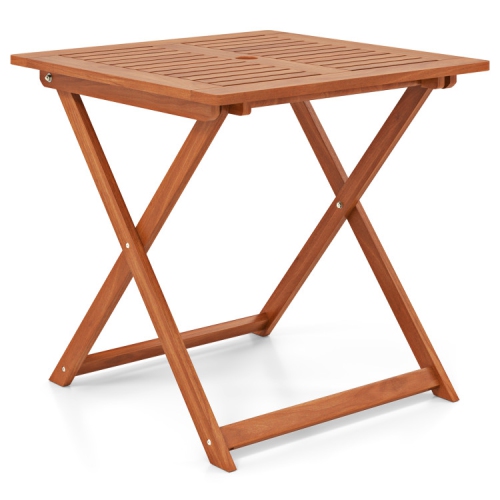
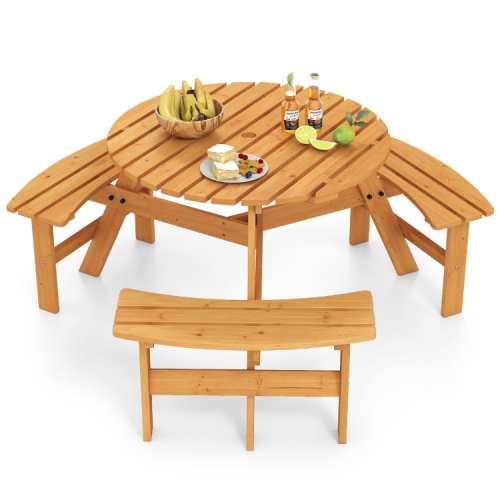
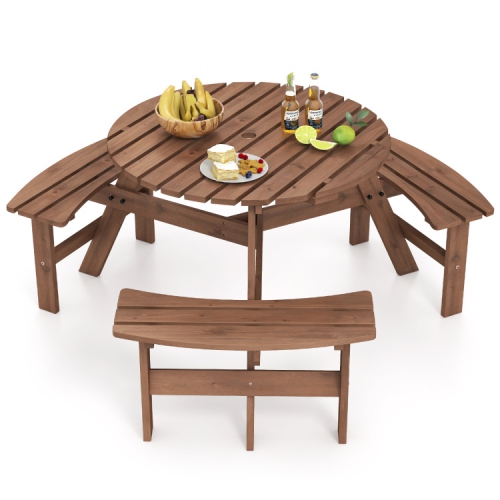
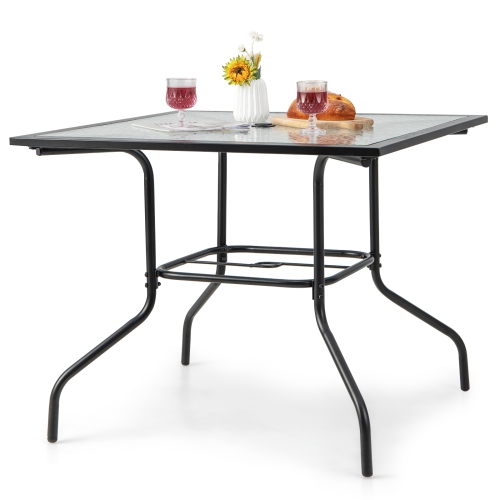
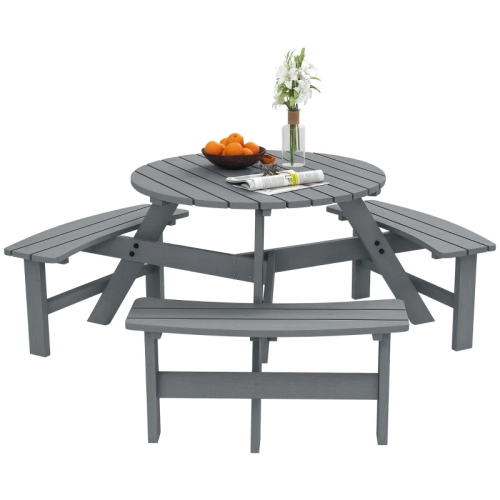
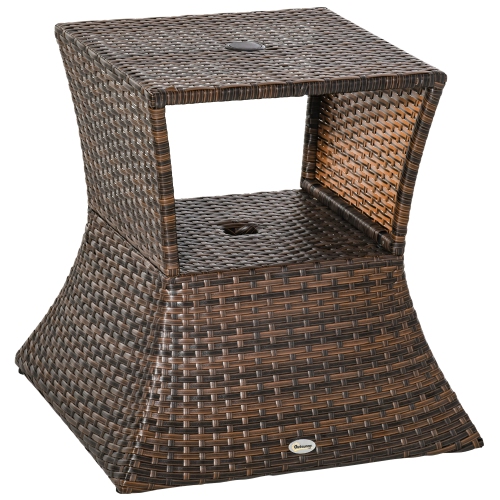
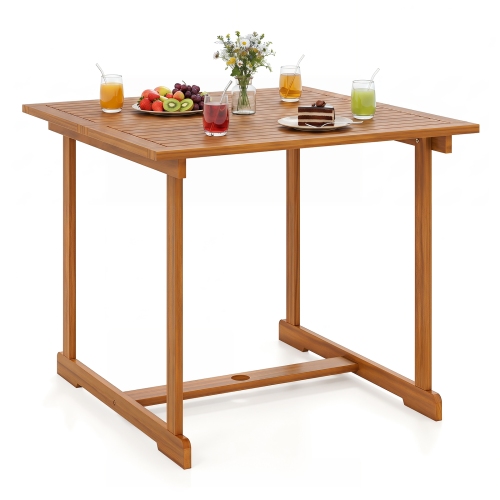
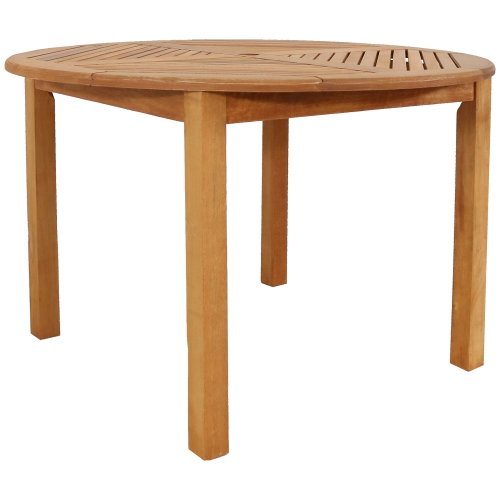
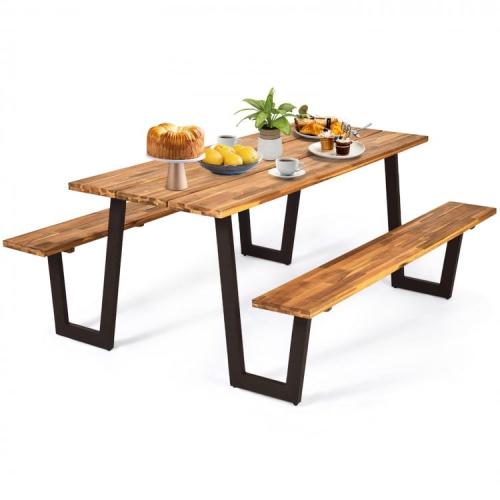
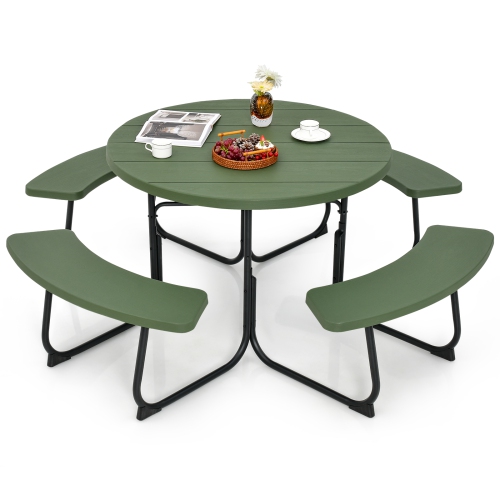
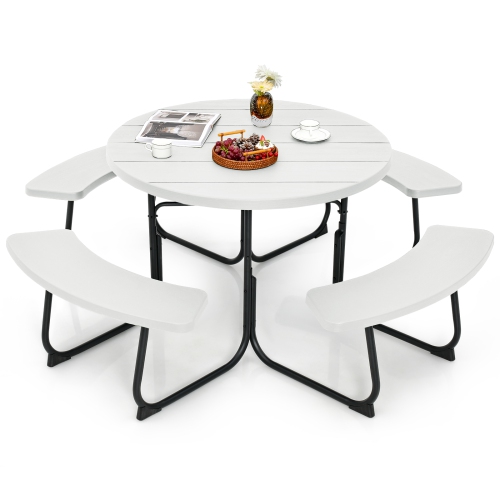
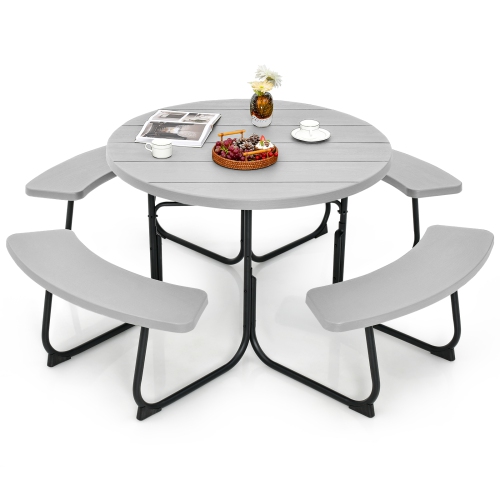
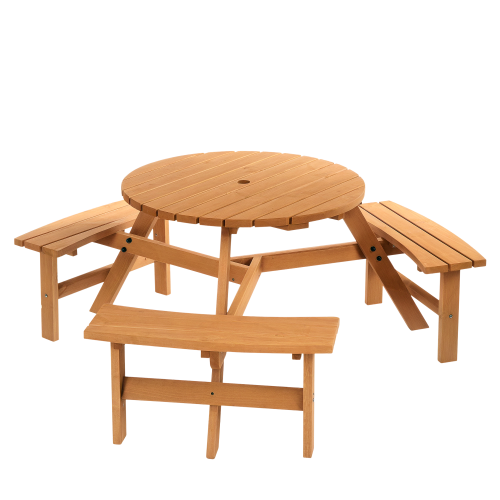
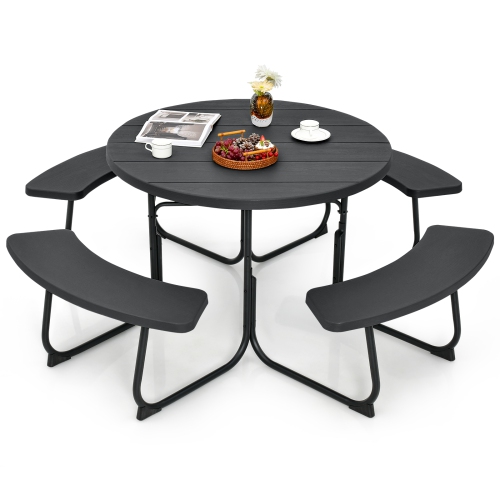
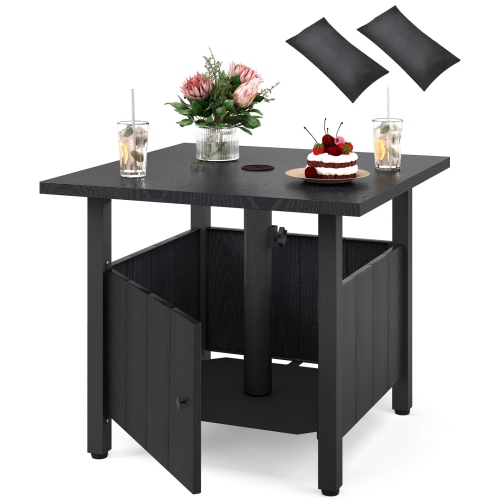
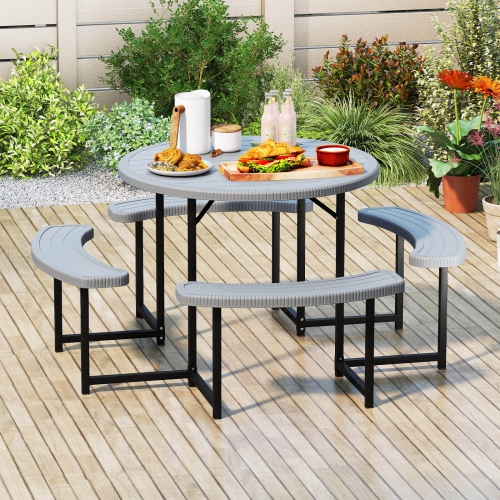
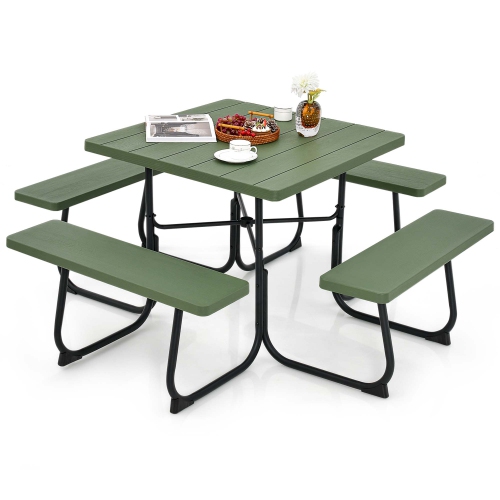
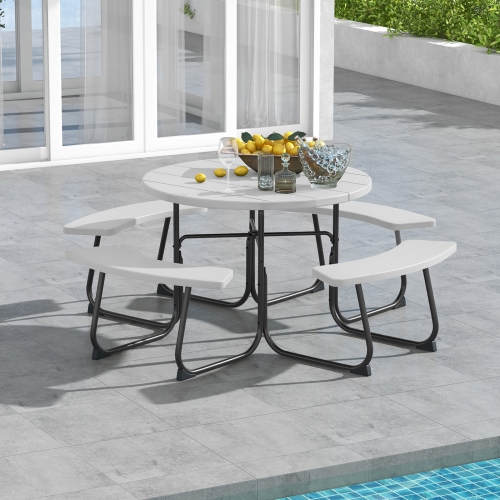
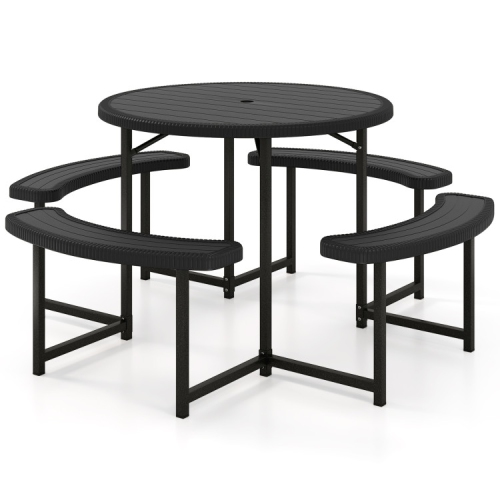
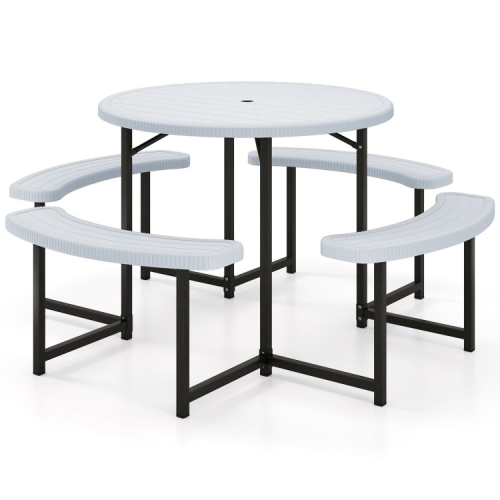
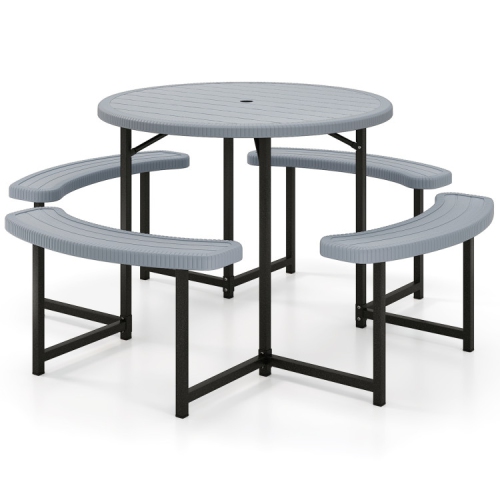
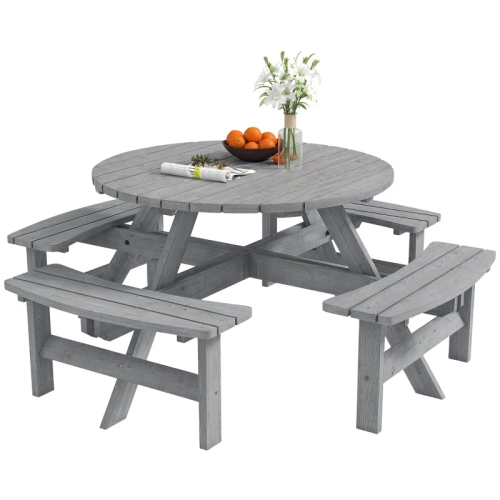
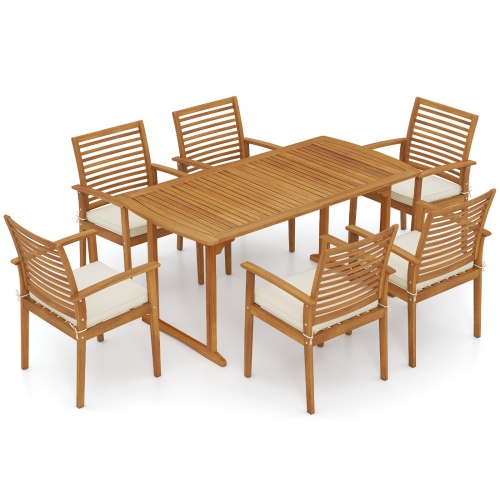
Outdoor tables with an umbrella hole bring dining space and shade together on a patio, deck, or roomy balcony. An opening in the tabletop allows a compatible patio umbrella pole to pass through, keeping the canopy centred above the table without placing a separate umbrella stand beside the seating area. That arrangement works well for everything from a quiet coffee outdoors to a family lunch with serving bowls spread across the tabletop. The opening helps position the pole, but it does not replace the support of a suitable umbrella base. Many tables require a separate weighted base beneath them, with the appropriate weight determined by the umbrella manufacturer’s requirements and the conditions where it will be used. Hole diameters commonly range from about 1.5 to 2 inches, although measurements vary, so the table opening and umbrella pole diameter need to be checked together. A compatible insert ring can help protect the edges of the opening and limit movement, while a fitted cap covers the hole when the umbrella is removed. Table shape makes a noticeable difference to how the space feels and functions. Round tops keep everyone facing one another and have no corners to navigate when moving between chairs. Round Umbrella Tables suit conversation-focused seating arrangements, with the umbrella positioned at the centre. Square tables can create a comfortable setting for a smaller household, while rectangular designs offer a longer surface for shared meals and larger gatherings. Compact side tables with umbrella holes serve a different purpose, providing a spot for drinks or a book beside lounge seating rather than a full dining area. The right fit depends on more than the tabletop dimensions: chairs need space to pull out, people need room to pass behind seated guests, and the umbrella canopy needs clearance from walls, railings, branches, and overhead structures. A generous tabletop is most useful when it leaves the surrounding area comfortable to move through.
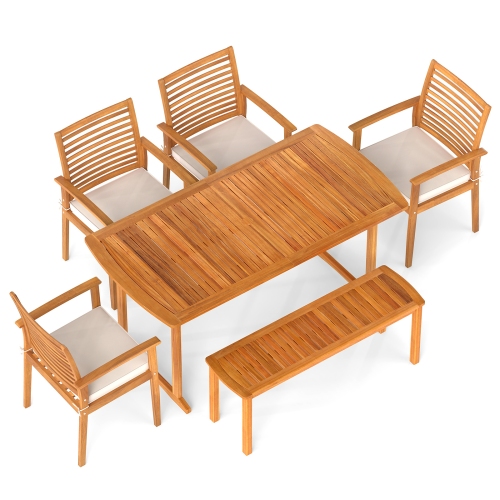
Materials influence both the appearance of an outdoor umbrella table and the attention it needs over time. Powder-coated steel offers a solid feel and a finish that helps protect the metal from moisture, though scratches, exposed joints, and damaged edges can become points where rust develops. Aluminium is generally lighter and naturally resistant to rust, making it practical for tables that need to be moved for cleaning or storage; its finish and fasteners still benefit from regular care. Weight alone does not establish whether a table and umbrella combination is safe in wind, since a broad canopy can place considerable force on the whole setup. Wood brings visible grain and a warmer feel to a dining area, pairing naturally with cushions, woven seating, and simple outdoor textiles. Woods such as acacia and teak differ in their maintenance needs, and their colour may change with exposure. Depending on the wood and finish, manufacturer-approved oil or sealant may help maintain the intended appearance. Resin and plastic tables are often easy to wipe clean and move, although resistance to fading, cold, and cracking depends on their construction and material formulation. Composite tabletops vary as well, so their care requirements should be checked rather than assumed to match either solid wood or plastic. Tempered glass creates a smooth surface for dining and lets the base remain visible, but the glass edges and umbrella opening need protection from impacts and direct contact with a moving pole. Surface design matters during everyday use, too. Slatted tops allow water to drain through, while smoother, more continuous surfaces can be convenient for small cups, writing, or placing serving dishes. Narrow gaps may collect crumbs and leaves, making access for cleaning worth considering. Reinforced joints, well-finished edges, secure hardware, and feet that sit evenly on the ground all contribute to a table that feels steady during a meal. For a household with children or frequent visitors, a stable frame and comfortable spacing around each place setting can matter as much as the tabletop’s appearance.
An outdoor table with an umbrella hole works best as part of a coordinated seating and shade arrangement. Dining-height tables need chairs with suitable seat heights, and armrests should fit beneath the tabletop if chairs will be tucked away between meals. Crossbars, pedestal supports, and umbrella bases can reduce legroom, particularly at smaller tables where feet share a compact space. The base must fit beneath the table without interfering with its frame, and its pole holder needs to align with the tabletop opening. The umbrella also needs enough usable pole length to seat securely in the base while leaving the canopy mechanism accessible. A centred umbrella provides shade, but coverage shifts as the sun moves; canopy size, table dimensions, and seating positions all affect which places remain shaded. On an exposed deck, an umbrella should be closed and secured whenever conditions exceed its manufacturer’s limits, and it should not be left open unattended. During the cooler months, a table can still provide a pleasant place for a hot drink or an outdoor lunch when conditions allow, while the umbrella can be removed when it is not needed. Routine care is usually straightforward: remove leaves and food residue, clean with products suited to the surface, and let components dry before covering or storing them. Mild soap and water are appropriate for many finishes, but abrasive pads, harsh cleaners, and pressure washing may damage coatings or joints. A breathable, properly fitted cover can help keep dirt and moisture off the table without trapping dampness against the surface. Where freezing temperatures or heavy snow are expected, storage needs depend on the material and the manufacturer’s instructions; not every outdoor table is designed to remain exposed throughout a Canadian winter. Checking bolts, protective rings, feet, and finishes before each period of regular use helps catch small problems early. Whether furnishing a first patio, creating a shared family dining space, or choosing a practical housewarming gift, a well-matched table offers room to eat, sit, and spend time outside without making shade support an afterthought.
Top selling and popular products
-
 Your price for this item is $162.99
-
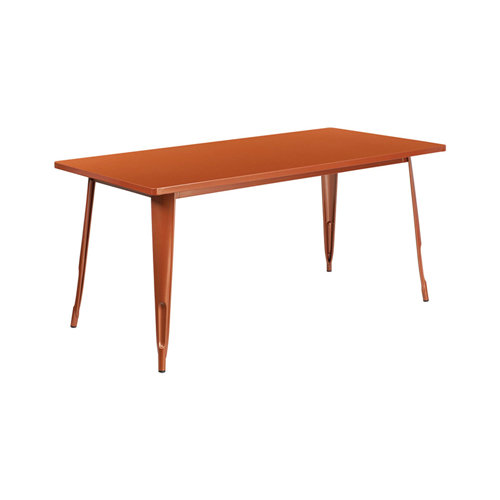 Your price for this item is $516.69
-
 Your price for this item is $115.99
-
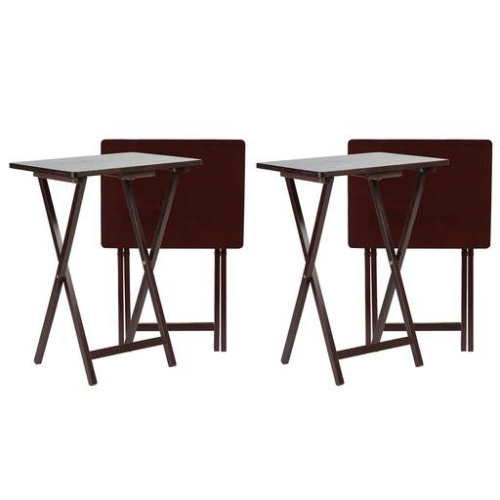 Your price for this item is $180.99
-
 Your price for this item is $149
-
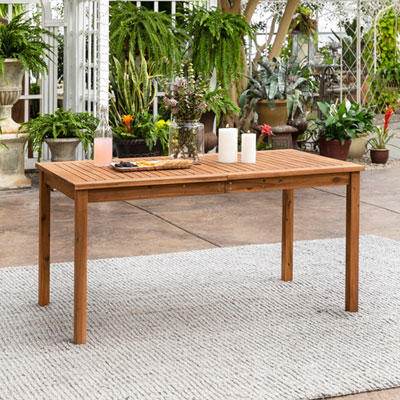 Your price for this item is $550.99
-
 Your price for this item is $259.99
-
 Your price for this item is $299.95
Discover more categories related to Outdoor Tables With Umbrella Hole

Top Collections:
Pokemon Centers, Best Cameras for Sports Photography, Kindle Devices, Samsung Galaxy Phones, Canon G7X Cameras, Pokémon 30th Celebration Cards, Refurbished Apple Laptops, iPhone 15 Apple, Laptops for Students, Budget Smartphones
Some products may be subject to Environmental Handling Fees
(EHF) depending on your province.
Learn more about EHFs.