Outdoor Tool Storage
Organizing your outdoor tools is essential for maintaining a tidy and efficient outdoor space. With the right outdoor tool storage solutions, you can keep your gardening tools, lawn equipment, and other essentials neatly stored and easily accessible. From spacious storage sheds to compact tool boxes, finding the perfect storage option can help you declutter your yard and streamline your outdoor projects. Explore our range of outdoor tool storage solutions to find the ideal fit for your needs and space requirements.
Sort
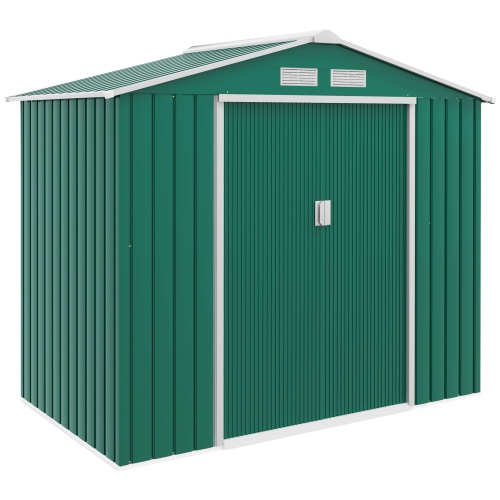
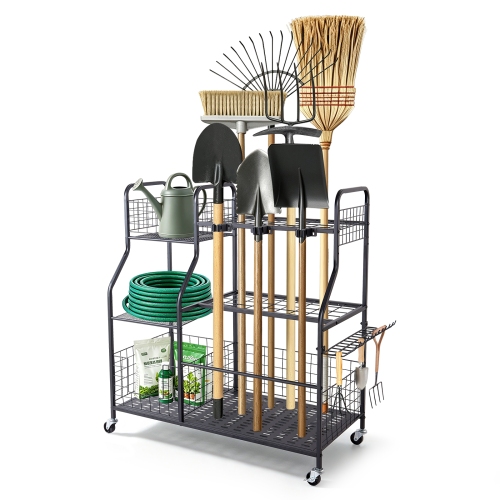
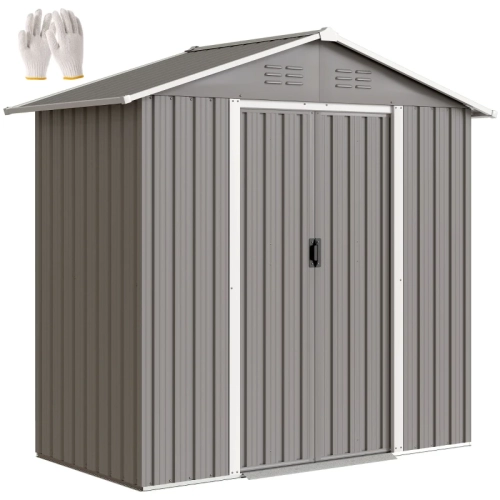
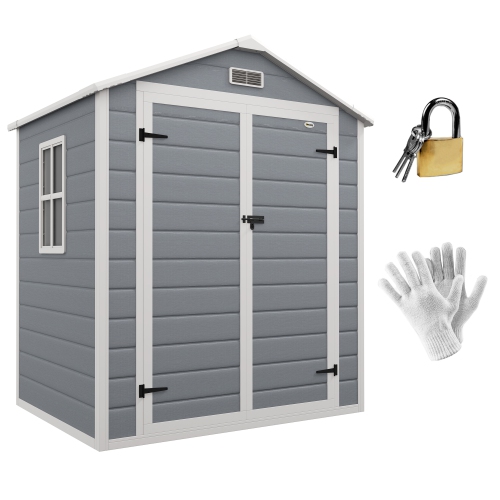
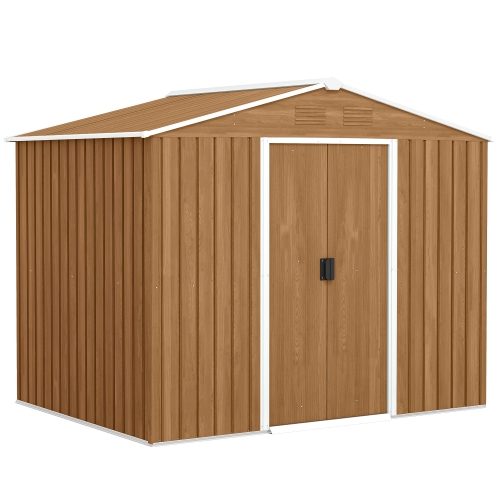
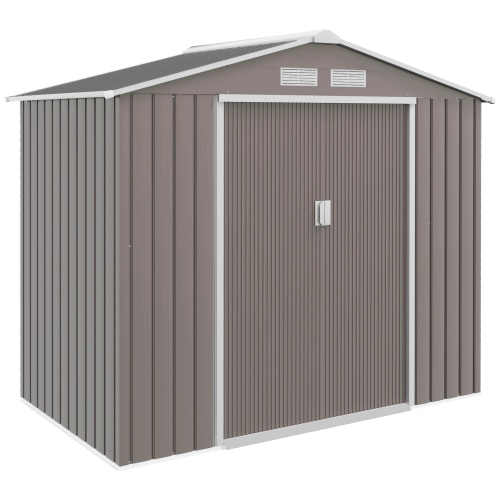
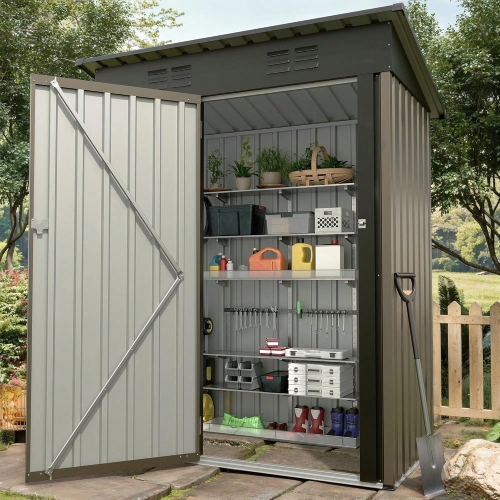
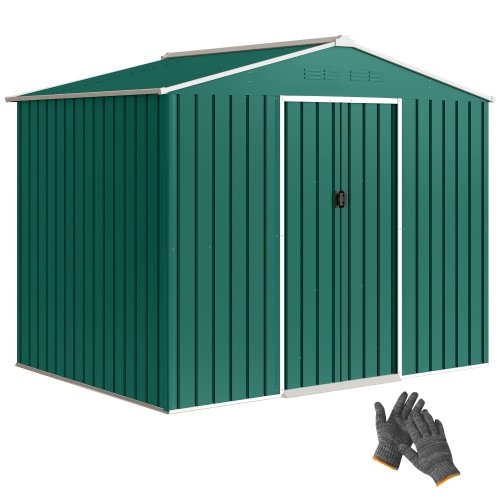
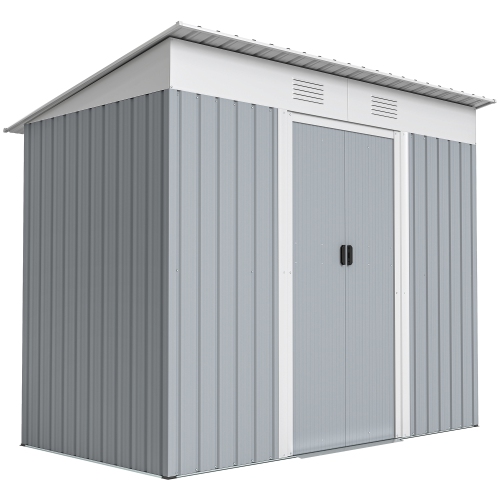
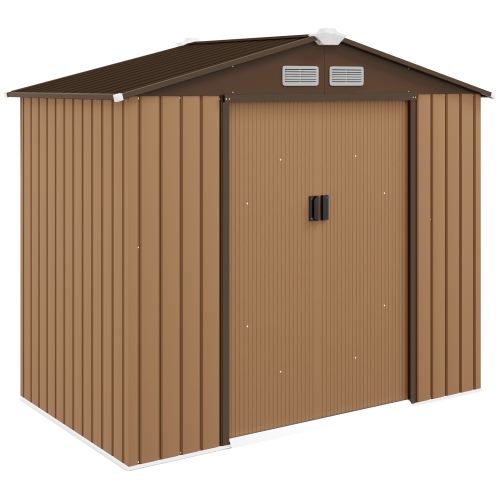
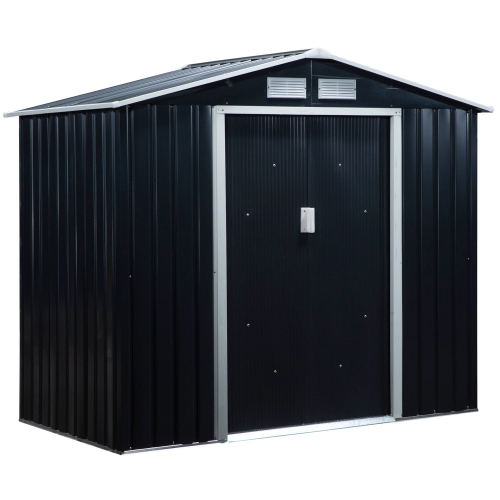
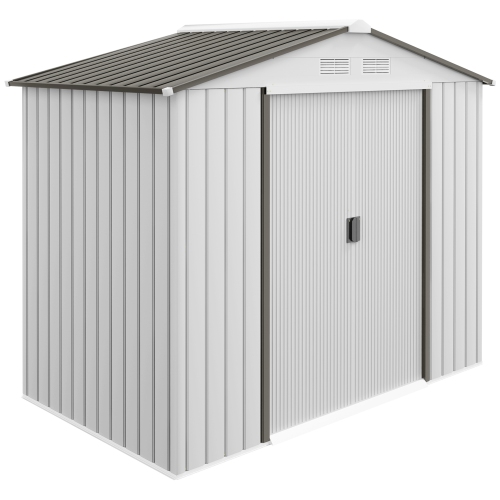
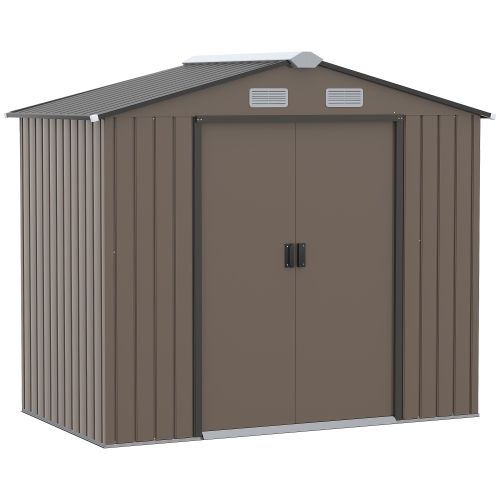
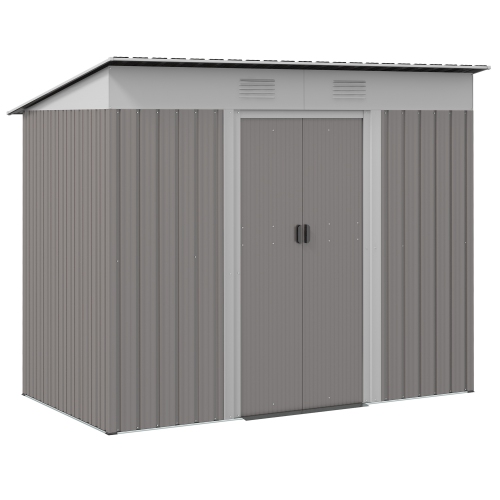
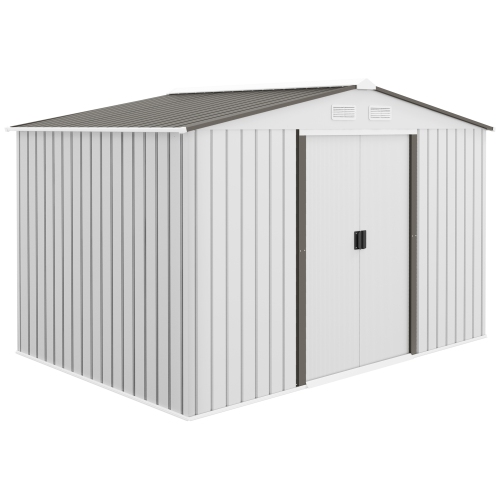
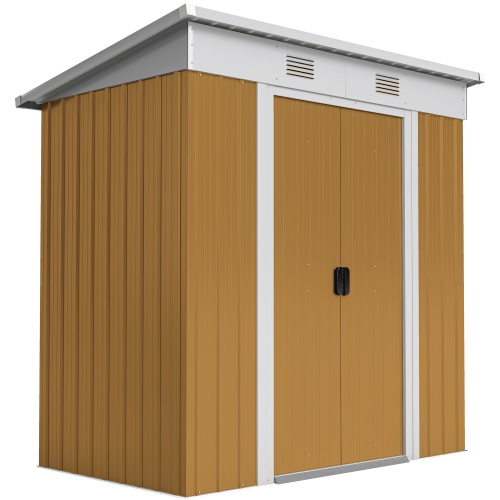
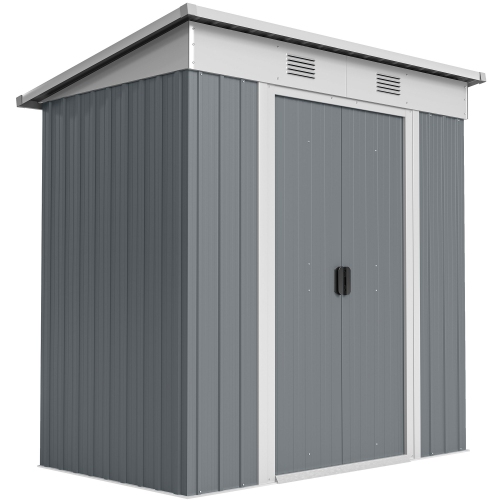
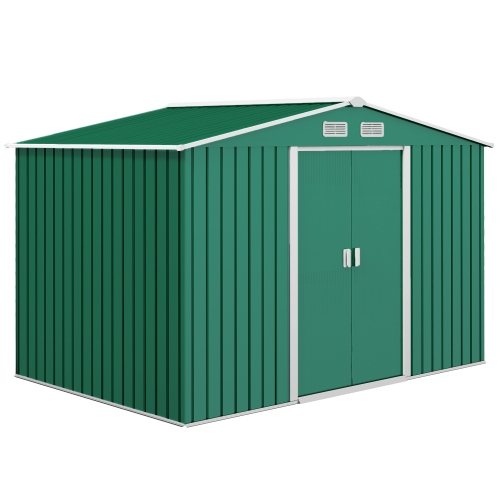
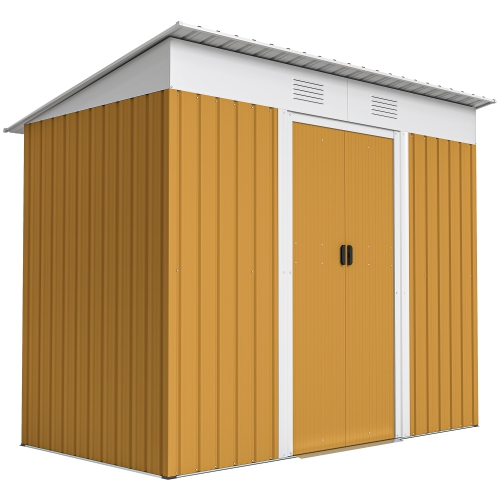
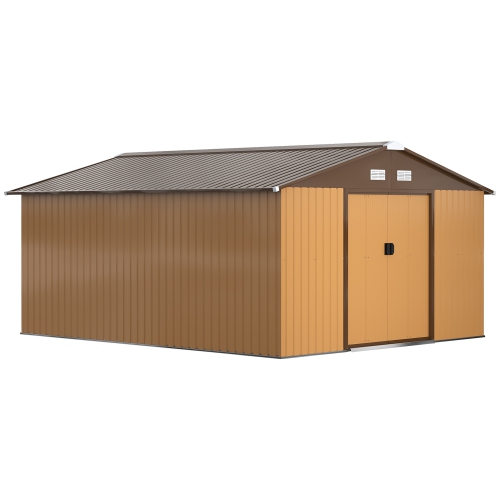
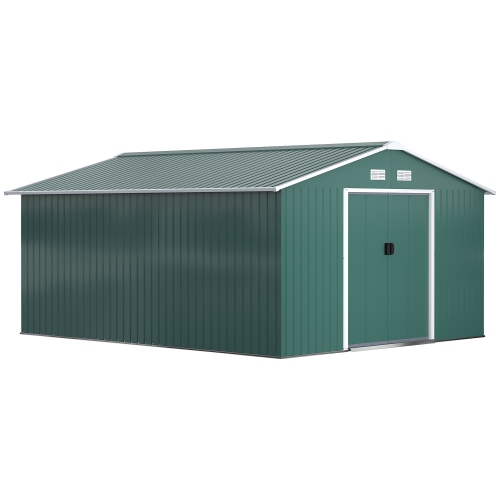
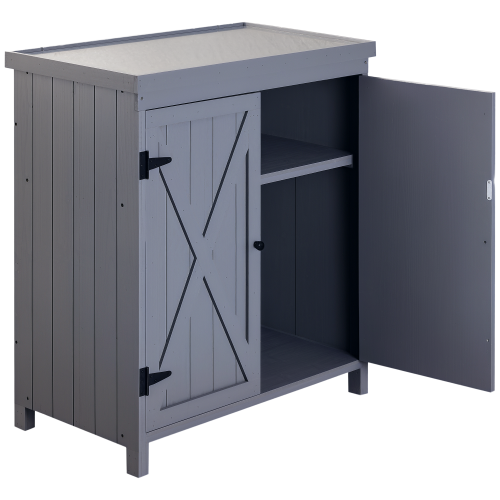
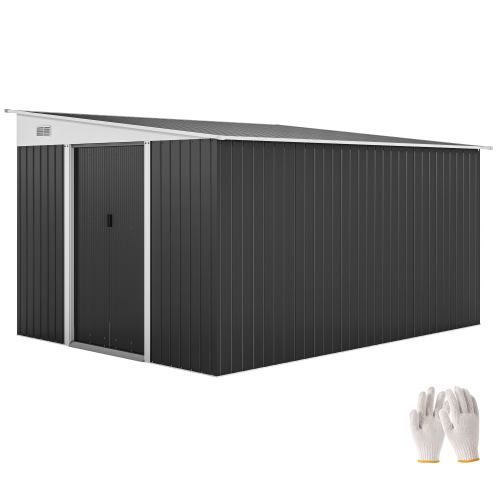
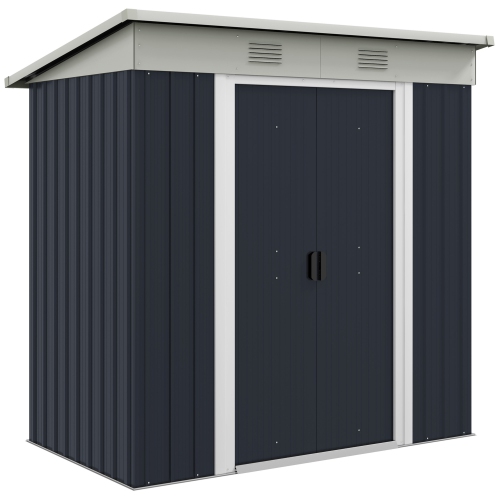
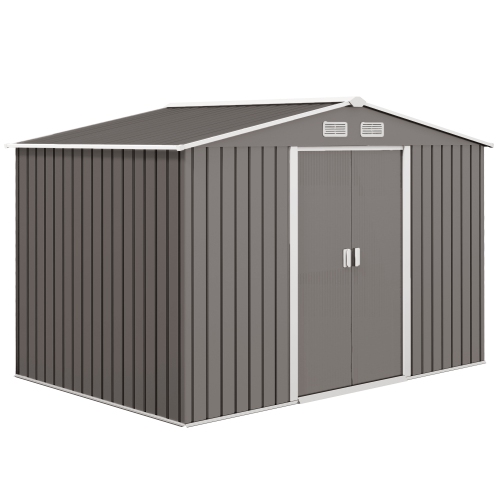
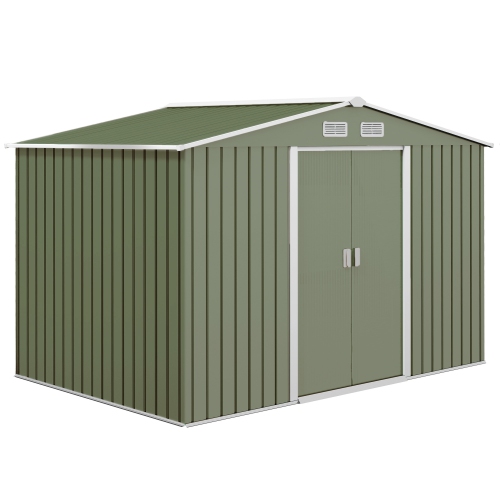
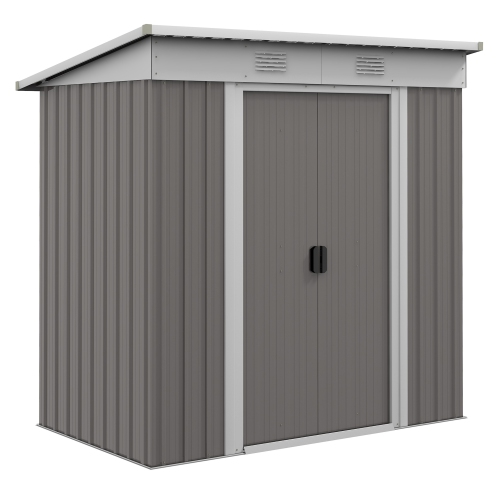
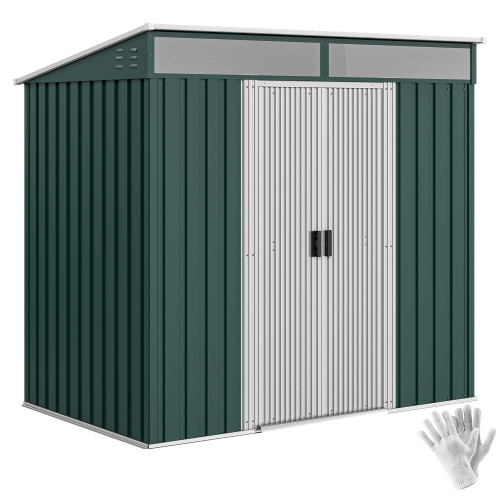
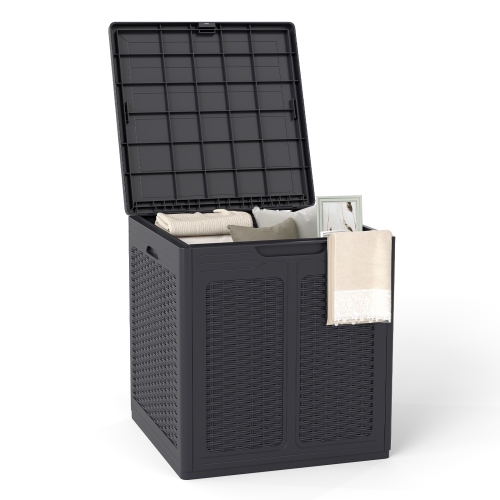
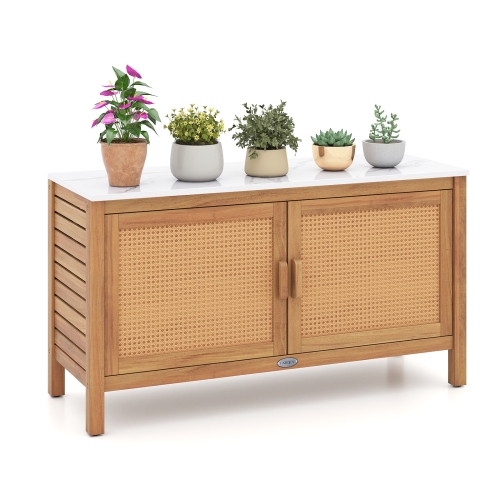
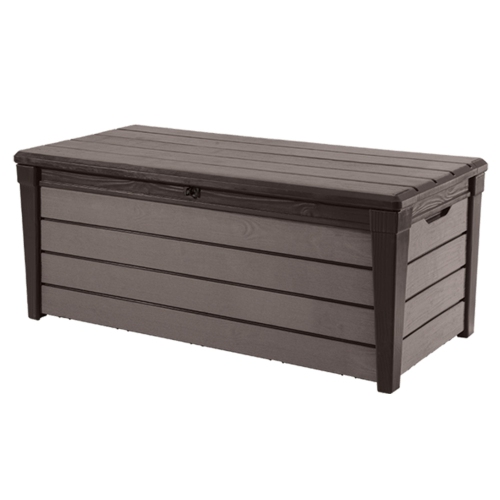
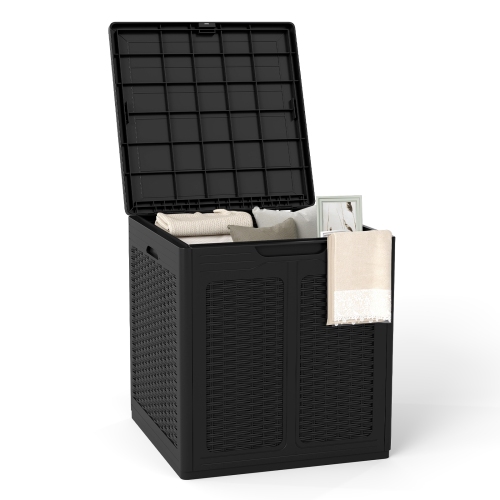
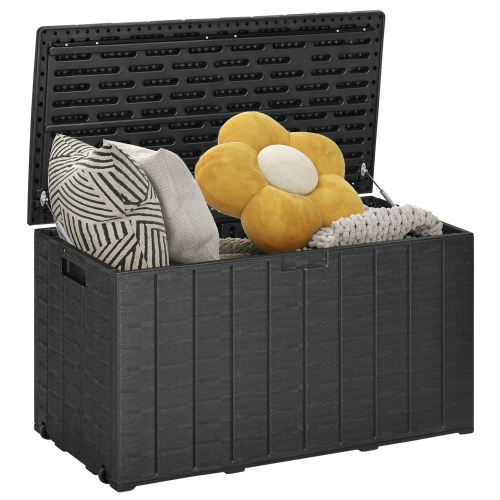
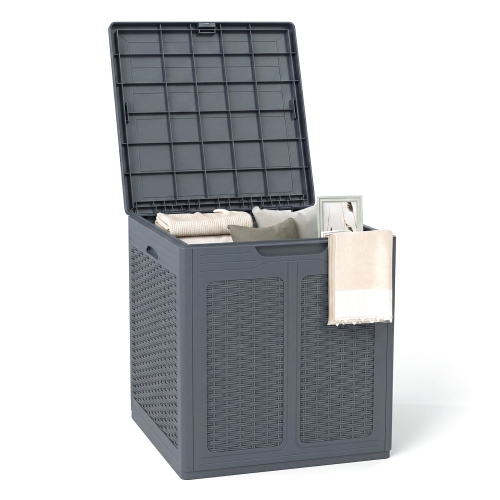
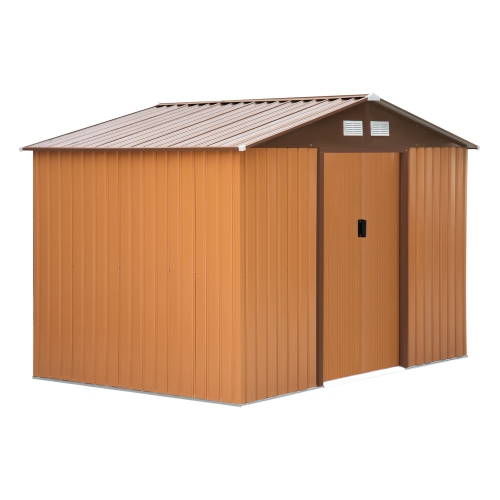
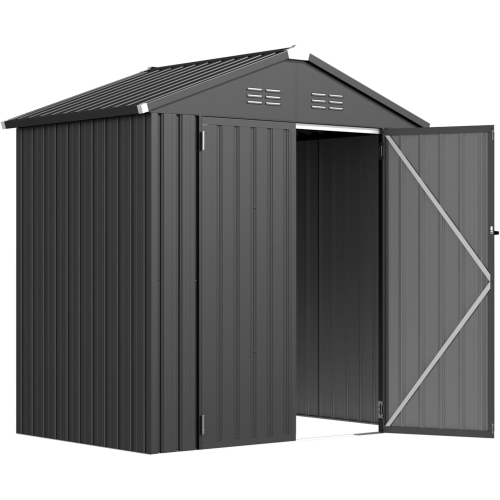
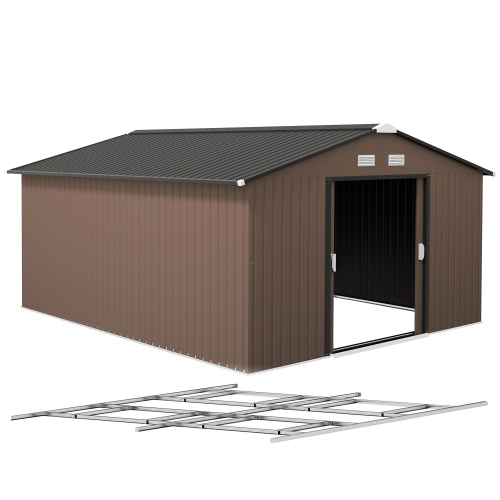
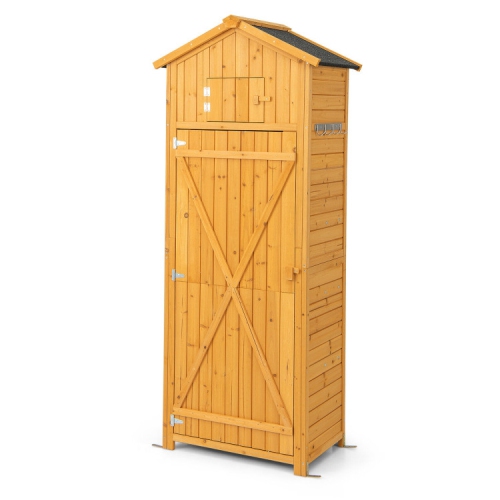
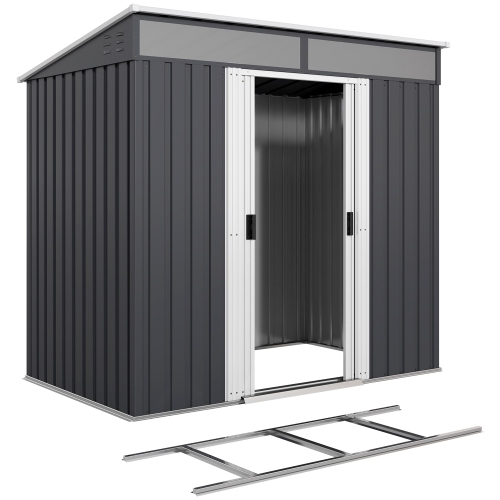
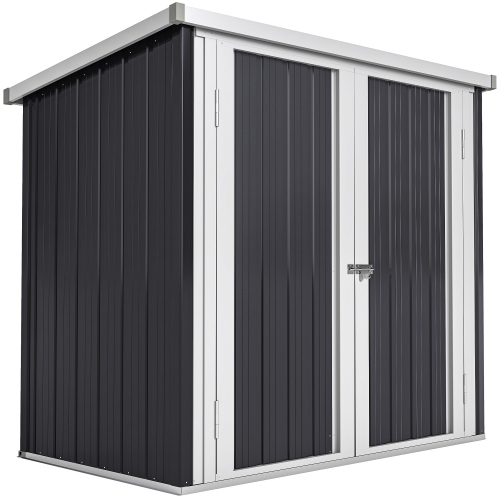
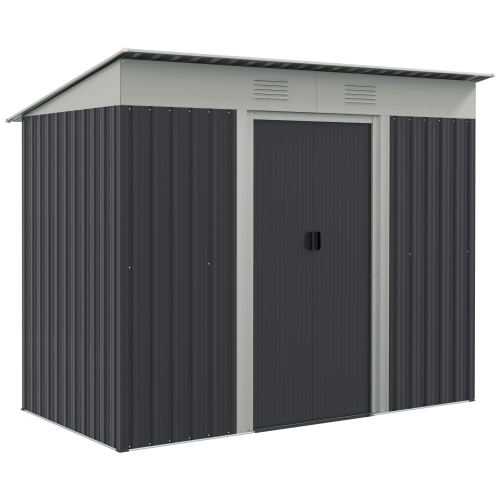
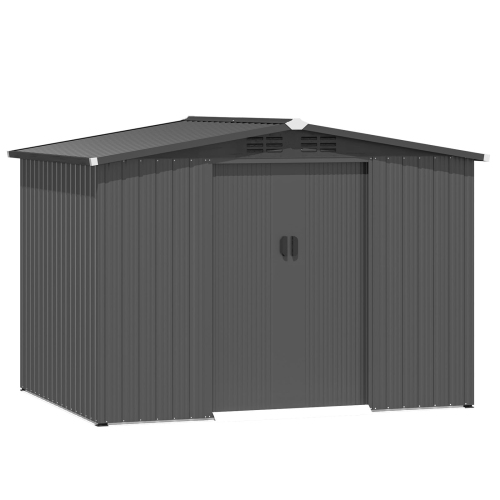
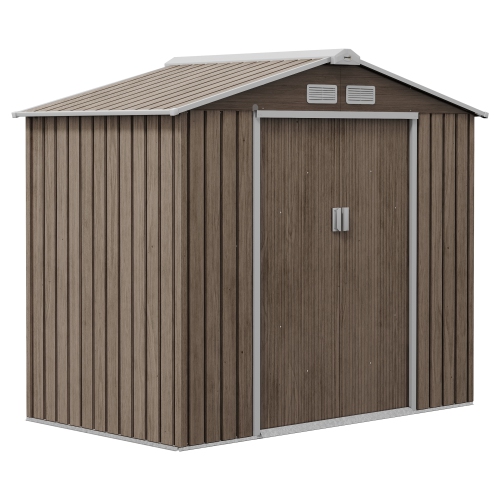
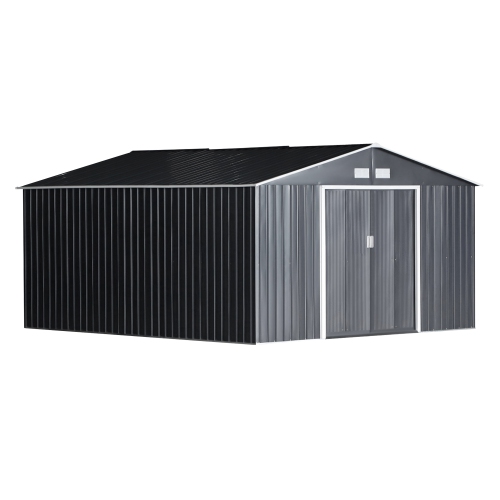
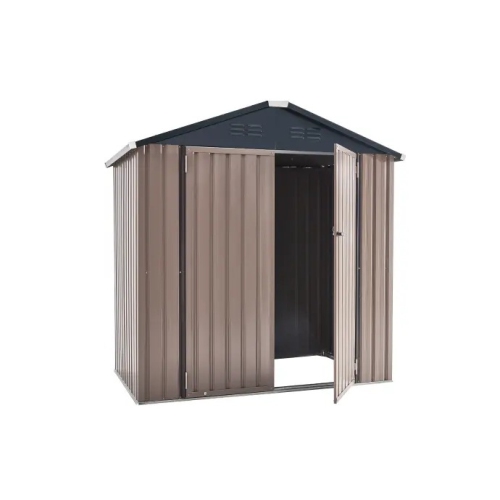
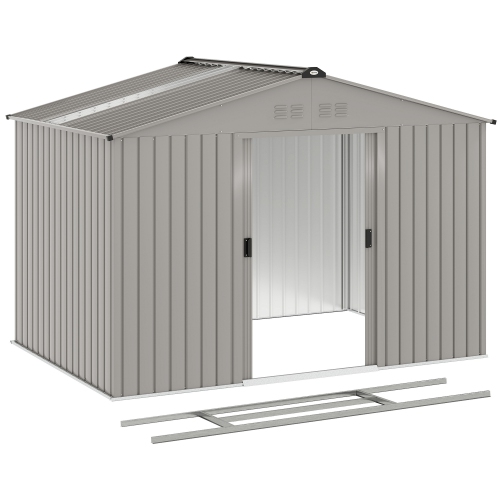
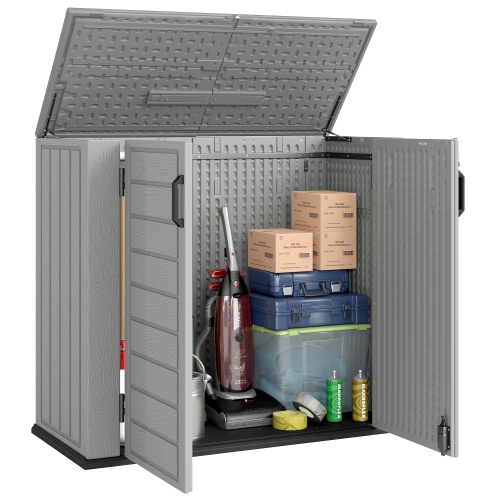
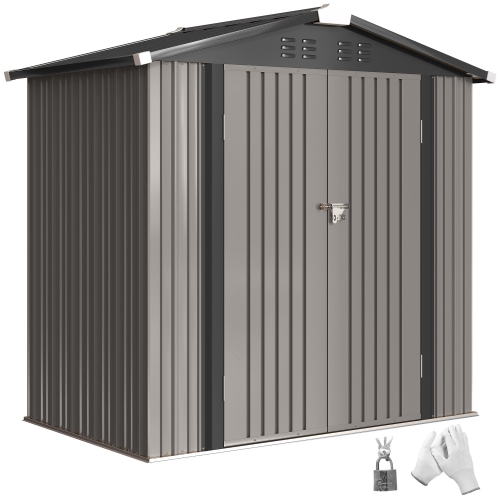
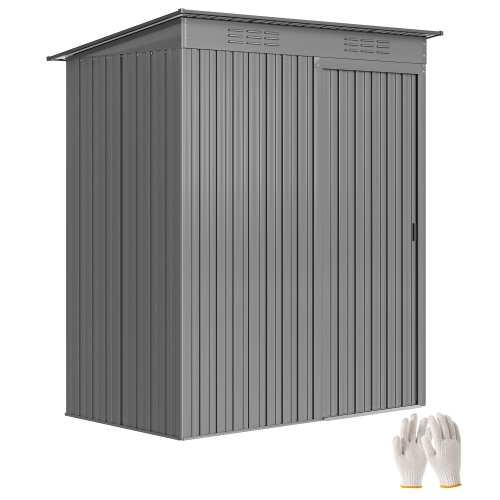
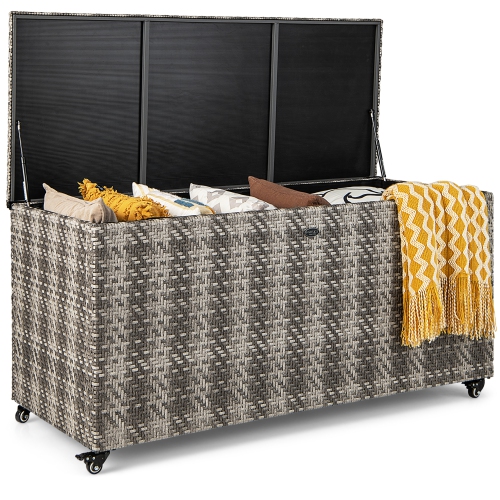
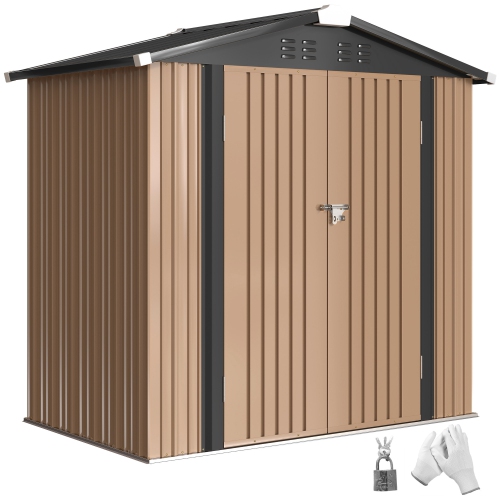
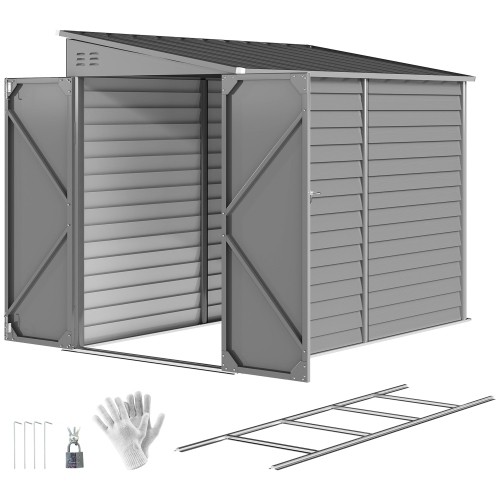
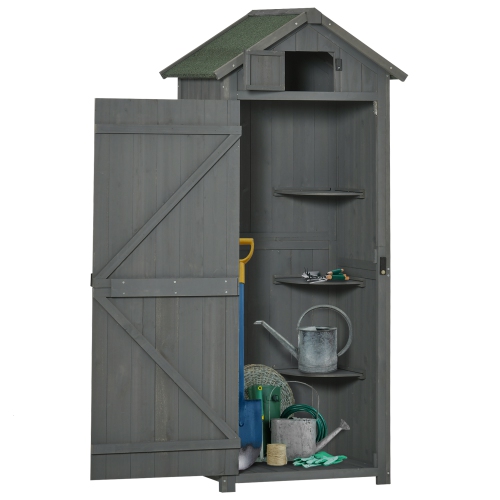
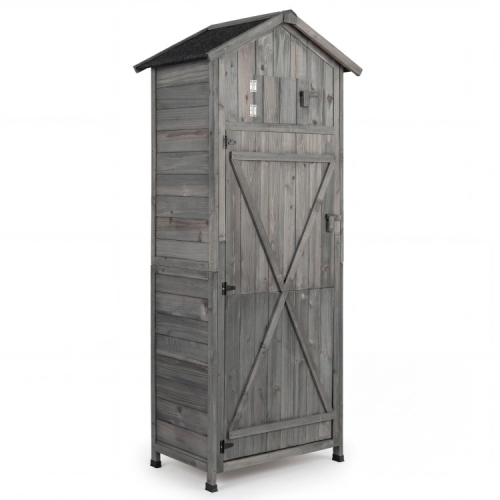
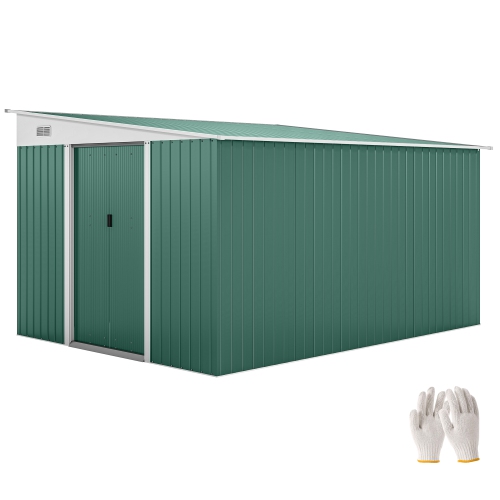
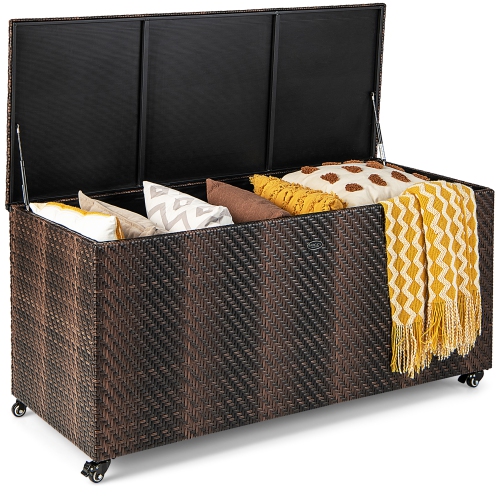
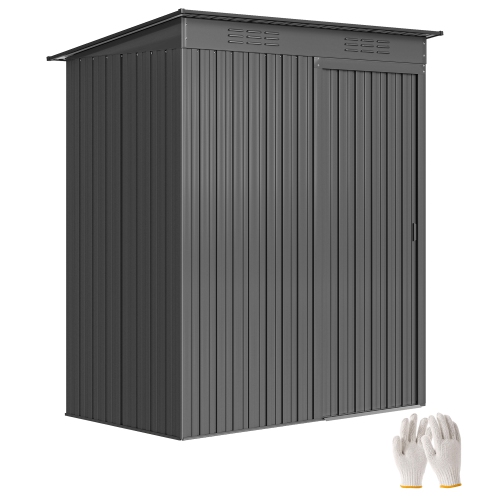
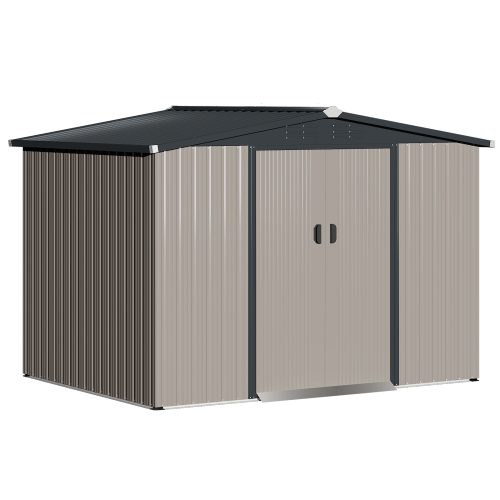
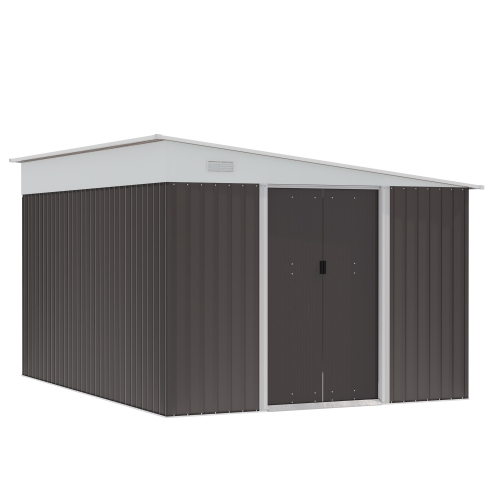
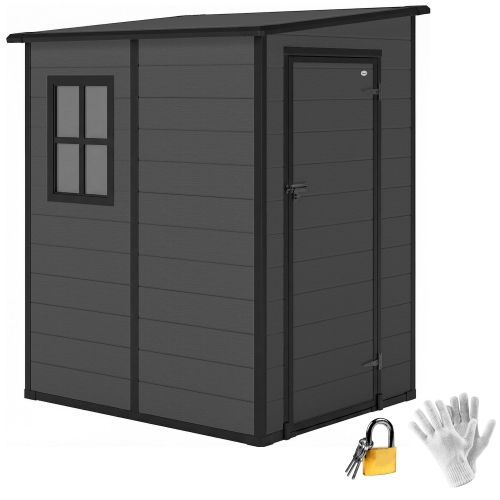
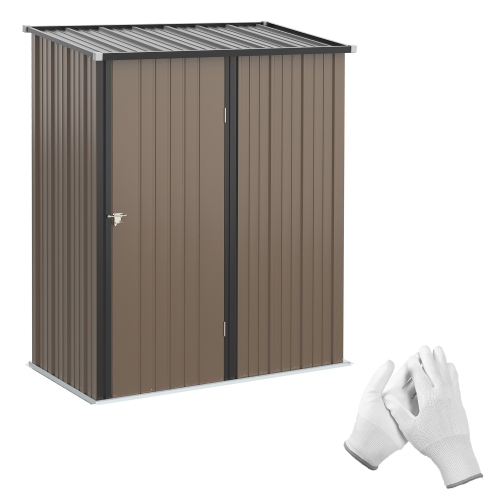
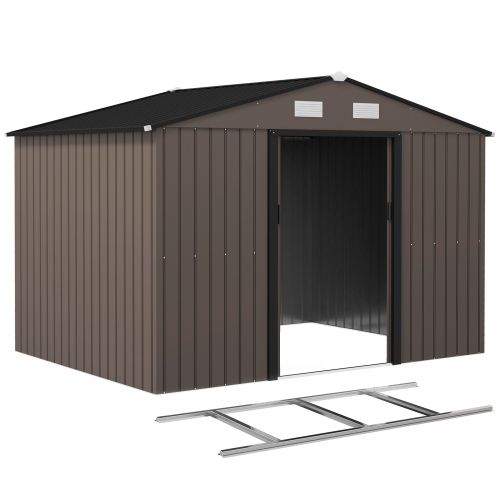
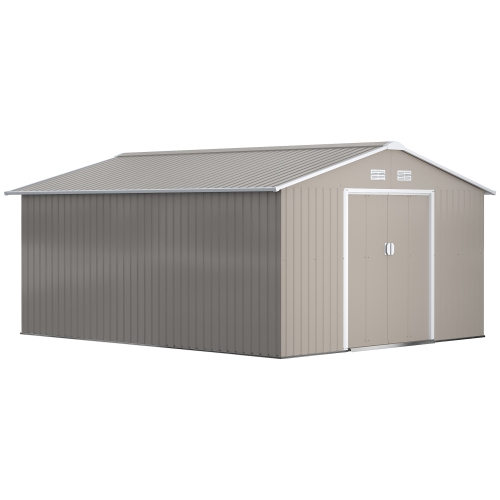
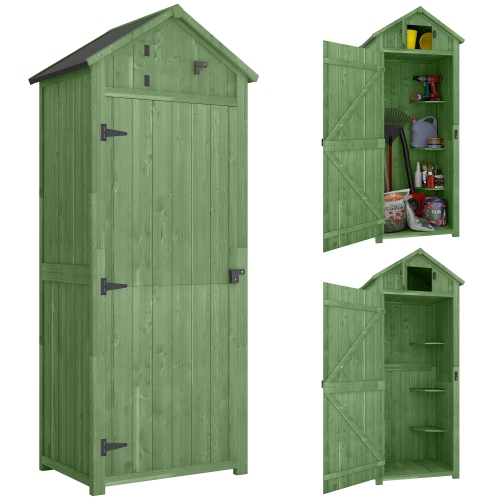
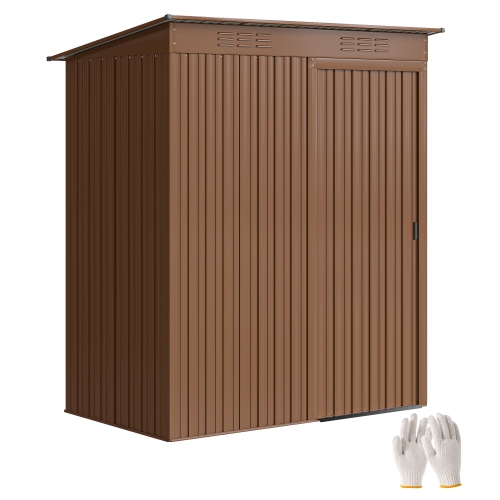
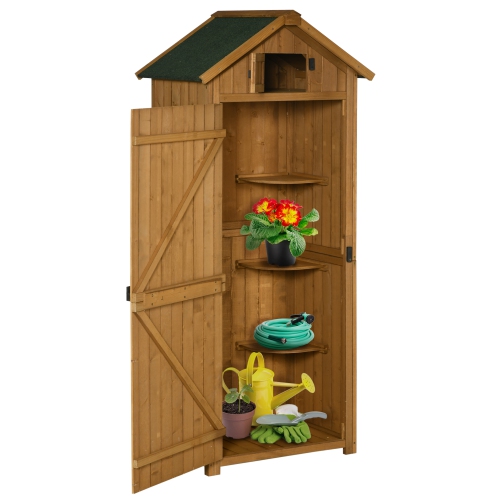
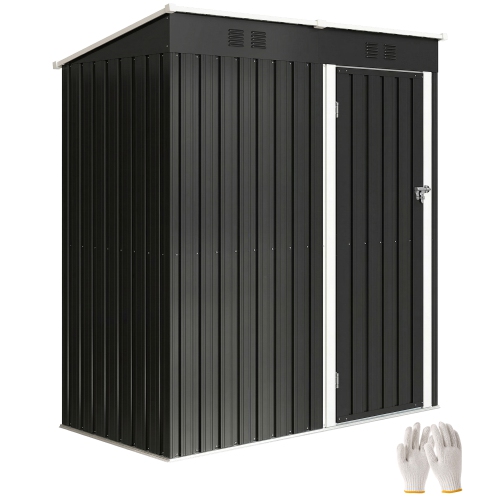
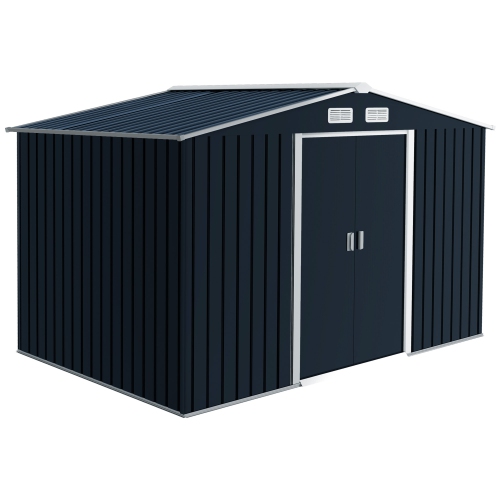
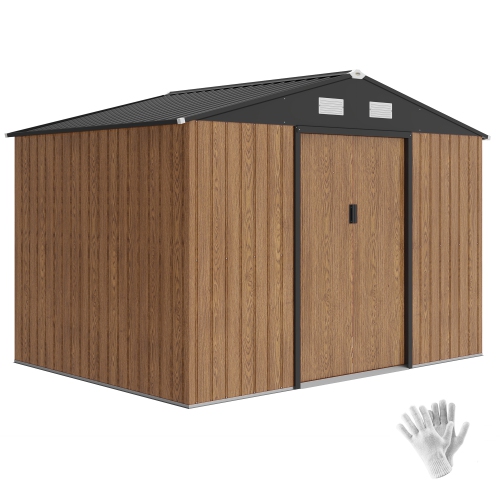
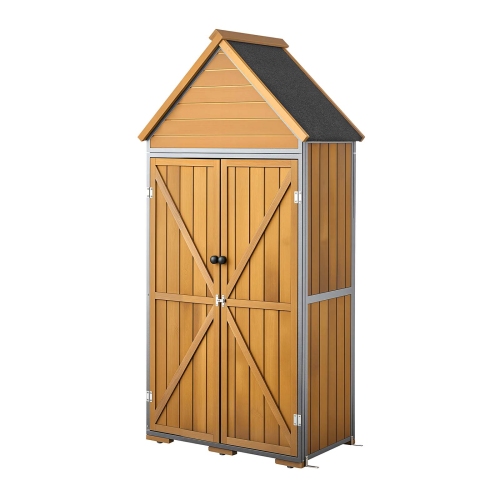
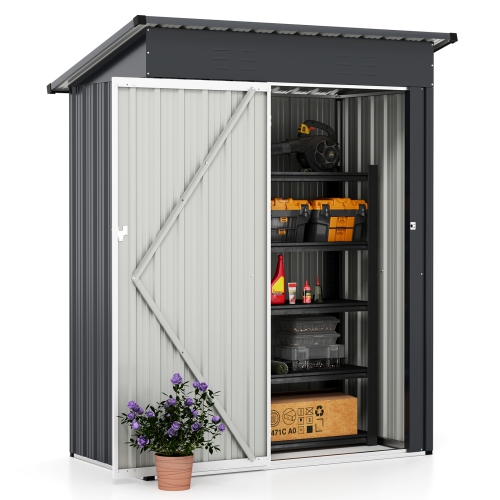
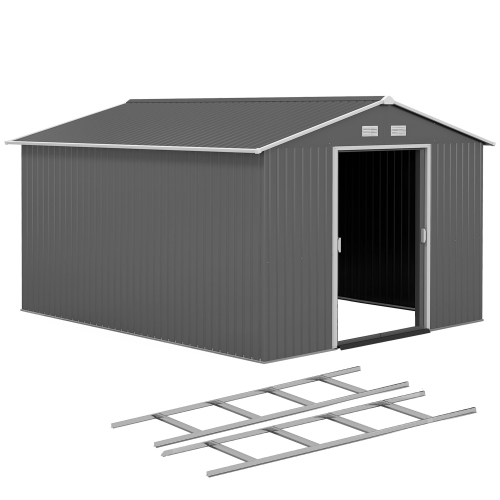
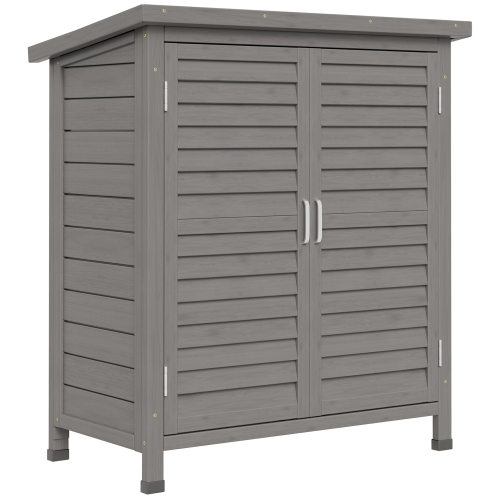
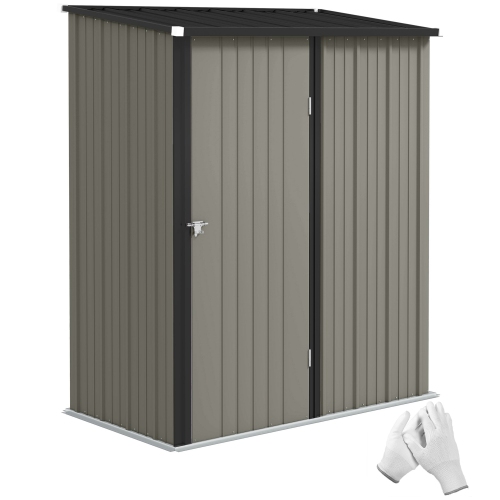
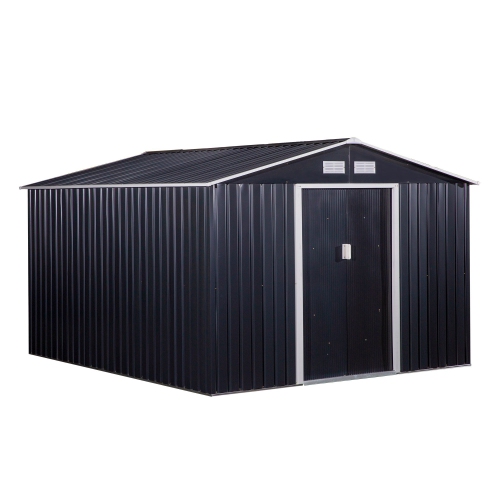
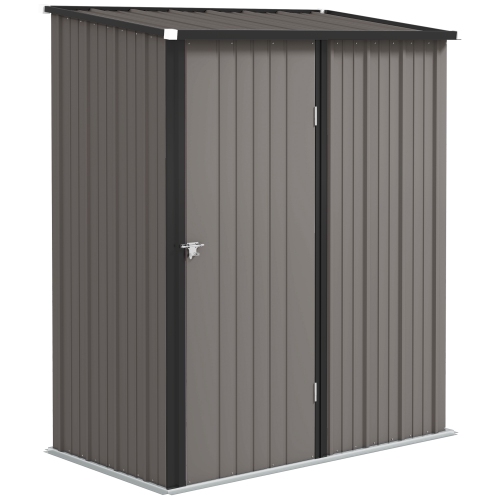
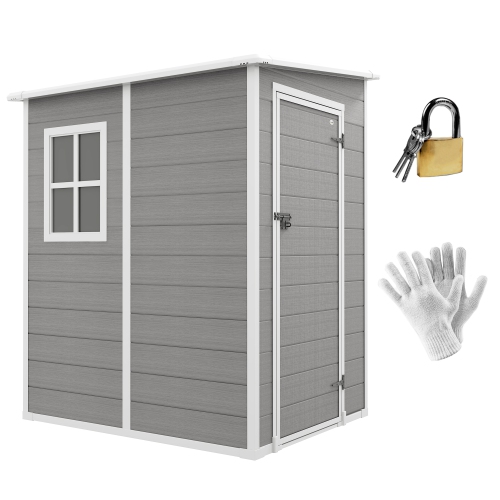
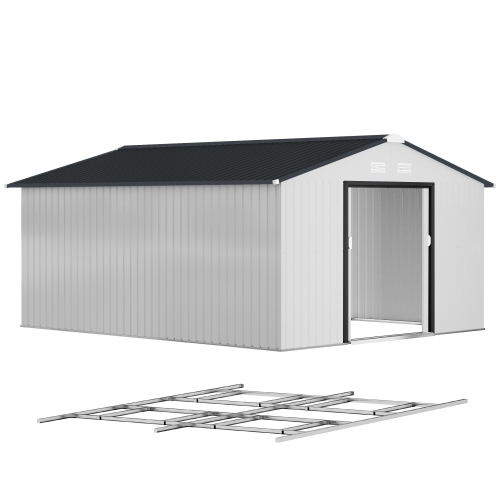
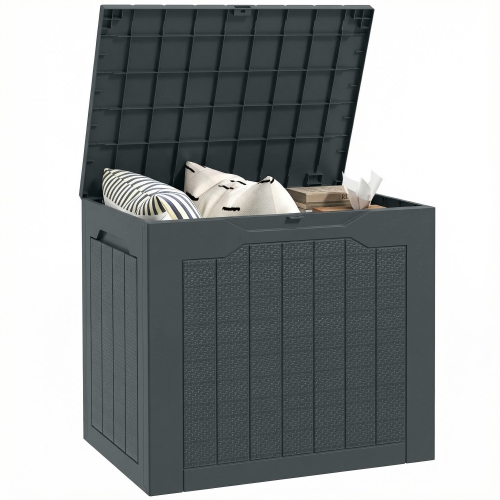
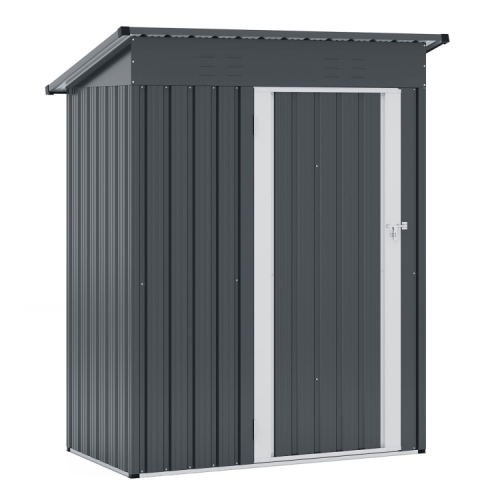
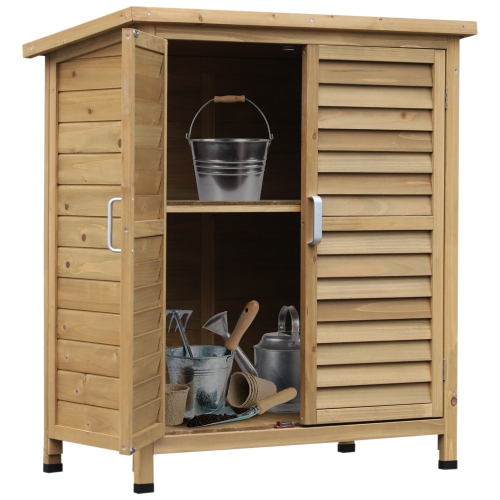
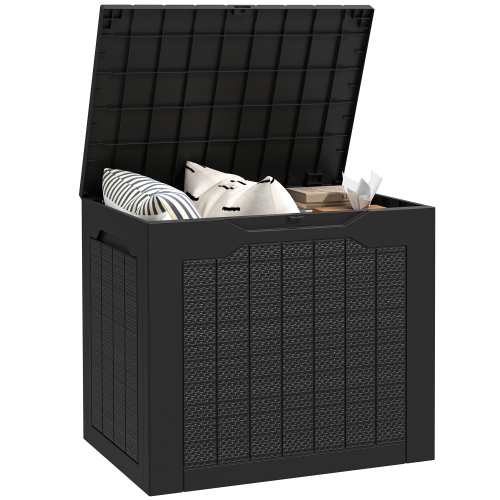
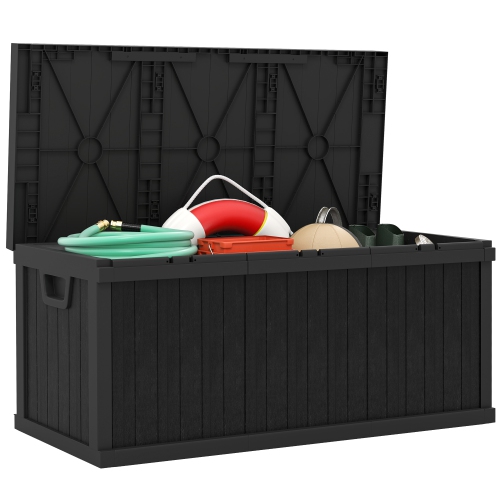
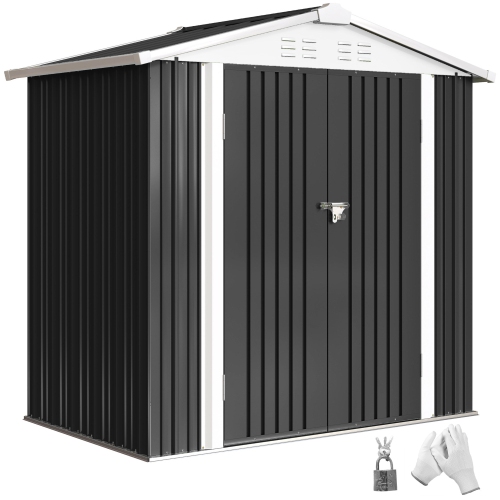
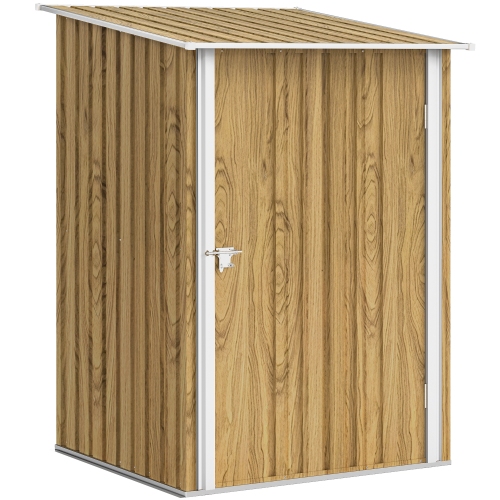
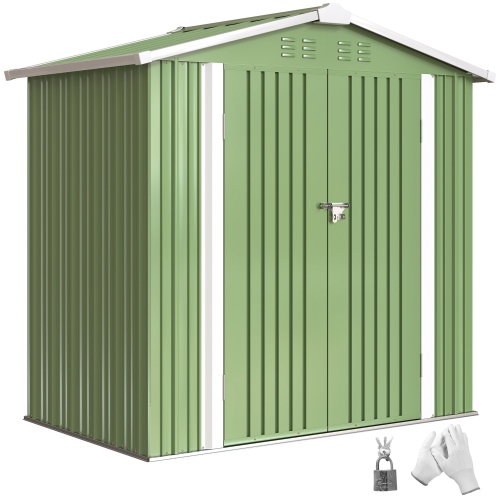
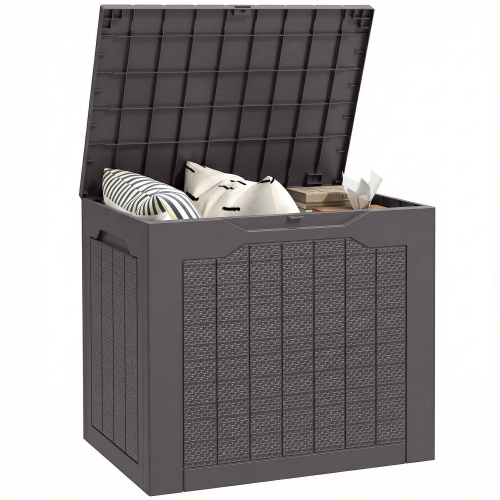
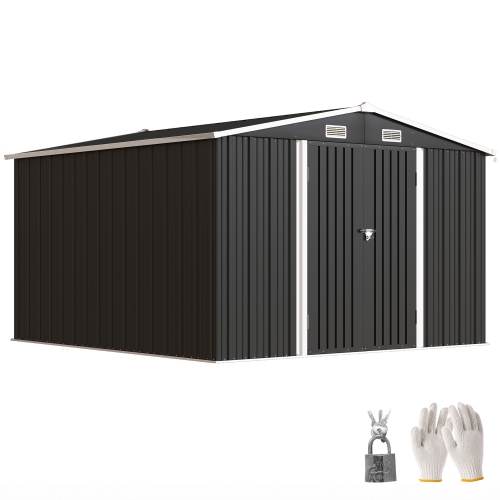
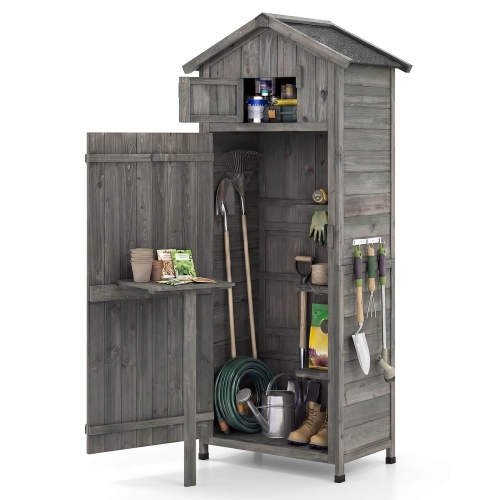
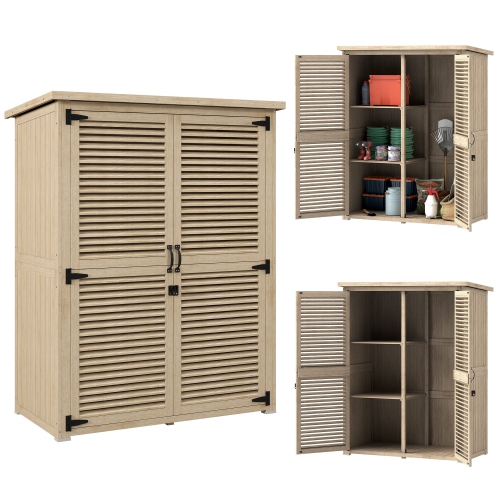
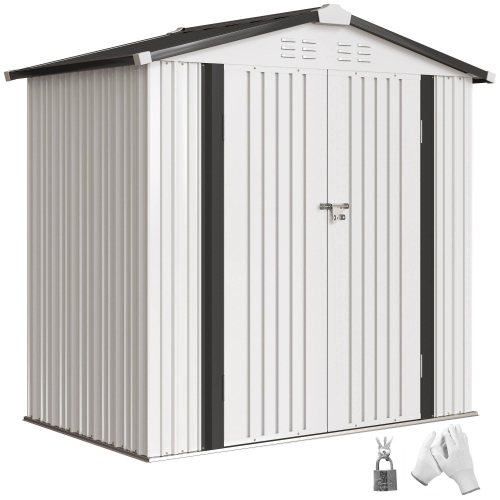
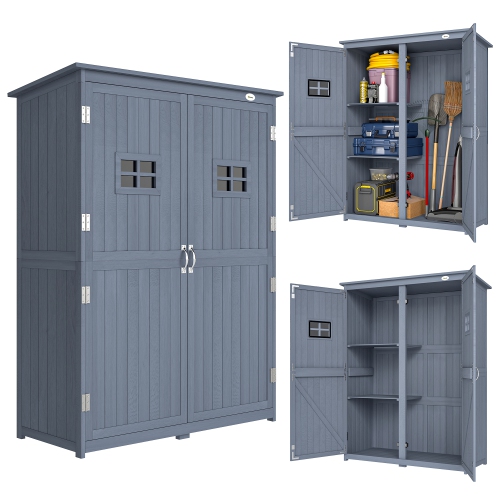
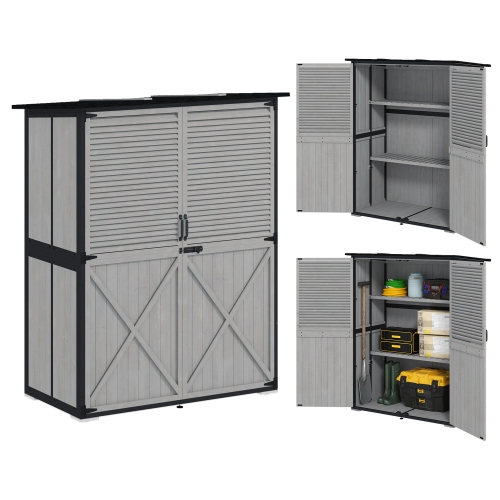
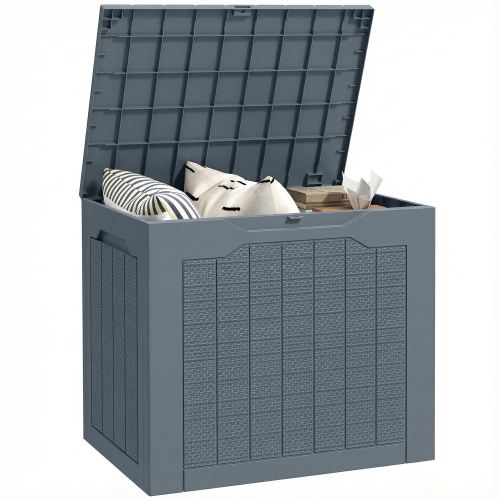
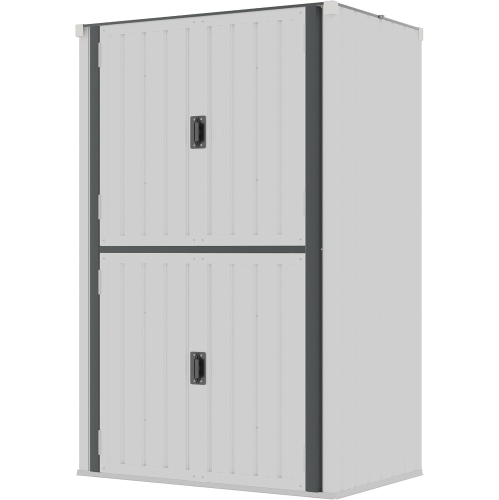
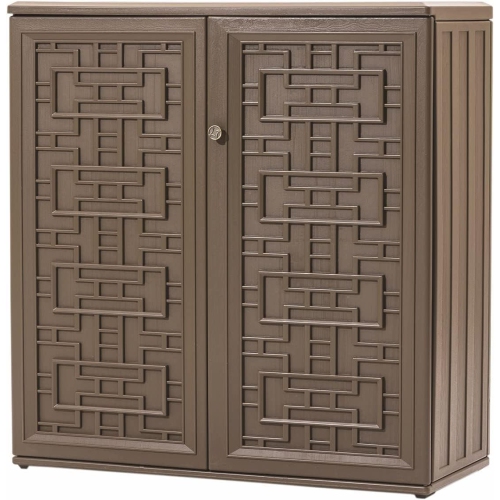
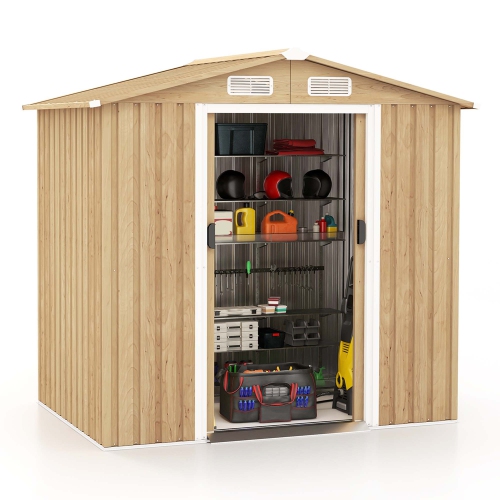
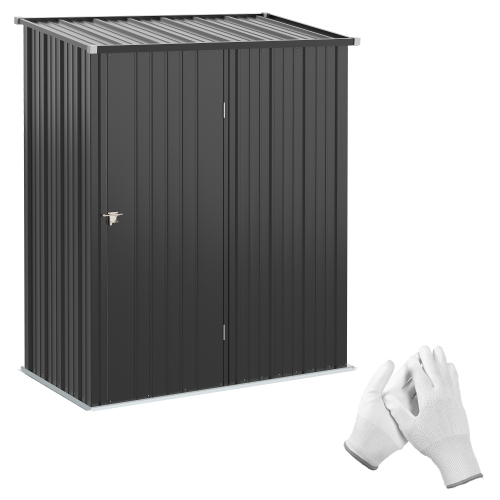
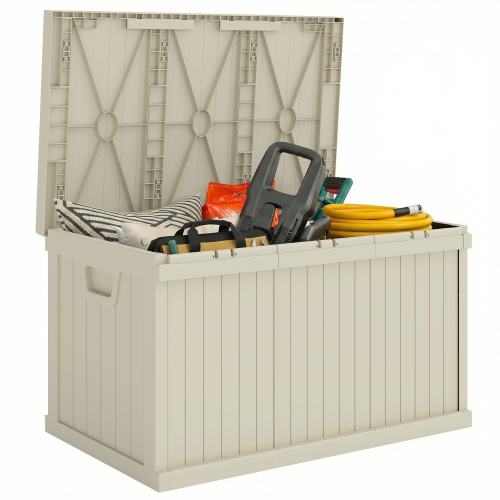
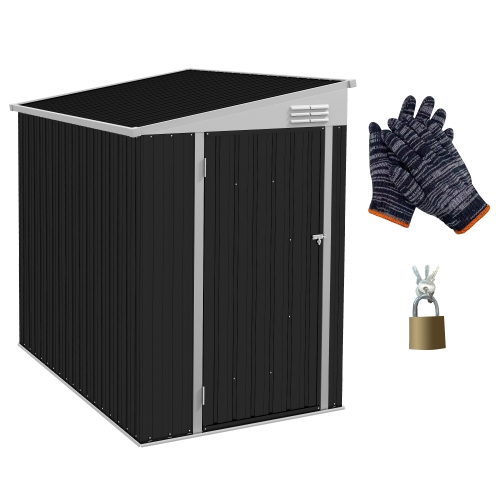
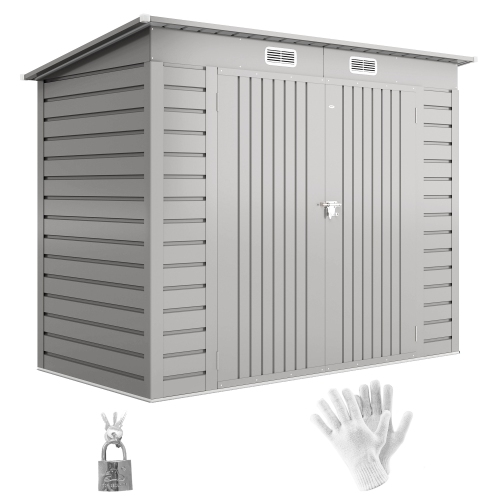
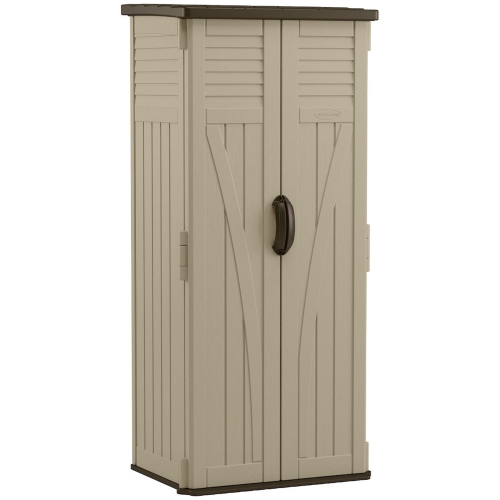
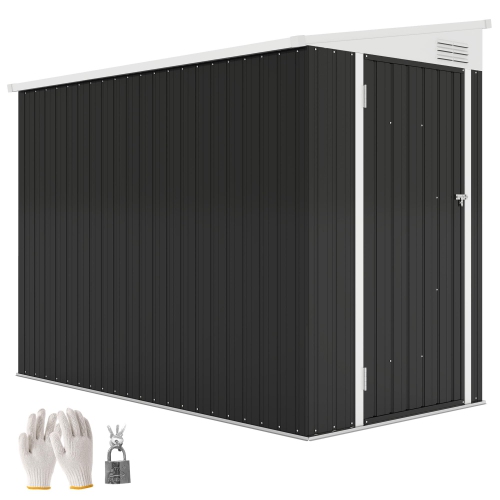
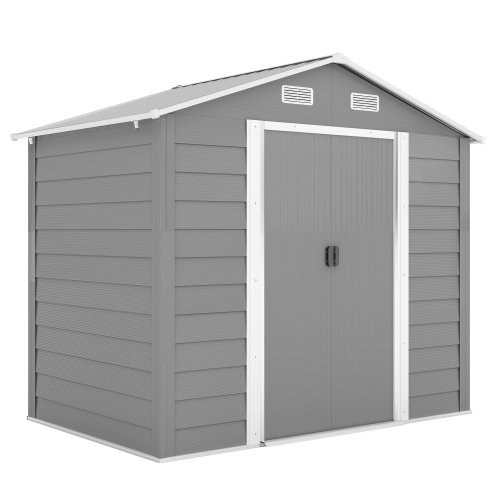
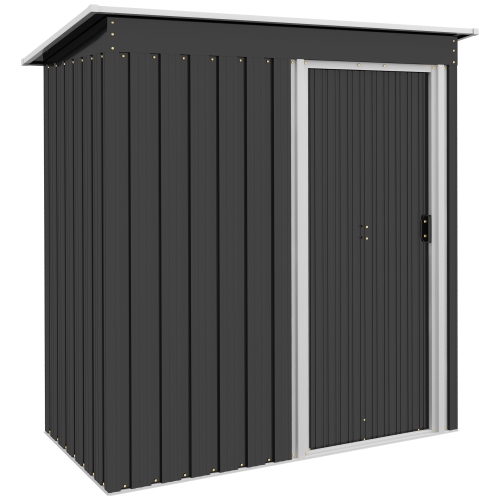
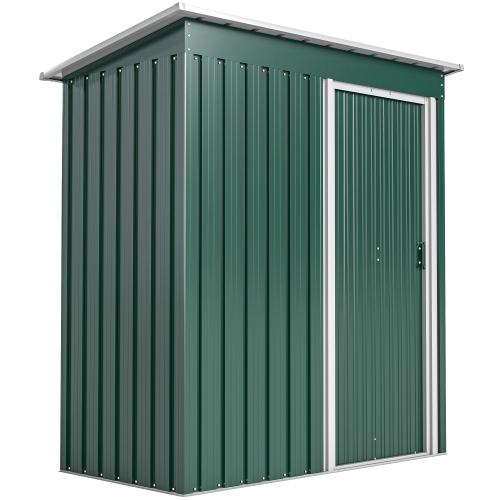
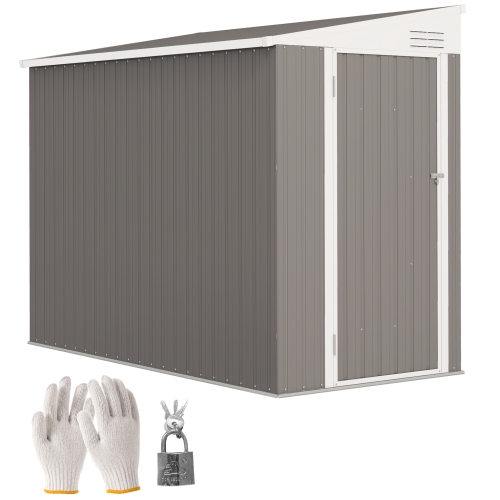
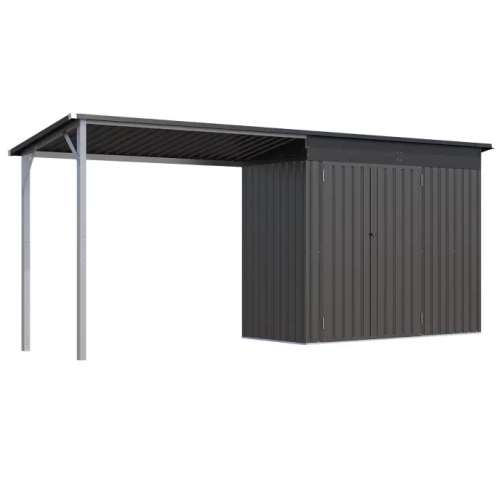
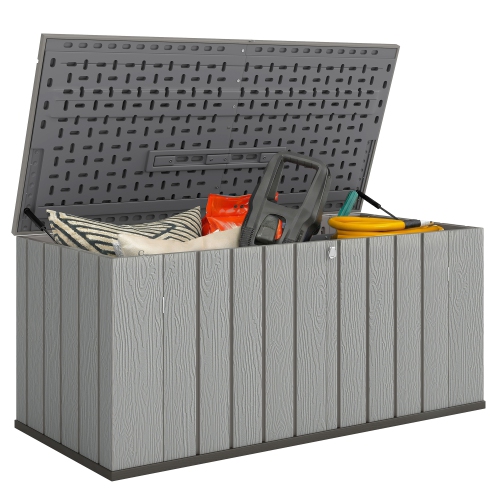
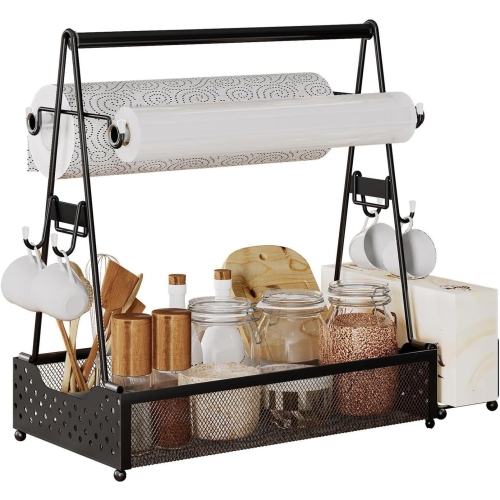
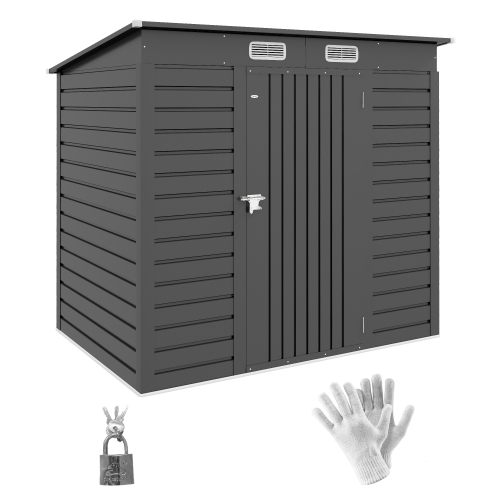
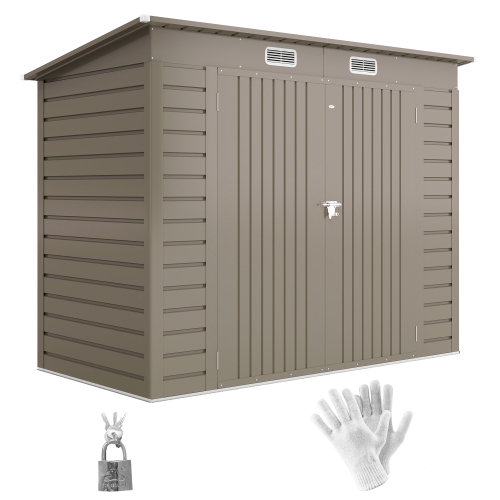
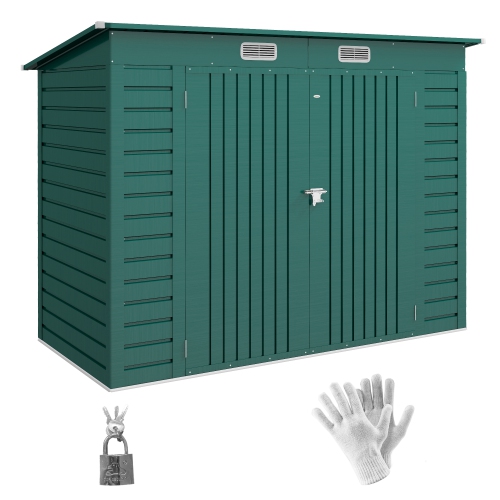
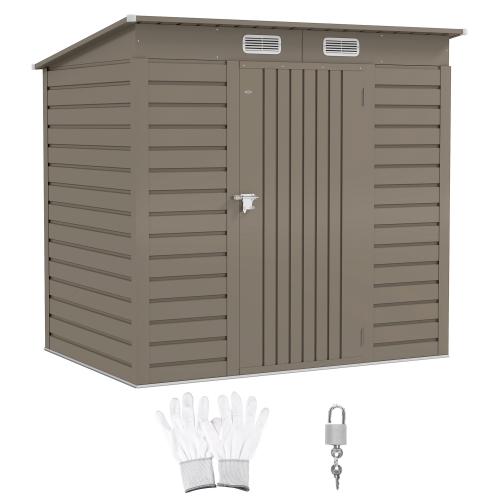
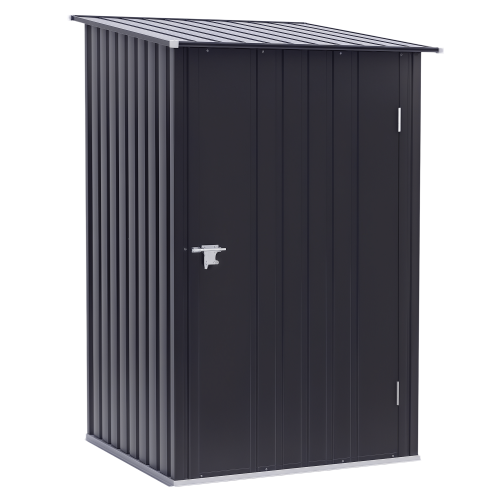
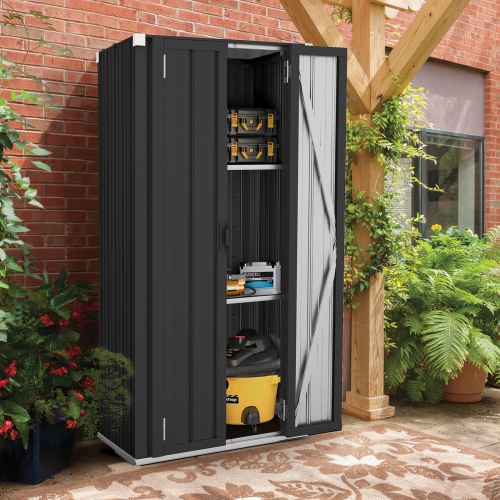
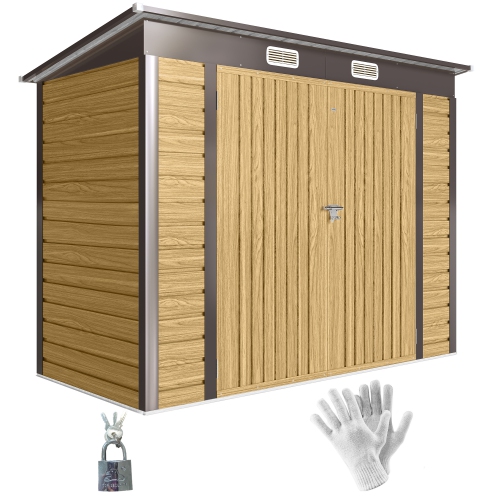
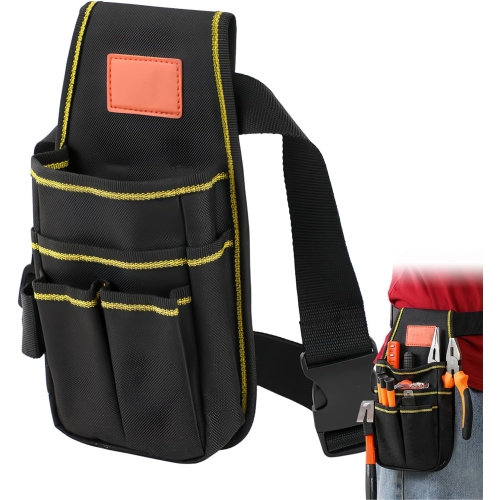
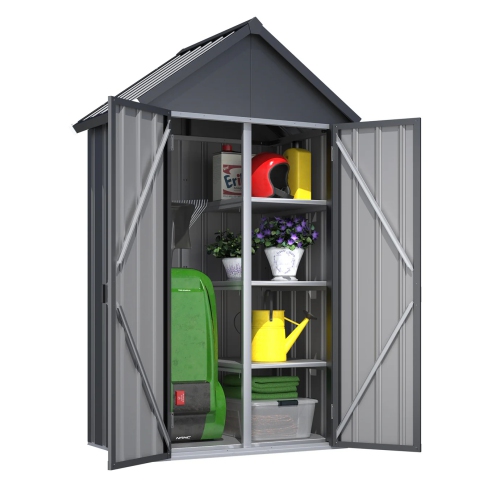
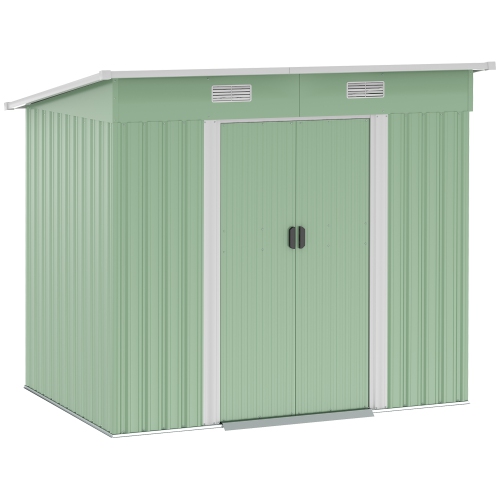
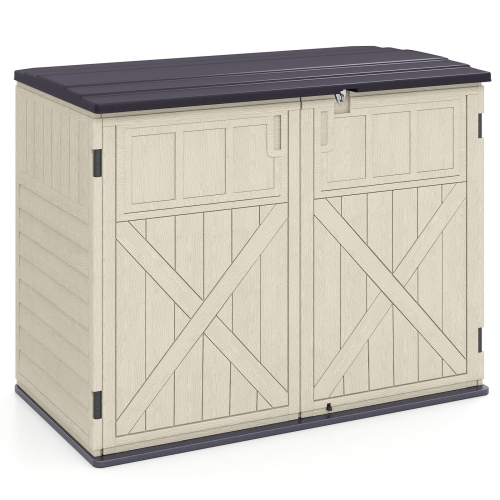
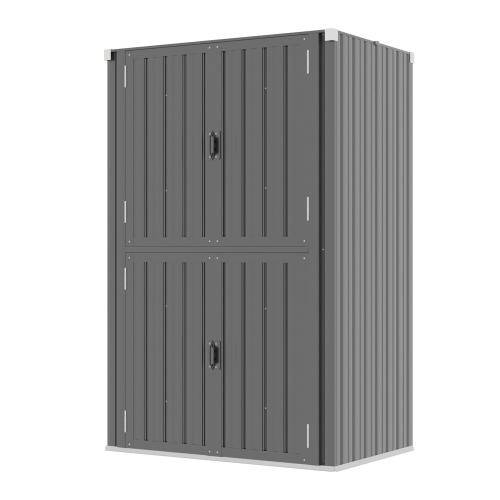
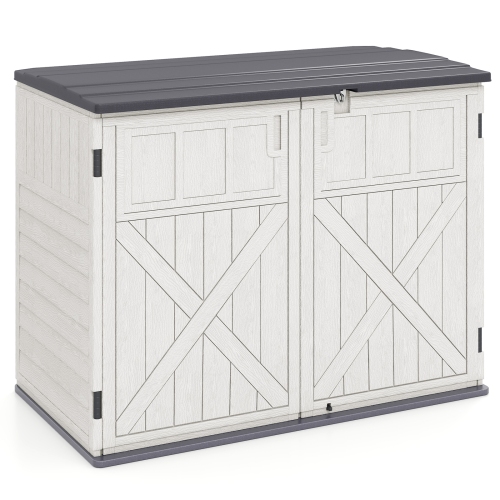
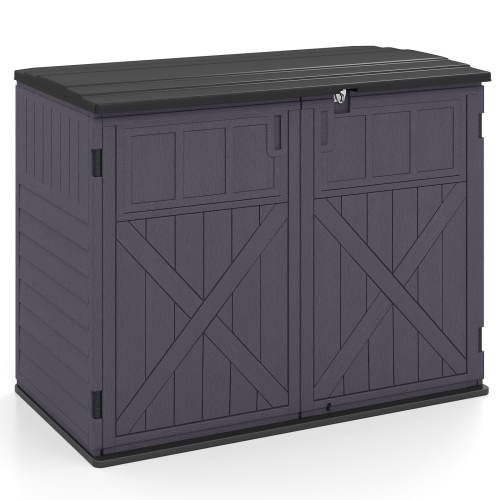
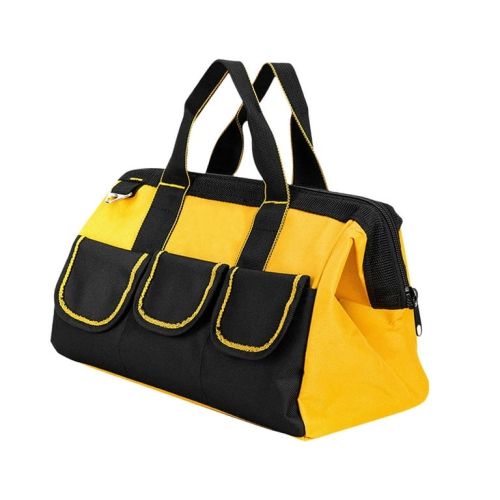
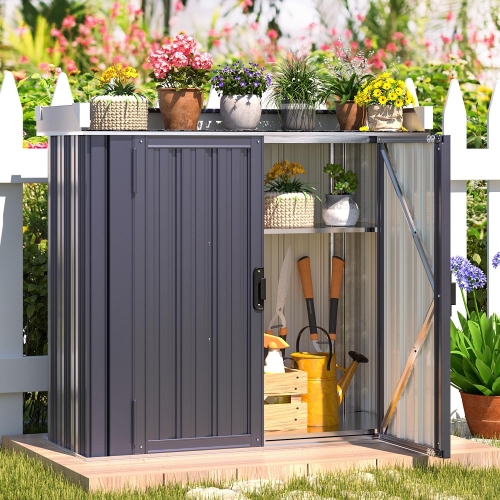
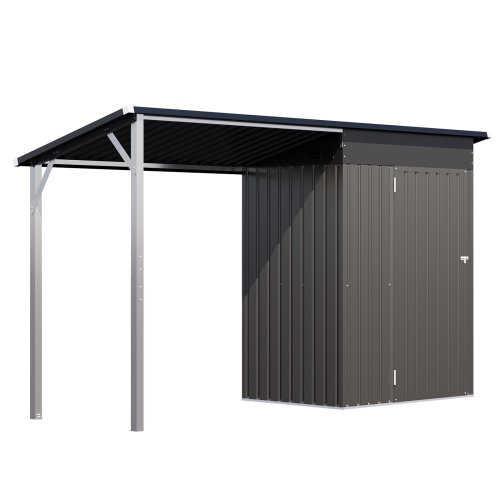
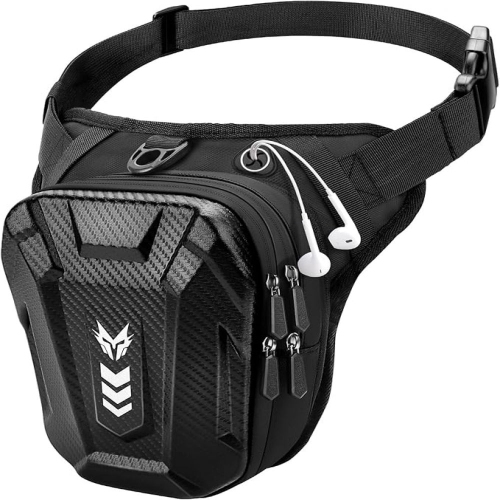
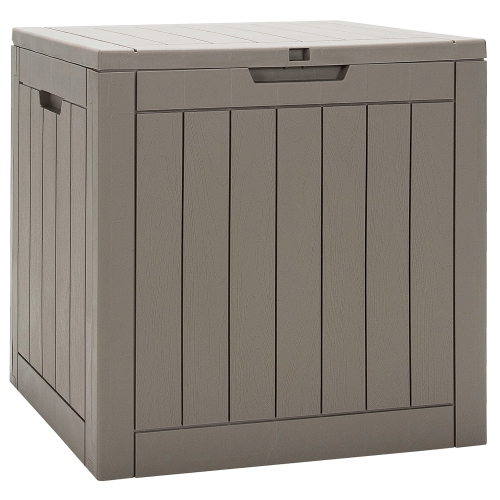
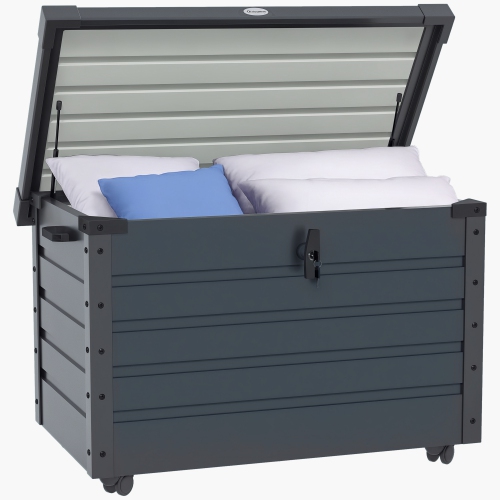
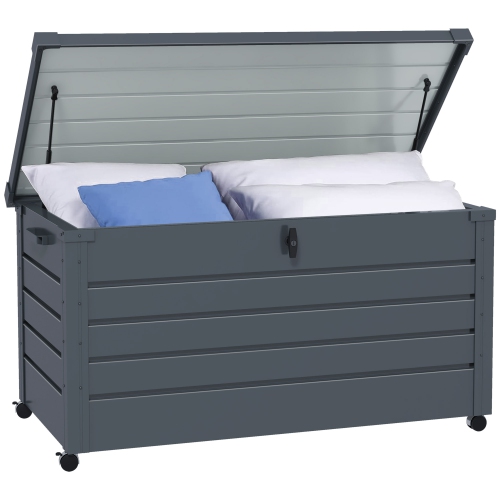
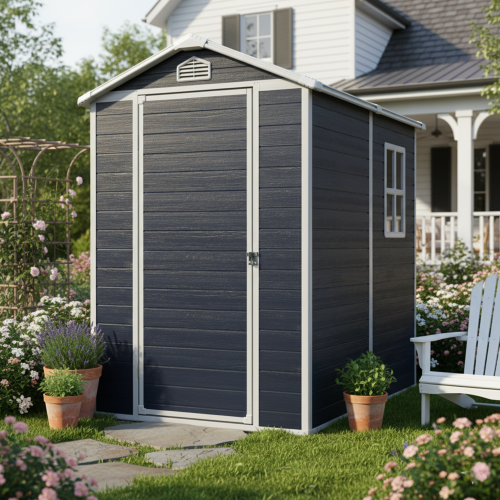

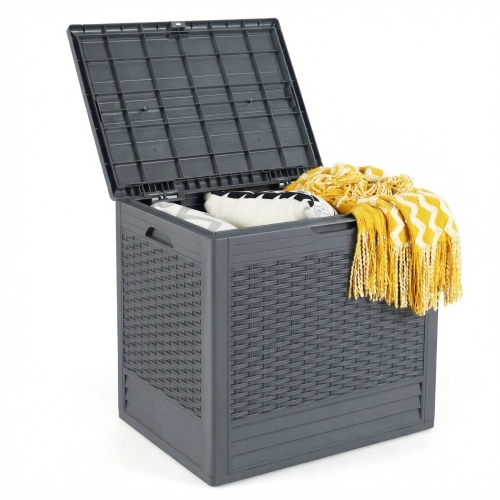
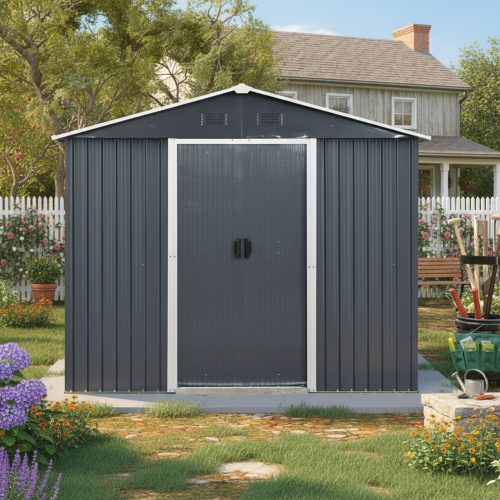
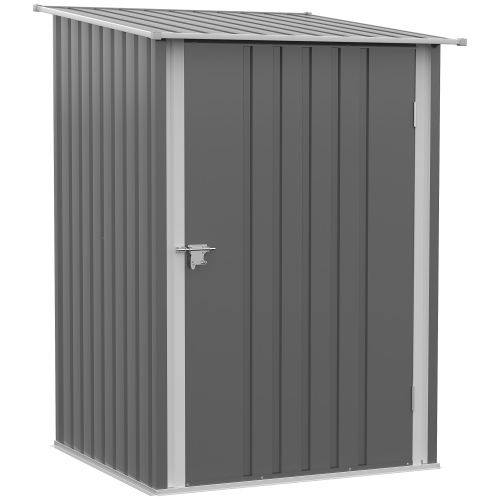
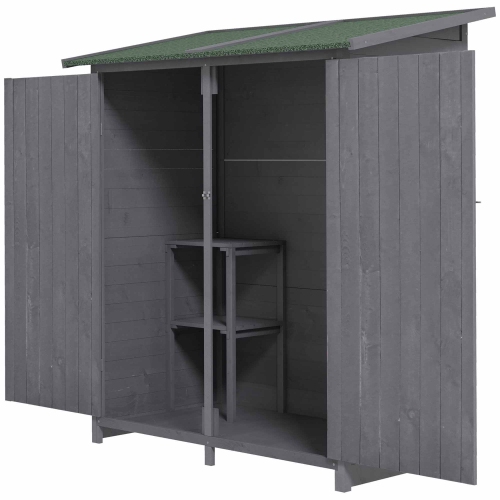
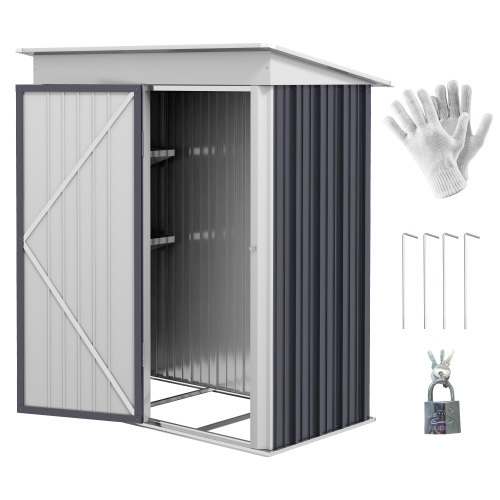
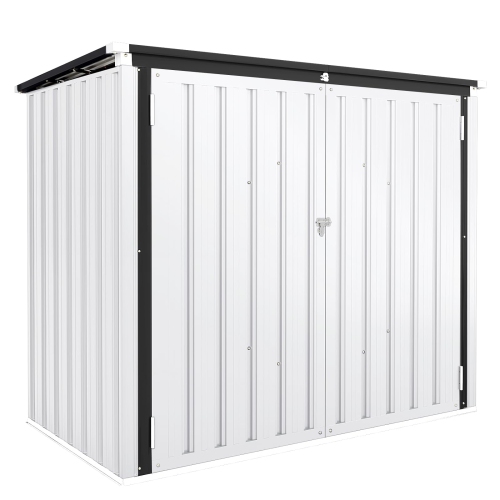
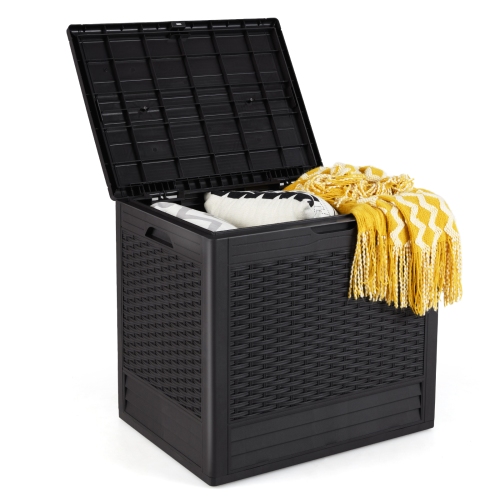
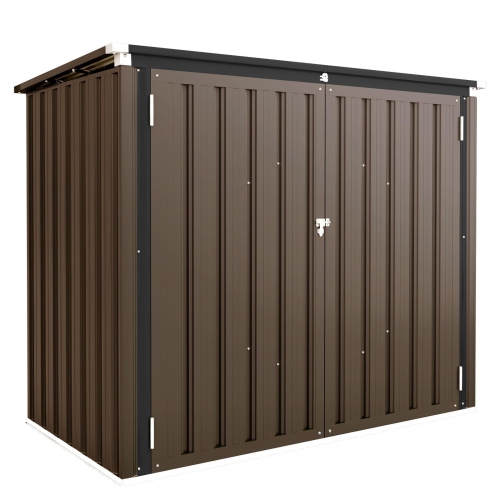
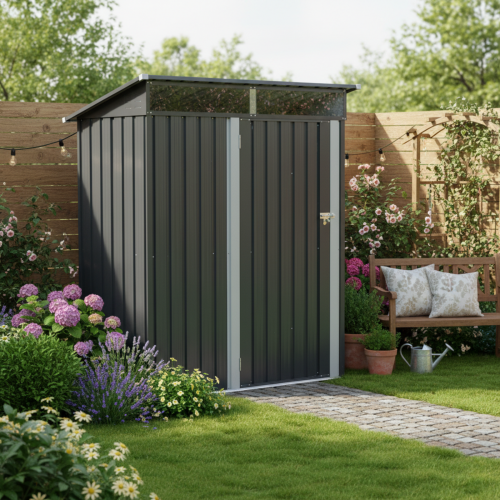
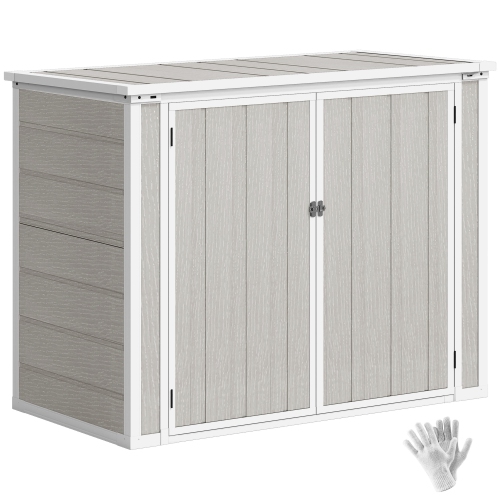
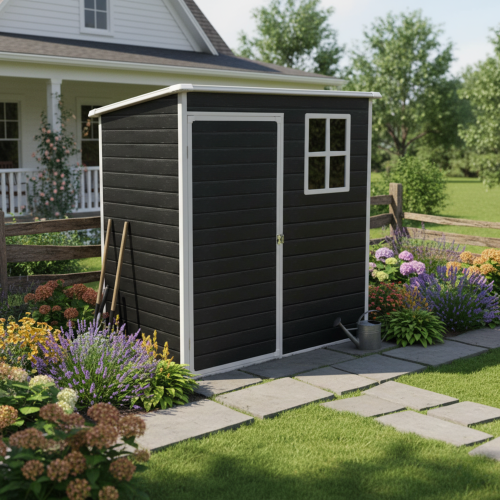
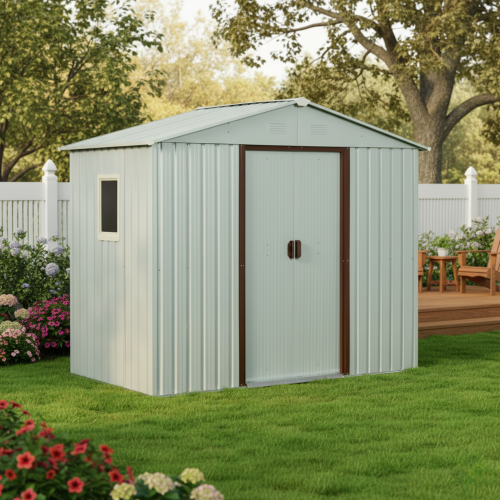
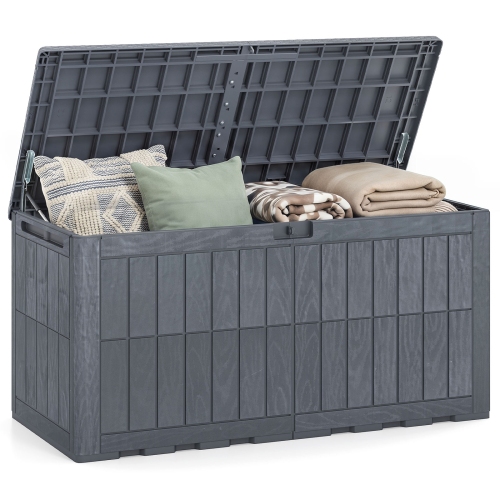
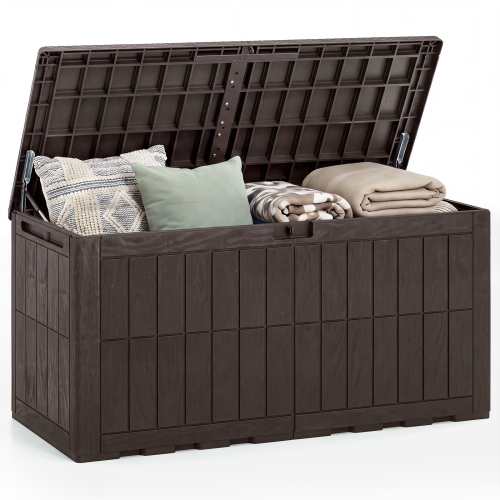
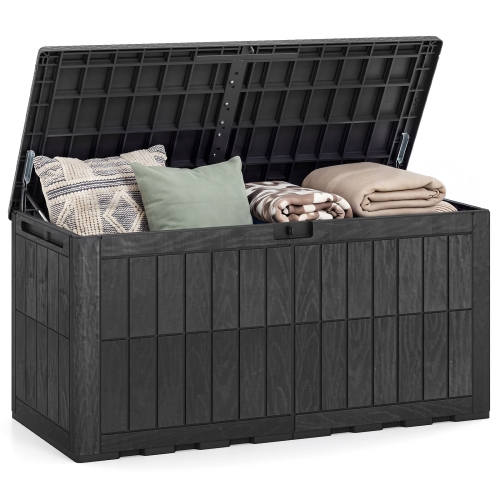
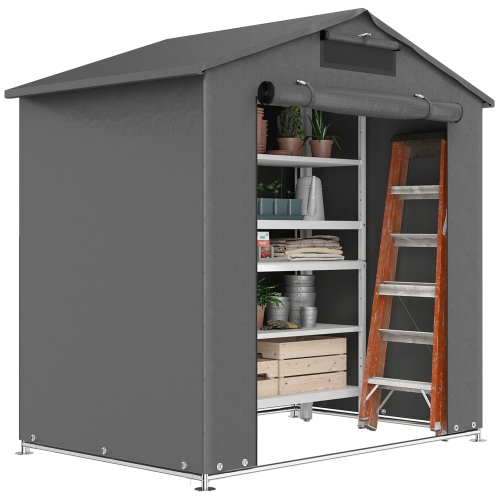
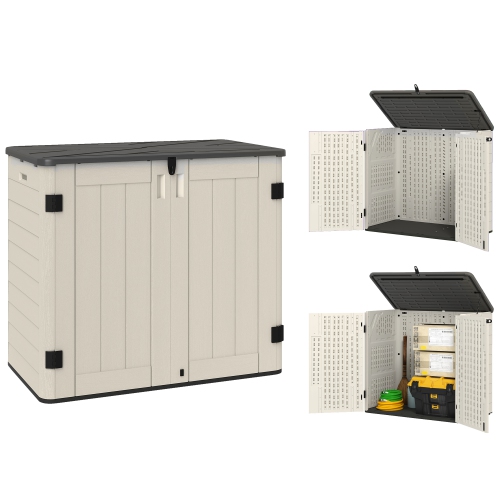
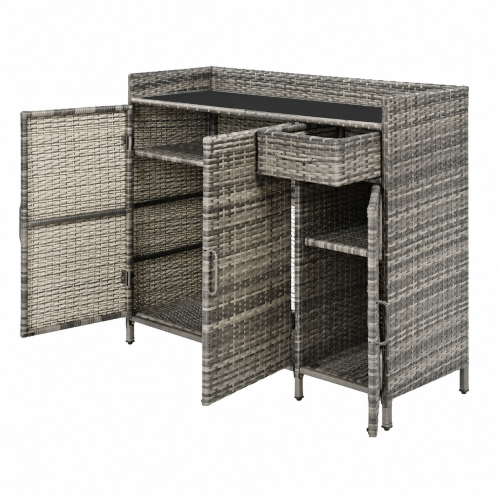

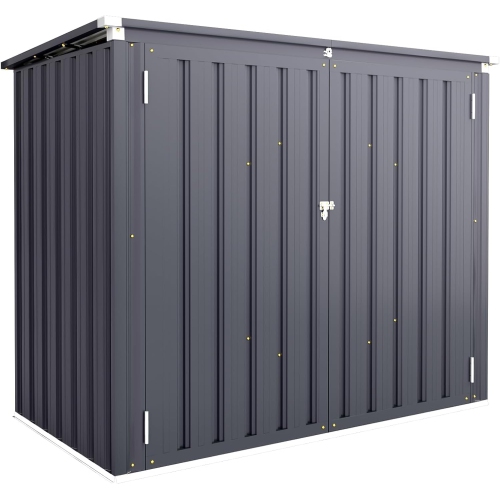
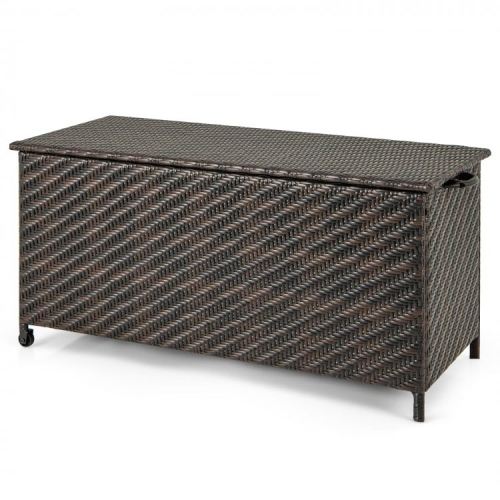
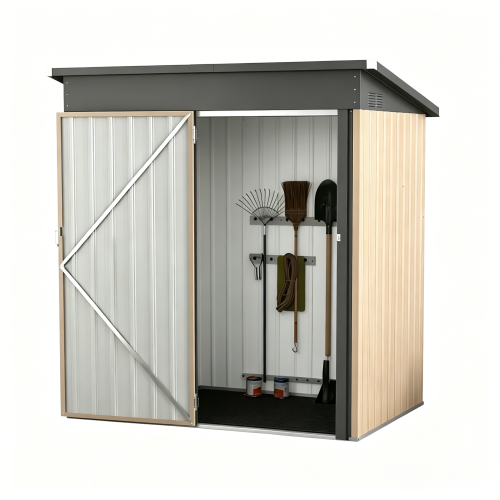
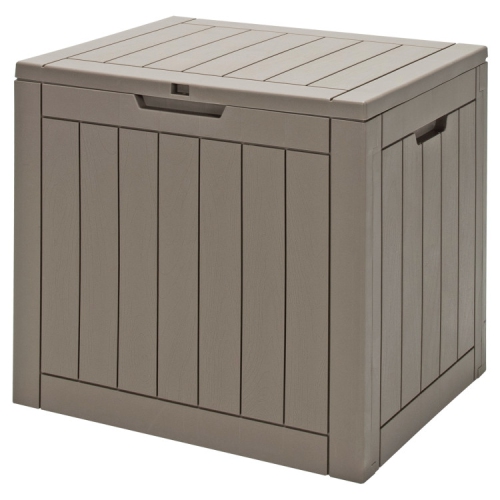
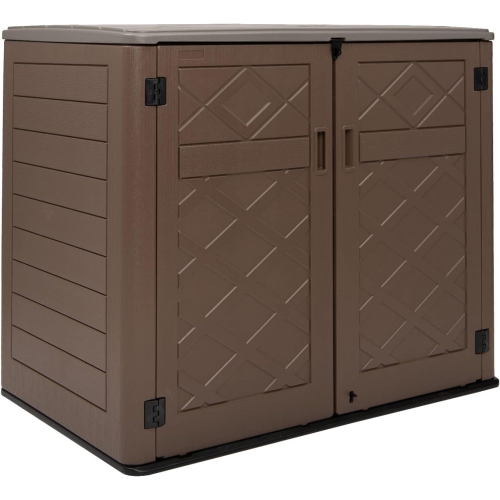
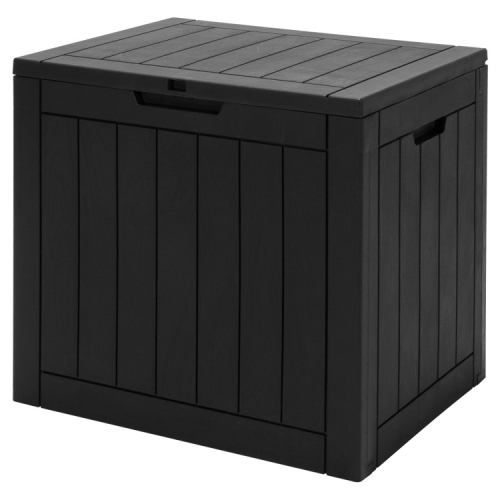
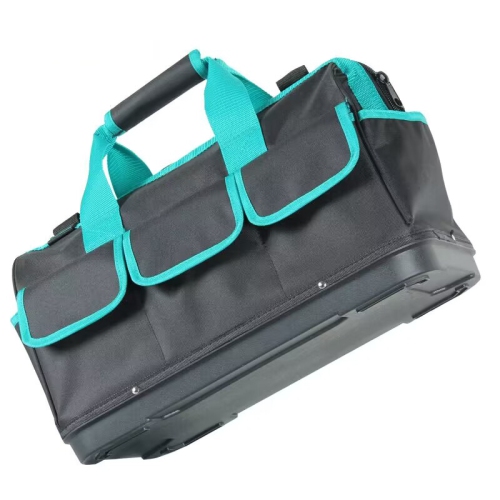
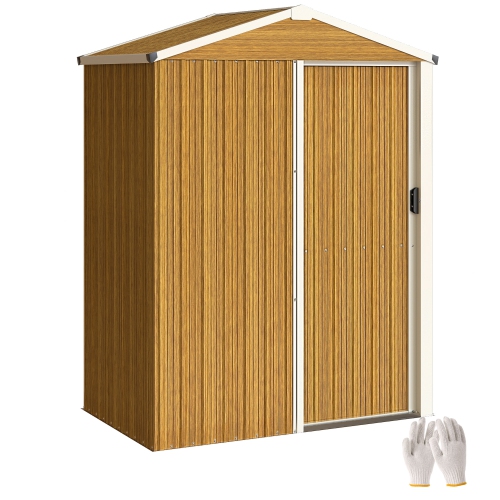

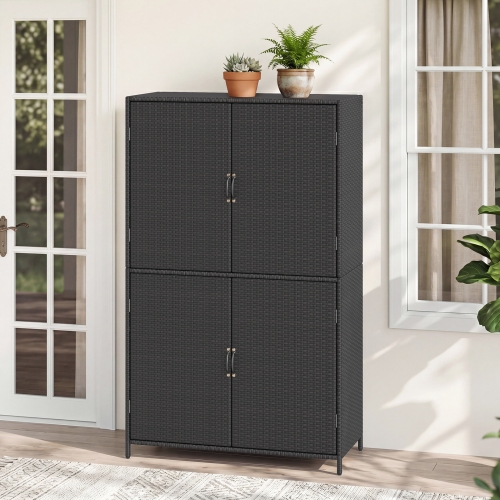
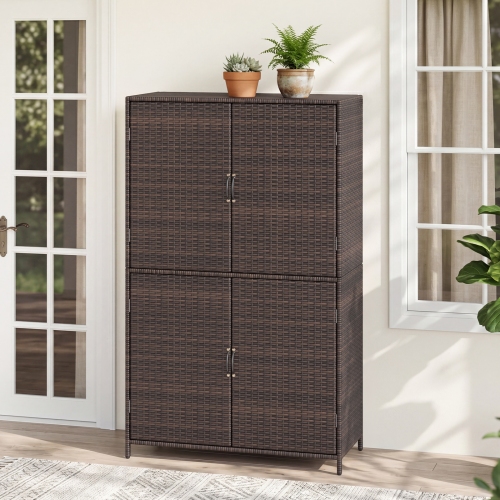
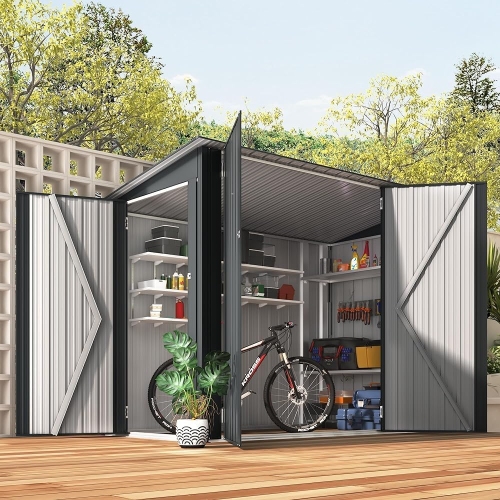
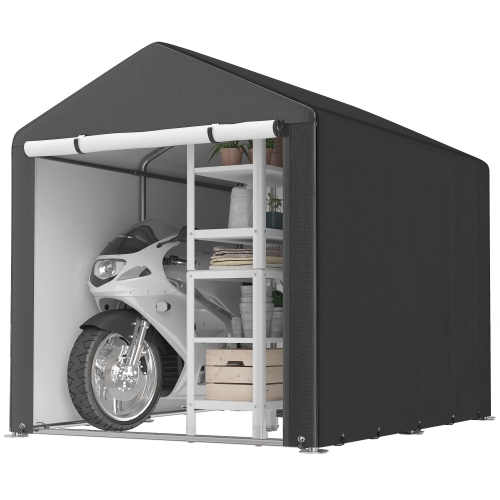
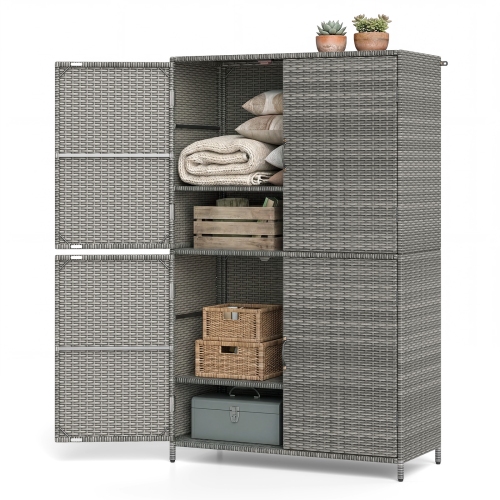
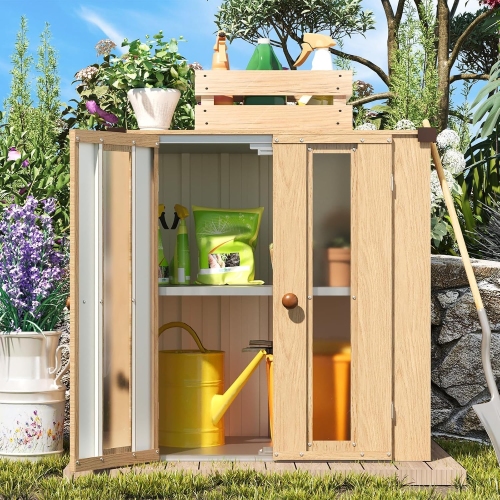
The right enclosure protects tools through every season
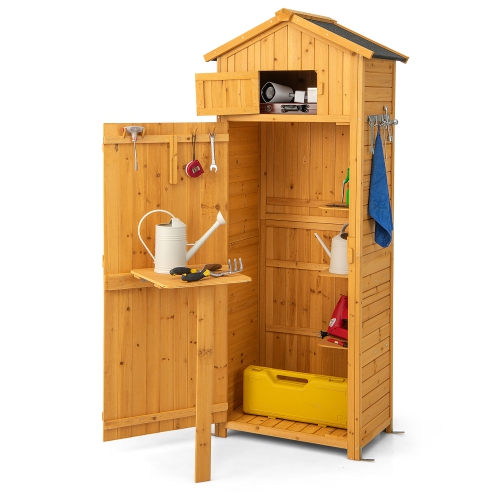
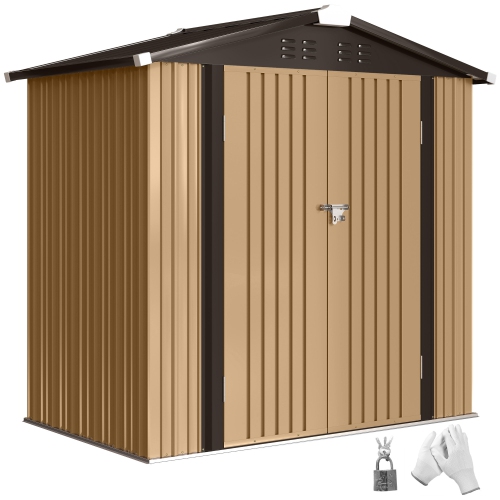
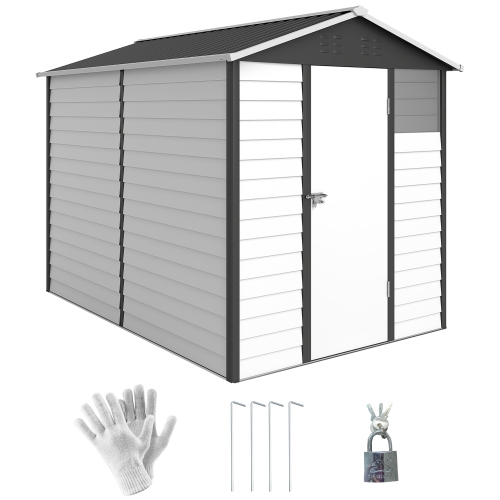
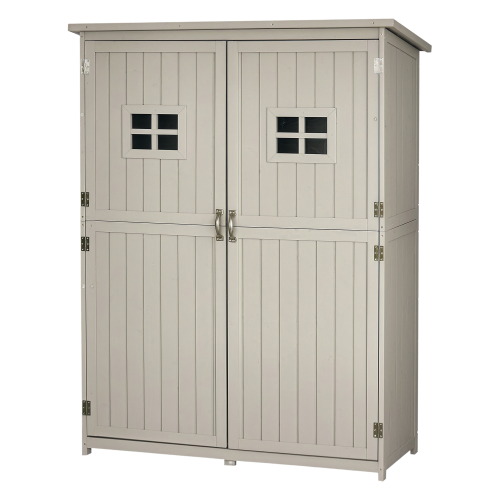
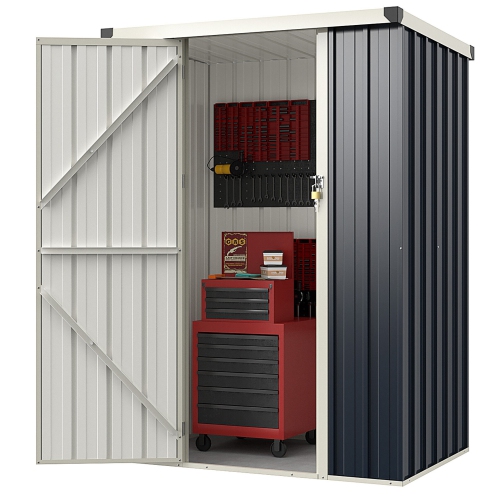
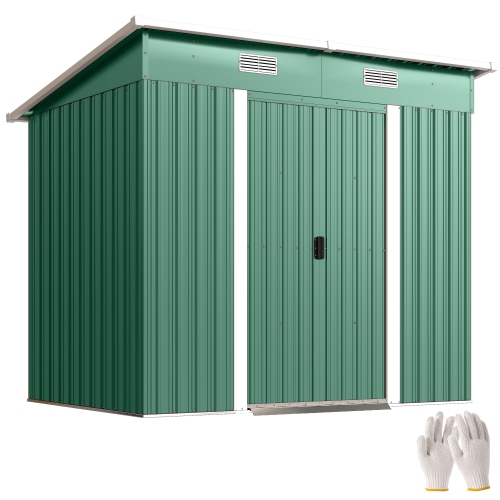
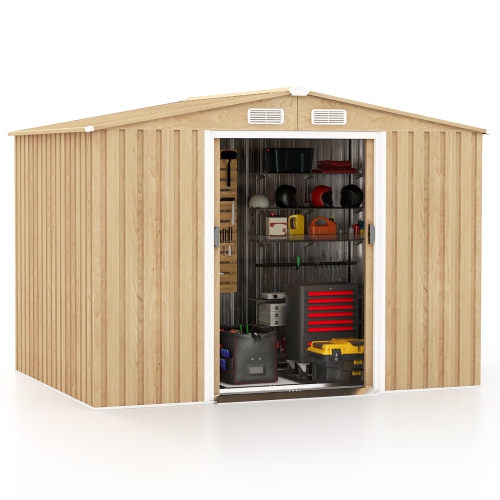
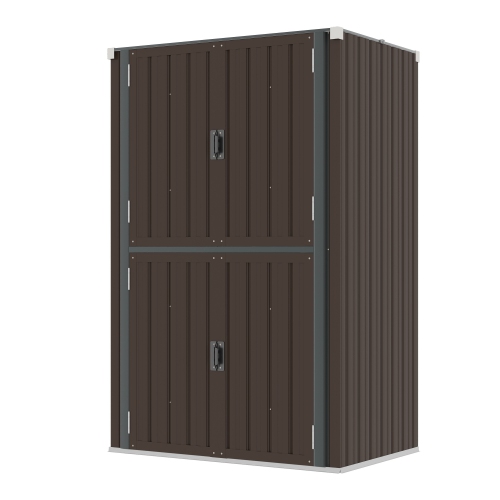
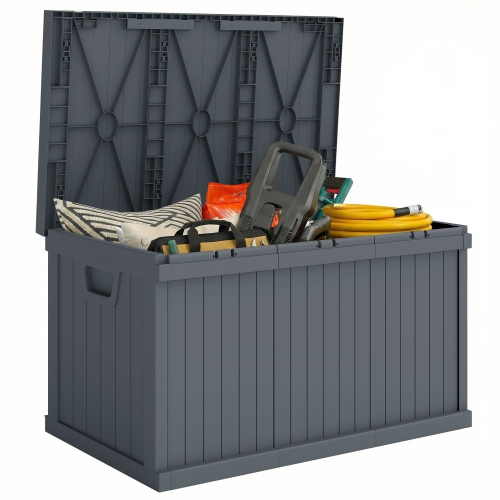
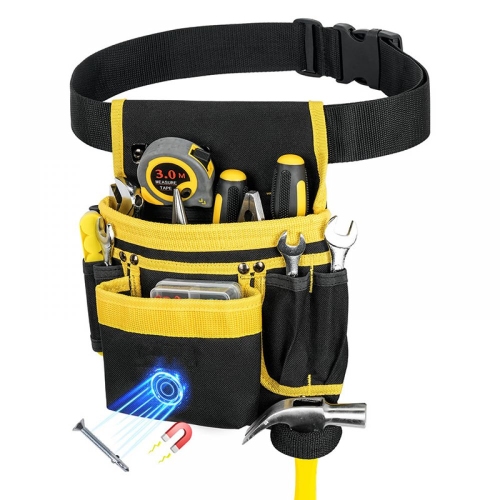
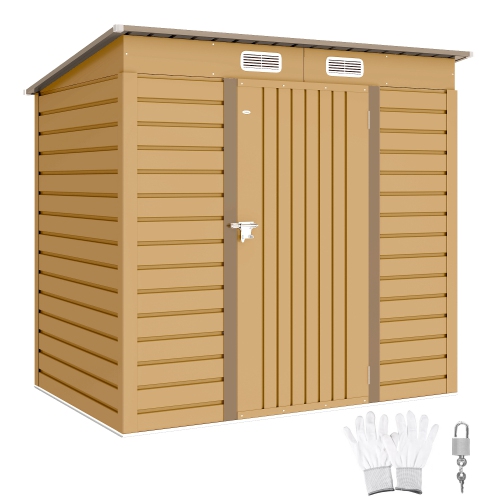
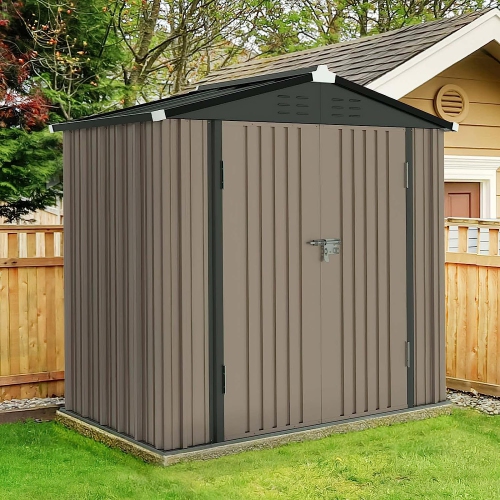
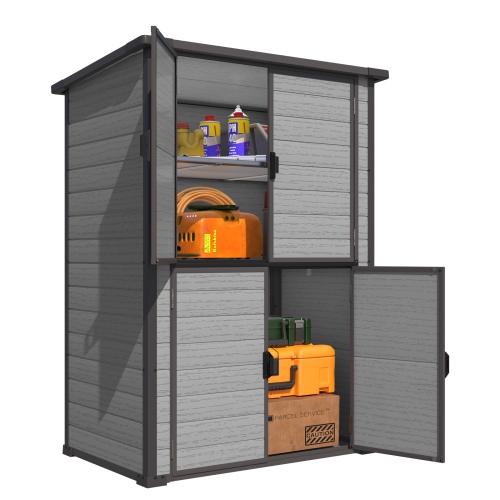
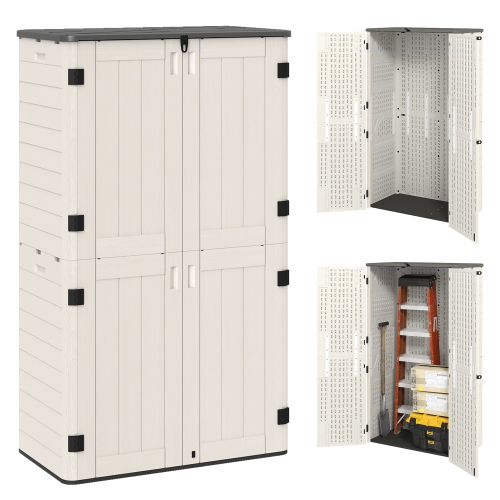
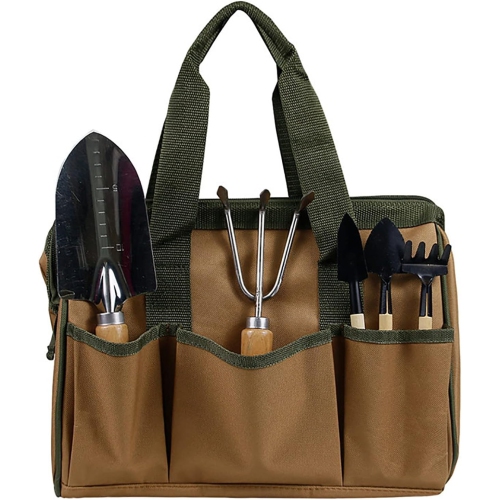
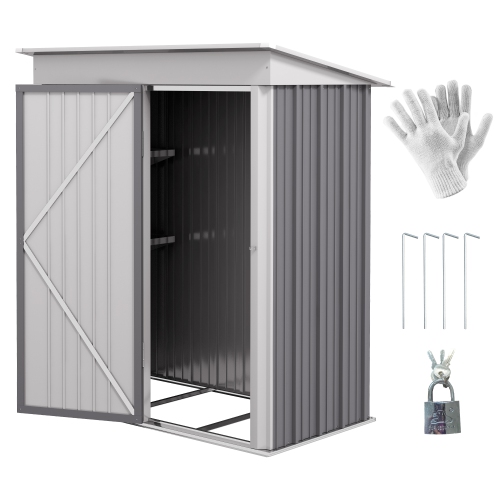
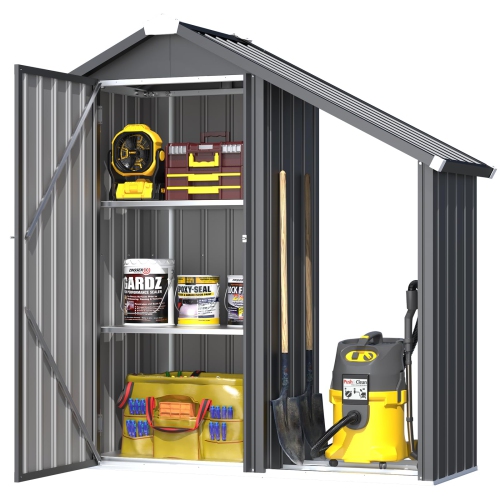
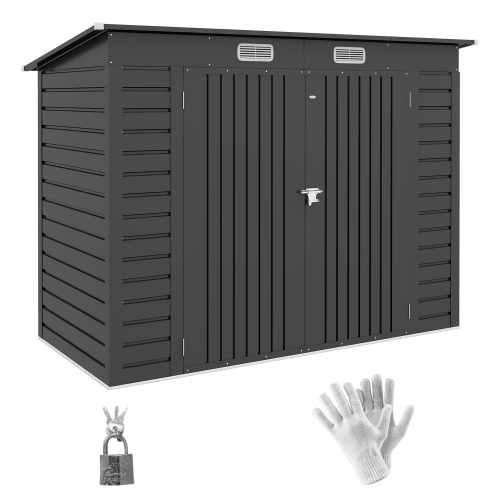
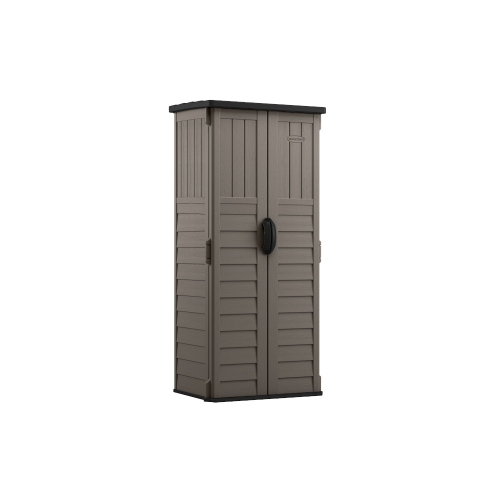
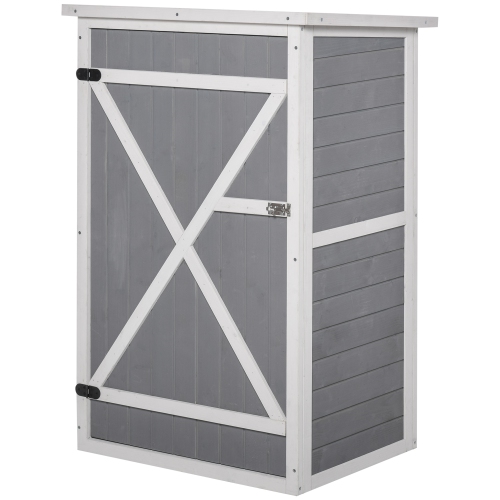
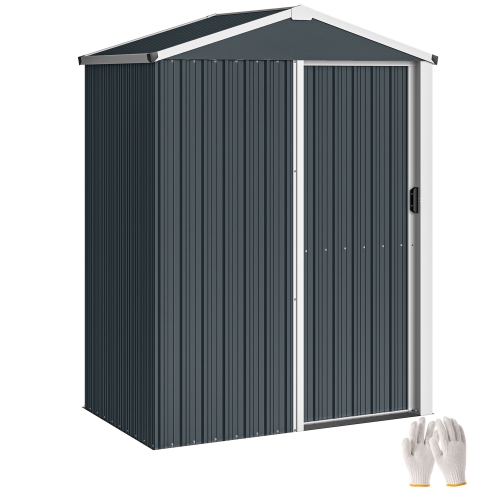
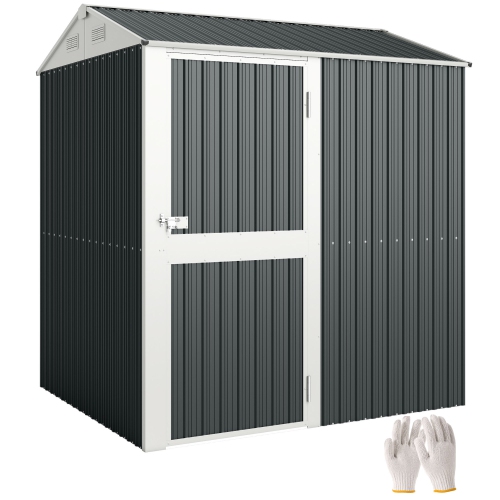
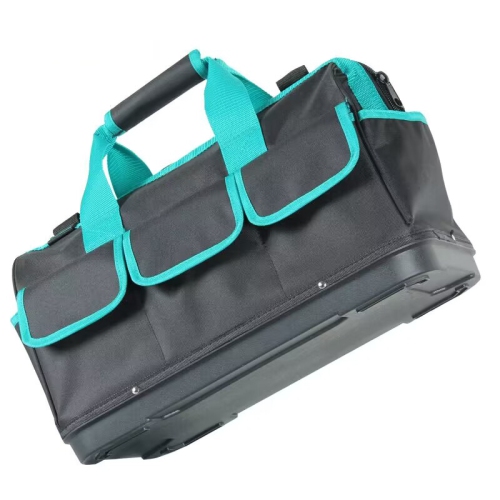
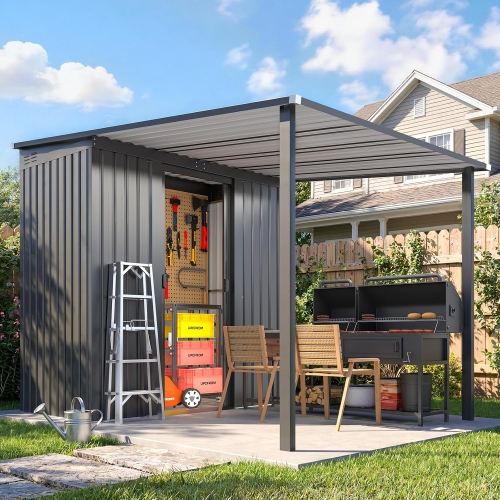
Outdoor Tool Storage helps keep gardening equipment, maintenance supplies, and outdoor power tools protected, organized, and ready to use. The right storage solution depends first on the tools you own and the space available around your home. Long-handled shovels, rakes, hoes, brooms, and snow tools need a tall cabinet, locker, or shed with enough vertical clearance to stand upright without leaning against a wall. Smaller hand tools, gloves, fasteners, and watering accessories can be easier to manage in a compact cabinet with shelves, bins, or a work surface. For heavier equipment such as trimmers, blowers, pressure washers, and lawn-care accessories, look for a sturdy enclosure with a wide opening, a floor that can support the load, and enough room to lift items in and out without awkward twisting. A mobile job chest or rolling storage box can be useful when tools need to move between the garage, driveway, garden, and backyard, while a stationary shed or cabinet is better suited to creating a dedicated outdoor work area. Measuring the available footprint before shopping is essential. Note the width, depth, and height of the intended location, then allow additional clearance for doors, lids, ventilation, and comfortable access. A narrow vertical cabinet can make good use of a side passage or patio corner, whereas a larger shed may be better for an open yard where several categories of equipment need to stay together. Consider the surface beneath the unit as well; a level, stable base helps doors align properly and makes wheeled equipment easier to store.
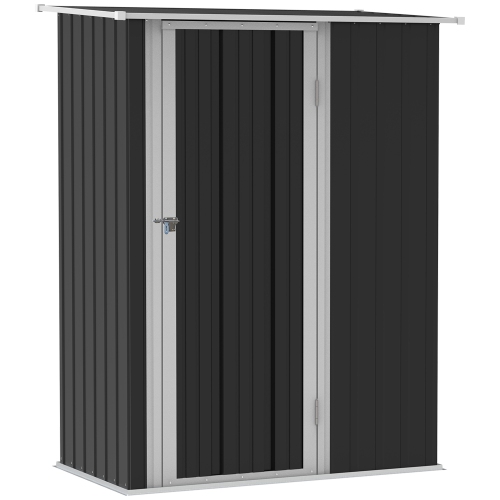
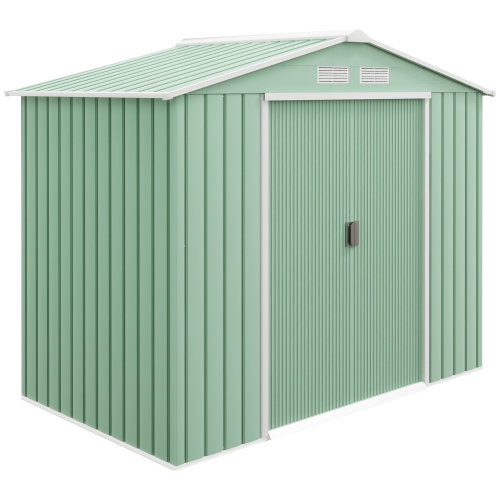
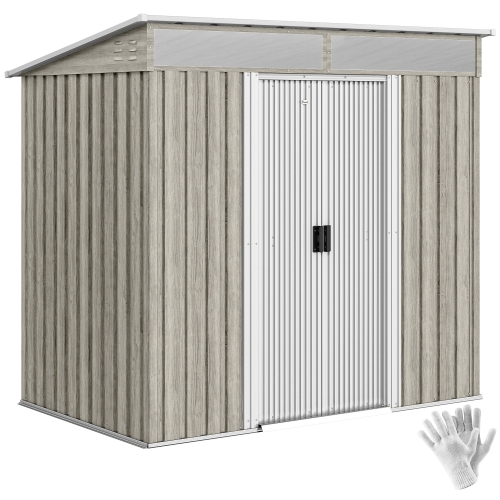
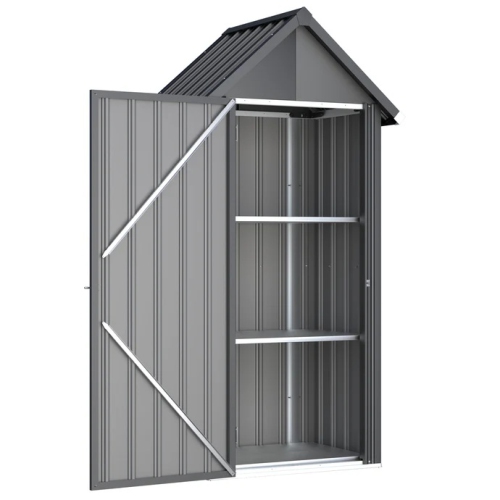
Outdoor conditions make construction and protection especially important. Metal storage offers a structured, secure feel and can be a practical choice for tools that need a rigid enclosure. Look for corrosion-resistant finishes, reinforced panels, secure hinges, and doors that close cleanly. Ventilation can help reduce trapped moisture and stale air, particularly when damp tools or recently used equipment are placed inside. Wood storage can bring a warm, traditional appearance to a garden or patio and may include useful details such as internal shelving, a fold-out worktop, or a sloped roof that directs rain away from the entrance. Check for weather-resistant construction, a protective roof design, and enough interior flexibility for both tall tools and smaller accessories. Heavy-duty plastic resin storage is often valued for its lighter handling, easy-clean surfaces, and resistance to everyday outdoor conditions. Regardless of the material, inspect the roofline, seams, base, and door design, since these areas have a direct effect on how well the contents stay shielded from rain, wind-blown debris, and changing temperatures. A raised base or water-resistant floor can be helpful in areas where meltwater or puddles collect. Security is another consideration when tools are stored outside. Lockable doors, padlock eyes, sturdy latches, and concealed hinges can provide added peace of mind, although storage should still be placed in a well-lit, practical location. Organizing the interior makes a noticeable difference over time: reserve one section for long-handled tools, keep frequently used hand tools near the front, and leave a clear path for bulky equipment. Wall hooks, shelves, magnetic strips, and stackable containers can help turn a crowded enclosure into a usable workspace. Keep fuel, batteries, cleaning products, and other supplies stored according to their safety instructions, and avoid blocking vents or placing wet equipment directly against stored materials.
These storage options can suit homeowners, gardeners, renters with outdoor space, cottage owners, property managers, and anyone who prefers a tidy approach to seasonal maintenance. During the warmer part of the year, an organized cabinet or shed keeps pruning tools, hoses, planters, and lawn equipment close at hand without filling a garage or mudroom. As the weather cools, the same space can hold snow brushes, shovels, salt spreaders, tarps, and other items used for winter preparation. In a smaller backyard, a tall locker or slim cabinet can make an overlooked wall or fence-side area more useful, while a full-sized shed may accommodate equipment for a large property. Storage can also be a thoughtful housewarming, cottage, or gardening gift for someone who has accumulated tools but has not yet created a proper place for them. When choosing for another person, consider the layout of their yard, the types of tools they use, and whether they prefer a low-maintenance material or a more traditional cabinet style. For homes with outdoor seating, cushions, covers, and entertaining accessories may need their own dedicated space, making Outdoor Furniture Storage a useful complement to an equipment-focused enclosure. Before making a final selection, compare the total capacity rather than relying only on exterior dimensions, and check whether shelves are adjustable, doors open far enough, and the roof provides practical headroom. It is also worth considering how the unit will be assembled, moved, and positioned, especially if access to the yard is through a narrow gate or stairway. A well-matched Outdoor Tool Storage solution should make everyday jobs feel less scattered: the rake is where it belongs, the drill is protected from the elements, and the shovel is easy to reach when the first snowfall arrives.
Outdoor conditions make construction and protection especially important. Metal storage offers a structured, secure feel and can be a practical choice for tools that need a rigid enclosure. Look for corrosion-resistant finishes, reinforced panels, secure hinges, and doors that close cleanly. Ventilation can help reduce trapped moisture and stale air, particularly when damp tools or recently used equipment are placed inside. Wood storage can bring a warm, traditional appearance to a garden or patio and may include useful details such as internal shelving, a fold-out worktop, or a sloped roof that directs rain away from the entrance. Check for weather-resistant construction, a protective roof design, and enough interior flexibility for both tall tools and smaller accessories. Heavy-duty plastic resin storage is often valued for its lighter handling, easy-clean surfaces, and resistance to everyday outdoor conditions. Regardless of the material, inspect the roofline, seams, base, and door design, since these areas have a direct effect on how well the contents stay shielded from rain, wind-blown debris, and changing temperatures. A raised base or water-resistant floor can be helpful in areas where meltwater or puddles collect. Security is another consideration when tools are stored outside. Lockable doors, padlock eyes, sturdy latches, and concealed hinges can provide added peace of mind, although storage should still be placed in a well-lit, practical location. Organizing the interior makes a noticeable difference over time: reserve one section for long-handled tools, keep frequently used hand tools near the front, and leave a clear path for bulky equipment. Wall hooks, shelves, magnetic strips, and stackable containers can help turn a crowded enclosure into a usable workspace. Keep fuel, batteries, cleaning products, and other supplies stored according to their safety instructions, and avoid blocking vents or placing wet equipment directly against stored materials.
These storage options can suit homeowners, gardeners, renters with outdoor space, cottage owners, property managers, and anyone who prefers a tidy approach to seasonal maintenance. During the warmer part of the year, an organized cabinet or shed keeps pruning tools, hoses, planters, and lawn equipment close at hand without filling a garage or mudroom. As the weather cools, the same space can hold snow brushes, shovels, salt spreaders, tarps, and other items used for winter preparation. In a smaller backyard, a tall locker or slim cabinet can make an overlooked wall or fence-side area more useful, while a full-sized shed may accommodate equipment for a large property. Storage can also be a thoughtful housewarming, cottage, or gardening gift for someone who has accumulated tools but has not yet created a proper place for them. When choosing for another person, consider the layout of their yard, the types of tools they use, and whether they prefer a low-maintenance material or a more traditional cabinet style. For homes with outdoor seating, cushions, covers, and entertaining accessories may need their own dedicated space, making Outdoor Furniture Storage a useful complement to an equipment-focused enclosure. Before making a final selection, compare the total capacity rather than relying only on exterior dimensions, and check whether shelves are adjustable, doors open far enough, and the roof provides practical headroom. It is also worth considering how the unit will be assembled, moved, and positioned, especially if access to the yard is through a narrow gate or stairway. A well-matched Outdoor Tool Storage solution should make everyday jobs feel less scattered: the rake is where it belongs, the drill is protected from the elements, and the shovel is easy to reach when the first snowfall arrives.
Top selling and popular products
-
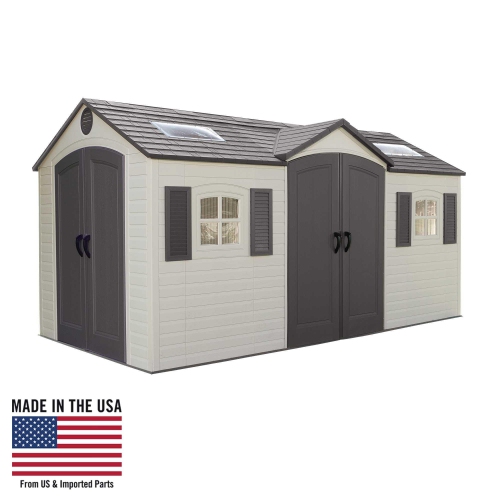 Your price for this item is $3999
 -
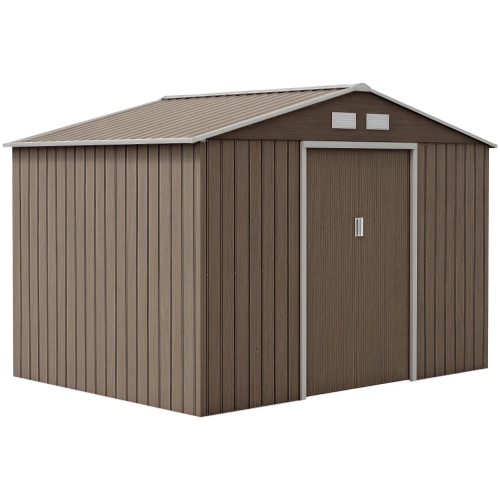 Your price for this item is $554.99
 -
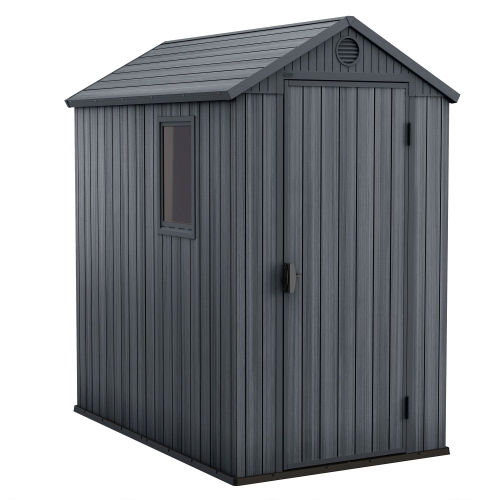 Your price for this item is $1136.99
 -
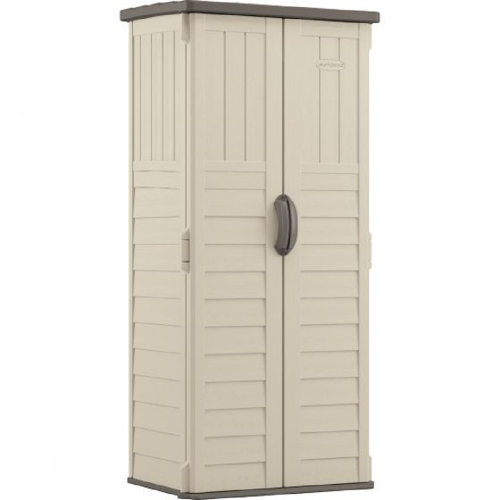 Your price for this item is $385.99
 -
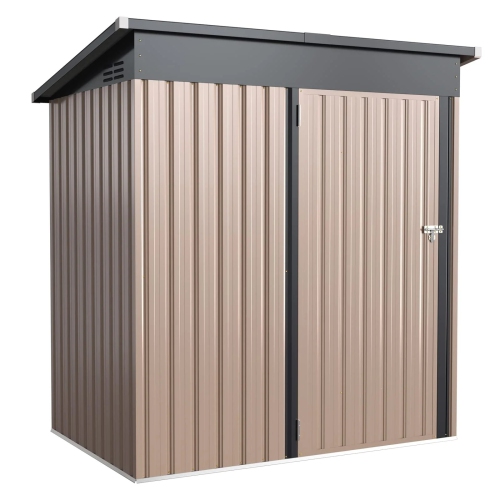 Your price for this item is $189.99
 -
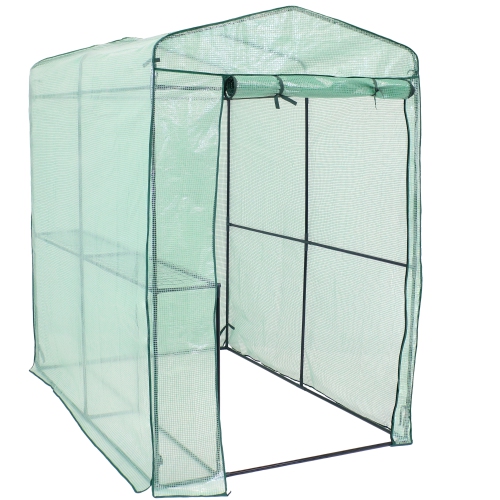 Your price for this item is $113.35
 -
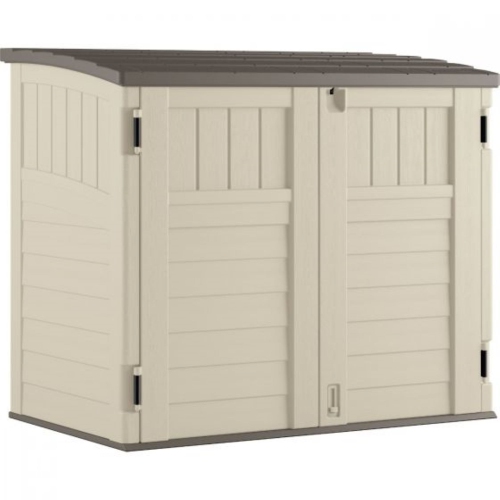 Your price for this item is $459.99
 -
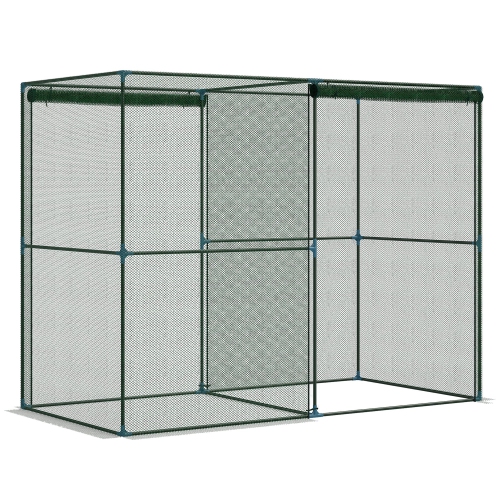 Your price for this item is $79.99
Discover more categories related to Outdoor Tool Storage
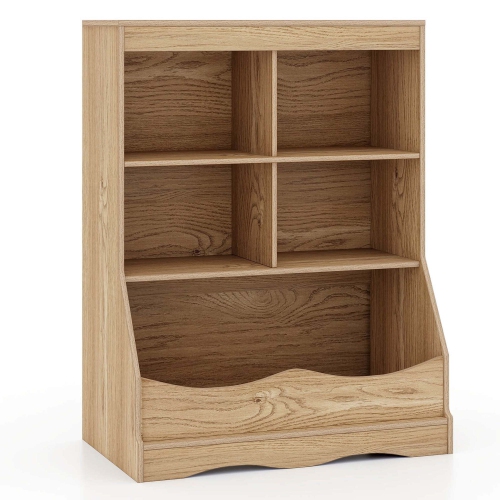
Top Collections:
Pokemon Centers, Kindle Devices, Apple iPhones 16, Samsung Galaxy Phones, Canon G7X Cameras, iPhone 15 Apple, Flip Phones, Apple Wired Earphones, Best Budget Office Chairs, Refurbished Apple Laptops
Some products may be subject to Environmental Handling Fees
(EHF) depending on your province.
Learn more about EHFs.