Outdoor Toy Storage
Organizing outdoor toys can be a breeze with this selection of outdoor toy storage solutions. Keep your backyard neat and clutter-free with a variety of storage options designed to withstand the elements while keeping all your kids' playthings in one convenient place. From spacious storage benches to weather-resistant bins and containers, these storage solutions are not only practical but also stylish additions to your outdoor space.
Sort
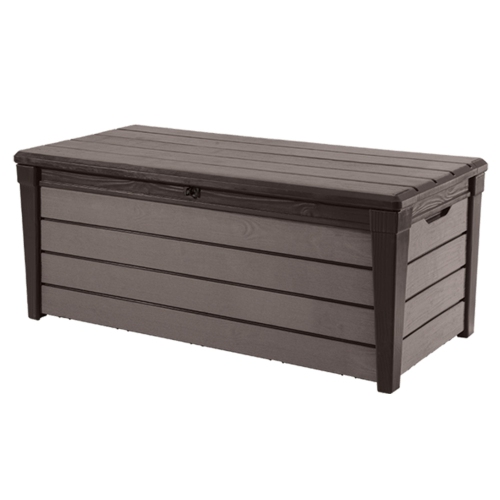

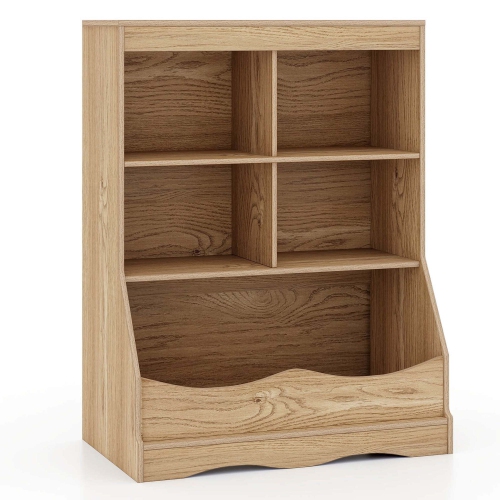
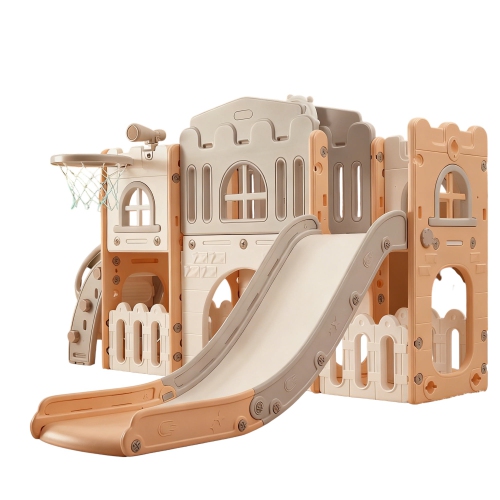
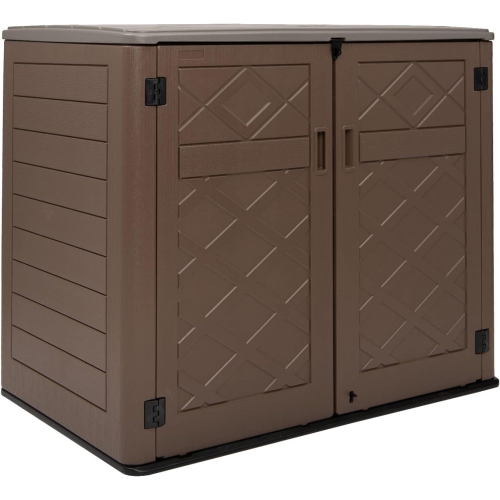
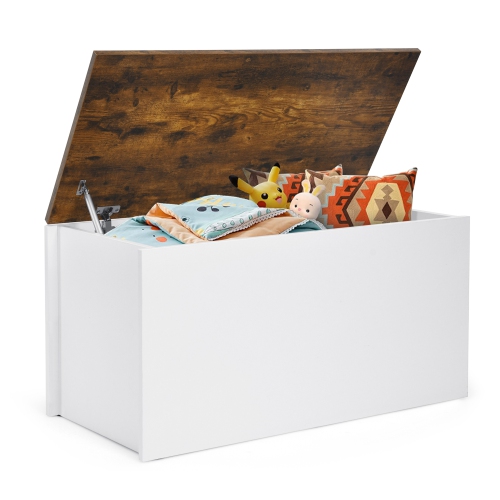
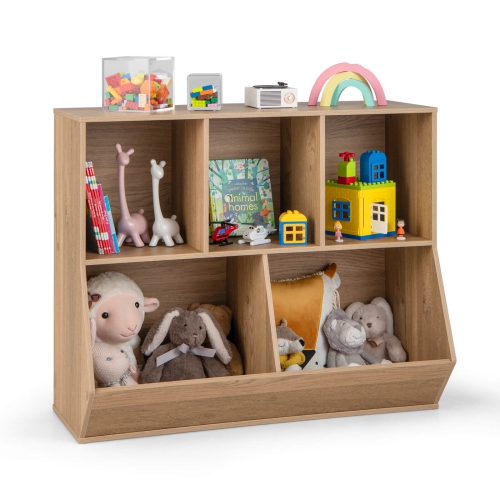
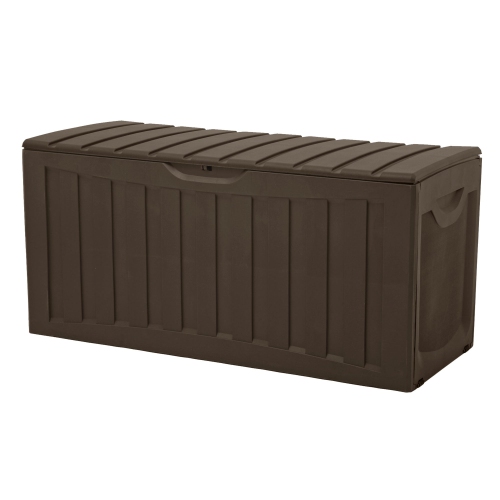

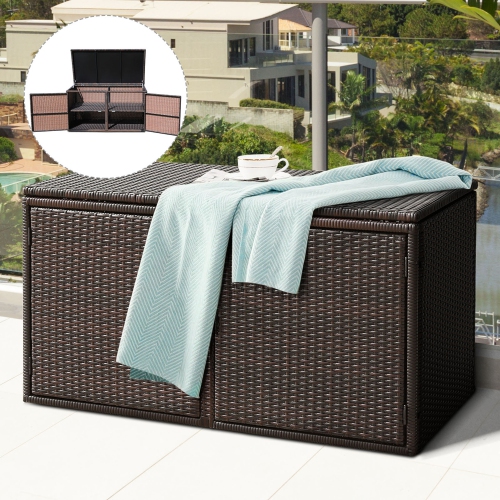
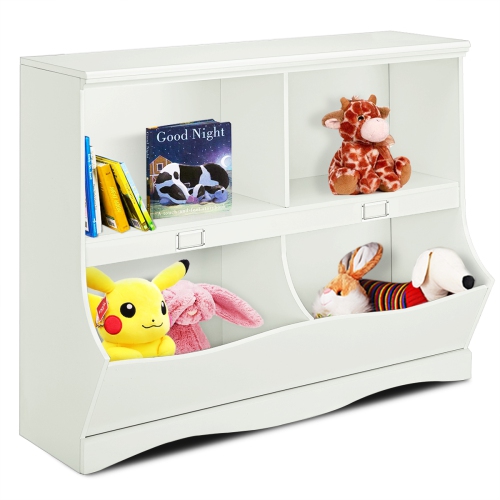
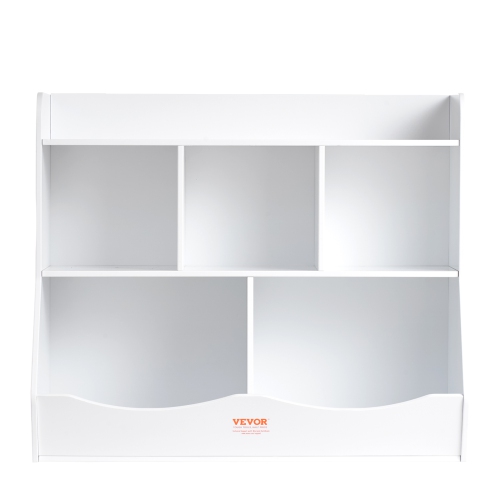
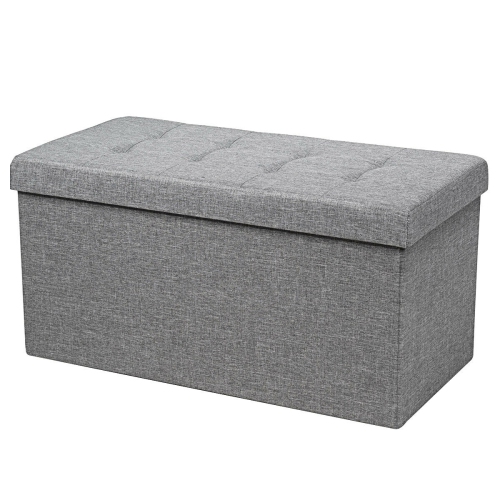
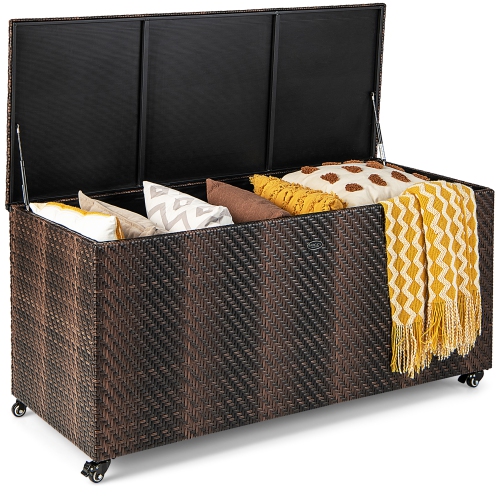
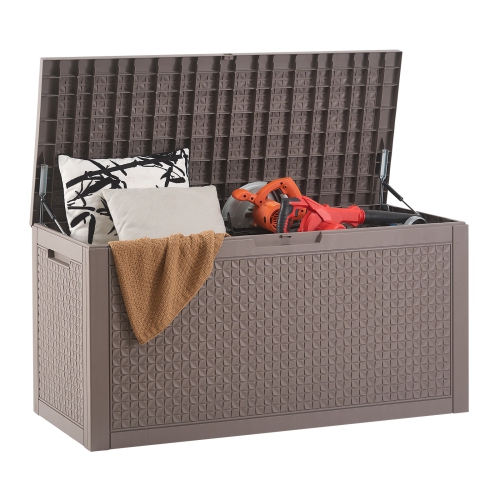
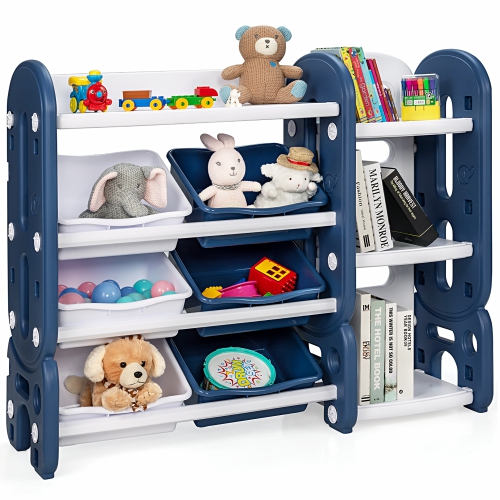
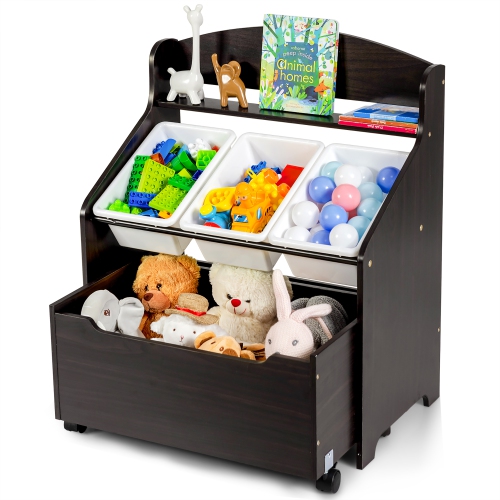
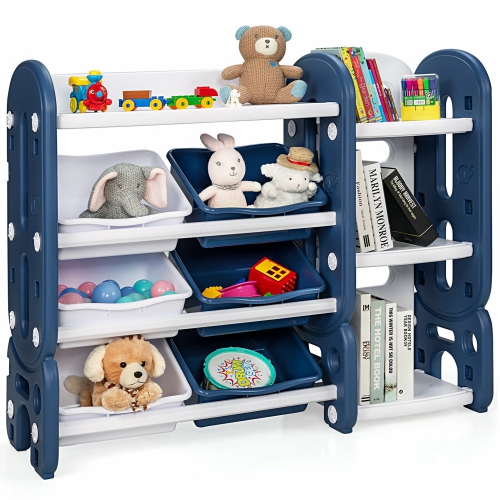
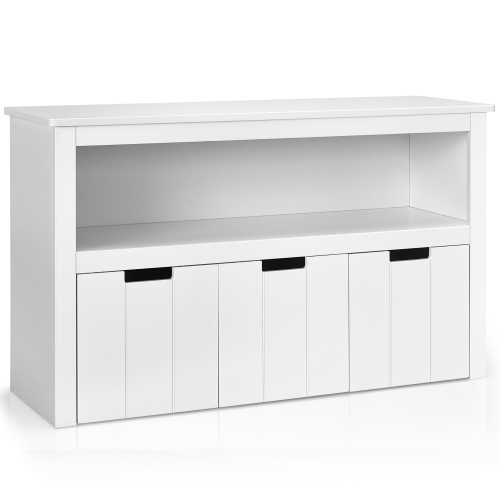
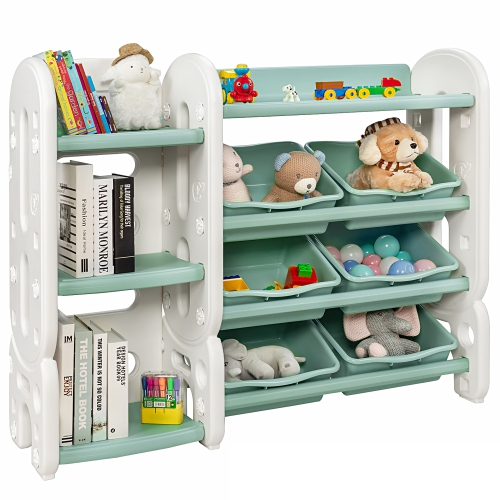
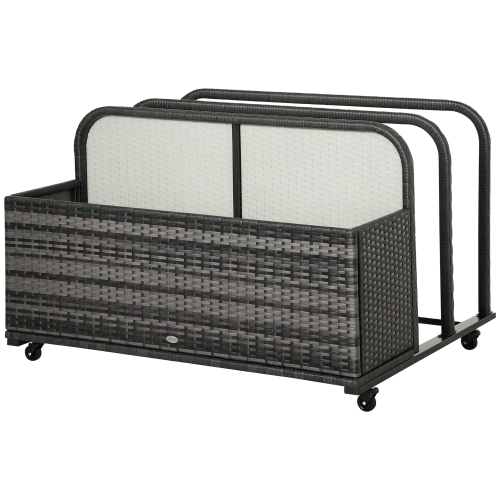
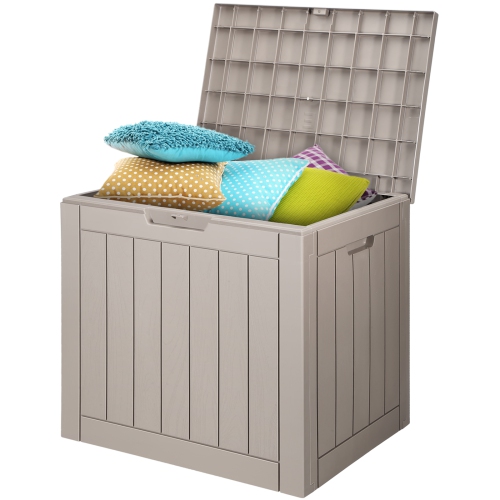
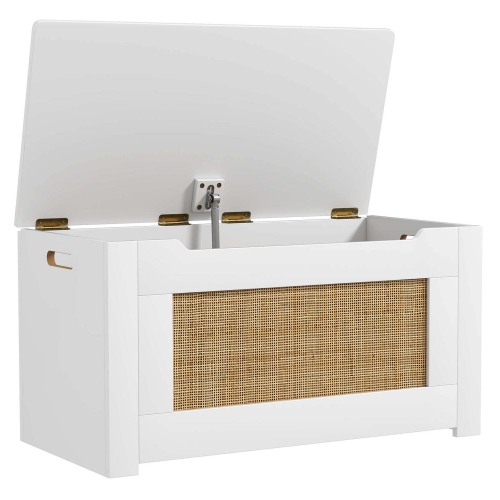
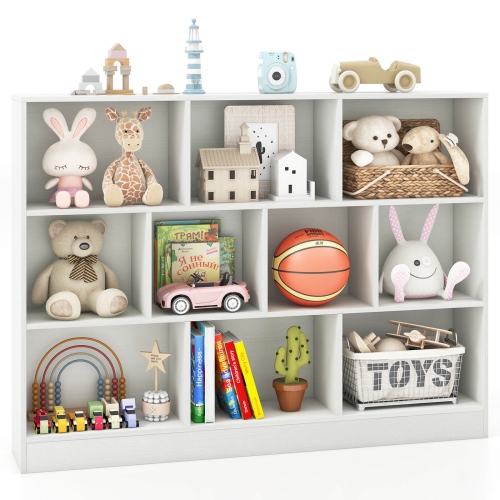
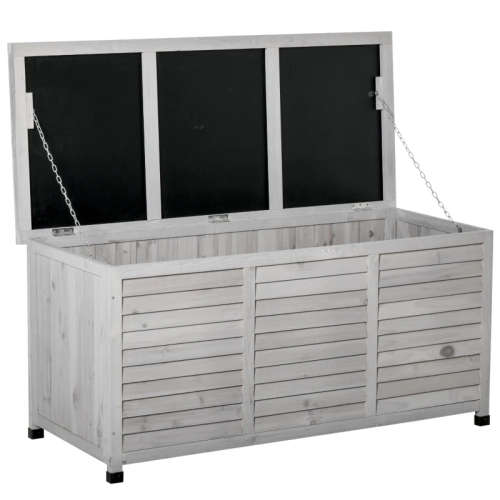
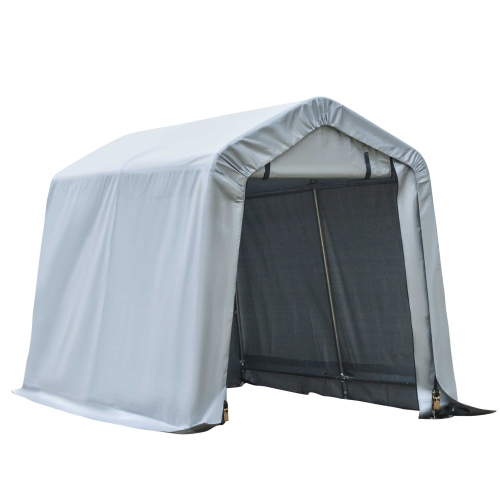
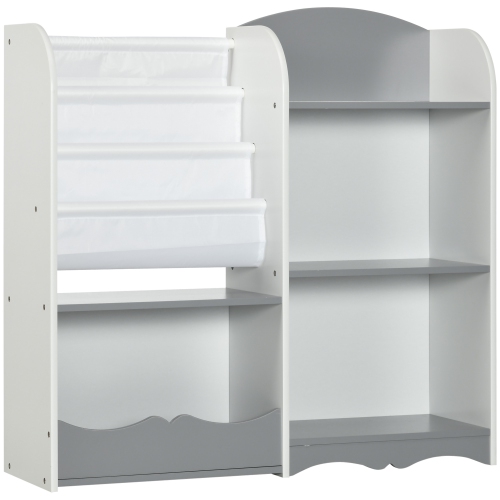

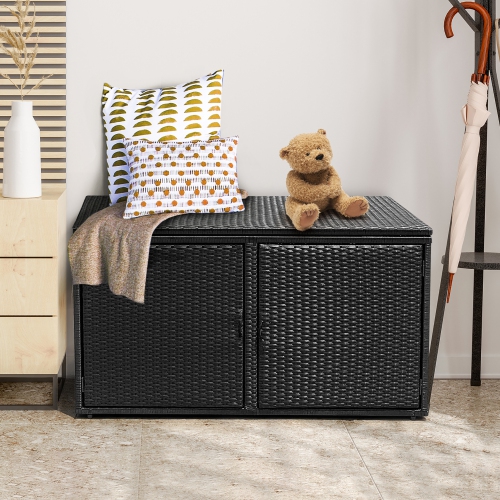
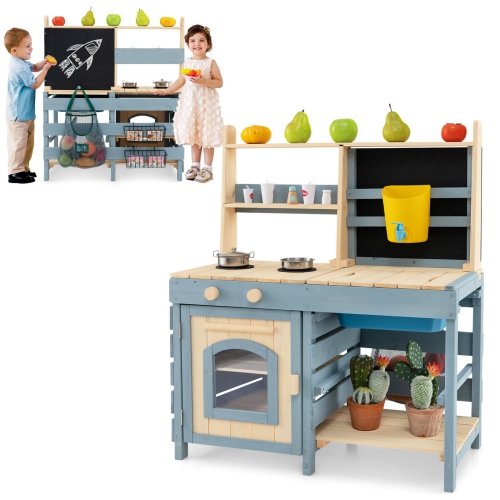
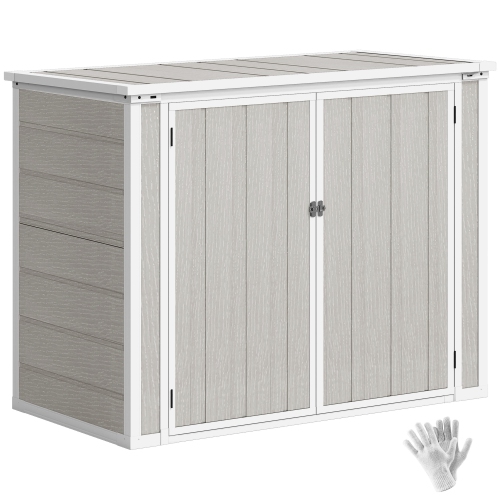
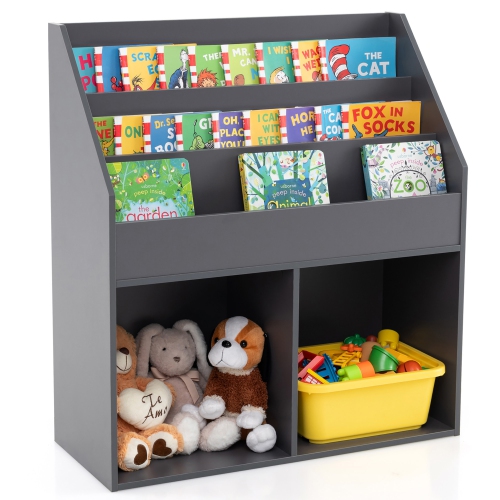
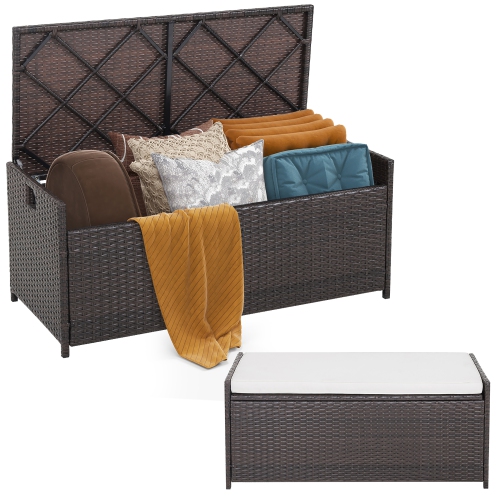
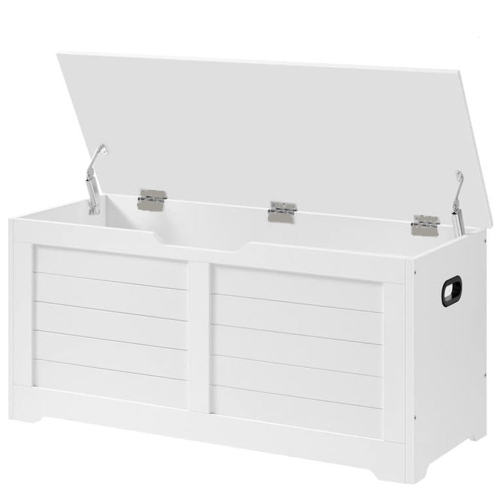
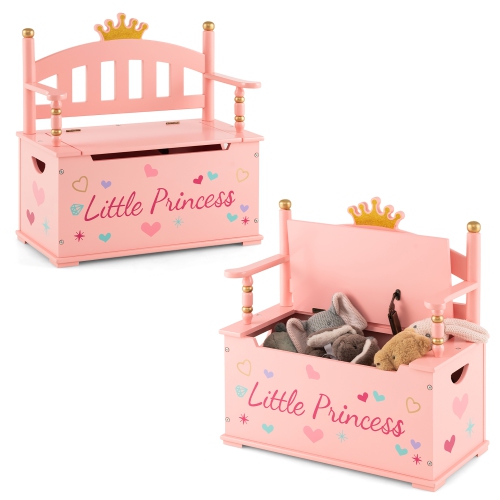

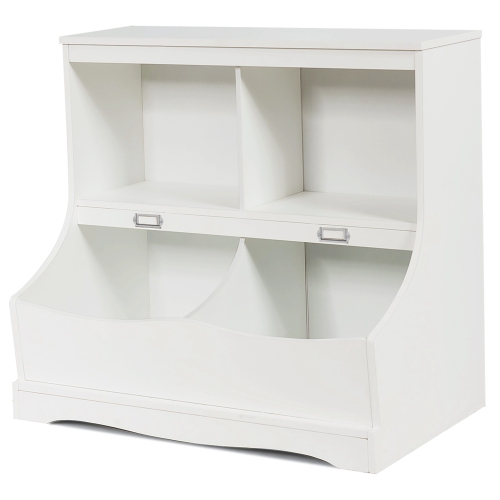
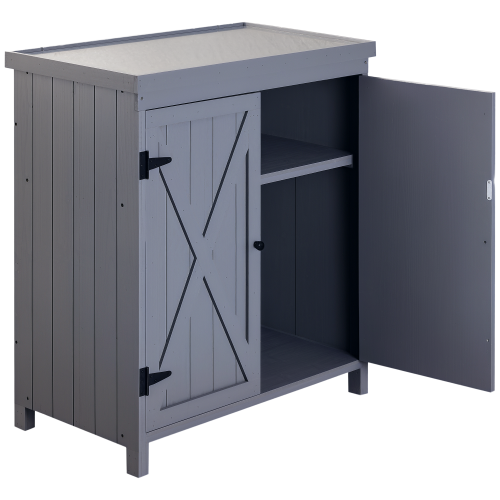
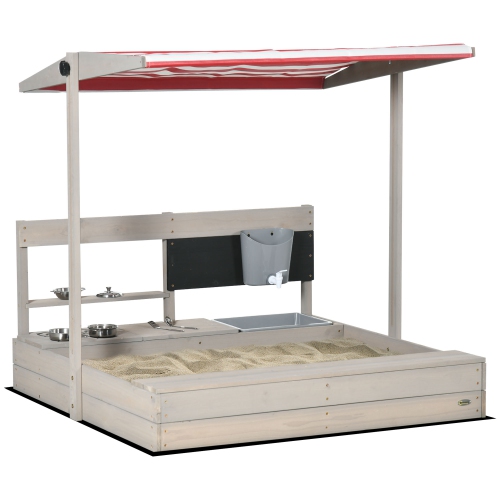
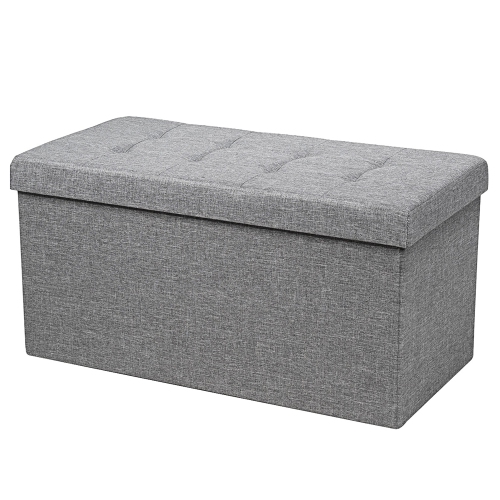
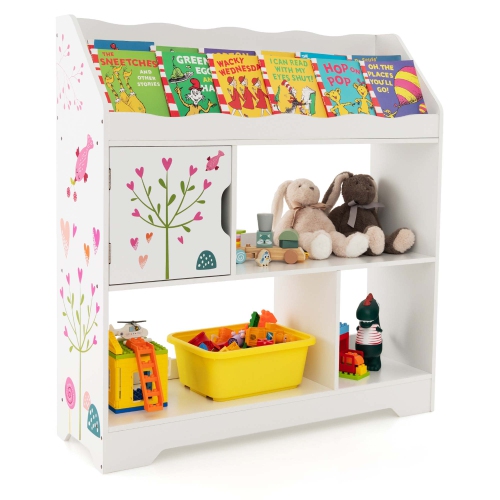
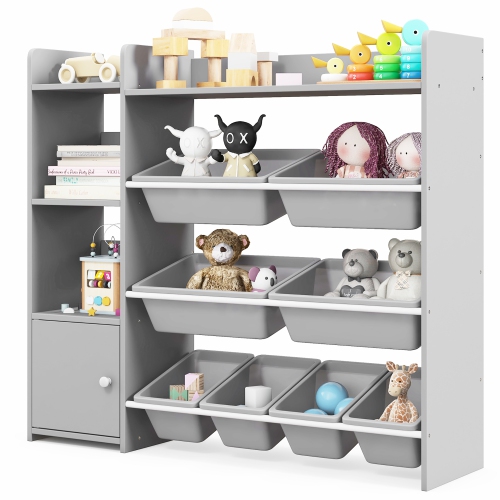
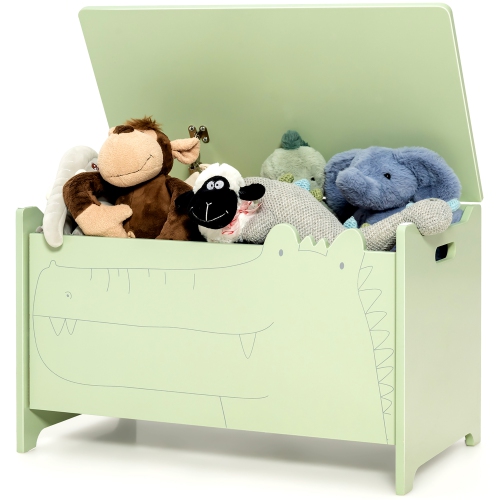
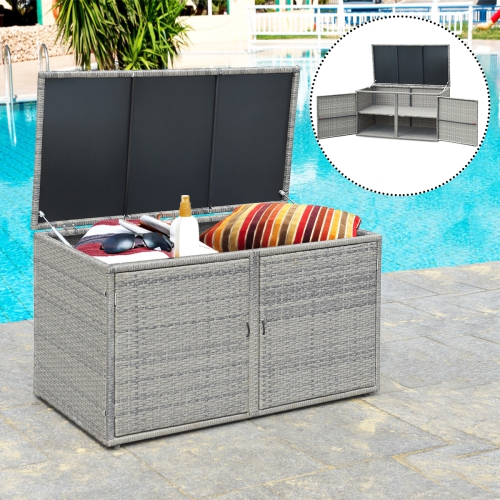
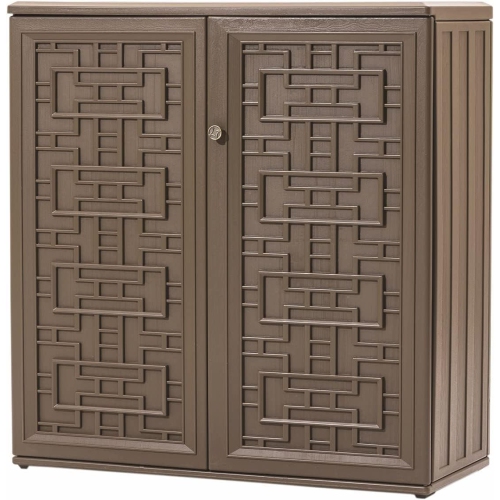
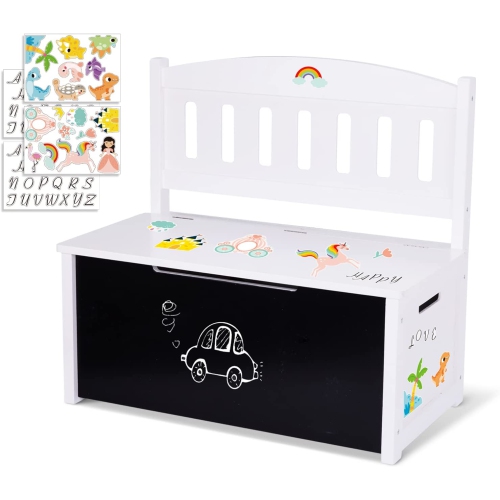
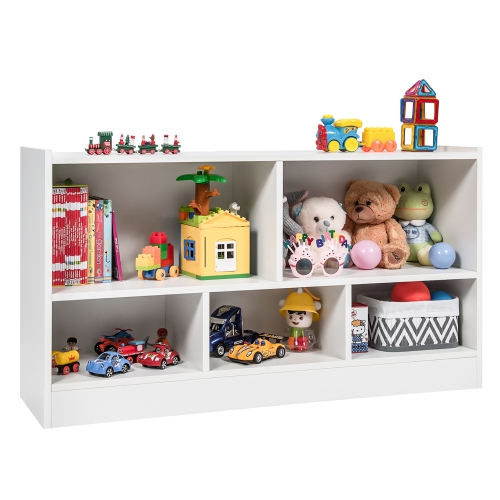
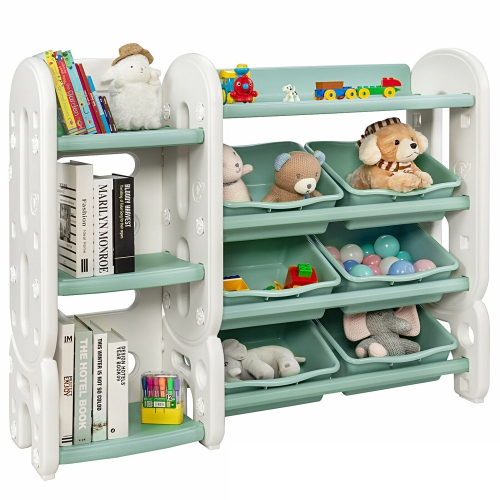
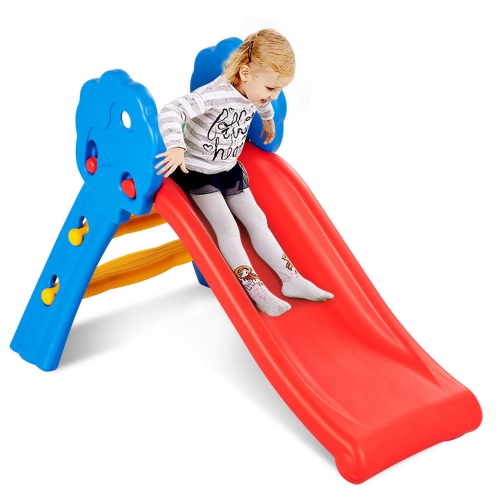
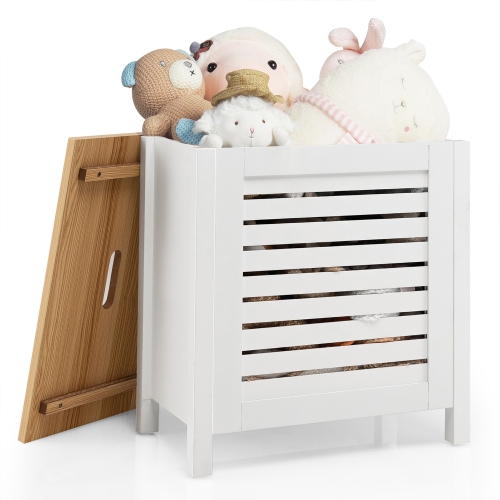
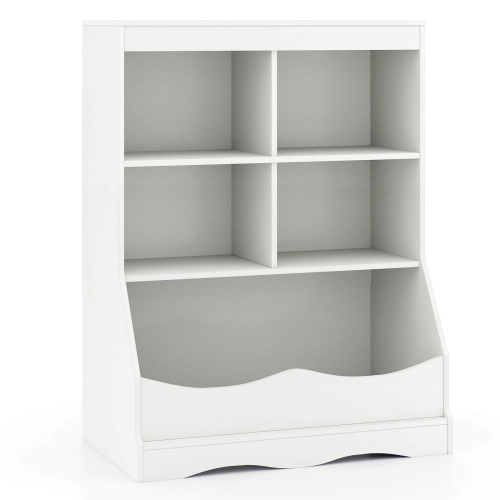
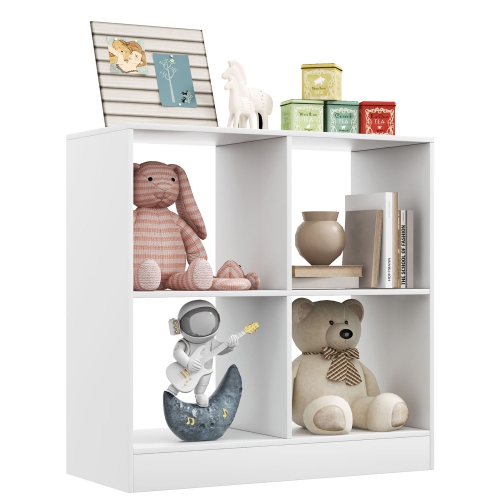
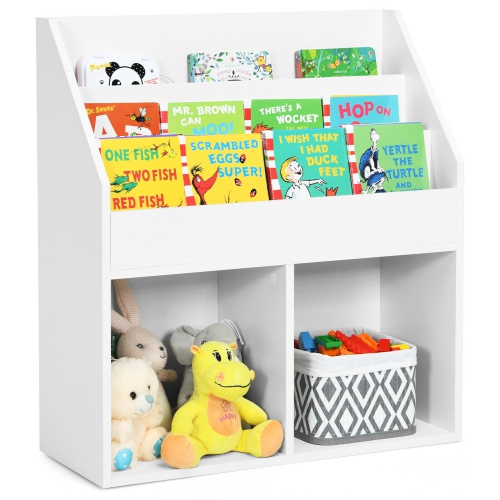
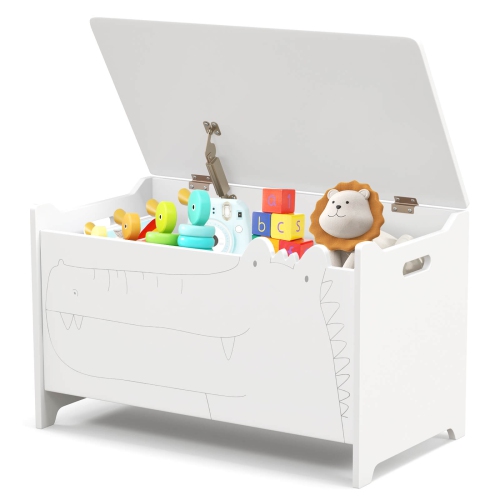
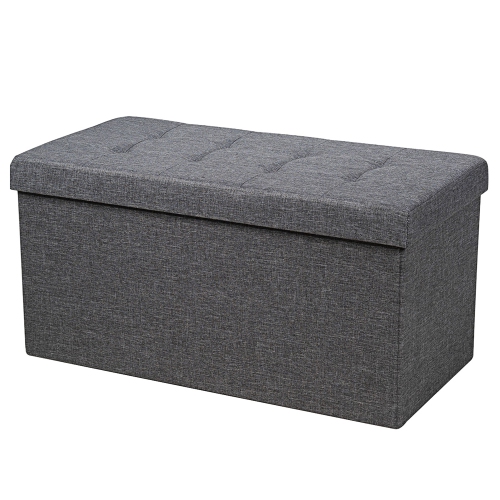
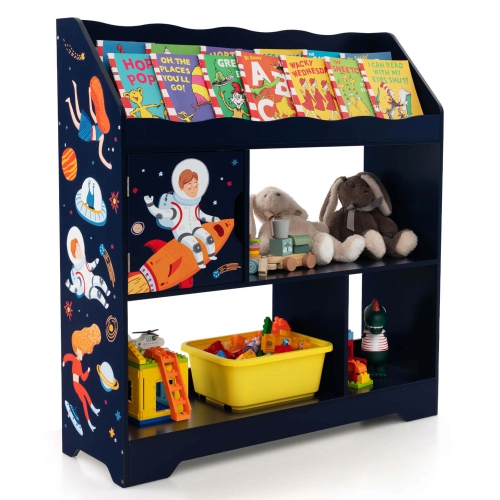
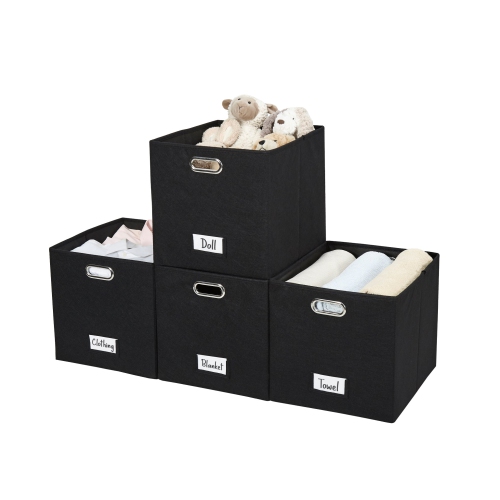
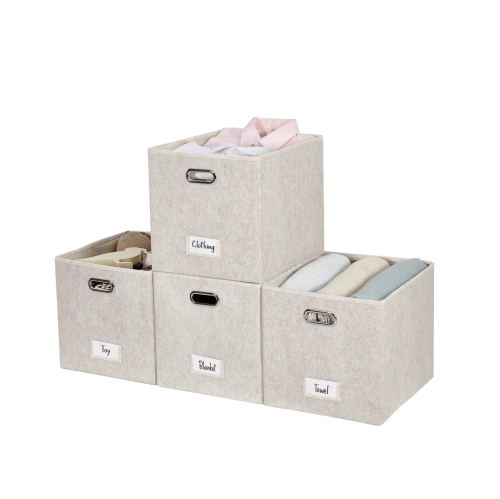
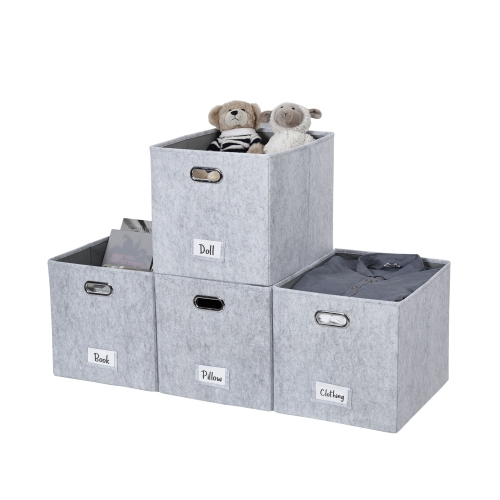
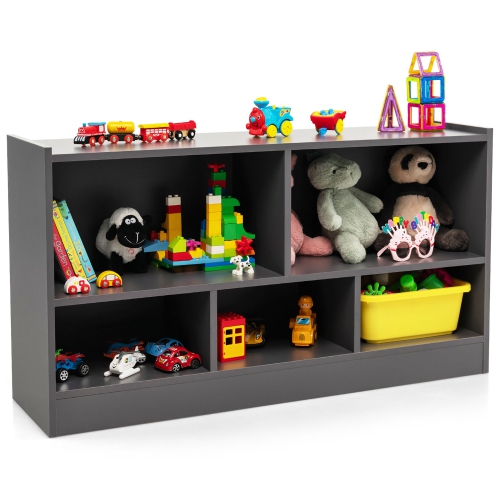
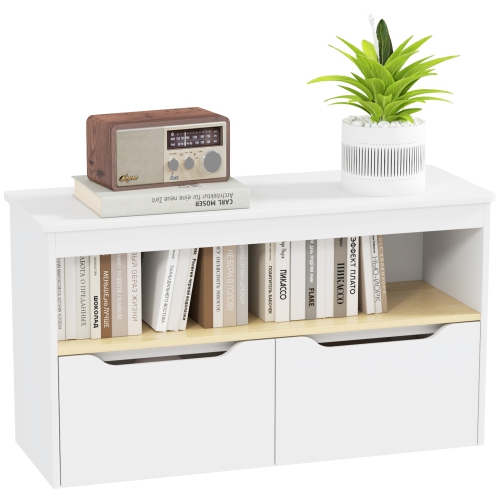
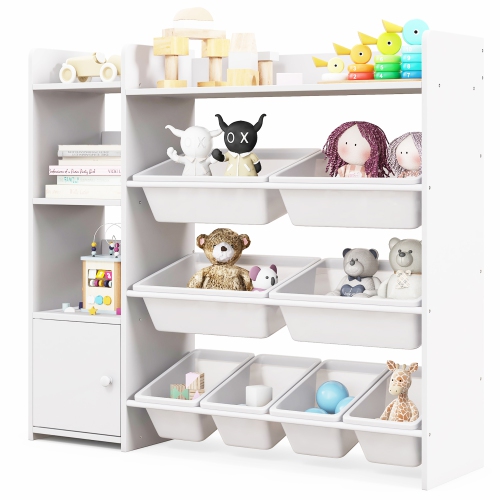
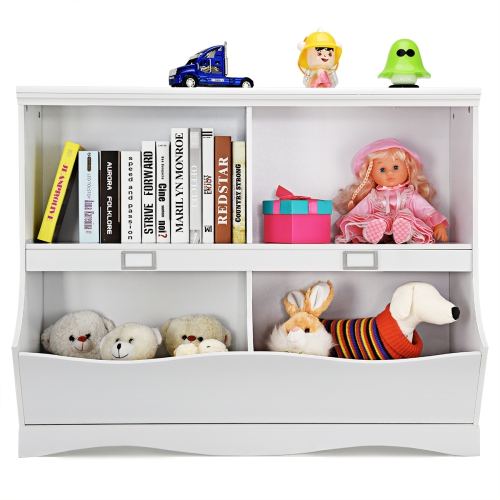
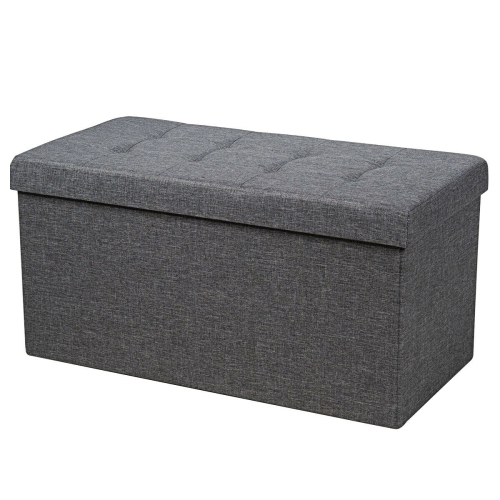
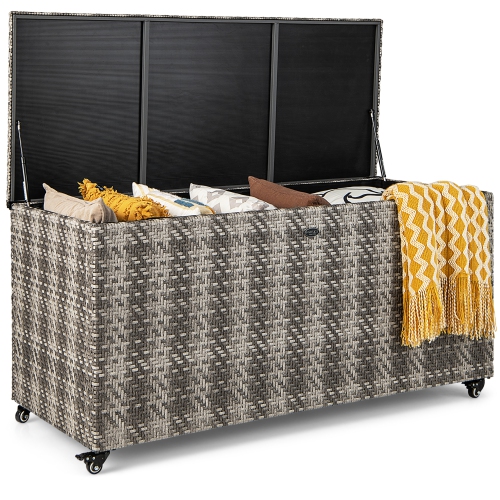
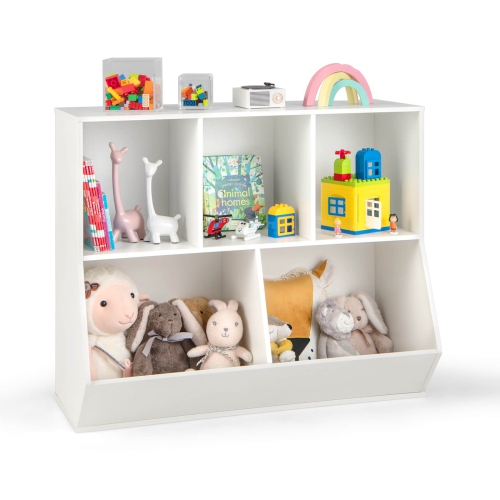
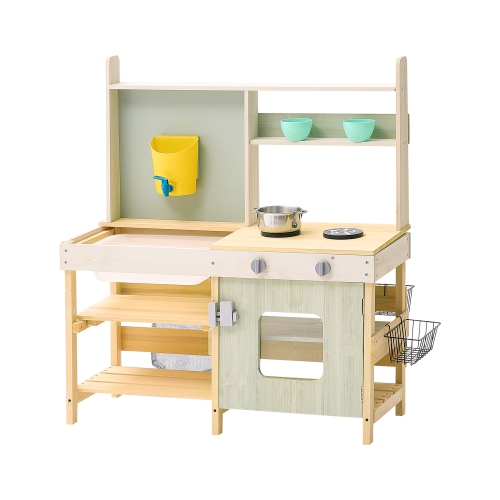
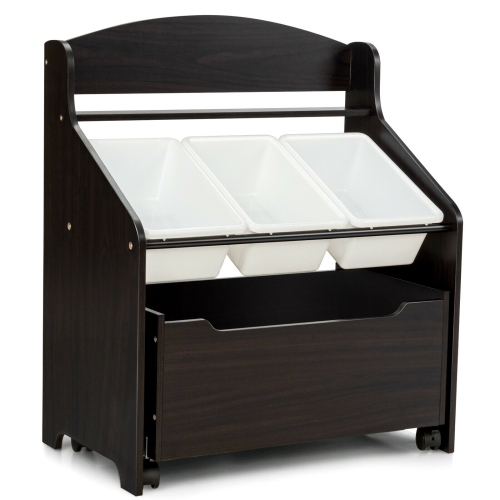
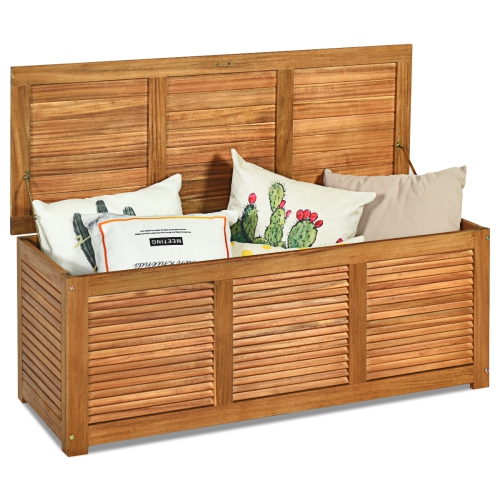
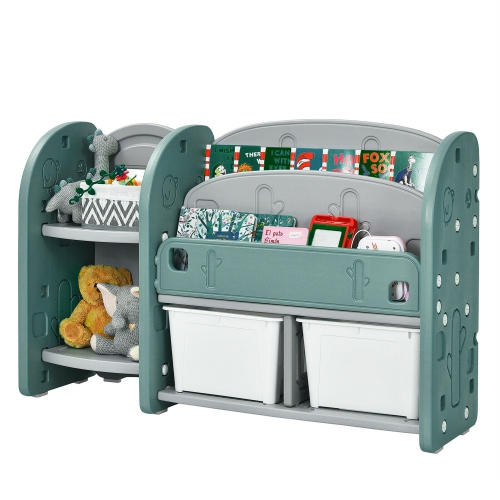
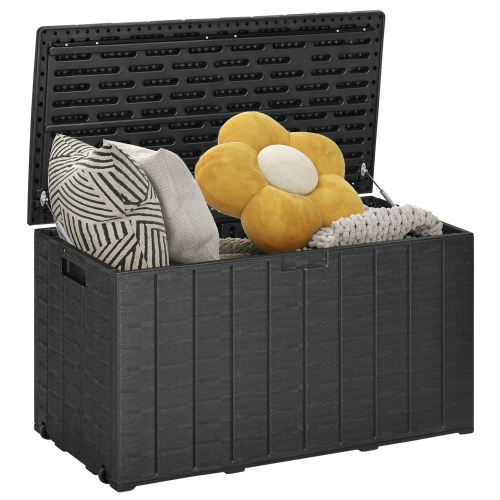
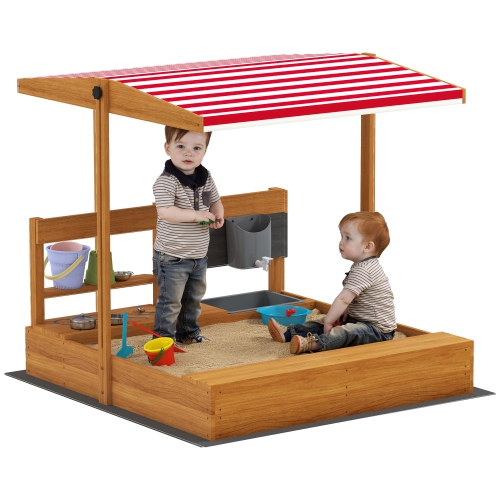
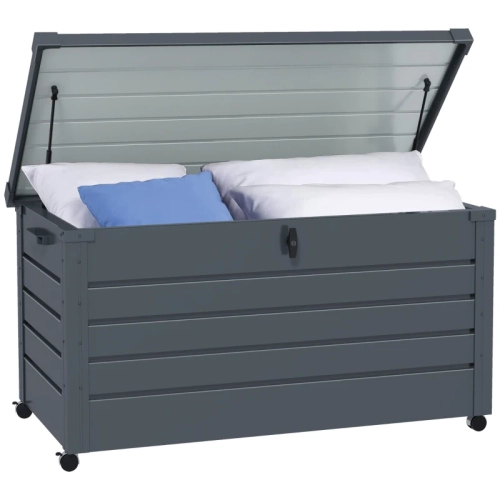
Practical ways to organize toys across outdoor play spaces
Outdoor toy storage helps keep backyards, patios, decks, balconies, garages, and mudrooms more orderly while making favourite playthings easier to find. A dedicated storage solution can hold everything from balls, frisbees, and skipping ropes to sidewalk chalk, bubbles, sand toys, ride-on accessories, and outdoor games. For many families, the best setup is one that keeps frequently used items close to the play area without allowing them to spread across the lawn, steps, or entranceway. A spacious deck box, lidded storage bench, outdoor cabinet, or durable bin can provide a convenient home for larger toys, while smaller containers inside can separate loose pieces and make cleanup less frustrating. Grouping items by type is especially useful: active-play gear can stay together, pool and water-play accessories can have their own container, and smaller creative-play supplies can be kept in a handled bin that is easy for children to carry. This simple arrangement can save time when everyone is heading outdoors and makes it easier for children to take part in tidying up. Look for storage with a lid that opens smoothly, handles that are comfortable to grip, and enough capacity for the toys your household actually uses. If the storage will sit on a deck or balcony, measure the available footprint carefully, including clearance for opening the lid and walking around it. A low-profile option may work well beneath a window or railing, while a taller cabinet can make better use of vertical space in a covered area. Families with younger children may prefer a container that is easy to open and close, with no awkward mechanism or heavy lid, while households with older children may appreciate separate shelves, compartments, or hooks for organizing equipment.
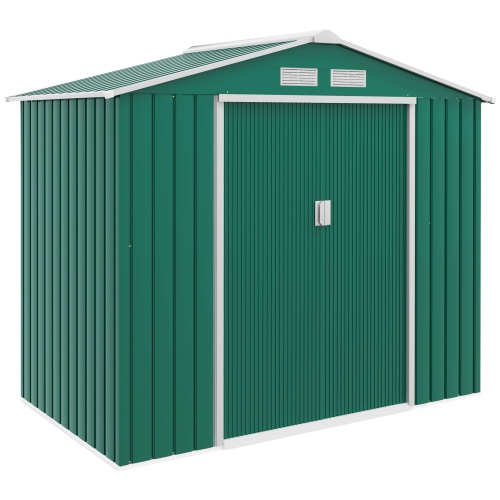
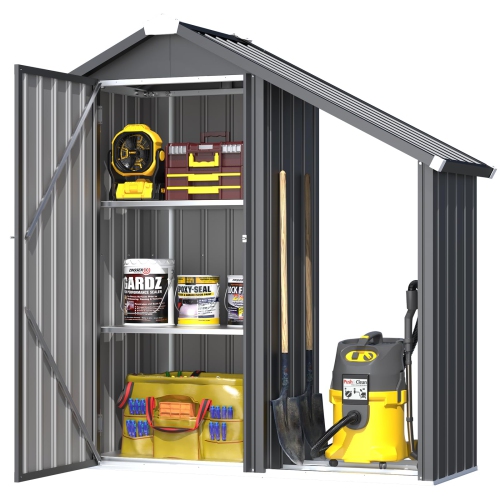
Material and placement are important when outdoor storage will be exposed to changing conditions. Weather-resistant plastic or resin storage is often chosen for its easy-clean surface, light weight, and ability to keep contents sheltered from rain and damp air when the lid is properly closed. Metal cabinets can provide a structured interior and a neat appearance, making them useful for yards, garages, and covered patios where a more upright format is preferred. Wooden storage can add warmth to a deck or garden setting, but it may require more care and should be placed where it is protected from prolonged moisture. Check the construction details before choosing a storage unit: a secure-fitting lid, raised base, drainage considerations, and rust-resistant hardware can all affect how well it performs over time. Ventilation may also matter for items that are put away while slightly damp, particularly after water play or a visit to the beach. Toys should be allowed to dry before being sealed inside for extended periods, and sand or grit should be brushed away so it does not collect in hinges and corners. For added organization, use smaller lidded bins, baskets, or buckets inside a larger chest to hold chalk, balls, building pieces, and other items that can disappear beneath larger toys. Transparent or clearly labelled containers make it easier to spot what is needed, while a wide opening can be helpful for bulky items such as foam play equipment or large outdoor vehicles. Safety should remain part of the decision: place storage on a stable, level surface, avoid blocking walkways or exits, and follow the manufacturer’s guidance for weight limits, assembly, anchoring, and lid use. Storage with seating should be used only as directed, and children should not climb on containers that are not designed to support weight.
Outdoor toy storage can be useful for parents, grandparents, caregivers, and anyone setting up a play area for children at home. It can also make a practical gift for a family moving into a new home, preparing a play space, or looking for a simple way to bring order to an active backyard. During warmer periods, a nearby chest or cabinet means children can move from indoor play to the yard without searching through the garage, while during cooler months it can hold the outdoor items that remain in rotation and leave seasonal gear neatly packed away. A helpful approach is to keep hardy, frequently used toys accessible and move delicate, wet-weather-sensitive, or rarely used items into a garage, shed, basement, or other sheltered location. Before storing anything for a longer period, empty out sand and water, wipe away dirt, dry each piece thoroughly, and inspect toys for cracks, loose parts, or sharp edges. Keeping the storage area clean and leaving enough room around it can also make seasonal changes easier, whether outdoor toys are being brought out as the weather warms or packed away when play shifts indoors. For households with limited space, a compact vertical unit or a bench-style container can combine storage with useful seating, while larger yards may benefit from a roomy chest paired with smaller portable bins. If outdoor toys are overflowing into the home, coordinating the outdoor setup with an indoor Kids Toy Storage solution can create a consistent system from the playroom to the patio. The right choice ultimately depends on the available space, the number and size of toys, how often children use them, and the level of protection needed, but thoughtful storage can make everyday play feel less cluttered and cleanup feel like a manageable part of the routine.
Material and placement are important when outdoor storage will be exposed to changing conditions. Weather-resistant plastic or resin storage is often chosen for its easy-clean surface, light weight, and ability to keep contents sheltered from rain and damp air when the lid is properly closed. Metal cabinets can provide a structured interior and a neat appearance, making them useful for yards, garages, and covered patios where a more upright format is preferred. Wooden storage can add warmth to a deck or garden setting, but it may require more care and should be placed where it is protected from prolonged moisture. Check the construction details before choosing a storage unit: a secure-fitting lid, raised base, drainage considerations, and rust-resistant hardware can all affect how well it performs over time. Ventilation may also matter for items that are put away while slightly damp, particularly after water play or a visit to the beach. Toys should be allowed to dry before being sealed inside for extended periods, and sand or grit should be brushed away so it does not collect in hinges and corners. For added organization, use smaller lidded bins, baskets, or buckets inside a larger chest to hold chalk, balls, building pieces, and other items that can disappear beneath larger toys. Transparent or clearly labelled containers make it easier to spot what is needed, while a wide opening can be helpful for bulky items such as foam play equipment or large outdoor vehicles. Safety should remain part of the decision: place storage on a stable, level surface, avoid blocking walkways or exits, and follow the manufacturer’s guidance for weight limits, assembly, anchoring, and lid use. Storage with seating should be used only as directed, and children should not climb on containers that are not designed to support weight.
Outdoor toy storage can be useful for parents, grandparents, caregivers, and anyone setting up a play area for children at home. It can also make a practical gift for a family moving into a new home, preparing a play space, or looking for a simple way to bring order to an active backyard. During warmer periods, a nearby chest or cabinet means children can move from indoor play to the yard without searching through the garage, while during cooler months it can hold the outdoor items that remain in rotation and leave seasonal gear neatly packed away. A helpful approach is to keep hardy, frequently used toys accessible and move delicate, wet-weather-sensitive, or rarely used items into a garage, shed, basement, or other sheltered location. Before storing anything for a longer period, empty out sand and water, wipe away dirt, dry each piece thoroughly, and inspect toys for cracks, loose parts, or sharp edges. Keeping the storage area clean and leaving enough room around it can also make seasonal changes easier, whether outdoor toys are being brought out as the weather warms or packed away when play shifts indoors. For households with limited space, a compact vertical unit or a bench-style container can combine storage with useful seating, while larger yards may benefit from a roomy chest paired with smaller portable bins. If outdoor toys are overflowing into the home, coordinating the outdoor setup with an indoor Kids Toy Storage solution can create a consistent system from the playroom to the patio. The right choice ultimately depends on the available space, the number and size of toys, how often children use them, and the level of protection needed, but thoughtful storage can make everyday play feel less cluttered and cleanup feel like a manageable part of the routine.
Top selling and popular products
-
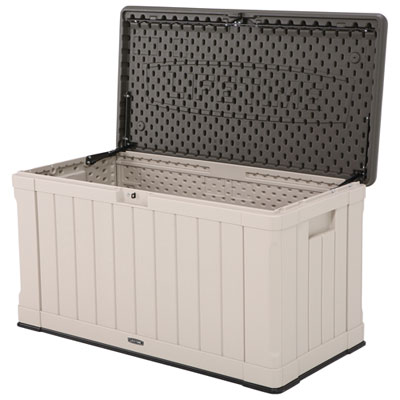 Your price for this item is $233.98
 -
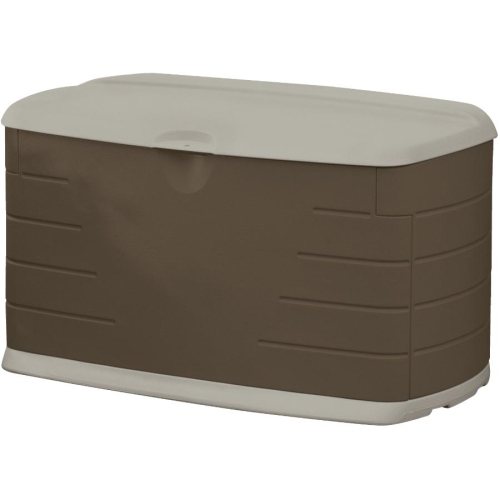 Your price for this item is $371.77
 -
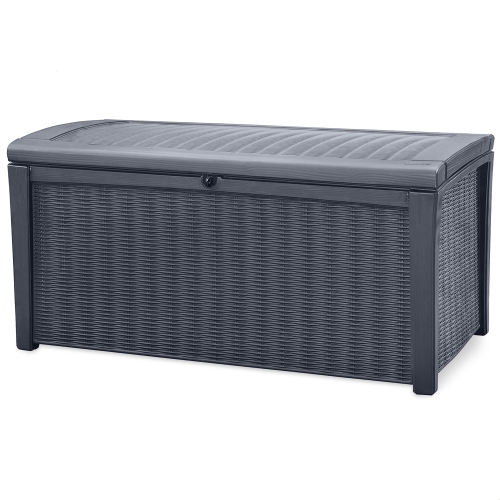 Your price for this item is $392.99
 -
 Your price for this item is $299.99
 -
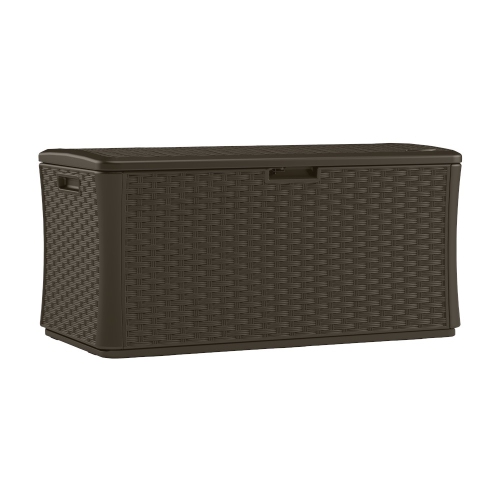 Your price for this item is $349.99
 -
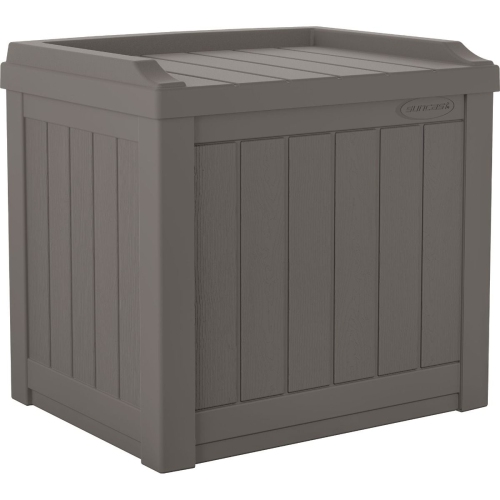 Your price for this item is $108.99
 -
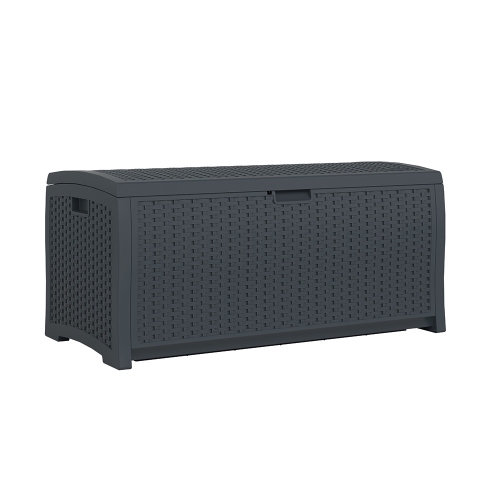 Your price for this item is $219.99
 -
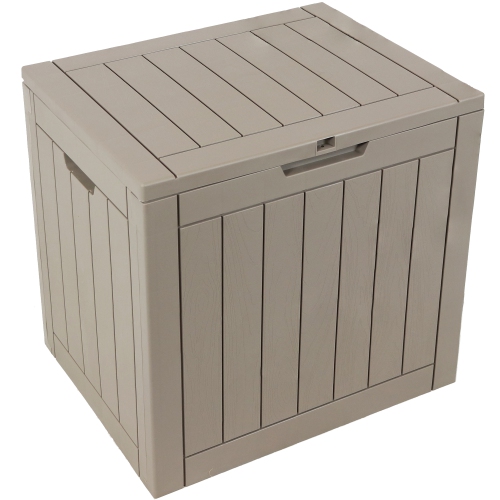 Your price for this item is $134.95
Discover more categories related to Outdoor Toy Storage
Top Collections:
Pokemon Centers, Kindle Devices, Apple iPhones 16, Samsung Galaxy Phones, Canon G7X Cameras, iPhone 15 Apple, Flip Phones, Apple Wired Earphones, Best Budget Office Chairs, Refurbished Apple Laptops
Some products may be subject to Environmental Handling Fees
(EHF) depending on your province.
Learn more about EHFs.