Outdoor Wicker Rocking Chairs With Cushions
Outdoor Wicker Rocking Chairs With Cushions add a touch of comfort and style to any patio, porch, or backyard retreat. Perfect for relaxing with a good book or enjoying conversations with friends, these chairs combine timeless design with inviting seating. Explore a variety of options to find the ideal addition to your outdoor space and create a cozy spot for unwinding in the fresh air.
Sort
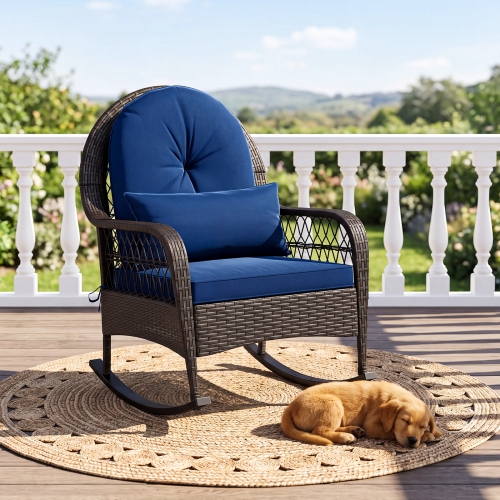

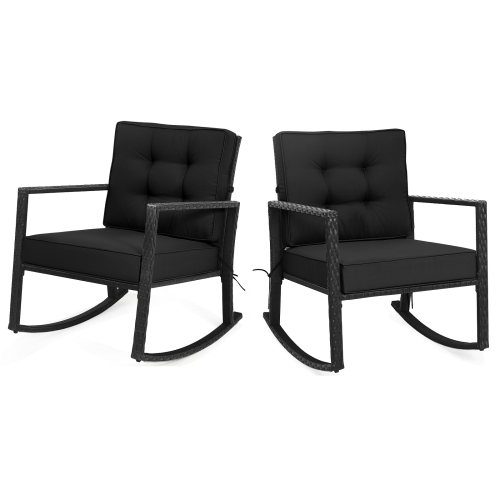
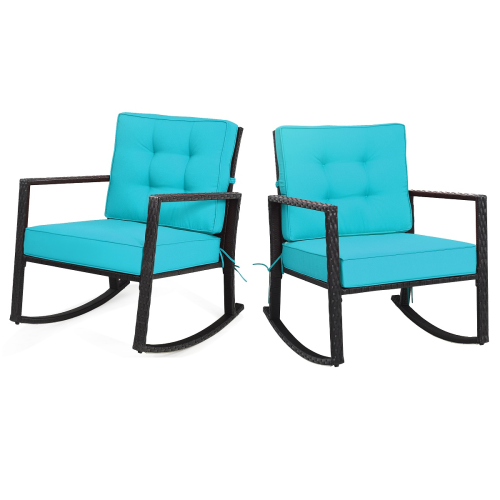

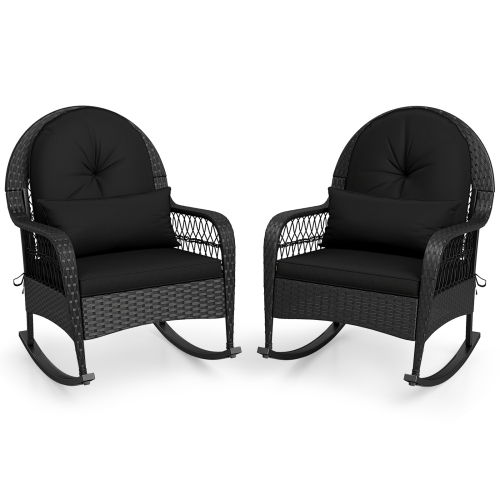
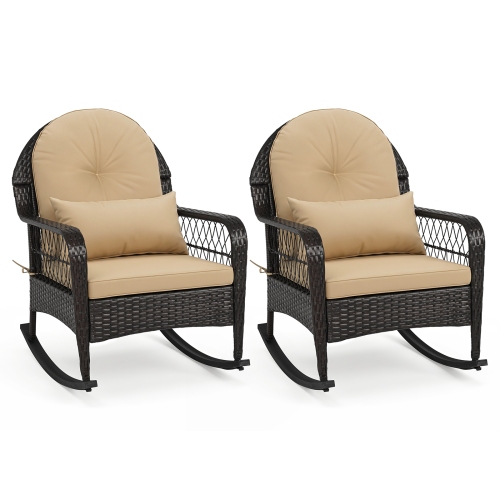
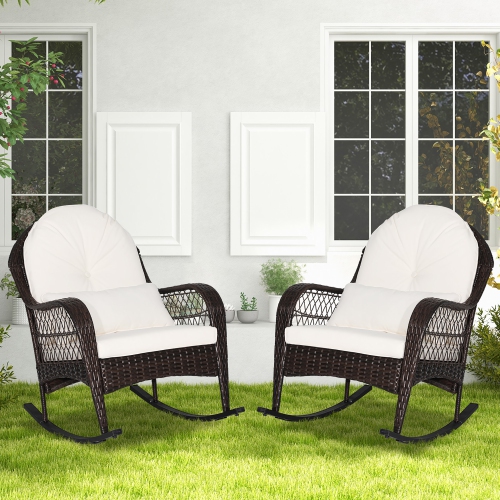
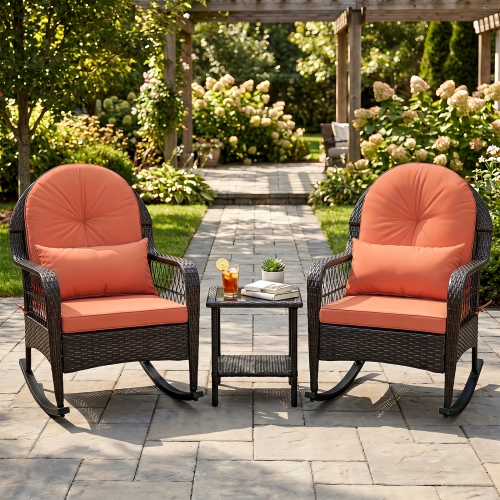

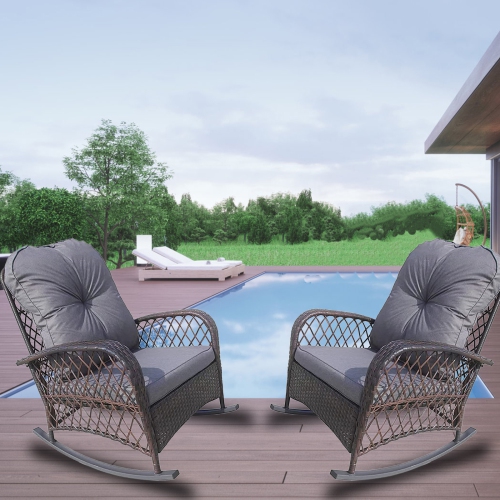
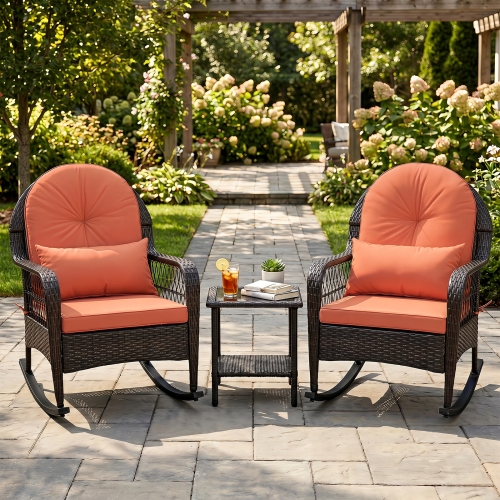
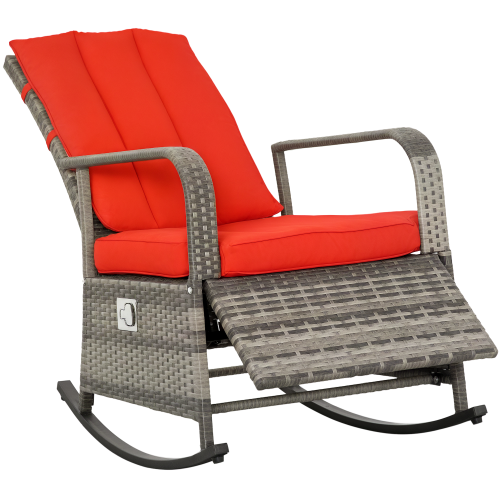

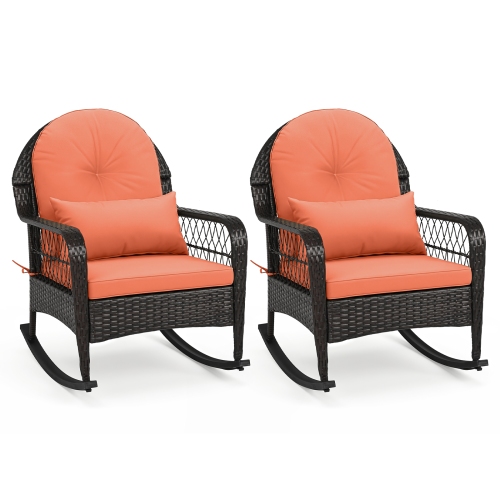
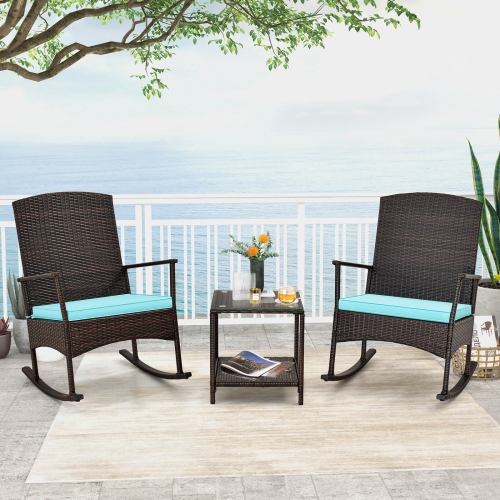
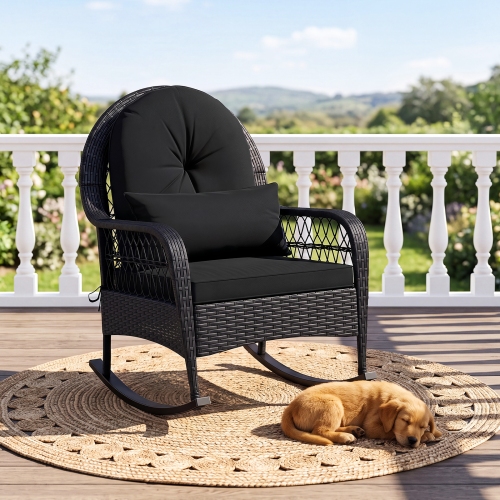
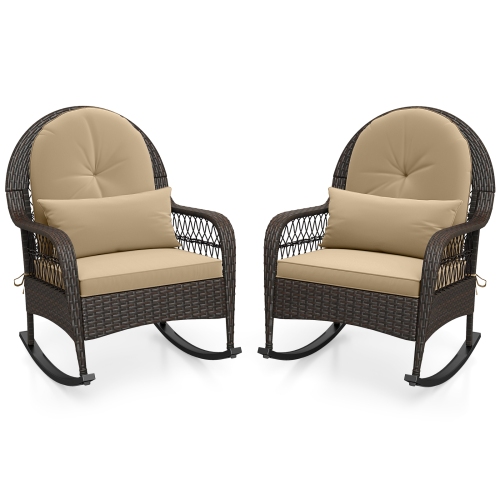
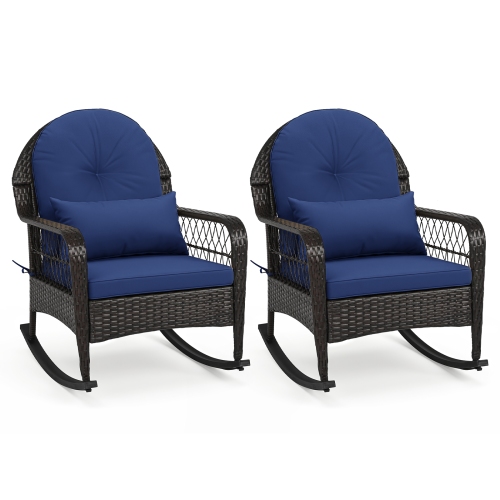

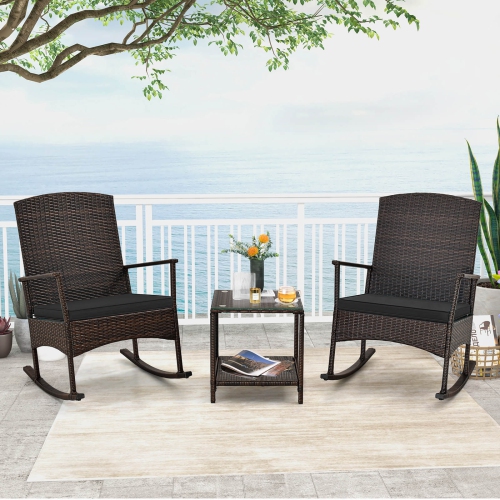
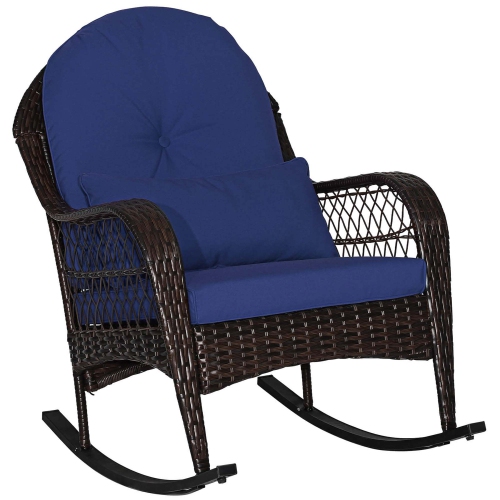
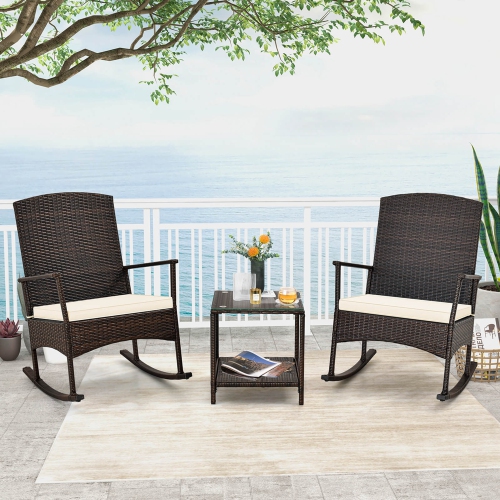
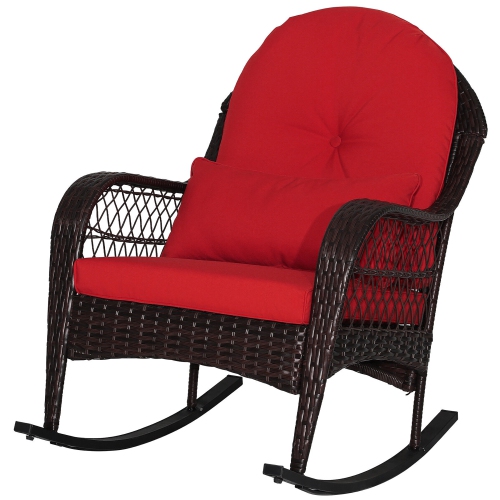
Room to rock and settle into outdoor comfort
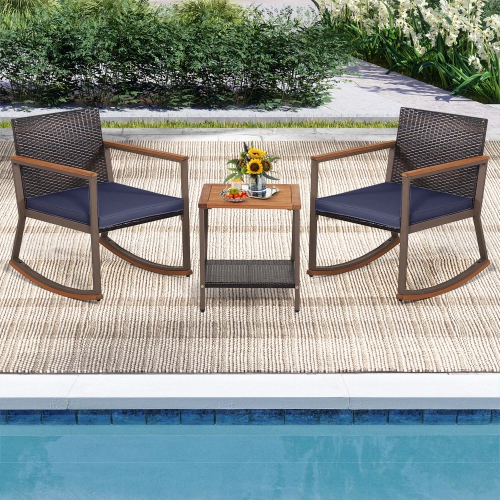
Outdoor wicker rocking chairs with cushions bring a relaxed, inviting feel to a porch, patio, or sheltered balcony, pairing the familiar texture of woven furniture with a gentle back-and-forth motion. They suit the small pauses that make an outdoor space worth using: settling down with a mug of tea, reading a few chapters beside a planter, or chatting while someone tends the garden. Wicker describes the woven construction rather than a single material, so chairs with a similar appearance can differ considerably in their frame, weave, weight, and care requirements. Their shapes vary, too, from upright seats with neatly rounded arms to broader designs with deeper cushions and a more laid-back sitting position. Comfort depends on how those proportions work together. A seat should provide enough room to sit comfortably without making the armrests difficult to reach, while the backrest should support a natural resting position. Cushion thickness affects the usable seat height and depth, which is worth considering for anyone who prefers to keep both feet comfortably on the ground. For a compact balcony, measure more than the chair’s footprint: the curved runners need clear space in front and behind throughout the rocking motion. Leave room beside the chair for getting in and out, and keep the runners away from walls, railings, planters, and neighbouring furniture. A firm, level surface helps the chair move predictably; loose gravel, uneven paving, and thick rugs can interfere with the runners. Also consider the route from the door to the seating area, especially where a narrow threshold or shared walkway limits placement. A pair of rockers can create an easy conversation spot, while a single chair beside a small table makes a comfortable reading corner. Checking dimensions, stated weight capacity, and assembly requirements helps distinguish a chair that simply fits the space from one that will feel comfortable in everyday use.
The woven surface gives wicker furniture much of its character, but the materials beneath and between those strands determine how well it handles outdoor use. Natural rattan and other plant-based fibres have a distinctive texture, although they generally need more protection from moisture and prolonged exposure than synthetic outdoor wicker. Resin wicker is often made from polyethylene or another plastic formulated for outdoor furniture, offering the woven look with different cleaning and weather-resistance properties. Closely spaced strands can create a tidy, substantial appearance, while a more open weave gives the chair a lighter visual presence. Neither appearance alone confirms strength, so frame construction and the manufacturer’s specifications remain important. Aluminium frames are generally lighter and resist rust, making them practical when chairs need to be moved for cleaning or storage. Steel frames can provide a heavier feel, but their protective finish needs attention, particularly around scratches, joints, and exposed hardware. Reinforced connections and securely attached runners matter because rocking repeatedly places movement through the frame. Cushions add another layer of choice. A firmer seat cushion may make sitting down and standing up feel easier, while a softer, deeper cushion offers a more enveloping place to settle. Back cushions should stay positioned without pushing the sitter too far forward. Ties, straps, or other attachments can help keep cushions aligned during movement, provided they are secured as intended. Outdoor cushion covers may use polyester, olefin, acrylic, or blended fabrics, with resistance to fading and moisture varying by construction and finish. Water-resistant fabric is not necessarily waterproof, and moisture can enter through seams or collect inside the filling. Removable covers simplify some cleaning tasks, but washing methods should always follow the care label. For an uncovered patio, consider how easily the cushions can be carried indoors and how much sheltered storage they require. Even beneath a porch roof, wind-driven rain can reach seating, so a convenient place to tuck cushions away can make the chairs easier to enjoy.
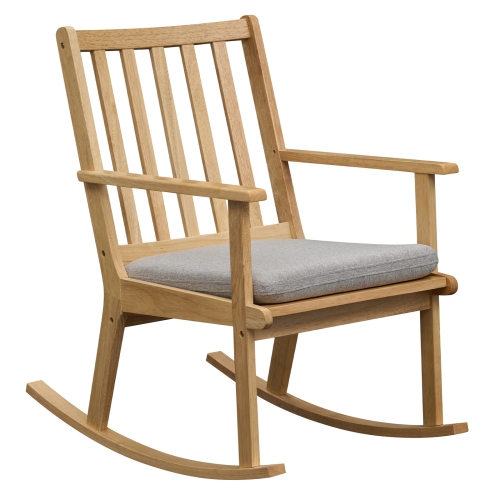
Colour and texture help outdoor wicker rocking chairs with cushions feel connected to the rest of a seating area without requiring every piece to match. Brown or natural-look weaves sit comfortably alongside timber decking and terracotta pots, while grey, charcoal, or black frames can complement stone paving and simpler metal accents. Cream cushions create a soft contrast, though darker tones or patterned fabrics may make everyday marks less noticeable. A cushion with visible texture can add interest without competing with nearby planting or a patterned outdoor rug. Keep practical details in the arrangement: a side table should be easy to reach without leaning beyond the chair’s balance point, and its position should not obstruct the runners. Where a more traditional timber finish is preferred, wooden rocking chairs with cushions offer a different texture and construction to consider alongside woven seating. Wicker rockers can also make a thoughtful housewarming gift for someone with a porch or terrace, particularly when their preferred seat height, available space, and storage arrangements are already known. Regular care helps preserve both appearance and function. Remove dust and debris from the weave with a soft brush or vacuum attachment, then clean with a mild solution suitable for the material. Avoid abrasive tools, harsh cleaners, and high-pressure washing unless the manufacturer specifically permits them. Allow the frame, weave, and cushions to dry thoroughly before covering or storing them, and choose a fitted cover that allows ventilation rather than trapping dampness. Inspect fasteners, runners, and protective feet periodically, tightening or replacing parts only as directed. In areas exposed to snow and freezing conditions, sheltered storage can reduce prolonged contact with moisture and ice. Keeping cushions dry, lifting rather than dragging the chair, and attending to small finish scratches promptly are practical habits that help a favourite outdoor seat stay comfortable and presentable.
Top selling and popular products
-
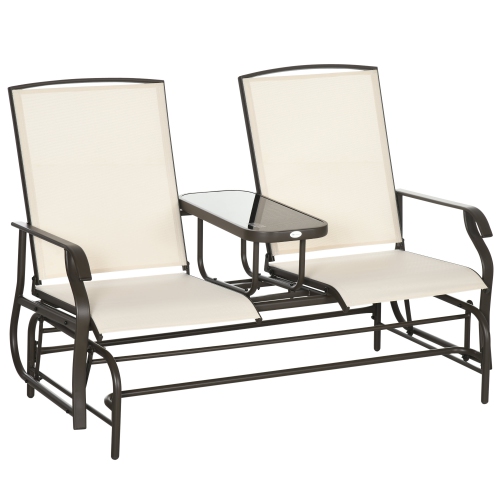 Your price for this item is $209.99
-
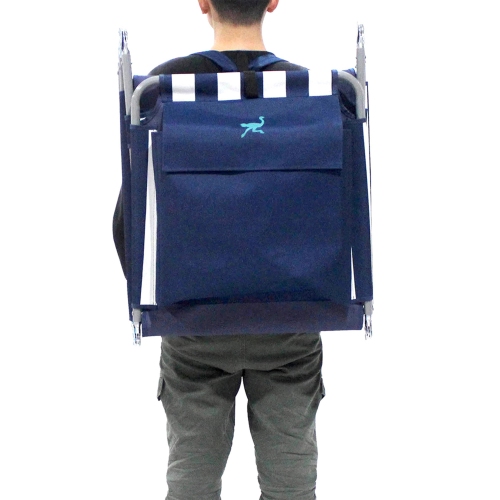 Your price for this item is $222.99
-
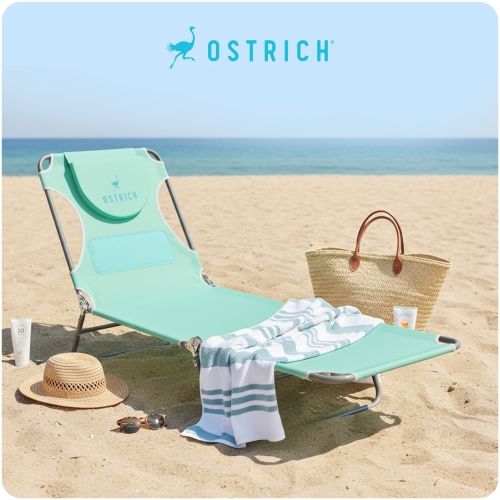 Your price for this item is $187.99
-
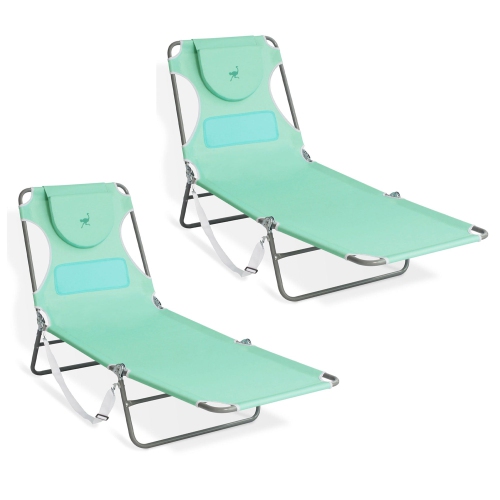 Your price for this item is $407.99
-
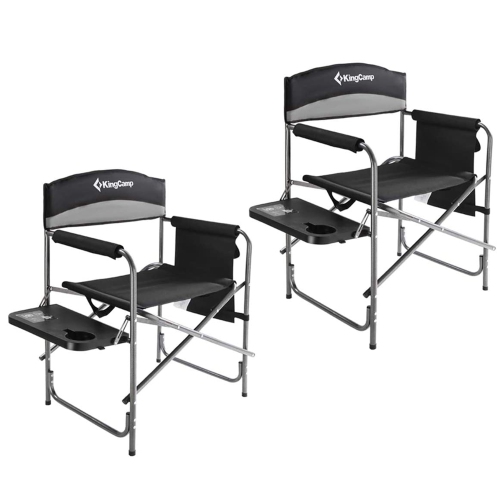 Your price for this item is $254.99
-
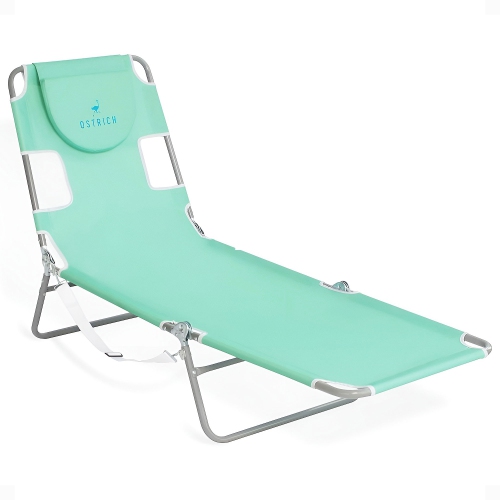 Your price for this item is $177.99
-
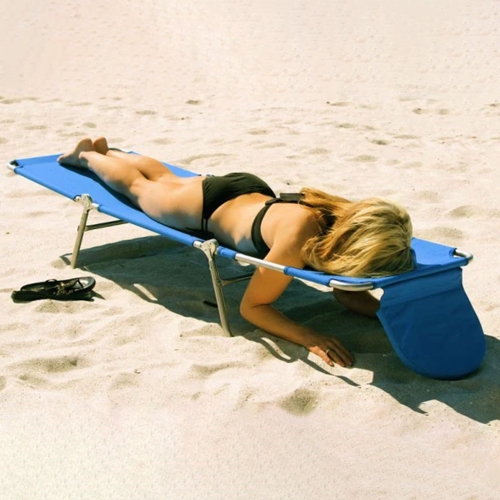 Your price for this item is $712.99
-
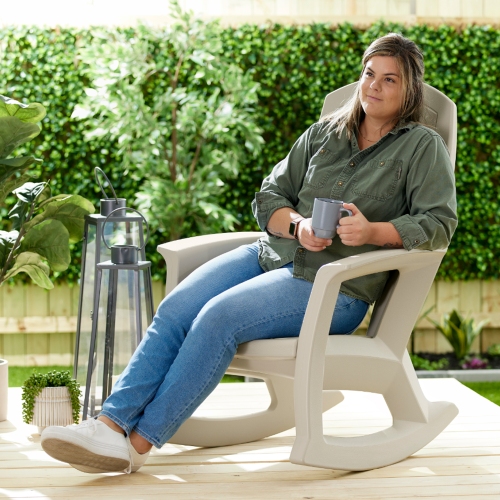 Your price for this item is $459.99
Discover more categories related to Outdoor Wicker Rocking Chairs With Cushions
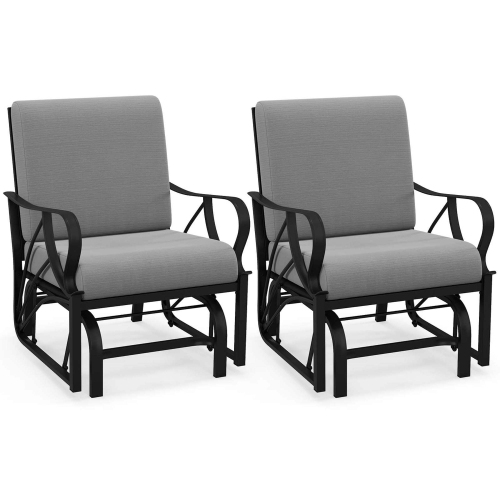

Top Collections:
Best Black Friday Deals This Year, Best Black Friday Deals On Electronics, Kindle Devices, Dyson Airwrap, Best Cameras for Sports Photography, Best Budget Office Chairs, Canon G7X Cameras, PS5 Pro Consoles, Best Black Friday Deals On Apple Products, XBOX One S Consoles
Some products may be subject to Environmental Handling Fees
(EHF) depending on your province.
Learn more about EHFs.