Outdoor Wooden Bar Sets
Outdoor Wooden Bar Sets create the perfect setting for entertaining guests or enjoying a relaxing evening in your backyard. With their classic appeal and natural charm, these bar sets enhance any patio, deck, or garden space. Whether hosting a lively gathering or savoring quiet moments outdoors, Outdoor Wooden Bar Sets offer a stylish solution for your outdoor living area. Explore a variety of options to find the ideal match for your home’s exterior and elevate your outdoor experience.
Sort


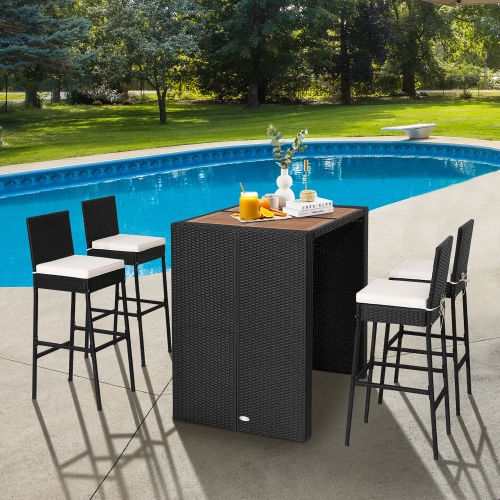

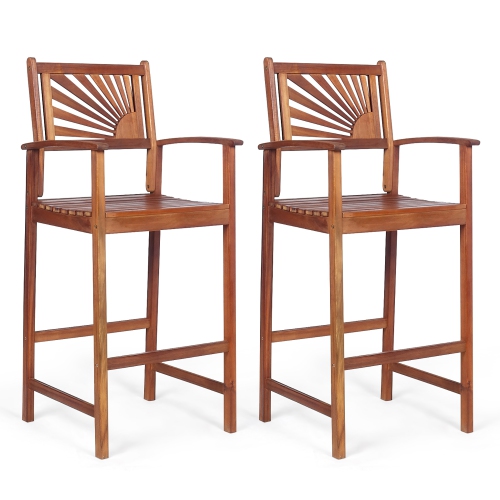

A raised gathering spot for casual patio dining
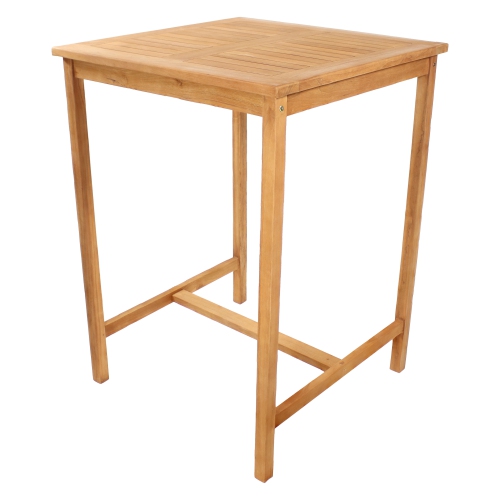
Outdoor wooden bar sets bring a raised table and coordinating seating together for casual dining, drinks, and conversation on a patio, deck, or balcony. Their taller proportions create a distinct gathering spot without requiring a built-in outdoor bar, making them useful for everything from a quiet breakfast for two to appetizers shared with friends. A typical three-piece arrangement includes a table and two stools, while five-piece and seven-piece configurations commonly pair one table with four or six seats. Piece counts alone do not establish seating capacity, however, since layouts can include benches or other components. Compact square or round tables suit smaller seating areas, while longer rectangular tables provide more room for serving dishes and place settings. Some designs feature a narrow counter rather than a full dining surface, which works well for drinks and small plates but leaves less room for a complete meal. Wood adds visible grain, varied colour, and a tactile quality that pairs comfortably with stone paving, woven cushions, and metal accents. Teak and acacia are common materials for wooden patio bar furniture, with eucalyptus and other woods also used in outdoor construction. Teak contains natural oils that contribute to its resistance to moisture and decay, although its appearance still changes with exposure. Acacia is a dense hardwood with distinctive grain and warm tones; its performance outdoors depends on construction, finish, exposure, and regular care. No wood species makes a set maintenance-free or suitable for every location without protection. Solid wood components, wood veneers, and wood-look surfaces are not interchangeable, so material descriptions matter when comparing construction. A wooden tabletop paired with a metal frame also has different care requirements from an all-wood design. For households that enjoy eating outside, a coordinated bar-height set can make a small outdoor area feel purposeful, with a comfortable place to linger over coffee, serve snacks, or chat while someone tends a nearby grill. Keeping the seating safely clear of cooking equipment preserves that convenience without crowding the preparation area.
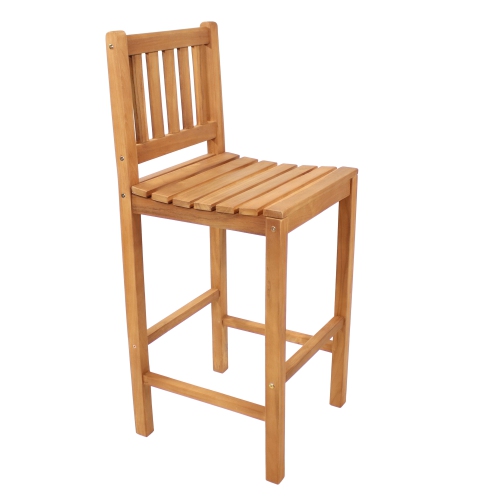
The fit of an outdoor wooden bar set depends as much on the space around it as on the tabletop dimensions. Allow room for seated guests, stools pulled away from the table, and a clear walking route to doors, stairs, and other furniture. A set that looks compact with every stool tucked in may occupy considerably more space during use. On a balcony, door swing, railing position, and building rules can further affect placement; tall furniture should never create a climbing opportunity beside a guardrail. Bar height and counter height are also different categories, even when their silhouettes look similar. Counter-height tables are commonly around 34 to 36 inches tall, while bar-height tables are often around 40 to 42 inches. Matching seat height to the tabletop generally means leaving approximately 10 to 12 inches between the seat and the underside of the table, with enough clearance beneath any apron or support rail for comfortable legroom. The stated dimensions are more useful than the name alone, particularly when armrests need to slide underneath the surface. Footrests provide an important resting point on tall stools, and backrests offer support during longer meals. Armless stools can be easier to tuck away, while seats with arms may feel more settled but require extra lateral space. Cushions soften a wooden seat, though their thickness changes the effective sitting height and their ties or fasteners should keep them secure. Tall seating is not equally comfortable for everyone: young children and people who find climbing onto a stool difficult may be better served by standard-height furniture. For a separate lounge area with lower seating, Outdoor Wooden Conversation Sets offer a different arrangement for relaxed gatherings. The supporting surface matters, too. A firm, level patio or deck helps all legs sit evenly, whereas loose gravel, sloping paving, or soft ground can make tall furniture unstable. Table shape, base placement, and the position of crossbars should leave enough room for guests to sit naturally rather than angle their knees around the frame.
Durability in outdoor wooden bar furniture comes from the combination of suitable materials, sound joinery, protective finishes, and care matched to the setting. Well-fitted connections and properly tightened hardware help limit movement, which is particularly noticeable in taller tables and stools. Outdoor-rated fasteners and corrosion-resistant frame finishes are useful details, especially where furniture is exposed to frequent moisture. Slatted tabletops can help water drain rather than pool, but gaps and joints still need cleaning so debris does not hold moisture against the wood. A sheltered patio reduces direct exposure, yet wind-driven rain and damp conditions can still reach furniture under a roof. Sunlight may gradually fade a finish or turn untreated teak a silver-grey colour; that appearance change is different from damage caused by persistent moisture or neglected joints. Manufacturer care directions should determine whether a surface needs oil, sealer, stain, or another treatment, since applying an unsuitable product can alter the colour or interfere with an existing coating. Routine cleaning usually starts with a soft brush or cloth, mild soap when permitted, and gentle rinsing, followed by thorough drying. Abrasive cleaners and pressure washing can damage wood fibres or finishes and are best avoided unless expressly allowed. Wiping up food and drink spills promptly, using coasters, and placing suitable mats beneath serving dishes help preserve the tabletop during everyday use. Cushions also need attention: outdoor fabric may resist brief exposure to moisture without being waterproof, and removable covers should be cleaned according to their labels. Breathable furniture covers can reduce exposure when a set is not in use, provided the wood is dry before covering and air can circulate underneath. For prolonged freezing conditions or heavy snow, dry, sheltered storage is generally preferable where the care instructions call for it. Folding stools or removable components can simplify storage, but moving and disassembly should follow the assembly directions. Periodic checks for loose bolts, rough edges, cracks, and finish wear help keep a well-used gathering spot comfortable, stable, and ready for the next outdoor meal.
Top selling and popular products
-
 Your price for this item is $123.98
-
 Your price for this item is $481.58
-
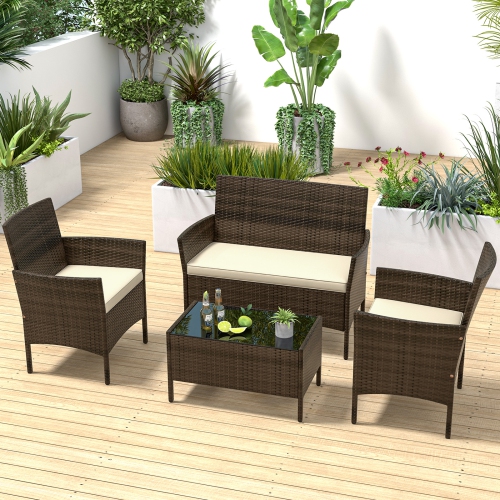 Your price for this item is $246.99
-
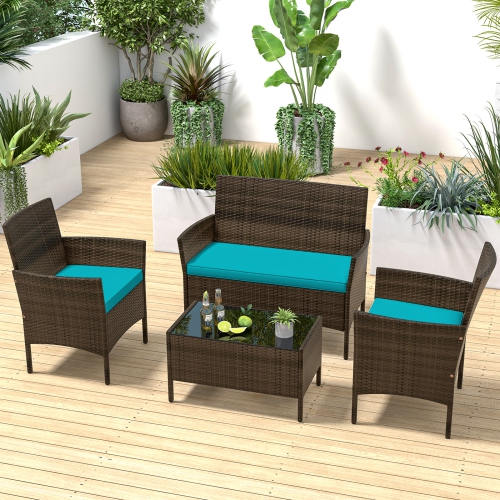 Your price for this item is $236.99
-
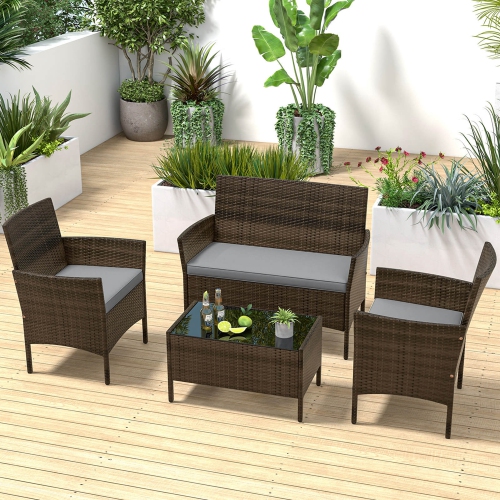 Your price for this item is $236.99
-
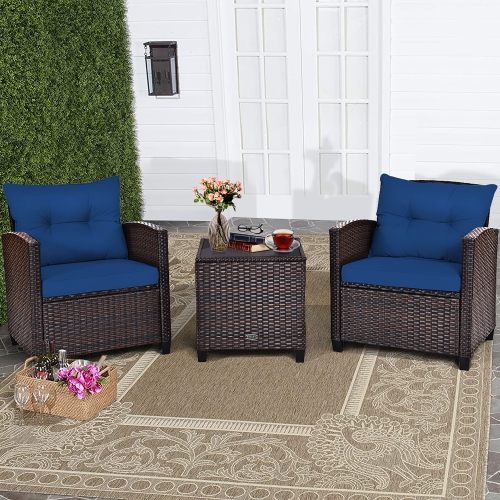 Your price for this item is $229.99
-
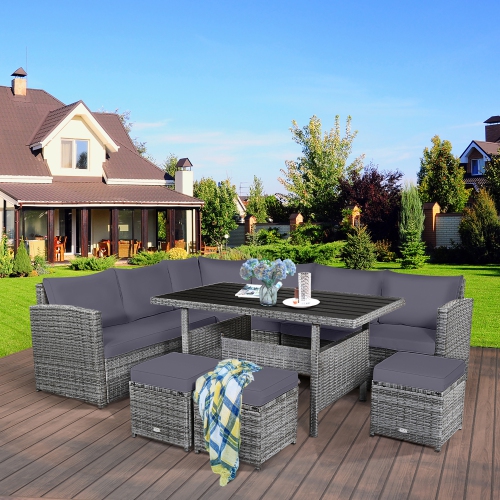 Your price for this item is $899.99
-
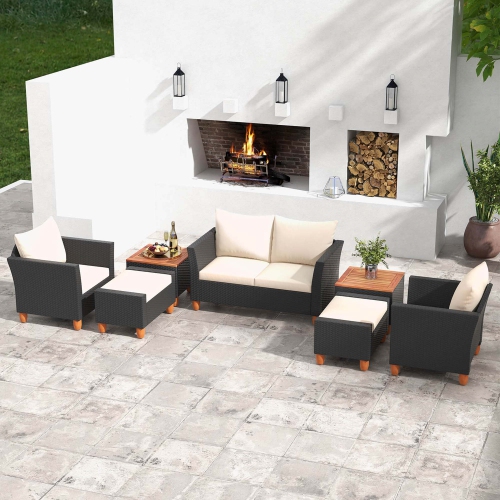 Your price for this item is $599.99
Discover more categories related to Outdoor Wooden Bar Sets


Top Collections:
Pokemon Centers, Best Cameras for Sports Photography, Kindle Devices, Samsung Galaxy Phones, Canon G7X Cameras, Pokémon 30th Celebration Cards, Refurbished Apple Laptops, iPhone 15 Apple, Laptops for Students, Budget Smartphones
Some products may be subject to Environmental Handling Fees
(EHF) depending on your province.
Learn more about EHFs.