Pancake Pans
Whether you prefer fluffy buttermilk pancakes or crispy edges with a golden-brown finish, having the right pancake pan can make all the difference in your breakfast game. Our selection of pancake pans offers a variety of sizes, materials, and features to suit every home chef's needs. From non-stick surfaces for easy flipping to durable construction for long-lasting use, these pans are designed to help you create the perfect stack of delicious pancakes every time. Browse our collection now and take your pancake-making skills to the next level!
Sort







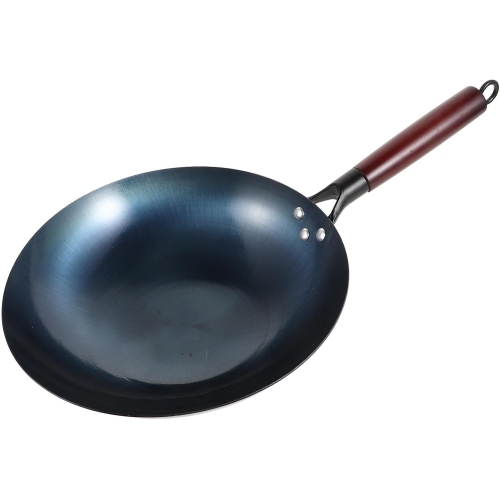


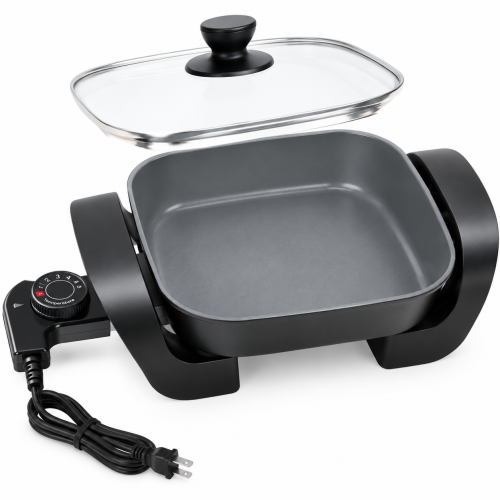

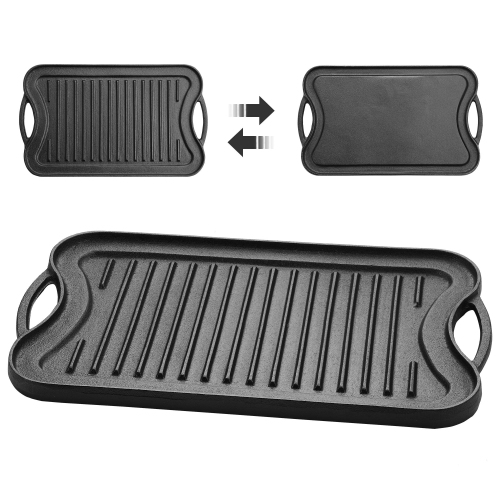
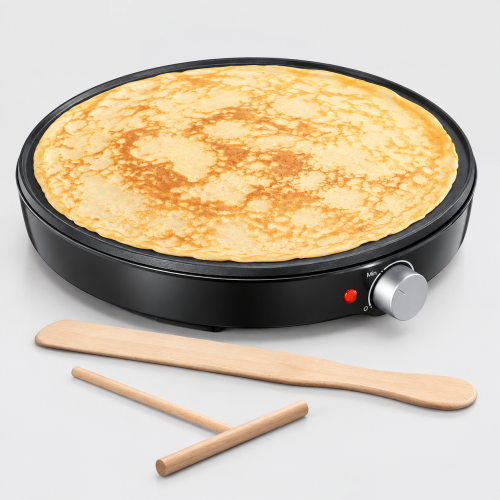
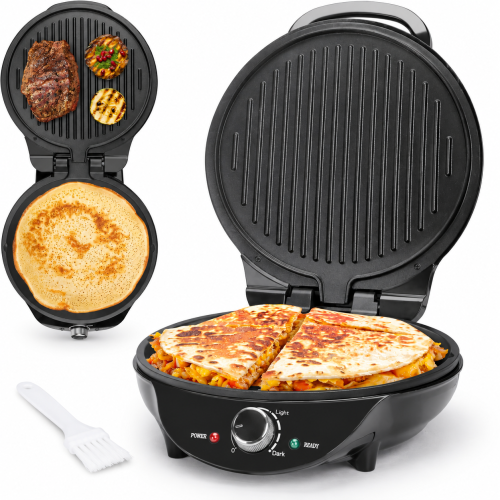


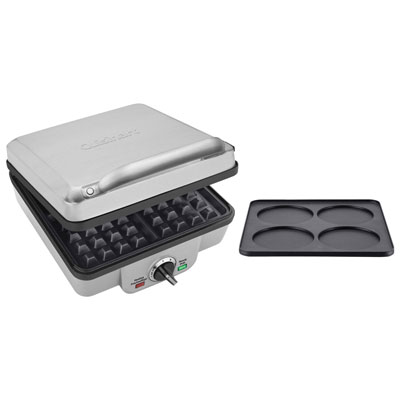
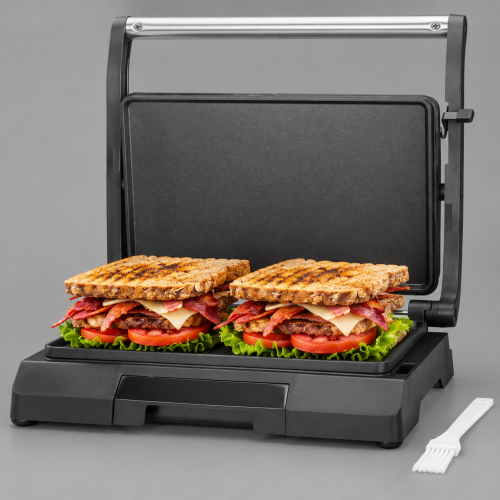
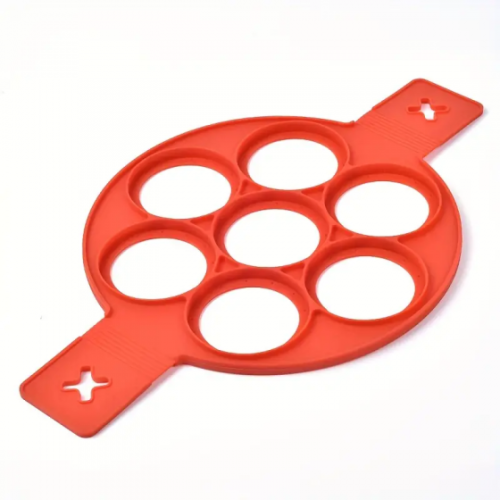


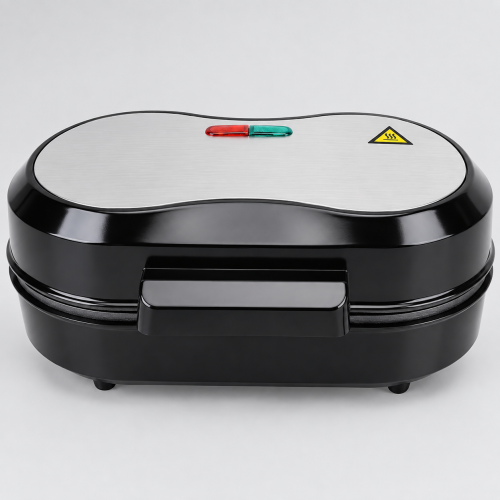


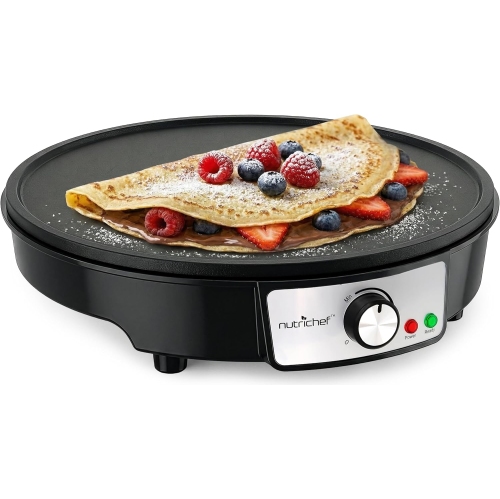
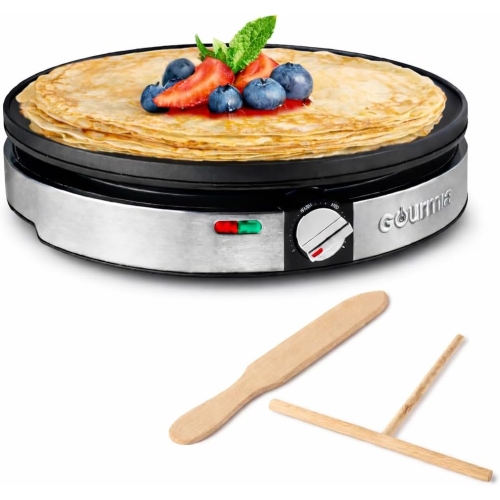

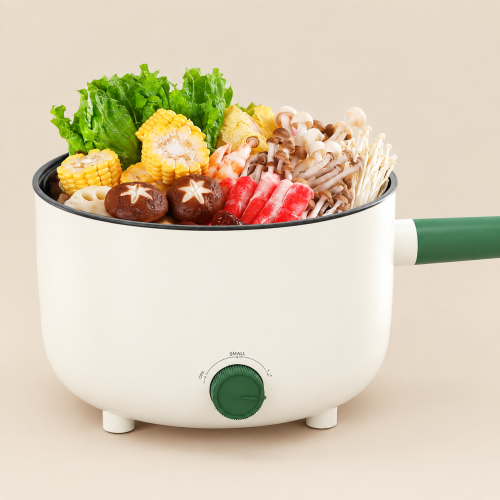


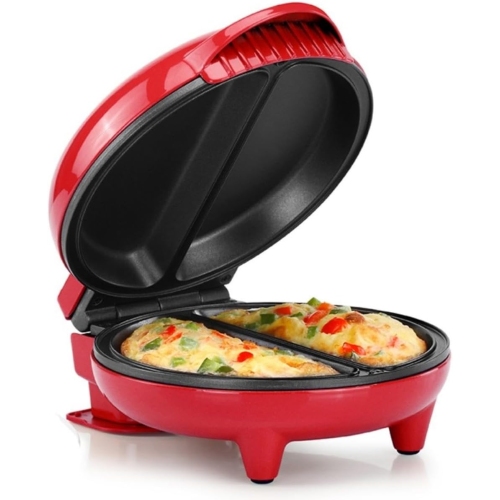


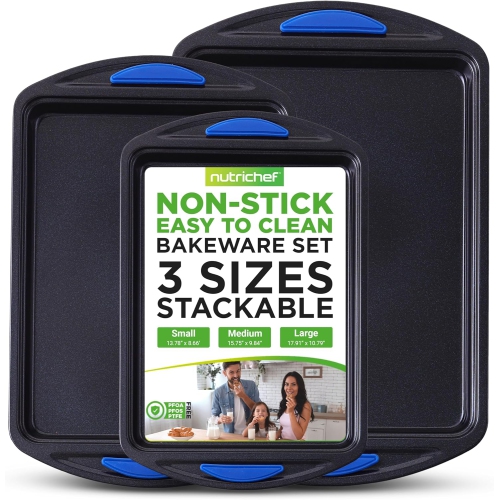


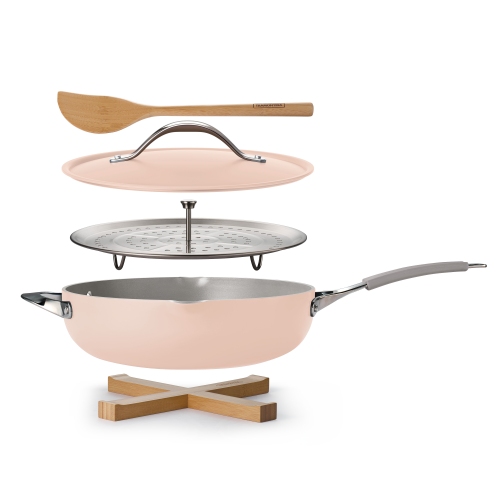
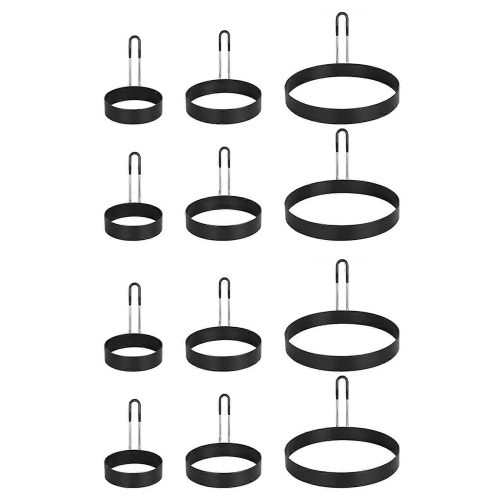

Golden pancakes start with steady heat and easy flips
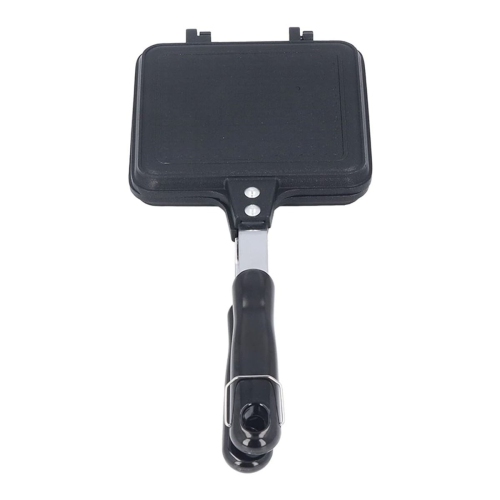
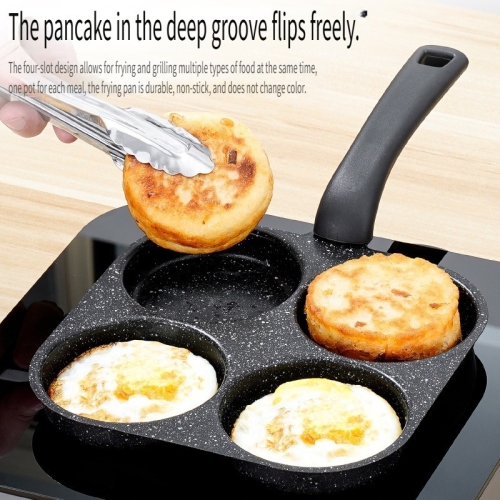
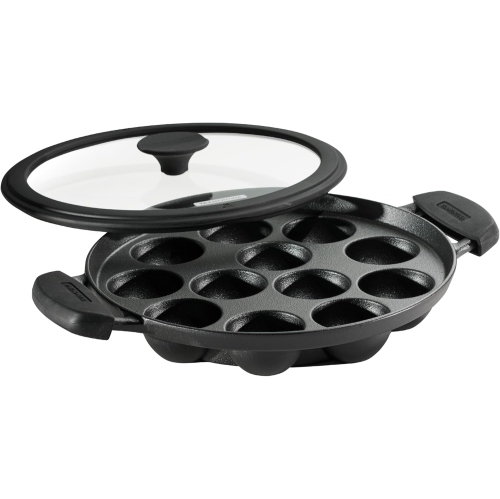
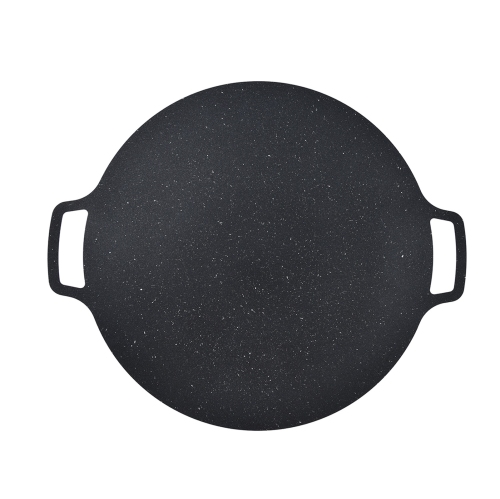
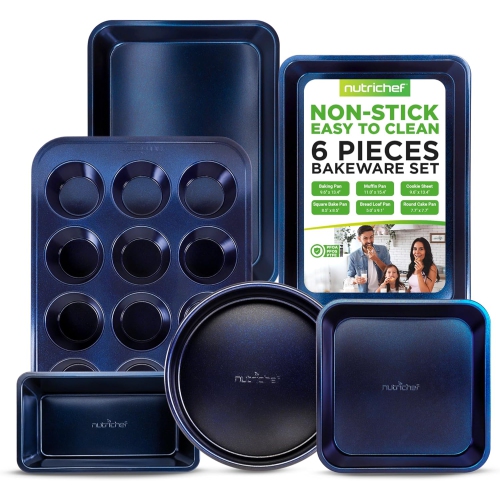
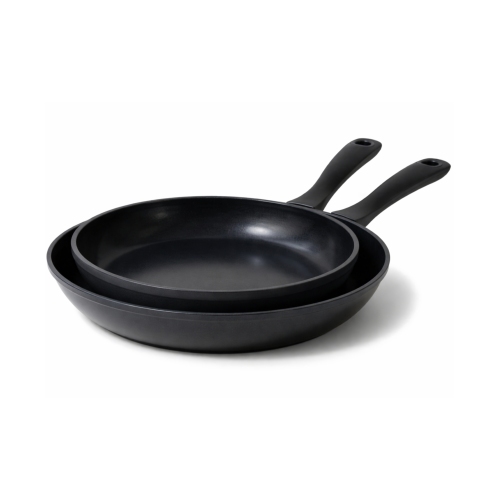
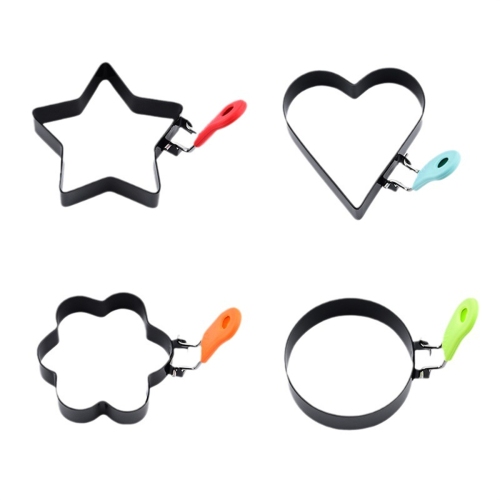
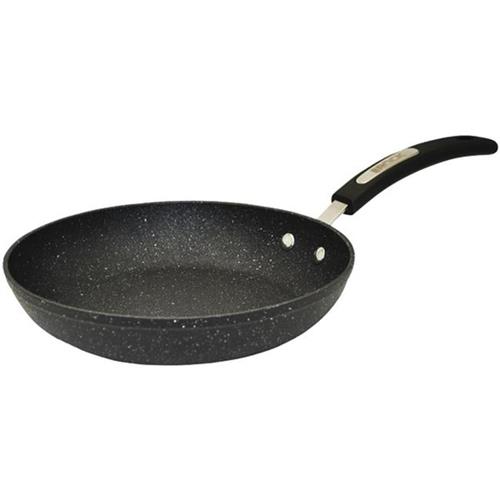
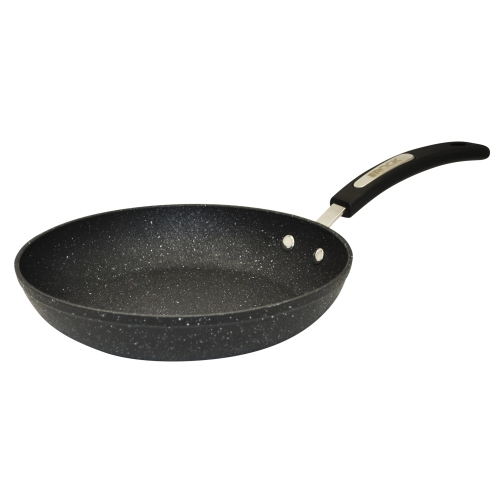
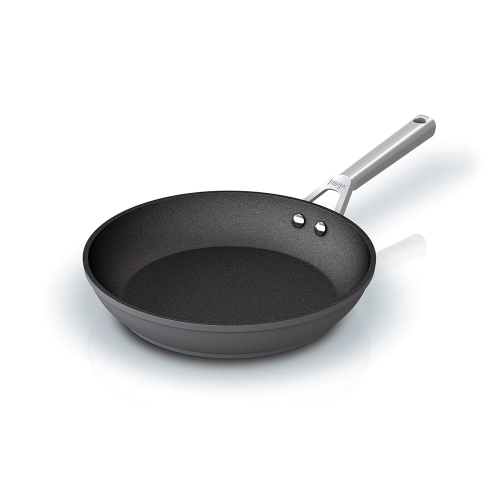
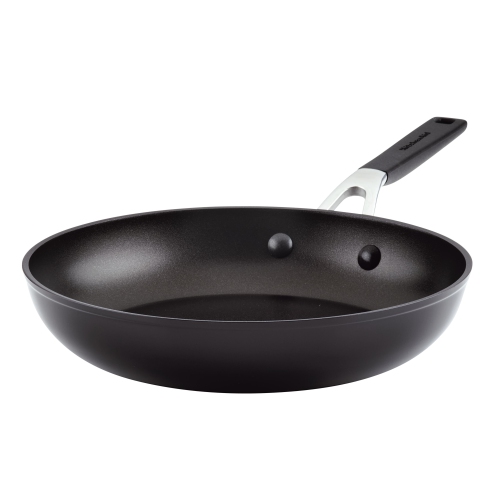
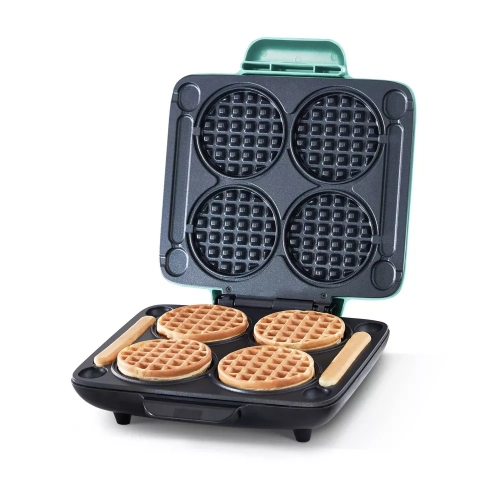
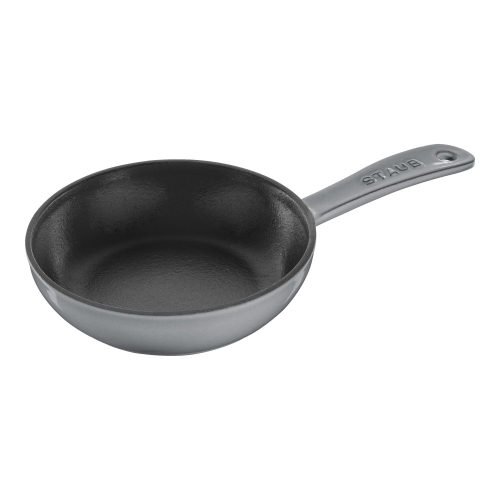
Pancake pans bring together a broad, accessible cooking surface and the steady heat needed for golden pancakes with tender centres. A non-stick skillet, a cast iron pan, or a flat griddle can all work well, provided there is enough usable space to spread the batter and slide a turner underneath. The main differences are the size of the cooking area, the height of the sides, and whether the surface is flat or divided into individual moulds. A 10- to 12-inch skillet can suit everyday breakfasts, with room for one large pancake or several smaller ones, depending on how far the batter spreads. Low, gently sloped sides make it easier to reach beneath a pancake without catching its edge, while a flat griddle provides more open space for cooking several portions together. Multi-cavity pancake pans have separate round wells that help contain the batter and produce similarly sized portions. Shallow wells are useful for silver-dollar pancakes, while patterned moulds can leave decorative details on one side. These shapes can make breakfast more playful, although each cavity still needs enough access for lifting or turning the pancake. Portion size matters as much as the number of cavities: a pan with several small wells serves a different purpose from one intended for wide, thin pancakes. For a household that enjoys fluffy pancakes with blueberries, an open surface offers flexibility as the batter spreads around the fruit. Smaller moulds may suit snack-sized portions or neatly stacked pancakes served alongside eggs and sliced fruit. Crêpes generally call for a smooth, shallow pan that allows batter to spread into a thin layer, rather than a pan with individual wells. The most useful shape is one that matches the pancakes being made and the number of people eating, without crowding the surface or making each flip awkward.
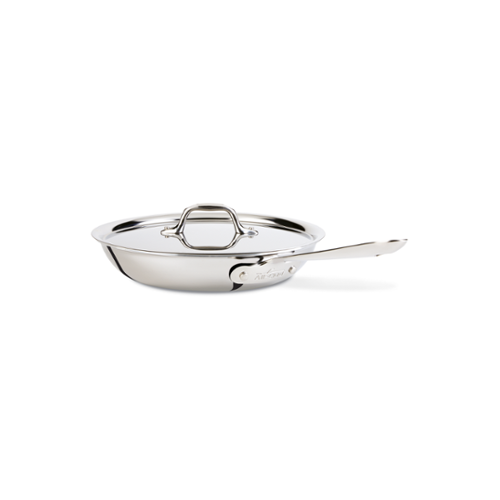
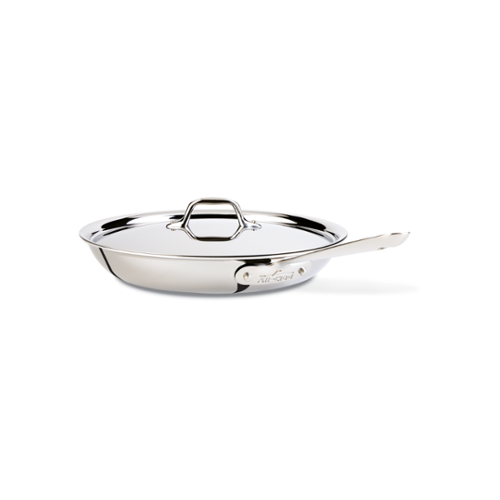
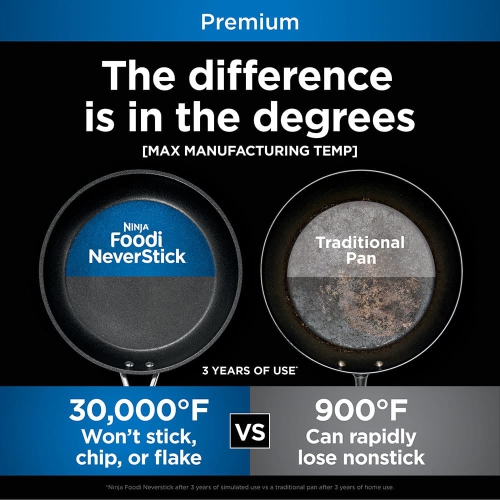
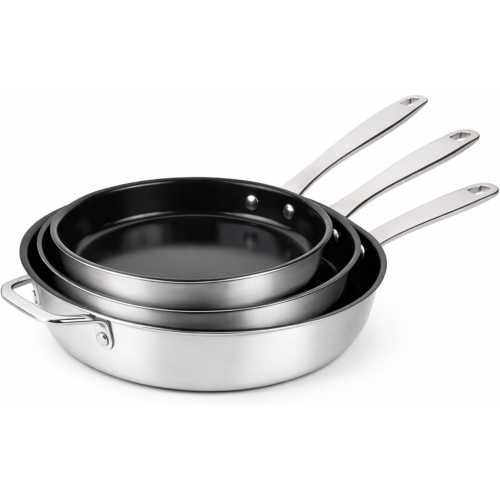
Materials influence how a pancake pan heats, how heavy it feels, and how much care it needs between breakfasts. Aluminum pans are generally relatively light and respond readily to changes in burner settings; many have a non-stick coating that helps delicate pancakes release with less sticking. A thicker base can distribute heat more evenly than a thin one, reducing the contrast between a dark centre and pale edges. Hard-anodized aluminum has a hardened surface, although any separate non-stick coating still needs appropriate utensils and cleaning. Cast iron takes longer to warm through and feels heavier when lifted, but its heat retention can help keep cooking conditions steady as fresh batter is added. A well-maintained seasoning layer helps with release, though cast iron does not behave exactly like a coated non-stick surface. Stainless steel pans with a layered base offer another option, particularly for cooks who want cookware that can handle a wider range of everyday tasks, but pancake release depends more on preheating and the amount of cooking fat used. Stove compatibility deserves attention alongside material. Induction cooking requires a compatible magnetic base, so an aluminum pancake pan needs a suitable induction layer rather than relying on aluminum alone. Flat bases are important on smooth electric and glass cooktops, and heavy pans are better lifted than dragged across the surface. A wide griddle may extend beyond a single burner, so its dimensions and intended burner arrangement matter more than its overall capacity suggests. Handles also affect everyday comfort: a secure grip and balanced weight are useful when moving a pan containing hot food, while a helper handle can make a larger pan easier to carry. Handle materials can have different oven limits from the pan body, and a comfortable stovetop grip should not be assumed to stay cool in every situation. For kitchens with limited cupboard space, the full length, including the handle, can matter just as much as the cooking diameter.
Everyday care plays a large part in how well pancake pans perform over time. Coated surfaces generally benefit from silicone, nylon, or wooden utensils rather than sharp metal edges, along with a soft sponge instead of abrasive scrubbers. Moderate cooking heat is usually sufficient for pancakes, helping the centre cook through before the outside becomes too dark; maximum burner power is rarely useful for this type of batter. A heavy pan can retain substantial heat between batches, while a lighter pan may respond more quickly when the setting is lowered. Allowing cookware to cool before washing helps avoid sudden temperature changes, and the manufacturer’s care directions remain important even when a pan is labelled dishwasher-safe. Cast iron needs thorough drying after cleaning and may benefit from a light application of cooking oil to maintain its seasoning. Pancake batter can also collect around moulded details or the edges of individual wells, so those areas deserve attention during washing. Beyond breakfast, a shallow, open pancake pan may be useful for warming flatbreads, browning small fritters, or cooking eggs, depending on its design. A divided pan is more specialized, trading some flexibility for controlled portions and distinct shapes. For bite-sized pancakes prepared in a separate countertop appliance, Mini Pancake Makers offer an alternative to stovetop cooking. A stovetop pan, however, can be a practical fit for someone who prefers to adjust the heat directly and use existing kitchen equipment. It can also make a thoughtful gift for a breakfast enthusiast, a new household, or a home cook who enjoys preparing brunch for family and friends. Matching the pan to the recipient’s stove, storage space, and preferred portion size makes the gift more useful than choosing by appearance alone. Whether the routine involves a single pancake before work or several batches for a shared table, manageable weight, accessible edges, reliable heat distribution, and straightforward cleaning are the details that make a pancake pan pleasant to use repeatedly.
Top selling and popular products
-
 Your price for this item is $137.7
-
 Your price for this item is $33.97
-
 Your price for this item is $289.04
-
 Your price for this item is $29.99
-
 Your price for this item is $139.53
-
 Your price for this item is $100.73
-
 Your price for this item is $49.99
-
 Your price for this item is $399
Discover more categories related to Pancake Pans

Top Collections:
Pokemon Centers, Best Cameras for Sports Photography, Kindle Devices, Samsung Galaxy Phones, Canon G7X Cameras, Pokémon 30th Celebration Cards, Refurbished Apple Laptops, iPhone 15 Apple, Laptops for Students, Budget Smartphones
Some products may be subject to Environmental Handling Fees
(EHF) depending on your province.
Learn more about EHFs.