Paper Decorations
Elevate any space with our collection of paper decorations, perfect for adding a touch of charm and whimsy to your home, office, or event. From delicate paper lanterns to vibrant paper garlands, these versatile decor pieces offer an easy way to inject personality and style into any setting. Whether you're hosting a celebration or simply looking to refresh your living space, explore our range of paper decorations to find the perfect accents for your next decorating project.
Sort
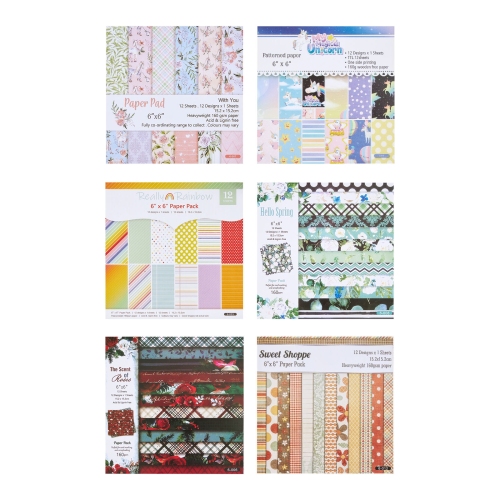
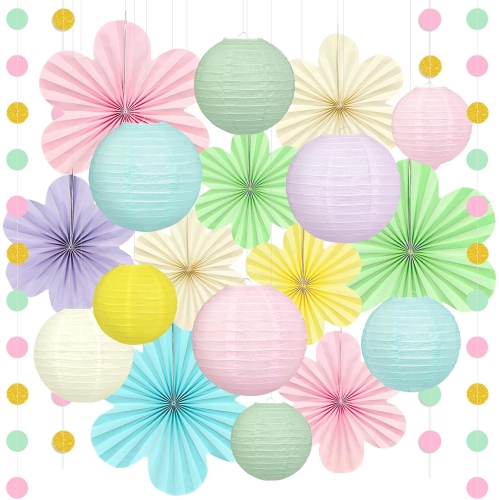
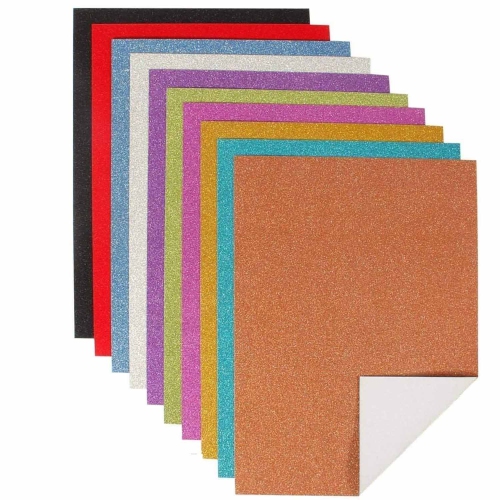
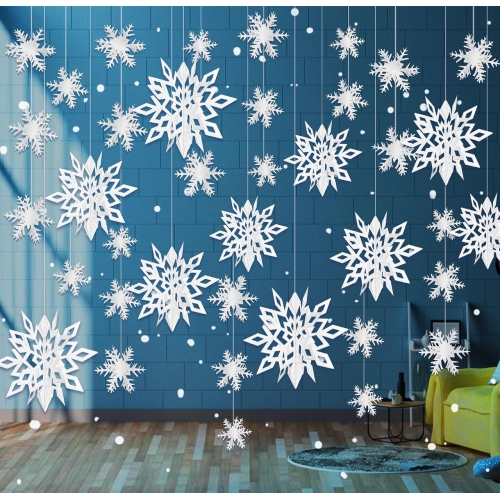
How colour and placement shape a festive space
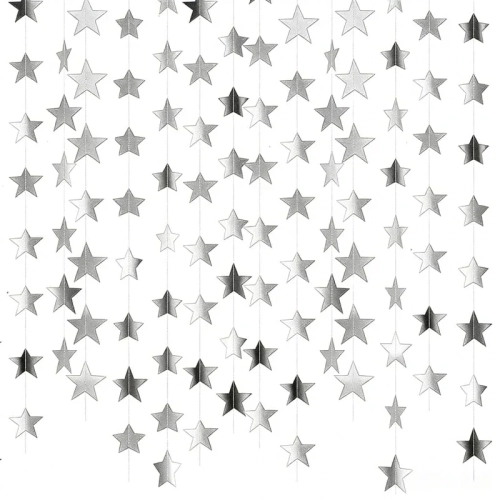
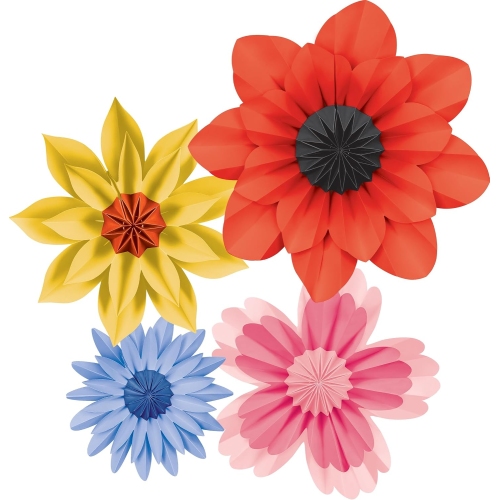
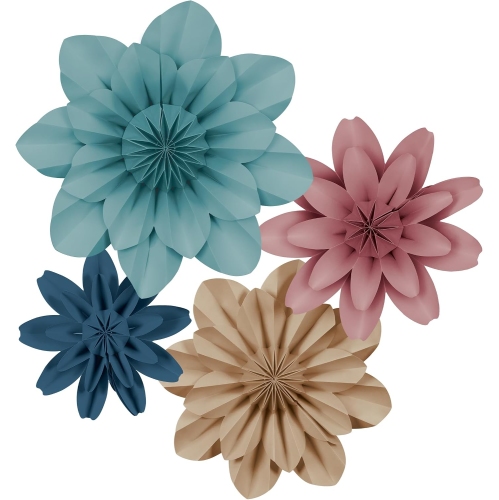
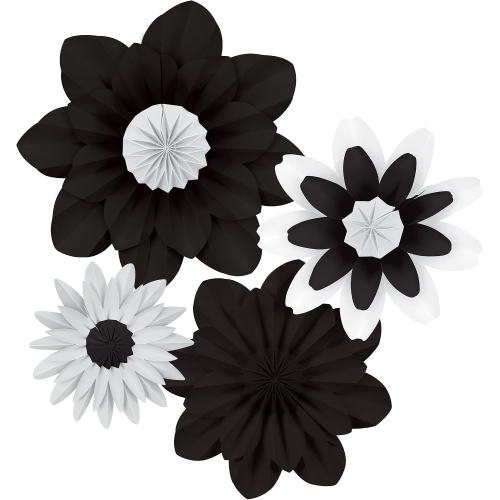
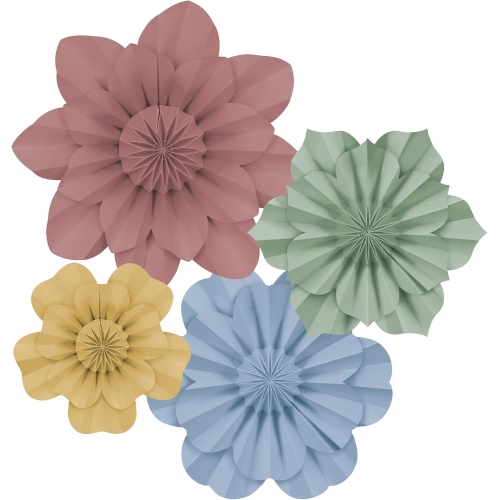
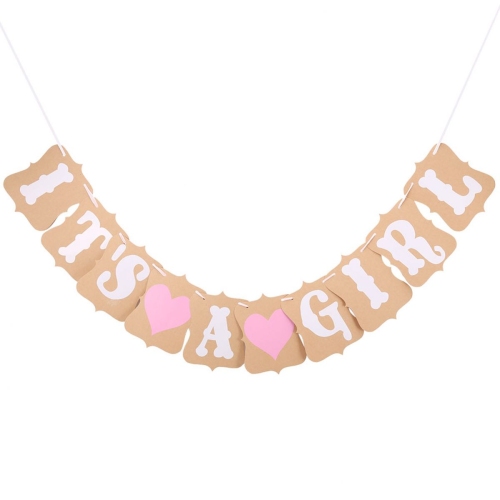
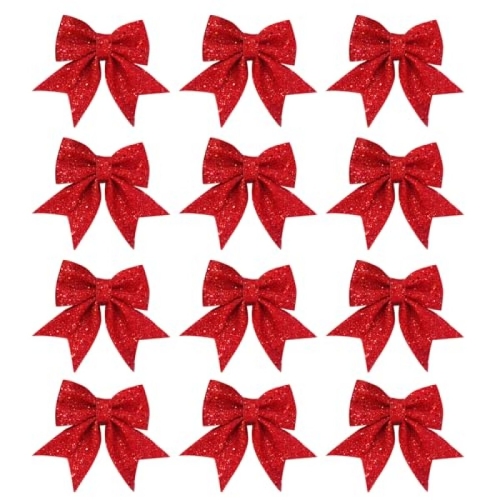
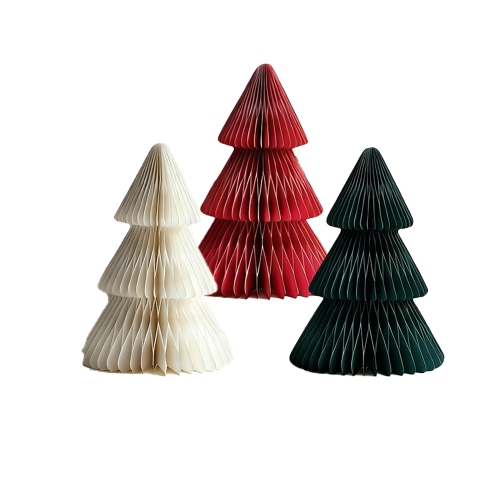
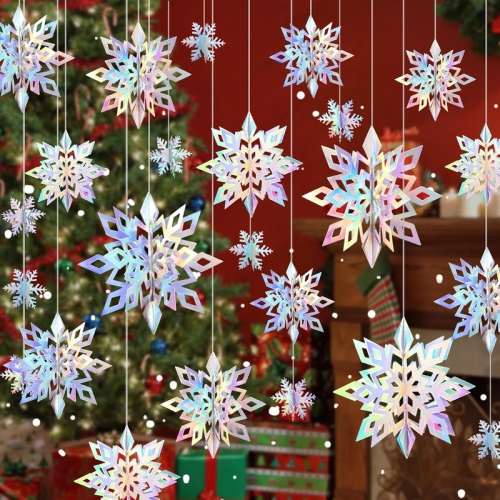
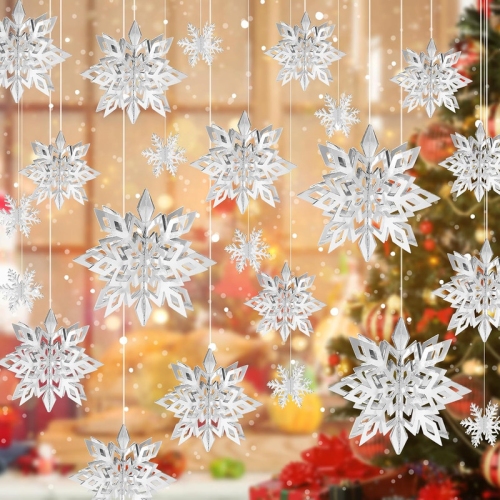
Paper decorations bring colour, shape, and a sense of occasion to spaces without requiring a permanent change to the room. A few folded fans above a refreshment table can create a cheerful backdrop, while a cluster of honeycomb shapes can give an otherwise plain corner a more finished look. Tissue pom-poms offer soft, full silhouettes; paper lanterns introduce rounded forms; and garlands help carry a colour palette across a wall, doorway, or table edge. These different shapes work well for birthdays, baby showers, weddings, graduation celebrations, and community gatherings, as well as classroom displays and creative corners at home. The overall effect depends as much on placement and proportion as it does on colour. Larger shapes have more presence across an open room, while smaller accents tend to suit shelves, place settings, and compact gathering spaces. A restrained palette of two or three colours can keep a busy party room feeling coordinated, especially when table linens, balloons, and serving pieces already add plenty of detail. Tonal combinations create a softer effect, with pale and deep versions of the same colour adding depth without competing for attention. Contrasting colours feel more lively and can help draw the eye towards a cake table or photo backdrop. Printed patterns, scalloped edges, cut-out details, and metallic finishes add another layer of interest, though their appearance can vary under different lighting. Matte paper generally provides a softer-looking surface, while glossy or metallic details catch light and stand out more sharply. For photographs, a mix of solid shapes and open space often gives faces and outfits room to remain the focus. Decorations can also help define separate areas within one room: a garland over the food table, a small cluster near the entrance, and a coordinated backdrop can make a celebration feel thoughtfully arranged without filling every surface. Repeating one shape or colour in those areas creates a visual connection, even when each arrangement has a different size or purpose.
Material and construction make a noticeable difference to how paper decorations look, handle, and hold their shape. Thin tissue paper produces airy, delicate layers, but it needs a gentle touch when sections are separated or fluffed. Crepe paper has a textured surface that suits flowing streamers and soft curves, while heavier paper and cardstock provide firmer edges for pennants, folded fans, and cut-out designs. Honeycomb structures gain their volume from joined layers that open into a rounded or sculpted form; the closure method affects how easily they can be folded flat again. Tabs, clips, ties, adhesive strips, and pre-attached strings all offer different assembly experiences. A design that opens with a clip may be convenient for repeat use, whereas a permanent adhesive closure can make later flattening more difficult. Dimensions are worth considering in the fully opened shape, not just in the package. A broad fan needs clear wall space, a long garland needs enough room for its intended drape, and a hanging cluster needs clearance above guests and furniture. Attachment points matter too. Lightweight paper does not necessarily mean that every ceiling hook, wall finish, or adhesive is suitable, particularly when several decorations share one support. Removable fasteners should be matched to the surface and used according to their directions, with care around wallpaper, delicate paint, and rental spaces. Paper should remain well away from candles, cooking appliances, and other heat sources. A decorative lantern is not automatically a light fixture; illumination is appropriate only when the design expressly allows it and the specified lighting is used. Positioning also affects durability. Doorways, moving chairs, busy serving areas, and frequently handled displays can leave delicate edges bent or torn. Splashes and damp hands can mark paper or soften its structure, so dry locations away from sinks and drink dispensers are generally a better fit. For homes with young children or pets, secure placement out of reach helps keep strings, small fasteners, and loose pieces away from curious hands and paws.
The most useful paper decorations suit both the occasion and the people sharing the space. For a child’s birthday, bold shapes and clearly defined colours can make a familiar dining area feel festive, while leaving the table open for snacks, crafts, and activities. A baby shower or anniversary gathering may call for gentler shades, layered textures, and a smaller arrangement that leaves room for conversation. In classrooms, libraries, and shared workspaces, paper accents can frame a display or mark a celebration without taking over the room’s everyday purpose. Their light weight also makes them practical for hosts who need to transport a coordinated display to a hall or set it up within a limited preparation window. Flat-packed designs are easier to carry, though the time needed to unfold, separate, string, or arrange them can vary considerably. Pre-strung pieces reduce some preparation, while designs with separate components allow more control over spacing and order. For displays that extend above tables or across a room, coordinating paper shapes with Hanging Decorations can add height while keeping useful surfaces clear. A small trial arrangement before the occasion can reveal whether the scale feels right and whether the attachment method holds as expected. After use, gentle handling makes the biggest difference to condition. Foldable pieces are best returned along their original creases, with clips and ties kept together so assembly is straightforward next time. Dry dust can often be lifted with a very soft brush, but rubbing or wiping may damage thin layers, printed surfaces, or metallic details. Storage in a clean, dry box helps protect edges from being crushed and keeps pieces from tangling. Tissue layers benefit from extra space rather than tight packing. With suitable placement and careful storage, paper decorations can remain part of a celebration collection, ready to be arranged in different combinations for another gathering.
Top selling and popular products
-
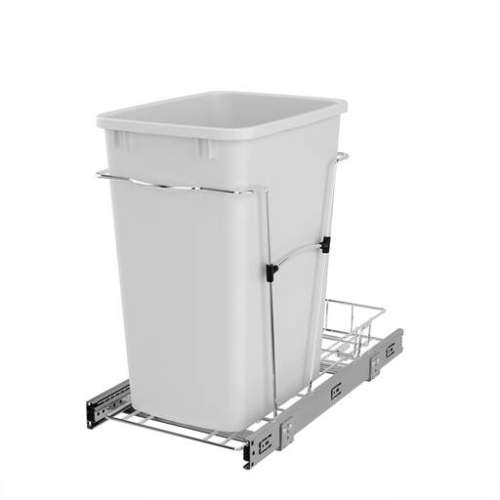 Your price for this item is $228.99
-
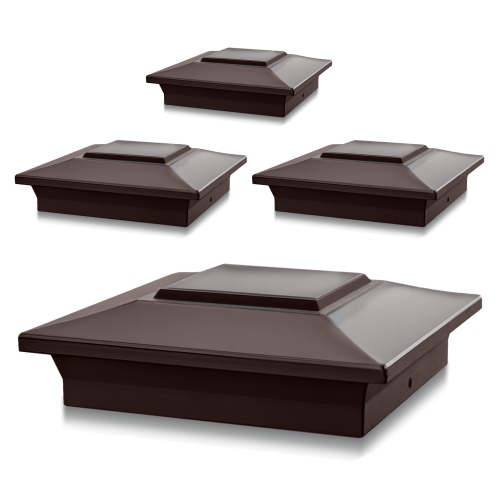 Your price for this item is $103.99
-
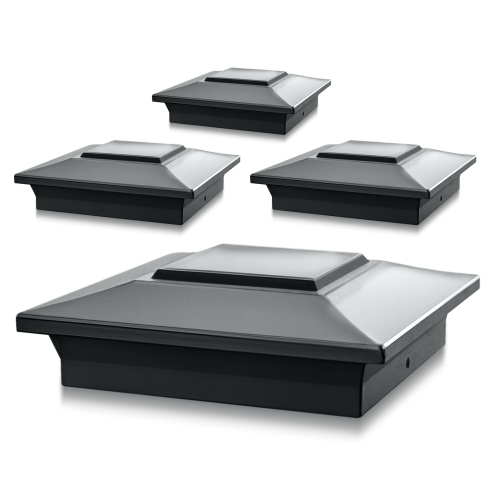 Your price for this item is $99.96
-
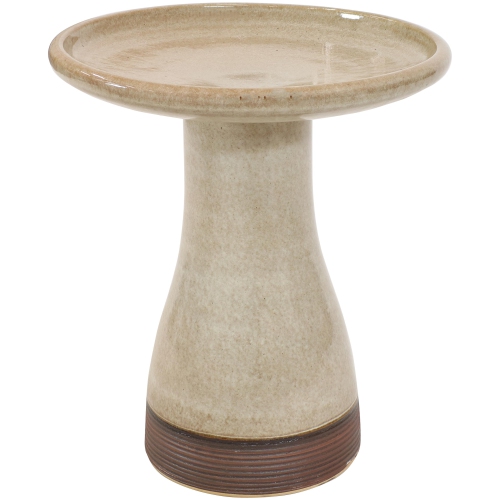 Your price for this item is $326.45
-
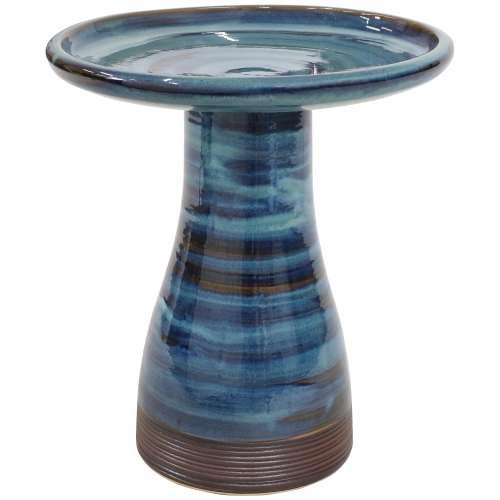 Your price for this item is $326.45
-
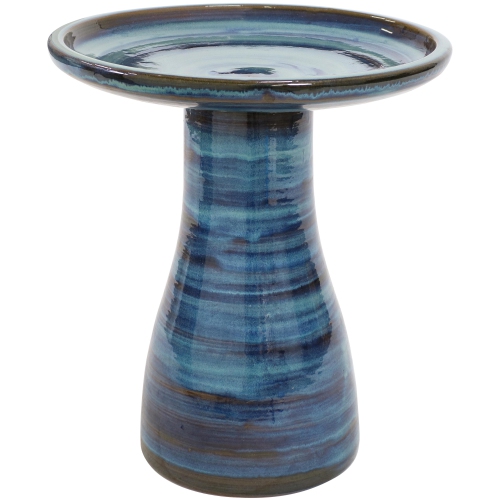 Your price for this item is $326.45
-
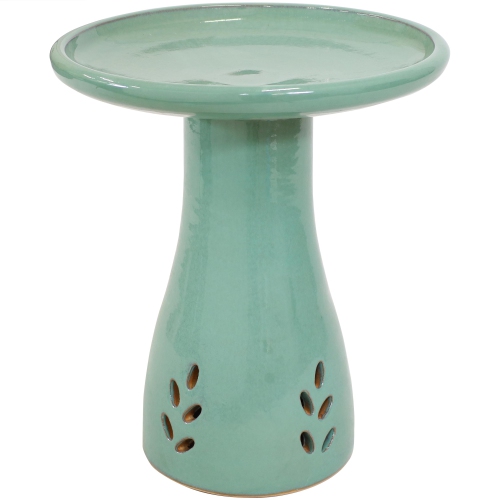 Your price for this item is $326.45
-
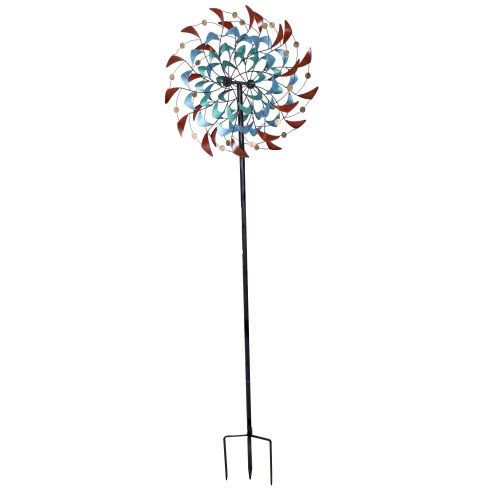 Your price for this item is $160.65
Discover more categories related to Paper Decorations
Top Collections:
Best Black Friday Deals This Year, Best Black Friday Deals On Electronics, Kindle Devices, Pokemon Centers, Best Black Friday Deals On Apple Products, Best Cameras for Sports Photography, Dyson Airwrap, Pokémon 30th Celebration Cards, Apple iPhone 17 Pro, Canon G7X Cameras
Some products may be subject to Environmental Handling Fees
(EHF) depending on your province.
Learn more about EHFs.