Paring Knives
Slice and dice with precision using our selection of paring knives, the essential tool for any kitchen enthusiast. Designed for intricate tasks like peeling, trimming, and garnishing, these versatile knives offer exceptional control and ease. Whether you're a professional chef or a home cook perfecting your culinary skills, our range of paring knives ensures you have the right blade at your fingertips for all your food prep needs. Discover the perfect balance of comfort and functionality with options that cater to various styles and preferences, making meal preparation a breeze.
Sort
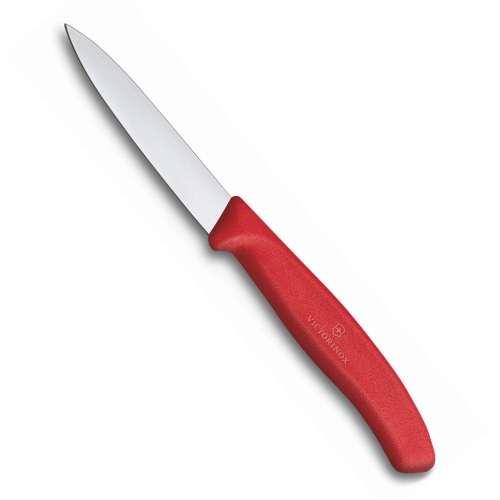
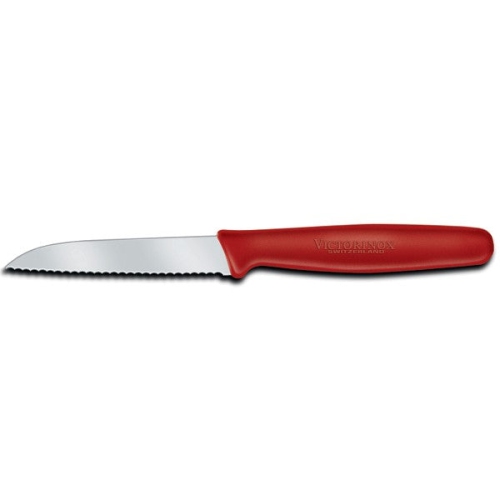
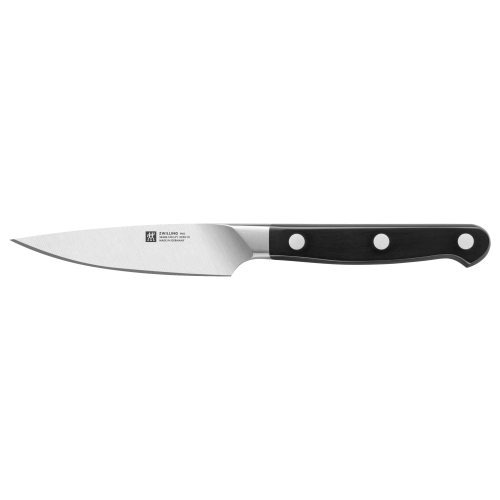
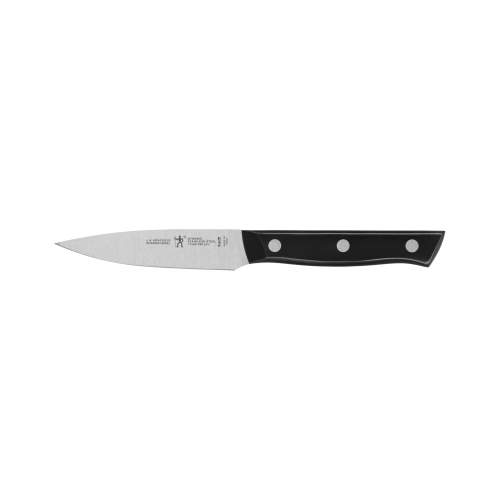
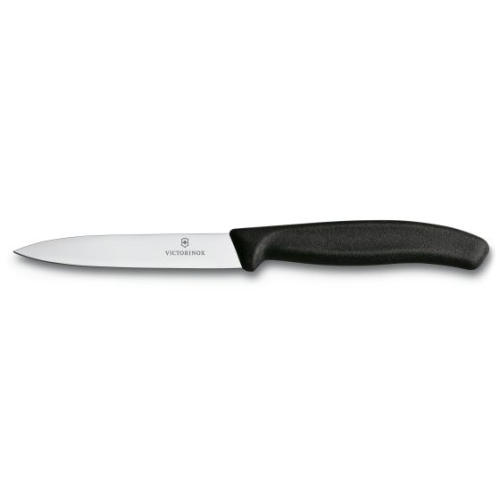
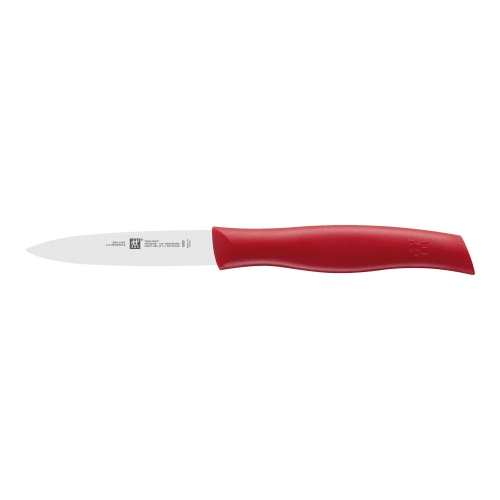
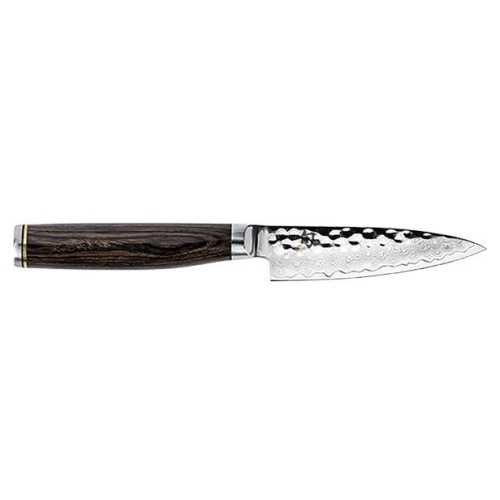
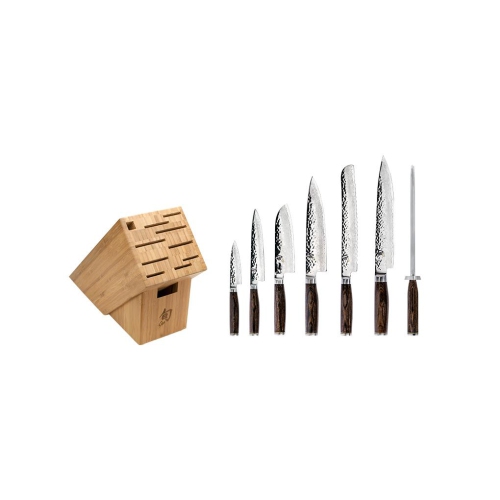
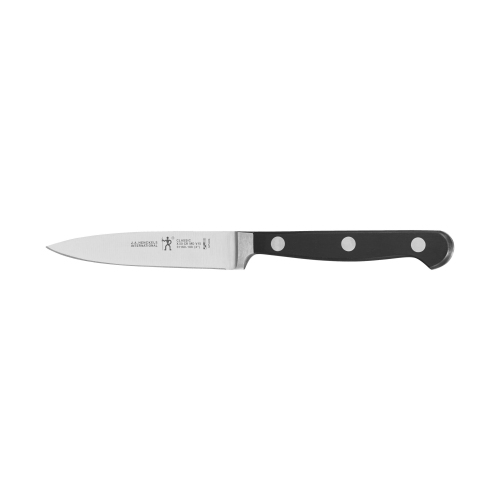
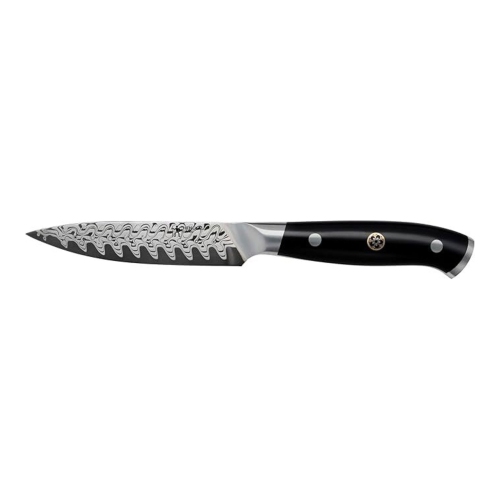
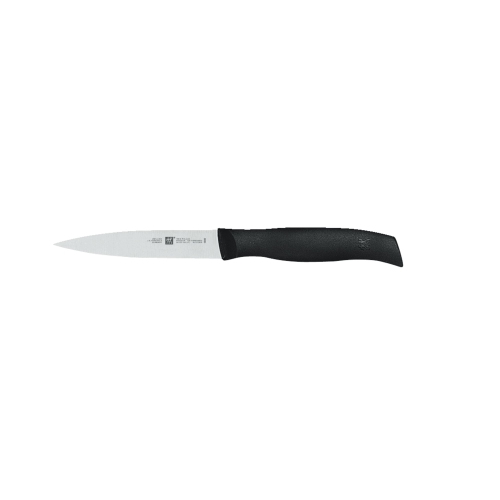
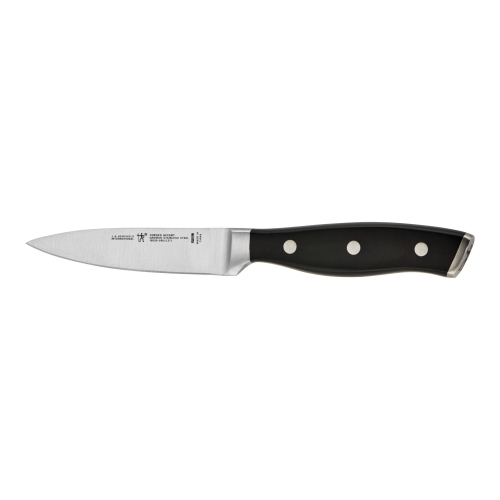

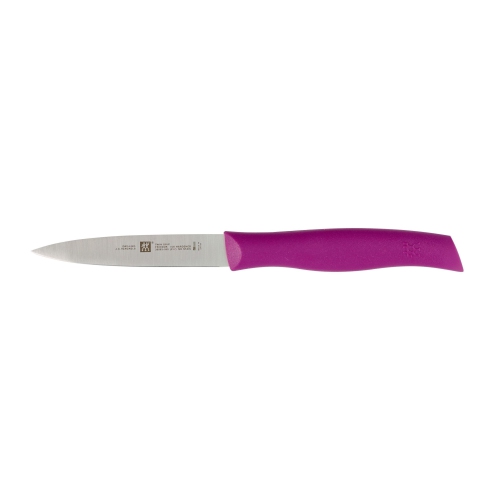
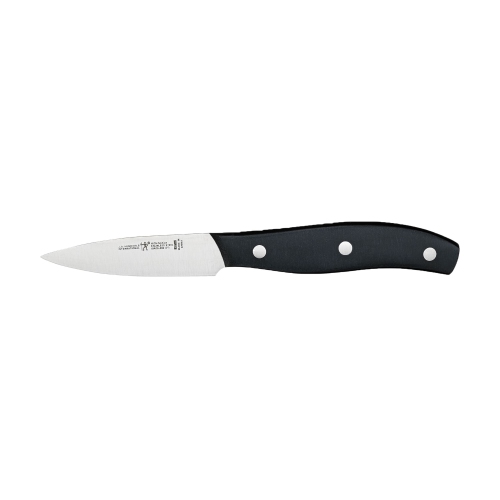
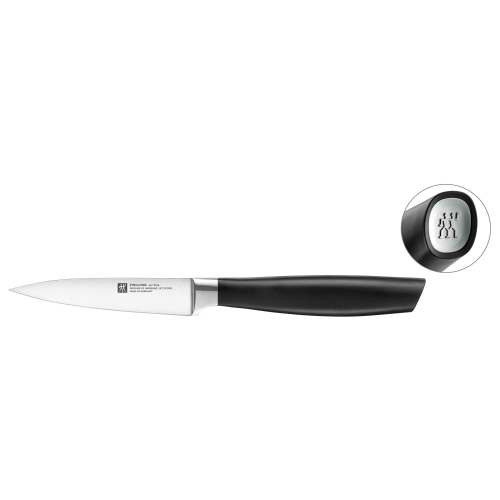
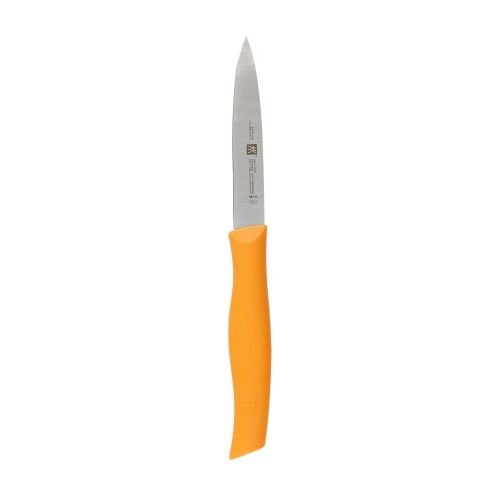
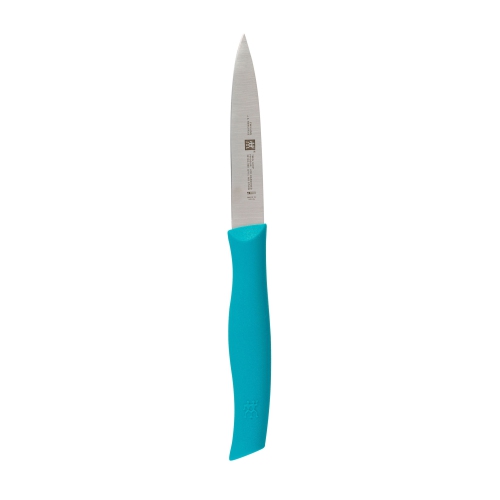
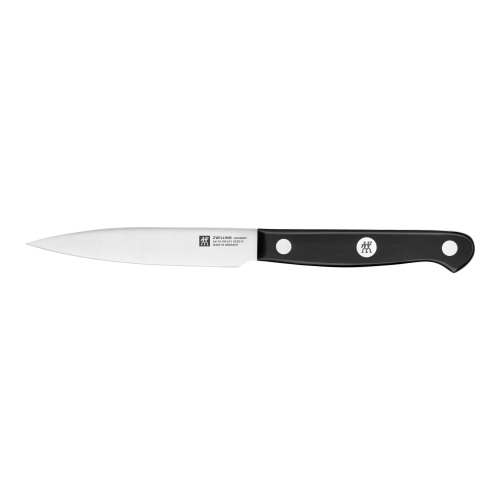
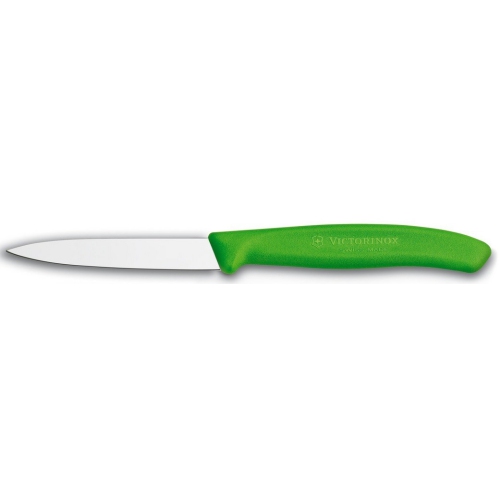


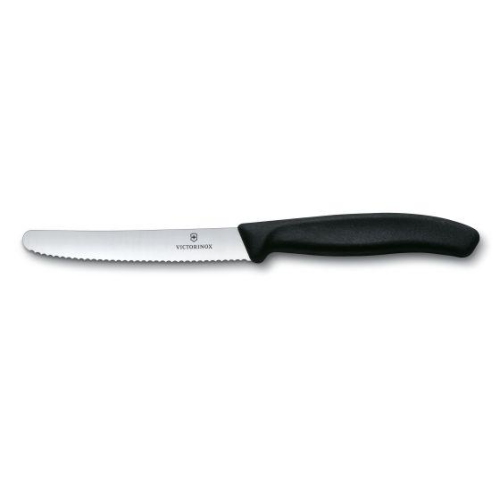
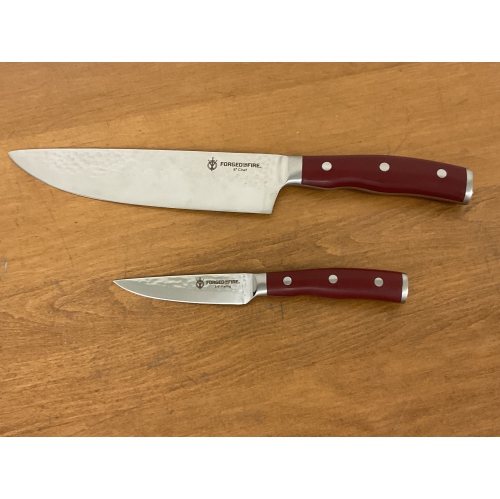
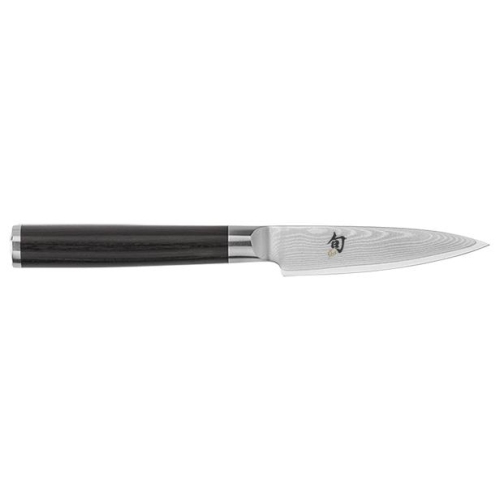
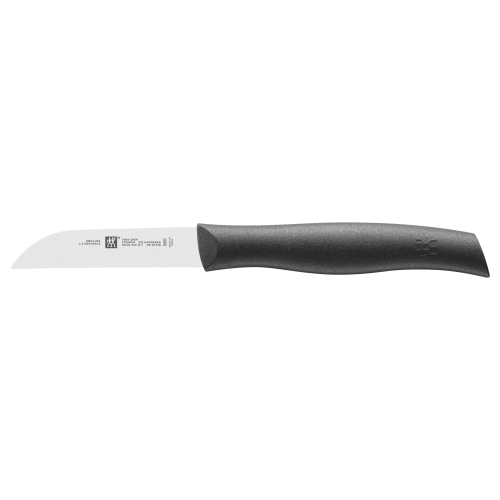
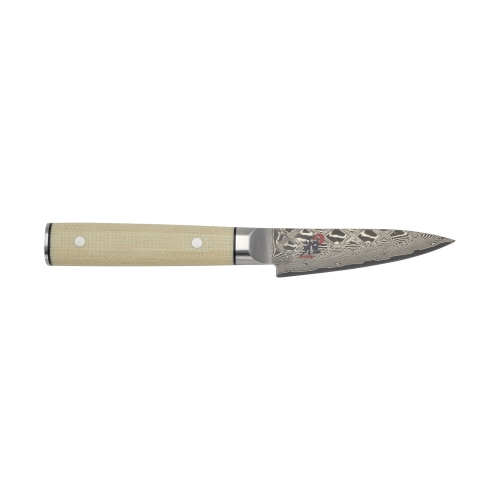
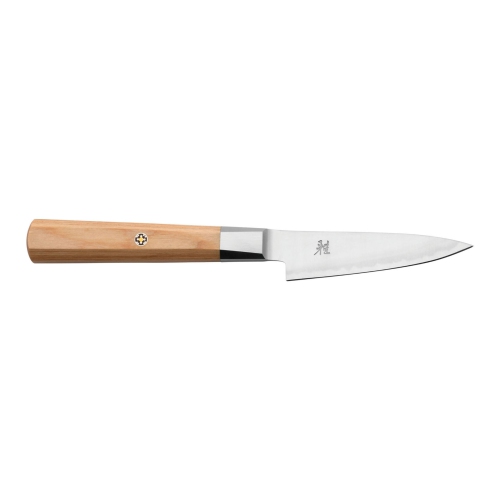
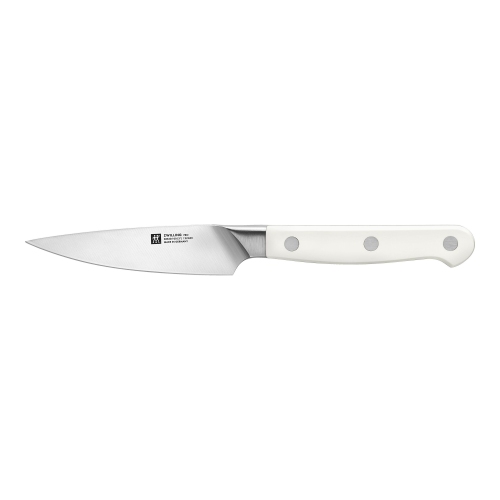
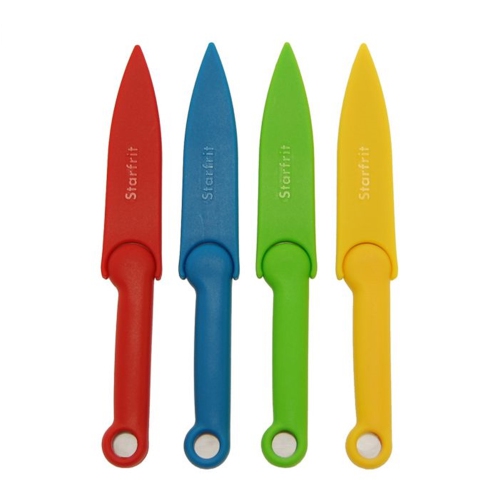
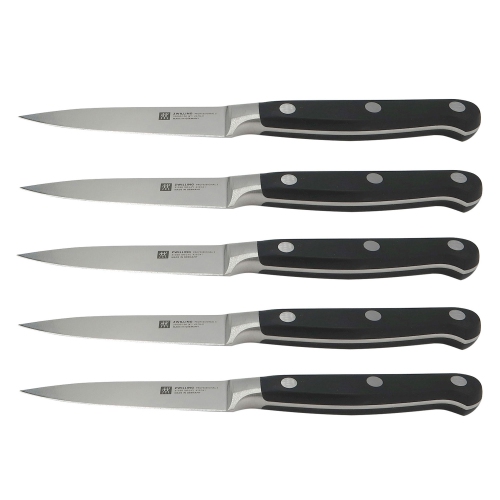
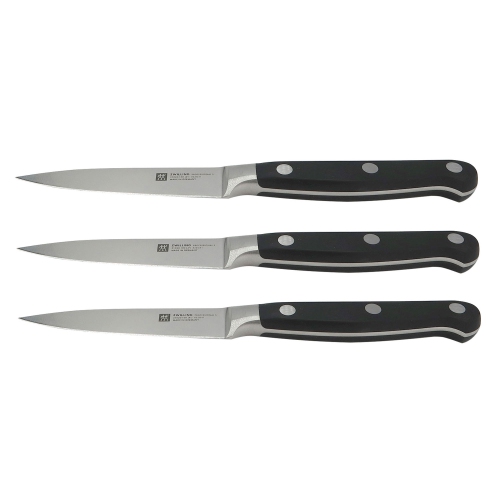
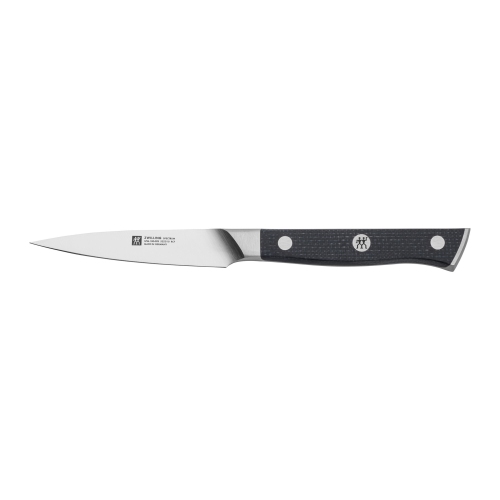
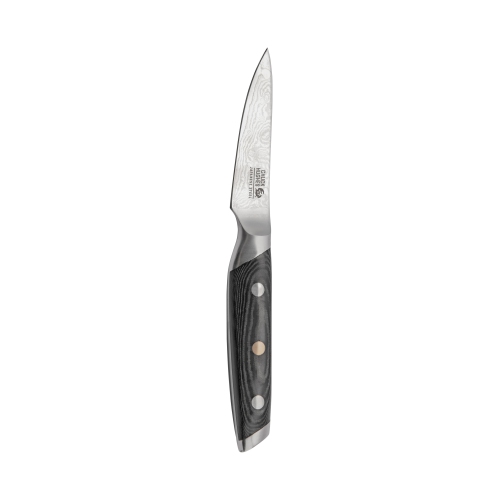
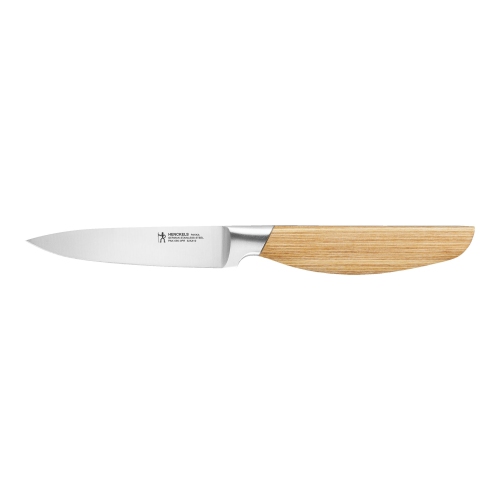
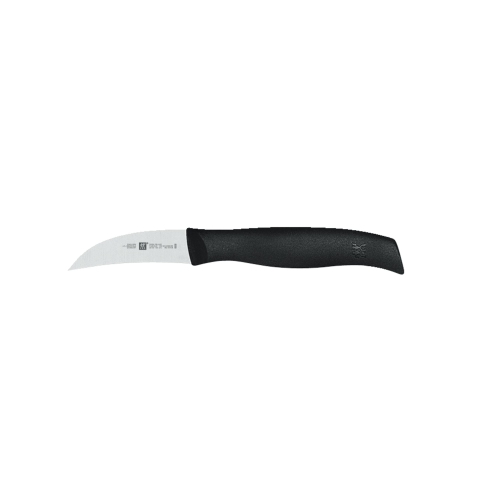
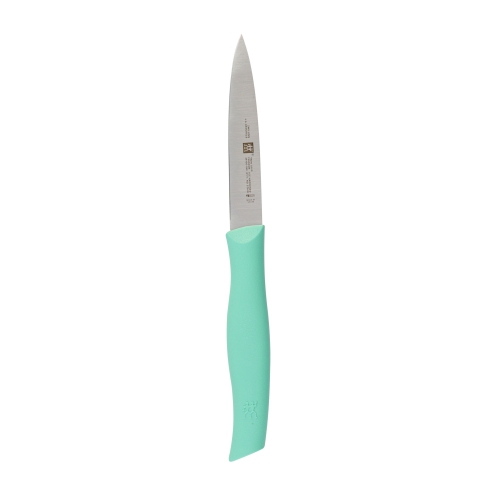
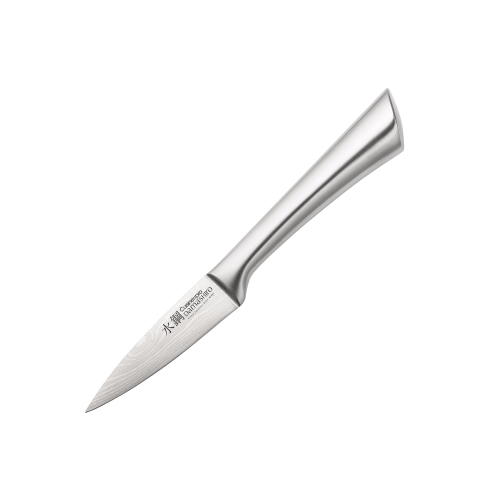
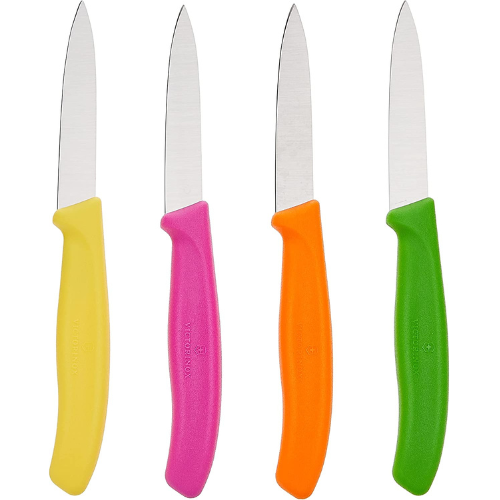
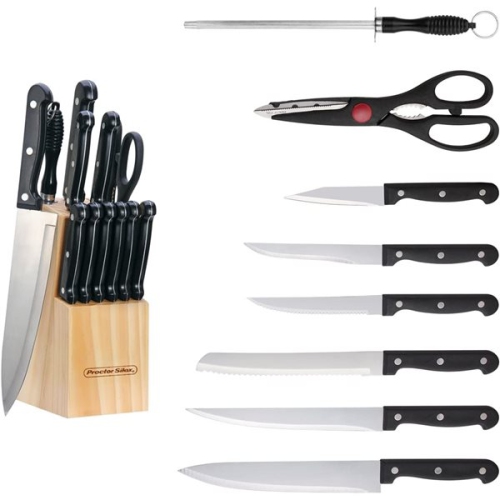

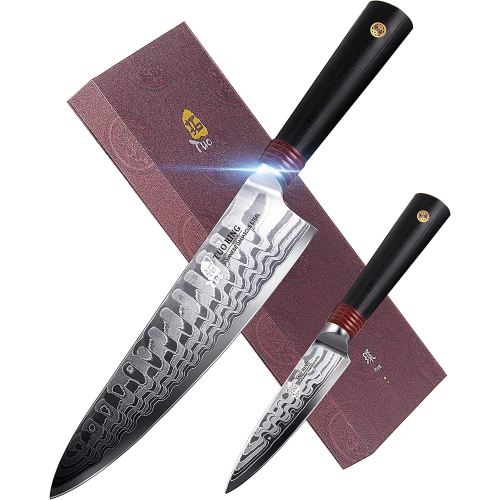
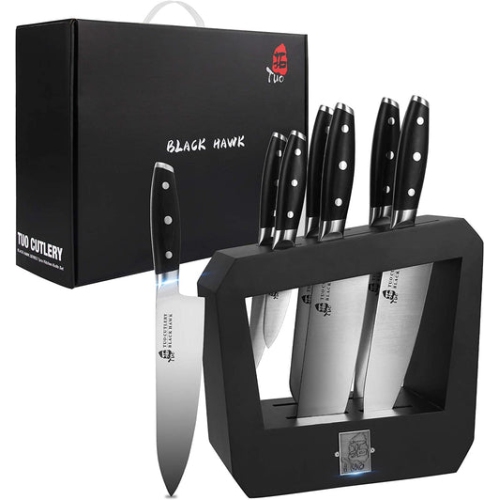
Small blades for precise prep, peeling, and detailed kitchen tasks
Paring knives are compact kitchen tools designed for precision rather than force. Most have a blade measuring about 3 to 4 inch long, making them easy to control when peeling, coring, trimming, slicing, and shaping small ingredients. Their short size allows the hand to stay close to the work, which is helpful when removing the skin from an apple, cutting the stem from a strawberry, or tidying the edges of vegetables before they go into a recipe. A straight paring knife has a narrow blade that tapers to a fine point and is a versatile choice for everyday preparation, whether the task is completed in the hand or on a cutting board. Serrated paring knives have small teeth that grip delicate, smooth-skinned foods, allowing users to cut through tomatoes, grapes, citrus, and small baked goods without pressing down as heavily. A peeling, or bird’s-beak, knife has a short blade that curves inward, following the shape of round produce such as potatoes, apples, and turnips while helping remove only the amount of peel needed. The best style depends on the way a person prepares food most often, and a collection with more than one blade shape can make a kitchen feel better equipped for both routine meals and more detailed cooking projects. Shoppers comparing paring knives can browse this selection alongside other Sharp Knives to find a size and design suited to their kitchen habits.
When choosing a paring knife, consider the blade material, handle shape, balance, edge style, and care requirements. A sharp, well-maintained edge should move smoothly through produce instead of requiring excessive pressure, while a comfortable handle can make repeated peeling or trimming less tiring. Look for a grip that feels secure with dry hands and is easy to guide with either a pinch grip or a more relaxed hold. A lightweight knife can be particularly pleasant for in-hand work, while a slightly more substantial design may feel steadier when slicing on a board. Blade construction also affects everyday use. Stainless steel is common because it is practical for regular food preparation and can be simple to clean, while other steel blends may be selected for edge retention, flexibility, or a particular feel in the hand. A full, pointed tip is useful for removing eyes from potatoes, lifting seeds, and making small cuts around stems. A serrated edge can be helpful for foods with a firm exterior and soft interior, as its teeth create traction instead of flattening the ingredient. Regardless of style, a paring knife should be used on suitable cutting surfaces and cleaned according to its care instructions. Hand washing and thorough drying can help preserve the edge and handle, and a knife block, sheath, or drawer insert can keep the blade protected between uses. These small knives are not intended for cutting through bones, frozen foods, hard joints, or other materials that can damage a fine edge. Using the right knife for each task helps maintain performance and gives the user more control over delicate ingredients.
Paring knives suit home cooks, new renters setting up a first kitchen, experienced cooks who appreciate precise tools, and anyone who enjoys preparing fresh ingredients by hand. They are useful for weeknight cooking, packed lunches, baking preparation, entertaining, and the detailed work that often comes before a larger meal. During the cooler months, a paring knife can help with apples for baked desserts, root vegetables for soups, citrus peel for garnishes, and small herbs or vegetables for comforting meals. It also has a place during warmer-weather cooking, when users may be trimming berries, slicing stone fruit, preparing salads, or cutting small portions for a picnic. Because these knives take up little drawer or counter space, they can be practical for compact kitchens, recreational vehicles, cottages, and shared living spaces. A single versatile straight blade may be enough for everyday tasks, while a set with straight, serrated, or curved options can be a thoughtful gift for a food enthusiast, a graduate moving into a new home, or someone building a kitchen from the ground up. When giving a paring knife as part of a housewarming or wedding gift, consider pairing the selection with a safe storage solution or other practical kitchen essentials. For personal use, think about whether most preparation happens in the hand or on a board, whether the ingredients are firm or delicate, and how frequently the knife will be used. A well-chosen paring knife can become the tool reached for when a chef’s knife feels too large: the small, nimble blade that peels an orange neatly, removes a blemish from a carrot, or turns a simple garnish into a polished finishing touch.
When choosing a paring knife, consider the blade material, handle shape, balance, edge style, and care requirements. A sharp, well-maintained edge should move smoothly through produce instead of requiring excessive pressure, while a comfortable handle can make repeated peeling or trimming less tiring. Look for a grip that feels secure with dry hands and is easy to guide with either a pinch grip or a more relaxed hold. A lightweight knife can be particularly pleasant for in-hand work, while a slightly more substantial design may feel steadier when slicing on a board. Blade construction also affects everyday use. Stainless steel is common because it is practical for regular food preparation and can be simple to clean, while other steel blends may be selected for edge retention, flexibility, or a particular feel in the hand. A full, pointed tip is useful for removing eyes from potatoes, lifting seeds, and making small cuts around stems. A serrated edge can be helpful for foods with a firm exterior and soft interior, as its teeth create traction instead of flattening the ingredient. Regardless of style, a paring knife should be used on suitable cutting surfaces and cleaned according to its care instructions. Hand washing and thorough drying can help preserve the edge and handle, and a knife block, sheath, or drawer insert can keep the blade protected between uses. These small knives are not intended for cutting through bones, frozen foods, hard joints, or other materials that can damage a fine edge. Using the right knife for each task helps maintain performance and gives the user more control over delicate ingredients.
Paring knives suit home cooks, new renters setting up a first kitchen, experienced cooks who appreciate precise tools, and anyone who enjoys preparing fresh ingredients by hand. They are useful for weeknight cooking, packed lunches, baking preparation, entertaining, and the detailed work that often comes before a larger meal. During the cooler months, a paring knife can help with apples for baked desserts, root vegetables for soups, citrus peel for garnishes, and small herbs or vegetables for comforting meals. It also has a place during warmer-weather cooking, when users may be trimming berries, slicing stone fruit, preparing salads, or cutting small portions for a picnic. Because these knives take up little drawer or counter space, they can be practical for compact kitchens, recreational vehicles, cottages, and shared living spaces. A single versatile straight blade may be enough for everyday tasks, while a set with straight, serrated, or curved options can be a thoughtful gift for a food enthusiast, a graduate moving into a new home, or someone building a kitchen from the ground up. When giving a paring knife as part of a housewarming or wedding gift, consider pairing the selection with a safe storage solution or other practical kitchen essentials. For personal use, think about whether most preparation happens in the hand or on a board, whether the ingredients are firm or delicate, and how frequently the knife will be used. A well-chosen paring knife can become the tool reached for when a chef’s knife feels too large: the small, nimble blade that peels an orange neatly, removes a blemish from a carrot, or turns a simple garnish into a polished finishing touch.
Top selling and popular products
-
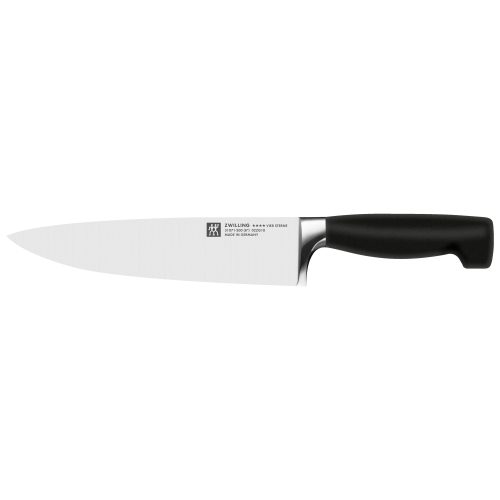 Your price for this item is $129.99
 -
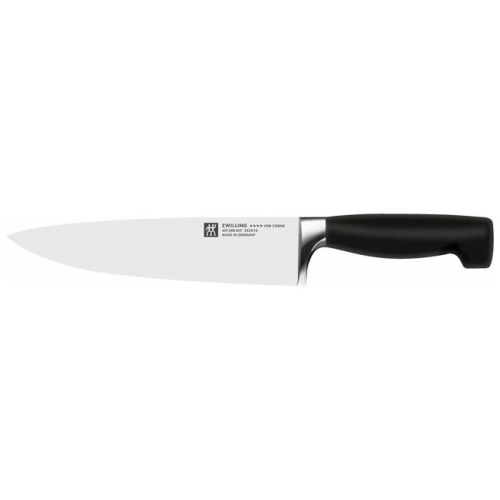 Your price for this item is $199.99
 -
 Your price for this item is $139.99
 -
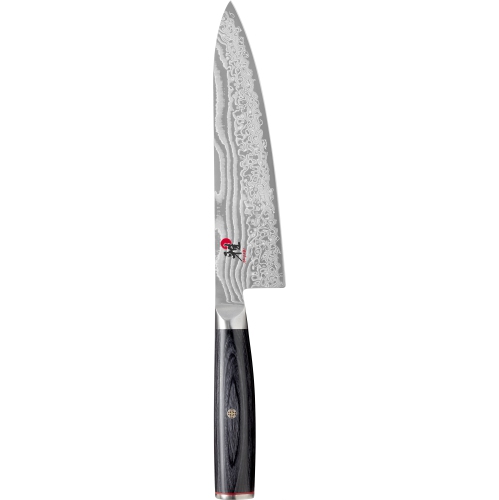 Your price for this item is $299.99
 -
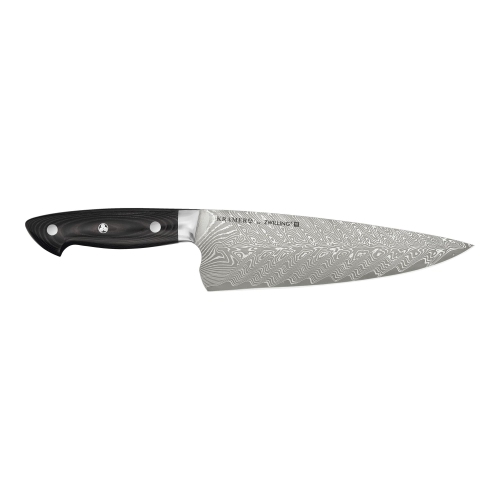 Your price for this item is $385
 -
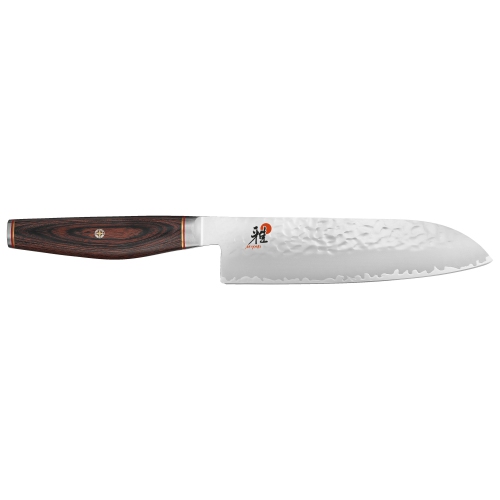 Your price for this item is $329.99
 -
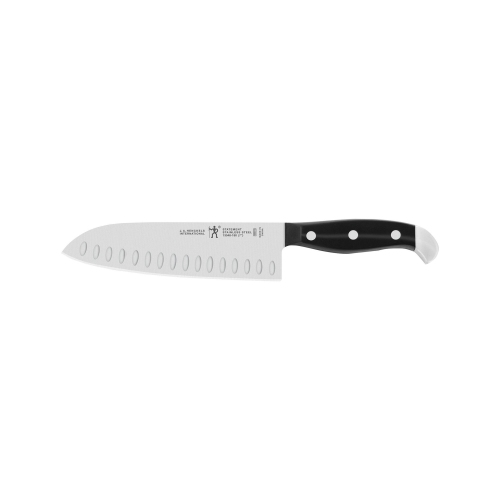 Your price for this item is $29.99
 -
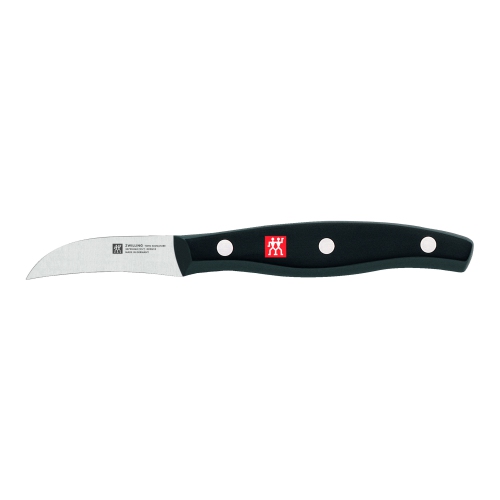 Your price for this item is $49.99
Discover more categories related to Paring Knives
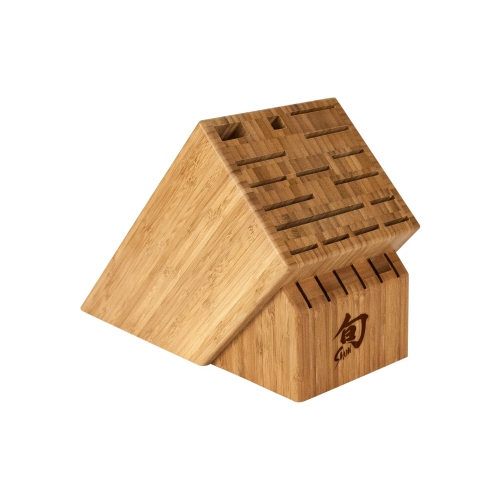
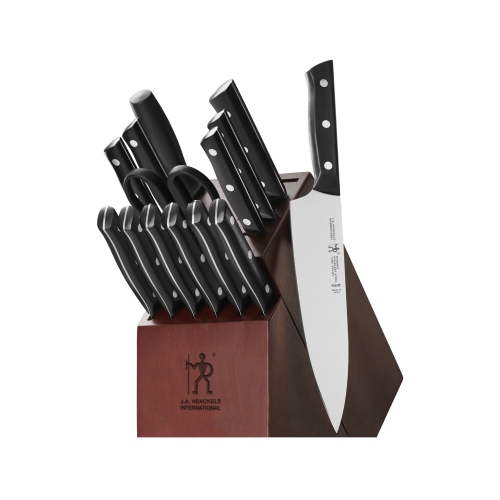
Top Collections:
Pokemon Centers, Kindle Devices, Best Budget Office Chairs, Apple iPhones 16, Best Laptops for Writers, iPhone 15 Apple, Canon G7X Cameras, Refurbished Apple Laptops, Alarm Clock, Motorola Razr Phones
Some products may be subject to Environmental Handling Fees
(EHF) depending on your province.
Learn more about EHFs.