Pathway Lights
Illuminate your outdoor space with our selection of pathway lights, designed to add both style and functionality to your home. Create a welcoming ambiance for guests while increasing safety and security around walkways, driveways, and gardens. With a variety of styles, finishes, and features to choose from, you can easily find the perfect pathway lights to enhance your outdoor decor and illuminate your way during evening strolls or gatherings.
Sort
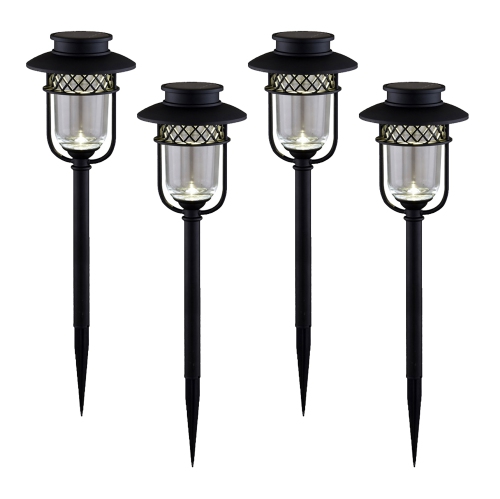
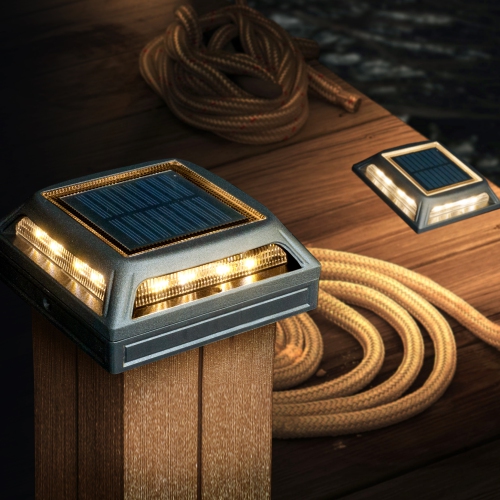
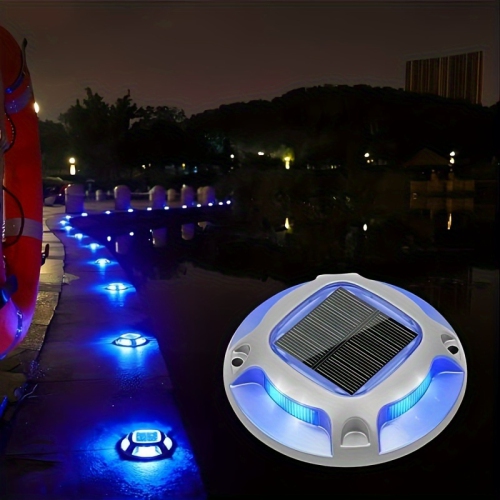
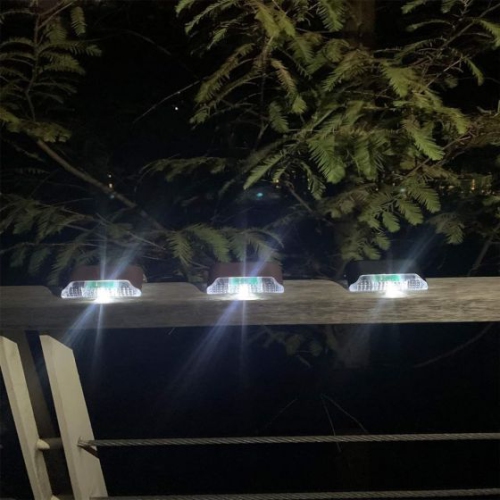
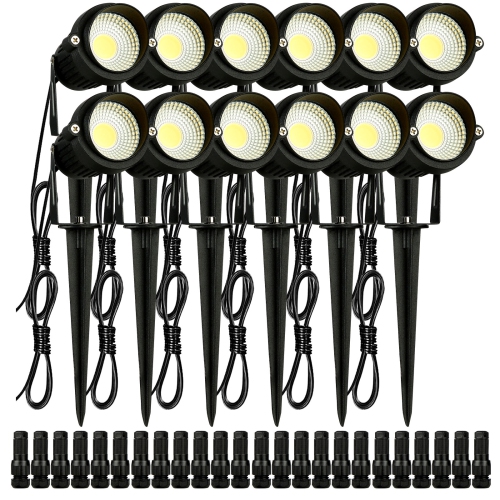
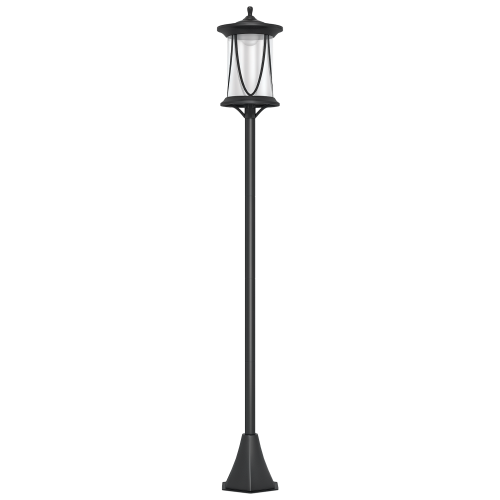

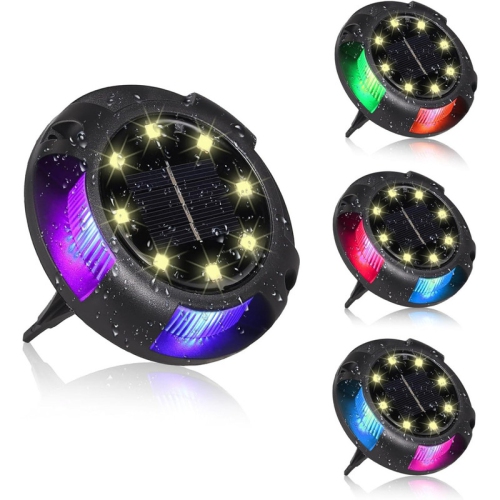
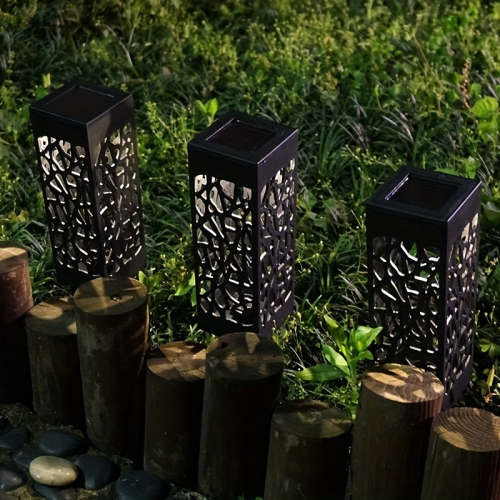
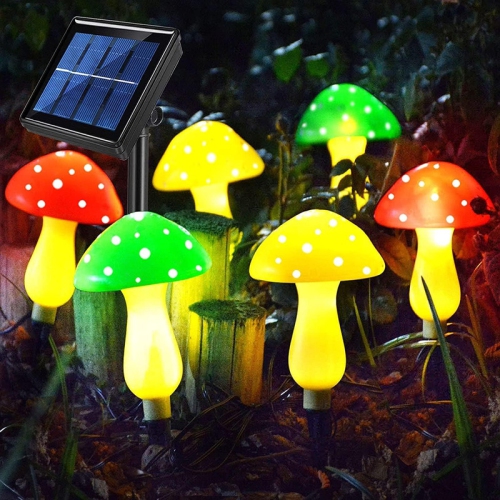
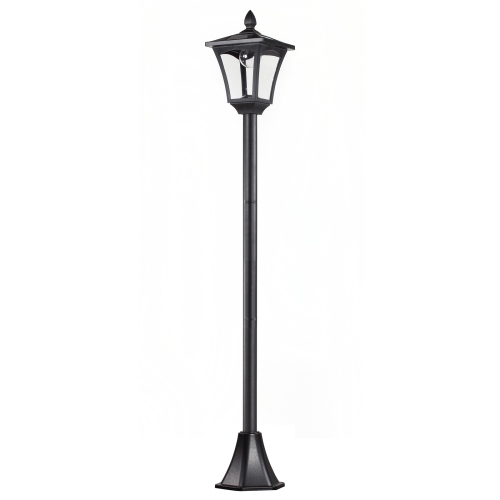
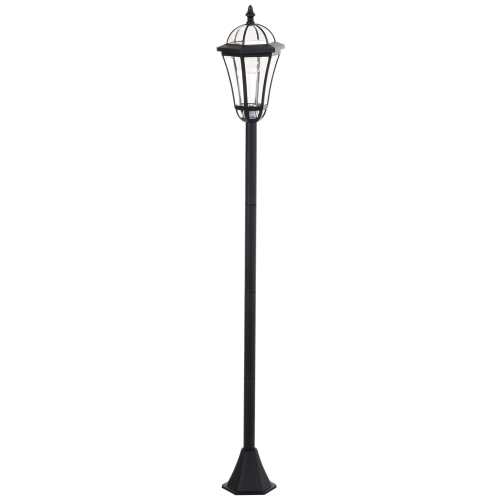
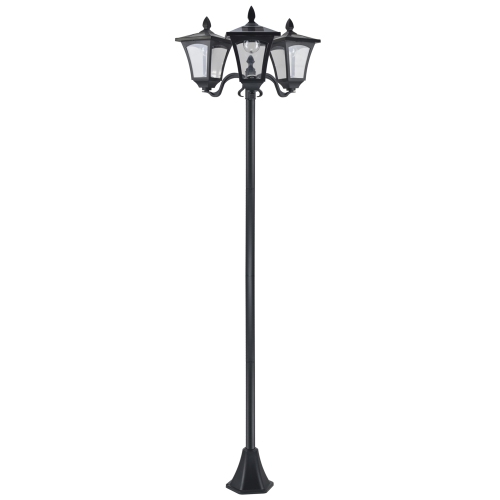
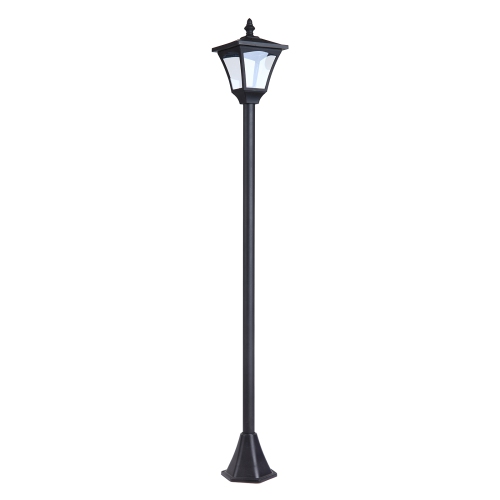
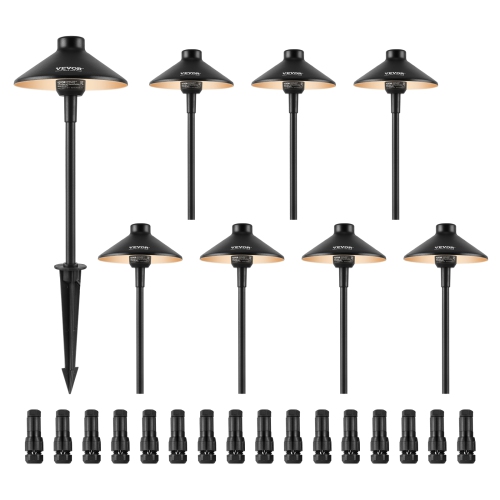
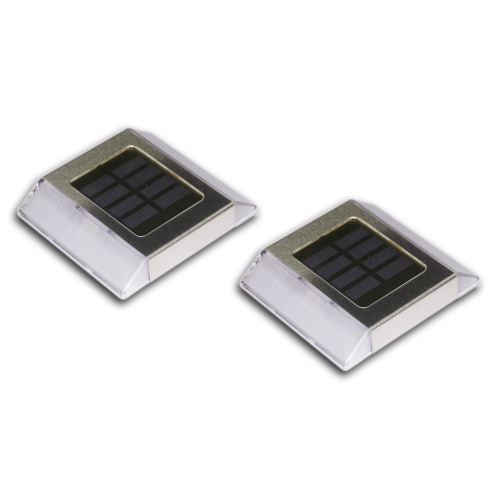
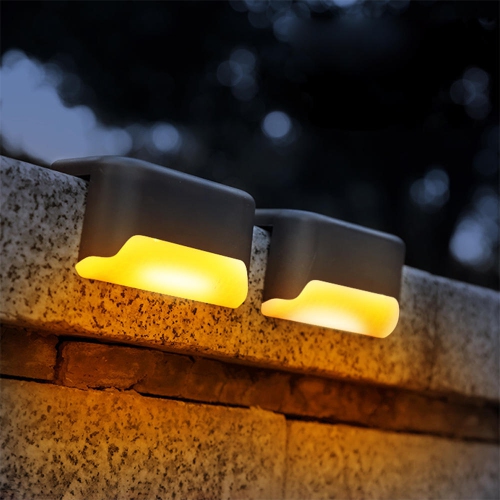

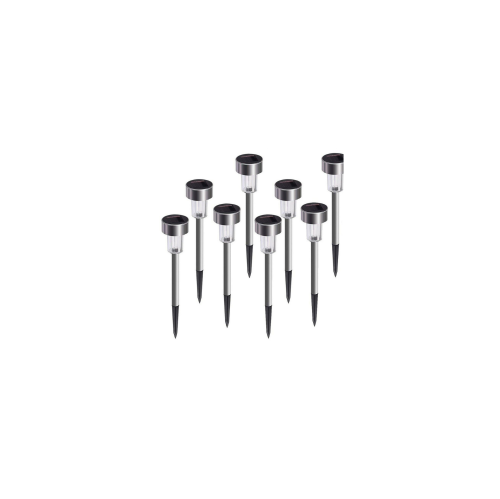

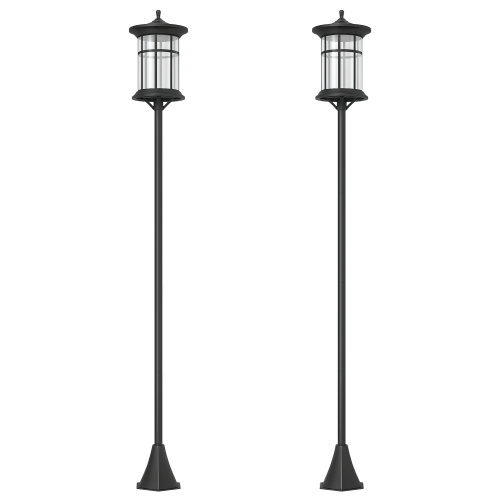
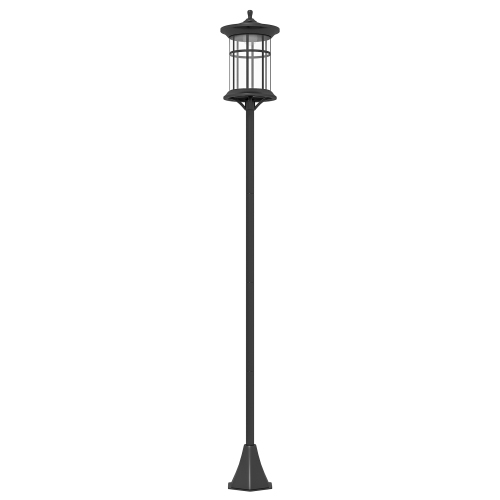


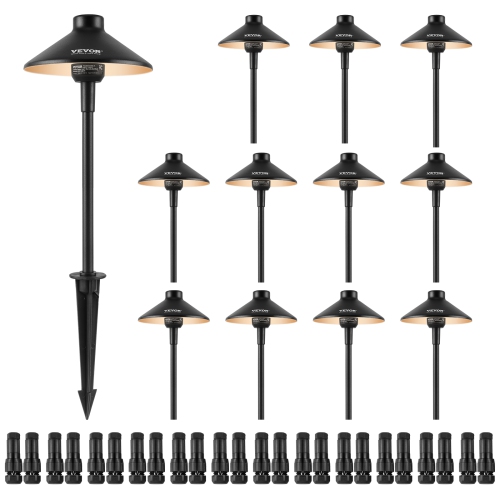
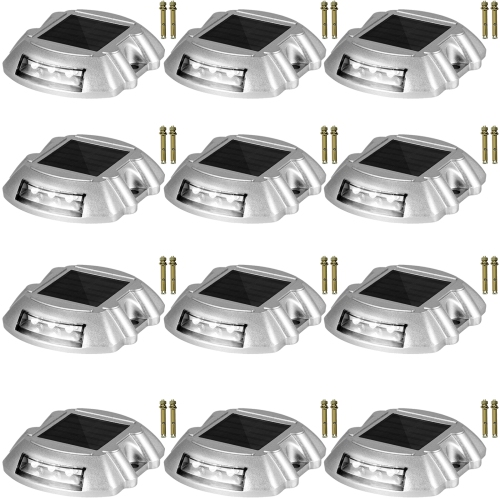
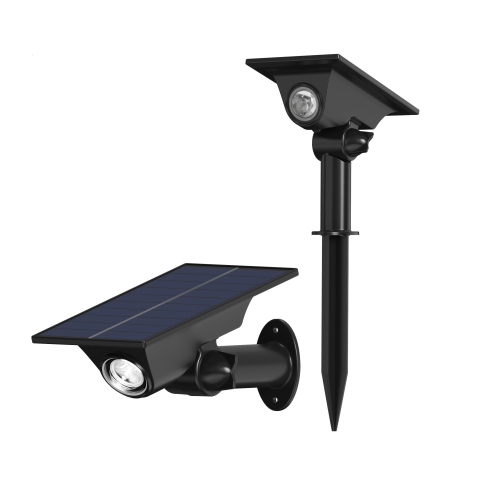
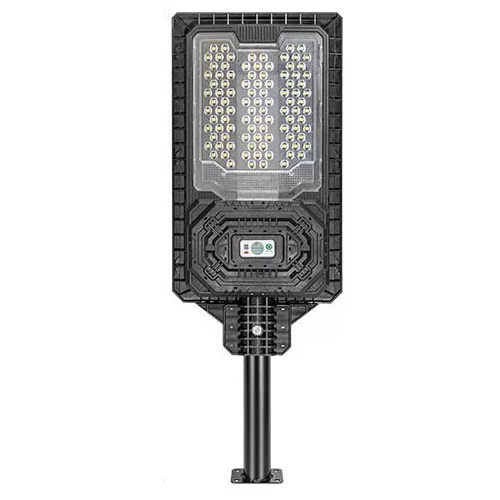
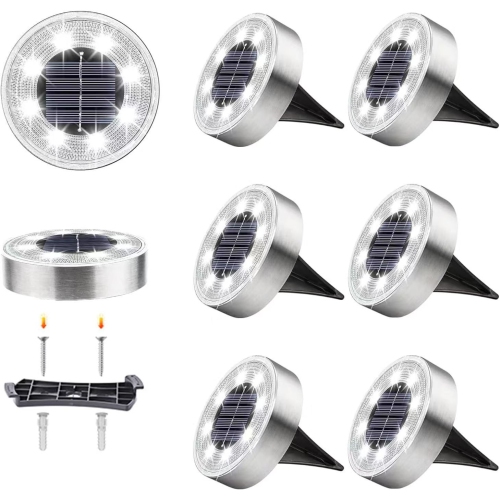
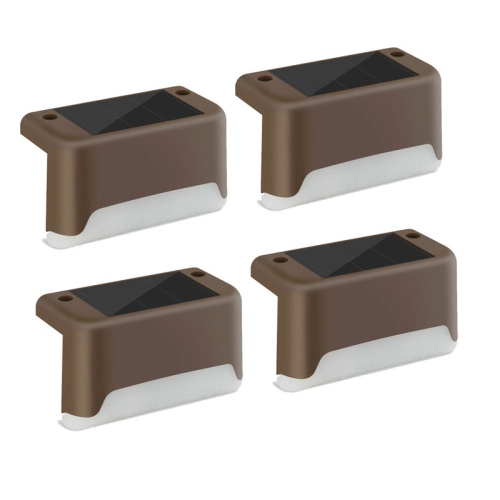
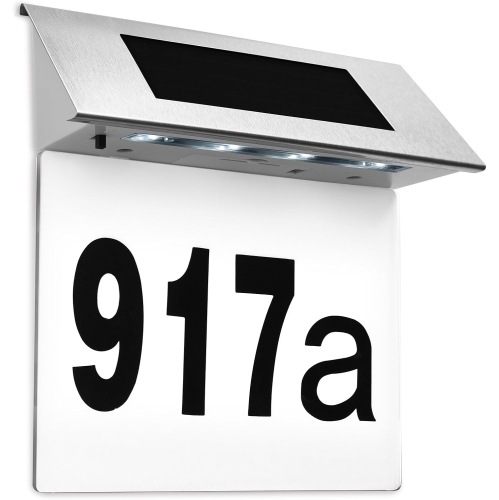
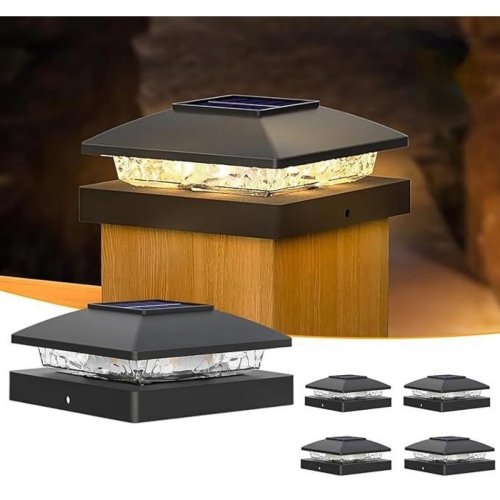
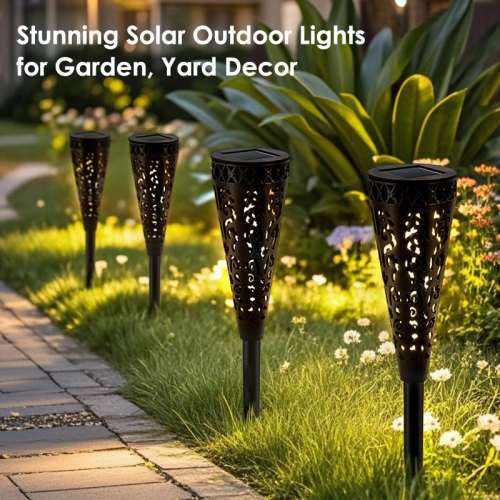
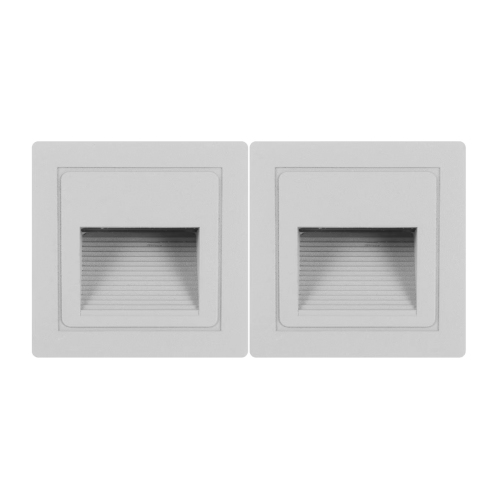
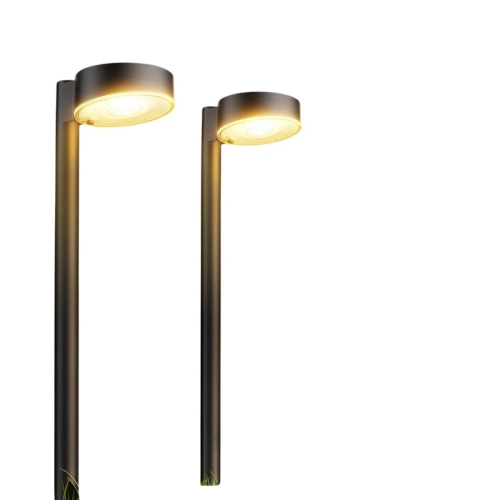
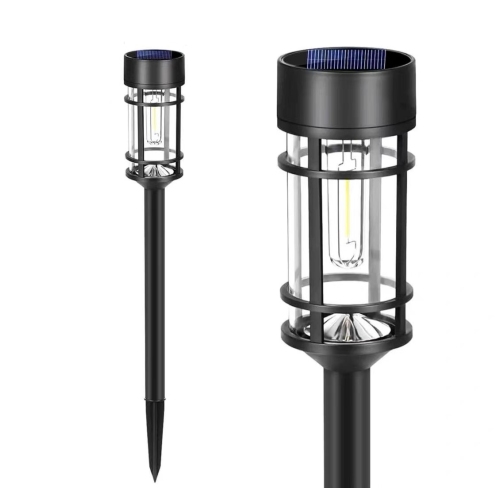
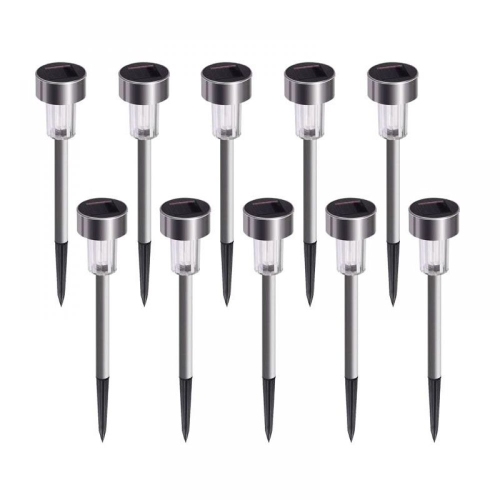
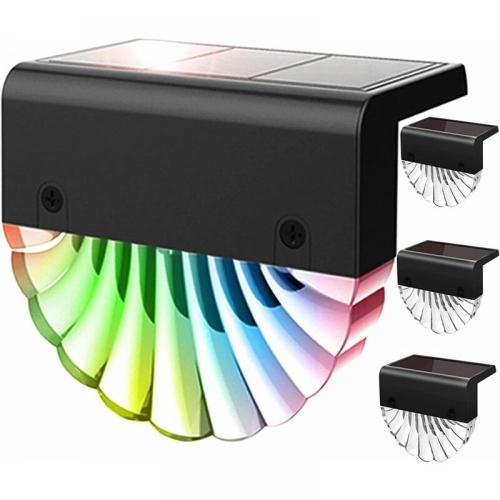
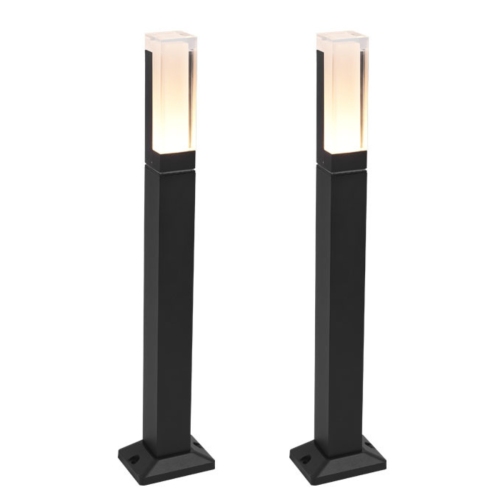
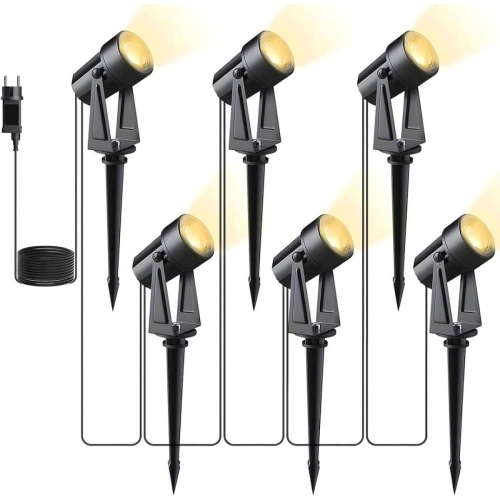
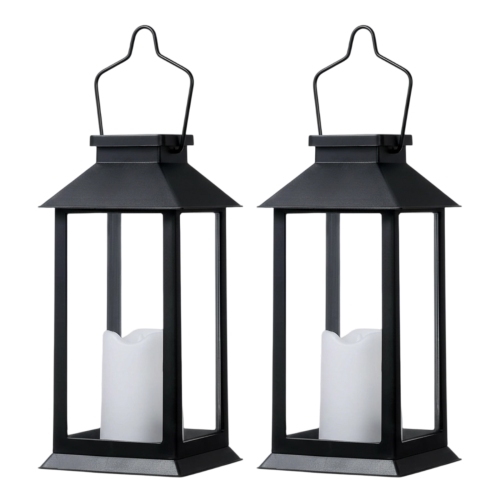
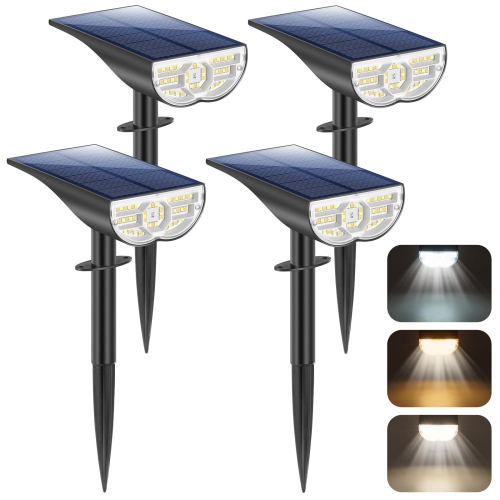
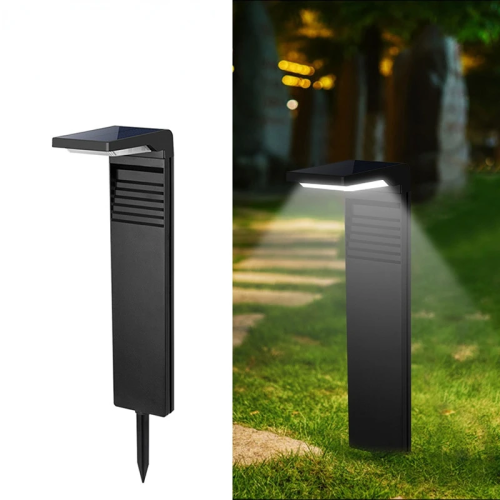
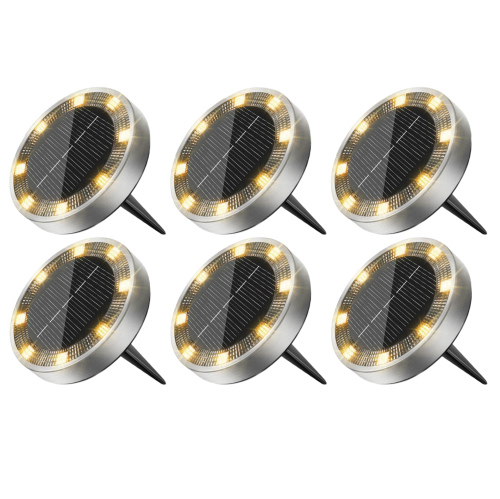
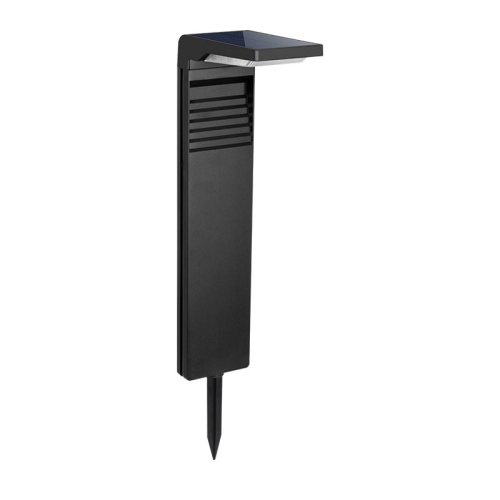

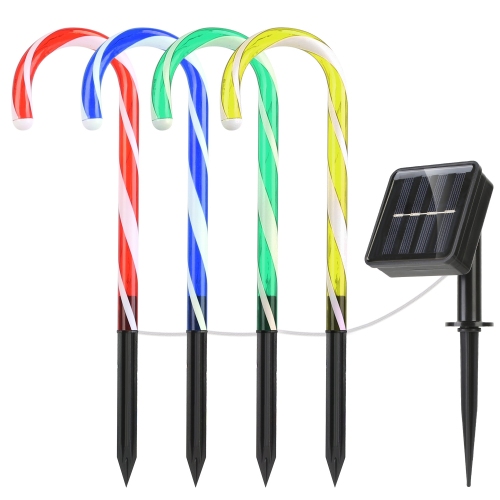
Thoughtful lighting for safer, more welcoming outdoor routes
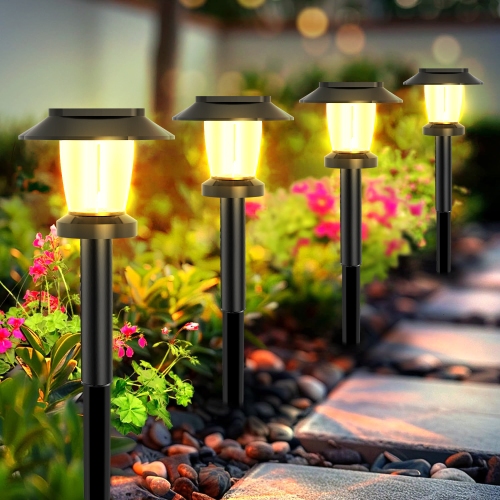
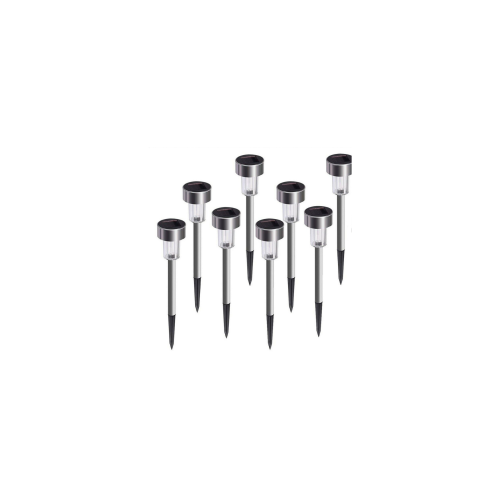
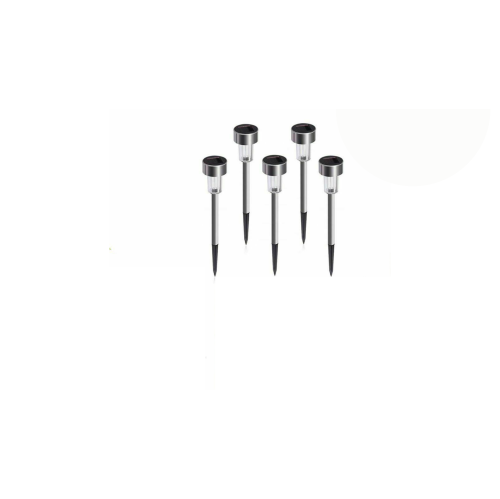
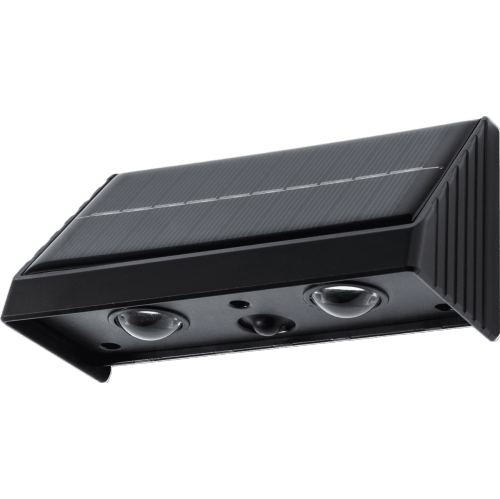
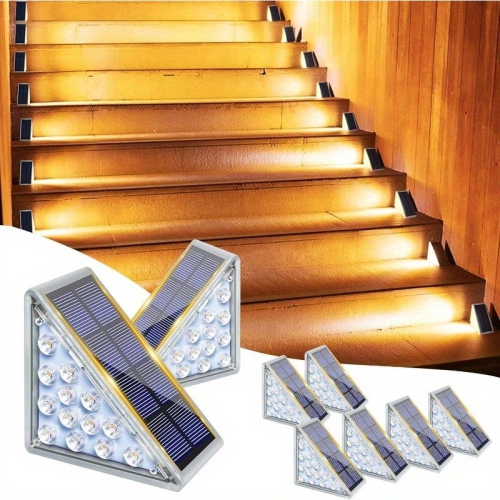
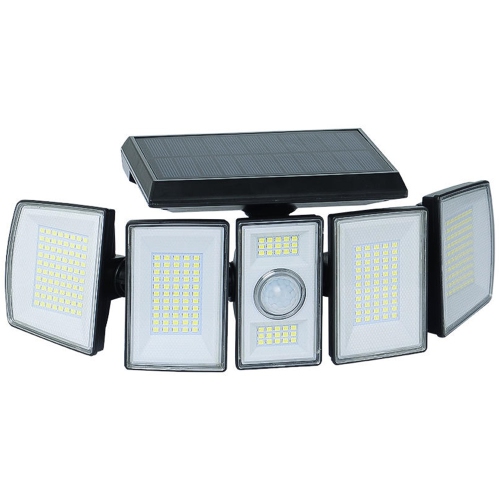
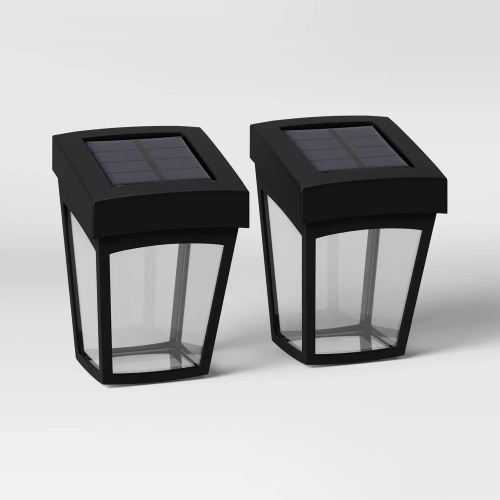
Pathway lights add a gentle layer of illumination to walkways, garden borders, steps and entrances, helping outdoor spaces feel more welcoming after sunset. These low-profile fixtures are designed to cast light down and outward, making it easier to see the surface beneath your feet without creating the harsh glare associated with floodlights. A well-lit path can help family members, guests and delivery visitors navigate from the driveway to the front door, while also drawing attention to landscaping, stonework and architectural details. They can be especially useful during the cooler months, when earlier sunsets and changing weather make familiar routes harder to see. When choosing pathway lights, consider the length and shape of the area you want to illuminate, along with nearby trees, shrubs, fences and steps that may affect how the light spreads. For a standard residential walkway, fixtures placed approximately 5 to 8 feet apart can provide even coverage without making the path look overly bright or crowded. Staggering lights on alternating sides often creates a more natural pattern than placing them directly opposite one another, which can produce a uniform “landing strip” effect. Narrow paths may need fewer fixtures, while wider walkways, curves and areas with changes in elevation may benefit from closer spacing. It is also helpful to look for adjustable heads or shades that direct illumination towards the ground rather than into eye level. For more lighting options in this style, browse LED Path Lights, including fixtures suited to decorative garden borders and everyday walkway visibility.
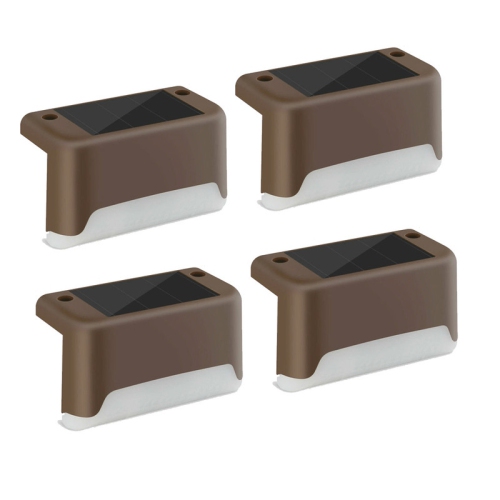
Brightness and colour temperature have a noticeable effect on both comfort and appearance. For general pathway lighting, an output of roughly 100 to 200 lumens per fixture can provide useful visibility, while a softer residential path may look more inviting with approximately 85 to 150 lumens. Higher output is not always the best choice: too much brightness can flatten the look of a garden, create glare and make nearby windows or seating areas uncomfortable. A warm colour temperature between 2700K and 3000K tends to complement brick, stone, timber, mulch and foliage, giving the space a relaxed glow that feels natural in the evening. Cooler white light can appear sharper and more contemporary, but it may also make plants and hardscaping look less inviting. Wired low-voltage systems are a practical choice for primary walkways and larger outdoor layouts where consistent illumination is important. They typically use a transformer and connected cables, allowing several fixtures to operate as part of one coordinated system. Before installation, plan the cable route carefully and confirm that the transformer capacity matches the total lighting load. Solar pathway lights offer a wire-free alternative for smaller paths, garden edges and decorative areas, with integrated panels that charge during daylight and built-in batteries that power the fixtures after dark. Their performance can vary with the amount of direct sunlight, cloud cover, shade from trees and the time of year, so placement matters. Whether you choose a wired or solar setup, check the weather-resistance rating and construction materials, particularly if the lights will be exposed to rain, wind, frost or occasional snow. Removable or replaceable components can also make seasonal maintenance more straightforward.
Pathway lights suit homeowners refreshing a front entrance, renters looking for simple outdoor upgrades where permitted, and anyone creating a more comfortable route through a backyard, side yard or garden. They can help define the edge of a lawn, highlight a winding walkway or provide a visual cue around low steps and transitions between surfaces. A few carefully positioned lights can make a small courtyard feel finished, while a longer row can bring structure to a deep front yard or driveway approach. They are also a thoughtful housewarming gift for someone settling into a new home, especially when paired with other practical outdoor accessories. For a gift, consider the recipient’s layout and installation preferences: solar fixtures are generally convenient for areas without an accessible outdoor power connection, while a wired low-voltage set may be better suited to someone planning a permanent landscape design. Before placing lights, walk the route after sunset and note where shadows collect, where branches block the view and where visitors naturally step off the path. Keep fixtures clear of snow-clearing routes and avoid positioning them where they could become a tripping hazard. During the cooler months, clean panels and lenses when needed, remove leaves or debris, and check that fixtures remain upright after strong weather. With the right spacing, brightness, colour temperature and power source, pathway lights can provide dependable visibility while giving an entrance or garden a calm, polished appearance from one season to the next.
Brightness and colour temperature have a noticeable effect on both comfort and appearance. For general pathway lighting, an output of roughly 100 to 200 lumens per fixture can provide useful visibility, while a softer residential path may look more inviting with approximately 85 to 150 lumens. Higher output is not always the best choice: too much brightness can flatten the look of a garden, create glare and make nearby windows or seating areas uncomfortable. A warm colour temperature between 2700K and 3000K tends to complement brick, stone, timber, mulch and foliage, giving the space a relaxed glow that feels natural in the evening. Cooler white light can appear sharper and more contemporary, but it may also make plants and hardscaping look less inviting. Wired low-voltage systems are a practical choice for primary walkways and larger outdoor layouts where consistent illumination is important. They typically use a transformer and connected cables, allowing several fixtures to operate as part of one coordinated system. Before installation, plan the cable route carefully and confirm that the transformer capacity matches the total lighting load. Solar pathway lights offer a wire-free alternative for smaller paths, garden edges and decorative areas, with integrated panels that charge during daylight and built-in batteries that power the fixtures after dark. Their performance can vary with the amount of direct sunlight, cloud cover, shade from trees and the time of year, so placement matters. Whether you choose a wired or solar setup, check the weather-resistance rating and construction materials, particularly if the lights will be exposed to rain, wind, frost or occasional snow. Removable or replaceable components can also make seasonal maintenance more straightforward.
Pathway lights suit homeowners refreshing a front entrance, renters looking for simple outdoor upgrades where permitted, and anyone creating a more comfortable route through a backyard, side yard or garden. They can help define the edge of a lawn, highlight a winding walkway or provide a visual cue around low steps and transitions between surfaces. A few carefully positioned lights can make a small courtyard feel finished, while a longer row can bring structure to a deep front yard or driveway approach. They are also a thoughtful housewarming gift for someone settling into a new home, especially when paired with other practical outdoor accessories. For a gift, consider the recipient’s layout and installation preferences: solar fixtures are generally convenient for areas without an accessible outdoor power connection, while a wired low-voltage set may be better suited to someone planning a permanent landscape design. Before placing lights, walk the route after sunset and note where shadows collect, where branches block the view and where visitors naturally step off the path. Keep fixtures clear of snow-clearing routes and avoid positioning them where they could become a tripping hazard. During the cooler months, clean panels and lenses when needed, remove leaves or debris, and check that fixtures remain upright after strong weather. With the right spacing, brightness, colour temperature and power source, pathway lights can provide dependable visibility while giving an entrance or garden a calm, polished appearance from one season to the next.
Top selling and popular products
-
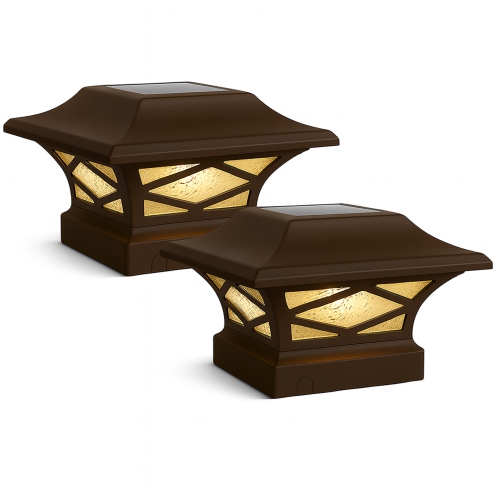 Your price for this item is $99.99
 -
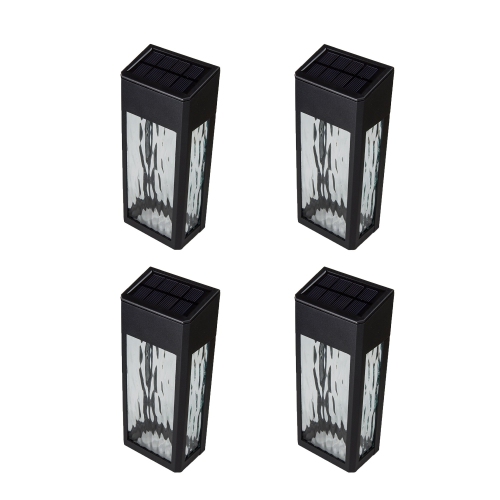 Your price for this item is $73.99
 -
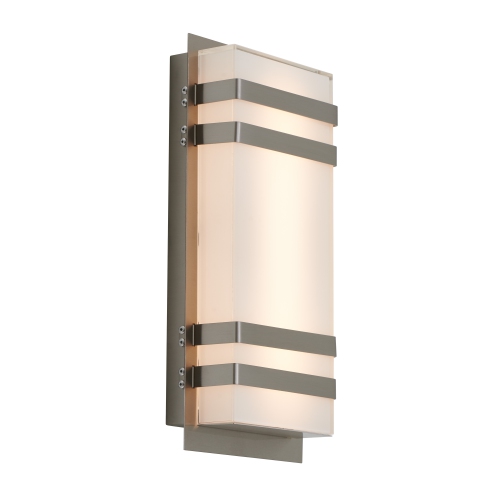 Your price for this item is $69.99
 -
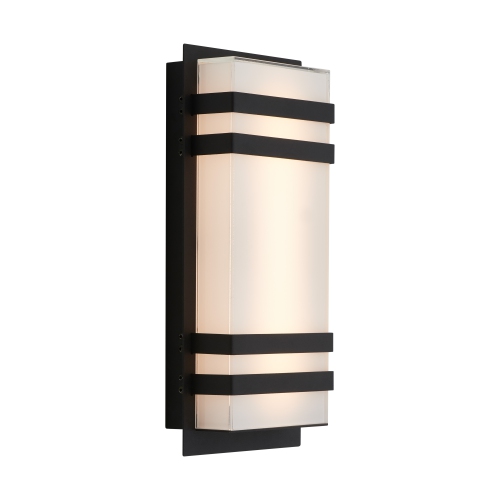 Your price for this item is $59.99
 -
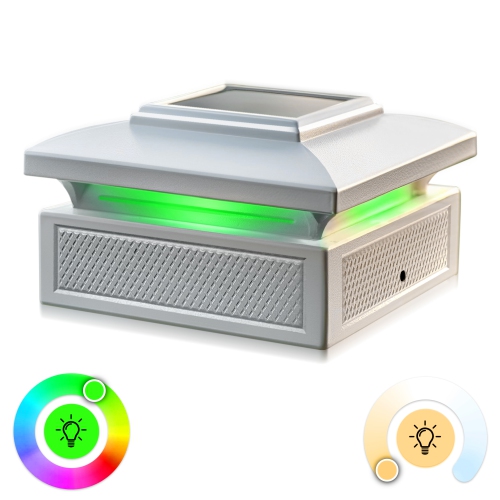 Your price for this item is $99.99
 -
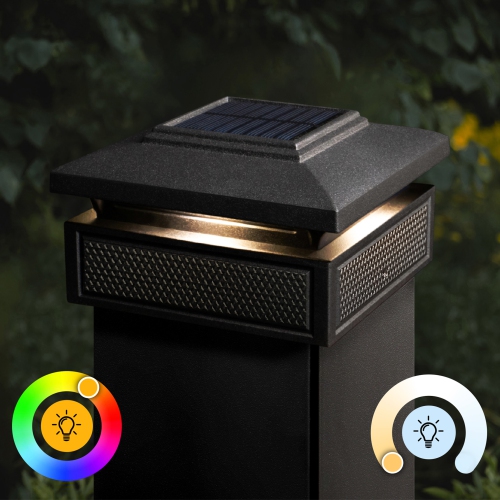 Your price for this item is $99.99
 -
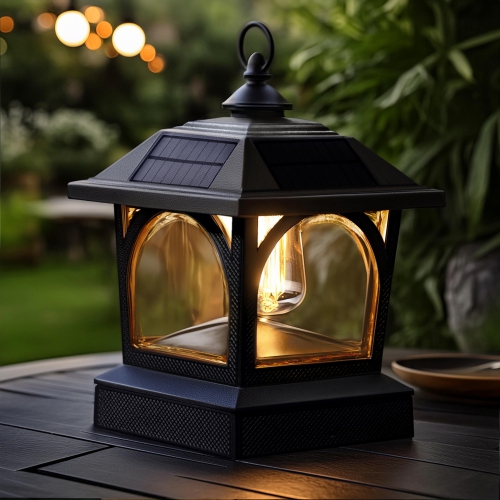 Your price for this item is $99.99
 -
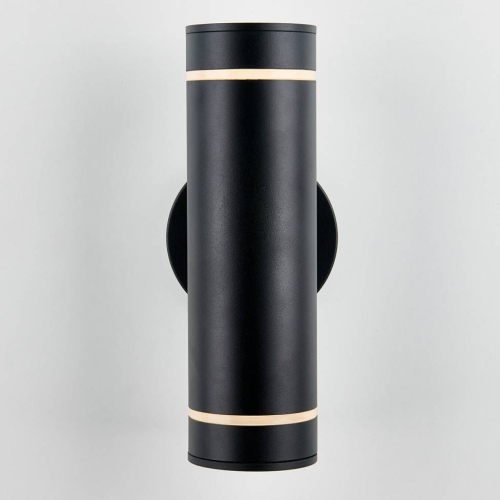 Your price for this item is $99
Discover more categories related to Pathway Lights
Top Collections:
Pokemon Centers, Kindle Devices, Best Budget Office Chairs, Apple iPhones 16, Best Laptops for Writers, iPhone 15 Apple, Canon G7X Cameras, Refurbished Apple Laptops, Alarm Clock, Motorola Razr Phones
Some products may be subject to Environmental Handling Fees
(EHF) depending on your province.
Learn more about EHFs.