Patio Accessories
Enhance your outdoor oasis with our curated selection of patio accessories designed to elevate your al fresco experience. From stylish umbrellas and cozy outdoor rugs to sleek fire pits and durable furniture covers, we have everything you need to create a functional and inviting outdoor space. Whether you're hosting a summer BBQ or simply enjoying a quiet evening under the stars, these top-quality patio accessories are sure to add both style and functionality to your outdoor living area. Browse our collection now and transform your patio into a true extension of your home.
Sort
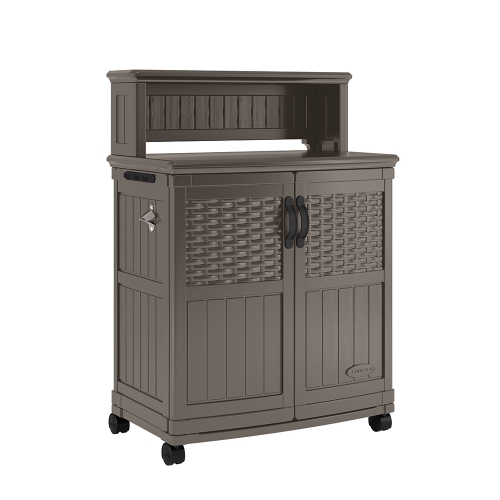


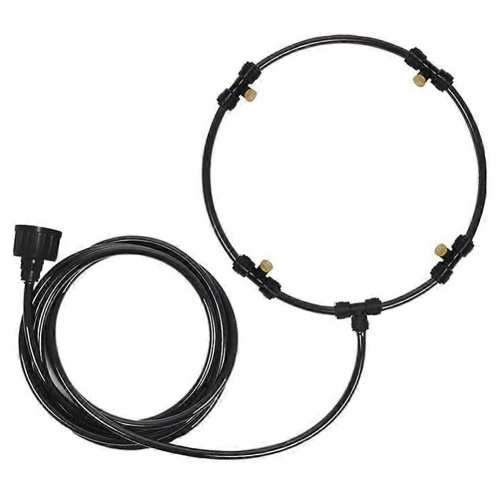

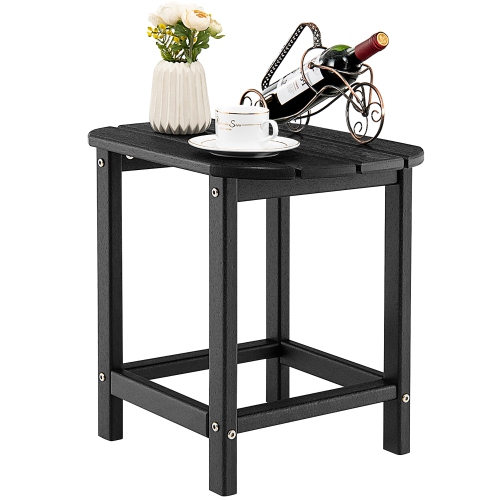


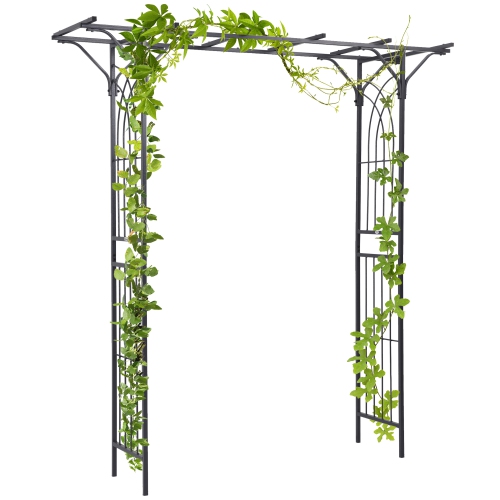
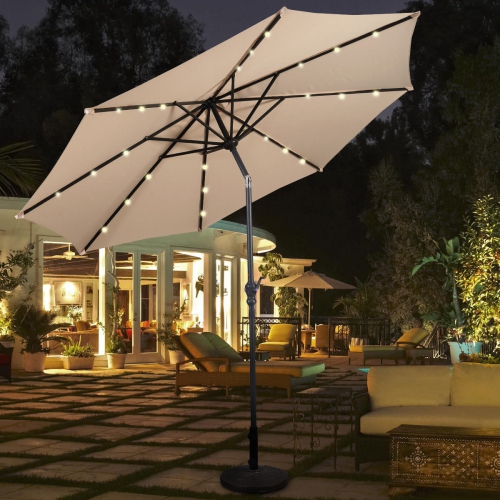

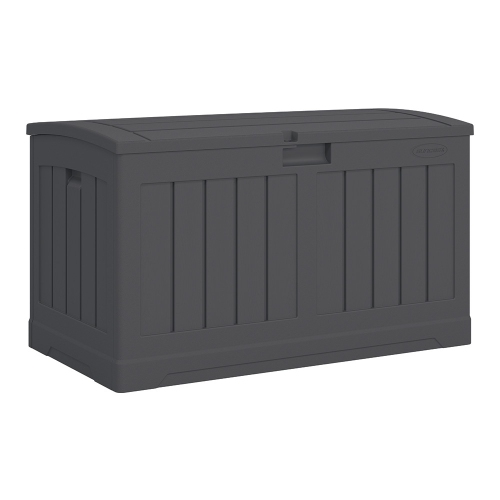
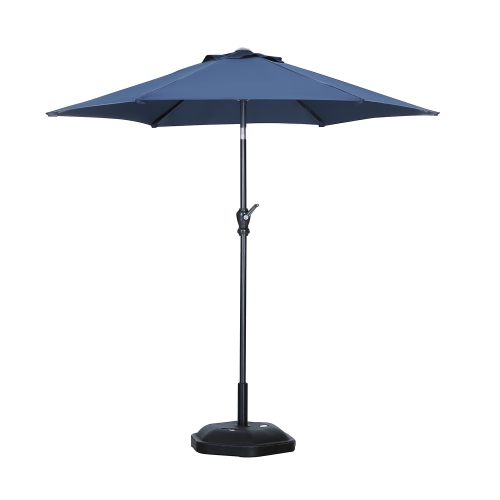
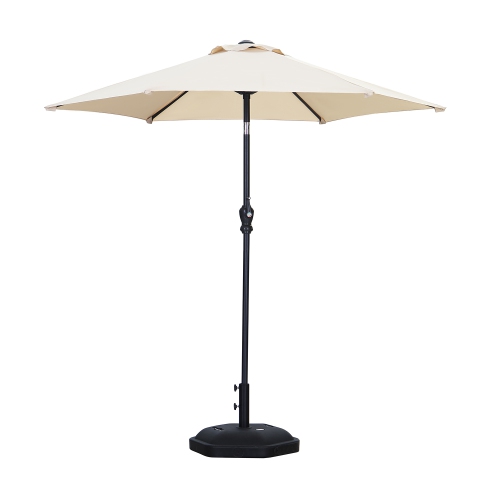

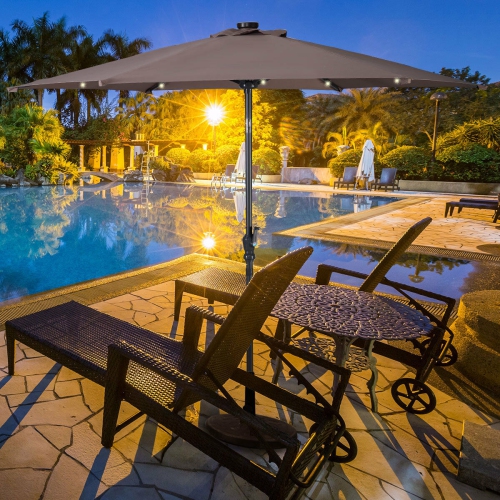

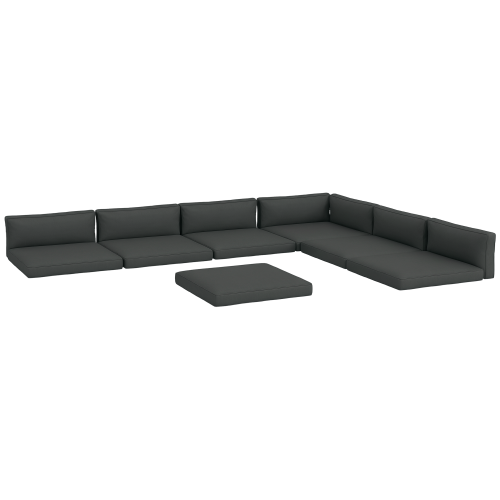
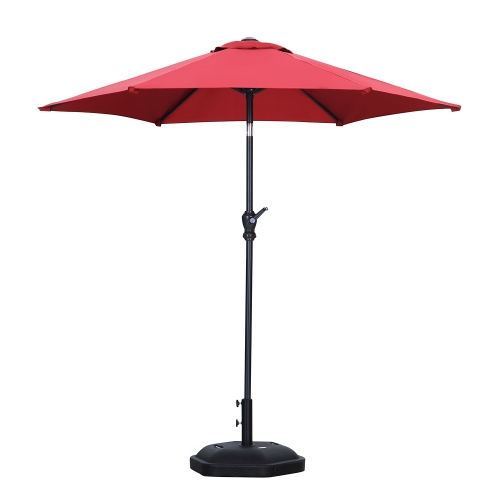
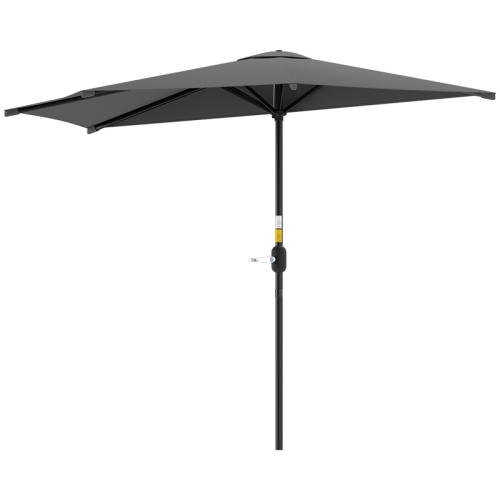
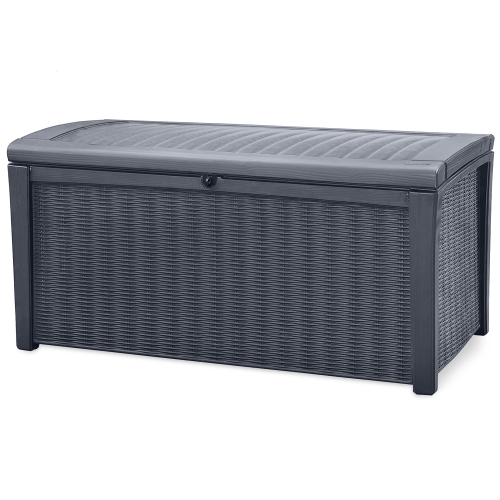
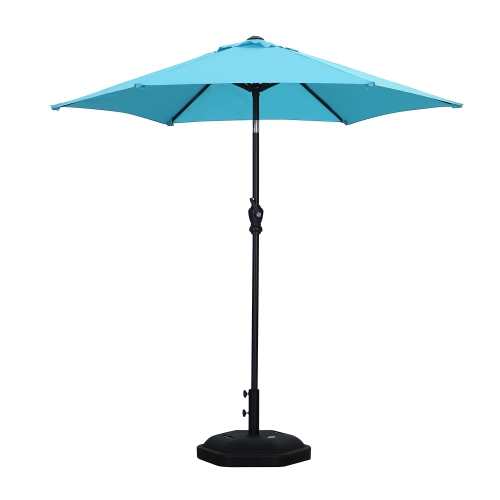


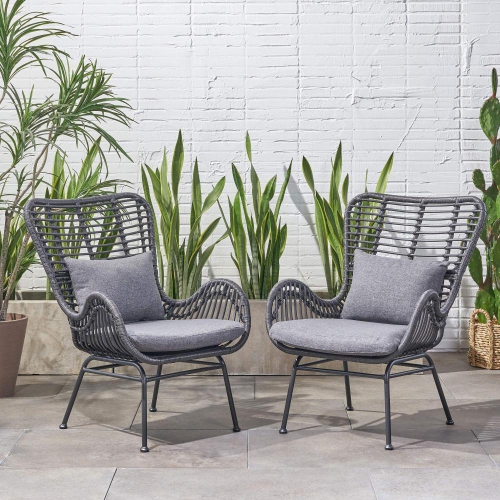

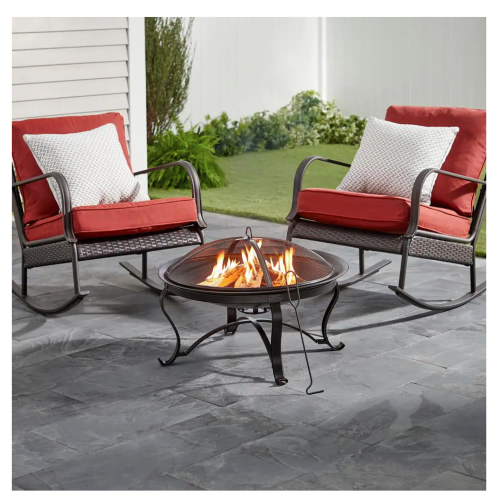
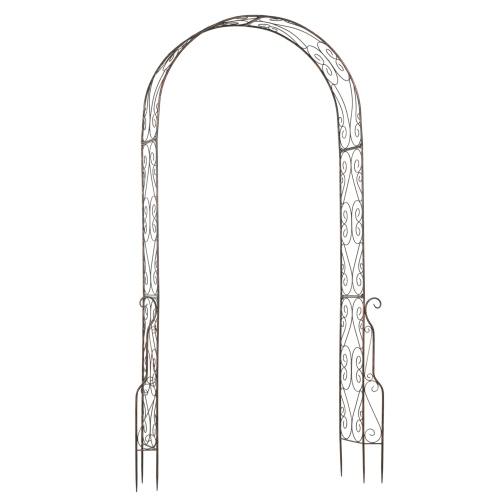
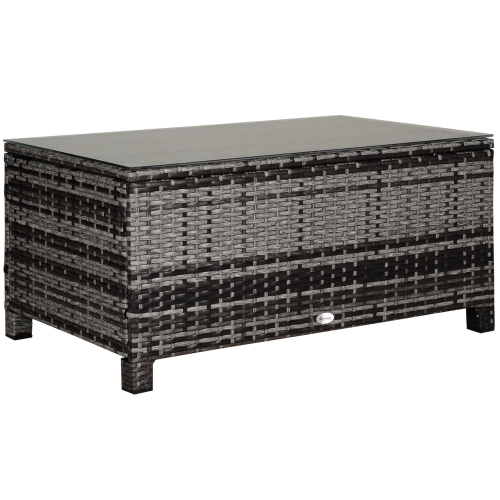
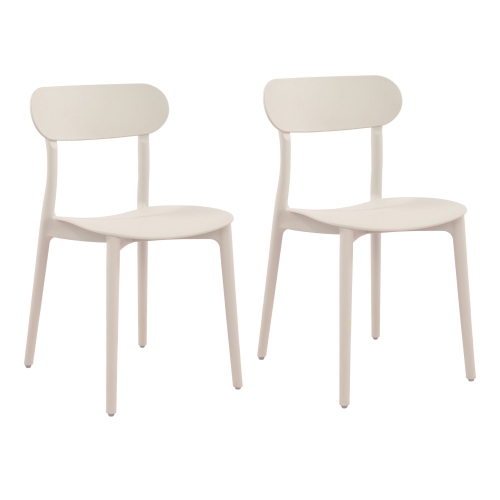
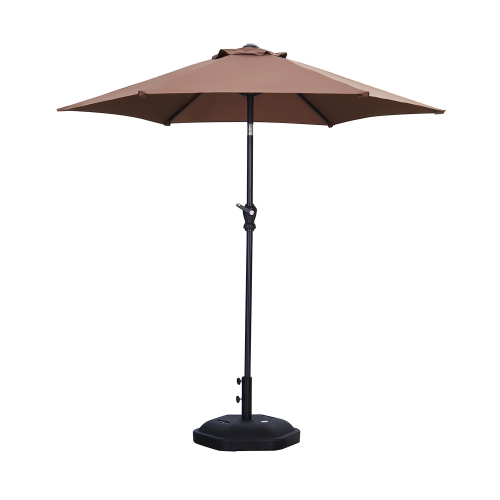



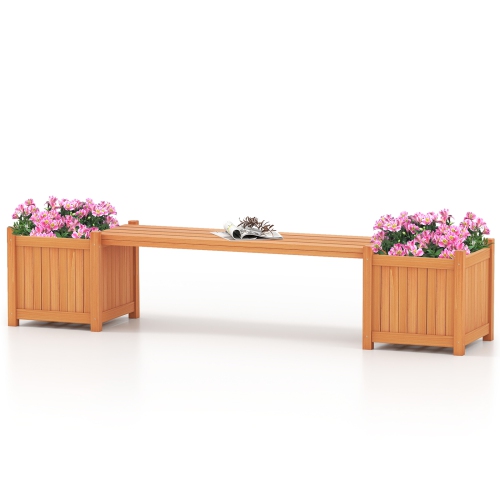


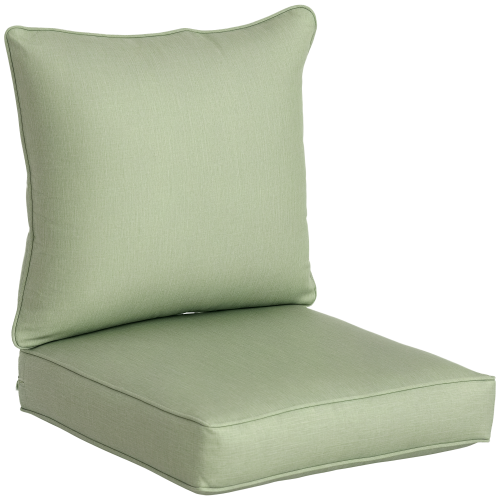


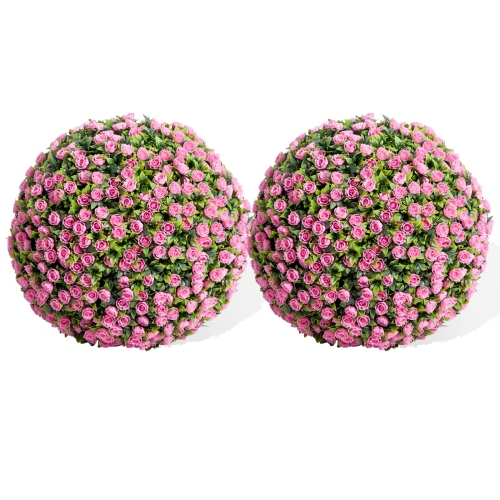
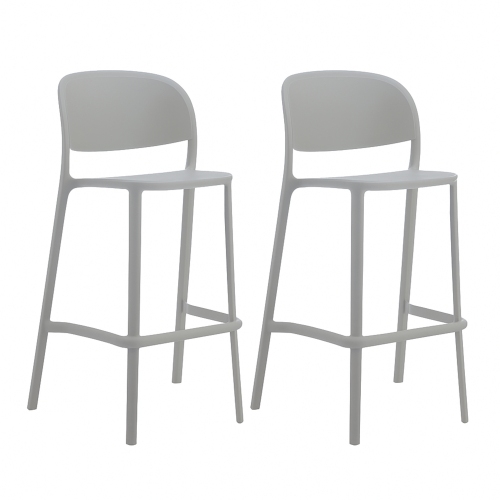


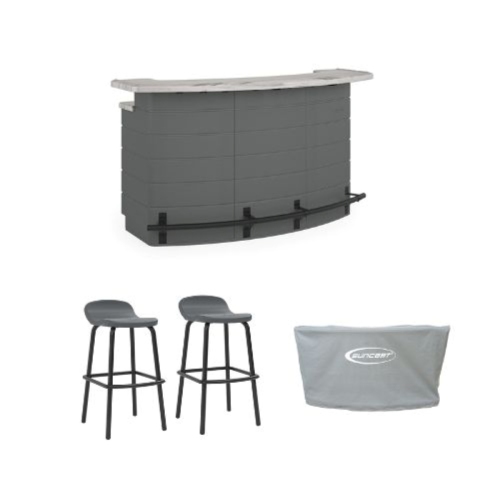
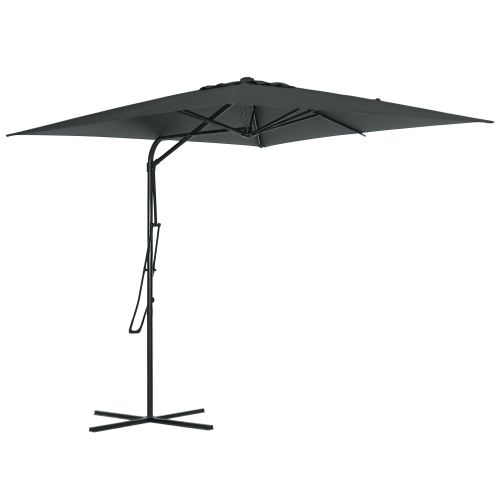
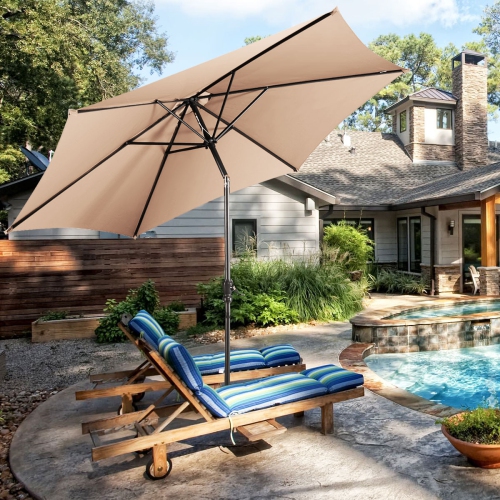
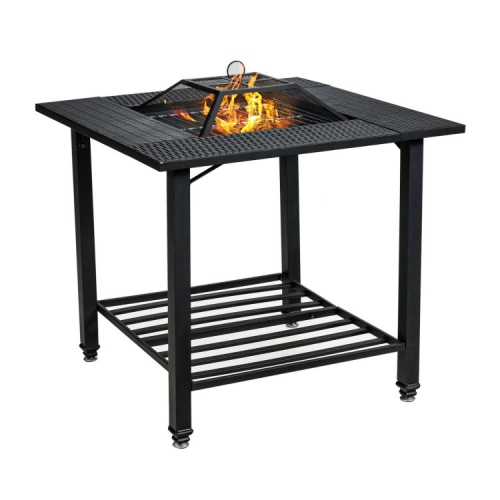


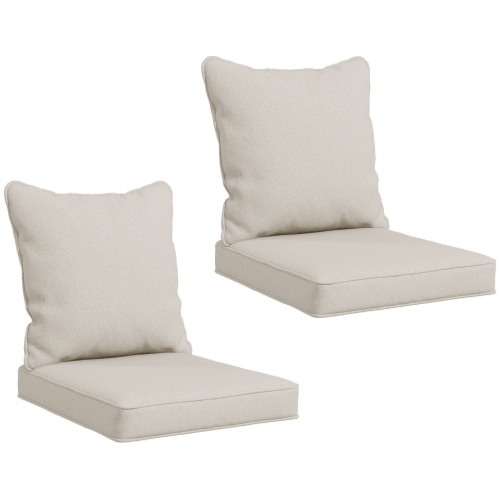


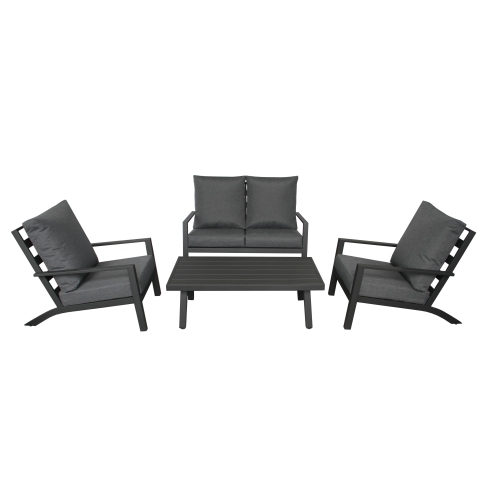


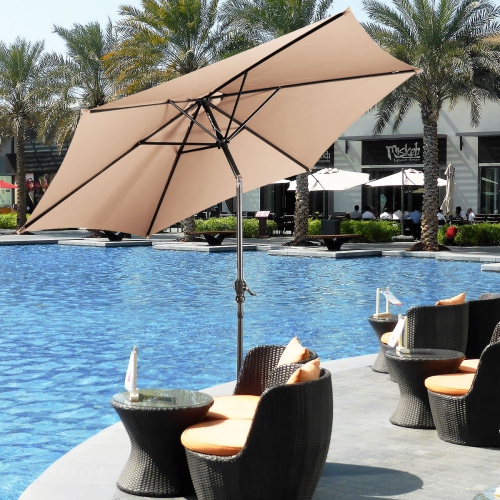
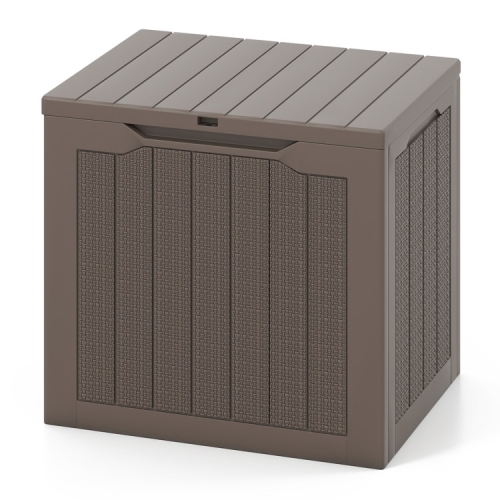
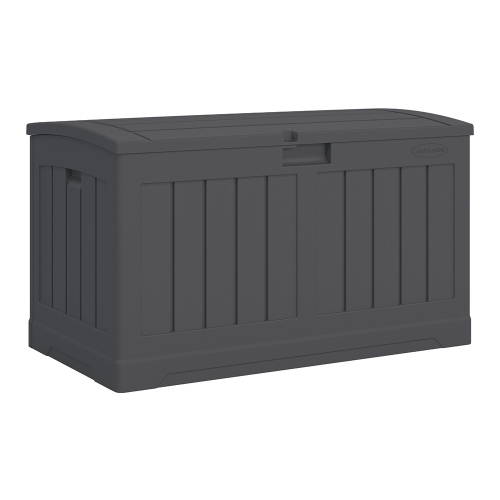


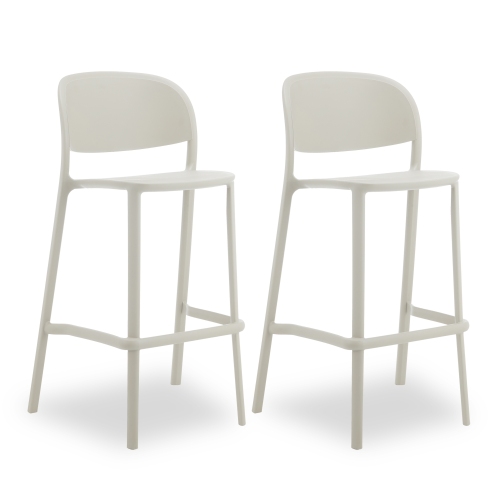
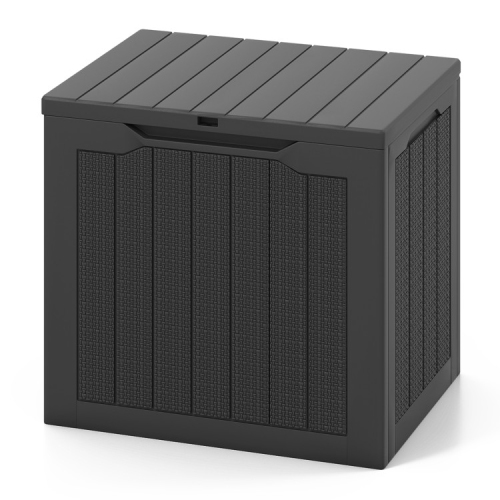


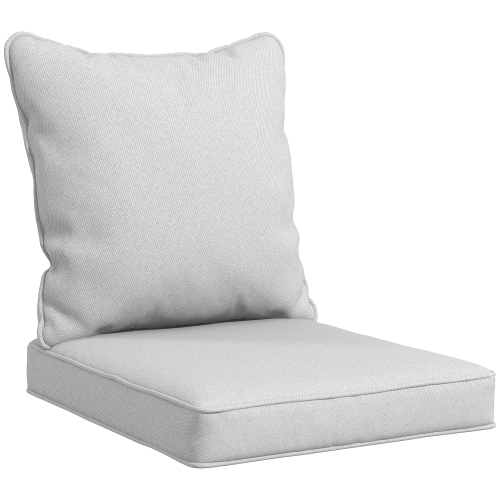

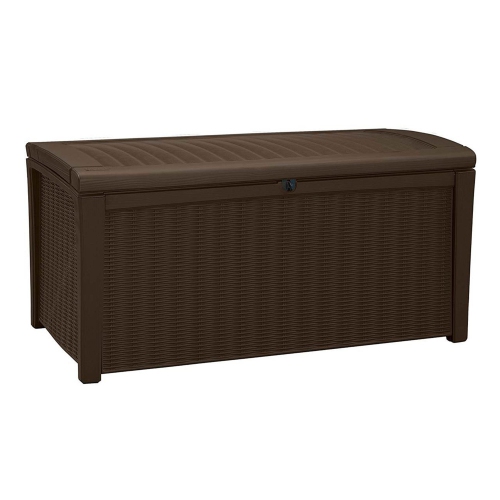


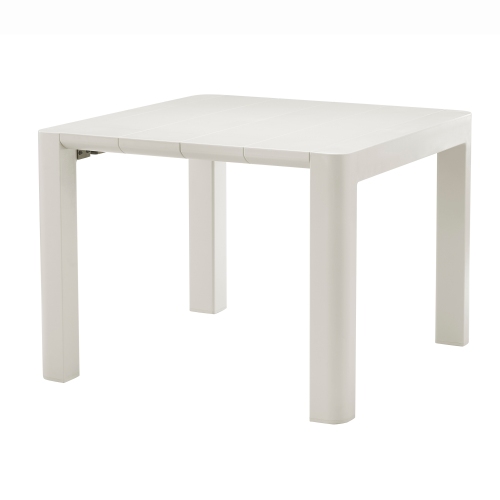

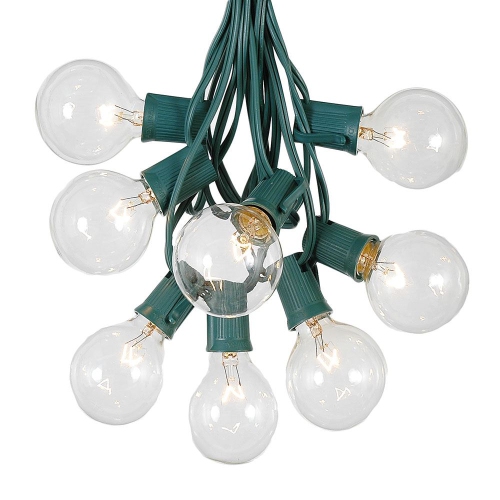
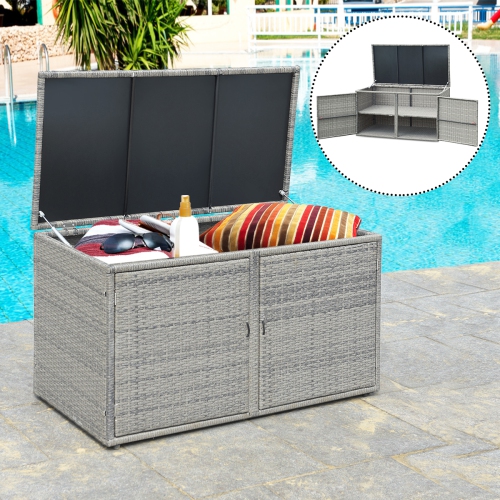
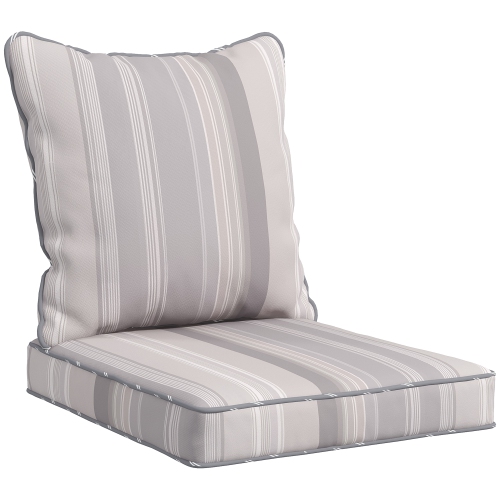


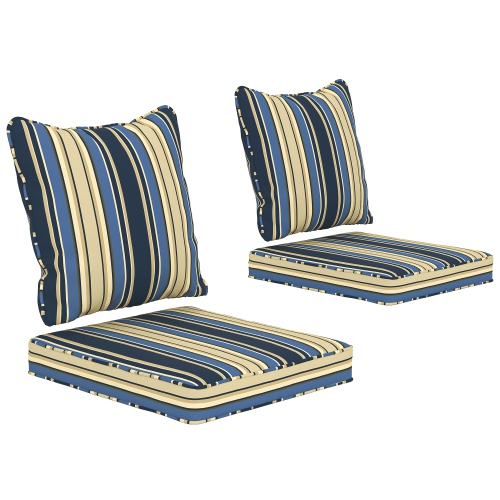
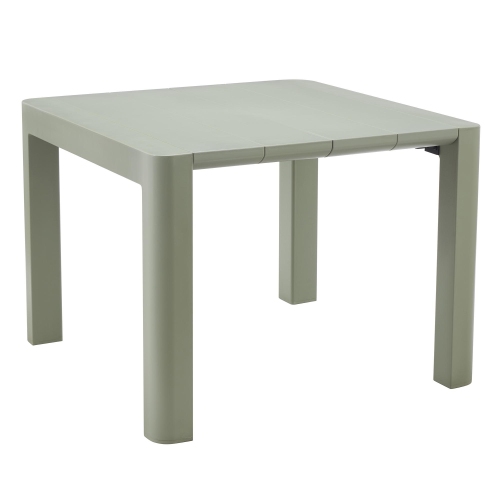

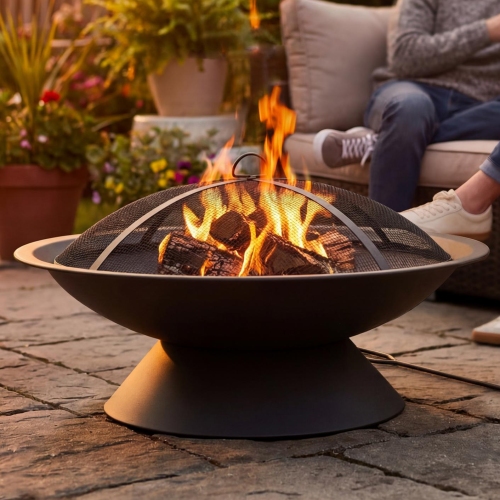

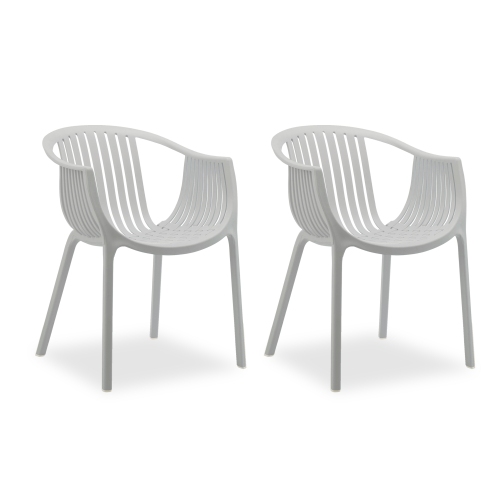
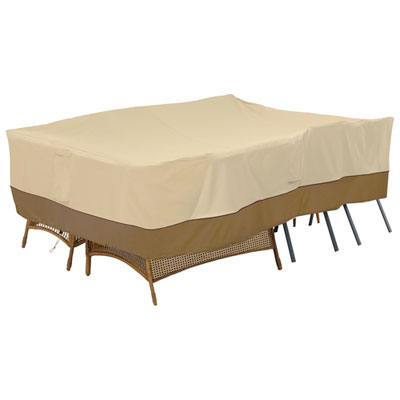

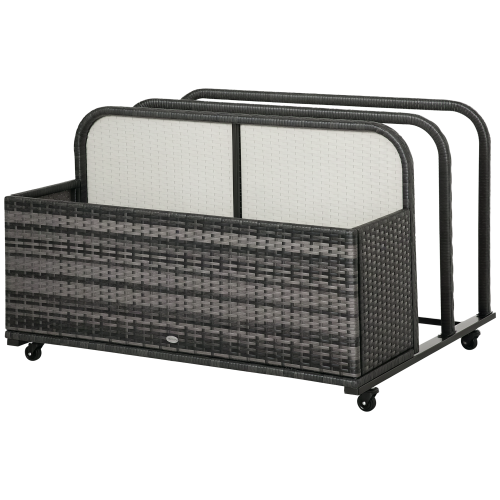

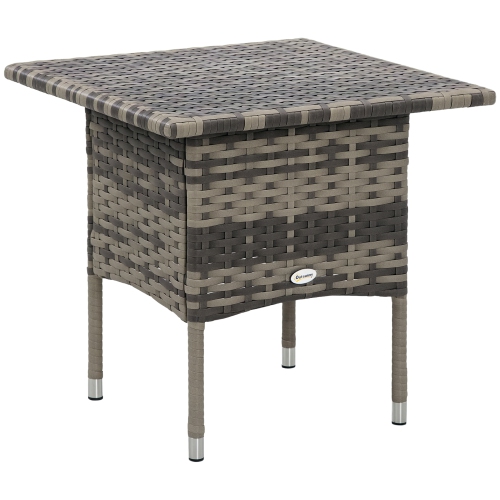




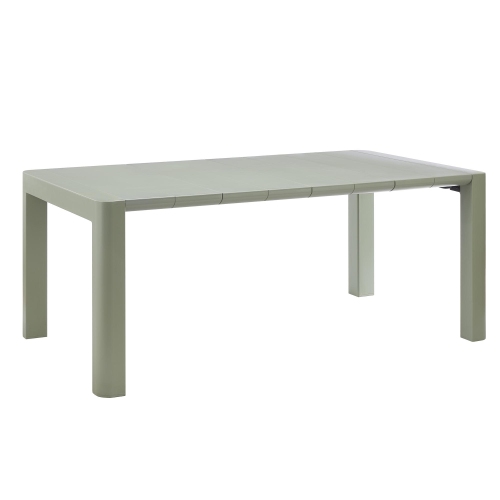


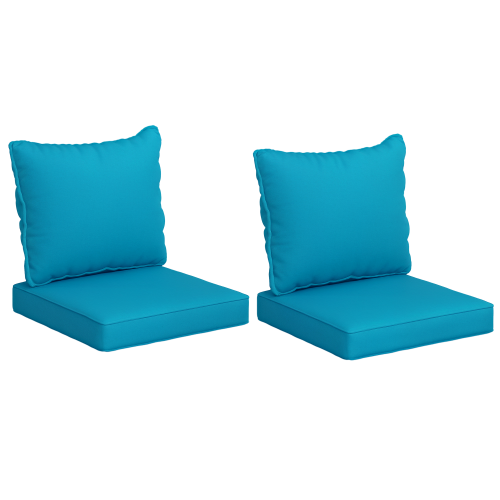
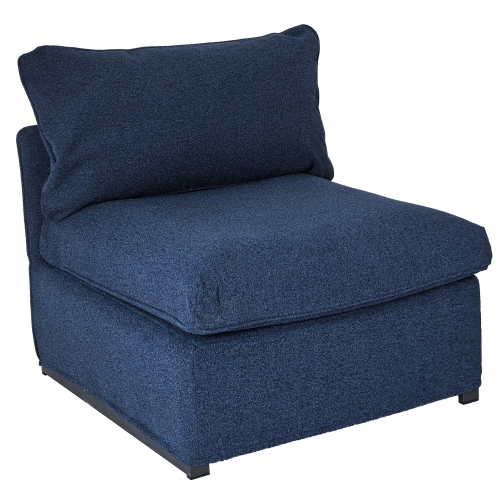


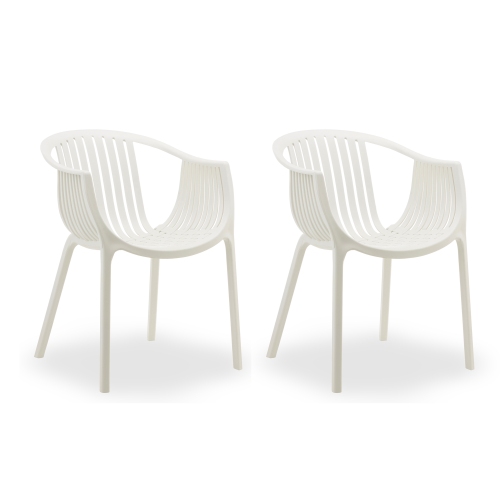


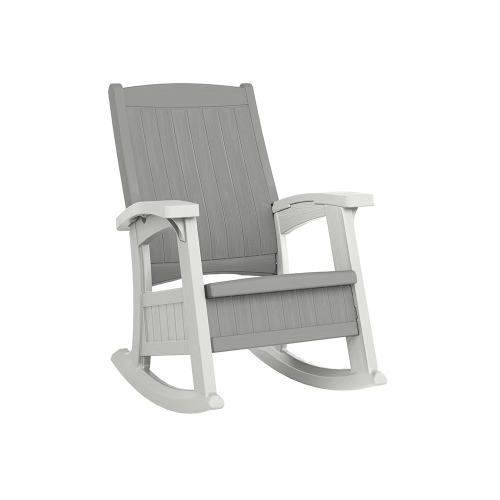
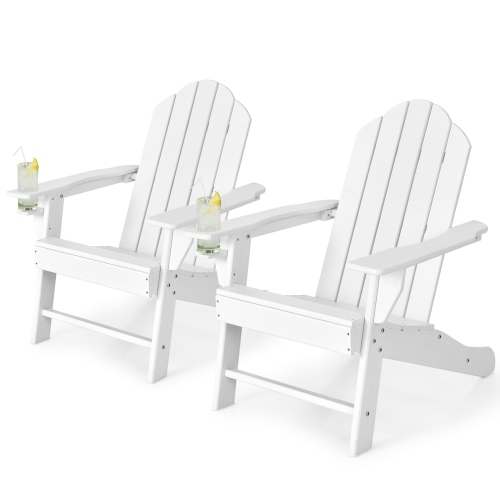

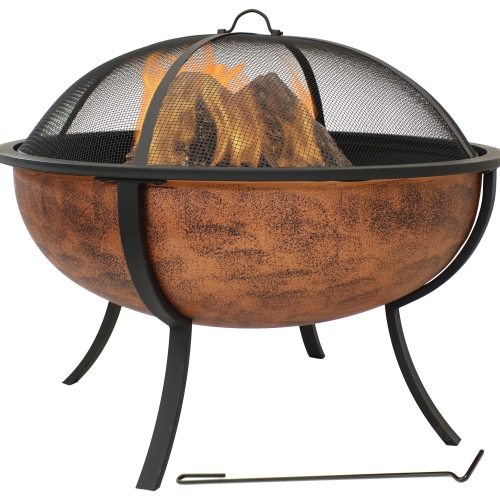

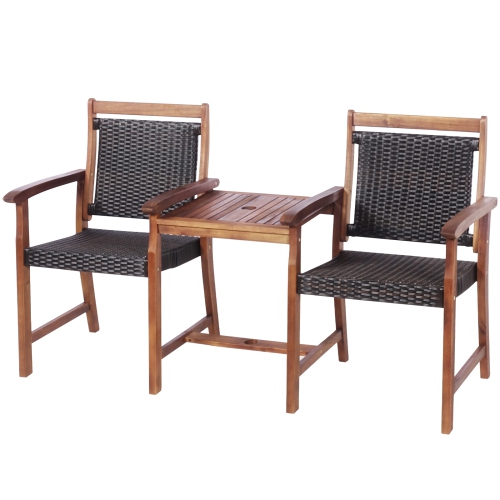


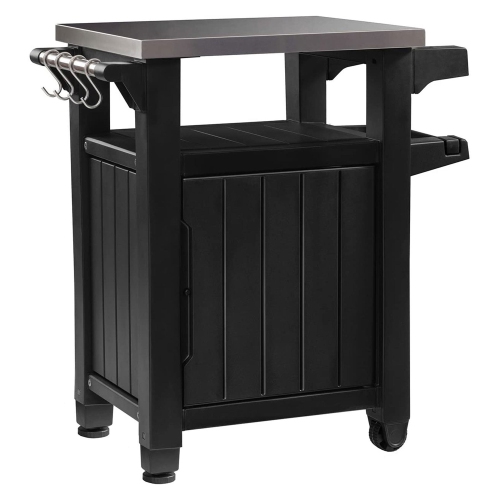
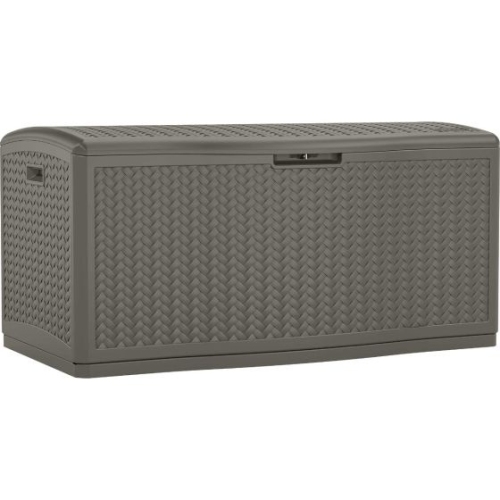
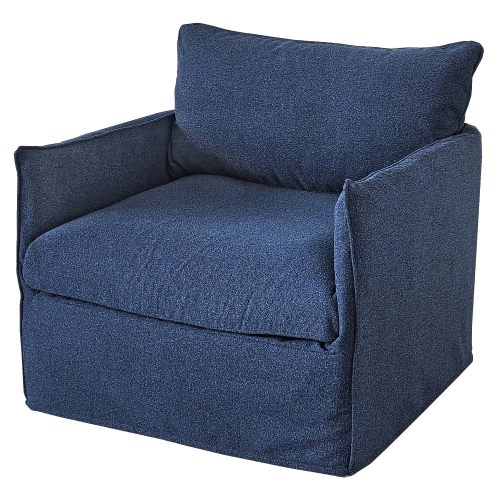


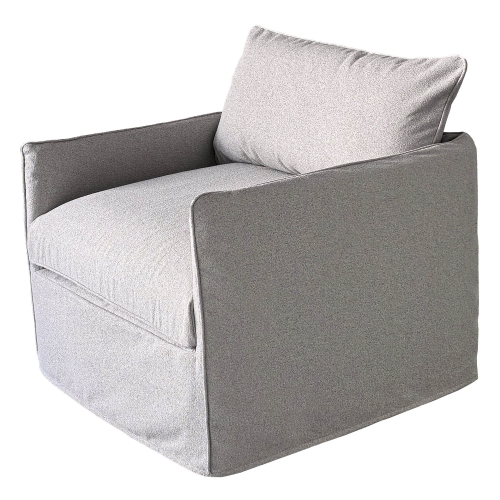

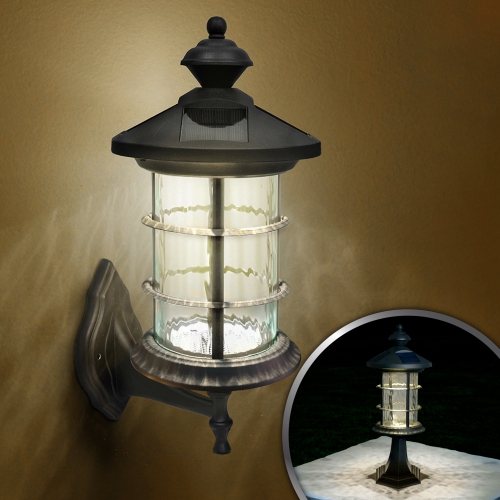

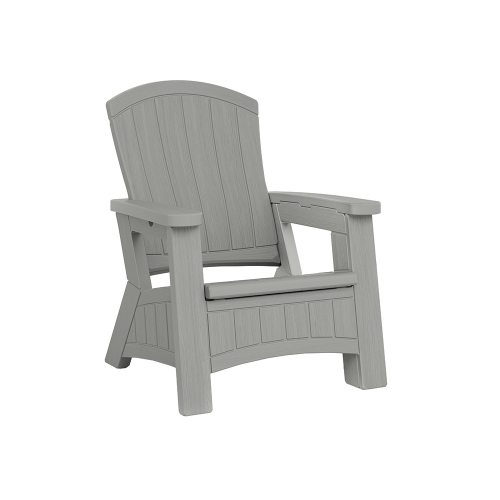


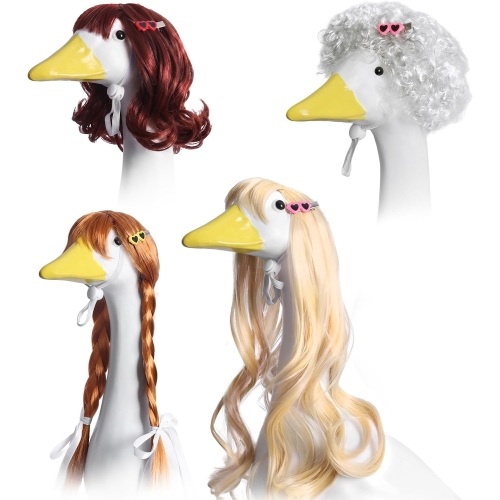
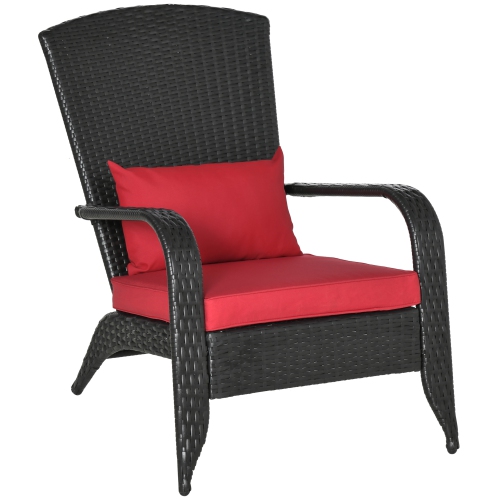


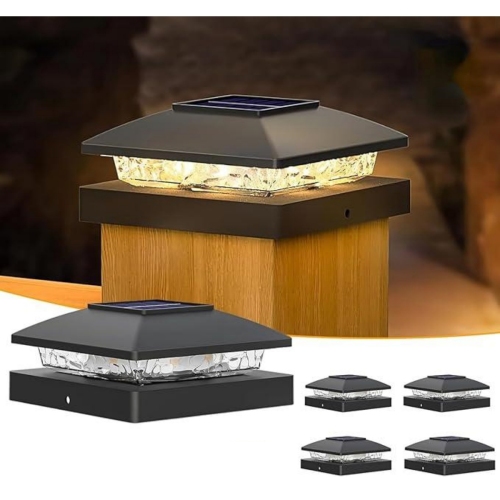


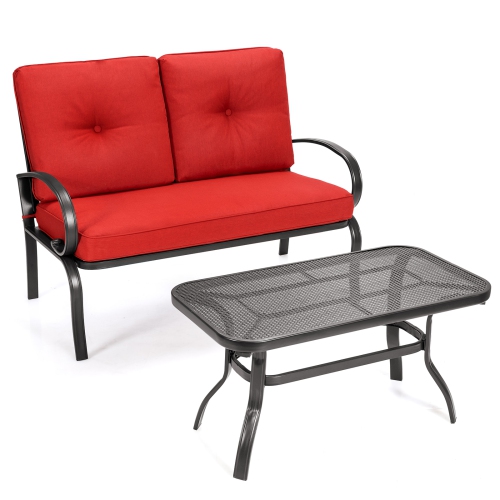

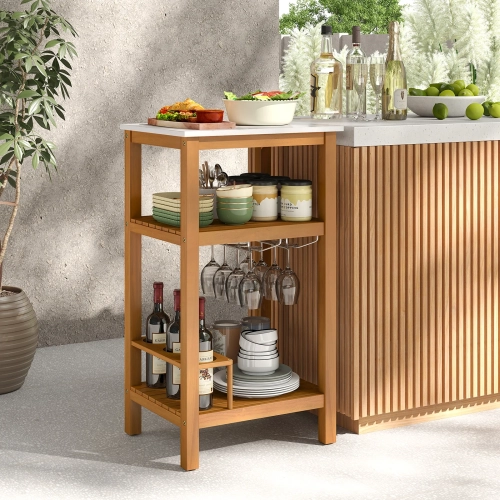
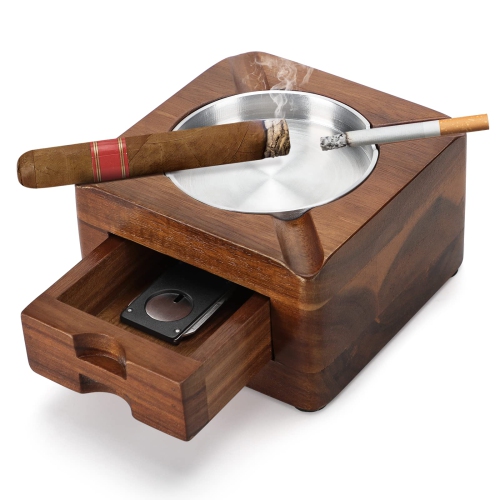
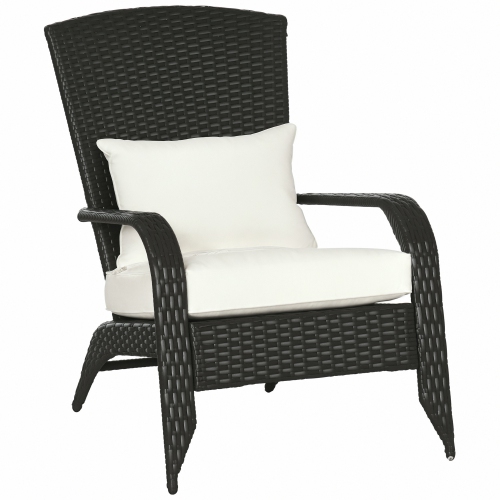

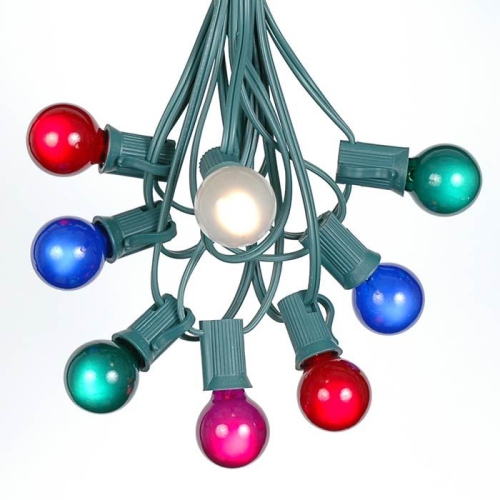
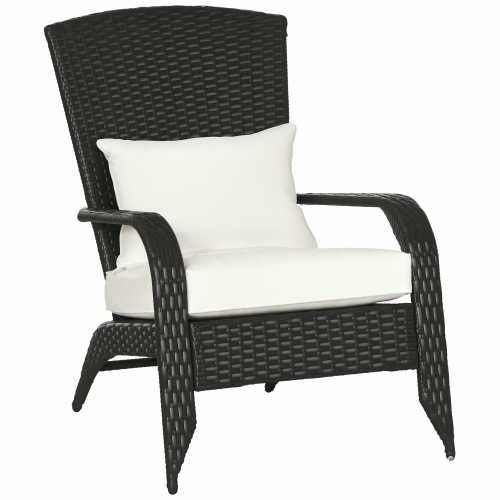


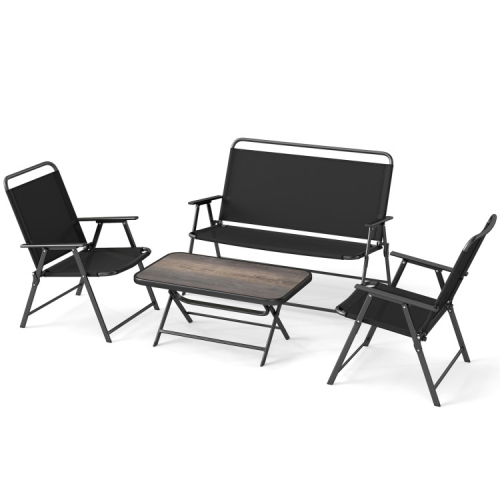


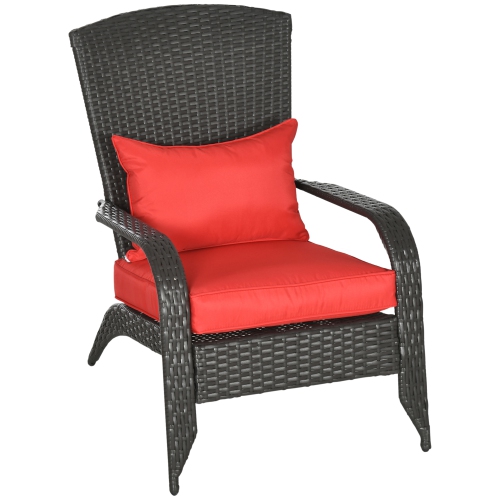


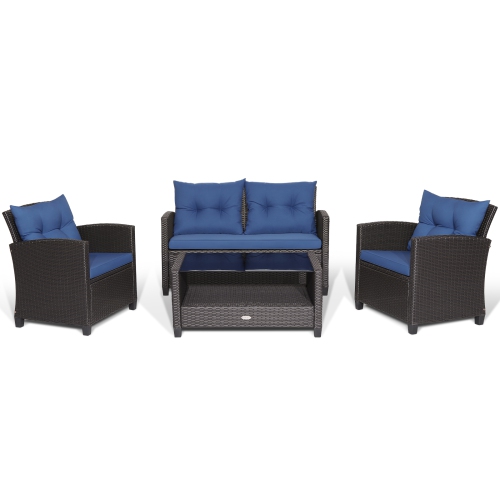

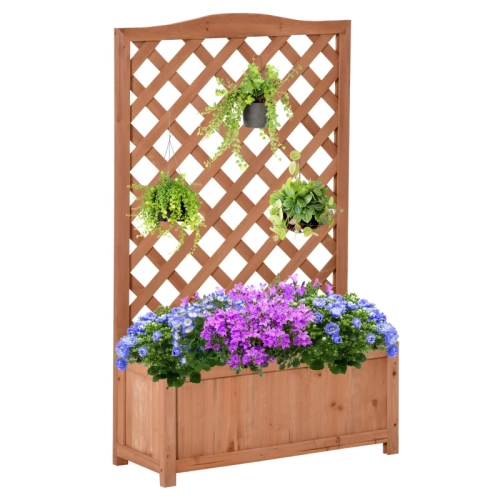
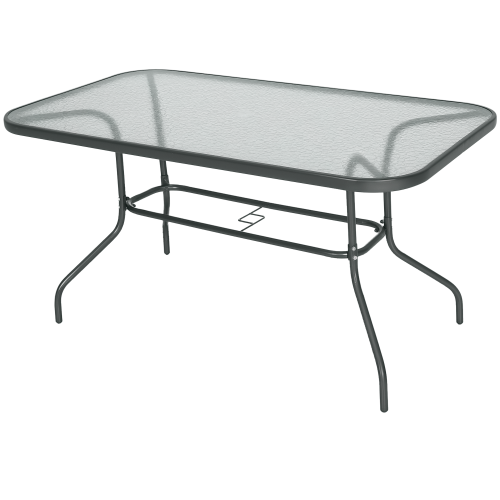

Better patio comfort starts with fit and placement
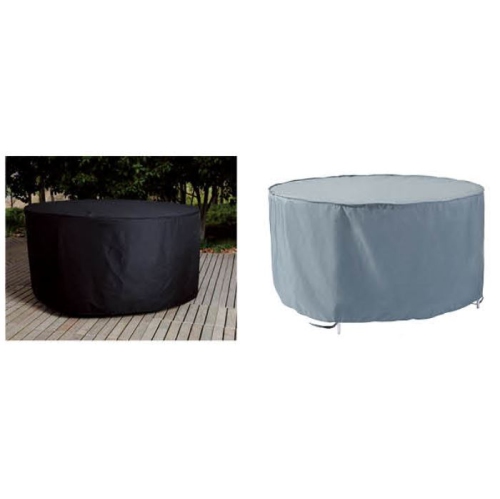
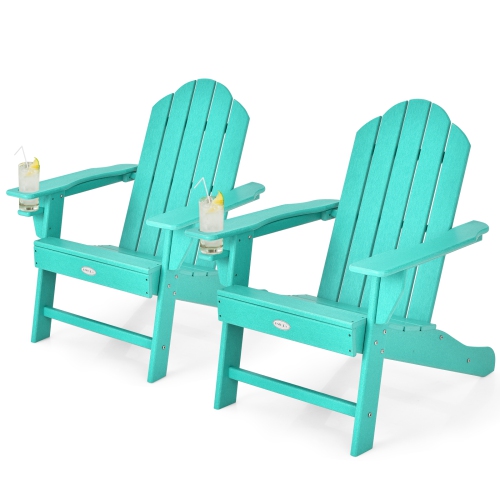
Patio accessories bring comfort, shade, lighting and practical organization to outdoor seating and dining areas. The category includes outdoor cushions, rugs, umbrellas, furniture covers, lighting, planters, storage and heating accessories, each serving a different purpose around a deck, terrace or paved patio. A cushion can make a firm dining chair more comfortable, while an outdoor rug can define the space around a conversation set and soften the feel underfoot. An umbrella helps shade a table or reading spot, and well-placed lighting makes steps, serving surfaces and seating easier to see after dark. The most useful additions suit both the space and the way it gets used. A patio that hosts family meals benefits from washable fabrics, stable serving surfaces and storage close to the table. A quiet corner for reading may need little more than a supportive cushion, adjustable shade and somewhere to set a drink. Before choosing accessories, measure the usable area with chairs pulled out and doors fully open, rather than relying on the patio’s overall dimensions. Leave clear routes between the entrance, seating and any cooking area, and allow enough room to move around umbrella bases or storage containers. For cushions, compare seat width, depth and back height, along with the placement of ties or fastening straps. Cushions that extend beyond the seat can shift or interfere with armrests. Rug dimensions also affect the layout: a rug beneath a dining table should accommodate chairs when they are pulled back, without creating a raised edge across a busy walkway. Umbrella fit involves more than canopy width. Pole diameter, table openings, base requirements and clearance above nearby railings all matter. A centre-pole umbrella works well with a compatible dining table, while an offset design can shade lounge seating without placing a pole in the middle of the arrangement. Its support still needs sufficient space and the weight specified by the manufacturer.
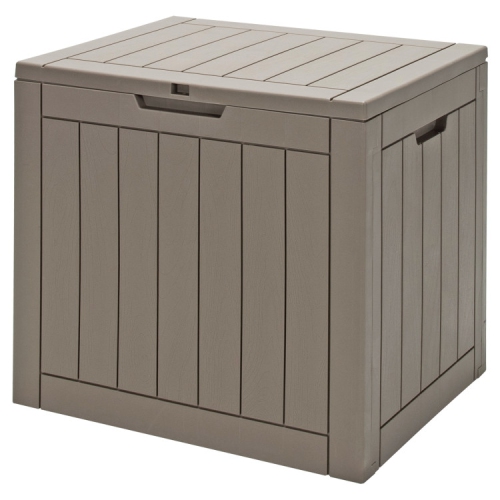
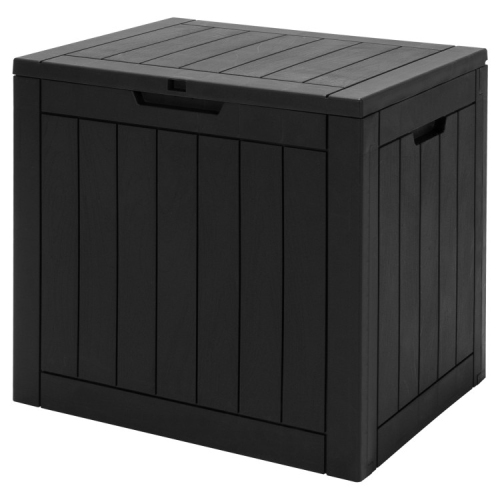
Materials make a noticeable difference to how patio accessories feel, wear and need to be cared for. Outdoor textiles should be chosen for their stated use, with attention to resistance to moisture, fading and staining rather than appearance alone. Solution-dyed acrylic and polyester are common options for cushions and shade fabrics, although performance varies by construction and finish. Removable covers can simplify cleaning, but a removable cover is not necessarily machine washable; the care label determines the appropriate method. Cushion filling matters as well, particularly where seating is exposed to rain. Quick-drying construction can help, but cushions still need airflow and should be thoroughly dry before being packed away. Polypropylene is commonly used in outdoor rugs because it absorbs little moisture and can be straightforward to clean. The backing is just as important as the surface, especially on wood decking, where trapped moisture may affect the finish. Check that the rug is suitable for the surface beneath it, lift it periodically and let both sides dry. For frames, bases and storage, powder-coated steel offers strength, while aluminium is generally lighter and resists rust. Steel coatings need attention if scratched, and metal fasteners can require occasional checks for loosening or corrosion. Resin storage can be easy to wipe clean, though lid supports, hinges and the stated weight capacity deserve a closer look when the container may also serve as seating. Wood adds texture and warmth, with maintenance needs that depend on the species and finish. Furniture covers should match the dimensions and shape of what they protect, including armrests and tall chair backs, with secure fastenings and ventilation suited to the design. Water-resistant fabric helps shed moisture but does not make every seam or opening watertight. Brushing off debris, cleaning spills promptly and storing accessories clean and dry can help preserve their finish and function. Gentle soap may suit some materials, while bleach, abrasive tools or pressure washing can damage others.
Lighting, shade and heating accessories work best when their placement supports everyday activities without crowding the patio. A soft glow beside seating can make conversation comfortable, while a more directed light helps at a serving table or entrance. Use lighting rated for its intended outdoor exposure, and check whether it needs a power outlet, replaceable batteries or access to sunlight for charging. Keep cords away from walking routes and protect connections according to the manufacturer’s instructions. Shade needs similar planning: consider where sunlight falls during the times the patio is used, and whether the canopy can be adjusted without striking a wall or railing. Umbrellas should be closed and secured when conditions exceed their rated limits, and a table should not be treated as a substitute for the required base. Where added warmth is part of the setup, patio heaters and fire pits need particular attention to placement, clearances and permitted use. Follow the manufacturer’s requirements for overhead space, distance from furniture and suitable supporting surfaces. Fuel-burning equipment must not be used indoors or in enclosed spaces, and local bylaws, building rules or condominium restrictions may limit its use. Children and pets also influence accessory choices: stable bases, secure storage lids and layouts that keep hot surfaces away from play areas can make a meaningful difference. For compact outdoor spaces, Balcony Accessories can help focus the search on additions that suit a smaller footprint, with building rules and railing clearance still guiding the choice. Colour and texture offer a finishing touch without requiring every piece to match. Repeating one cushion colour in a rug or planter can connect the seating area, while contrasting textures keep a coordinated arrangement from feeling flat. Patio accessories can also make thoughtful housewarming gifts for someone who enjoys outdoor meals or tending a container garden. When exact dimensions or electrical requirements are unknown, easy-care accents are generally simpler to choose than fitted covers, replacement cushions or powered equipment.
Top selling and popular products
-
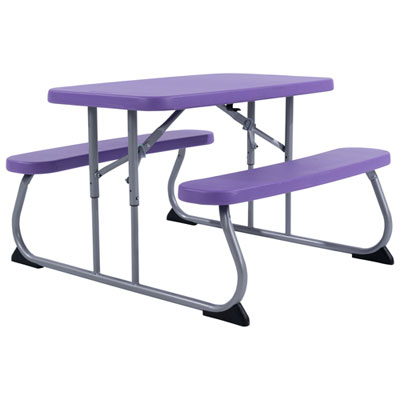 Your price for this item is $123.98
-
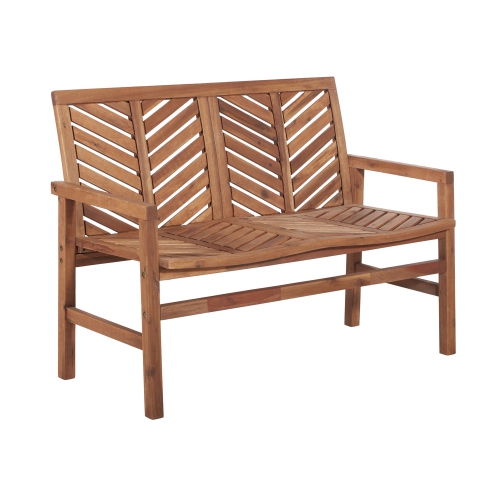 Your price for this item is $482.34
-
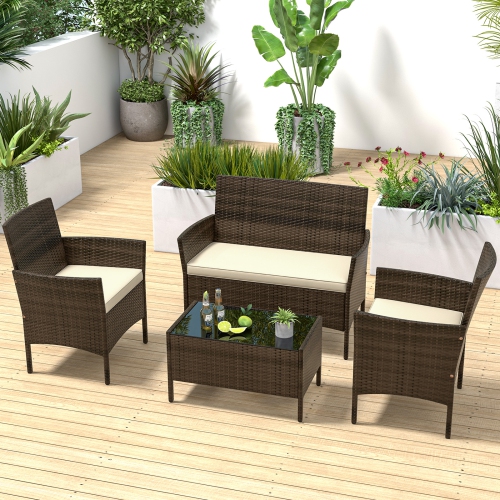 Your price for this item is $246.99
-
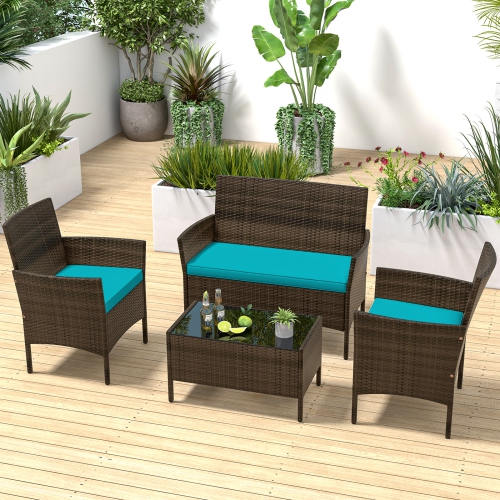 Your price for this item is $236.99
-
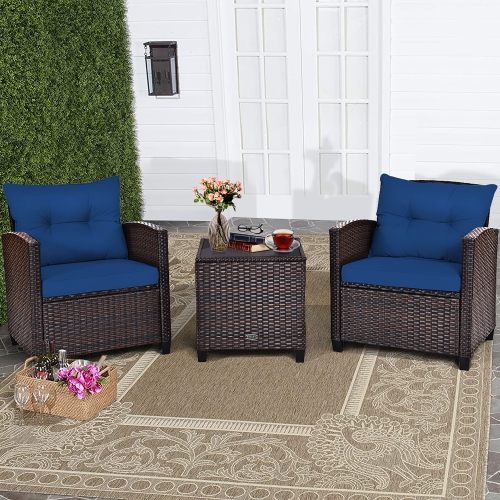 Your price for this item is $229.99
-
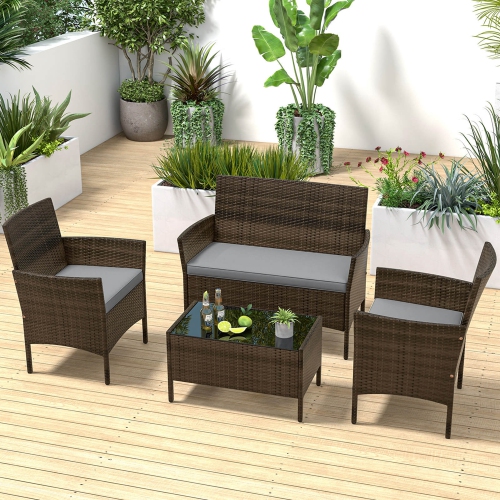 Your price for this item is $236.99
-
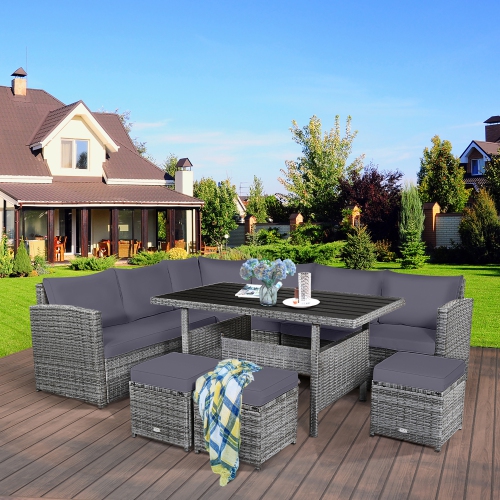 Your price for this item is $899.99
-
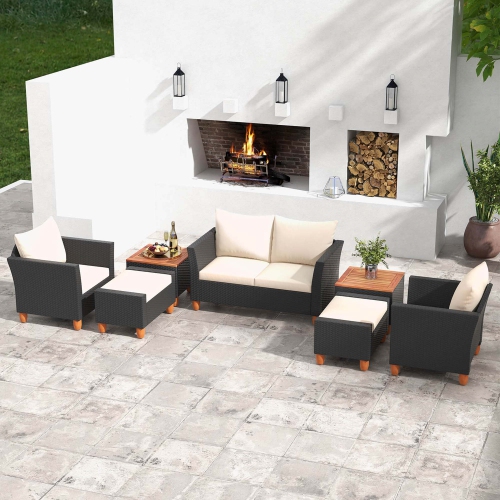 Your price for this item is $599.99
Discover more categories related to Patio Accessories



Top Collections:
Pokemon Centers, Kindle Devices, Best Cameras for Sports Photography, Pokémon 30th Celebration Cards, Apple iPhones 16, Canon G7X Cameras, iPhone 15 Apple, Flip Phones, Samsung Galaxy Phones, Alarm Clock
Some products may be subject to Environmental Handling Fees
(EHF) depending on your province.
Learn more about EHFs.