Patio Chair Covers
Protect your outdoor investment with our selection of high-quality patio chair covers. Designed to shield your patio chairs from the elements, these covers are durable, weather-resistant, and easy to use. Keep your outdoor furniture looking its best year-round with these essential protective covers.
Sort


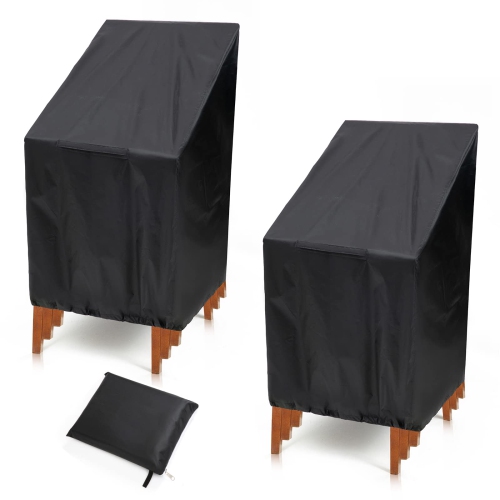
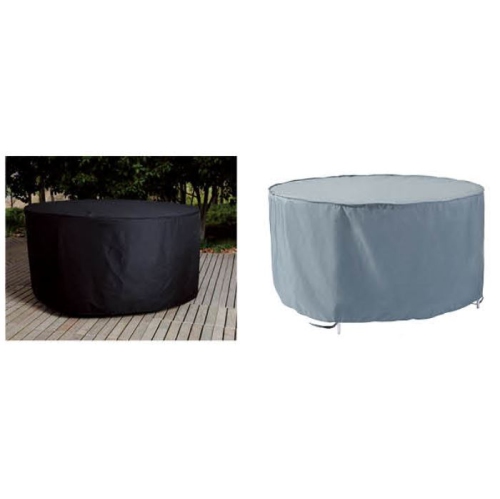
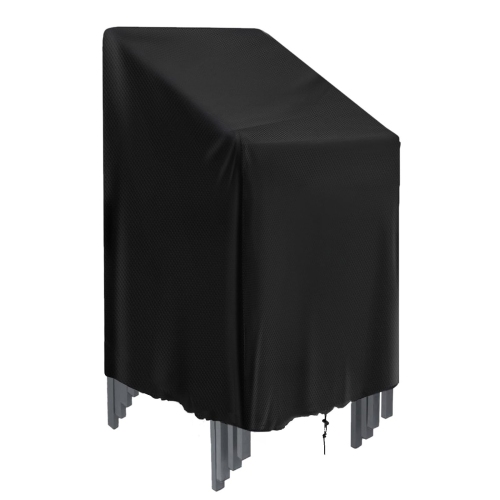

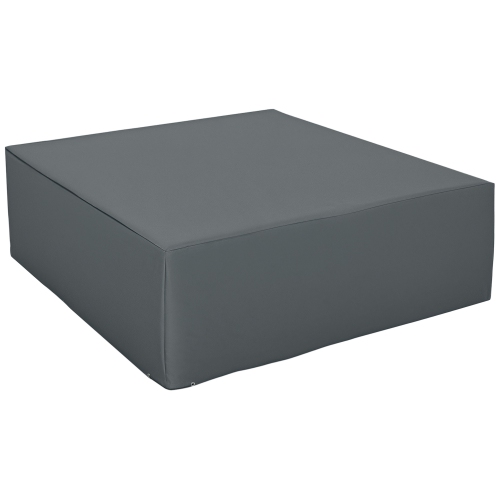




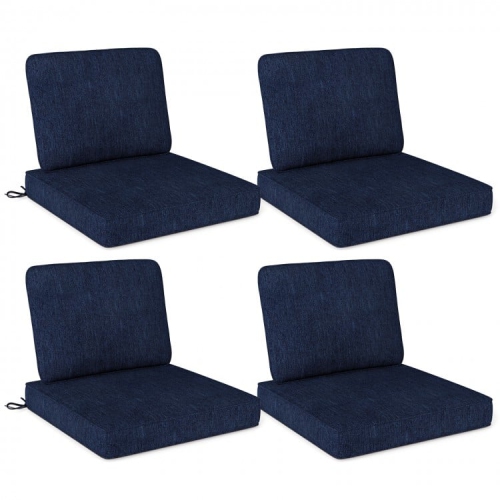
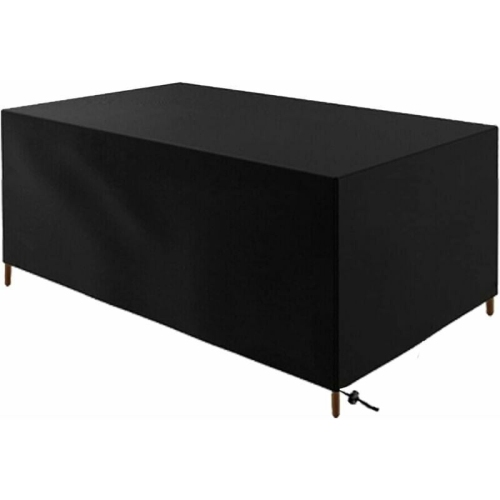

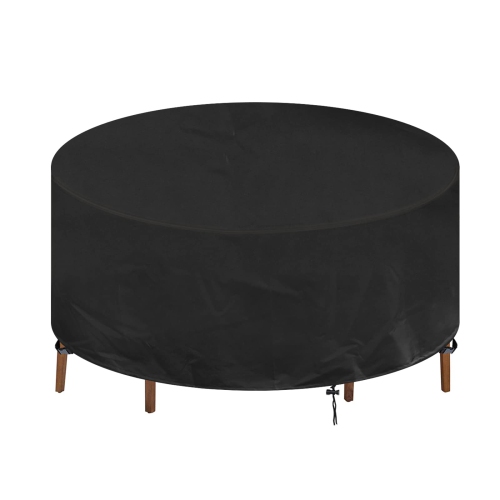


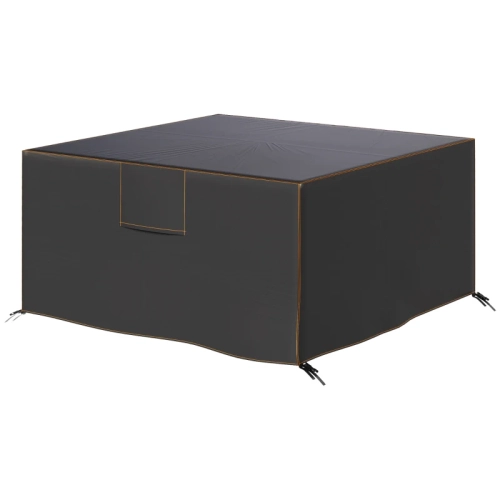





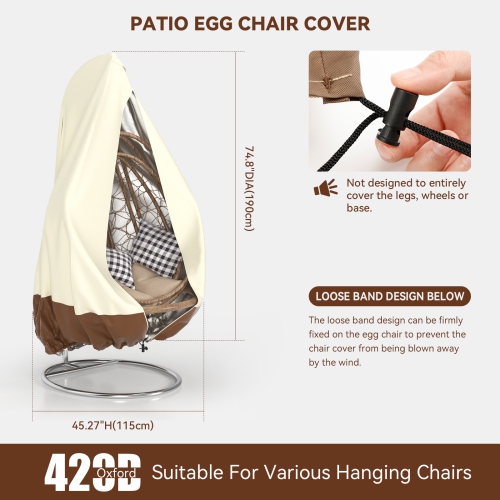
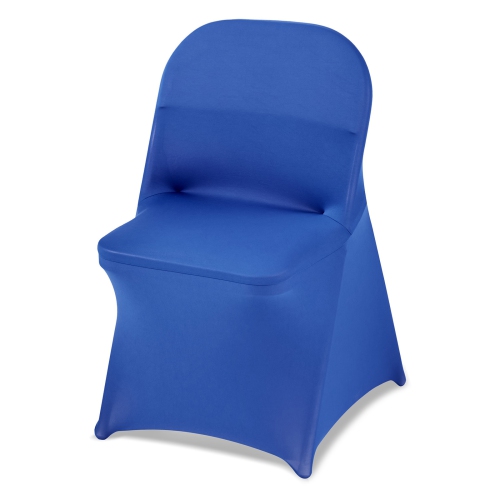

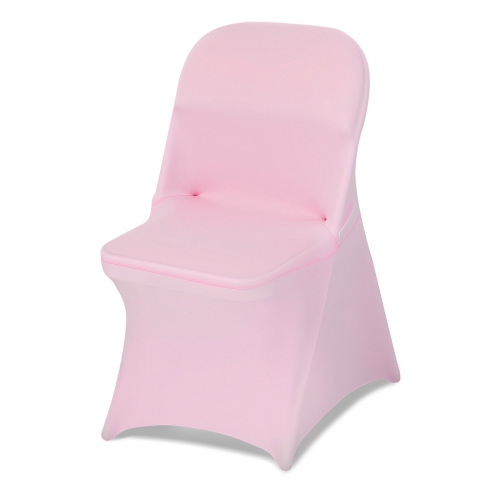
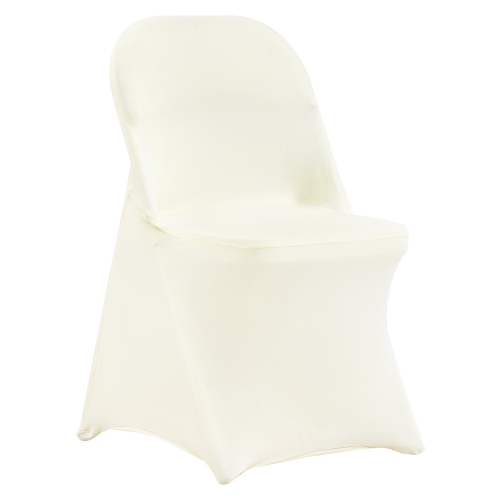

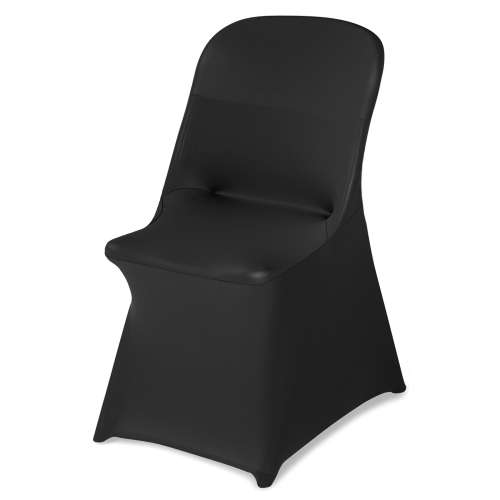
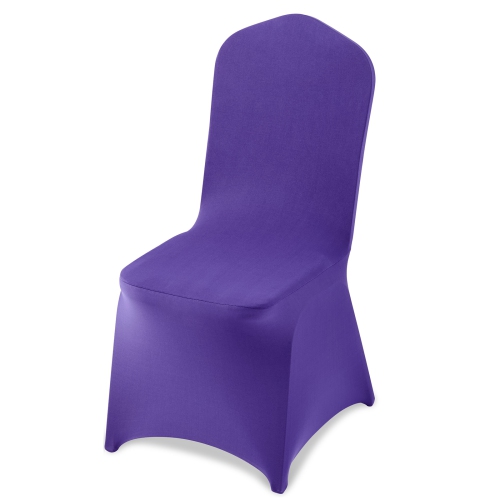
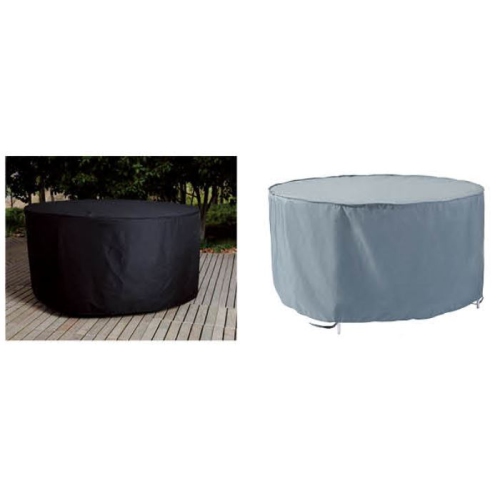
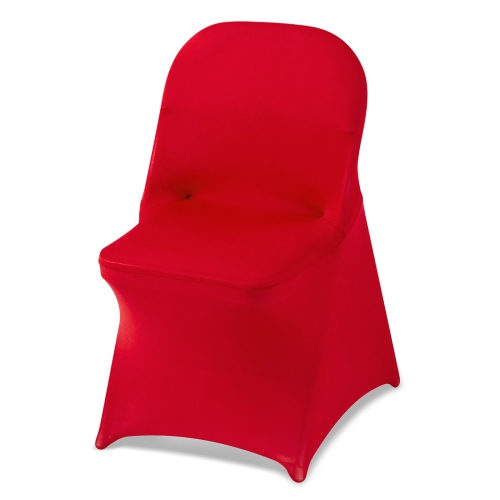
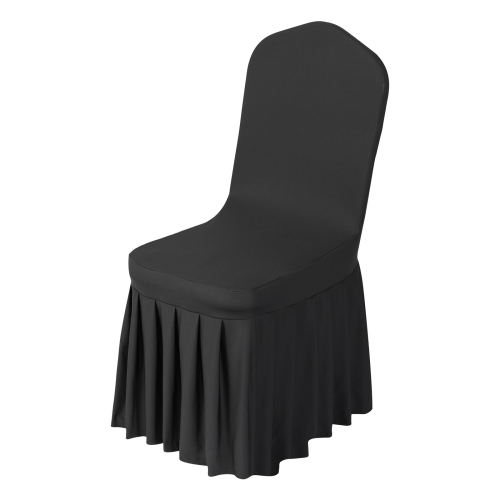
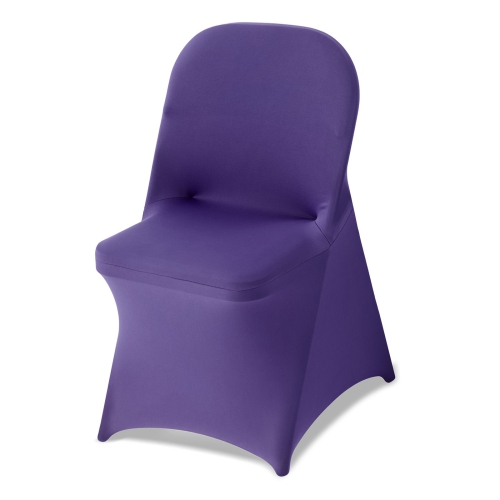
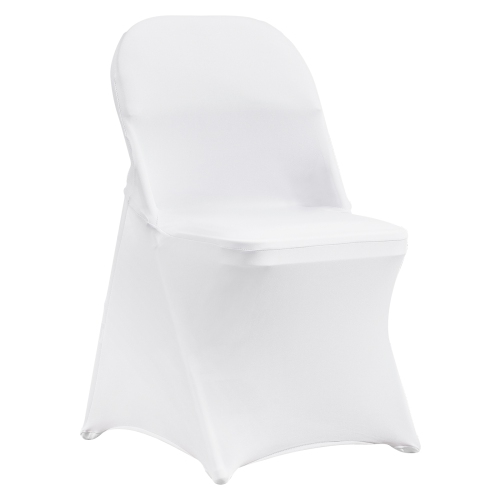
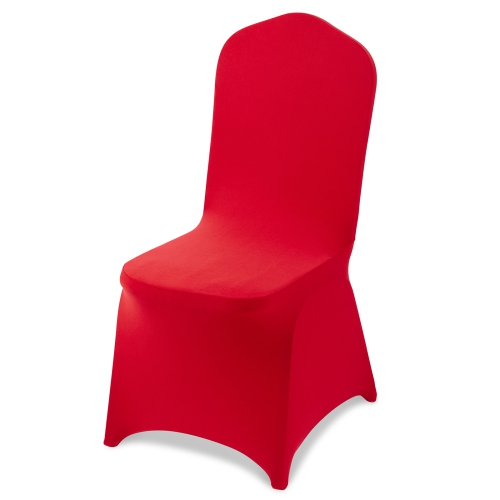
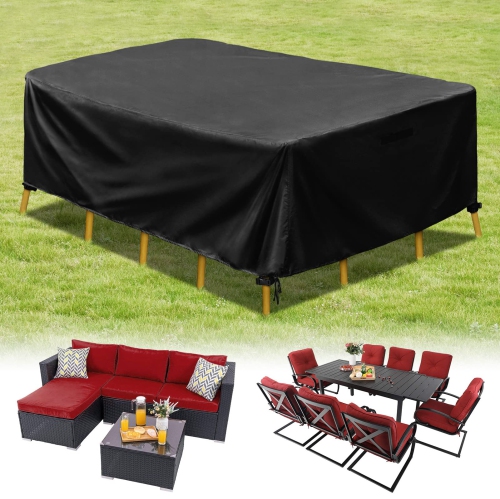
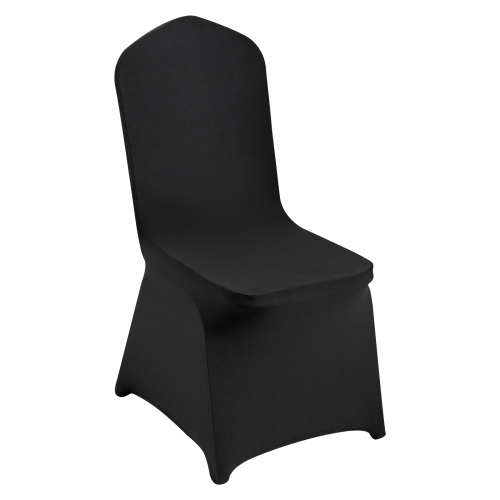

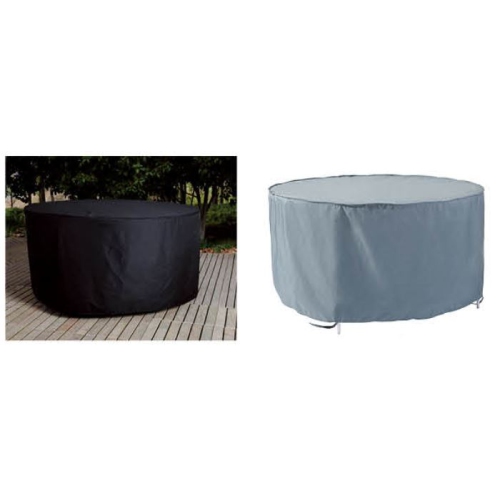
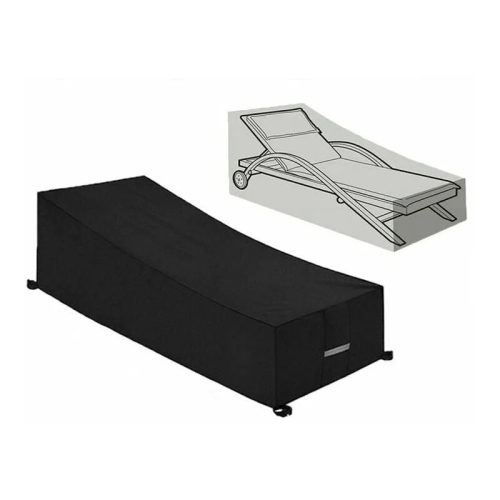
Why cover fit matters for cleaner outdoor seating
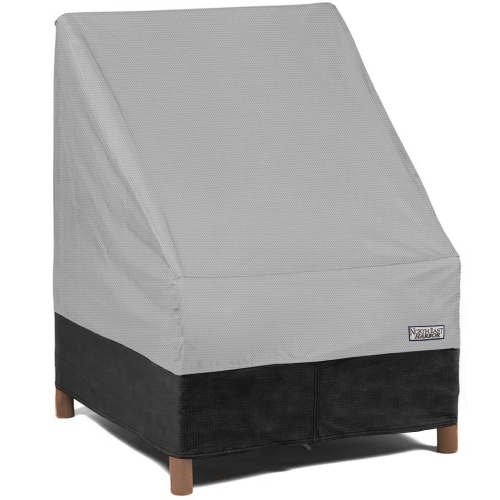
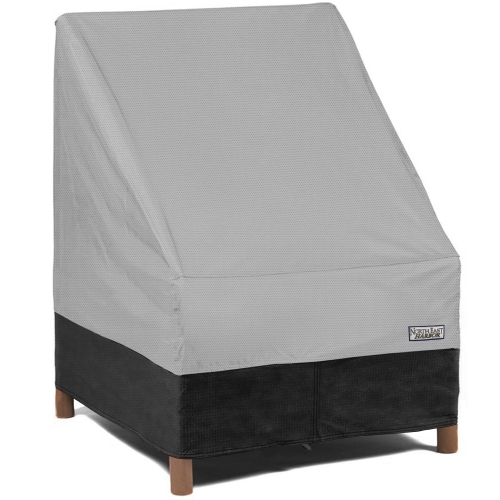
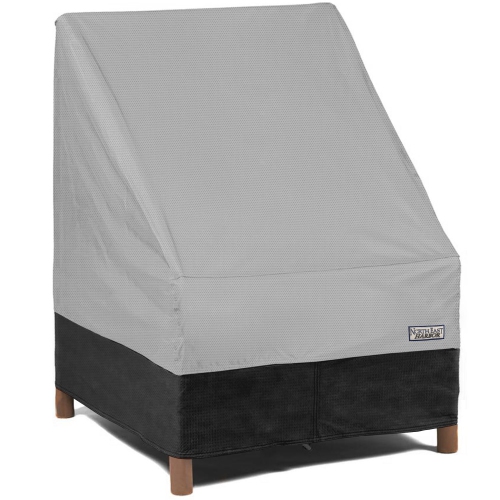
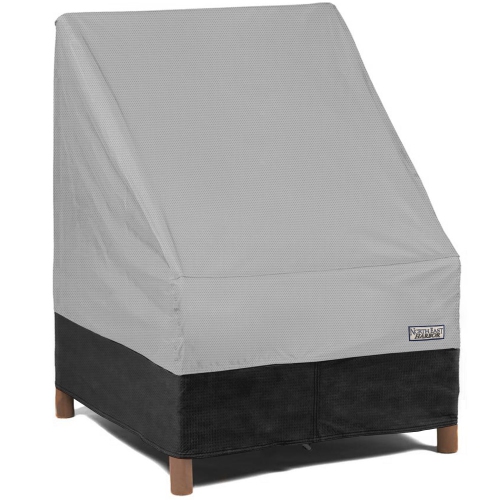
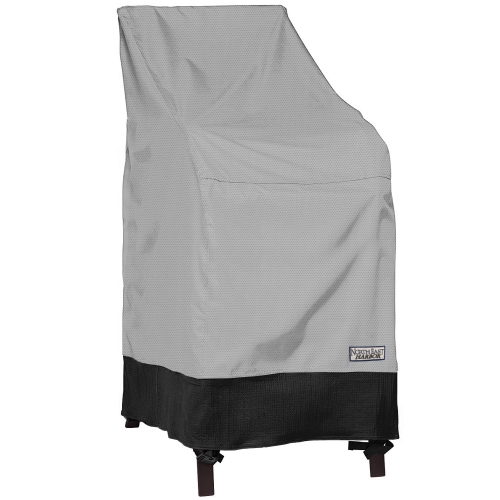
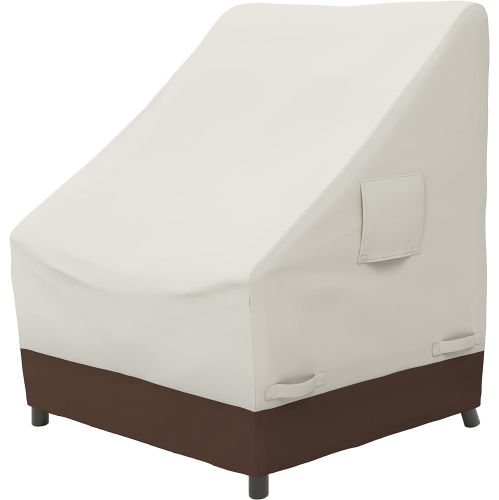
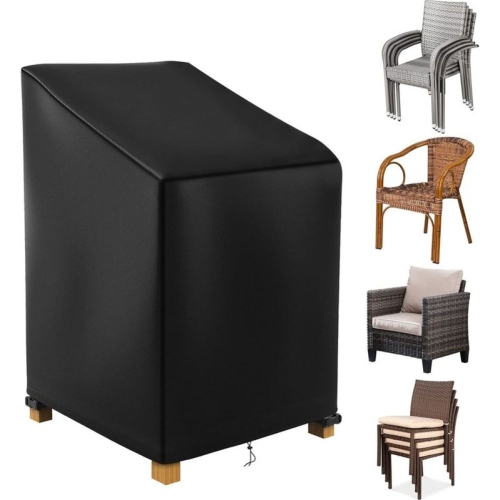
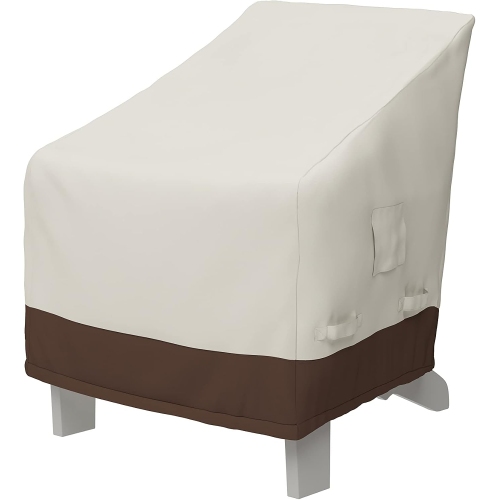
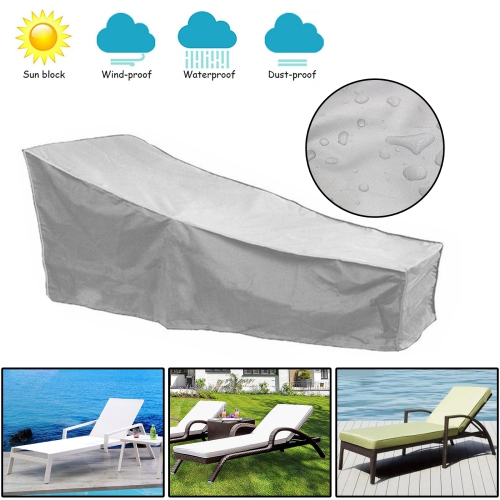
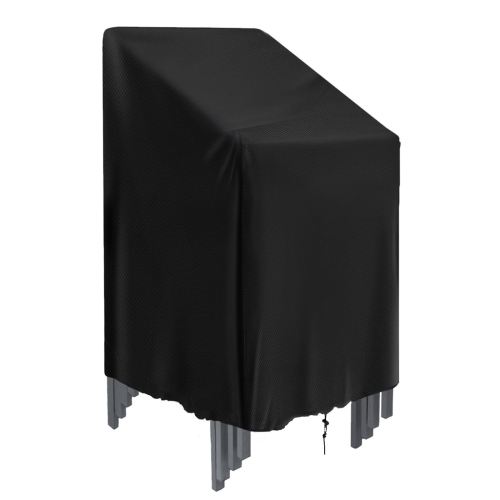
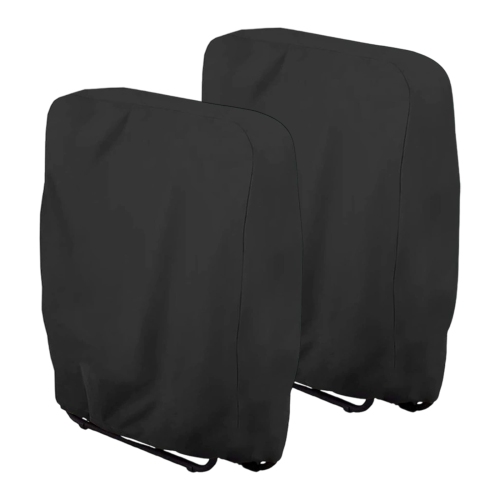
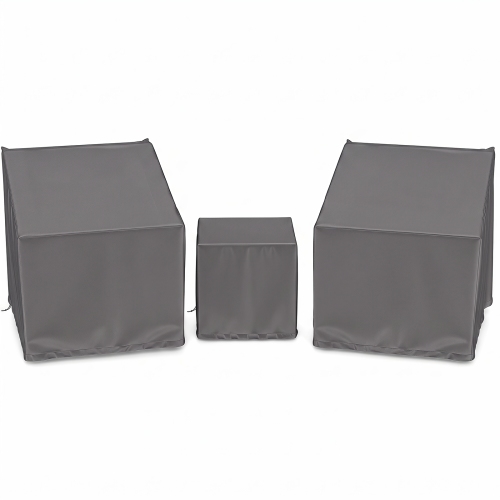
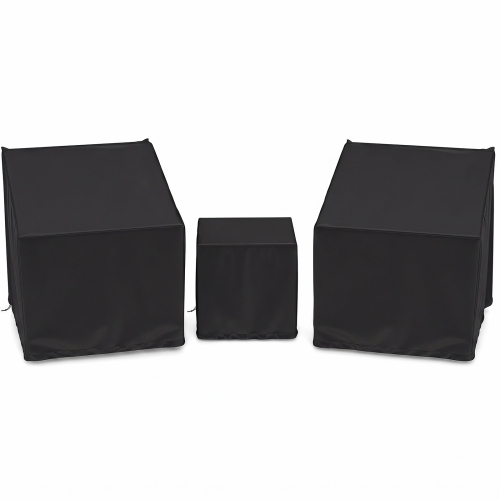
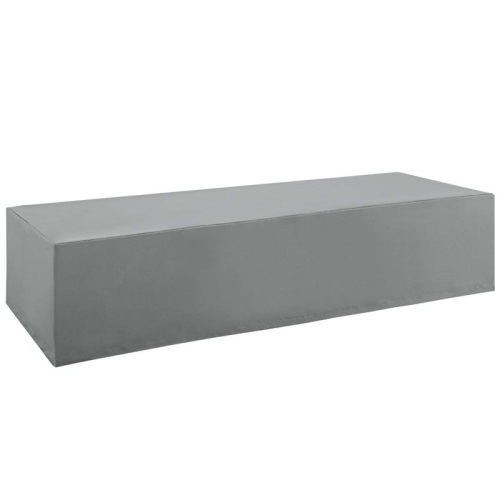
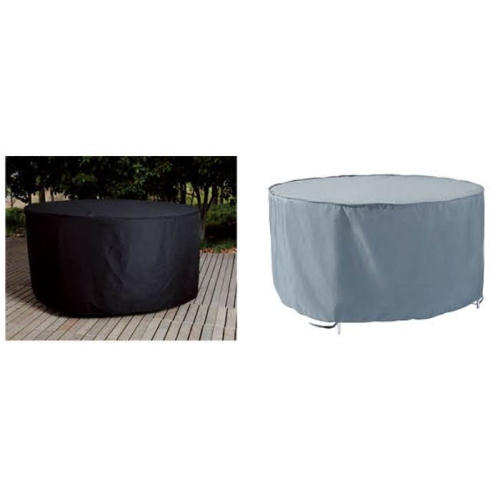
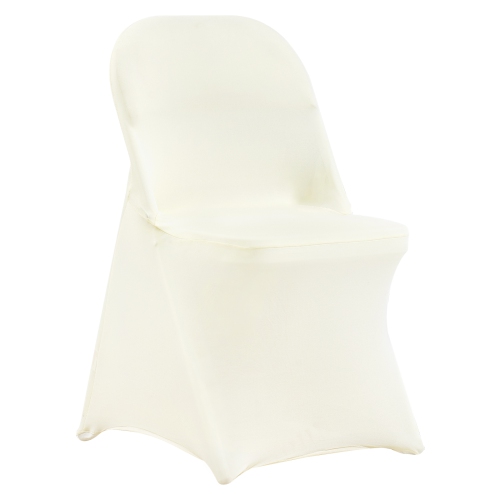
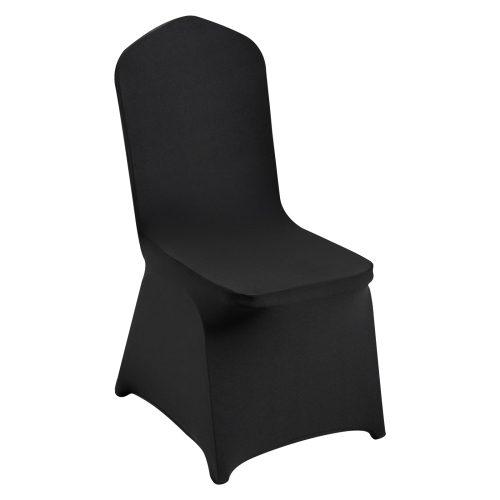
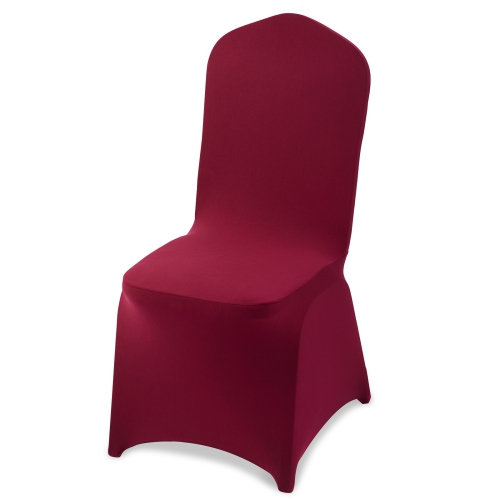
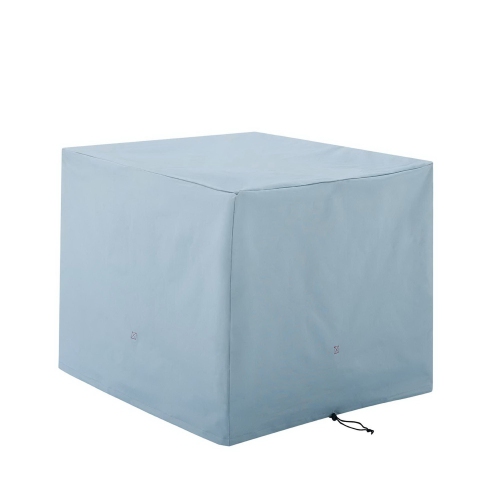
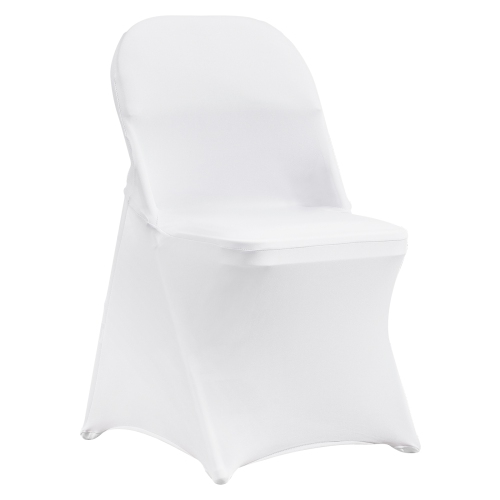
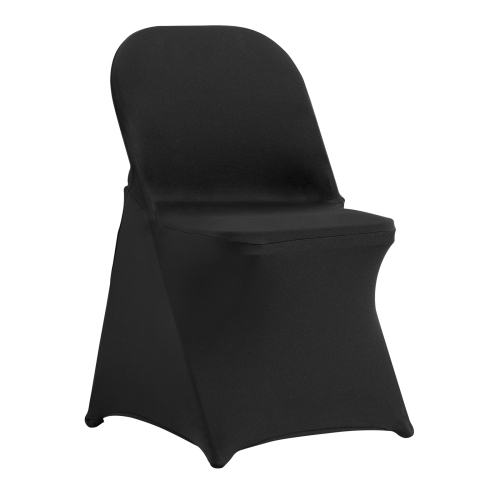
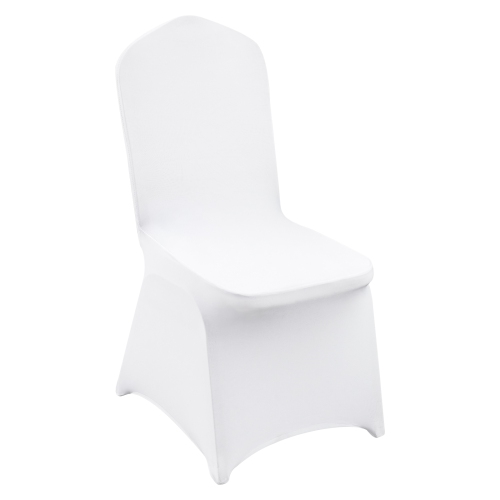
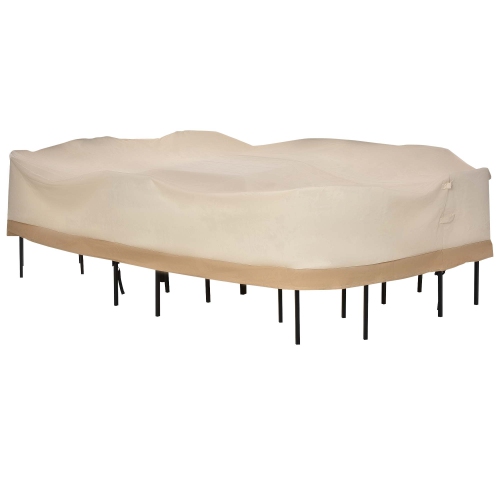
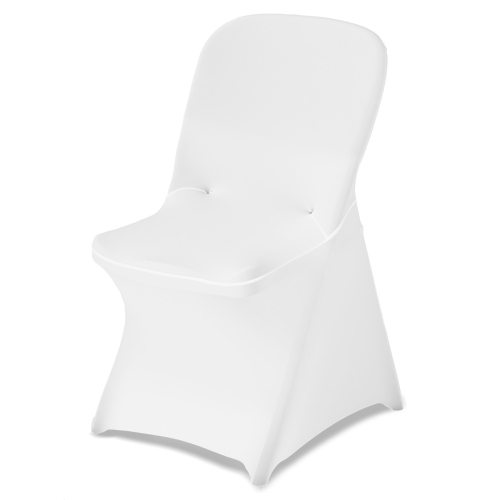
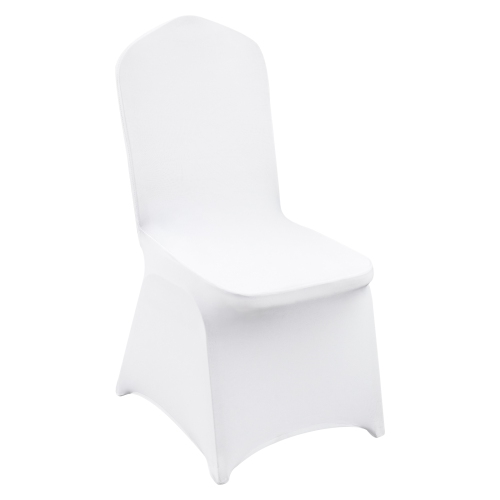
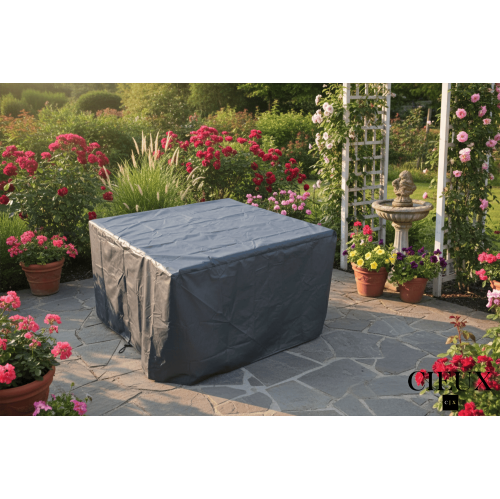
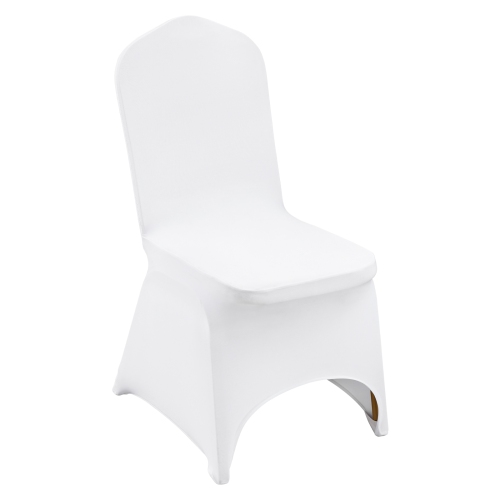
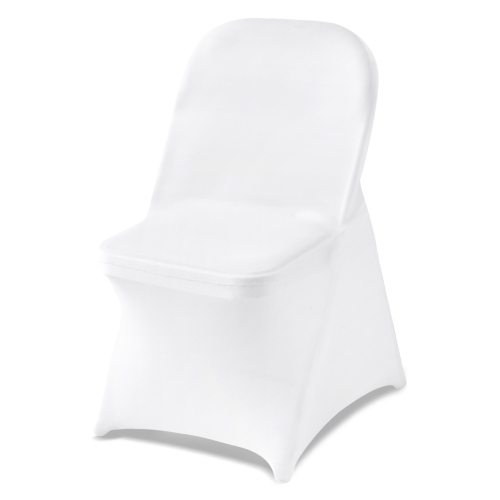
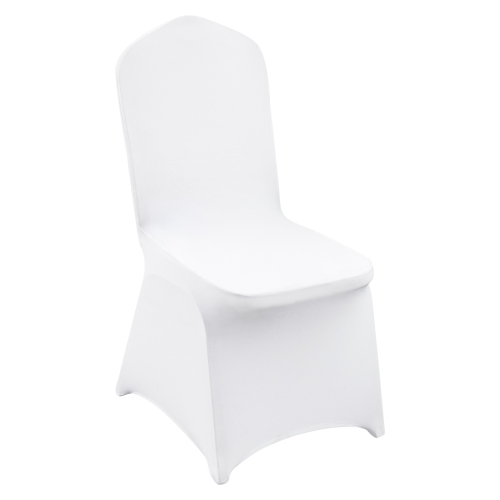
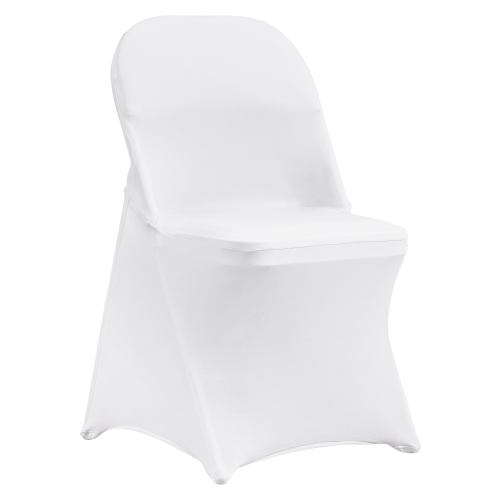
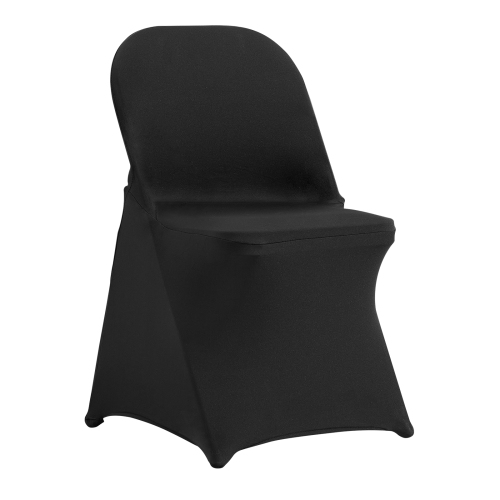
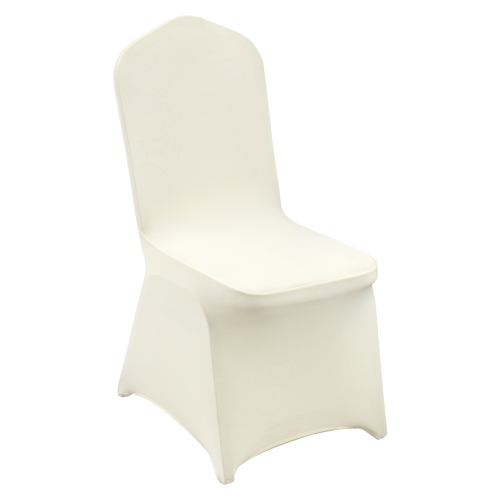
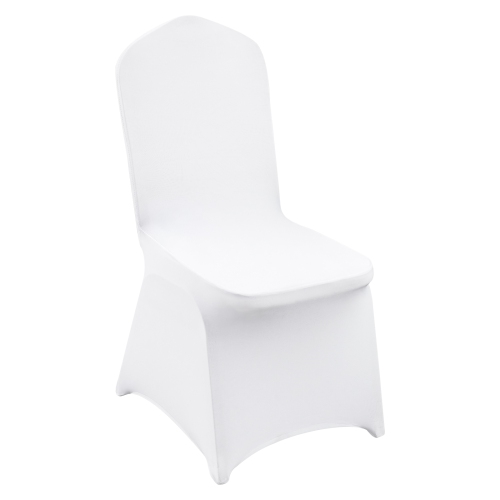
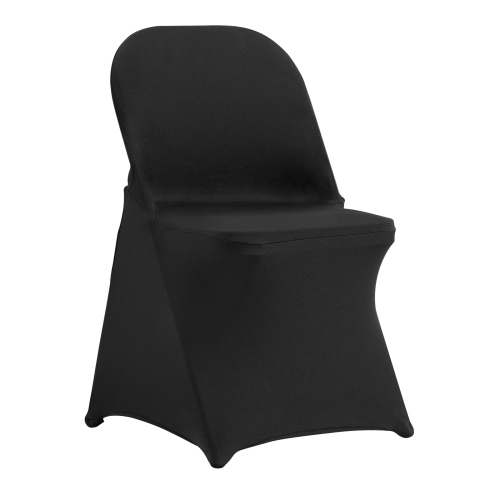
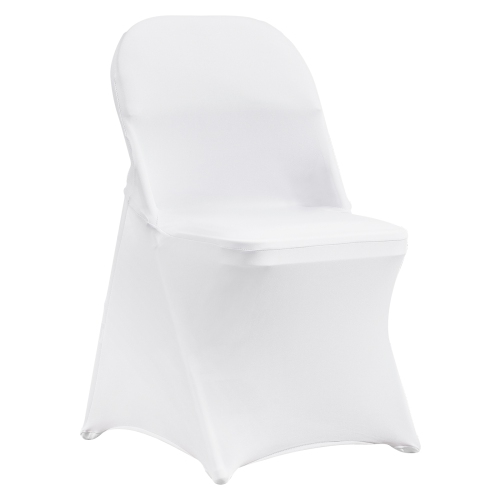
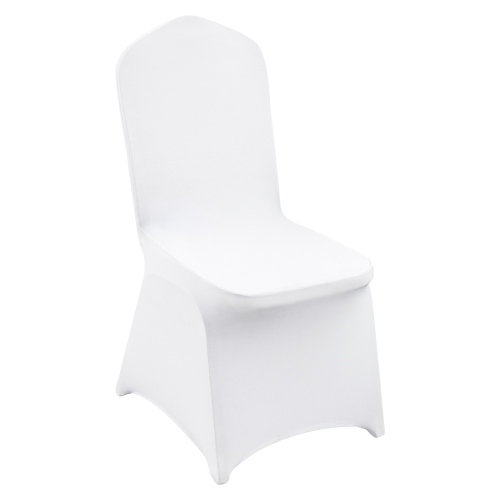
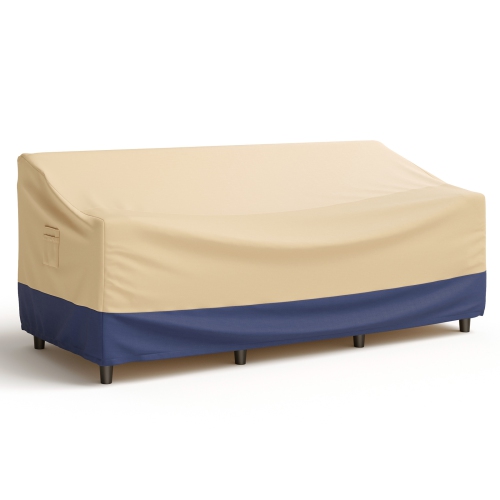
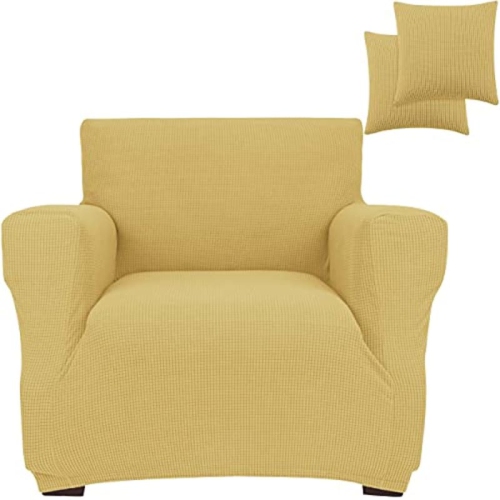
Patio chair covers help protect outdoor seating from rain, snow, sun exposure, dust, and everyday debris when the furniture is not in use. The level of protection depends on the fabric, construction, and fit, but a well-matched cover can make the difference between brushing off a few leaves and cleaning an entire chair before sitting down. On an open deck, covers provide a barrier against windblown dirt and passing showers; beneath a pergola or balcony overhang, they help keep pollen, bird droppings, and falling debris off seating surfaces. Patio chairs come in many shapes, so fit involves more than choosing a cover labelled small, medium, or large. Width should account for the widest point, often the arms, while depth needs to include the full distance from the front edge to the back of the frame. Height matters for tall dining chairs, upright recliners, and low lounge seating alike. Curved backs, broad armrests, and extended footrests can change the space a cover needs, even when two chairs look similar. A cover that is too tight may pull against corners and seams, while excessive loose fabric can flap in the wind or collect water. The intended fit generally follows the chair’s outline without stretching the material taut. A small gap above the ground can support airflow and keep the hem out of puddles, provided the cover still shields the areas it is designed to protect. Cushions also affect dimensions and should only remain beneath a cover when both the cushion and cover care instructions allow it. The broader category of Outdoor Chair Covers can accommodate seating beyond a standard patio dining arrangement, making chair shape and measurements more useful than appearance alone. For folding or stacking chairs, a cover designed for the folded dimensions or the complete stack offers a more appropriate fit than one intended for a single open chair. Reclining chairs should be measured in the position in which they will be covered.
Materials and construction determine how a patio chair cover handles repeated outdoor exposure. Polyester is commonly used because it offers a practical balance of flexibility, strength, and manageable weight, while woven fabrics may include coatings or backing layers that improve resistance to water. Fabric weight alone does not establish performance: the weave, surface treatment, stitching, and reinforcement all contribute to durability. Water-resistant and waterproof descriptions also mean different things. A water-resistant cover can shed moisture under certain conditions, but prolonged rain or standing water may still penetrate. Waterproof fabric offers a stronger barrier, although seams, openings, and worn areas can affect the protection of the finished cover. Sealed or taped seams can help limit water entry at stitched joins. Where sunlight is a concern, stated UV resistance is worth considering because prolonged exposure can fade colours and weaken some materials over time. Reinforced corners are useful where a chair’s frame creates concentrated contact, and securely stitched handles make a cover easier to lift without pulling at its hem. Drawcords, adjustable straps, buckles, and hook-and-loop tabs help reduce movement, especially on exposed balconies and decks, though no fastening system makes a cover immune to strong winds. Vents positioned beneath protective flaps can encourage air circulation while limiting direct exposure to rain. That airflow matters because condensation can develop underneath a cover even when rain does not pass through it. Fabric described as mildew-resistant still needs appropriate care and cannot prevent growth on damp cushions or trapped organic debris. A fitted shape that allows water to run off is preferable to a broad, sagging pocket where rain or melting snow can collect. Heavy accumulation can strain fabric and chair frames, so it should be addressed gently in line with the manufacturer’s directions. Covers provide a protective layer, rather than insulation or a guarantee against freezing conditions, and furniture that requires indoor storage still needs that protection.
Everyday handling has a considerable effect on how well patio chair covers perform. Chairs should be clean and dry before they are covered, with leaves, crumbs, and other debris removed from the seat and frame. Covering a damp cushion may hide the moisture rather than resolve it, particularly when the fabric fits closely around the chair. After rainfall, checking for trapped moisture and allowing the furniture to air out can help keep seating ready for use. For households that use a patio regularly, lightweight fabric, accessible fastenings, and handles can make daily removal less cumbersome. Someone covering several dining chairs may value a design that slips over the back without catching on armrests, while a deep lounge chair may need more room around the seat and lower frame. On a compact balcony, a cover that folds neatly is easier to keep out of the way when seating is occupied. Loose covers and straps should be put aside before anyone sits down, rather than tucked underneath cushions where they may become tangled or hold moisture. Cleaning requirements vary, but many fabrics can be wiped with a soft cloth and a mild soap solution if the care label permits. Harsh cleaners, abrasive brushes, machine washing, or high heat can damage coatings and seams when they are not approved for the material. Tree sap and bird droppings are best addressed promptly using the recommended cleaning method rather than vigorous scraping. The cover should dry thoroughly before being folded or placed in a storage bag. Periodic checks around corners, hems, seams, and fastening points can reveal wear before a small split becomes a larger opening. Whether protecting dining chairs between family meals, keeping balcony seating tidy, or covering chairs at a cottage between visits, the most useful cover is one that suits the furniture and is straightforward enough to use consistently. Matching protection to the setting, then maintaining both the chair and its cover, helps keep outdoor seating cleaner and more welcoming whenever it is uncovered.
Top selling and popular products
-
 Your price for this item is $189.99
-
 Your price for this item is $44.99
-
 Your price for this item is $55.99
-
 Your price for this item is $40.99
-
 Your price for this item is $41.99
-
 Your price for this item is $51.99
-
 Your price for this item is $58.99
-
 Your price for this item is $55.99
Discover more categories related to Patio Chair Covers
Top Collections:
Best Black Friday Deals This Year, Best Black Friday Deals On Electronics, Kindle Devices, Pokemon Centers, Best Black Friday Deals On Apple Products, Best Cameras for Sports Photography, Dyson Airwrap, Pokémon 30th Celebration Cards, Apple iPhone 17 Pro, Canon G7X Cameras
Some products may be subject to Environmental Handling Fees
(EHF) depending on your province.
Learn more about EHFs.