Patio Edgers
Transform your outdoor space into a picturesque haven with the perfect patio edgers. These essential landscaping tools help define and enhance the aesthetic appeal of your garden, walkways, and patios by creating clean, precise lines that separate grass from flowerbeds or paving stones. Whether you're aiming for a sleek, modern look or a more rustic charm, patio edgers offer versatility and functionality to suit any design preference. Explore our selection to find the ideal solution that complements your landscape while adding value and beauty to your home.
Sort
How edging supports patios through shifting ground and weather
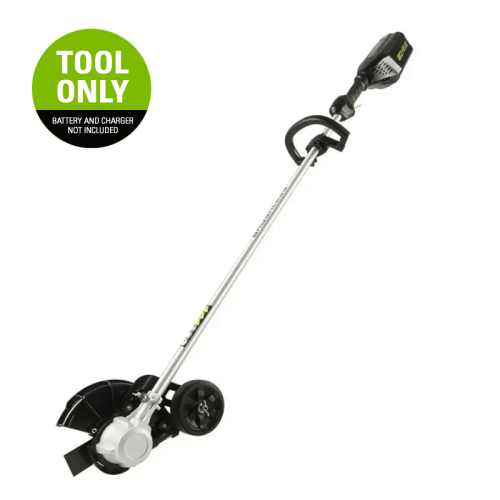
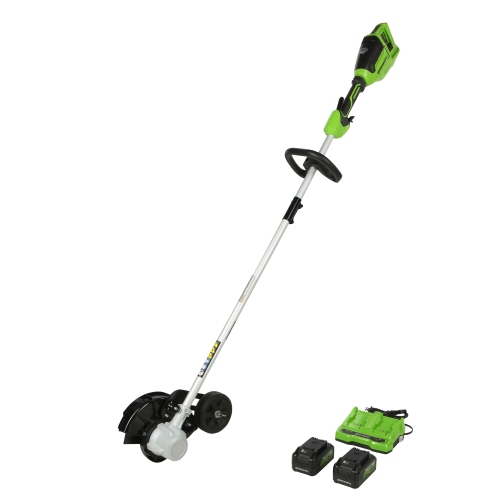
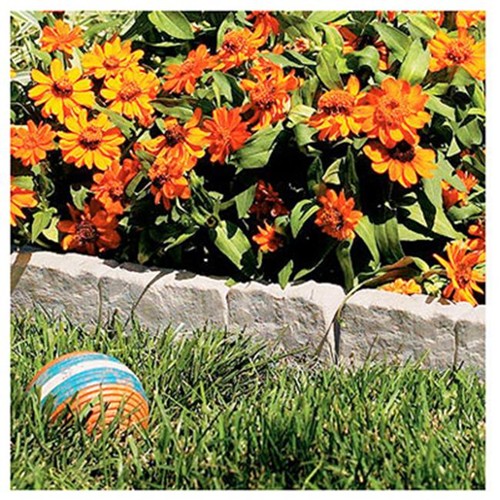
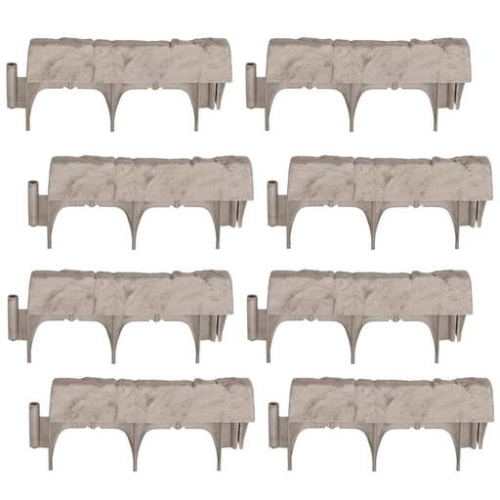
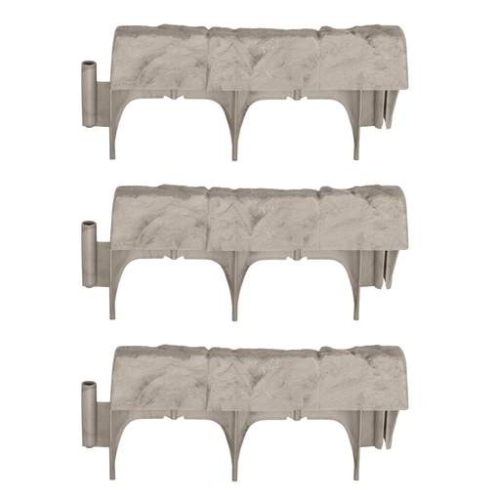
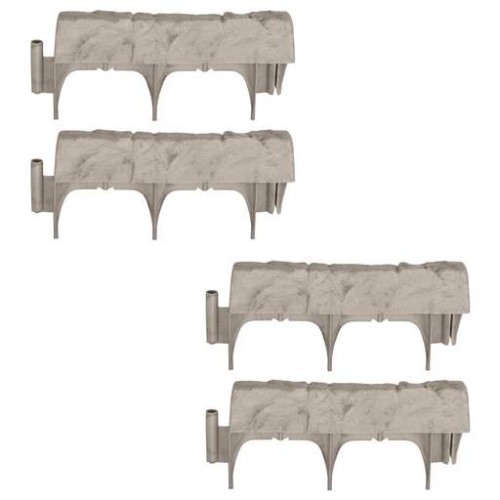
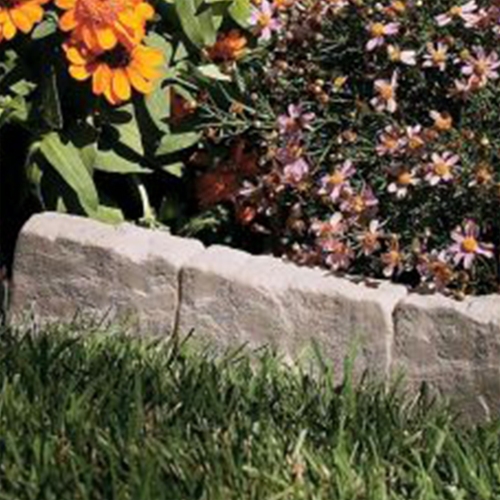
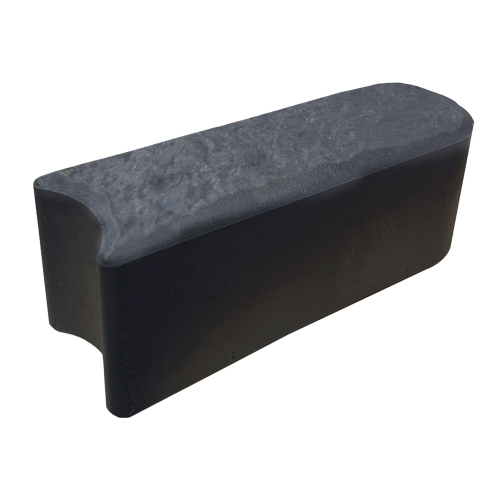
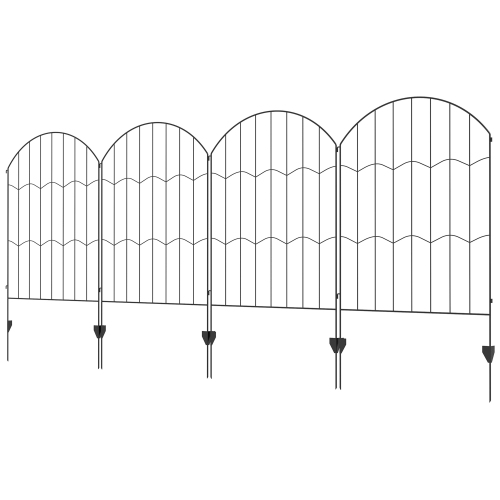
Patio edgers provide the finishing boundary that helps pavers, stones, deck tiles, and other outdoor flooring stay where they belong. They create a clean transition between a patio and surrounding grass, garden beds, gravel, or soil while giving the entire space a more defined appearance. Without a suitable edge restraint, patio materials can gradually spread, shift, or settle unevenly as people walk across them and as moisture, frost, and changing temperatures affect the ground below. Patio edging can be especially useful around newly installed paving, paths that meet a lawn, outdoor seating areas, fire pit zones, and modular flooring systems that need a neat perimeter. Depending on the look and construction of your space, you may prefer edging that stays mostly hidden beneath the surface or a more decorative border that becomes part of the design. Flexible plastic or PVC edging is often chosen for gently curved patios and informal garden layouts, while metal edging can create a slim, crisp line around contemporary paving. Concrete blocks and natural stone offer a more substantial appearance, adding visual weight between the patio and the landscape. For modular deck tiles, compatible edge strips can help cover exposed sides and create a smoother transition from the raised tile surface to the surrounding area. If your project extends beyond the patio itself, complementary Yard Edgers can help define nearby planting areas, walkways, or lawn borders with a coordinated finish.
Choosing the right patio edger starts with the surface it needs to support. Paver and stone patios generally benefit from a firm restraint along the outside perimeter, particularly where the edge is exposed to foot traffic or meets loose soil. A low-profile plastic or metal system may suit a border that should blend into the landscape, whereas larger concrete or stone pieces can complement a patio built with similarly substantial materials. Consider the shape of the area before choosing a style. Straight runs are simple to outline with rigid sections, but curved layouts may be easier to finish with flexible edging or smaller individual pieces. Measure the total perimeter, account for corners and transitions, and check whether connectors, corner pieces, or joining hardware are included. The height of the edging also matters: it should provide enough support for the patio material without creating an awkward lip where shoes, lawn equipment, or outdoor furniture may catch. For a polished result, think about colour and texture as well as function. Dark metal can frame pale concrete or light stone with a sharp modern contrast, while earthy tones and masonry borders can blend naturally with gardens and wood decking. Patio edgers may also be a practical gift for someone who enjoys improving their outdoor space, especially a new homeowner, avid gardener, or hands-on renovator preparing a patio for furniture, planters, and gatherings during the warmer part of the year.
Proper preparation has a major effect on how well patio edging performs over time. For solid stone or concrete borders, excavate a trench deep enough to accommodate a compacted gravel base and the edging material, then check the height and alignment before backfilling. A level, well-packed foundation helps prevent individual pieces from tilting or sinking. Plastic and metal restraint systems are typically secured with spikes driven through the base at regular intervals; place them firmly and follow the spacing recommended for the particular design, with additional support near corners and curves. Take care not to bend rigid sections beyond their intended shape, and allow suitable room for expansion or movement when a system calls for it. When making tight curves, flexible sections may need gradual shaping rather than sharp folds, and connectors should be fitted securely so the border remains continuous. Keep the top of the edging aligned with the patio surface or slightly below it when the goal is an unobtrusive transition. Before the final layer of soil, gravel, or mulch is added, walk the perimeter and look for gaps, raised points, or areas that could interfere with mowing and foot traffic. During the cooler months, check that drainage remains clear and that water is not collecting along the border, since repeated freezing and thawing can place stress on an uneven installation. With the right material, careful measuring, and a properly prepared base, patio edgers help preserve a tidy outline and make an outdoor living area feel complete from every angle.
Choosing the right patio edger starts with the surface it needs to support. Paver and stone patios generally benefit from a firm restraint along the outside perimeter, particularly where the edge is exposed to foot traffic or meets loose soil. A low-profile plastic or metal system may suit a border that should blend into the landscape, whereas larger concrete or stone pieces can complement a patio built with similarly substantial materials. Consider the shape of the area before choosing a style. Straight runs are simple to outline with rigid sections, but curved layouts may be easier to finish with flexible edging or smaller individual pieces. Measure the total perimeter, account for corners and transitions, and check whether connectors, corner pieces, or joining hardware are included. The height of the edging also matters: it should provide enough support for the patio material without creating an awkward lip where shoes, lawn equipment, or outdoor furniture may catch. For a polished result, think about colour and texture as well as function. Dark metal can frame pale concrete or light stone with a sharp modern contrast, while earthy tones and masonry borders can blend naturally with gardens and wood decking. Patio edgers may also be a practical gift for someone who enjoys improving their outdoor space, especially a new homeowner, avid gardener, or hands-on renovator preparing a patio for furniture, planters, and gatherings during the warmer part of the year.
Proper preparation has a major effect on how well patio edging performs over time. For solid stone or concrete borders, excavate a trench deep enough to accommodate a compacted gravel base and the edging material, then check the height and alignment before backfilling. A level, well-packed foundation helps prevent individual pieces from tilting or sinking. Plastic and metal restraint systems are typically secured with spikes driven through the base at regular intervals; place them firmly and follow the spacing recommended for the particular design, with additional support near corners and curves. Take care not to bend rigid sections beyond their intended shape, and allow suitable room for expansion or movement when a system calls for it. When making tight curves, flexible sections may need gradual shaping rather than sharp folds, and connectors should be fitted securely so the border remains continuous. Keep the top of the edging aligned with the patio surface or slightly below it when the goal is an unobtrusive transition. Before the final layer of soil, gravel, or mulch is added, walk the perimeter and look for gaps, raised points, or areas that could interfere with mowing and foot traffic. During the cooler months, check that drainage remains clear and that water is not collecting along the border, since repeated freezing and thawing can place stress on an uneven installation. With the right material, careful measuring, and a properly prepared base, patio edgers help preserve a tidy outline and make an outdoor living area feel complete from every angle.
Top selling and popular products
-
 Your price for this item is $199
 -
 Your price for this item is $418.99
 -
 Your price for this item is $481.99
 -
 Your price for this item is $224.99
 -
 Your price for this item is $132.99
 -
 Your price for this item is $69.45
 -
 Your price for this item is $562.99
 -
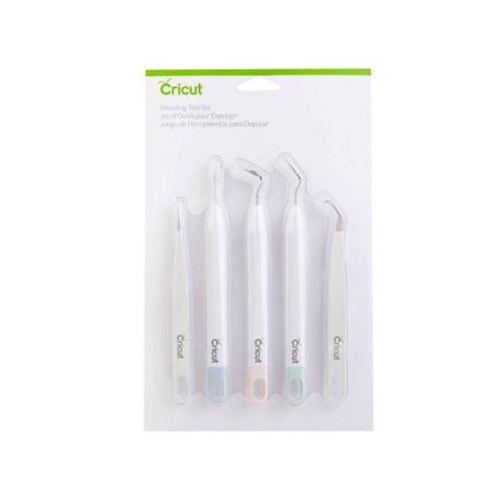 Your price for this item is $26.99
Discover more categories related to Patio Edgers
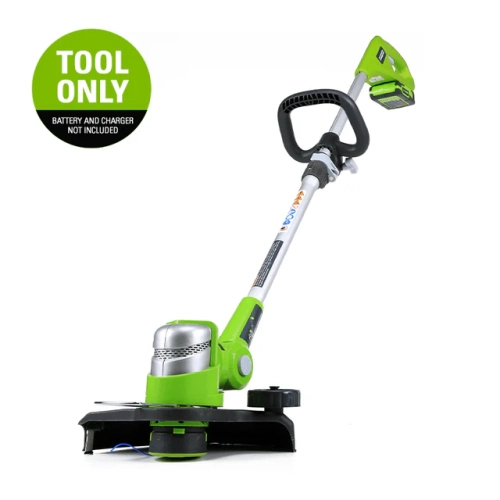
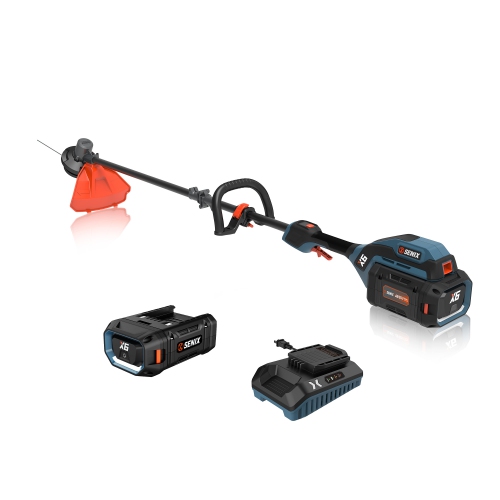
Top Collections:
Pokemon Centers, Kindle Devices, Best Budget Office Chairs, Apple iPhones 16, Canon G7X Cameras, iPhone 15 Apple, Alarm Clock, Refurbished Apple Laptops, Flip Phones, Best Laptops for Writers
Some products may be subject to Environmental Handling Fees
(EHF) depending on your province.
Learn more about EHFs.