Yard Edgers
Transform your outdoor spaces with precision using yard edgers, the essential tool for achieving clean and crisp lawn edges. Whether you're looking to enhance curb appeal or maintain a pristine garden, yard edgers are designed to help you effortlessly define boundaries and create a polished look around driveways, sidewalks, and flower beds. With a variety of models available, you can find the perfect edger to suit your landscaping needs, ensuring that every edge is trimmed to perfection. Explore our selection today and take the first step towards a beautifully manicured yard.
Sort
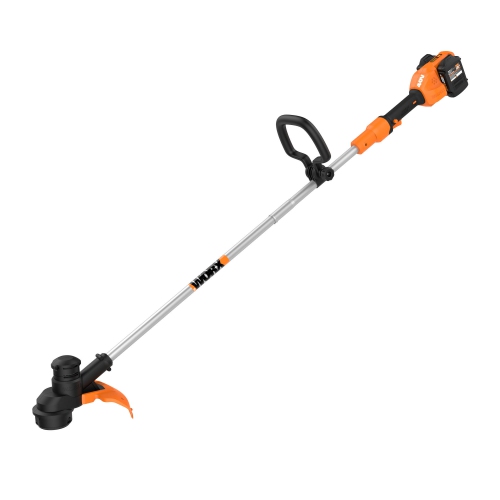
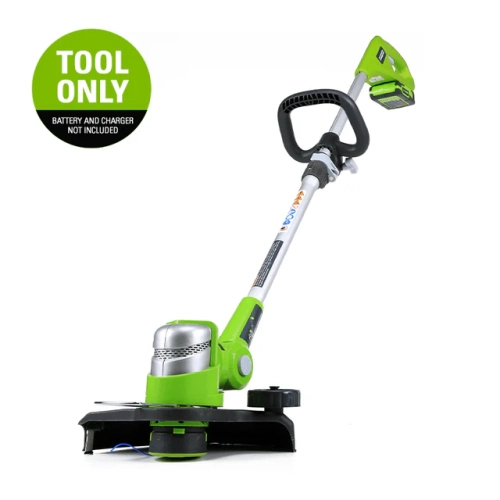
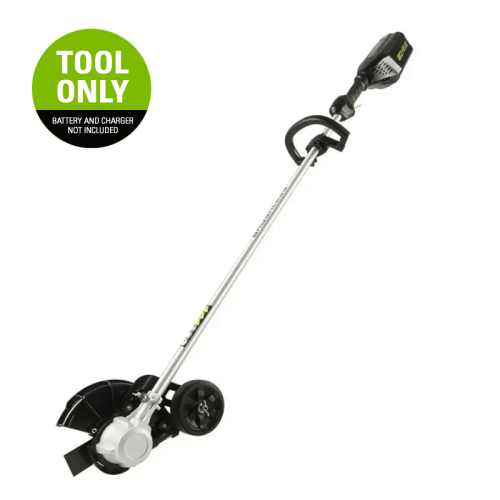
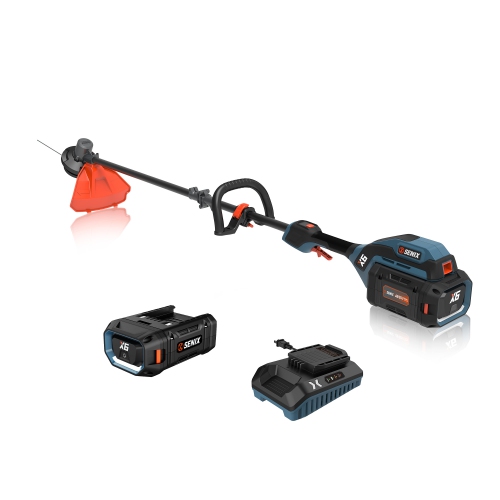
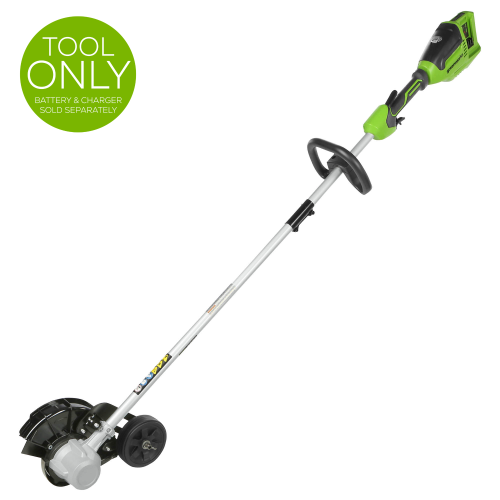
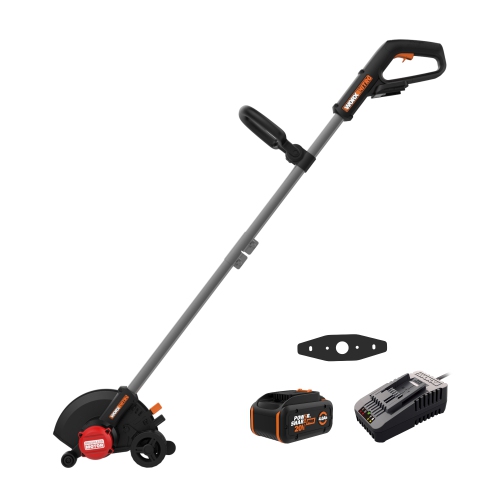
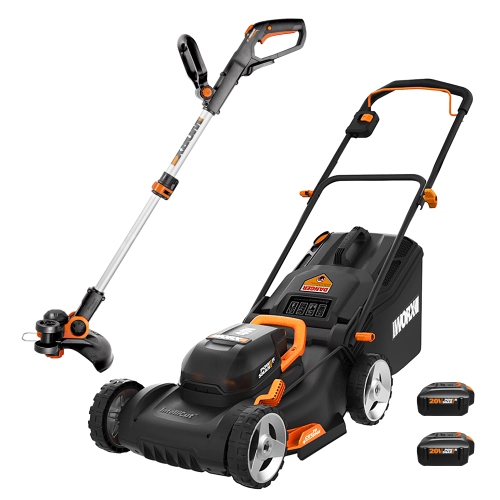
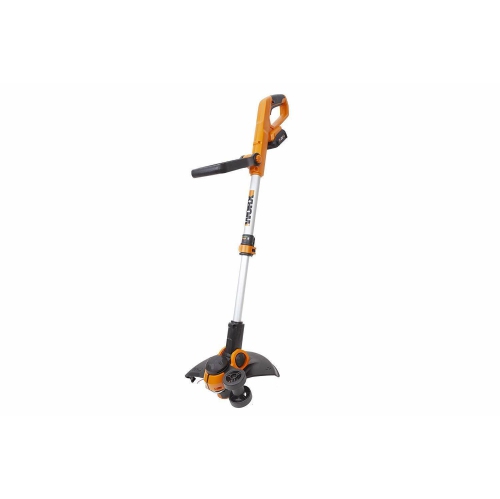
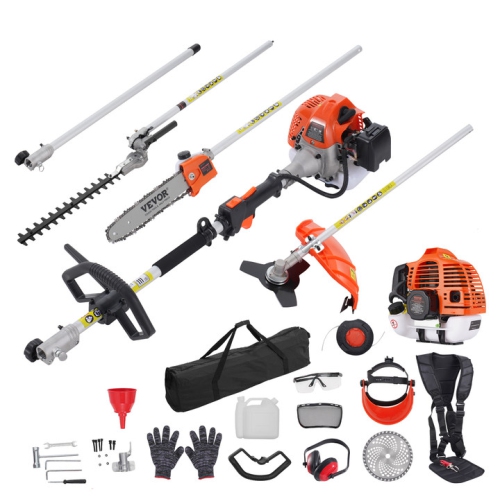
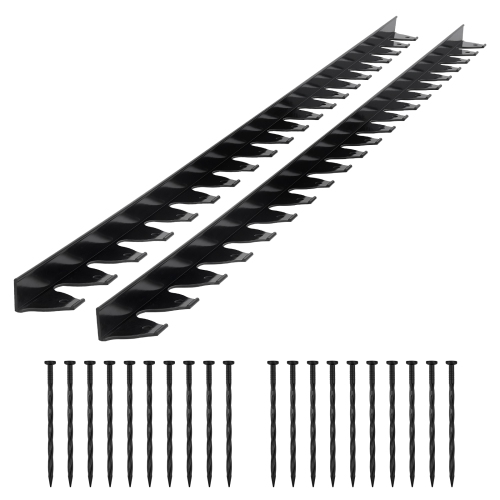
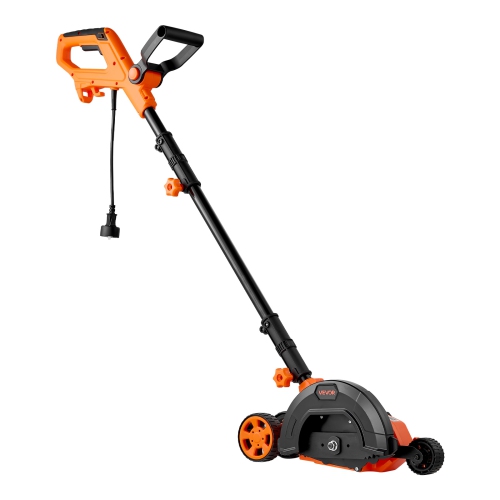
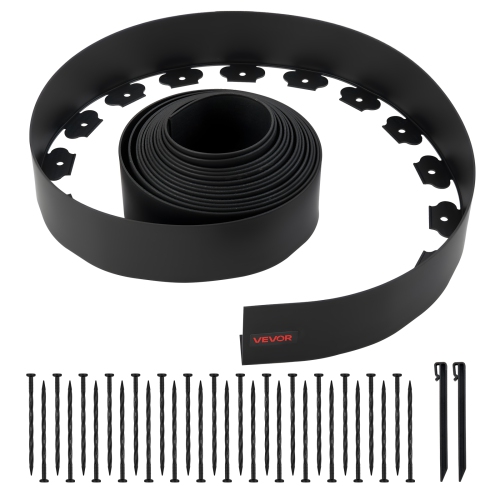
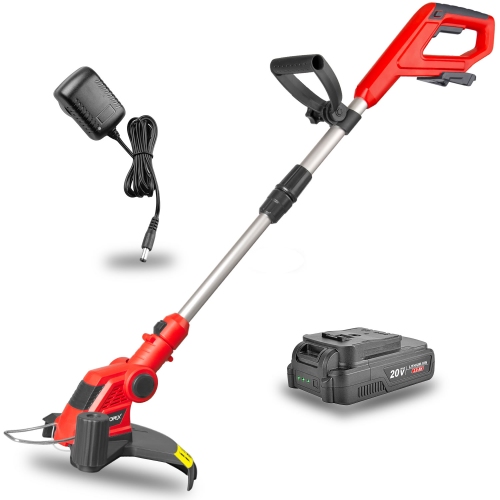
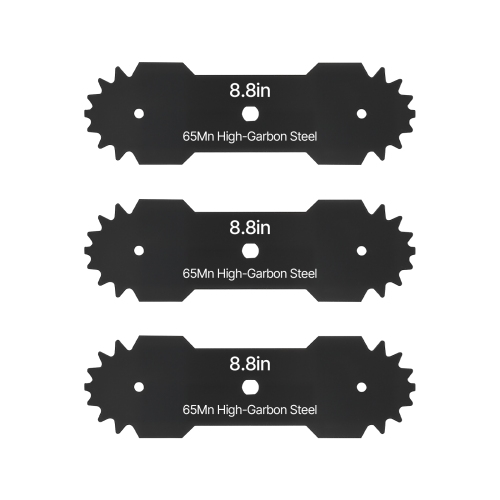
Power options and blade features shape a cleaner lawn edge
Yard edgers are designed to create a crisp, defined boundary between grass and the surfaces or planting areas around it. While a lawn mower keeps turf at an even height, an edger cuts down through the edge of the lawn to form a clean vertical line beside a sidewalk, driveway, patio, garden border, or flower bed. That narrow separation helps prevent grass from creeping over paving stones and gives the entire yard a more finished appearance. It can be especially noticeable along a straight concrete walkway, where an untidy strip of turf may make an otherwise well-maintained space look uneven. Yard edgers are also useful around gently curved borders, trees, fences, and other areas where a mower cannot reach neatly. For softer planting borders, a dedicated edger can define the transition between lawn and soil, mulch, or decorative stone; shoppers who are focusing specifically on those applications may also wish to explore Flower Bed Edgers. When choosing among yard edgers, consider the size and layout of the property, the type of boundary being cut, the condition of the grass, and how often the tool will be used. A small urban lawn with a few short paths may need only a straightforward manual tool, while a larger property with long driveway edges may be better suited to a powered model that reduces the amount of physical effort required.
Manual yard edgers are a practical choice for smaller yards, occasional maintenance, and anyone who prefers a simple tool with no motor, cord, fuel, or battery to manage. Many use a half-moon-shaped steel blade that is placed against the turf edge and pressed into the ground with a foot. The motion is deliberate: position the blade where the lawn should end, apply steady pressure, then lift and repeat along the boundary. This approach can produce a very precise trench, although it requires more time and body weight than powered alternatives. A long handle can make the task more comfortable by reducing bending, while a sturdy grip and durable blade are useful when the soil is firm or the grass has developed dense roots. Corded electric edgers provide consistent power for properties where an outdoor outlet and suitable extension cord are convenient. They are often easy to start and relatively light to guide, making them suitable for regular edging along walkways and driveways. Their main consideration is cable management; the cord must remain clear of the blade and the intended cutting path throughout the job. Cordless battery-powered edgers offer more freedom of movement and are useful for yards with multiple sections, winding borders, or limited access to an outdoor outlet. Push-button starting and the absence of a trailing cord can make quick touch-ups more convenient, though runtime, charging time, battery compatibility, and the availability of replacement batteries should be checked before purchase. Gas-powered edgers are generally intended for demanding work, larger properties, or heavy, overgrown turf. They can provide strong cutting performance without a cord or battery runtime limit, but they may be heavier and require more preparation, maintenance, and attention to operating instructions.
The blade and cutting design are important because different tools are suited to different kinds of lawn maintenance. Dedicated yard edgers typically use a solid metal blade to cut a narrow, defined channel beside a hard surface or along a soil border. Look for features such as adjustable cutting depth, an edge guide, a blade guard, height adjustment, and a comfortable handle position. An adjustable depth setting can be helpful when working beside shallow paving, established garden borders, or areas where underground roots and irrigation lines may be present. A string trimmer can tidy grass along fence lines and soft edges, but its flexible line is better for trimming and touch-ups than for creating a deep, sharply defined boundary. For a clean edge, mow the lawn first, mark or follow the existing border, and move the edger at a controlled pace rather than forcing it through thick turf. On a long straight driveway, keeping the guide wheel or blade aligned with the pavement can help maintain an even line; around curves, shorter passes and gradual steering usually produce a smoother result. Wear eye protection, sturdy footwear, and clothing that covers the legs, and keep children and pets away from the work area while the blade or cutting line is moving. Clear stones, sticks, and other debris before starting, then disconnect the power source or follow the manufacturer’s shutdown procedure before inspecting or cleaning the tool. Yard edgers can be useful for homeowners, renters with permission to maintain their outdoor space, property managers, and anyone who enjoys giving a lawn a carefully finished look. They can also make a thoughtful gift for a new homeowner, a keen gardener, or someone setting up a first set of lawn-care tools, particularly when the choice reflects the recipient’s yard size, preferred power source, and comfort with hands-on outdoor work. With the right match, an edging tool can turn the final pass along a path or planting bed into one of those small details that makes the whole yard look orderly as the weather changes and outdoor maintenance shifts into the cooler months.
Manual yard edgers are a practical choice for smaller yards, occasional maintenance, and anyone who prefers a simple tool with no motor, cord, fuel, or battery to manage. Many use a half-moon-shaped steel blade that is placed against the turf edge and pressed into the ground with a foot. The motion is deliberate: position the blade where the lawn should end, apply steady pressure, then lift and repeat along the boundary. This approach can produce a very precise trench, although it requires more time and body weight than powered alternatives. A long handle can make the task more comfortable by reducing bending, while a sturdy grip and durable blade are useful when the soil is firm or the grass has developed dense roots. Corded electric edgers provide consistent power for properties where an outdoor outlet and suitable extension cord are convenient. They are often easy to start and relatively light to guide, making them suitable for regular edging along walkways and driveways. Their main consideration is cable management; the cord must remain clear of the blade and the intended cutting path throughout the job. Cordless battery-powered edgers offer more freedom of movement and are useful for yards with multiple sections, winding borders, or limited access to an outdoor outlet. Push-button starting and the absence of a trailing cord can make quick touch-ups more convenient, though runtime, charging time, battery compatibility, and the availability of replacement batteries should be checked before purchase. Gas-powered edgers are generally intended for demanding work, larger properties, or heavy, overgrown turf. They can provide strong cutting performance without a cord or battery runtime limit, but they may be heavier and require more preparation, maintenance, and attention to operating instructions.
The blade and cutting design are important because different tools are suited to different kinds of lawn maintenance. Dedicated yard edgers typically use a solid metal blade to cut a narrow, defined channel beside a hard surface or along a soil border. Look for features such as adjustable cutting depth, an edge guide, a blade guard, height adjustment, and a comfortable handle position. An adjustable depth setting can be helpful when working beside shallow paving, established garden borders, or areas where underground roots and irrigation lines may be present. A string trimmer can tidy grass along fence lines and soft edges, but its flexible line is better for trimming and touch-ups than for creating a deep, sharply defined boundary. For a clean edge, mow the lawn first, mark or follow the existing border, and move the edger at a controlled pace rather than forcing it through thick turf. On a long straight driveway, keeping the guide wheel or blade aligned with the pavement can help maintain an even line; around curves, shorter passes and gradual steering usually produce a smoother result. Wear eye protection, sturdy footwear, and clothing that covers the legs, and keep children and pets away from the work area while the blade or cutting line is moving. Clear stones, sticks, and other debris before starting, then disconnect the power source or follow the manufacturer’s shutdown procedure before inspecting or cleaning the tool. Yard edgers can be useful for homeowners, renters with permission to maintain their outdoor space, property managers, and anyone who enjoys giving a lawn a carefully finished look. They can also make a thoughtful gift for a new homeowner, a keen gardener, or someone setting up a first set of lawn-care tools, particularly when the choice reflects the recipient’s yard size, preferred power source, and comfort with hands-on outdoor work. With the right match, an edging tool can turn the final pass along a path or planting bed into one of those small details that makes the whole yard look orderly as the weather changes and outdoor maintenance shifts into the cooler months.
Top selling and popular products
-
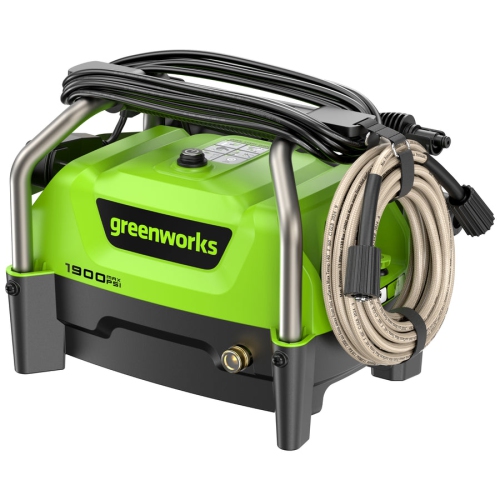 Your price for this item is $169.99
 -
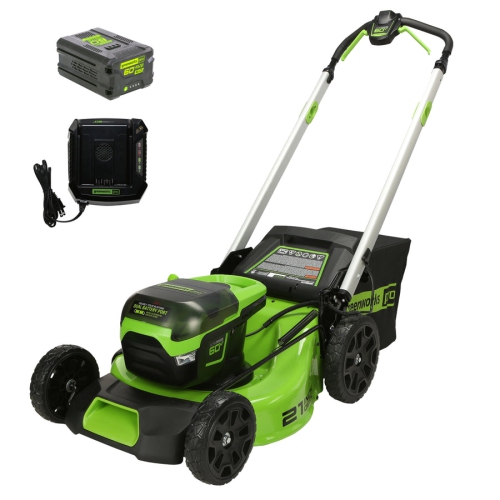 Your price for this item is $554.39
 -
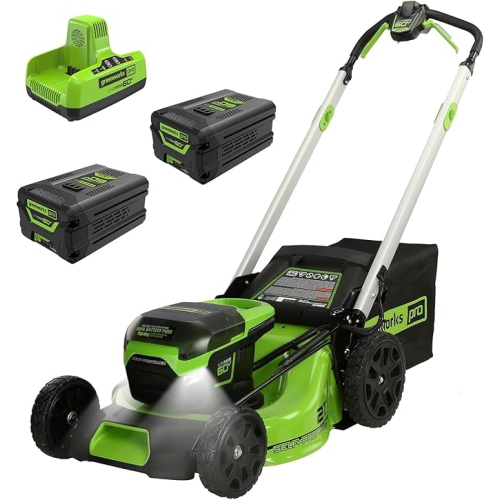 Your price for this item is $879.99
 -
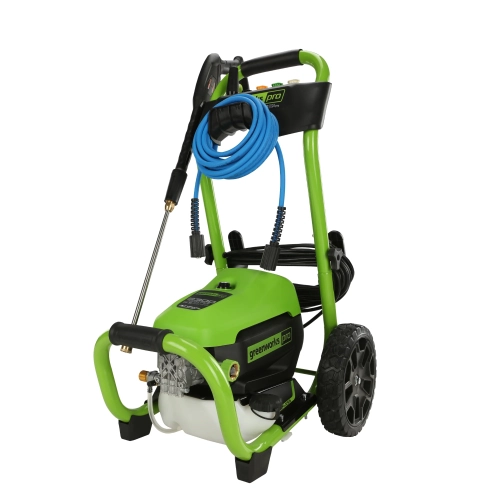 Your price for this item is $439.99
 -
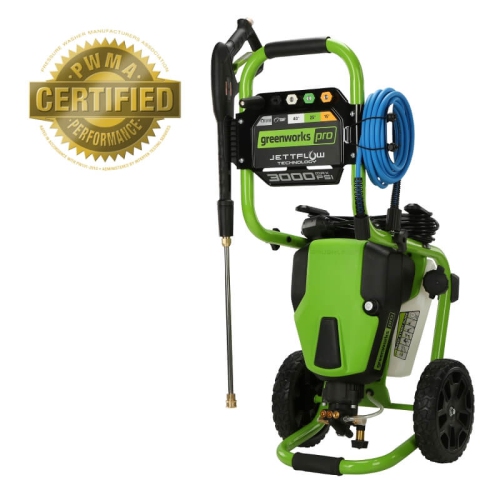 Your price for this item is $499
 -
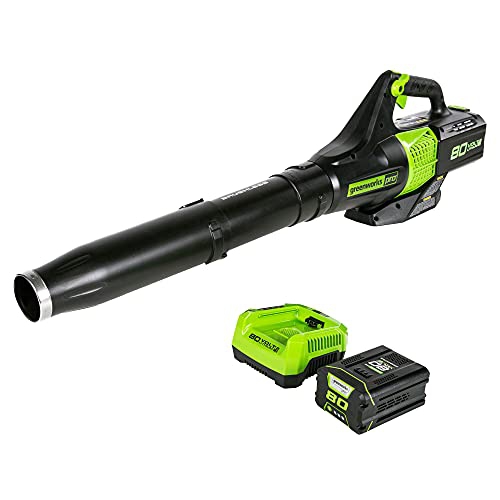 Your price for this item is $255
 -
 Your price for this item is $272
 -
 Your price for this item is $329.99
Discover more categories related to Yard Edgers
Top Collections:
Pokemon Centers, Kindle Devices, Best Budget Office Chairs, Apple iPhones 16, Canon G7X Cameras, iPhone 15 Apple, Alarm Clock, Refurbished Apple Laptops, Flip Phones, Best Laptops for Writers
Some products may be subject to Environmental Handling Fees
(EHF) depending on your province.
Learn more about EHFs.