Patio Fire Pits
Transform your outdoor living space into a cozy and inviting oasis with our selection of patio fire pits. Whether you're looking to add warmth on cool evenings, create a focal point for gatherings, or simply enhance the ambiance of your backyard, a patio fire pit is the perfect addition. Choose from a variety of styles, sizes, and materials to suit your outdoor decor and entertainment needs. Enjoy the crackling sounds of a roaring fire while making unforgettable memories with family and friends in your own outdoor retreat.
Sort




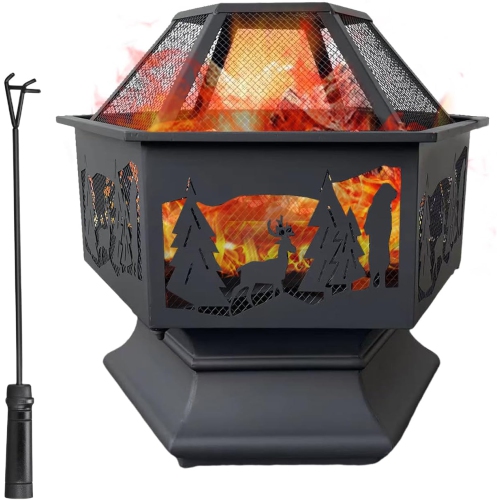
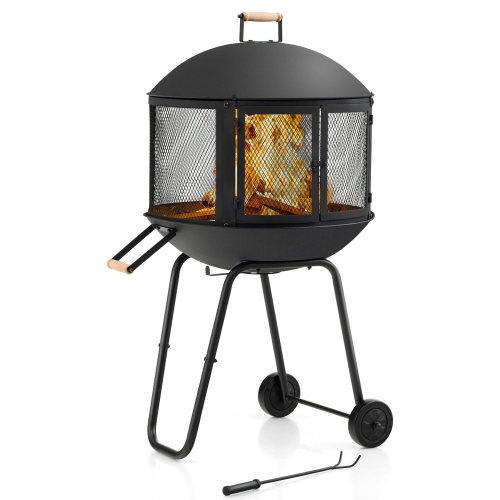

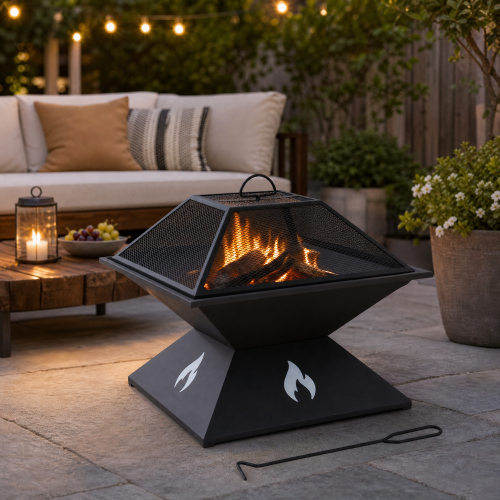
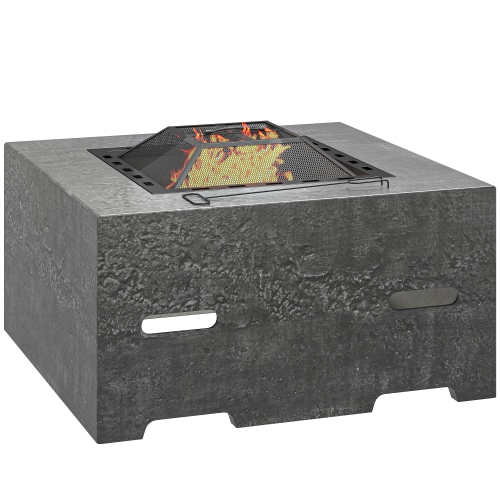

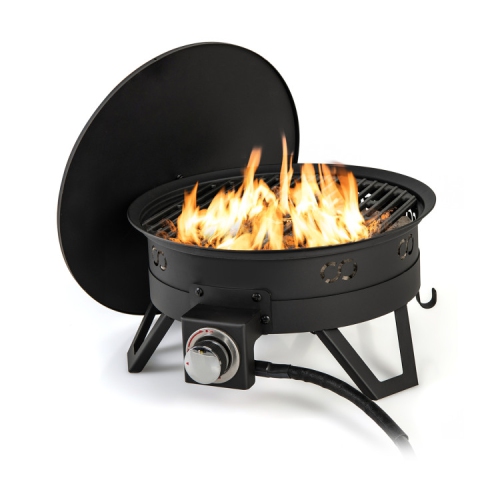
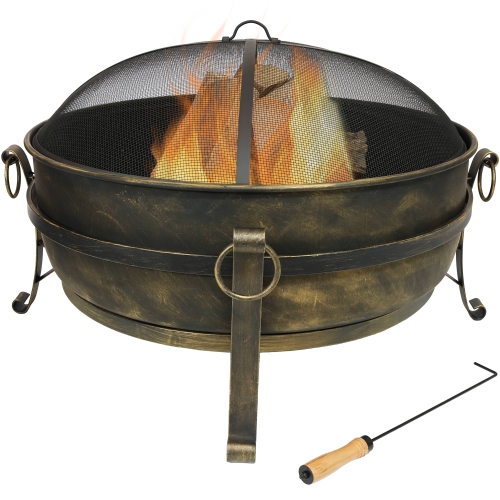
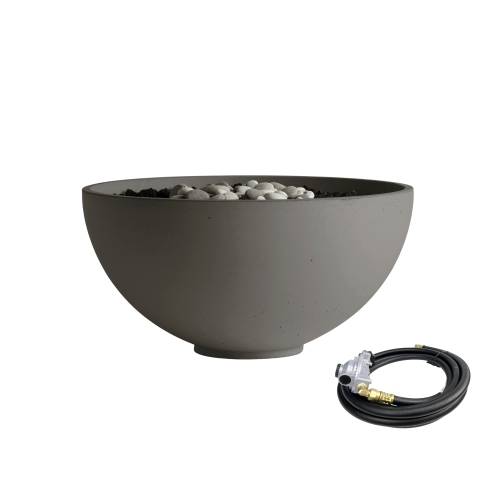

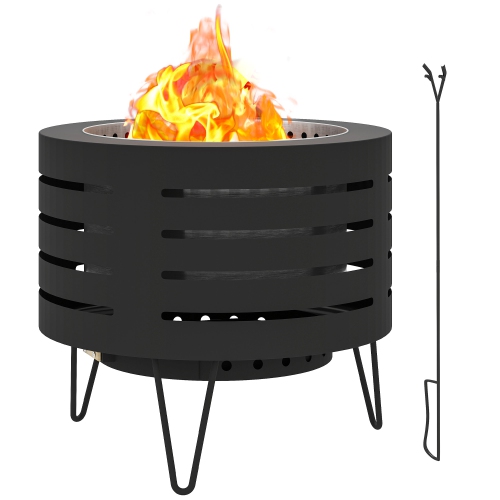

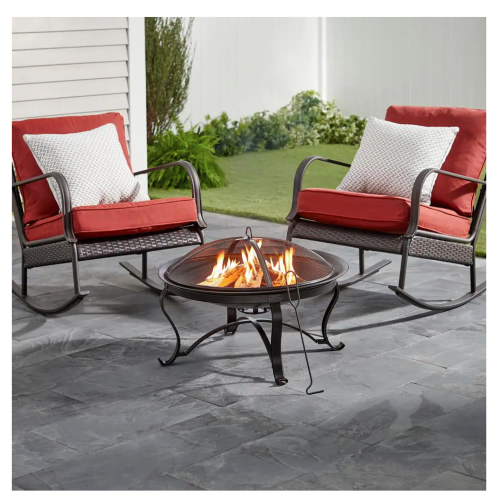
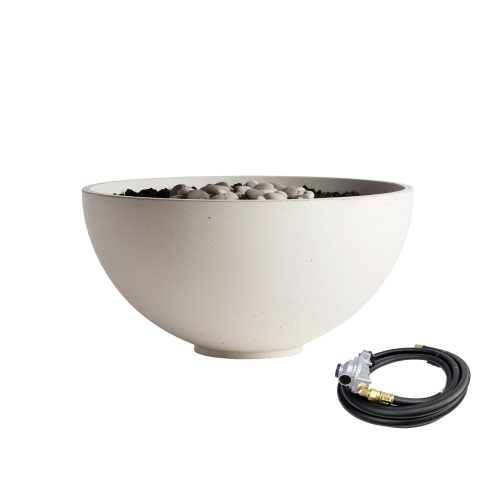
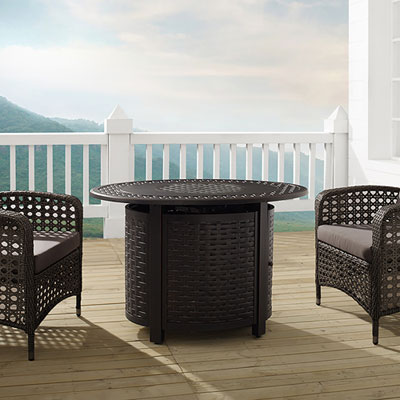
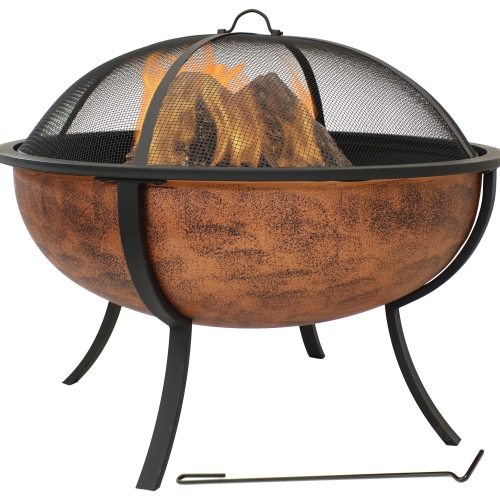


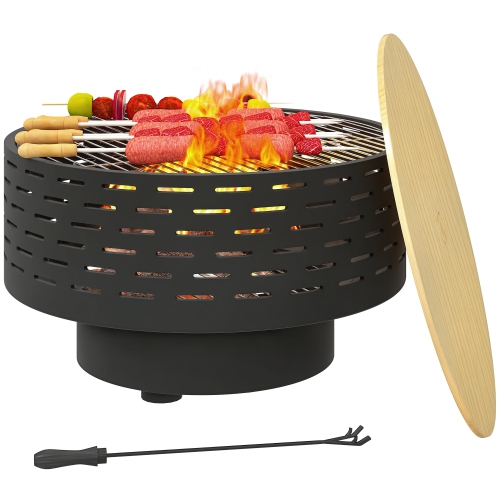
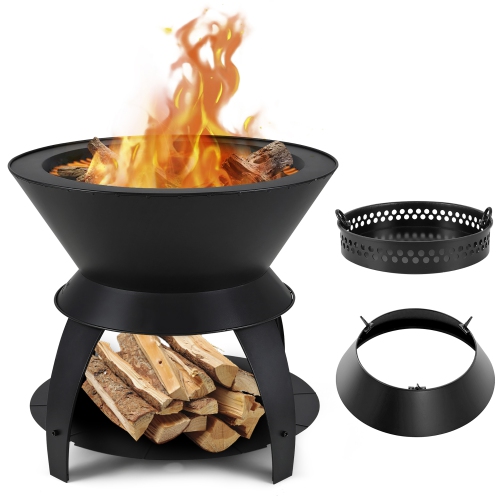
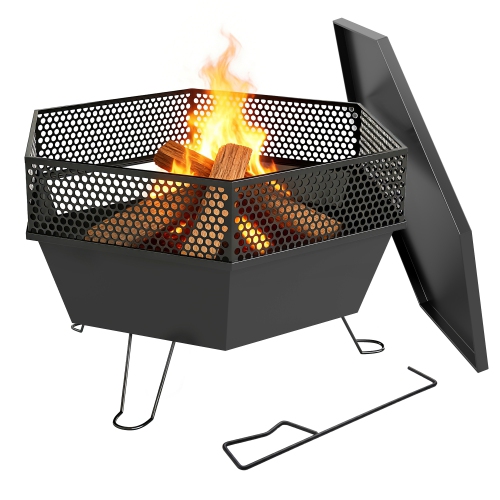


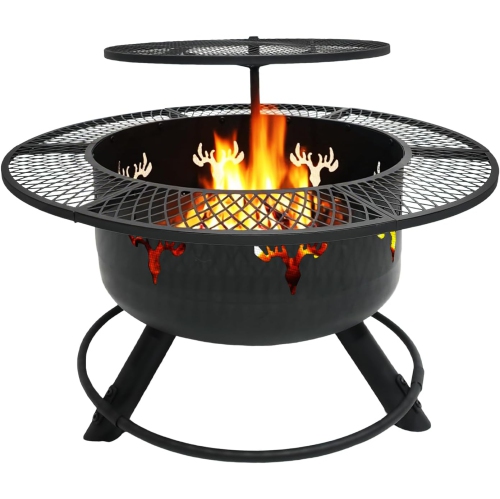







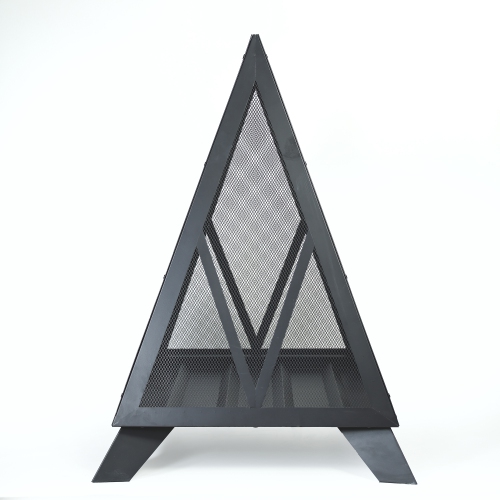
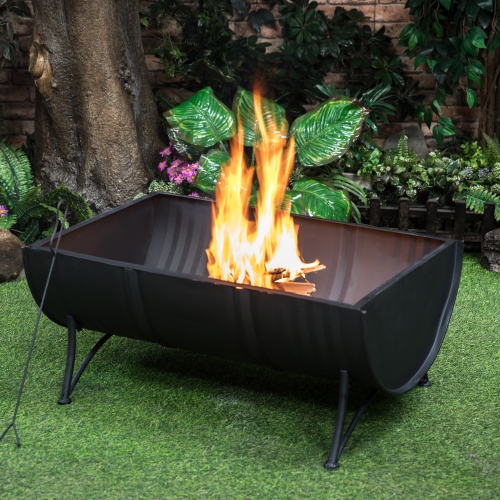


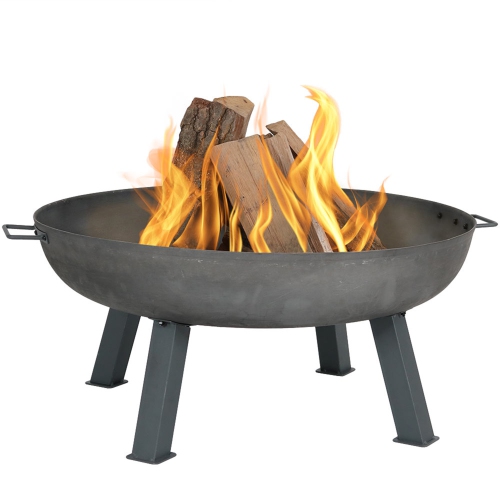
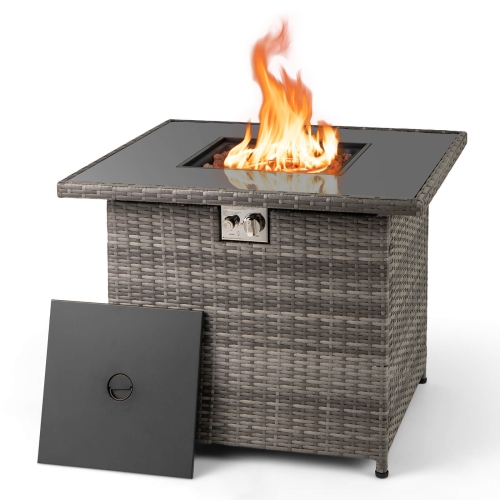
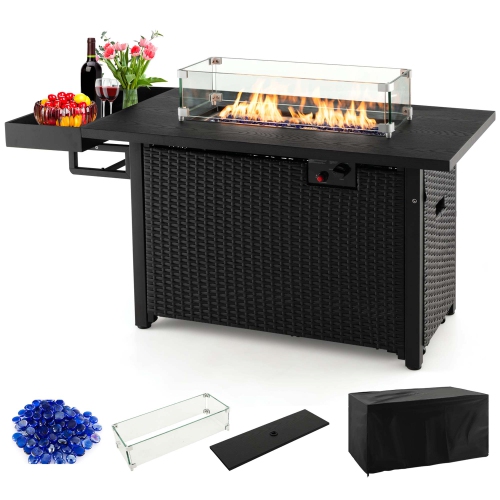
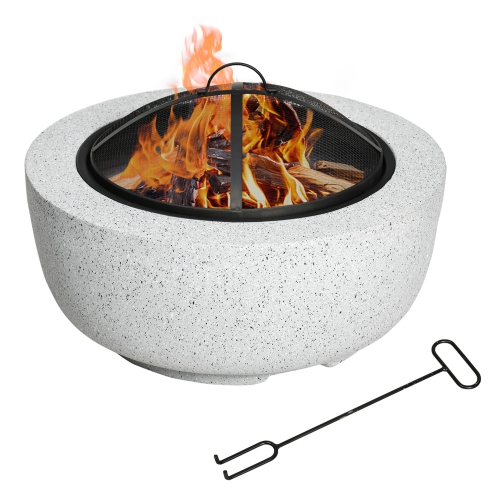
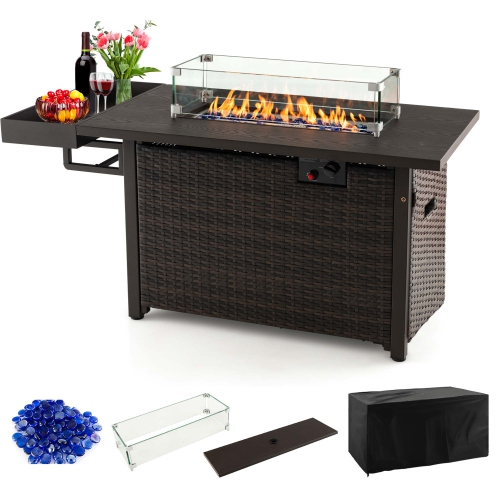
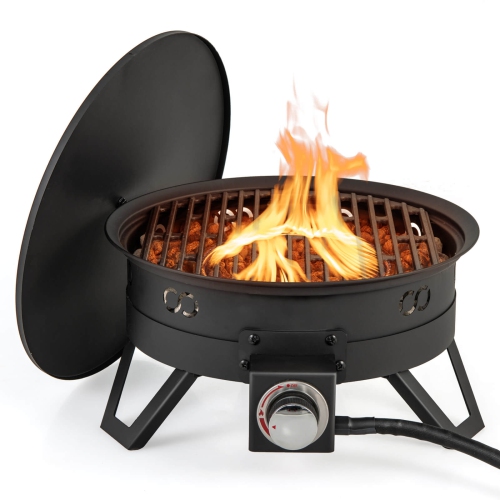
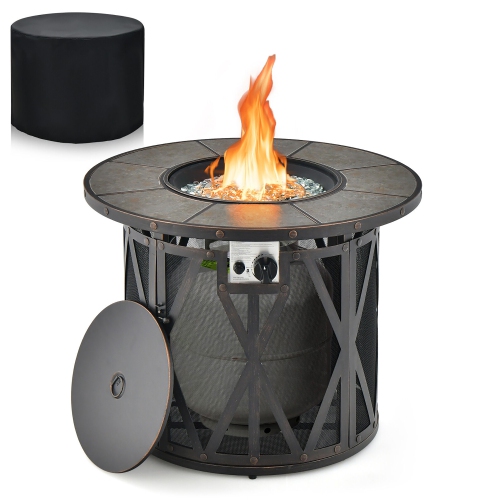

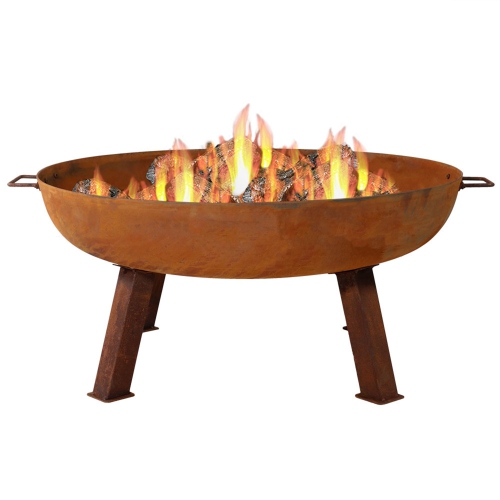
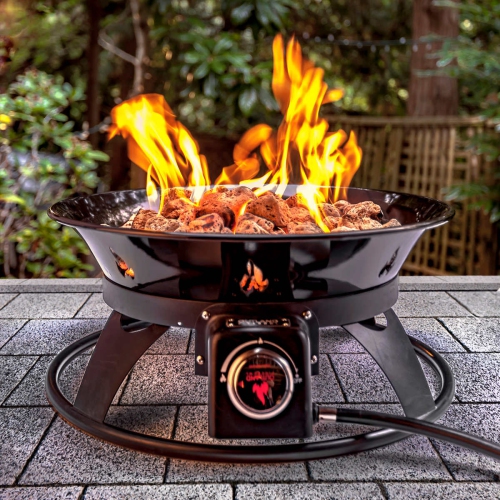
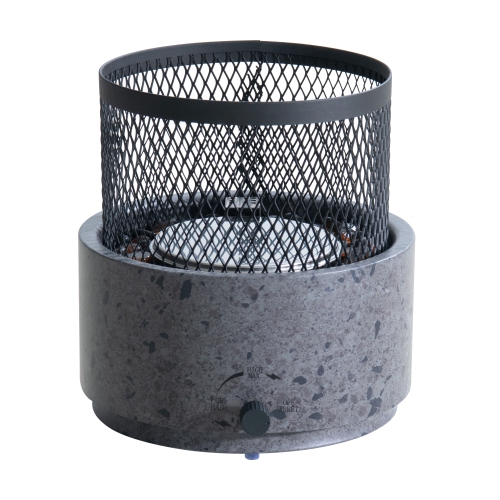
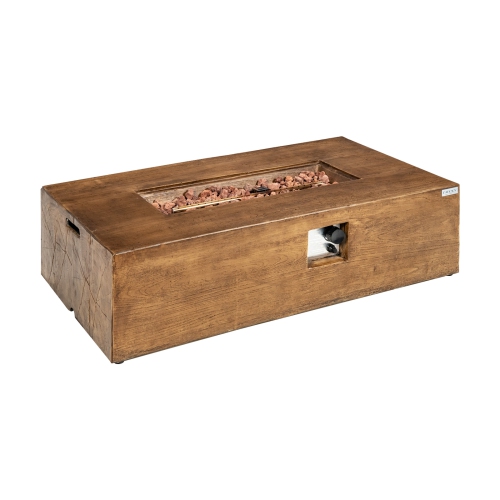
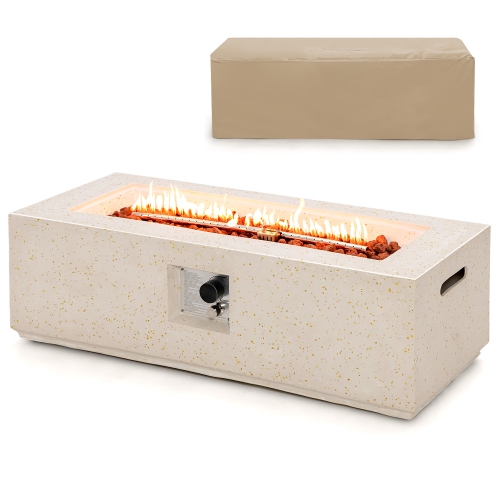


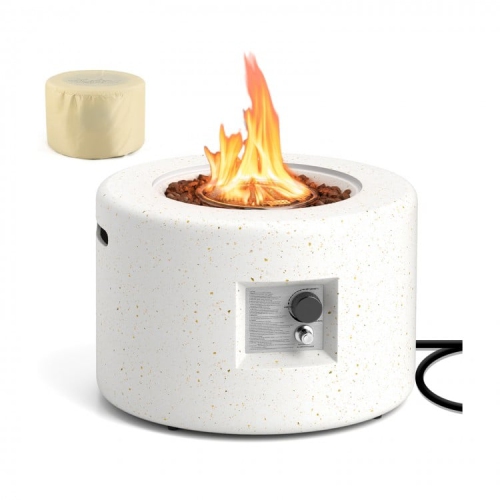

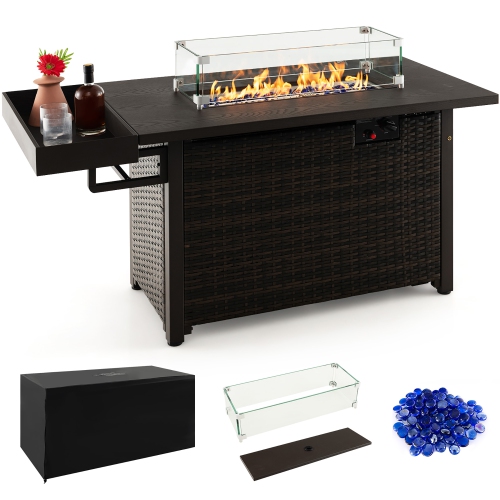








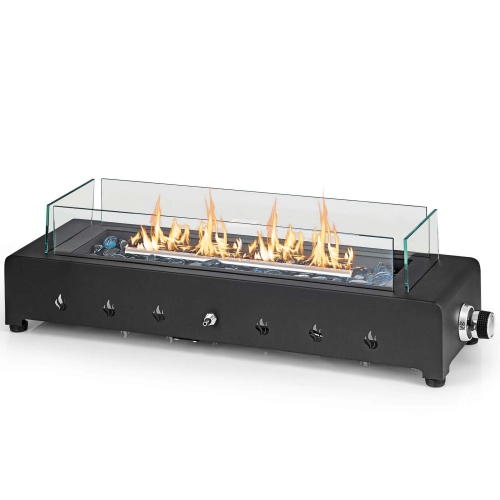
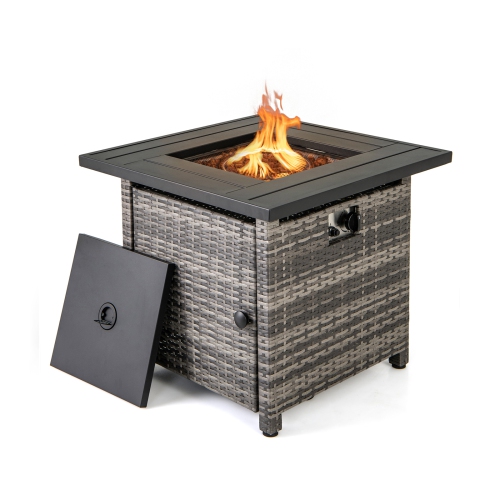


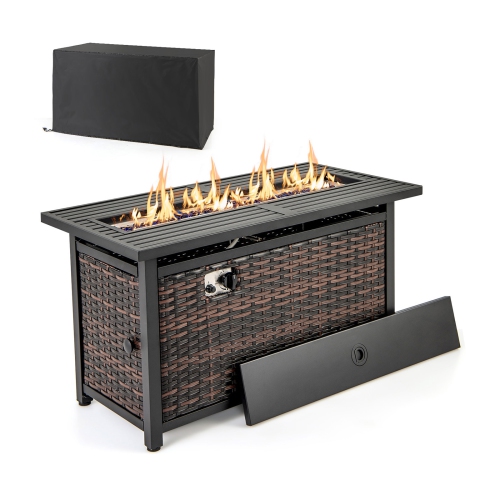
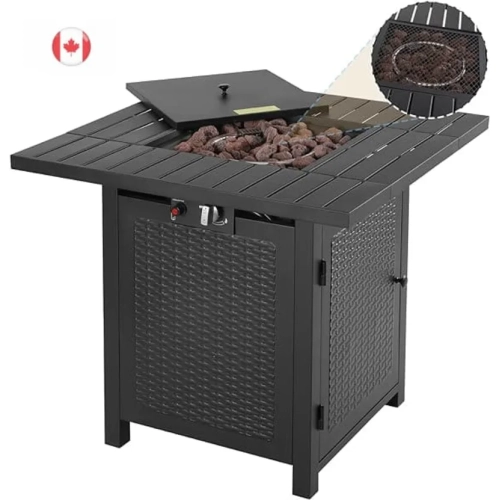

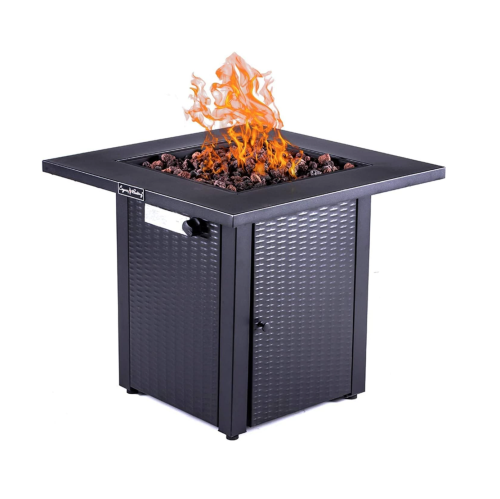
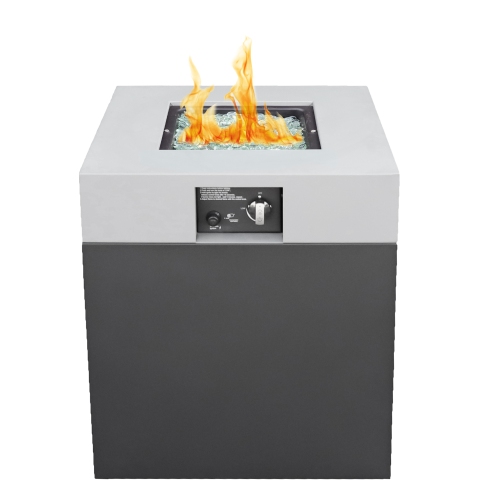
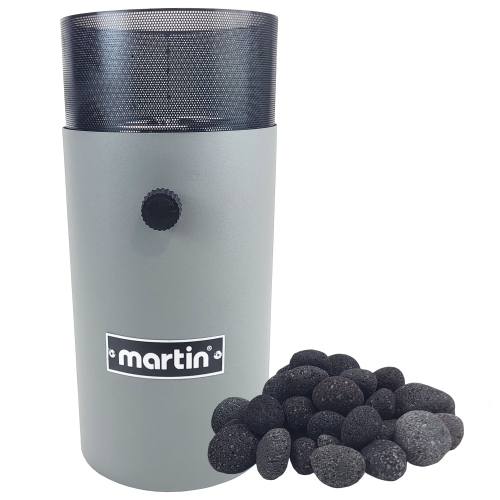


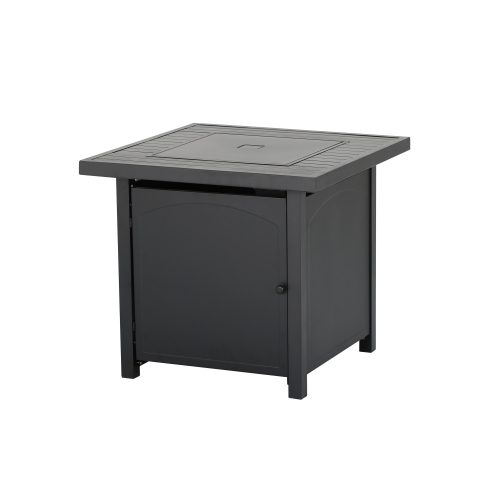
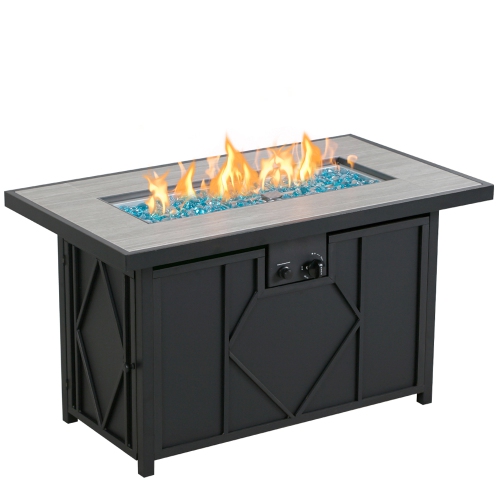
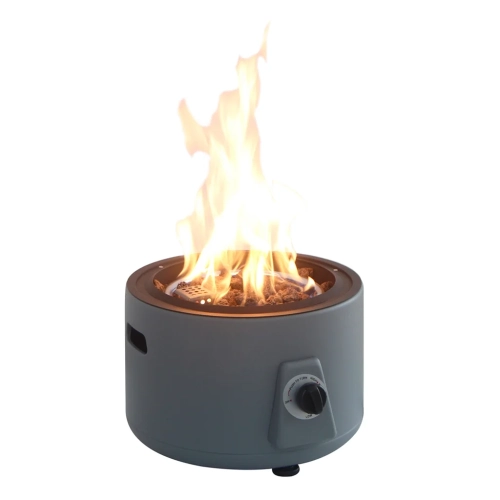
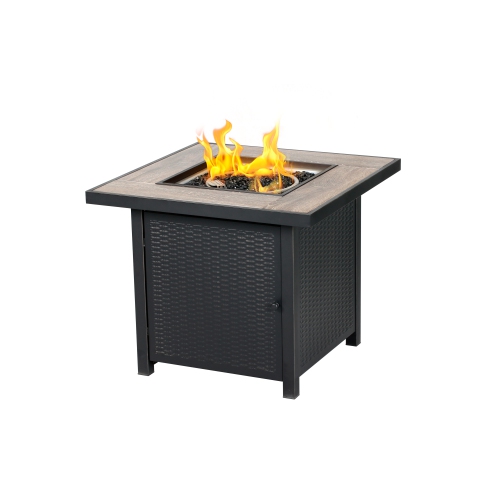
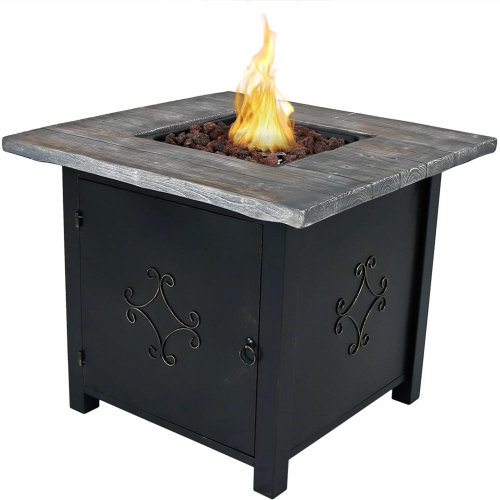
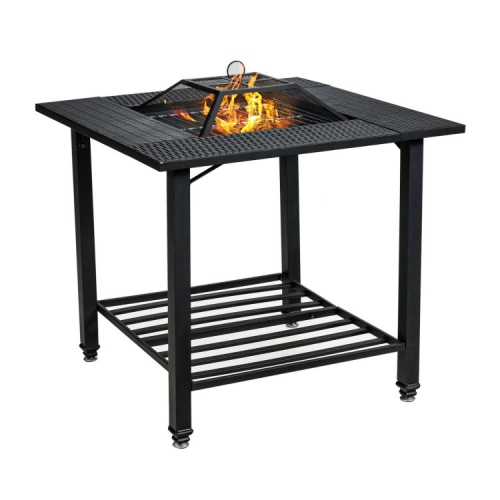


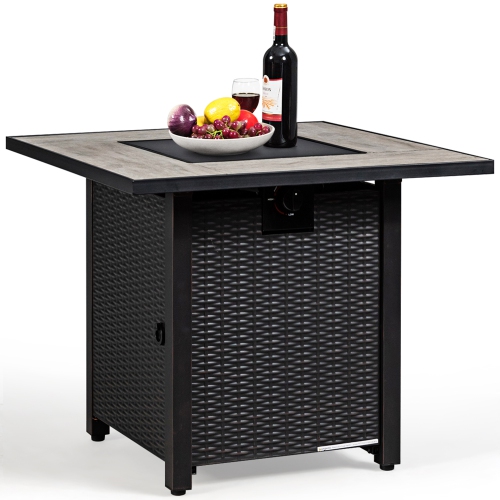


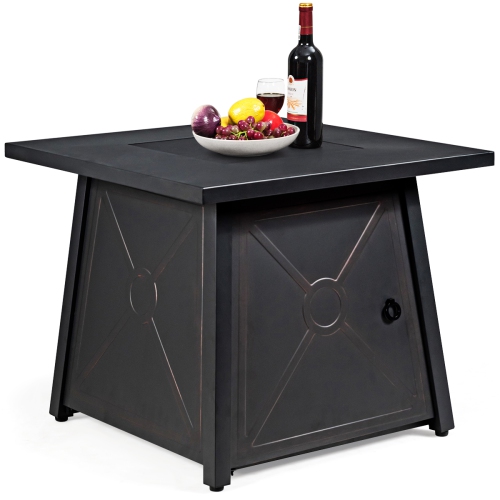


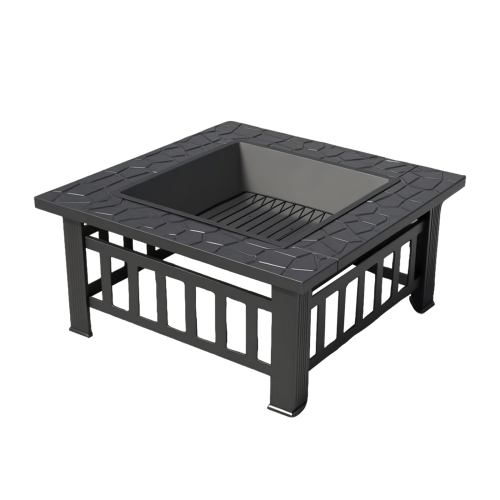






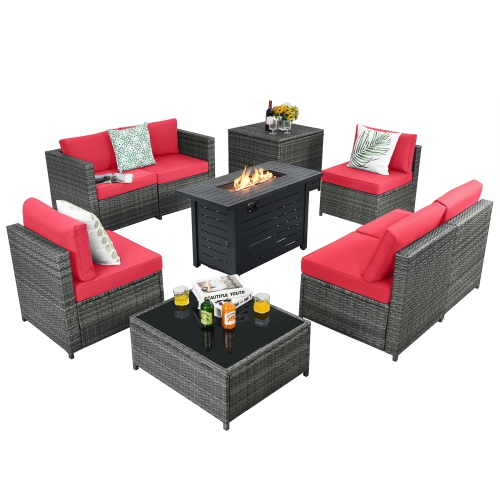


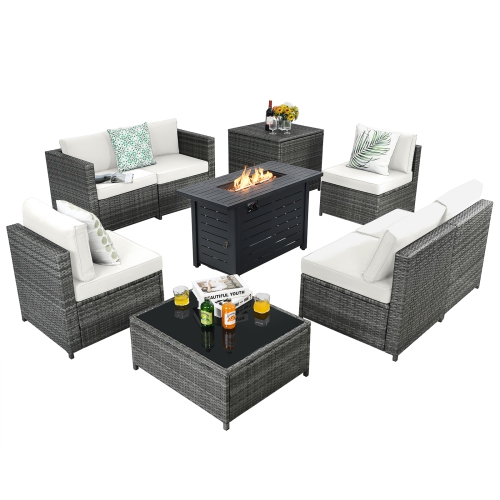


From crackling logs to adjustable flames for relaxed evenings
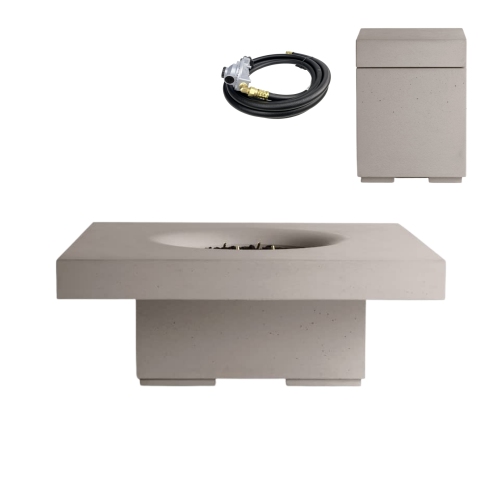
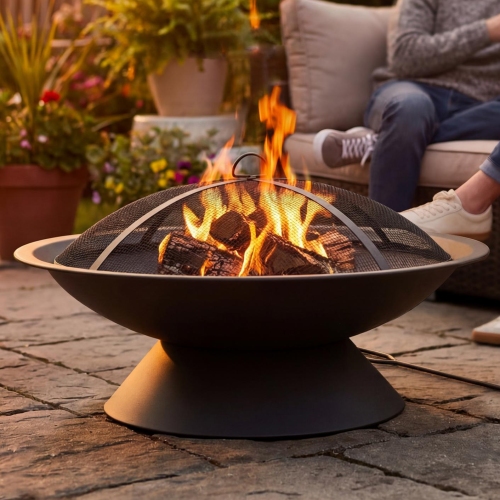
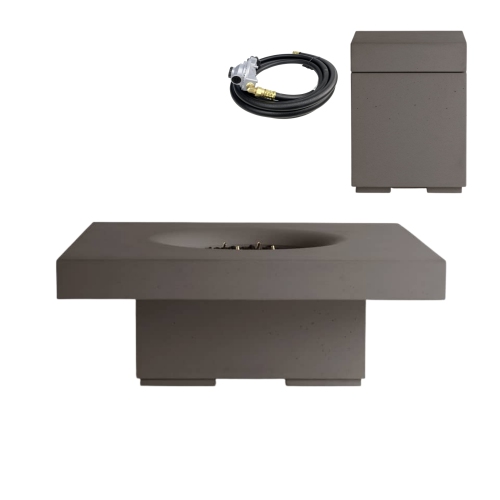
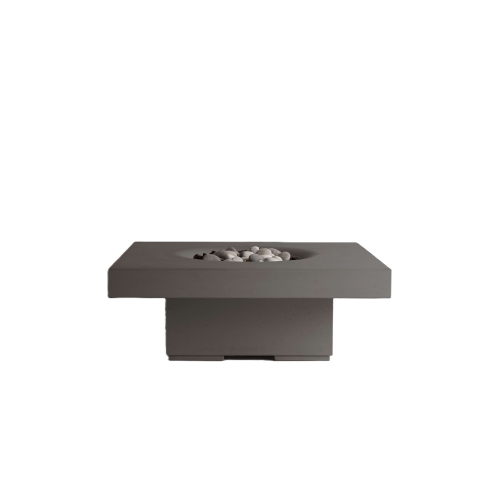
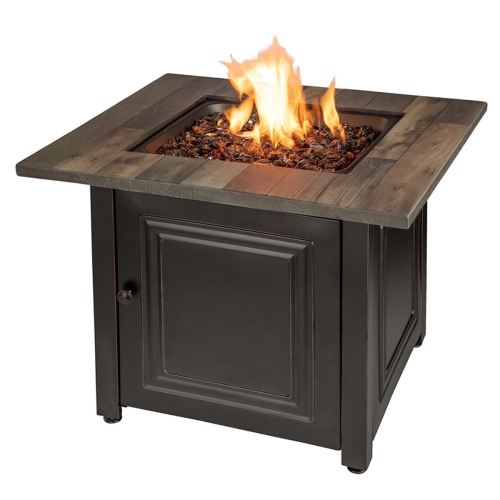
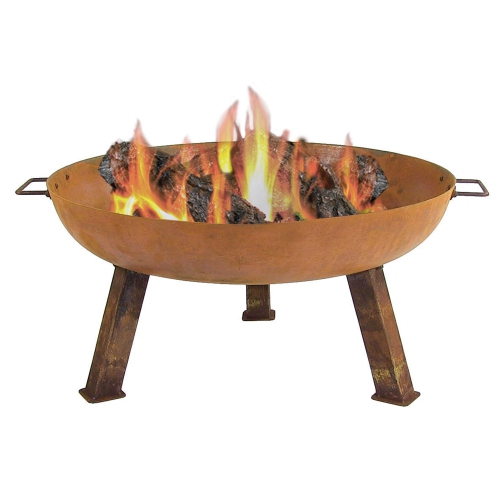
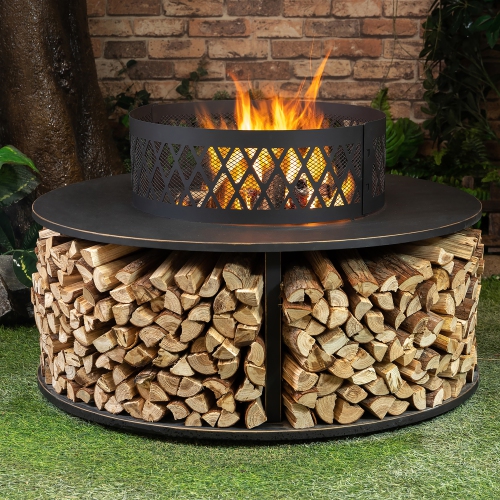
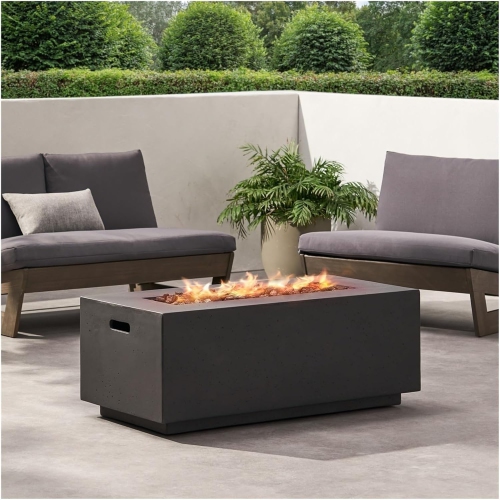
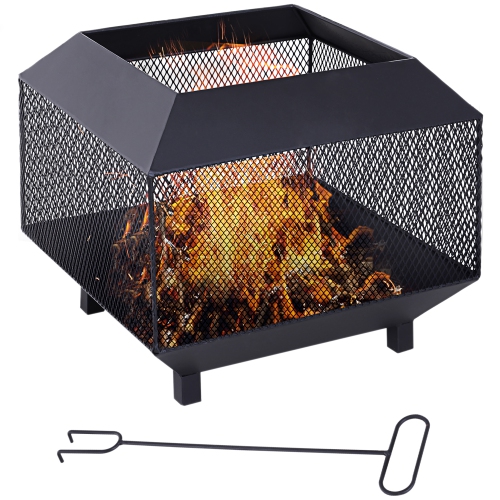
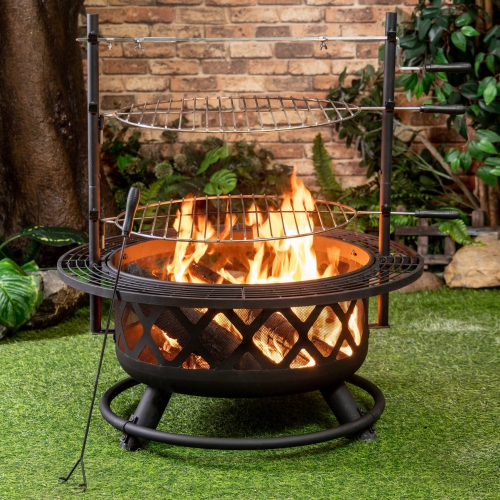
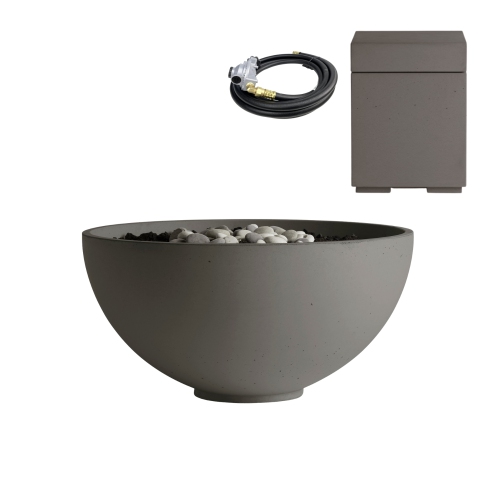
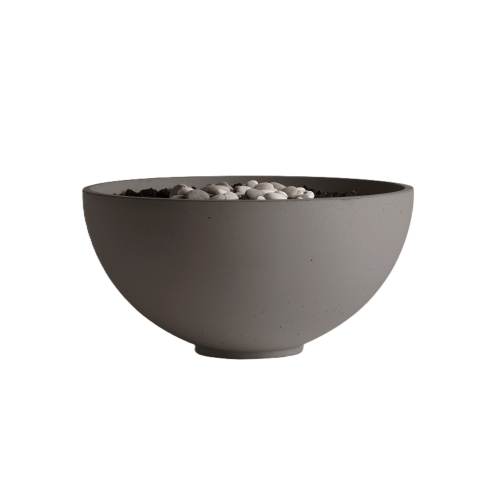
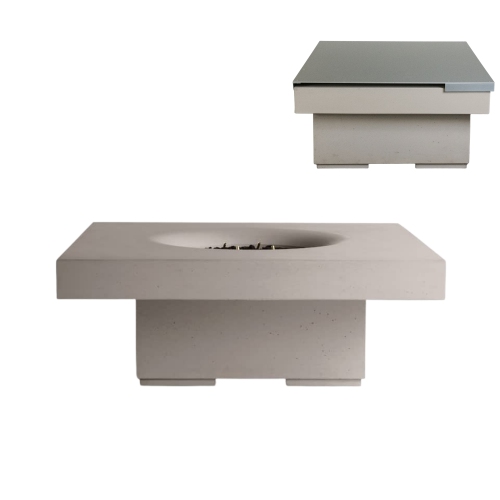
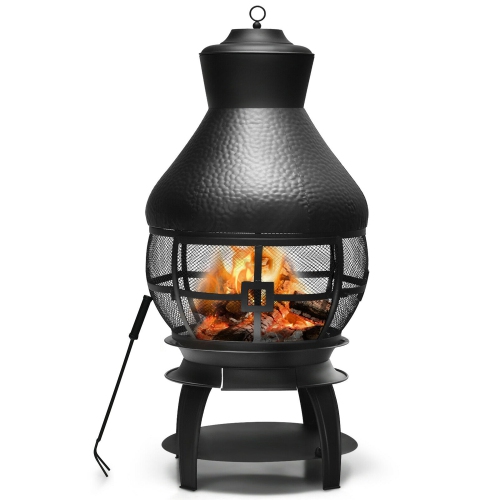
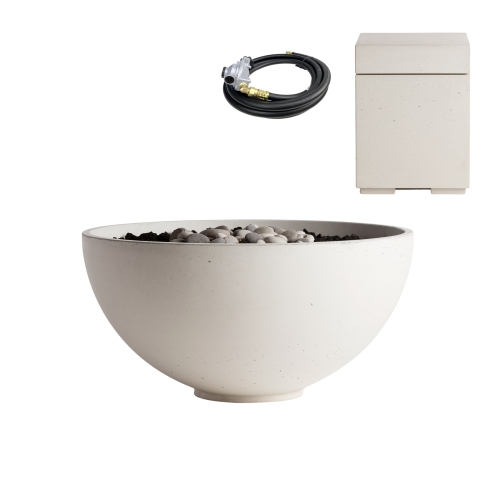
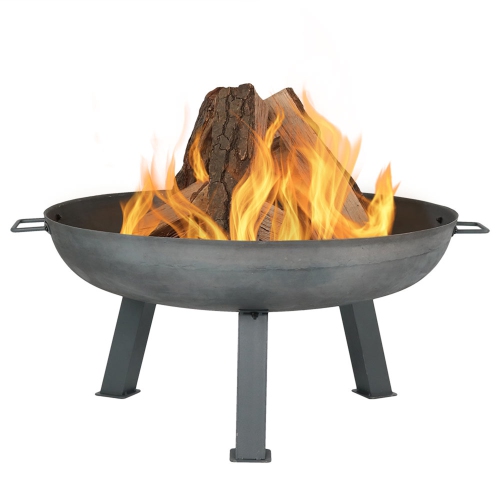
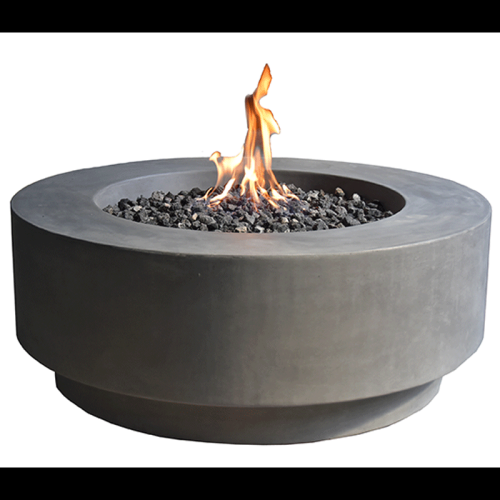
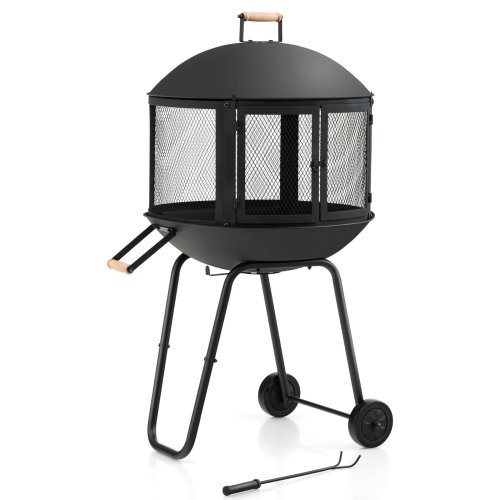
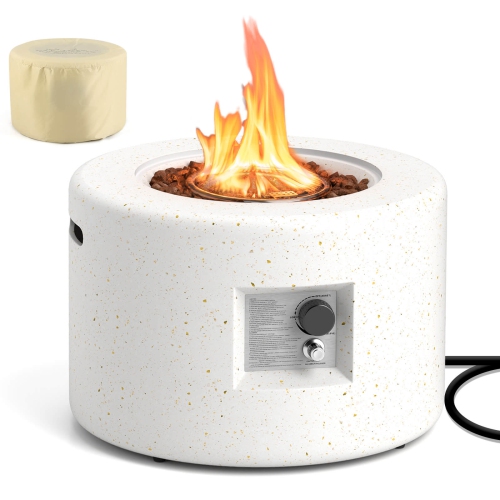
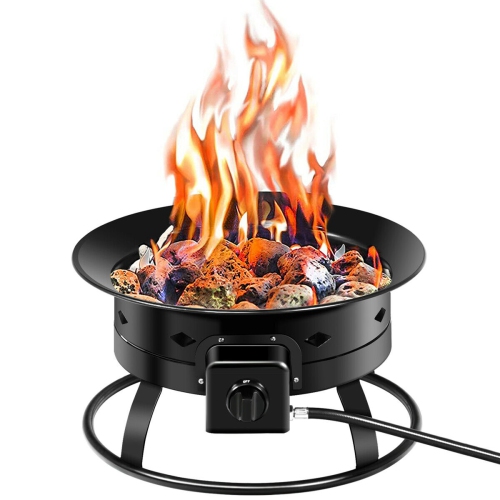
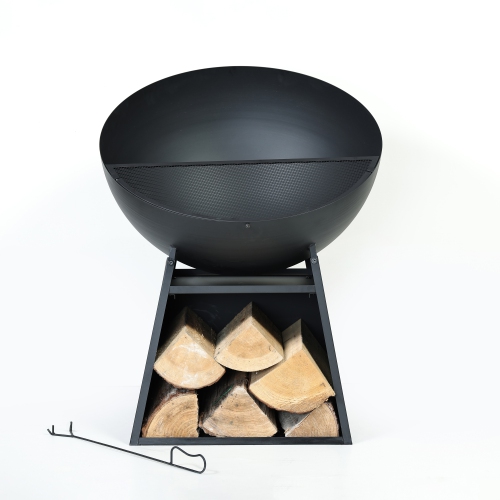
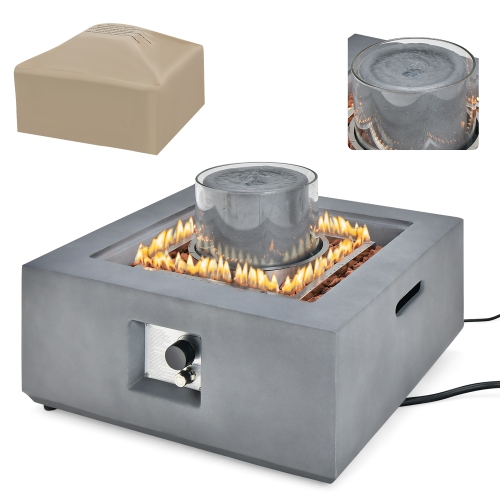
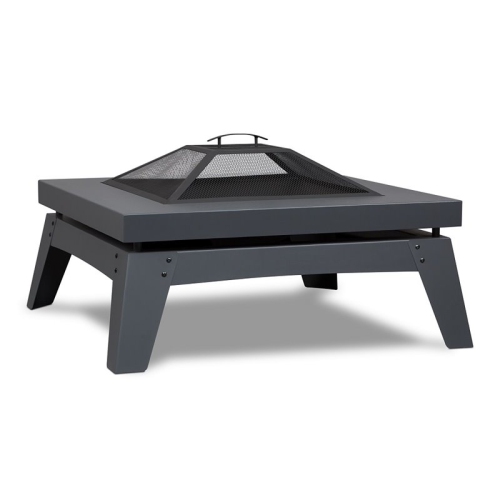
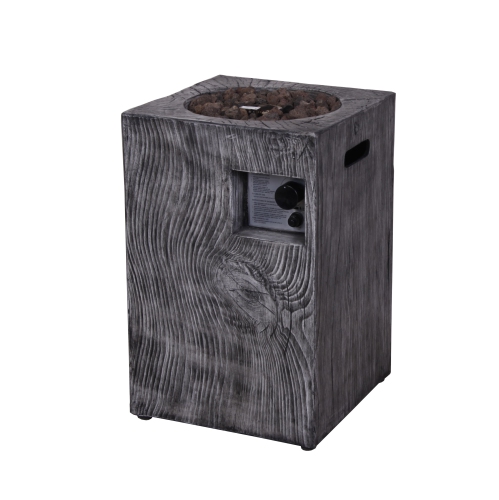
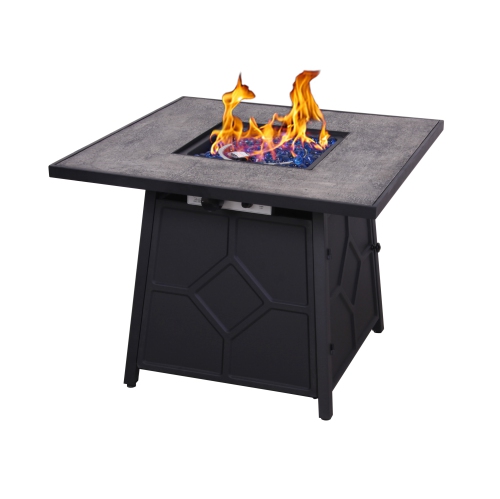
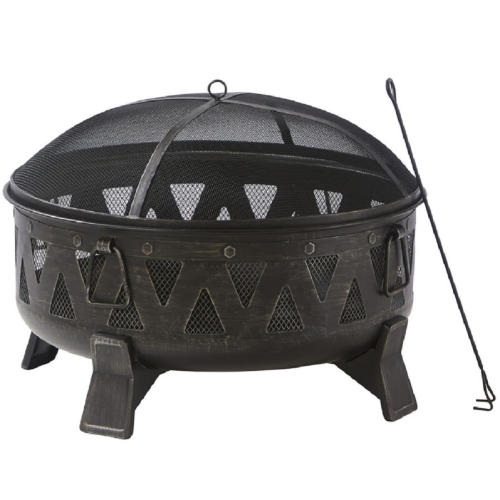
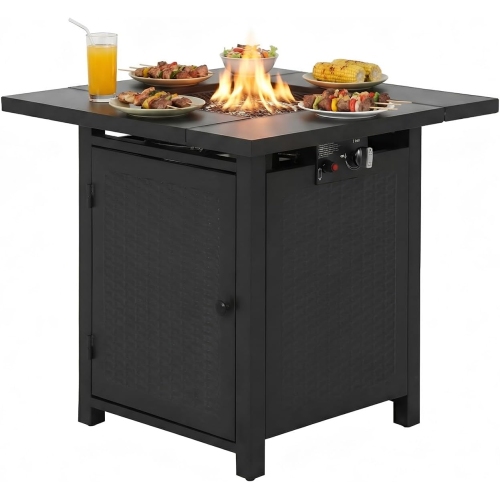
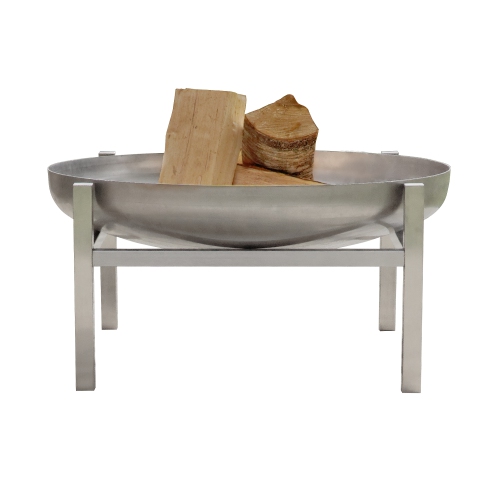
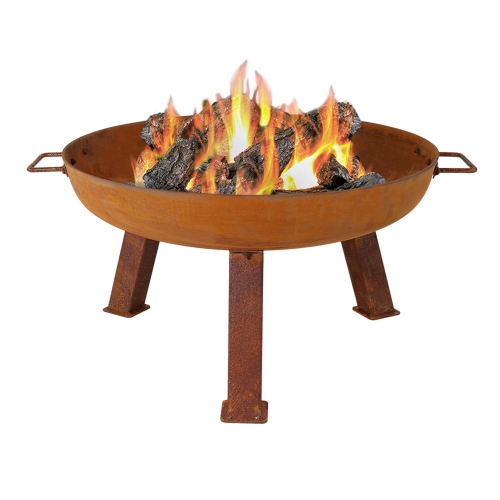
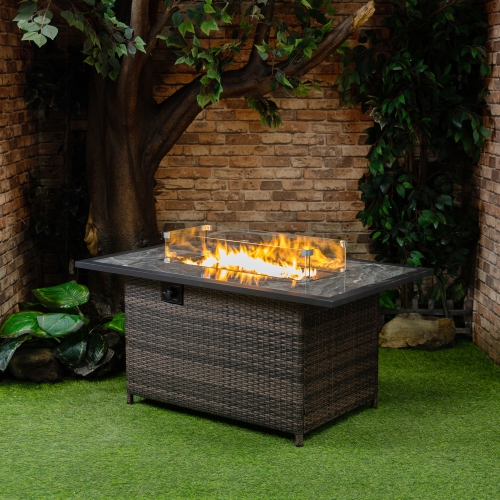
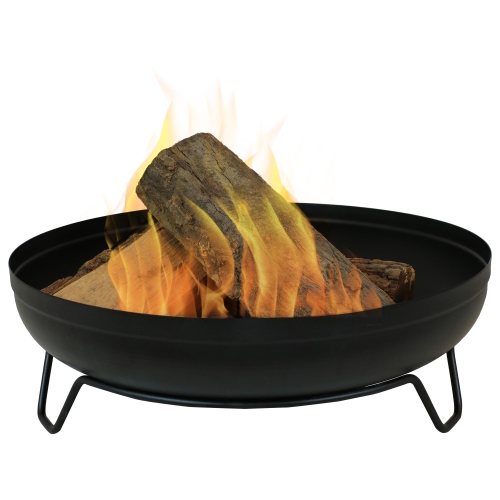
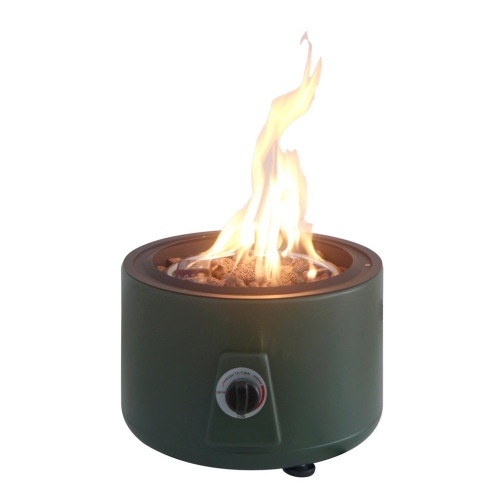
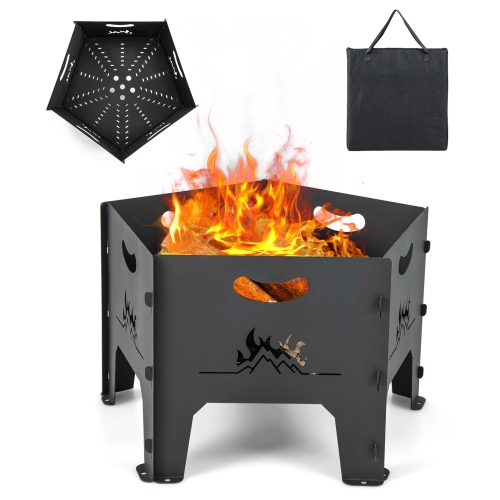
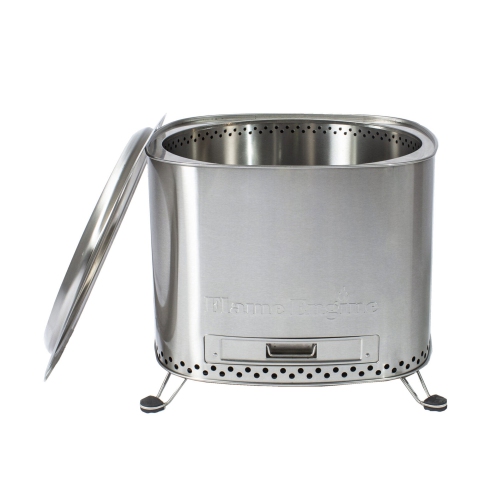
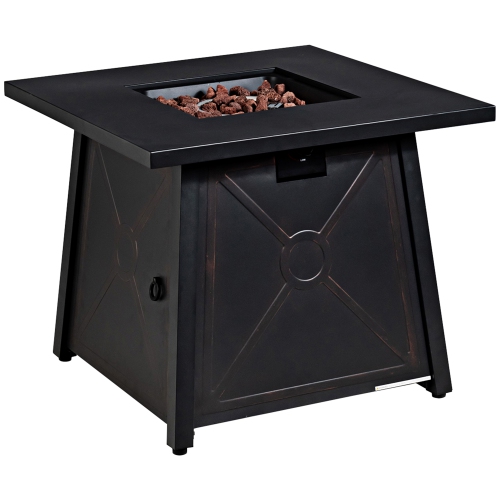
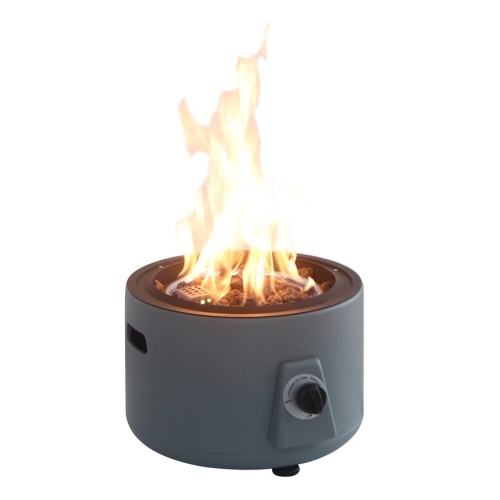
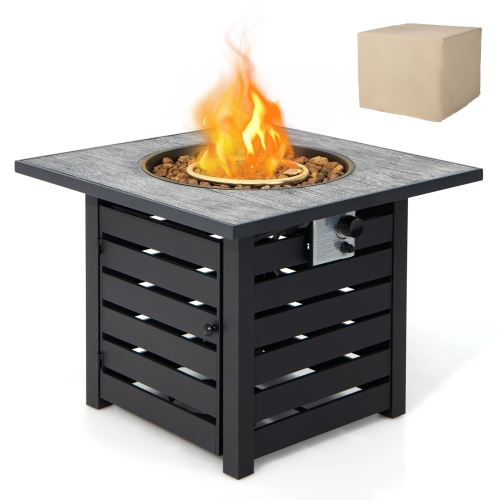
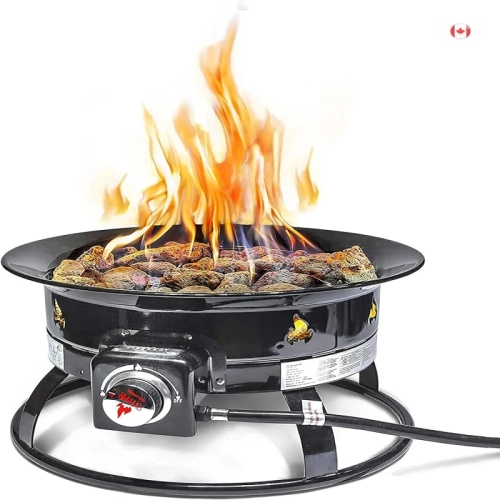
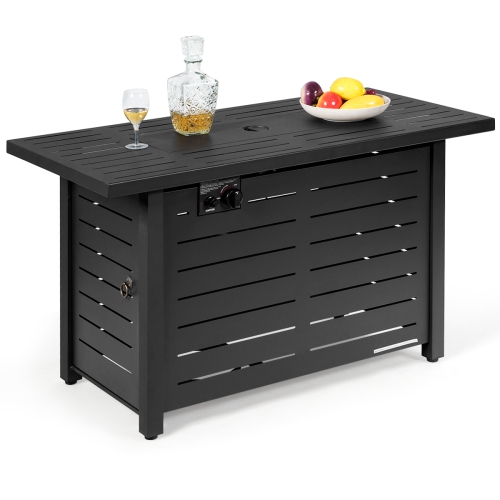
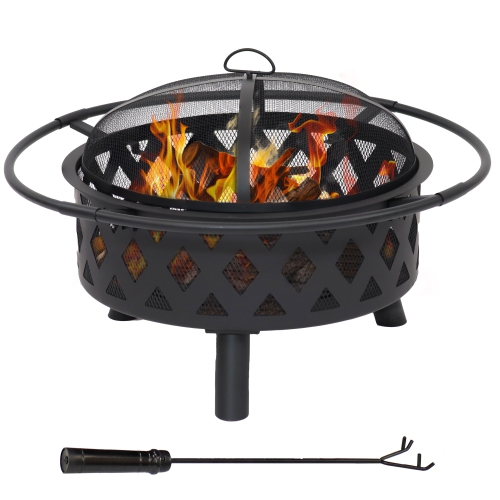
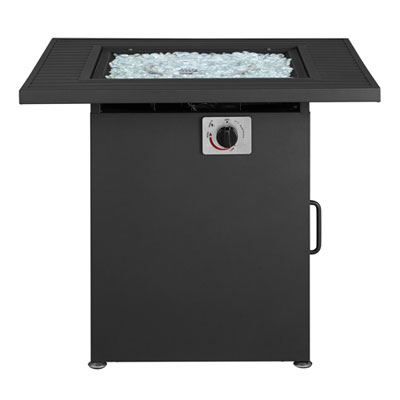
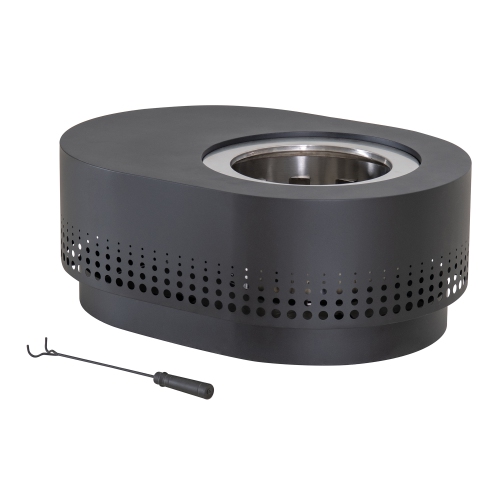
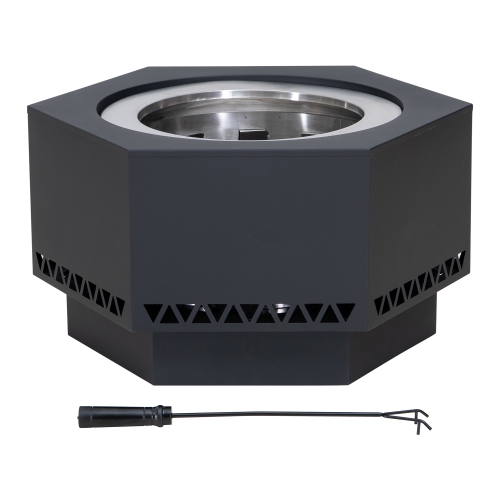
Patio fire pits bring a visible flame and a welcoming focal point to outdoor seating areas, turning a paved courtyard or backyard patio into a place for relaxed conversation. The category includes wood-burning fire bowls, low-smoke designs, propane fire pits, and natural gas fire tables, with each type offering a different balance of atmosphere, convenience, and installation needs. Wood-burning patio fire pits appeal to people who enjoy the sound of crackling logs and the hands-on ritual of tending a fire. Their open bowls often suit informal seating arrangements, though smoke, sparks, ash, and firewood storage are part of the experience. Designs described as smokeless typically use a double-wall construction and secondary airflow to burn more of the smoke produced by the fire. They can reduce visible smoke once the fire is established, but they are not completely smoke-free; dry fuel, correct loading, and unobstructed air passages still matter. Propane fire pits offer an adjustable flame without the need to handle logs or clean out wood ash. Many fire tables incorporate a surrounding ledge, creating a furniture-like centrepiece that sits comfortably alongside outdoor sofas and lounge chairs. That ledge is not automatically a dining surface: its usable area and distance from the burner depend on the design and operating instructions. Natural gas fire pits connect to a fixed supply and are better suited to a planned, permanent layout, with installation handled by a qualified professional. For a more enclosed, hearth-style focal point, patio fireplaces offer another way to shape an outdoor gathering space. Across these formats, flame appearance and perceived warmth vary with burner design, fuel, seating distance, and exposure to moving air. A fire pit creates a gathering point rather than guaranteeing even heat throughout an entire patio. For households that spend time chatting after dinner, hosting a few friends, or simply enjoying a quiet evening outdoors, the right format should fit naturally into those routines.
The proportions of a patio fire pit matter just as much as its appearance. A round bowl encourages chairs to face inward, while a rectangular fire table can follow the length of a sofa and leave room for conversation across the flame. Square designs often work well with modular lounge seating, provided there is enough space to move around corners without approaching the hot surface. Overall dimensions deserve attention alongside the size of the burn area: a broad tabletop, projecting handles, or a separate propane cylinder can take up more room than expected. Seat height also affects the experience. A low bowl keeps the flame in view from deep lounge chairs, while a taller table changes the sightline and the reach to any permitted resting surface. On a compact patio, a smaller footprint does not remove the need for clearances from walls, railings, furniture, plants, and overhead structures. Required distances vary by appliance and local rules, so the manufacturer's instructions and municipal bylaws take precedence over a general spacing recommendation. Wood-burning restrictions, temporary fire bans, condominium rules, and rental agreements may also affect whether a fire pit can be used at all. These appliances belong outdoors, not in garages or enclosed rooms, and a covered patio is suitable only when the appliance instructions and applicable requirements permit it. Surface compatibility is equally important. A level, stable, non-combustible base is commonly required, and a protective mat does not make every fire pit safe for a wood or composite deck. Heat can travel downward as well as outward. Fuel placement needs planning, too: propane cylinders must remain upright and properly ventilated, with hoses positioned according to the appliance instructions and protected from foot traffic. An enclosed cylinder compartment should be purpose-designed for that use, rather than improvised storage. A thoughtful layout leaves a clear route between the house, seating, and garden while keeping children and pets away from the flame and hot edges.
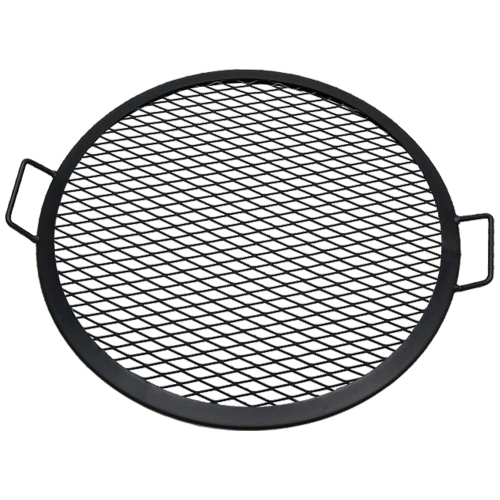
Materials give patio fire pits much of their character, but they also influence weight, upkeep, and long-term durability. Steel allows for everything from simple curved bowls to sharply defined modern tables; protective finishes help resist corrosion, although scratches and prolonged moisture exposure can leave vulnerable areas. Stainless steel offers corrosion resistance rather than complete immunity to staining or rust, and its surface may develop heat discolouration with use. Cast iron has a substantial feel and retains heat, making it less convenient to reposition and slow to cool after a fire. Concrete and composite surrounds can give a fire table the appearance of built-in masonry, but their weight, finish, and care requirements vary considerably. Some stone-look surfaces are moulded composites rather than solid stone, so appearance alone does not establish how they should be cleaned or moved. Aluminium frames can make larger designs easier to handle, while the burner and other heated components may use different materials suited to their function. For Canadian outdoor spaces, drainage and protection during periods of rain, snow, and freezing conditions are practical durability considerations. A fitted cover can help keep debris and moisture off a cooled appliance, but it should be used as directed and must not obstruct ventilation during storage. Wood ash should be removed only after it has cooled completely, then placed in an appropriate metal container away from combustible materials; hidden embers can remain hot long after the visible fire ends. Gas burner openings and drainage channels need to stay clear, and replacement lava rock or fire glass must be approved for the appliance rather than substituted with ordinary stones or decorative glass. Cooking is appropriate only on designs expressly intended for it, using the specified accessories. For a housewarming gift or a shared outdoor living upgrade, a patio fire pit is most useful when the recipient's space, fuel preference, and local permissions are already understood. Straightforward cleaning access, manageable weight, suitable storage, and replaceable wear components can matter as much as the first impression of the flame.
Top selling and popular products
-
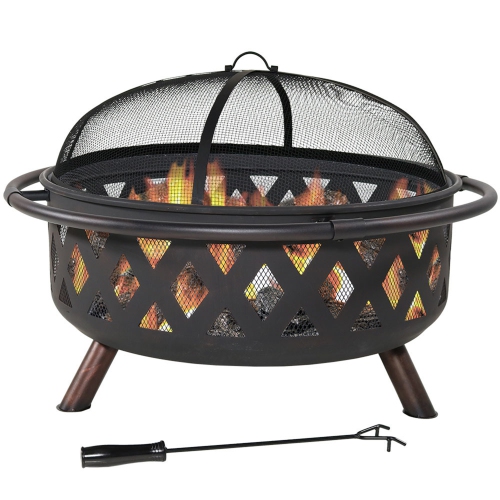 Your price for this item is $282.45
-
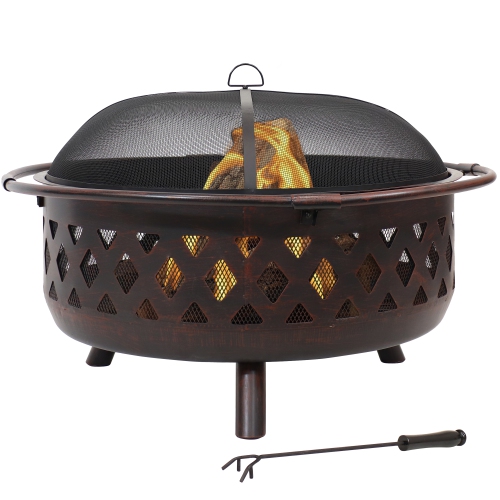 Your price for this item is $282.45
-
 Your price for this item is $236.45
-
 Your price for this item is $199.99
-
 Your price for this item is $266.99
-
 Your price for this item is $222.99
-
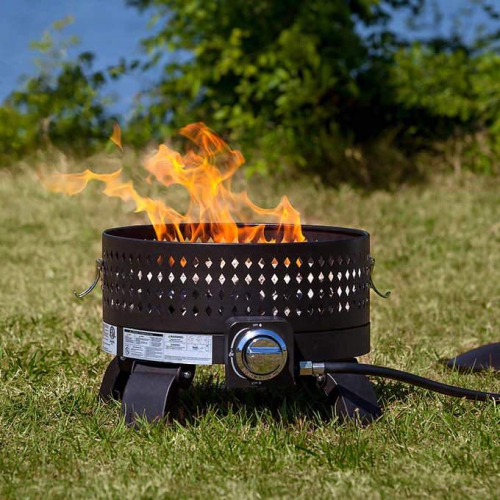 Your price for this item is $199.99
-
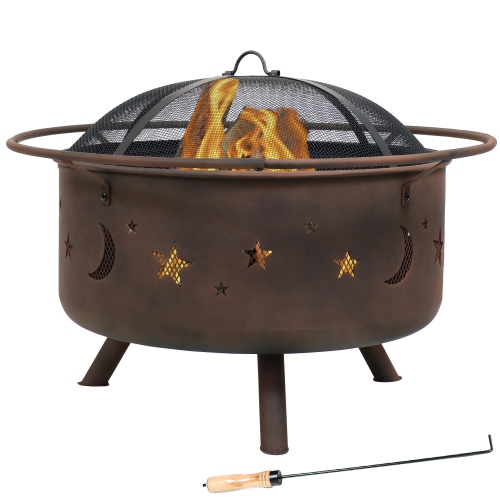 Your price for this item is $241.55
Discover more categories related to Patio Fire Pits
Top Collections:
Pokemon Centers, Best Cameras for Sports Photography, Kindle Devices, Samsung Galaxy Phones, Canon G7X Cameras, Pokémon 30th Celebration Cards, Refurbished Apple Laptops, iPhone 15 Apple, Laptops for Students, Budget Smartphones
Some products may be subject to Environmental Handling Fees
(EHF) depending on your province.
Learn more about EHFs.