Patio Hanging Swings
Create a cozy outdoor oasis with our selection of patio hanging swings. Perfect for relaxing on warm summer days or enjoying a peaceful evening under the stars, these stylish swings add a touch of charm to any patio or backyard space. Whether you're looking to curl up with a good book or simply unwind after a long day, our range of Patio Hanging Swings offers comfort and relaxation in one inviting package. Explore our collection today and elevate your outdoor living experience with ease.
Sort
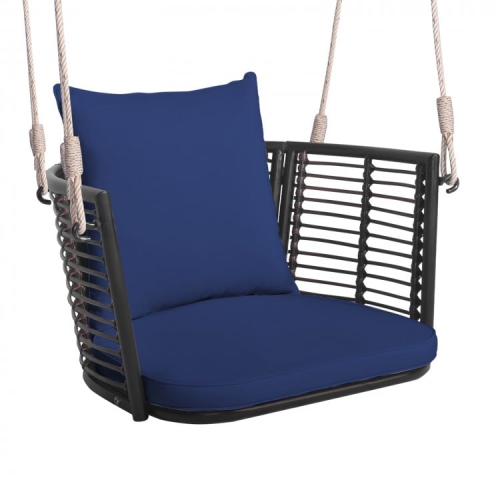
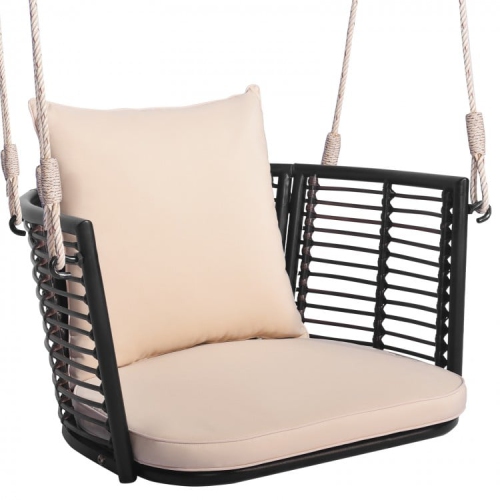
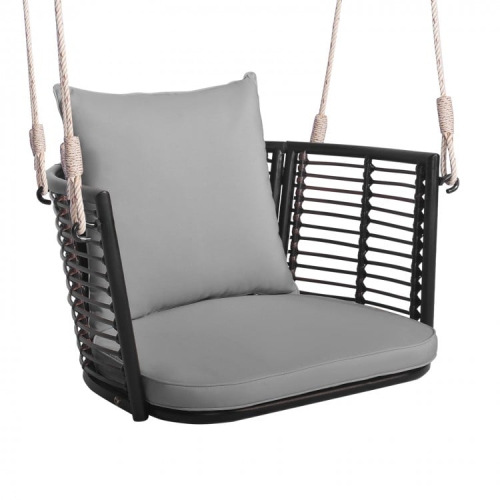


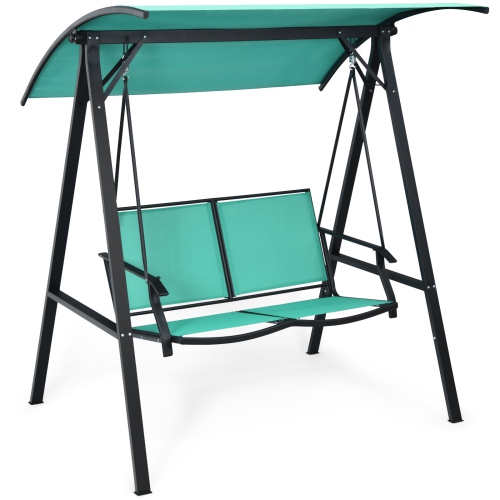


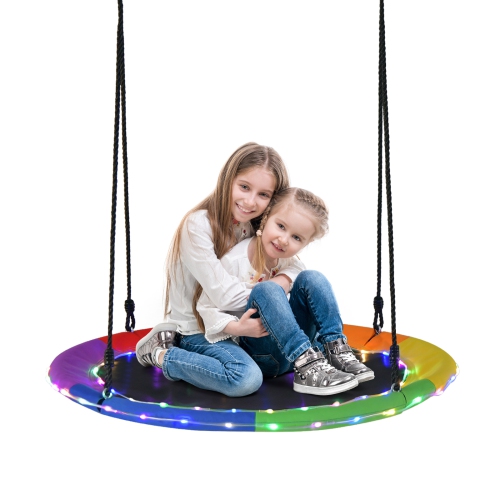


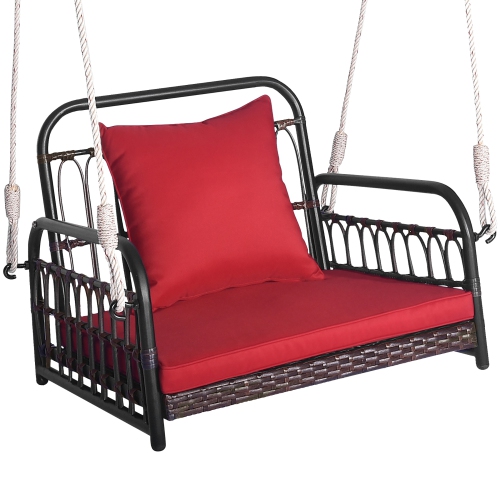


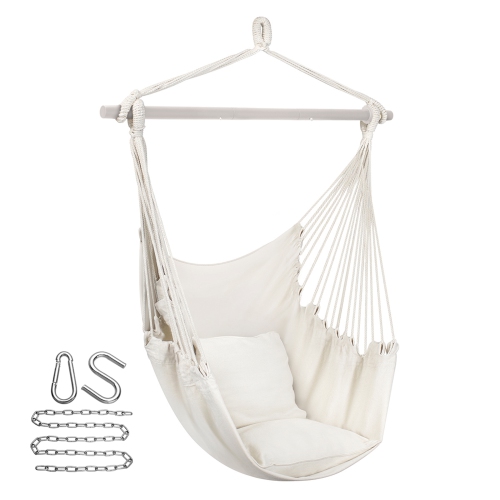


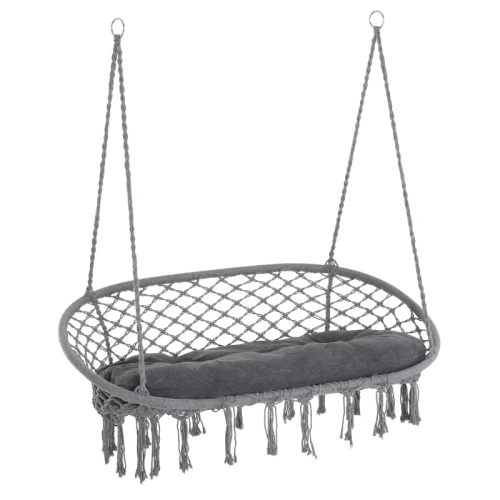

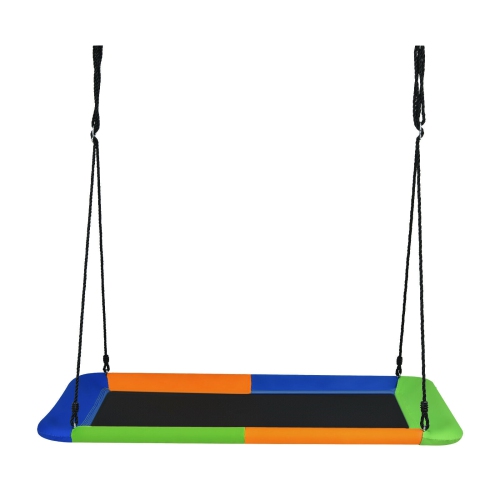
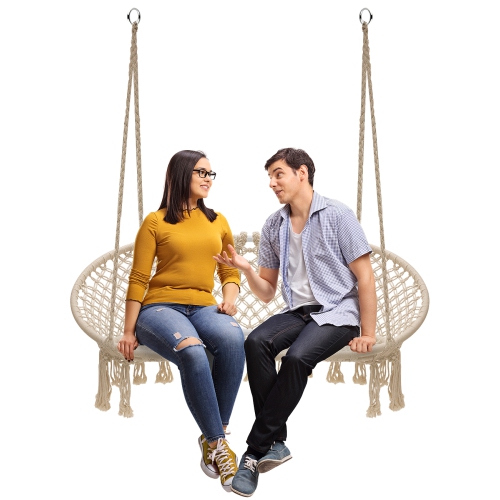
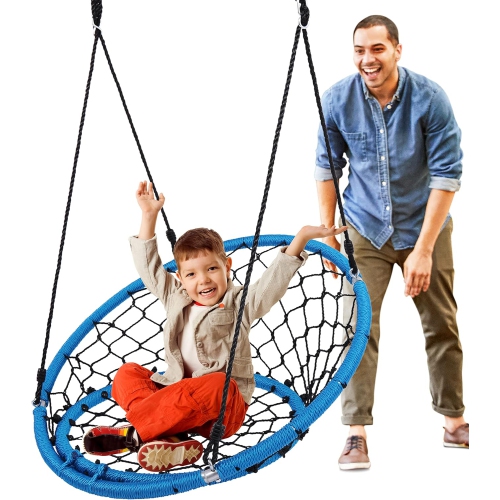
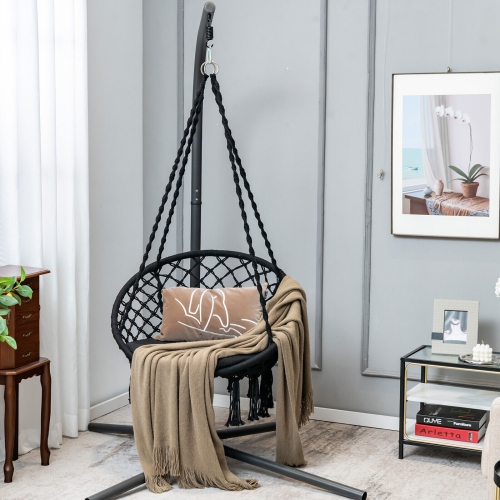
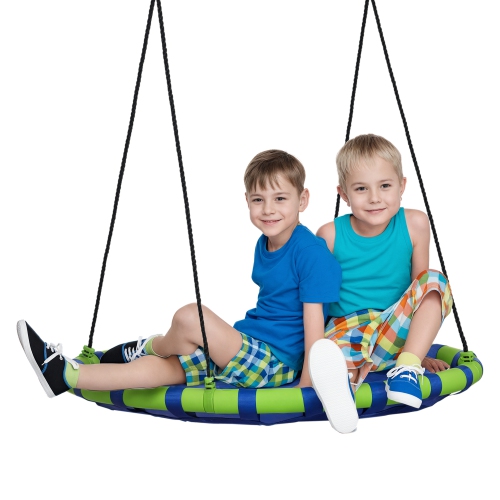


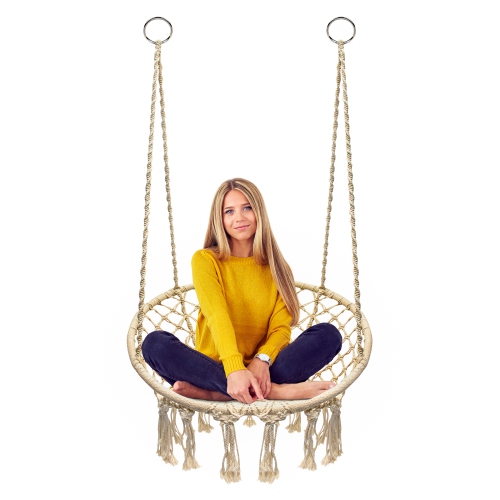
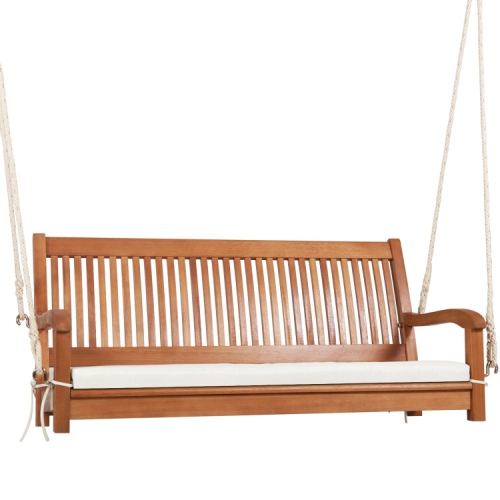


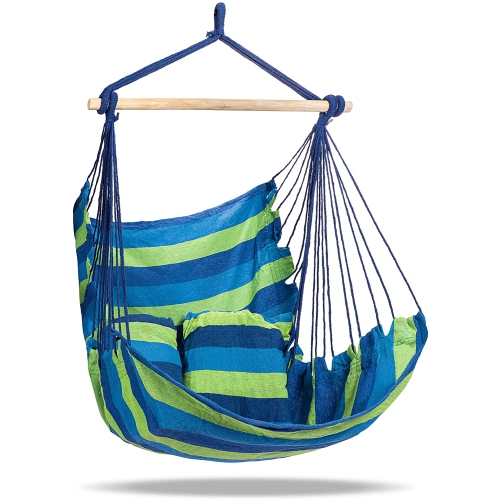


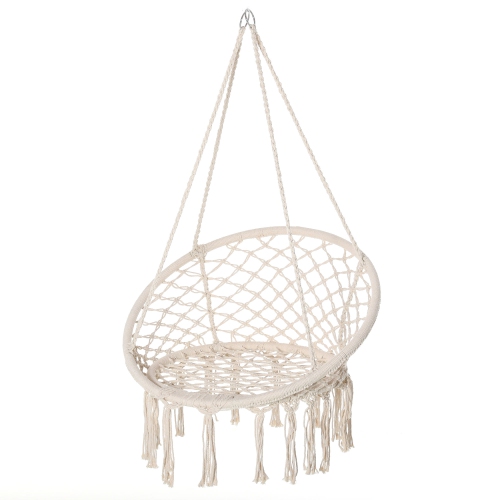


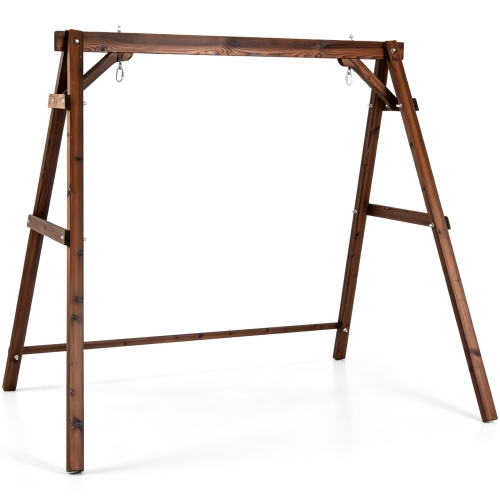
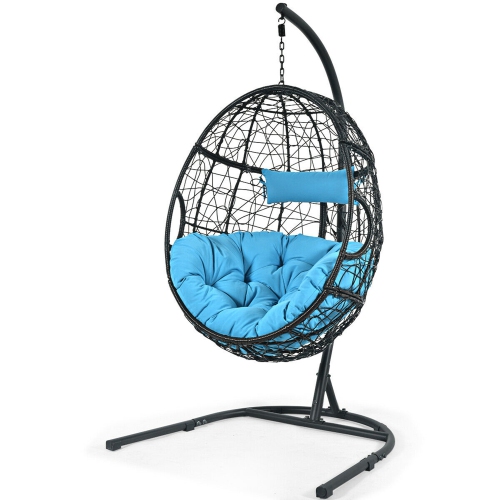
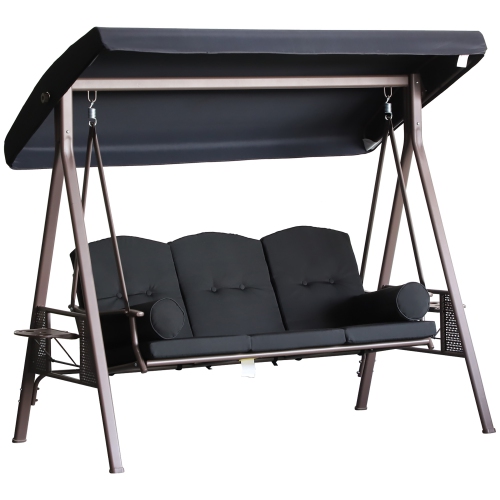








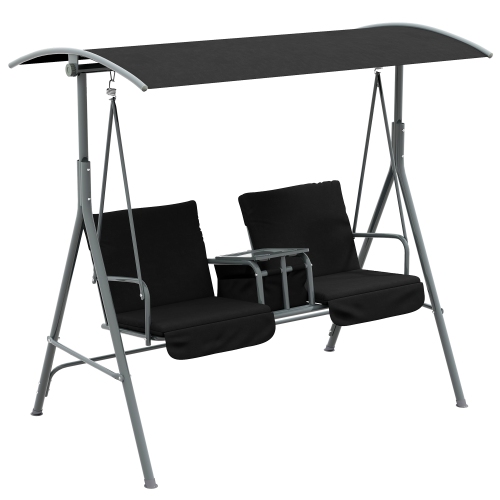


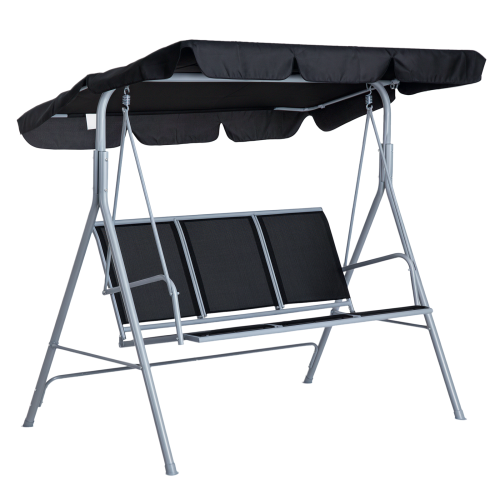
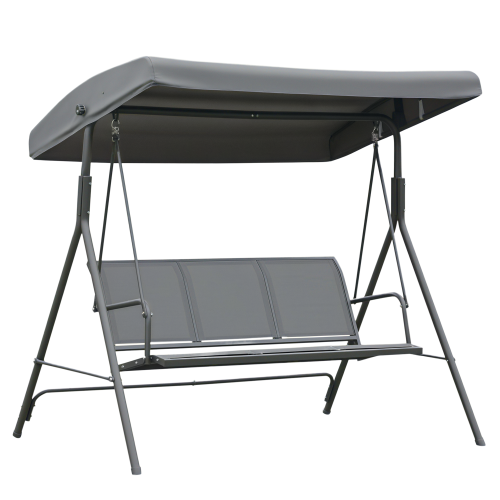


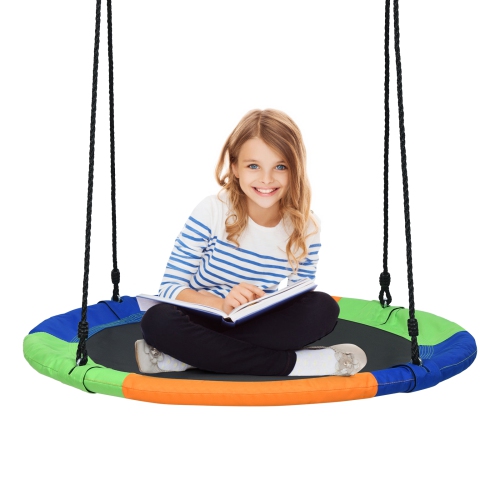
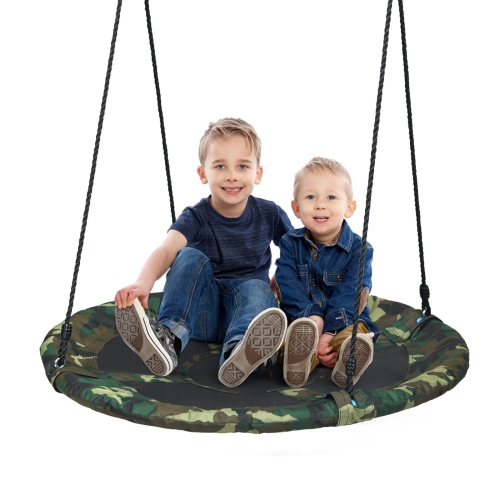

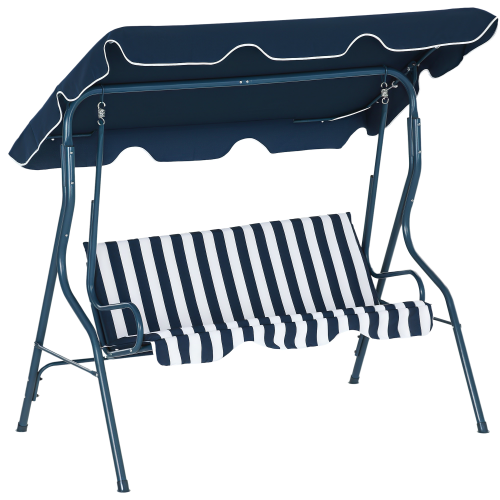

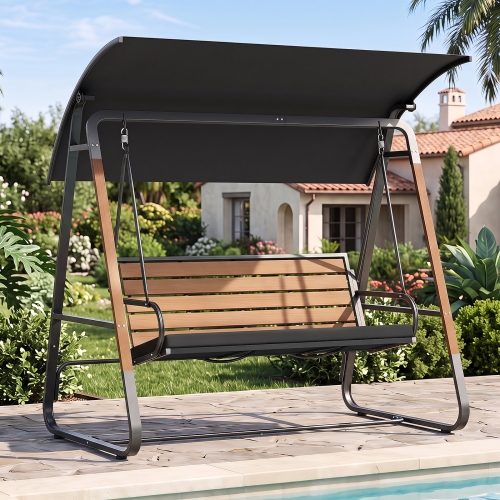
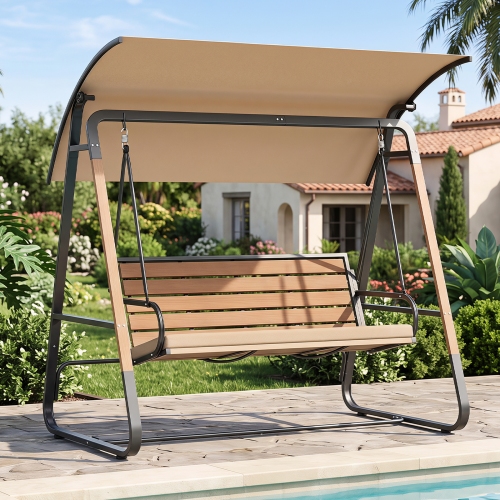




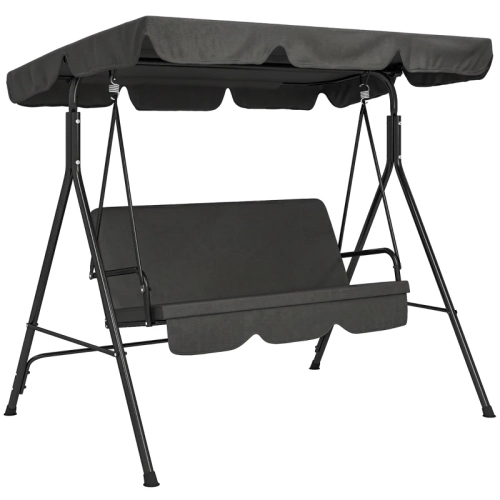


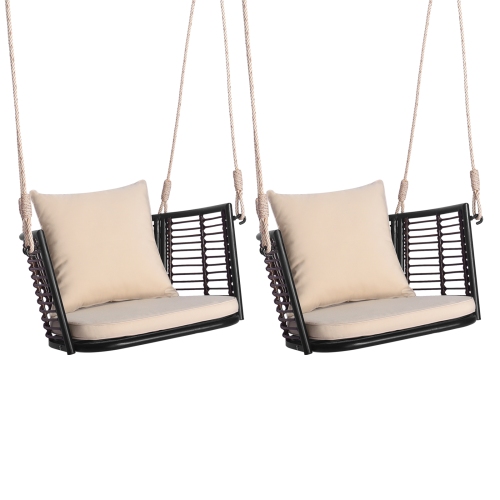
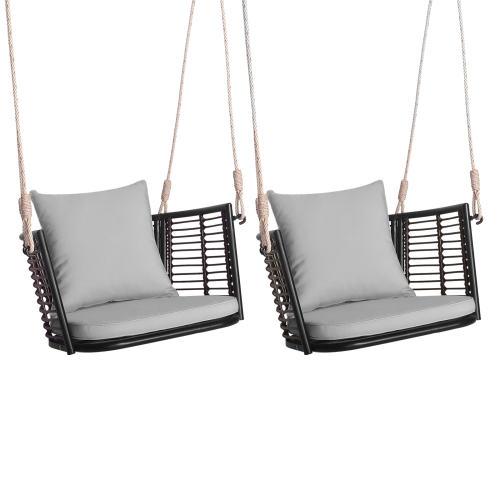
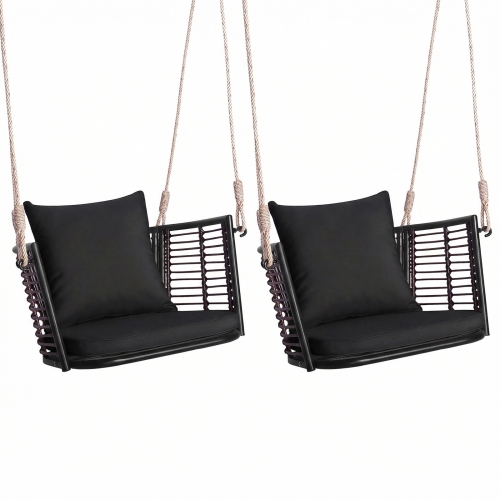
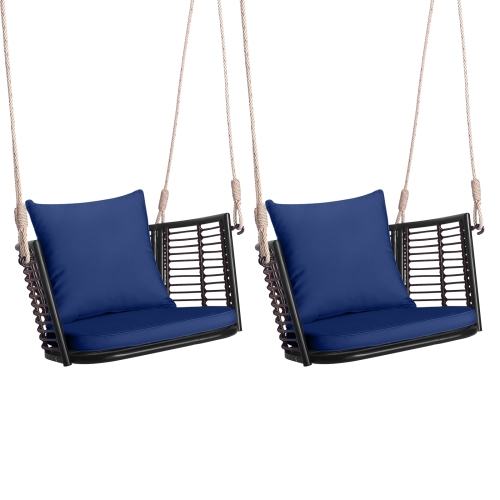


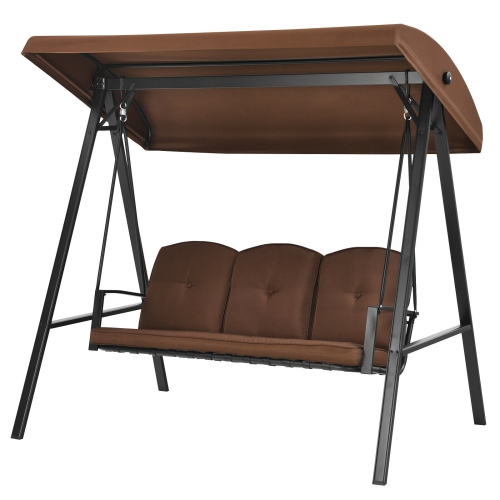
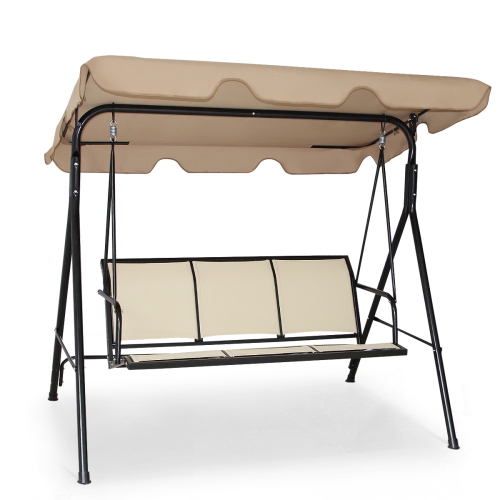


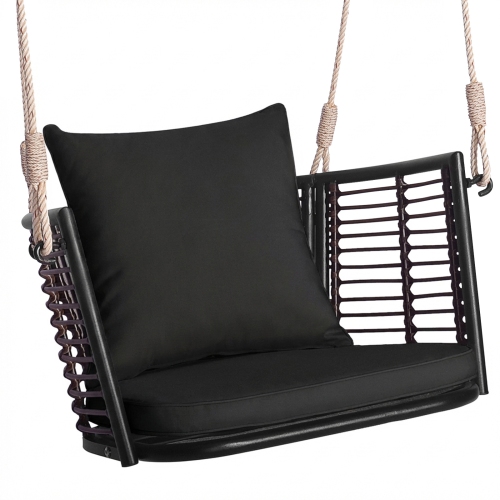


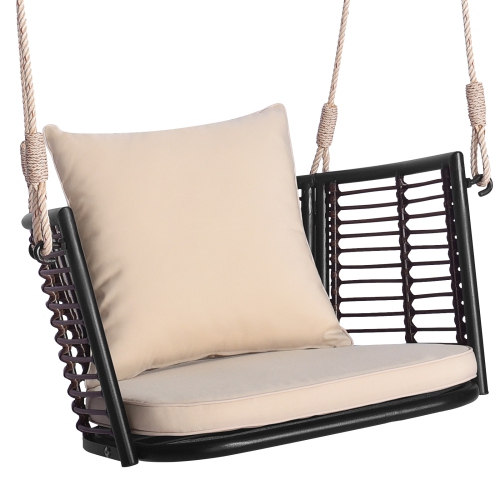


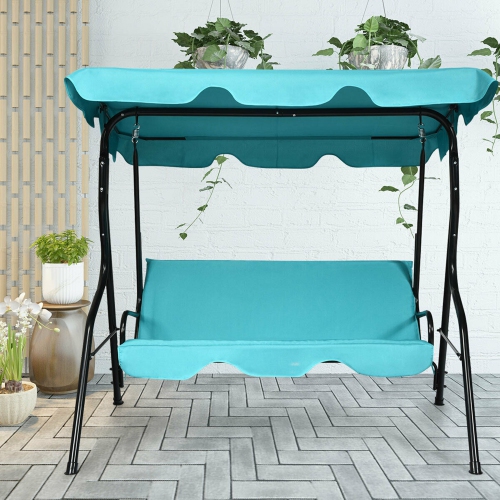


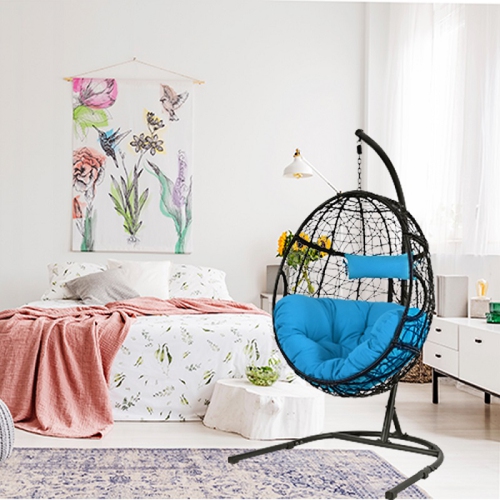
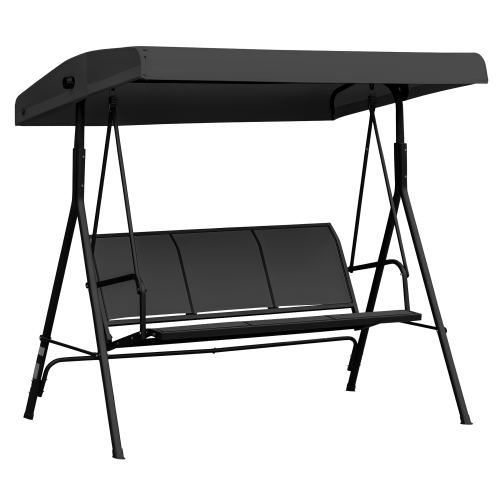







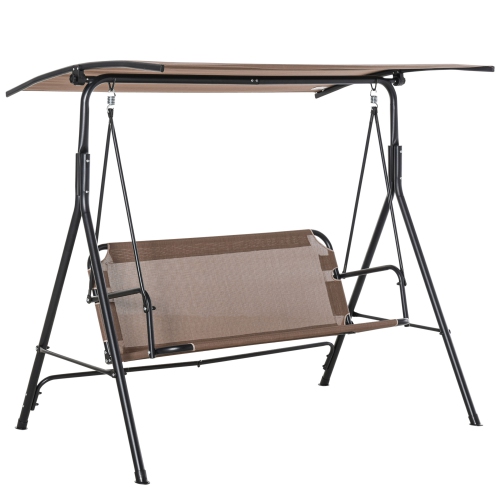


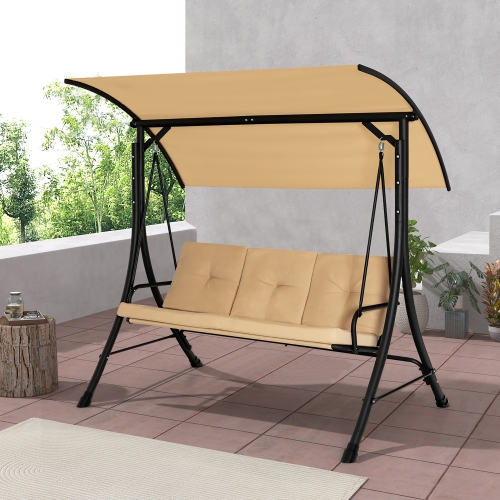

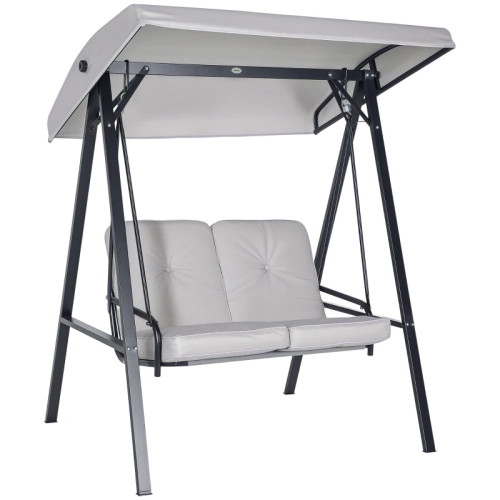
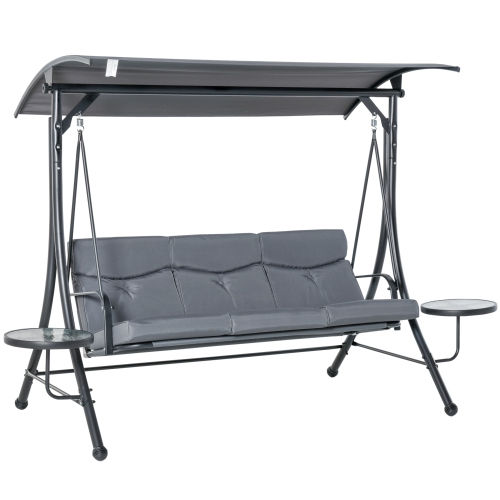
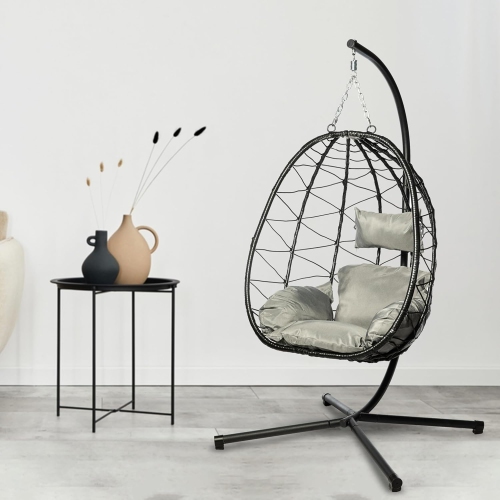
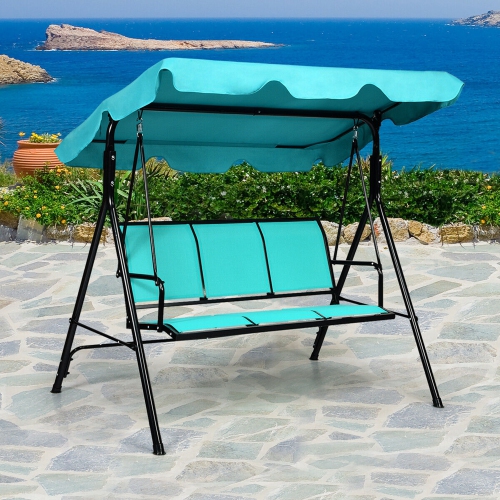

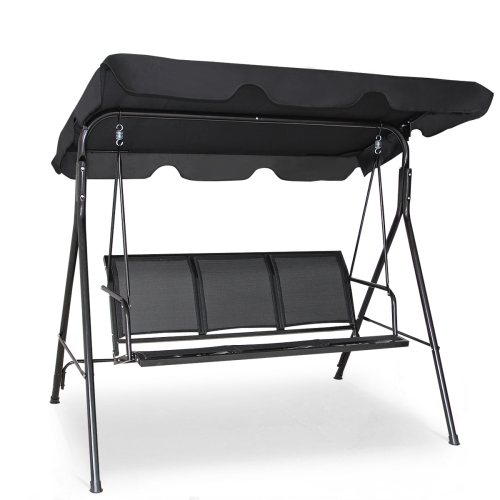


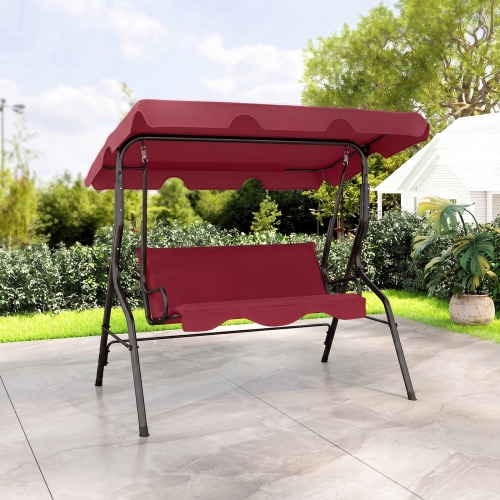
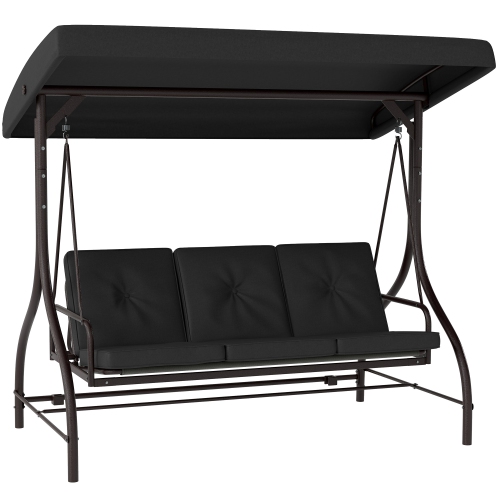


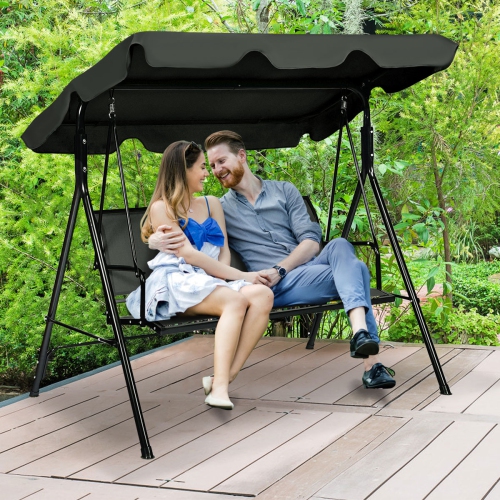

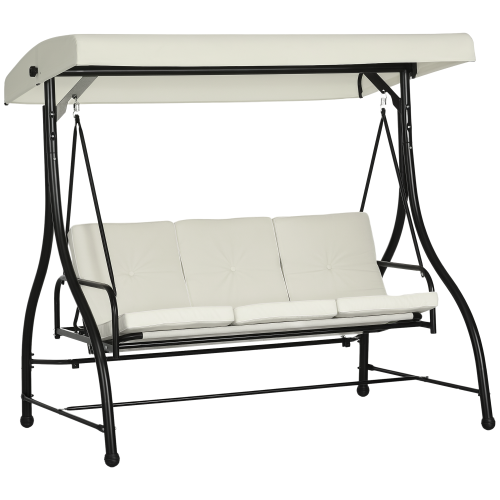

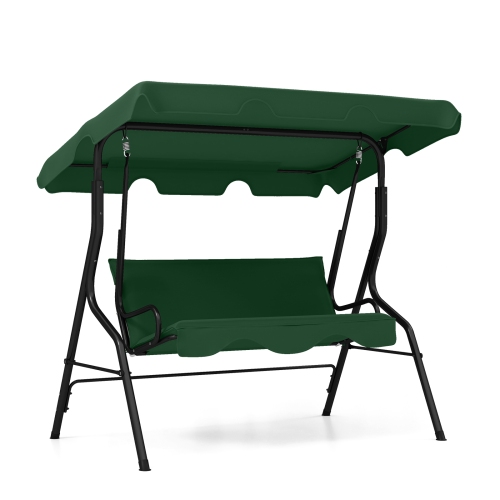



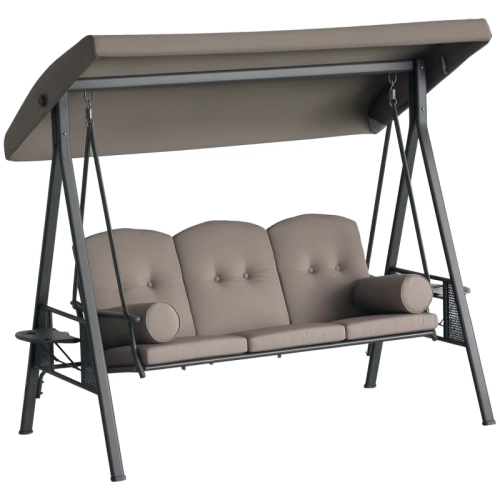


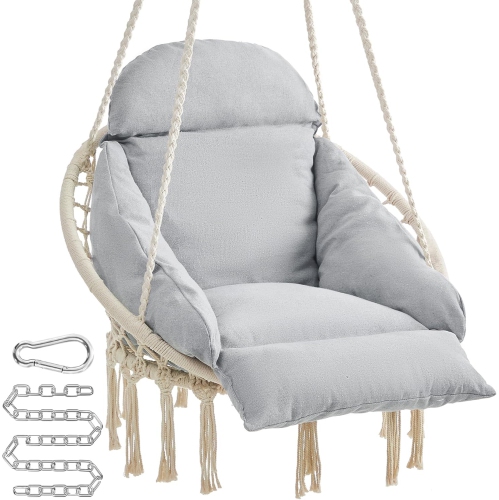
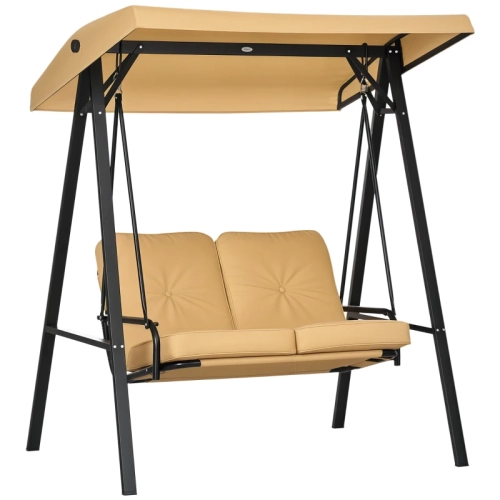

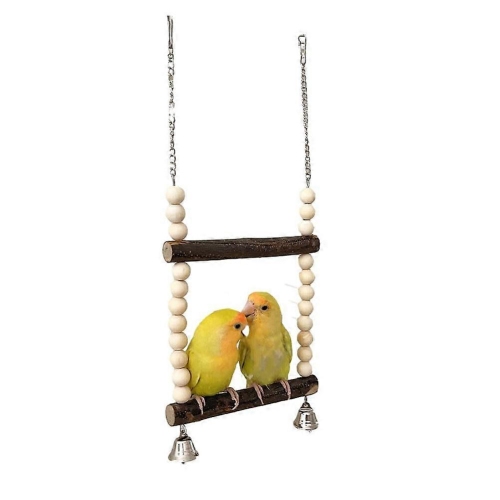

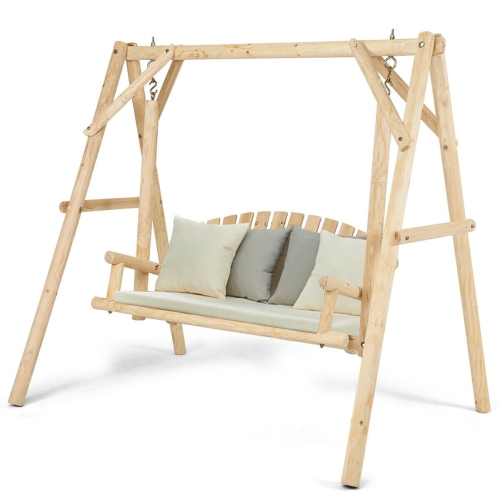
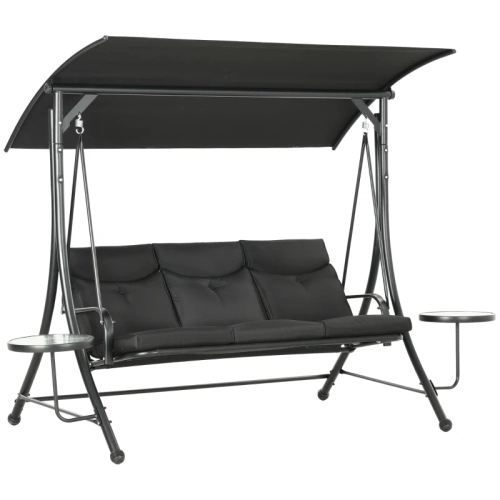
Gentle movement meets comfort for quiet porch moments
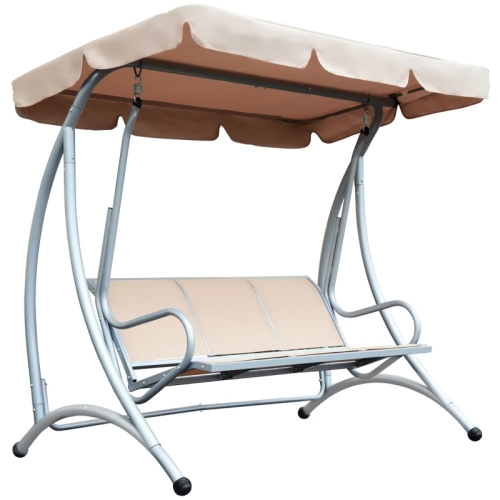
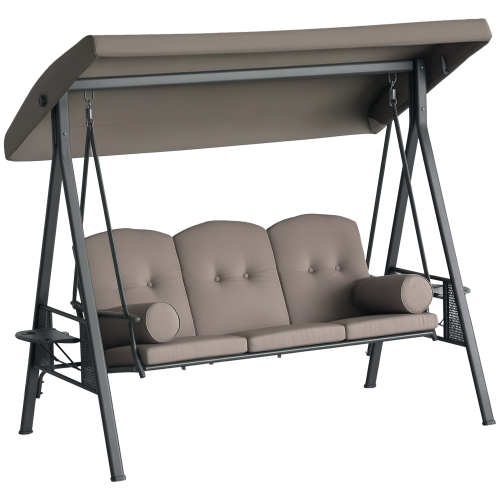
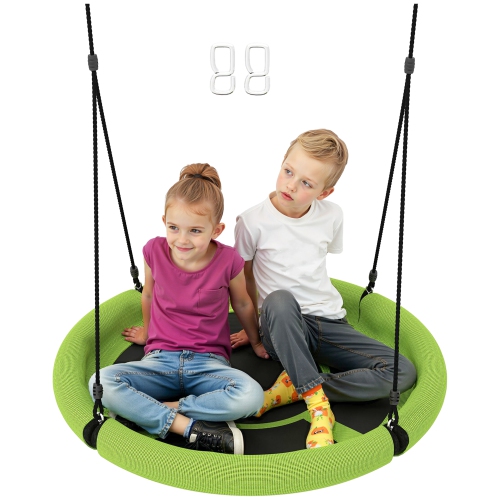
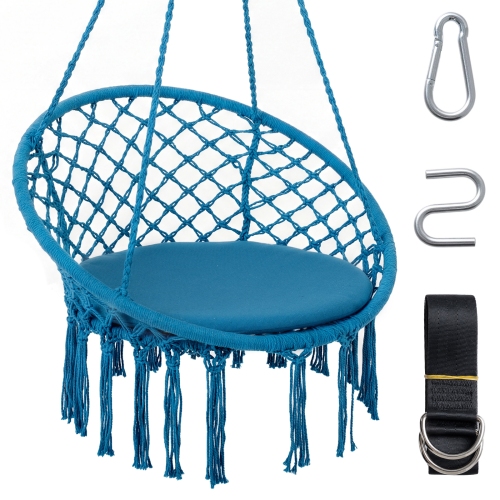
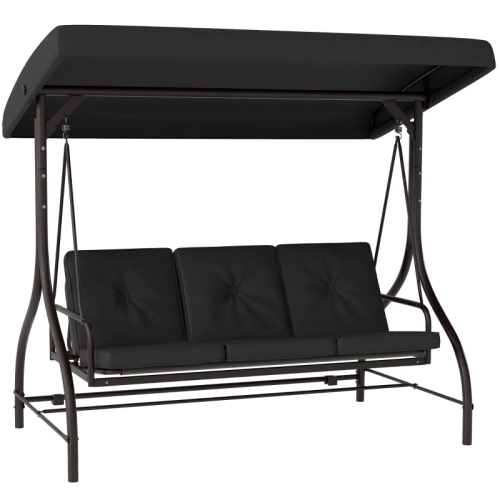
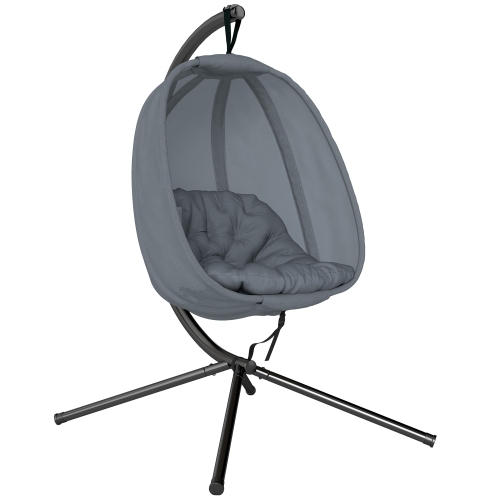
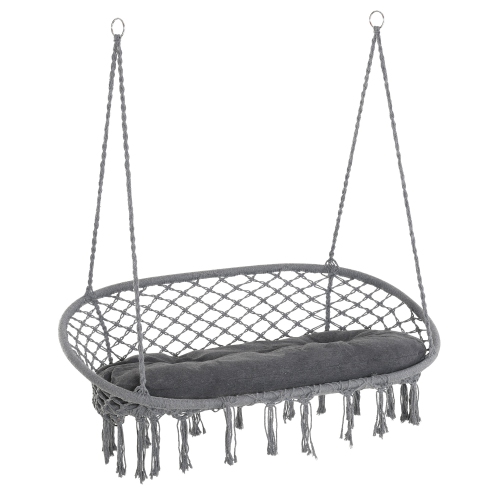
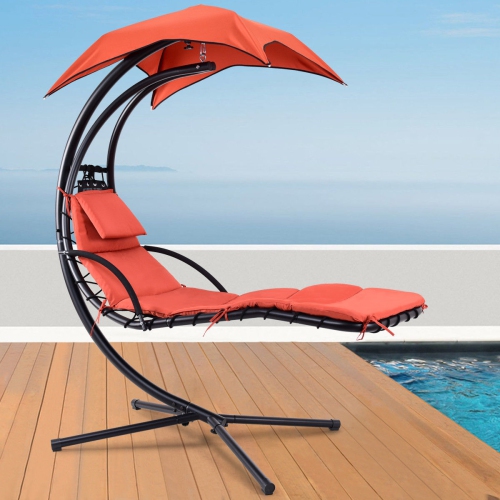
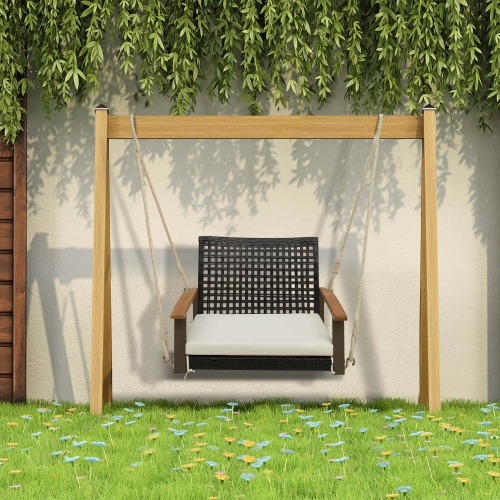
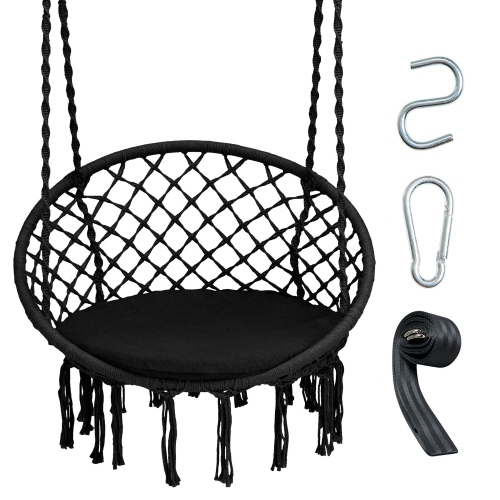
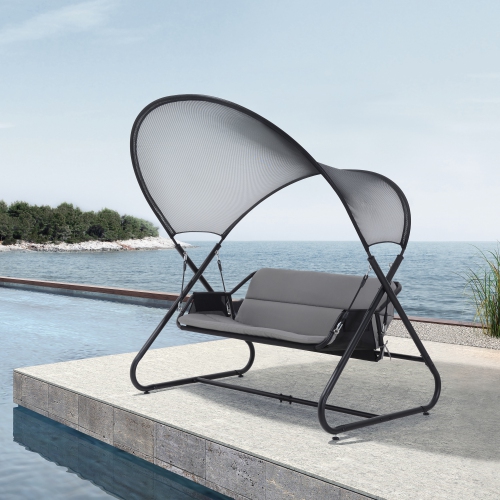
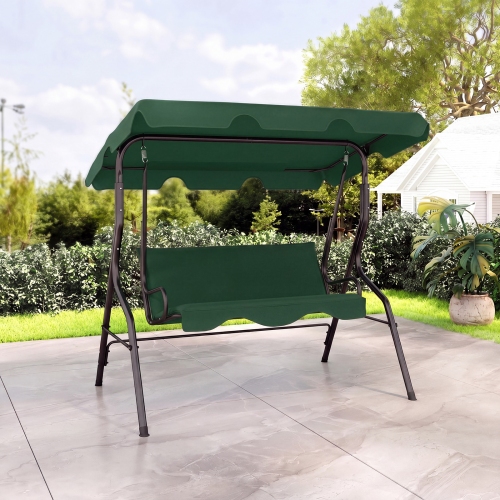
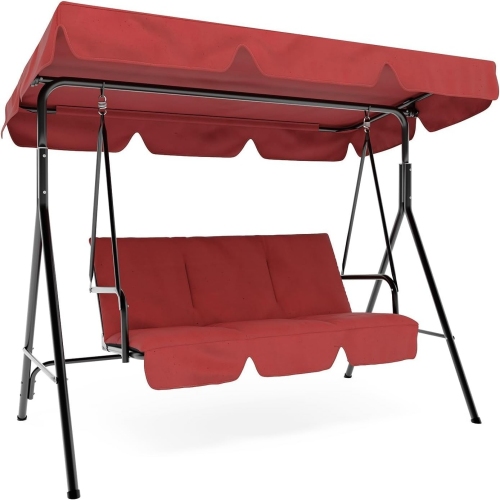
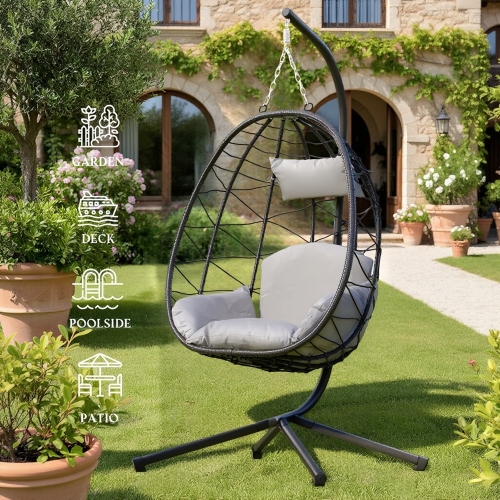
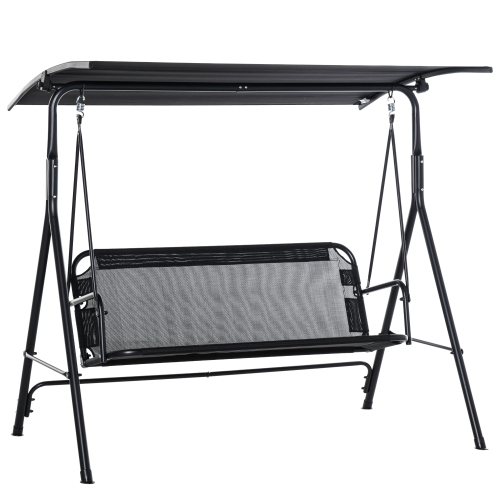
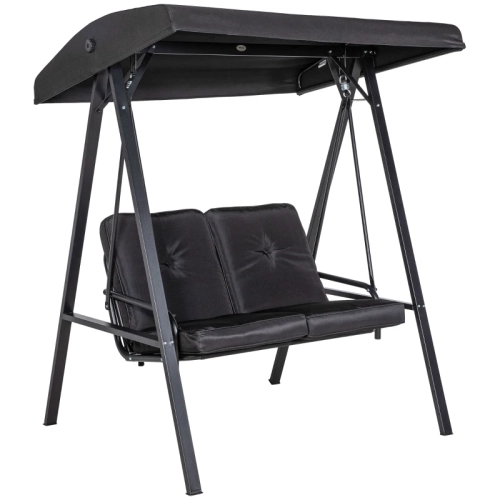
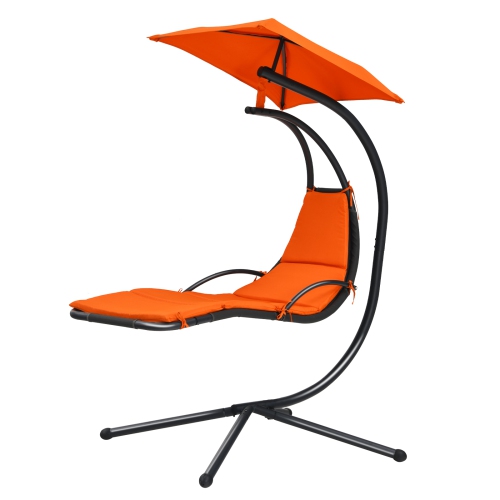
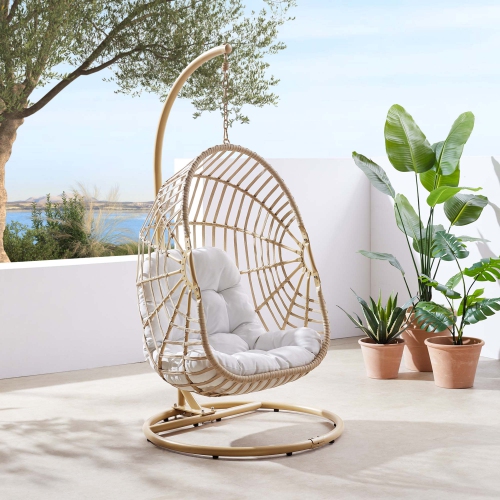
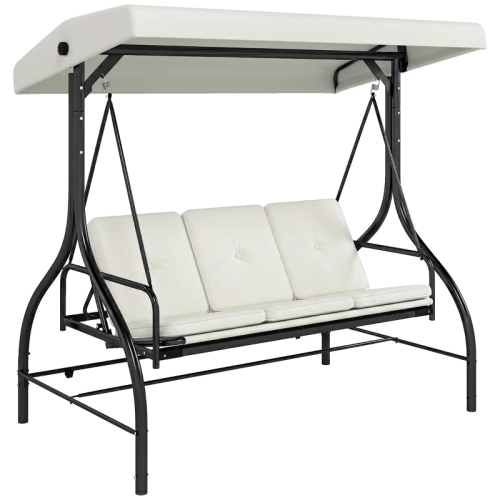
Patio hanging swings bring gentle movement and comfortable seating to porches, covered decks, and backyard sitting areas. Unlike a stationary outdoor bench, a hanging swing suspends its seat from an overhead support or a purpose-built stand, creating a relaxed place to read, share a conversation, or enjoy a quiet cup of coffee. The category includes traditional porch swing benches, curved basket seats, and hanging chairs with a more enclosed shape. A wide bench suits two people sitting side by side, while a single hanging chair creates a personal retreat without needing the same seat width. The right fit depends on how the space is used: a deep, cushioned seat invites lounging with a book, while a more upright bench makes it easier to sit and chat with guests nearby. Armrests, backrest height, seat depth, and cushion firmness all influence comfort, particularly when the swing will be used for longer stretches. A tall sitter may appreciate a higher back, while someone who prefers firm support may find a slatted bench with a modest cushion more comfortable than a deeply padded basket. Seat height matters as well; being able to place both feet on the ground can make getting in and out easier. For someone who finds moving seats difficult to use, stationary outdoor seating may be a better choice. Visually, an open slat design keeps a porch feeling airy, woven surfaces add texture, and a rounded hanging chair can soften a patio arranged around straight-edged tables and planters. Cushions in neutral colours blend easily with existing furniture, while patterned fabrics can give a quiet seating corner more character. For a coordinated outdoor sitting area, Outdoor Furniture Swings provides a related category to explore alongside patio hanging swings. Whether the setting is a small covered porch or a larger backyard terrace, the swing should feel like part of the seating arrangement rather than an obstacle between the door and the garden.
Materials affect the appearance, feel, and upkeep of a patio hanging swing, especially when the seat is exposed to sunlight and moisture. Wood offers visible grain and a familiar porch-furniture look, with cedar valued for its natural resistance to decay. That resistance does not make wood maintenance-free: its colour can change with exposure, and protective treatments may be needed according to the manufacturer’s directions. Smooth slats, neatly finished edges, and well-fitted joints are worth attention wherever hands and legs touch the seat. Synthetic wicker, often woven from resin or polyethylene strands, gives a textured finish over a supporting frame. Its outdoor durability depends on both the weave and the frame underneath, so a weather-resistant outer surface is only one part of the construction. Powder-coated steel provides sturdy support, but chips in the coating can leave the metal vulnerable to rust. Aluminium is generally lighter and resists rust, although connections and other hardware still need appropriate care. Cushion construction deserves similar attention. Removable covers make routine cleaning more manageable, but removable does not automatically mean machine washable. Fabric care labels determine whether covers can be washed, spot-cleaned, or treated in another way. Water-resistant fabric can handle some moisture without making the entire cushion waterproof, and padding may stay damp after the surface feels dry. Keeping cushions dry between uses helps reduce musty odours and mildew. Quick-drying fills, breathable fabrics, secure ties, and covers designed for the seat’s shape can make everyday use simpler. On a porch where rain occasionally blows under the roof, storing cushions in a dry location may be more practical than leaving them outside. Leaves and dirt can collect between slats or within woven surfaces, so gentle cleaning before debris builds up helps preserve the finish. A fitted furniture cover can limit exposure when the swing is not in use, provided it allows ventilation and is secured as directed. Where freezing conditions or snow are expected, winter storage and protection should follow the care instructions for the frame, suspension components, and cushions rather than assuming every part can remain outdoors.
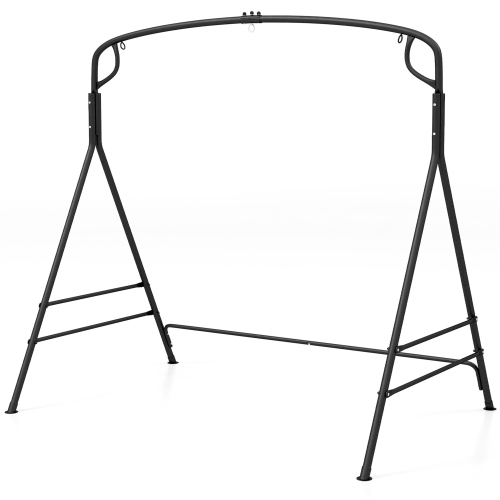
Space and support are just as important as style when choosing patio hanging swings. A ceiling-mounted swing needs a structural support that is suitable for the installation, not simply a convenient point in the porch ceiling. Decorative trim, ceiling panels, and gutters are not swing supports. The overhead structure, mounting hardware, chains or ropes, and seat must work together as a rated system that can handle the swing and its occupants in motion. A qualified installer can assess the proposed mounting location and identify suitable hardware when the structure or attachment requirements are uncertain. The stated occupant capacity and any installation limits should be checked in the manufacturer’s documentation; seat width alone does not establish how many people can safely use a swing. A freestanding design avoids the need for an overhead mounting point, but it still requires a compatible stand, an appropriate supporting surface, and any anchoring specified by the manufacturer. Its footprint may extend well beyond the seat, which matters on a narrow deck or beside a dining area. Balcony installations also depend on building rules and structural suitability. Beyond the measured width and depth, a swing needs clear space throughout its intended movement, including separation from walls, railings, windows, and nearby furniture. An end table that looks conveniently close while the seat is still may be in the way once it moves. The manufacturer’s clearance requirements are the starting point, with walking routes kept outside that movement area. Most patio swings are intended for gentle seated movement, not vigorous swinging or standing, and children need supervision around moving seats and suspension hardware. Routine checks for loose fasteners, worn ropes, damaged chain links, corrosion, and cracked frame components help keep the seating area ready for use. For a household that enjoys quiet outdoor time, these details support a genuinely comfortable addition: a bench where two adults can talk without crowding each other, or a hanging chair positioned beside a reading light under a suitable covered structure. As a housewarming or retirement gift, a patio swing is most useful when the recipient’s space, seating preferences, and installation needs are understood in advance.
Top selling and popular products
-
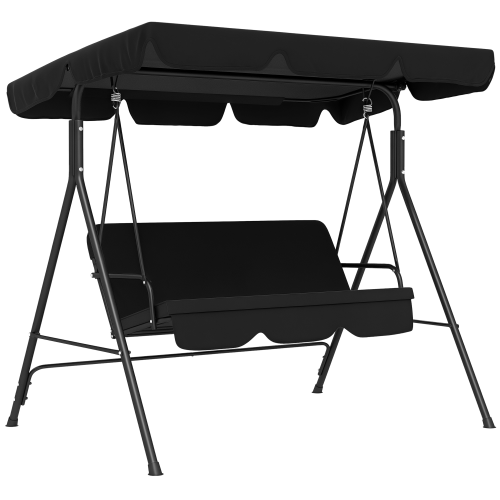 Your price for this item is $139
-
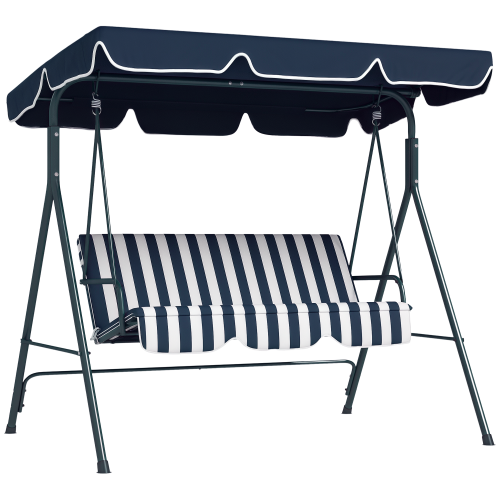 Your price for this item is $149.99
-
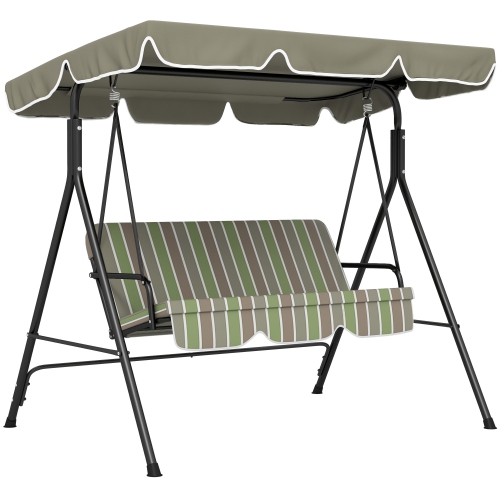 Your price for this item is $156.99
-
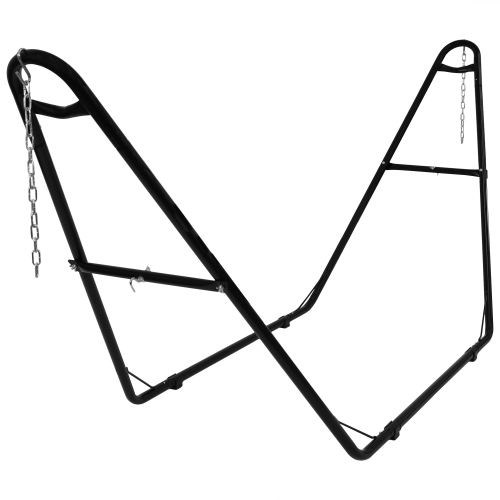 Your price for this item is $182.55
-
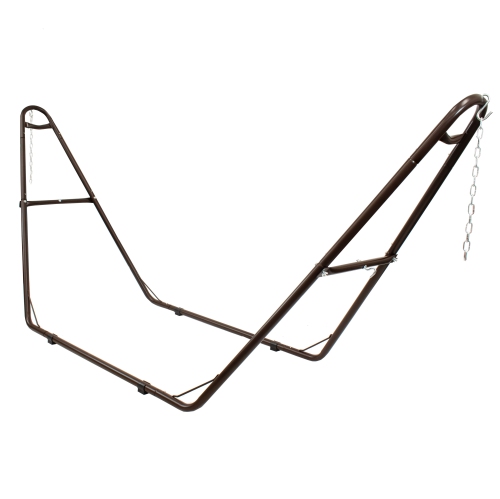 Your price for this item is $182.55
-
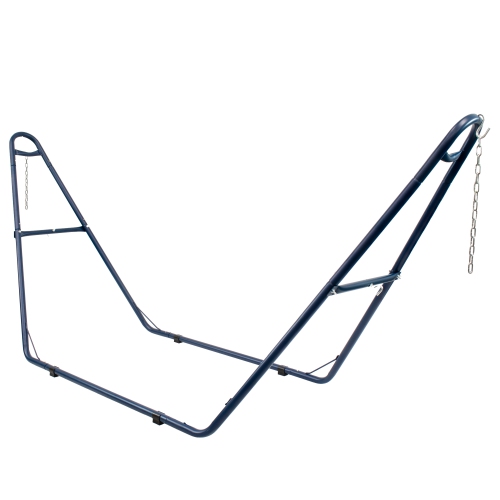 Your price for this item is $182.55
-
 Your price for this item is $182.55
-
 Your price for this item is $276.45
Discover more categories related to Patio Hanging Swings
Top Collections:
Pokemon Centers, Best Cameras for Sports Photography, Kindle Devices, Samsung Galaxy Phones, Canon G7X Cameras, Pokémon 30th Celebration Cards, Refurbished Apple Laptops, iPhone 15 Apple, Laptops for Students, Budget Smartphones
Some products may be subject to Environmental Handling Fees
(EHF) depending on your province.
Learn more about EHFs.