Patio Park Benches
Transform your outdoor space into a serene oasis with patio park benches. These benches are designed to provide comfortable seating for you and your guests while enjoying the great outdoors. Here are some great options available.
Sort

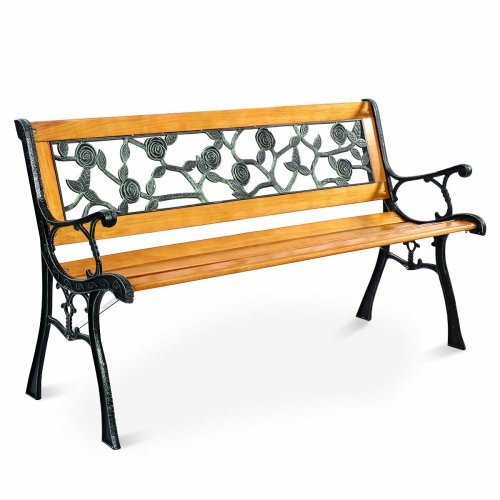

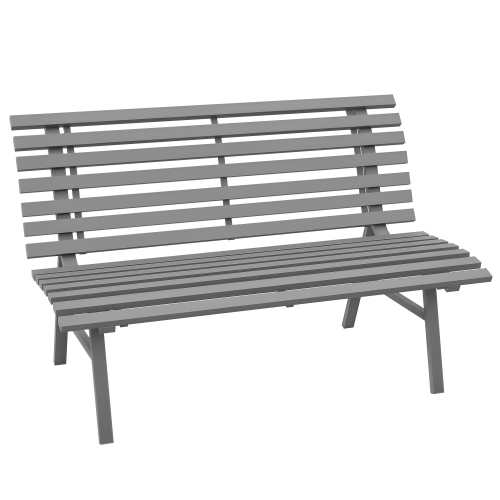

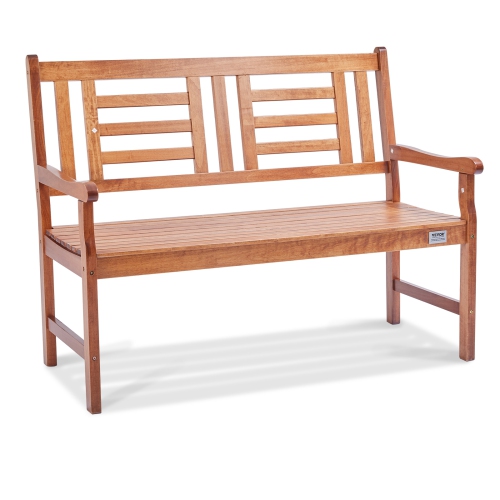
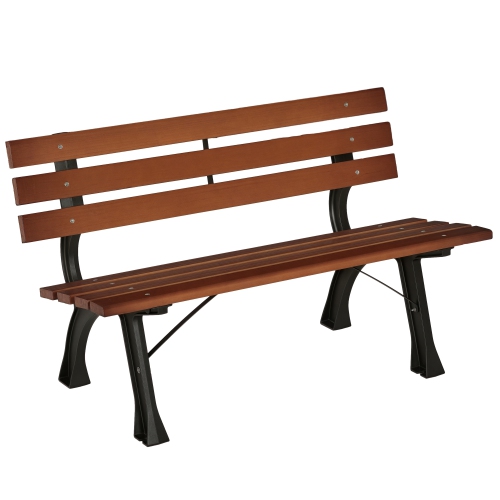


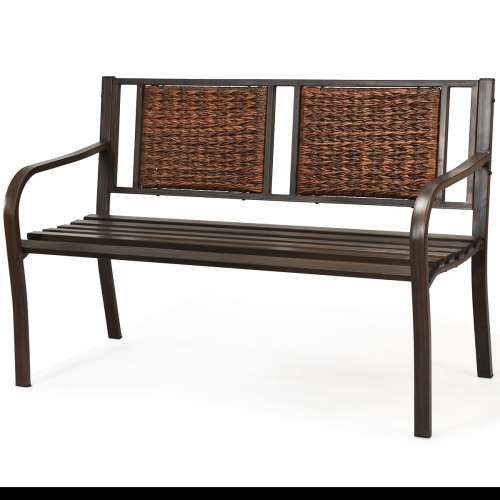


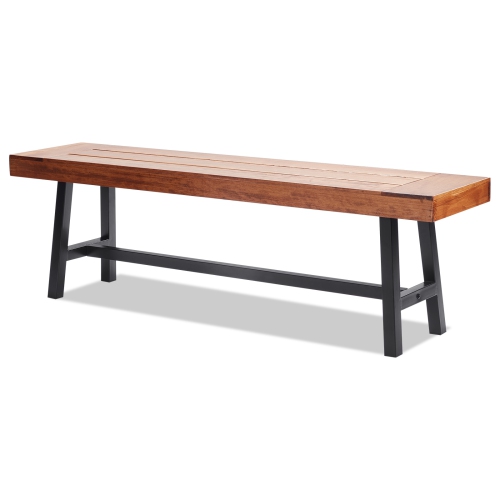

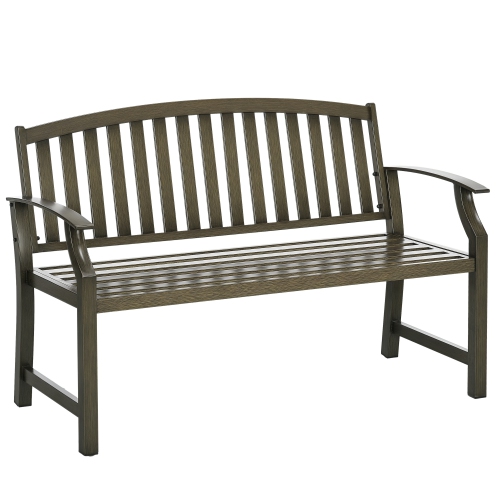
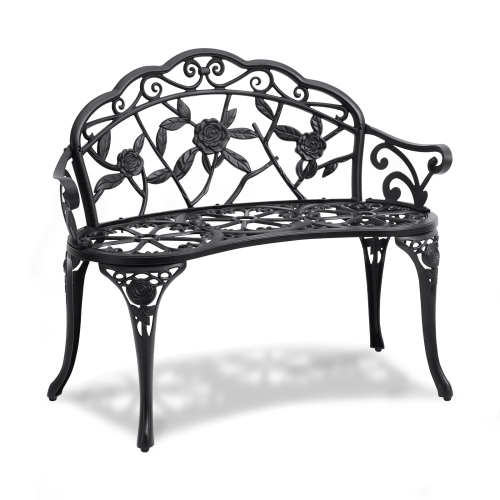
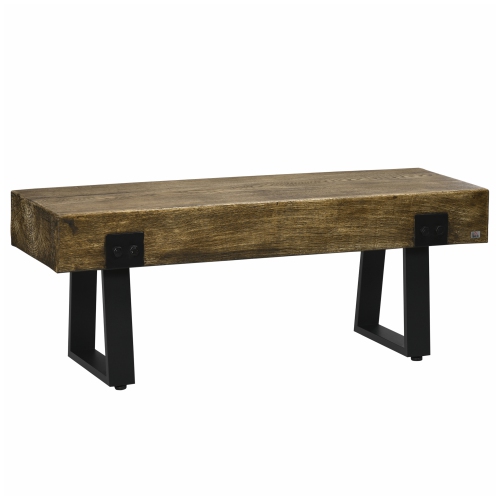
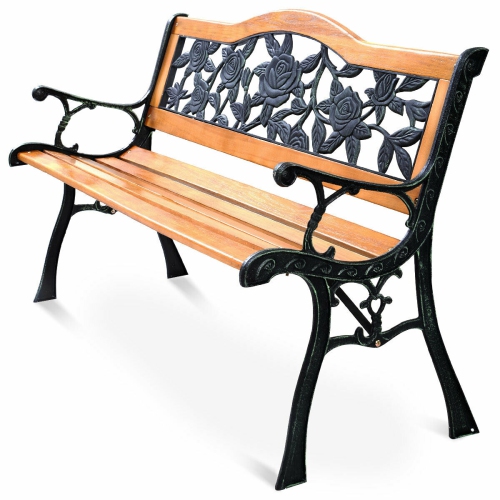
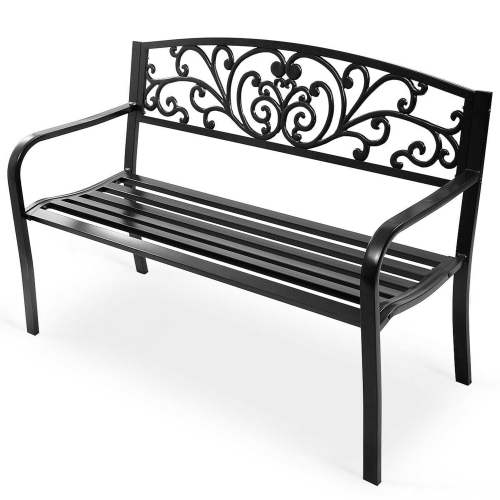
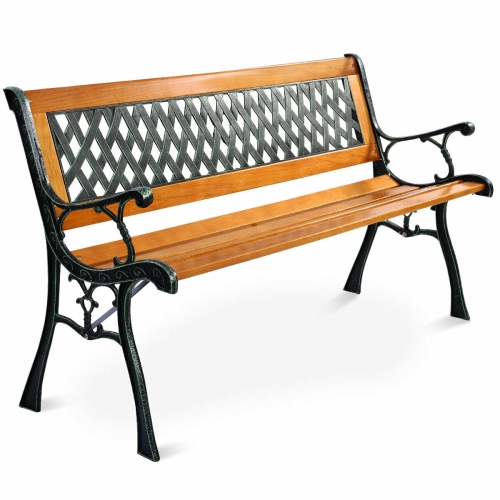

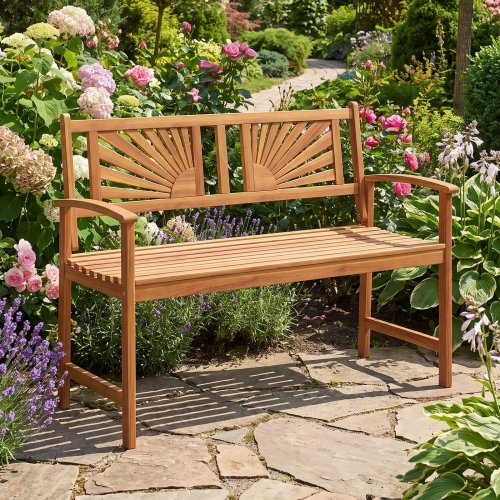


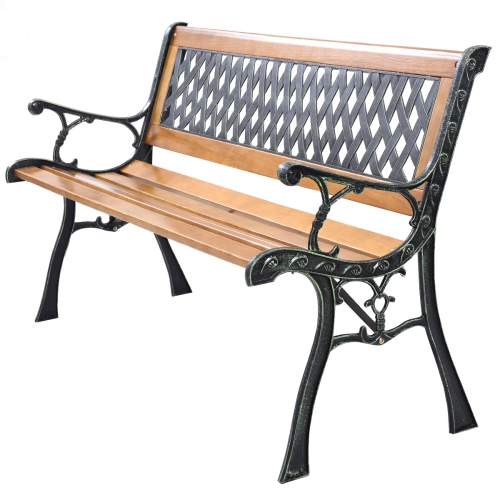


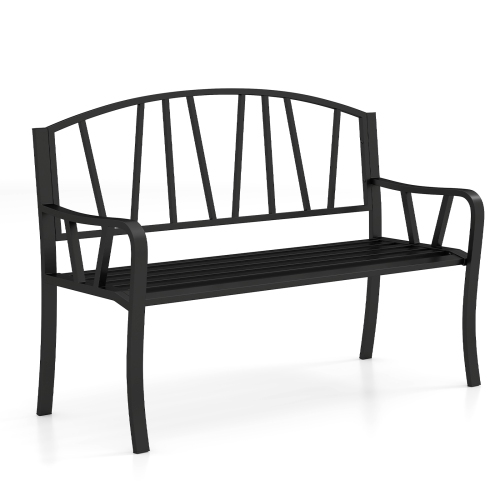
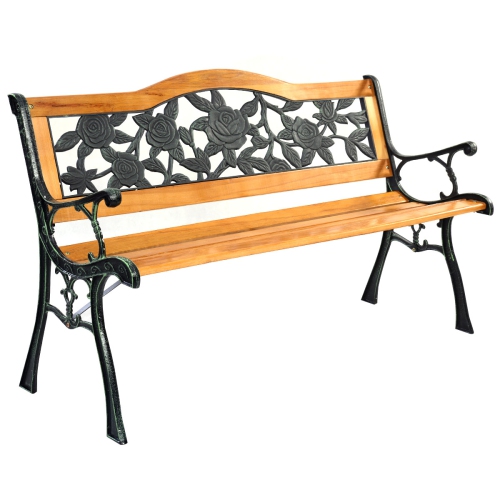
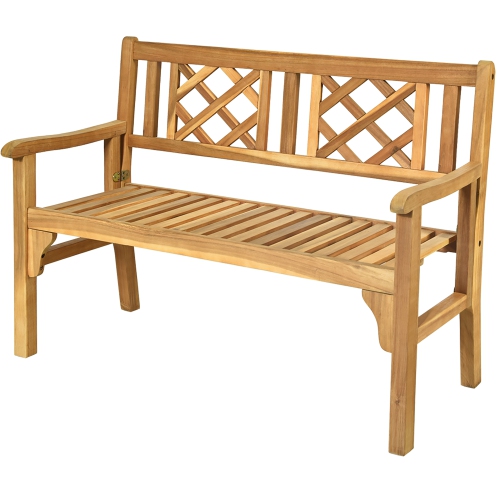
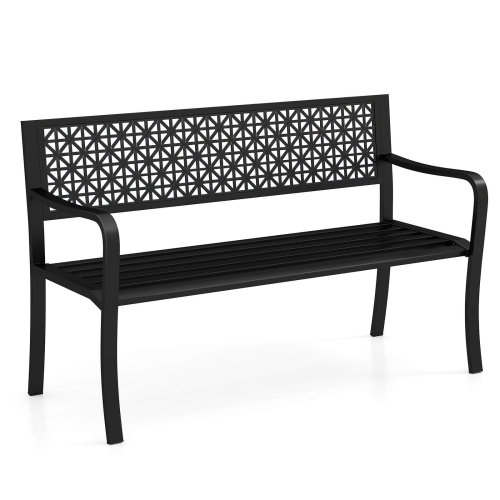


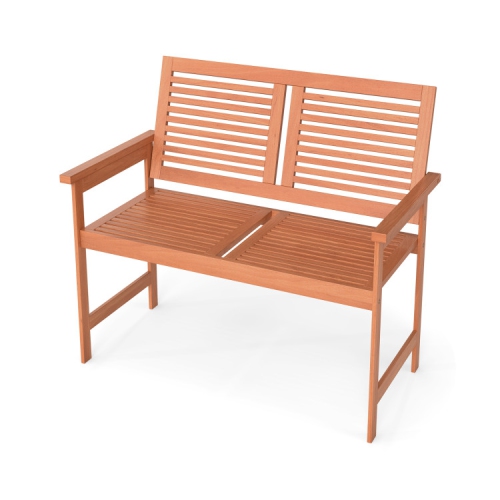


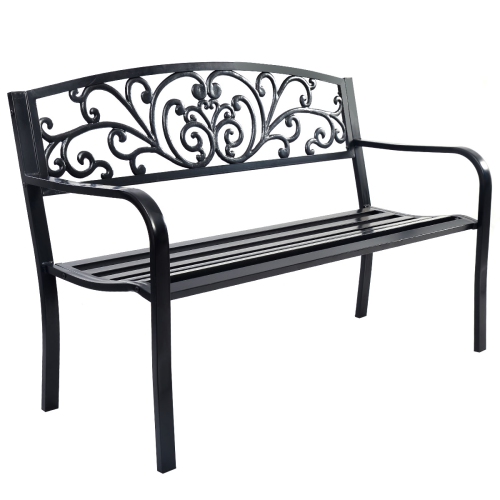
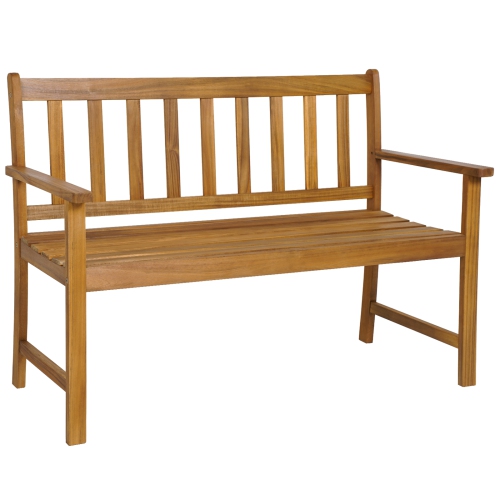
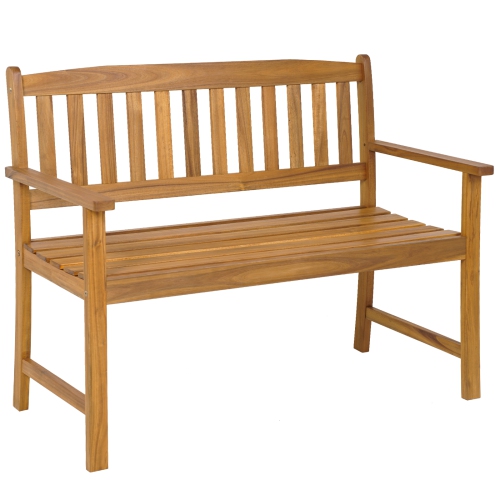


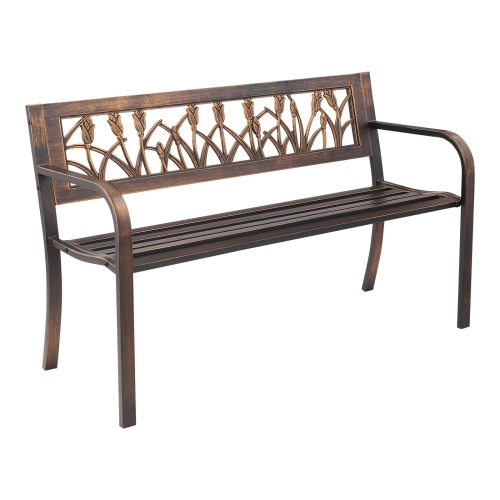
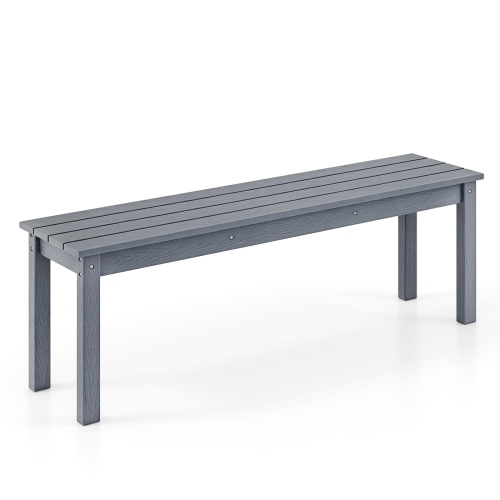






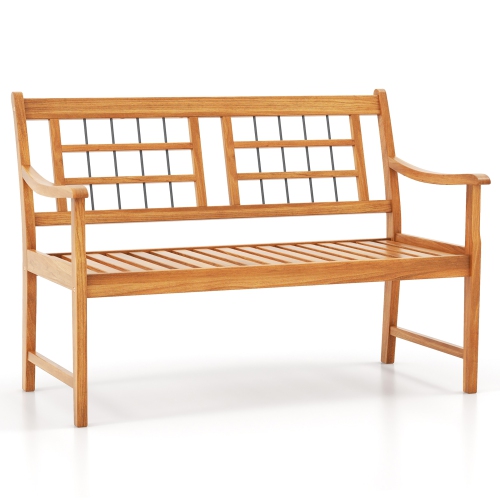

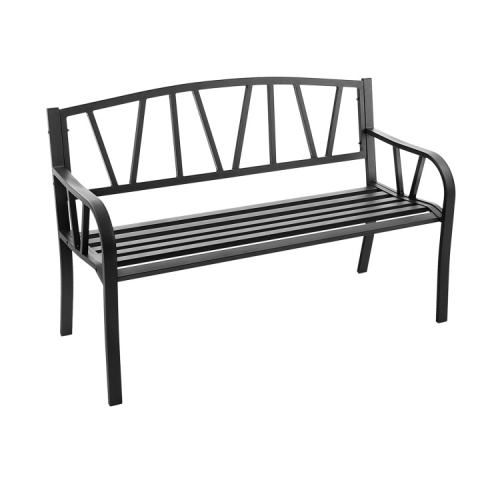


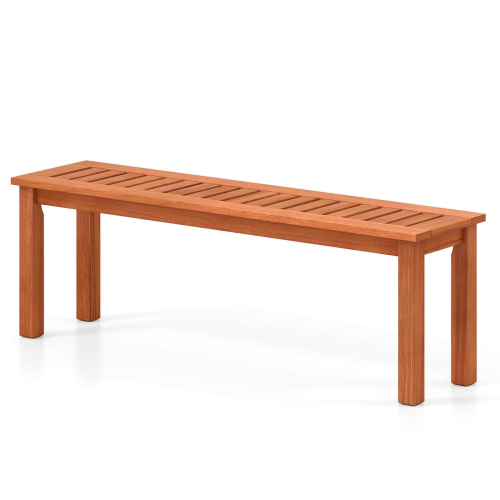


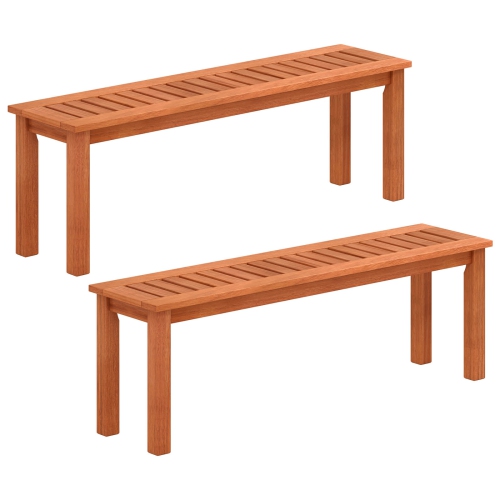


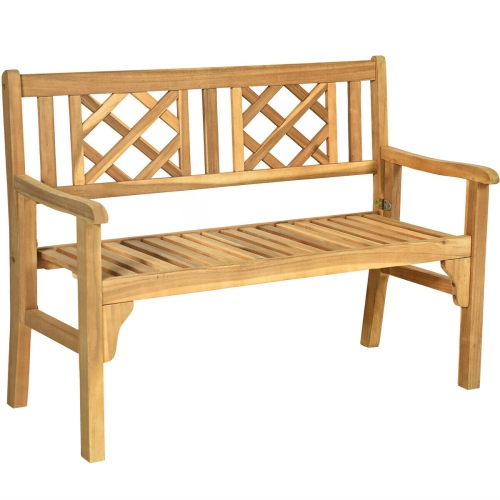

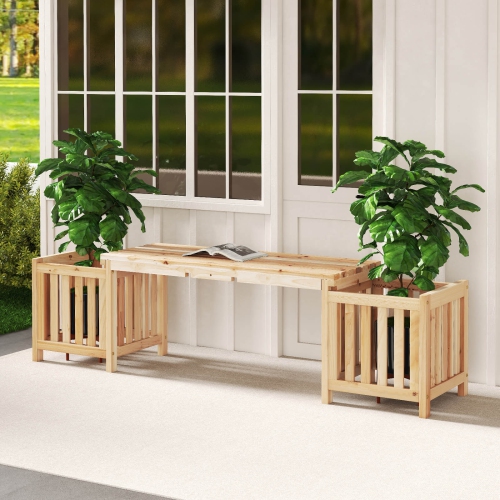
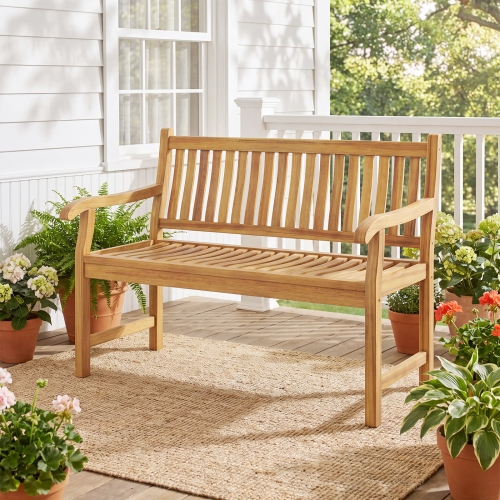

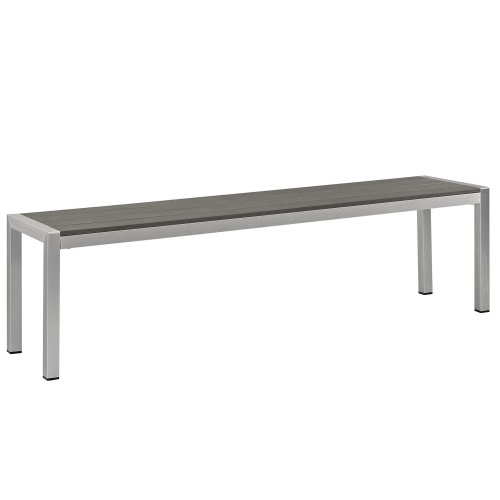

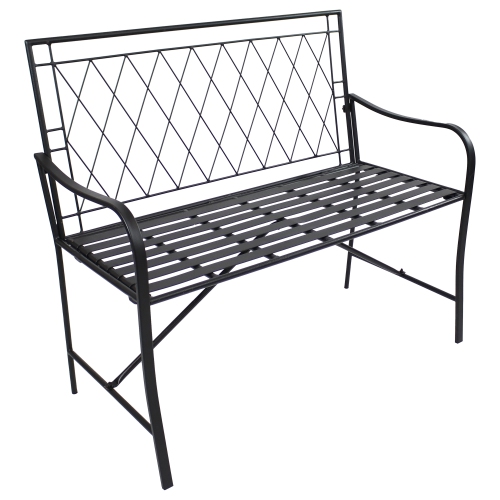
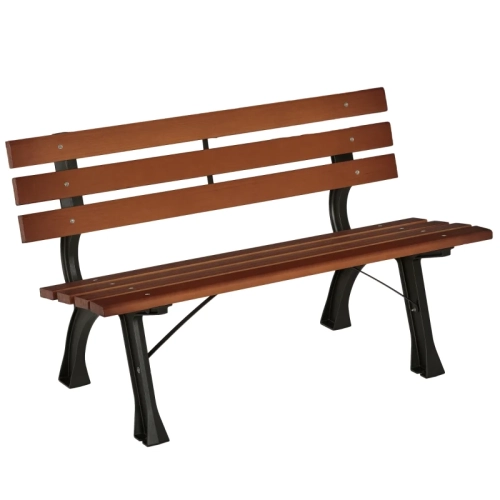


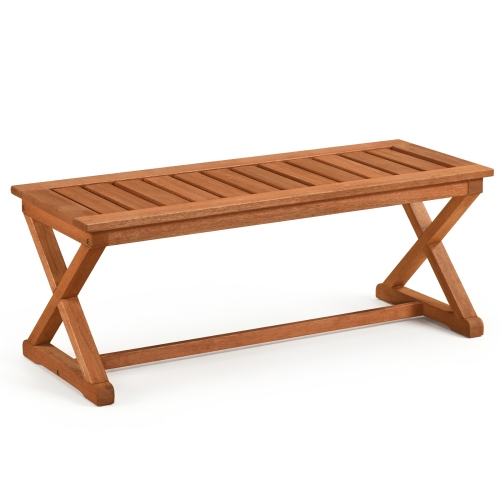


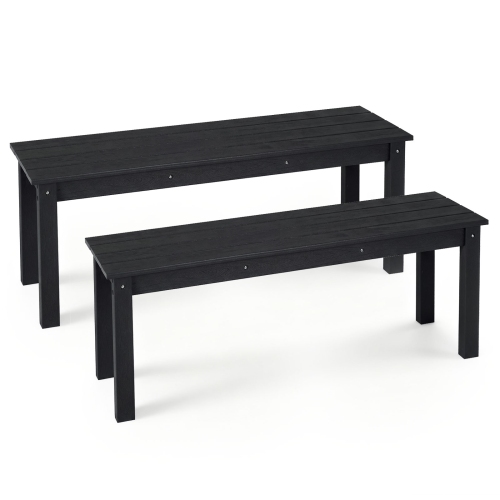


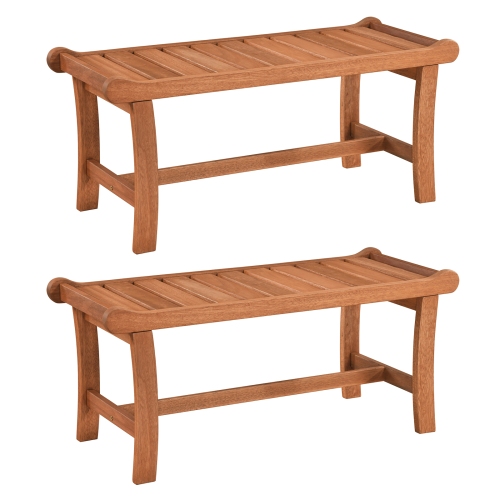

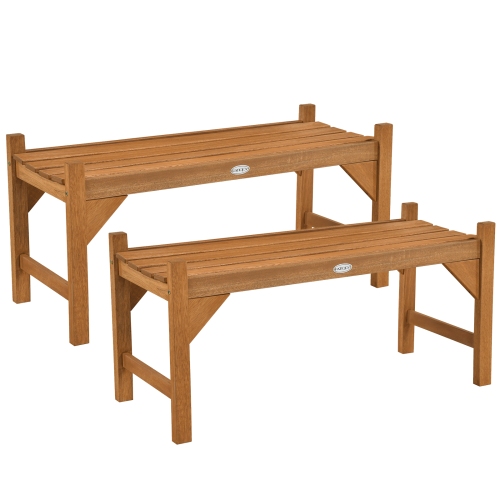
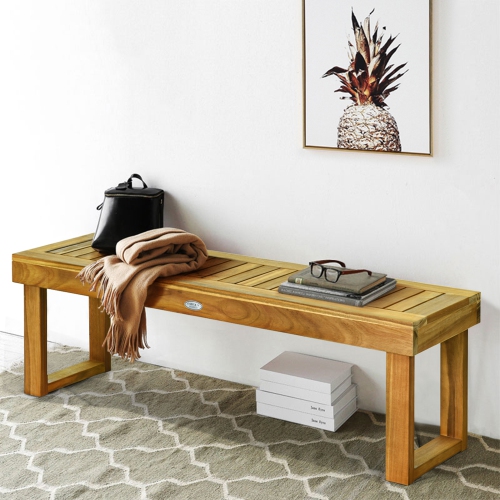
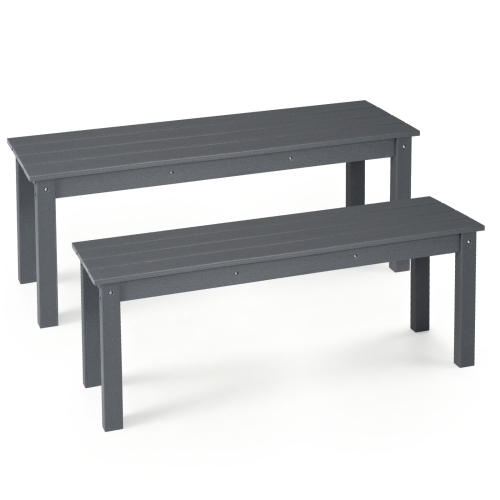

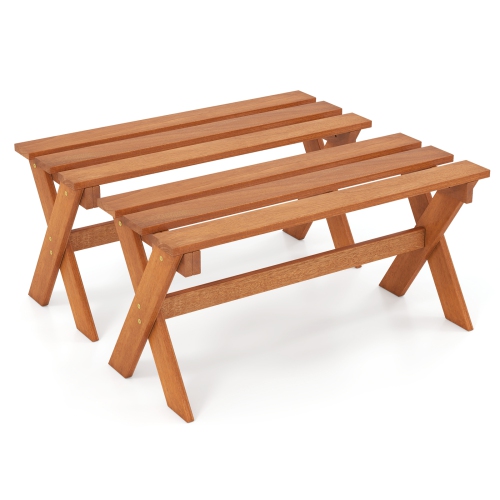
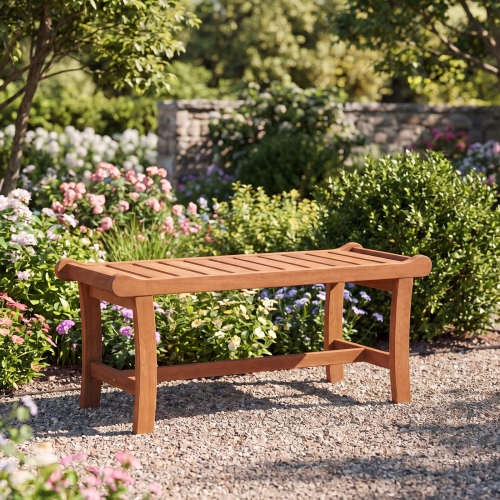

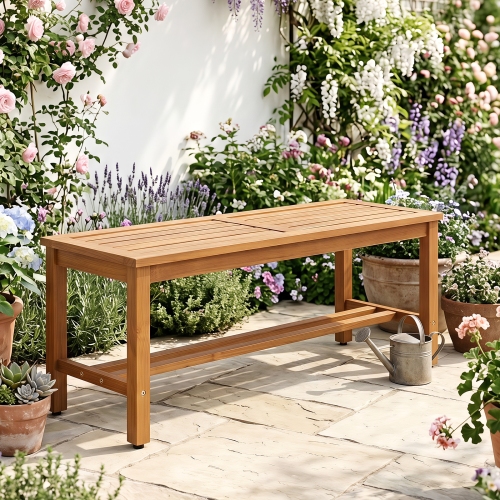
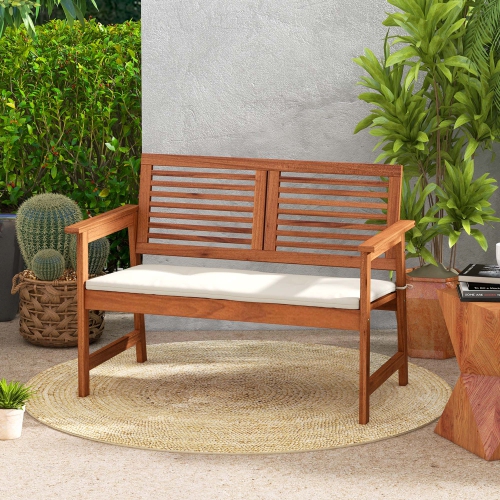
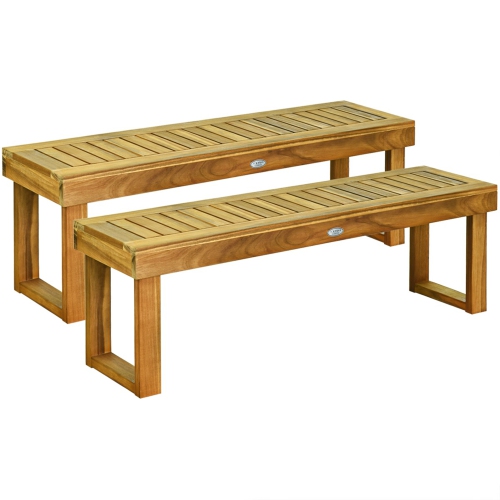

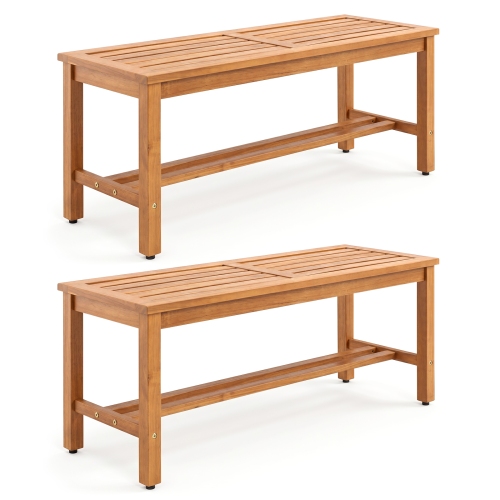

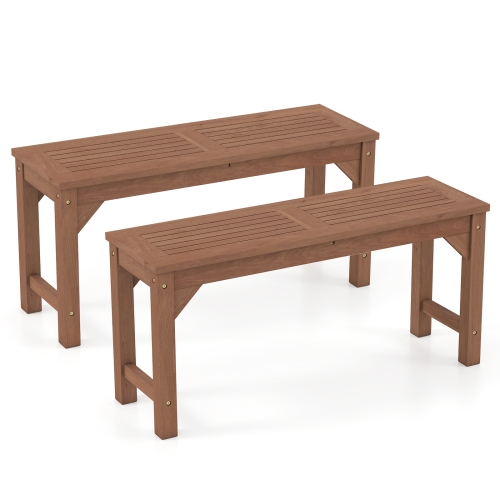
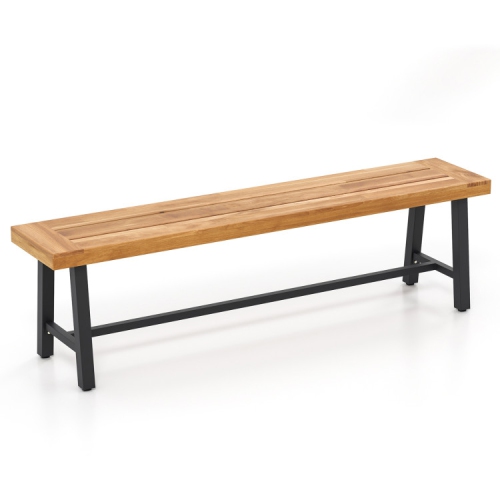
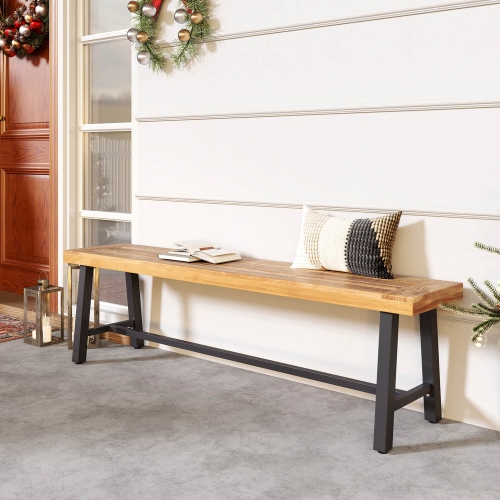


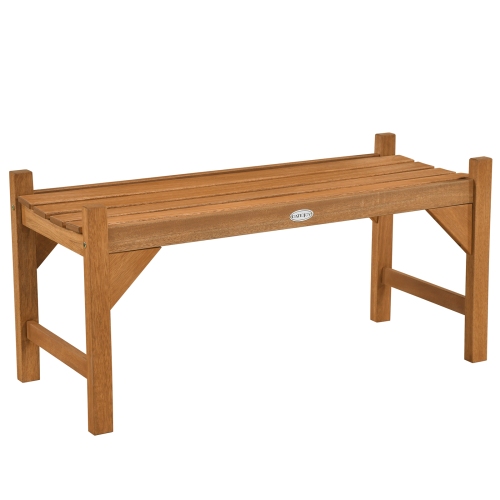
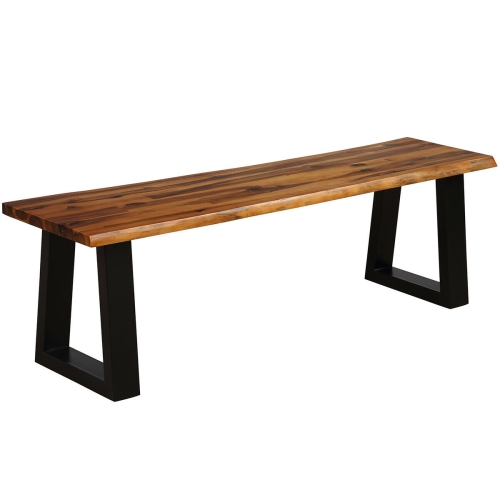
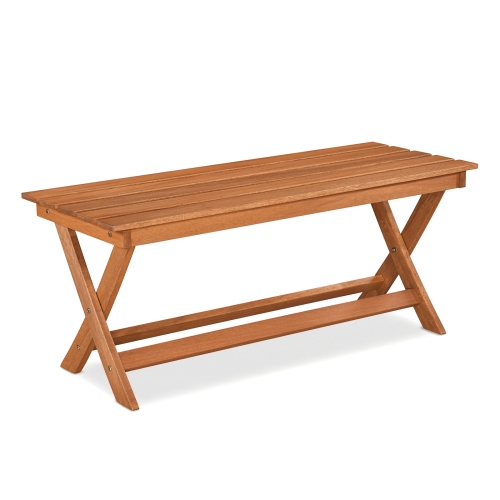
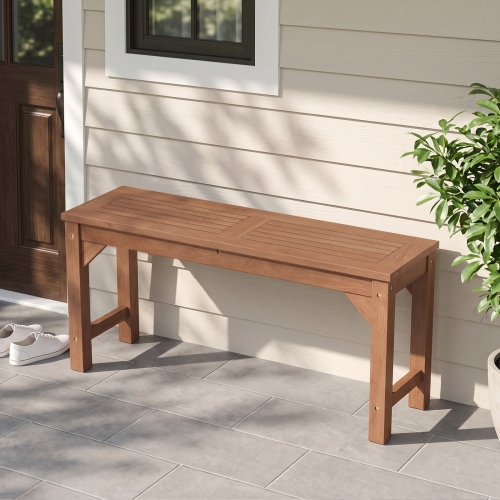


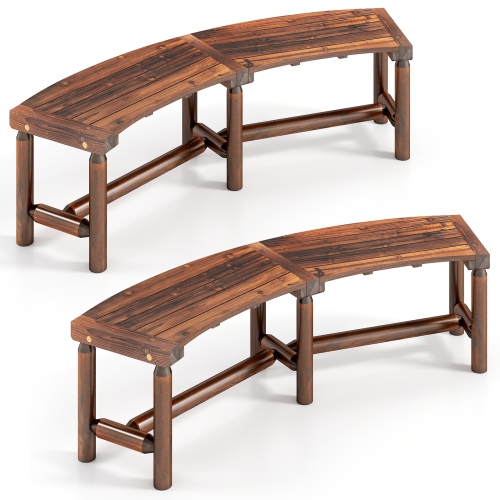

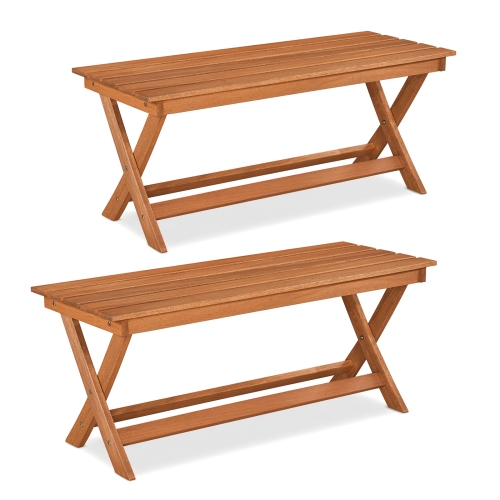
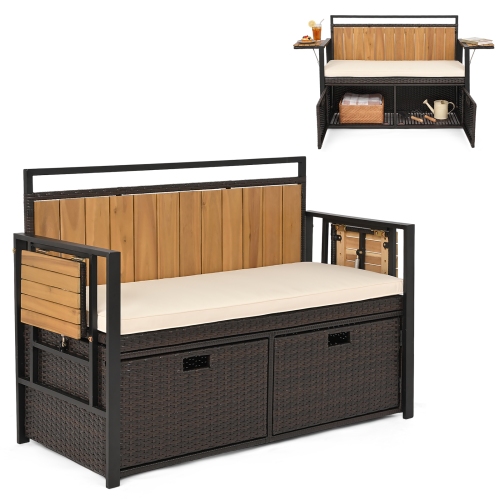
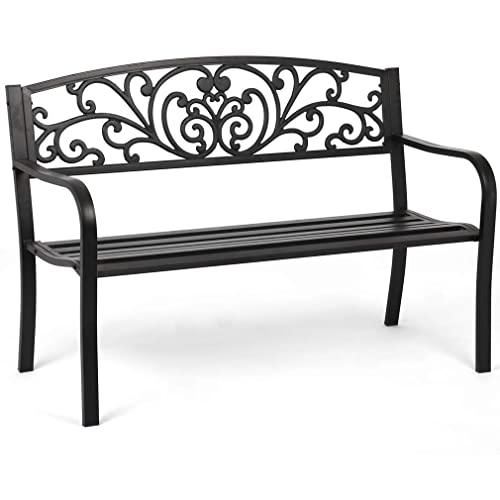
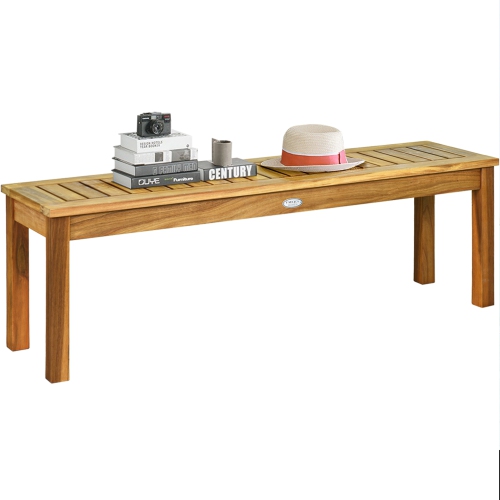
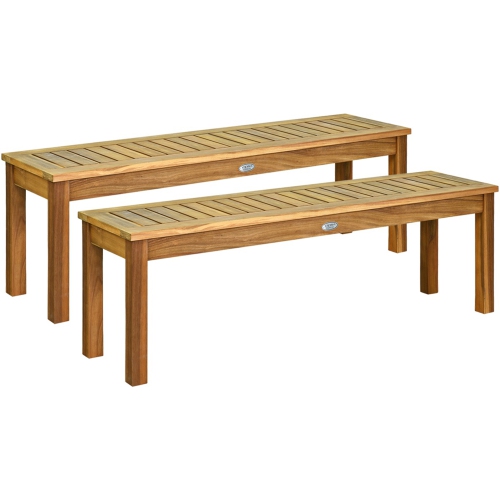


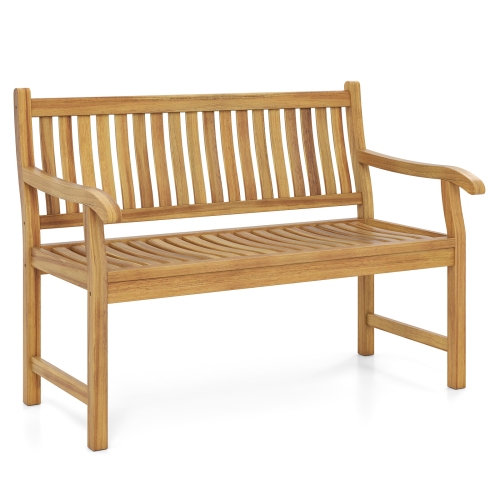


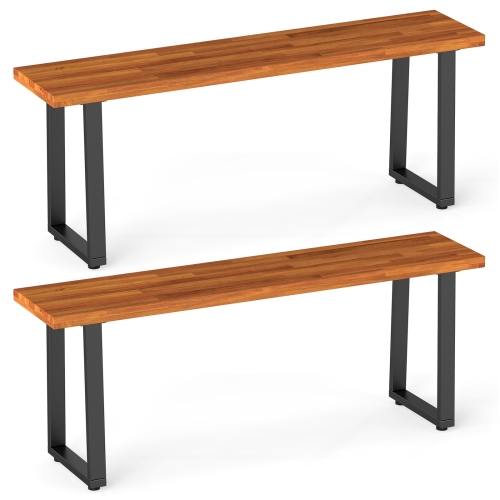

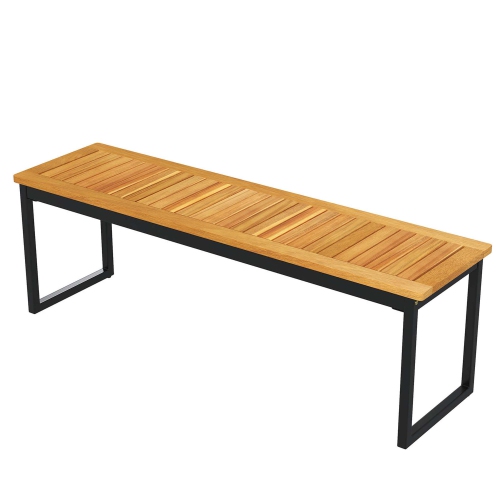

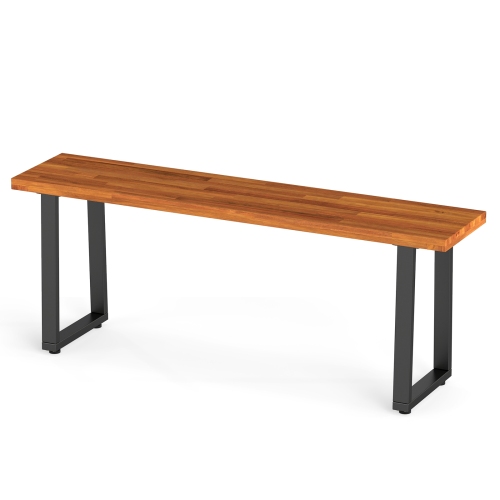
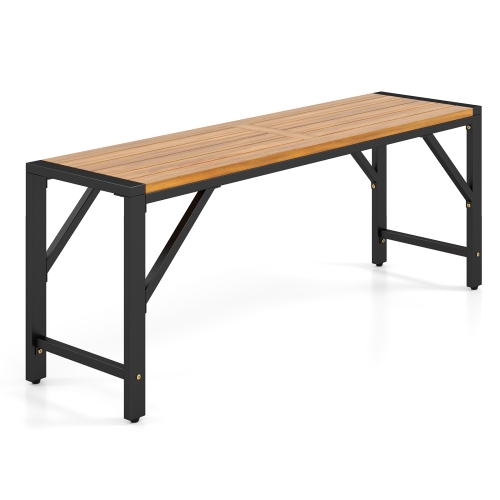
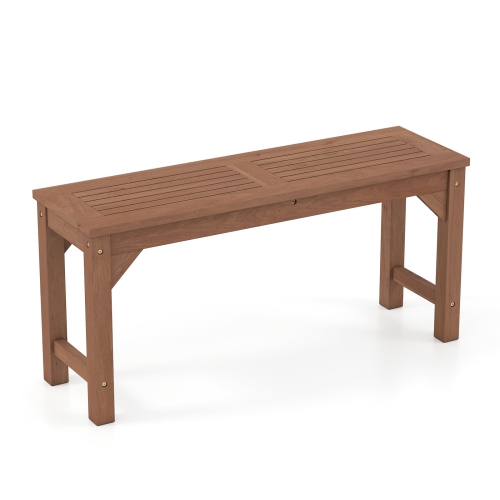
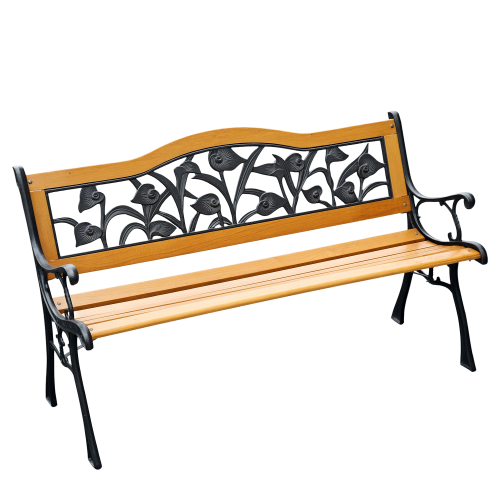

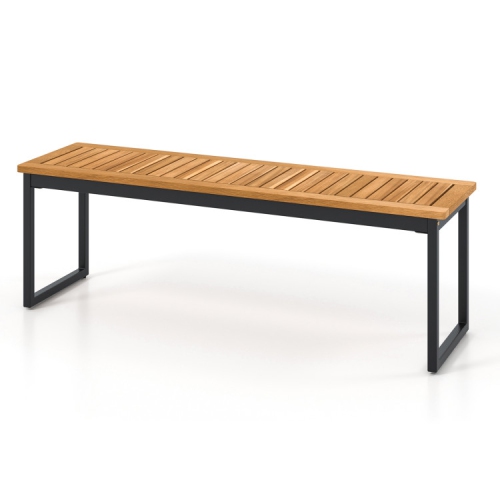
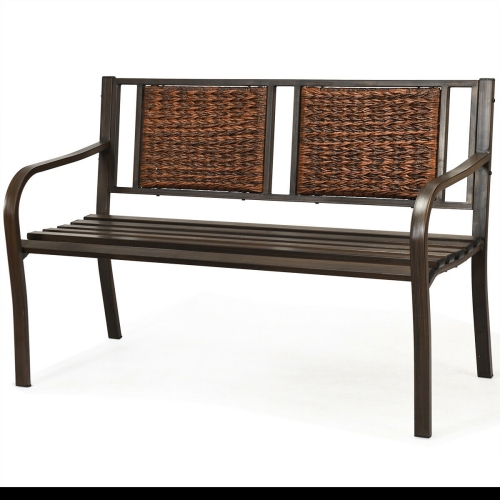
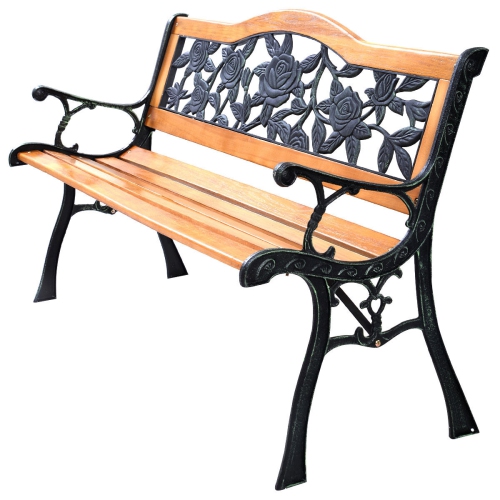

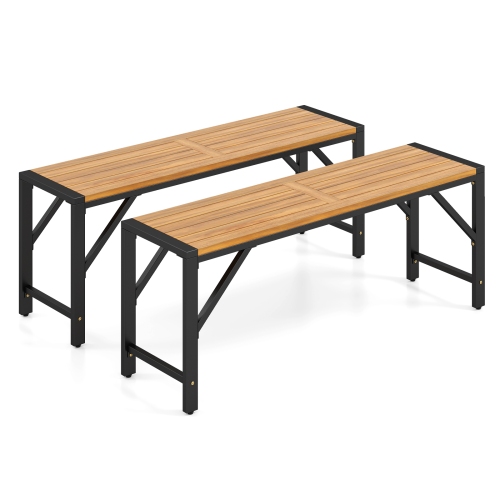


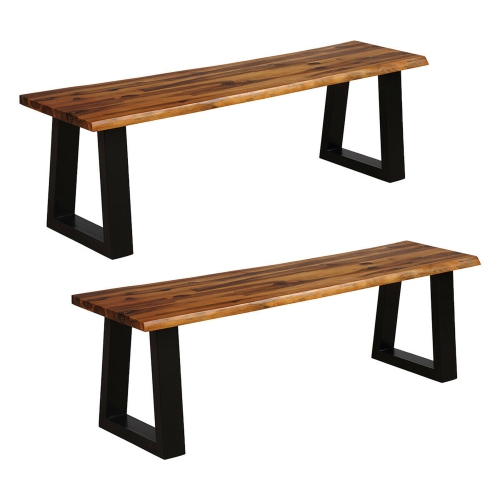
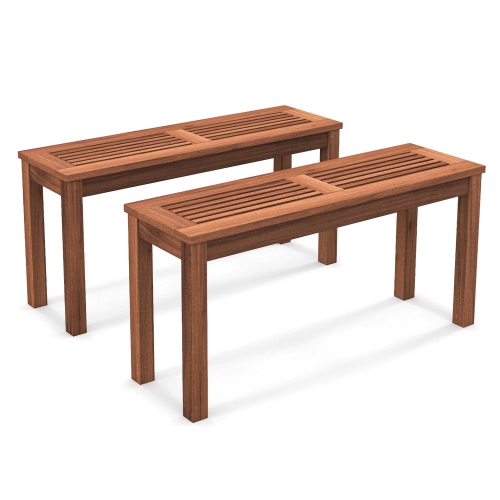
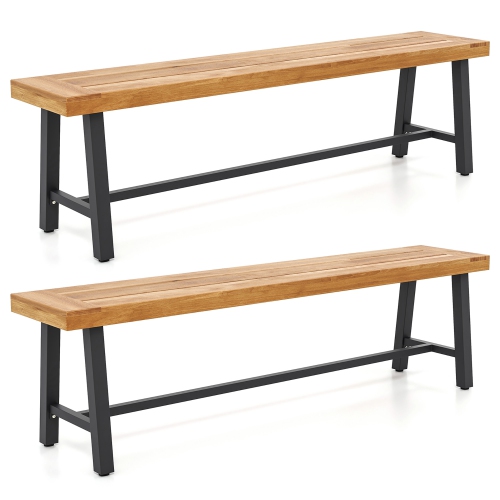


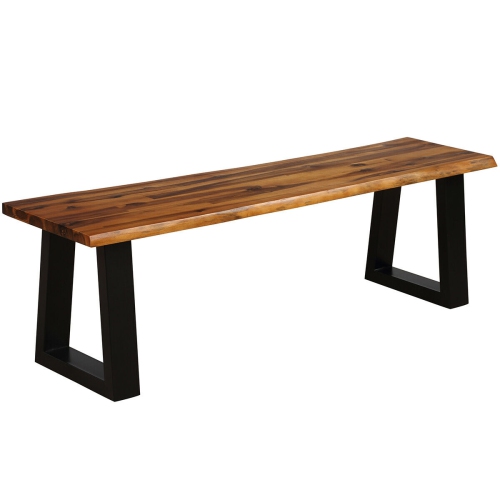
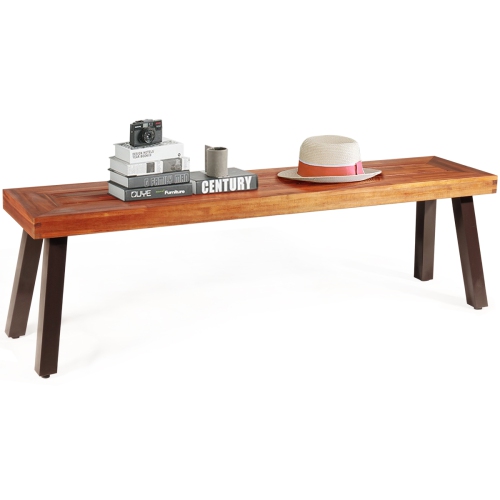


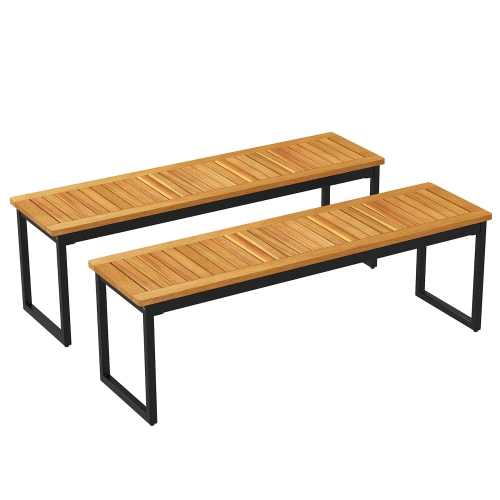
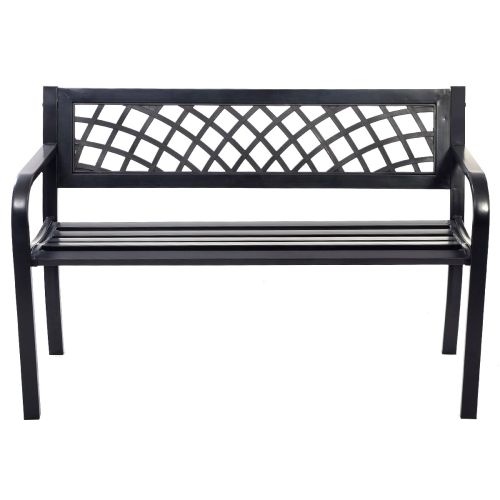
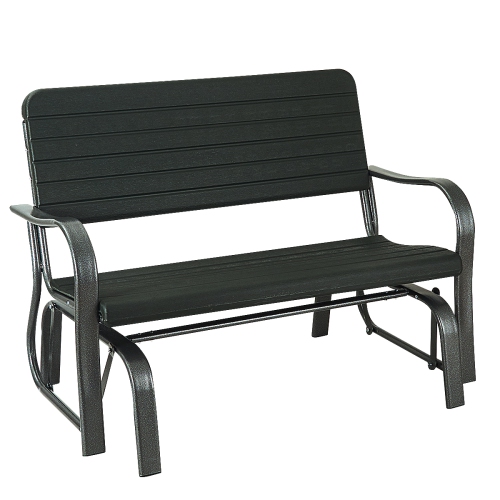
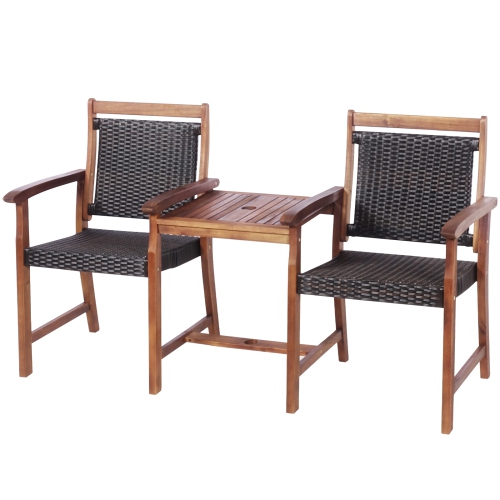


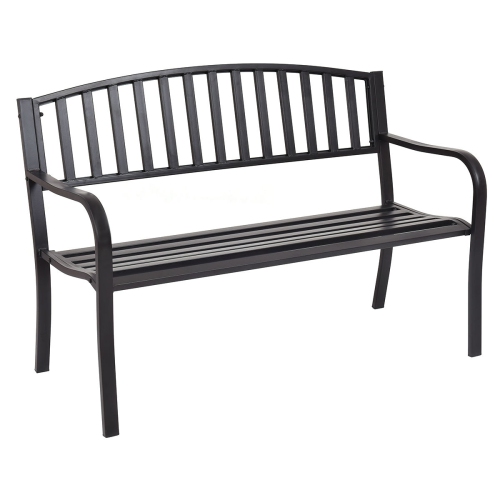








One shared seat for garden breaks and porch pauses
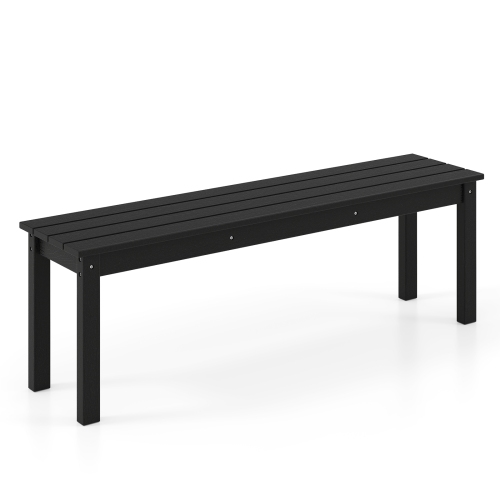
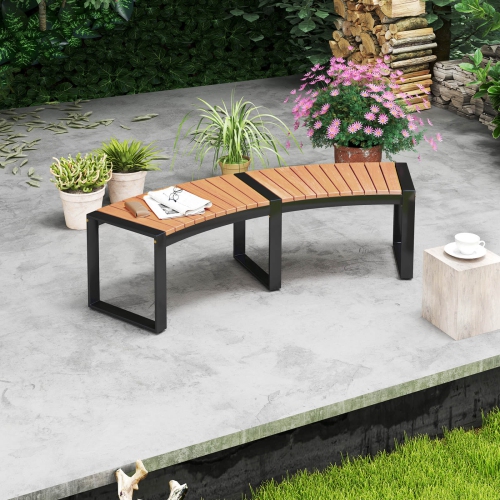
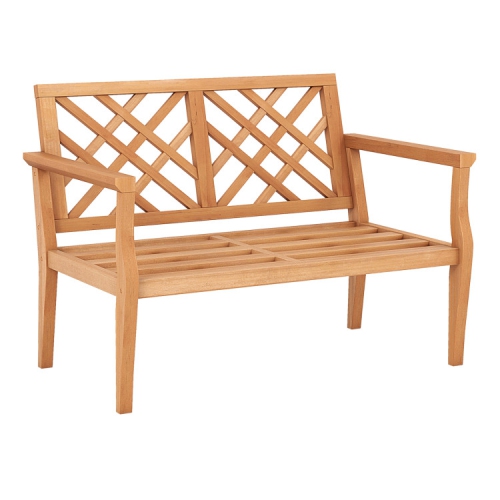
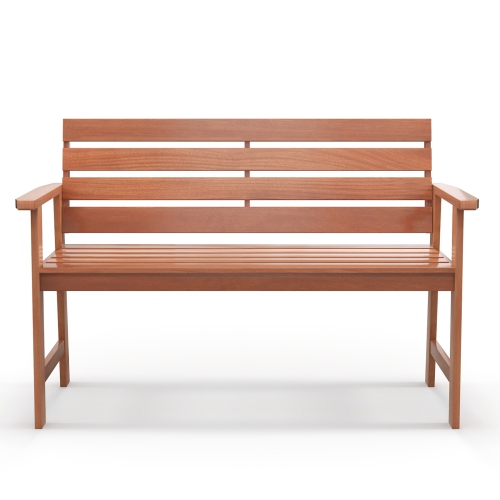
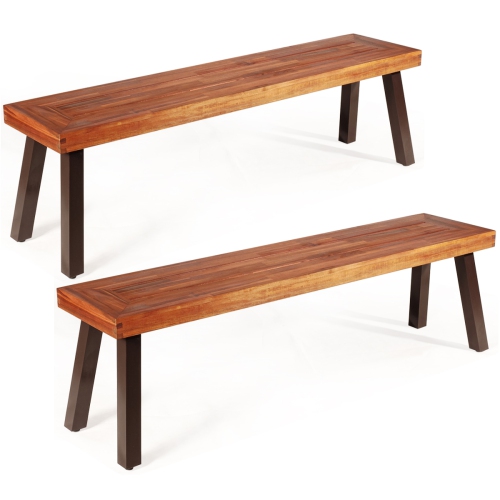
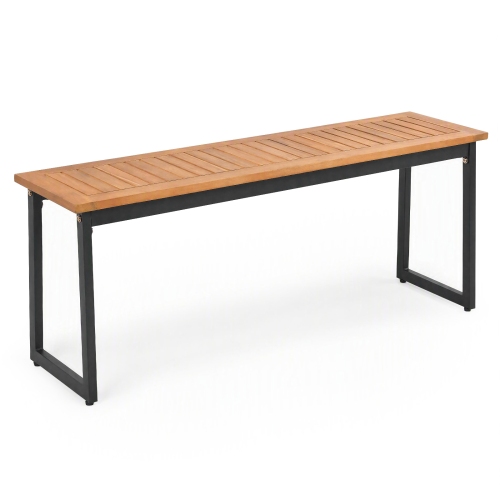
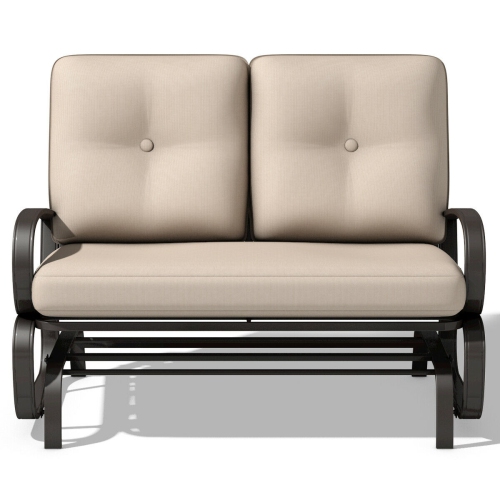
Patio park benches provide shared outdoor seating for gardens, porches, courtyards, and paved sitting areas, combining the familiar shape of a park seat with proportions suited to residential spaces. Unlike separate patio chairs, a bench creates one continuous place to sit, making it useful beside a flower bed, along a fence, or near an entrance where someone might pause to remove muddy shoes. The main differences among outdoor benches are their frame materials, seating dimensions, backrest designs, and care requirements. Wood brings visible grain and a warm appearance; metal can create either a slim, understated profile or a more traditional look with curved arms and patterned backrests. Plastic and high-density polyethylene, commonly called HDPE, offer alternatives that generally need no staining, although their construction and support still matter. Mixed-material benches often pair wood slats with metal legs, balancing a natural-looking seat with a structured frame. A backed bench suits conversation, reading, and longer breaks, while a backless design can sit neatly against a wall or provide seating accessible from either side. Armrests give each end a defined boundary and can offer a useful handhold when sitting or standing, provided the bench is stable and designed to tolerate that pressure. For a small balcony, a compact two-person bench can make a narrow area feel more organized than several separate seats, but the full footprint must leave room for the door to open and people to pass. In a larger garden, a bench facing a planting bed or tucked beside a path creates a destination without requiring a complete outdoor furniture arrangement. These seats can serve households that entertain, people who enjoy a quiet place outdoors, or family members who appreciate a resting spot near the home. As a gift for a new homeowner or an enthusiastic gardener, a patio bench is most practical when its size, style, assembly needs, and ongoing upkeep suit the recipient’s space and routine.
Materials influence how a patio park bench feels, how easily it can be moved, and how it handles outdoor exposure. Acacia, teak, and other woods used in outdoor furniture differ in density, finish, and recommended care, so the wood species alone does not establish how long a bench will last. Well-fitted joints, smoothly finished edges, and properly secured slats are important details. Some wood finishes need periodic renewal, while certain unfinished woods gradually change colour outdoors; the manufacturer’s care directions should determine whether cleaning, oiling, or sealing is appropriate. Powder-coated steel provides a protective surface over a strong frame, but scratches and chipped edges can expose the metal to moisture and allow rust to develop. Checking joints, welds, and areas around fasteners helps identify places that may need attention. Cast iron components can give a traditional park bench substantial weight, which makes repositioning more demanding. Aluminum is typically lighter and does not rust like iron, though its finish and hardware still benefit from routine cleaning. HDPE and other outdoor plastics resist moisture absorption, but resistance to fading, flexing, and temperature changes varies with the material formulation and construction. No material makes every bench suitable for unrestricted exposure. Slatted seats and open backrests allow water to drain more readily than solid surfaces, yet connections and horizontal ledges can still hold moisture. A bench beneath trees may collect sap, pollen, and fallen leaves, while one close to a lawn may receive repeated spray from sprinklers. Gentle cleaning with products approved for the material is usually preferable to harsh scrubbing or pressure washing, which can damage finishes or raise wood fibres. Covers should fit securely and allow ventilation rather than trap dampness against the seat. Where freezing conditions or prolonged snow exposure are a concern, sheltered storage or suitable protection can reduce unnecessary wear. Cushions need their own care: removable outdoor covers can simplify cleaning, but water-resistant fabric is not the same as waterproof construction, and cushions should dry thoroughly before storage.
Fit and comfort depend on more than the overall length printed in a bench’s dimensions. Usable seat width can be noticeably smaller than the outside measurement because thick armrests and wide frame members take up space. A compact bench around 44 inches wide may suit two people, but the actual seating area and the manufacturer’s stated capacity are better measures than width alone. A 50-inch bench should not automatically be treated as comfortable seating for three adults. Seat depth, backrest angle, and the shape of the front edge also affect whether a bench feels welcoming for a brief pause or an afternoon with a book. A gently contoured seat may feel more supportive without a cushion, while a flatter surface offers more flexibility when adding a seat pad. For someone who has difficulty rising from low furniture, seat height and sturdy armrests deserve particular attention; overly deep seating can also make it harder to place both feet firmly on the ground. Weight capacity applies to the assembled bench under the conditions specified by its manufacturer and should not be confused with the weight of the bench itself. Placement matters just as much: a level, firm surface helps keep all legs supported, whereas loose gravel or soft soil may allow them to sink unevenly. On decks and balconies, suitable foot protectors can help limit scuffs without making the bench unstable. Leave comfortable clearance around nearby planters, doors, and walking routes, and account for any outward curve in the back or arms. Assembly commonly involves attaching legs, seat sections, and back supports, with periodic checks for loose hardware after use. Benches intended for shared or public spaces may require commercial-use suitability and approved anchoring rather than a residential design. For a different seating experience, Patio Swing Benches offer gentle movement but need appropriate support and extra clearance. A stationary patio park bench instead provides a fixed place to settle, with its usefulness shaped by thoughtful proportions, dependable construction, and a position that fits everyday outdoor routines.
Top selling and popular products
-
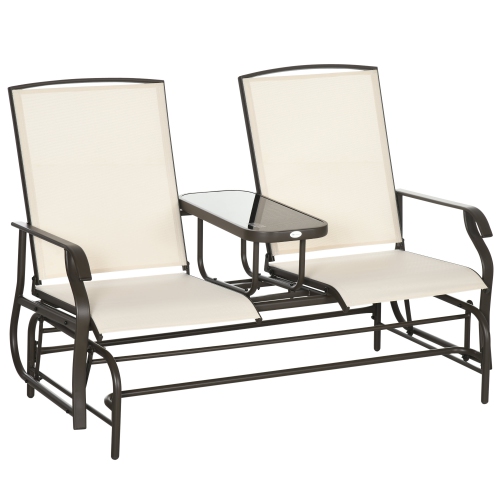 Your price for this item is $209.99
-
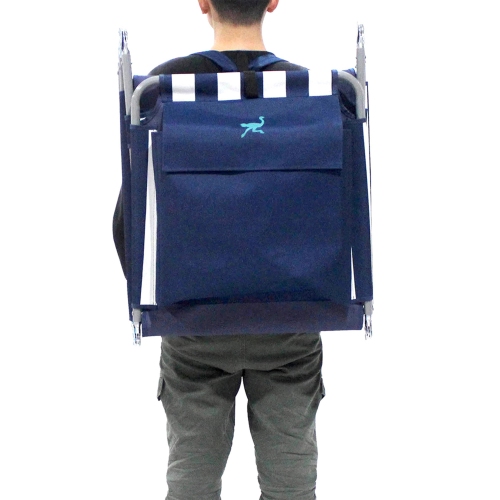 Your price for this item is $223.99
-
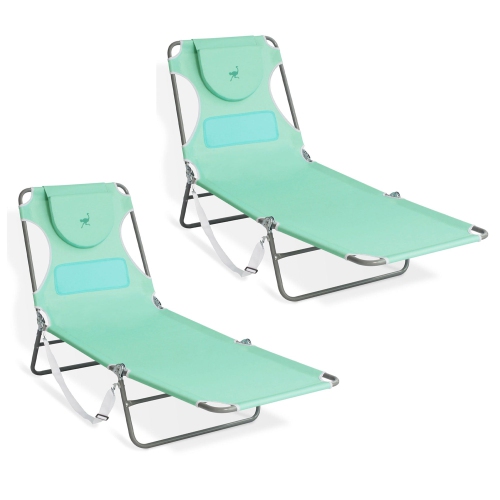 Your price for this item is $408.99
-
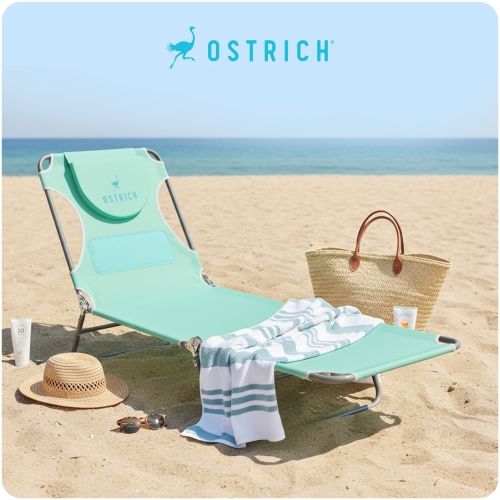 Your price for this item is $188.99
-
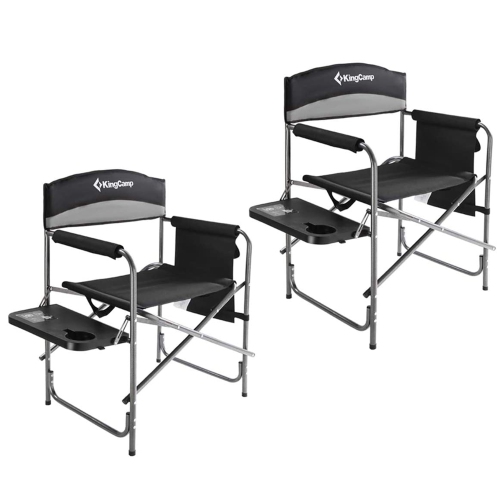 Your price for this item is $246.99
-
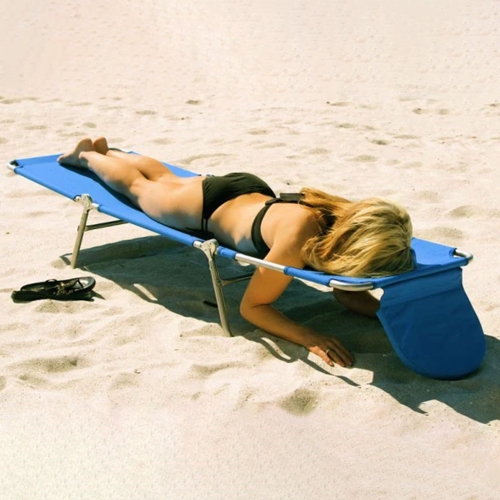 Your price for this item is $714.99
-
 Your price for this item is $178.99
-
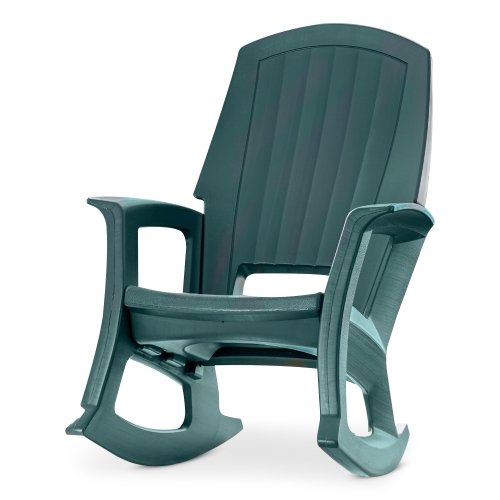 Your price for this item is $459.99
Discover more categories related to Patio Park Benches
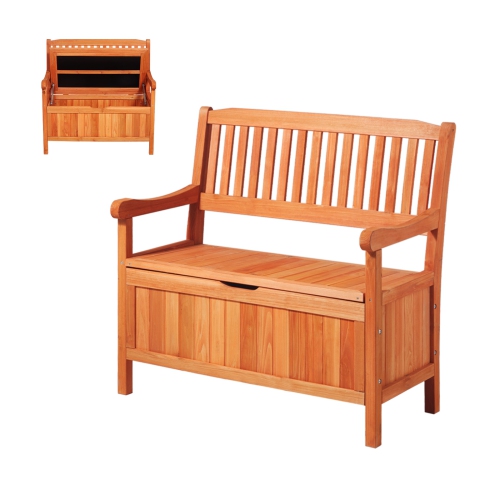
Top Collections:
Best Black Friday Deals This Year, Best Black Friday Deals On Electronics, Kindle Devices, Pokemon Centers, Best Black Friday Deals On Apple Products, Best Cameras for Sports Photography, Dyson Airwrap, Pokémon 30th Celebration Cards, Apple iPhone 17 Pro, Canon G7X Cameras
Some products may be subject to Environmental Handling Fees
(EHF) depending on your province.
Learn more about EHFs.