Patio Privacy Screens
Create your own private oasis with our selection of patio privacy screens. Whether you're looking to block out nosy neighbors, shield your outdoor space from prying eyes, or simply create a cozy and secluded atmosphere, our range of privacy screens has got you covered. From stylish and modern designs to durable and weather-resistant materials, these screens offer the perfect solution for enhancing your outdoor living experience. Transform your patio into a serene retreat where you can relax, entertain, and enjoy some much-needed privacy with our collection of patio privacy screens. Also check out our selection of Compact Outdoor Furniture for even more great options!
Sort
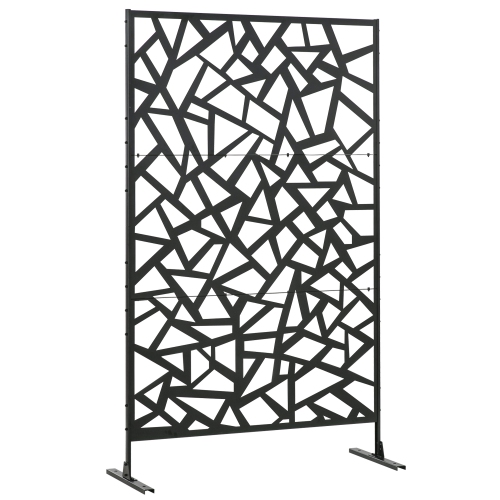
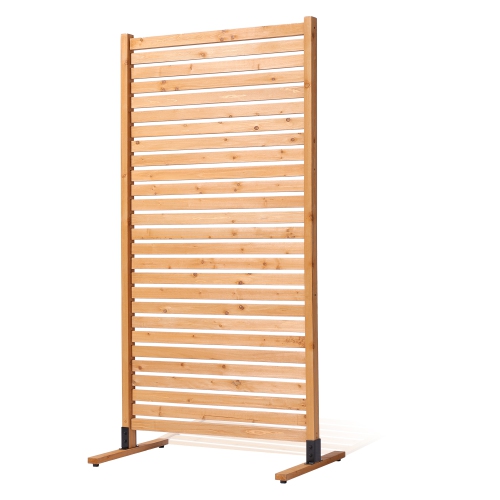
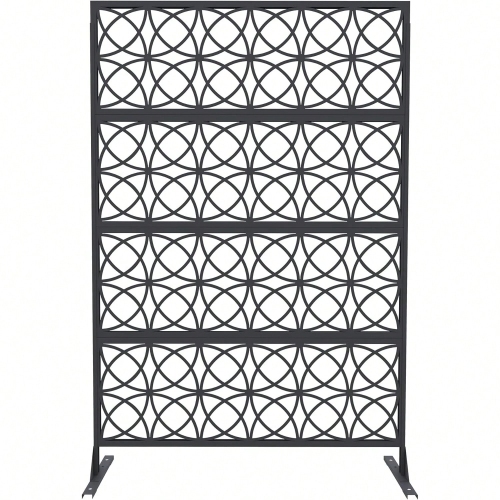
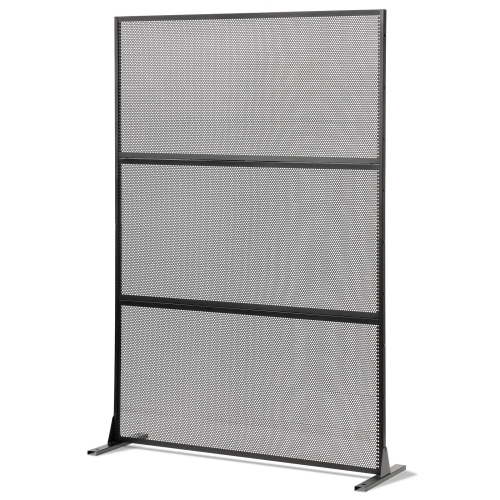
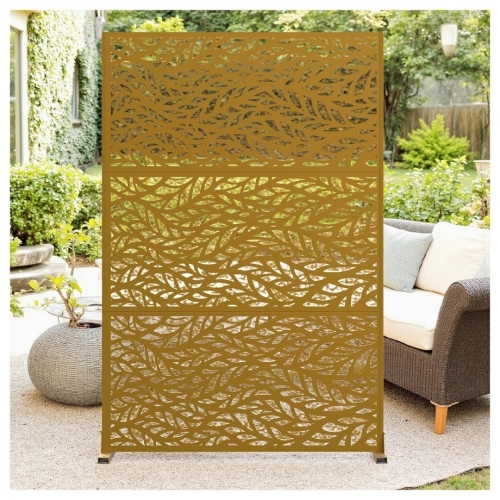

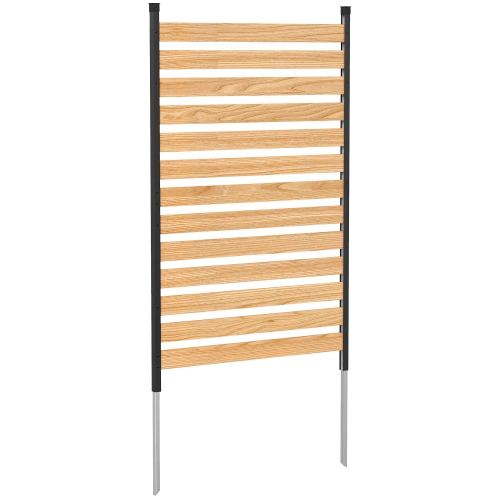
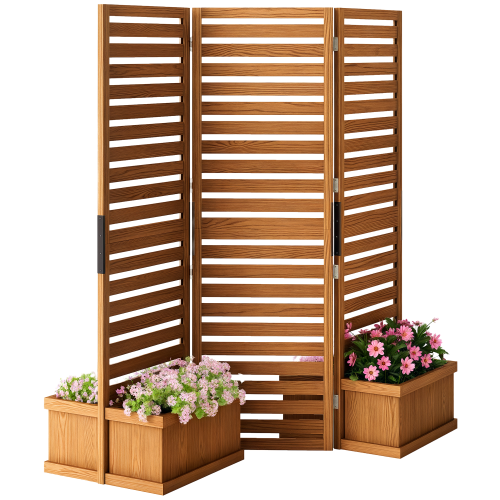
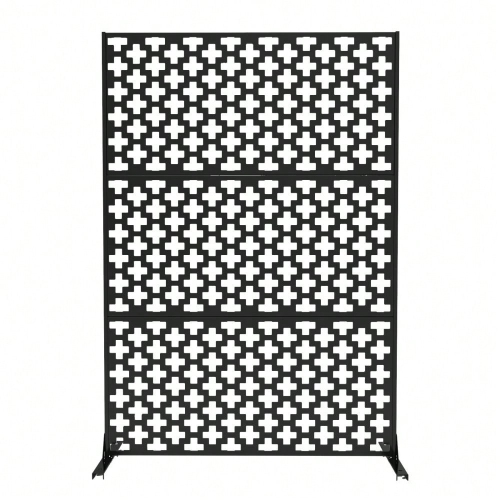
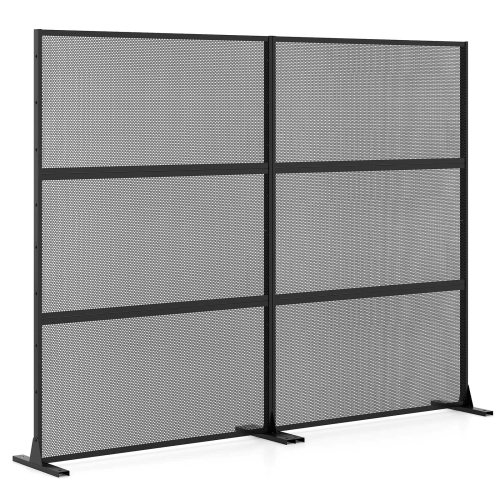
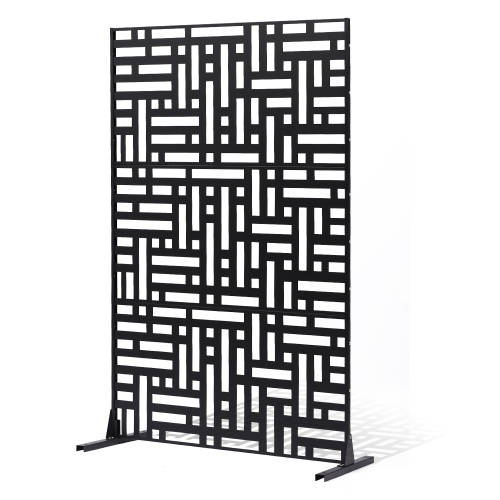
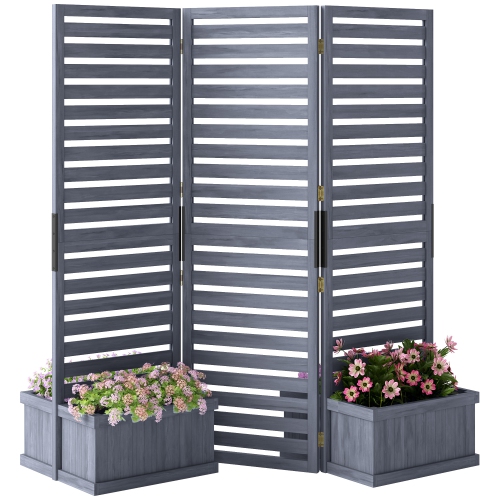
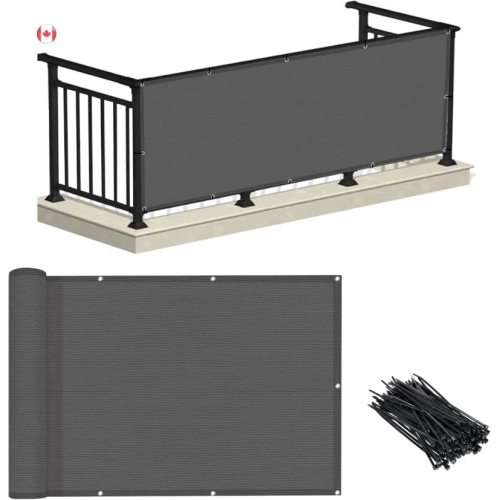
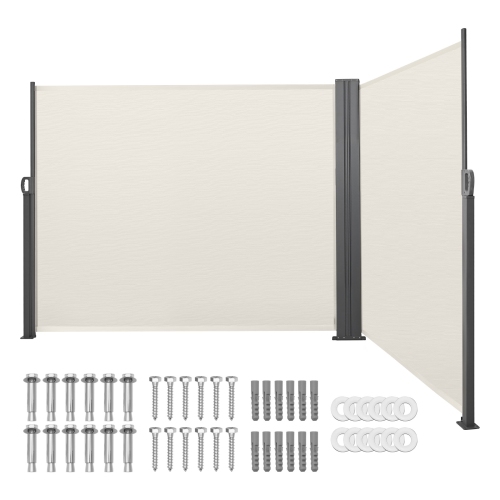
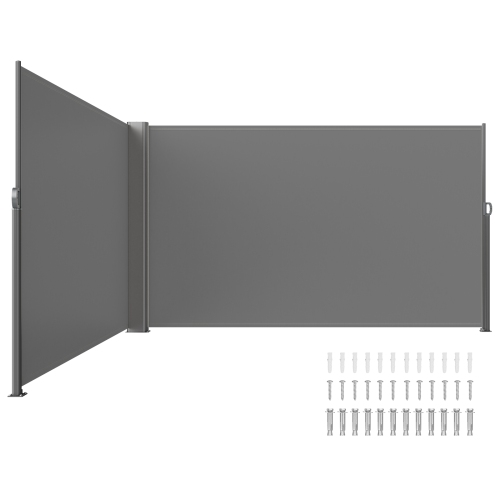
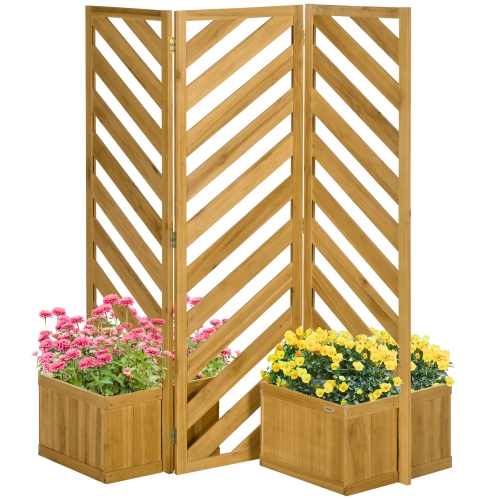
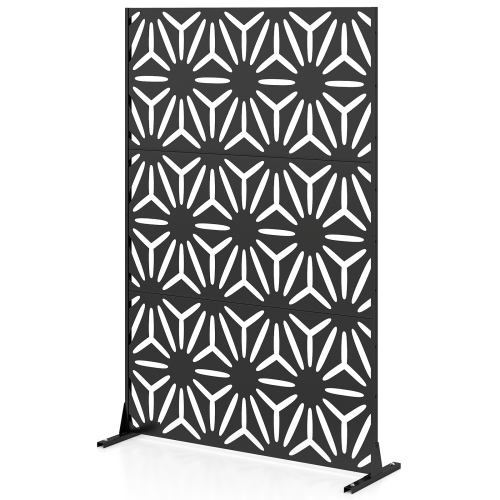
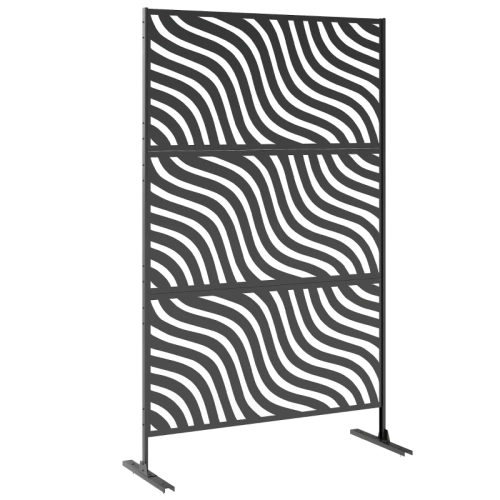
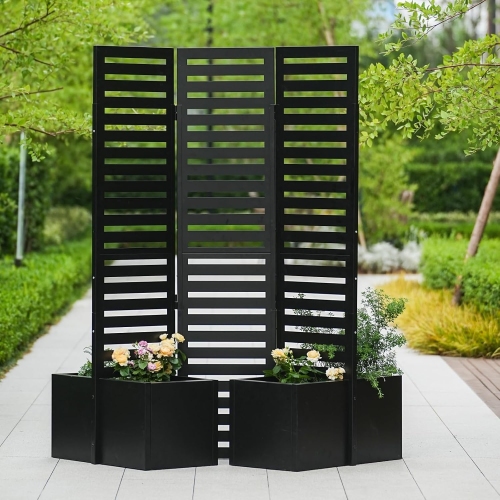
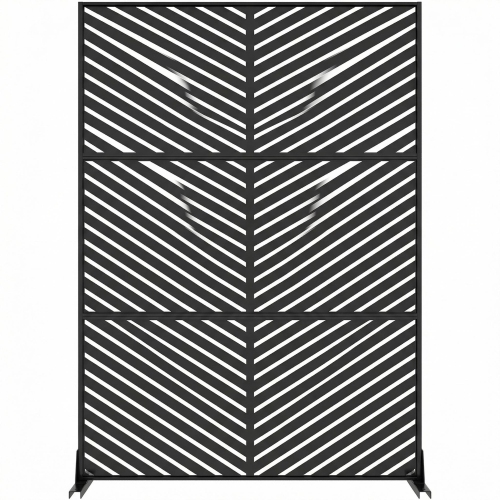
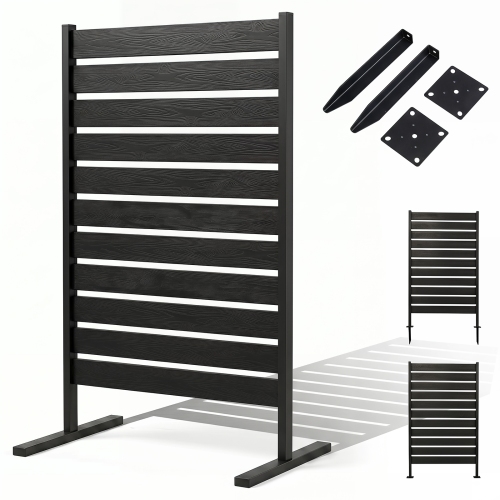
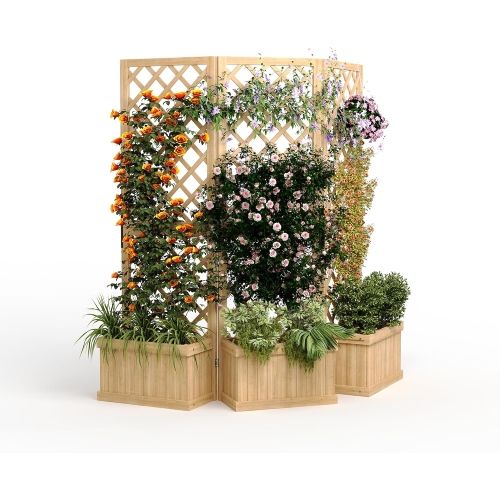
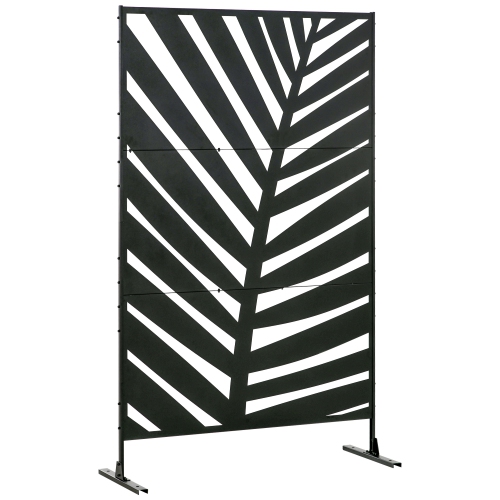
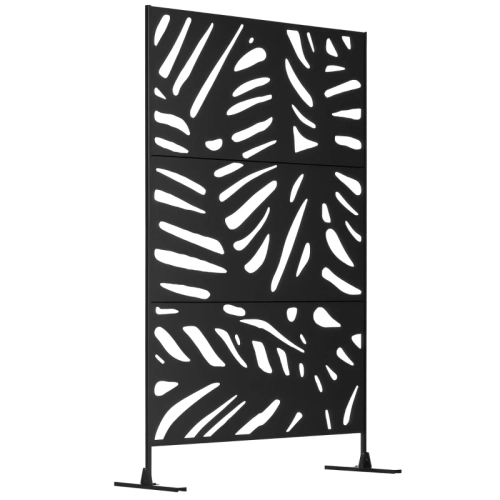
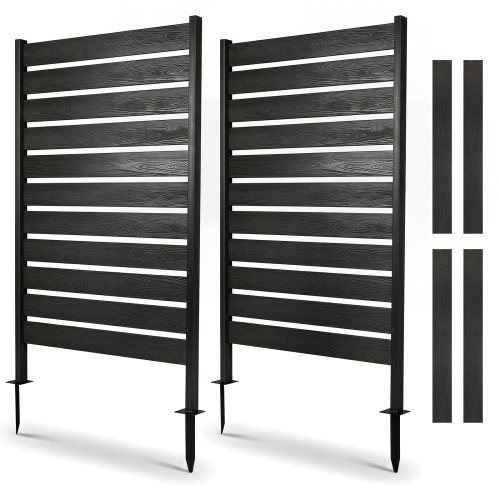
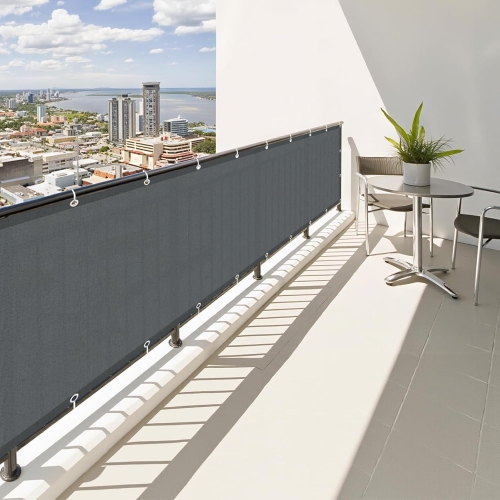
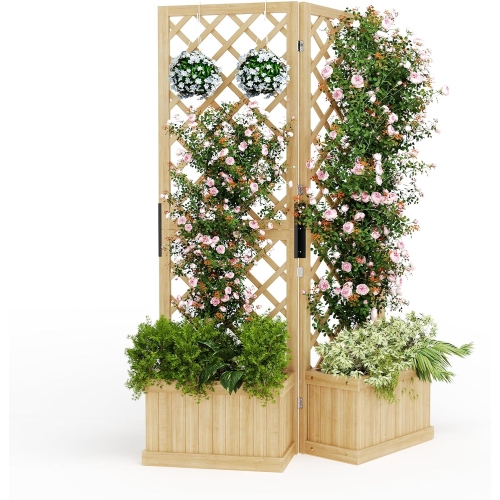
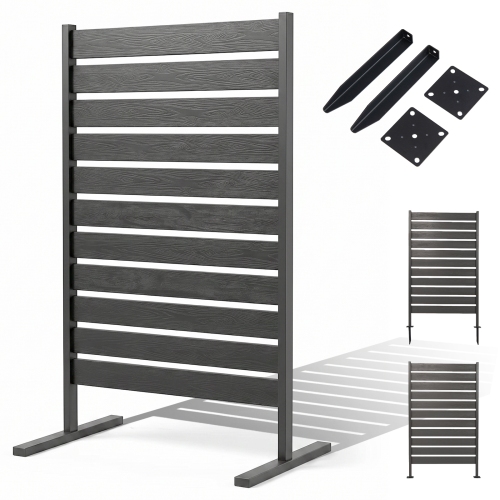
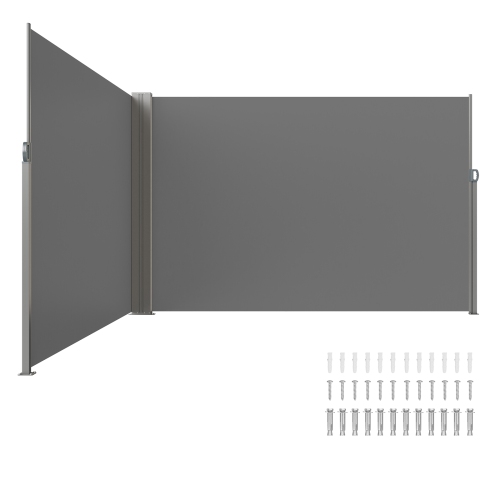
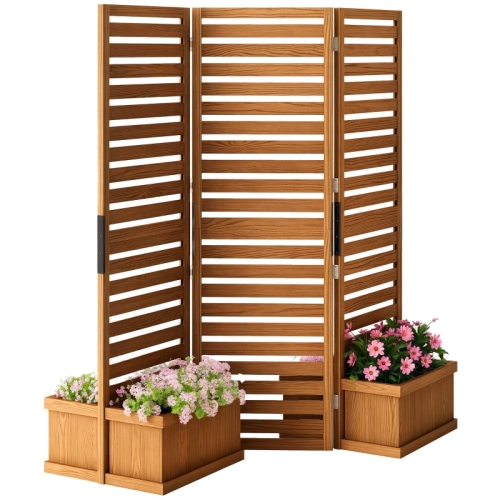
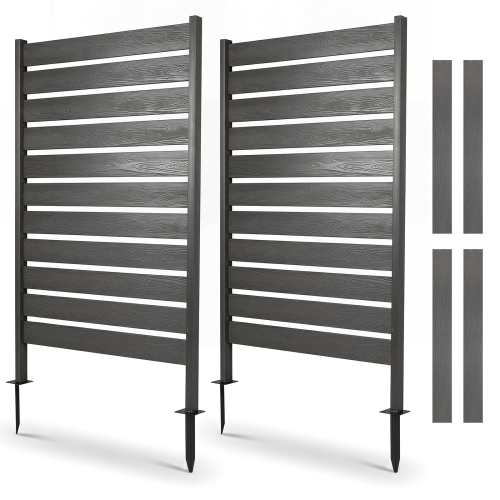
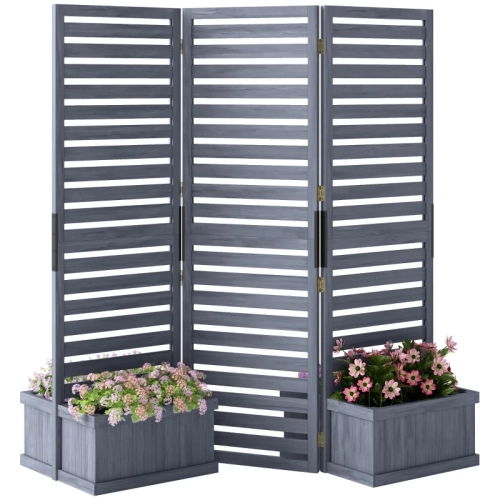
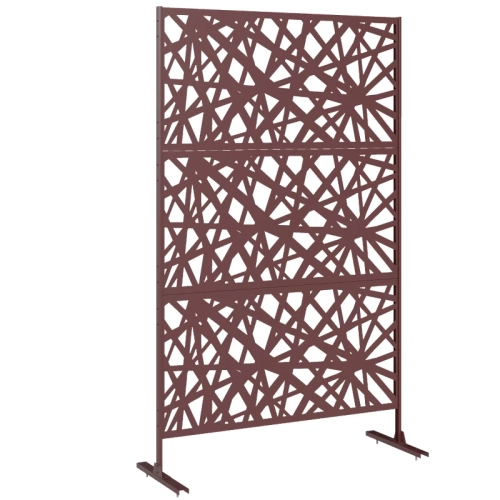
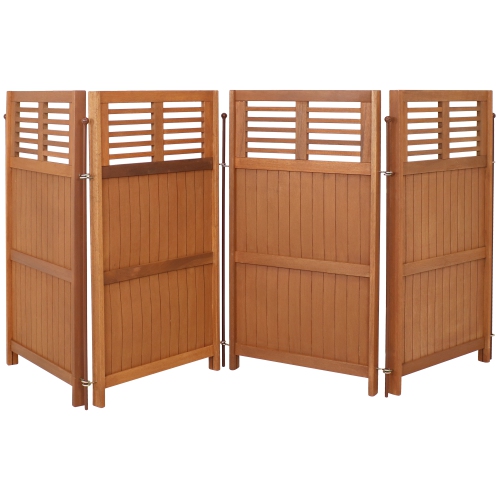
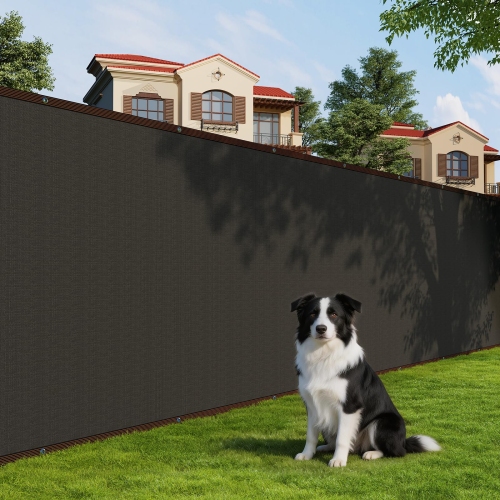
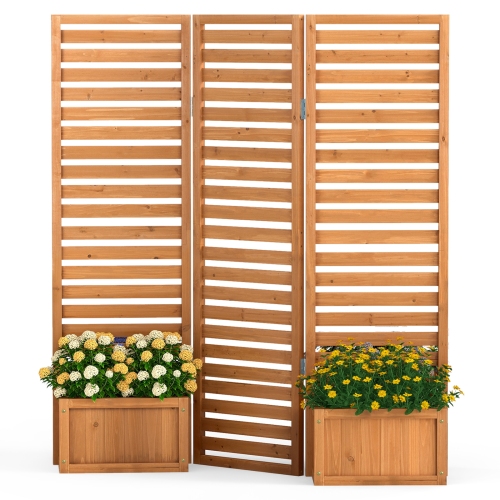
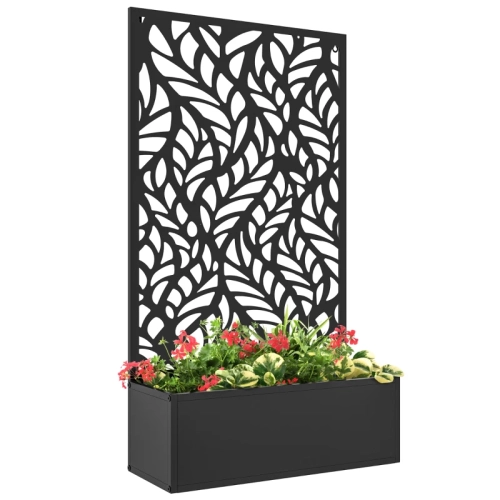
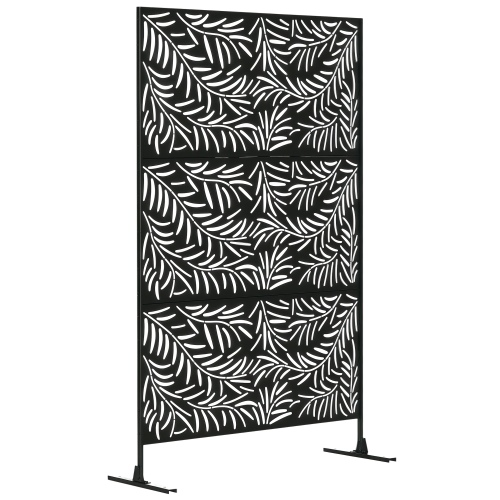
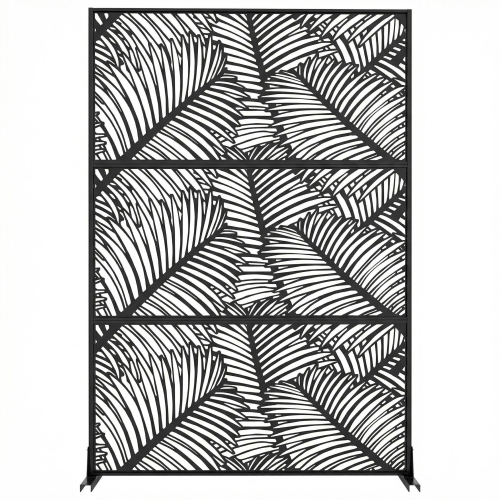
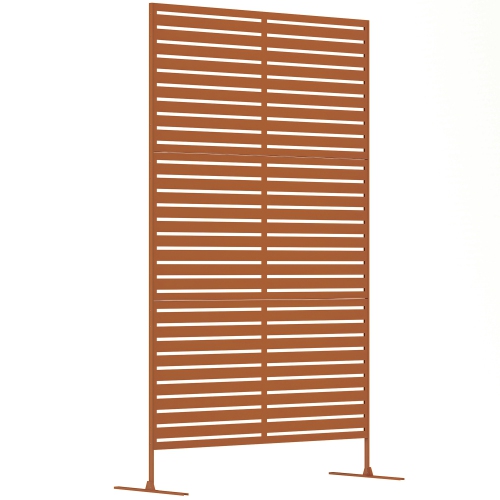
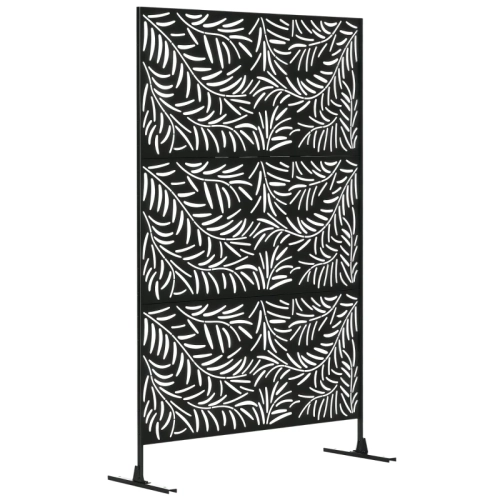
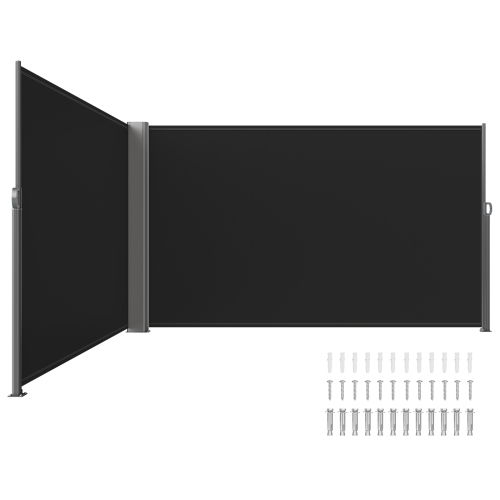

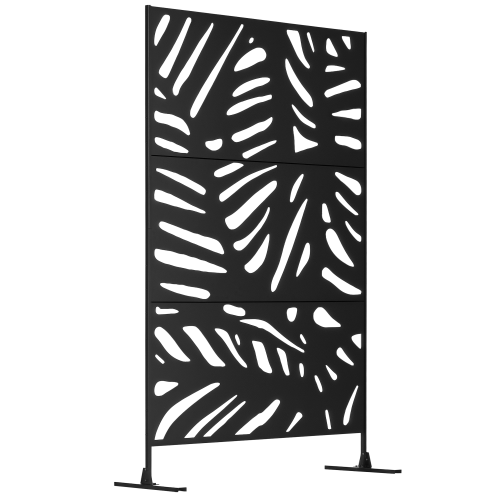
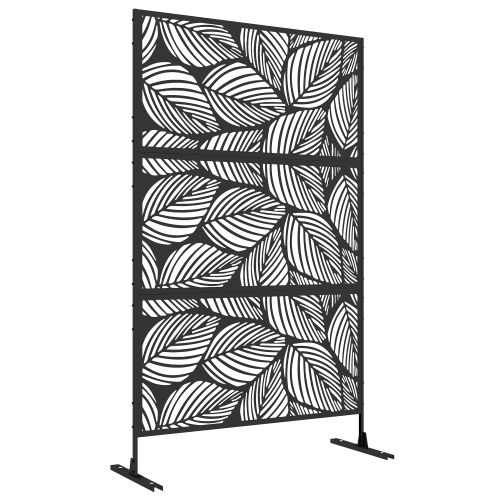
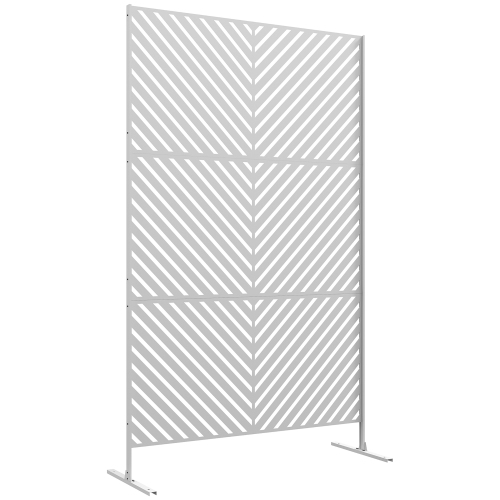

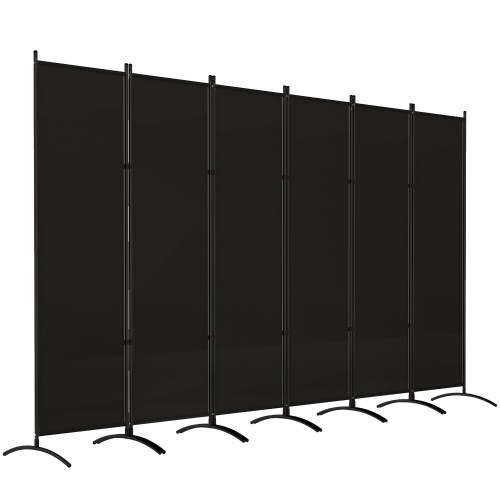
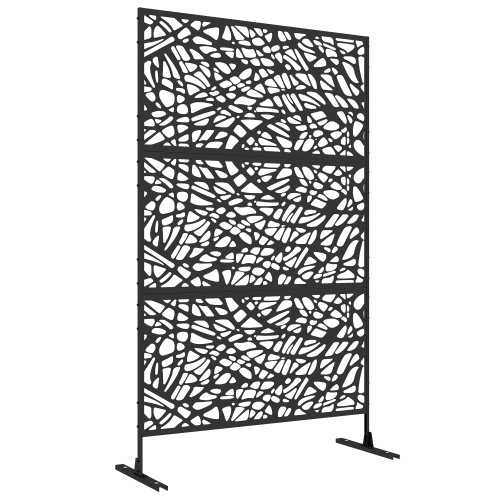
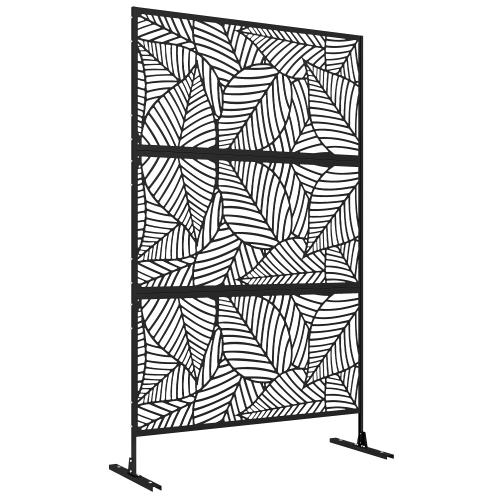
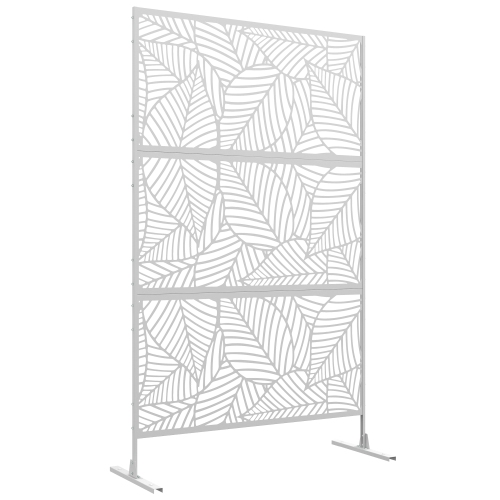
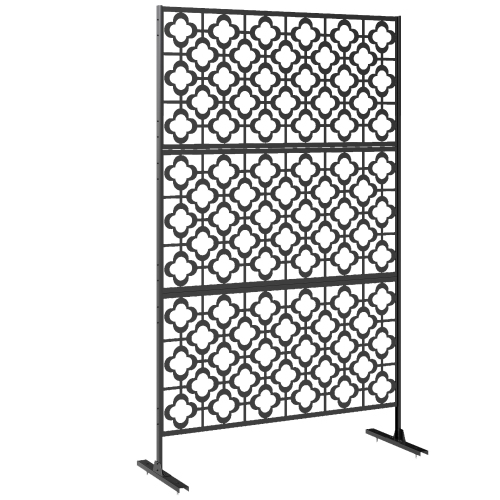
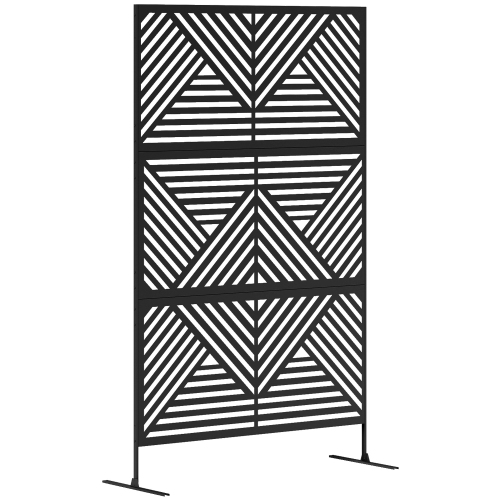
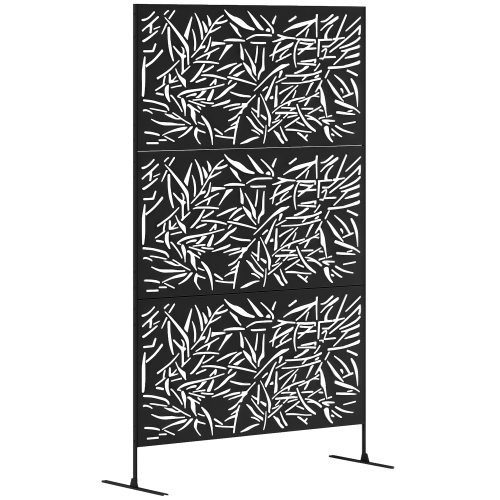
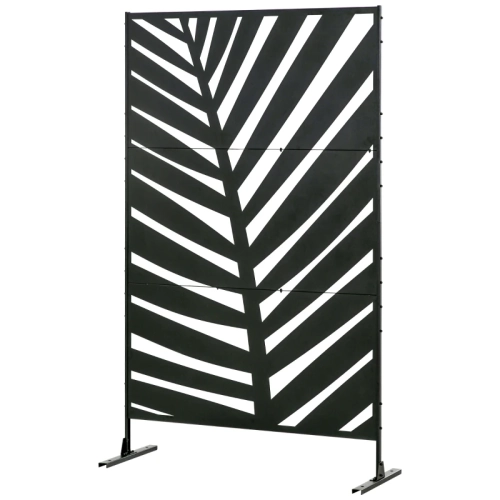
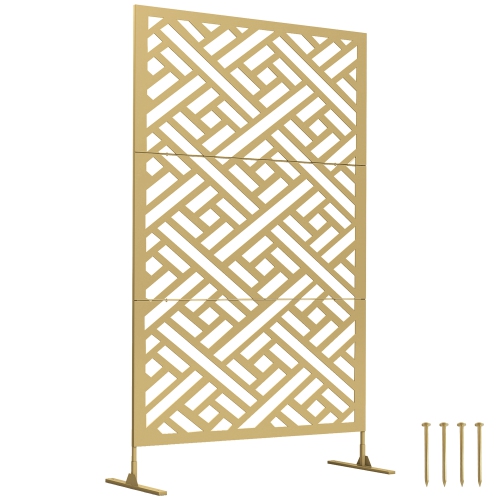
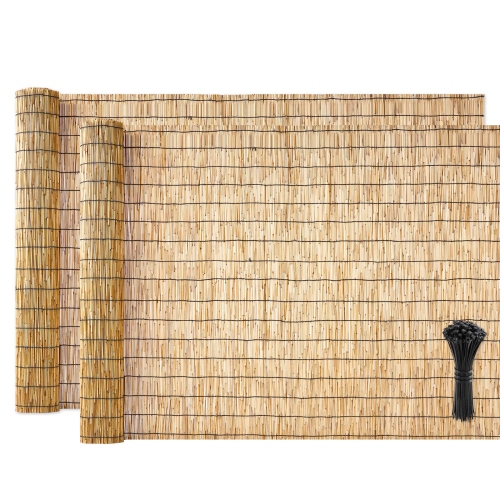
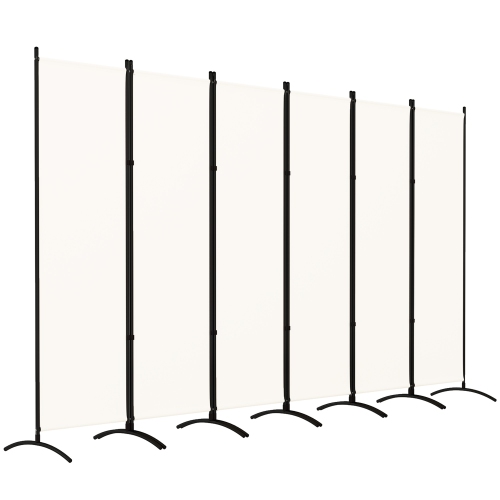
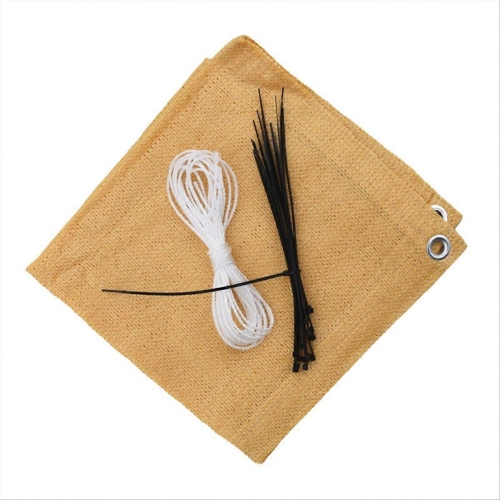
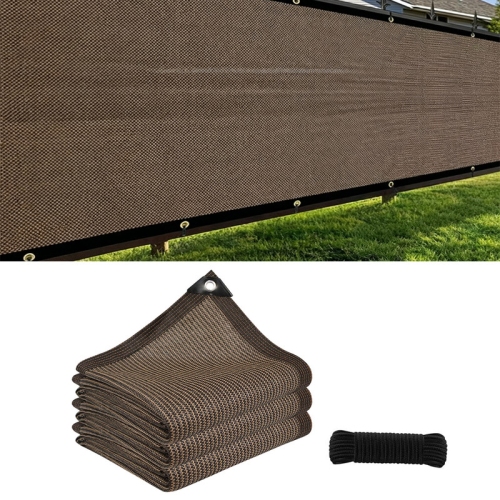
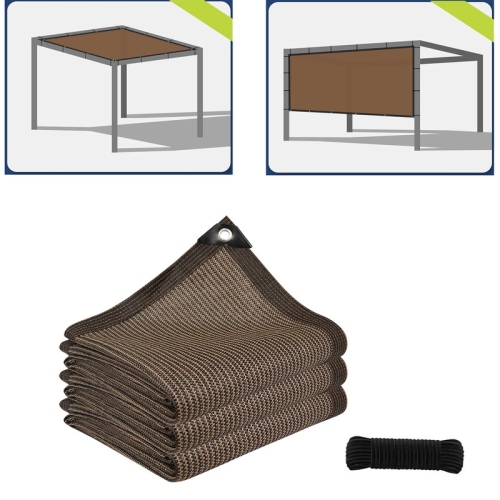
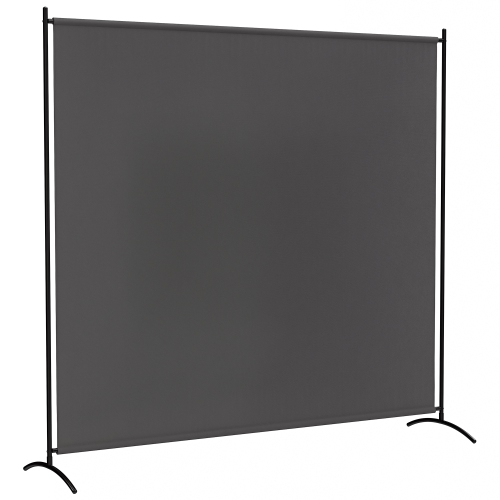
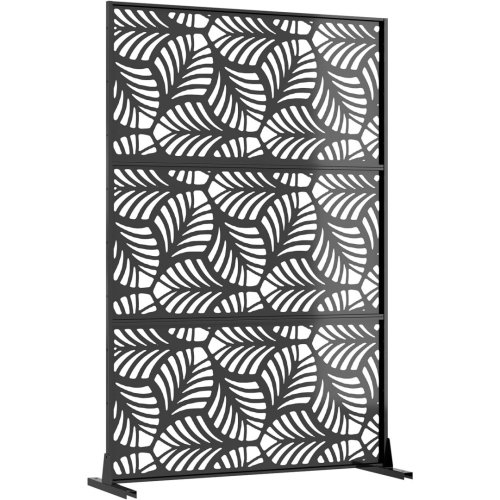
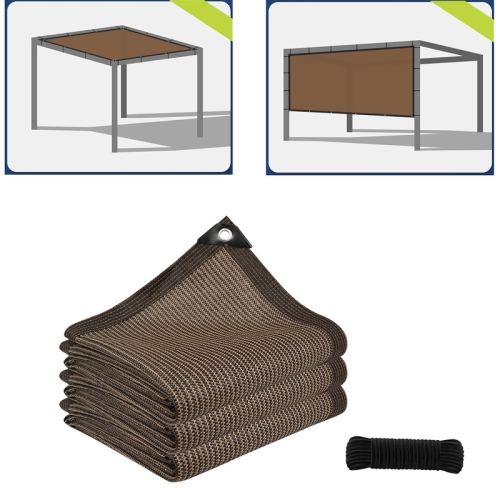
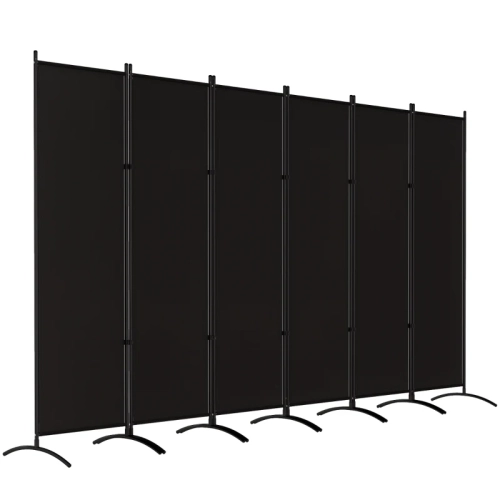

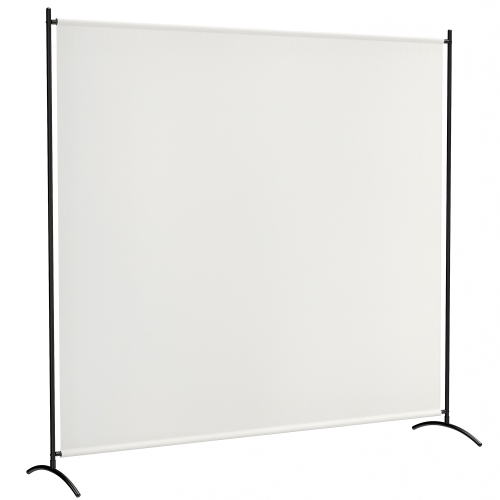
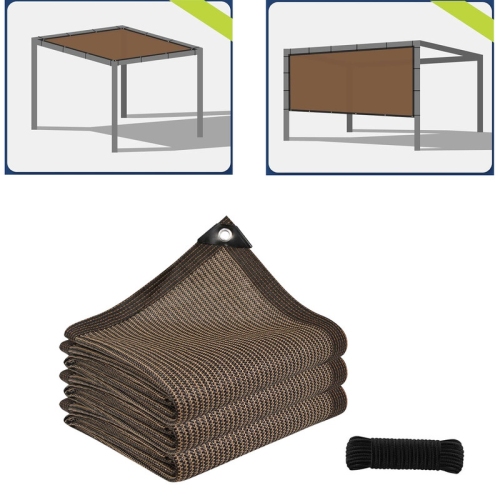
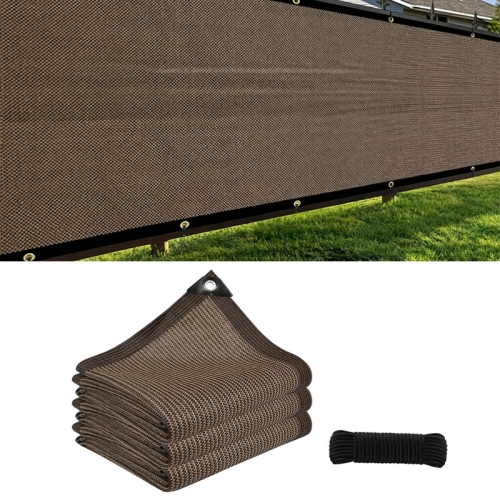
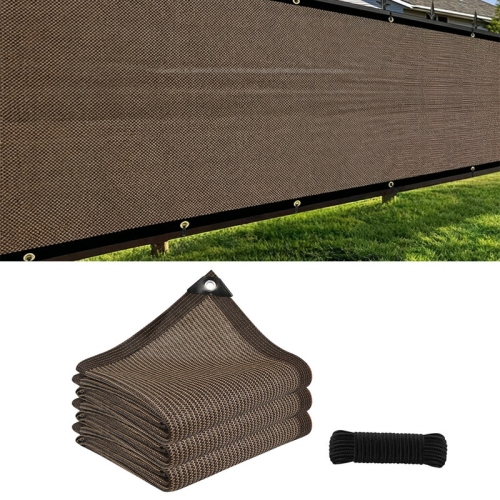
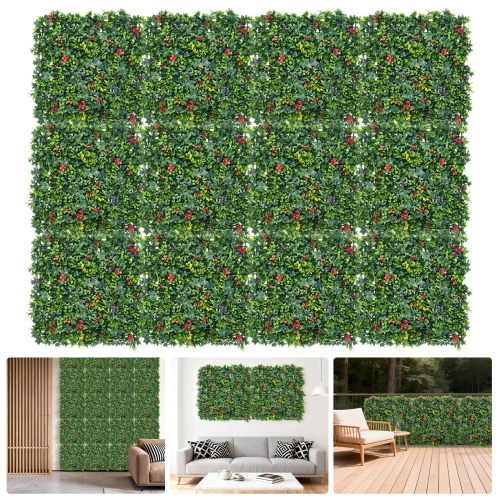
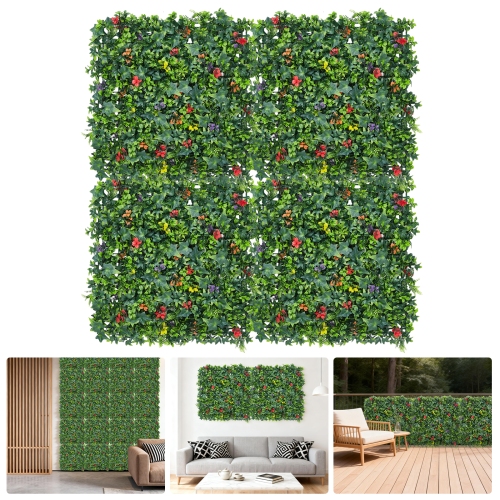
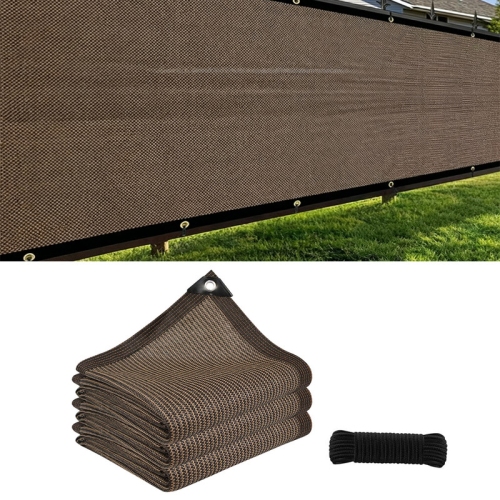
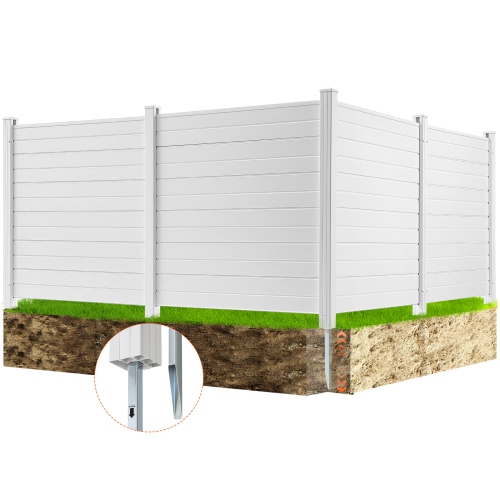
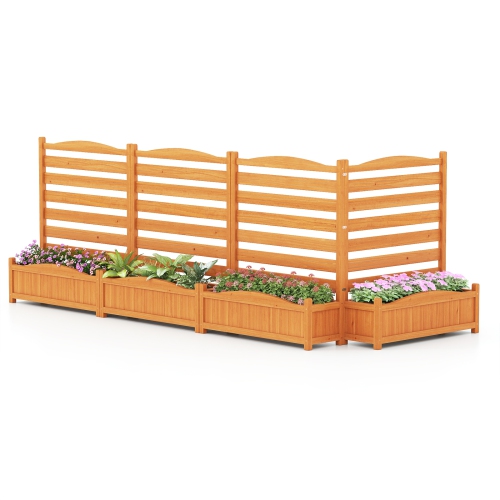
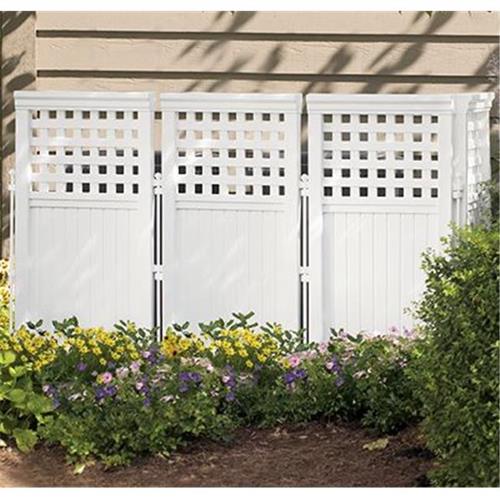
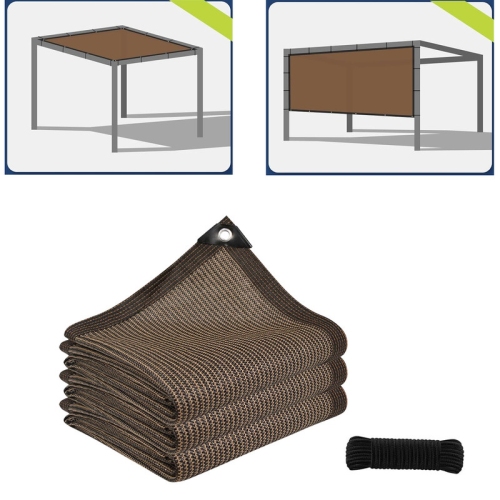
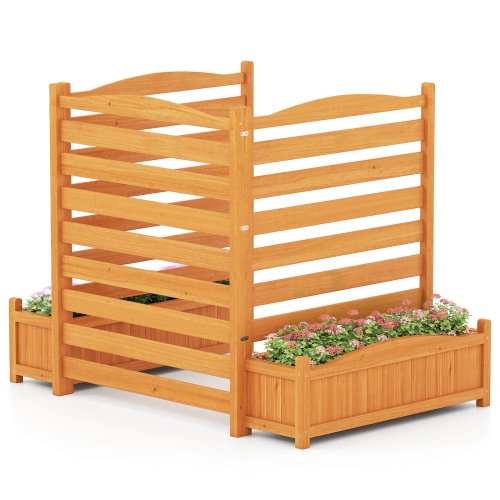
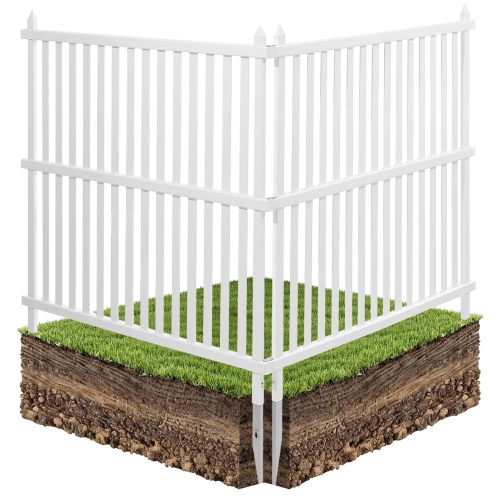
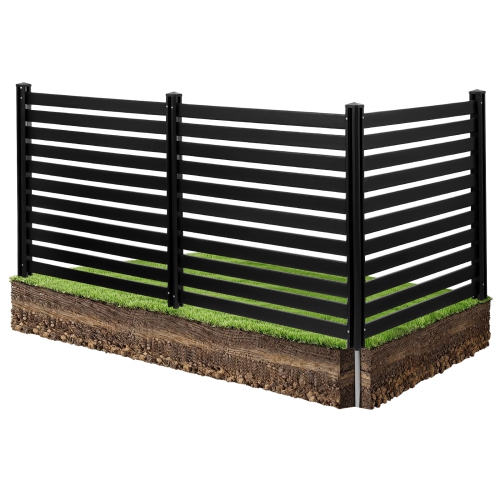

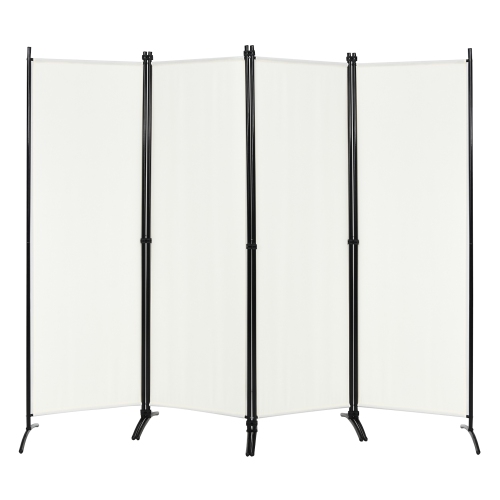
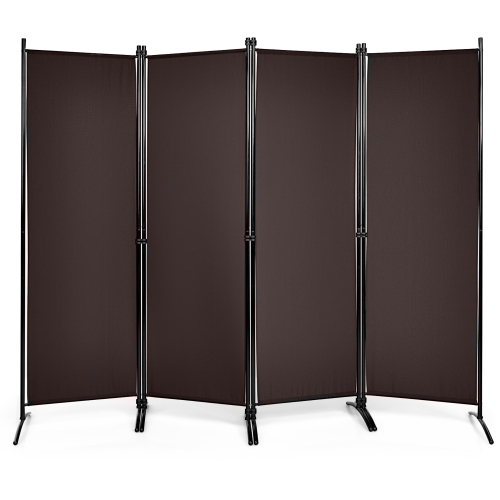
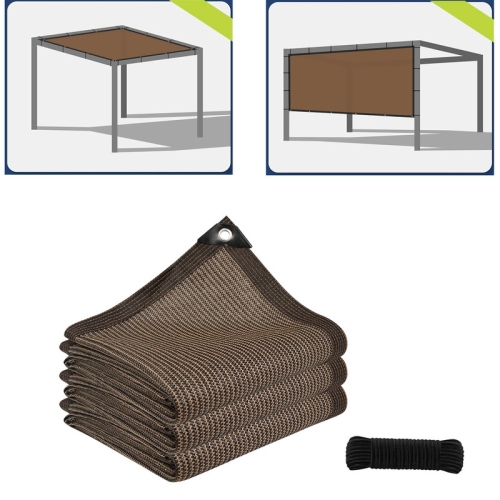
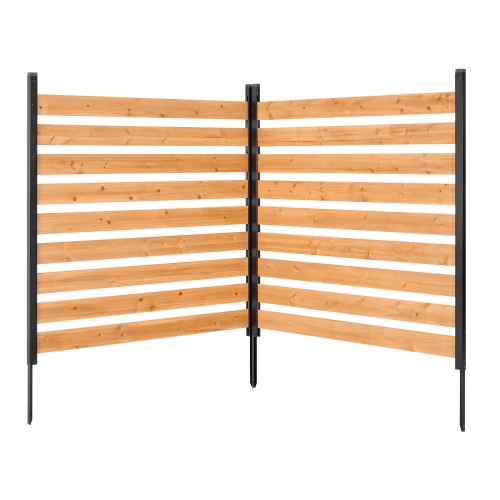
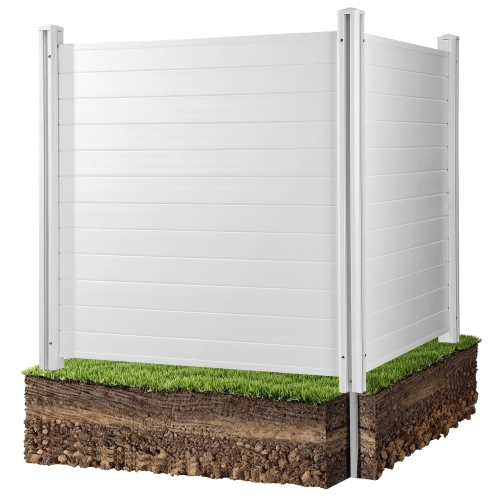
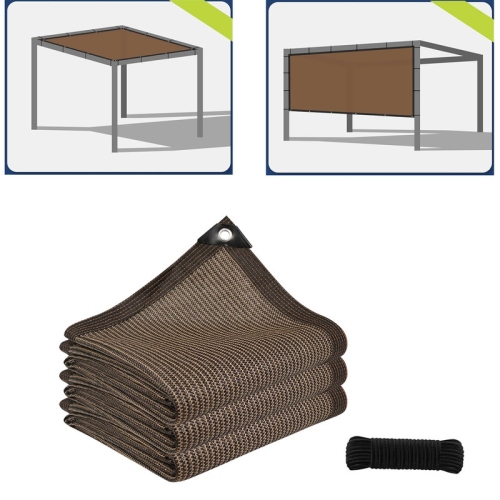
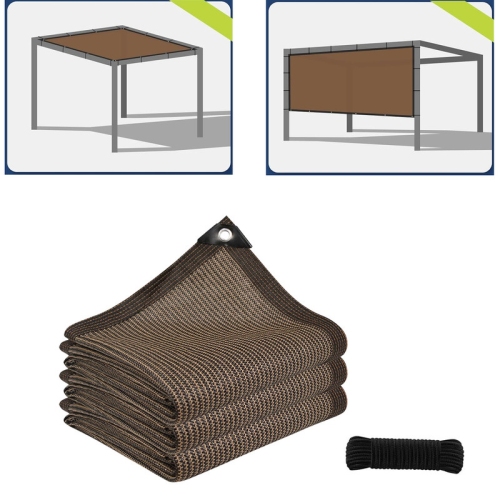
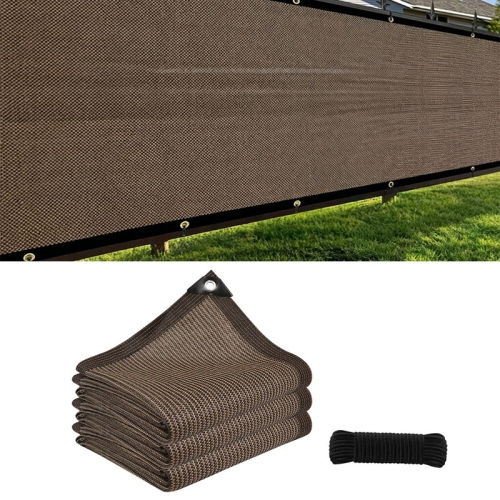
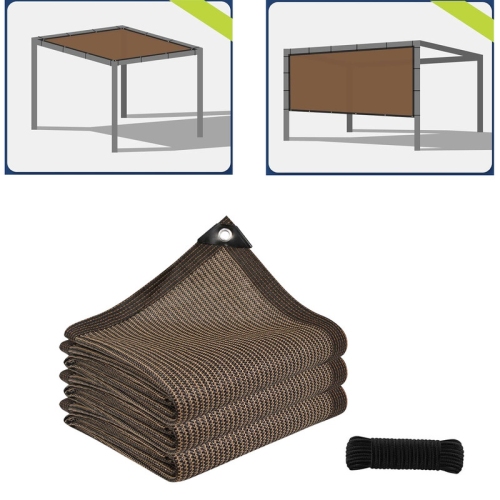
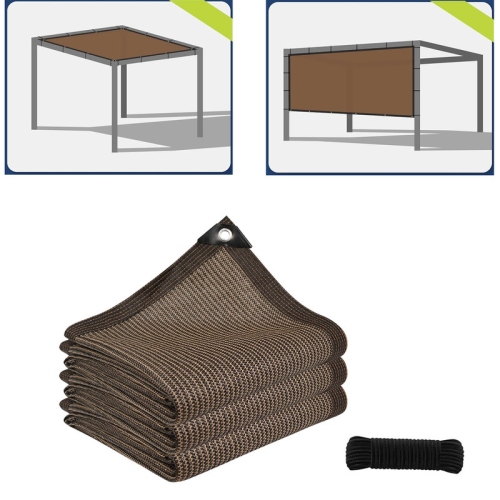
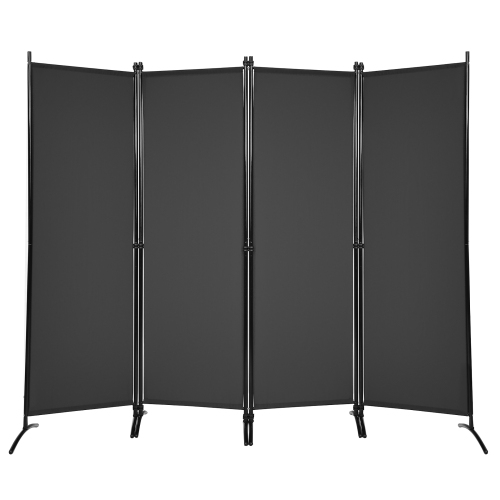
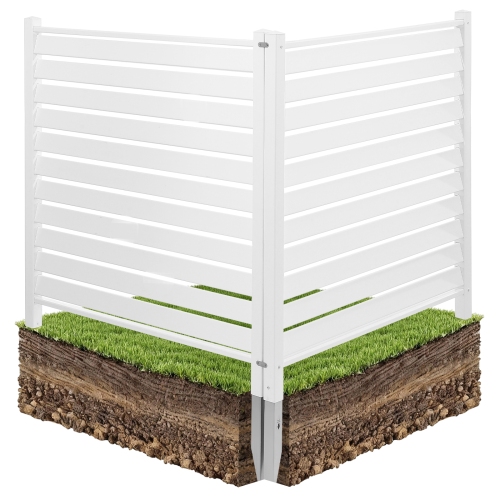
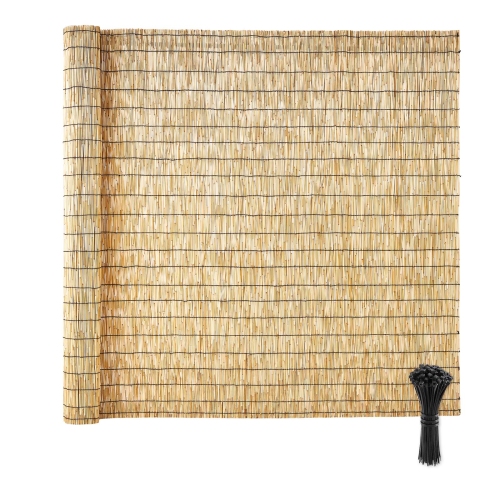
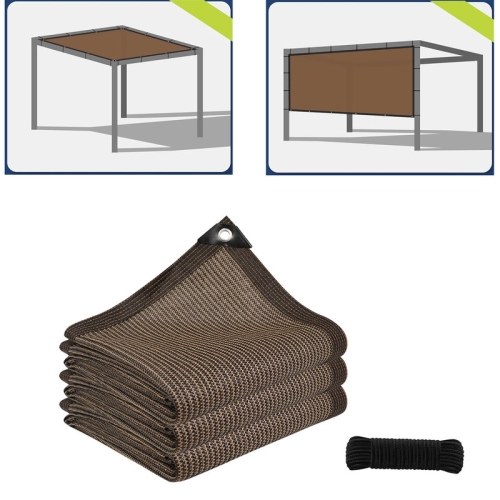
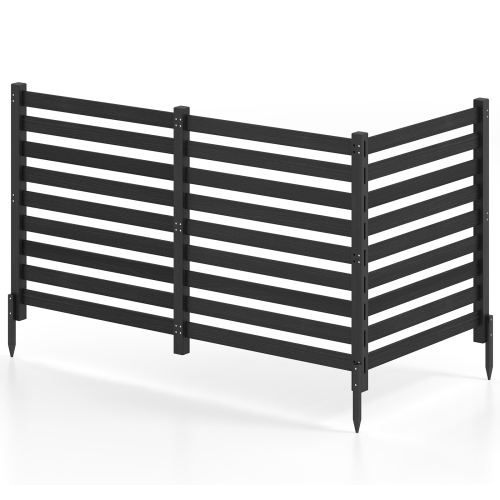
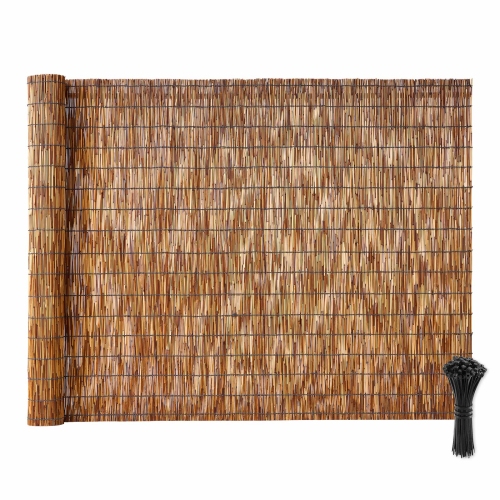
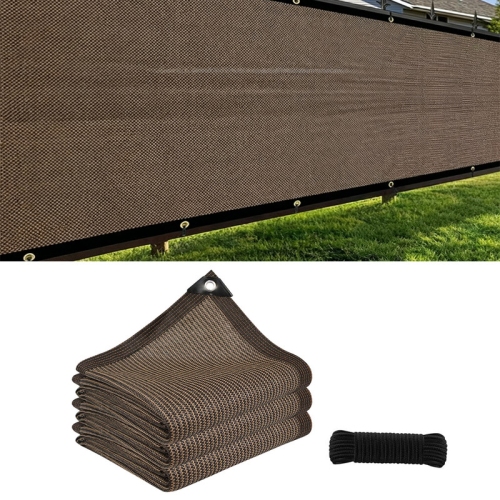
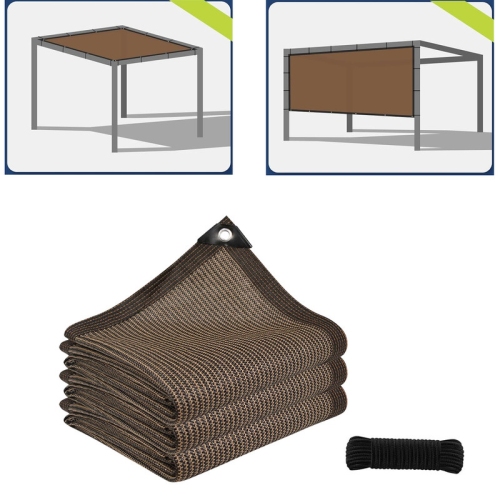
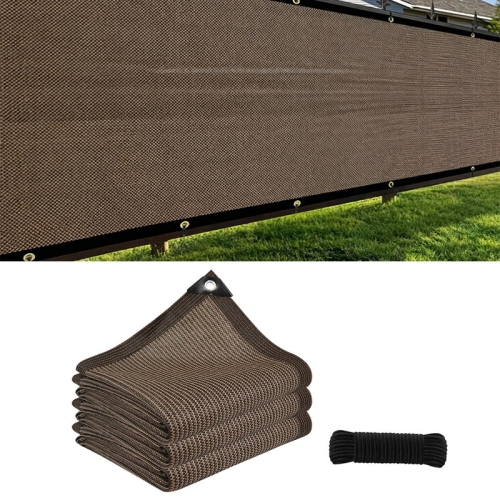
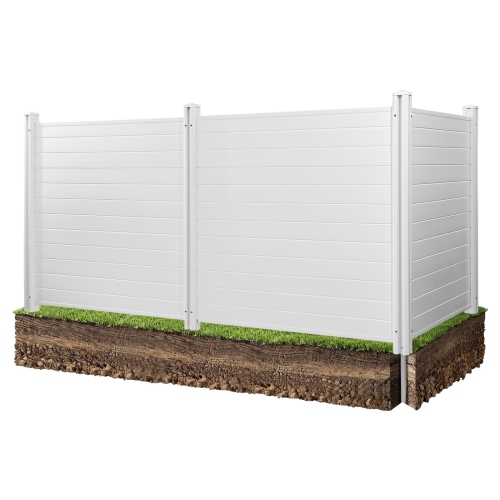
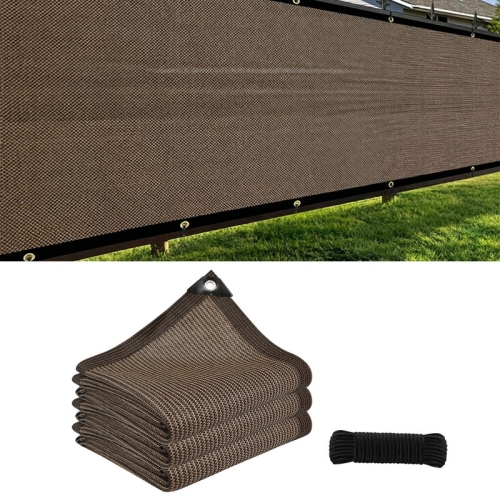
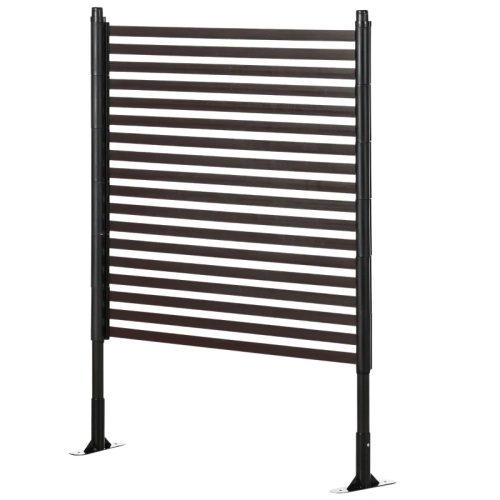
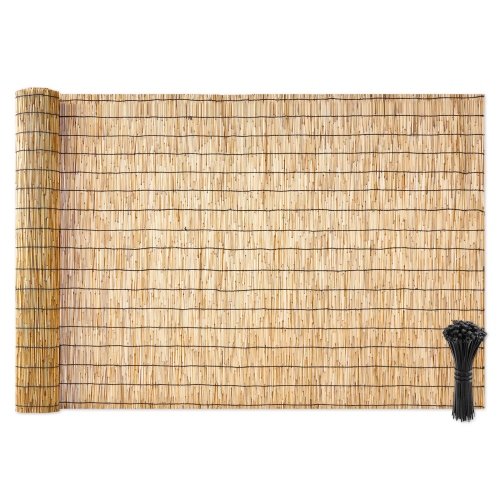
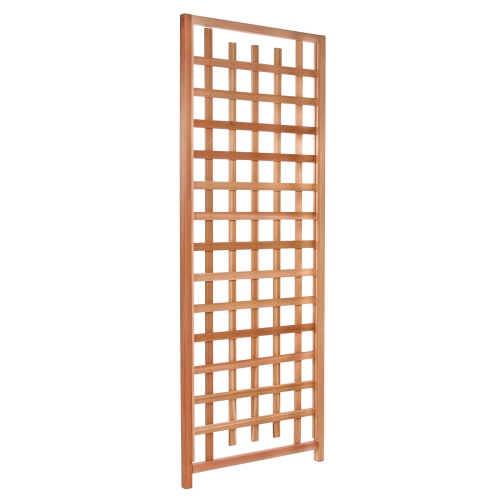
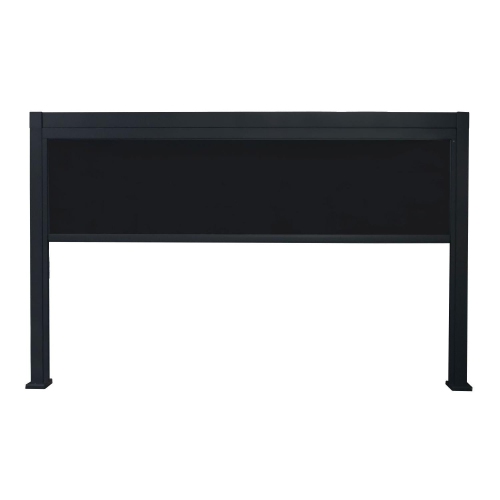
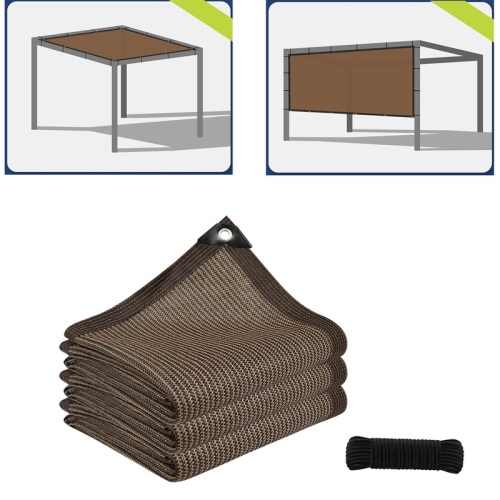
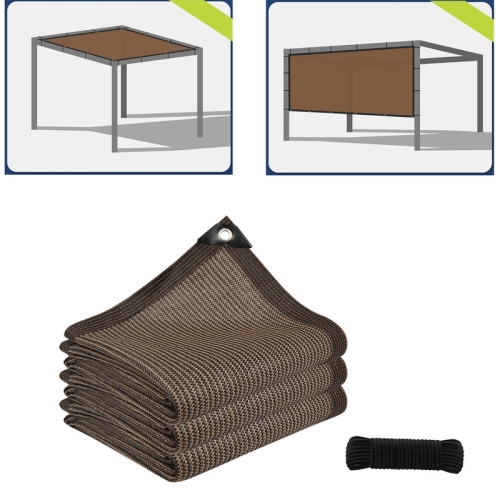
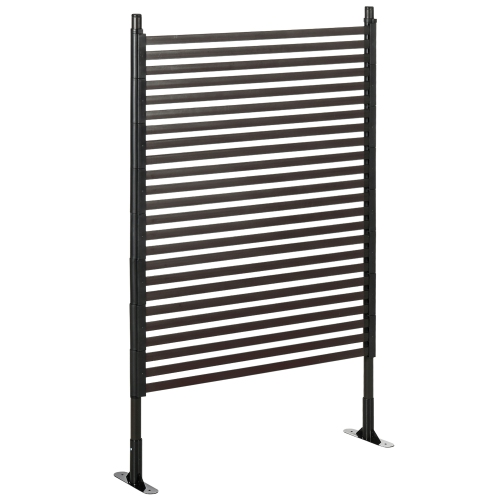
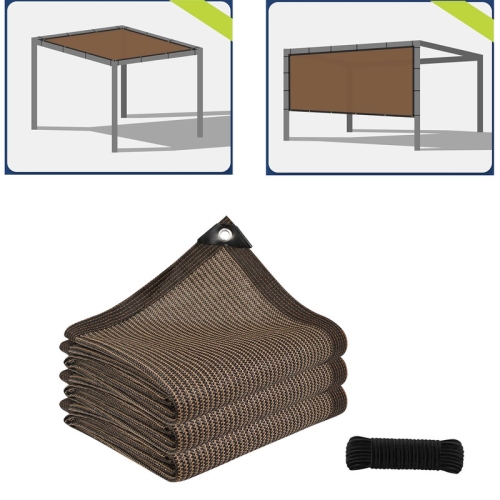
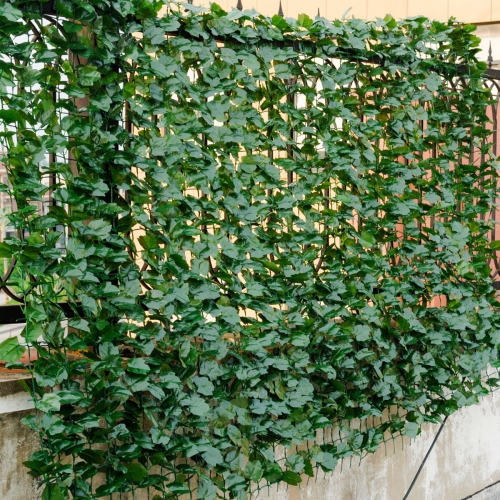

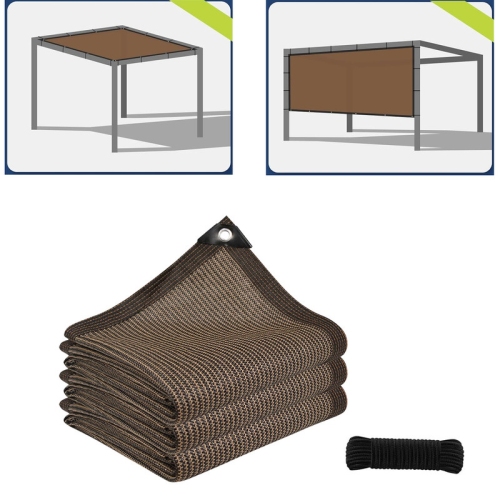
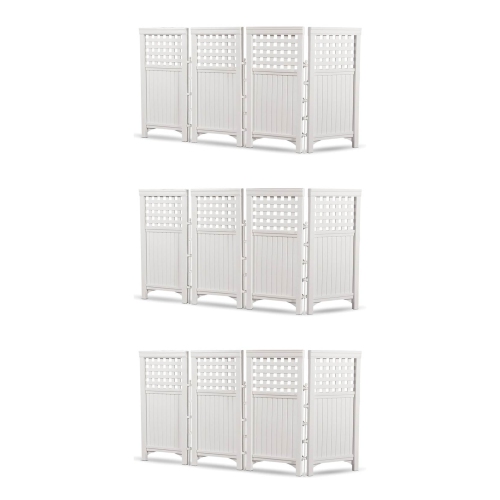
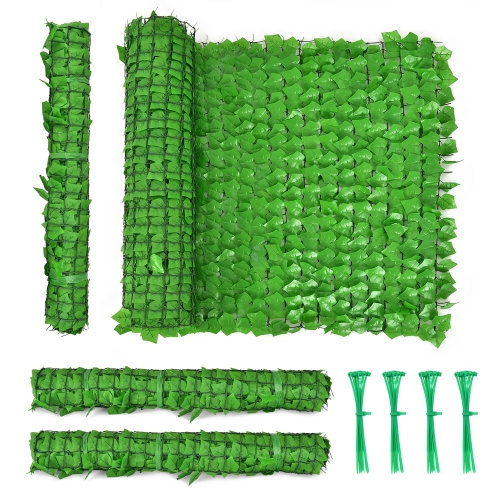
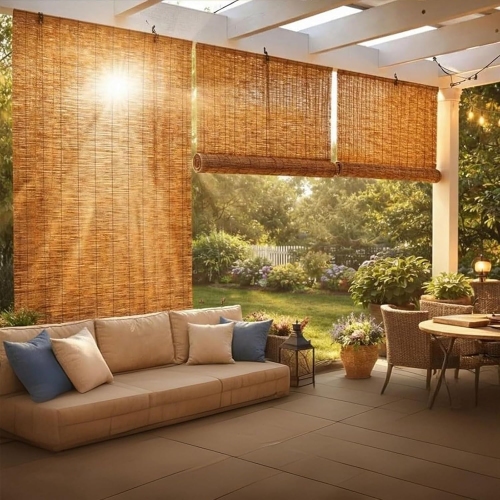
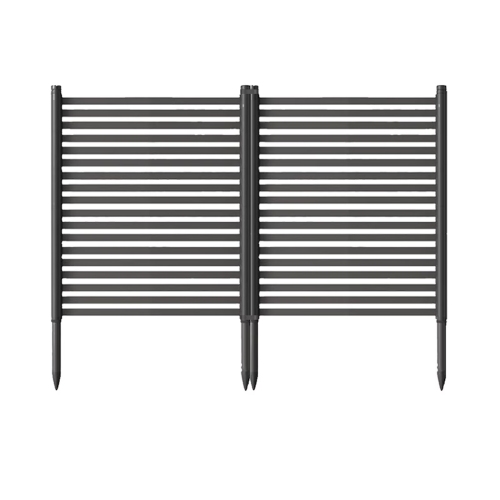
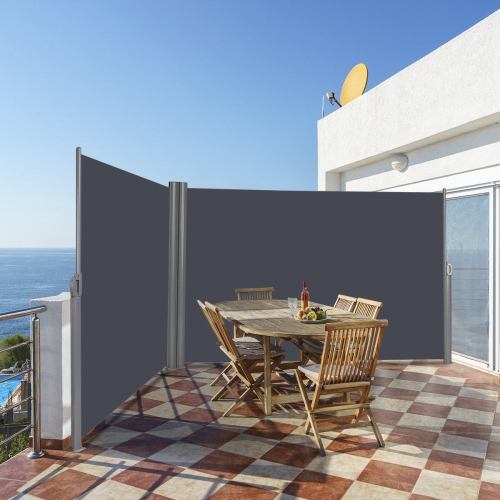
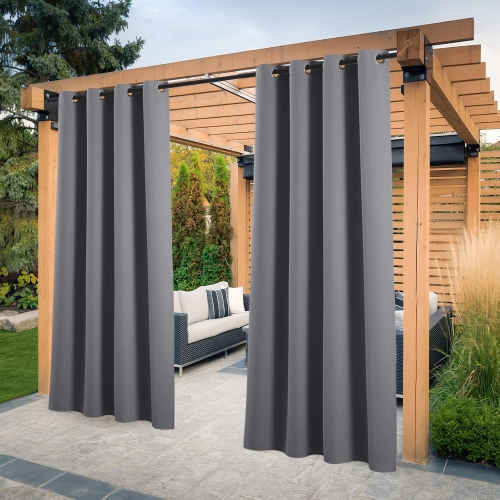
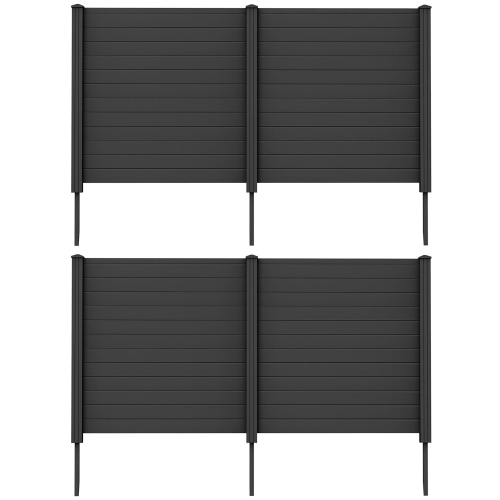

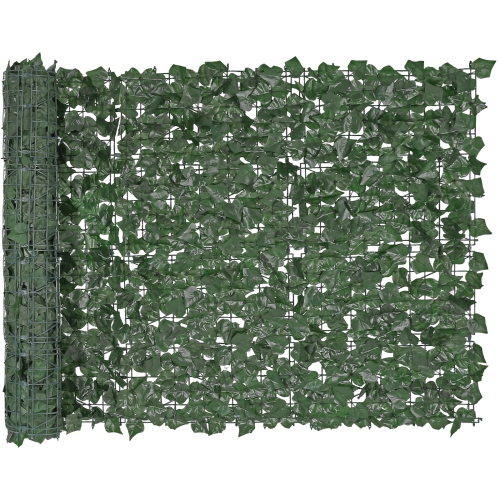
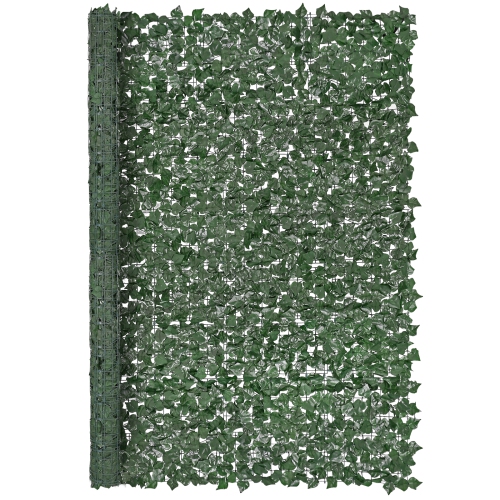
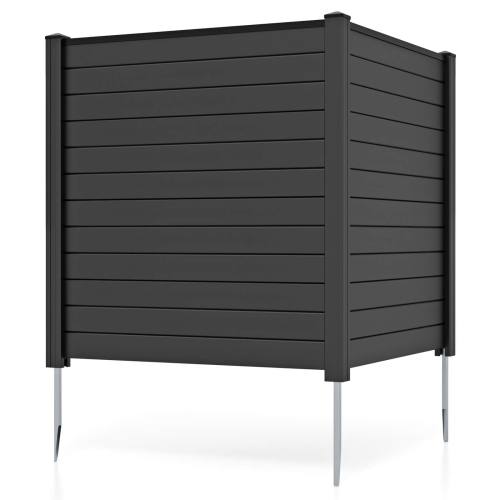
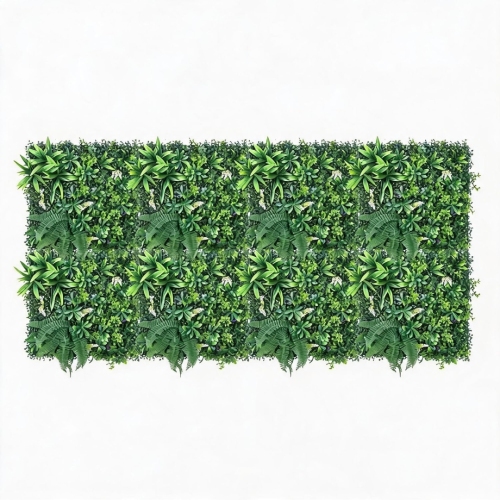
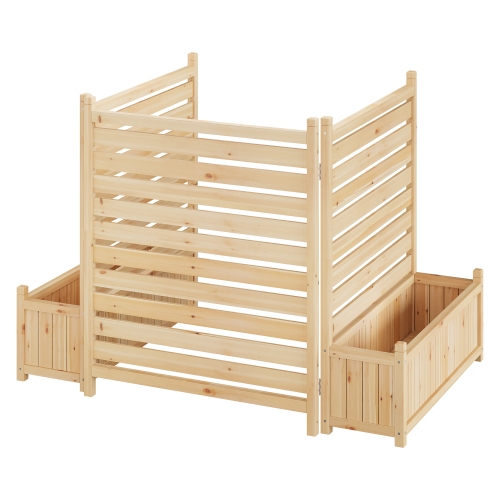
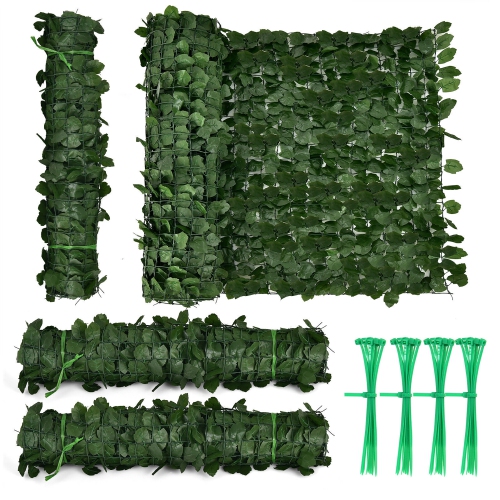
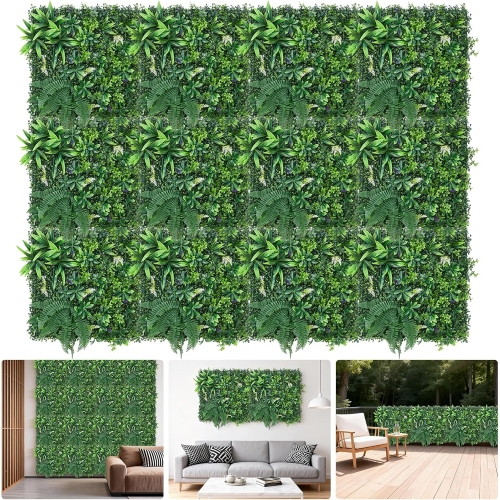
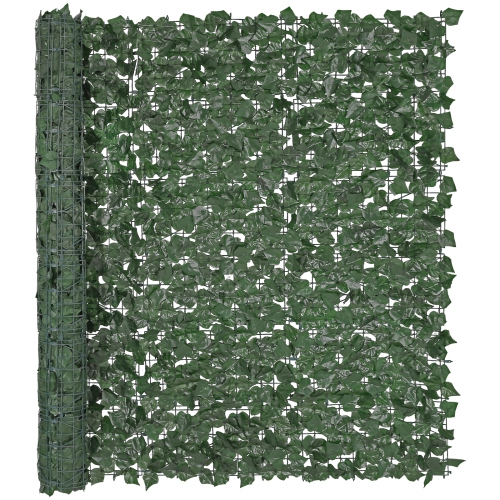
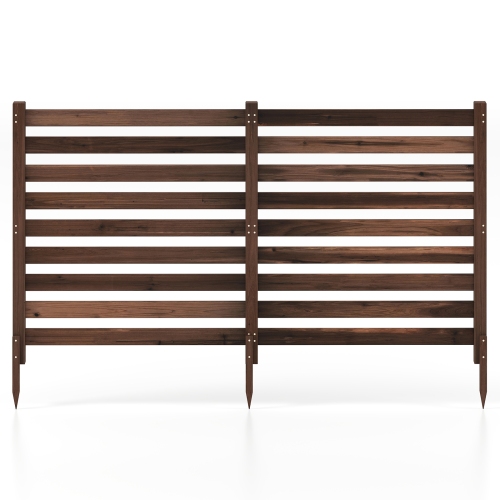
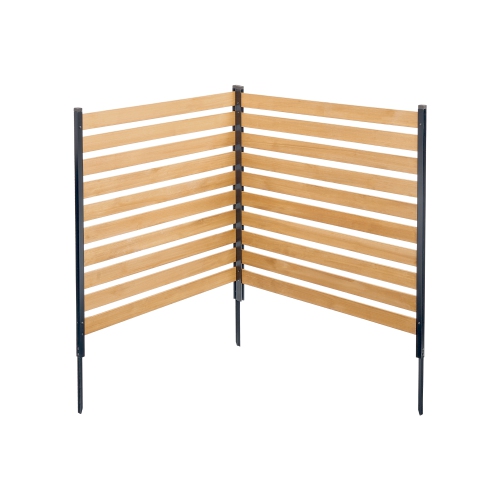
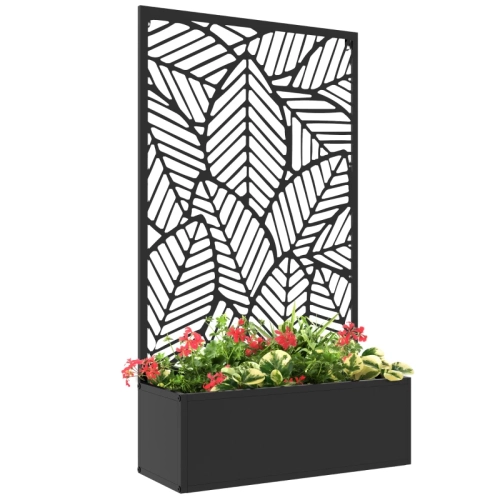
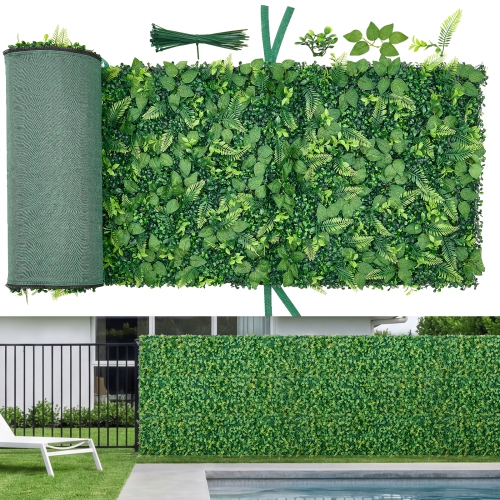
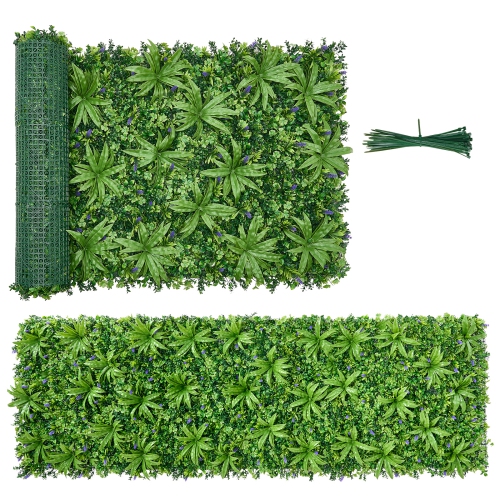
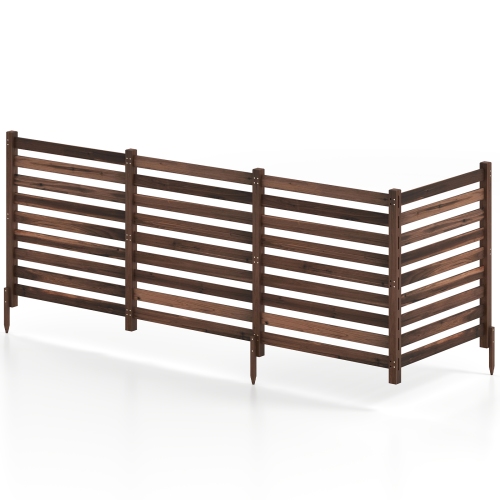
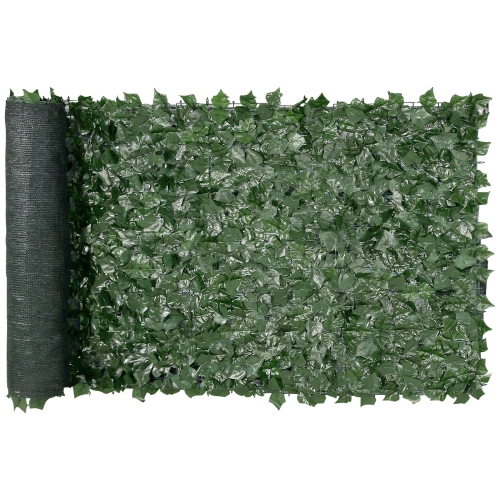
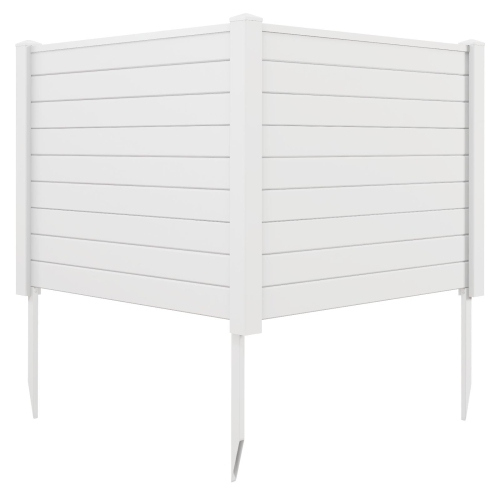

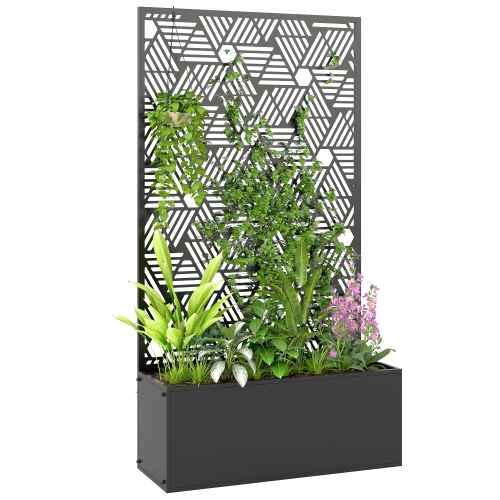

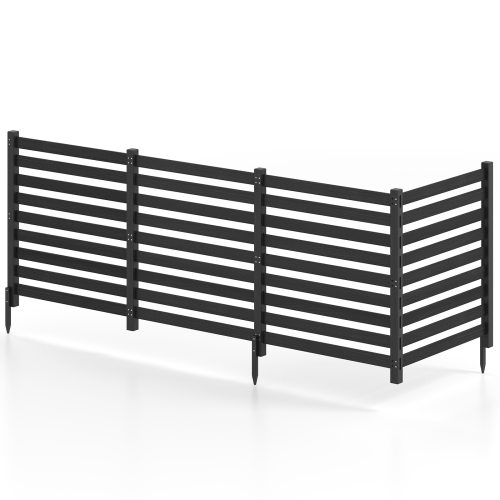
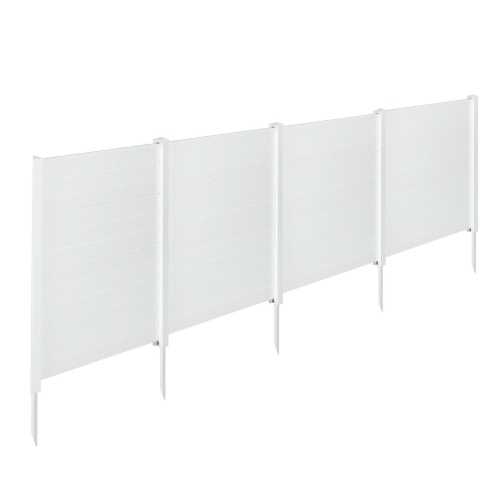
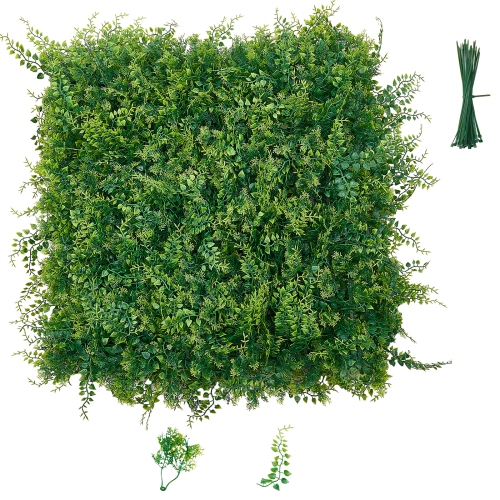
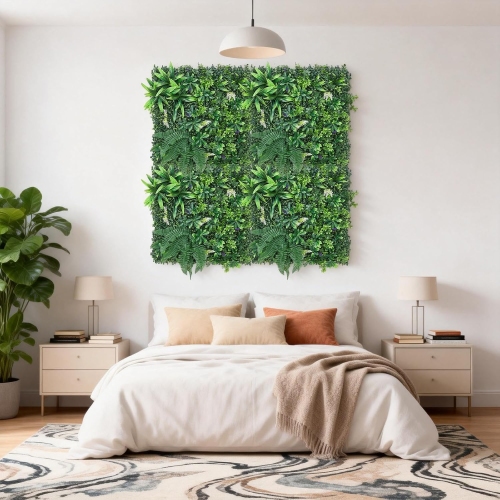
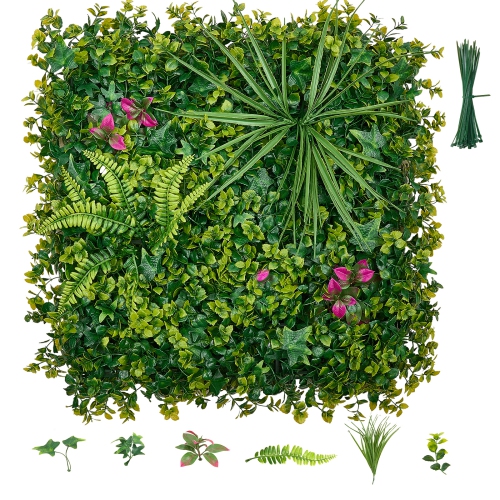
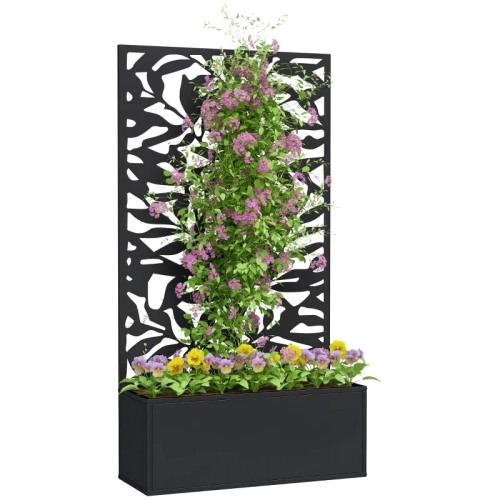
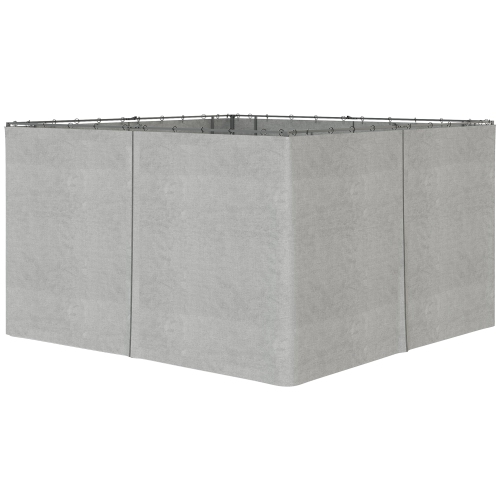
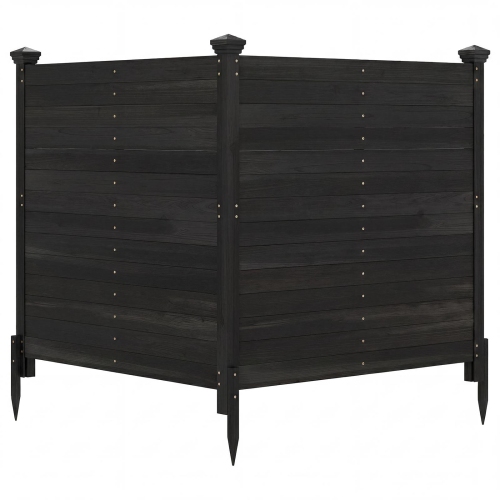
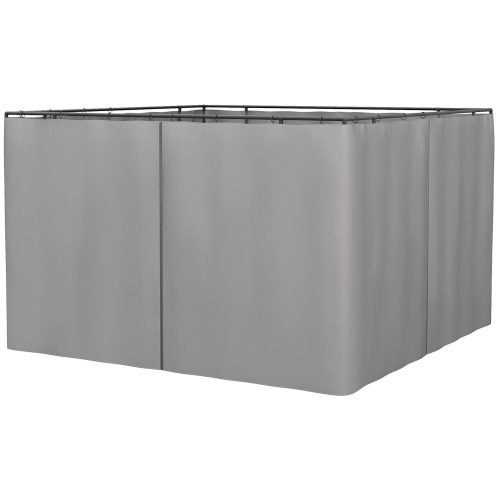
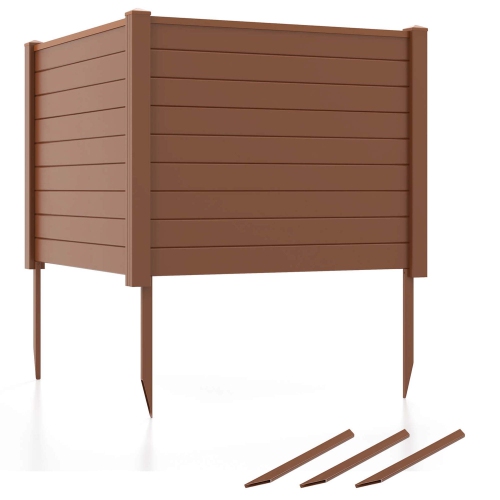
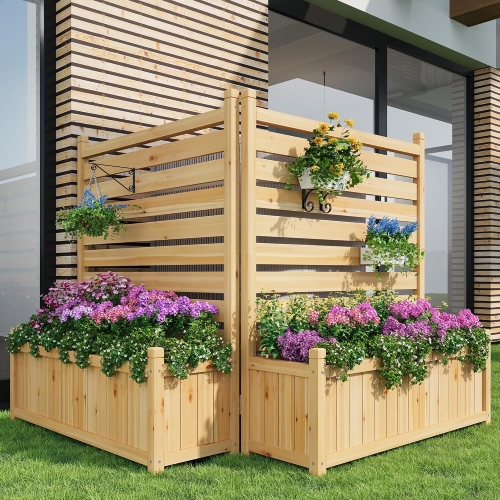
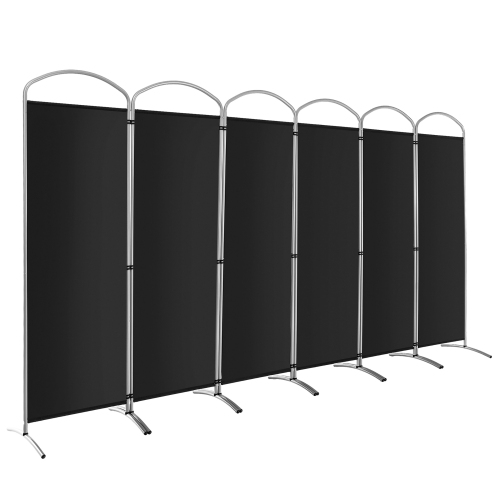
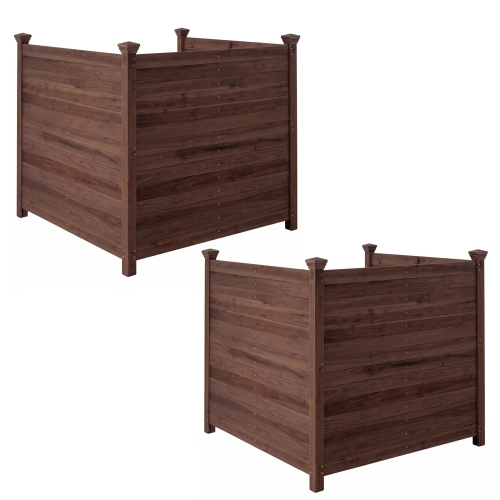
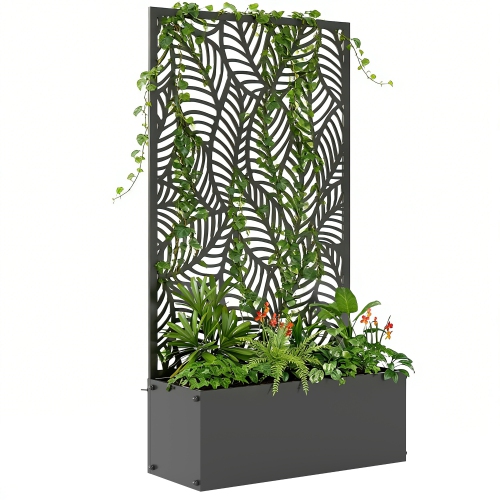
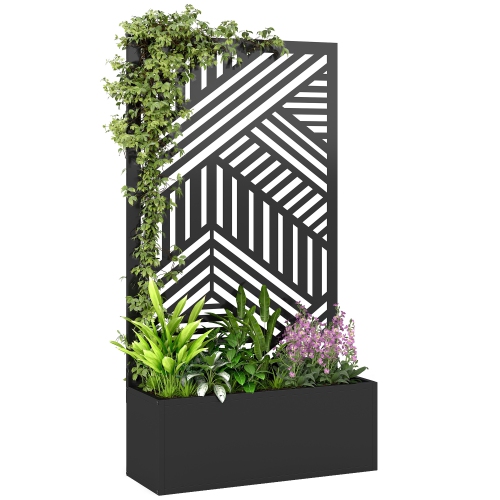
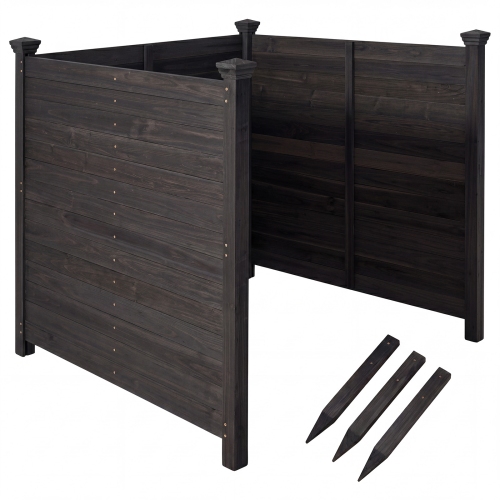
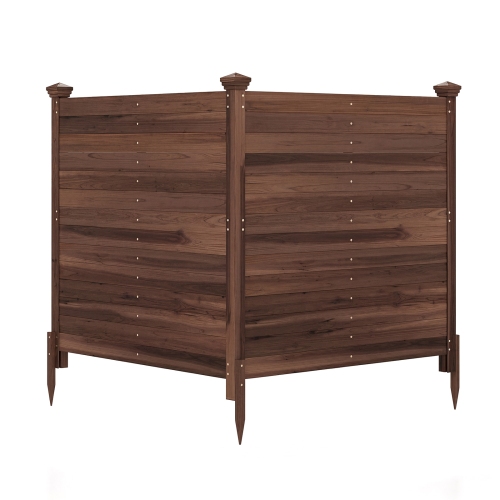
More seclusion outdoors without feeling boxed in
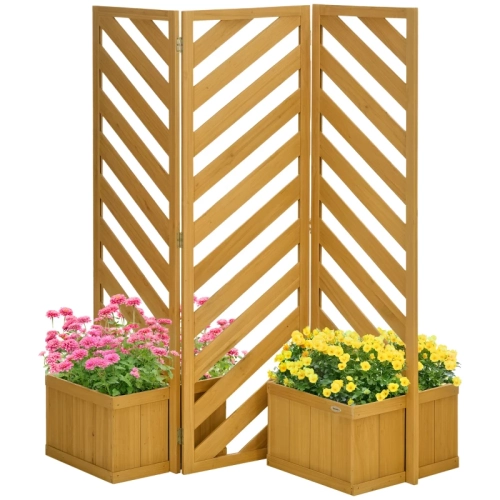
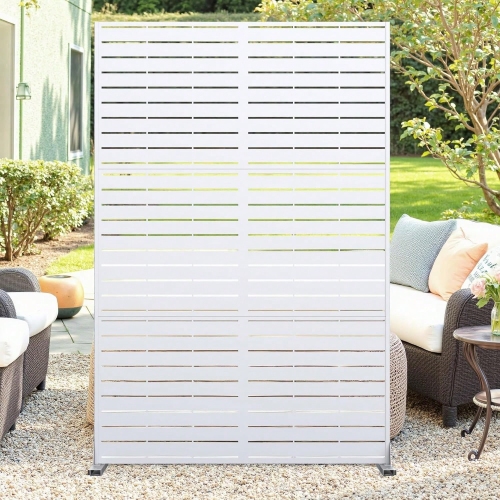
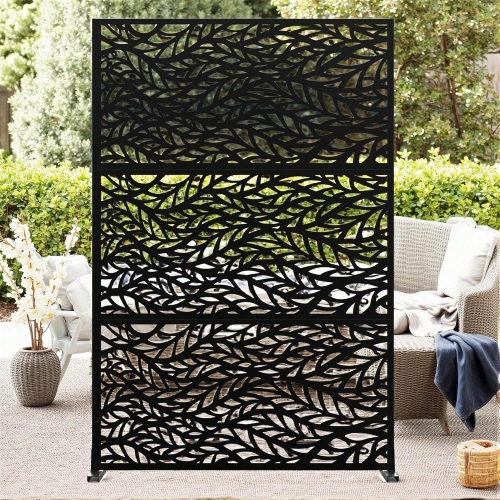
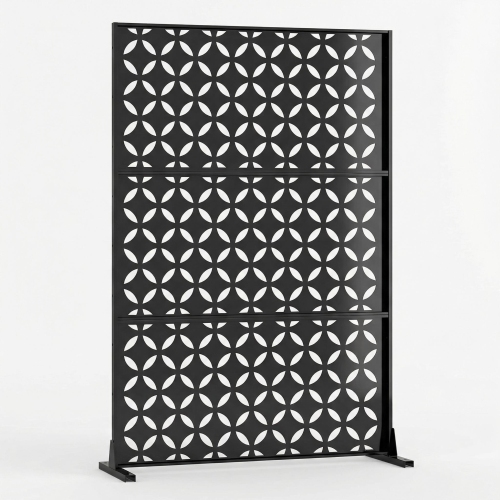
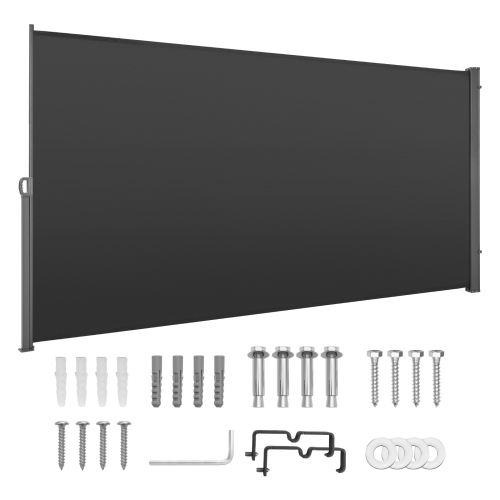
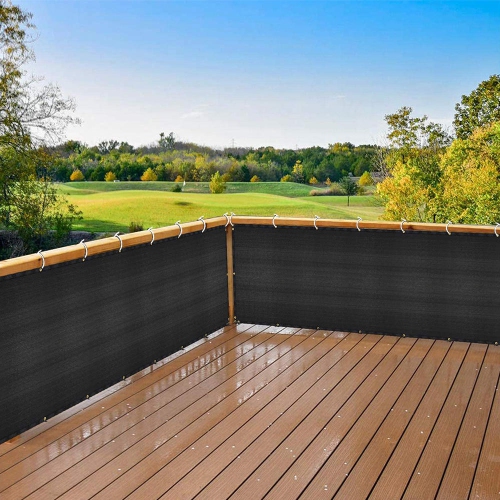
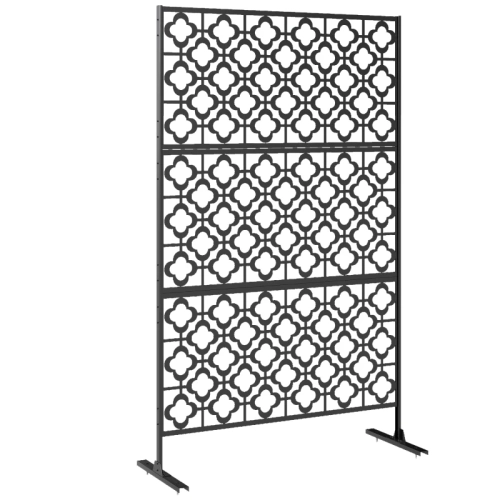
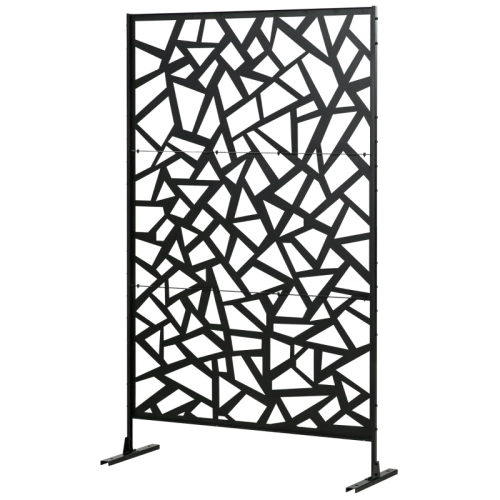
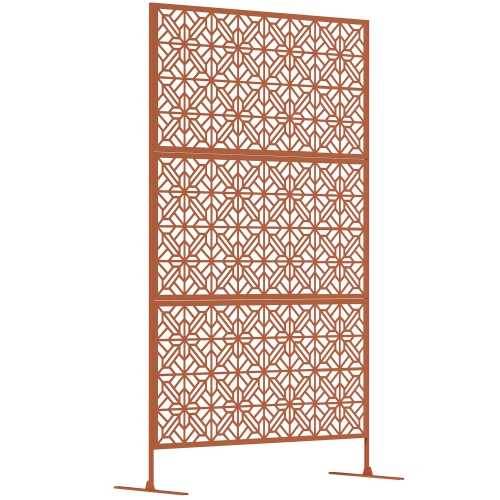
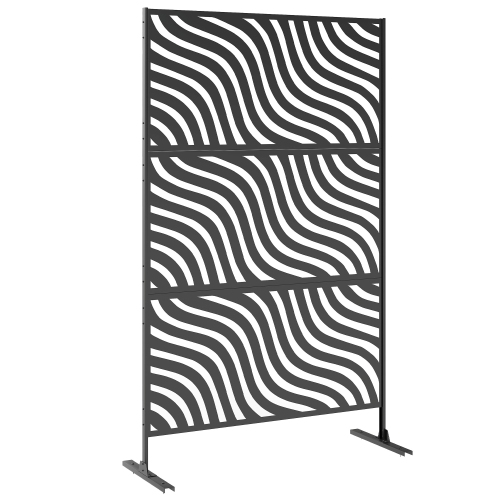
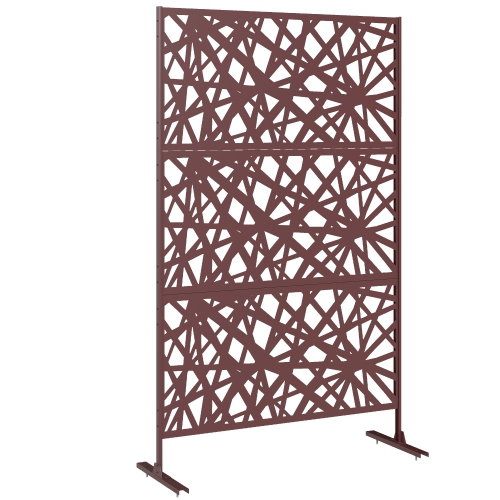
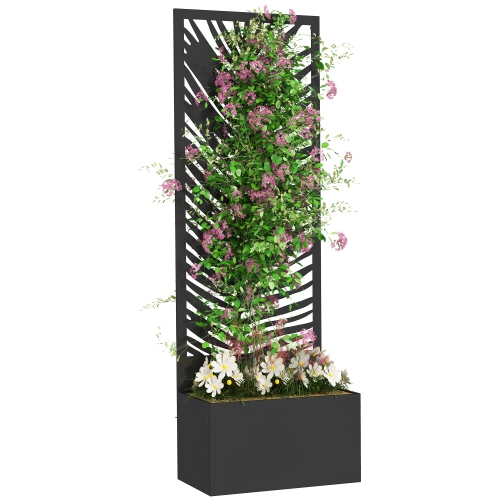
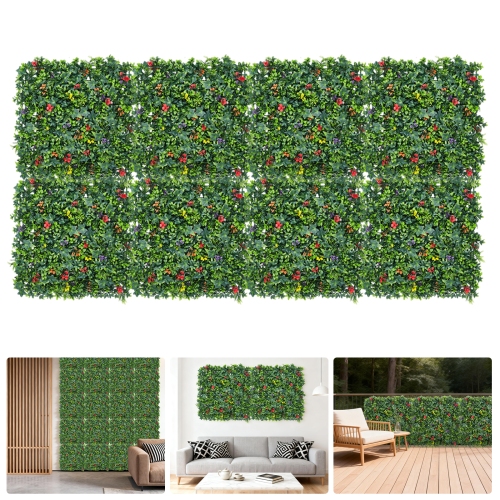
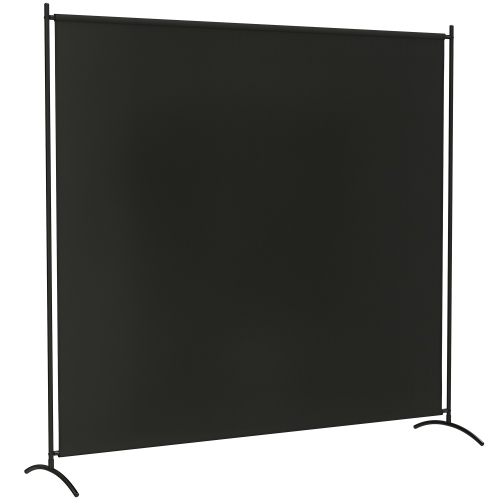
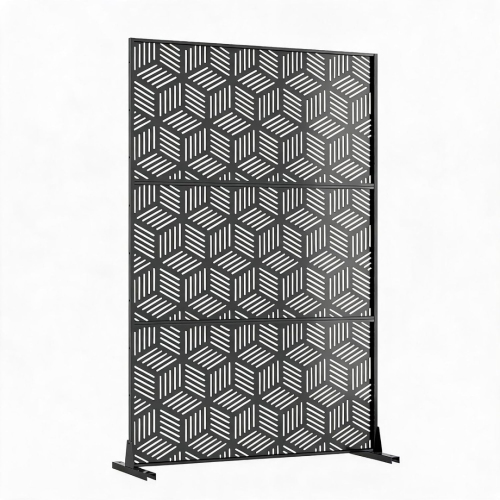
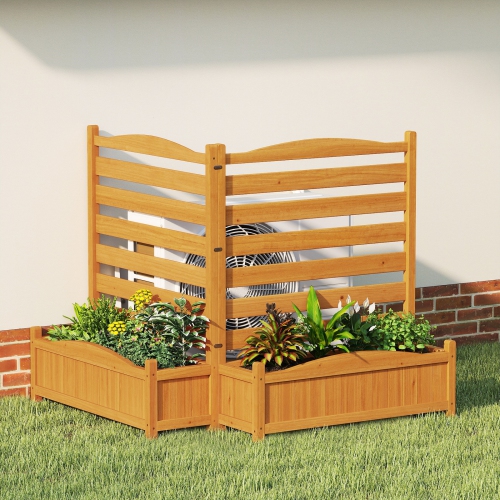
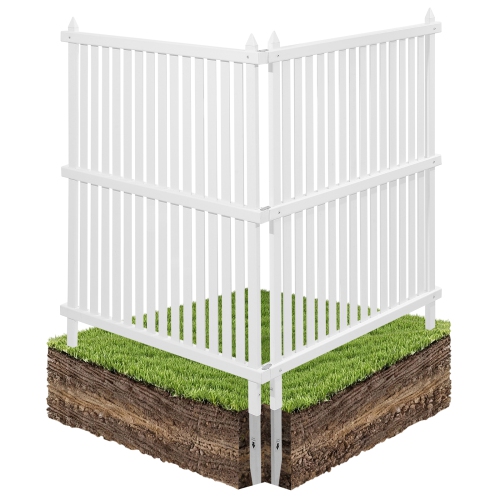
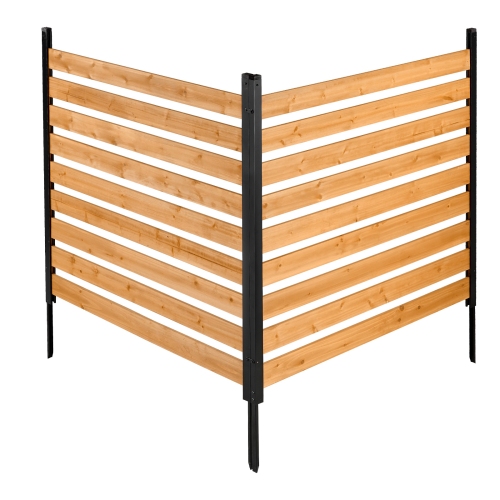
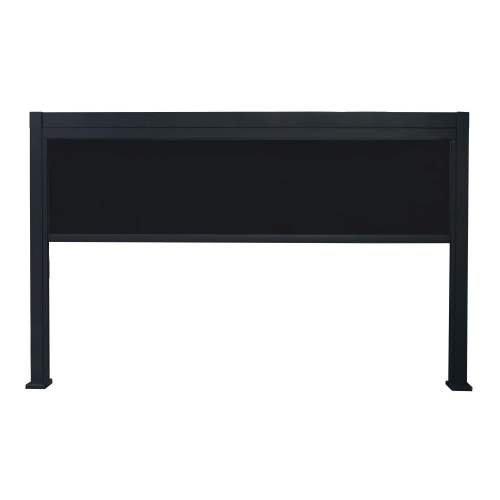
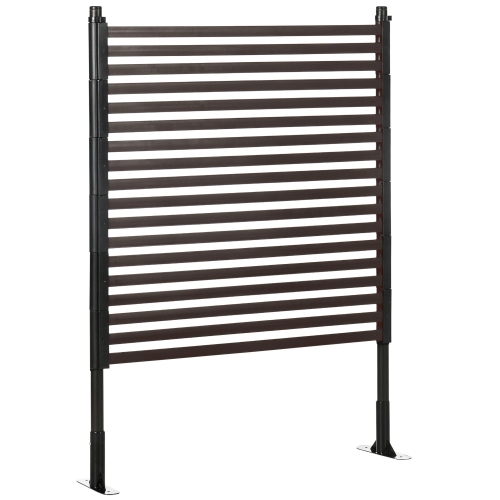
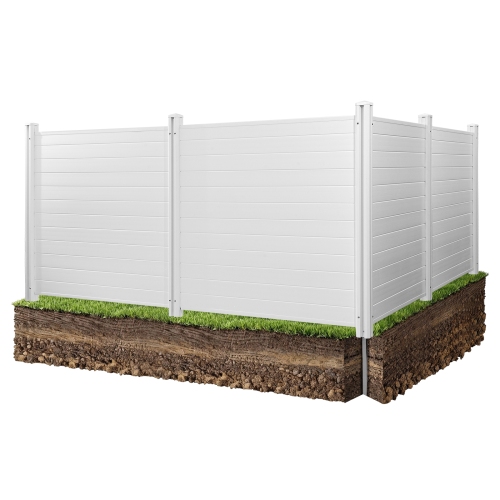
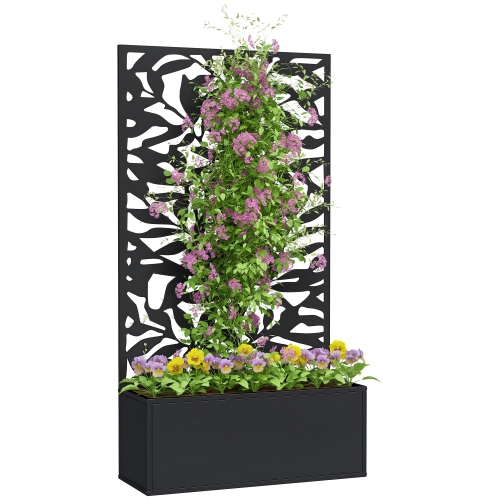
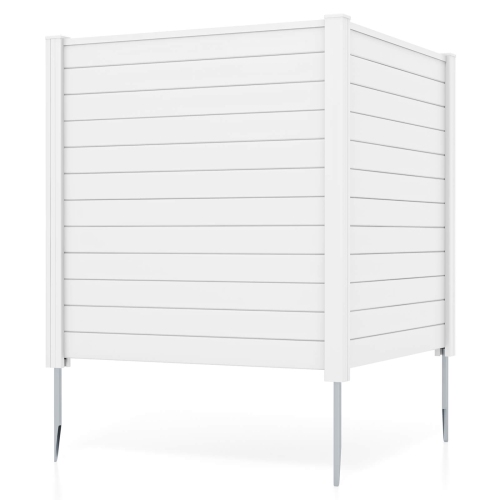
Patio privacy screens bring a more defined, comfortable feel to outdoor spaces, whether that means a quiet corner of a townhouse deck, a dining area beside a shared fence, or a balcony overlooking neighbouring windows. By interrupting direct sightlines, they can make everyday moments feel less exposed: a cup of coffee before work, dinner with family, or an evening spent reading under a covered patio. The amount of privacy depends on the design. Solid panels create a stronger visual barrier, while slatted, lattice, and patterned screens allow varying amounts of light and air to pass through. A closely spaced design may suit seating near a busy walkway, whereas a more open pattern can separate a lounge area from the rest of the yard without making it feel boxed in. Height matters, but so does where the screen sits in relation to chairs, tables, and nearby buildings. A panel that comfortably shields a seated person may leave standing activity visible, and a barrier along one side of a patio will not necessarily block views from an upper-storey window. In compact spaces, a slim screen can establish a boundary without taking up the floor area needed for a large planter or bulky divider. Larger patios may benefit from several coordinated panels that define distinct places for dining and relaxing. Screens can also soften the appearance of utility areas or create a backdrop behind outdoor furniture, provided required access and clearances remain open. Their visual character ranges from simple horizontal lines to intricate cut-outs, making it possible to complement a modern railing, a traditional garden, or a mix of existing outdoor furnishings. For spaces where the pattern is as important as the screening effect, decorative privacy screens offer another way to frame a seating area while adding visual interest. The most comfortable arrangement balances seclusion with daylight, airflow, and enough open space to move naturally.
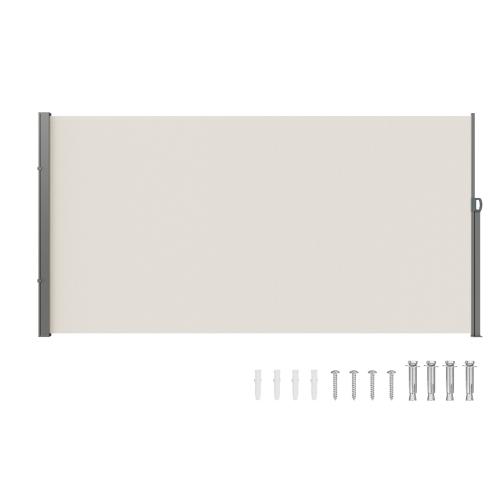
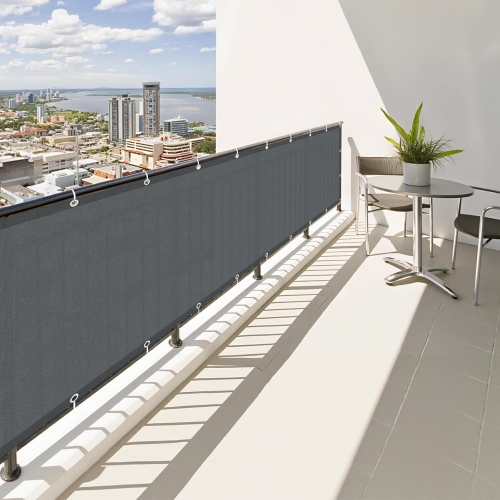
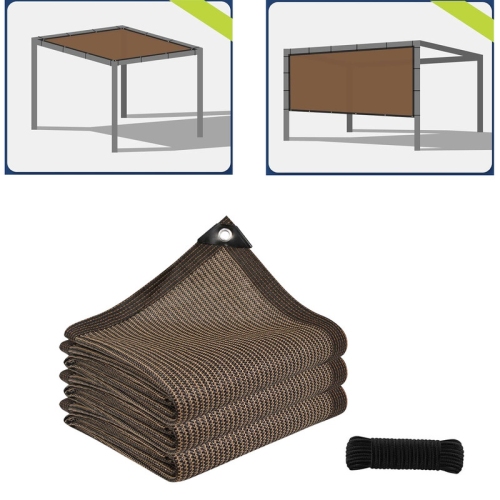
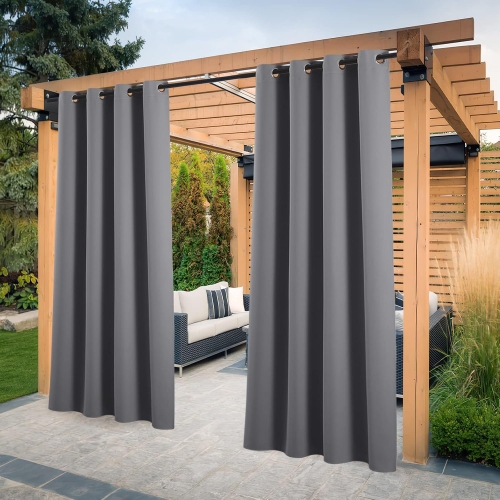
Materials play a large part in how patio privacy screens look, feel, and hold up outdoors. Wood brings warmth and visible grain that can sit comfortably beside deck boards, woven seating, and planted containers. Its long-term appearance depends on the species, finish, exposure, and upkeep; some wood develops a weathered tone, while other installations need periodic sealing or refinishing to help manage moisture and surface wear. Metal screens can provide a crisp outline and detailed patterns, with performance shaped by the type of metal and its protective finish. Aluminum is generally lighter and resistant to rust, while steel can offer a substantial feel but may need attention wherever its coating becomes scratched or chipped. Neither material should be judged by appearance alone, particularly where hardware and cut edges are exposed to rain. Resin and composite designs can offer a wood-like or streamlined finish with different maintenance needs, though their suitability for direct sun and cold temperatures depends on their construction and outdoor rating. Fabric screening provides a softer look and may suit railing-mounted or retractable arrangements. Its openness, tension, and fastening method affect both visibility and movement in a breeze; light filtering through fabric can also change how private it feels at different times of day. Natural woven materials add texture, but their lifespan can vary considerably with dampness and exposure. Across all materials, outdoor suitability is more useful than appearance alone. A sheltered balcony and an uncovered deck place different demands on a screen, and repeated wetting, strong sunlight, freezing temperatures, and wind can affect finishes and connections over time. Details such as sturdy joints, suitable fasteners, finished edges, and drainage around the base contribute to durability. Colour and texture also influence the overall result: a dark panel can create a sharp silhouette behind pale furniture, while a lighter finish may feel less visually heavy beside a small seating group. Coordinating a screen with the railing or furniture frames can make the patio feel more cohesive without requiring every surface to match.
Fit involves more than the width and height of the panel itself. Freestanding screens need room for their feet or supports, folding designs need clearance at their chosen angle, and mounted screens depend on a suitable attachment surface. On a narrow balcony, even a modest base can interfere with chair legs or the path to a sliding door. A screen placed behind a dining bench should leave enough space for people to sit down comfortably, while one beside a barbecue must remain outside the appliance’s specified clearances from combustible materials and must not obstruct ventilation. Renters and condominium residents may also need approval before attaching anything to railings, exterior walls, or shared structures. A privacy screen is not a substitute for a guardrail, pool enclosure, or other required safety barrier, and its suitability for an elevated location depends on the manufacturer’s instructions and the site conditions. Wind deserves particular attention because a broad panel can catch gusts even when it feels heavy. Freestanding does not necessarily mean suitable for unattended use in exposed areas; anchoring, ballast, or removal may be required for the particular design. For households that rearrange furniture or pack away patio accessories during the cooler months, manageable panel sizes and practical storage requirements can make a meaningful difference. Care is usually easiest when it follows the material and finish rather than a single cleaning routine. Gentle washing may be suitable for some surfaces, while abrasive tools, harsh cleaners, or pressure washing can damage others. Fabric may need to dry fully before storage, and hinges, brackets, and fasteners benefit from periodic checks for loosening or wear. Keeping leaves and standing water from collecting around supports can also help protect the installation. Where screens are not rated to remain outside through freezing weather or heavy snow, dry storage helps limit unnecessary exposure. With a suitable design and secure placement, patio privacy screens can give shared or overlooked outdoor spaces a more personal feel while leaving them practical for everyday use.
Top selling and popular products
-
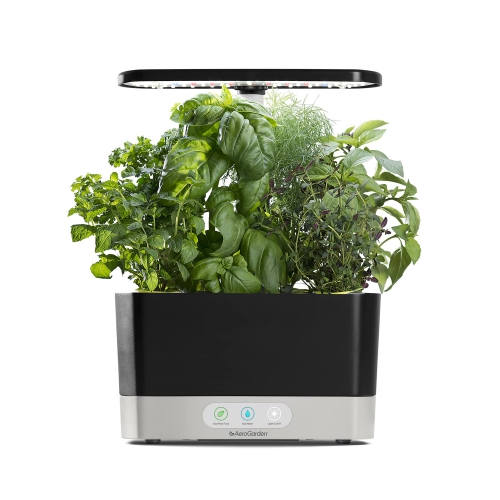 Your price for this item is $199
-
 Your price for this item is $430.99
-
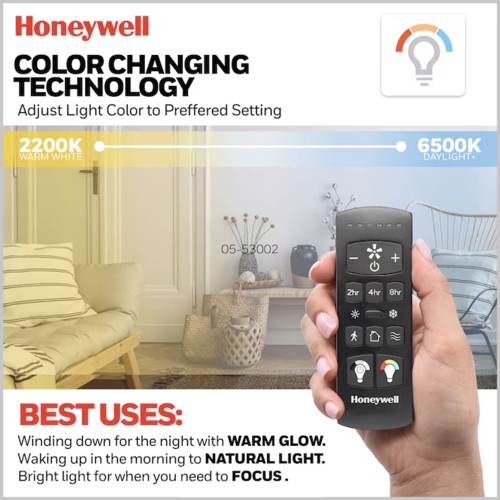 Your price for this item is $480.99
-
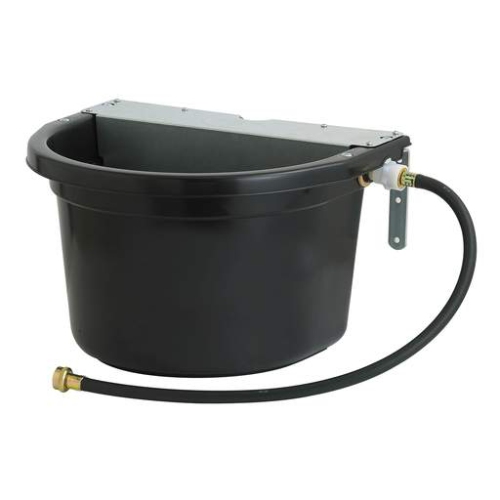 Your price for this item is $130.99
-
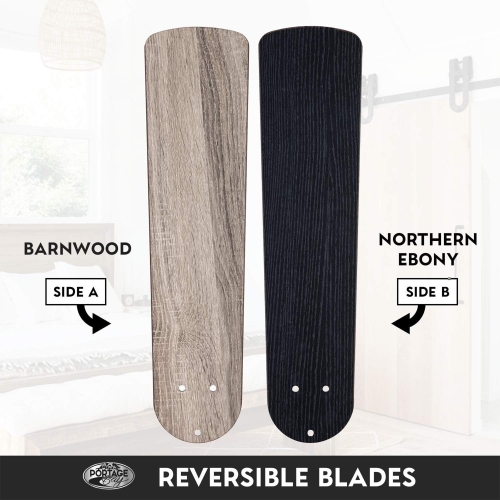 Your price for this item is $221.99
-
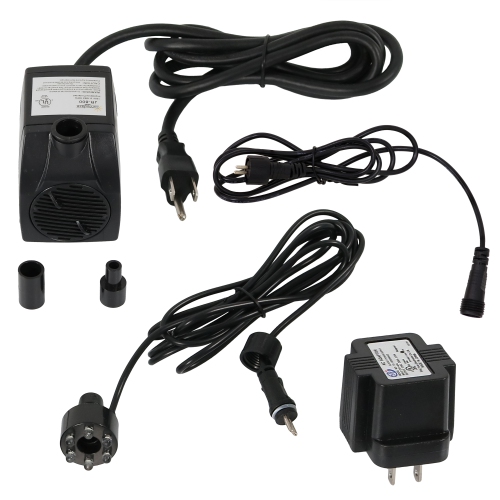 Your price for this item is $69.45
-
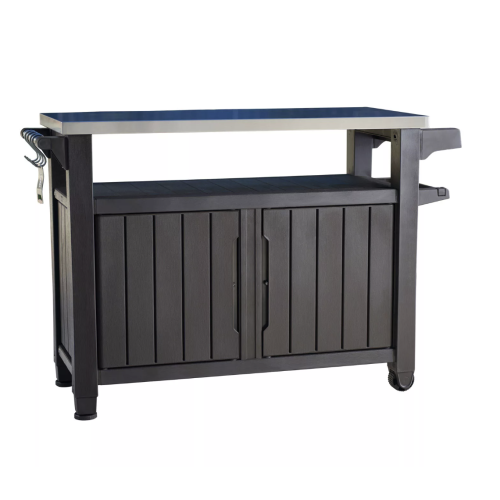 Your price for this item is $520.99
-
 Your price for this item is $26.99
Discover more categories related to Patio Privacy Screens


Top Collections:
Pokemon Centers, Kindle Devices, Best Budget Office Chairs, Canon G7X Cameras, Apple iPhones 16, Samsung Galaxy Phones, Refurbished Apple Laptops, Laptops for Students, iPhone 15 Apple, Budget Smartphones
Some products may be subject to Environmental Handling Fees
(EHF) depending on your province.
Learn more about EHFs.