Patio Storage Furniture
Transform your outdoor space into a tidy and stylish oasis with our selection of patio storage furniture. Perfect for keeping your backyard essentials organized and within reach, these versatile pieces blend functionality with design to enhance any patio setting. Whether you're looking to store cushions, gardening tools, or outdoor toys, our range of storage solutions offers the perfect balance of convenience and elegance. Explore options that complement your outdoor decor while providing the practicality you need to maintain a clutter-free environment.
Sort
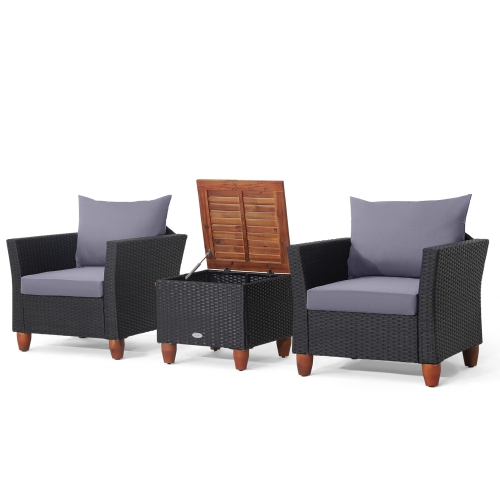
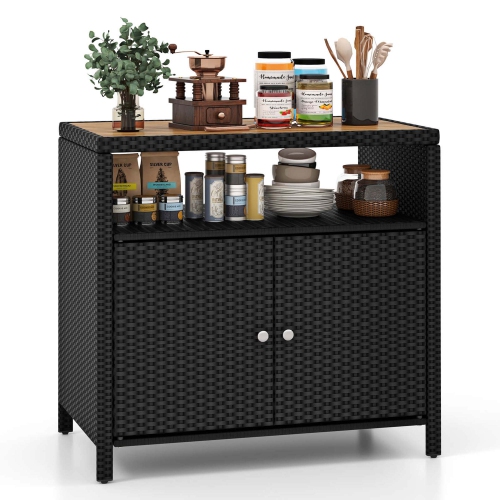
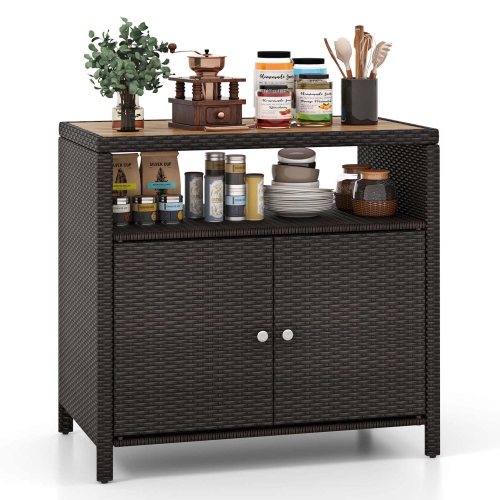
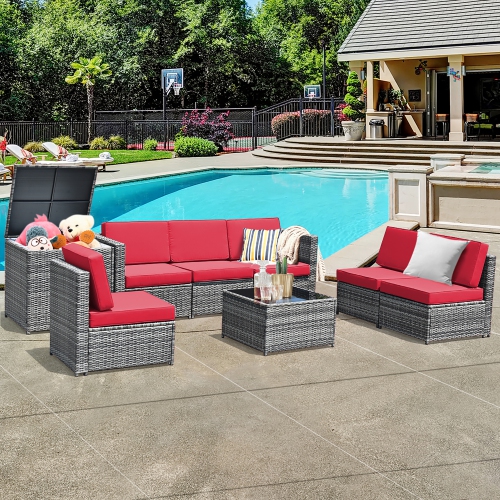
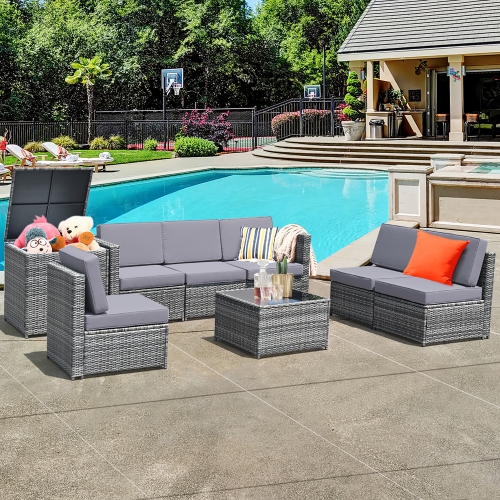

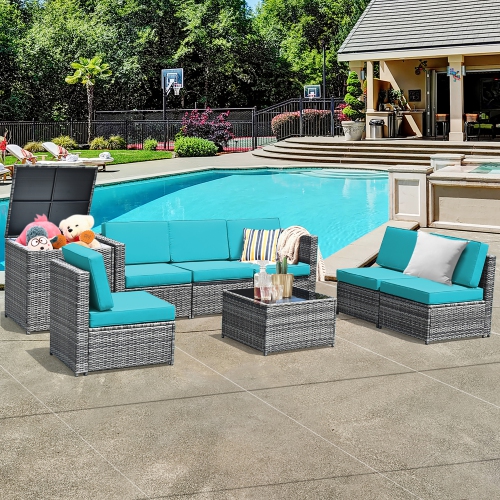
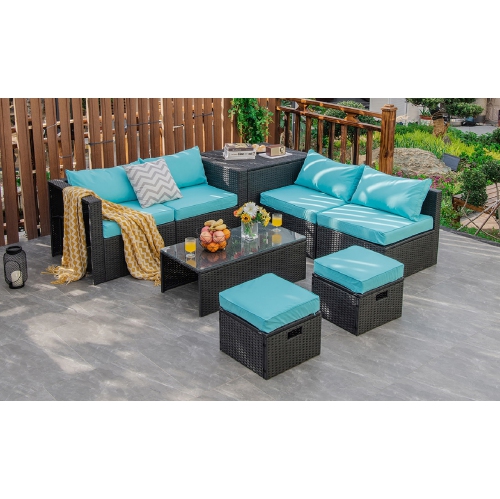
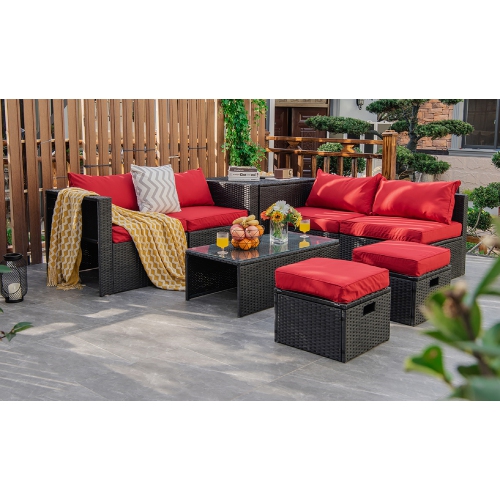
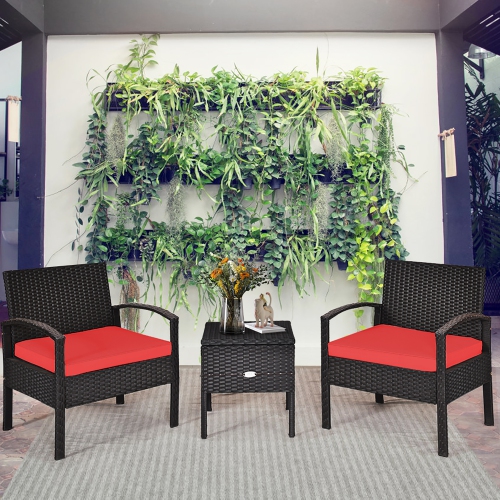
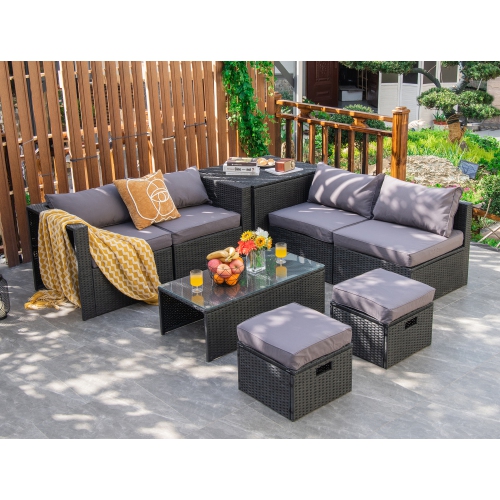
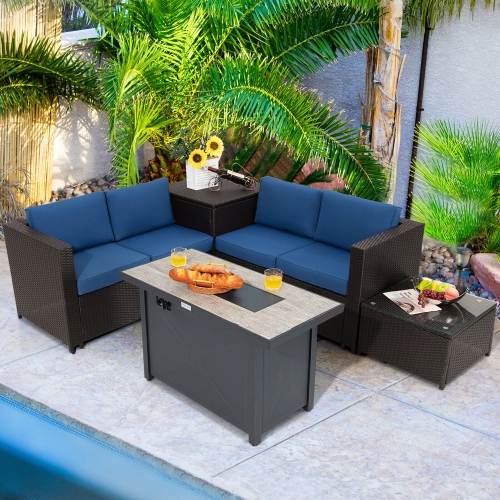
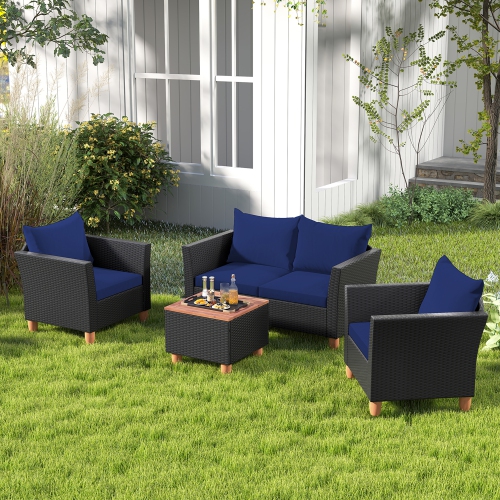
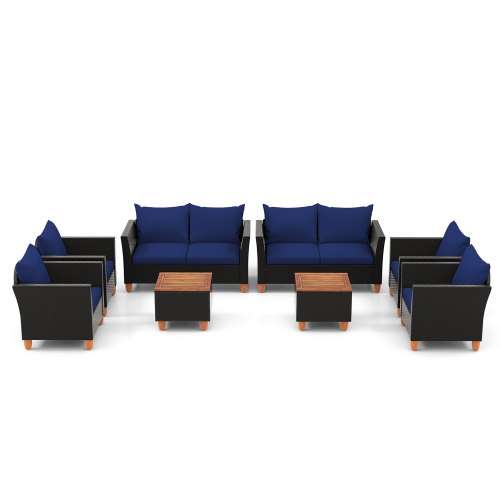

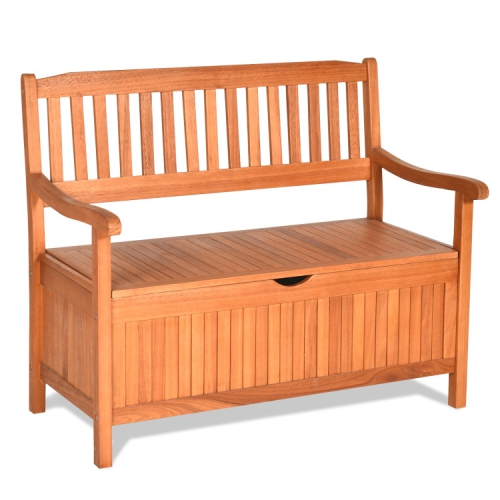
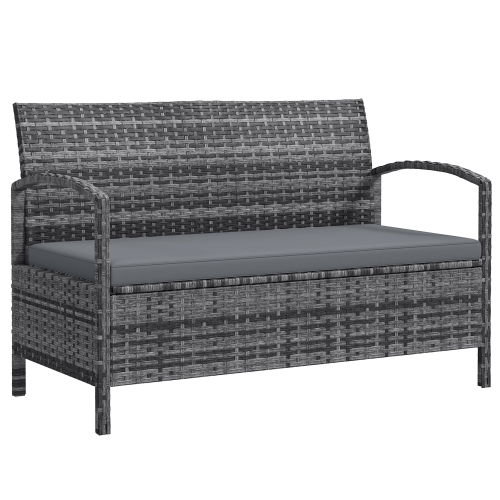
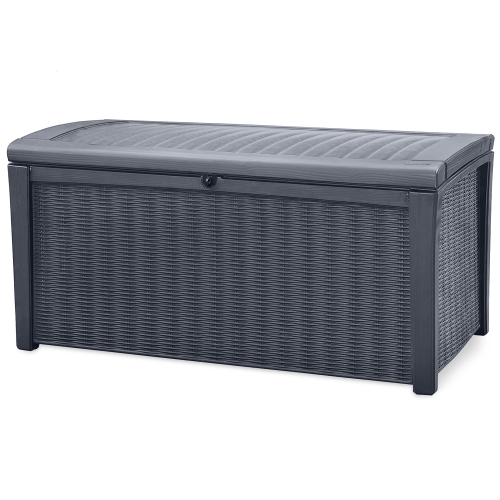
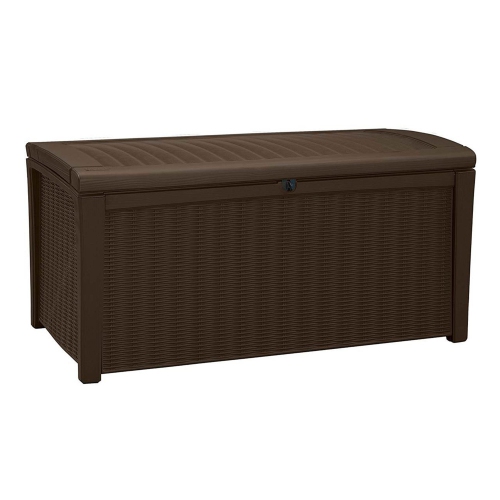
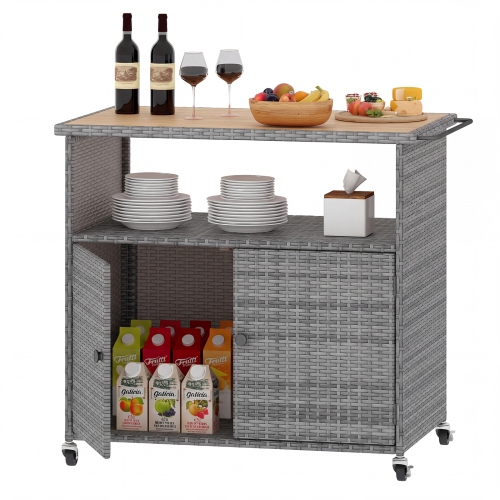
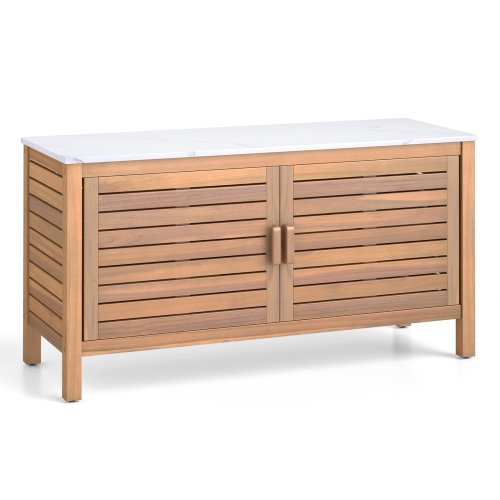
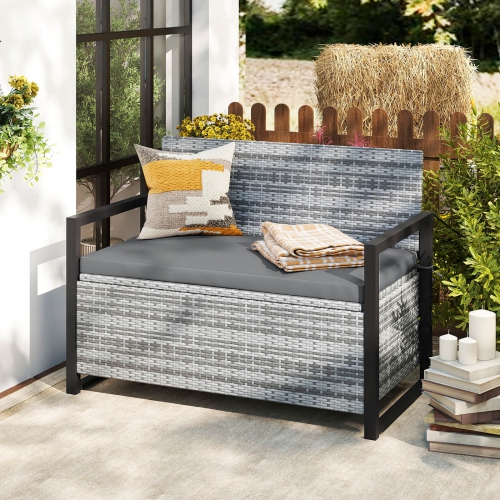
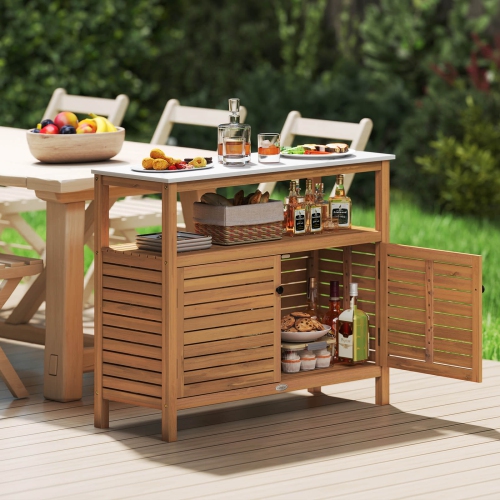
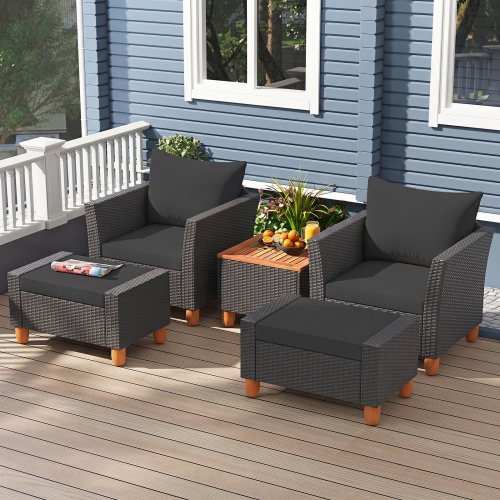
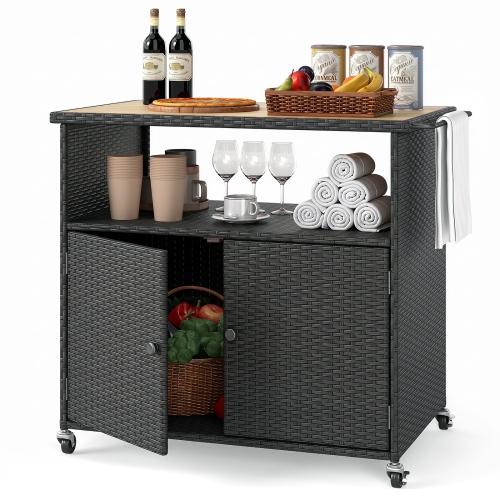
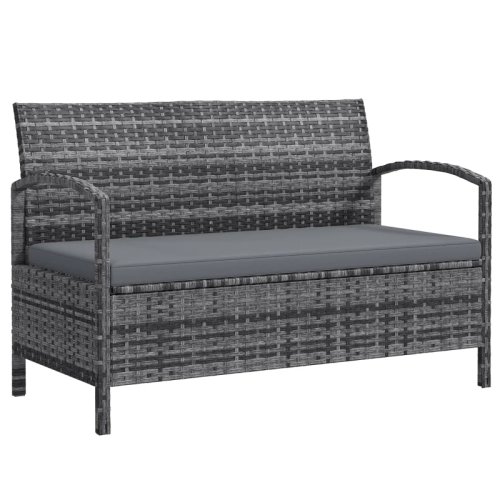
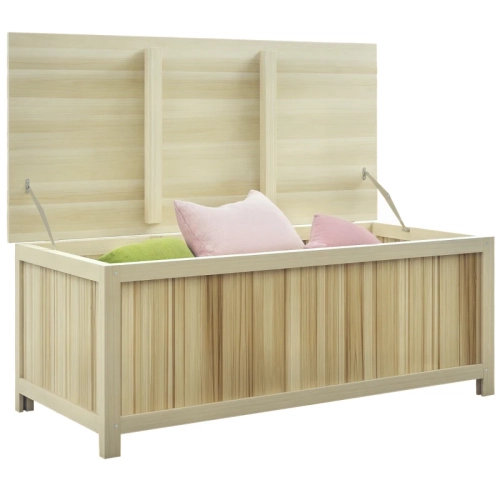
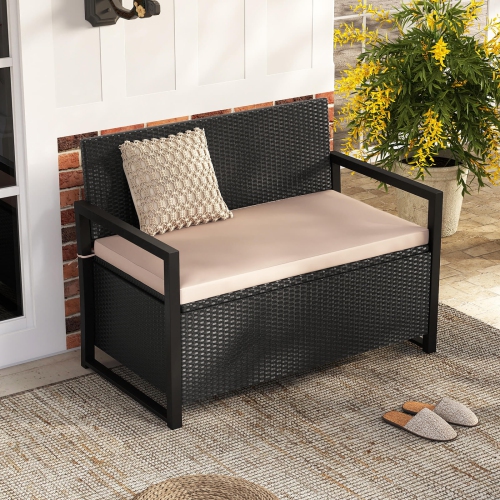
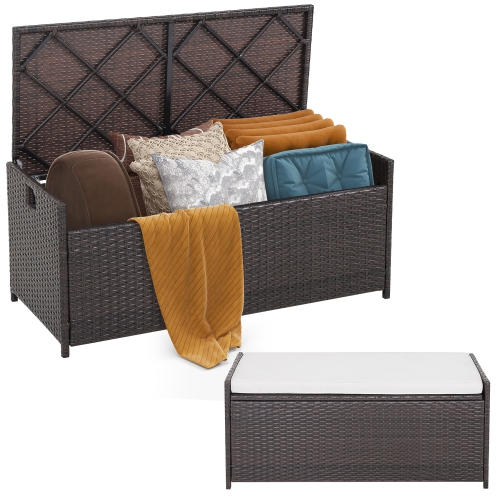
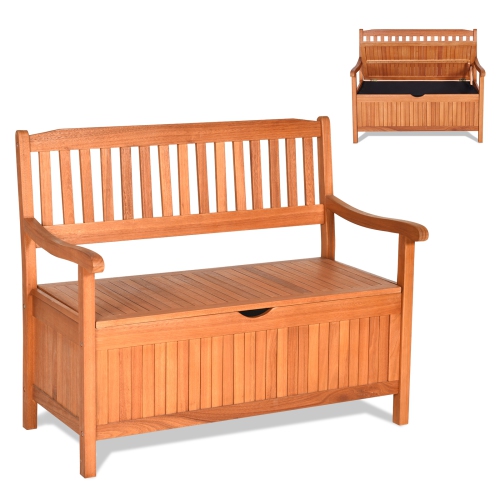
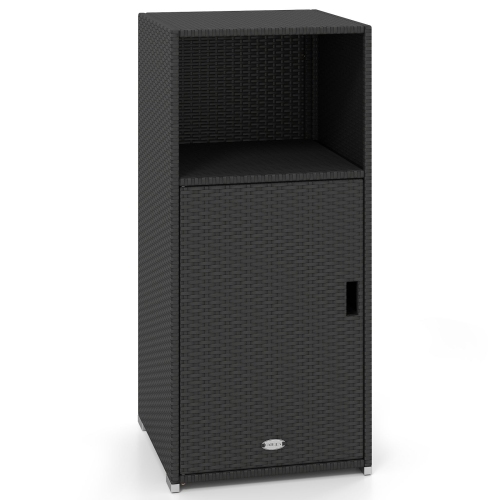
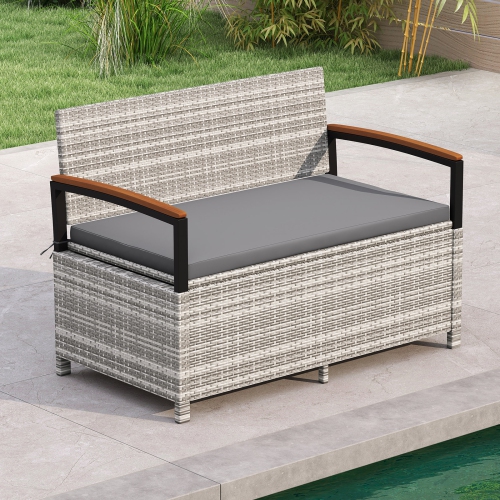
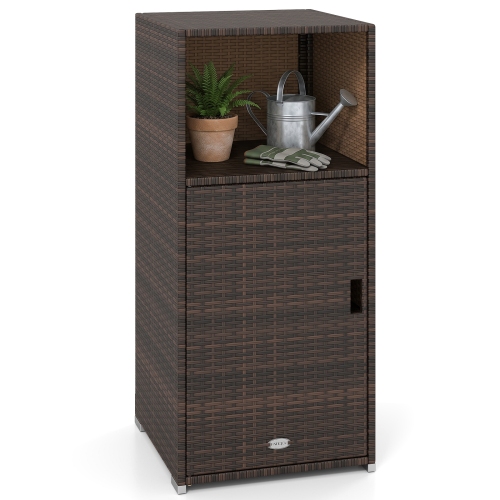
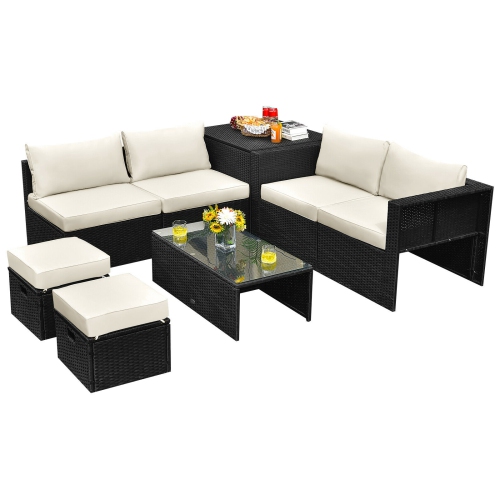
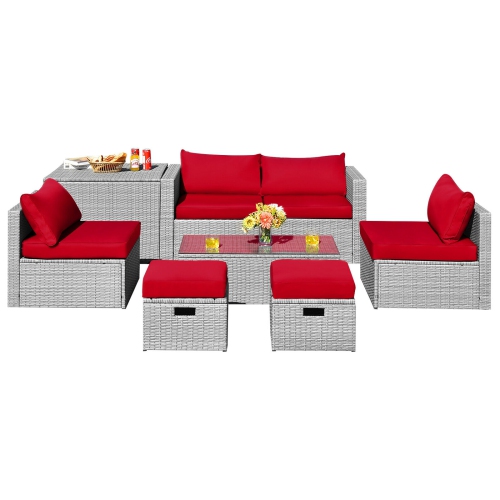
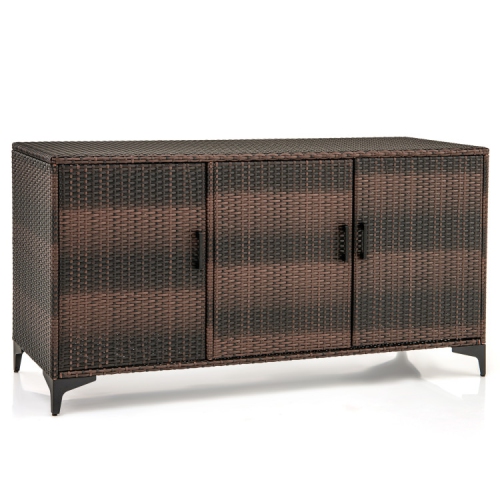
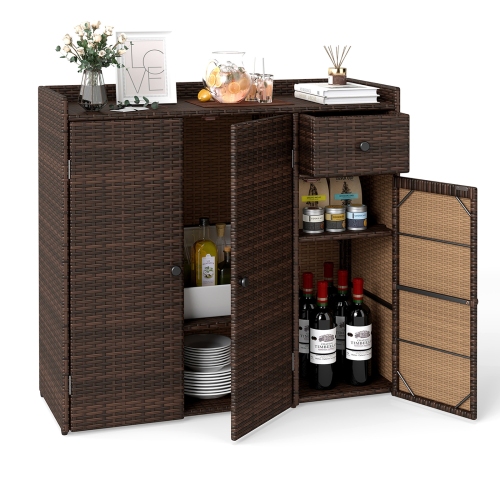
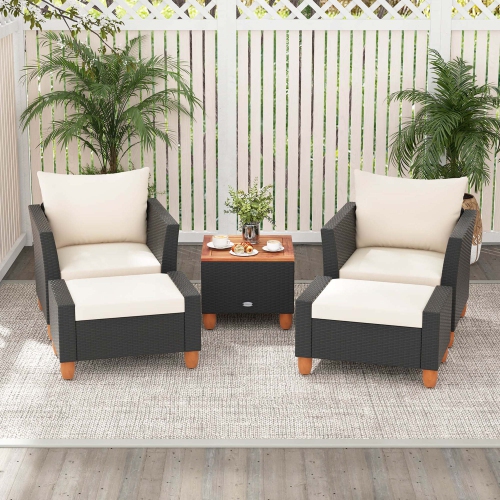
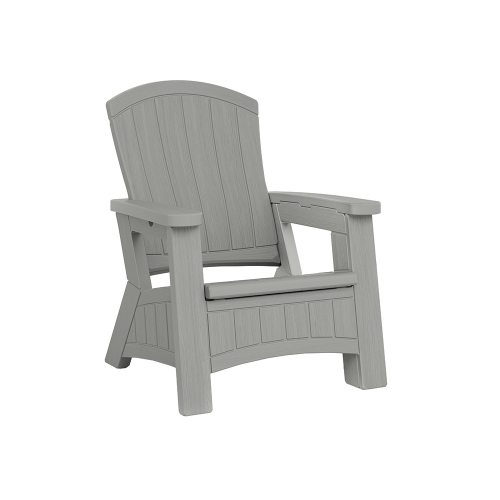
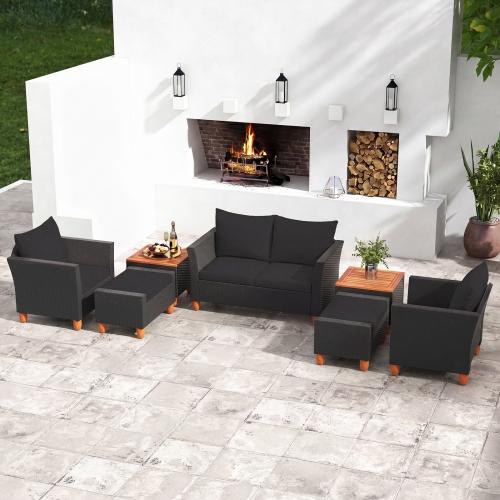
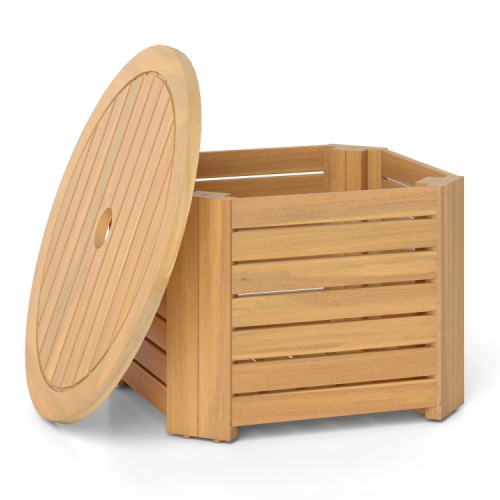
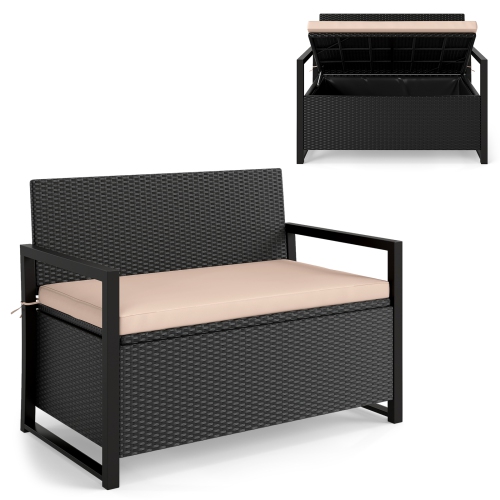
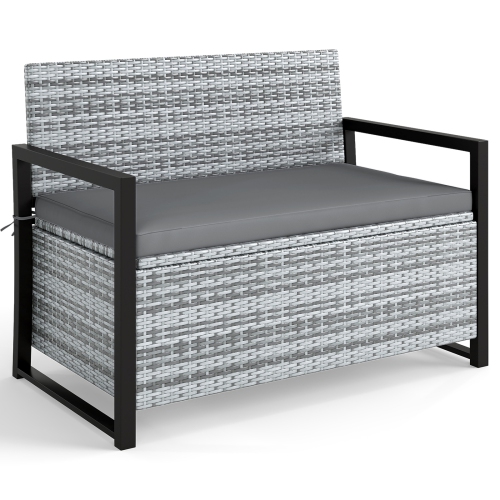
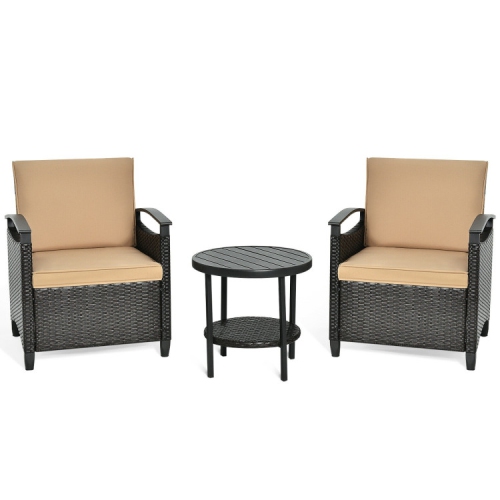
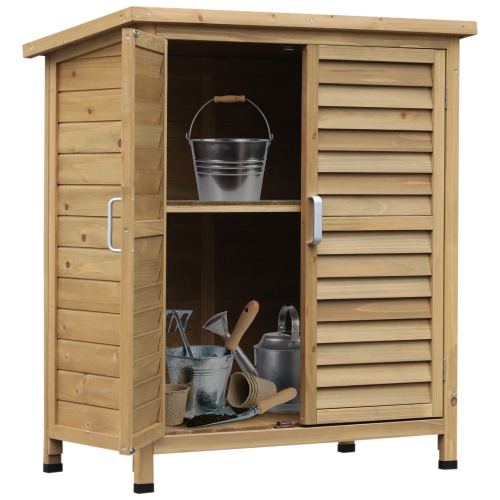
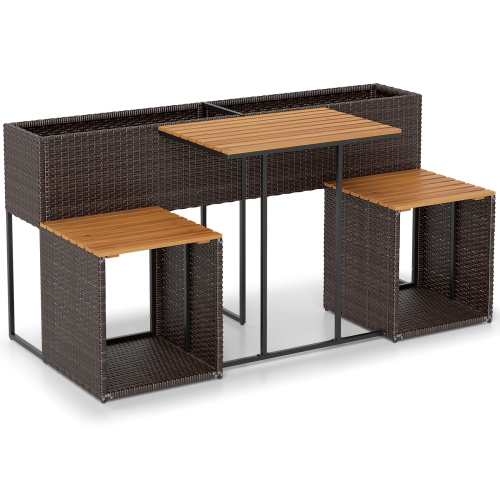
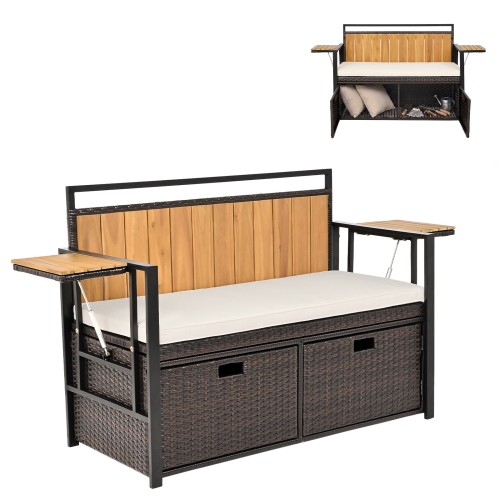
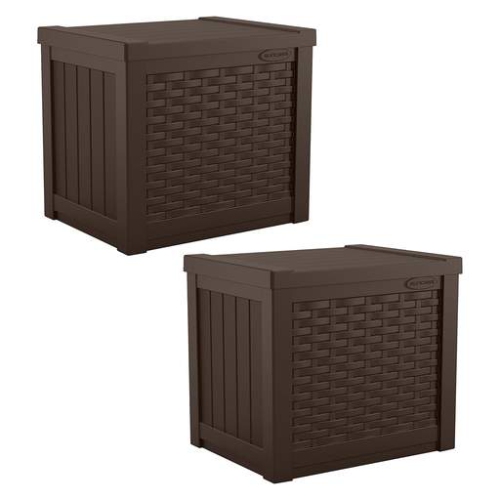
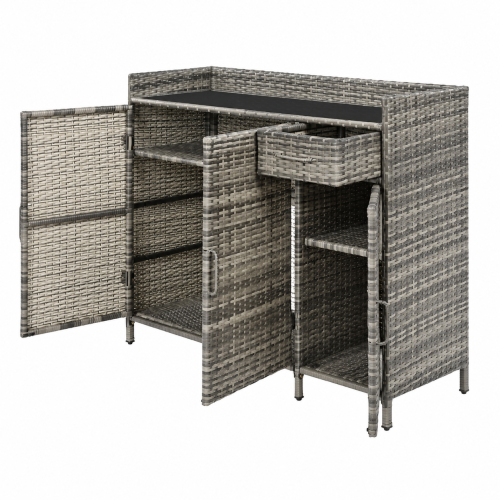
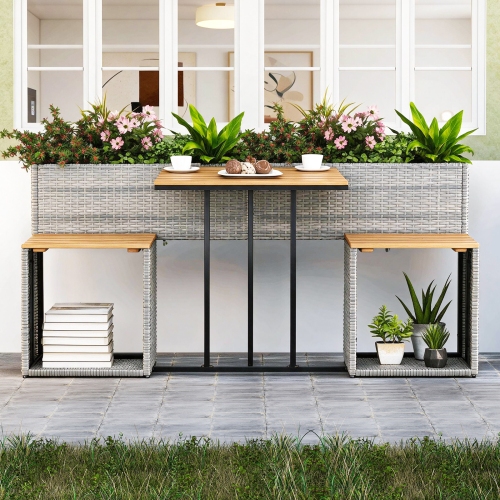
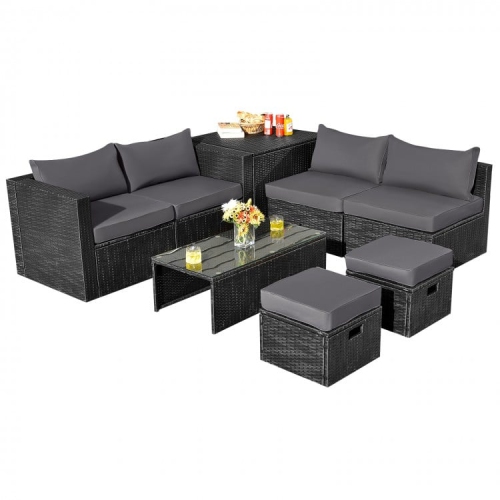
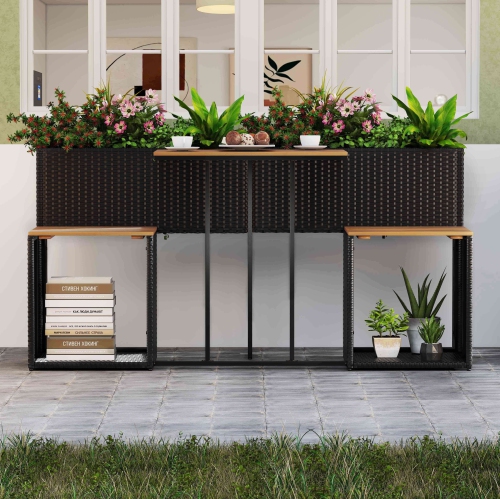
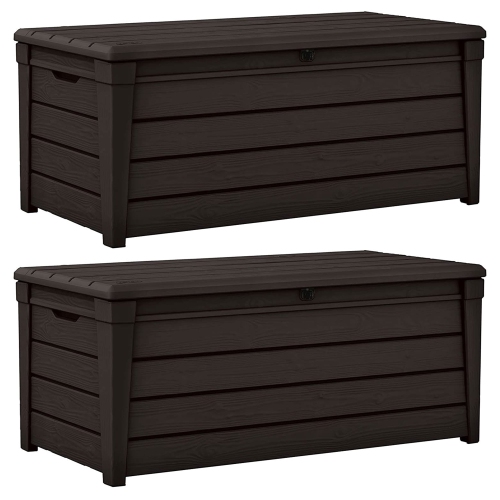
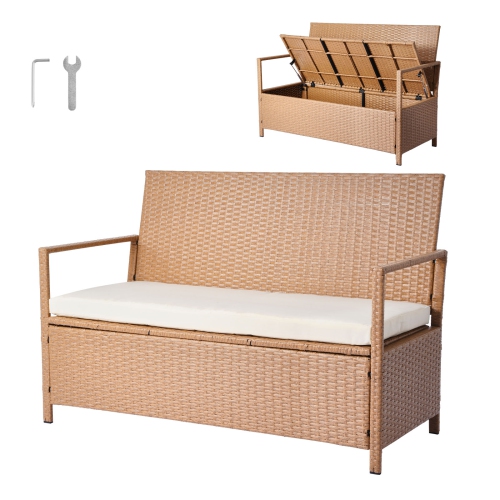
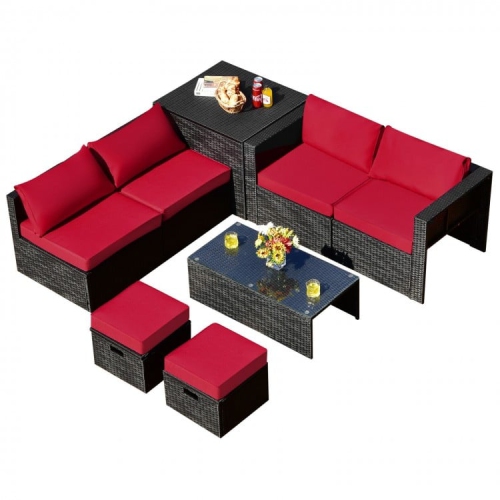
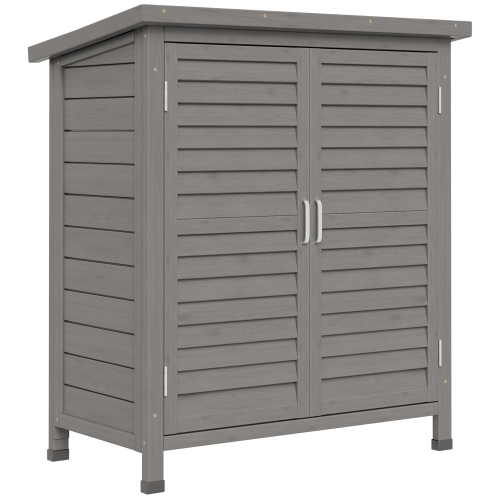
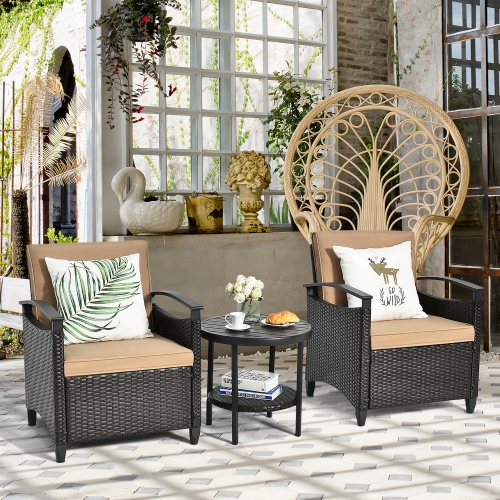
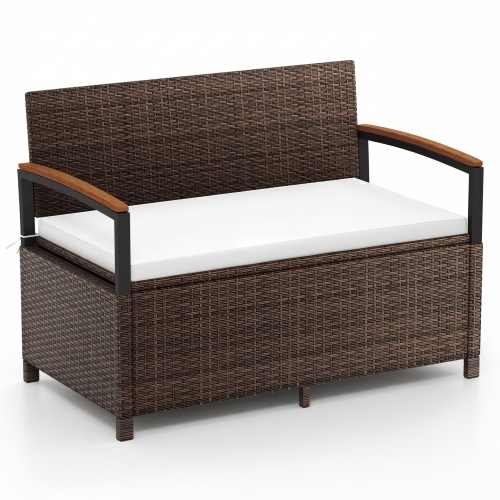

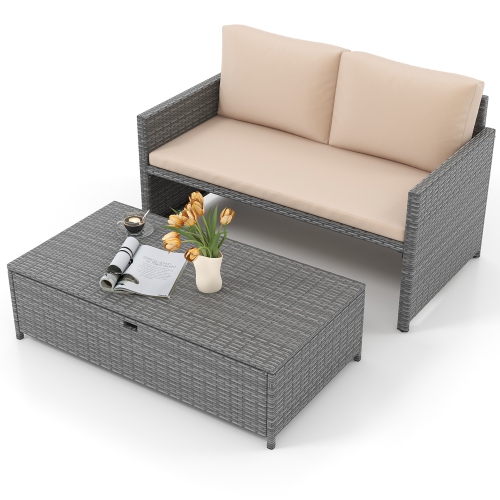
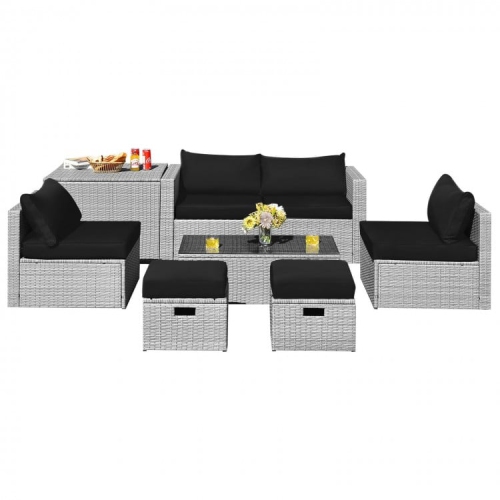

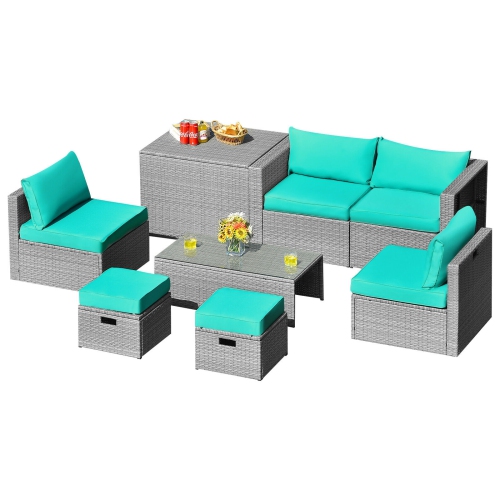
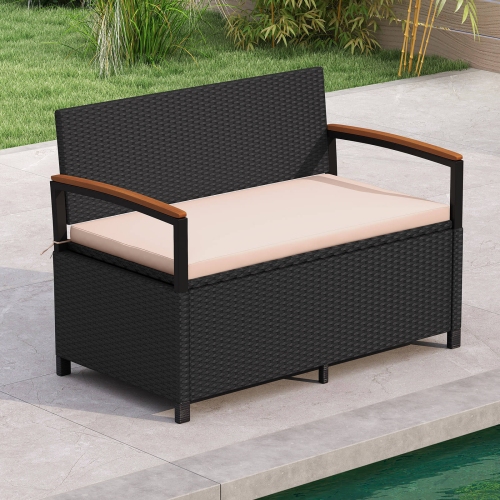
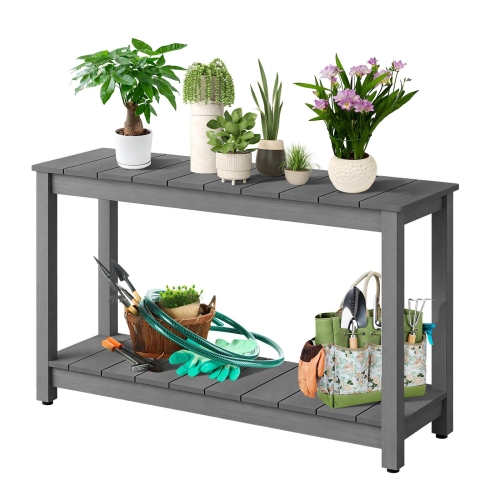
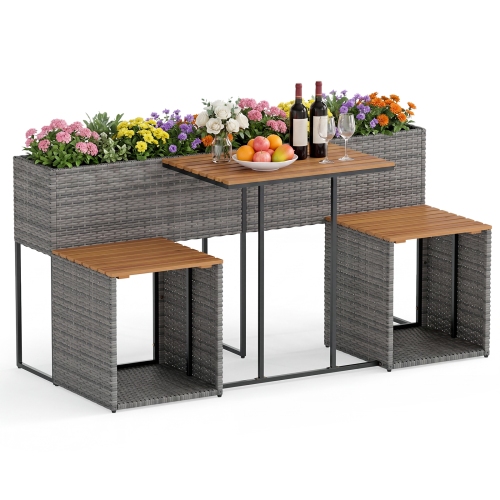
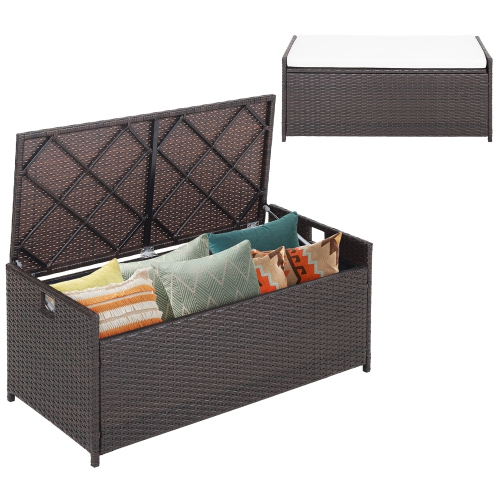

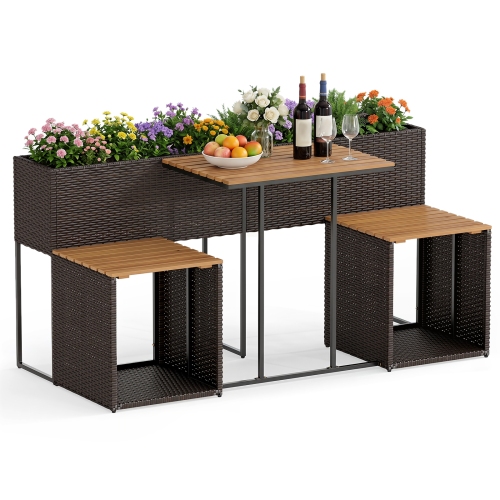
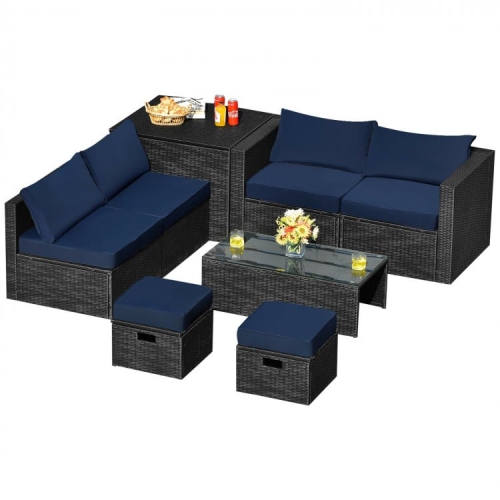
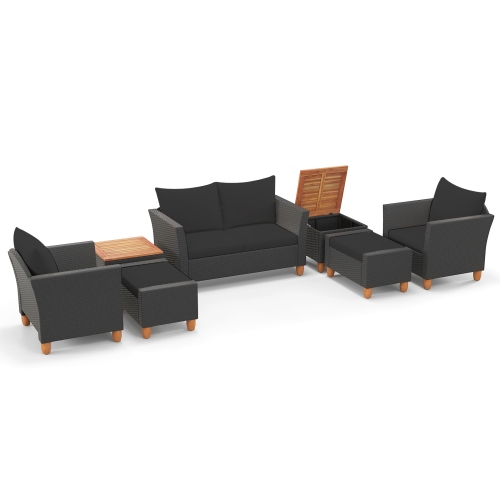
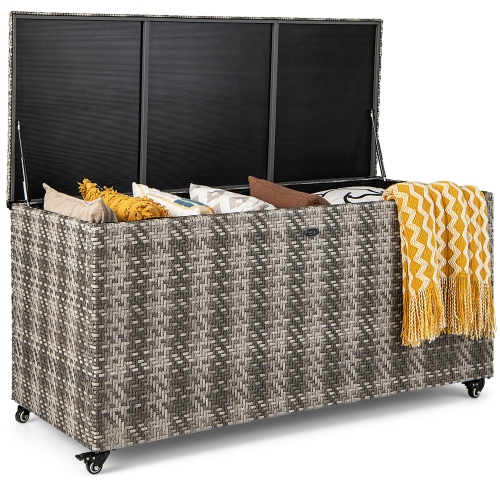
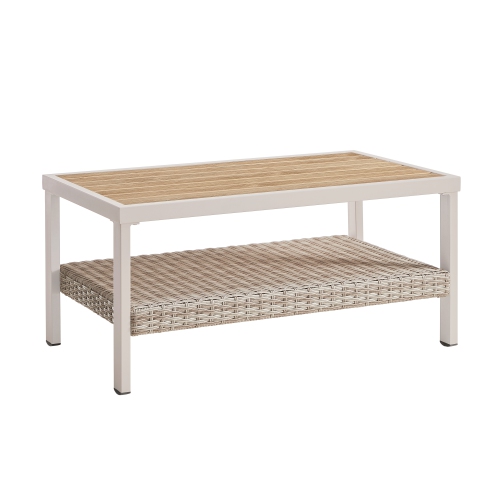
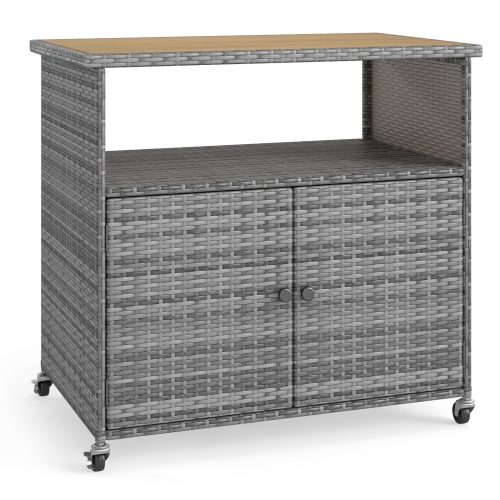
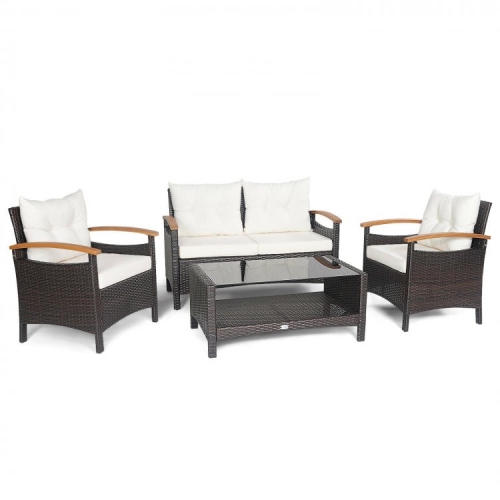
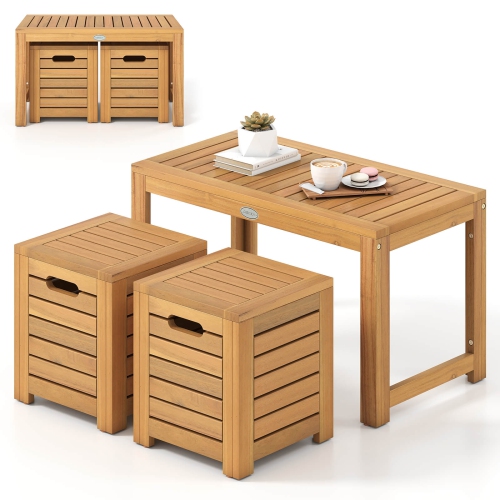
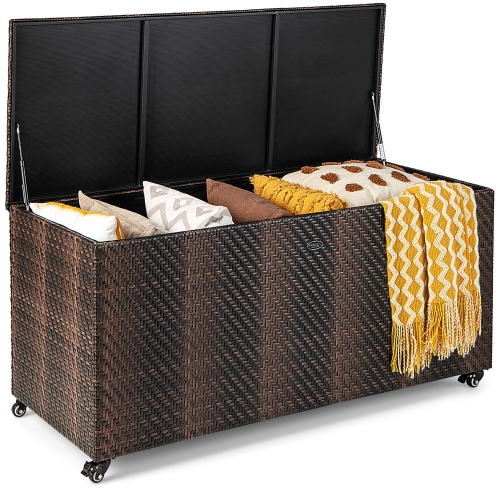
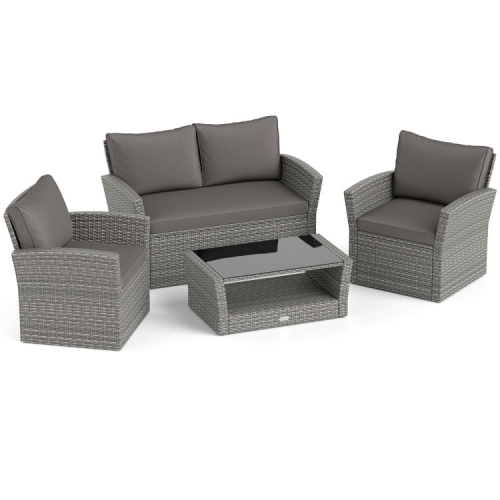
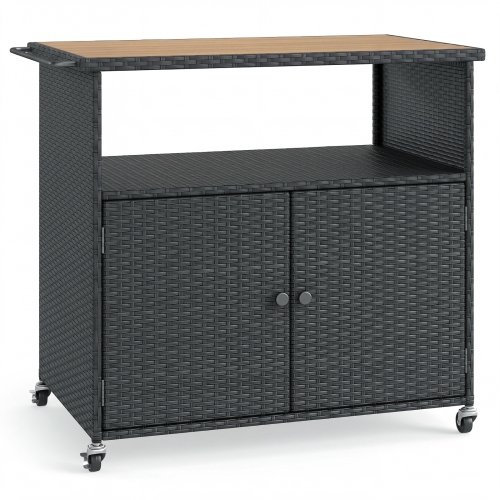

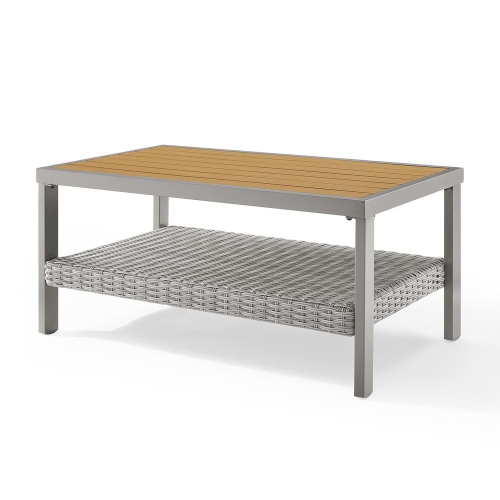
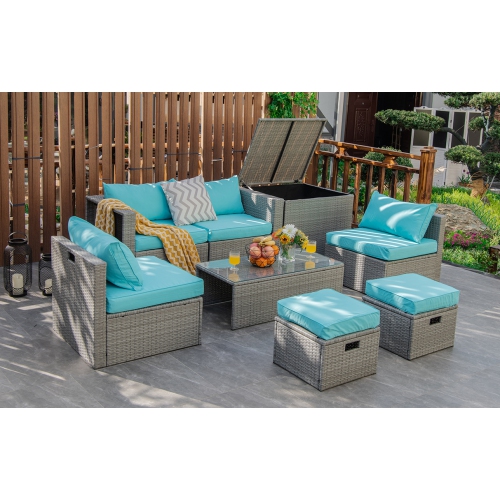
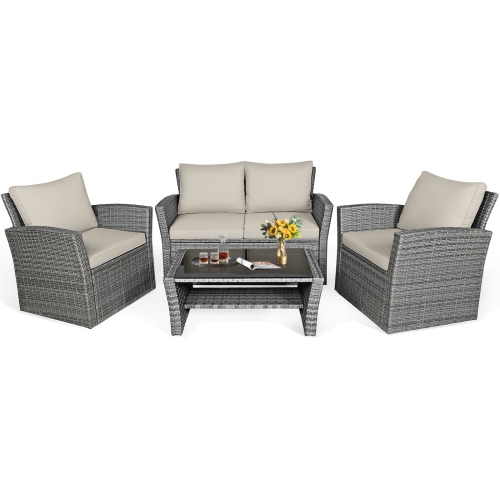
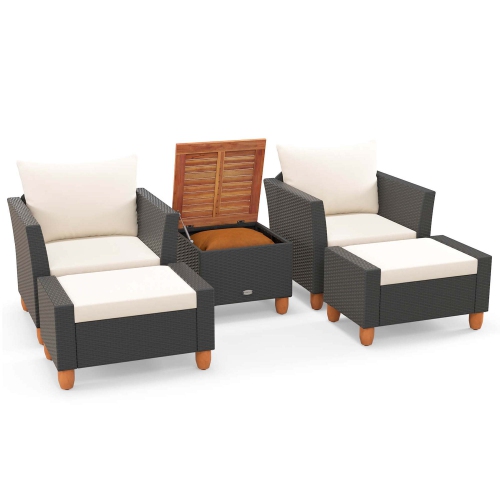
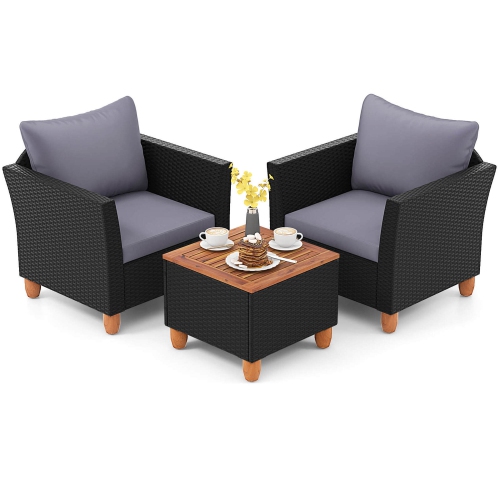
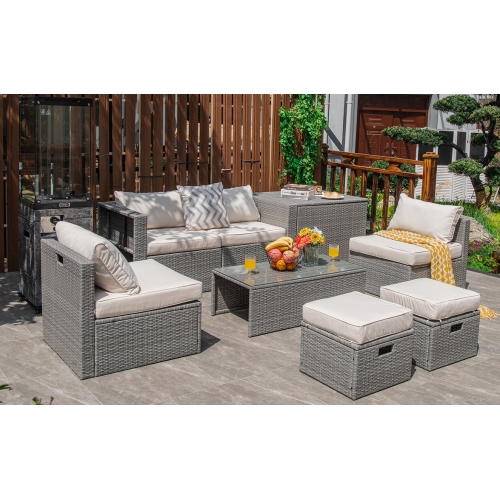
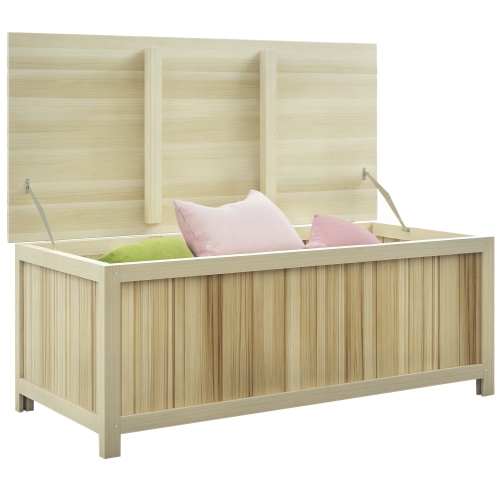
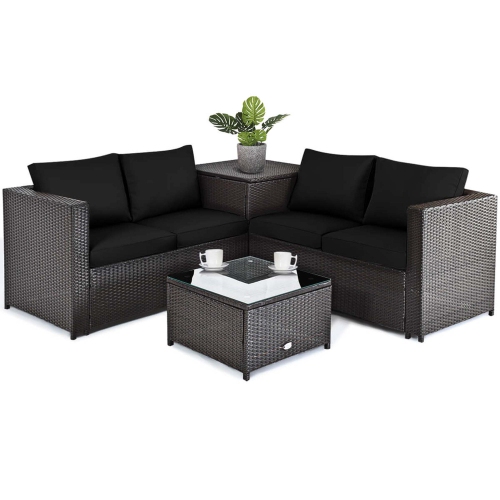
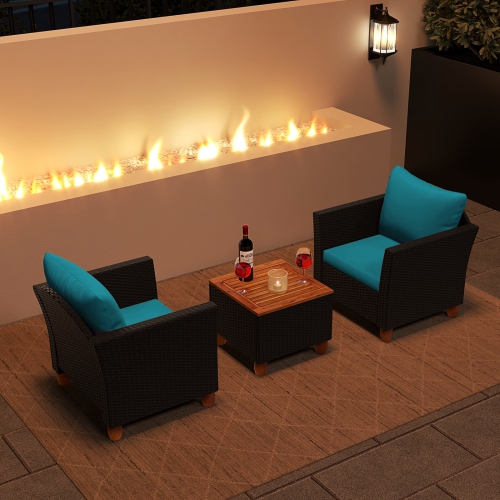

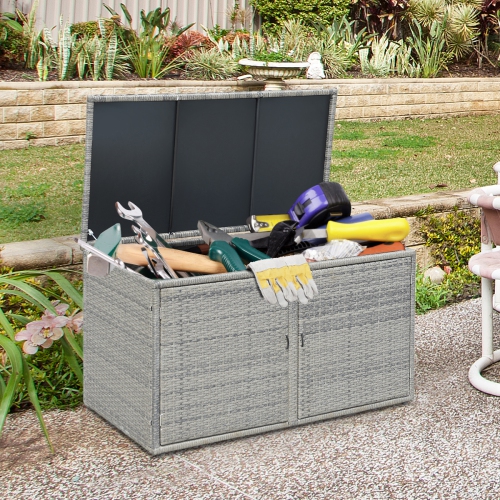
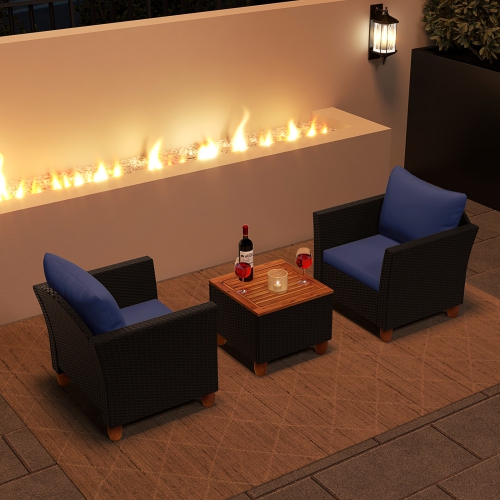
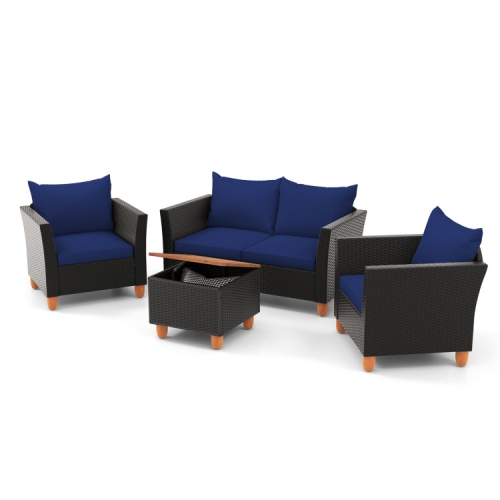
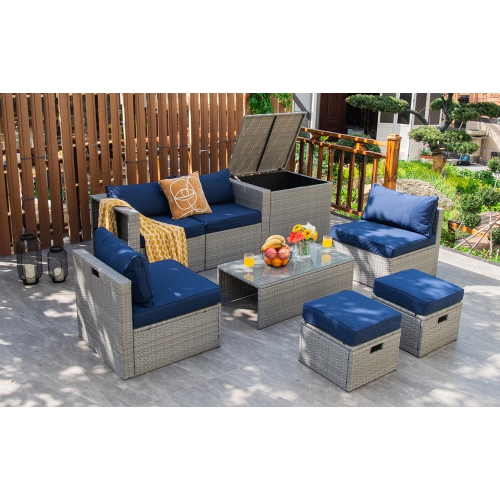
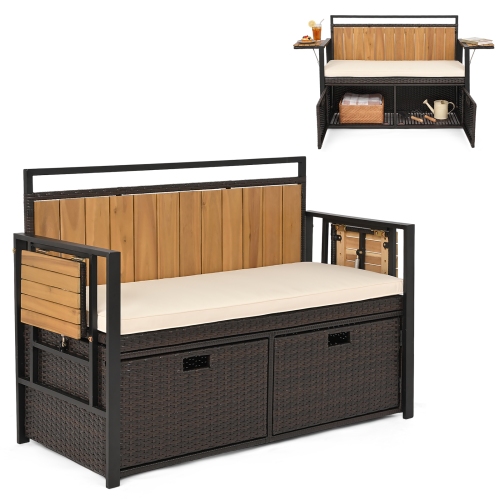
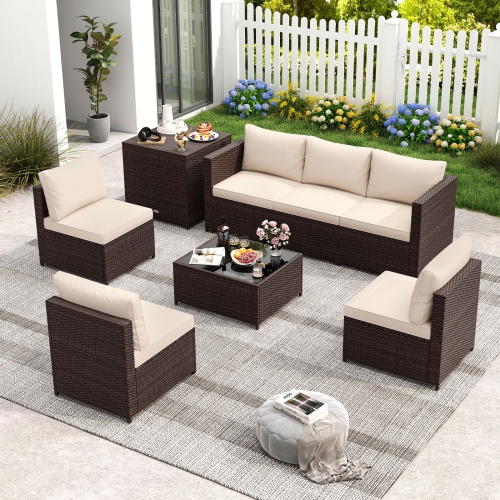
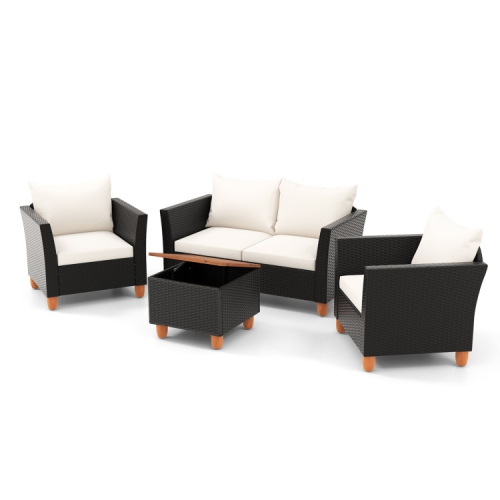
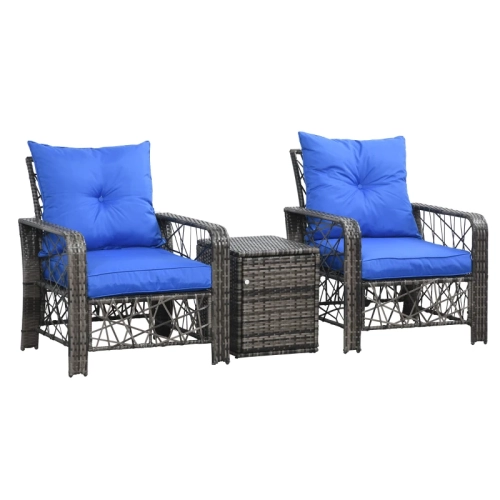
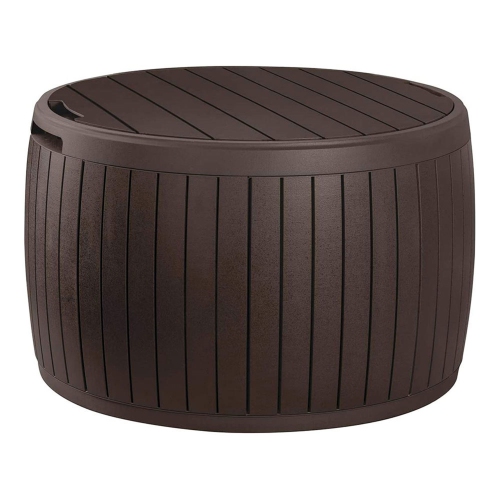
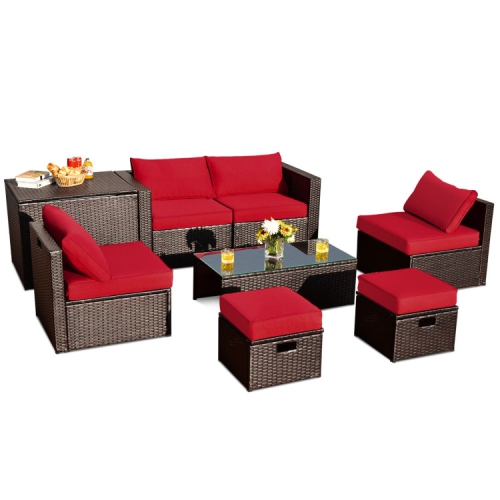
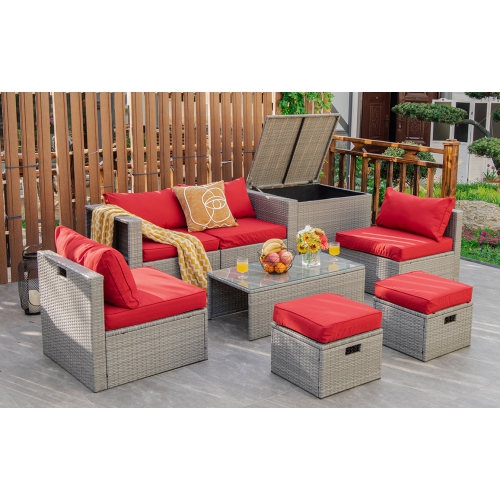
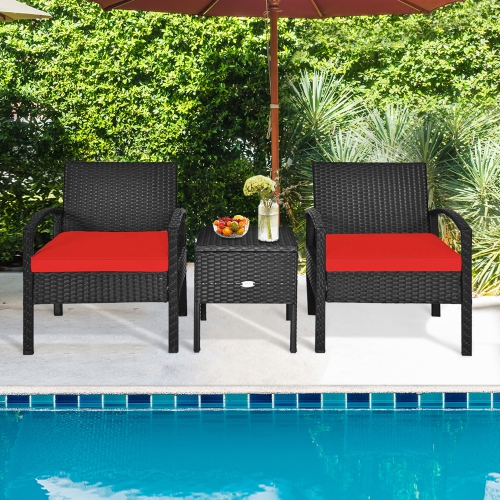
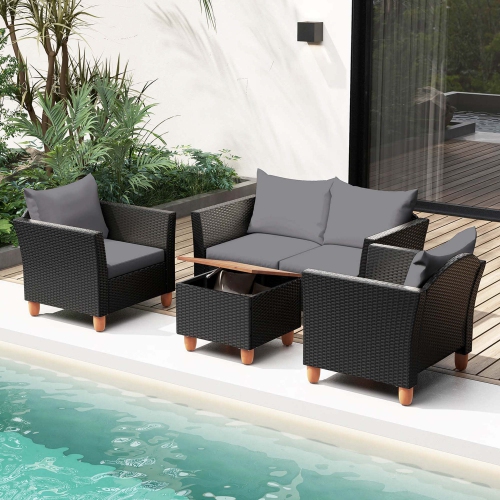
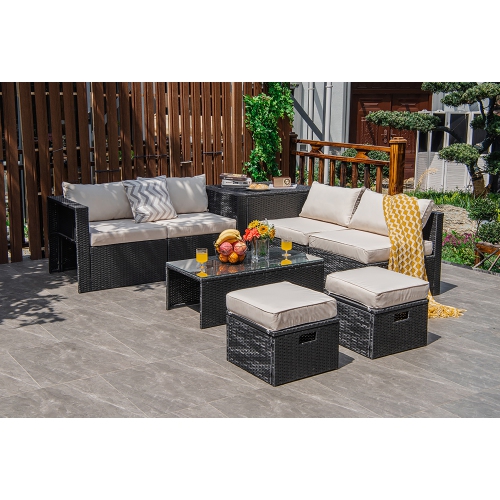
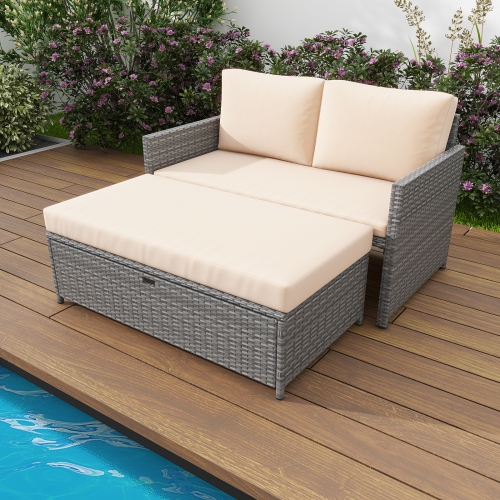
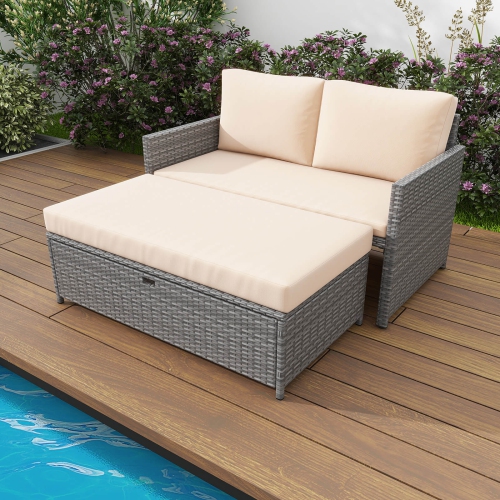
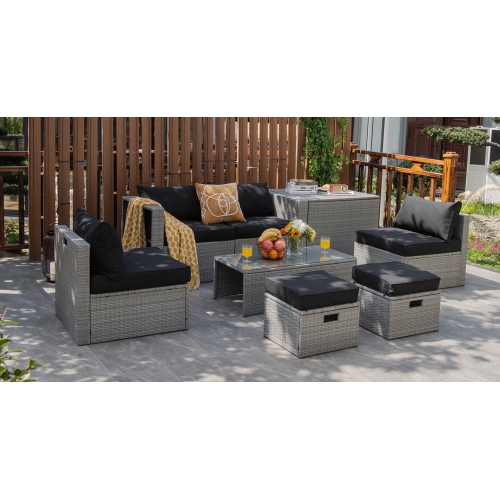
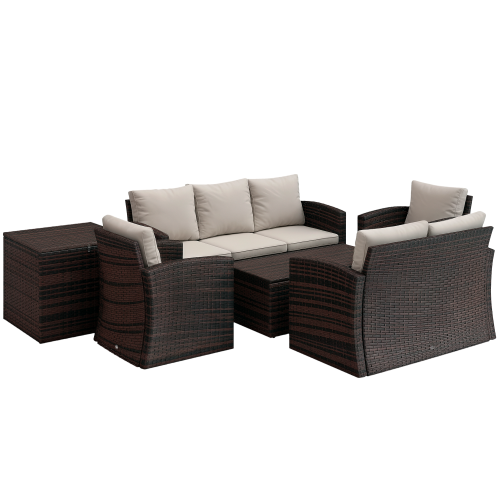
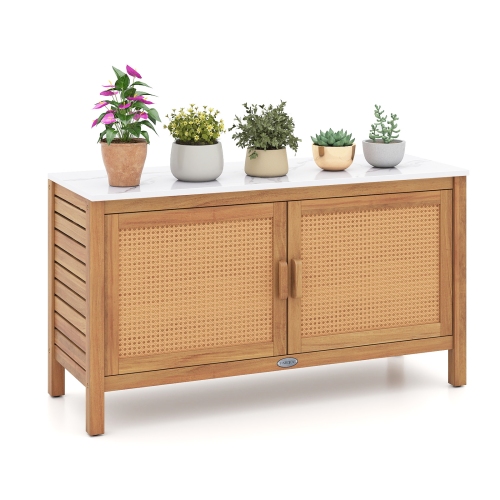
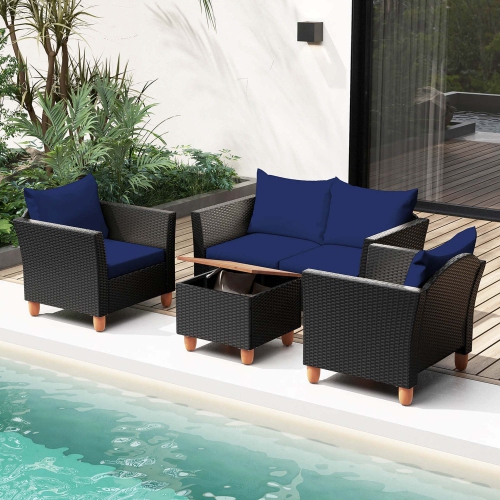
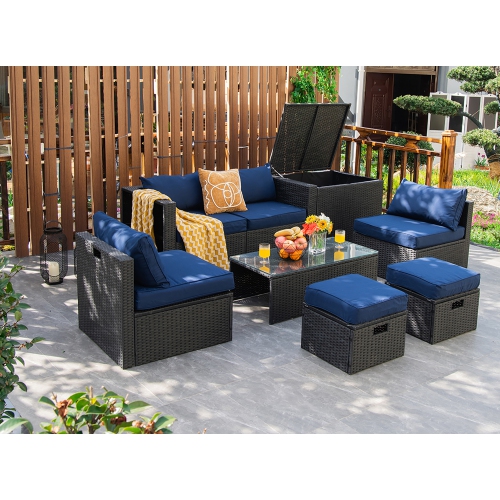
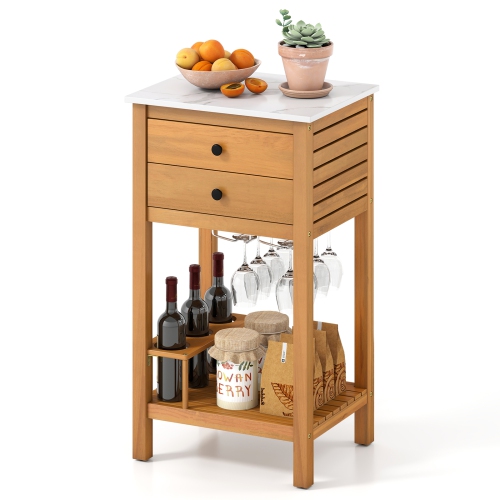
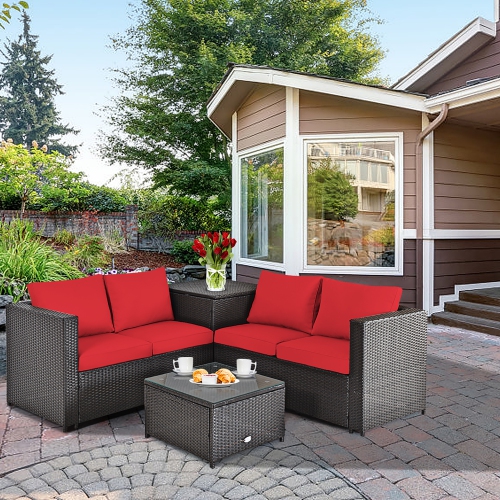
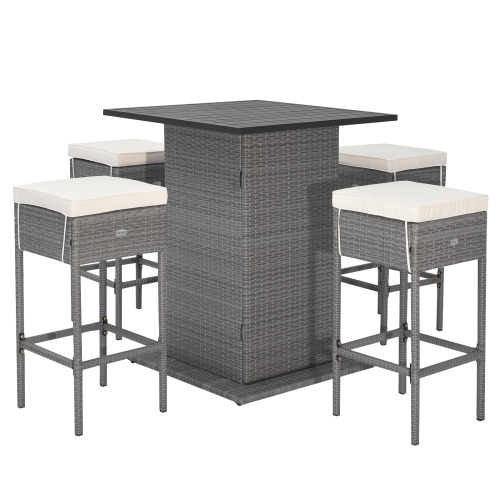
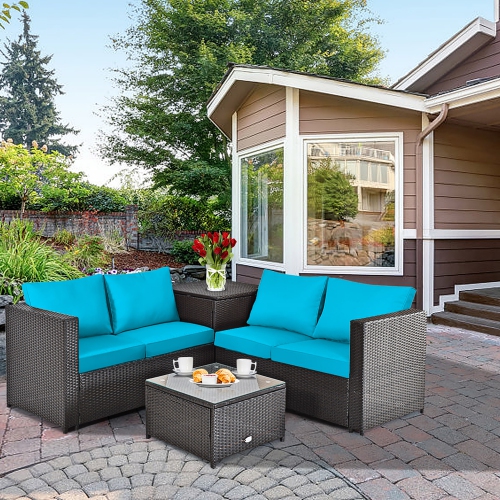
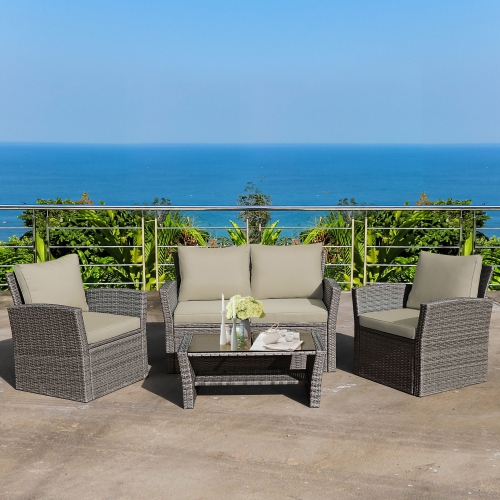

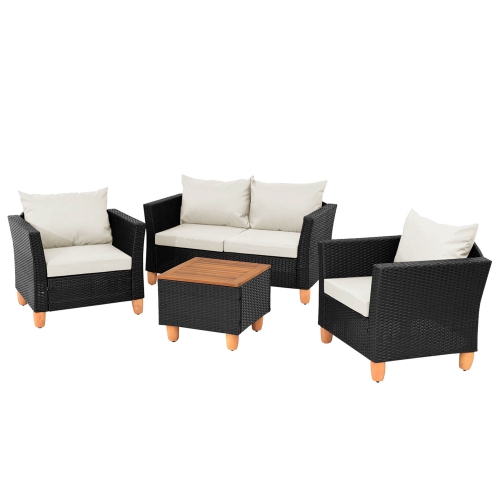
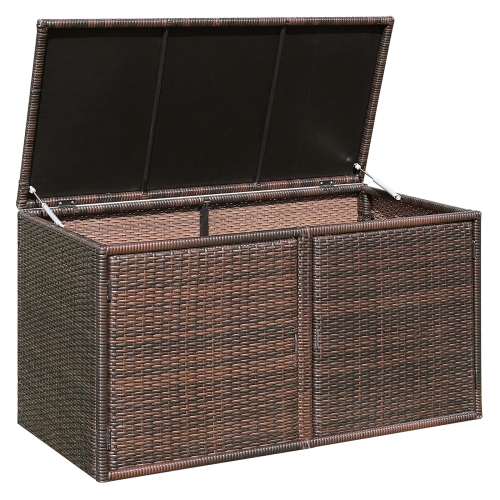
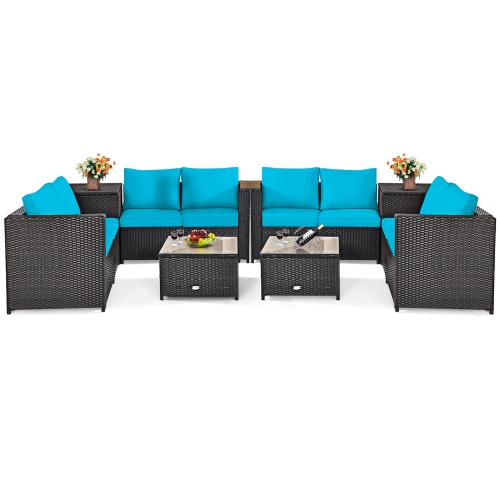


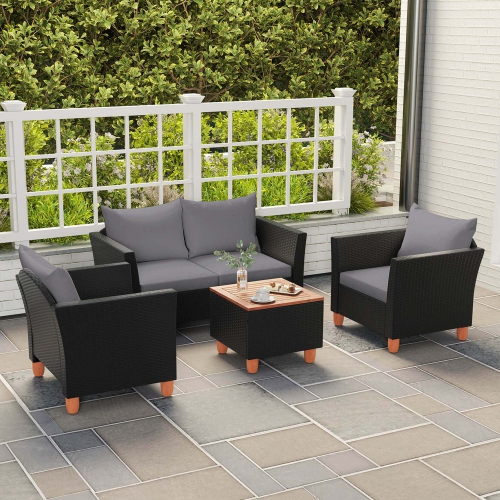
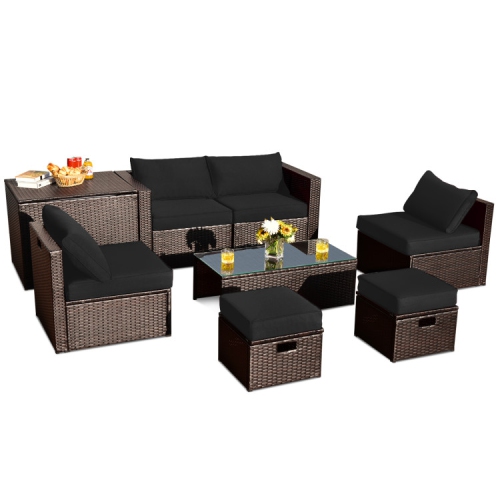
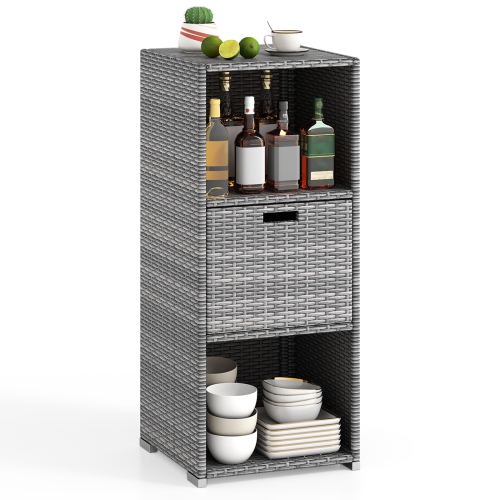
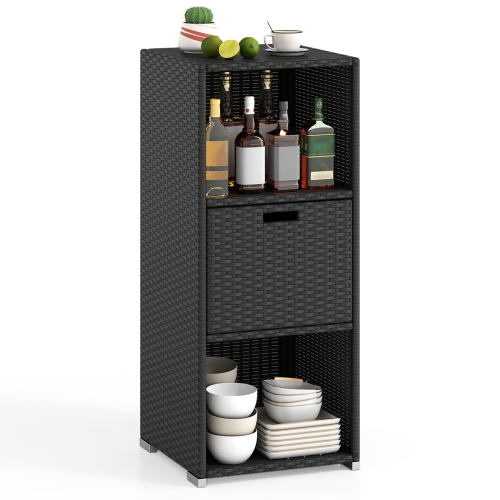
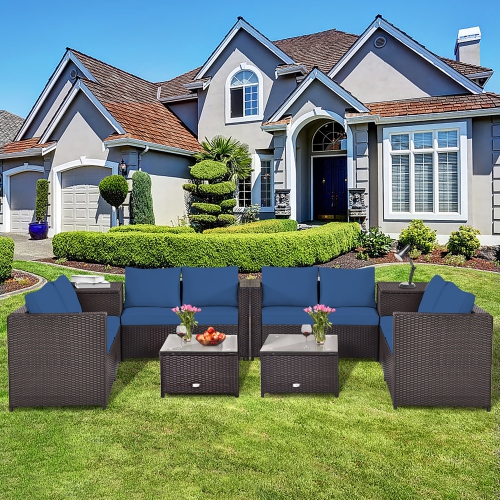
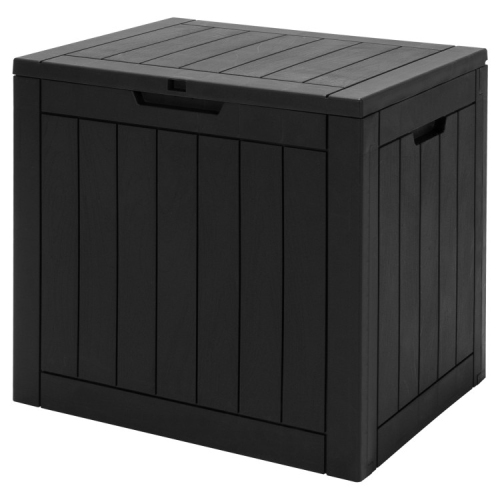
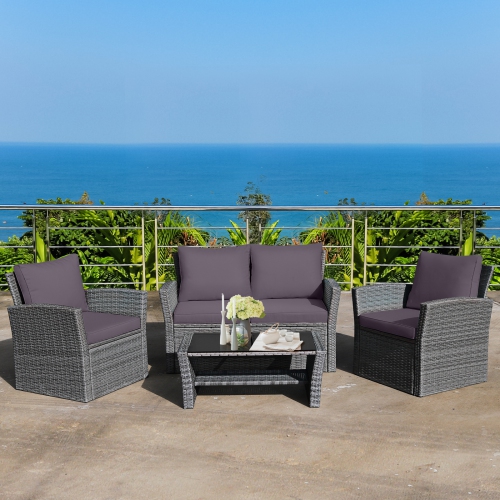
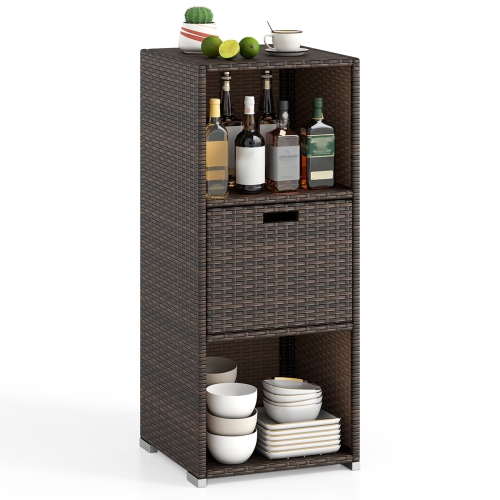

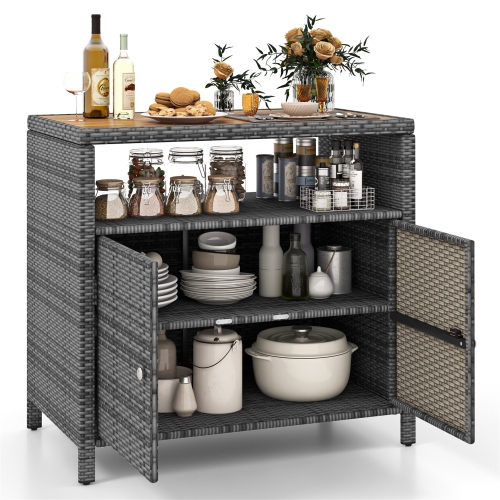
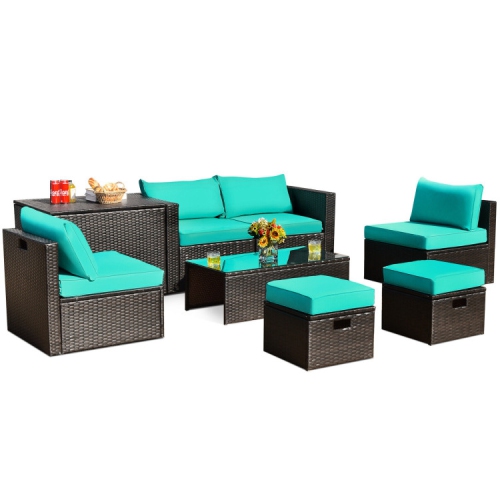
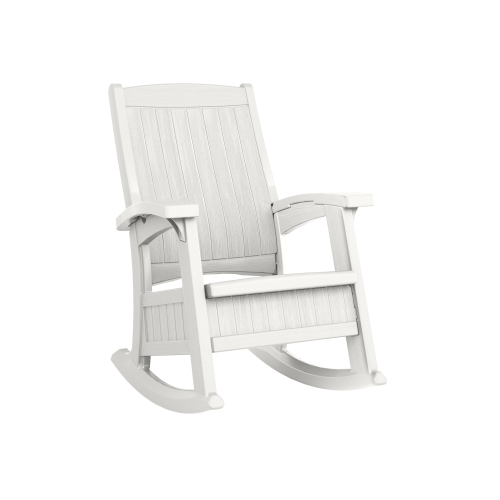
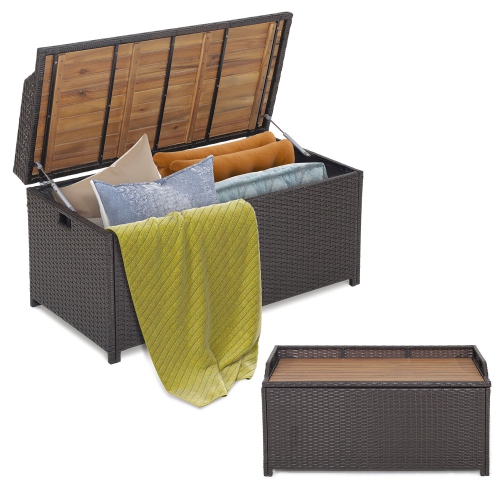
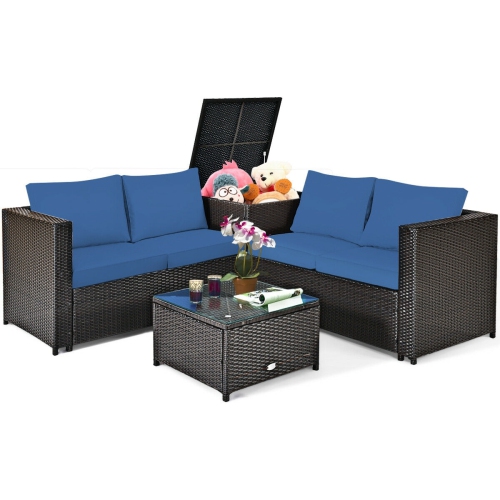
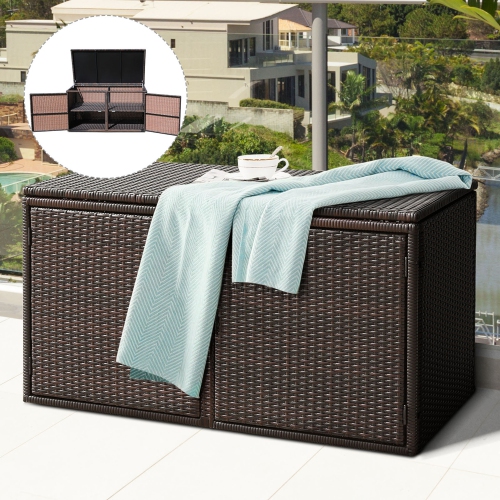
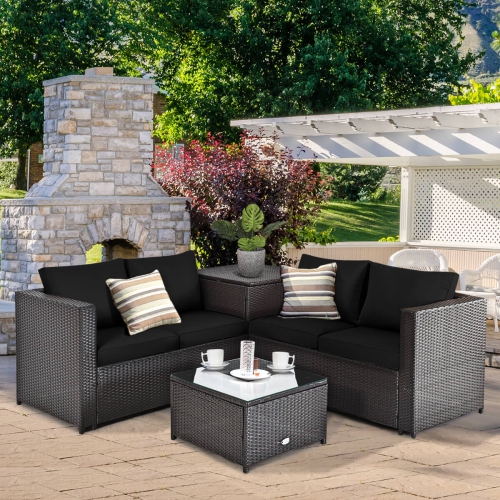

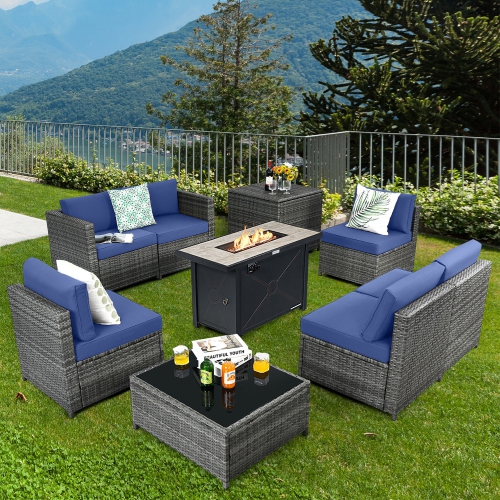

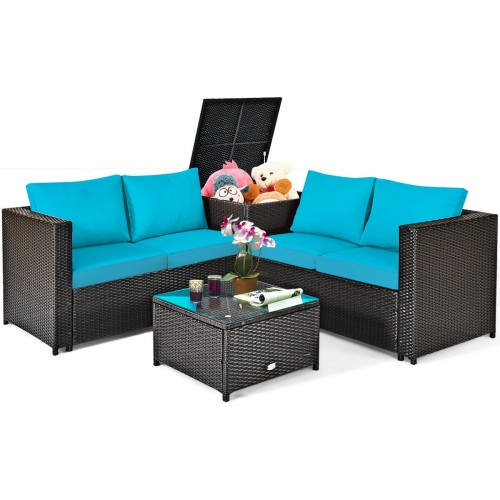

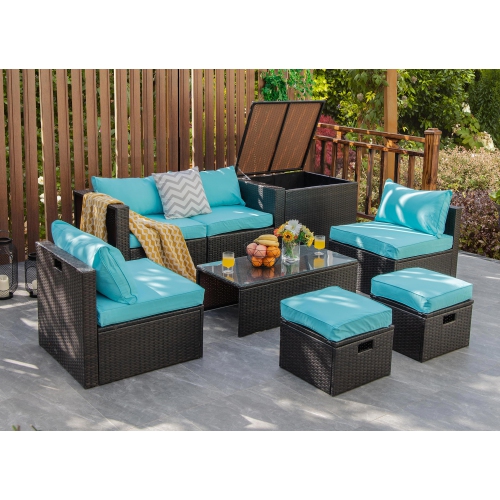
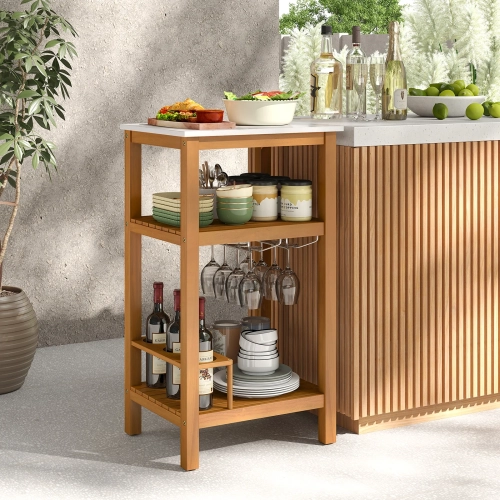

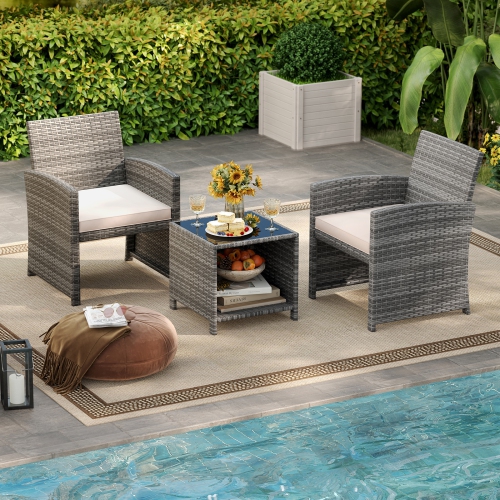
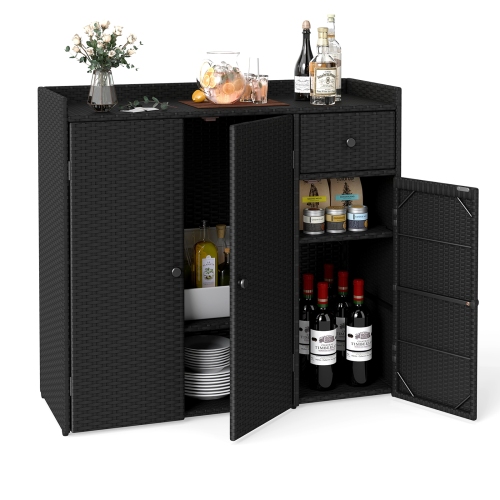


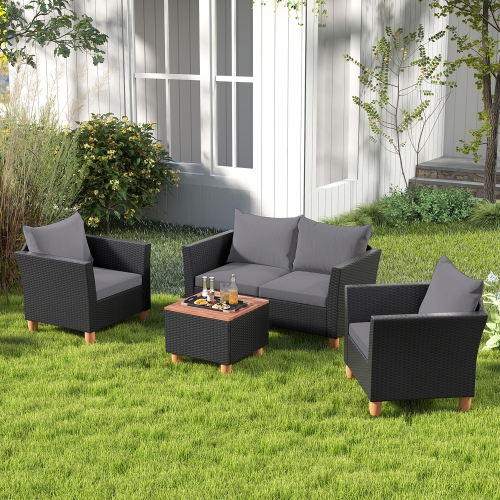
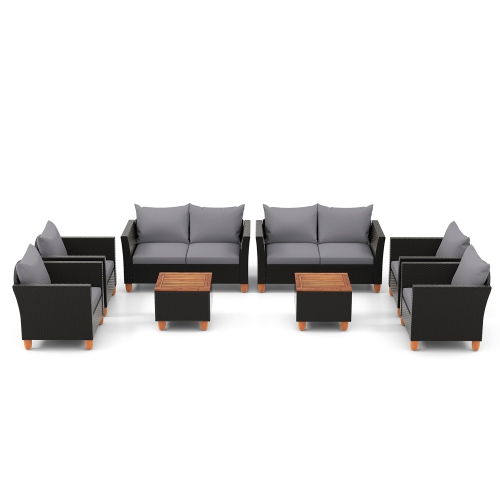
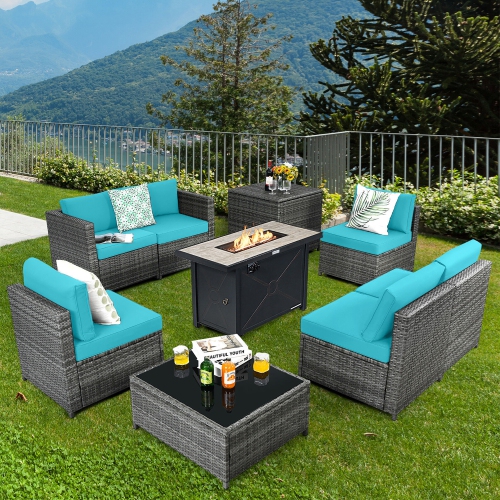
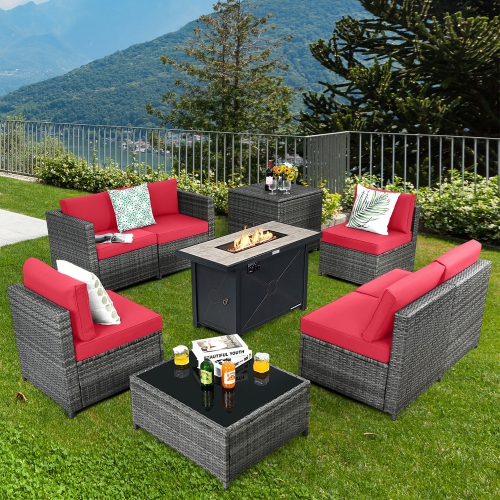
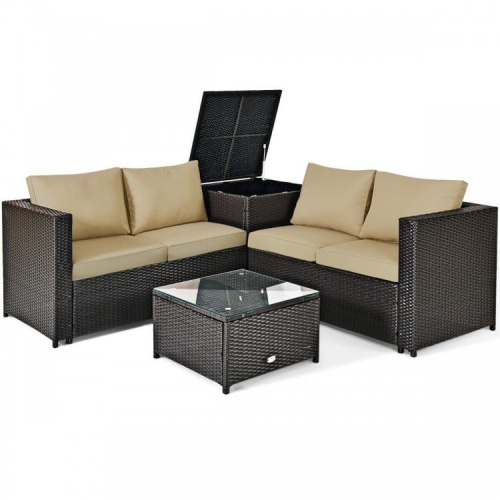
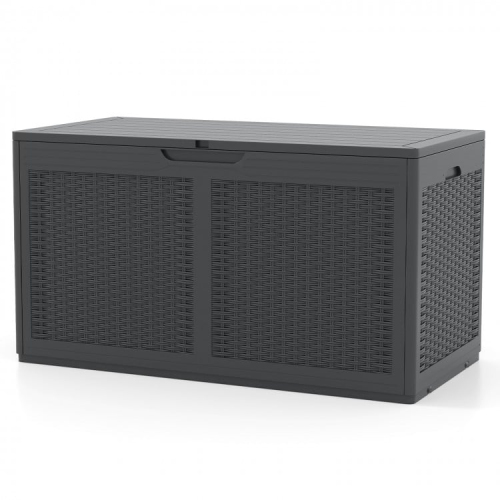
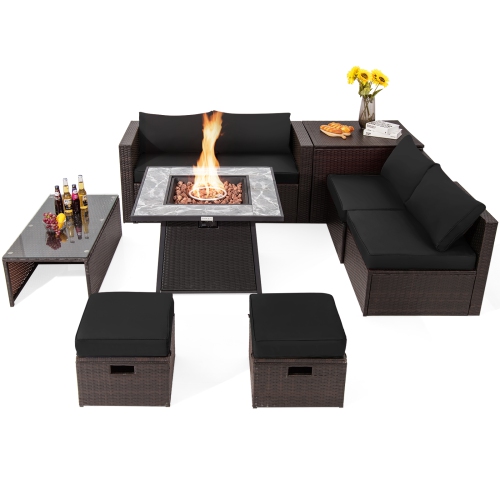

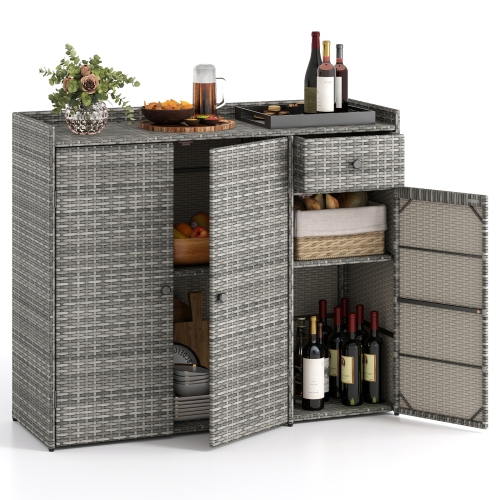

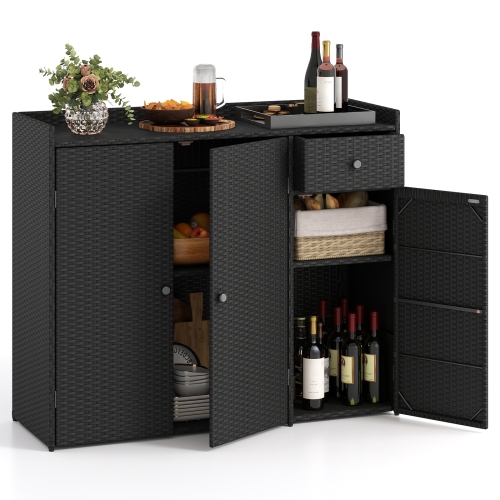

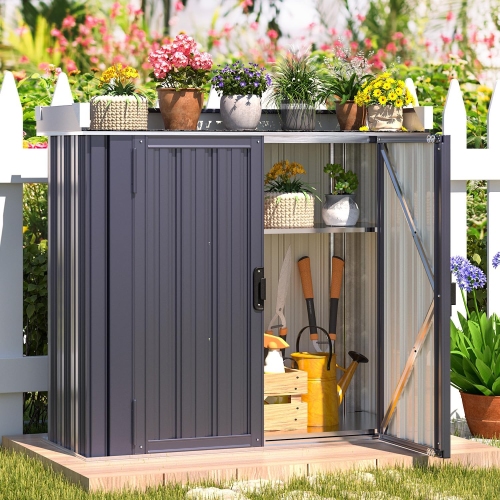
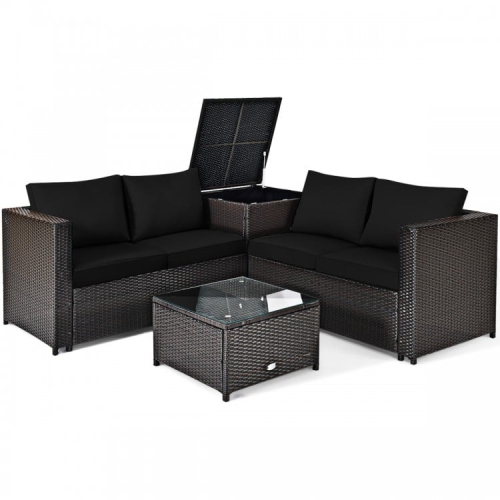
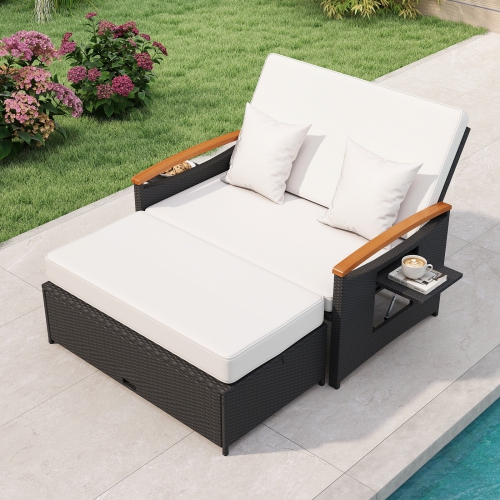
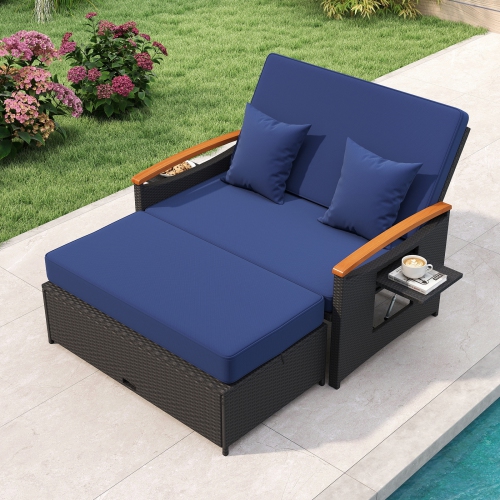
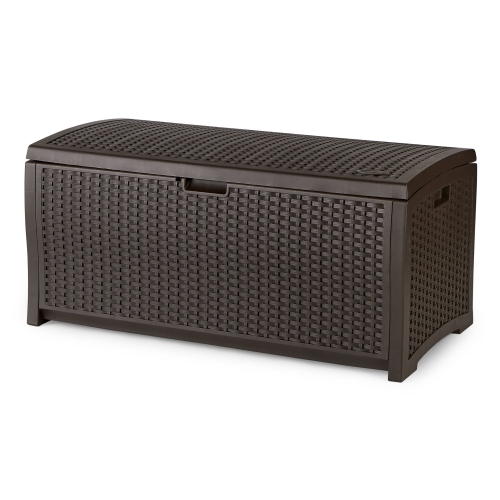
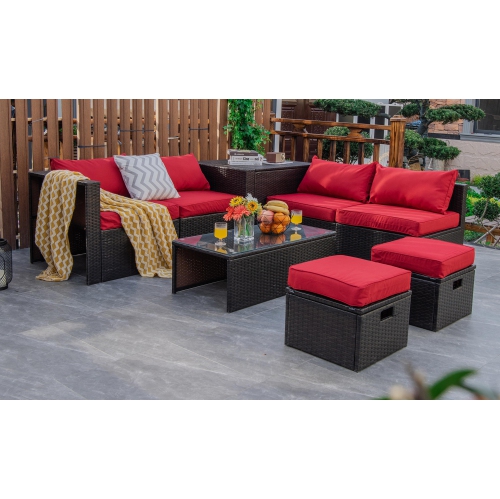
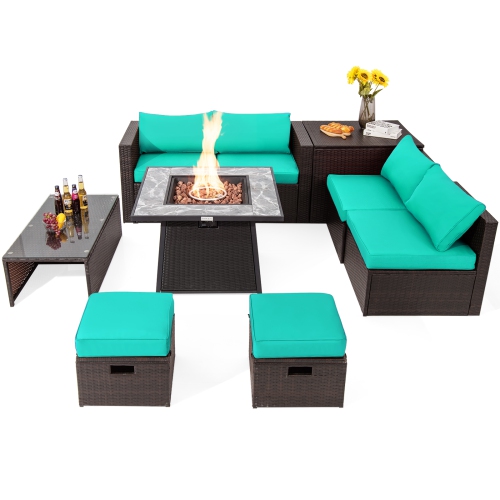
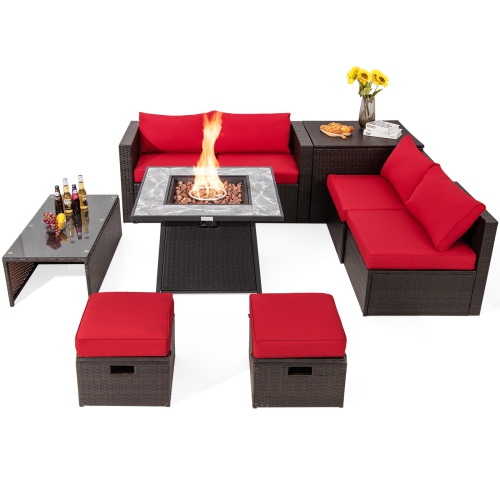
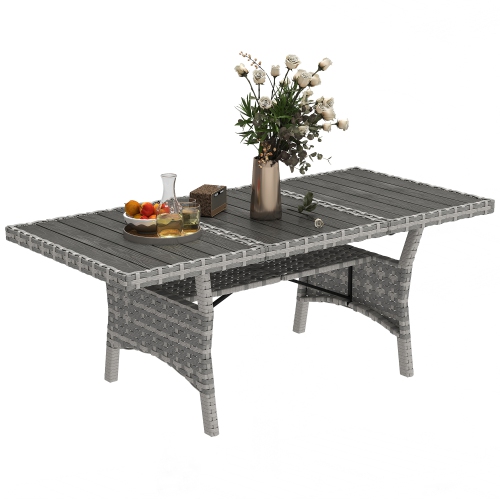

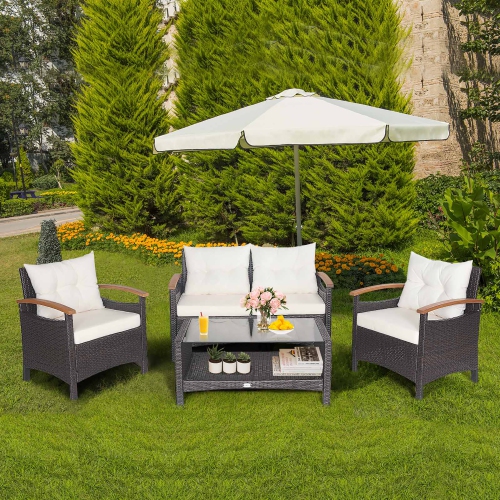

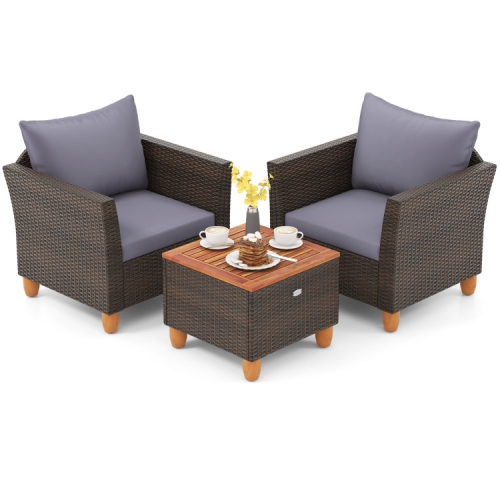


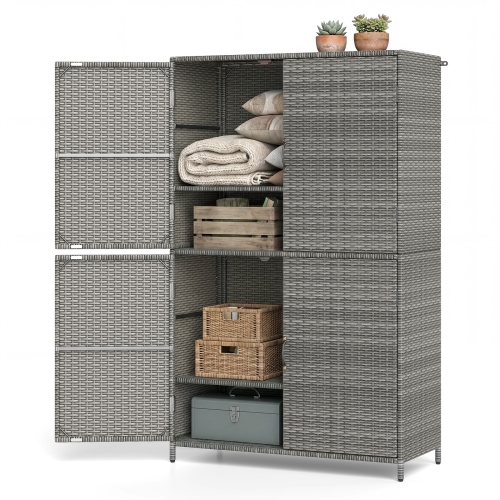
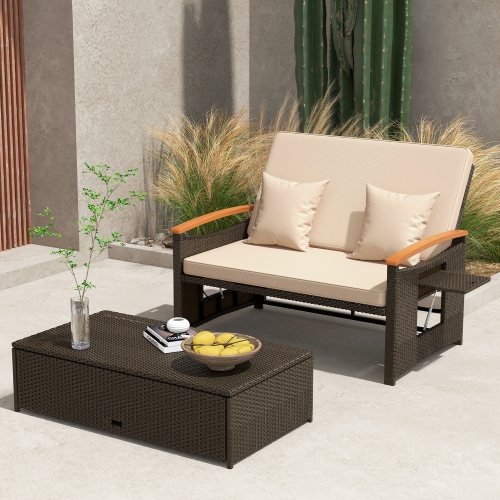
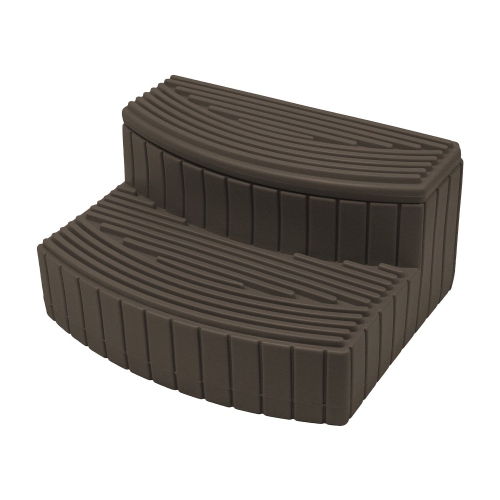
Storage that fits your cushions and your patio
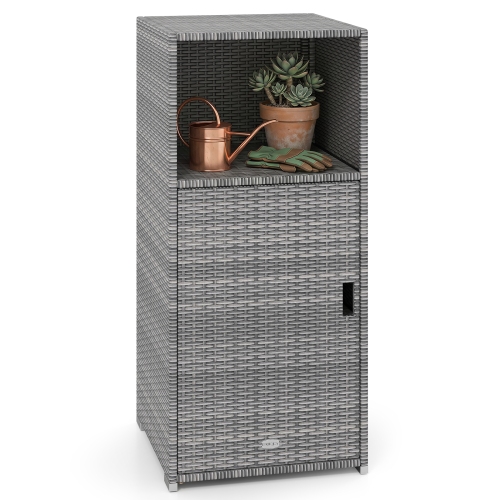
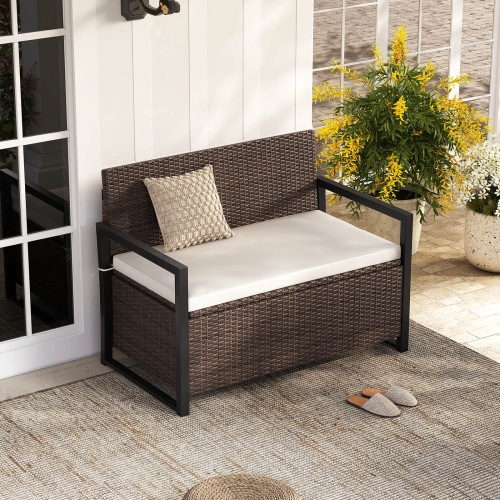
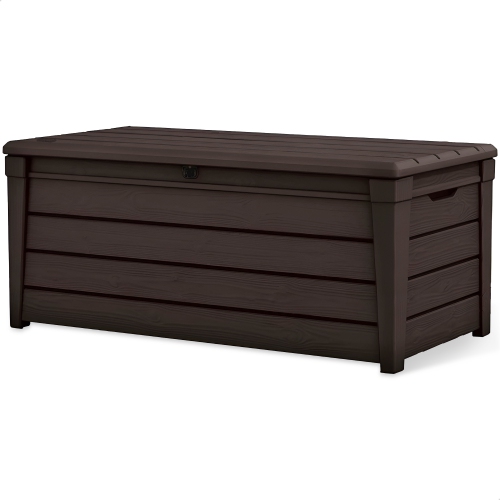
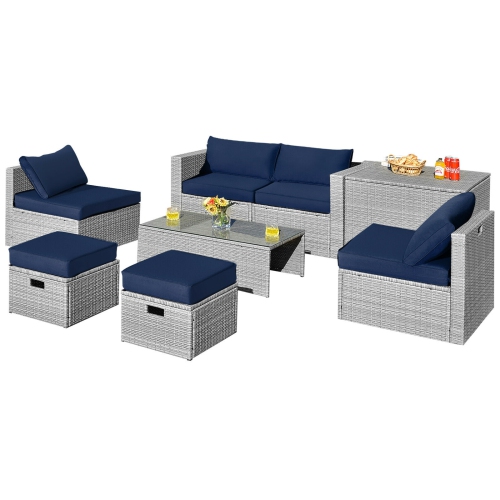
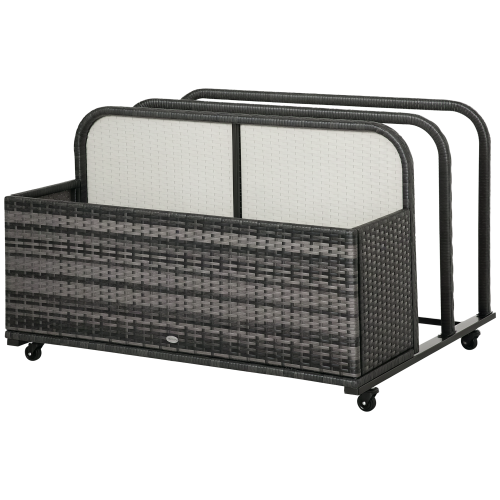
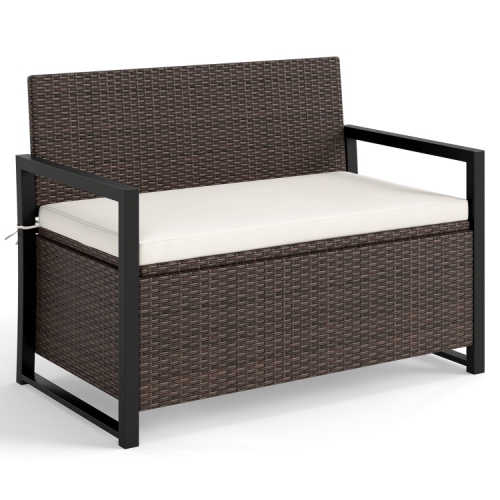
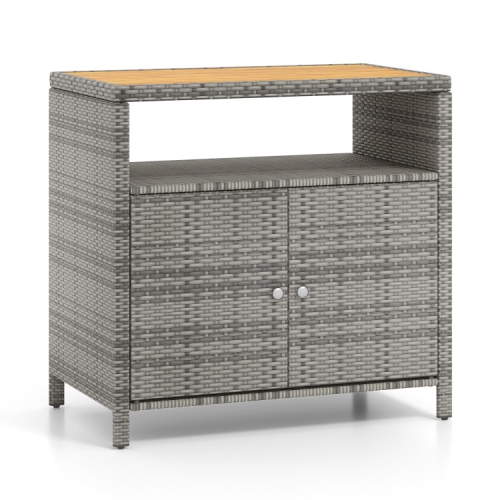
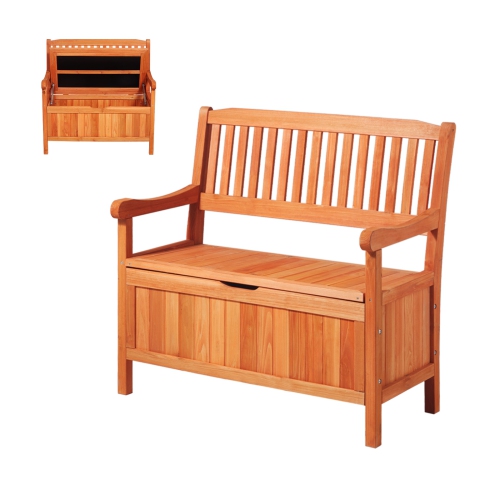
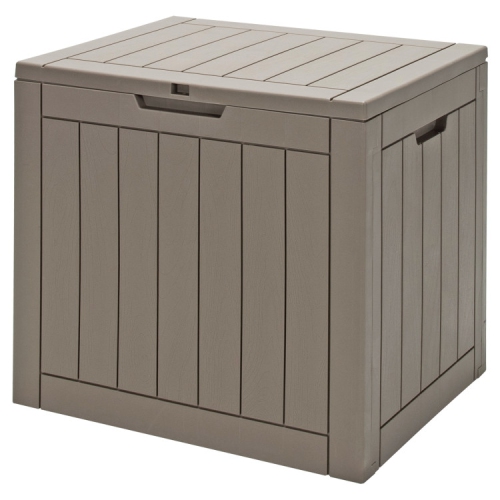
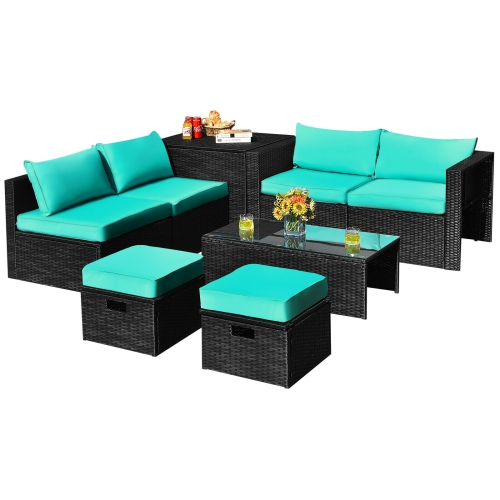
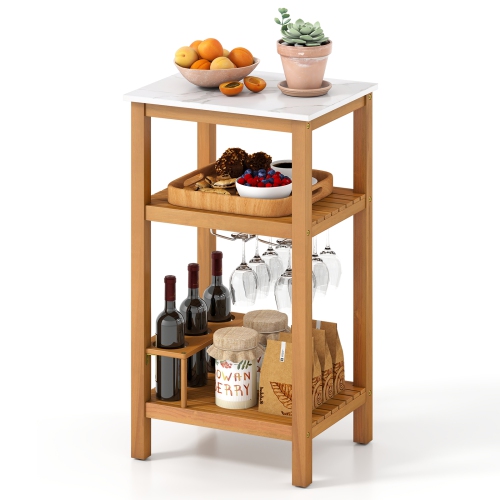
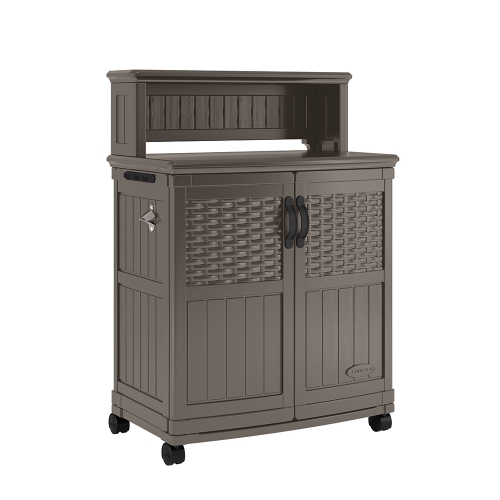
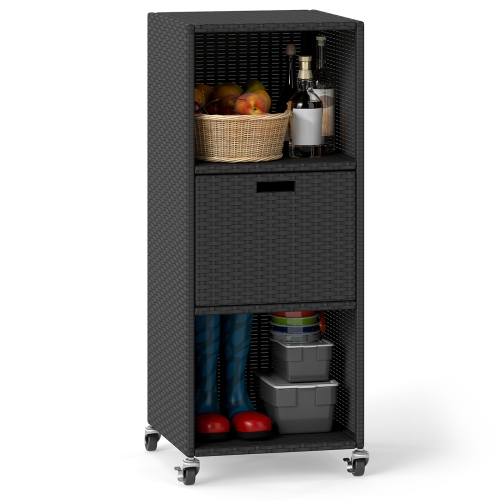
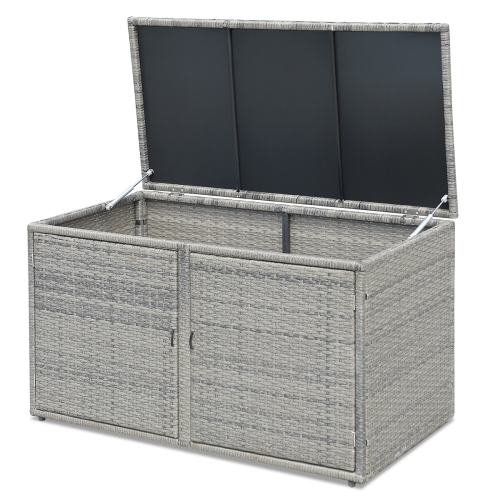
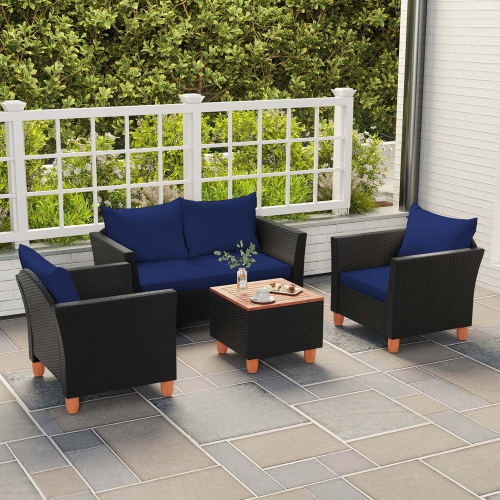
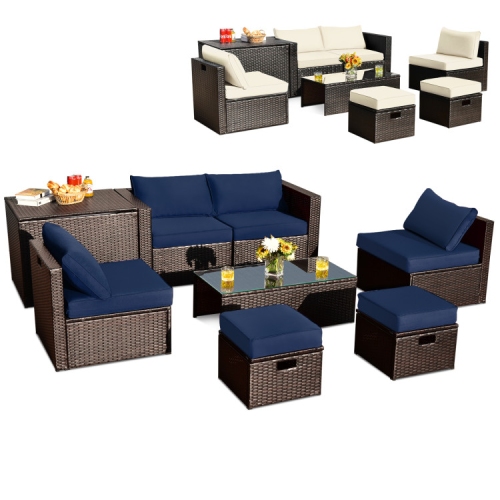
Patio storage furniture combines outdoor seating or useful surfaces with built-in compartments for cushions, gardening supplies, and everyday accessories. It brings storage closer to where things are used, whether that means keeping chair pads beside a dining set or having outdoor games within reach of a lounge area. Storage benches provide a place to sit while making use of the space beneath the seat, while storage tables keep smaller essentials near a chair without adding another cabinet to the patio. Taller cabinets offer separate shelves for supplies that are easier to find upright than stacked in a deep compartment. Deck boxes suit bulkier contents, although a box should only be used as seating when its specifications explicitly allow it. For compact patios and balconies, Patio Storage Benches can combine two functions within a single footprint, leaving more room for walking and arranging other furniture. The most useful size depends on both the available floor space and what needs to fit inside. Exterior dimensions describe the space a piece occupies, but interior measurements determine whether a long lounge cushion can lie flat or a folded chair can fit without forcing the lid. Armrests, tapered walls, hinges, and built-in shelves can reduce usable capacity even when the overall dimensions appear generous. A deep compartment may accommodate large cushions comfortably but make small gardening tools harder to retrieve without a tray or organizer. Placement also affects everyday convenience: a hinged lid needs clearance above and behind it, while cabinet doors need enough room to open without blocking a passage. A storage table beside a sofa should leave space for legs and an easy route around the seating area. On a narrow balcony, a shallow cabinet against a suitable wall may work better than a deep chest that interrupts the walkway.
Materials influence how patio storage furniture looks, feels, and stands up to outdoor exposure. Resin and moulded plastic are common choices for storage bodies because they do not rust and can usually be wiped clean with mild soap and water, following the care instructions. Their construction varies, so wall thickness, reinforced corners, lid support, and the quality of hinges all matter to everyday durability. Woven resin furniture offers a textured finish that pairs naturally with outdoor seating, but the weave itself is not a waterproof barrier; protection for stored contents depends on the compartment beneath it. Wood brings visible grain and a substantial feel, with care requirements that depend on the species and finish. Some wooden surfaces need periodic refinishing, and prolonged dampness can affect joints or cause movement in the boards. Metal frames and cabinets offer a structured appearance, with resistance to rust depending on the metal, coating, and condition of exposed edges and hardware. Scratched finishes may need attention according to the manufacturer’s directions. Across materials, weather resistance is not the same as a watertight seal. Overlapping lids, raised bases, drainage paths, and ventilation can help manage moisture, but wind-driven rain may still enter through gaps or seams. Cushions and fabric accessories should be dry before storage, since closing damp textiles inside a compartment can lead to odours or mould even when rain stays out. Furniture positioned beneath a covered patio has different exposure from furniture standing in an open yard. Direct sunlight, repeated rainfall, snow accumulation, and freezing conditions can place different demands on surfaces and moving parts. Where freezing conditions are expected, suitability for outdoor winter storage depends on the stated care requirements. A fitted protective cover can help reduce exposure when used as directed, but airflow still matters, and water should not be left pooling on top.
The details inside and around a storage compartment often make the greatest difference during regular use. Shelves separate watering cans from folded textiles, while removable trays keep plant ties, small hand tools, and other loose supplies from disappearing beneath larger belongings. Smooth interior surfaces are easier to wipe after storing muddy gloves, and a raised compartment floor can help keep contents away from moisture beneath the furniture. Storage capacity is most useful when it leaves enough room to reach things without emptying the entire compartment. A family that regularly puts away several seat cushions may benefit from a broad opening, while someone who gardens on a balcony may find adjustable shelves more practical than a single large cavity. For seating, comfort depends on seat height, depth, back support, and any cushion intended for use with the bench. The stated weight capacity applies to the intended use and should not be confused with the amount a storage compartment can hold. Lid supports and controlled-closing hinges can make access more manageable, but children still need supervision around closing lids and should never climb inside a storage compartment. Lockable doors or lids can discourage casual access, though furniture storage is not a substitute for storage specifically suited to hazardous substances. Garden chemicals, fuels, and other potentially harmful supplies need arrangements appropriate to their labels rather than space alongside cushions or table linens. Routine care is generally easier when spills and soil are removed promptly, hardware is checked periodically, and furniture rests on a stable, level surface. Visually, a low storage bench can continue the lines of a dining or lounge set, while a cabinet can give loose supplies a defined home along the edge of the patio. Matching colours are not essential; a consistent texture or complementary finish can connect separate pieces. With the right proportions and storage layout, patio storage furniture makes it easier to put things away without giving up a comfortable, usable outdoor space.
Top selling and popular products
-
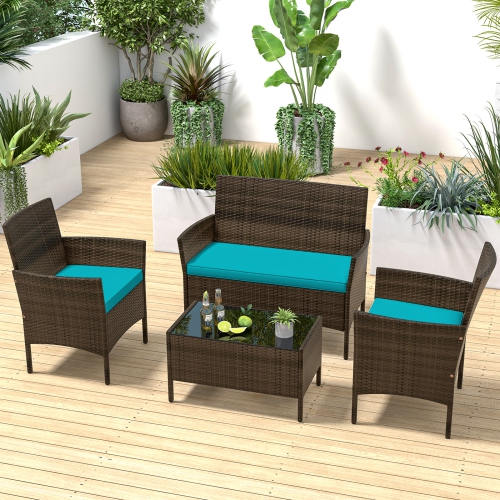 Your price for this item is $243.99
-
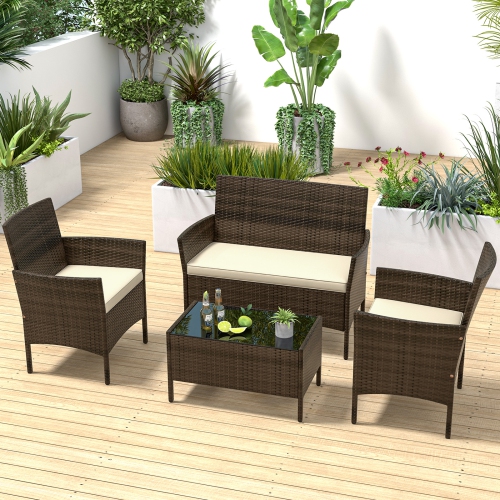 Your price for this item is $246.99
-
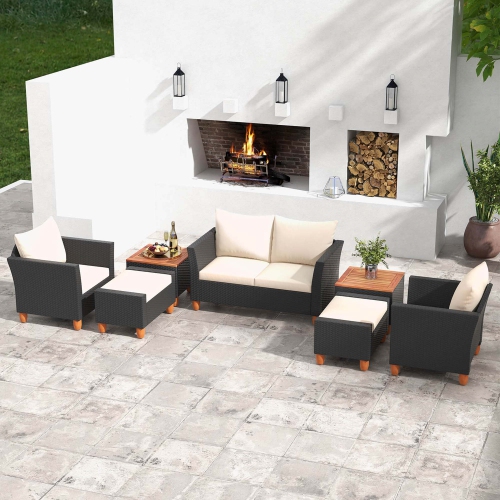 Your price for this item is $629.99
-
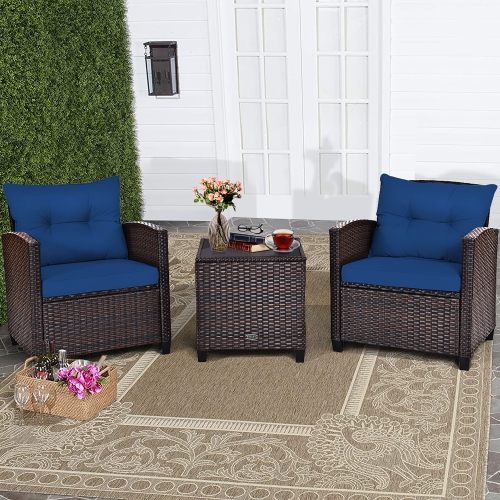 Your price for this item is $220.99
-
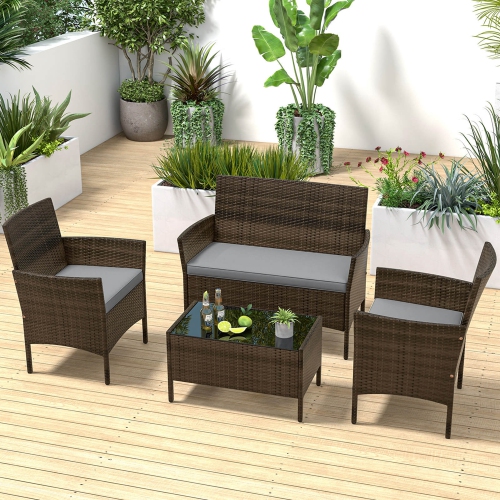 Your price for this item is $236.99
-
 Your price for this item is $229.99
-
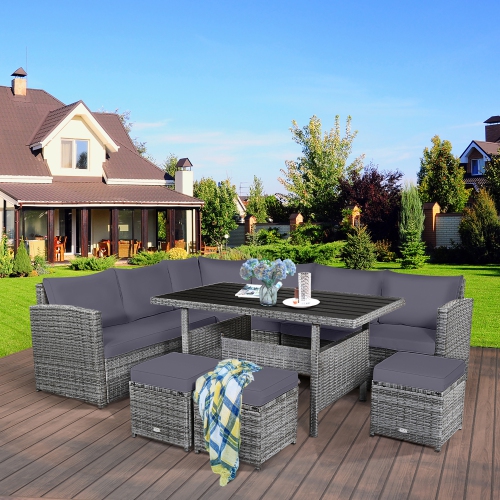 Your price for this item is $899.99
-
 Your price for this item is $654.99
Discover more categories related to Patio Storage Furniture

Top Collections:
Best Black Friday Deals This Year, Best Black Friday Deals On Electronics, Kindle Devices, Pokemon Centers, Best Black Friday Deals On Apple Products, Best Cameras for Sports Photography, Dyson Airwrap, Pokémon 30th Celebration Cards, Apple iPhone 17 Pro, Canon G7X Cameras
Some products may be subject to Environmental Handling Fees
(EHF) depending on your province.
Learn more about EHFs.