Patio Storage Sheds
Transform your outdoor space into a clutter-free oasis with our selection of patio storage sheds. Whether you need to stow away gardening tools, cushions, or seasonal decor, these sheds offer a stylish and practical solution for keeping your patio organized and tidy. With various sizes and designs to choose from, you can find the perfect storage shed to complement your outdoor aesthetic while providing ample space to store all your essentials. Say goodbye to outdoor clutter and hello to a more organized and enjoyable patio experience with our range of patio storage sheds.
Sort
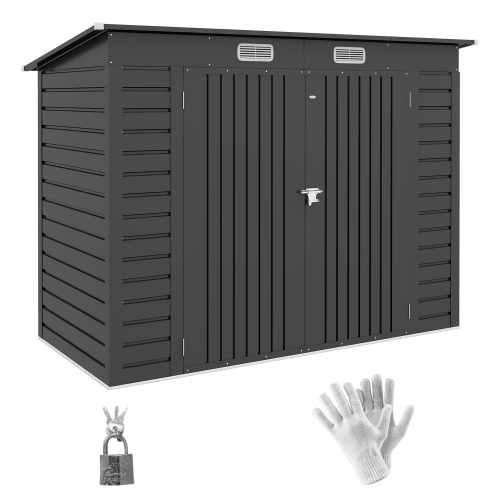
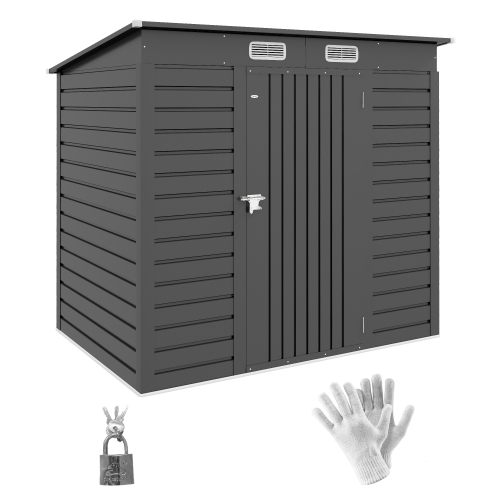
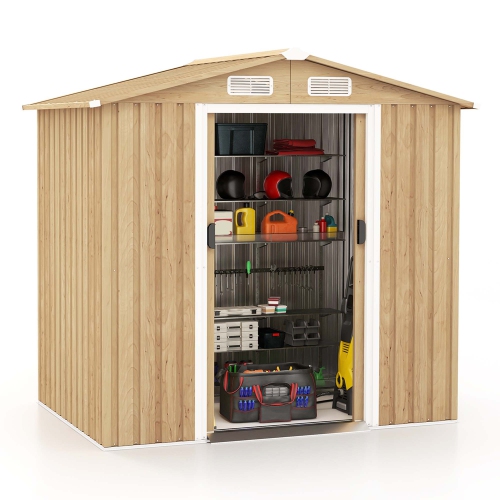
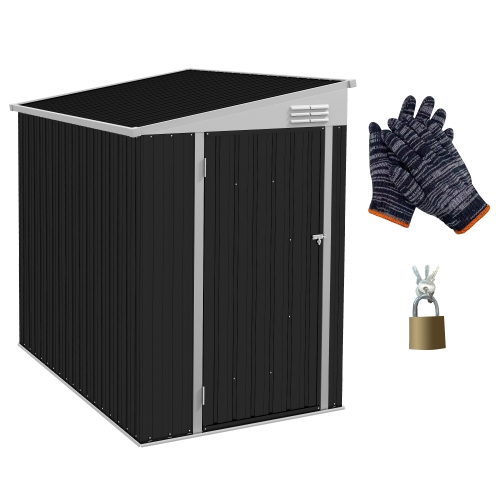
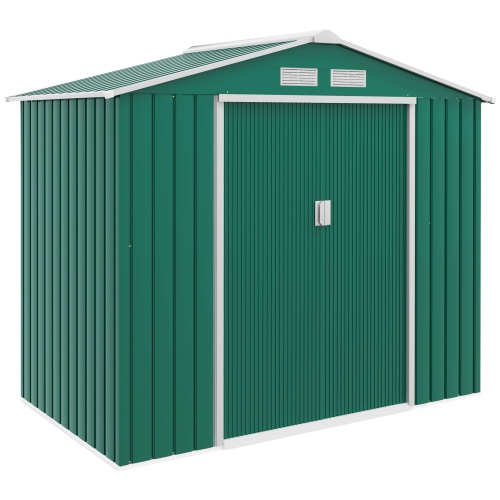
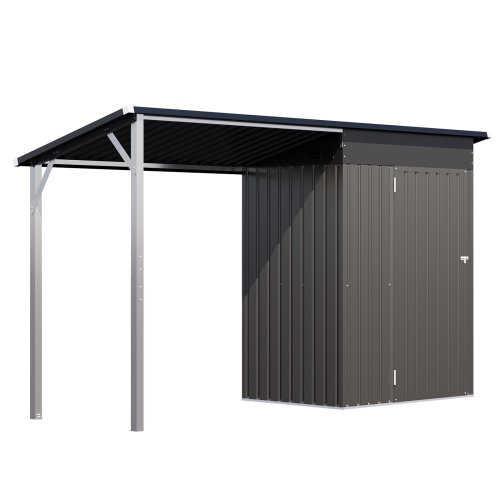
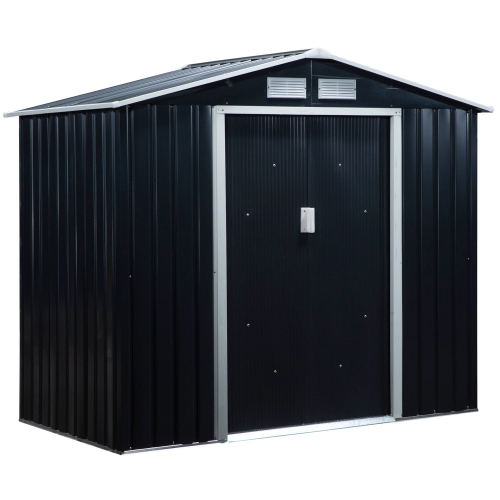
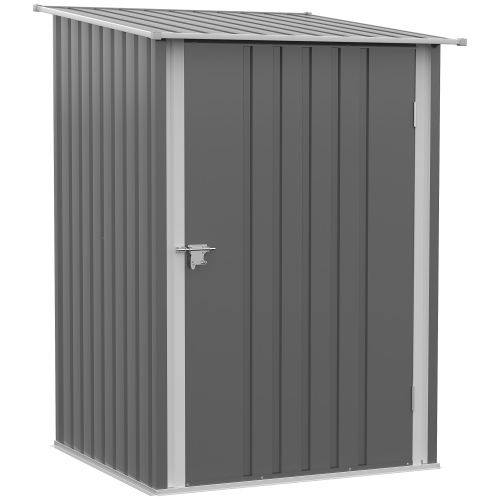
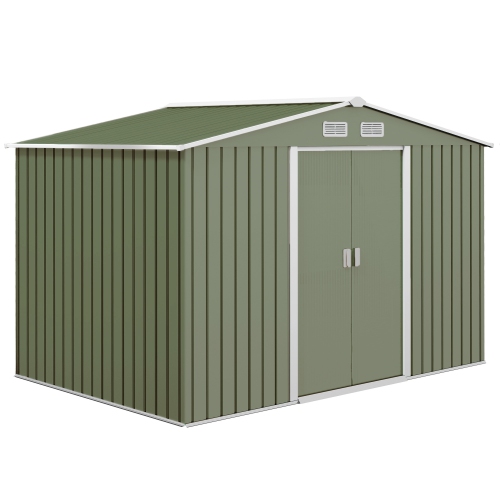
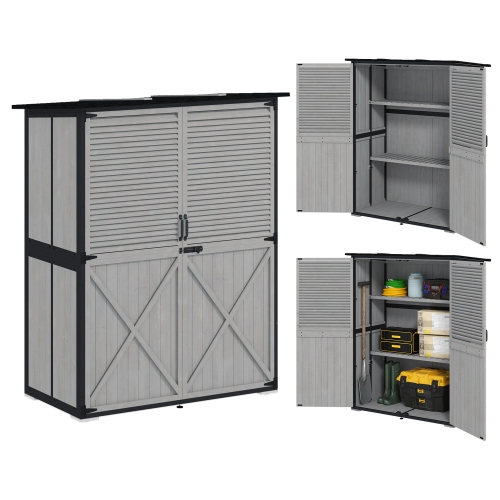
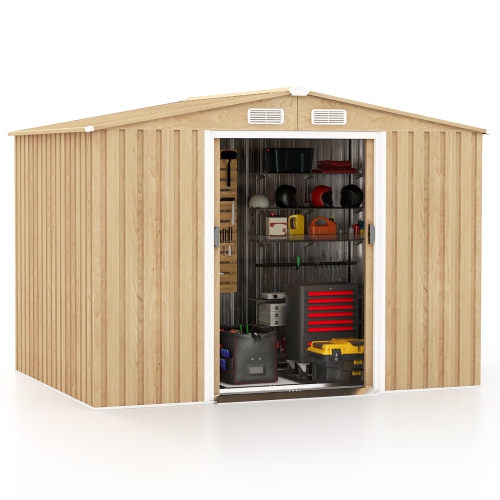
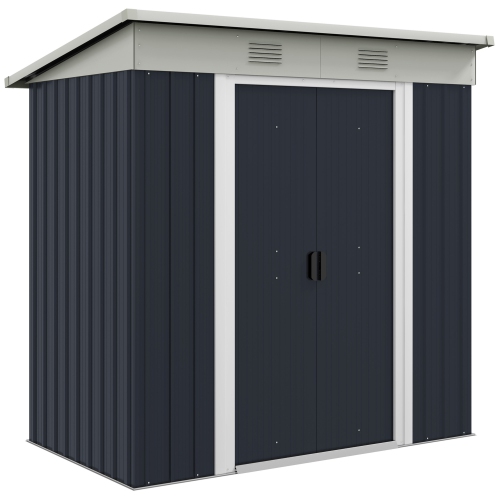
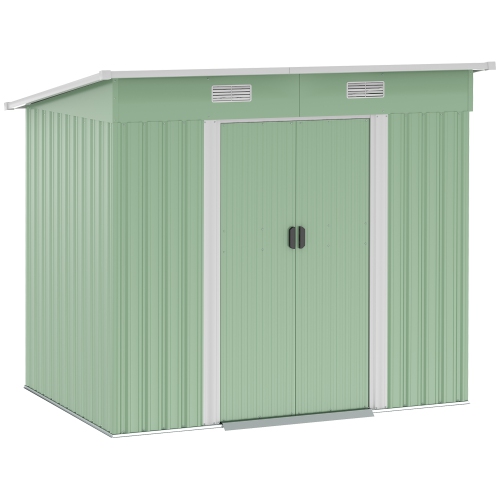
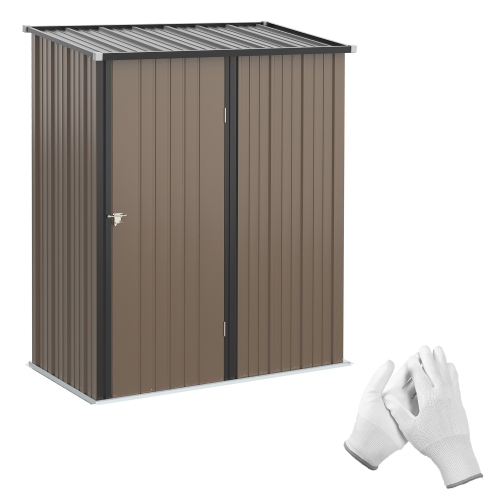
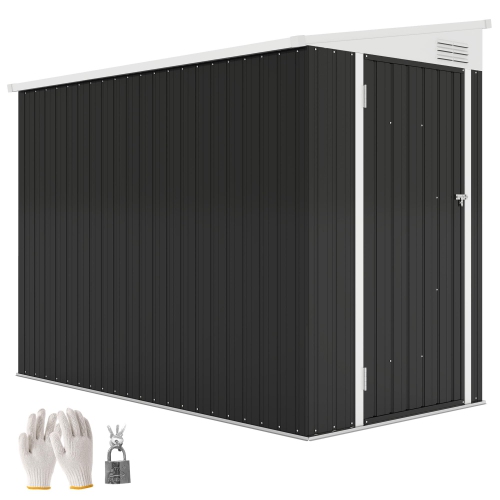
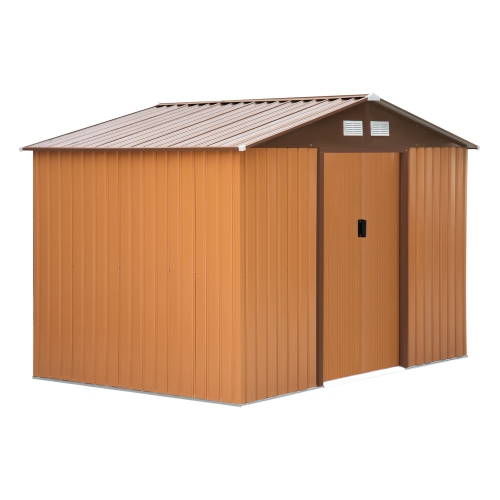
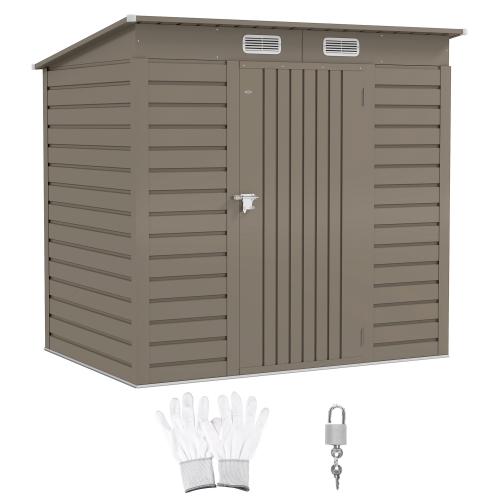
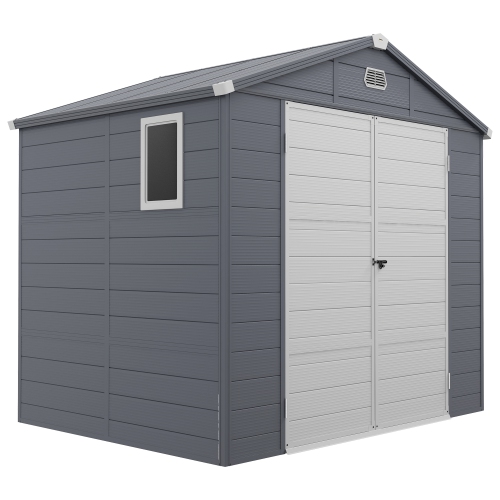
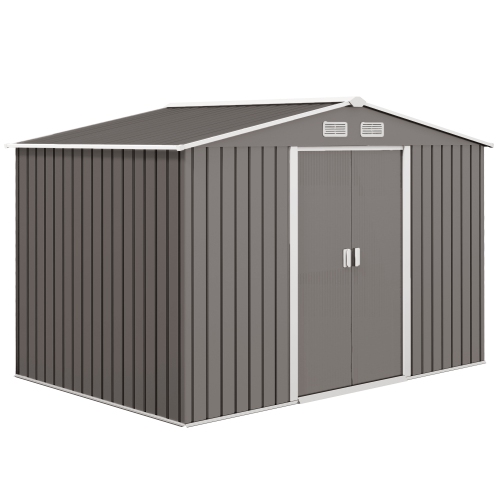
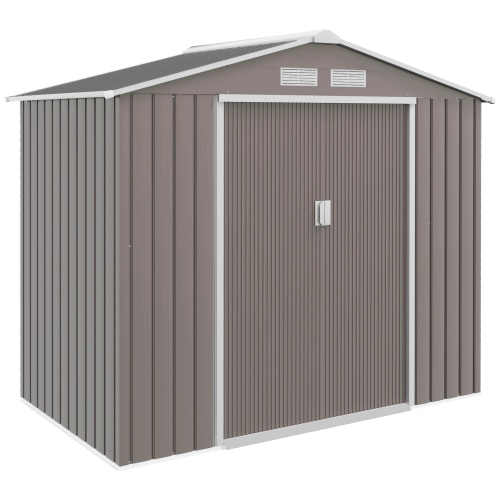
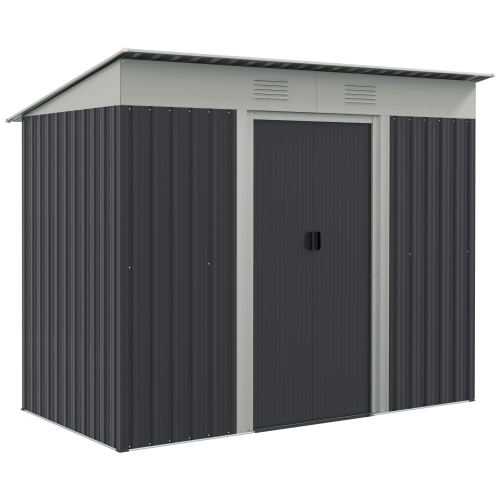
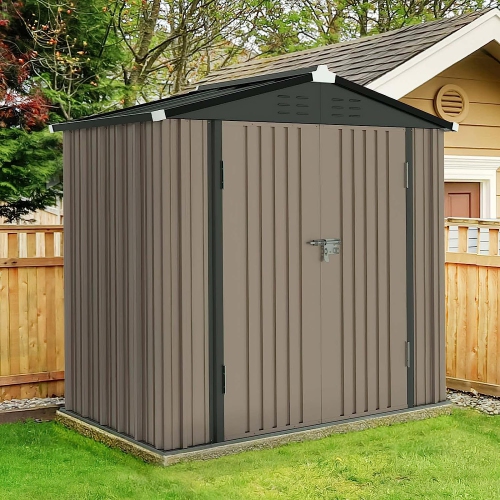
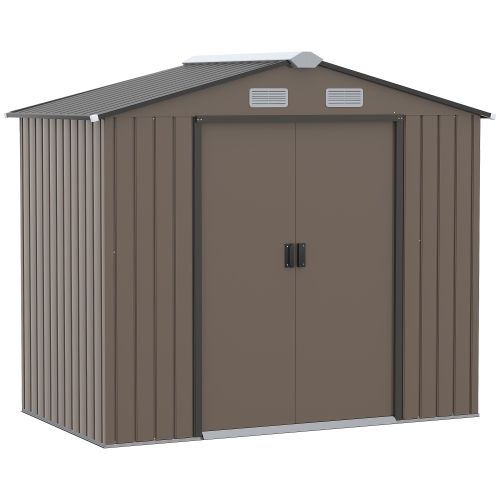
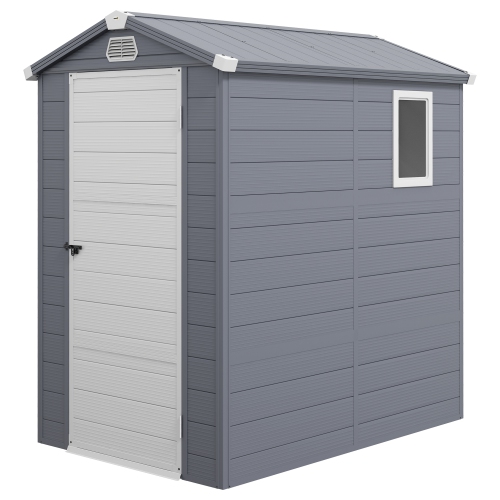
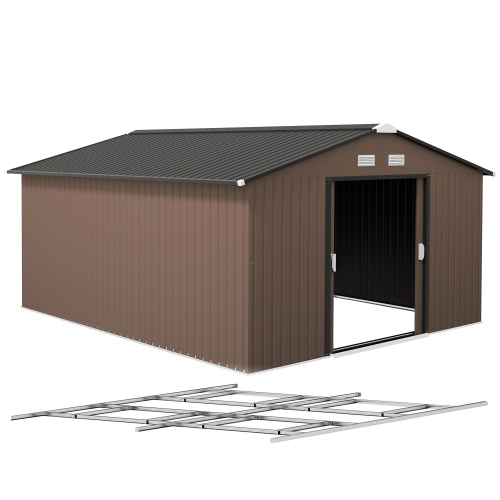
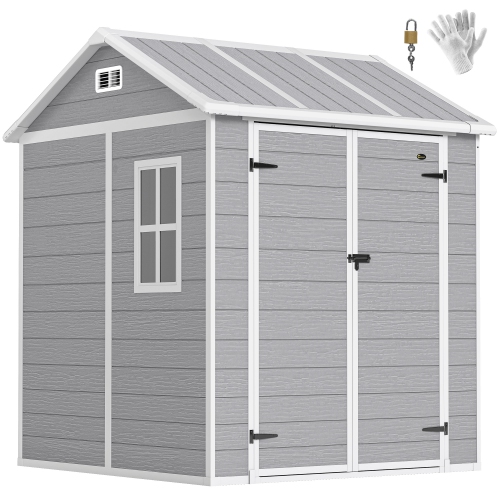
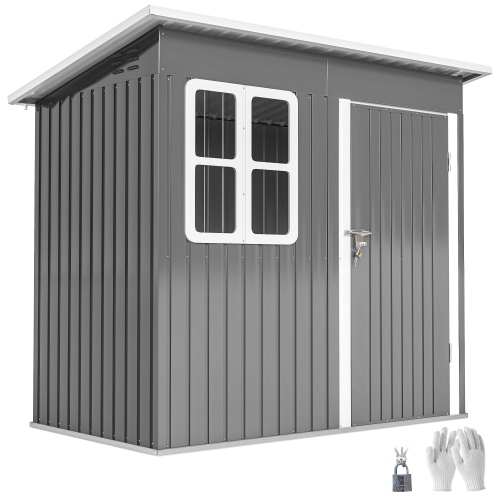
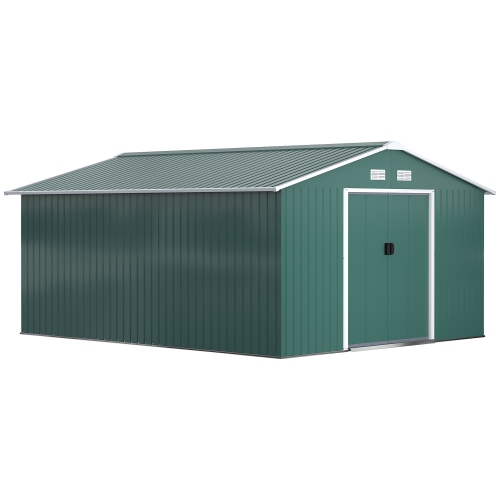
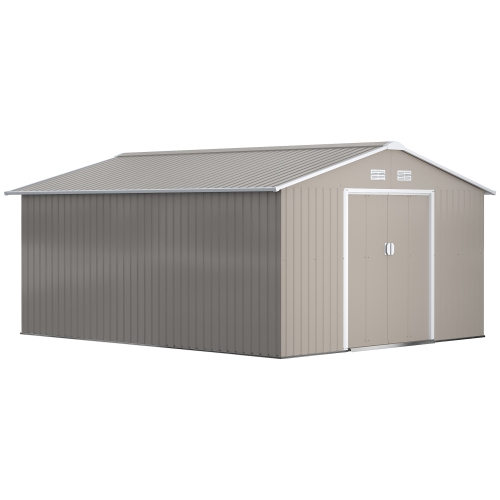
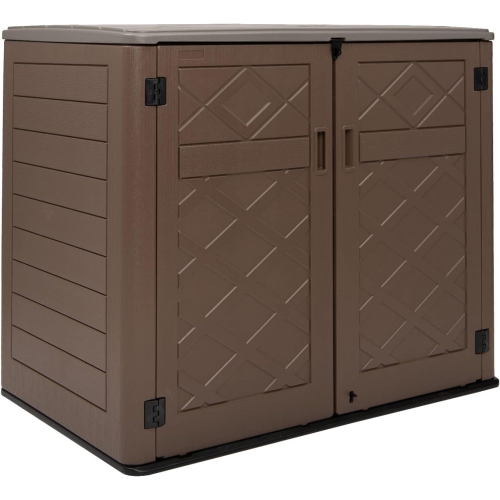
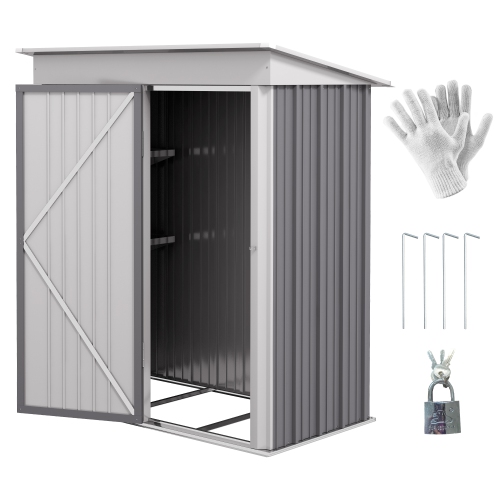
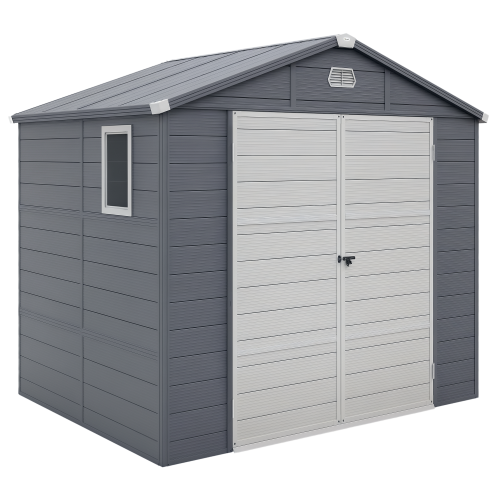
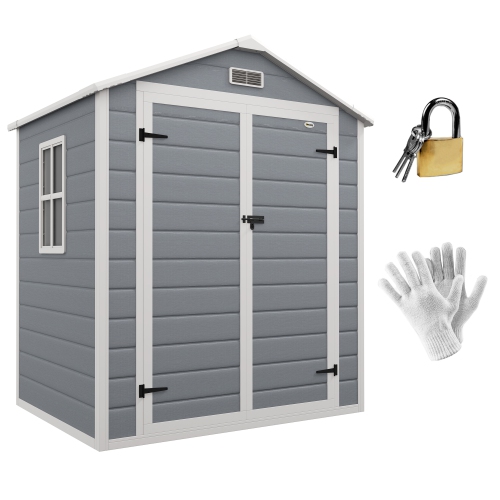
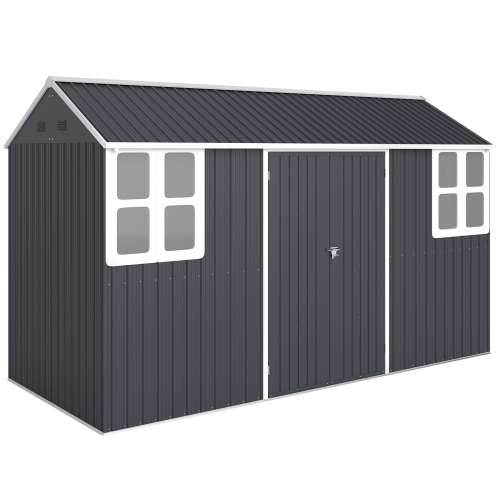
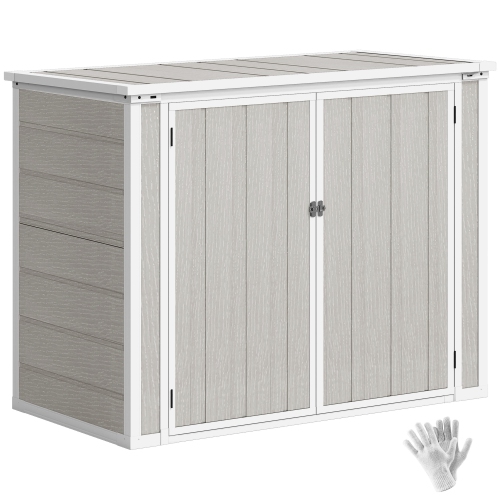
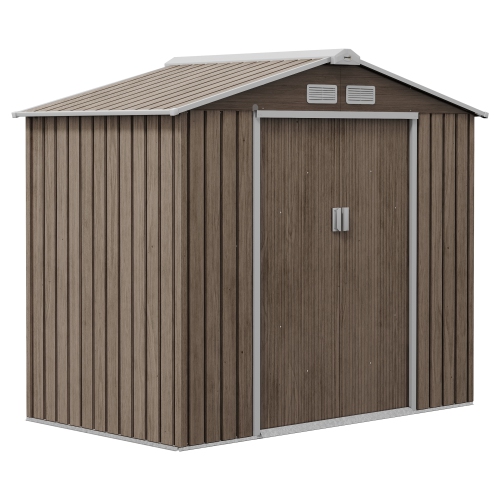
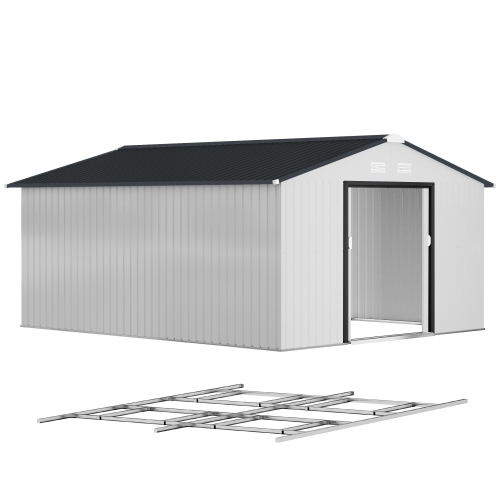
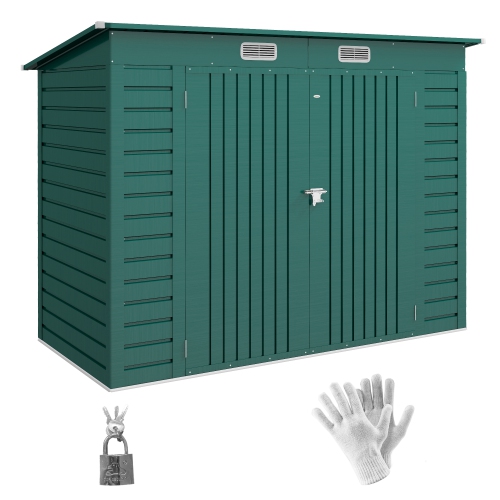
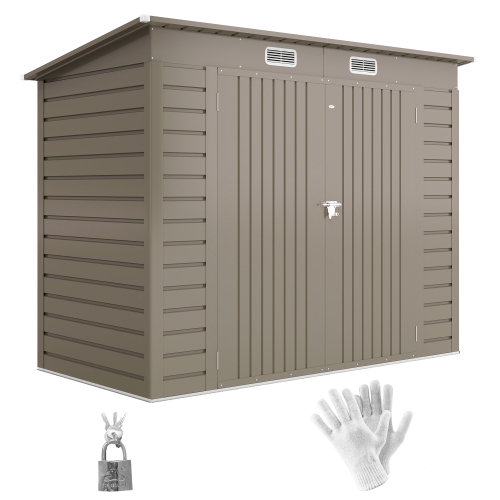
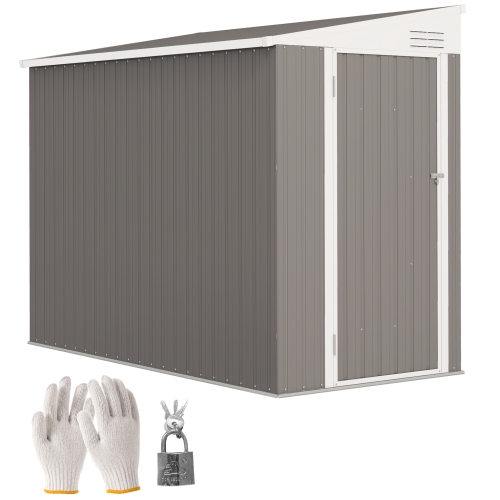
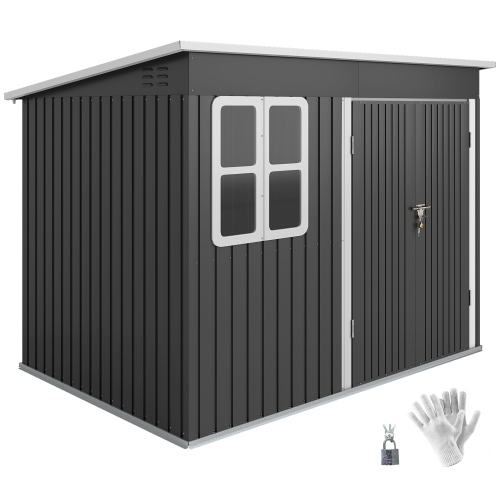
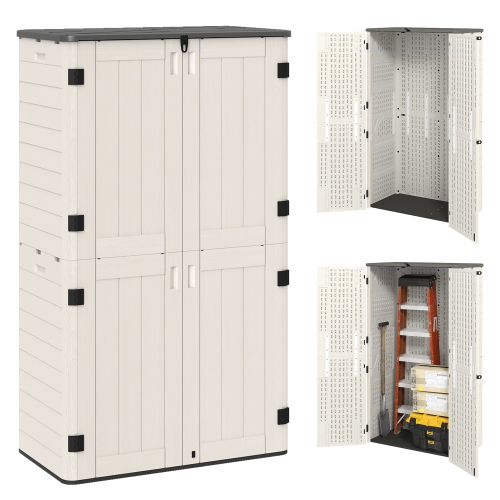
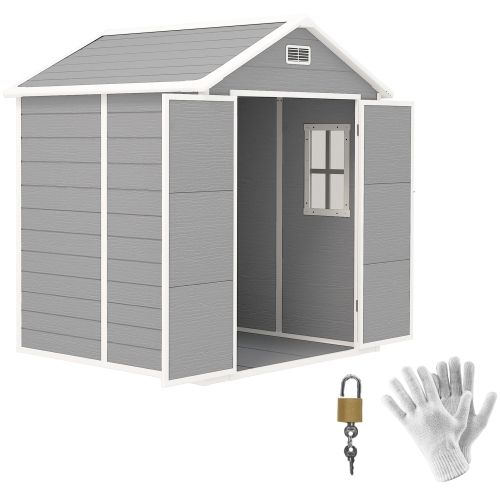
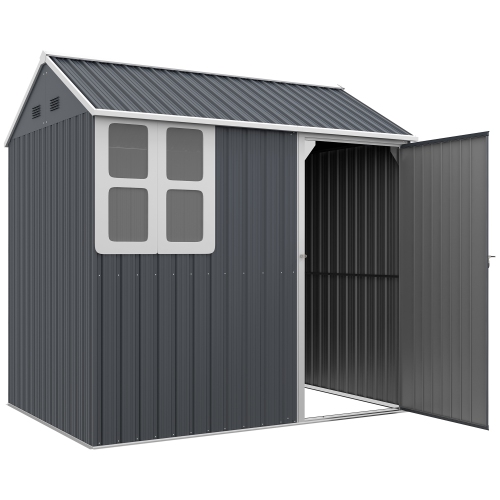
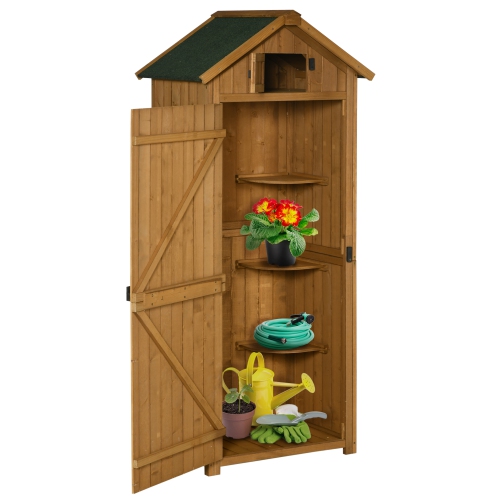
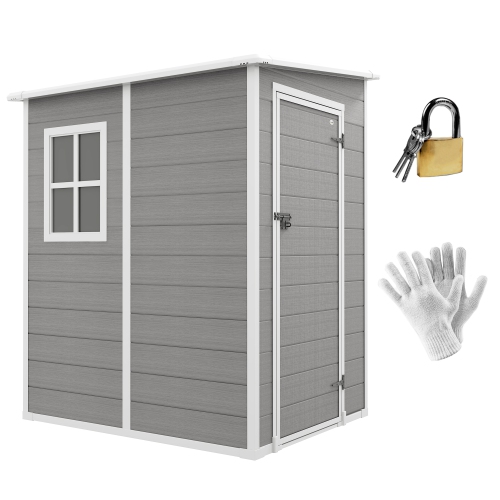
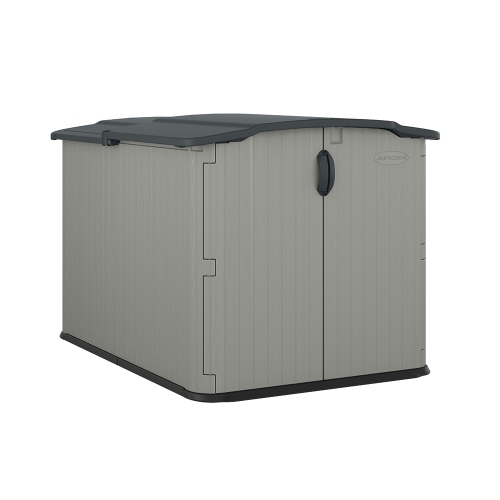
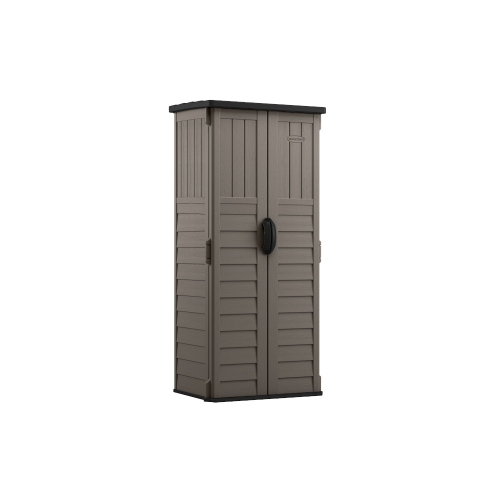
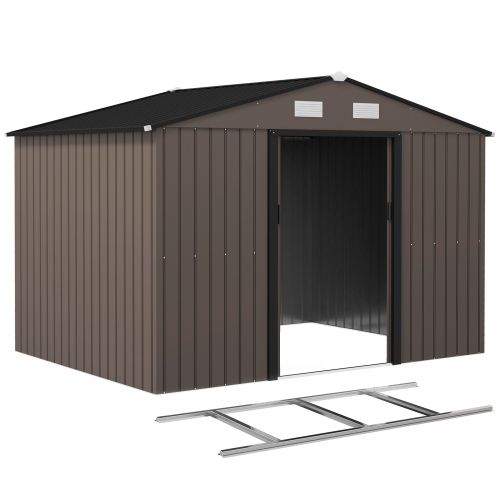
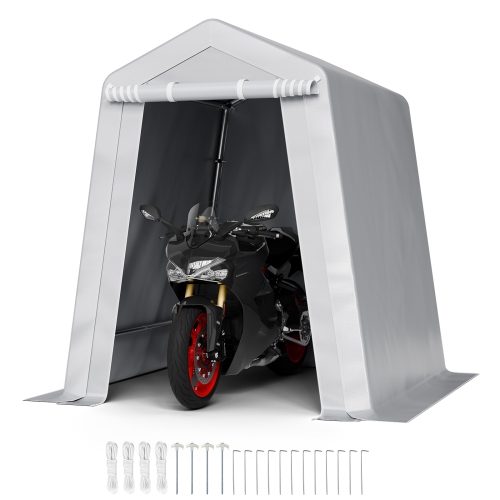
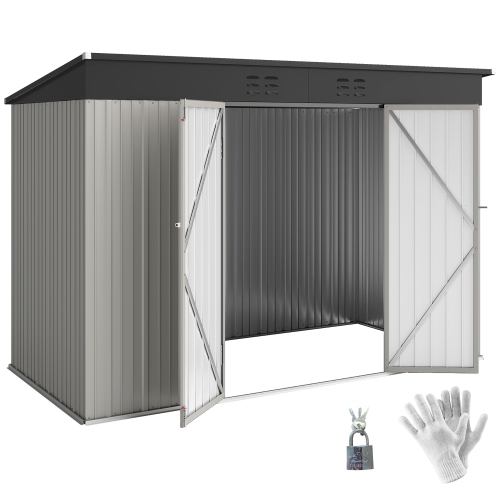
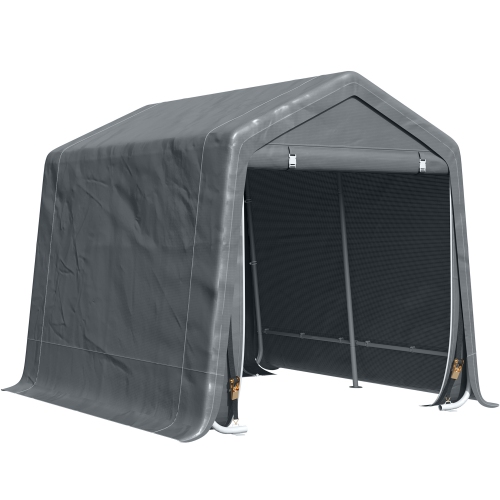
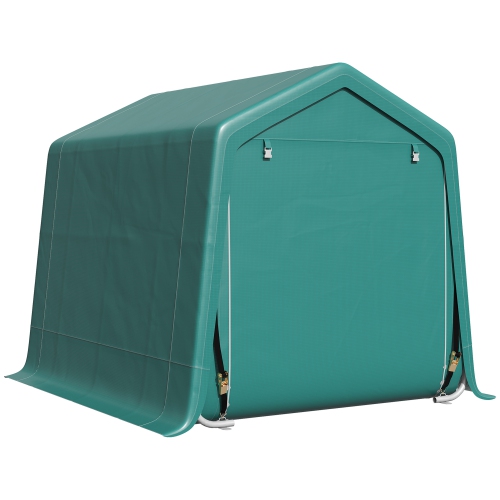
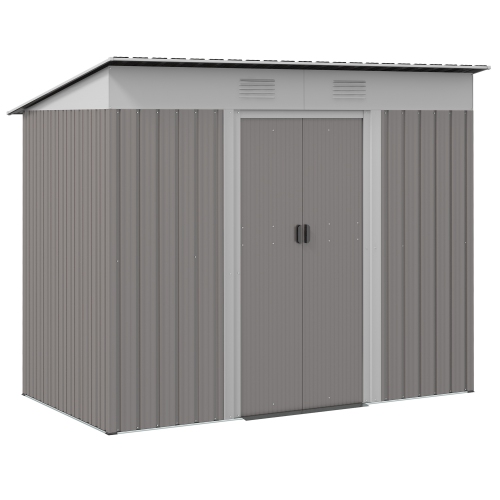
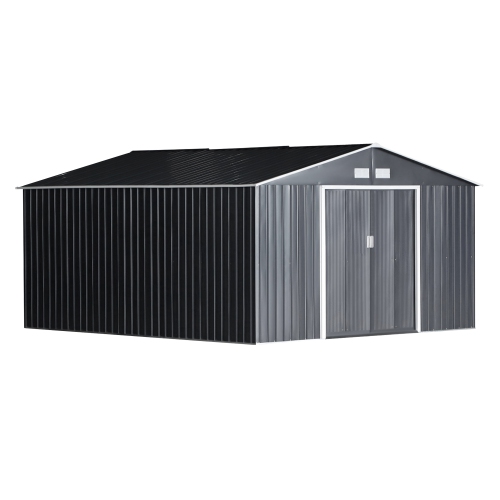
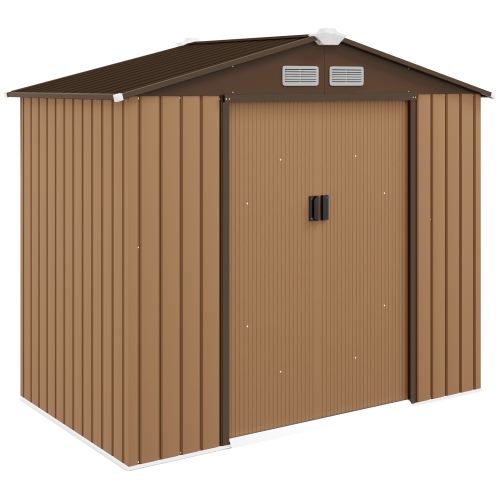
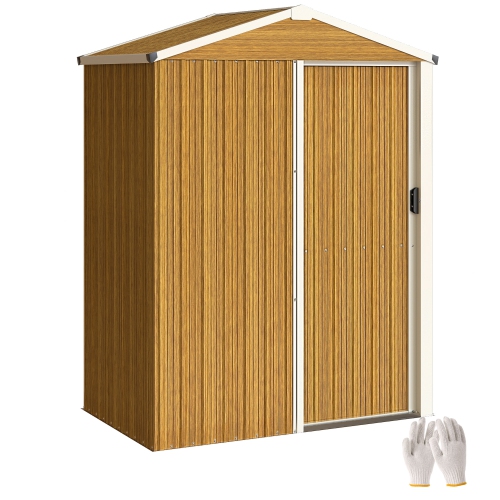
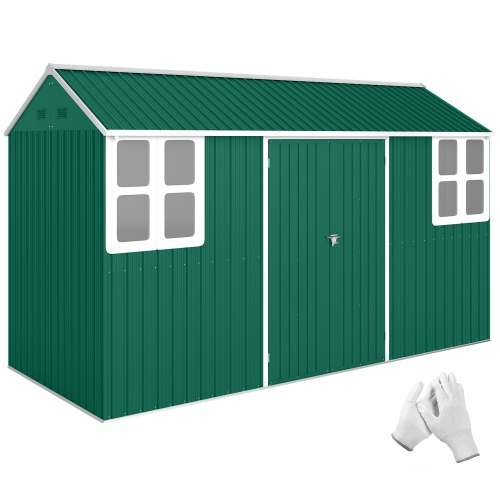
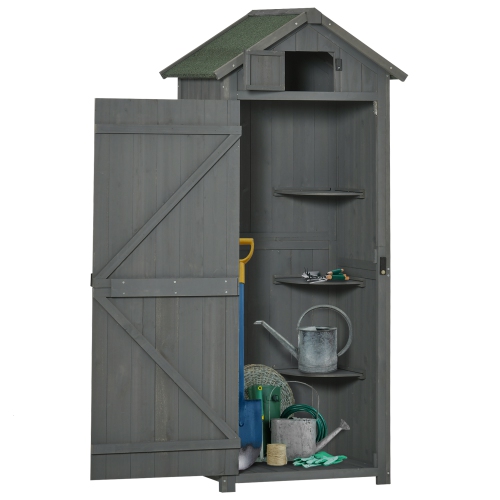
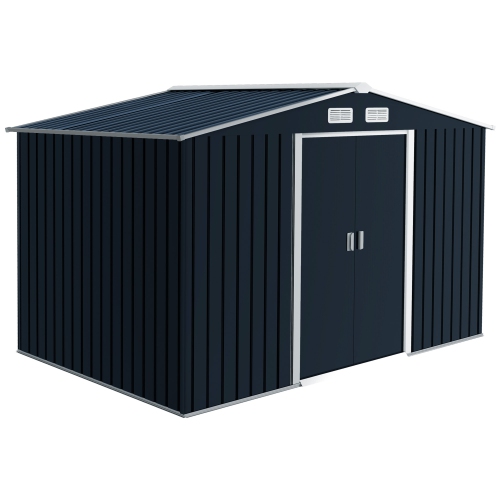
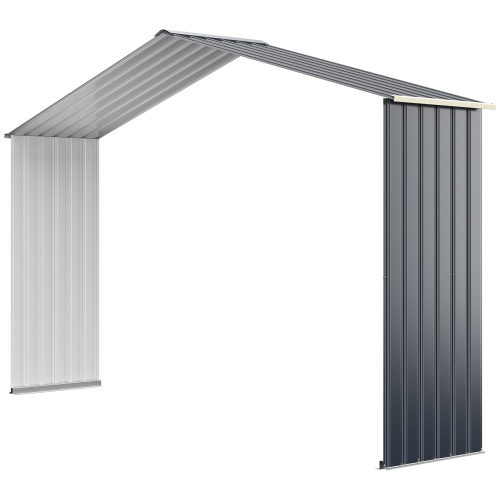
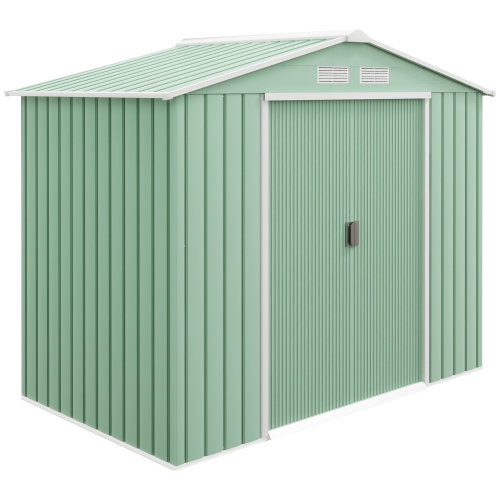
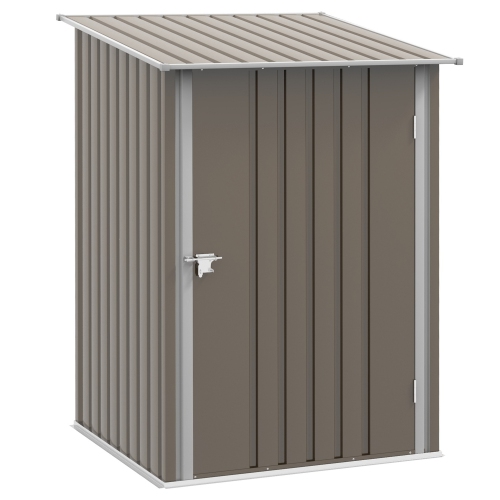
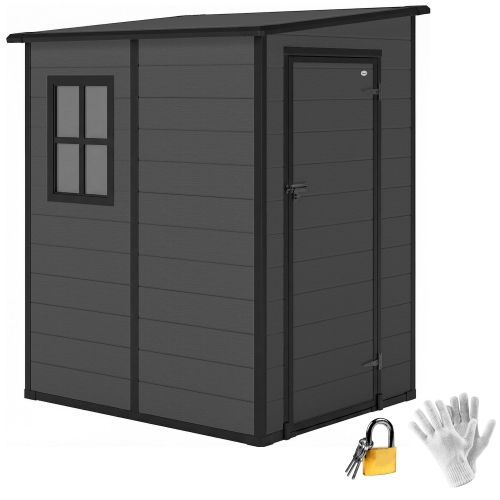
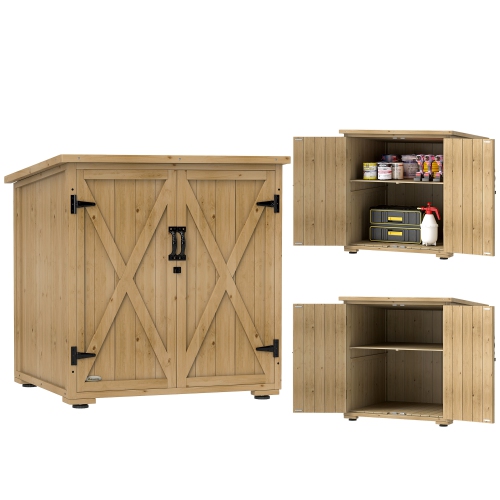
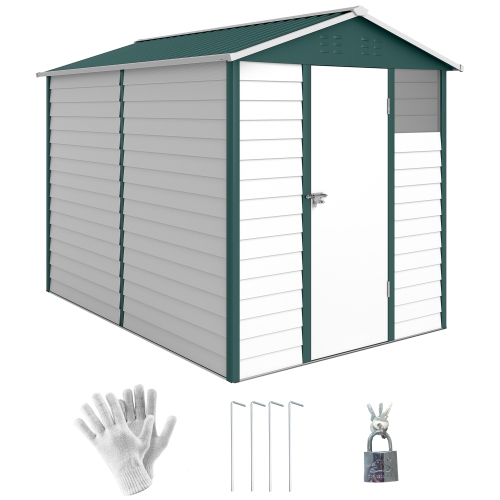
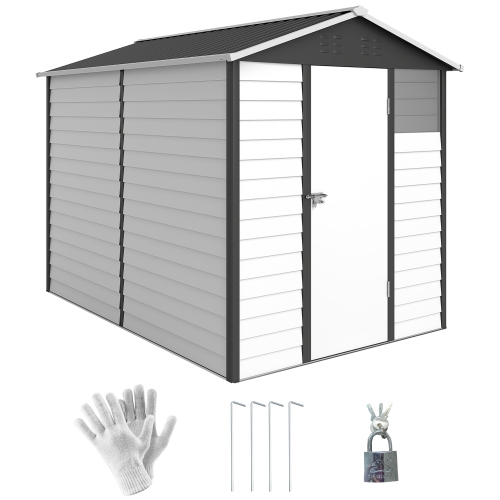
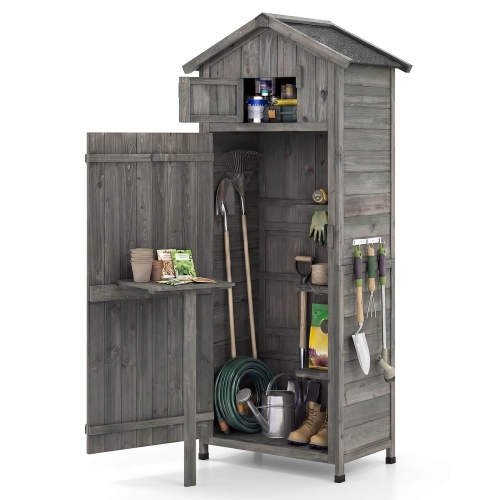
Room for outdoor essentials without crowding your patio
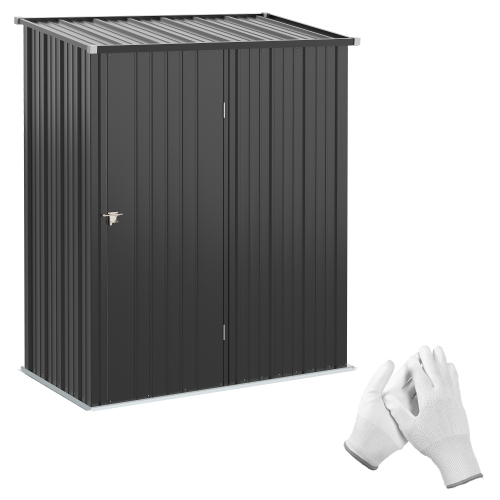
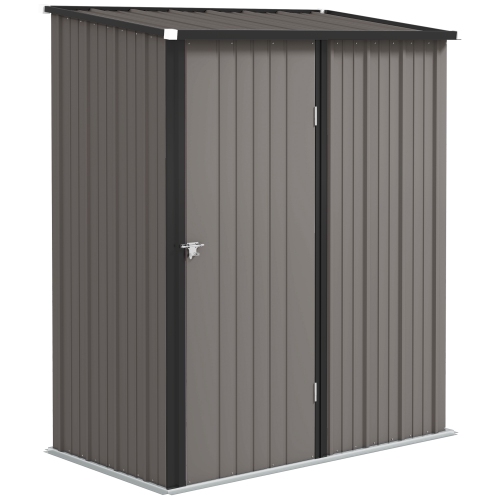
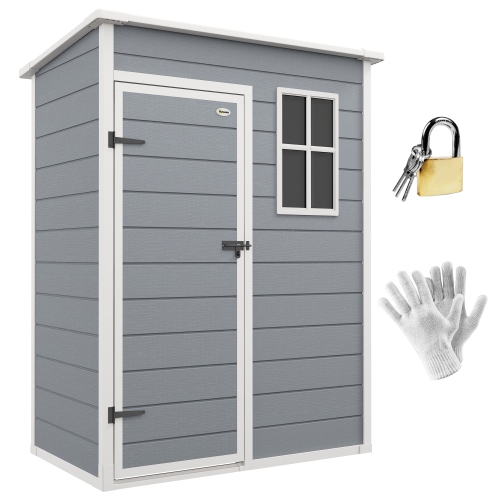
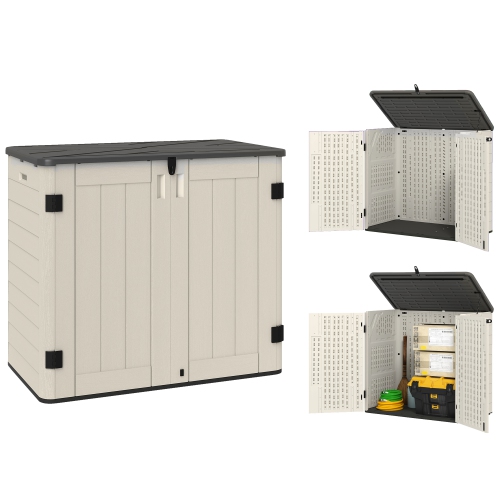
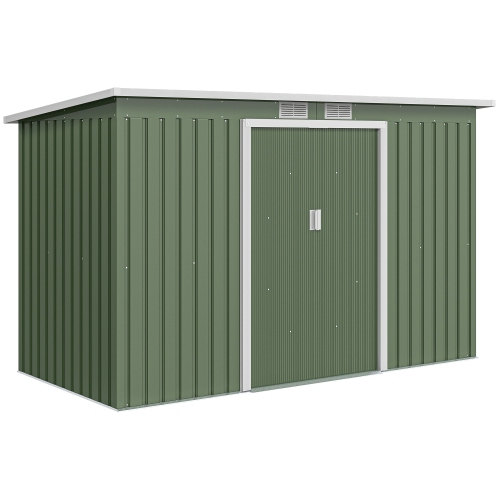
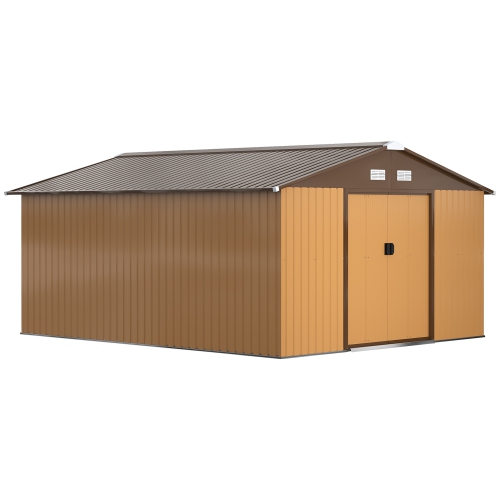
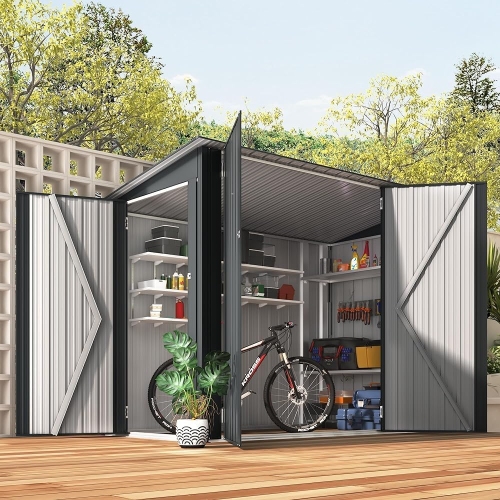
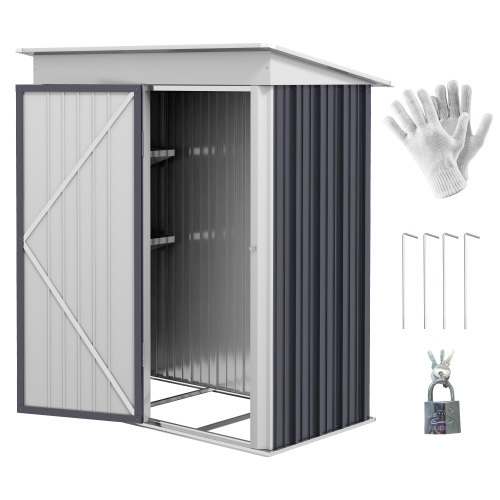
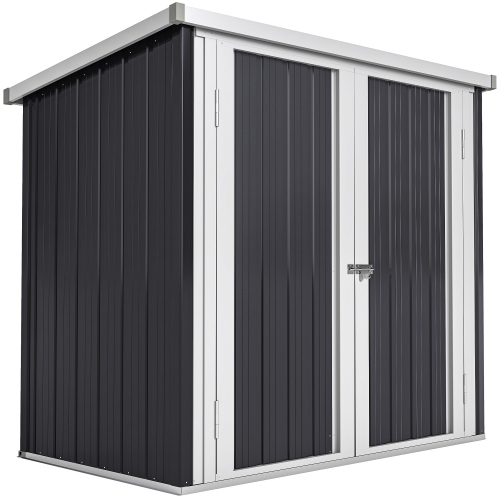
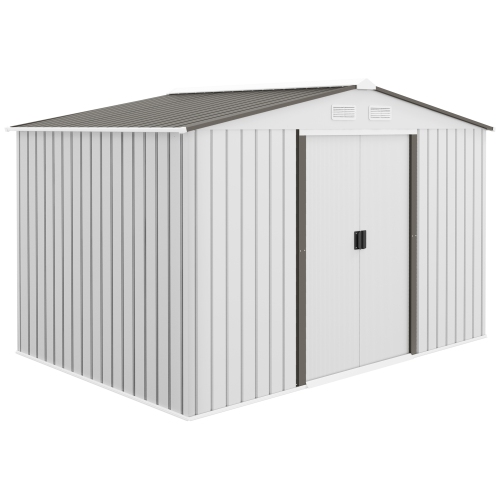
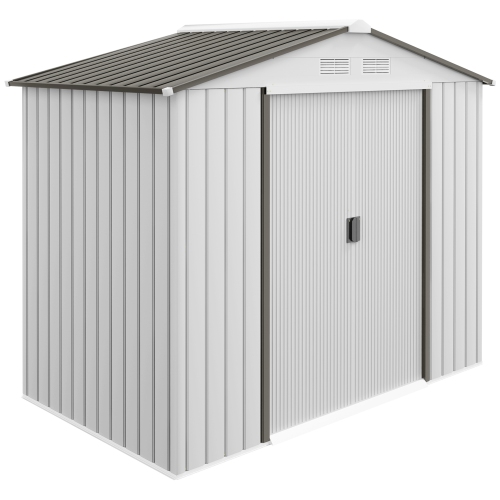
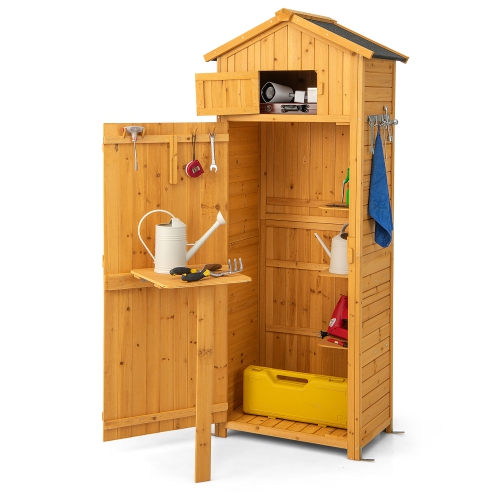
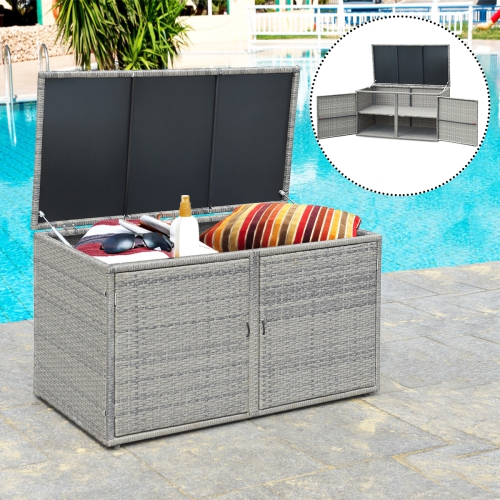
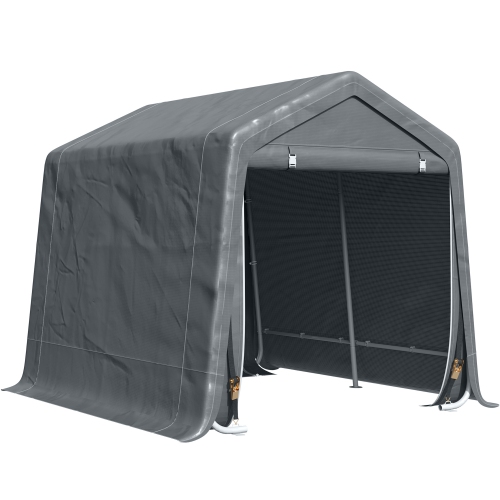
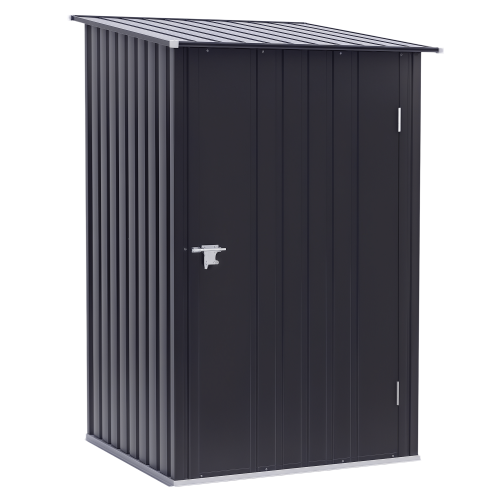
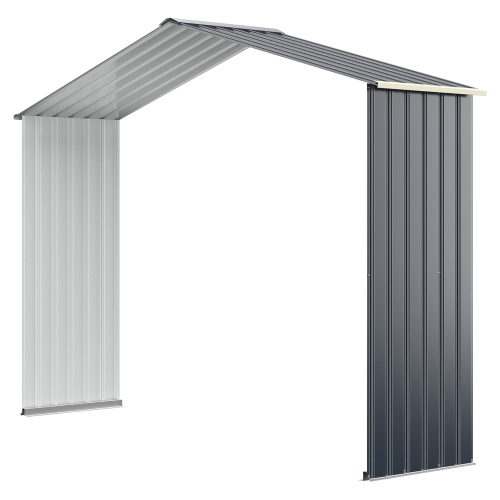
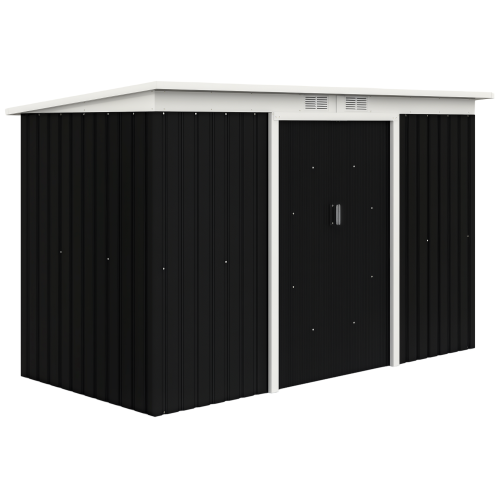
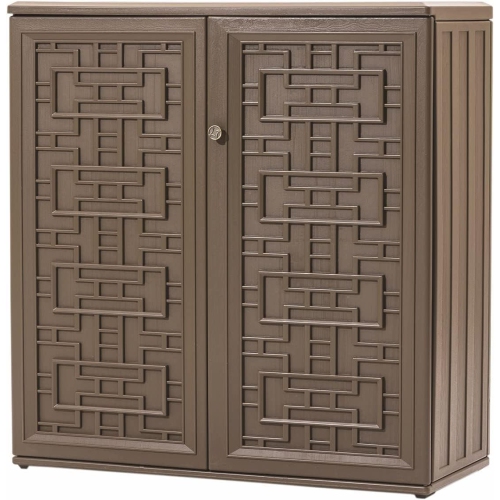
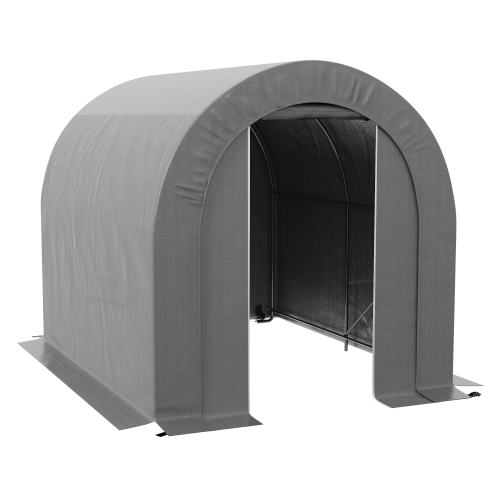
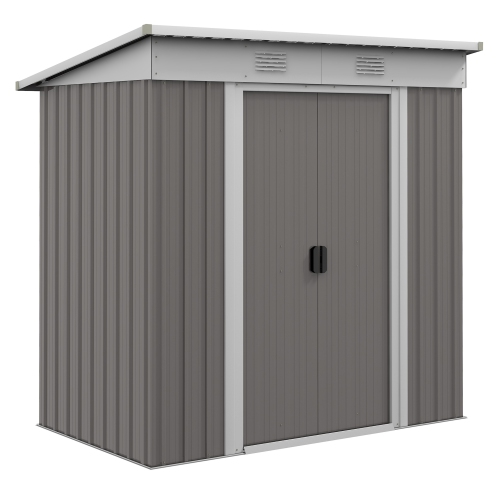
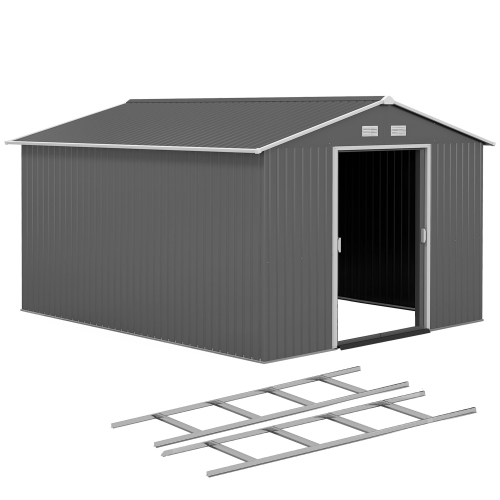
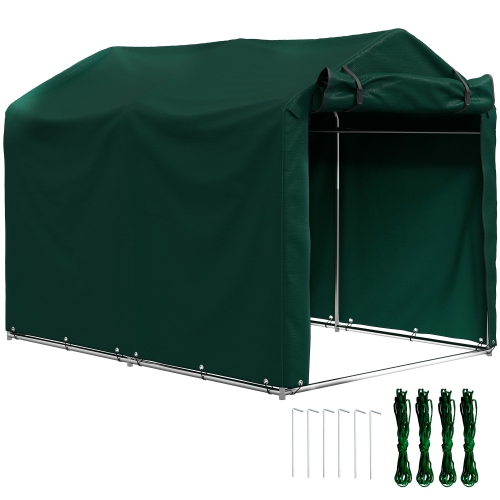
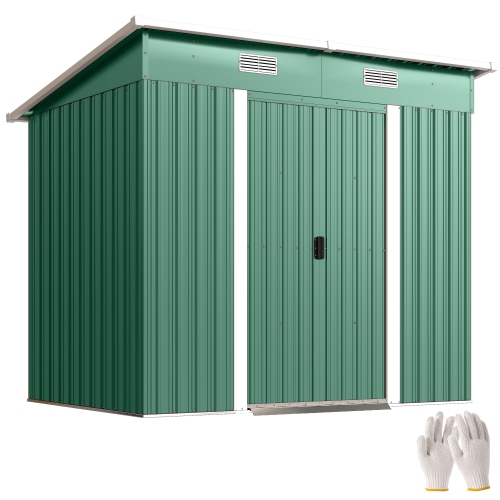
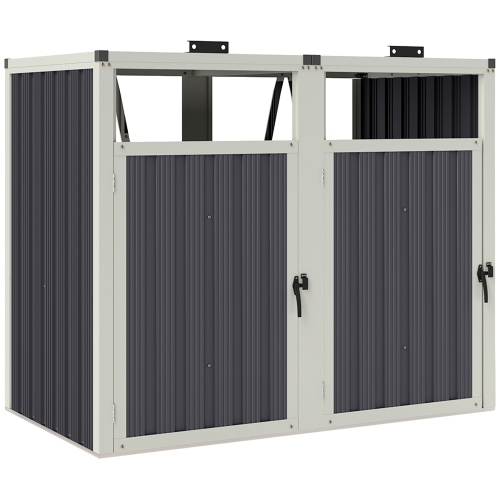
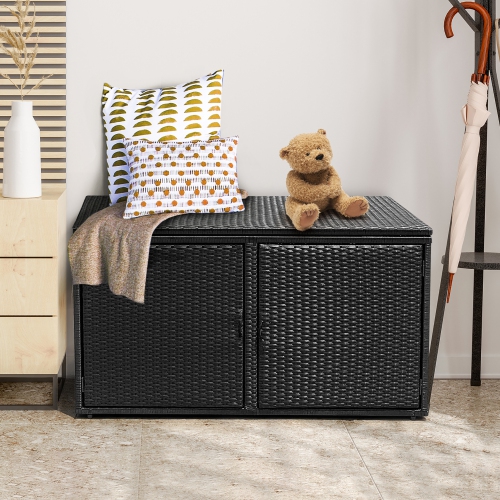
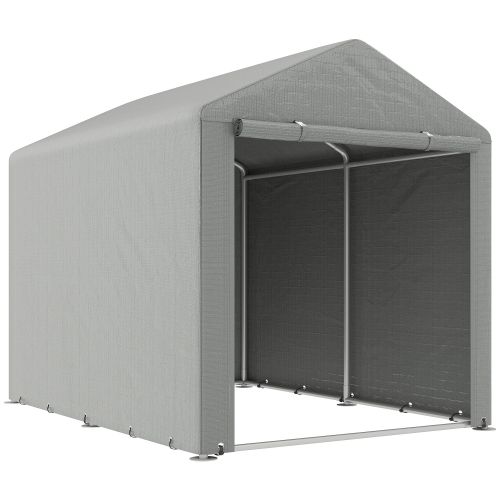
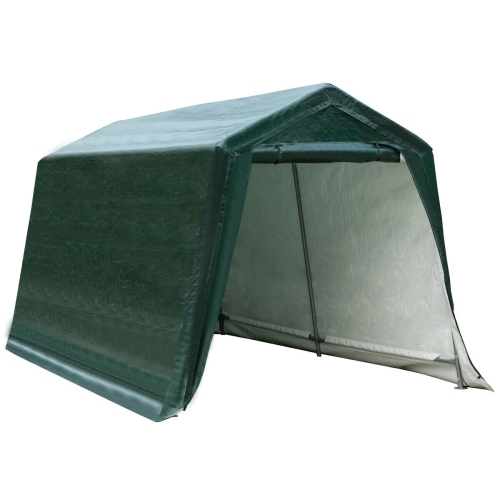
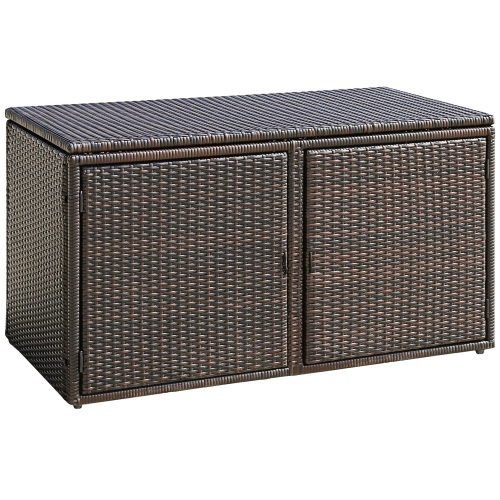
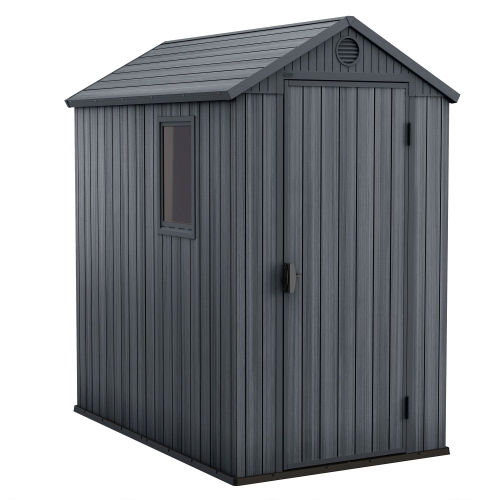
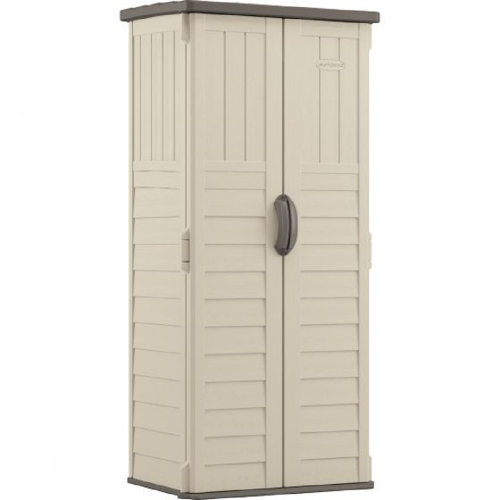
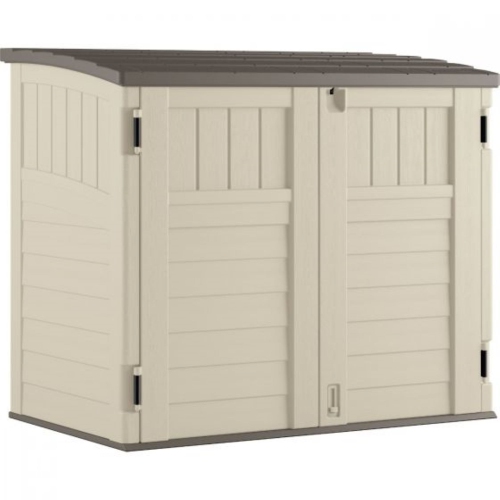
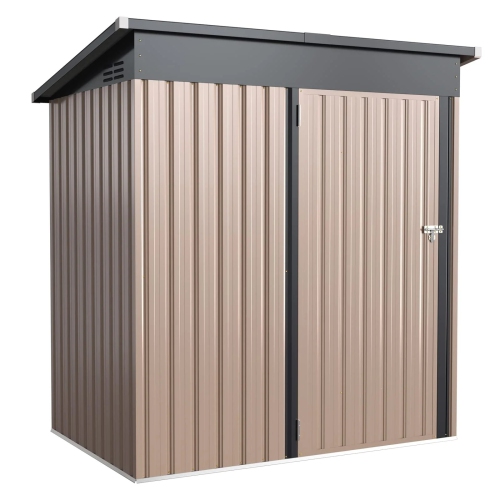
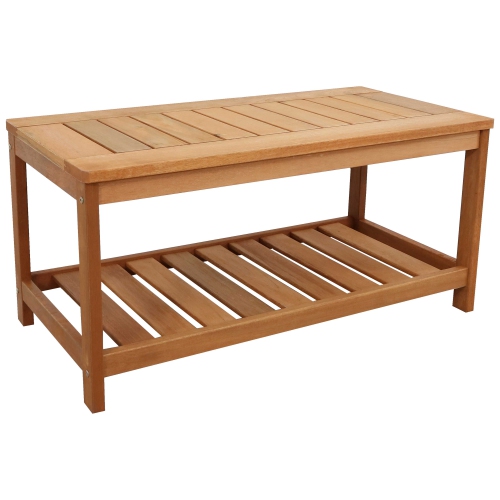
Patio storage sheds provide enclosed outdoor storage for the tools, accessories, and supplies that can otherwise crowd a seating area or spill out of a garage. Their main advantage is keeping frequently used belongings close to where they are needed without taking over the patio itself. A compact vertical shed can accommodate long-handled garden tools and shelving within a relatively narrow footprint, while a low-profile horizontal shed may suit watering cans, outdoor cushions, and smaller maintenance supplies. Larger walk-in designs offer room for bulkier equipment, although the usable interior matters more than the exterior measurements alone. Wall thickness, roof overhangs, shelving, and the door opening all affect what will fit. For example, a shed may have enough floor space for a folded lounge chair but a doorway too narrow to move it through comfortably. Measuring the largest belongings, including handles and wheels, helps establish the clearance needed for everyday access. Door movement deserves equal attention: hinged doors need unobstructed space in front, while sliding doors can be practical beside a walkway where a swinging panel would interfere with foot traffic. A lift-up lid can make a horizontal shed easier to load, provided there is enough clearance above it. For a small courtyard or townhouse patio, the most useful layout often leaves space to reach the back without unloading everything near the entrance. Taller storage can preserve room for seating, but shelves should remain within comfortable reach and heavier contents belong near the floor. Homeowners, gardeners, and households with shared outdoor spaces may each need a different arrangement, from neatly separated hand tools to an open section for wheeled equipment. Where storage needs are limited to small accessories beside a seating area, Patio Storage Tables offer a furniture-style alternative, while a shed is better suited to taller belongings and more substantial storage needs. Keeping those uses distinct helps maintain a patio that feels like a place to relax rather than an extension of the utility room.
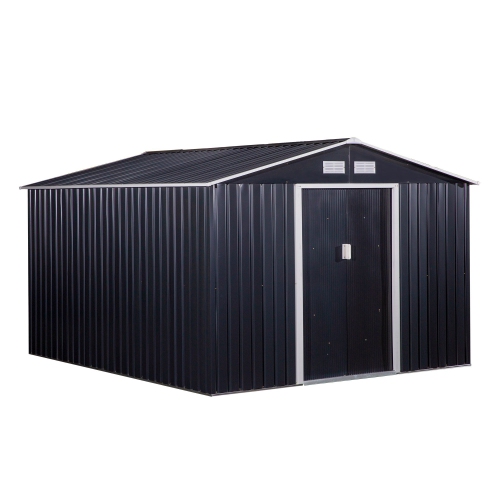
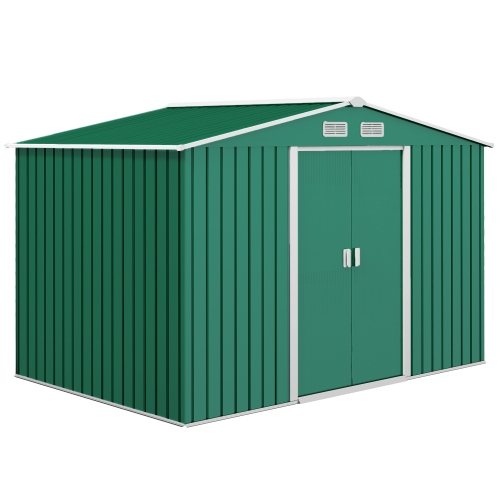
Materials influence a patio storage shed’s appearance, maintenance needs, and ability to withstand outdoor exposure. Resin sheds are commonly made from moulded plastic panels that do not rust and generally need only routine washing with mild soap and water. Textured finishes can give the walls a wood-like appearance without the same painting or staining requirements. Panel thickness, reinforcement, and connection points still matter, particularly around hinges, shelf supports, and the roof. UV-resistant construction can help limit deterioration from sunlight, but care requirements and resistance to fading vary by design. Metal sheds commonly use galvanized steel, sometimes with an additional painted or coated finish. They can provide a sturdy enclosure with relatively slim walls, although scratches that expose unprotected metal may need attention to help prevent corrosion. Sound assembly, suitable fasteners, and secure anchoring contribute more to stability than the material name alone. Metal walls can also develop condensation when conditions cause moisture in the air to collect on cold surfaces, making ventilation and a dry base important. Wood sheds offer a traditional appearance and may allow more flexibility for adding suitable hooks or shelving, depending on their framing. They usually require more ongoing attention, including checking joints, refreshing protective finishes, and keeping vulnerable edges away from standing water. Across all three material types, roof shape and water management deserve a close look. A sloped roof encourages runoff, while overhangs can reduce the amount of rain reaching the doorway. Neither feature makes a shed waterproof, and wind-driven rain or moisture rising from below can still affect its contents. Outdoor cushions and fabric accessories should be clean and fully dry before storage, with additional protection where recommended. Vent openings help air circulate, but they should remain clear rather than being blocked by stacked bags or cushions. For Canadian outdoor spaces exposed to snow, the manufacturer’s roof-load limits and snow-removal directions are important considerations. A shed’s suitability depends on its complete construction, installation, and stated limits, not simply whether it is described as resin, metal, or wood.
A well-positioned patio shed should be easy to use without restricting access to doors, gates, drainage points, or utility equipment. The base needs to be level, stable, and appropriate for the structure; uneven paving can twist the frame, leave doors rubbing, and create gaps where panels should meet. Some sheds include a floor, while others require a separate foundation or floor system, so the foundation requirements are worth confirming before planning the layout. An included floor does not remove the need for proper support underneath. On a deck or raised patio, the combined weight of the shed and its contents must also be compatible with the supporting structure. Anchoring should follow the manufacturer’s instructions and suit the surface beneath the shed rather than relying on stored belongings to hold it in place. Local bylaws, property setbacks, condominium rules, and rental agreements may affect where a structure can go or whether permission is needed. Once installed, a simple interior arrangement can make a small shed feel considerably more useful. Frequently reached-for tools belong near the entrance, narrow accessories can hang from approved wall supports, and labelled containers help separate loose fittings from garden supplies. Shelves and hooks should stay within their stated weight limits and attach only where the shed’s construction permits. A lockable handle or padlock provision can discourage casual access, but it does not make an outdoor shed theft-proof or suitable for every type of storage. Fuels, chemicals, batteries, and powered equipment may have specific storage requirements that an enclosed patio shed cannot meet. Routine care is generally straightforward: sweep out debris, keep roof drainage paths clear, inspect hinges and latches, and check for loose fasteners or damaged seals. Dirt collected along a door track can make access frustrating long before the shed itself shows wear. Leaving a little open space around stored belongings improves visibility and makes it easier to spot leaks or moisture. With the right proportions, dependable access, and care suited to its material, a patio storage shed can keep outdoor essentials organized while preserving room for chairs, planters, and comfortable movement.
Materials influence a patio storage shed’s appearance, maintenance needs, and ability to withstand outdoor exposure. Resin sheds are commonly made from moulded plastic panels that do not rust and generally need only routine washing with mild soap and water. Textured finishes can give the walls a wood-like appearance without the same painting or staining requirements. Panel thickness, reinforcement, and connection points still matter, particularly around hinges, shelf supports, and the roof. UV-resistant construction can help limit deterioration from sunlight, but care requirements and resistance to fading vary by design. Metal sheds commonly use galvanized steel, sometimes with an additional painted or coated finish. They can provide a sturdy enclosure with relatively slim walls, although scratches that expose unprotected metal may need attention to help prevent corrosion. Sound assembly, suitable fasteners, and secure anchoring contribute more to stability than the material name alone. Metal walls can also develop condensation when conditions cause moisture in the air to collect on cold surfaces, making ventilation and a dry base important. Wood sheds offer a traditional appearance and may allow more flexibility for adding suitable hooks or shelving, depending on their framing. They usually require more ongoing attention, including checking joints, refreshing protective finishes, and keeping vulnerable edges away from standing water. Across all three material types, roof shape and water management deserve a close look. A sloped roof encourages runoff, while overhangs can reduce the amount of rain reaching the doorway. Neither feature makes a shed waterproof, and wind-driven rain or moisture rising from below can still affect its contents. Outdoor cushions and fabric accessories should be clean and fully dry before storage, with additional protection where recommended. Vent openings help air circulate, but they should remain clear rather than being blocked by stacked bags or cushions. For Canadian outdoor spaces exposed to snow, the manufacturer’s roof-load limits and snow-removal directions are important considerations. A shed’s suitability depends on its complete construction, installation, and stated limits, not simply whether it is described as resin, metal, or wood.
A well-positioned patio shed should be easy to use without restricting access to doors, gates, drainage points, or utility equipment. The base needs to be level, stable, and appropriate for the structure; uneven paving can twist the frame, leave doors rubbing, and create gaps where panels should meet. Some sheds include a floor, while others require a separate foundation or floor system, so the foundation requirements are worth confirming before planning the layout. An included floor does not remove the need for proper support underneath. On a deck or raised patio, the combined weight of the shed and its contents must also be compatible with the supporting structure. Anchoring should follow the manufacturer’s instructions and suit the surface beneath the shed rather than relying on stored belongings to hold it in place. Local bylaws, property setbacks, condominium rules, and rental agreements may affect where a structure can go or whether permission is needed. Once installed, a simple interior arrangement can make a small shed feel considerably more useful. Frequently reached-for tools belong near the entrance, narrow accessories can hang from approved wall supports, and labelled containers help separate loose fittings from garden supplies. Shelves and hooks should stay within their stated weight limits and attach only where the shed’s construction permits. A lockable handle or padlock provision can discourage casual access, but it does not make an outdoor shed theft-proof or suitable for every type of storage. Fuels, chemicals, batteries, and powered equipment may have specific storage requirements that an enclosed patio shed cannot meet. Routine care is generally straightforward: sweep out debris, keep roof drainage paths clear, inspect hinges and latches, and check for loose fasteners or damaged seals. Dirt collected along a door track can make access frustrating long before the shed itself shows wear. Leaving a little open space around stored belongings improves visibility and makes it easier to spot leaks or moisture. With the right proportions, dependable access, and care suited to its material, a patio storage shed can keep outdoor essentials organized while preserving room for chairs, planters, and comfortable movement.
Top selling and popular products
-
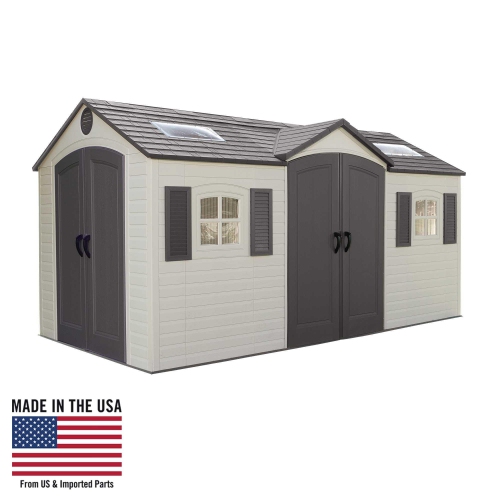 Your price for this item is $3999
 -
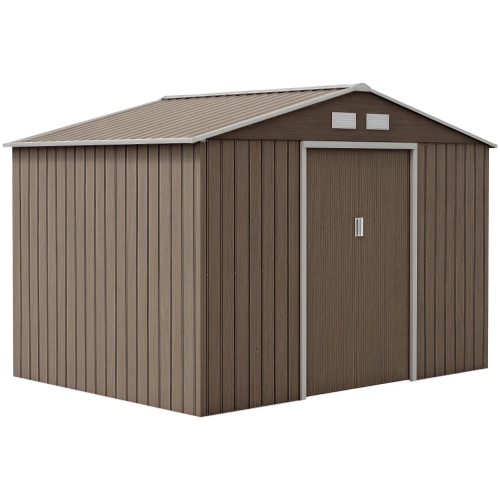 Your price for this item is $554.99
 -
 Your price for this item is $1204.99
 -
 Your price for this item is $385.99
 -
 Your price for this item is $113.35
 -
 Your price for this item is $459.99
 -
 Your price for this item is $189.99
 -
 Your price for this item is $79.99
Discover more categories related to Patio Storage Sheds
Top Collections:
Pokemon Centers, Kindle Devices, Best Budget Office Chairs, Apple iPhones 16, Best Laptops for Writers, iPhone 15 Apple, Canon G7X Cameras, Refurbished Apple Laptops, Alarm Clock, Motorola Razr Phones
Some products may be subject to Environmental Handling Fees
(EHF) depending on your province.
Learn more about EHFs.