Garden Storage Sheds
When it comes to keeping your outdoor space organized and clutter-free, garden storage sheds are a practical solution. These versatile structures offer ample room to store your gardening tools, equipment, and seasonal items, helping you maintain a tidy and functional backyard or garden. With a variety of sizes, styles, and materials to choose from, finding the perfect garden storage shed to suit your needs and complement your outdoor aesthetic is easy. Explore our selection of garden storage sheds to find the ideal solution for your outdoor storage needs.
Sort
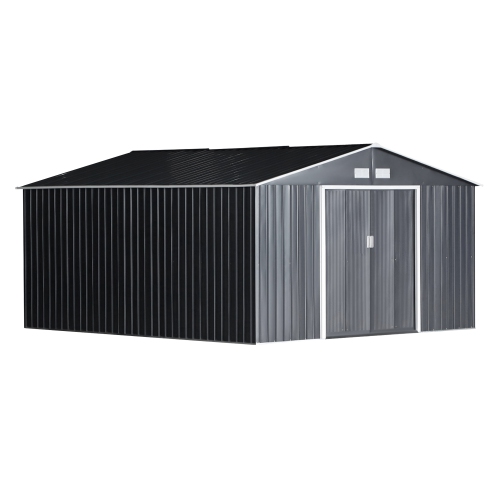
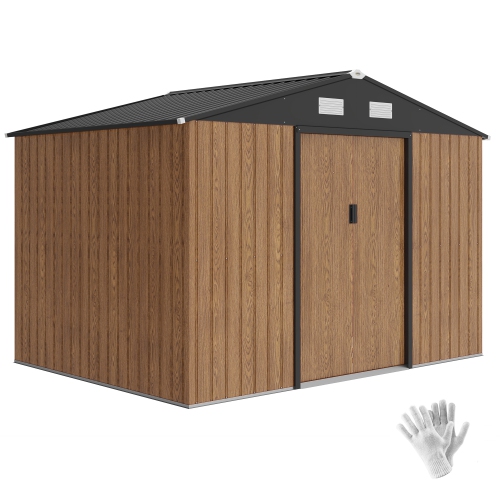
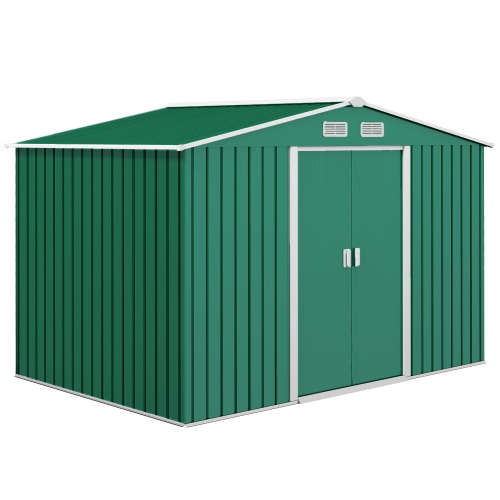
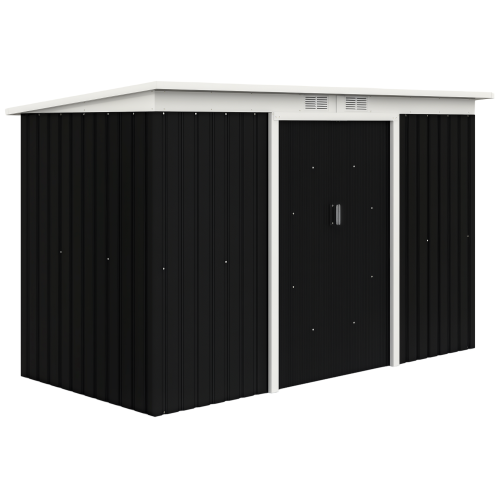
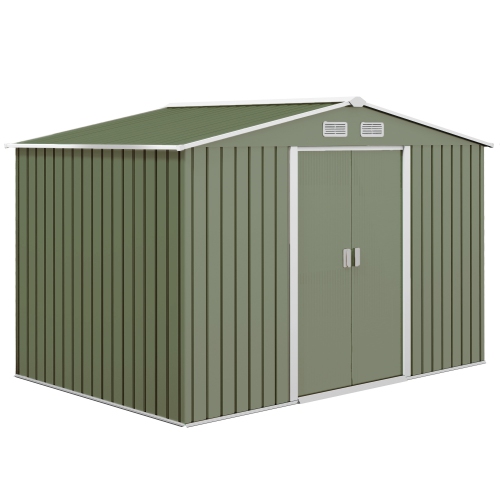
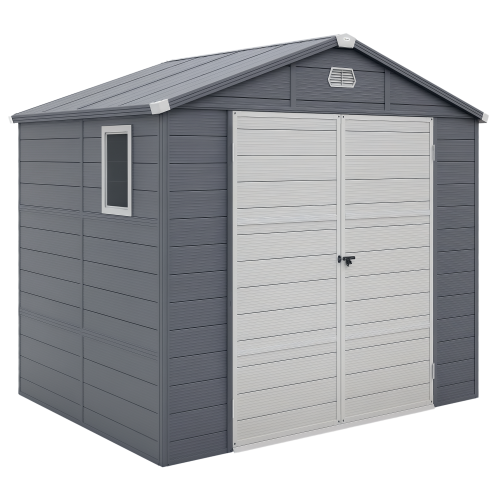
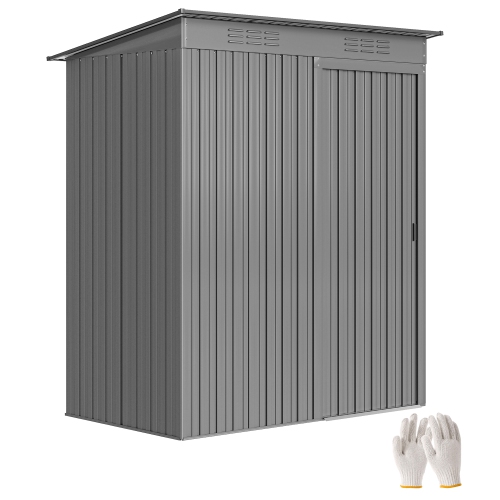
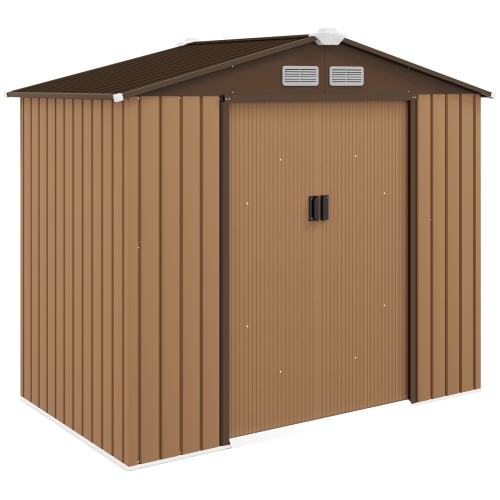
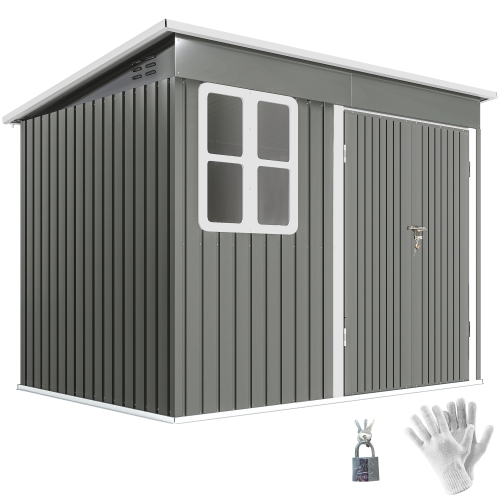
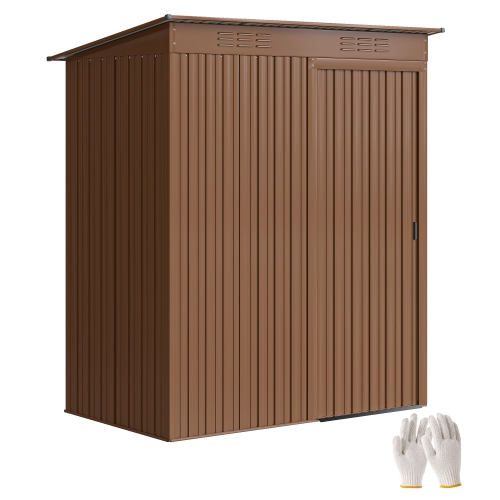
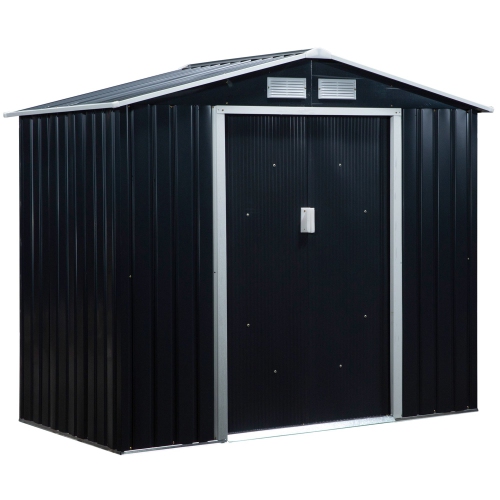
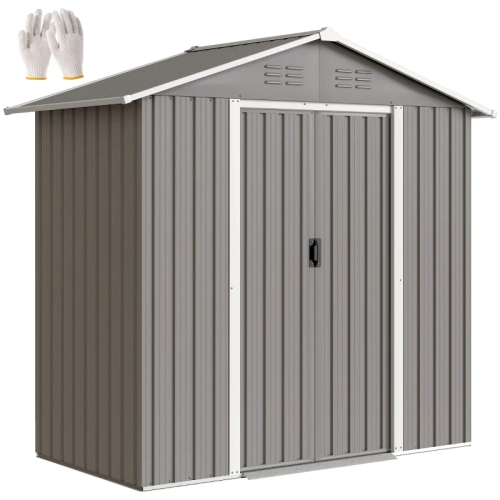
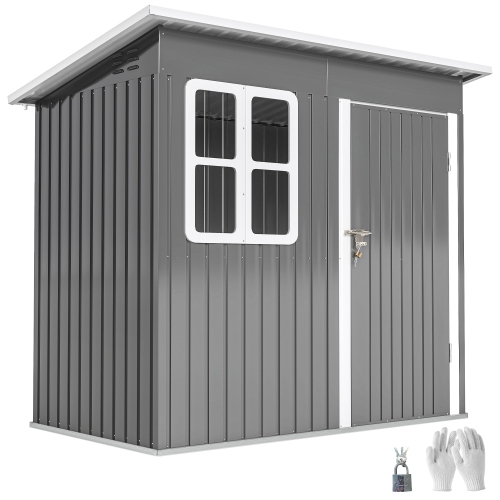
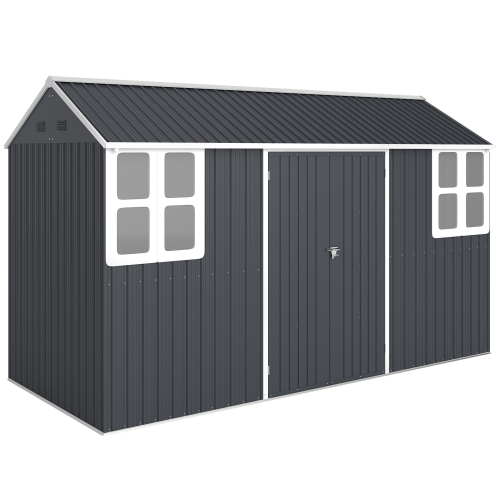
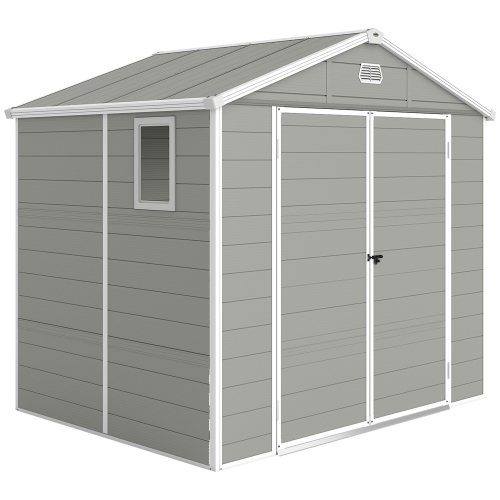
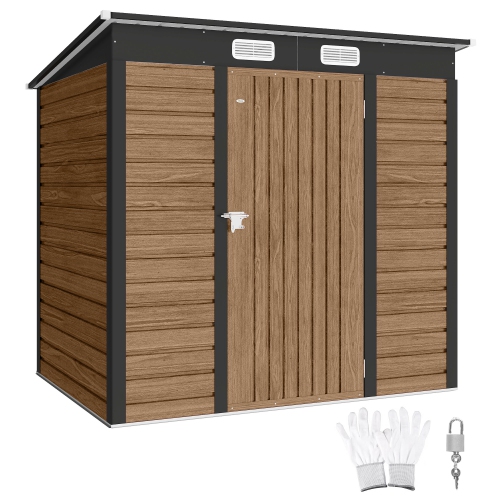
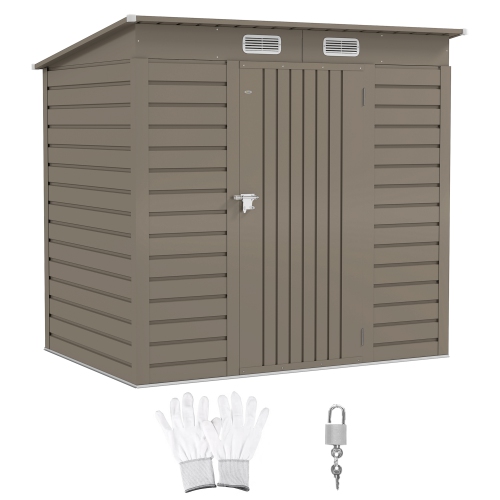
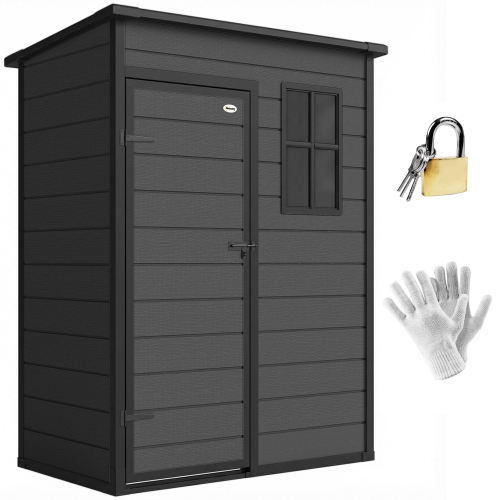
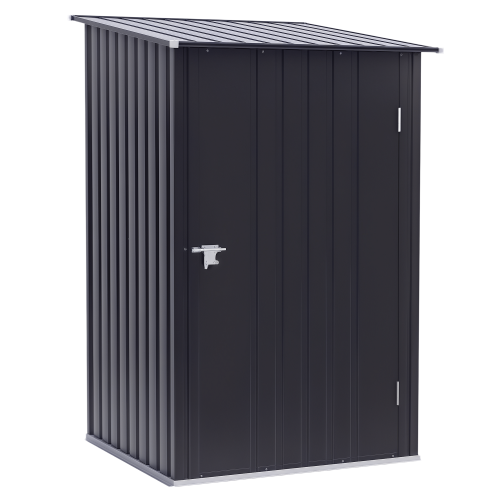
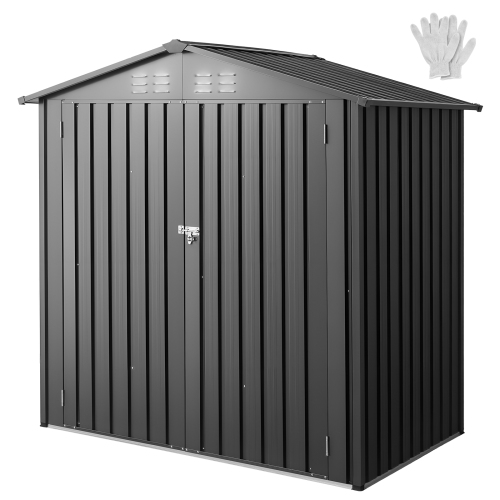
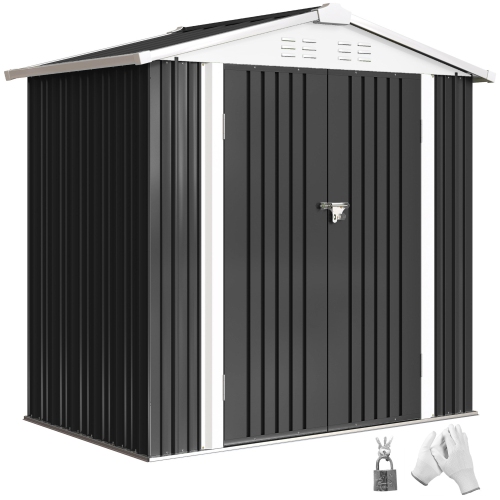
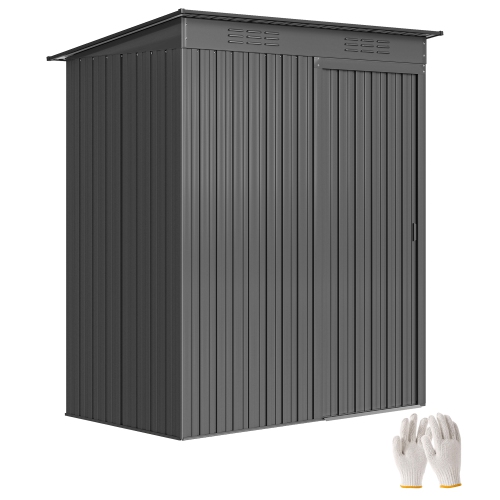
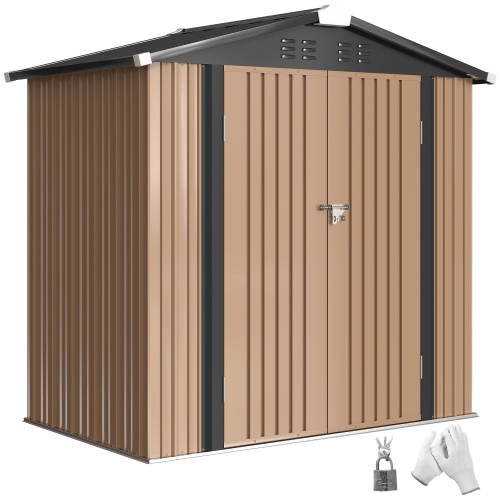
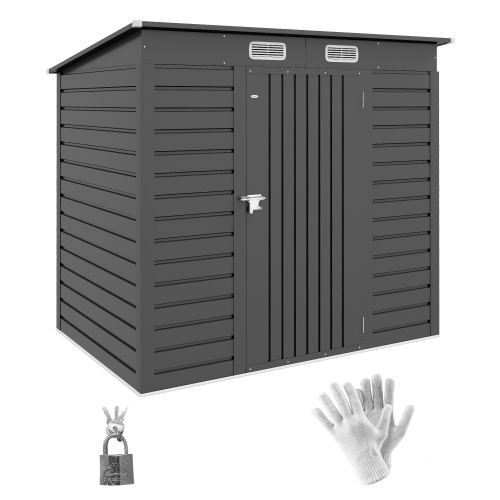
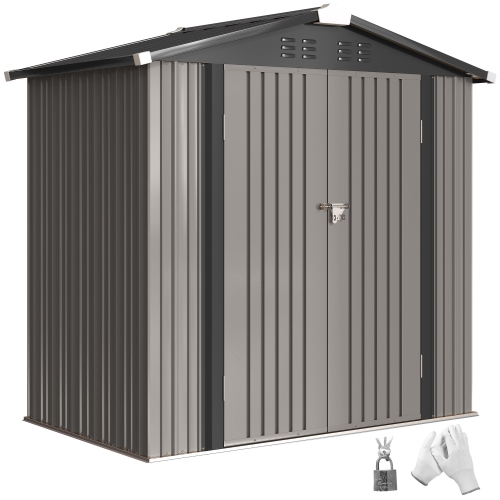
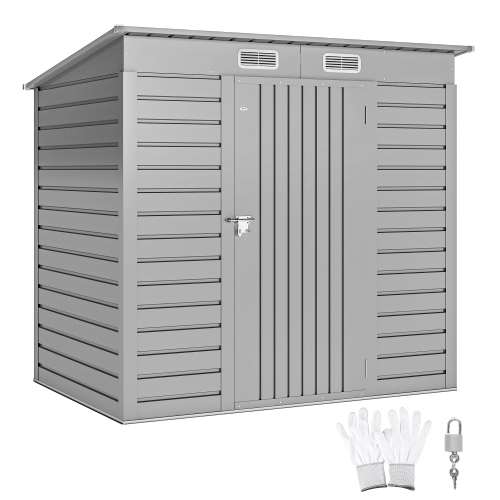
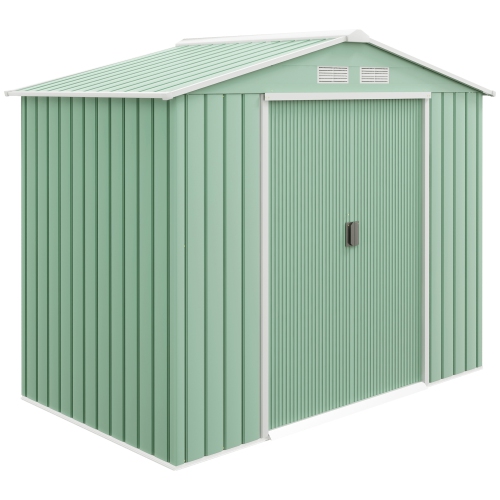
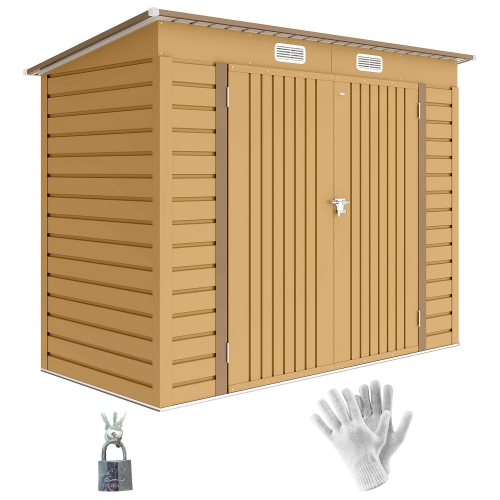
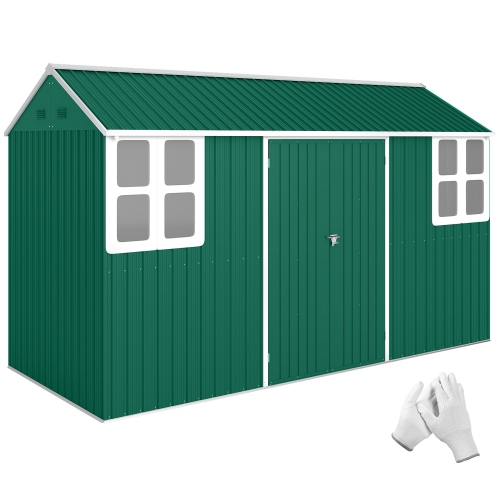
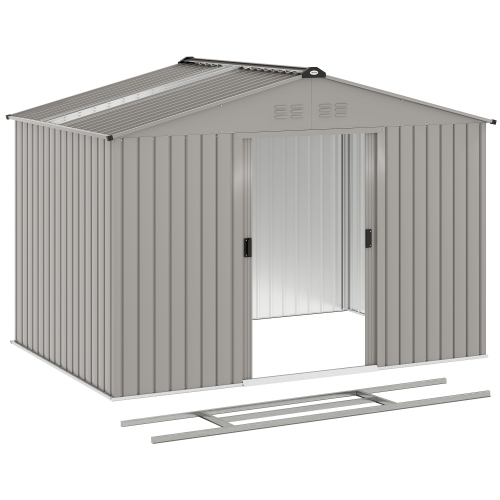
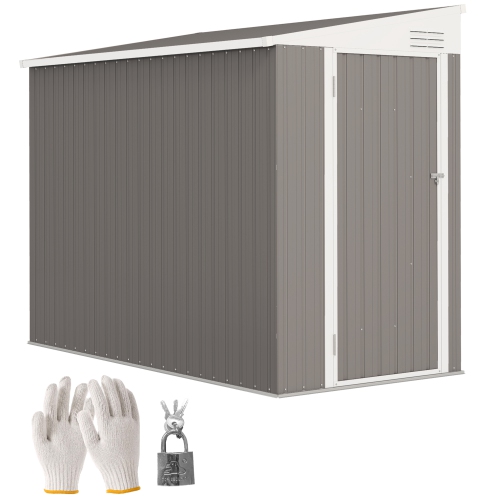
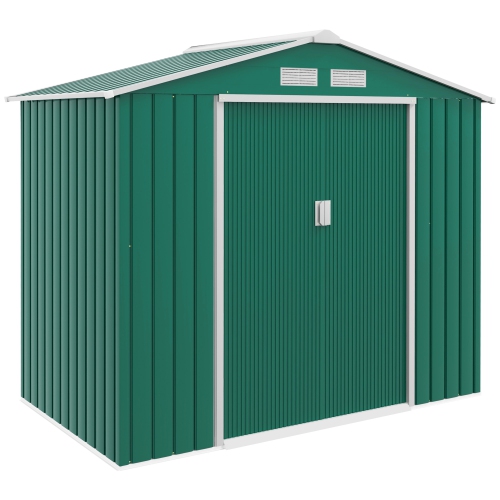
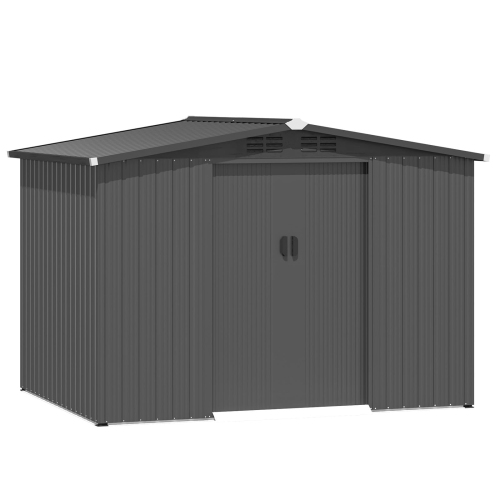
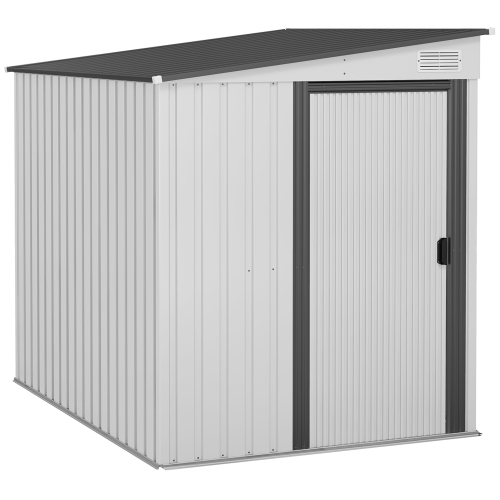
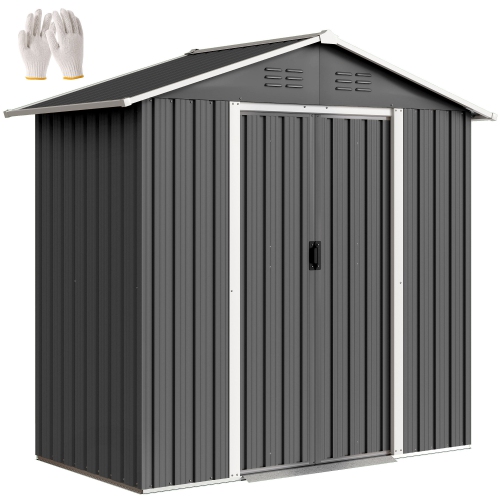
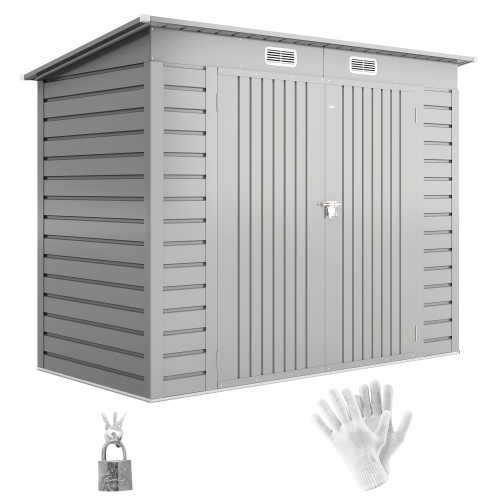
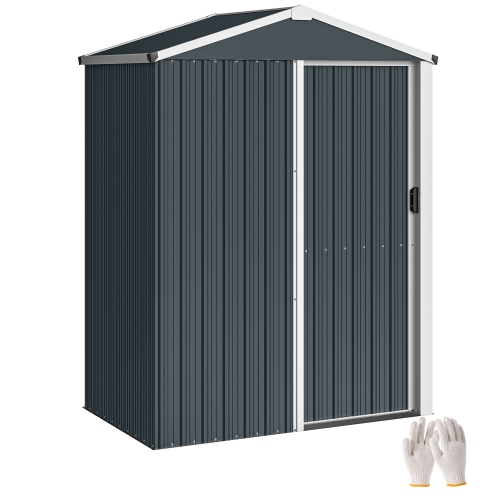
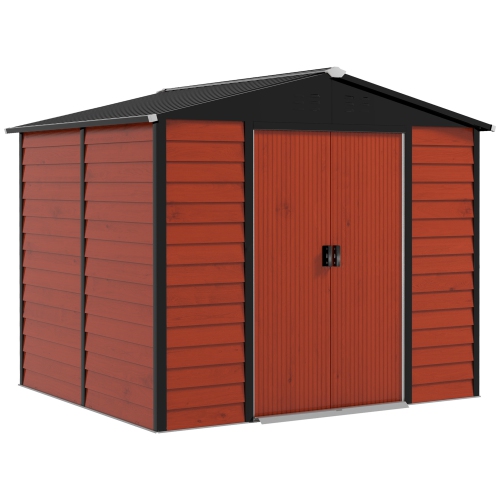
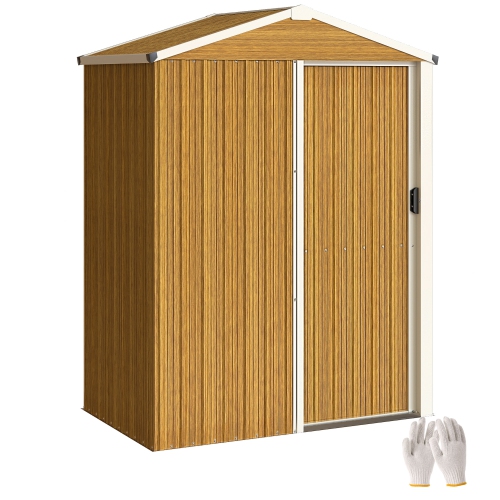
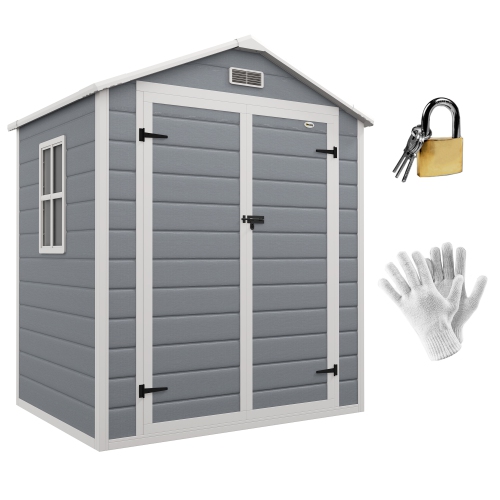
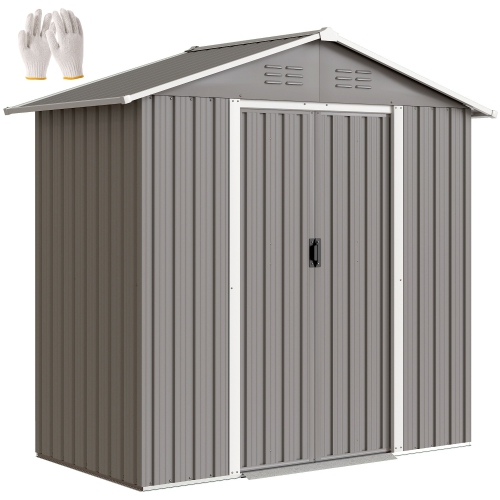
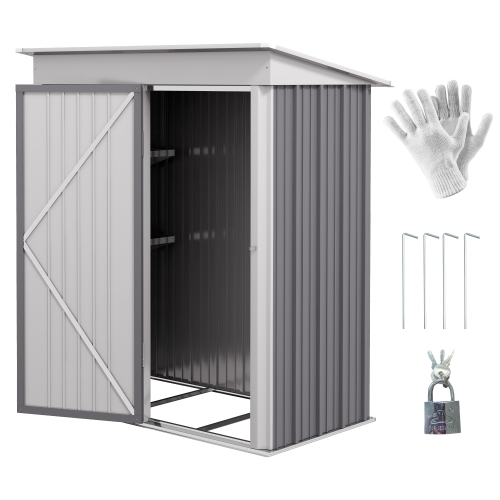
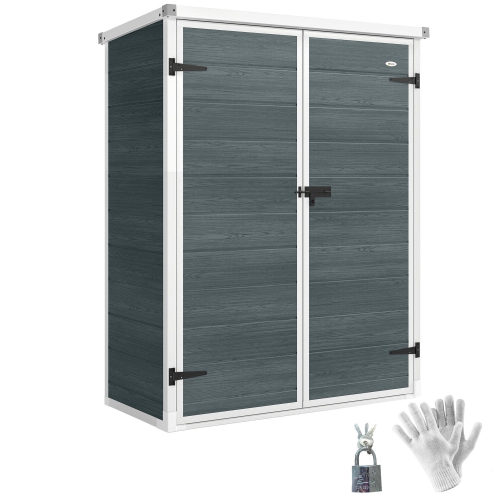
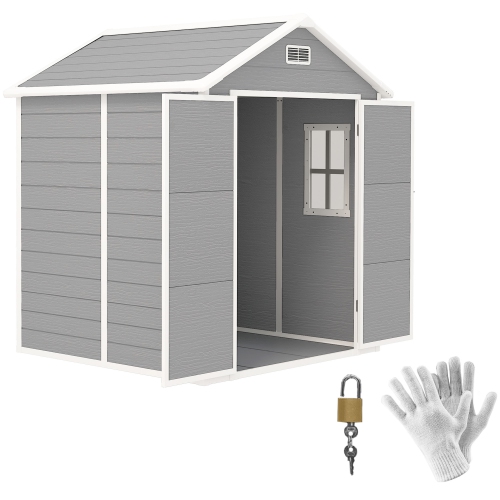
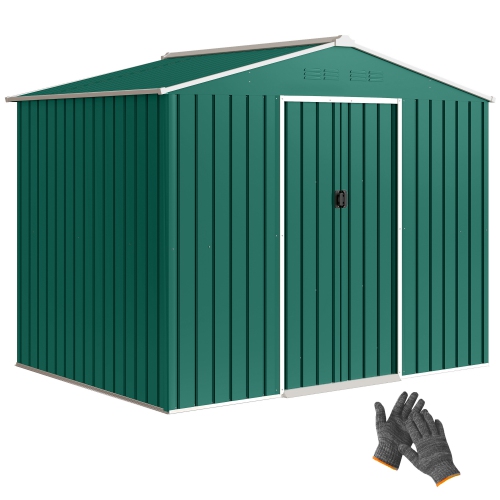
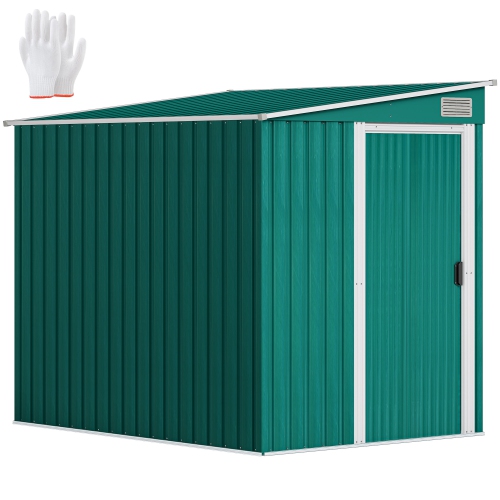
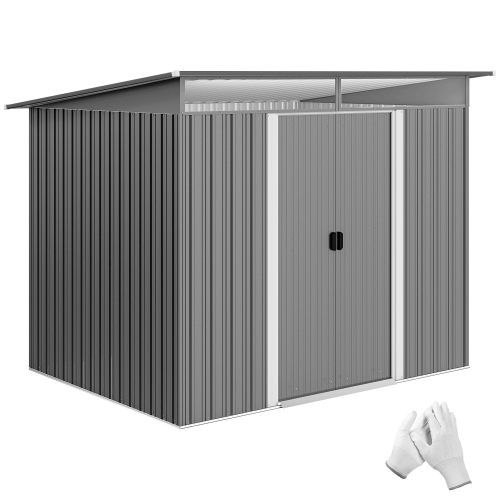
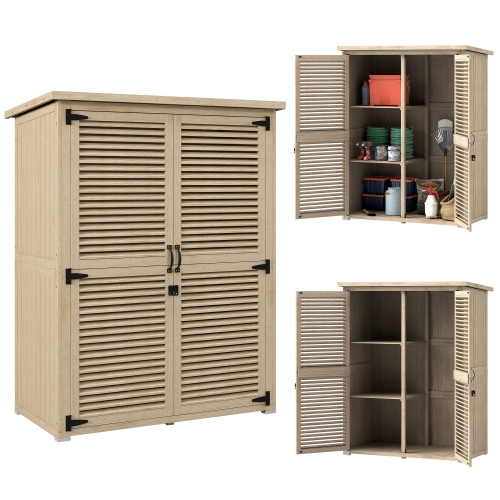
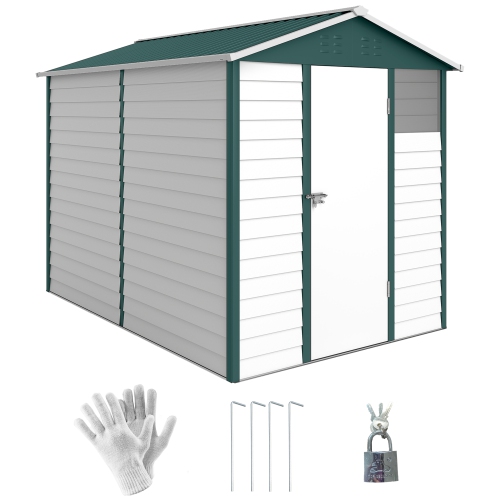
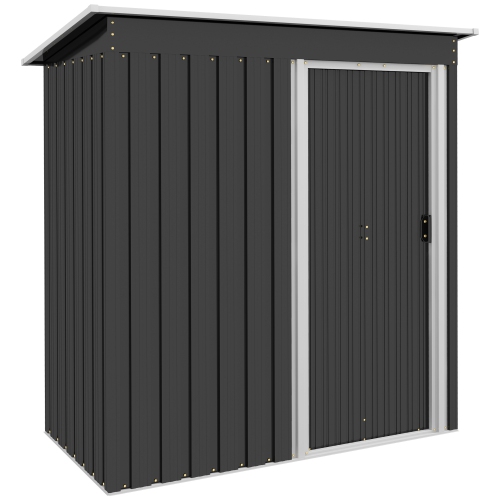
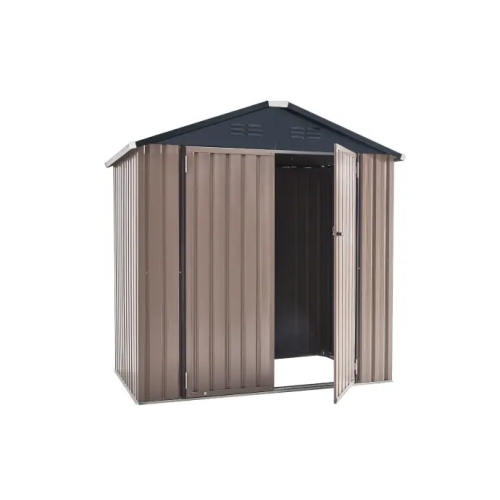
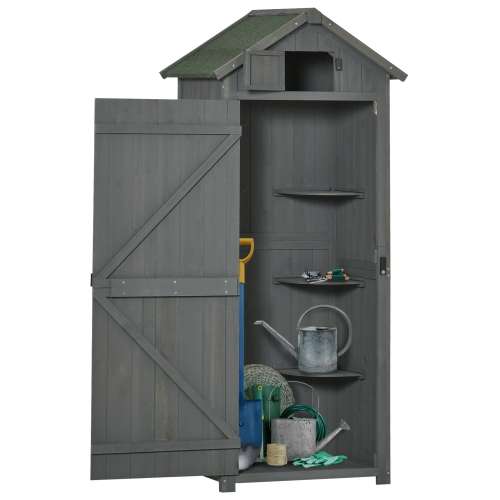
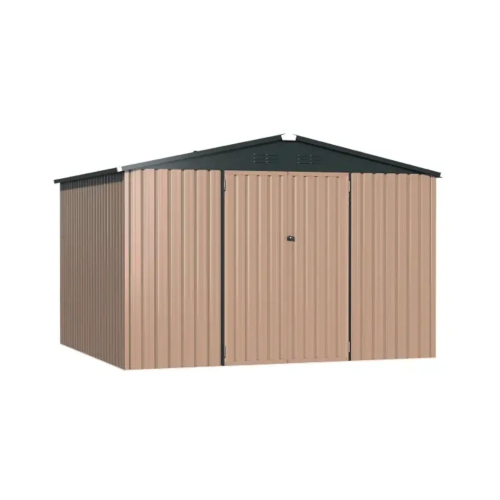
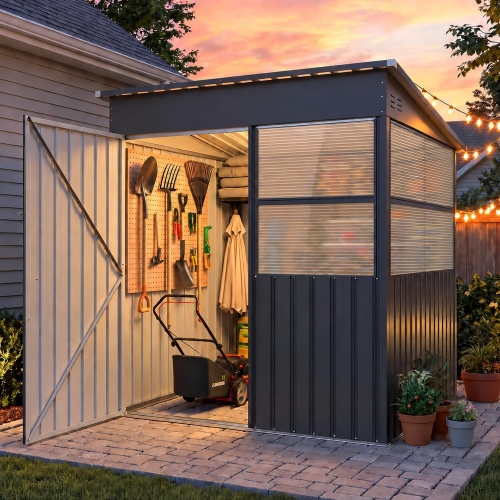
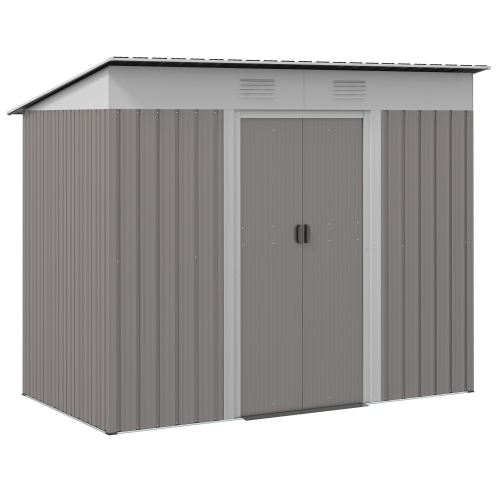
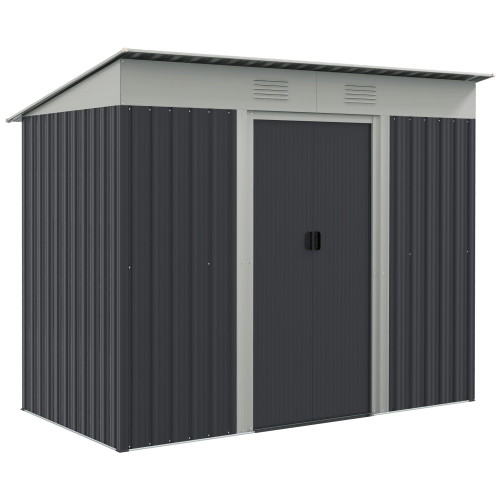
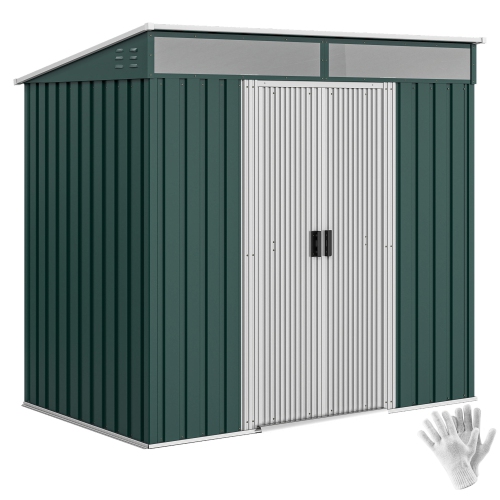
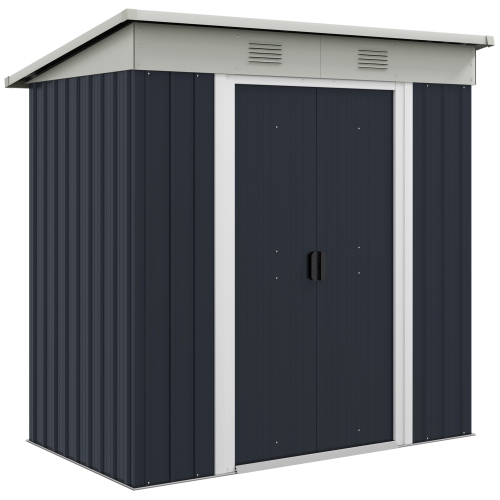
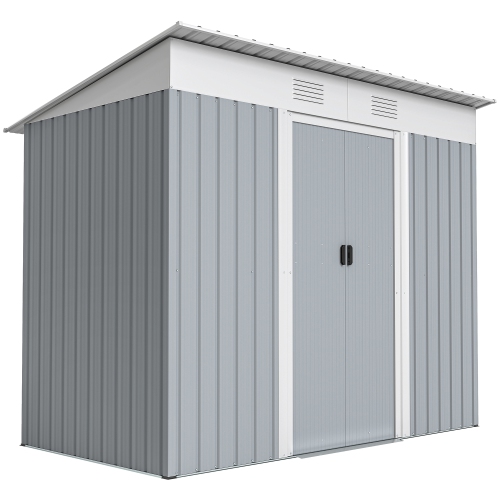
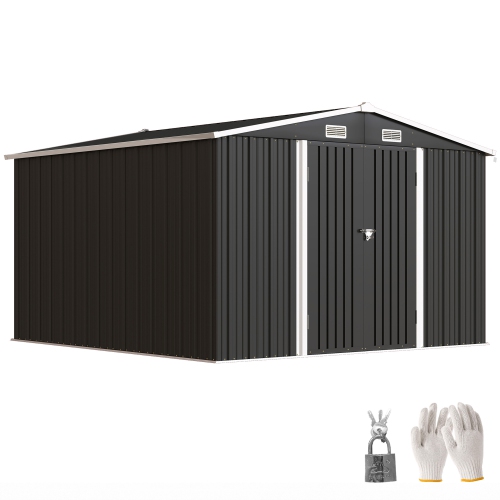
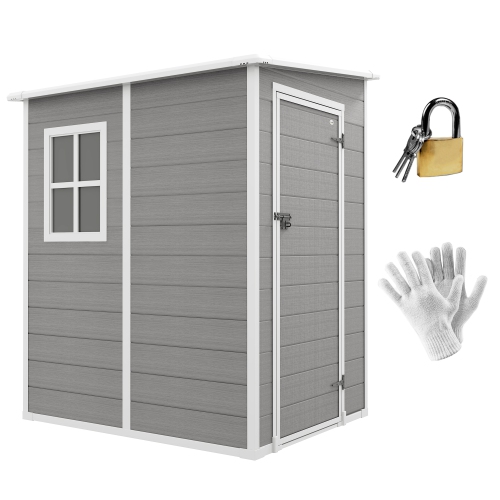
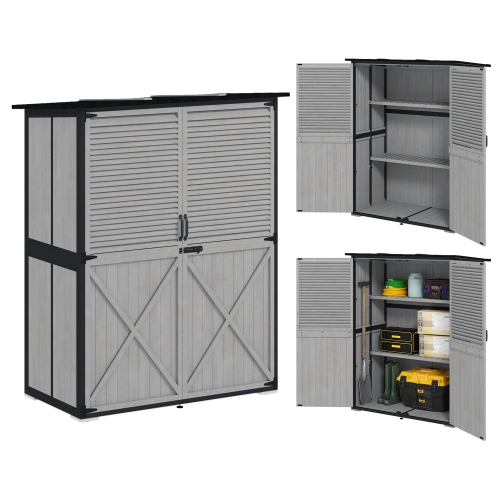
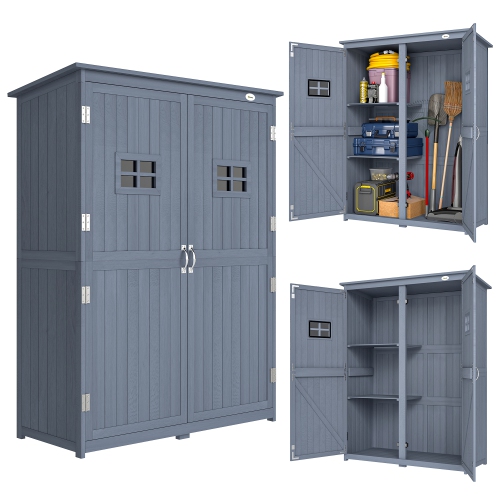
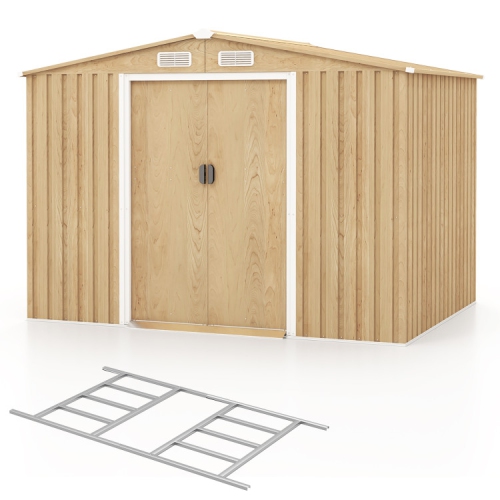


Why shed layout matters as much as size
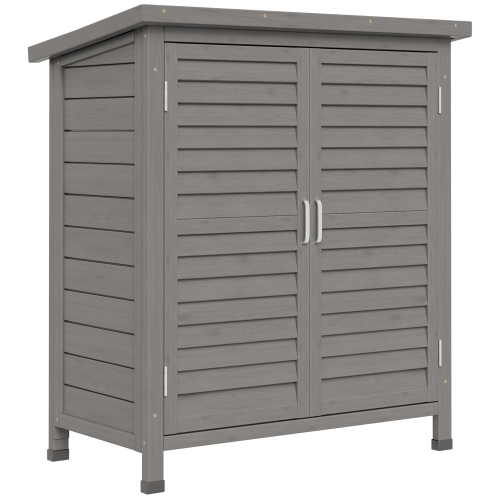
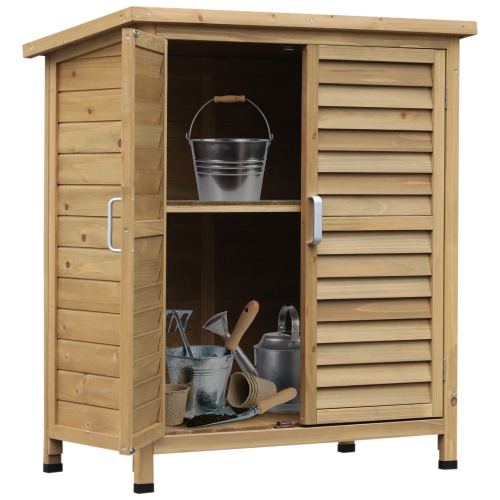
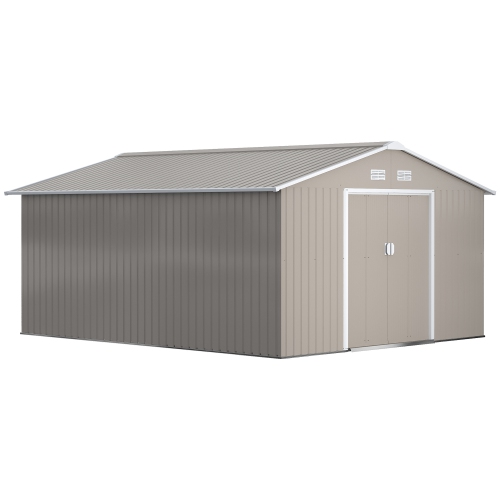
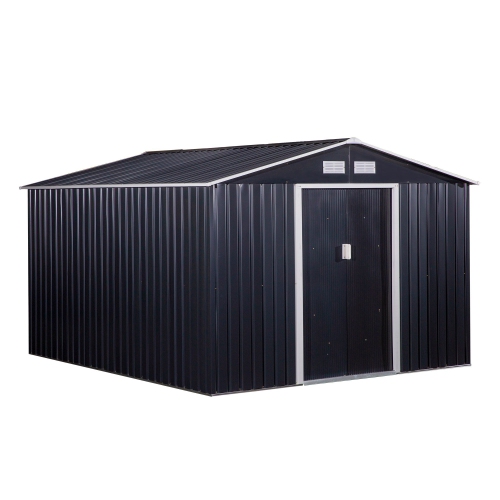
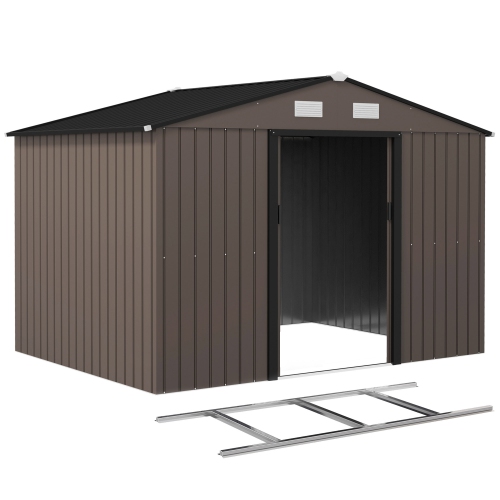
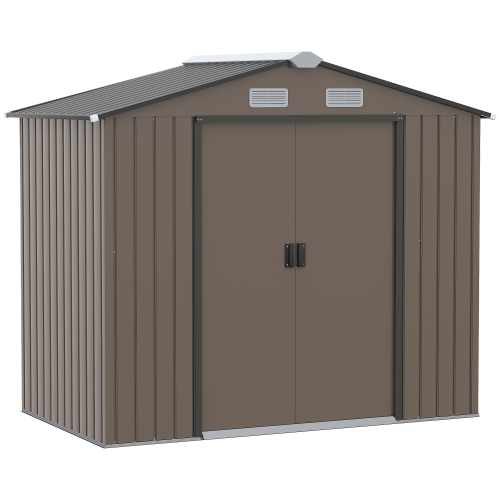
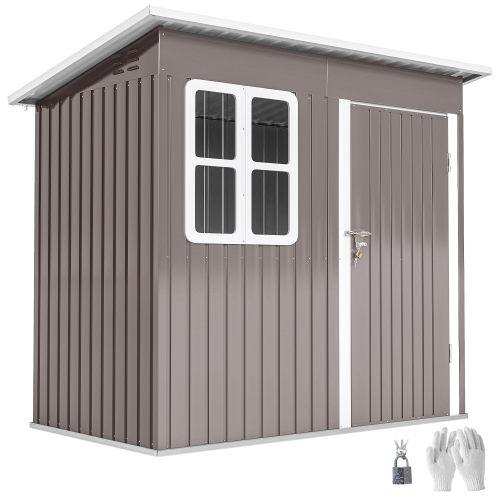
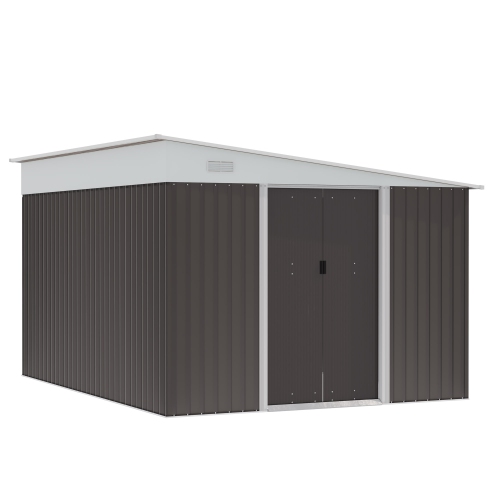
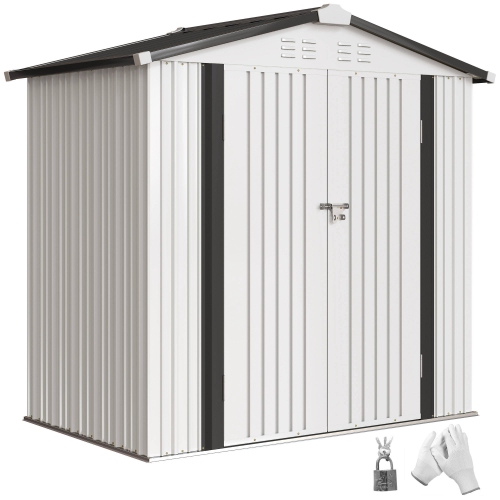
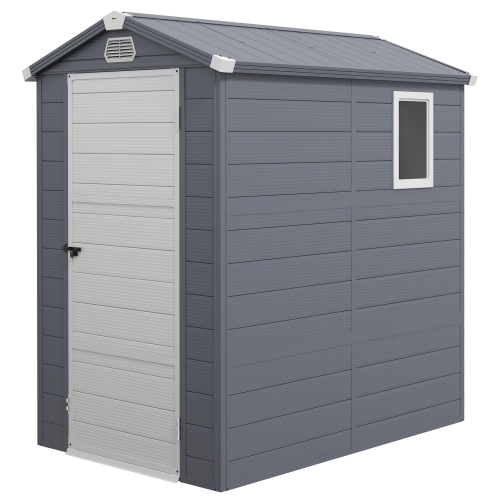
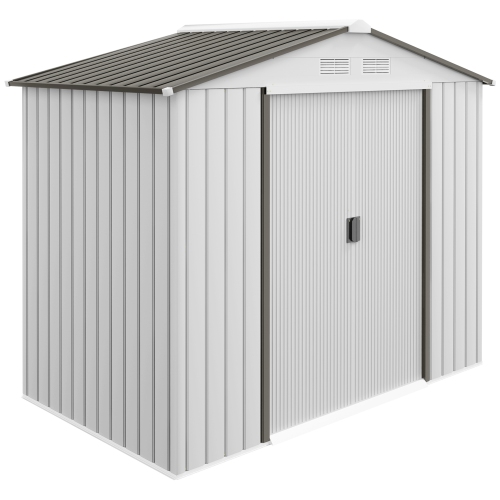
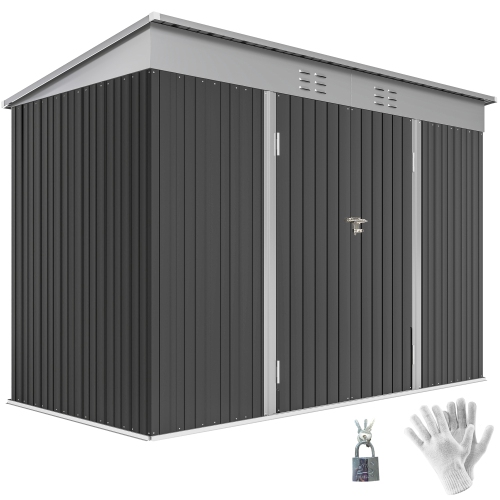
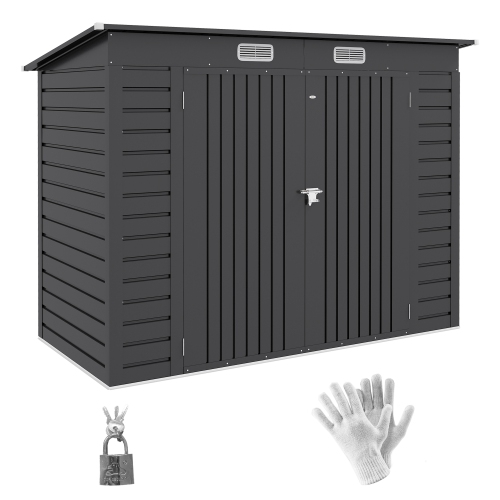
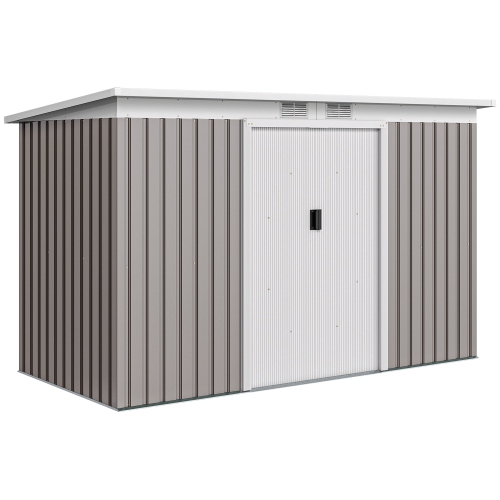
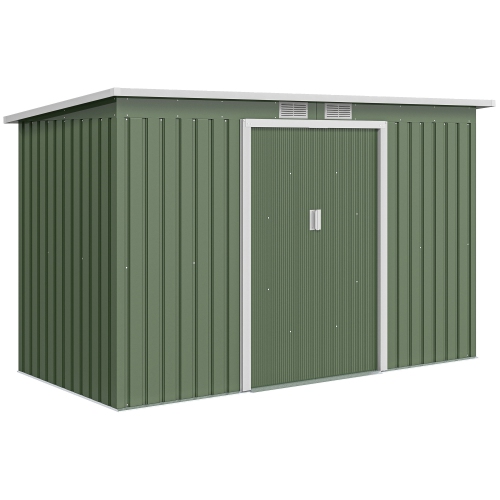
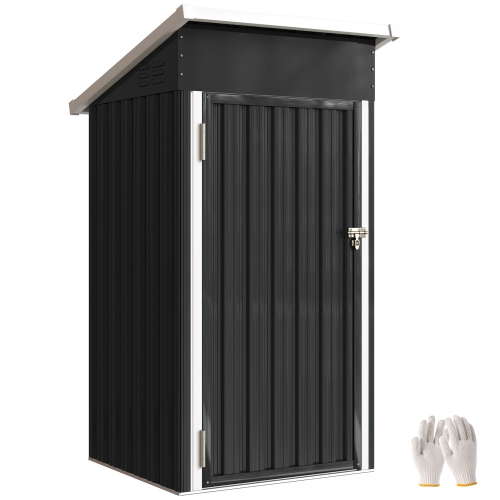
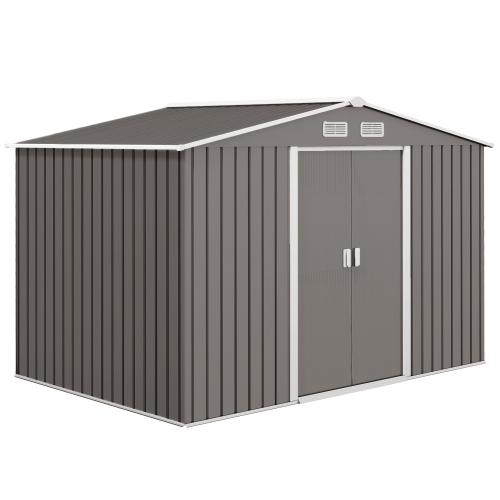
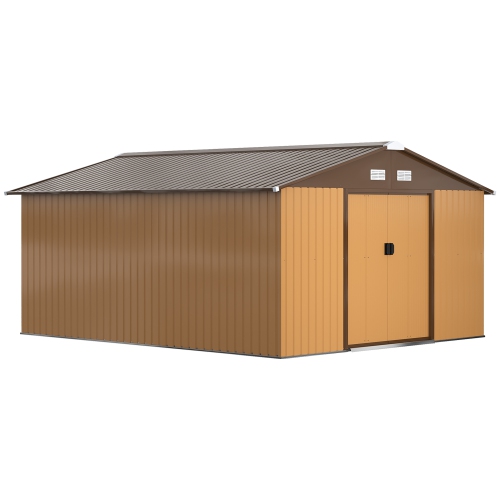
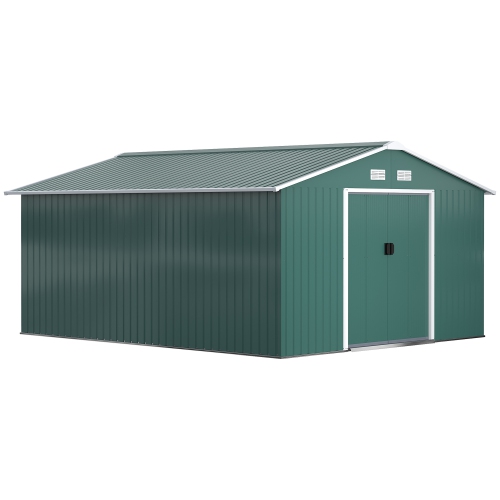
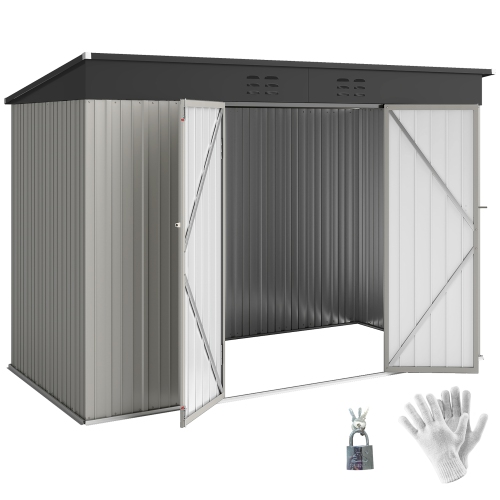
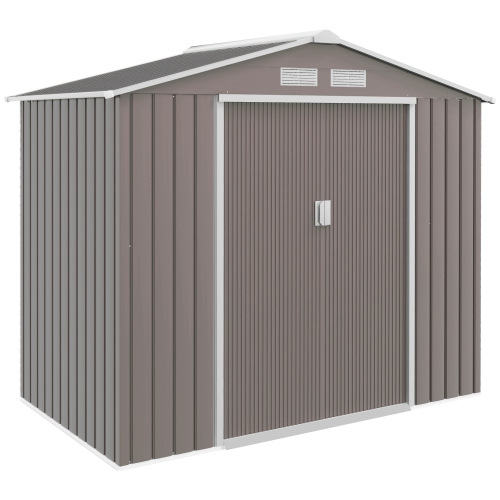
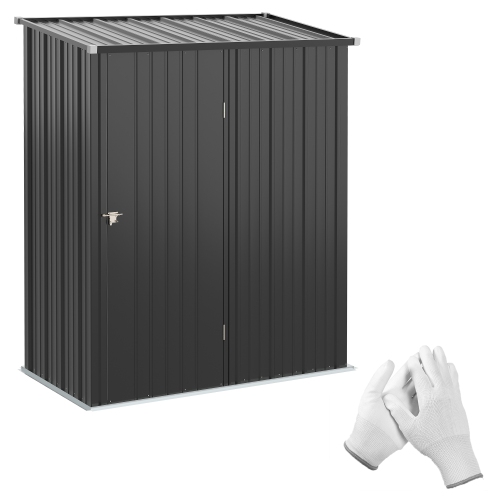
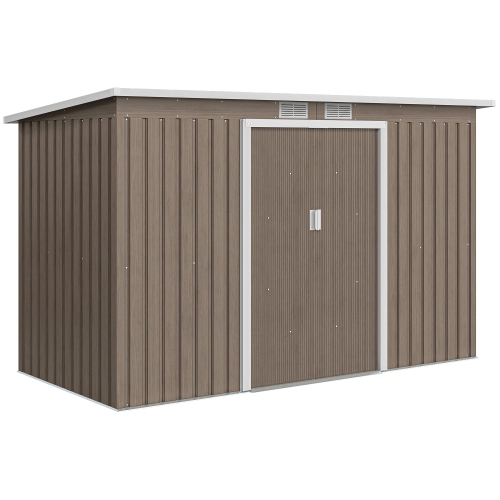
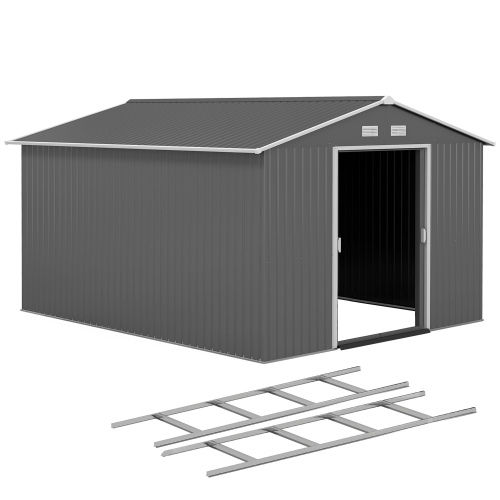
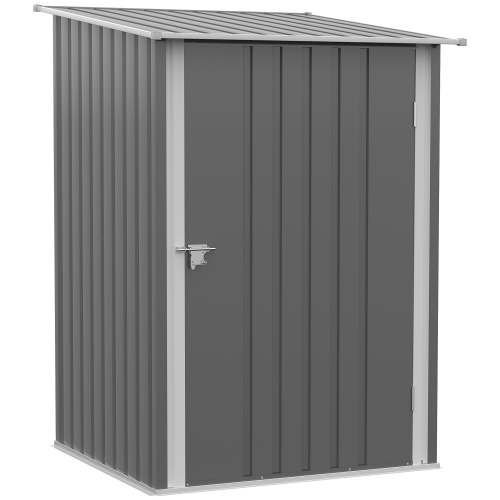
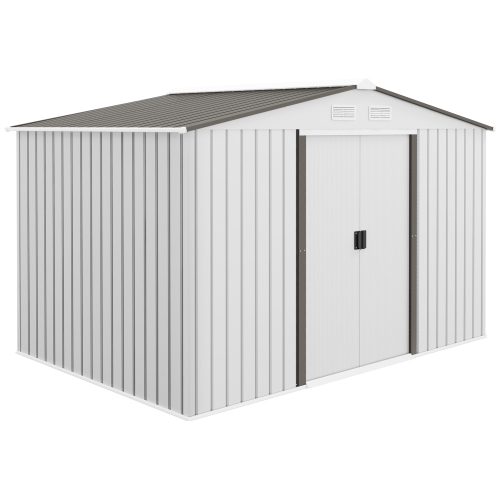
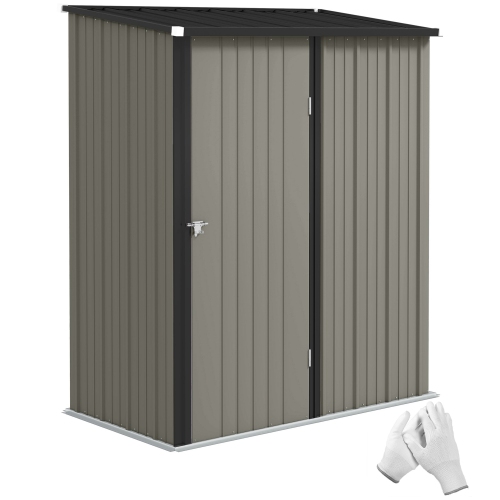
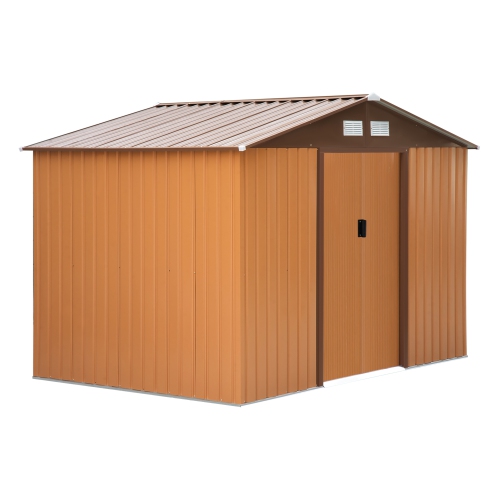
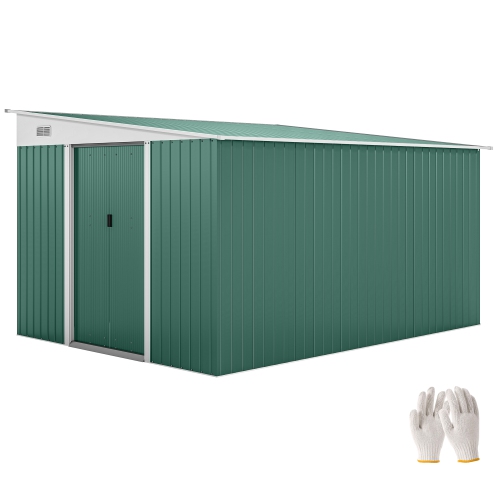
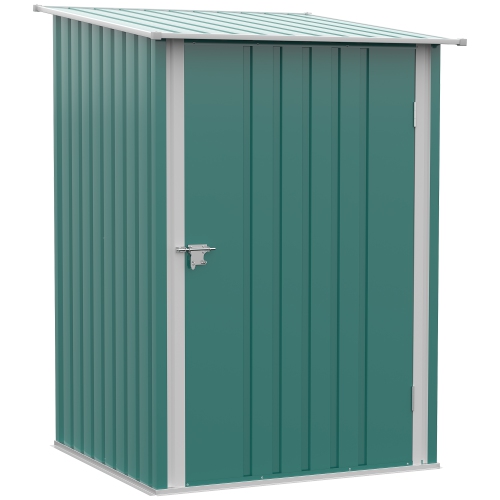
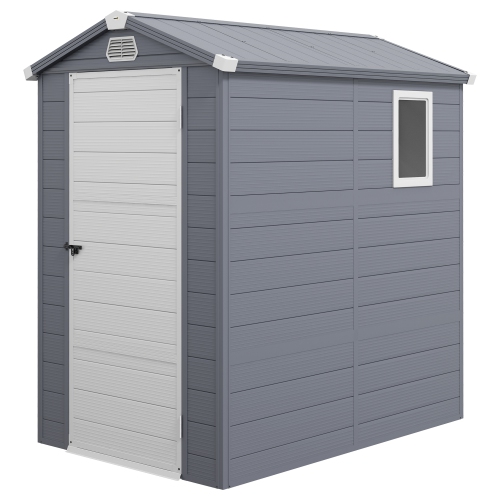
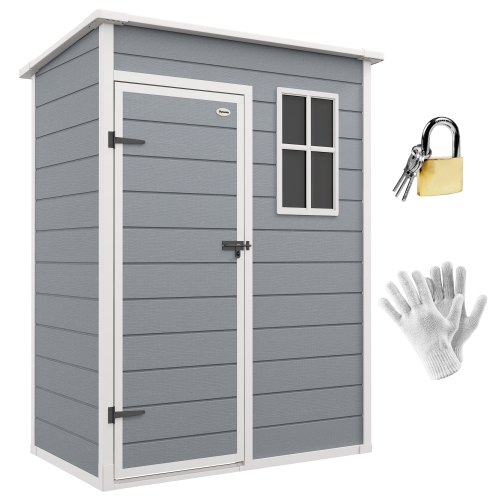
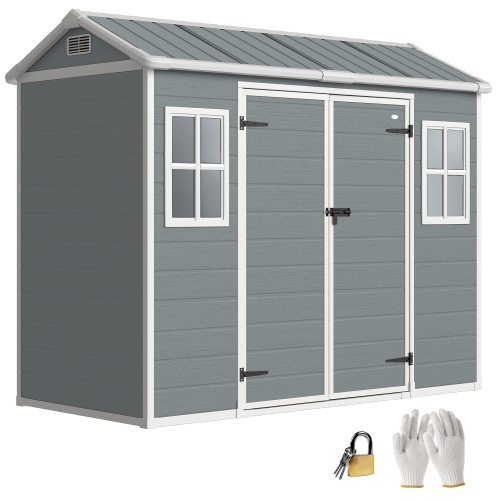
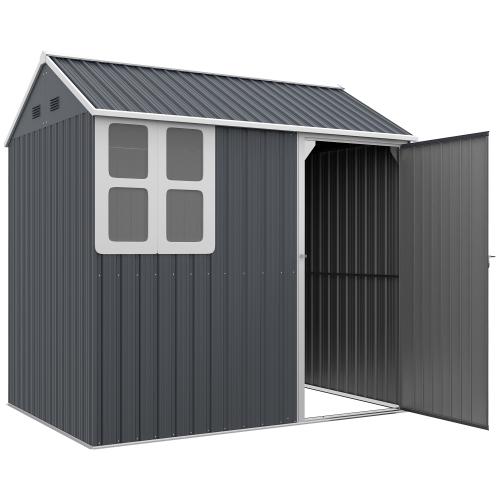
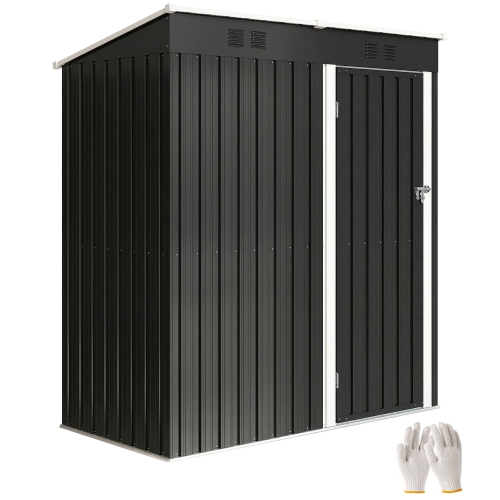
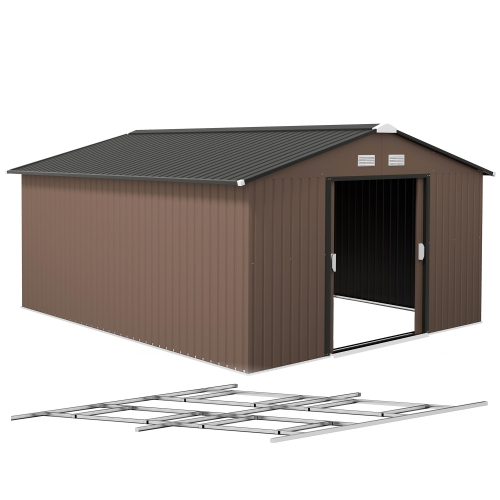
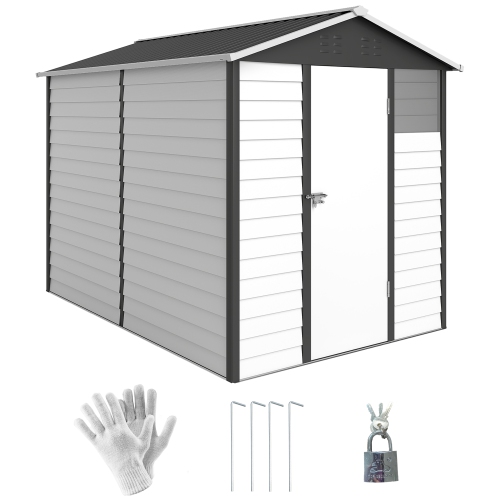
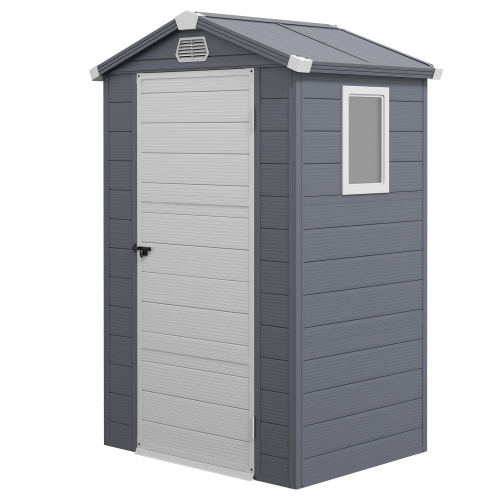
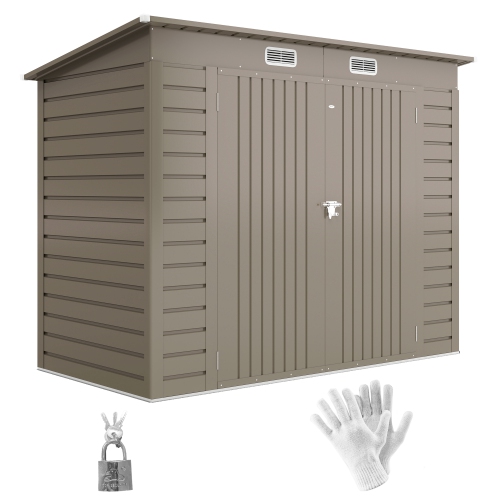
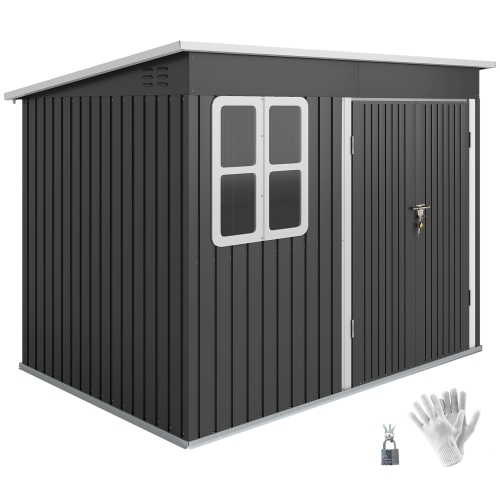
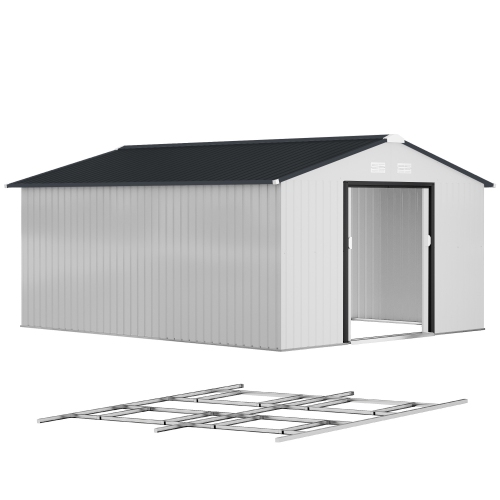
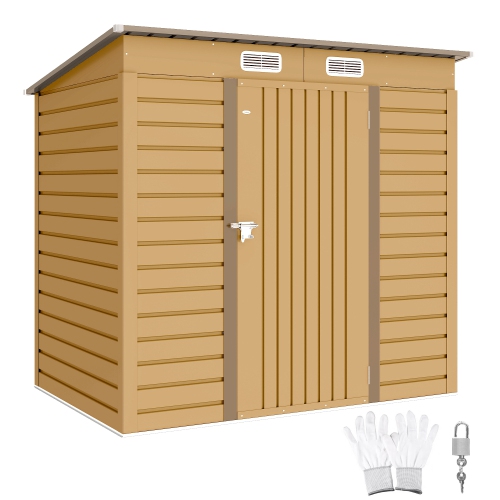
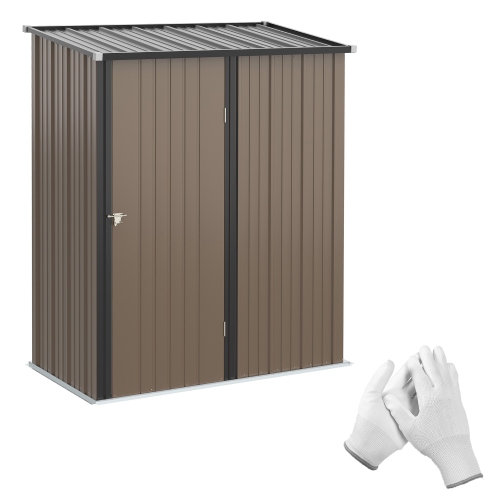
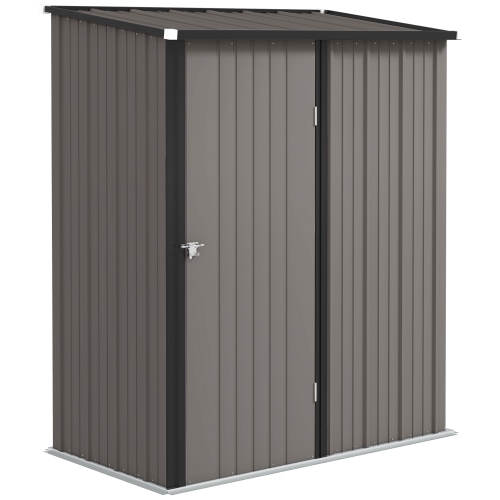
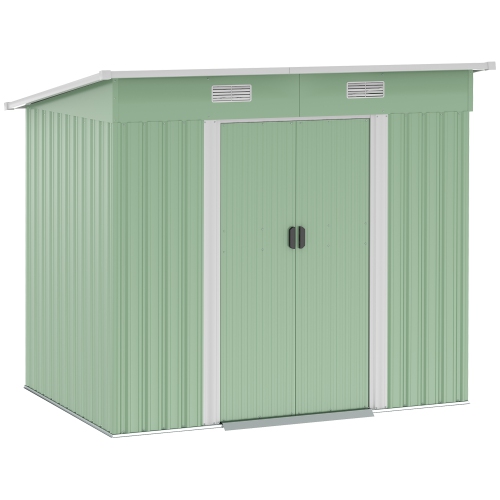
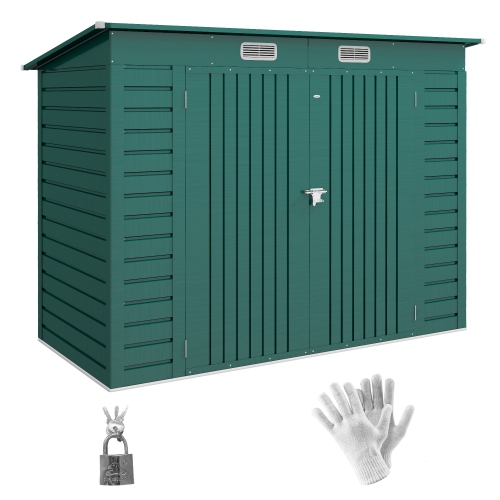
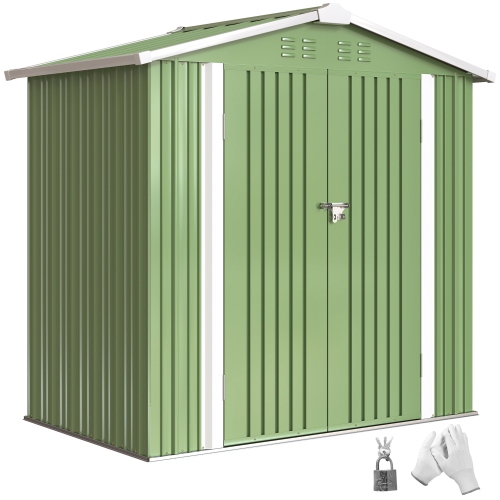
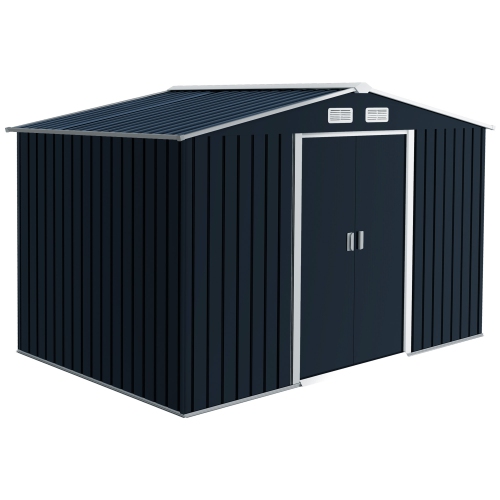
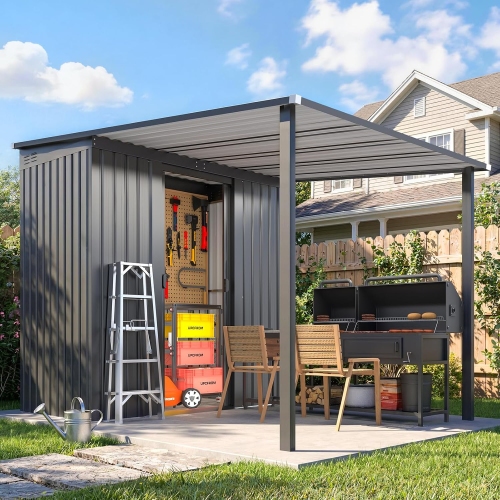
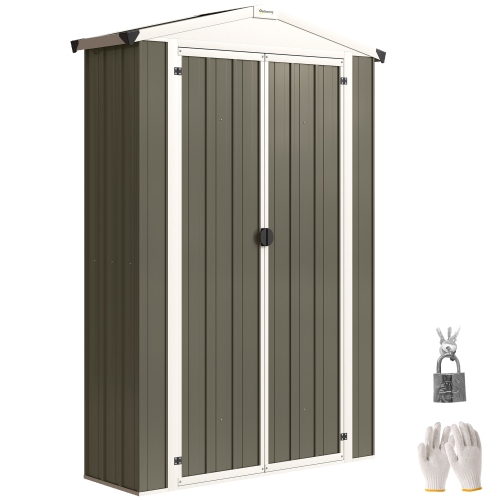
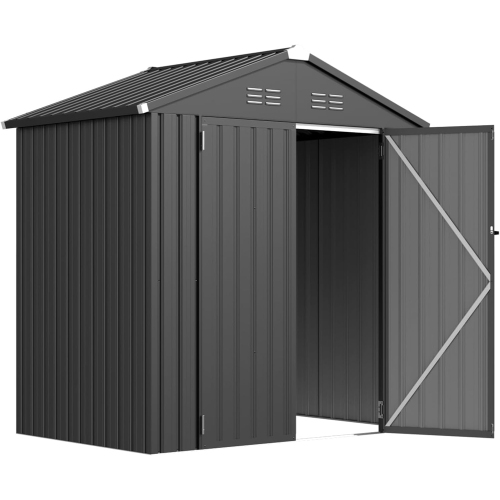
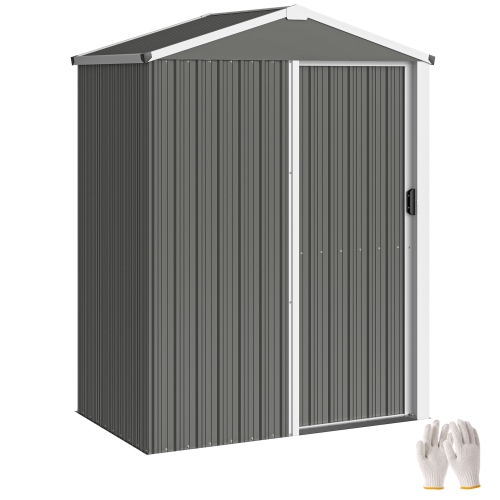
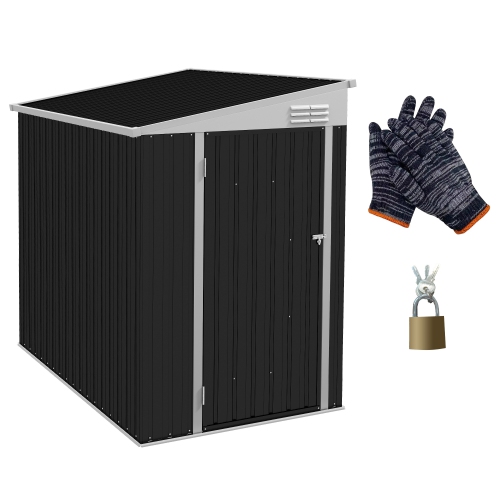
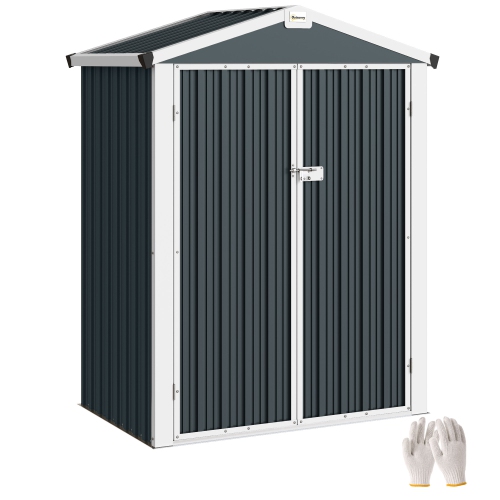
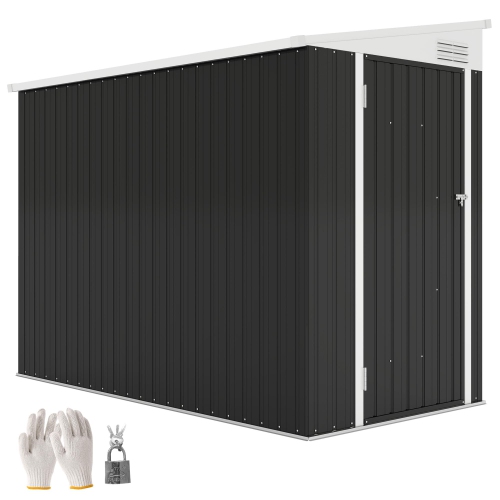
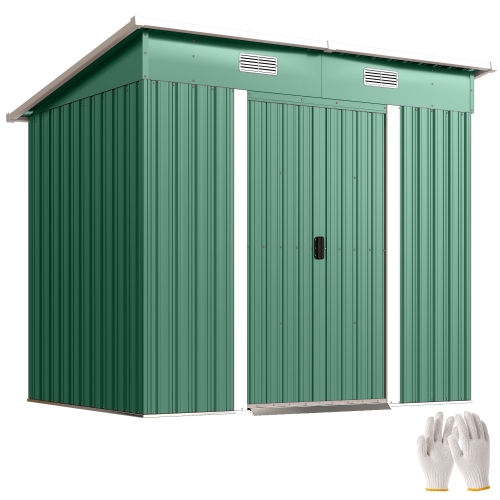
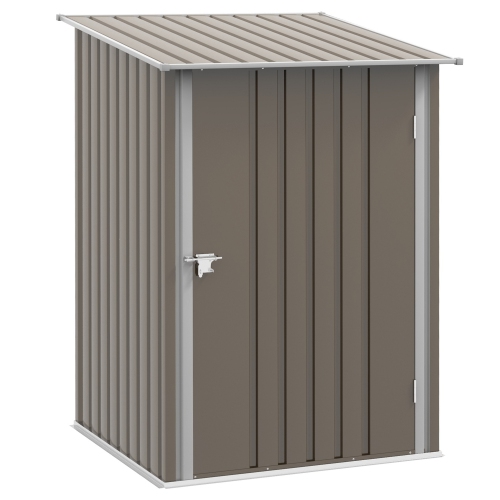
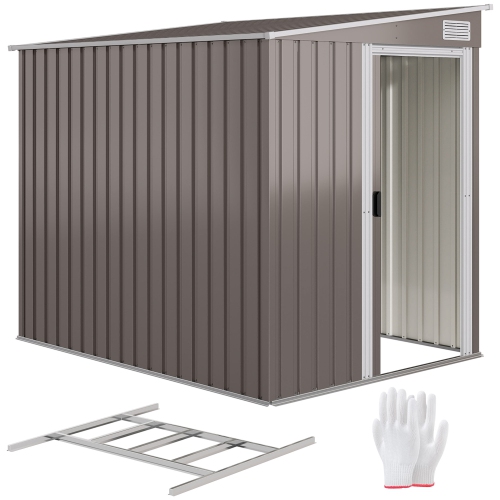
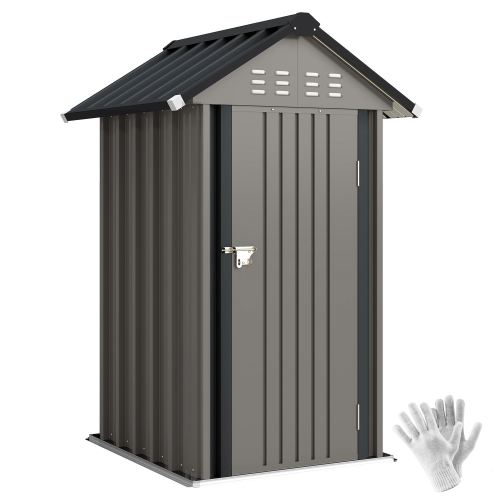
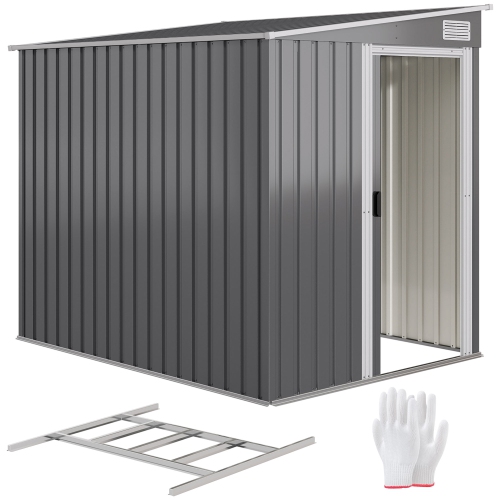
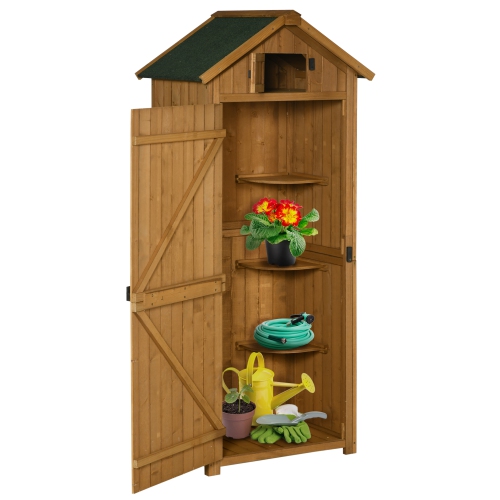
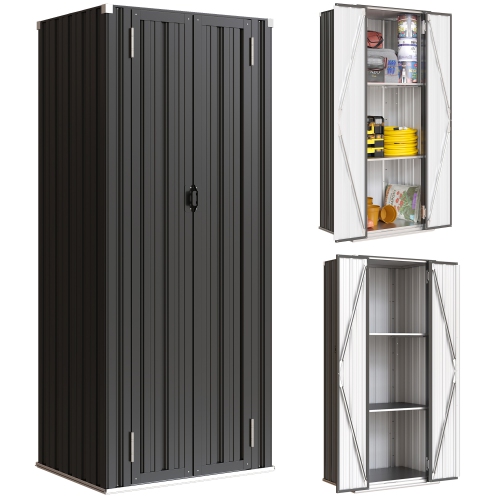
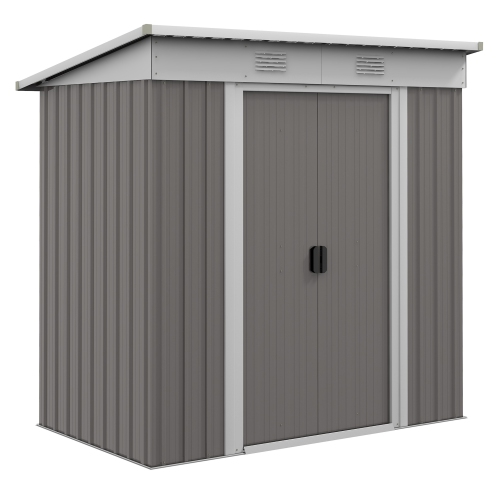
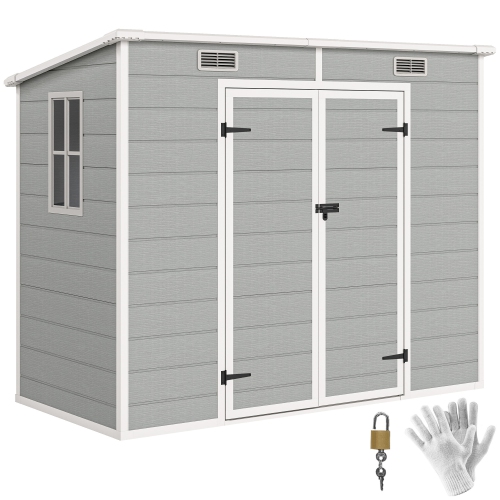
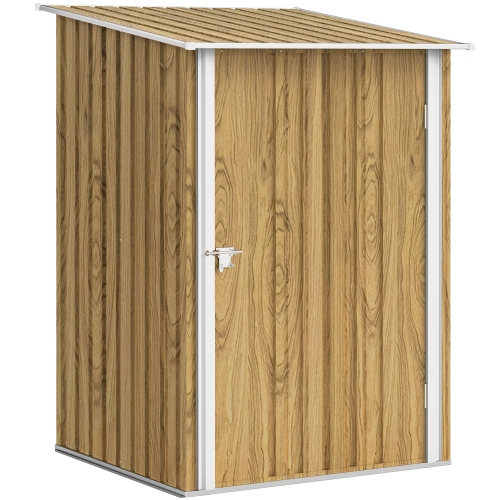
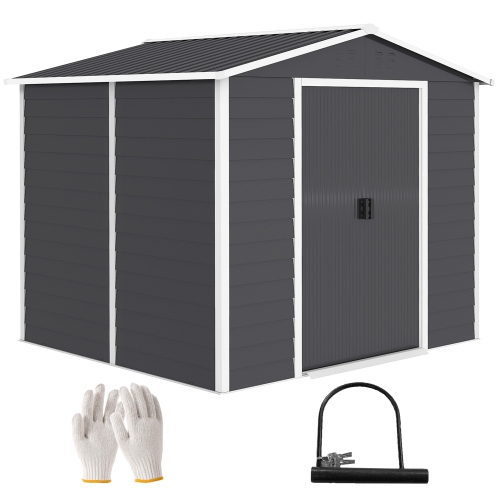
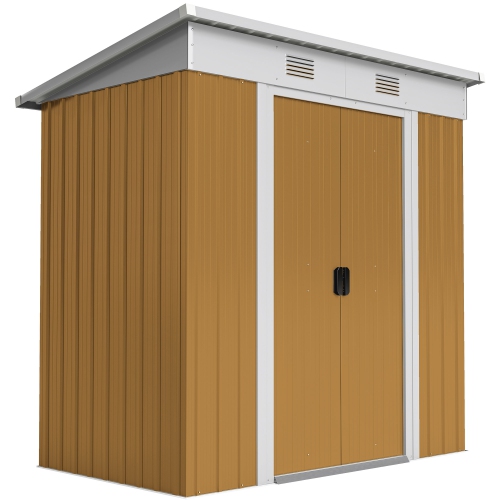
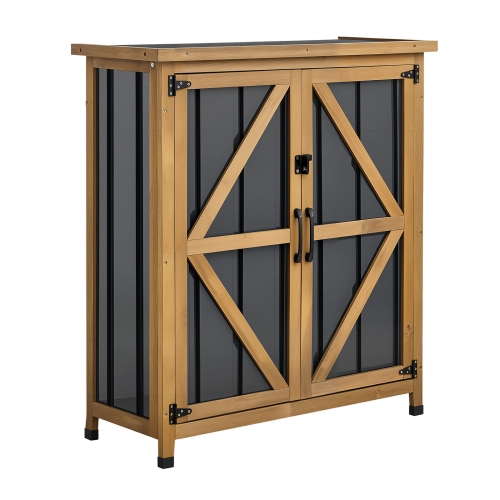
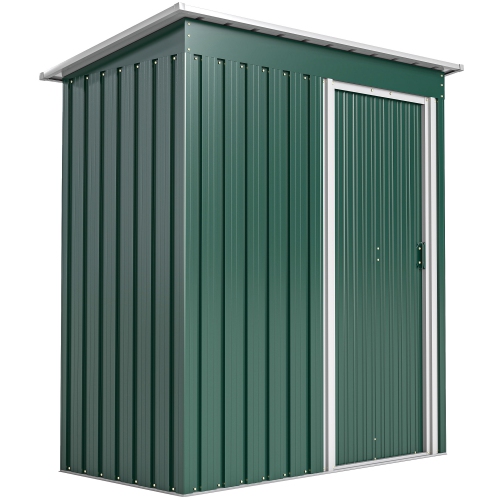
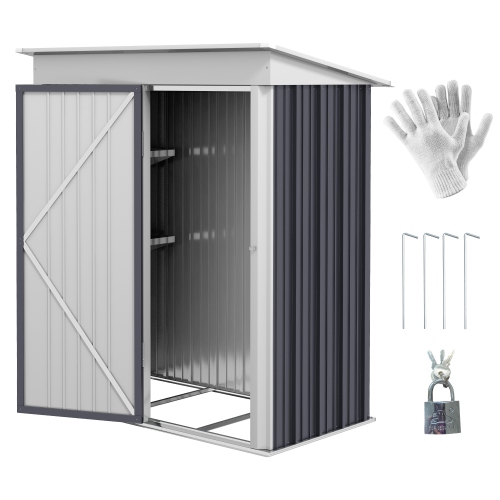
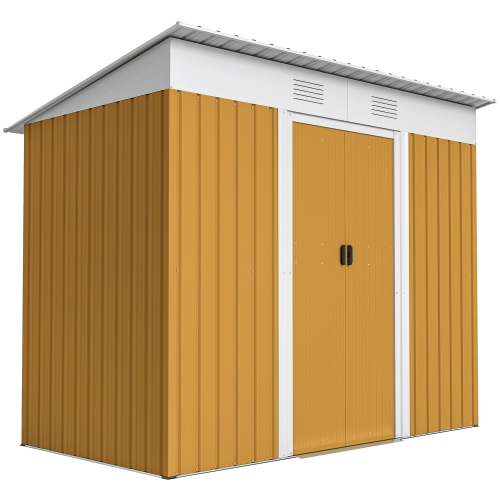
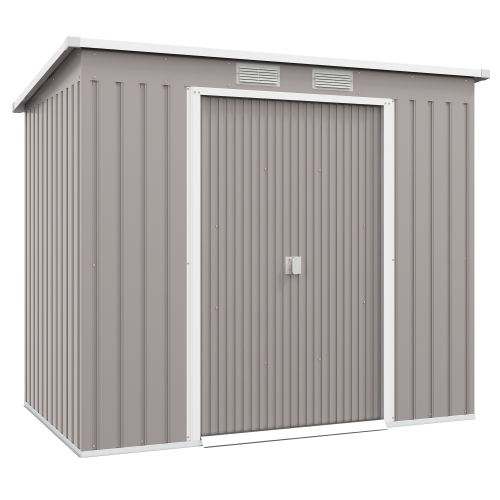
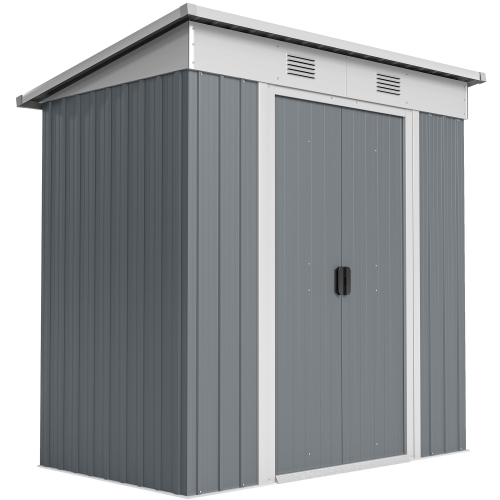
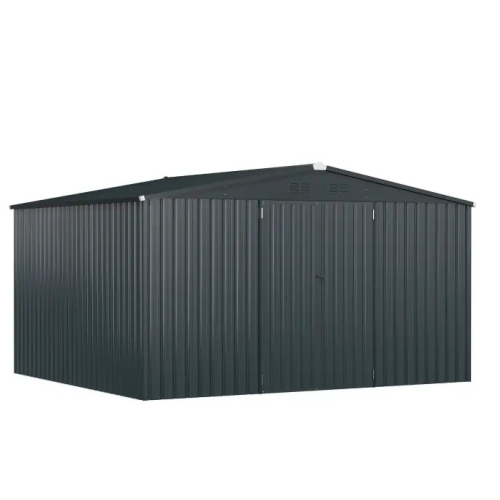
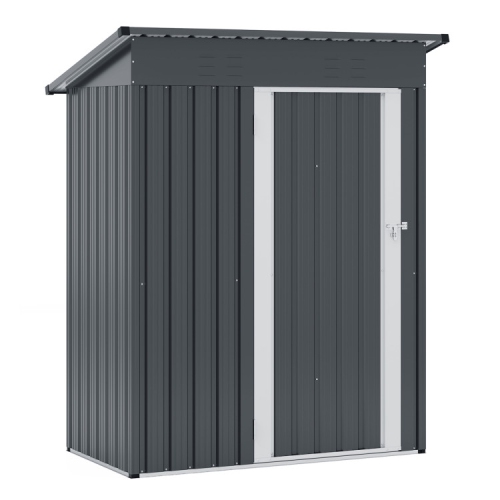
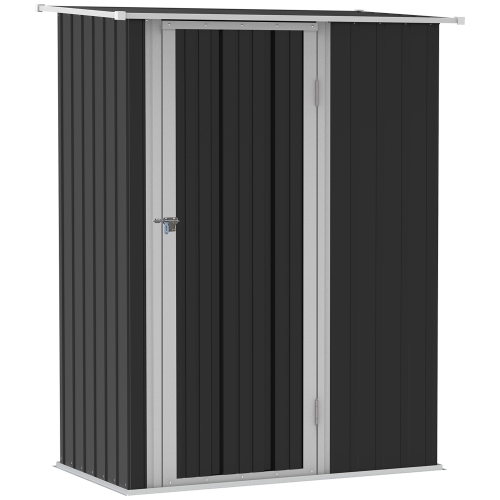
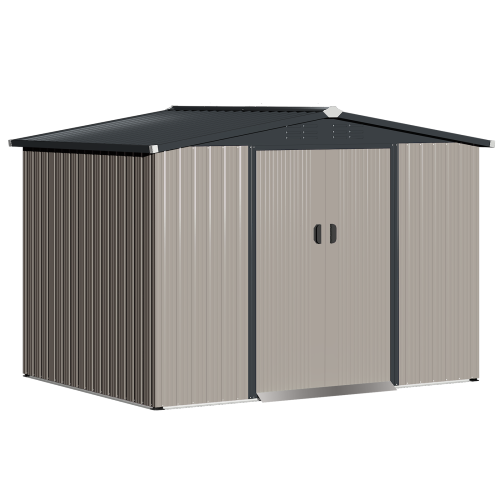
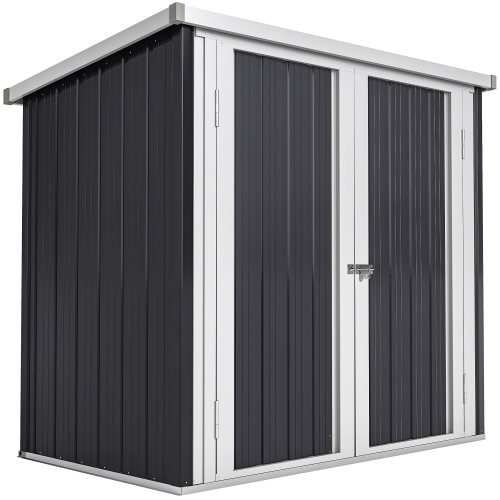
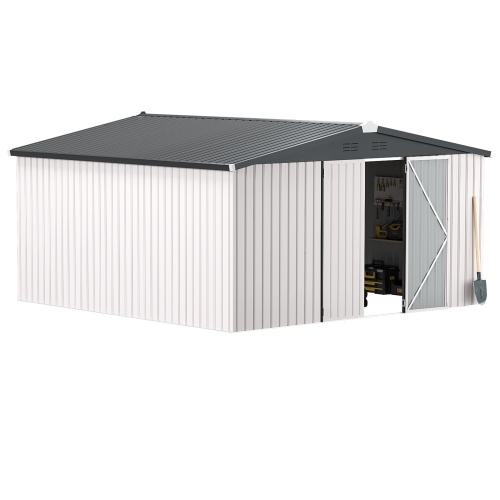
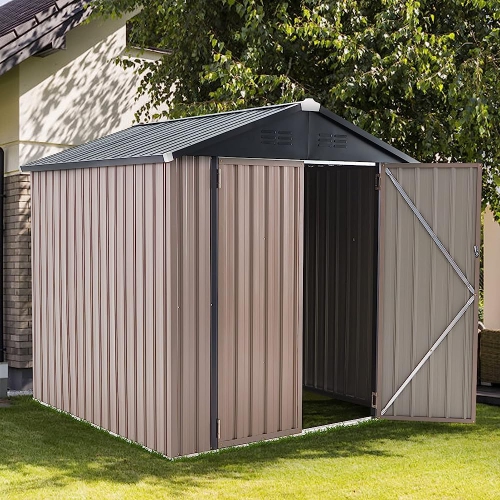
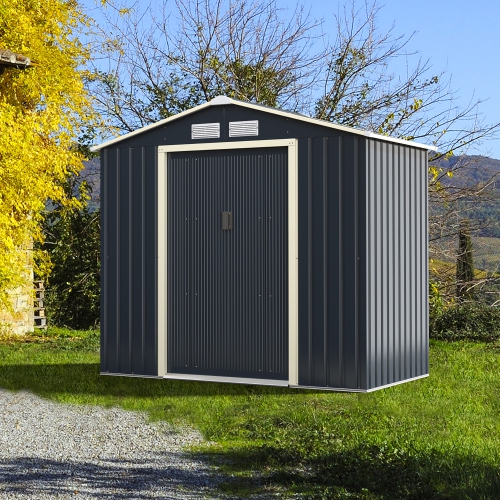
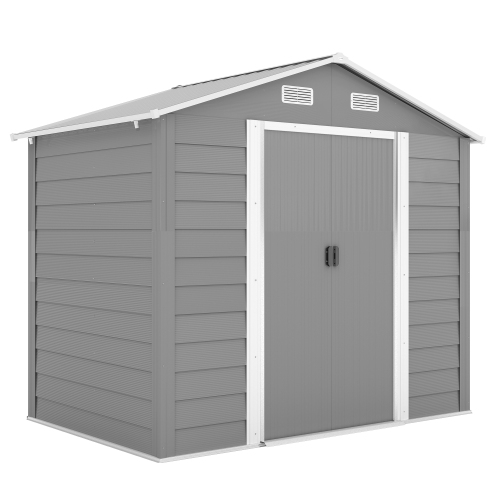
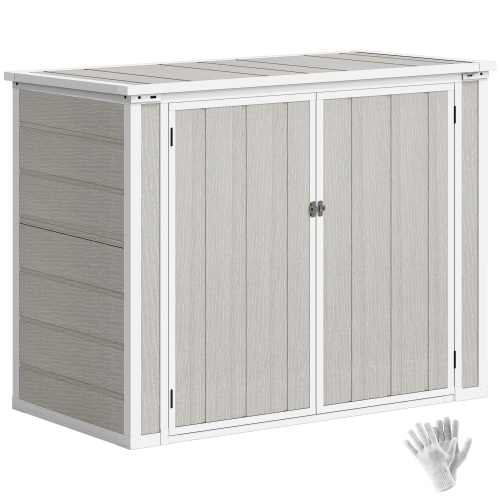
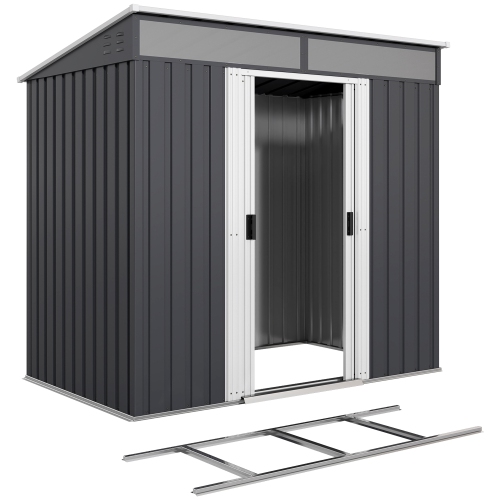
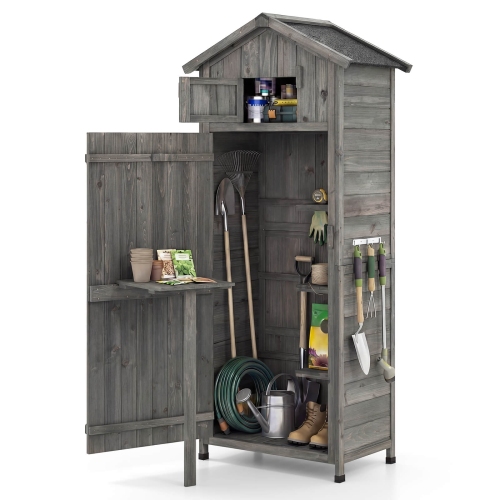
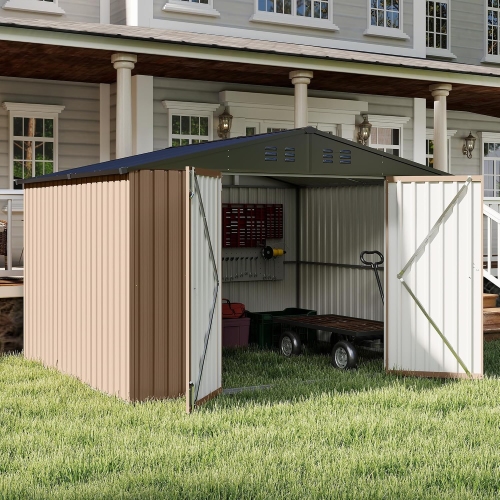
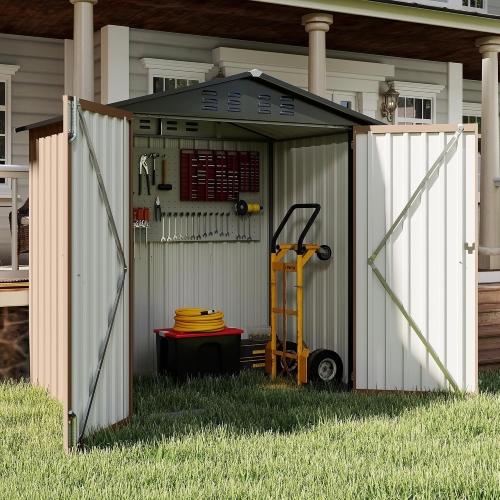
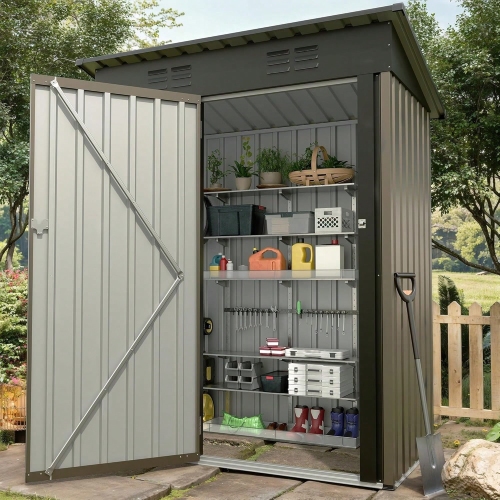
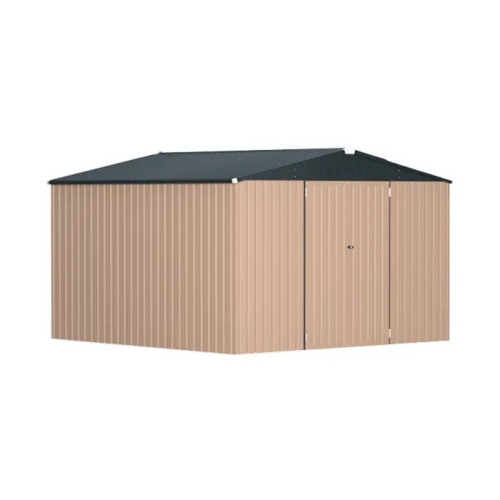
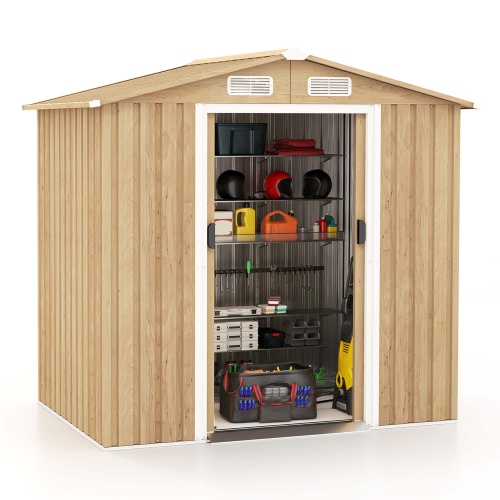
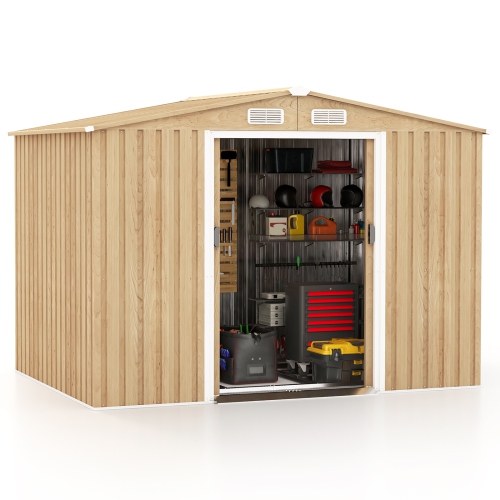
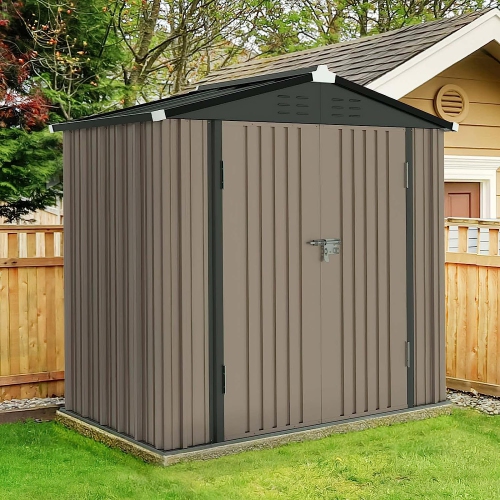
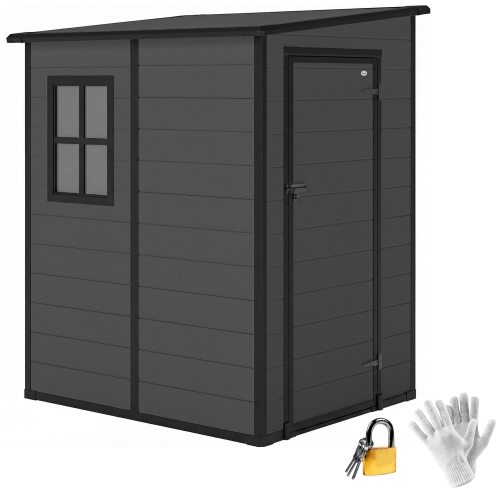
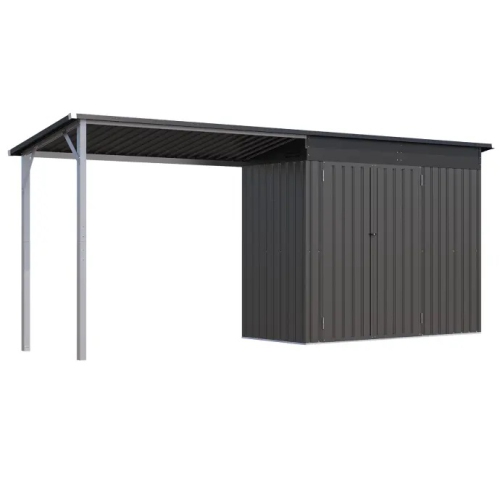
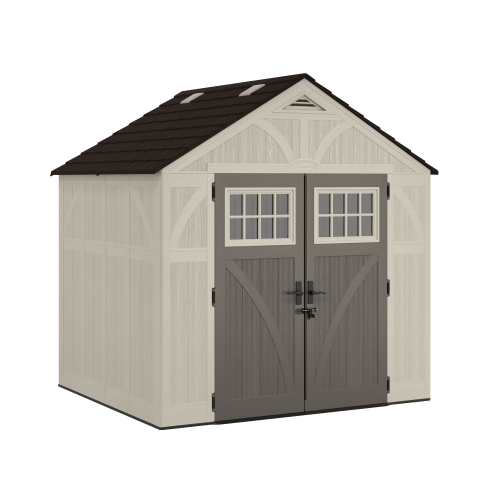
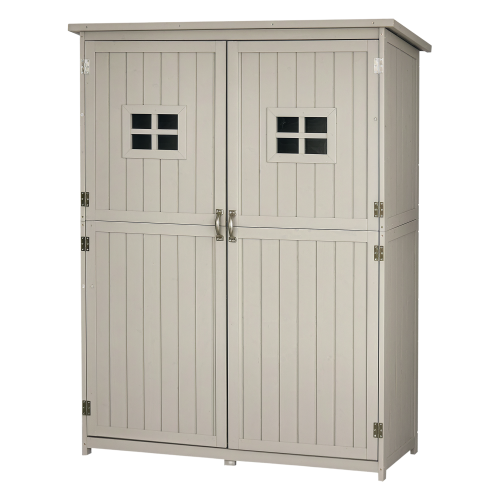
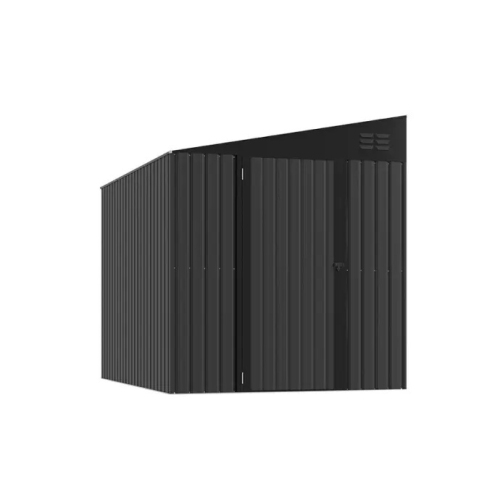
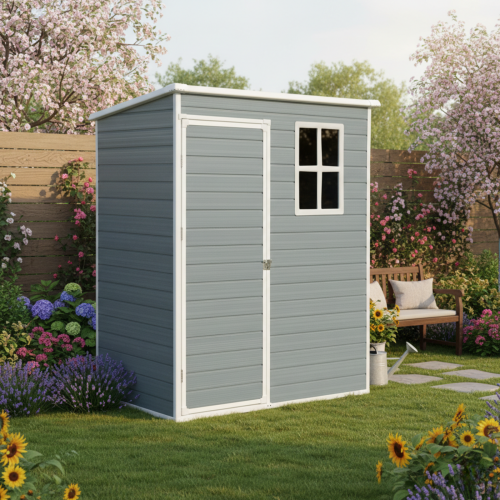
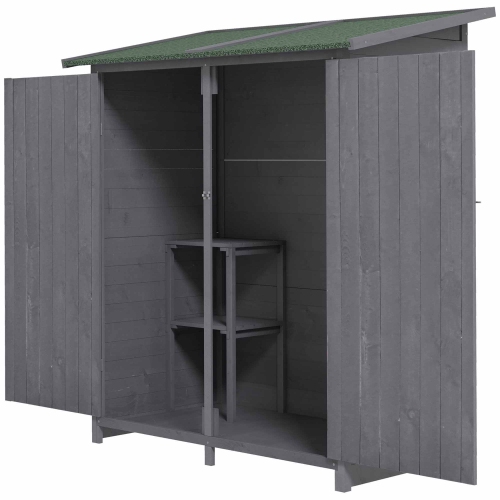
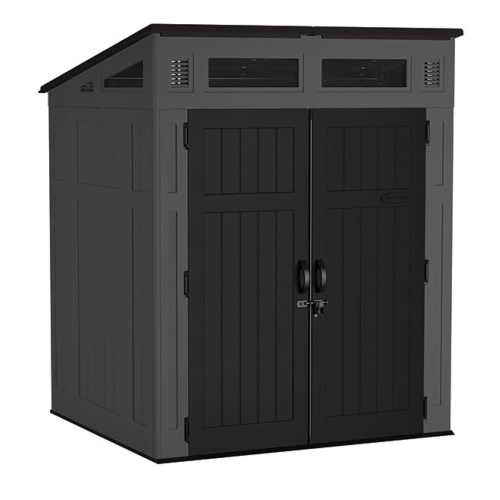
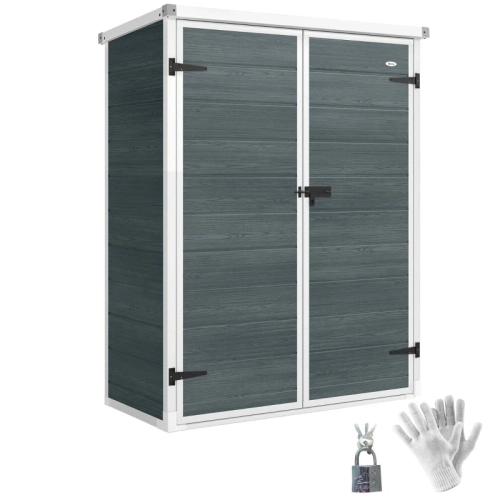
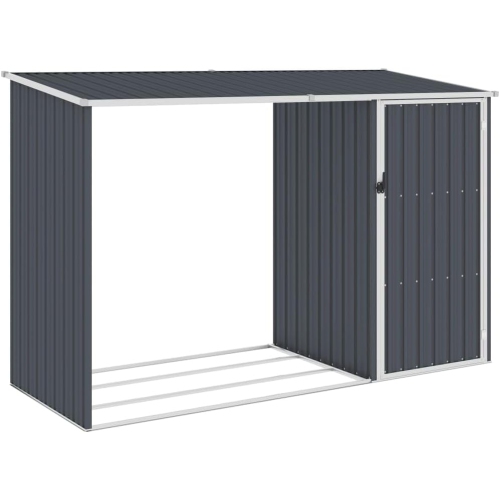
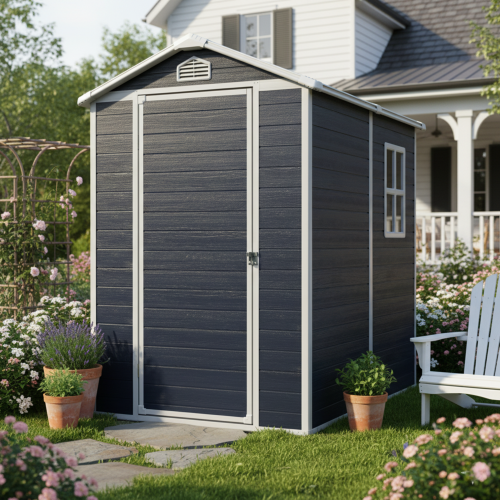
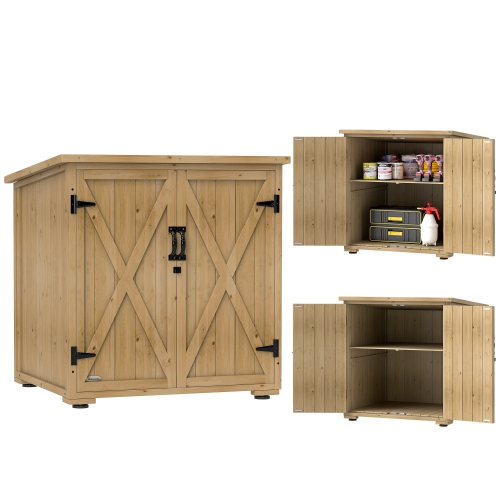
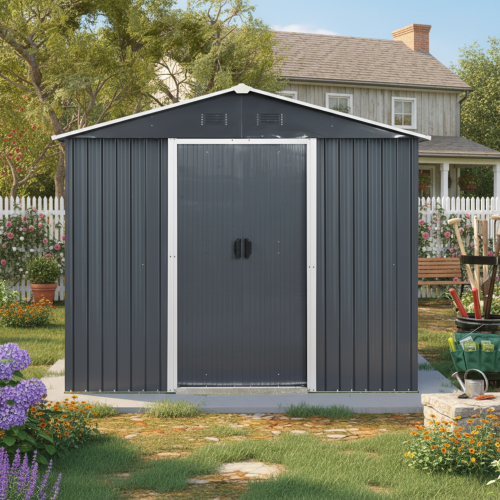
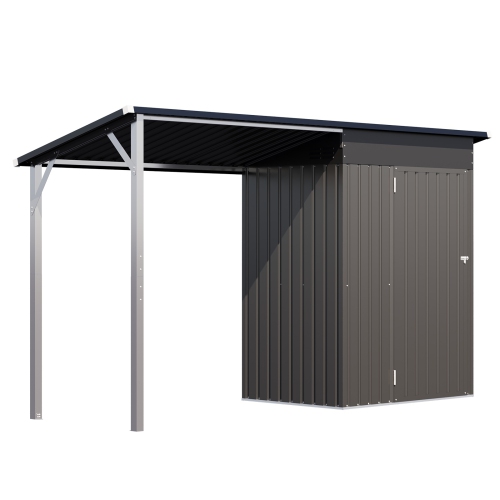
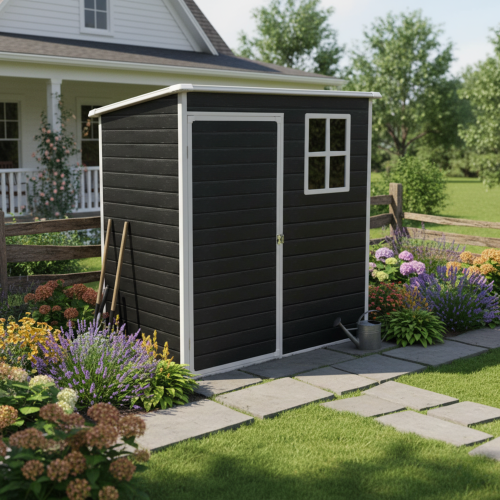
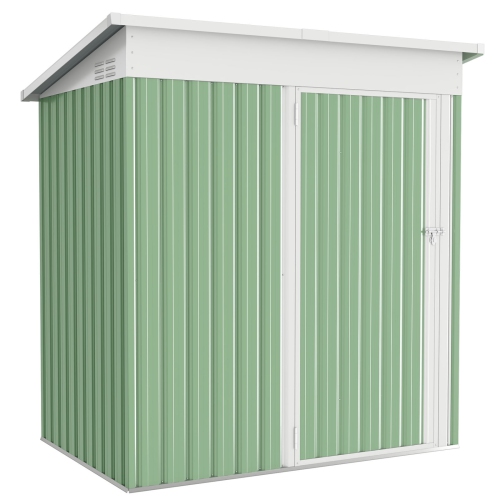
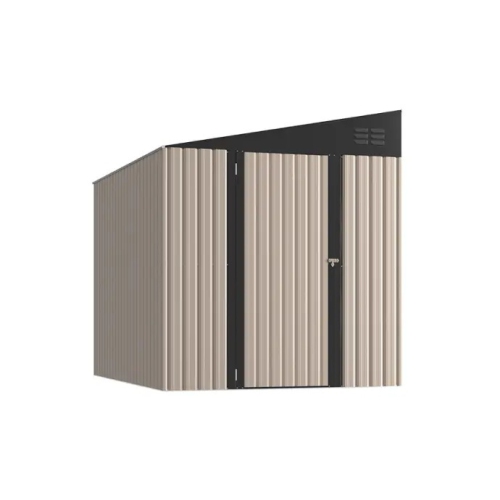
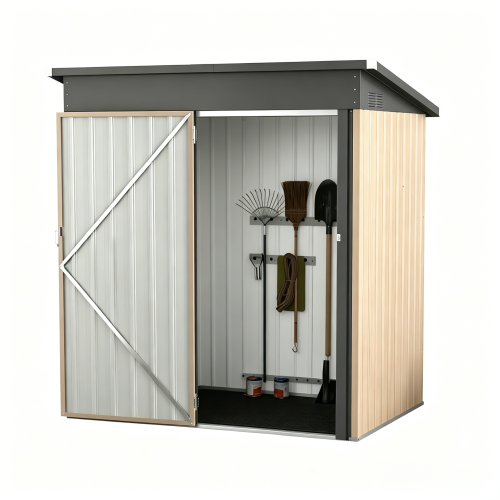
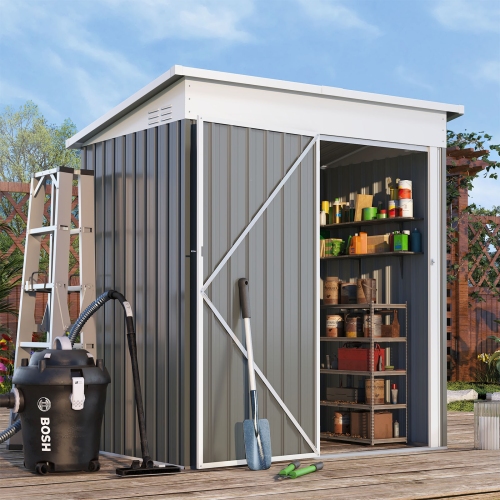
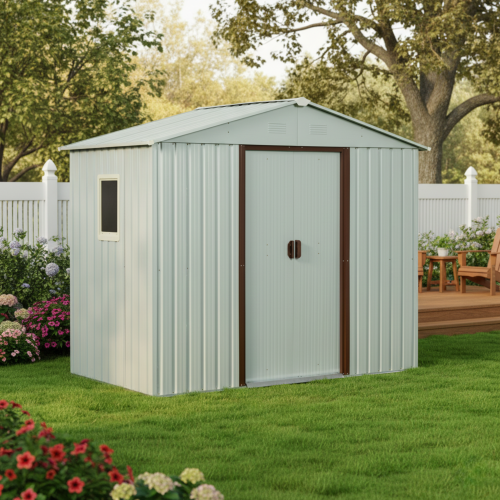
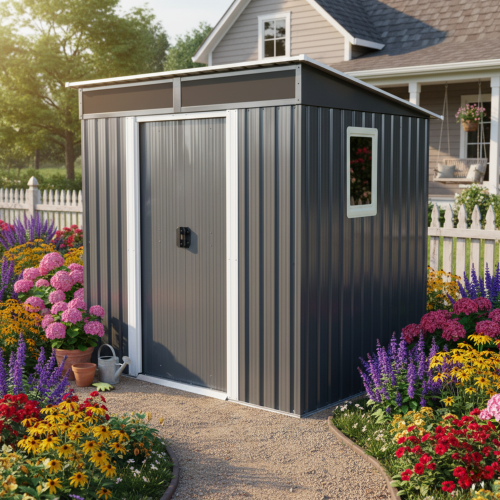
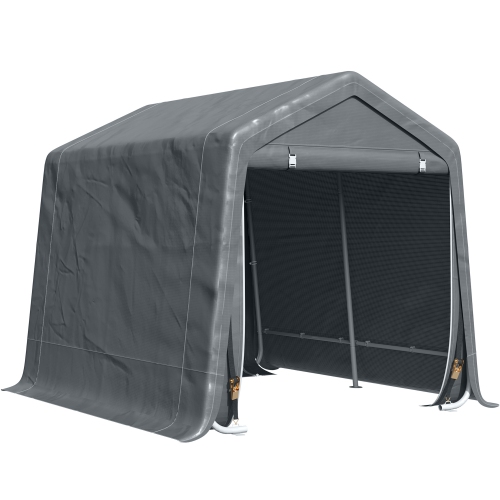
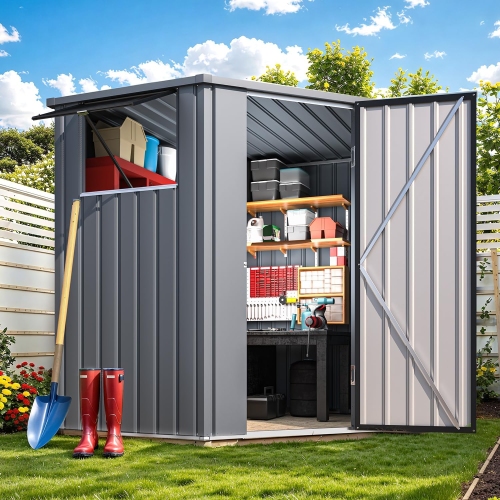
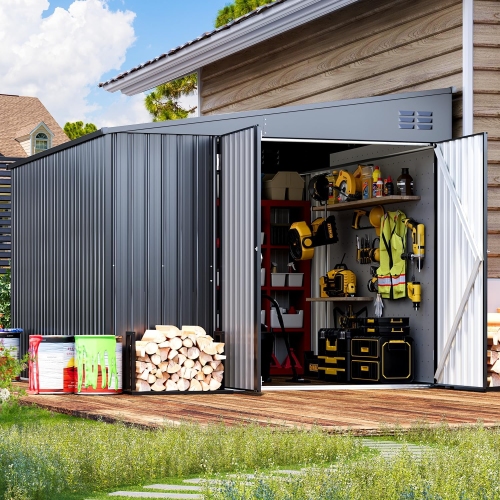
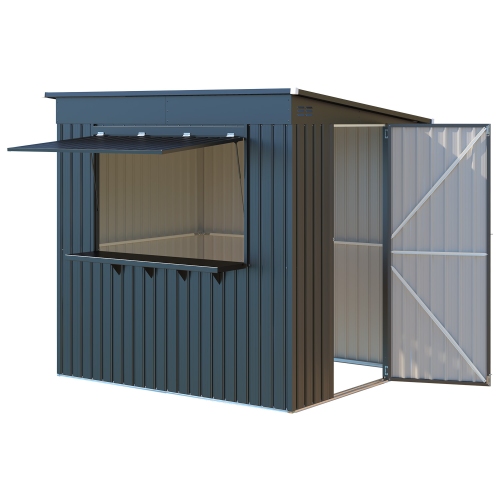
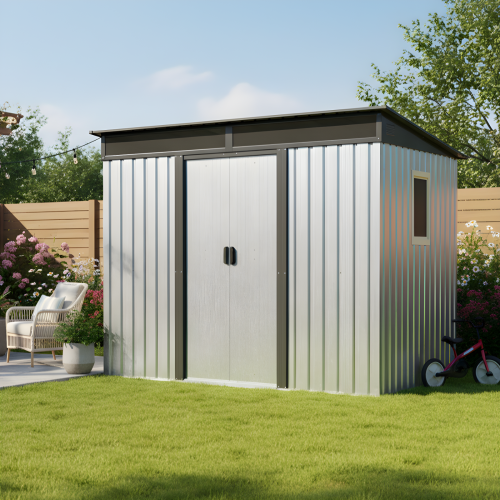
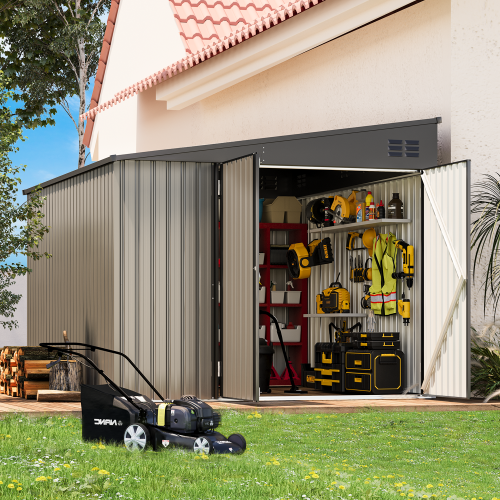
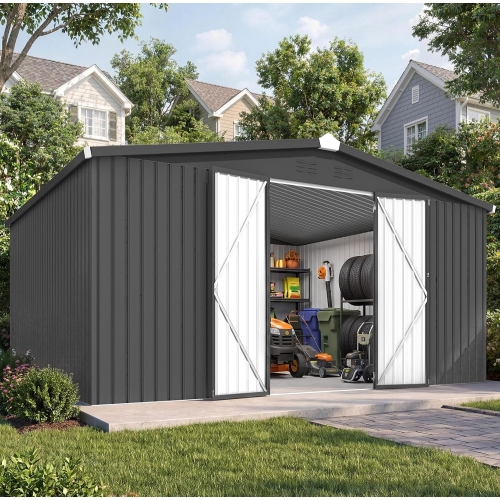
Garden storage sheds provide dedicated space for gardening tools, lawn equipment, outdoor accessories, and other belongings that can crowd a garage or entryway. Keeping these supplies together makes everyday tasks simpler: a spade has a place beside the rake, plant pots stay grouped on a shelf, and the lawn mower can be reached without moving several unrelated things first. The most useful shed is not necessarily the largest one, but the one whose interior layout suits what it needs to hold. A tall, narrow structure can accommodate long-handled tools in a small yard, while a shallow storage shed can make good use of space along a fence. A larger walk-in design provides more room for bulky equipment, shelving, and a clear route through the middle. Exterior dimensions describe the overall footprint, but usable floor space, interior height, and door opening measurements give a better picture of everyday practicality. Roof overhangs, handles, and open doors can extend beyond that footprint, so they also affect how comfortably a shed fits beside a walkway or garden bed. For wheeled equipment, the width of the doorway and the height of the threshold matter just as much as floor area. Double doors can make manoeuvring easier, particularly when the equipment has wide handles or attachments. A low-profile design may suit storage beneath a fence line, while a taller roof creates more headroom for standing and reaching. Placement also influences convenience: frequently used tools are easier to put away when the entrance faces an accessible path rather than a tight corner. A firm, level base supports proper door alignment and helps the structure remain stable. Depending on the design, that base might be a prepared concrete pad, paving slabs, or a suitable platform built to the manufacturer’s specifications. Property setbacks, utility access, drainage, and local permit requirements can affect placement, even when a shed appears small enough to fit comfortably.
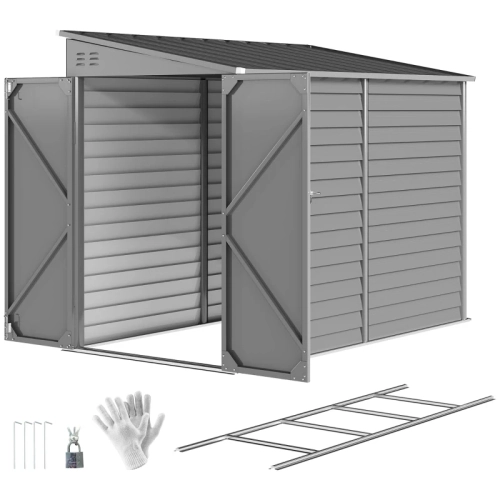
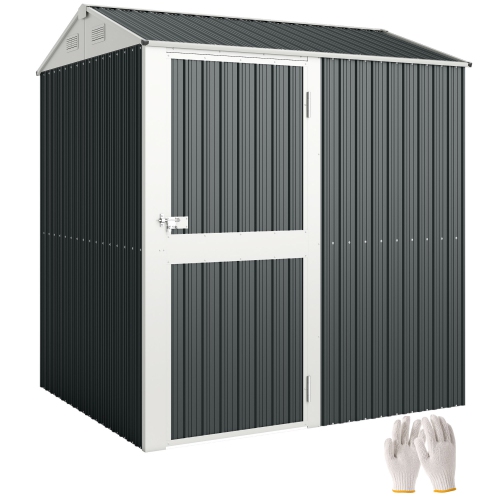
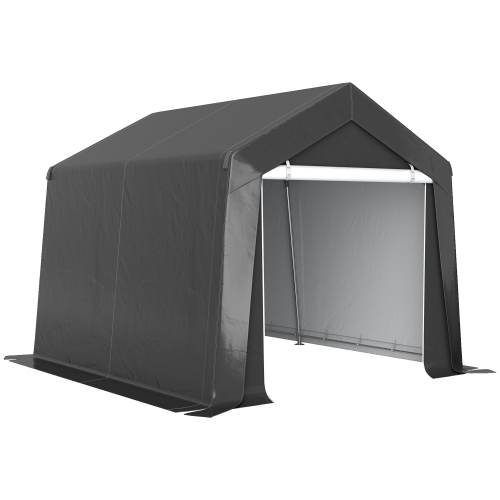
Material choice gives garden storage sheds much of their character and determines the kind of upkeep they need. Metal sheds commonly use coated steel panels, offering a practical enclosure with relatively thin walls that leave more room inside a given footprint. Panel thickness, framing, fasteners, and the protective finish all contribute to durability. Scratches or exposed edges may need attention to help limit rust, and the condition of hinges and door tracks affects how smoothly the entrance operates. Resin and plastic sheds are often chosen for surfaces that are straightforward to clean and do not need painting. Their strength depends on the panel design, connections, and any supporting framework, rather than the material name alone. Resistance to fading, cracking, and impact varies, so manufacturer specifications are more useful than assuming every resin shed performs alike. Wood sheds offer a familiar garden appearance and can often be painted or stained to complement nearby fencing or exterior trim. They may also provide flexibility for adding shelves or tool racks where the structure permits. Wood needs appropriate finishing and periodic inspection, particularly near the base, around fasteners, and anywhere water could collect. Some species, including western red cedar, have natural resistance to decay, but that does not remove the need for sound construction and care. Across all materials, a well-fitted roof, secure panel joints, and properly installed flashing help manage rain and melting snow. Roof load ratings are especially relevant where snow accumulation is a concern; suitability depends on the stated rating and local requirements, not simply the roof’s shape. Ventilation is another important feature because an enclosed shed can trap moisture brought in on damp tools or equipment. Vents support air movement but cannot guarantee a dry interior. Keeping drainage clear, allowing wet belongings to dry before storage, and following the specified care instructions all help protect both the shed and its contents.
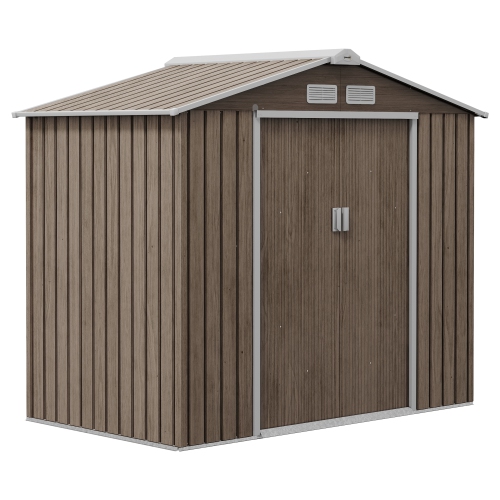
Everyday convenience often comes down to details that are easy to overlook when comparing dimensions alone. Hinged doors need room to swing, whereas sliding doors keep the opening close to the shed wall but rely on clean, unobstructed tracks. A generous entrance is useful for moving a mower straight in; a smaller doorway may be perfectly adequate for hand tools, watering cans, and plant supports. Windows or roof panels designed to admit daylight can make it easier to find supplies, although their placement also affects how visible the contents are from outside. A lockable handle or provision for a padlock adds a measure of access control, but a garden shed should not be treated as a high-security space without considering its overall construction and anchoring. Inside, shelves keep smaller supplies off the floor, while hooks can separate rakes, brooms, and hoses so they do not become tangled. Accessory compatibility matters, especially with resin or thin metal walls that may require purpose-made mounting points rather than ordinary screws. Floor construction deserves similar attention: some designs include a floor, while others require one separately, and the supported load must suit the equipment being stored. A ramp can make wheeled access easier where compatible, provided it is securely installed and rated for the intended load. Assembly requirements also vary, from panel-based construction to more involved kits that need additional tools, preparation, and assistance. For households comparing outdoor garden sheds, these practical differences help distinguish a compact tool store from a space intended for larger equipment and regular walk-in access. Gardeners may value vertical tool storage and room for potting supplies, while families may need separate zones for outdoor play equipment and yard-care essentials. A well-matched shed gives those belongings defined places without filling every corner, leaving enough space to reach, lift, and return them comfortably.
Top selling and popular products
-
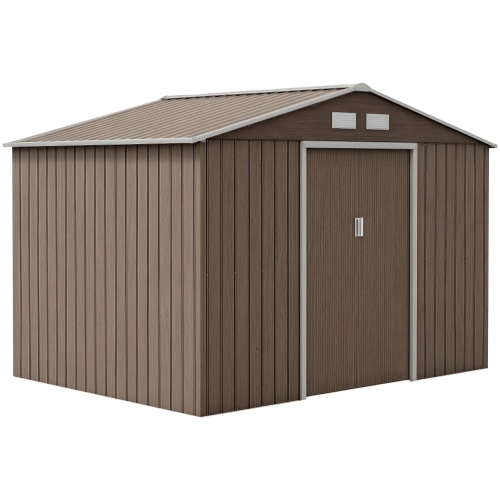 Your price for this item is $599.99
-
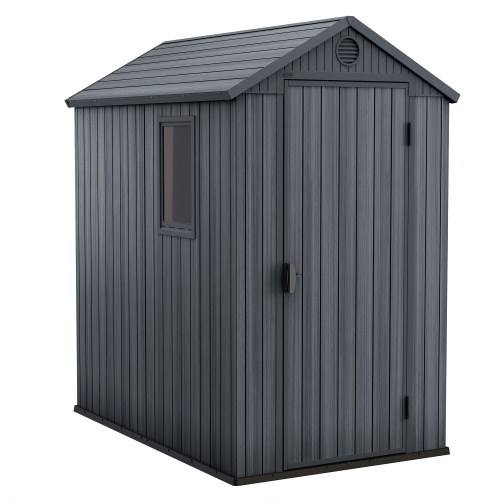 Your price for this item is $1418.99
-
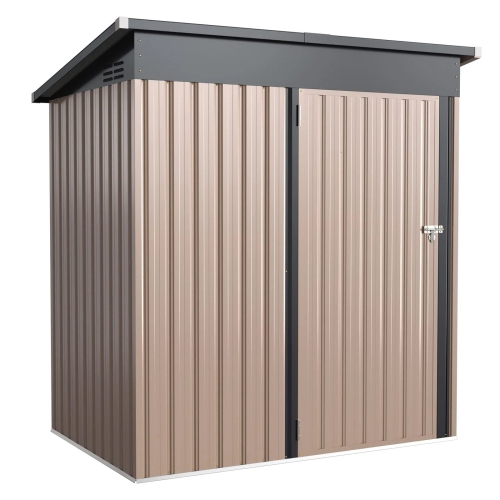 Your price for this item is $179.99
-
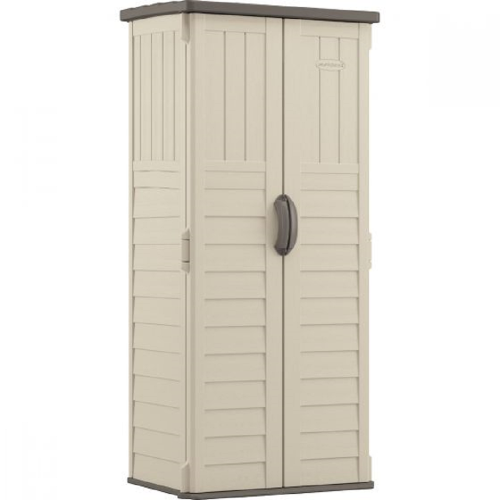 Your price for this item is $385.99
-
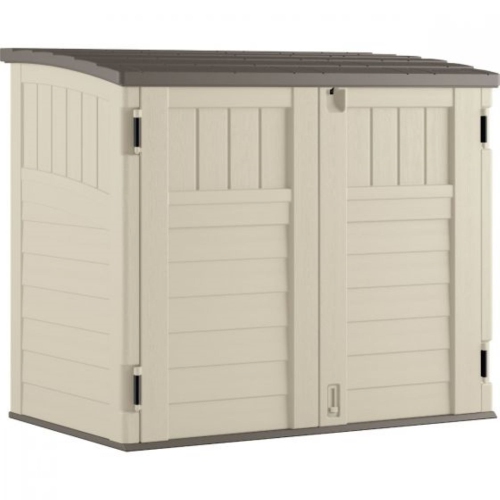 Your price for this item is $459.99
-
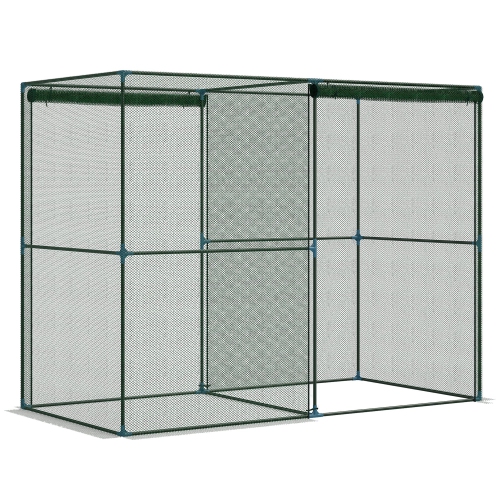 Your price for this item is $79.99
-
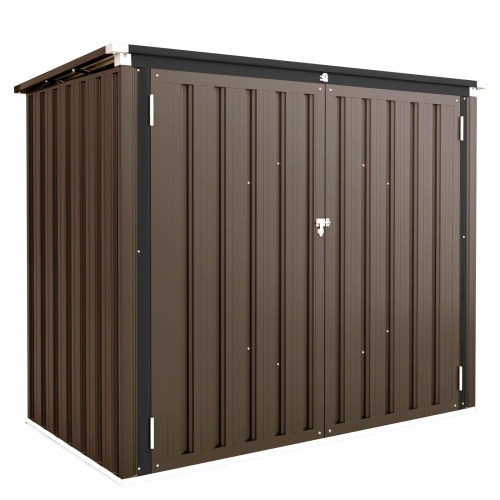 Your price for this item is $204.99
-
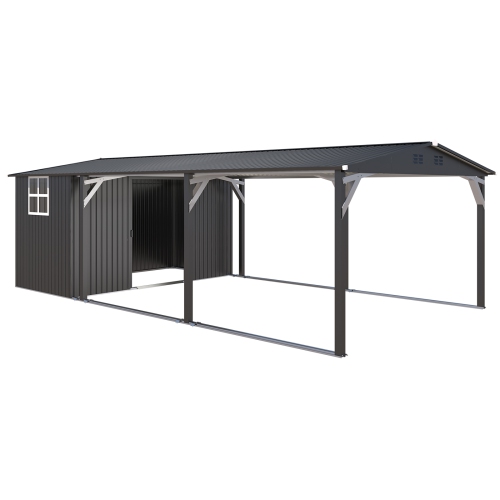 Your price for this item is $1199.99
Discover more categories related to Garden Storage Sheds
Top Collections:
Best Black Friday Deals This Year, Best Black Friday Deals On Electronics, Kindle Devices, Pokemon Centers, Best Black Friday Deals On Apple Products, Best Cameras for Sports Photography, Dyson Airwrap, Pokémon 30th Celebration Cards, Apple iPhone 17 Pro, Canon G7X Cameras
Some products may be subject to Environmental Handling Fees
(EHF) depending on your province.
Learn more about EHFs.