Patio Tables
Upgrade your outdoor living space with a stylish and functional patio table. Whether you're hosting a summer barbecue, enjoying a peaceful brunch in the sun, or simply relaxing with a good book, a well-chosen patio table can elevate your outdoor experience. From sleek modern designs to classic and rustic styles, our selection of patio tables offers something for every taste and space. Explore durable materials that withstand the elements, innovative features for added convenience, and versatile sizes to fit any outdoor setting.
Sort
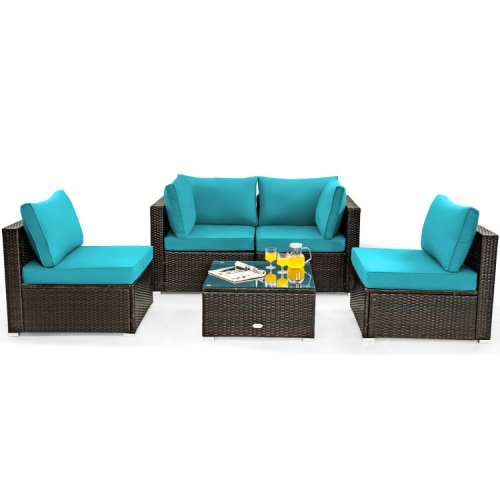
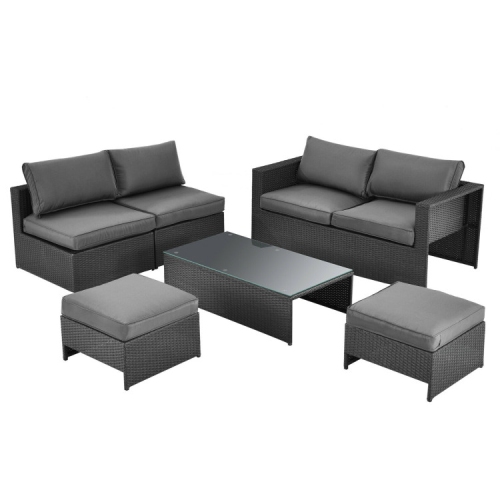
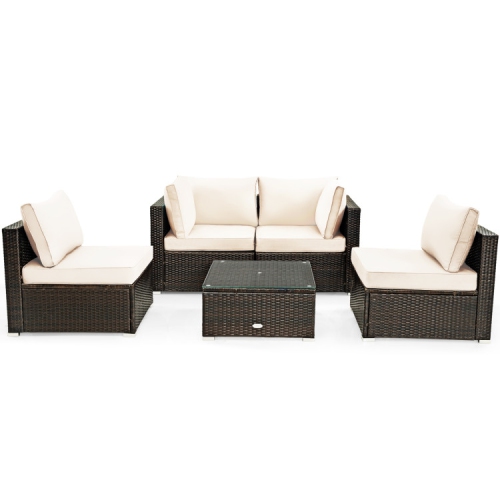
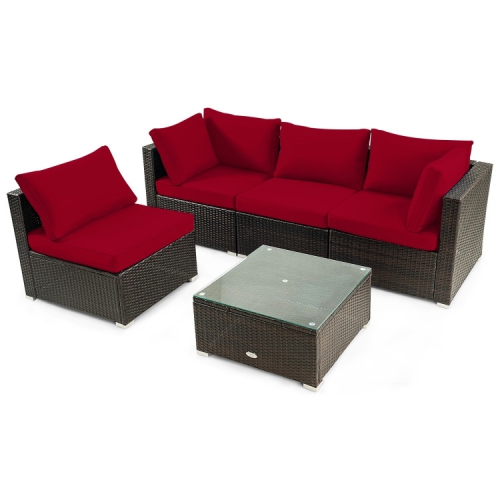
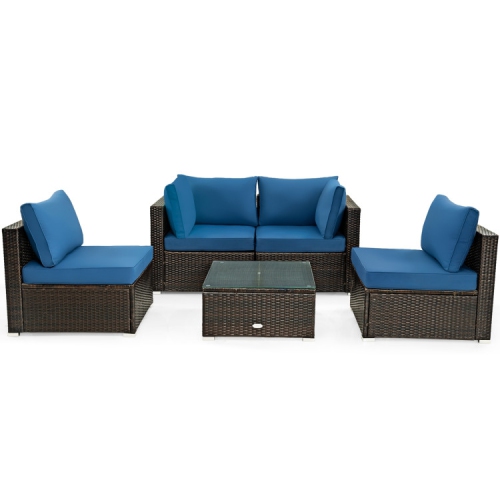
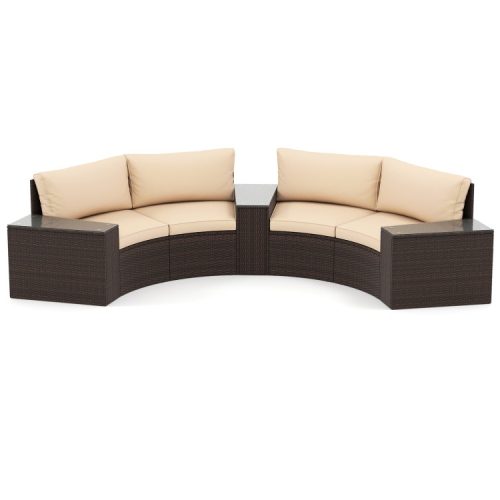
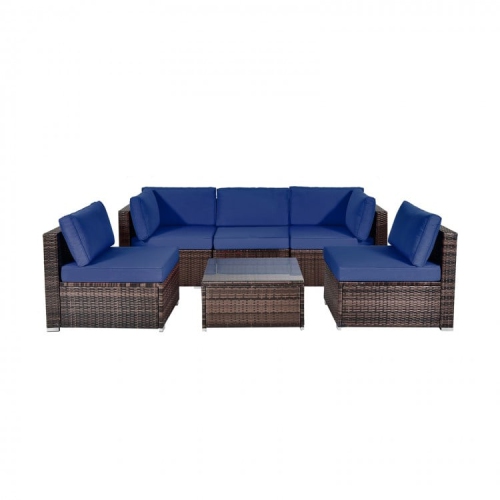
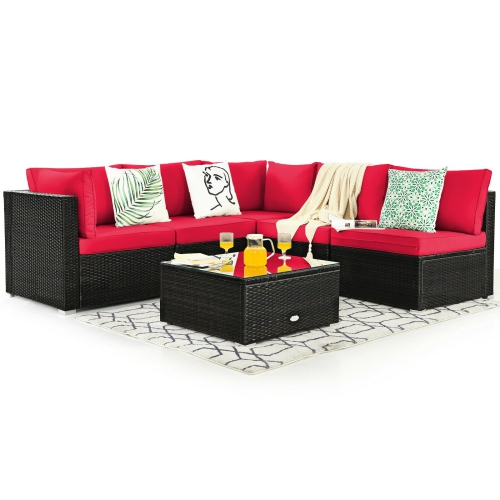
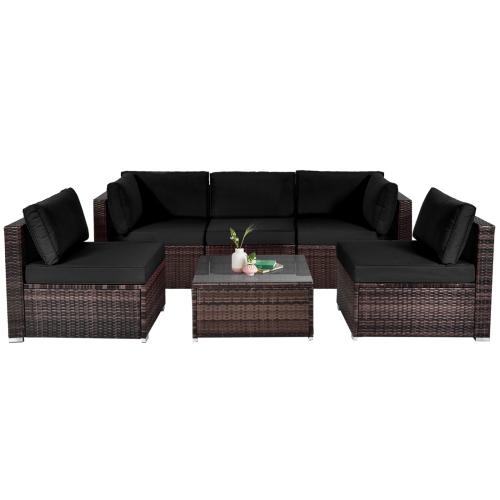
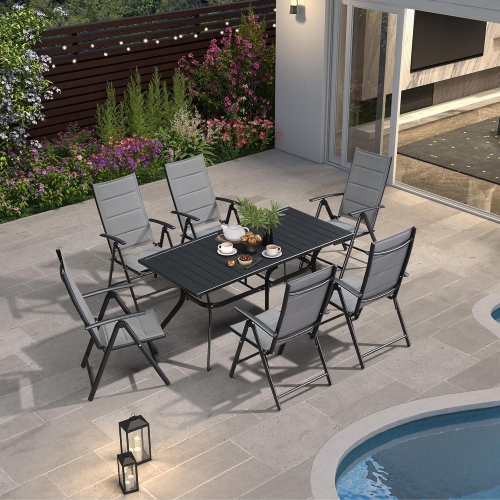
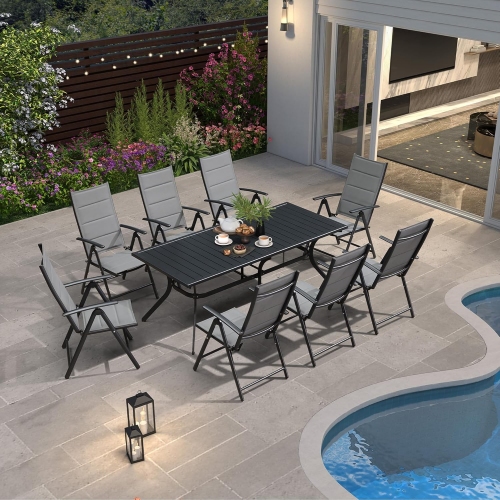

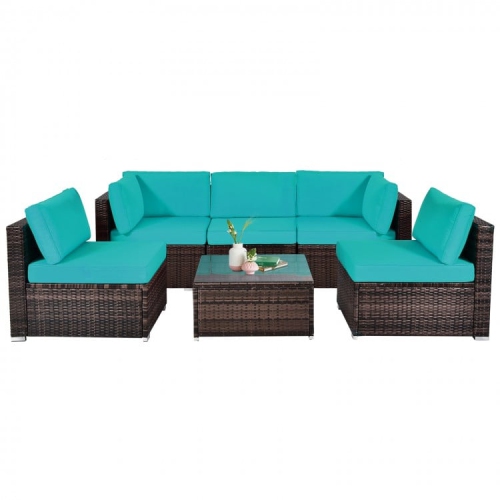
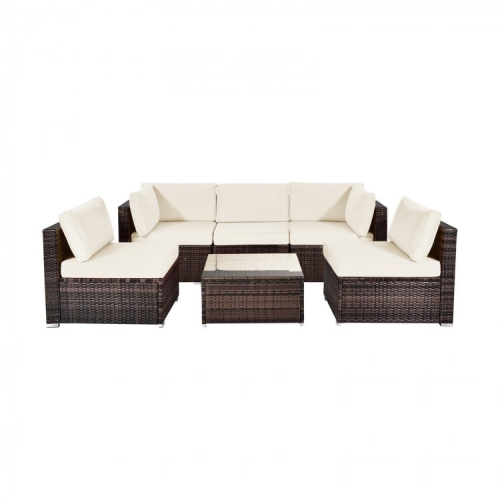
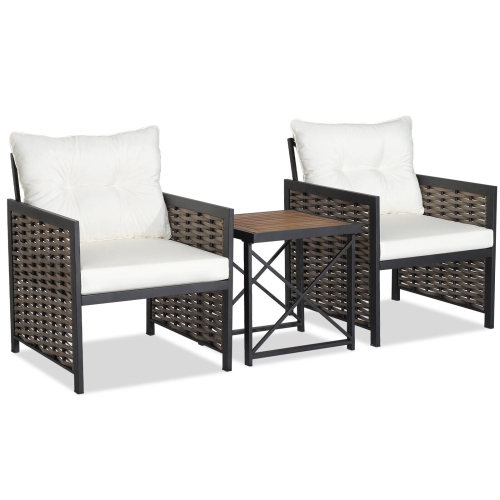
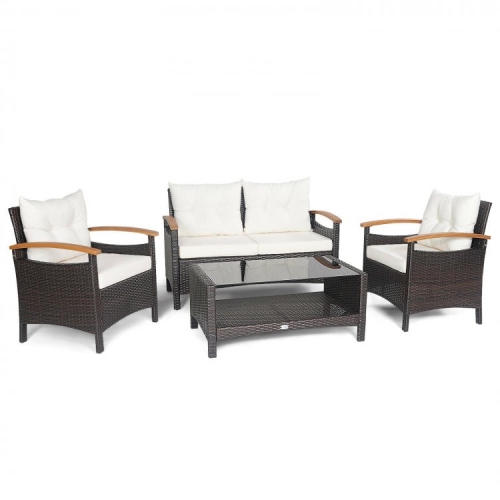
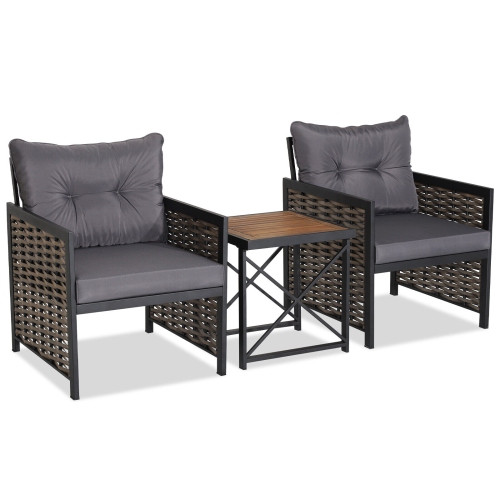
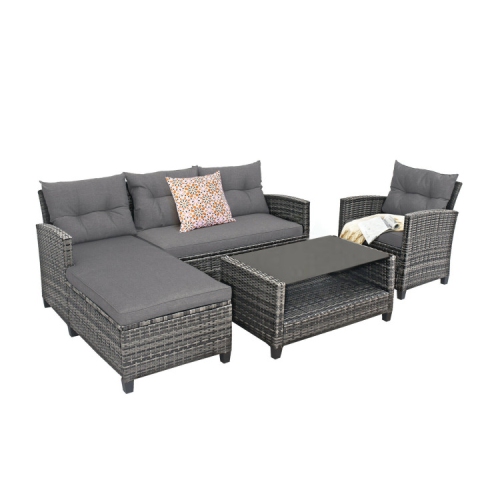
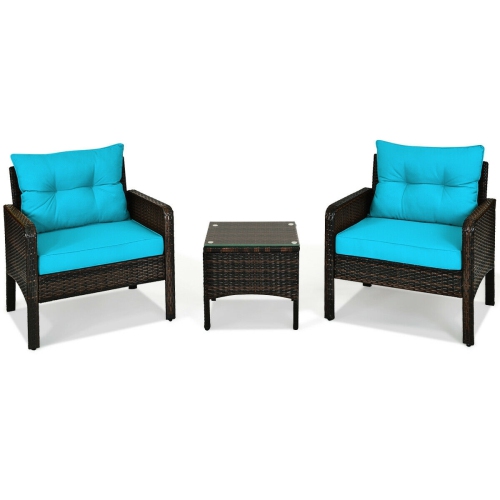

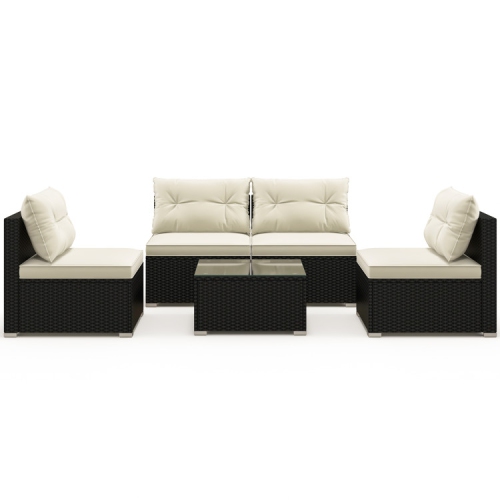
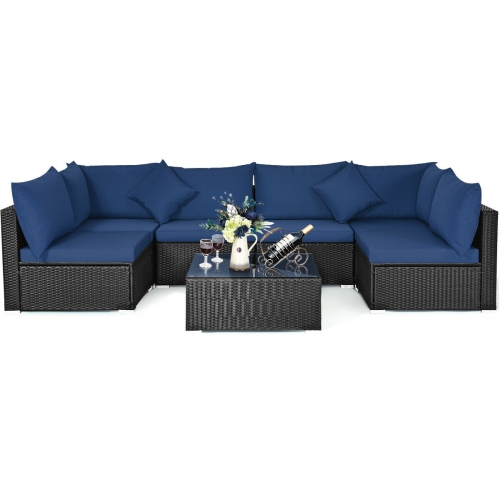
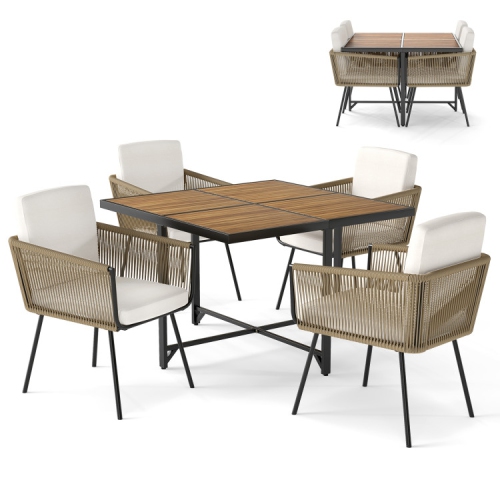
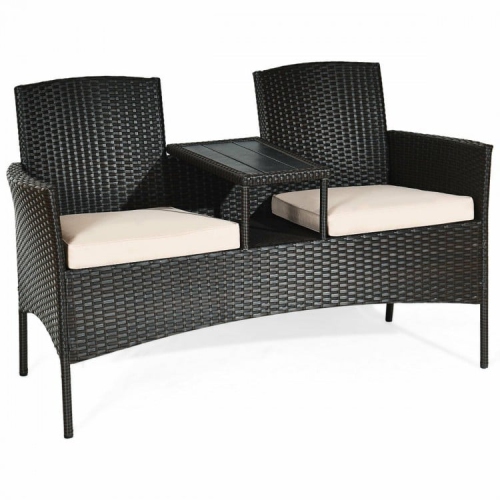
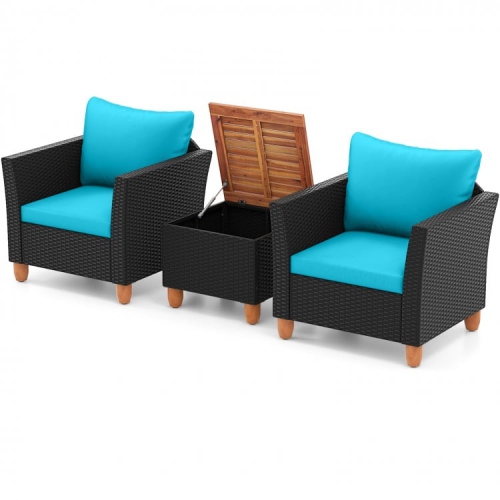
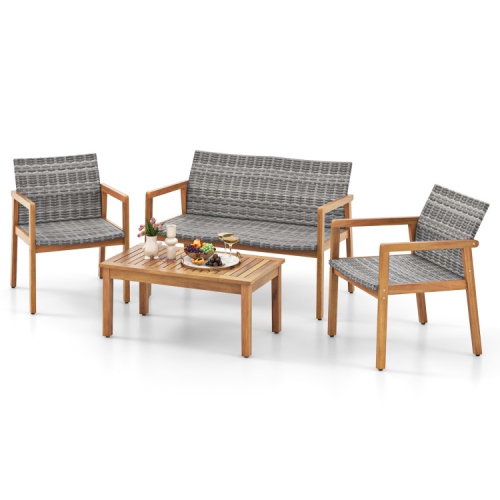
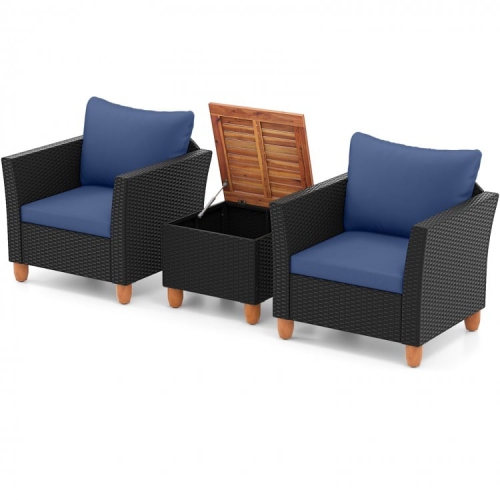
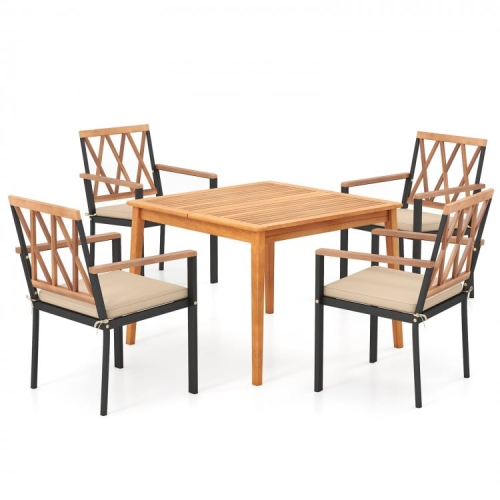
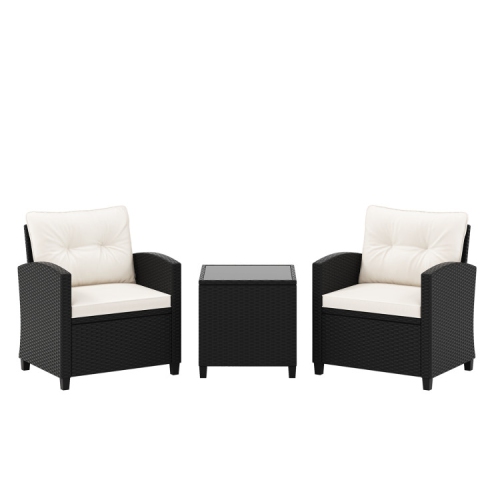
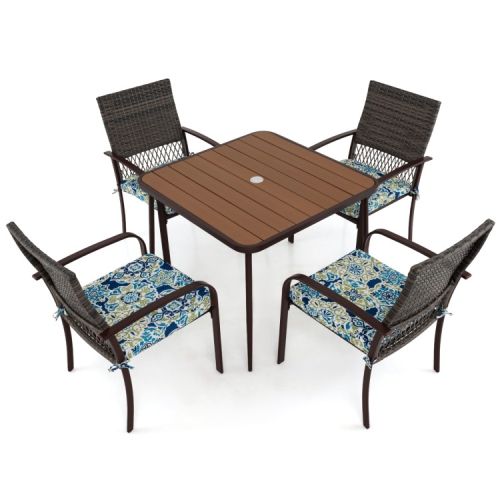
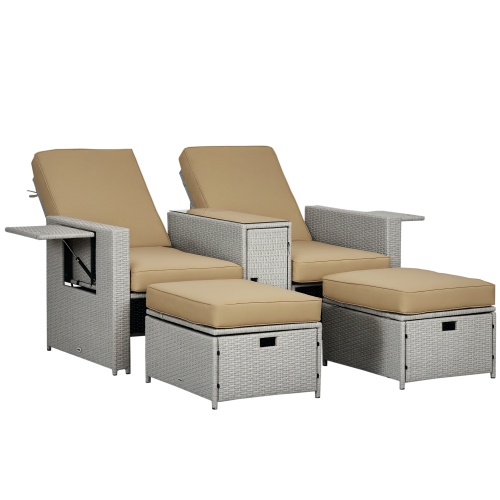
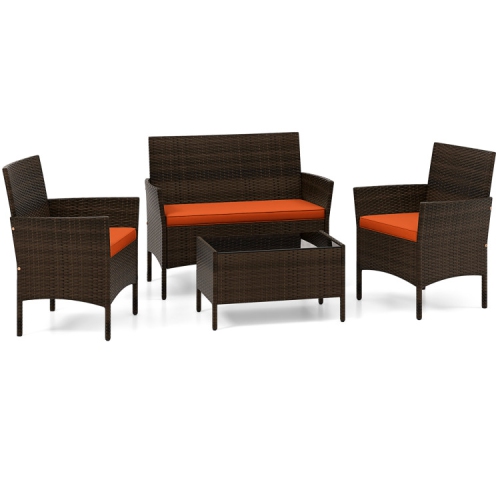
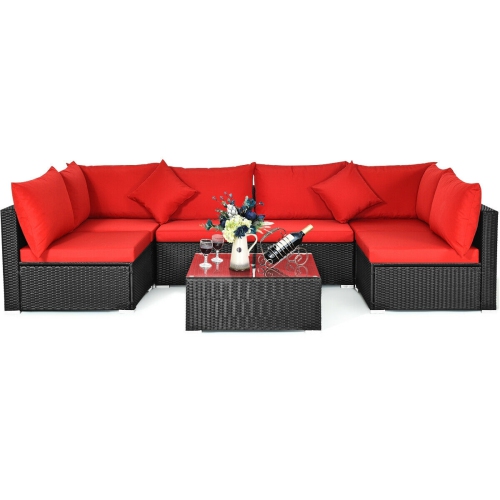
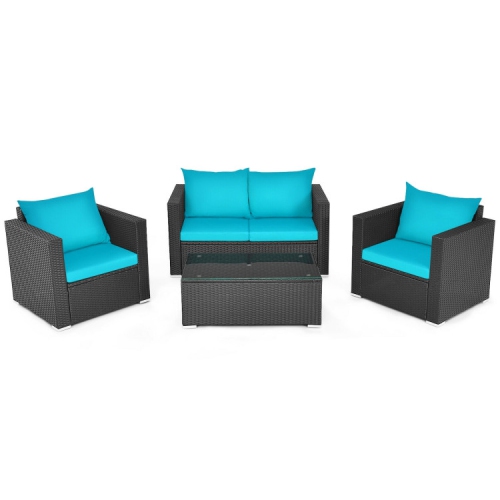
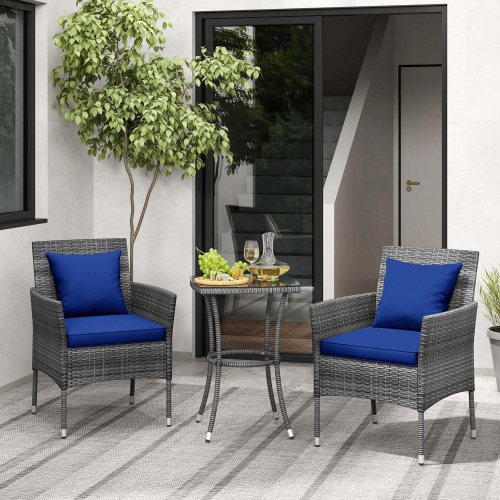
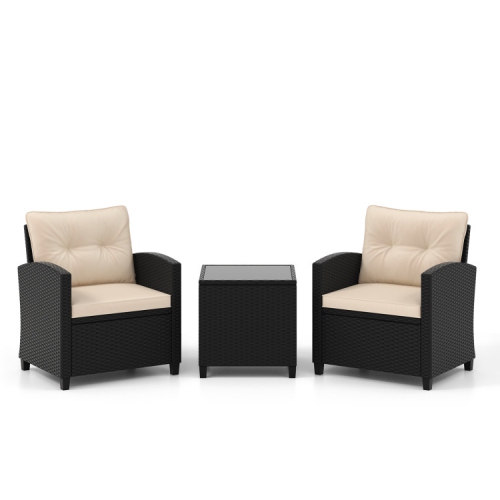
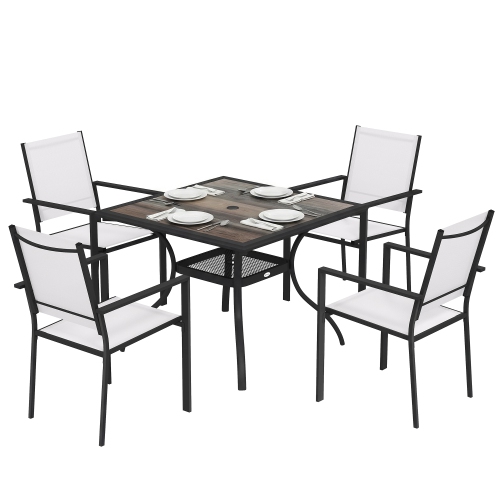
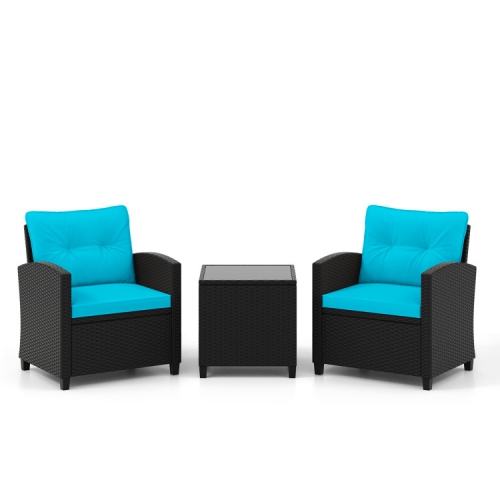
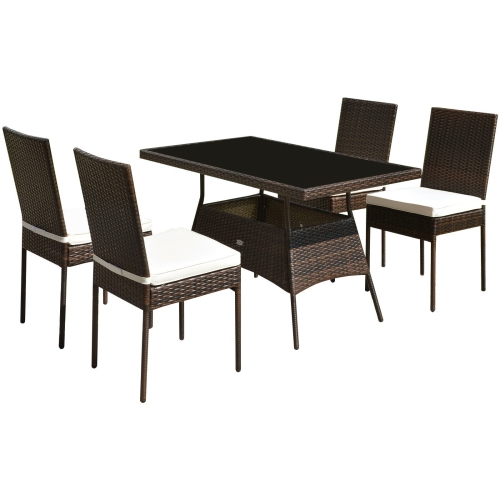
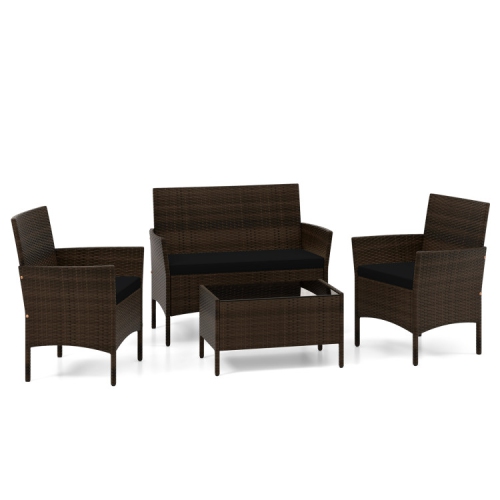
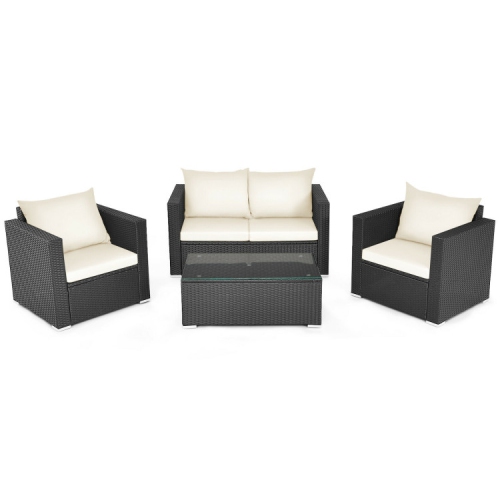
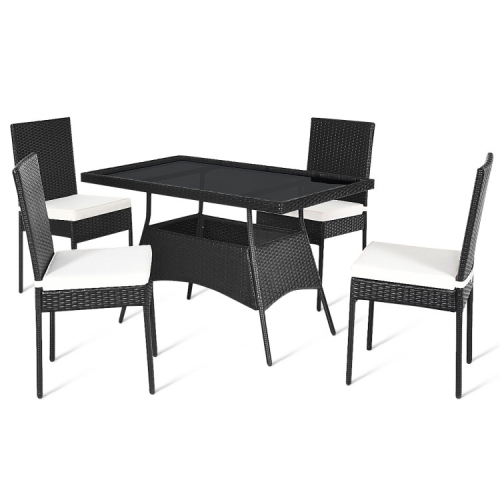

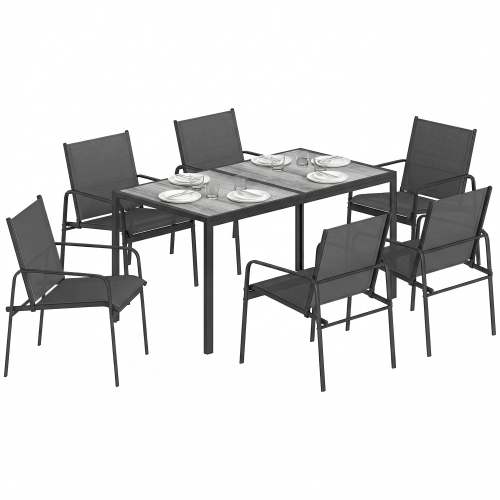
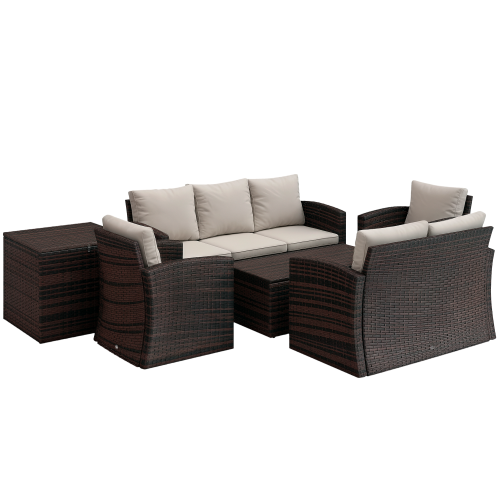
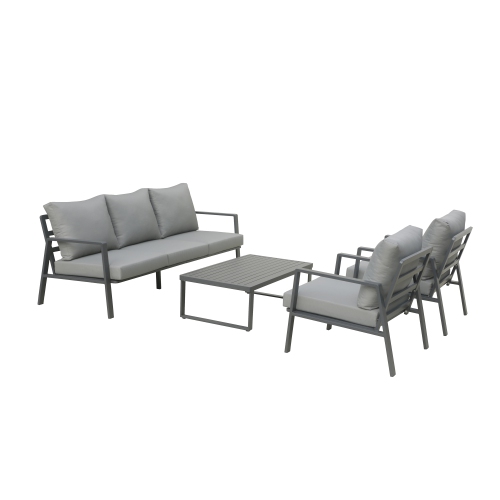
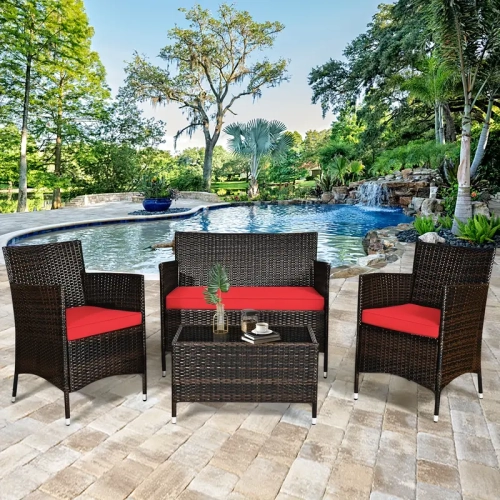
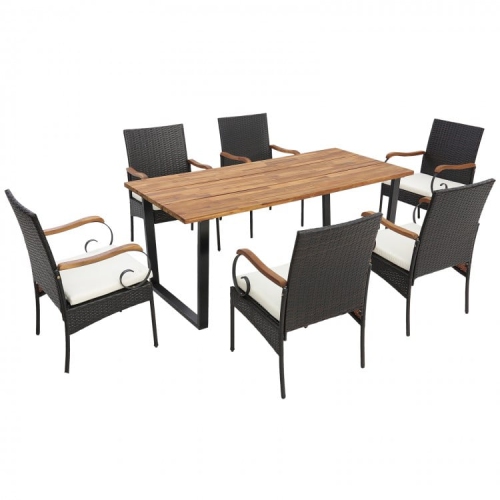
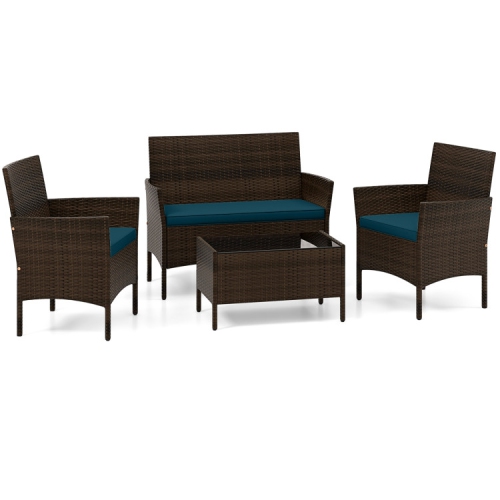
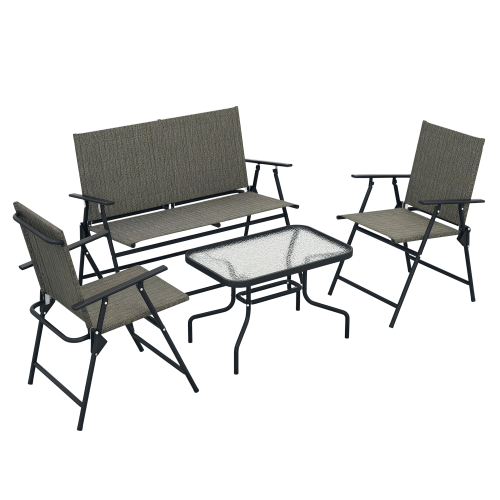
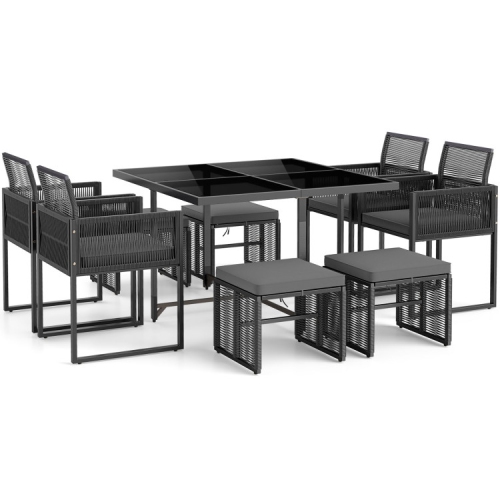
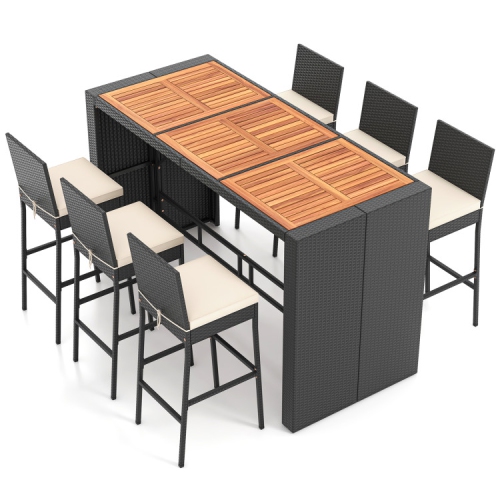
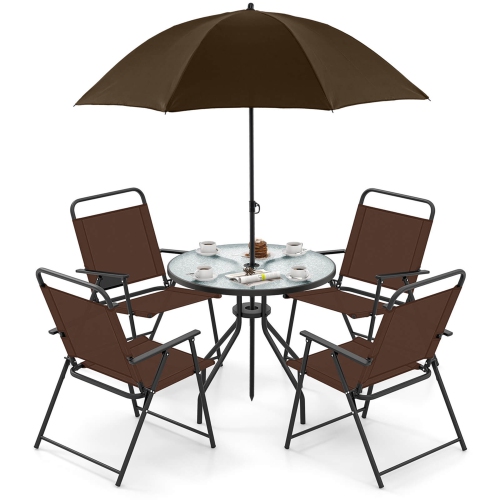
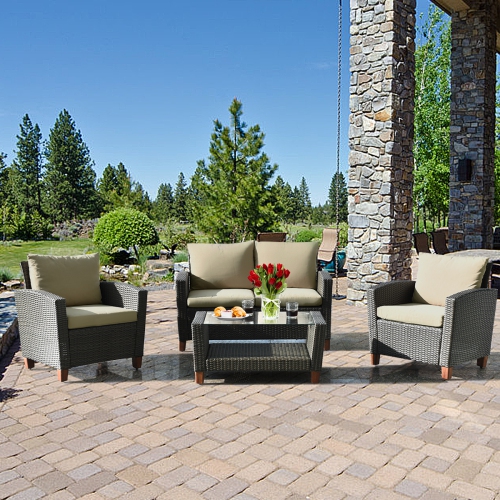

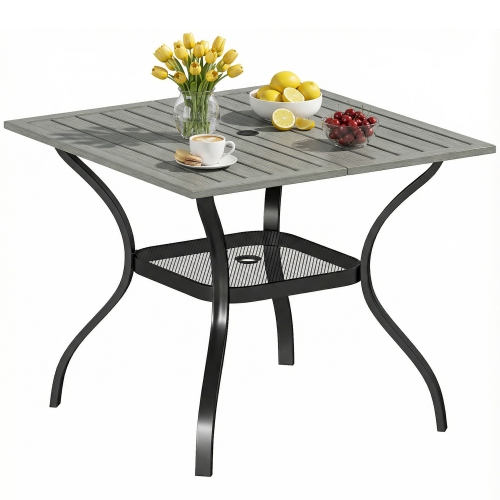
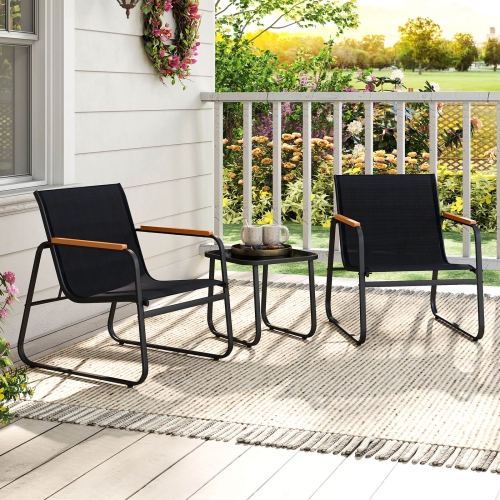
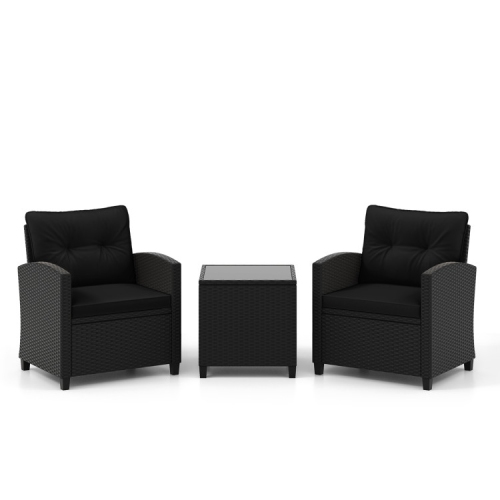
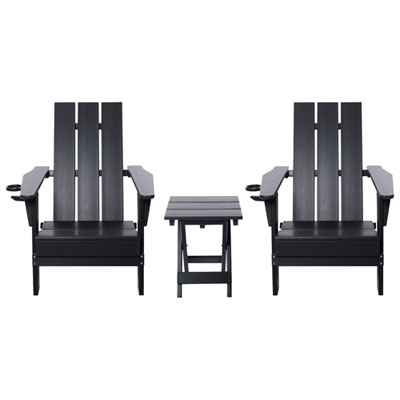
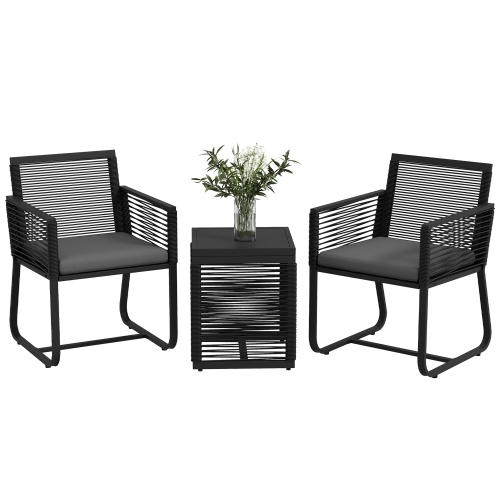
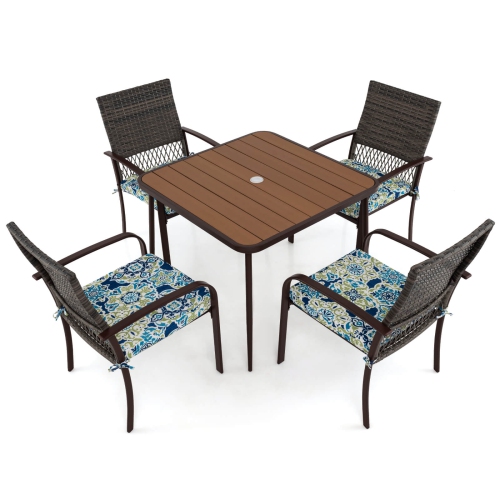
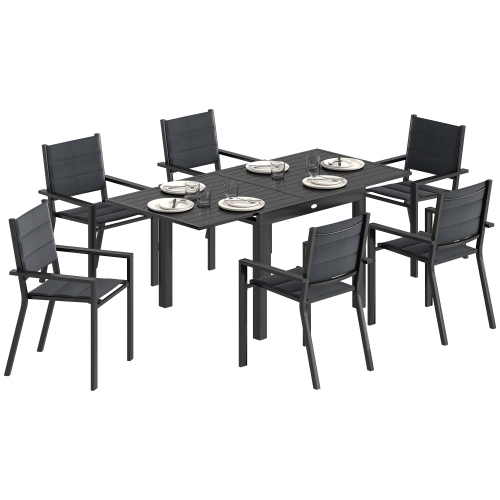
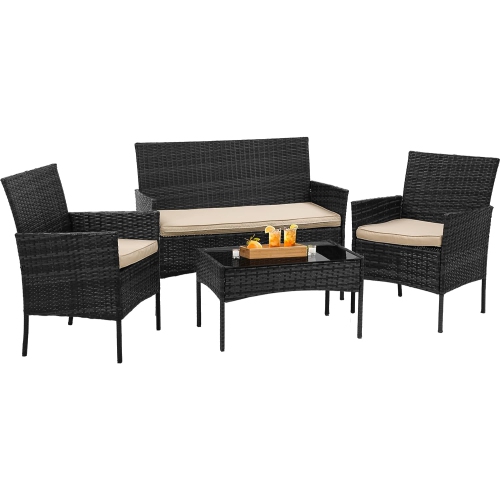
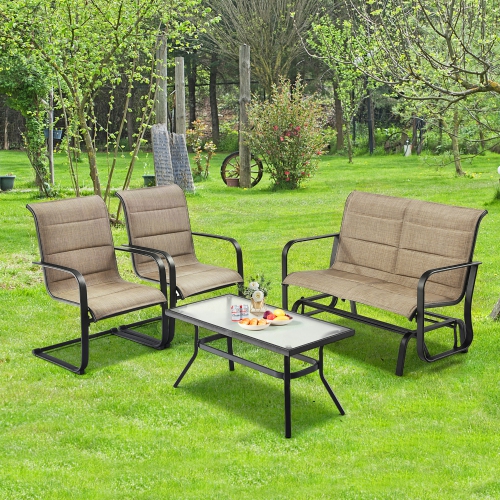
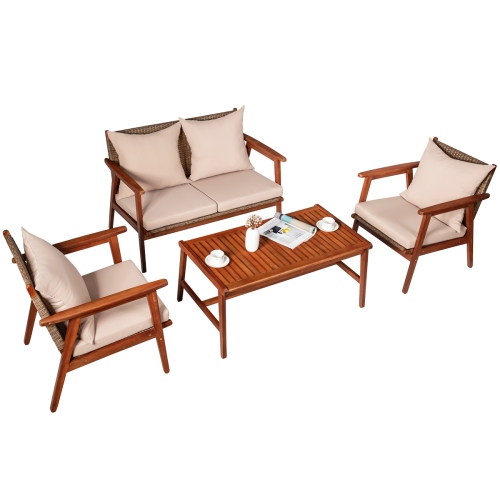
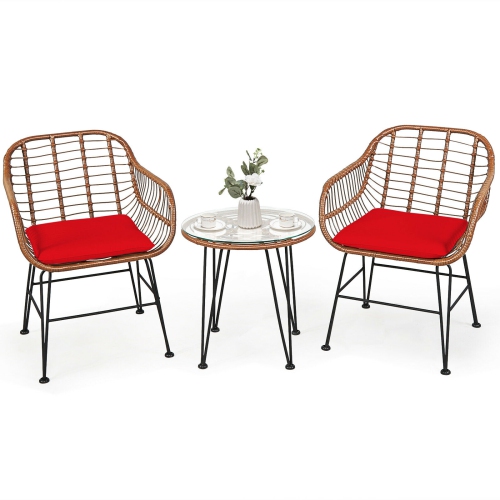
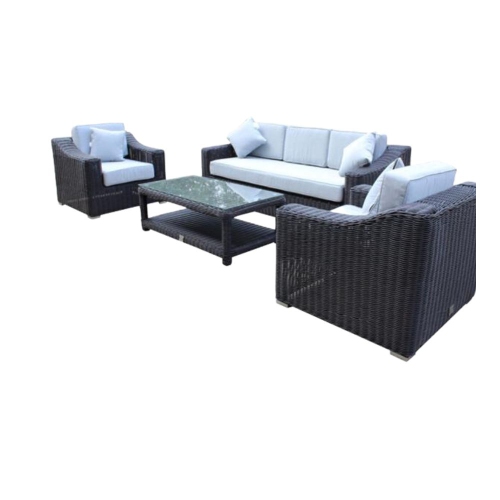
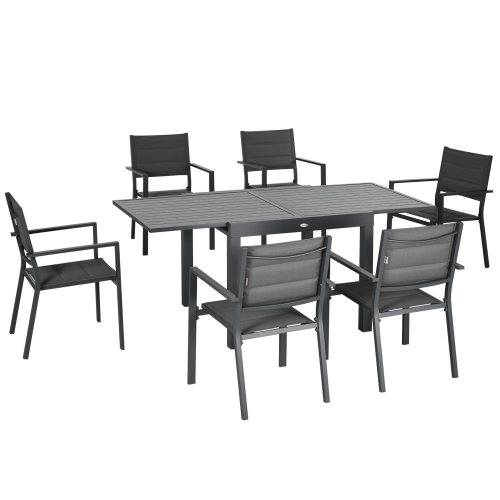
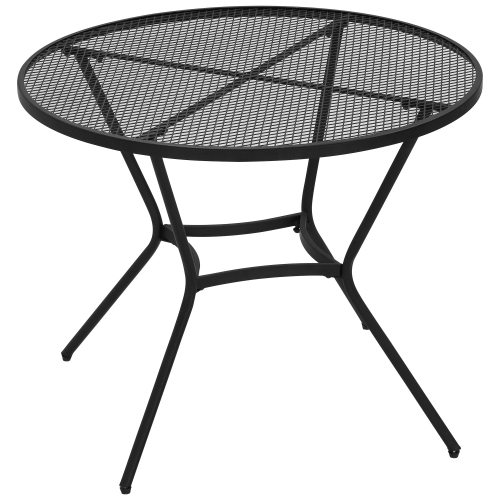


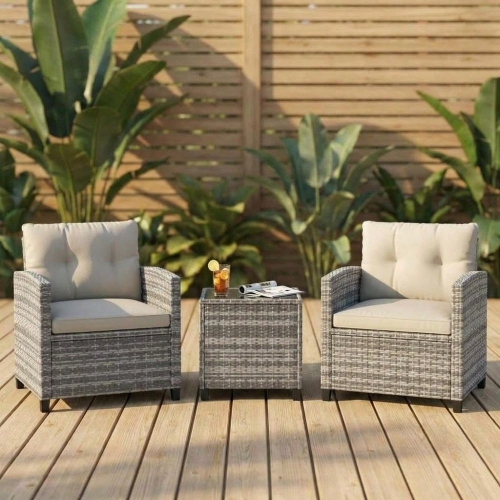
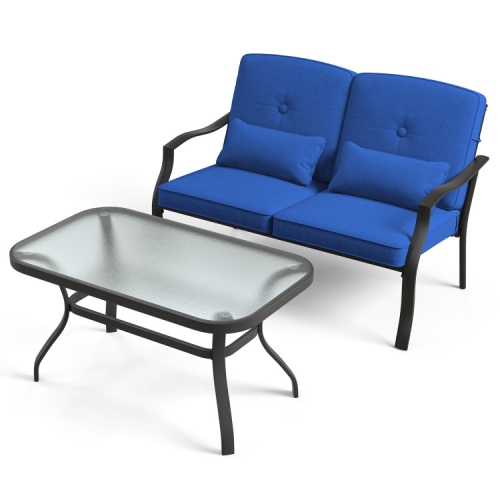

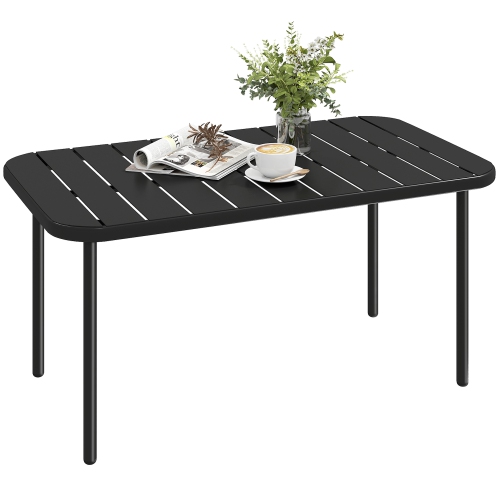
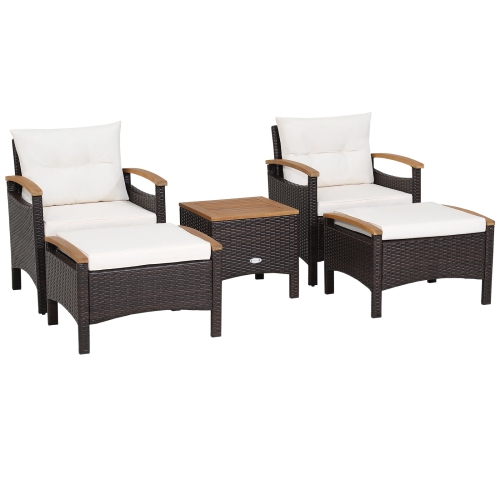
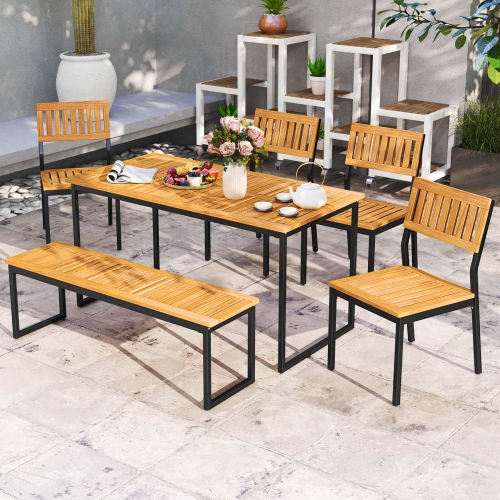
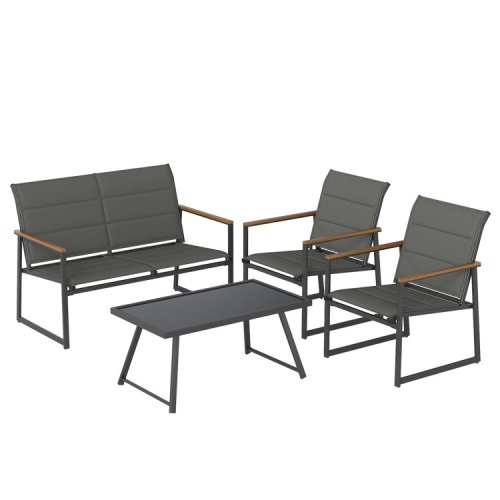
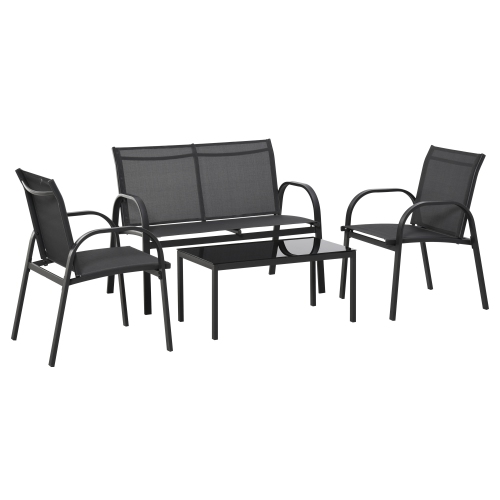
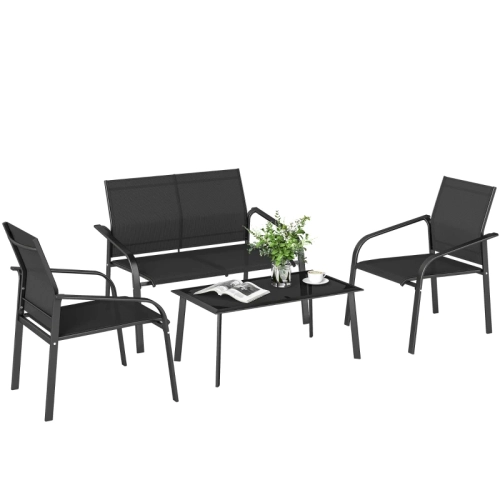
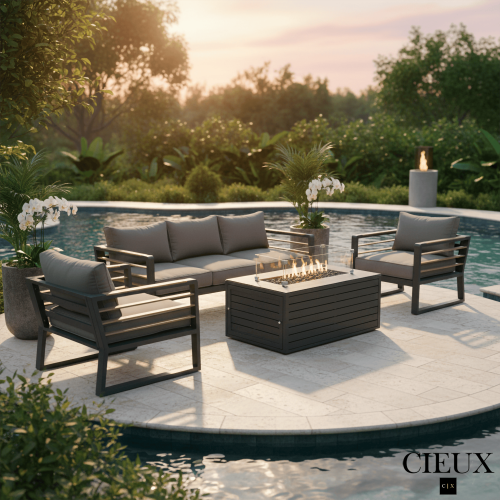
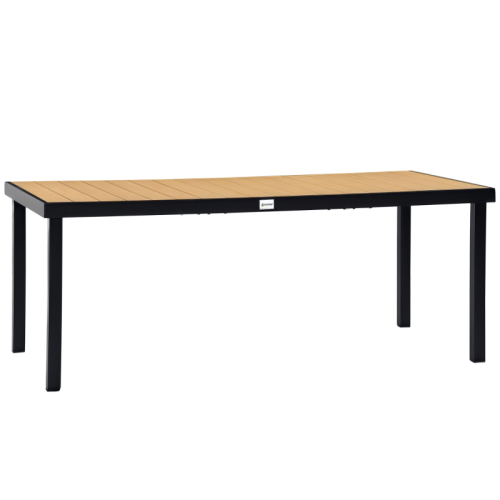
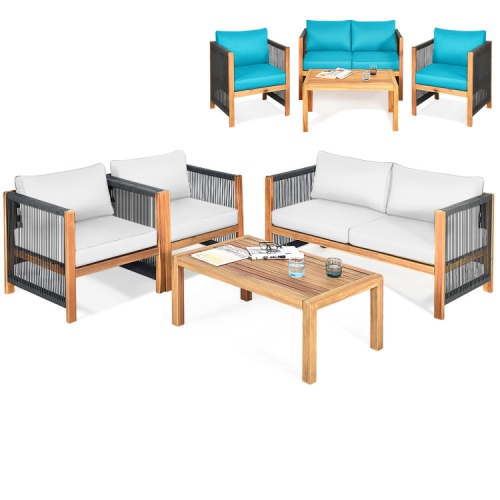
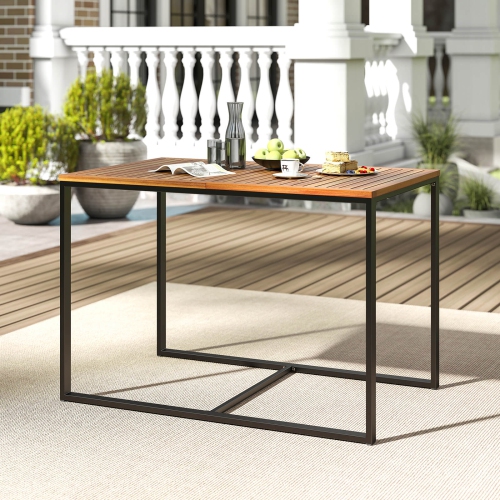
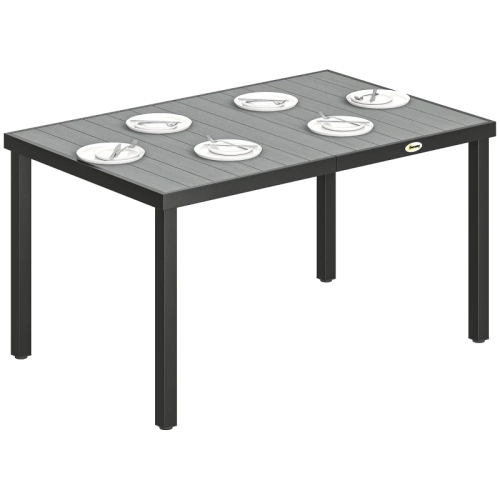
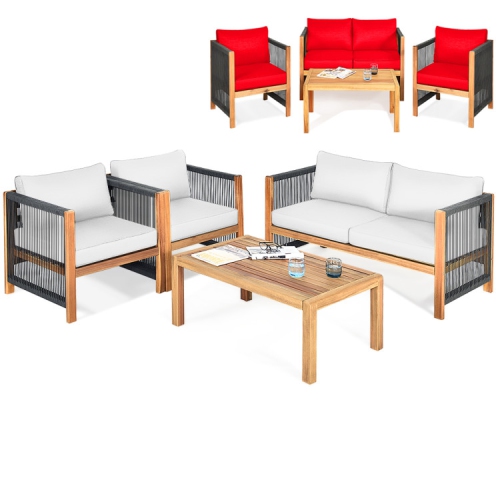
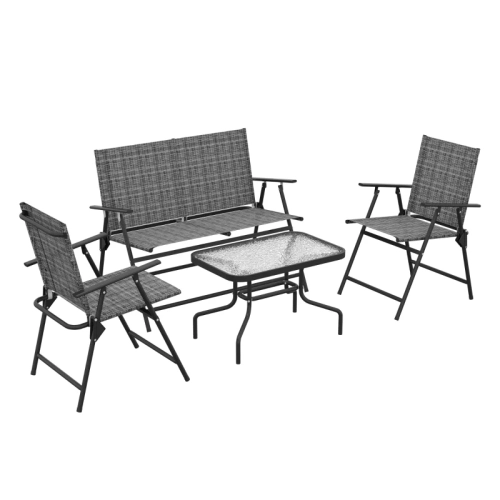
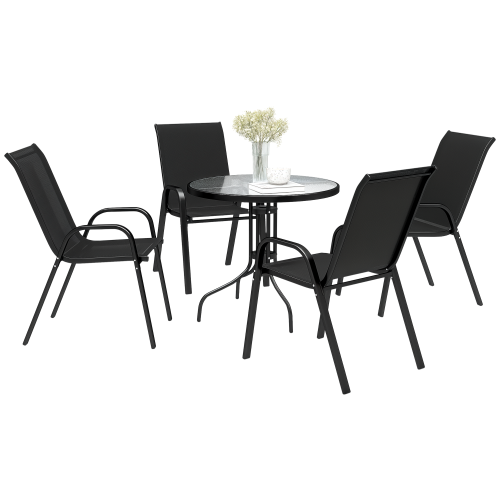
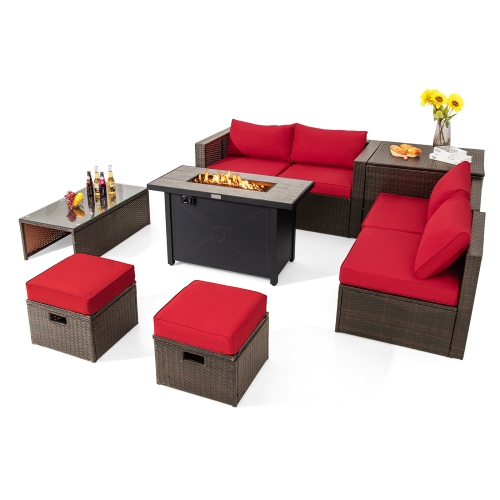
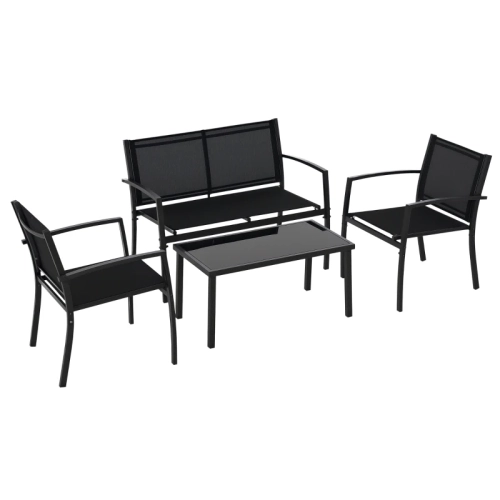
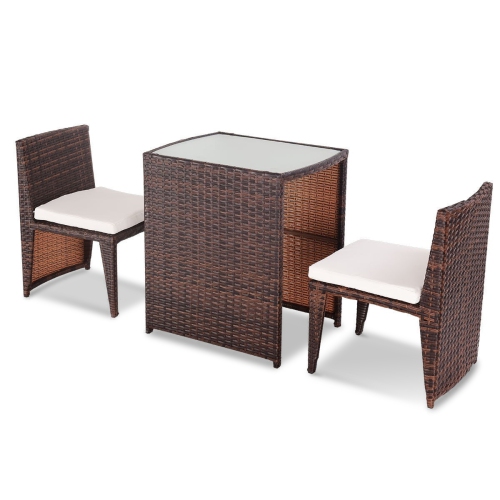
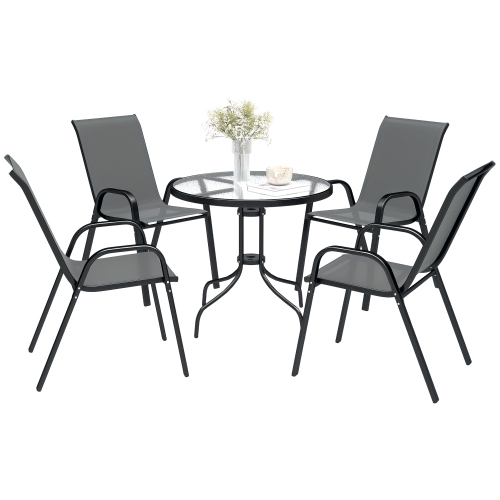
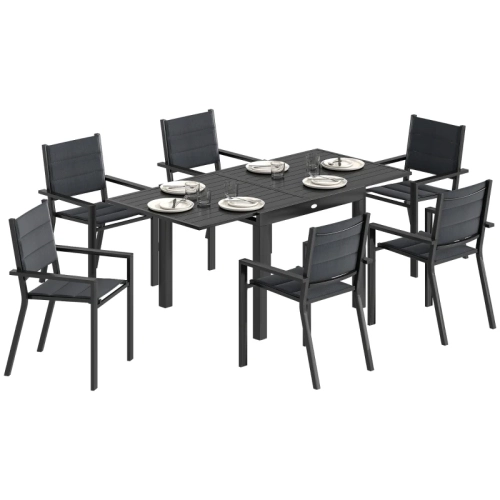
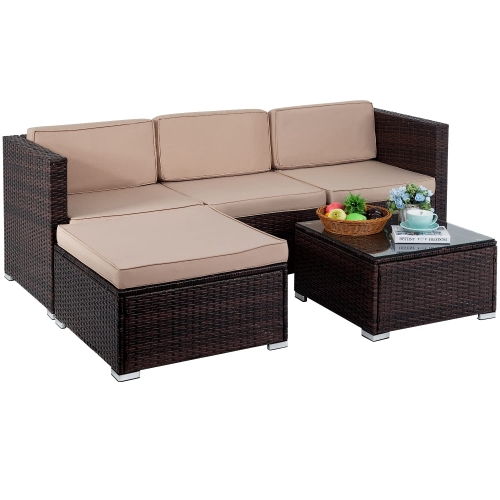
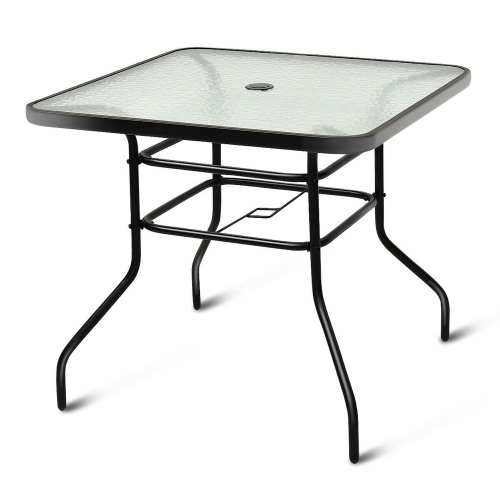
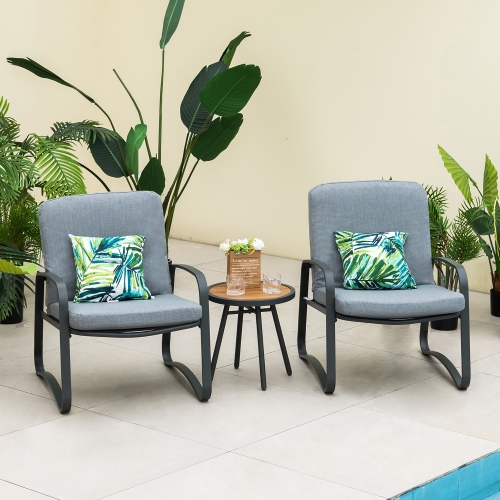

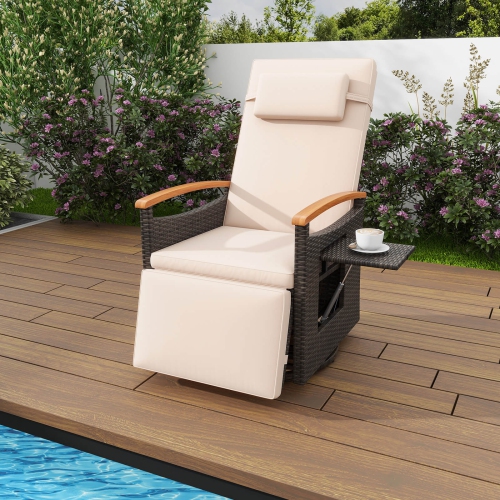
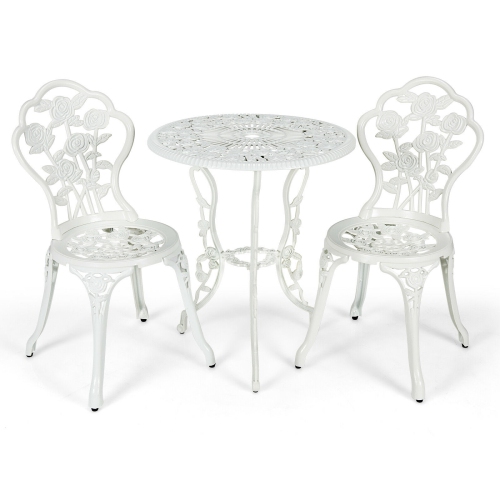
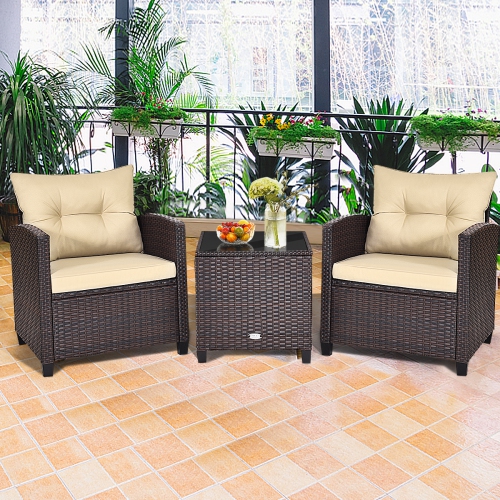
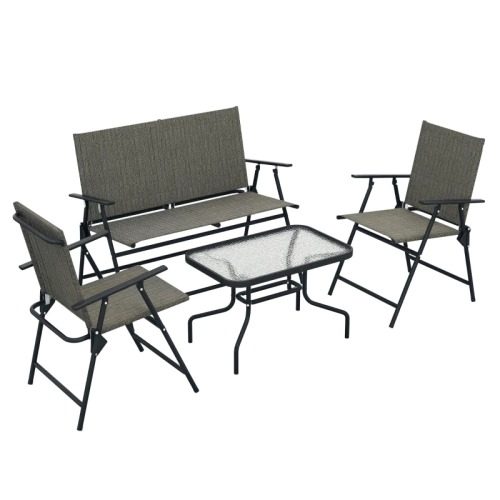
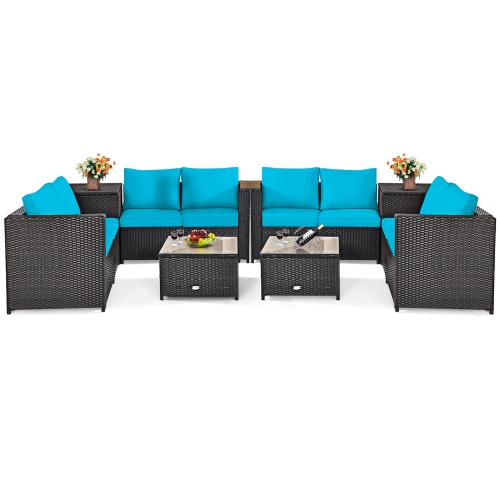
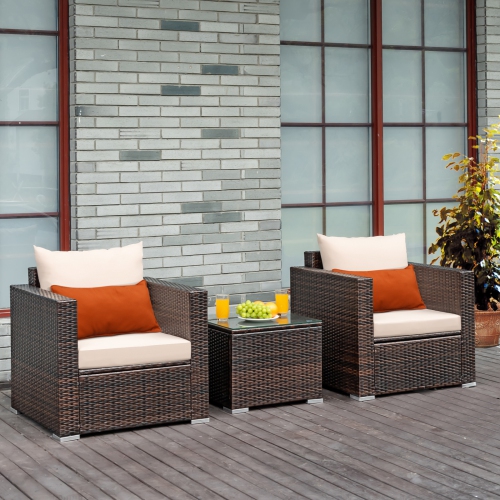
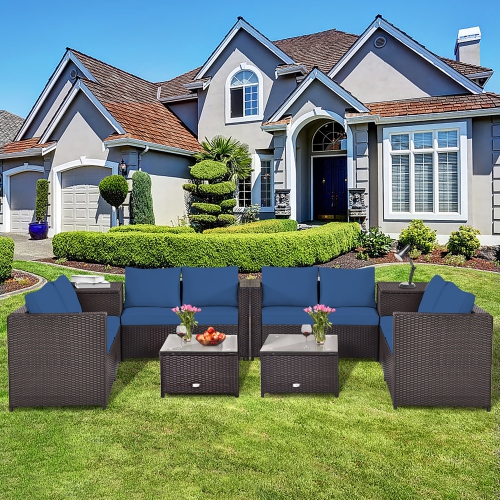
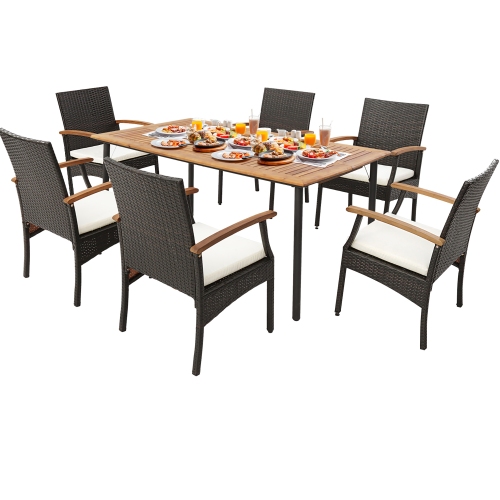
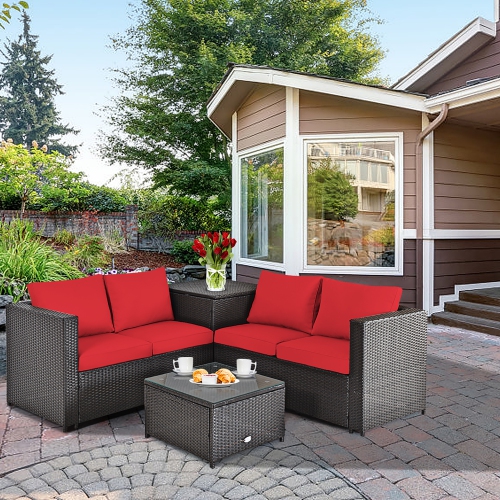
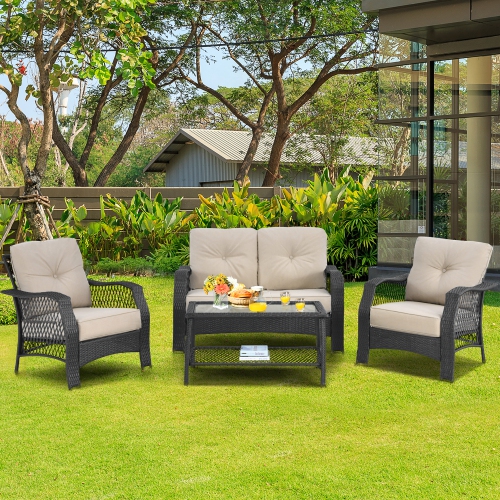
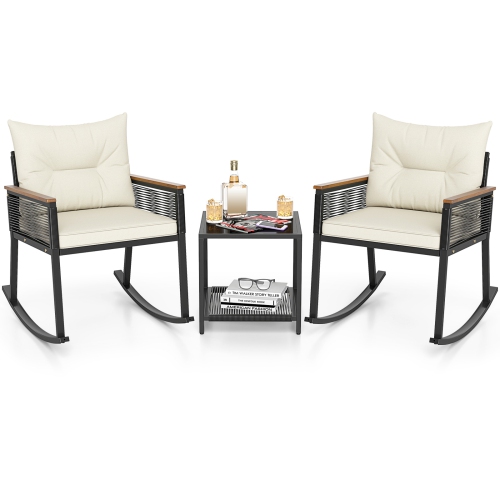
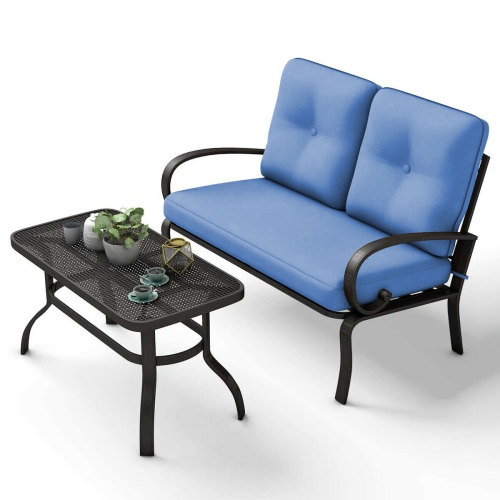
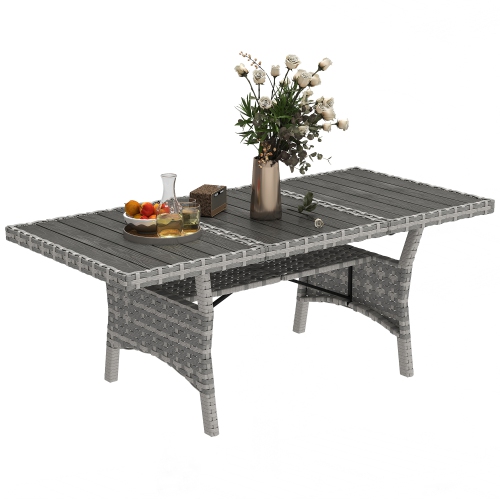
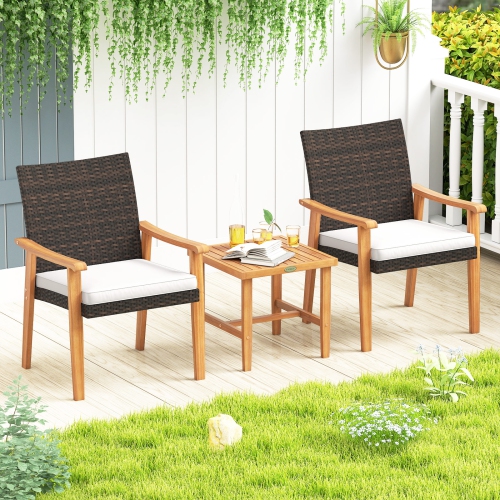

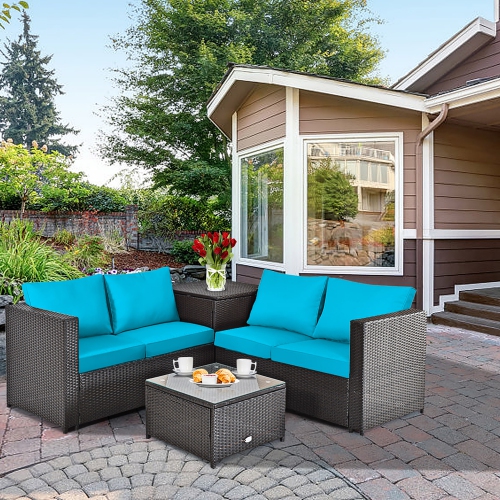



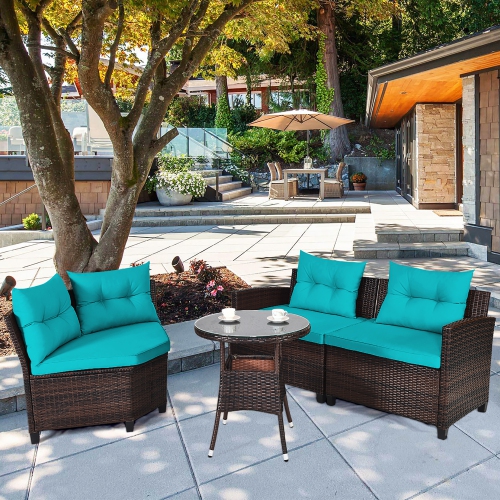
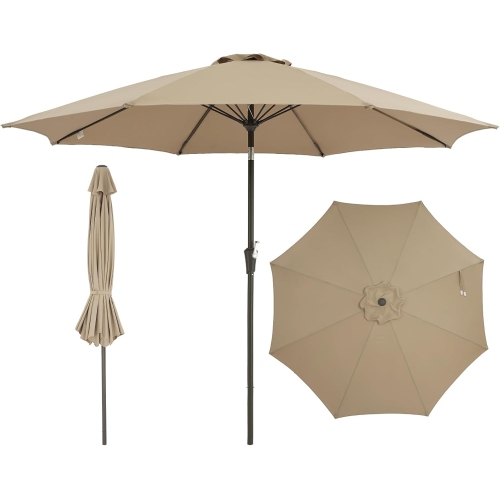
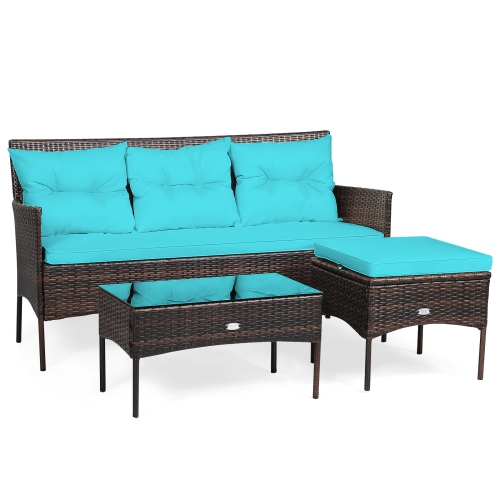
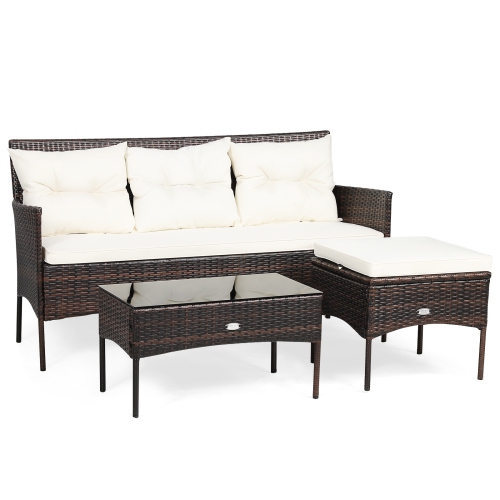
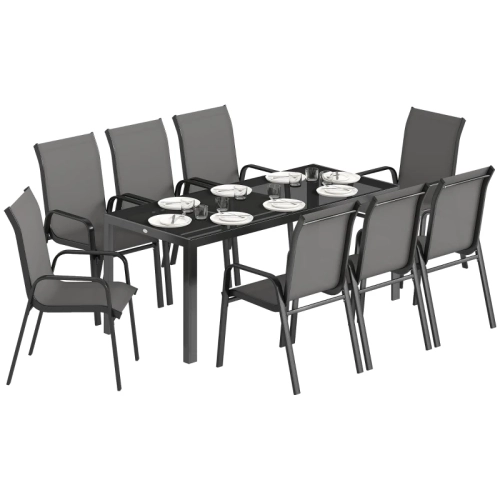
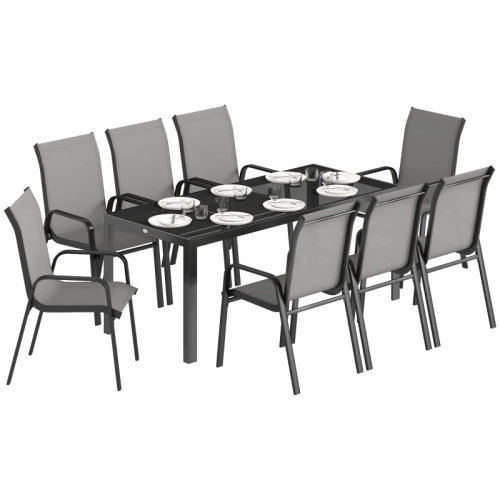
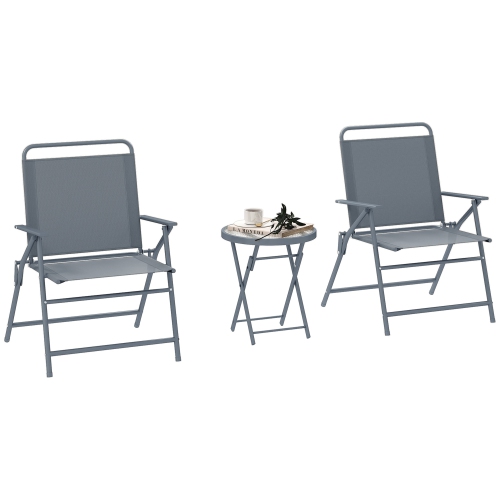

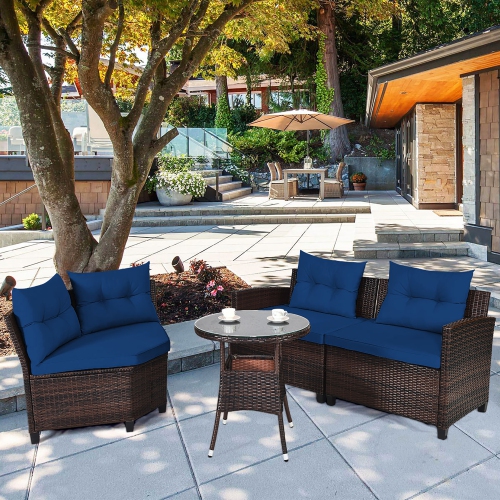
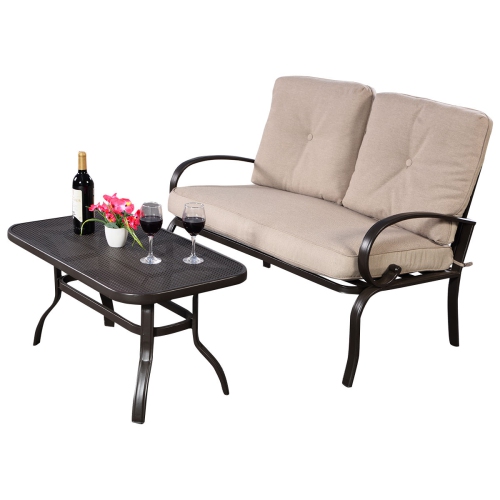

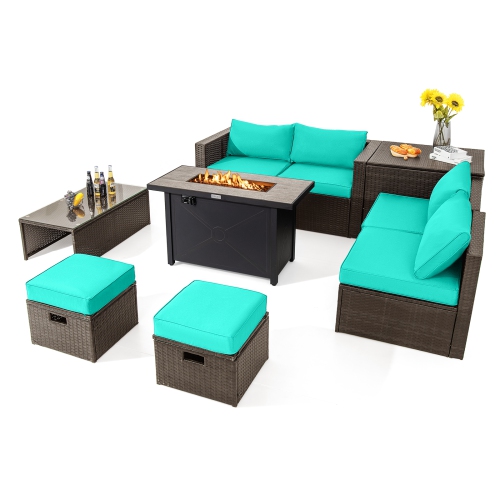
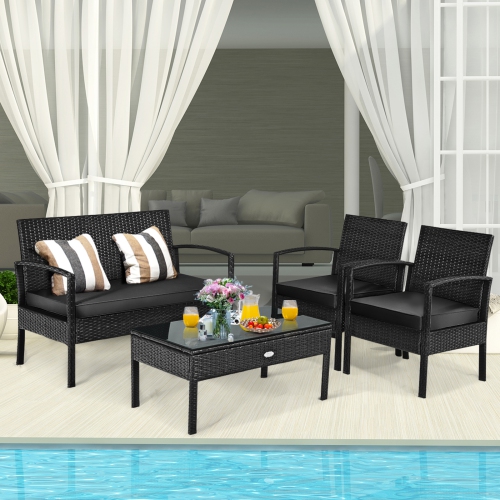


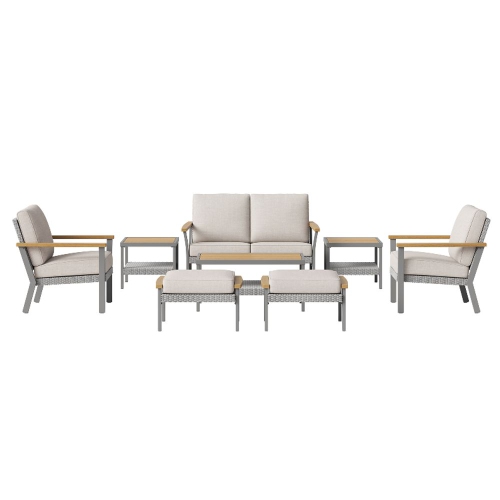
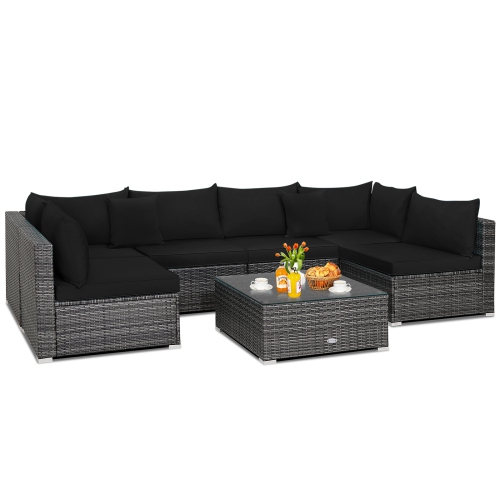
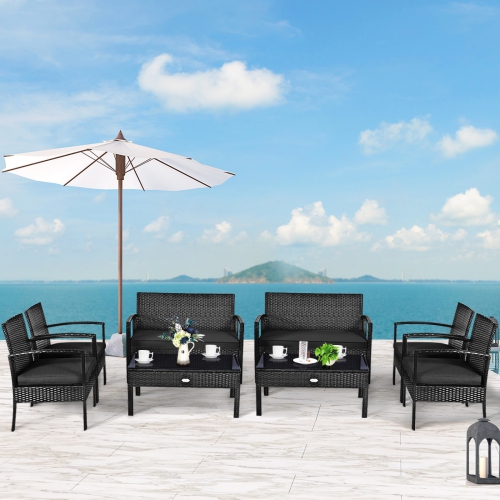
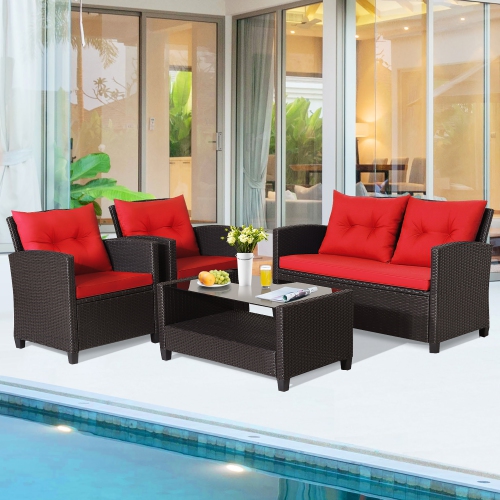
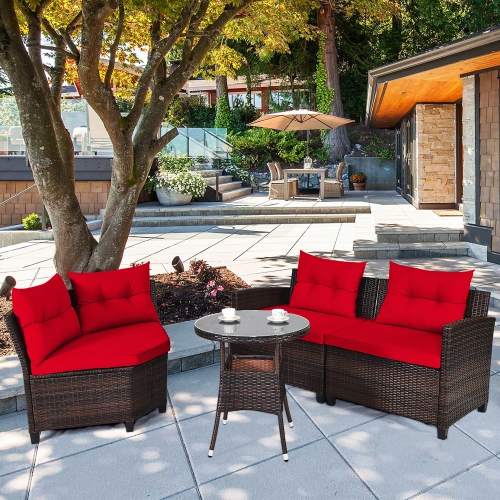
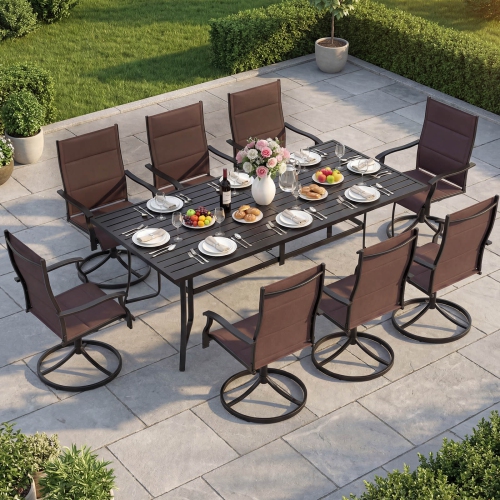
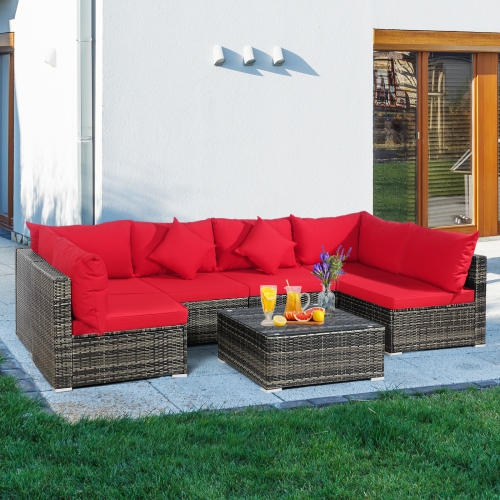

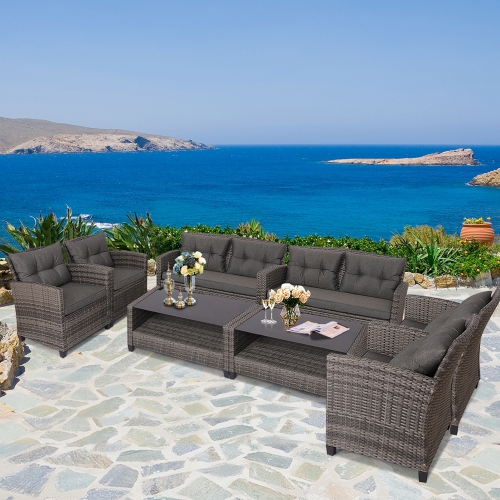
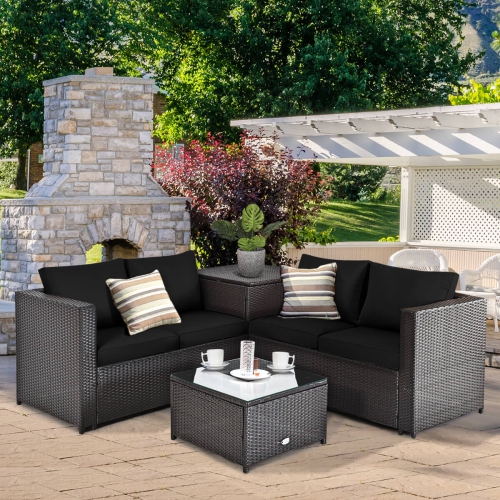
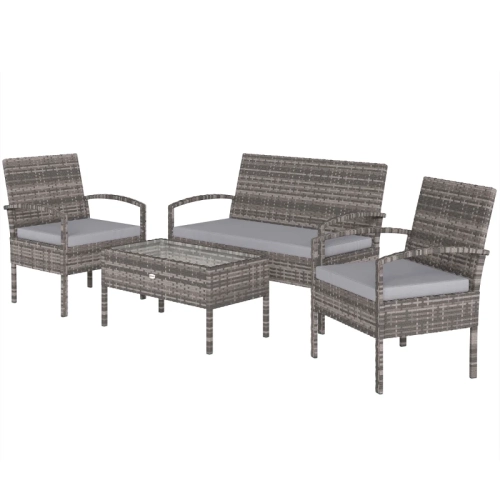
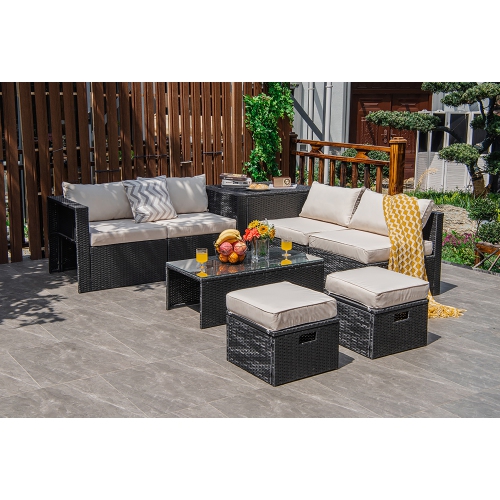
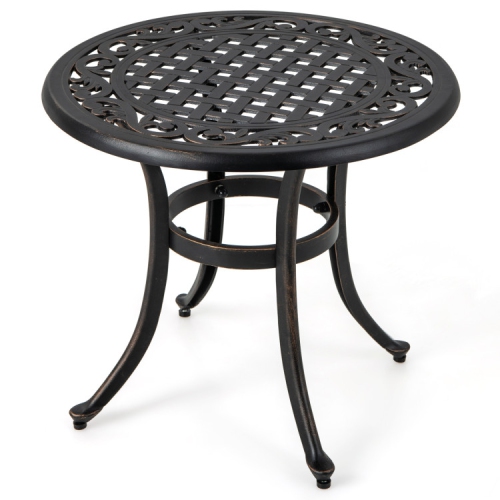

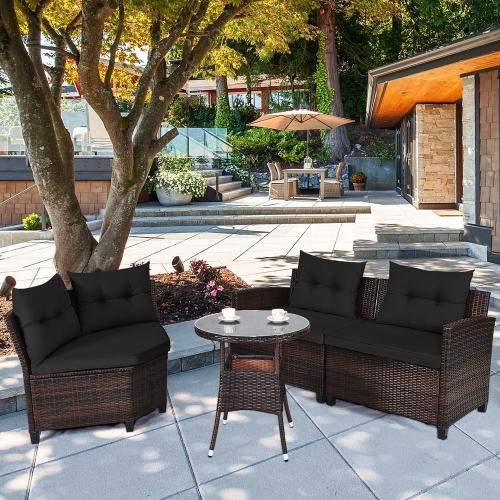
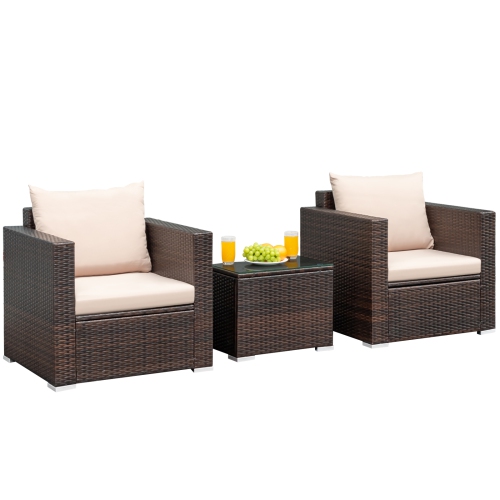
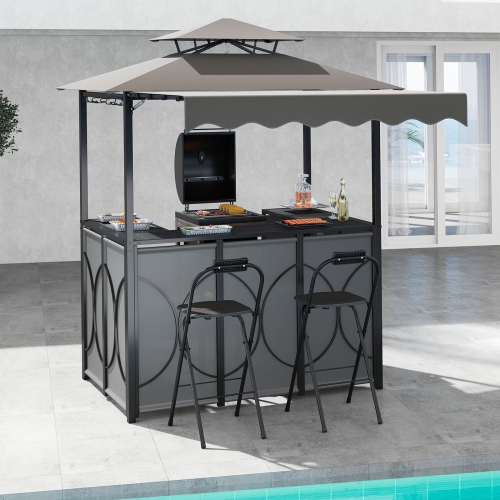
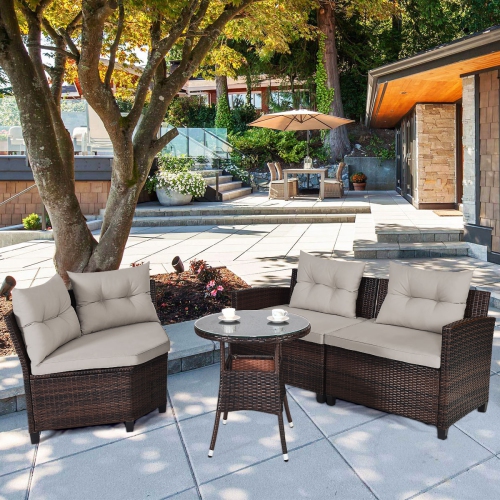

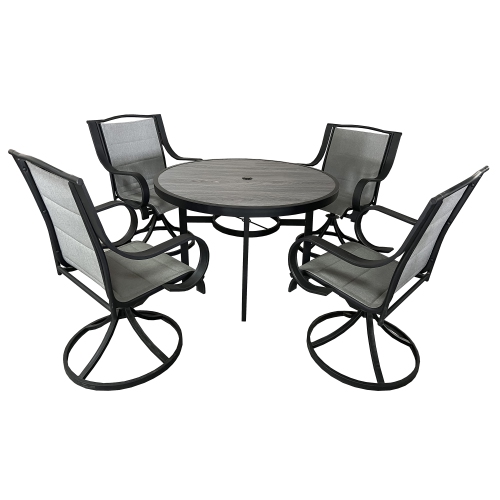
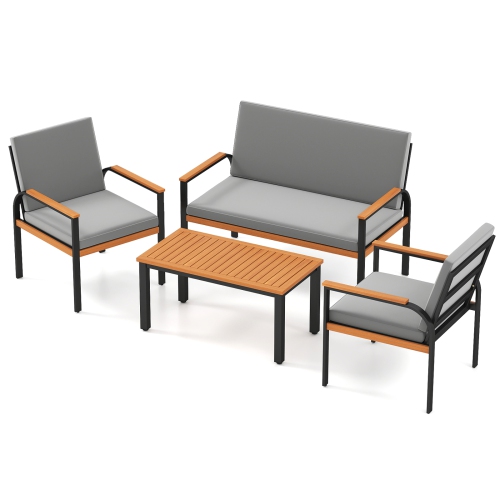
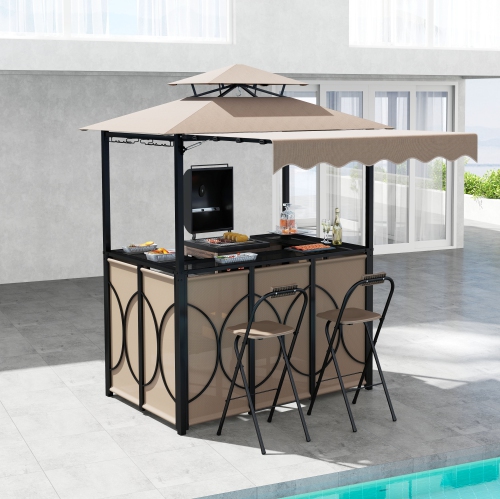
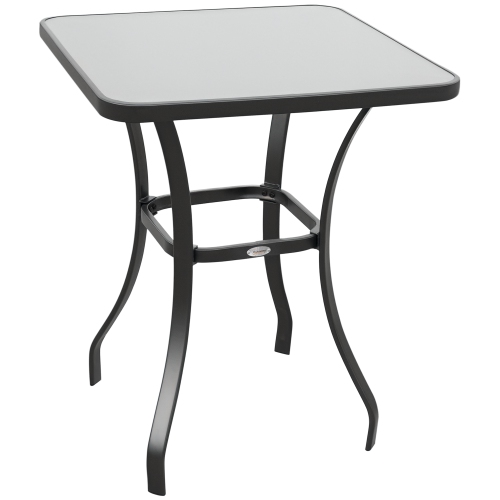
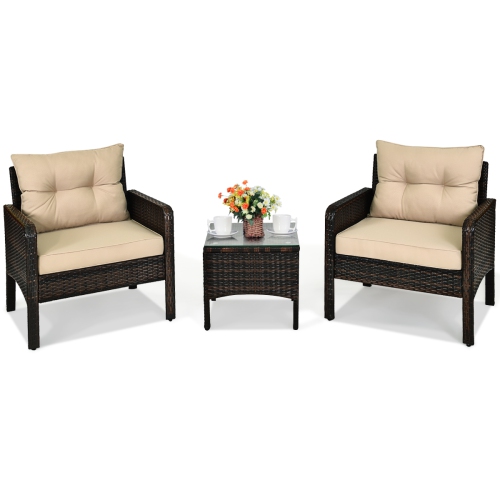



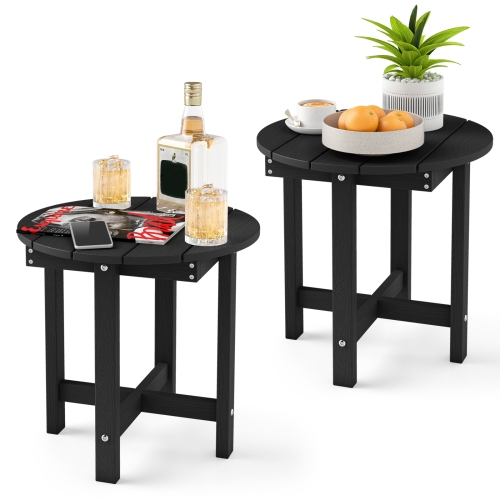
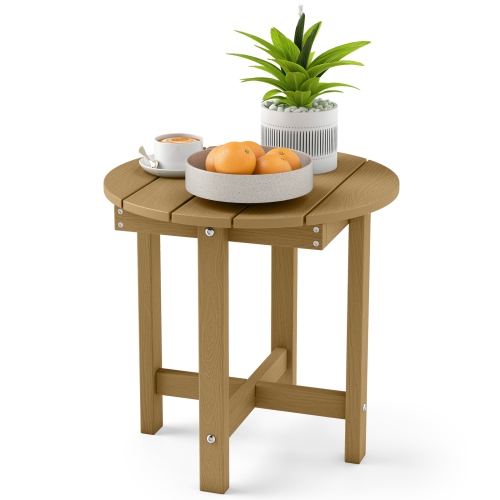
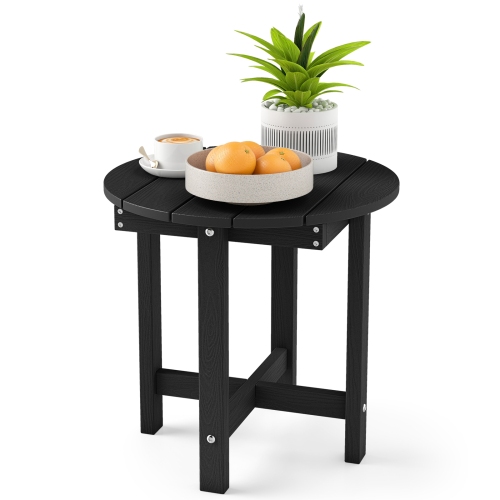


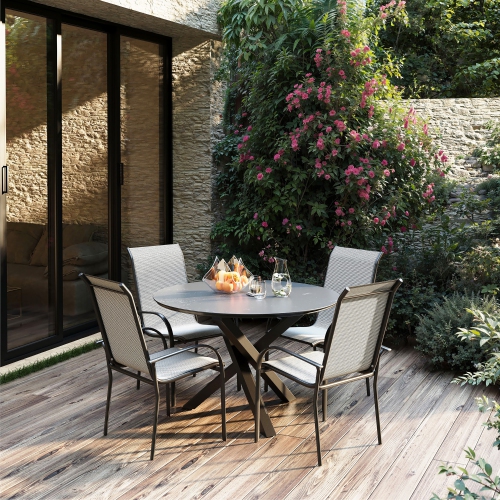

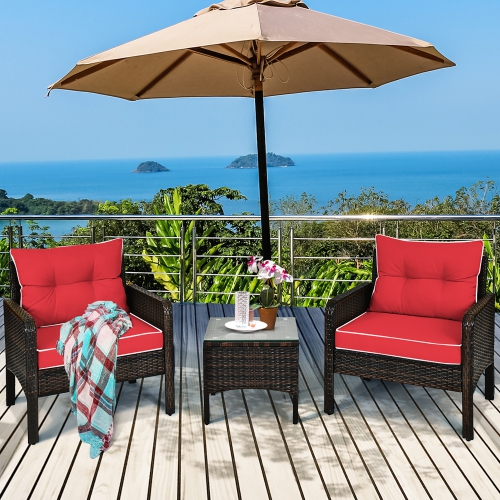
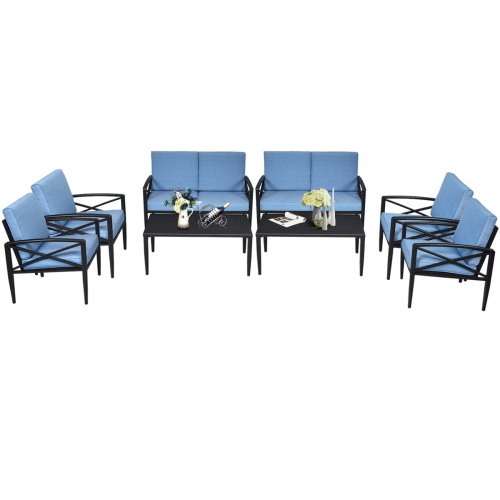
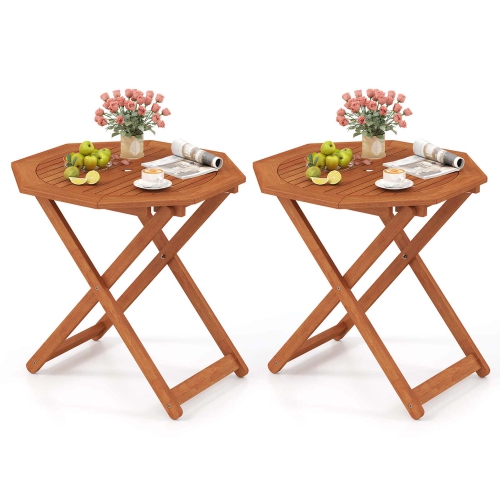
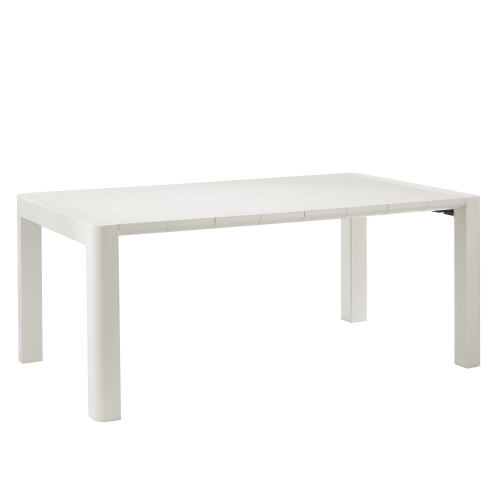
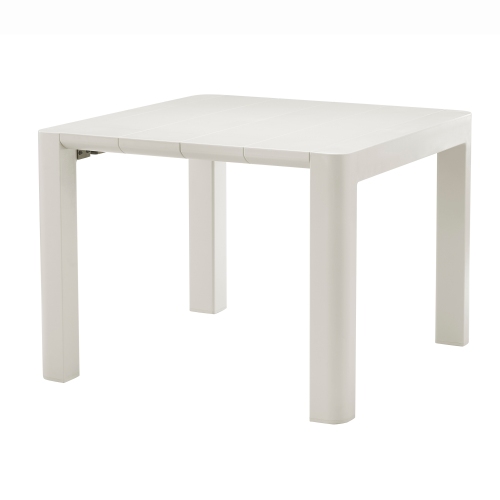

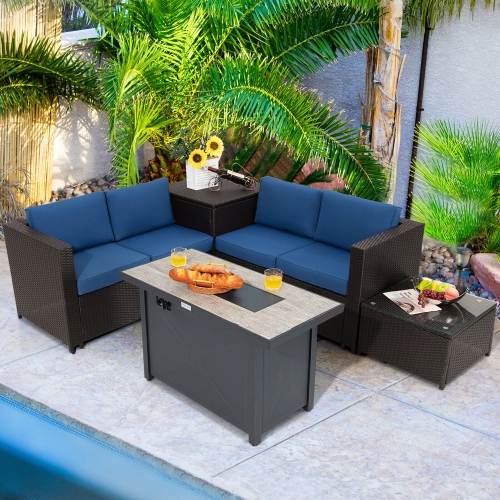
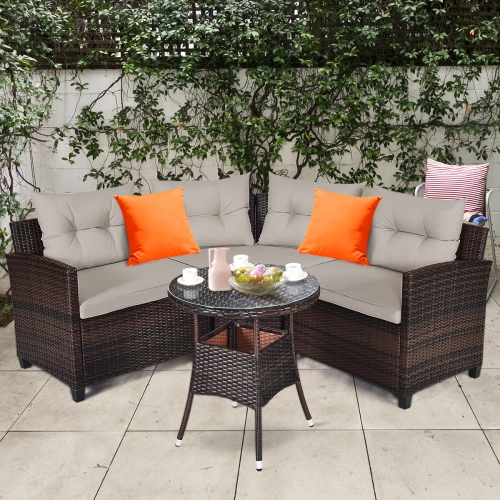

More room for meals without crowding your outdoor space
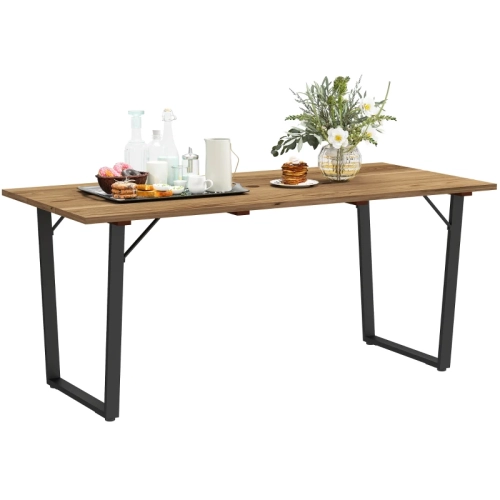
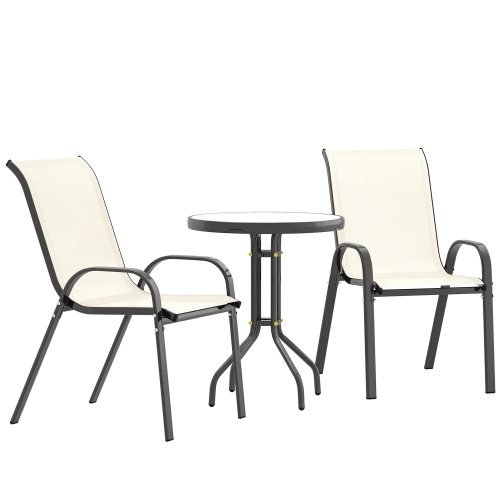
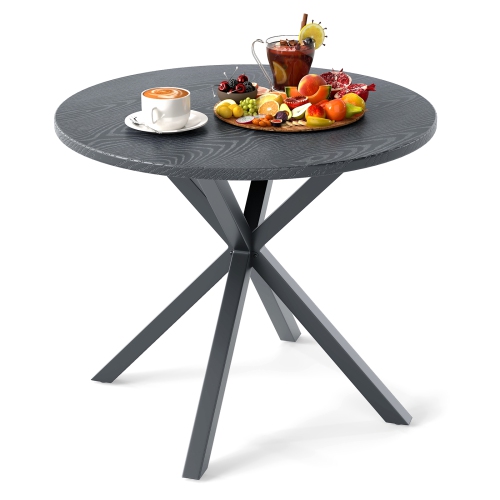
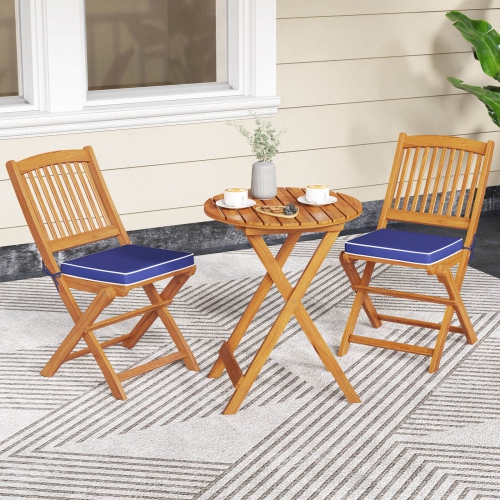
Patio tables provide a practical surface for outdoor dining, drinks, conversation, and everyday activities on balconies, decks, and backyard terraces. Common styles include compact bistro tables, full-size dining tables, low coffee tables, and small accent tables, each suited to a different seating arrangement. A bistro table can turn a narrow balcony into a comfortable spot for breakfast for two, while a larger rectangular table gives family meals, serving dishes, and shared platters more room. Round patio tables make conversation easy because everyone faces towards the centre, and their curved edges can make a compact seating area feel less crowded. Square tables work well in balanced layouts with a chair on each side, while rectangular and oval designs suit longer patios or larger gatherings. The shape of the base matters just as much as the shape of the top: a pedestal can offer more flexibility for chair placement, whereas corner legs may define where each person sits. Dining-height tables suit meals and longer conversations, while counter-height and bar-height tables need seating with a corresponding seat height and comfortable foot support. Low tables belong beside outdoor sofas and lounge chairs, keeping snacks and drinks within reach without interrupting sightlines across the seating area. Folding designs are useful where a balcony serves several purposes, and extendable tables can accommodate occasional guests without taking up the same amount of space every day. Picnic-style tables offer a casual arrangement with benches, although attached seating requires enough room for people to step in and out comfortably. Seating capacity depends on usable tabletop space, leg placement, and chair width rather than the table’s overall dimensions alone. A table intended for relaxed coffee breaks can be smaller than one expected to hold dinner plates, glassware, and serving bowls for the same number of people. Matching the format to those everyday habits helps an outdoor space feel welcoming rather than crowded.
Materials influence a patio table’s appearance, weight, upkeep, and suitability for an exposed or sheltered location. Aluminum frames are generally lighter to move than steel and do not develop the same red rust associated with iron-based metals. Powder-coated steel can provide a sturdy structure, though scratches or chips in its finish may expose the metal underneath and should be addressed according to the manufacturer’s care directions. Wood brings visible grain and a warm, textured surface that pairs naturally with woven chairs, cushions, and planted containers. Its care needs vary by species and finish: some wooden tables are intended to develop a weathered appearance, while others need periodic treatment to maintain their original colour and surface protection. Resin and plastic tables can be easy to wipe clean and reposition, but their resistance to fading, cracking, and temperature changes depends on their construction and outdoor rating. Glass tops create an open look and make spills easy to see, although fingerprints, water spots, and crumbs may be more noticeable than on textured surfaces. Tempered glass is not unbreakable, so careful handling and protection from edge impacts remain important. Ceramic, stone, and concrete-style tops can bring substantial weight and a distinctive finish; their sealing needs and resistance to freezing conditions vary by material. A heavier table may be less convenient to move into storage, while a lightweight design may need a more sheltered position in a windy setting. Everyday care usually starts with removing food residue, wiping up spills, and using cleaning methods appropriate to the tabletop and frame. Placemats, coasters, and trivets help limit contact with staining foods, condensation, and hot cookware. Covers work best when properly fitted and secured over a clean, dry table, with ventilation that allows trapped moisture to escape. For Canadian outdoor spaces, storage instructions are especially relevant where snow, ice, and repeated freezing and thawing may affect finishes, joints, or porous surfaces. Lifting a table rather than dragging it also helps protect its legs and the surface beneath it.
A comfortable fit leaves room for people, chairs, and movement around the table, not just enough floor space for the tabletop. Allowing approximately 24 inches of table edge per diner is a useful starting point, with more room needed for wide armchairs or generous place settings. Roughly 36 inches between the table edge and a wall or railing can help accommodate a chair being pulled out, while a frequently used walkway may need additional clearance. These measurements are starting points rather than guarantees, especially on narrow balconies or patios with door swings, steps, and fixed planters. Chair arms should fit beneath the tabletop or apron if the seating needs to tuck away neatly, and crossbars should not interfere with knees or feet. Adjustable feet can help steady a table on slightly uneven paving, but the supporting surface still needs to be firm and suitable for the table’s weight. An umbrella hole adds flexibility for shade, provided the opening matches the umbrella pole and the table is paired with an appropriately weighted umbrella base; the tabletop alone should not be treated as support. Slatted tops allow water to pass through, though small objects can catch between the gaps, while smooth tops offer a more continuous surface for plates and cups. For seating areas centred on lounge chairs rather than dining chairs, Patio Side Tables provide a convenient place for a mug, book, or small tray without requiring a full dining arrangement. Coordinating a table with existing furniture does not require every finish to match exactly. Repeating a frame colour, pairing similar wood tones, or balancing a solid tabletop with lighter-looking chairs can bring the space together. Rounded corners, stable construction, accessible seating positions, and easy-to-clean surfaces may be especially useful in shared family spaces. The most practical patio table supports the way the space is actually used, whether that means quiet breakfasts, board games with friends, or an outdoor meal with room for everyone to settle in.
Top selling and popular products
-
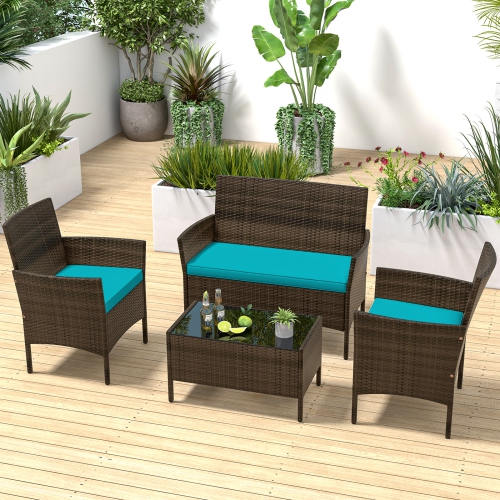 Your price for this item is $243.99
-
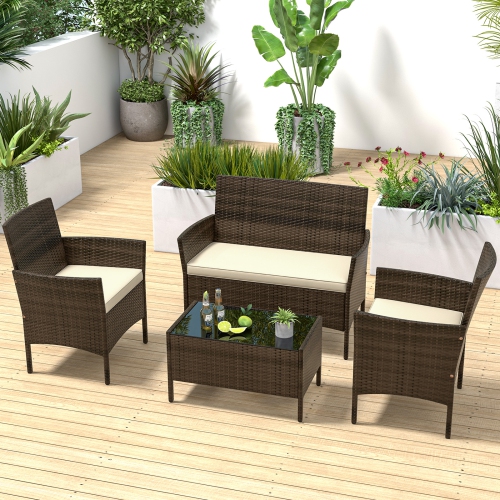 Your price for this item is $246.99
-
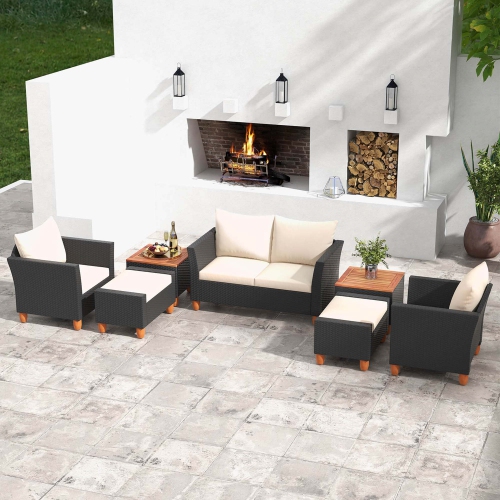 Your price for this item is $629.99
-
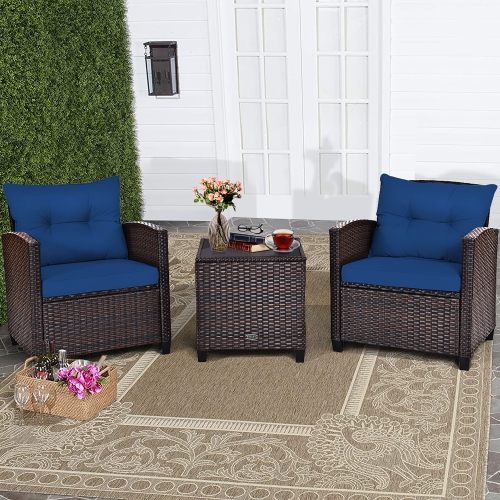 Your price for this item is $220.99
-
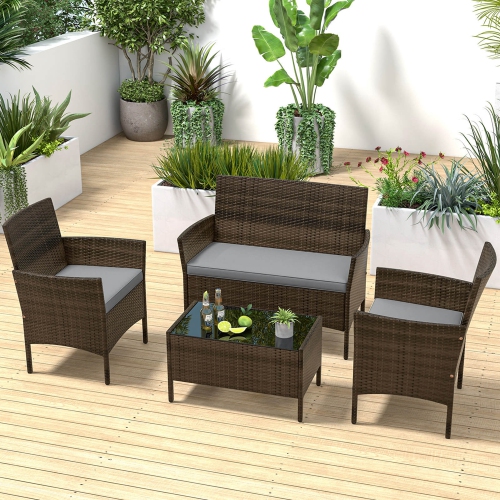 Your price for this item is $236.99
-
 Your price for this item is $229.99
-
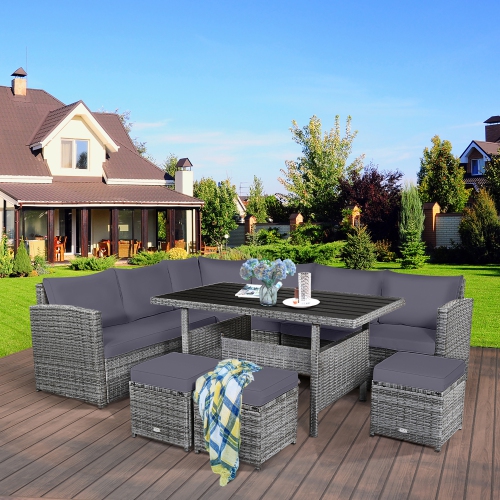 Your price for this item is $899.99
-
 Your price for this item is $654.99
Discover more categories related to Patio Tables
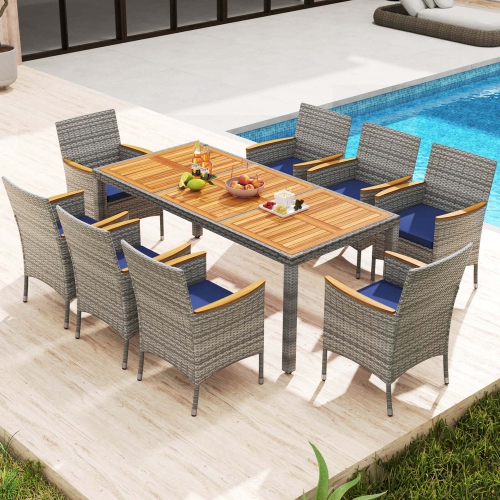
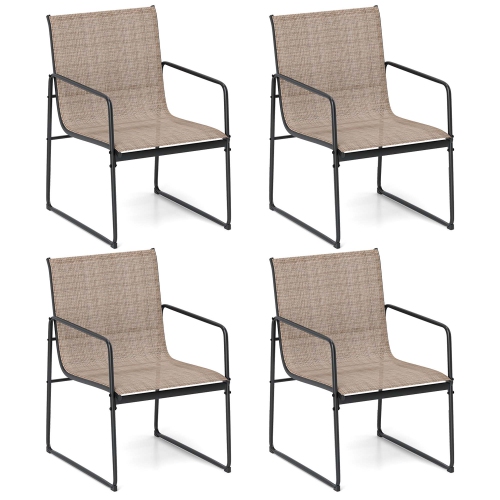
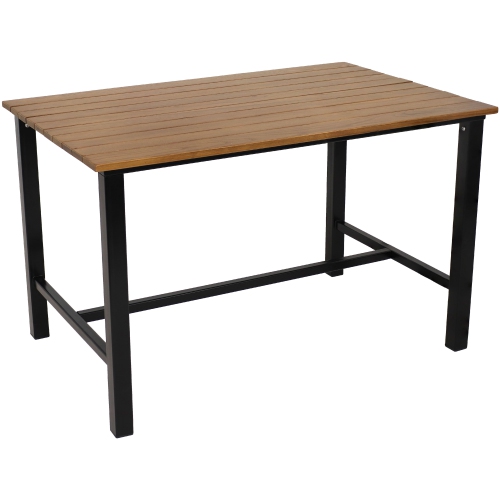
Top Collections:
Best Black Friday Deals This Year, Best Black Friday Deals On Electronics, Kindle Devices, Pokemon Centers, Best Black Friday Deals On Apple Products, Best Cameras for Sports Photography, Dyson Airwrap, Pokémon 30th Celebration Cards, Apple iPhone 17 Pro, Canon G7X Cameras
Some products may be subject to Environmental Handling Fees
(EHF) depending on your province.
Learn more about EHFs.