Patio Table Heaters
Create a cozy and inviting outdoor space with our range of patio table heaters. Ideal for chilly evenings or cooler seasons, these innovative heaters provide warmth and comfort while you relax or entertain guests in your backyard or patio area. With their sleek designs and efficient heating capabilities, our patio table heaters are the perfect addition to any outdoor setting. Whether you're enjoying a family barbecue, hosting a dinner party, or simply unwinding with a book under the stars, our patio table heaters will ensure that you can enjoy your outdoor space all year round.
Sort
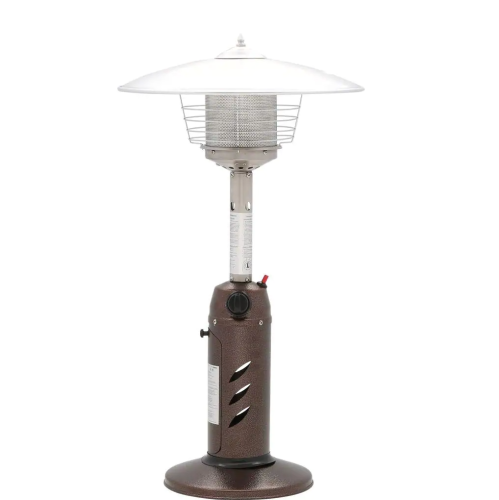
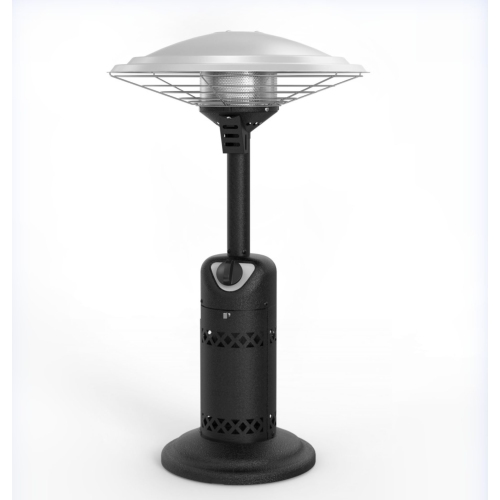
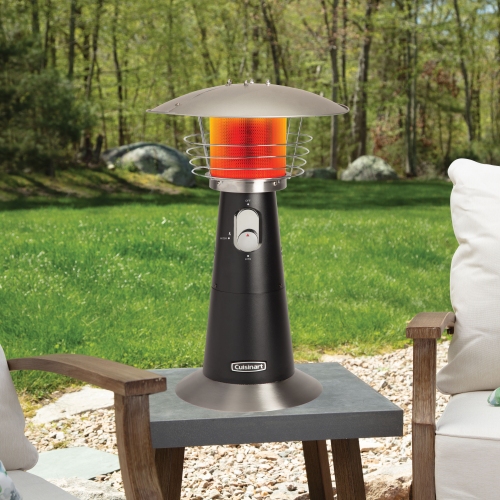

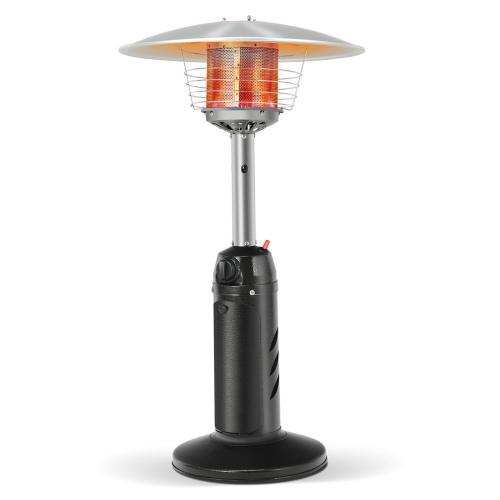

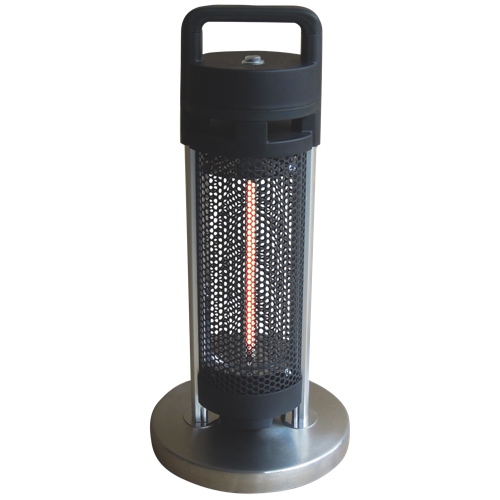

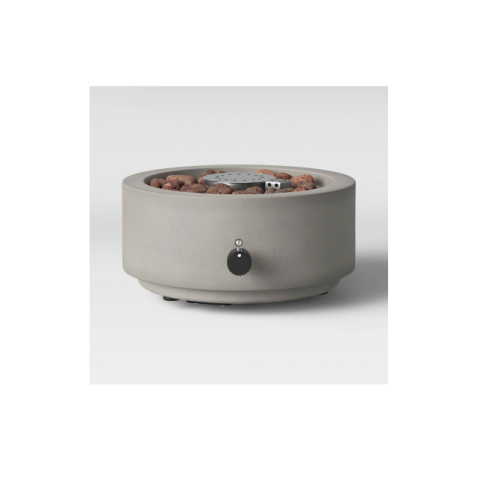
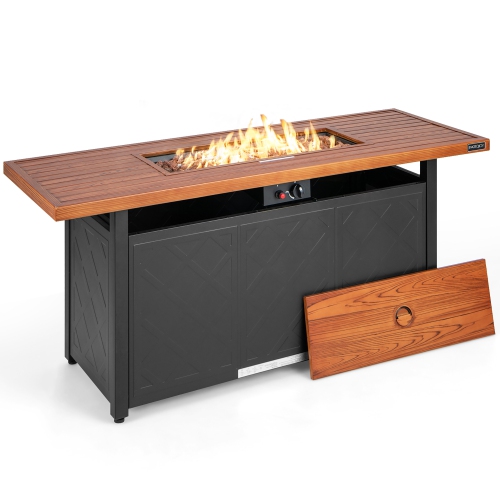
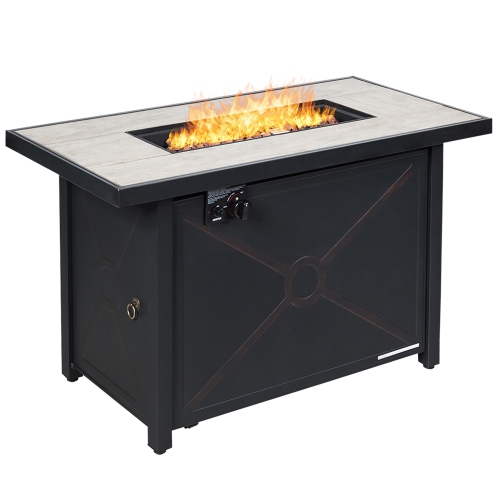


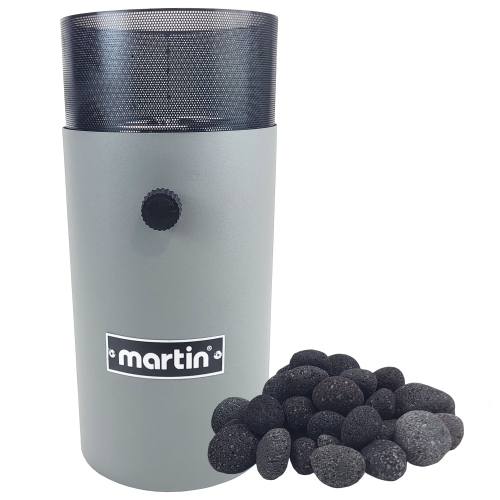


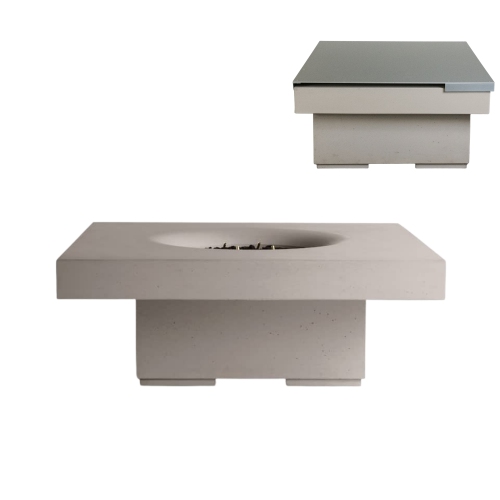


Tabletop warmth for outdoor meals and evening conversations
Patio table heaters add a source of warmth close to outdoor seating, making a small dining table, conversation area, or backyard coffee spot more comfortable on a cool evening. Their appeal is the scale: rather than placing a tall heater beside the furniture, a tabletop design brings the heat source into the table arrangement. That can work well for a couple sharing dessert outdoors or a few friends gathered around a bistro table, provided the heater leaves enough room for plates, glasses, and safe movement. The warmth is generally localized, so the size of the patio matters less than the distance between the heater and the people using it. Radiant designs direct heat towards nearby people and surfaces, while the heating pattern varies with the construction, output, and placement. Wind can make the warmth feel less consistent, and a compact unit should not be expected to heat an entire open deck. Electric and propane designs have different practical requirements. An electric patio table heater needs an appropriate outdoor power supply and a cord route that stays clear of walking paths, chair legs, and wet areas. Outdoor electrical equipment should be connected as directed by the manufacturer, with ground-fault protection where required; an extension cord is only suitable when the heater’s instructions explicitly allow it. Propane models require the specified cylinder or approved fuel connection, along with the ventilation and clearances stated in the manual. Fuel-burning patio heaters are for outdoor use only, never inside a home, garage, tent, or enclosed sunroom. On a balcony or shared terrace, building rules and local requirements may also limit the use of heaters or propane cylinders. Heat output is useful when comparing designs, but it is only part of the picture. Adjustable settings, the direction of the heat, and a layout that keeps seating within the intended warming area all influence how comfortable the table feels in use.
The best fit starts with the table itself. A heater’s base needs a level, stable surface capable of supporting its weight, and the tabletop material must be suitable for the heat exposure described by the manufacturer. A glass top, resin table, painted surface, or wooden slatted table should not be assumed compatible simply because the base fits. Measure the usable surface, then consider what remains once place settings, serving dishes, and the heater’s required clearances are accounted for. A compact two-person table can become crowded quickly, especially if diners need to reach around the heater to pass food. Height matters as well: a unit that looks modest on its own may interrupt sightlines across a low table or sit too close to a parasol, awning, or overhead structure. Only use a heater beneath a covering when its instructions permit that arrangement and every specified clearance can be maintained. Keep it away from cushions, napkins, trailing plants, and other combustible materials, and do not place a heater in a parasol opening unless it is specifically designed for that mounting method. Materials affect both appearance and upkeep. Stainless steel is common for its corrosion resistance and straightforward cleaning, though it can still develop marks or surface corrosion without suitable care. Powder-coated metal offers a finished appearance, but chips and scratches can expose the underlying metal. Protective guards and reflectors also deserve attention because their condition affects safe use. A broad base and secure assembly contribute to stability, while accessible controls make it easier to adjust the warmth without reaching across a hot surface. Tip-over protection and overheat protection are useful features where included, but they do not replace careful placement or supervision. Around children and pets, leave enough space to prevent accidental contact with hot guards, housings, and nearby heated surfaces.
Everyday care is an important part of owning a patio table heater, particularly when it shares space with outdoor meals, garden debris, and changing weather. Before cleaning or moving the unit, switch it off, shut off the fuel supply where applicable, and allow it to cool completely. Disconnect electrical power before maintenance, following the instructions for the model. A soft cloth and an approved cleaner are generally preferable to abrasive pads that can damage finishes; electrical components, burners, and control assemblies need the specific treatment described in the manual. Keep ventilation openings clear, and inspect accessible parts for damage before the next use. Propane connections should be checked for leaks using the manufacturer’s recommended method, never an open flame. Any damaged cord, loose fitting, missing guard, or unreliable control needs attention before the heater is used again. Weather resistance does not mean a heater can be left exposed indefinitely or operated in rain or snow. Follow its stated outdoor-use limits, and fit a suitable cover only after the heater has cooled and dried. Secure the cover so it does not collect water against the housing, and store the heater as directed when it will not be used for an extended period. Propane cylinders require separate attention: keep them upright in an approved outdoor location, away from heat sources, and follow local storage requirements. For households that enjoy unhurried outdoor meals or evening conversations, a table heater can be a thoughtful addition to a seating area. It may also make a practical gift for someone who spends time on the patio, once table compatibility, household needs, and fuel or power requirements are known. Restaurant terraces, café courtyards, and event patios may call for Commercial Patio Heaters appropriate to their layouts and operating requirements. For a home table, comfortable seating, adequate clearance, manageable upkeep, and the right heat source matter more than choosing the highest output alone.
Top selling and popular products
-
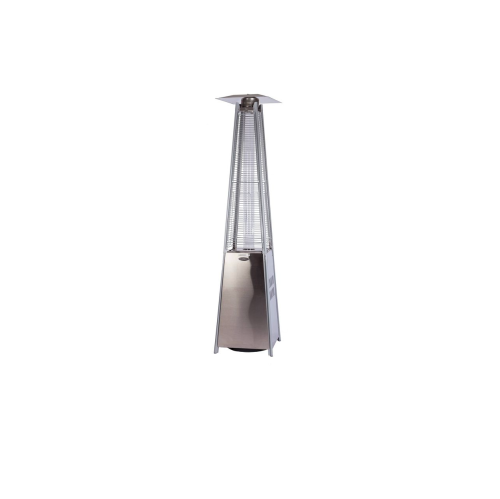 Your price for this item is $879.99
-
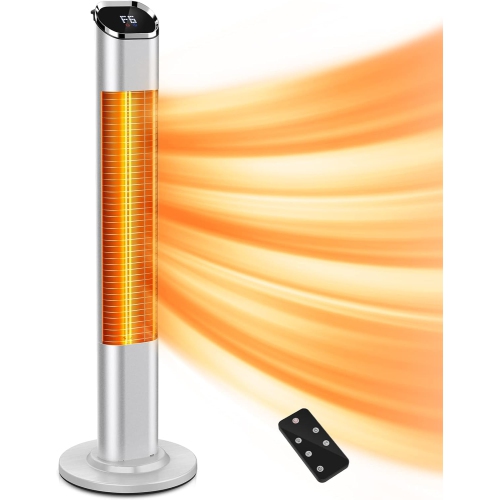 Your price for this item is $219.95
-
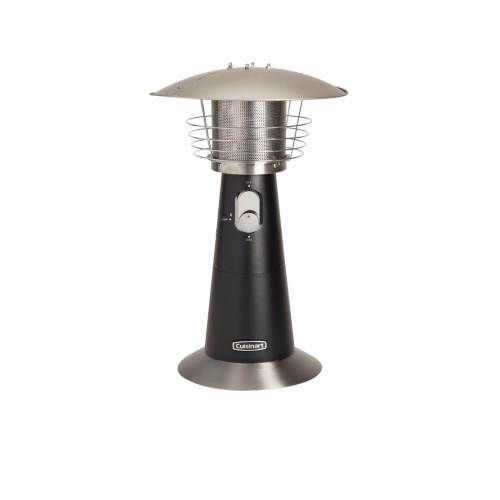 Your price for this item is $329.99
-
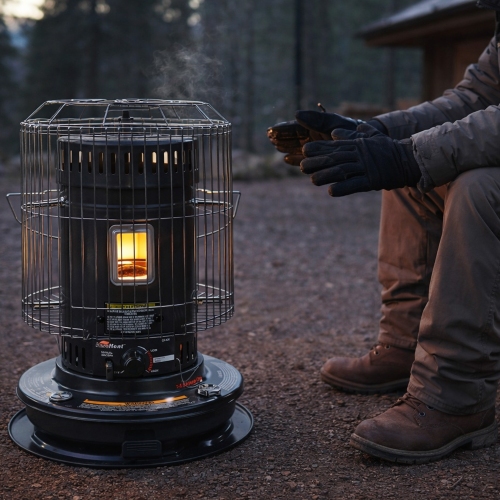 Your price for this item is $783.99
-
 Your price for this item is $318.99
-
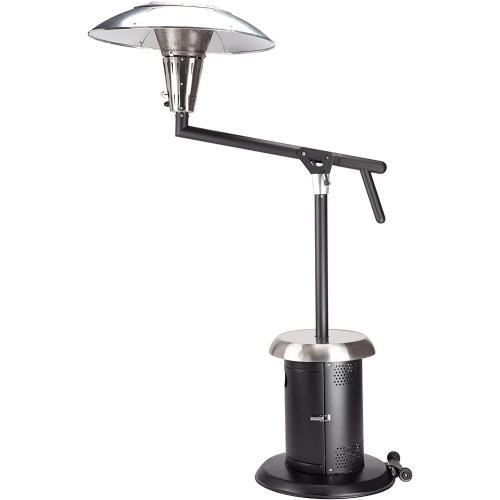 Your price for this item is $1199.99
-
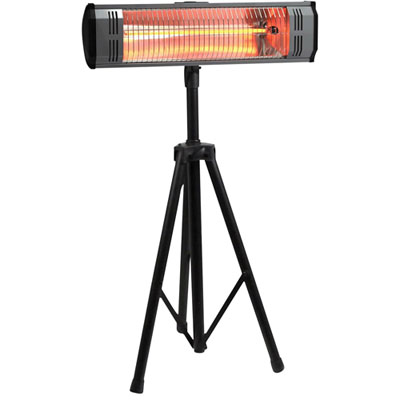 Your price for this item is $259.99
-
 Your price for this item is $611.99
Discover more categories related to Patio Table Heaters
Top Collections:
Best Black Friday Deals This Year, Best Black Friday Deals On Electronics, Kindle Devices, Pokemon Centers, Best Black Friday Deals On Apple Products, Best Cameras for Sports Photography, Dyson Airwrap, Pokémon 30th Celebration Cards, Apple iPhone 17 Pro, Canon G7X Cameras
Some products may be subject to Environmental Handling Fees
(EHF) depending on your province.
Learn more about EHFs.